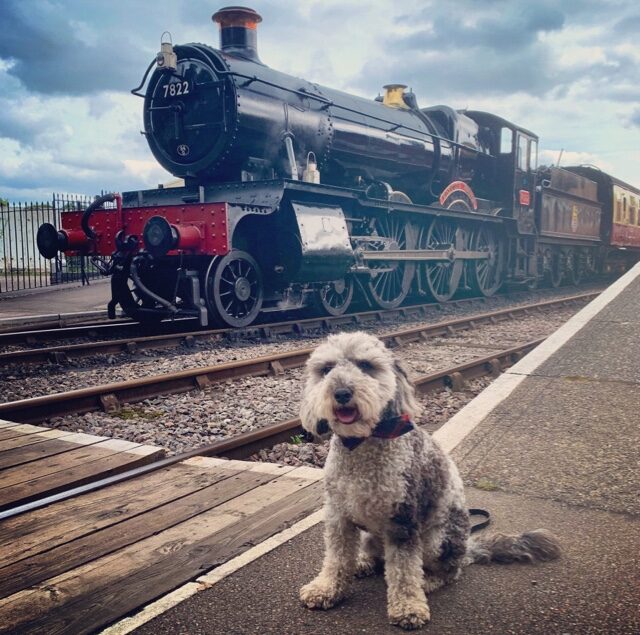
30th November to 6th December 2022
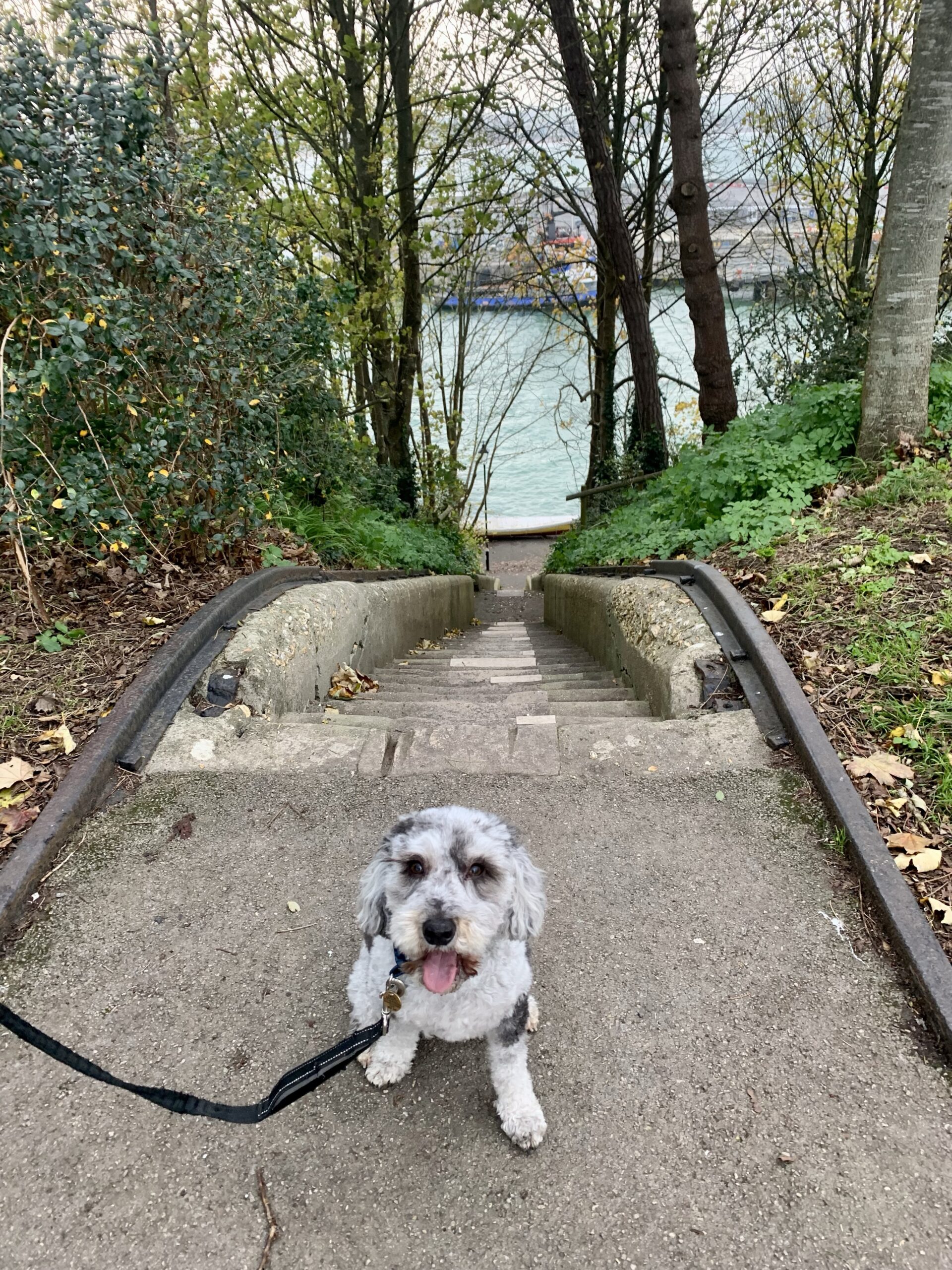

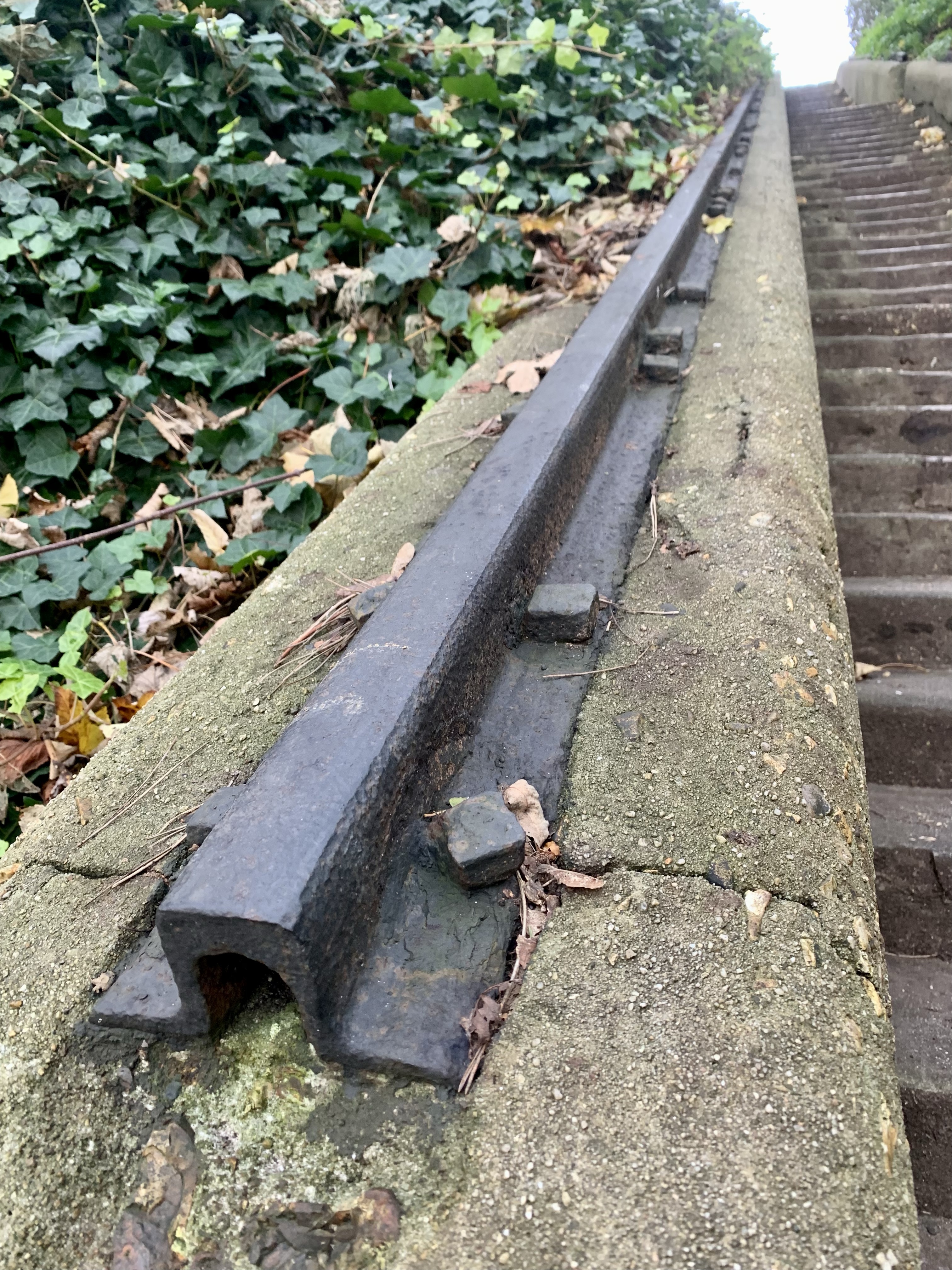
On Sunday we had a wander around the Nothe in Weymouth where we had a close look at these rails fixed to walls either side of Fusee Steps and wondered what their origin was. Historic England dates the steps and inclined tramway as circa 1860 and describes them as “Three flights of steps with low flanking walls of rendered brick, on which are placed wrought-iron plate rails, forming an inclined tramway for trolleys with double-flange wheels. It was constructed for hauling trolleys transporting ammunition, spares and stores from the quay to Nothe Fort.” We asked the Nothe Fort for any information about the rails, and although there is some dispute about the age and purpose of the them it is believed the tracks themselves are Great Western Railway broad gauge rail, of which large amounts became redundant in the late 19th Century when the GWR converted to standard gauge and much of the track was recycled for use in engineering projects. Many thanks to Geoff Culver from the Nothe Fort Curatorial Team for responding to our questions.

Wednesday 24th November 2022 and it was time for the appearance of the regular 1Z22 0644 Derby Railway Technical Centre to Bristol Kingsland Road via Weymouth test train. This month the train was once again in the charge of two Class 37 locomotives, and we chose to see the train at Maiden Newton as it worked its way down to Weymouth running around eleven minutes late at this point.
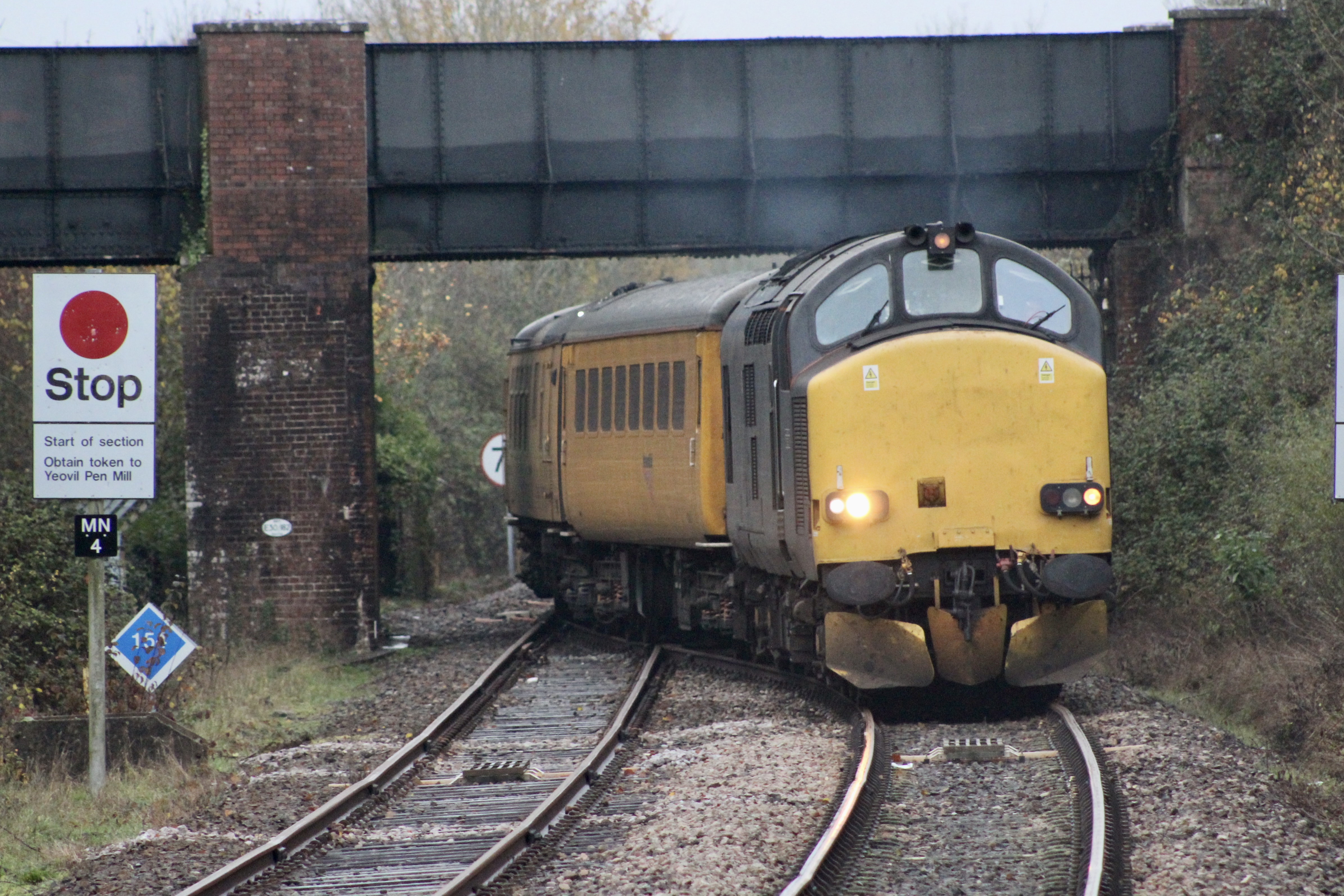
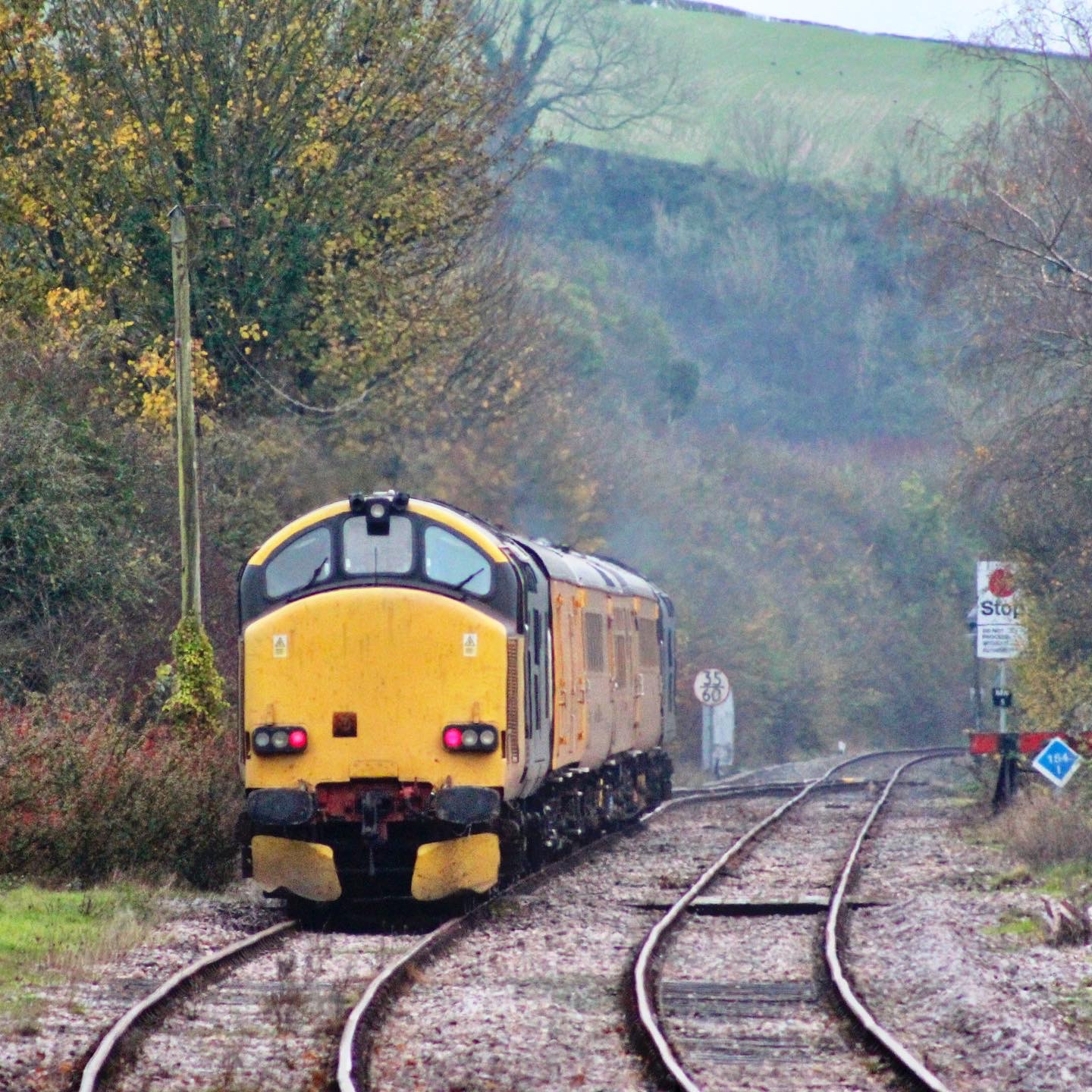
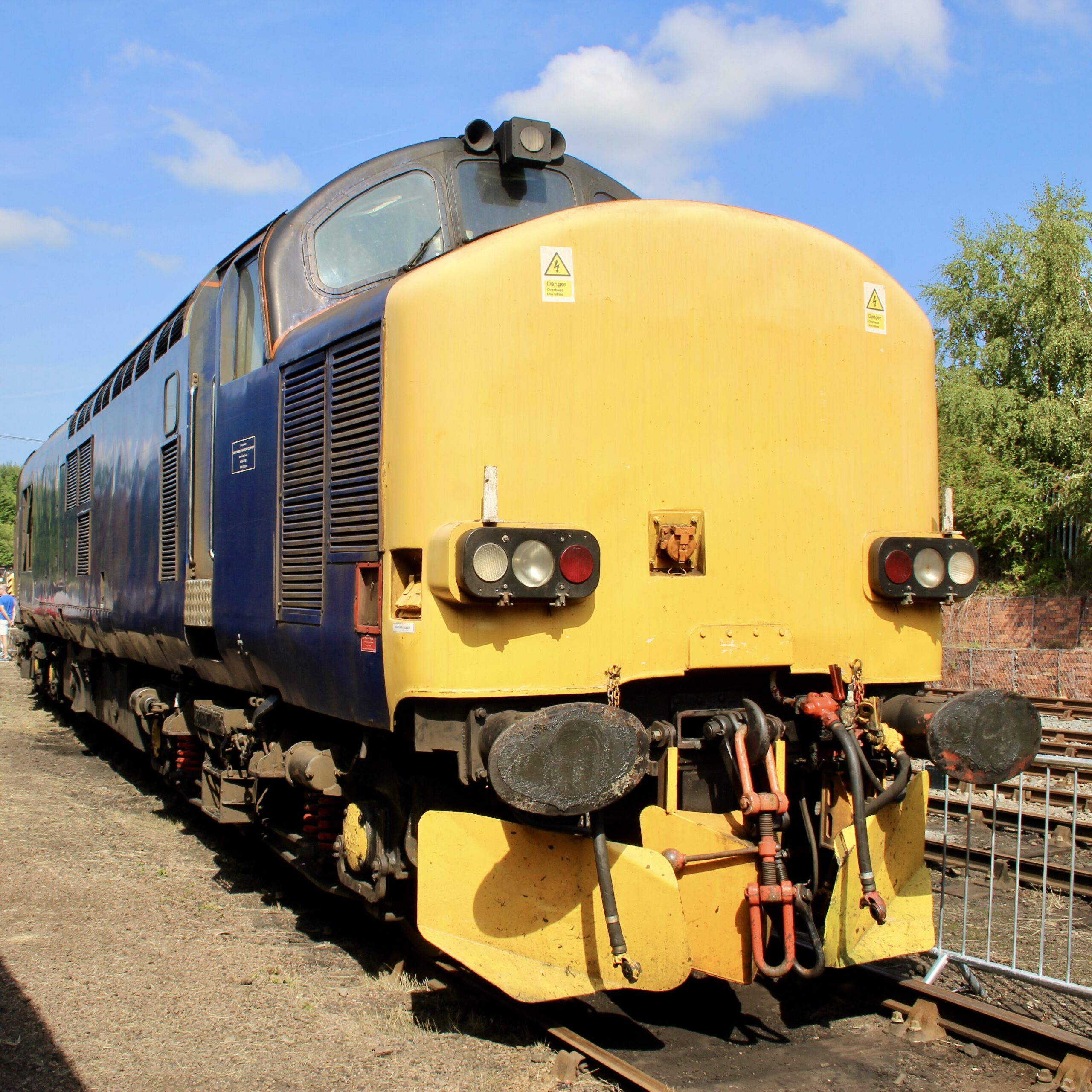
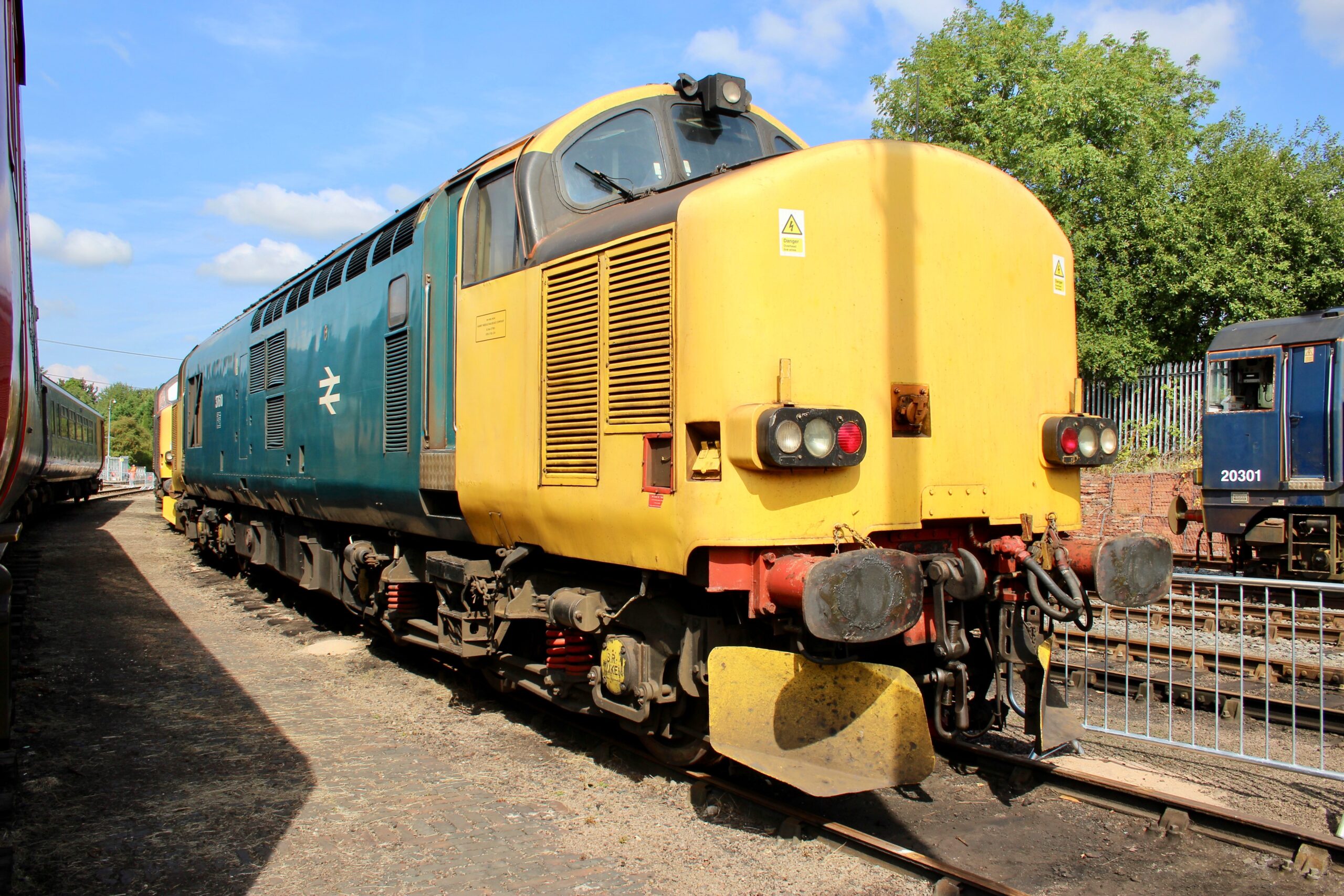
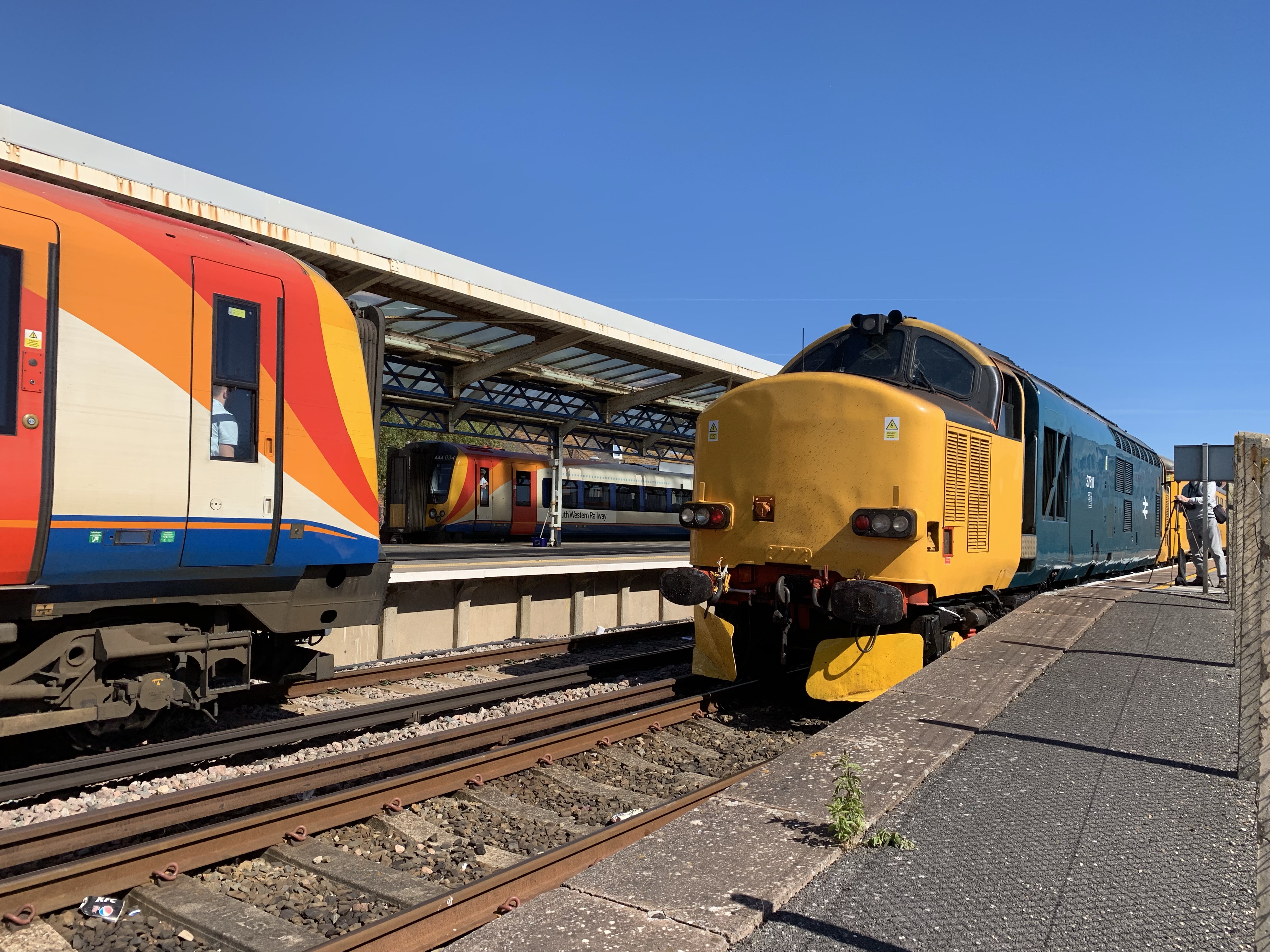
We saw both of these locomotives, which are on hire from the Harry Needle Railroad Company at Barrow road earlier in the year:
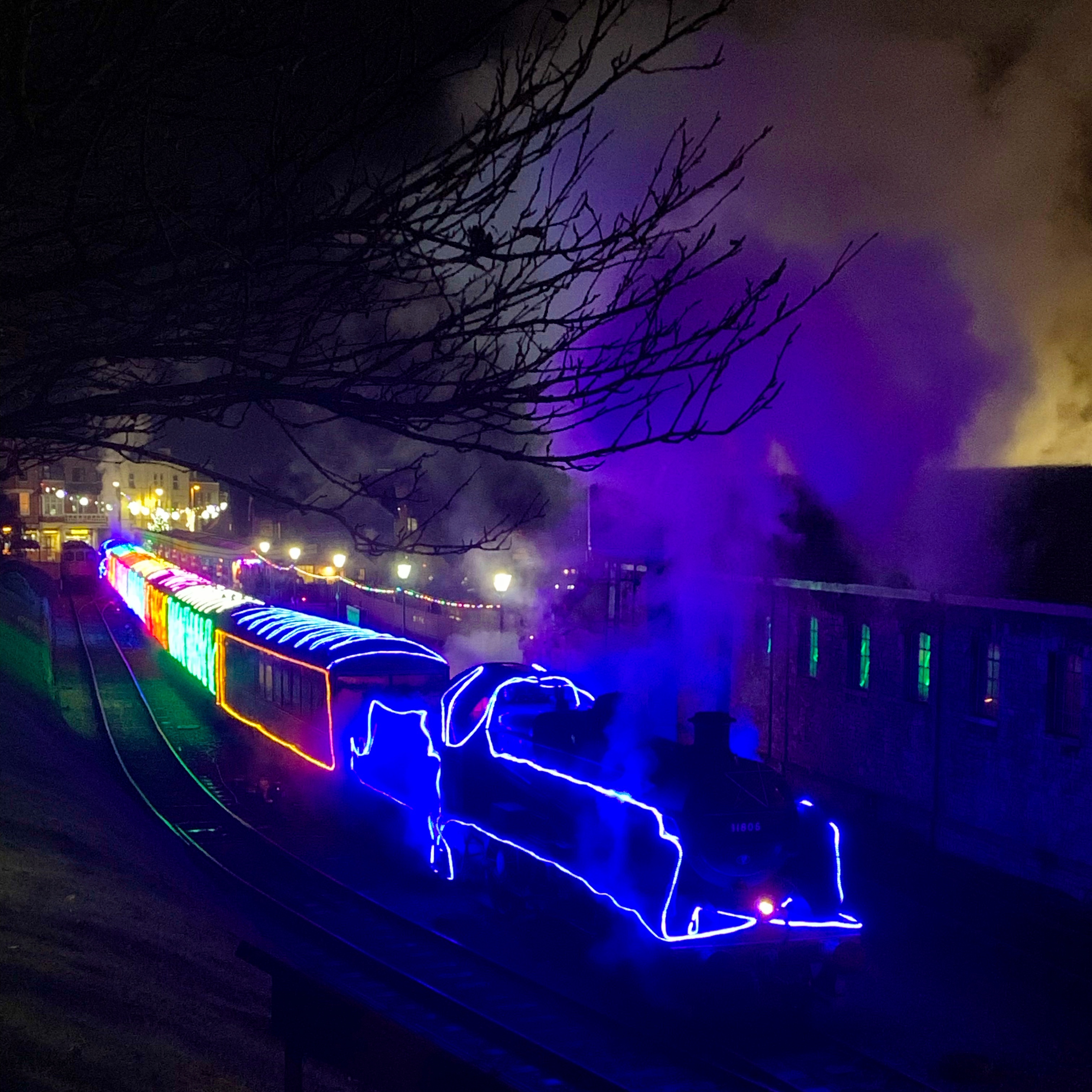
With Christmas fast approaching, it’s the time of year when many UK heritage railways run steam and lights trains, and the Swanage Railway is no exception. Thursday 1st December 2022 saw festive light adorned Southern Railway (SR) U Class 2-6-0 No. 31806 and SR Bulleid West Country Pacific 4-6-2 No. 34028 ‘Eddystone’ top and tailing a trial run for staff and volunteers. The previous evening saw the train operated empty with resident Class 33 diesel locomotives as the final Christamassy tweaks were made to the service.
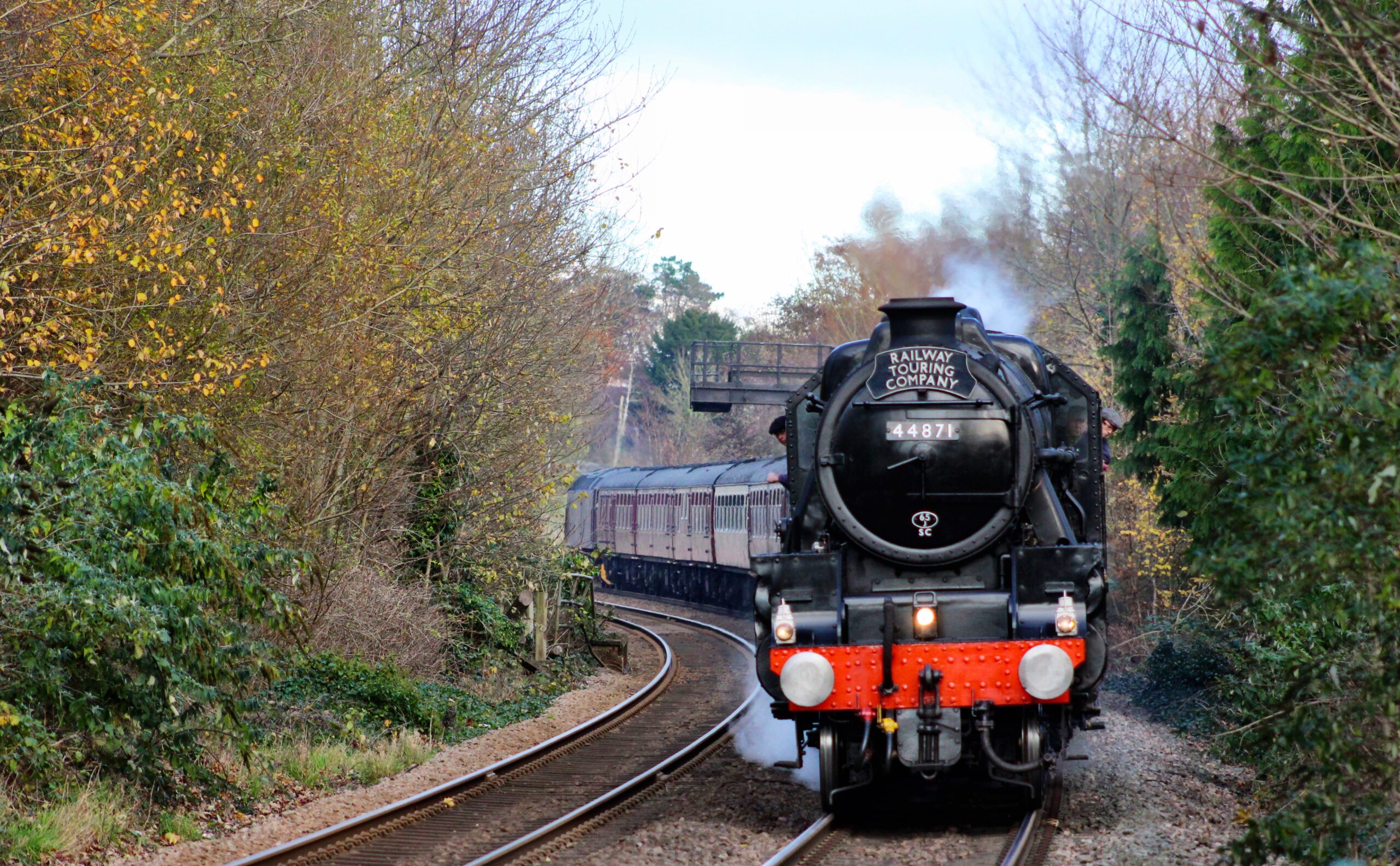
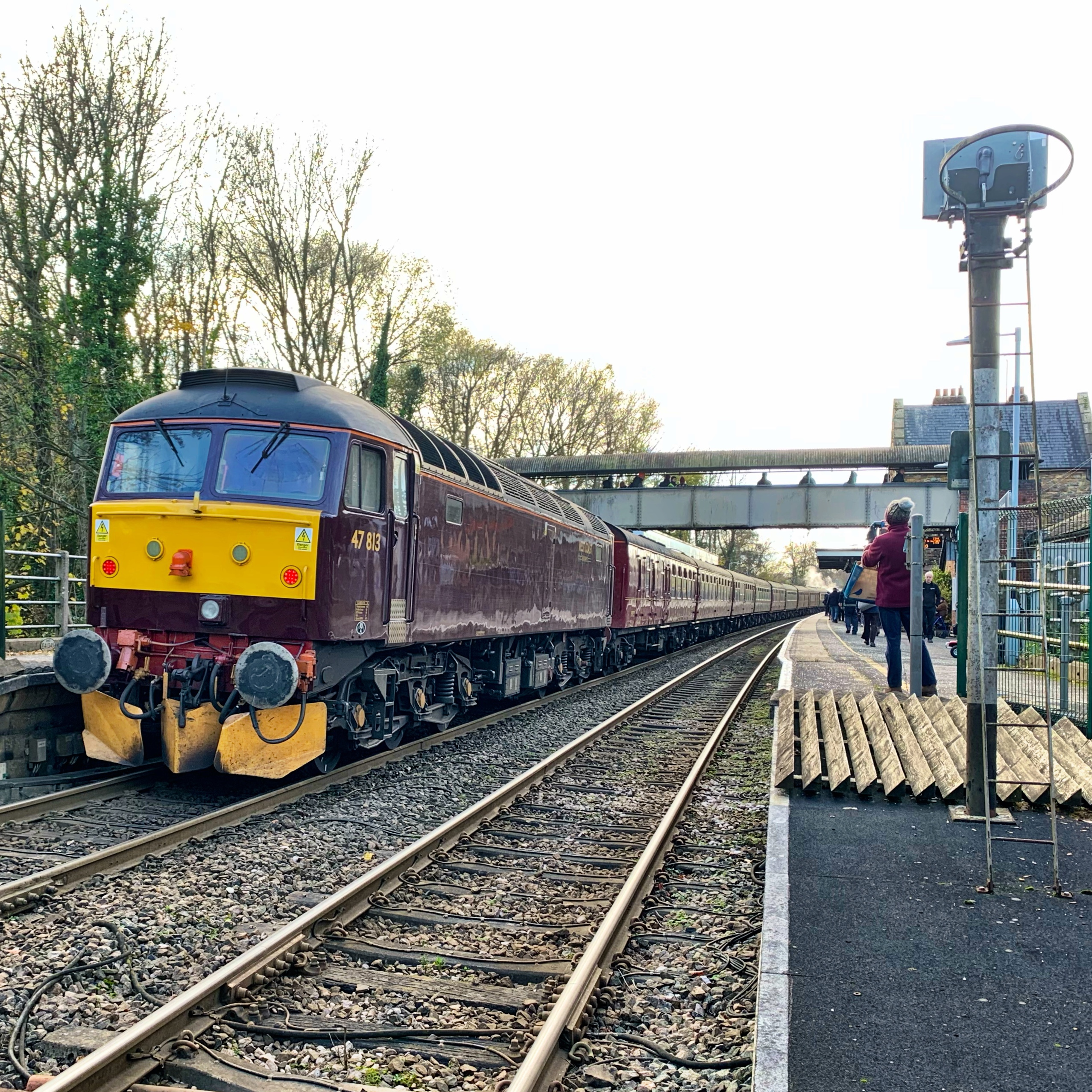
The Railway Touring Company ran a steam hauled excursion from London Victoria to Yeovil, stopping to drop off passengers at Sherborne for a Christmas carol service held at Sherborne Abbey on Tuesday 6th April 2022. The rail tour, top and tailed by London Midland & Scottish (LMS) Stanier Black Five 4-6-0 No. 44871 and West Coast Railway Company Class 47 No. 47813, continued on to Yeovil Junction for servicing before heading back to Sherborne to pick up passengers for the return to London.
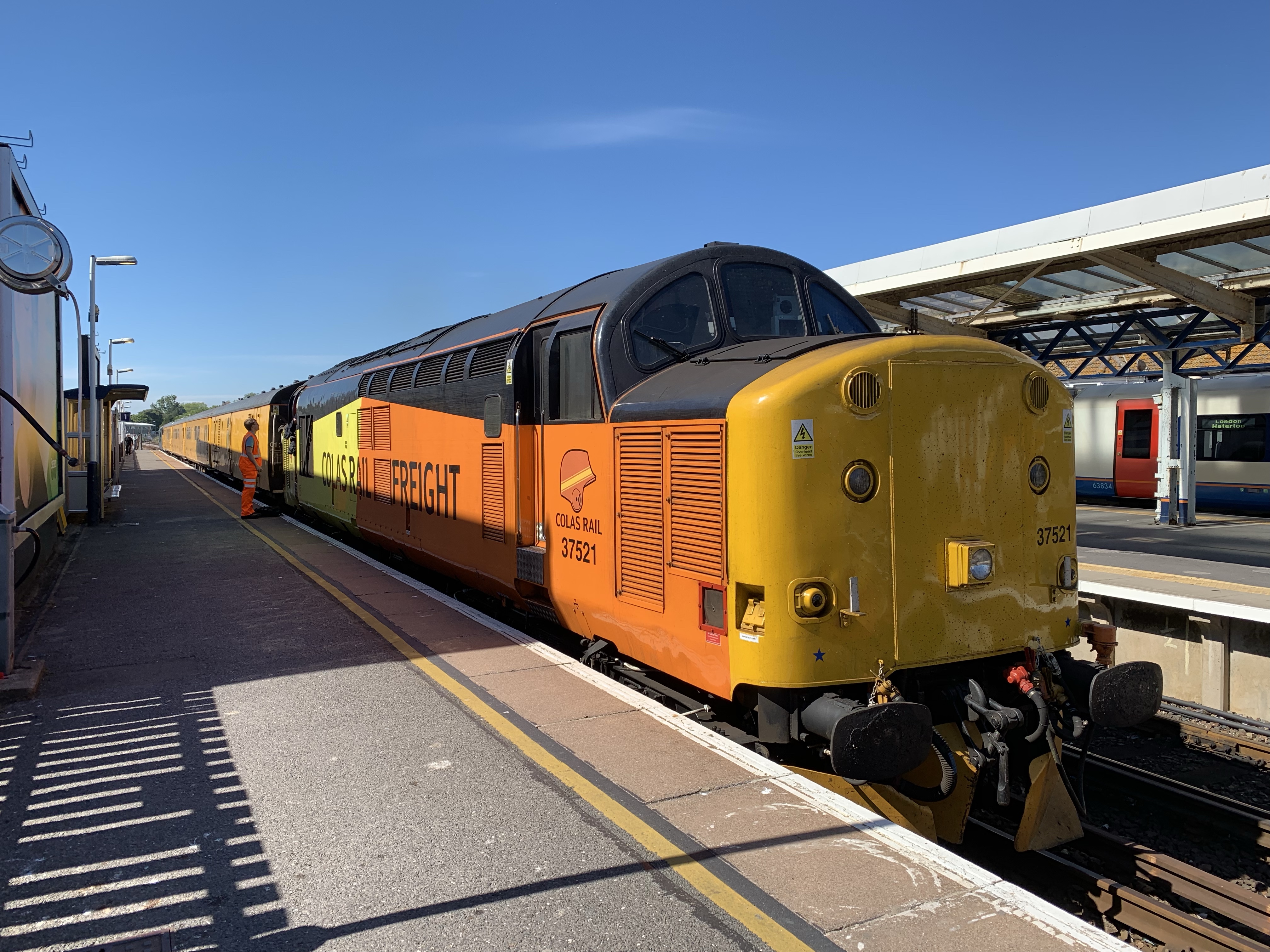
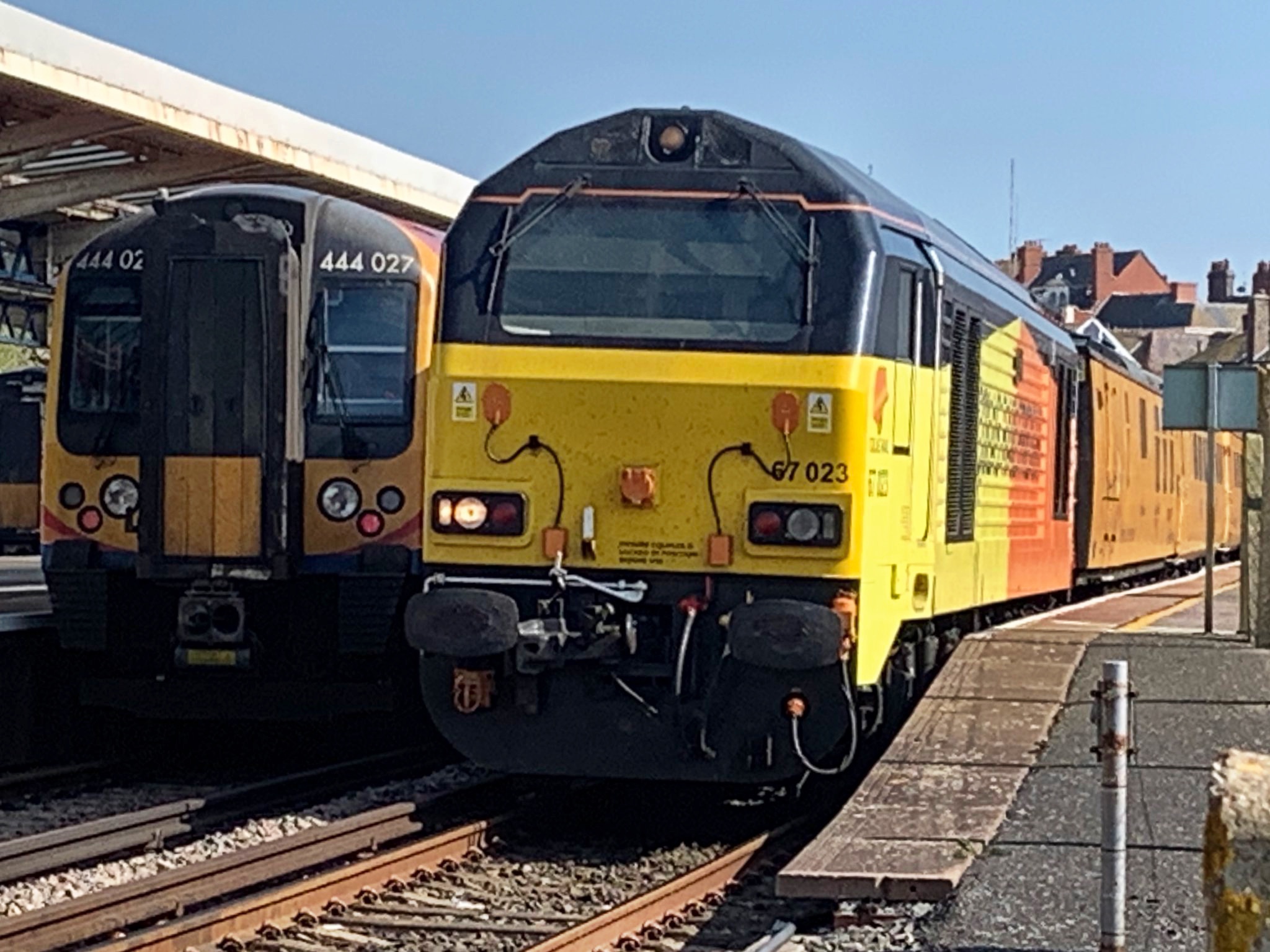
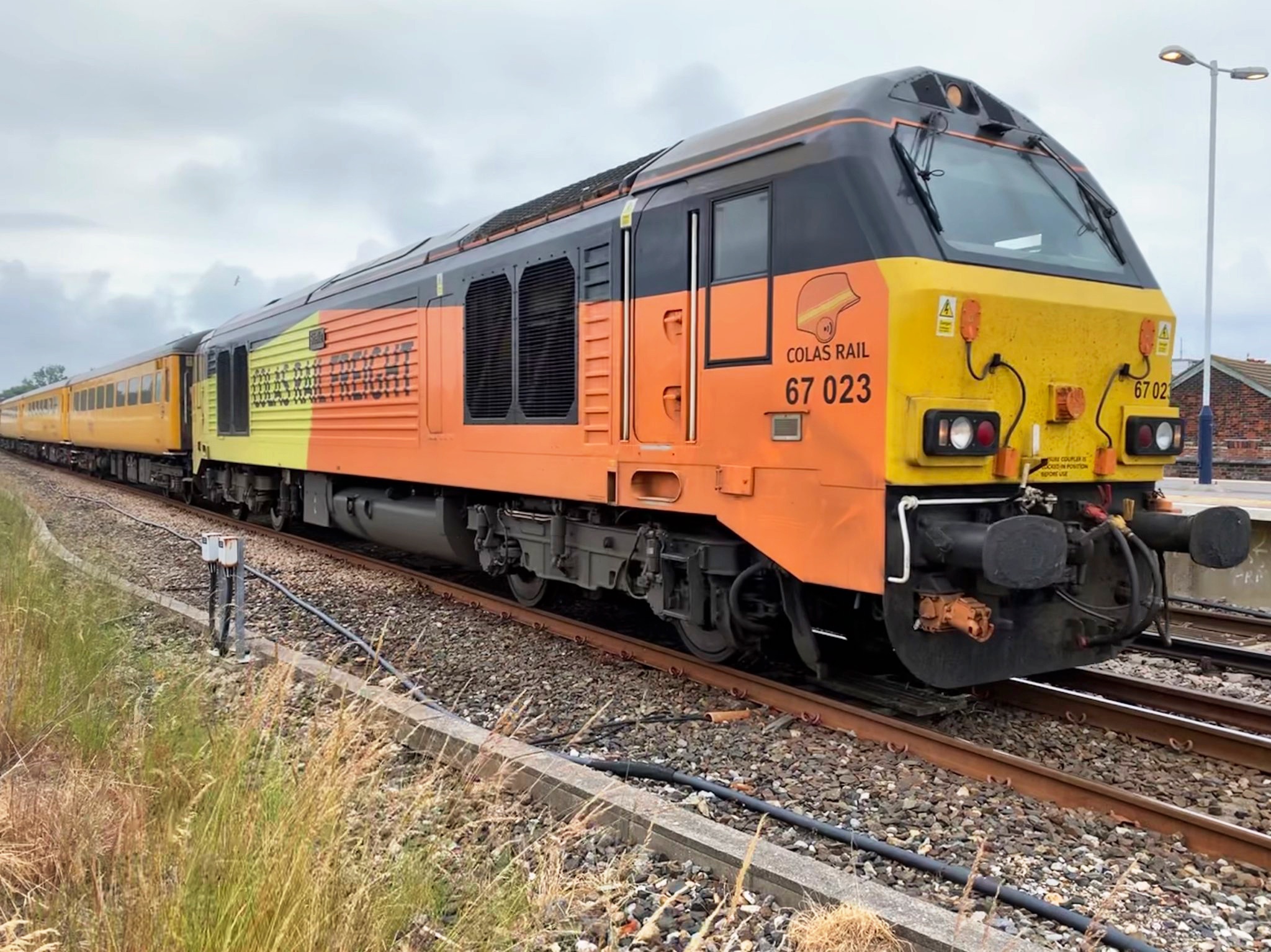
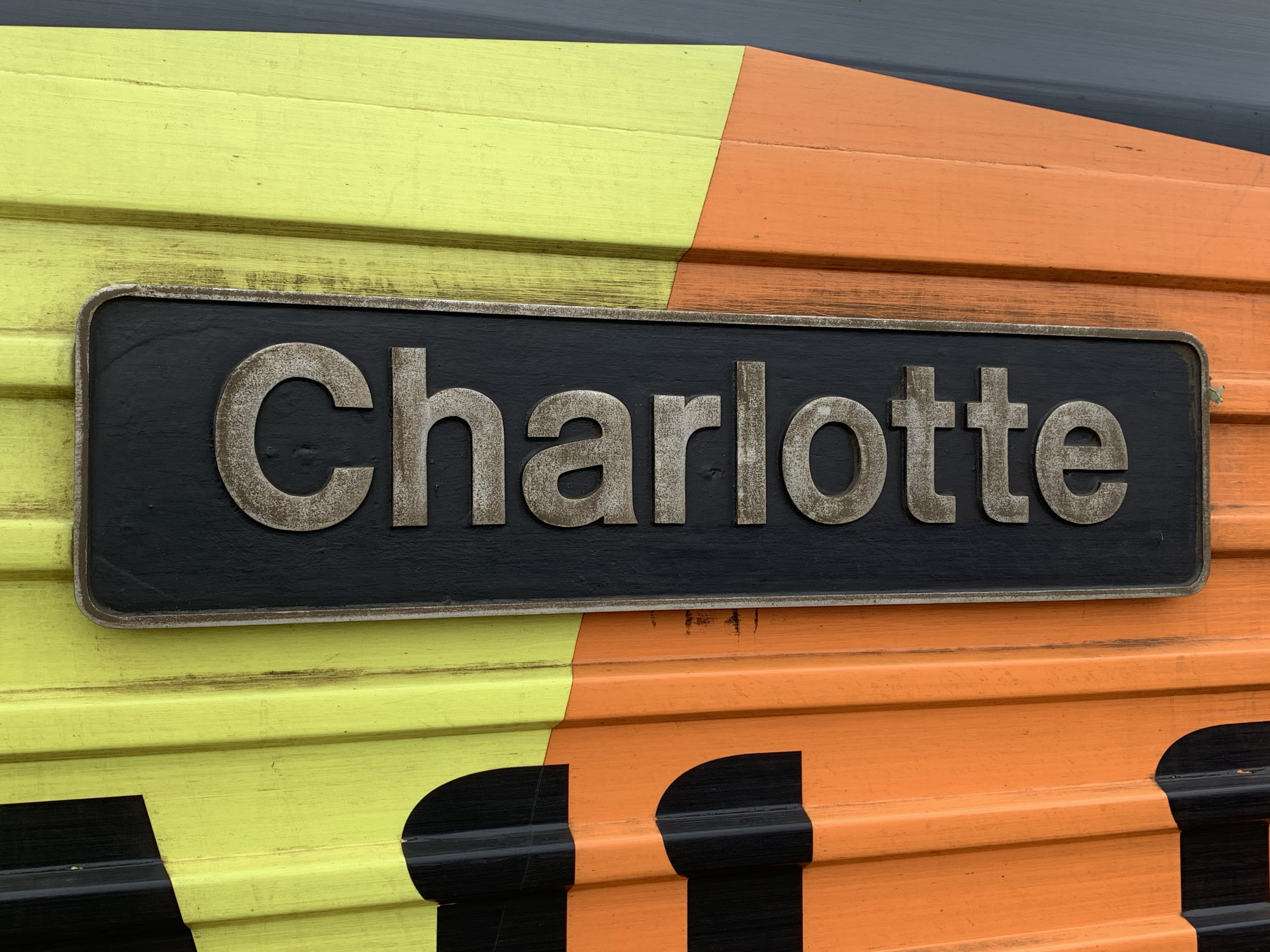
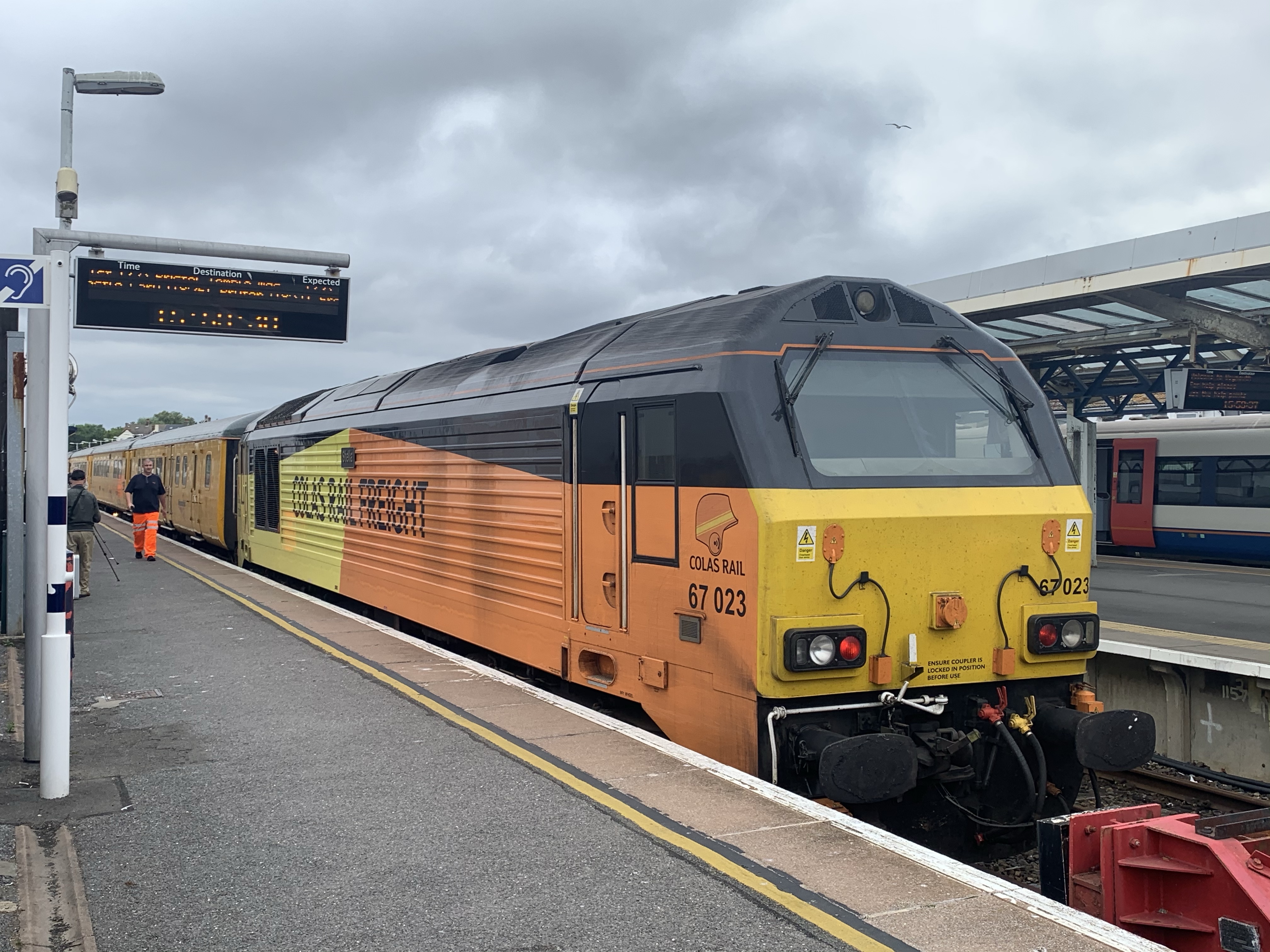
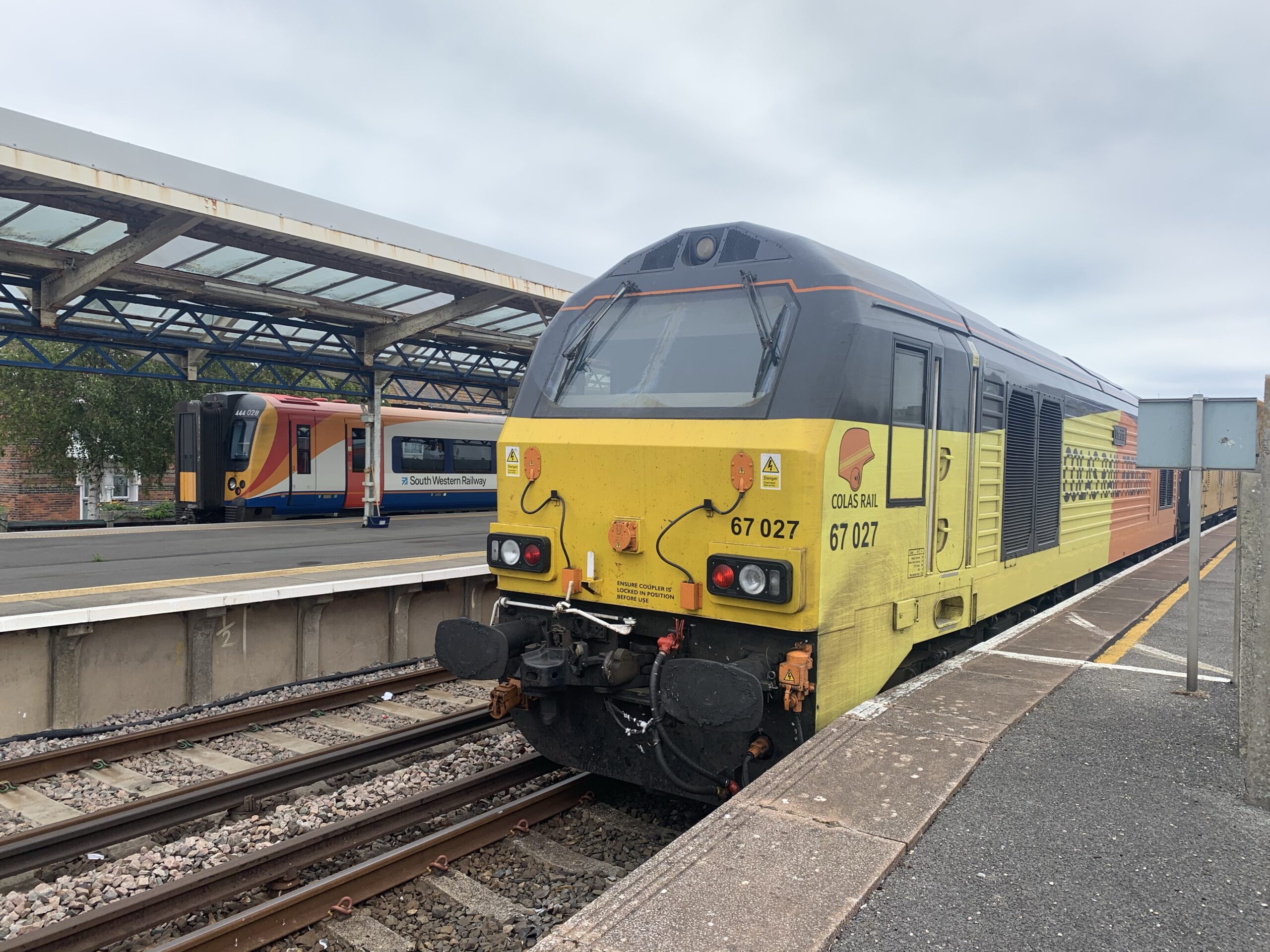
While waiting for the Class 37 test train at Maiden Newton last Wednesday, I remembered that previously the equivalent test train in recent years was often top and tailed by Colas Class 67 locomotives. During this period, the test train was often turned around at Dorchester and missed out the section to Weymouth, very frustrating for those of us waiting at the seaside terminus. The two Colas Class 67 locomotives which were repeatedly turned out for the Tyseley TMD to Bristol High Level Siding via Weymouth test train were No.’s 67023 ‘Stella’ and 67027 ‘Charlotte’. Formerly part of the DB Cargo fleet, in January 2017 these two Class 67’s were sold to Colas Rail and they were repainted into Colas orange and black at Toton Traction Maintenance Depot for use on Network Rail (NR) infrastructure monitoring trains. They received their nameplates in June 2017. In December 2018, the pair were included in a sale of 67 France and UK based locomotives to Beacon Rail Leasing. They were subsequently leased back to Colas Rail. More recently they have been acquired by GBRf for use on operations including charter, passenger and stock moves including hauling the Highland section of the Caledonian Sleeper.
The Bo-Bo Class 67 diesel-electric locomotives were built for DB Cargo forerunner English Welsh & Scottish Railway (EWS) between 1999 and 2000 by Alstom at Meinfesa in Valencia, Spain with the engine, generator and traction motors provided by General Motors Electro-Motive Division. The locomotives are able to supply Electric Train Supply for passenger train heating and air-conditioning. They were at first primarily utilised for mail trains, but with diminishing traffic, the contract finally ceased in March 2004.
High speed running tests were undertaken with No. 67002 at Alstom’s facility at La Sagra, Toledo, Spain and running on the standard gauge Madrid-Toledo high-speed rail line where a top speed of 143 miles per hour was realised.


Another blog entry draws to a close. Thank you for reading and for your comments, corrections and contributions. We’ll leave you with this thought; “Dogs have a way of finding the people who need them, filling an emptiness we don’t even know we have.” – Thom Jones (1945-2016)



Leave a Reply