23rd November to 29th November 2022
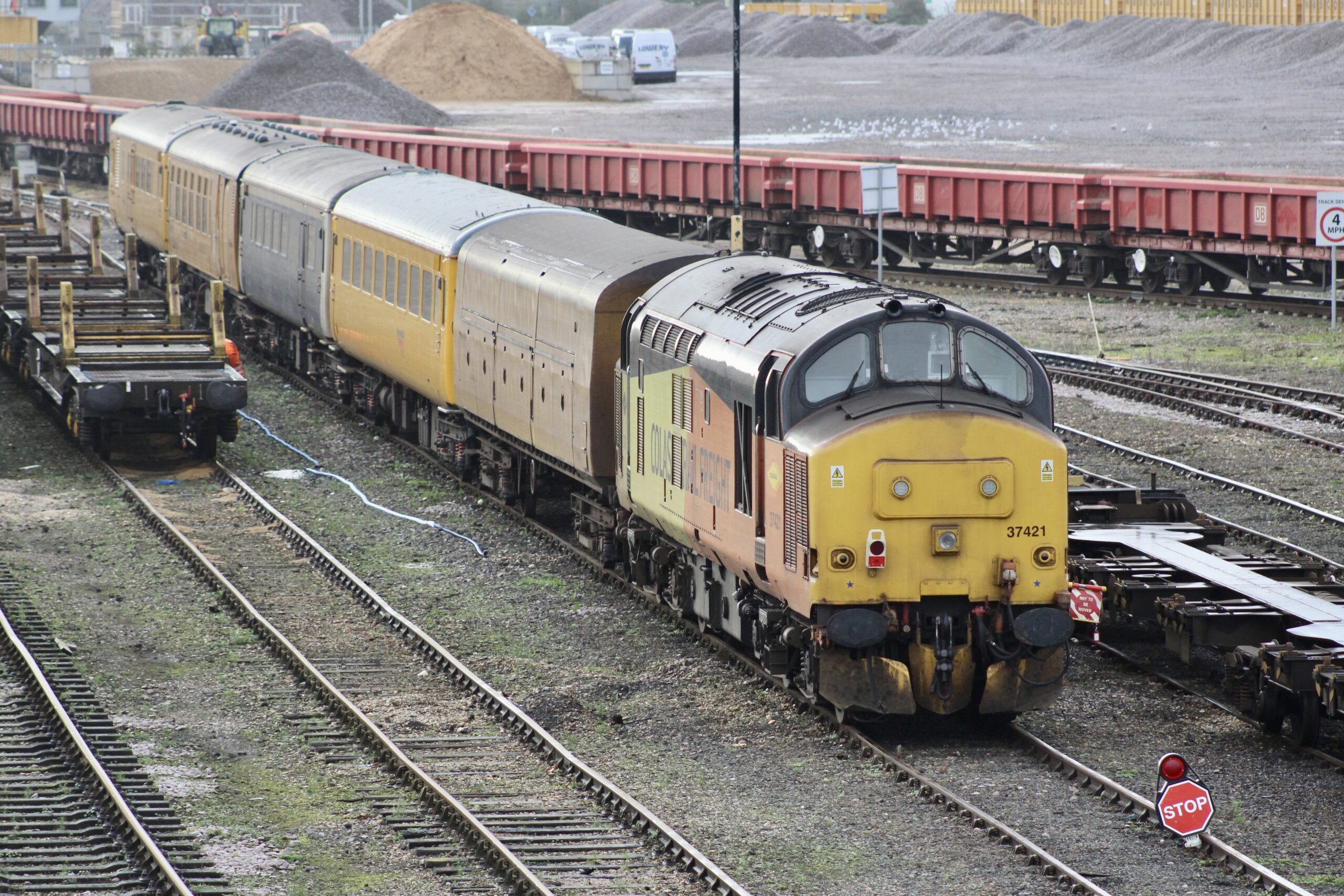
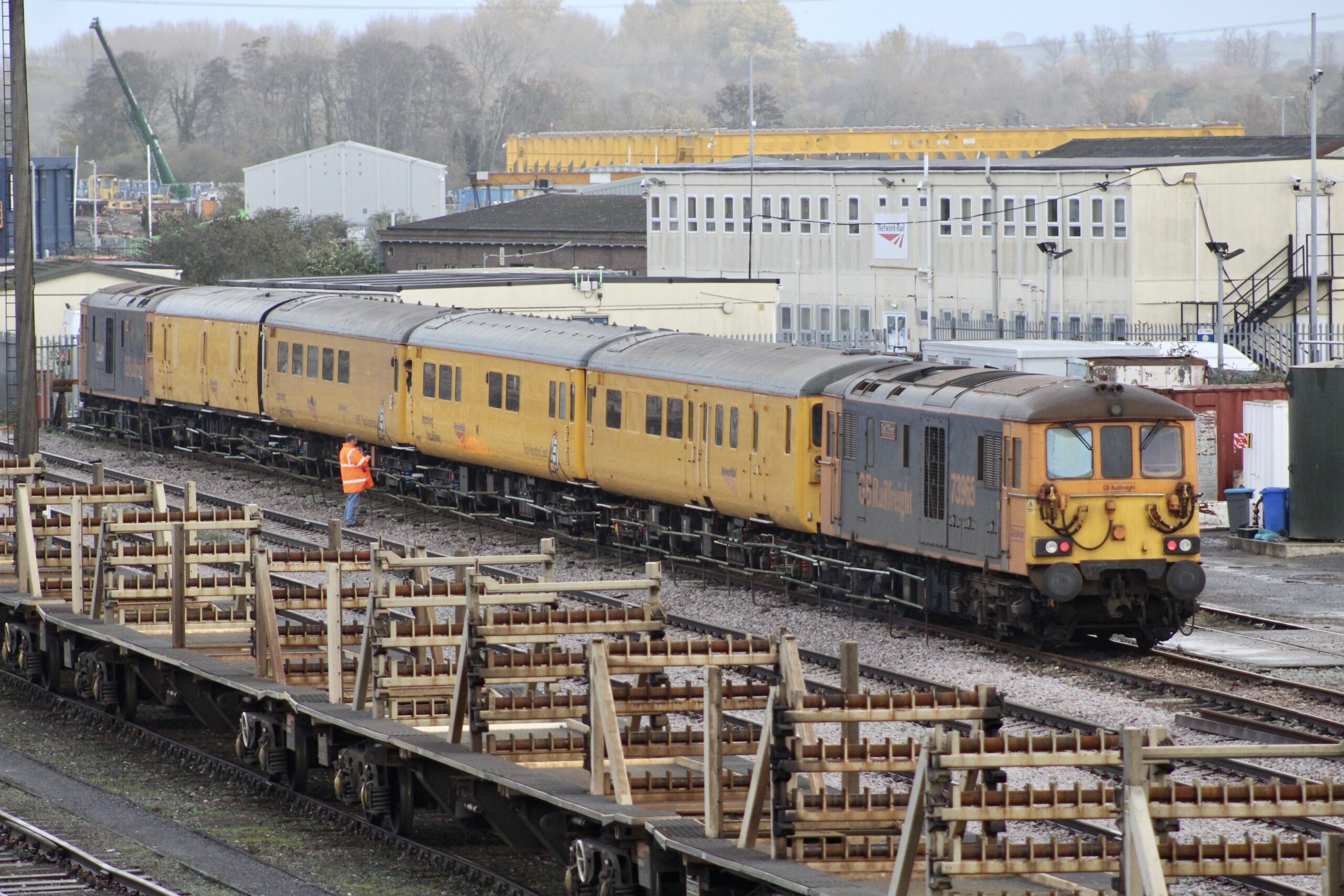
We were lucky enough to enjoy a few days away last week, and as part of our travels, I was able to take in some railway locations. Before that however, Wednesday evening was one of those occasions when an unusual working along the Bournemouth to Weymouth line passed me by and it wasn’t until Thursday morning that I realised I’d missed out on seeing the Colas Ultrasonic Test Unit hauled by vintage Class 37 diesel electric locomotive No. 37421. I consoled myself with the knowledge it would have been raining as it passed through my local station on the outward run, and I was tucked up in bed by the time it returned. However, on our way to Derbyshire on Thursday morning, we popped into Eastleigh to find No. 37421 perfectly parked for a quick photo opportunity adjacent to Eastleigh railway station.
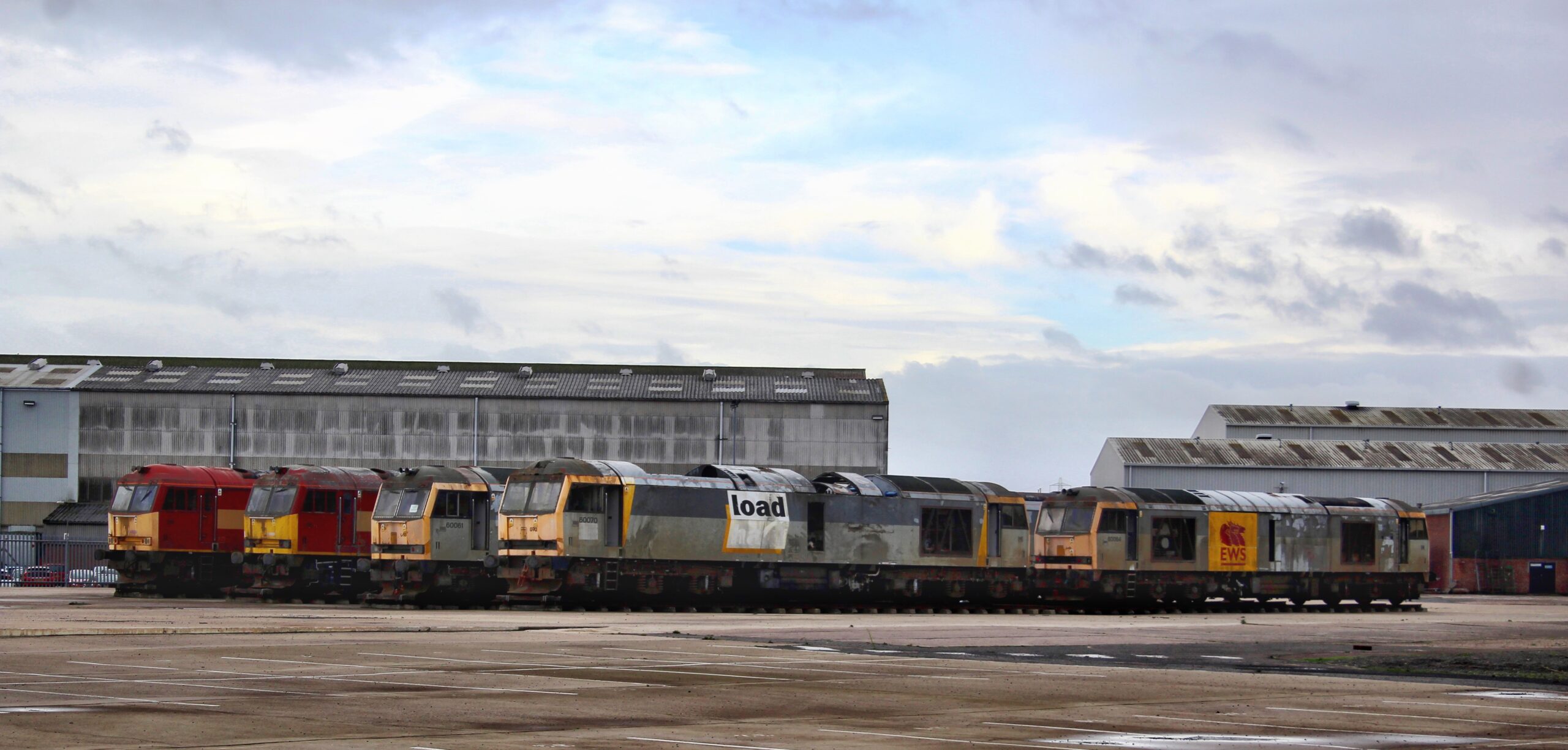
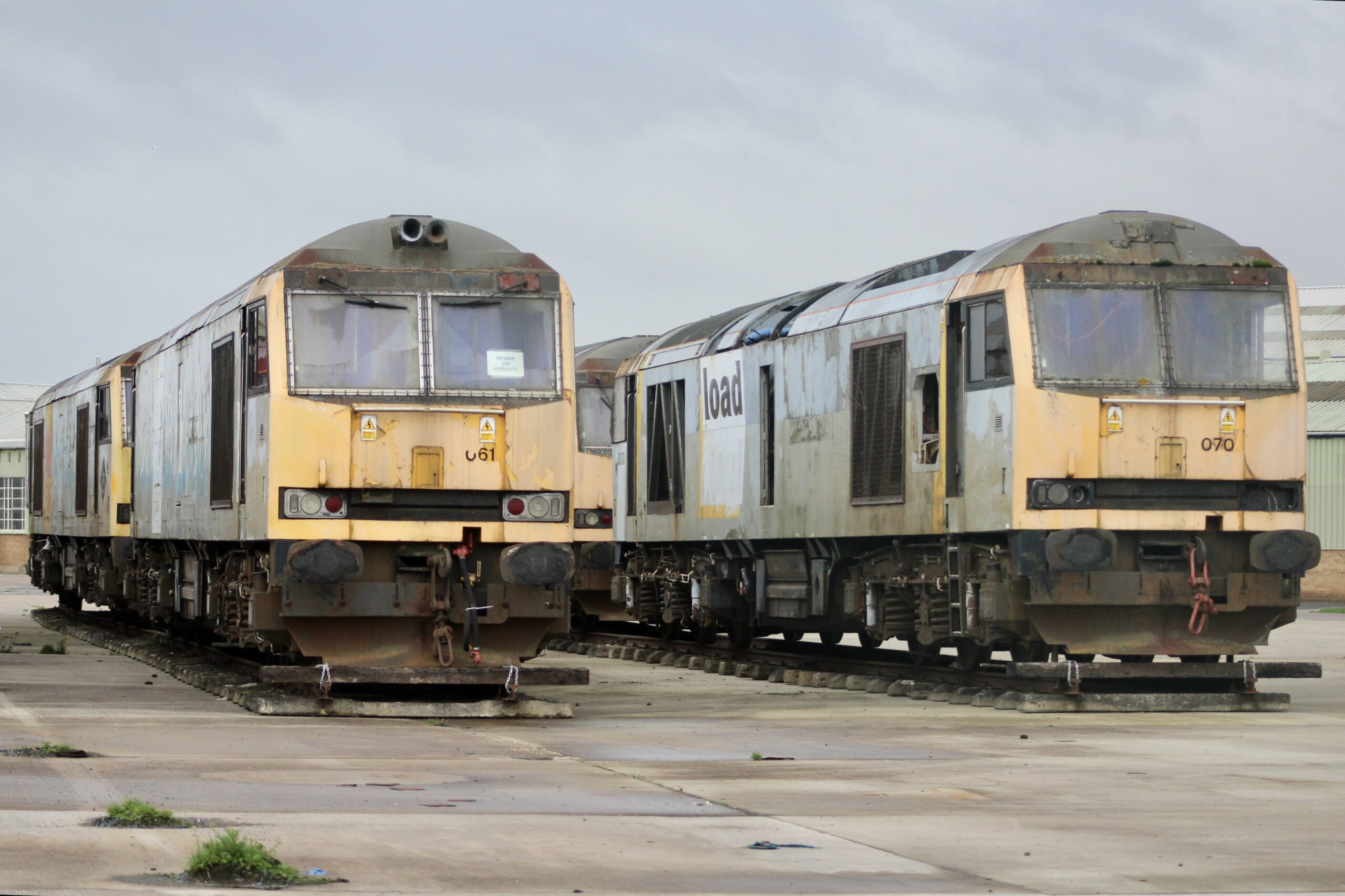
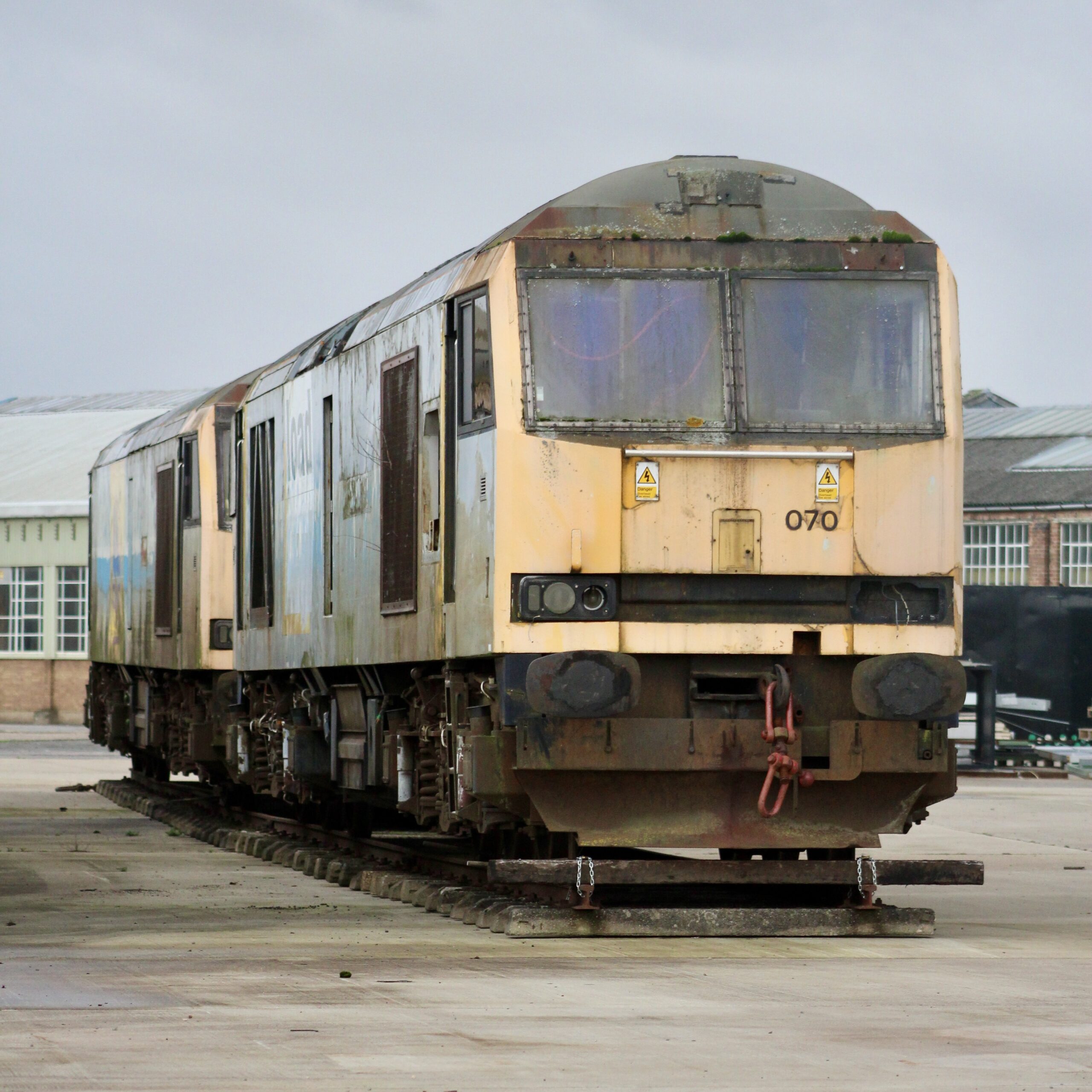
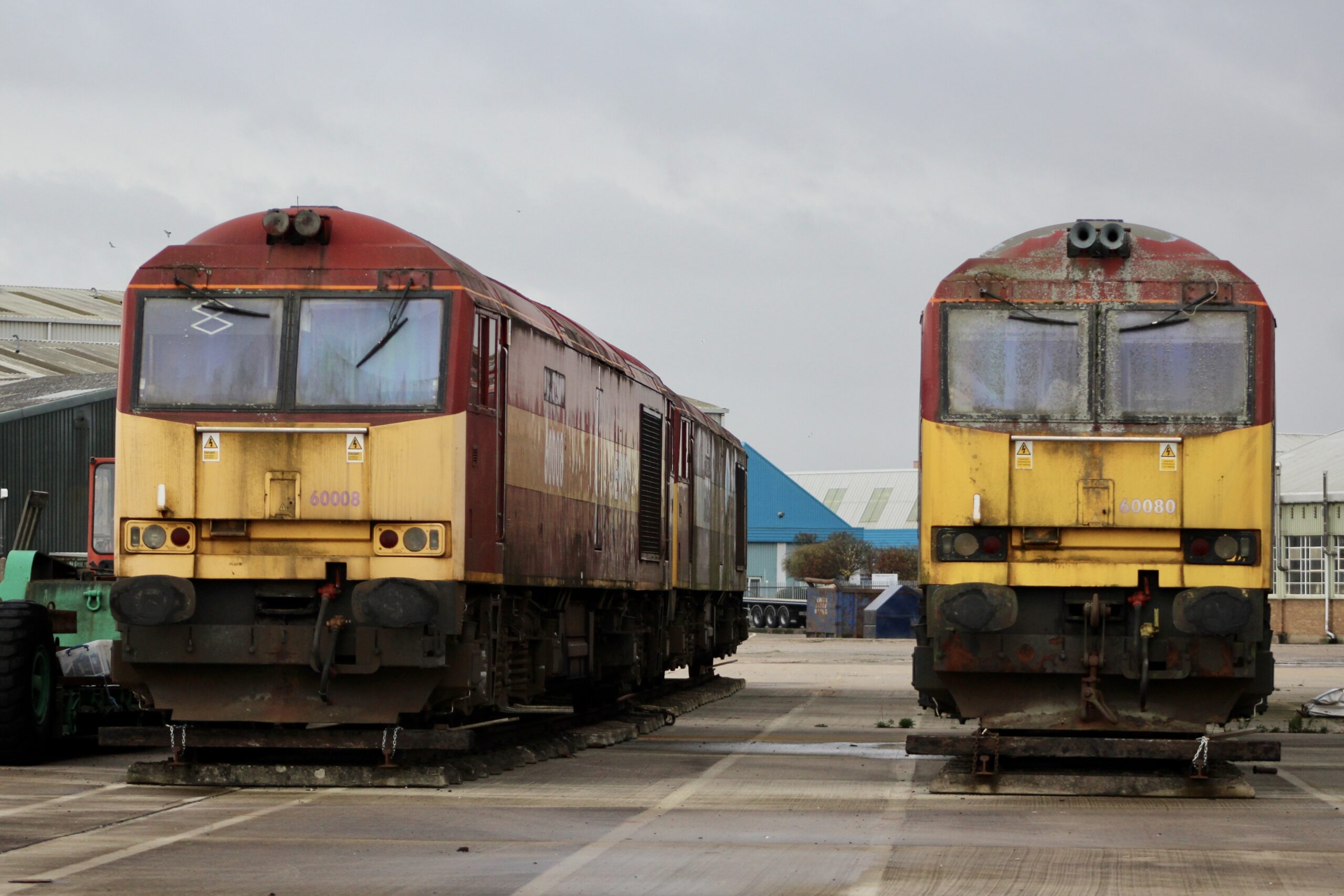
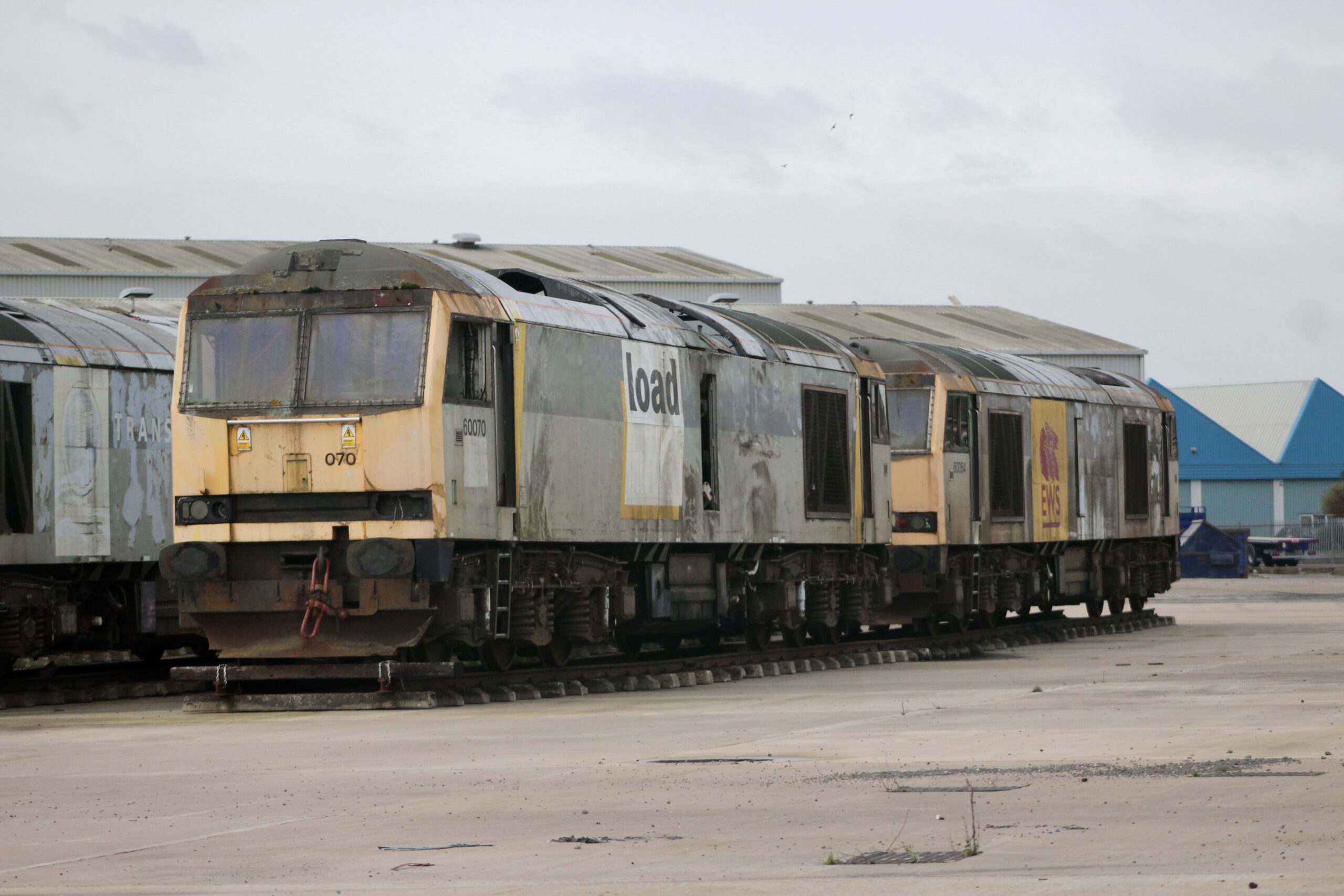
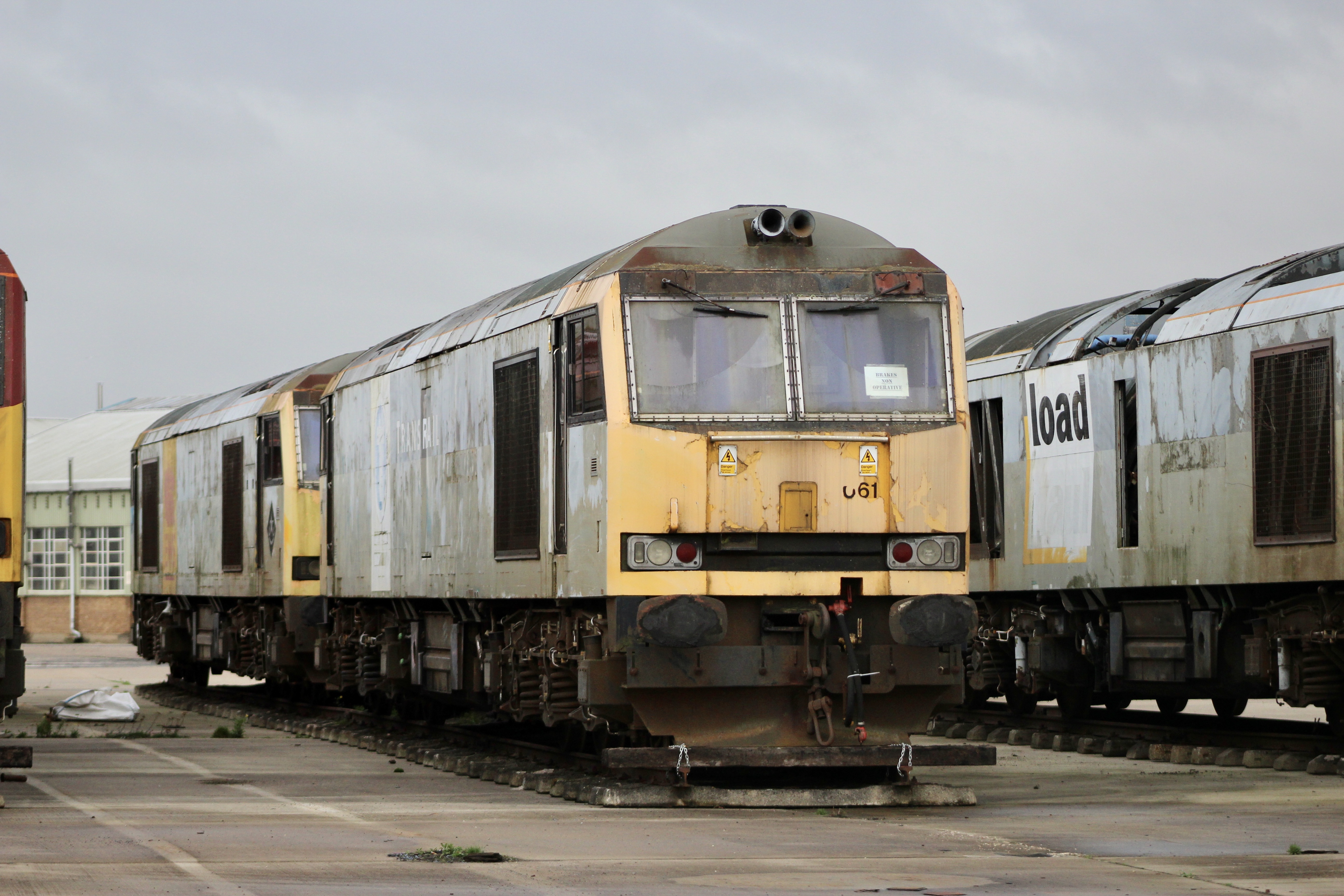
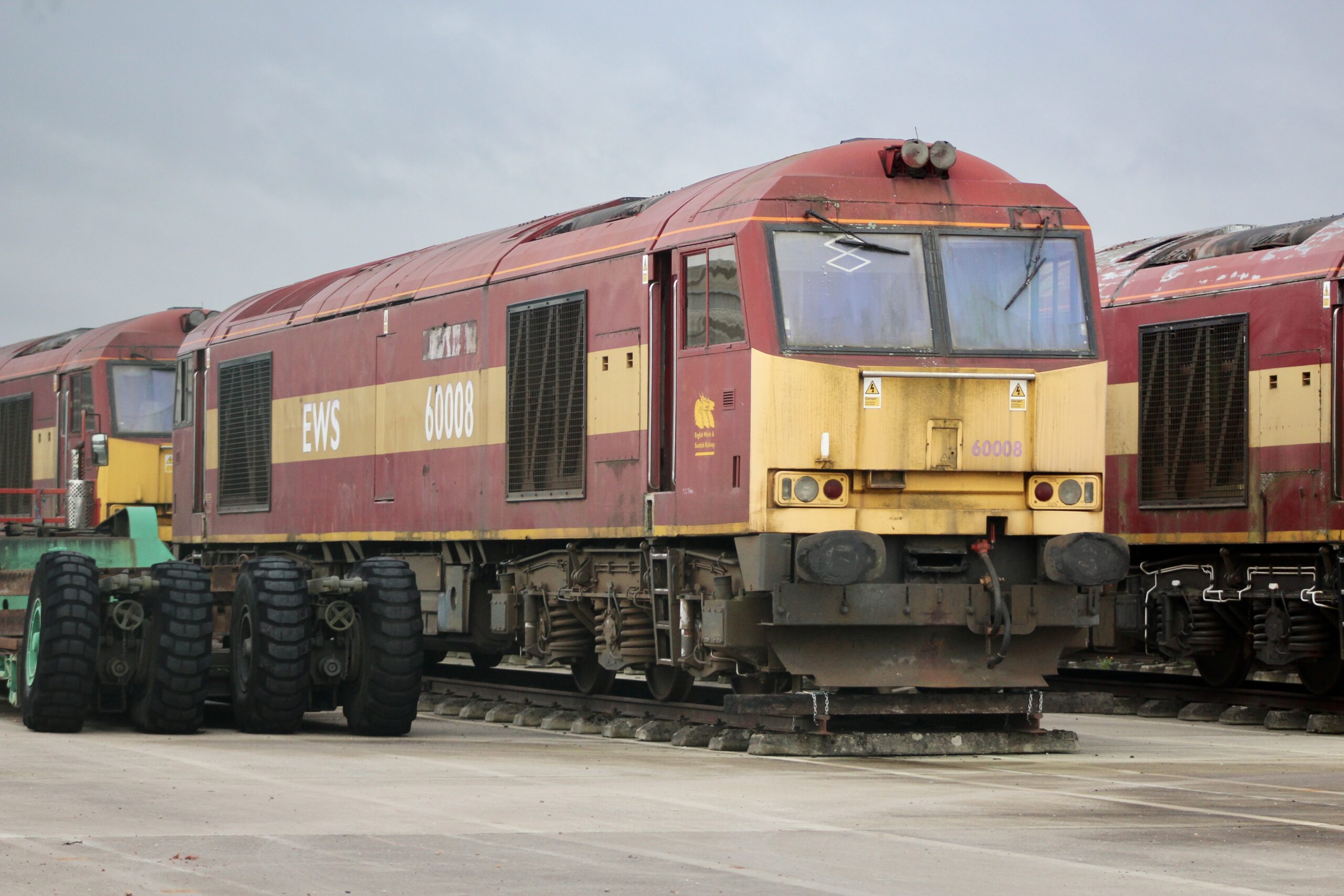
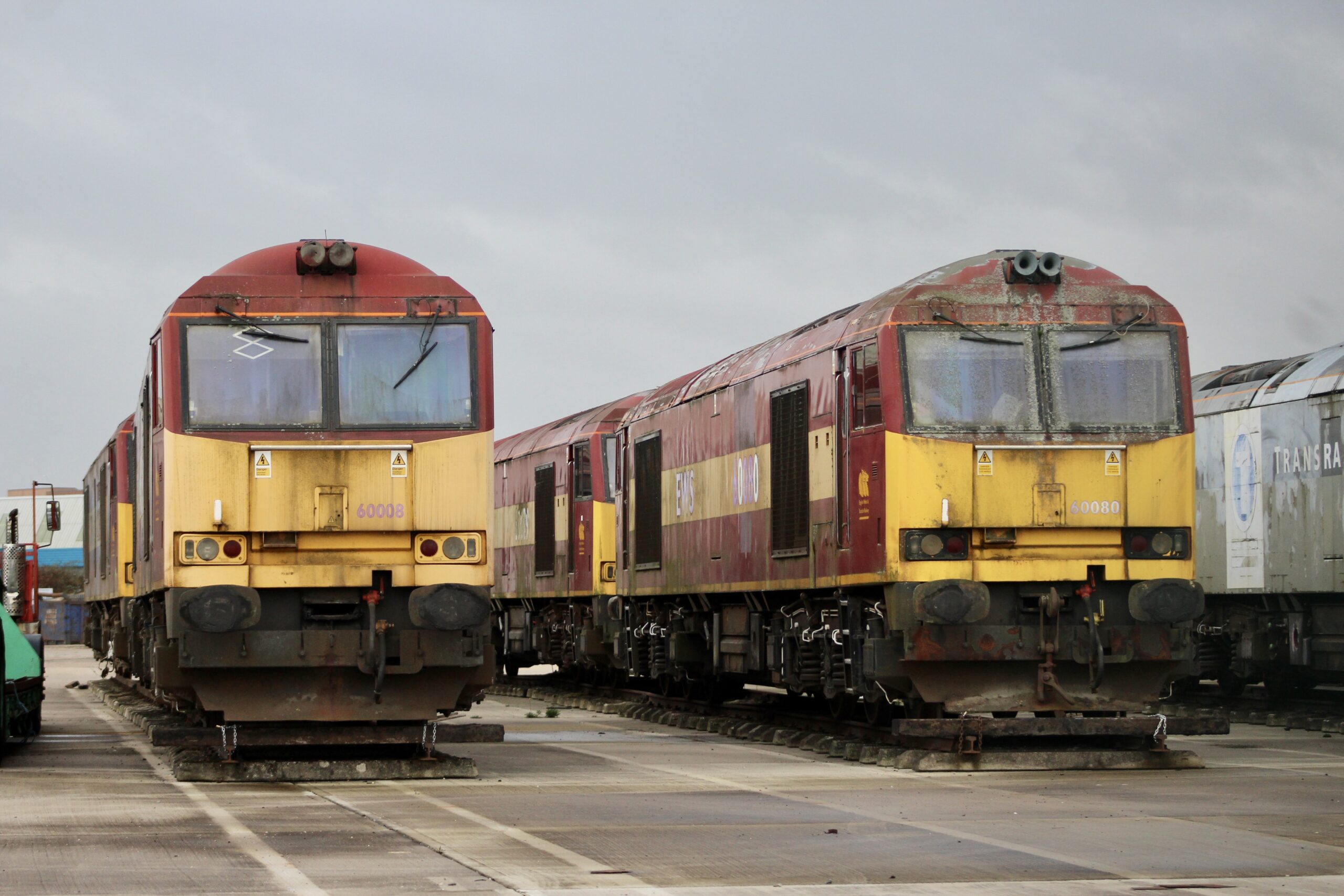
After our Eastleigh pitstop, we drove on to Loughborough, where I was hopeful at seeing some stored Class 60 diesel locomotives at Brush Traction Works. The plant, known locally as the Falcon Works, was established in 1865 to build steam locomotives. American owned Wabtec took charge in 2011 and in April 2021 they announced reduced volumes had made the site “unsustainable” and proposed its closure which would see the end to over 150 years of locomotive building.
The last time I had attempted to see locomotives at Brush, Loughborough I recall traipsing across water meadows to get a close view through a fence of Channel Tunnel Class 92’s. This time, having studied Google Maps, I drove around the outskirts of the site along access roads which I wasn’t entirely sure were open to the public. I wasn’t stopped by security, even when they drove past me as I snapped away.
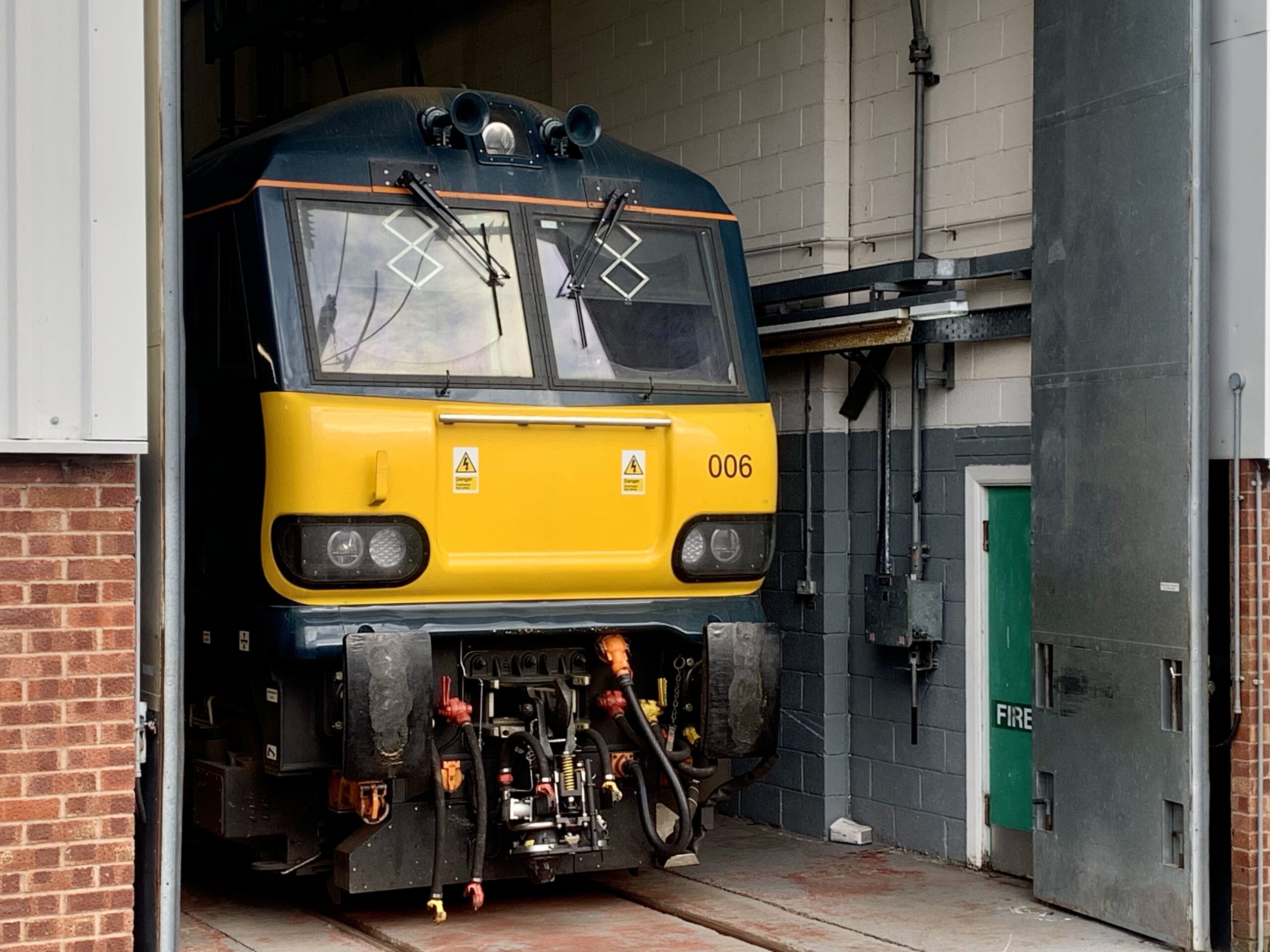
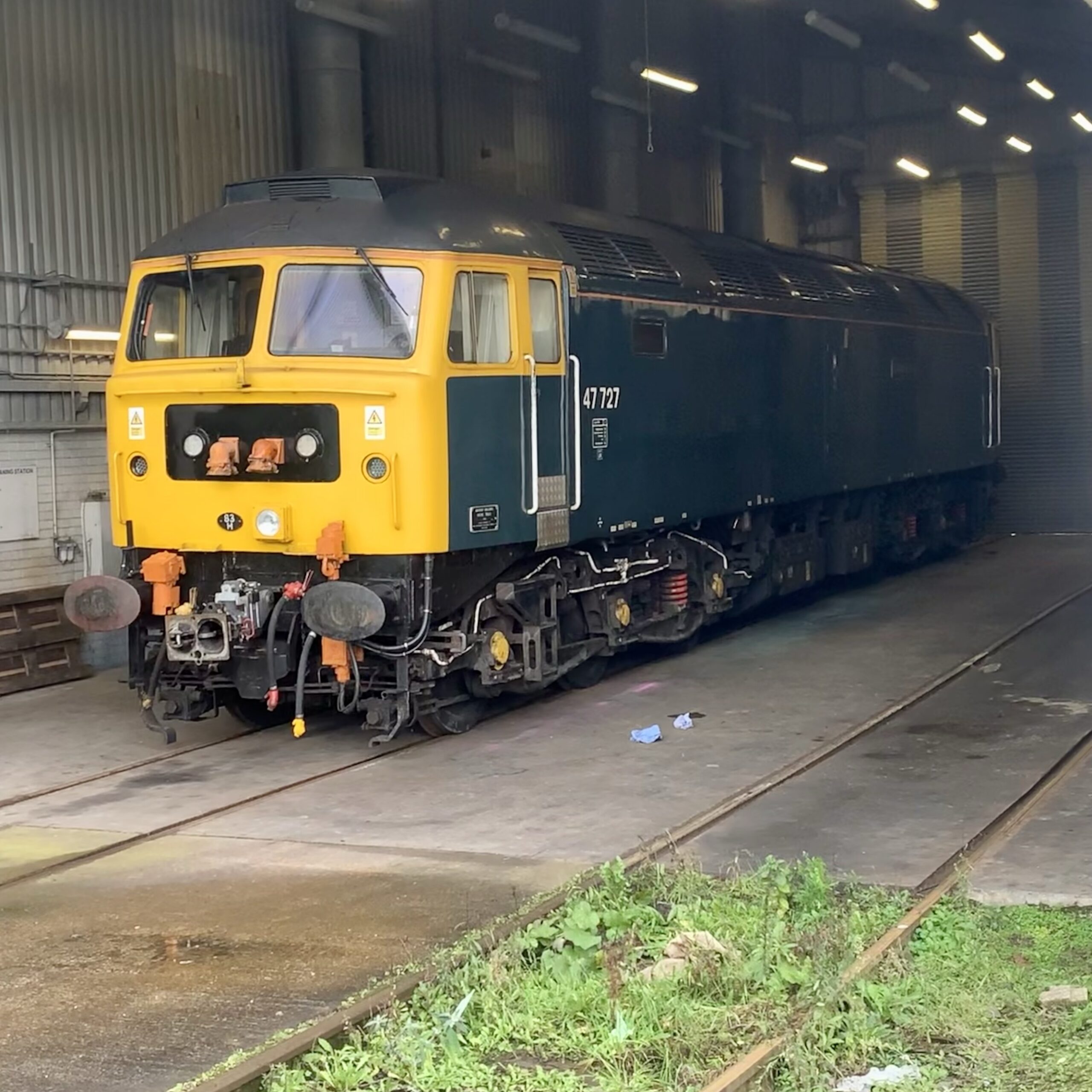
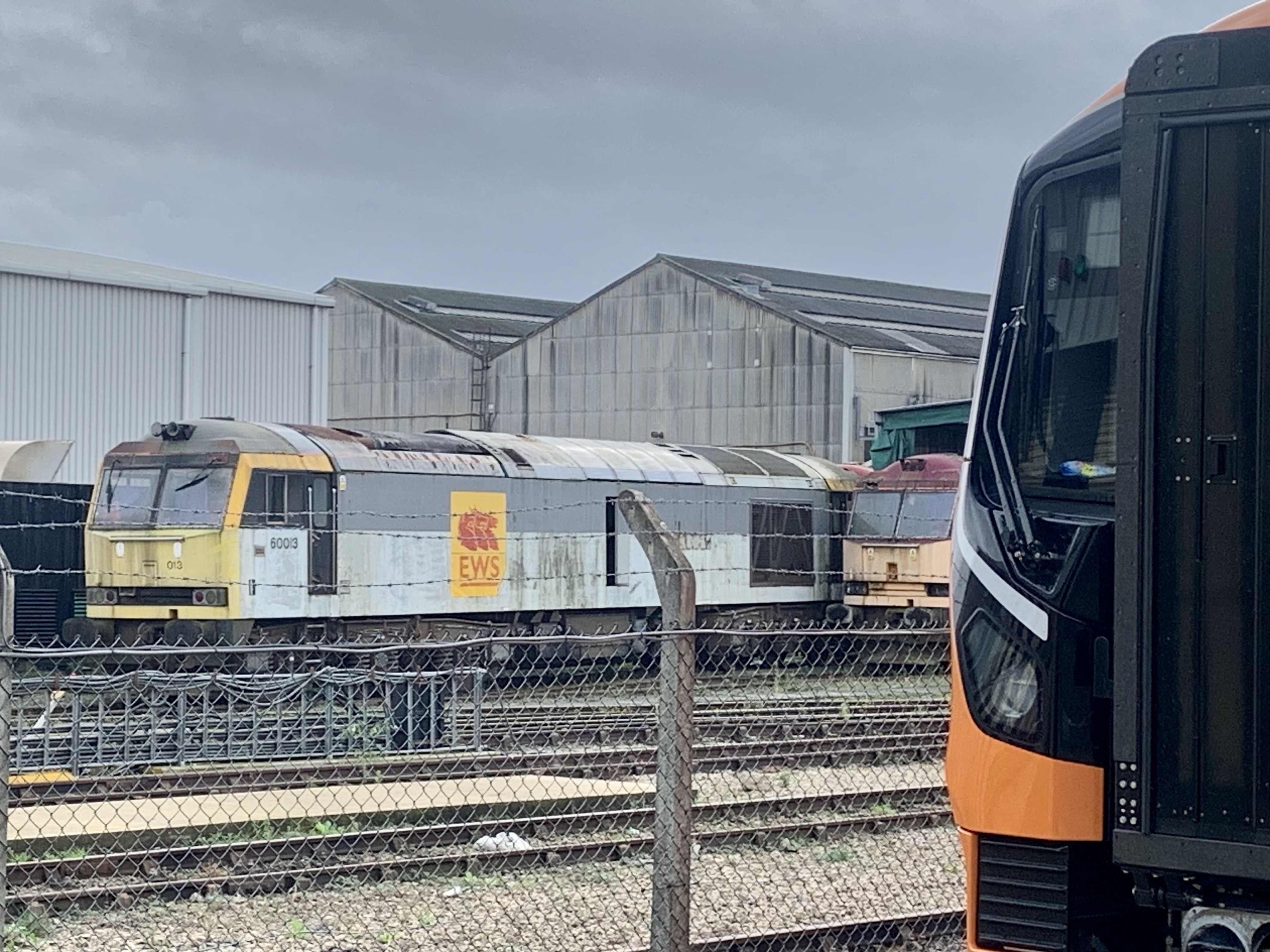
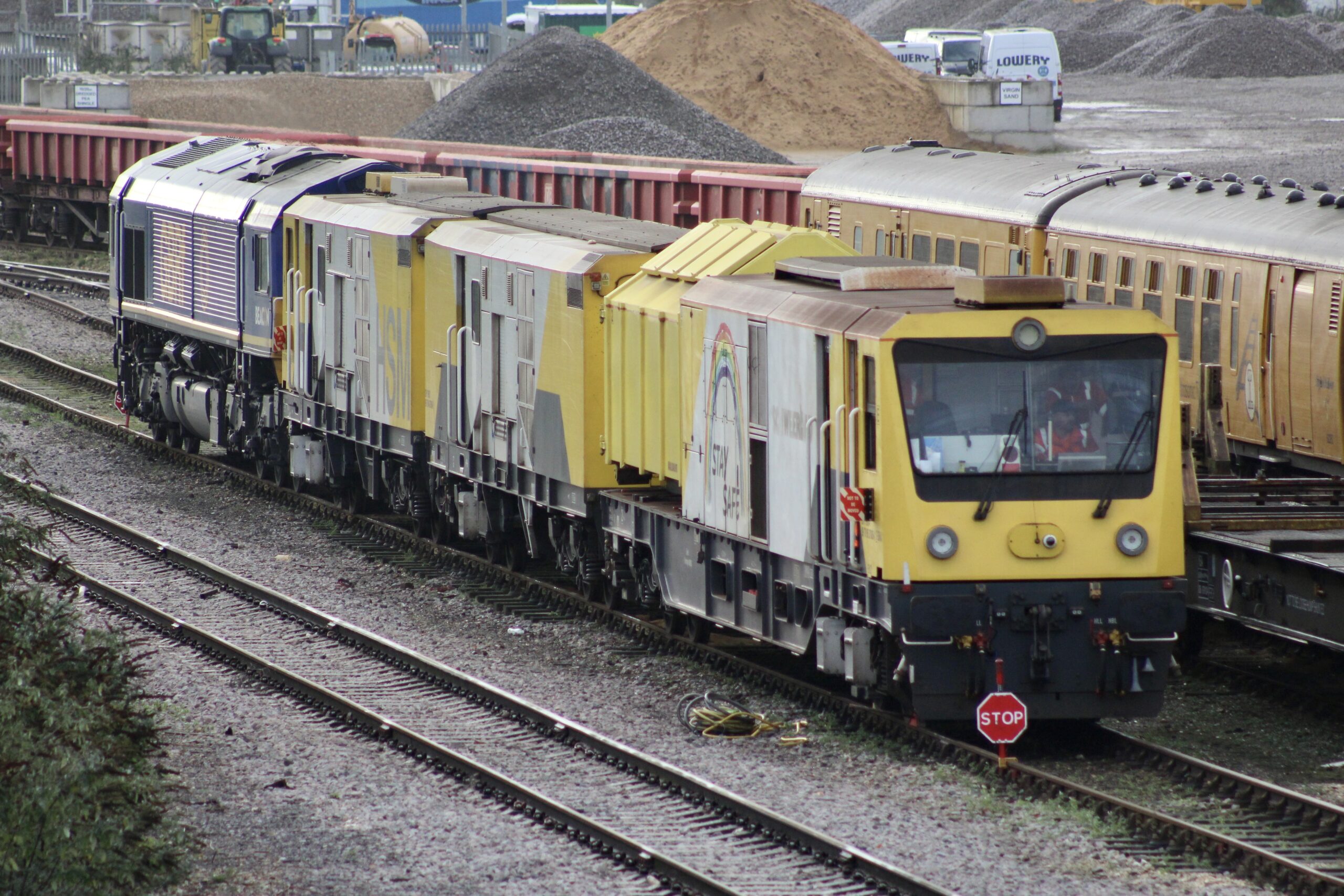
Below are a series of images of nine stored Class 60 locomotives at Brush Works, Loughborough: the locos are No.’s 60057, 60008, 60061, 60070, 60038, 60009, 60090 and 60064. They are owned by Devon Cornwall Rail (DCR) and hopefully some will be returned to main line use.
And here is video of my previous visit in 1995, when Class 92’s, Class 20’s and a Class 47 were amongst the classes of locomotive present:
I very much look forward to learning what is going to happen to the Class 60 locomotives at Loughborough and hope that at least some of them will turn a wheel in revenue earning service in the near future.
From Loughborough, we drove onto Derby where we stopped for refreshment at The Alexandra Pub on Siddals Road. The pub is well known for it’s railway memorabilia and I enjoyed a Diet Coke and a packet of dried roasted peanuts while I took in the signs and locomotive nameplates which adorned the walls.
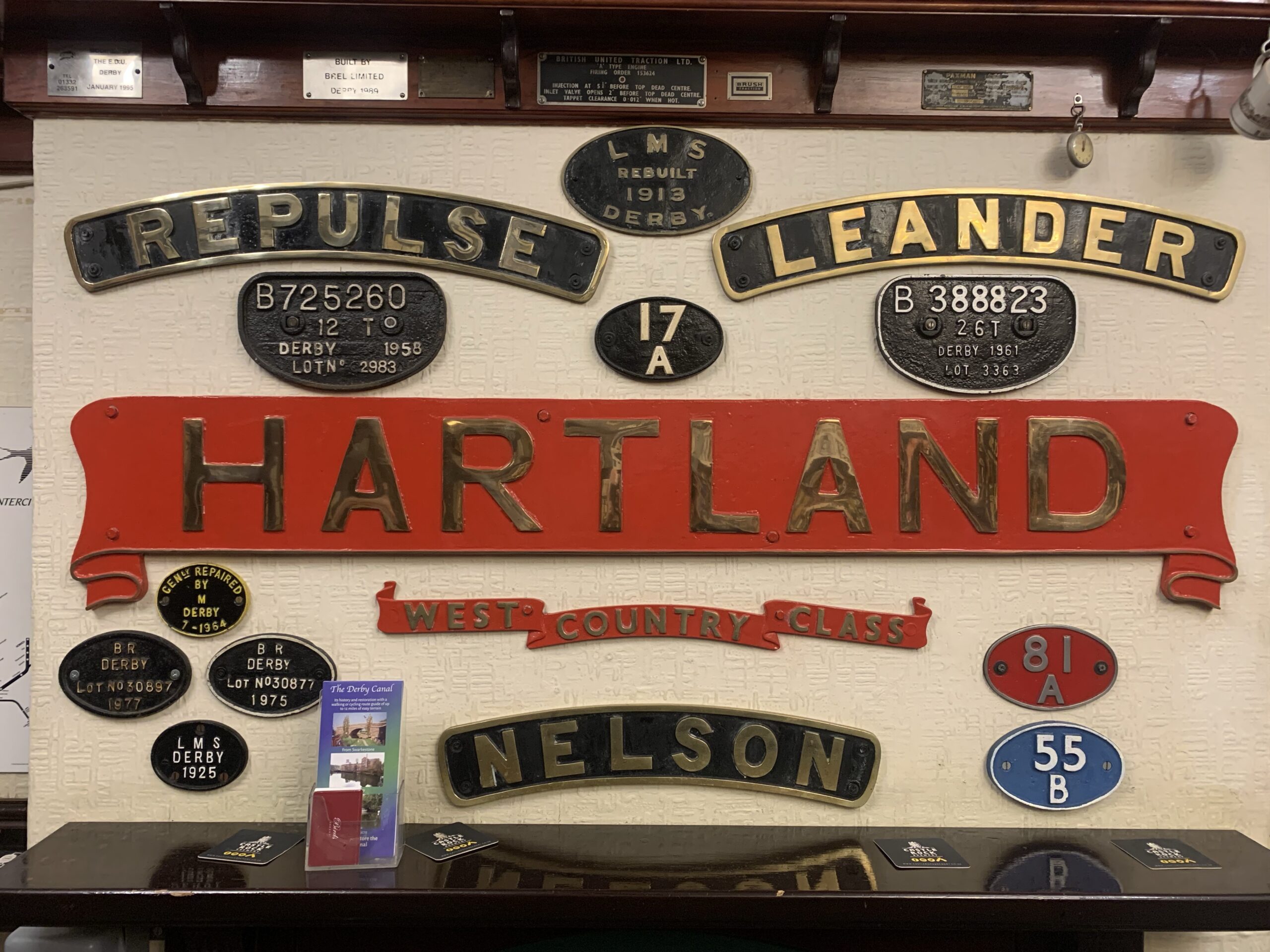
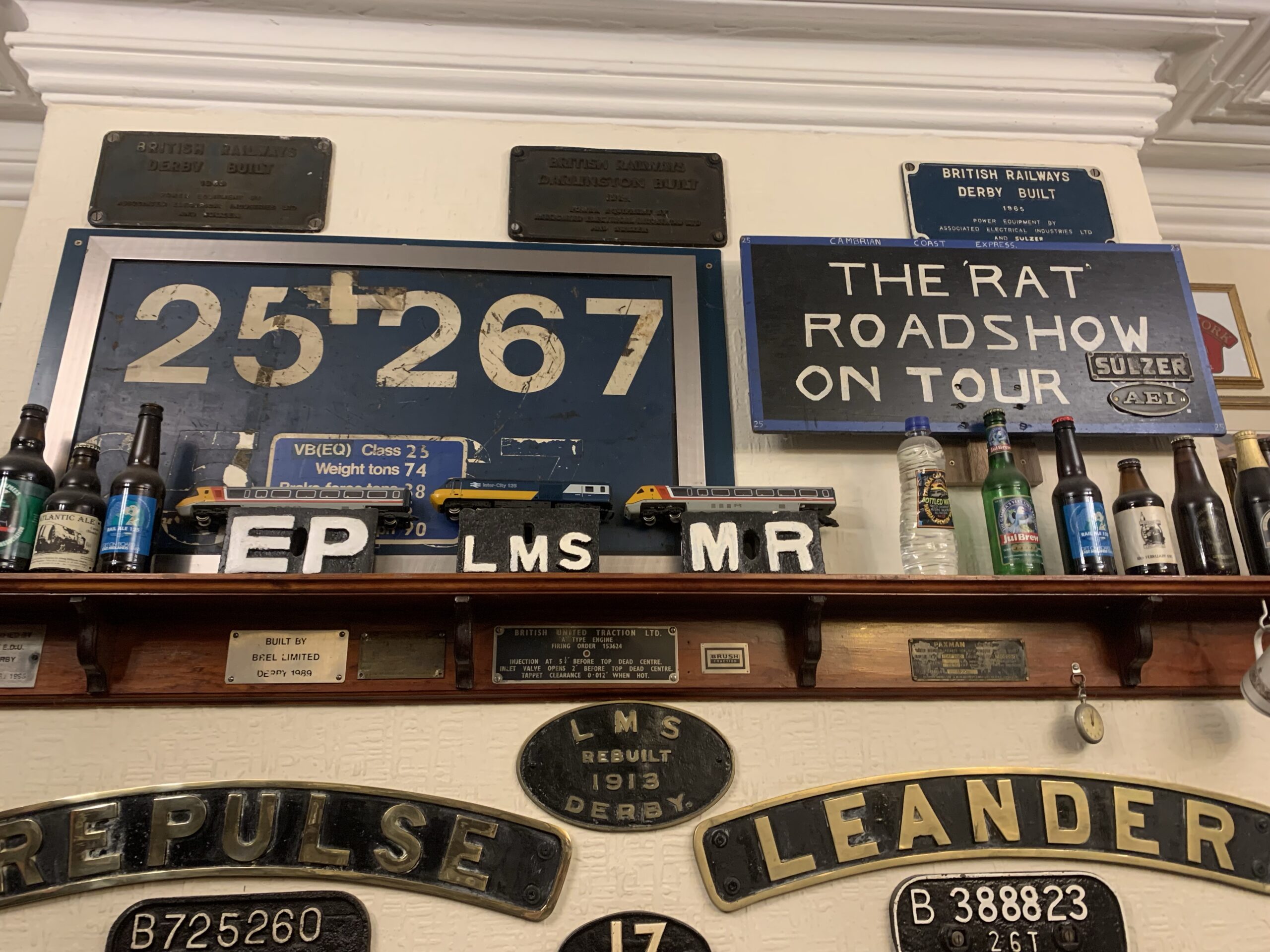
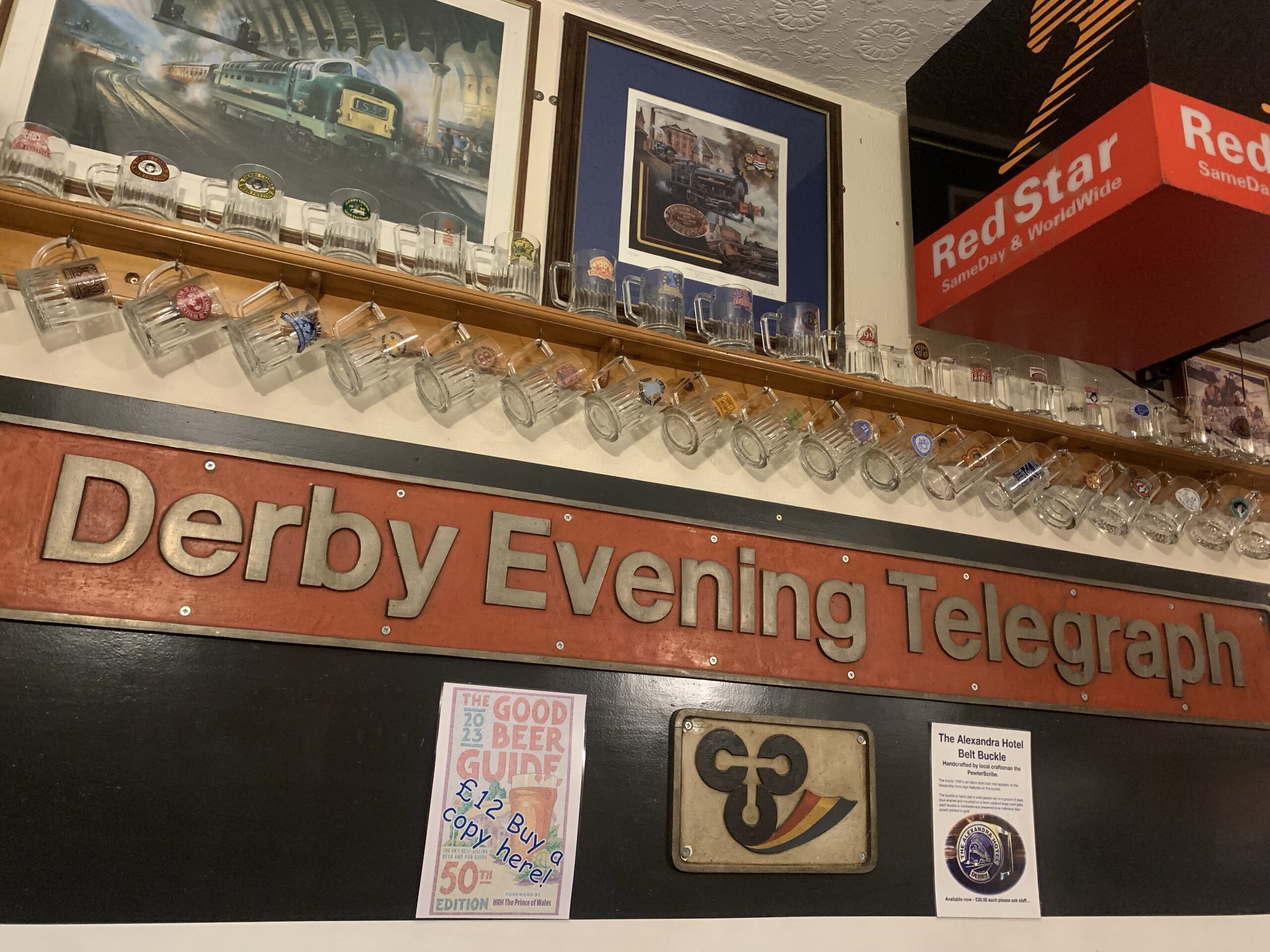
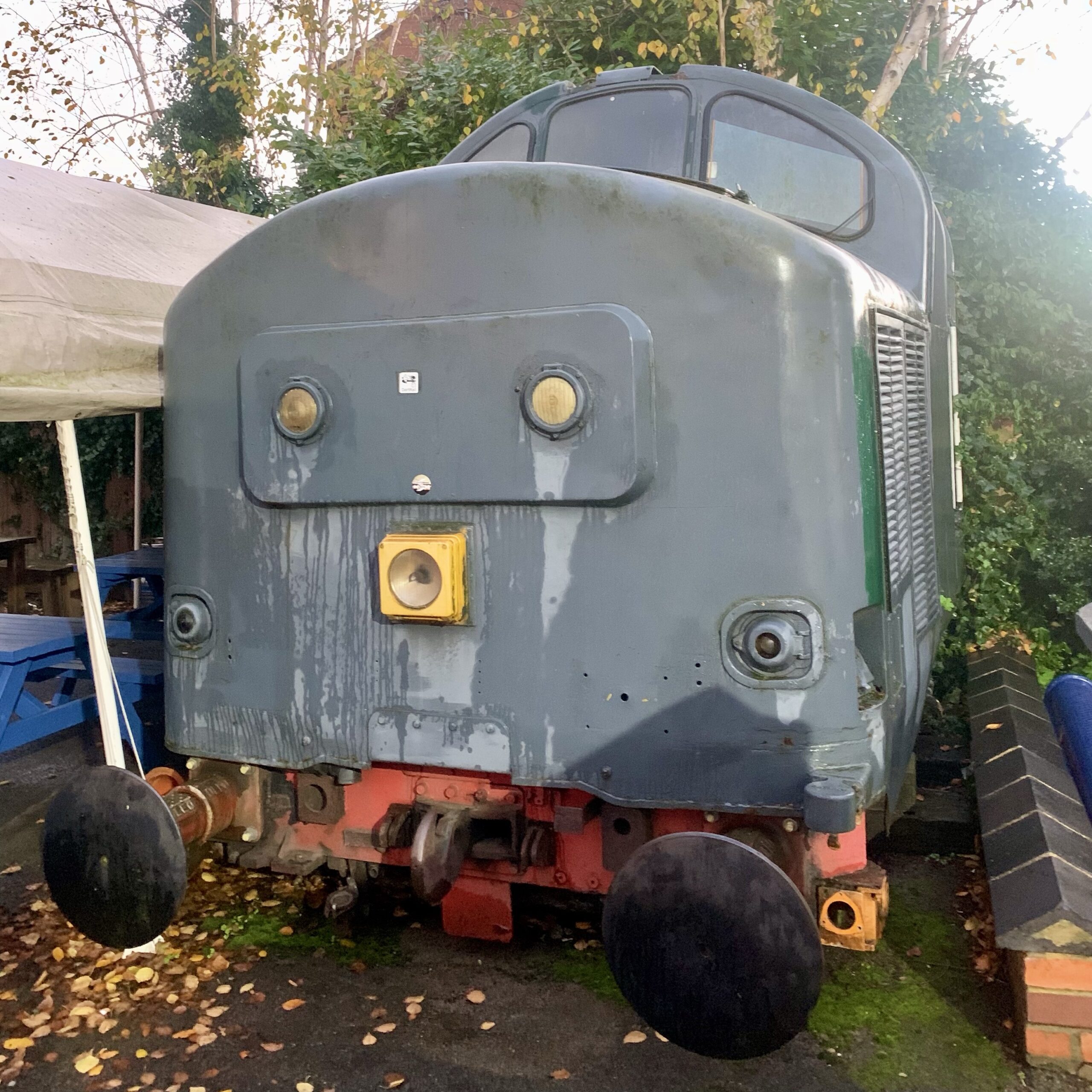
After a nights rest, we set off on Friday morning for a leisurely drive through the Peak District National Park taking in Peak Forest.
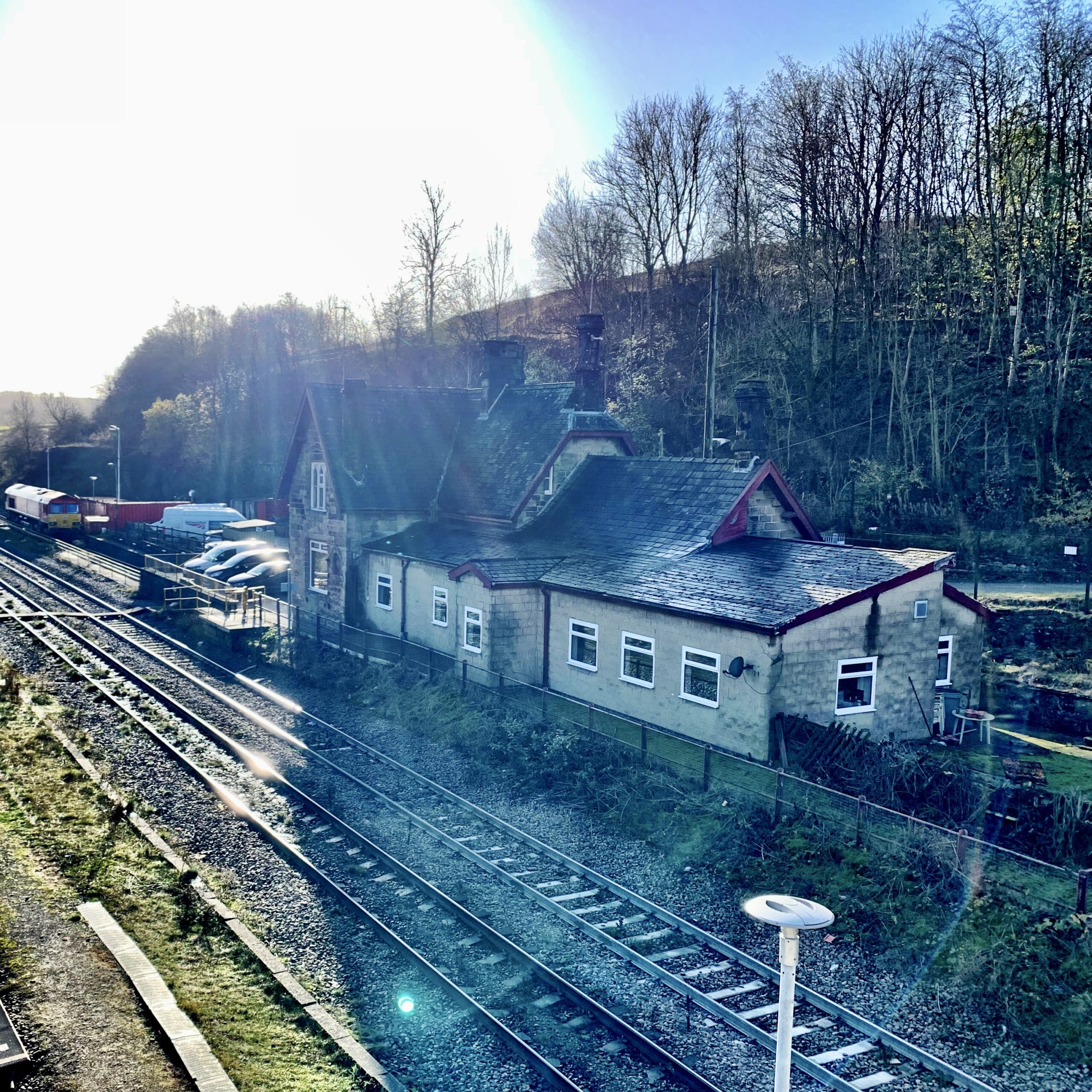
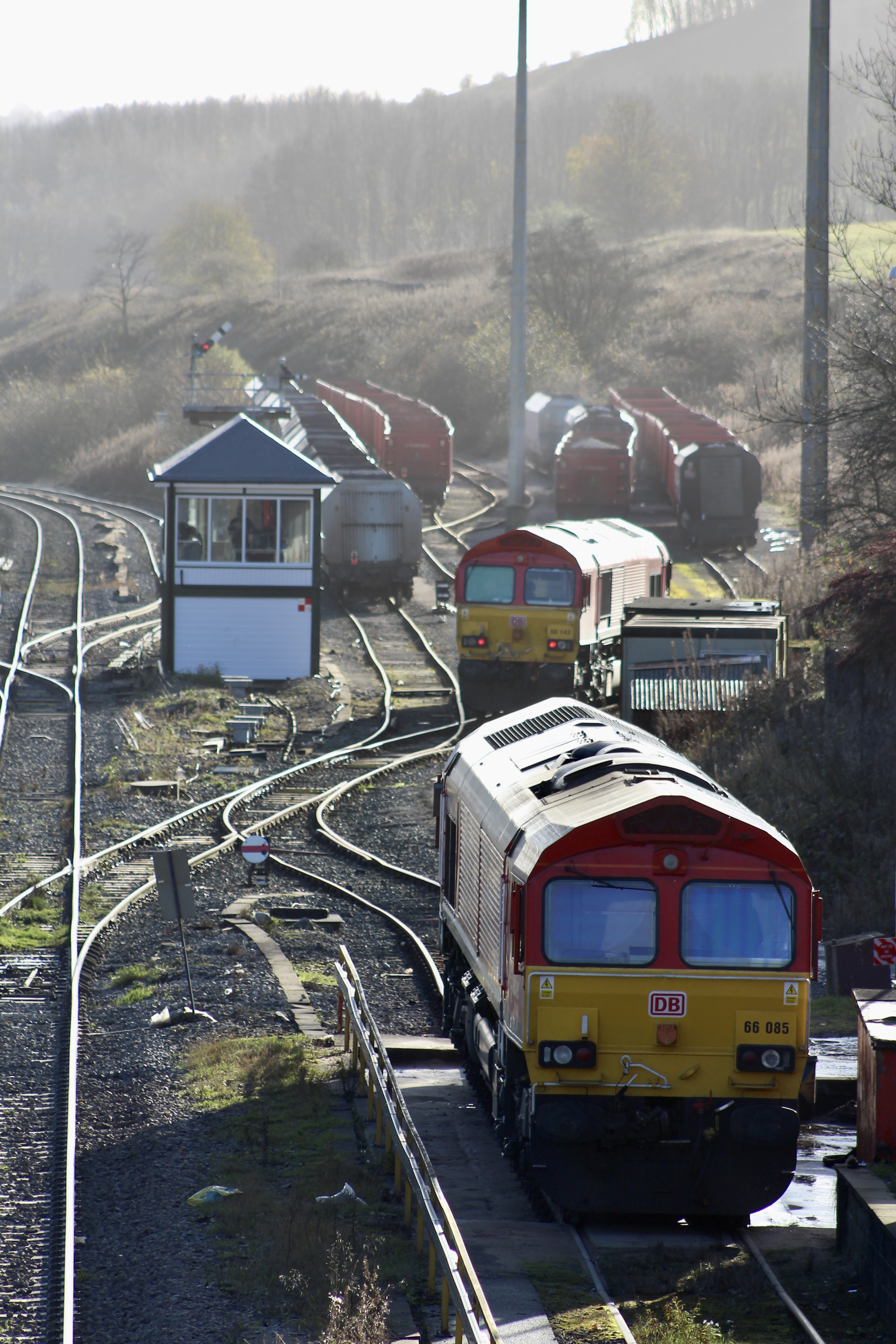
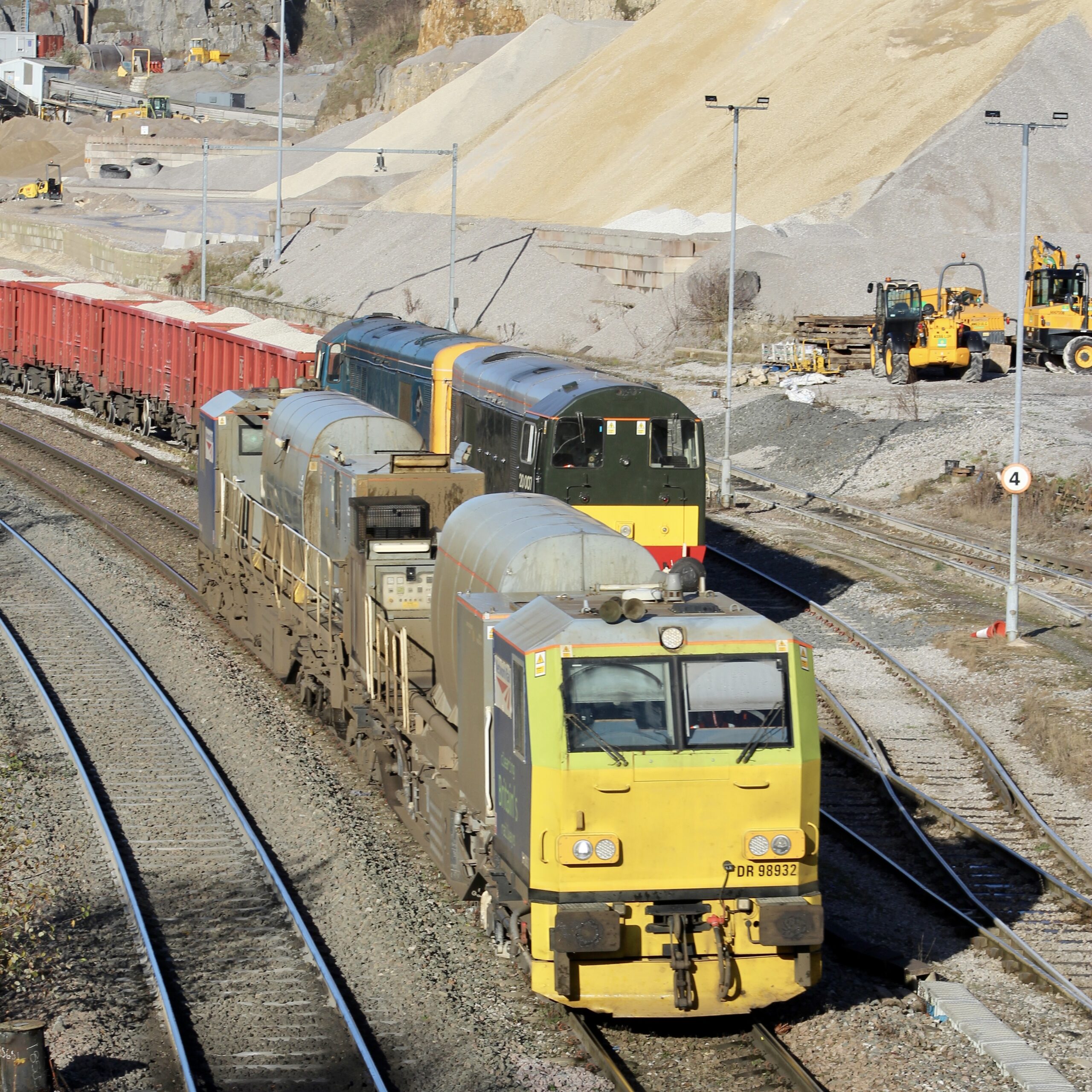
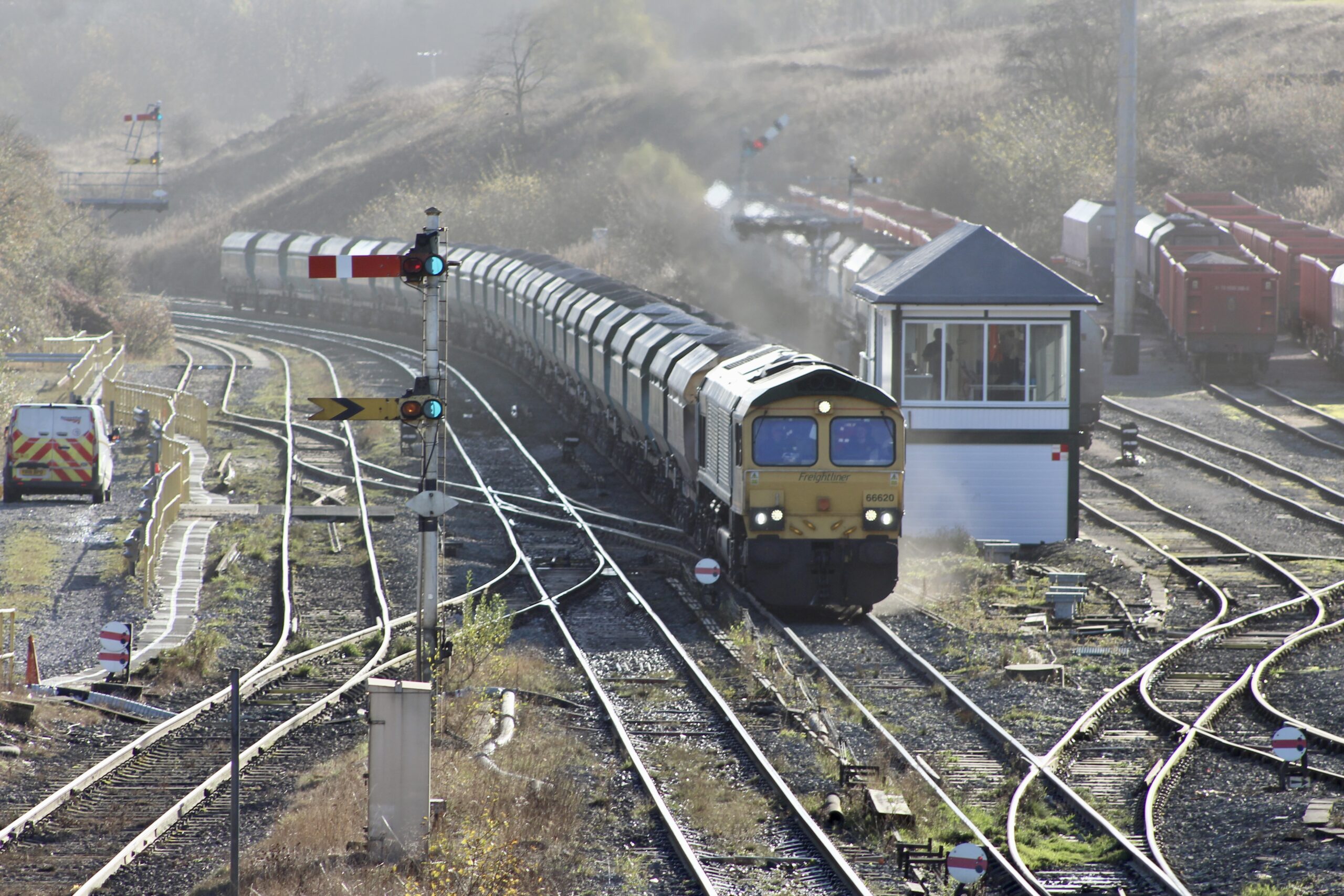
Peak Forest railway station was opened in 1867 by the Midland Railway on its extension of the Manchester, Buxton, Matlock and Midlands Junction Railway from Rowsley, part of the main Midland Line from Manchester to London. It was also the northern junction for the line from Buxton. A section of the line is retained for freight trains. The station closed in 1967 and the platforms were demolished shortly afterwards, although a section has been reinstated for railway staff and the station buildings which can be seen from the road bridge passing over the tracks survive as offices for the nearby quarry terminal.

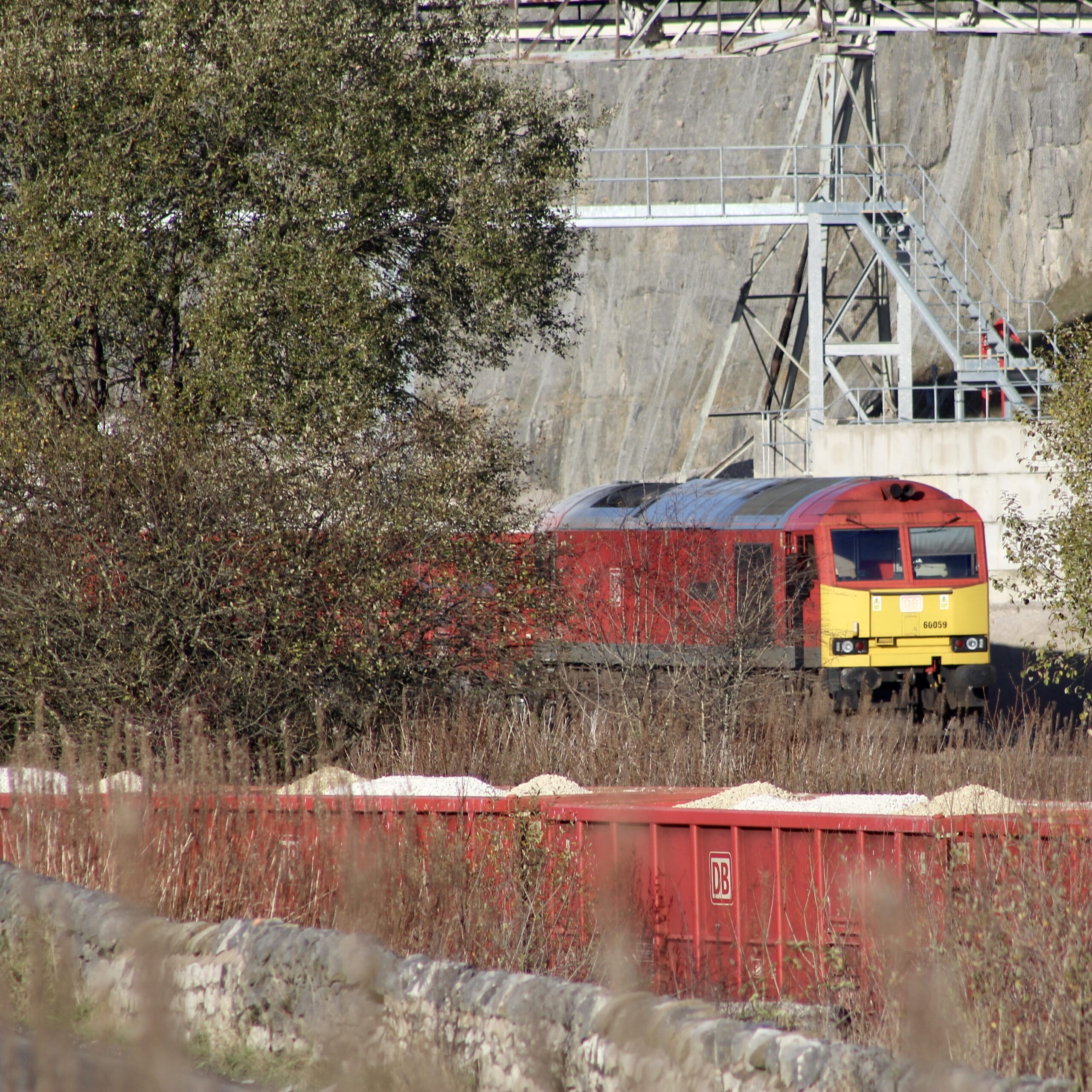
From Peak Forest, we headed into Buxton for lunch in “The Railway @. Buxton” a pub which got its name as it was popular with railway workers after they had finished their shifts. It stands in front of the impressive Buxton Viaduct which carries the freight line from Peak Forest. As we parked up, we saw Class 60 No. 60059 ‘Swindon Dalesman’ pass over working 6E18 1141 Peak Forest RMC Sidings to Attercliffe Sindings EWS
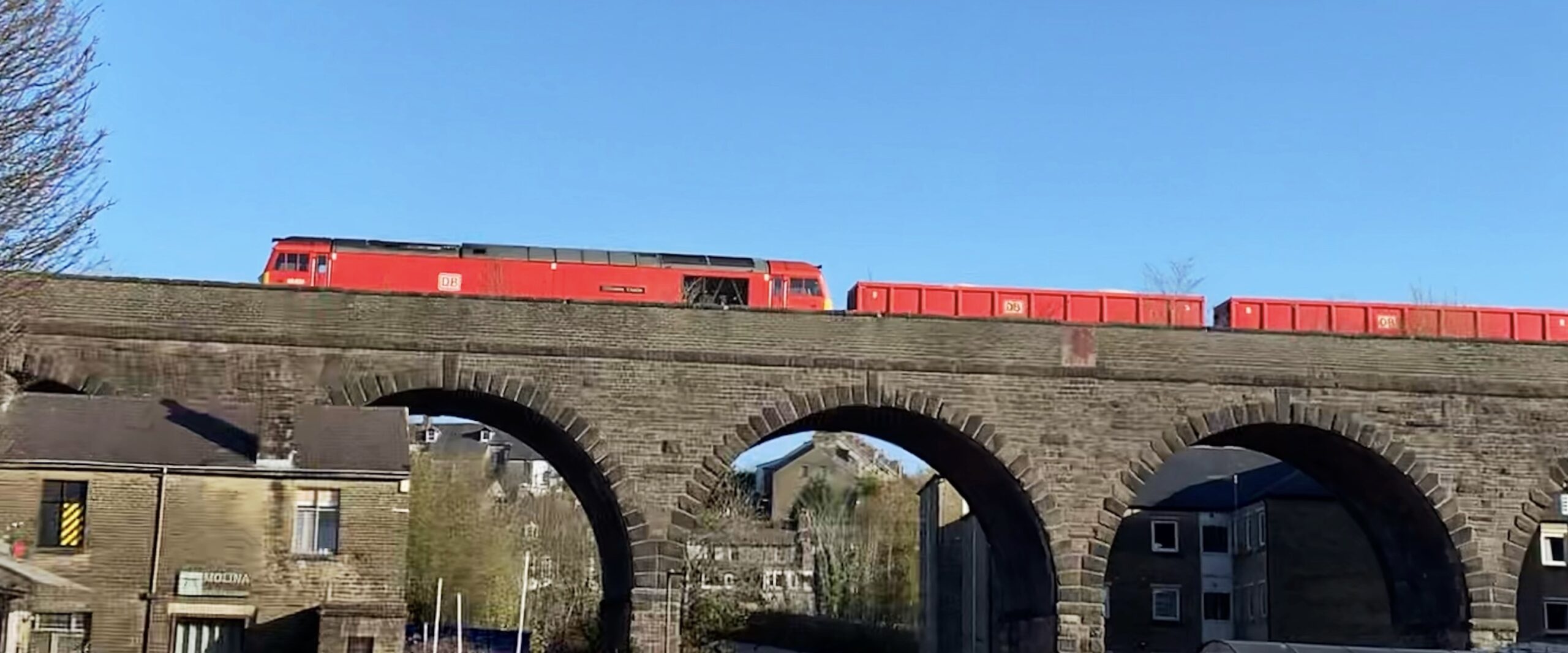
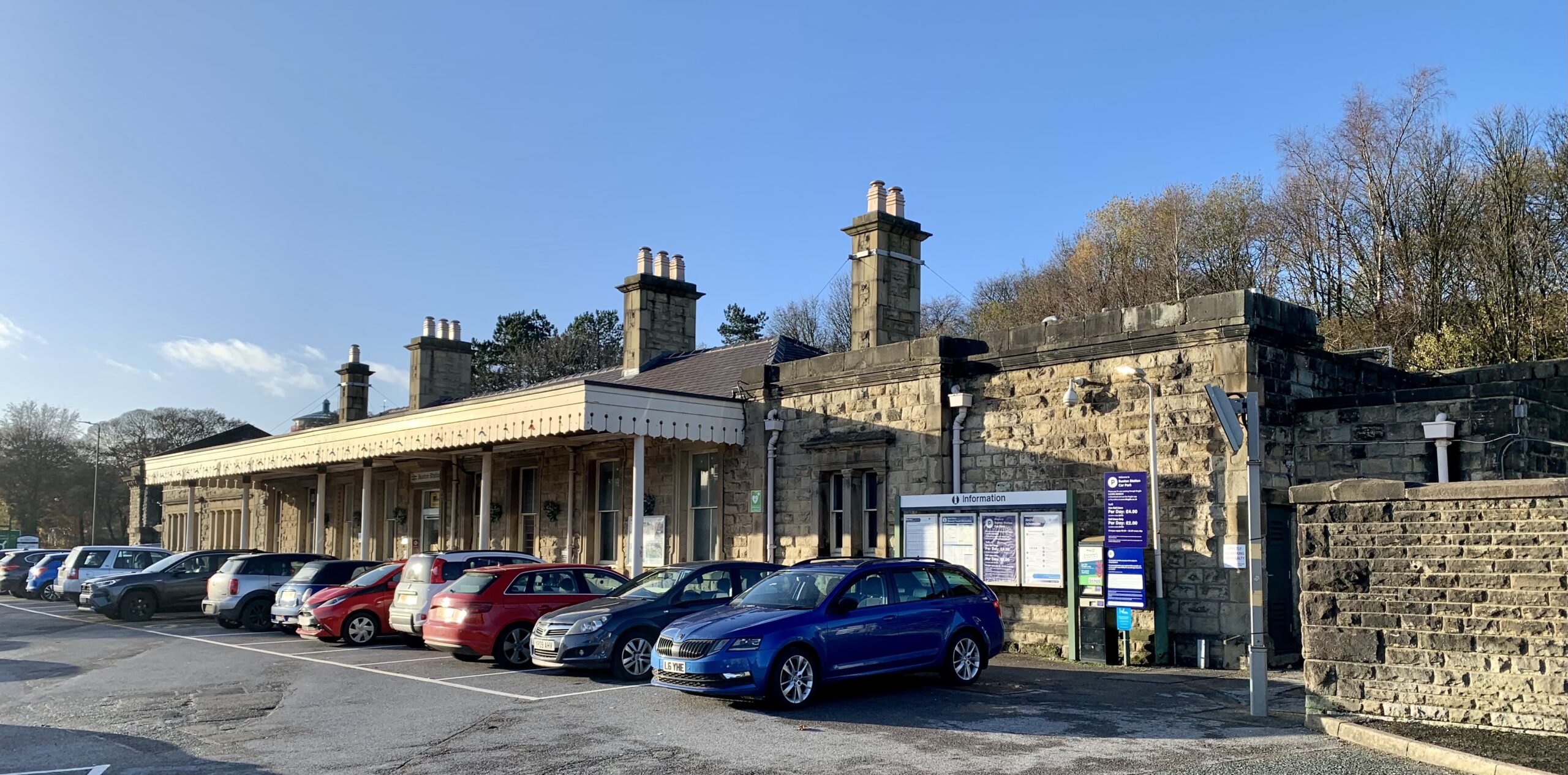
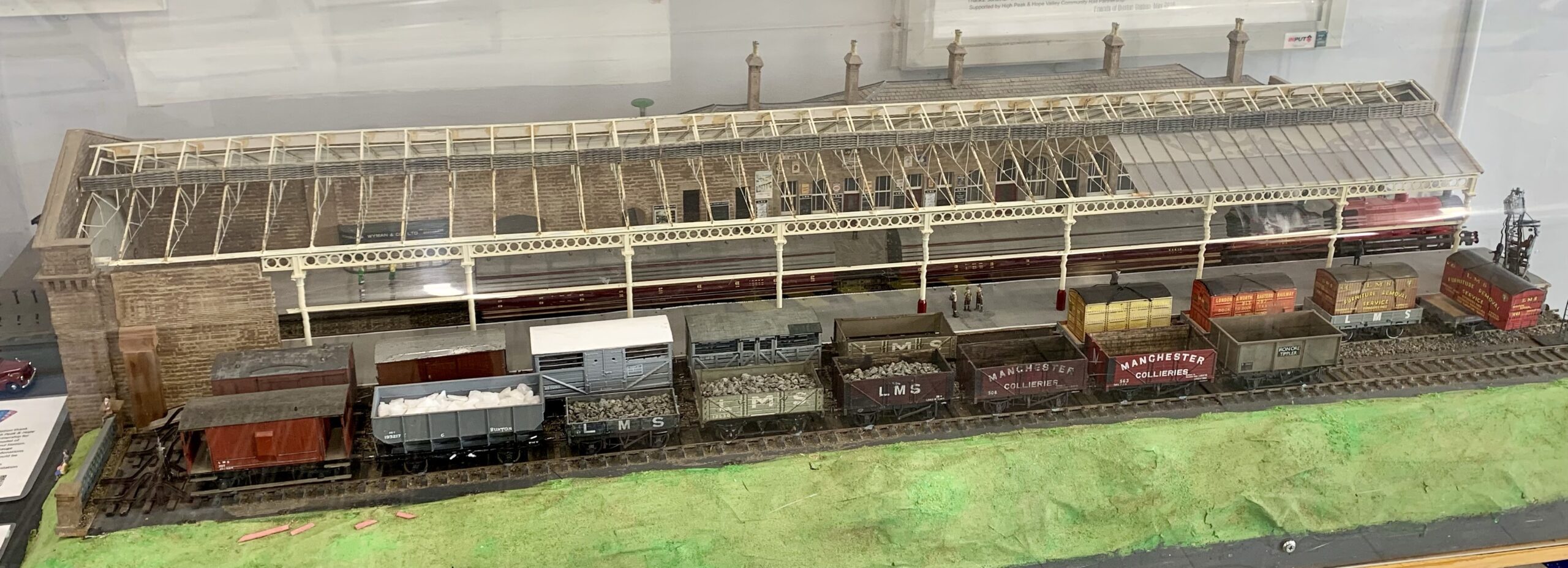
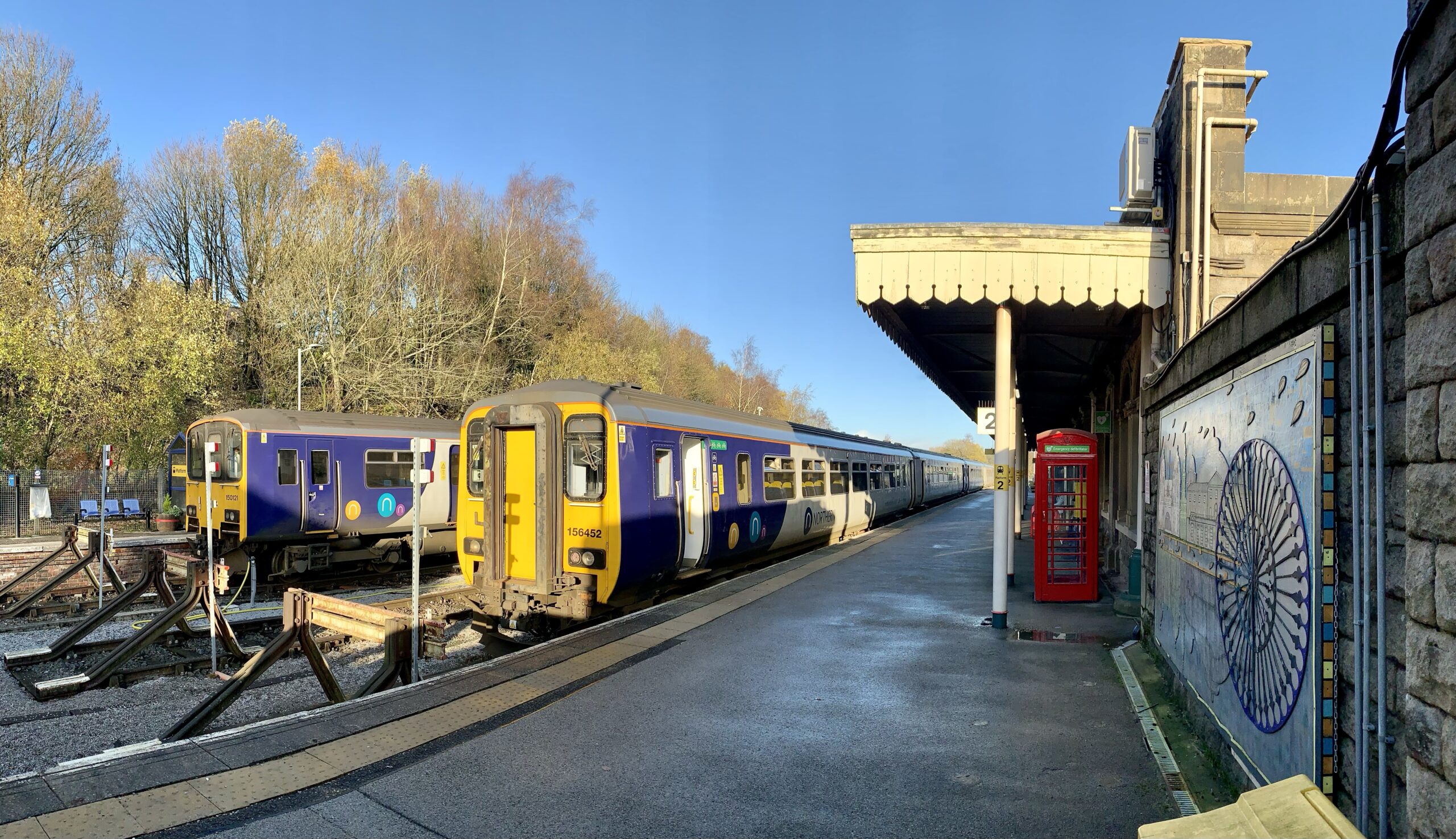
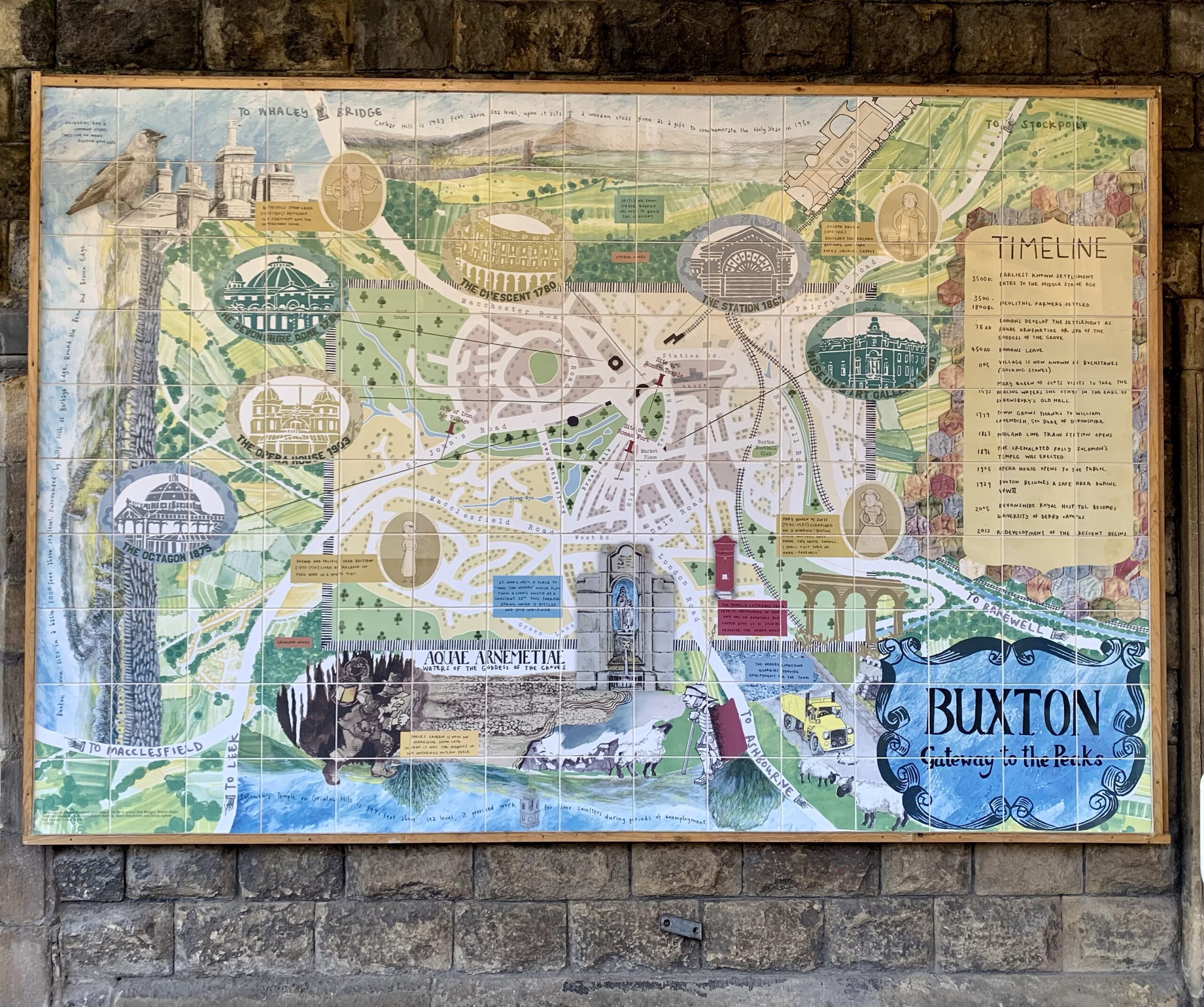
There were once two railway stations in Buxton; the aforementioned Manchester, Buxton, Matlock and Midlands Junction Railway from Rowsley favoured by the Midland Railway (MR) and The Stockport, Disley and Whaley Bridge Railway supported by the London & North Western Railway (LNWR) extended its line to Buxton. The stations were built side by side and given identical frontages designed by Joseph Paxton (best known for designing Crystal Palace and for cultivating the Cavendish banana), and built by John Smith each being built from local stone and having a wrought iron glazed train shed, fronted with half-circle fan widows and the names of the operating companies carved into the supporting stonework. Joseph Paxton was a director of both companies and he attended grand lunches at the opening of both stations which occurred on the same day; 1st June 1863. Can’t say I blame him!
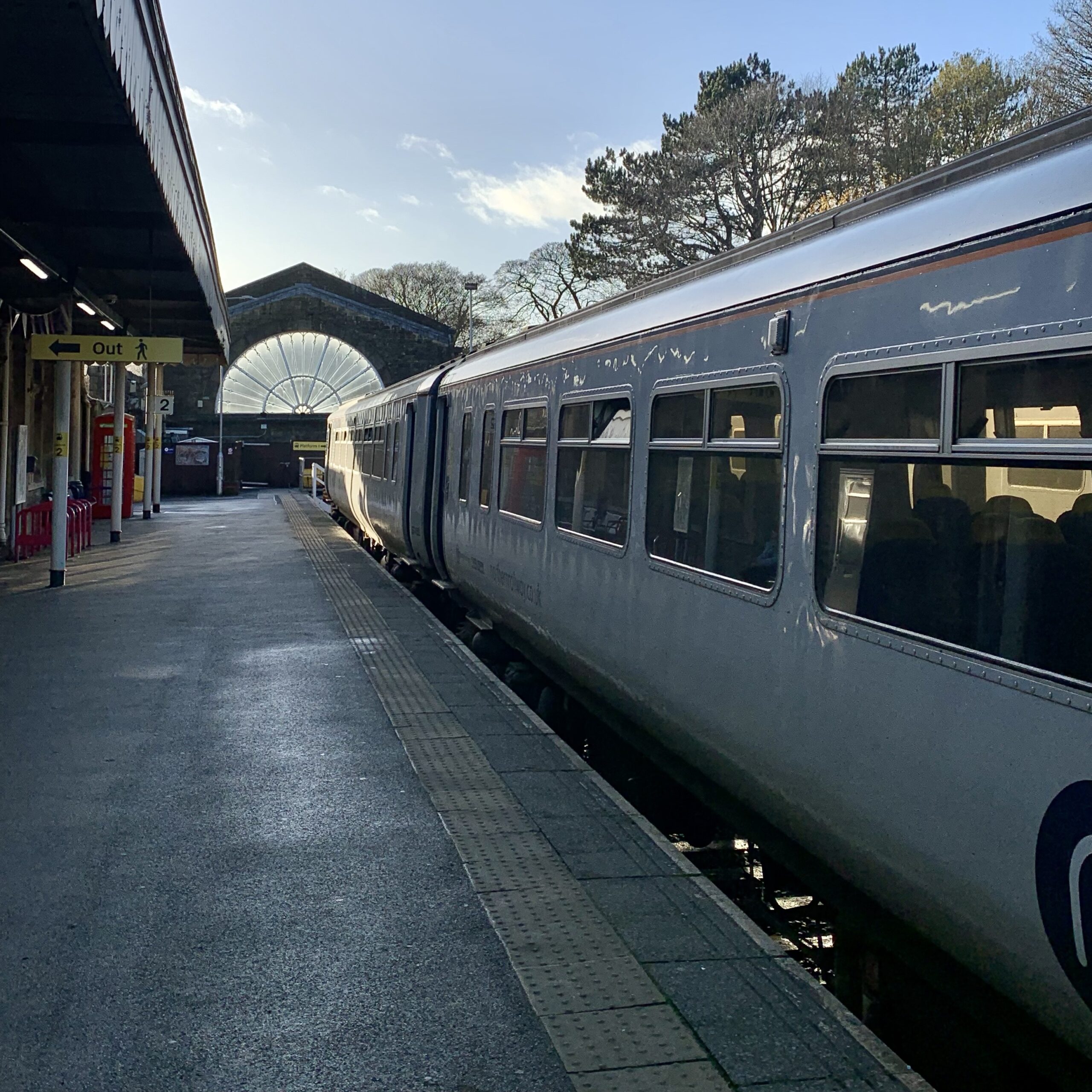
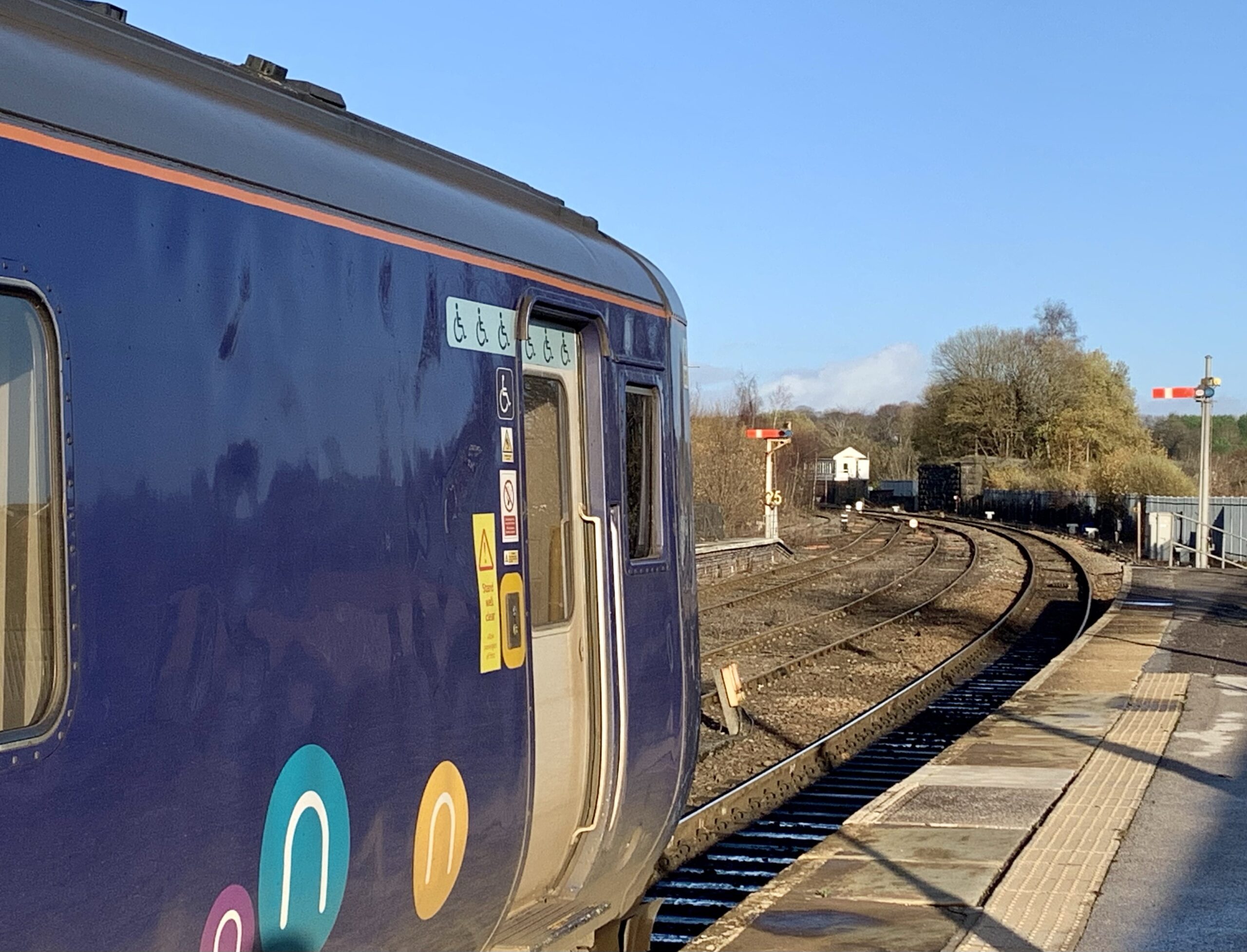
Buxton’s Midland Station fell victim to the Beeching Axe and closed on 6th March 1967 and was demolished in November 1970. There have been numerous attempts since to relay the track as a heritage line, but these have met without success to date. The LNWR station survives and handles all of Buxton’s passenger traffic today. The glazed roof has been removed, but the fanlight window was restored in 2009 and is Grade II listed.
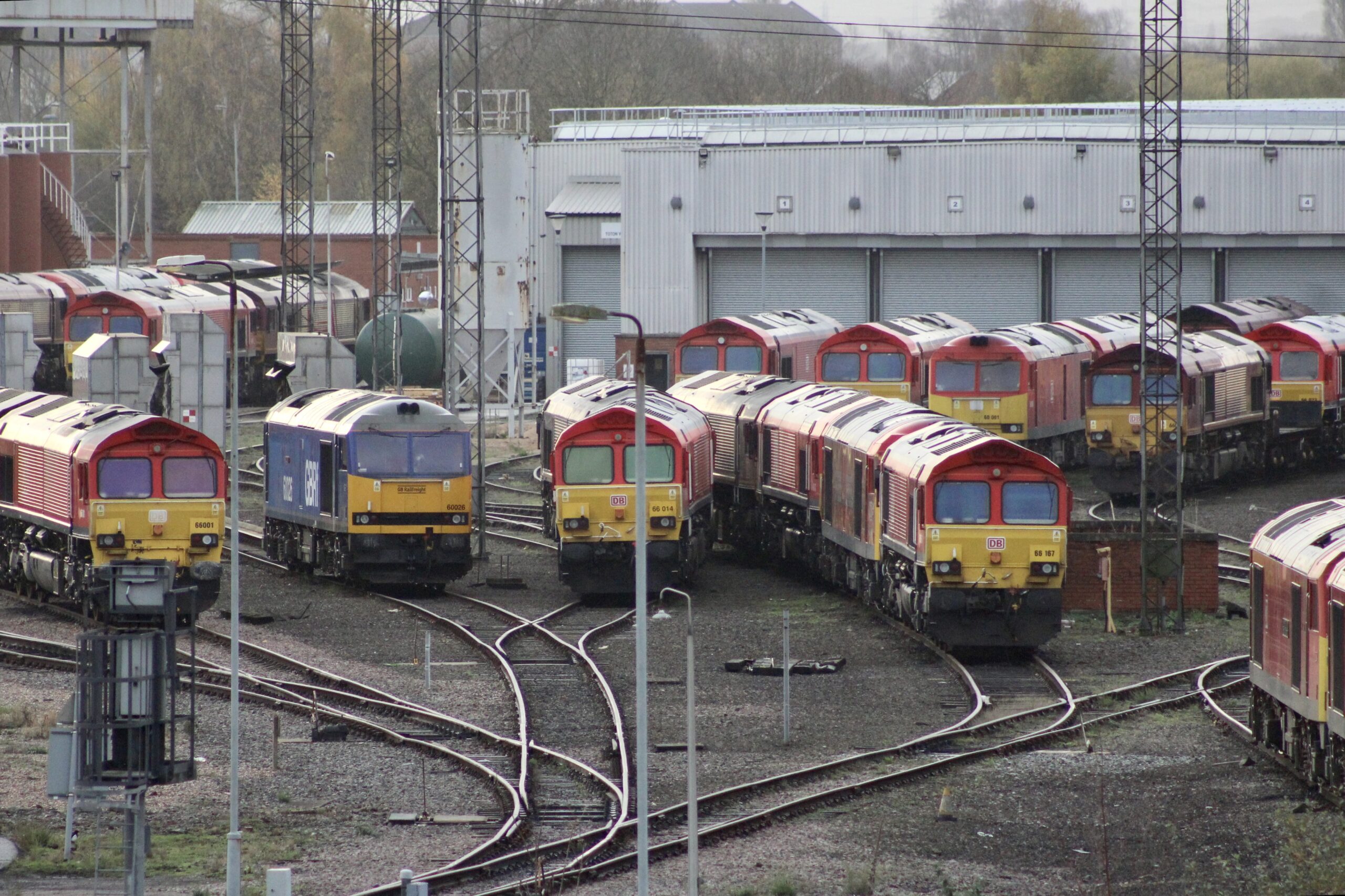
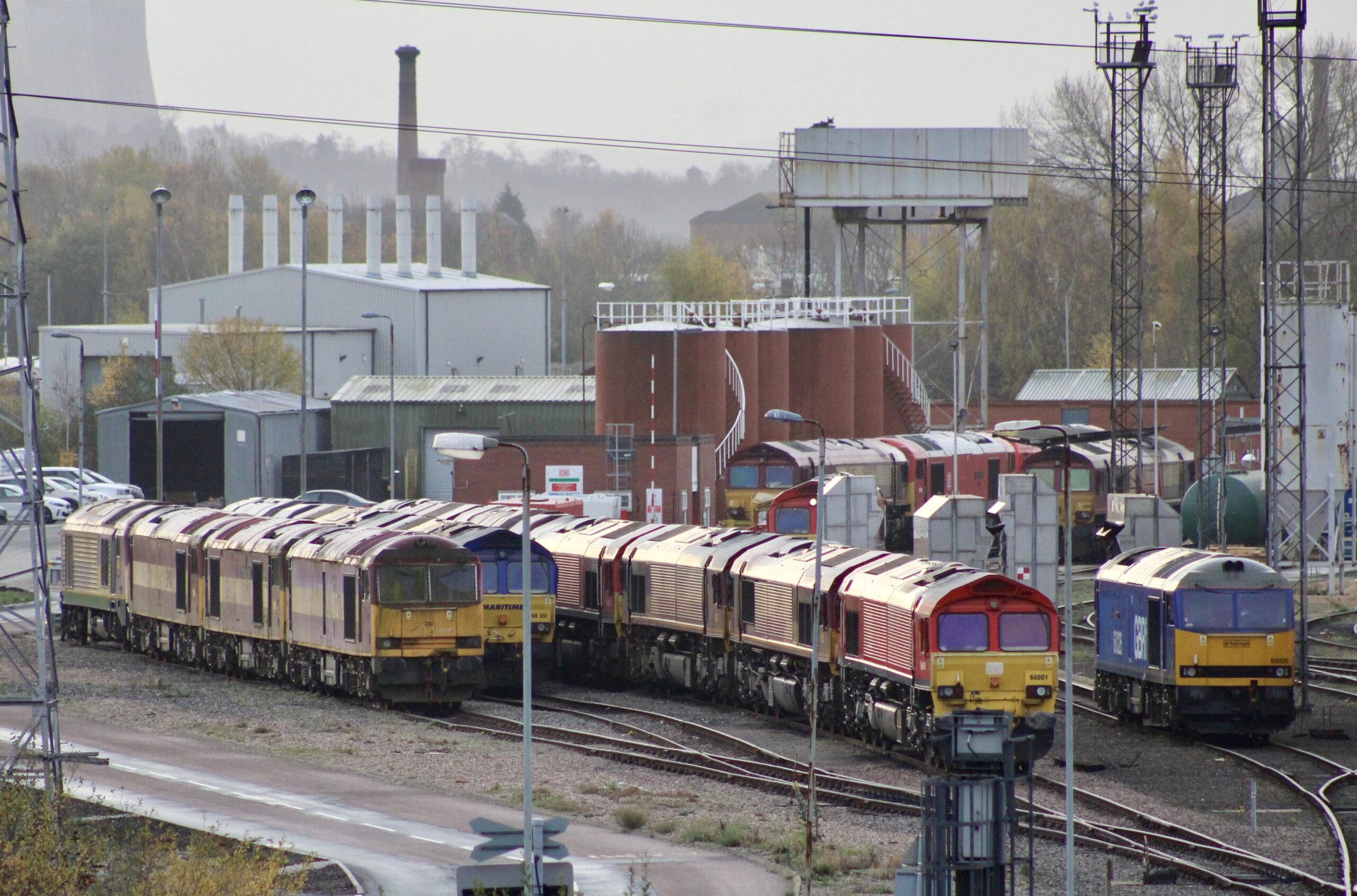
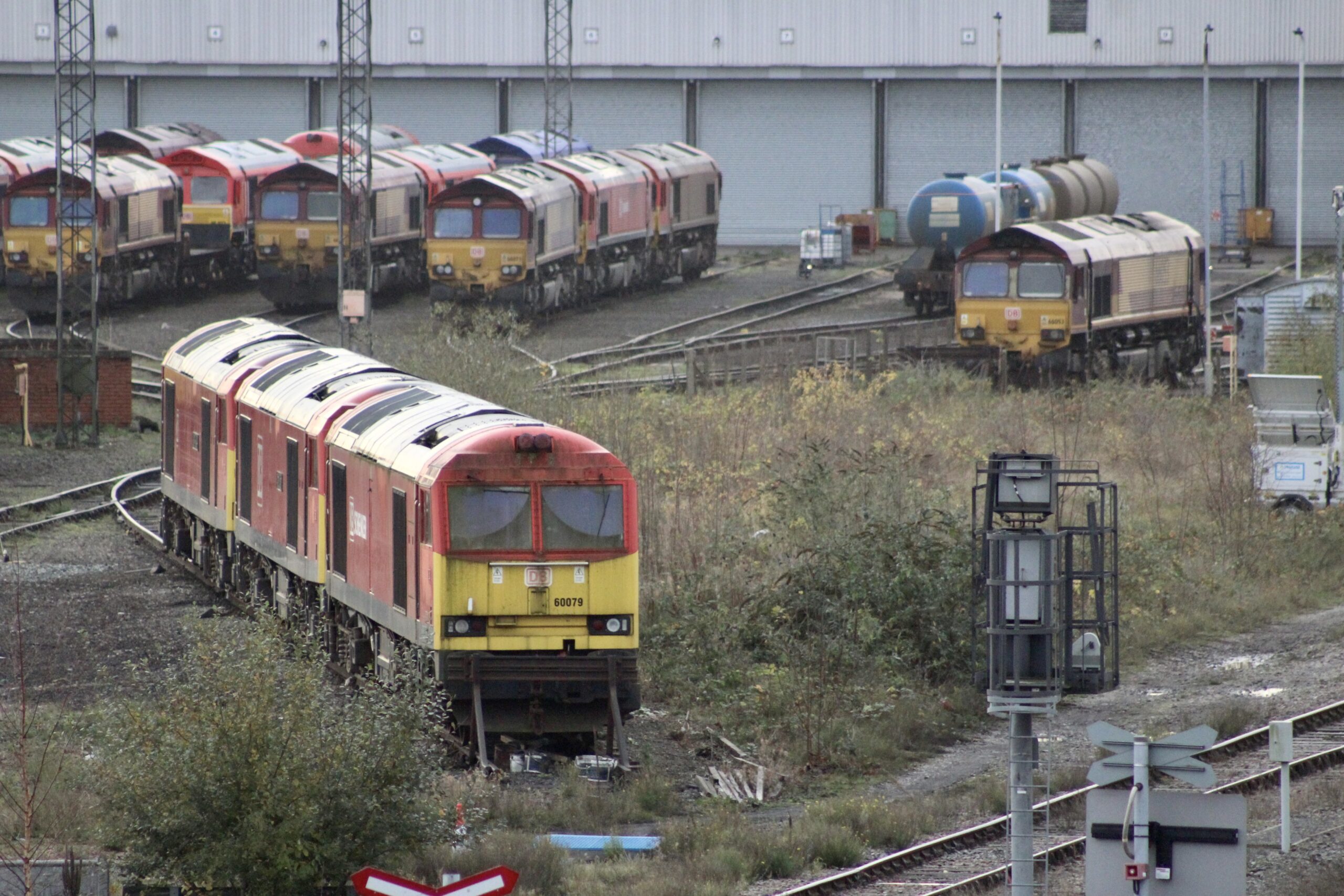
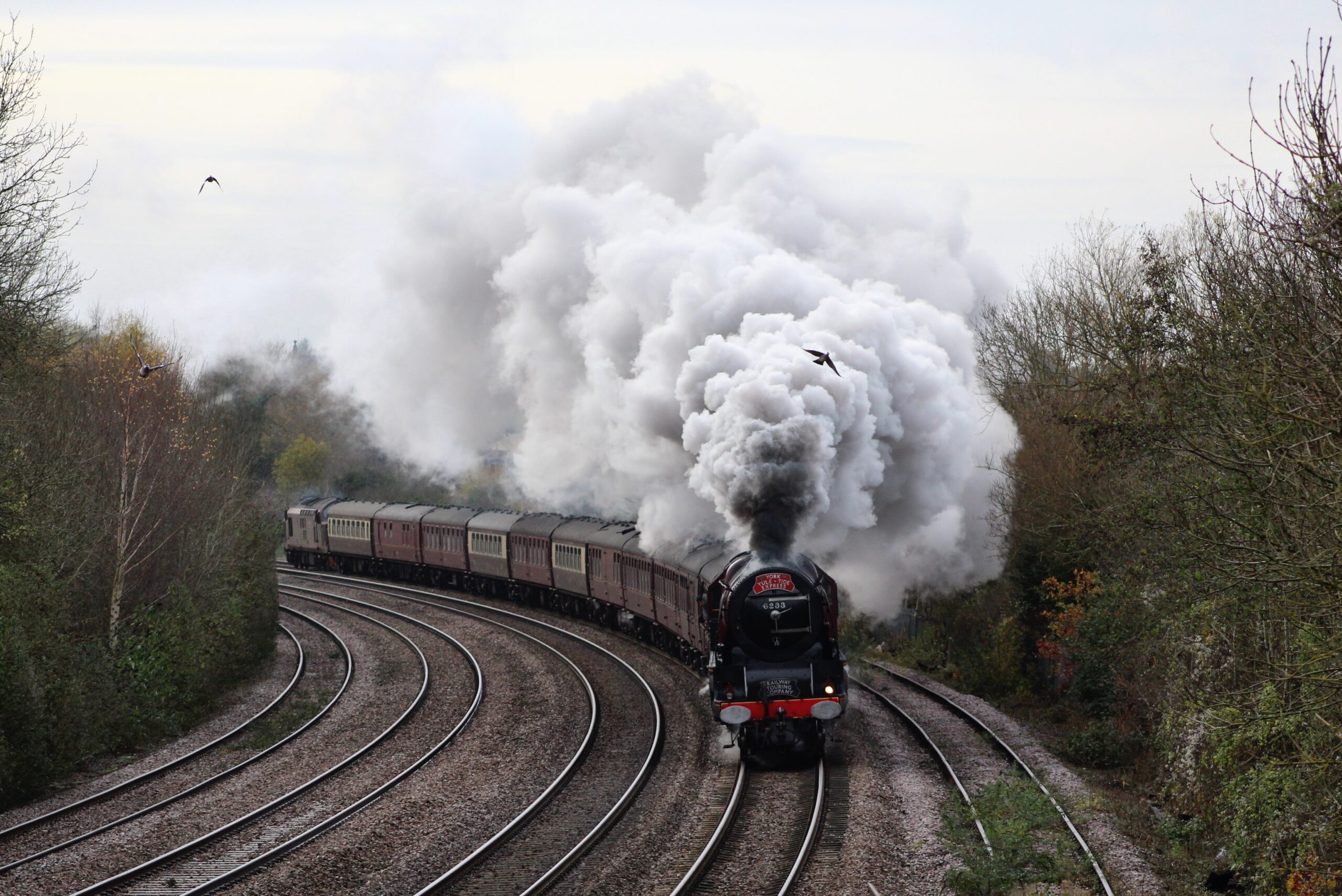
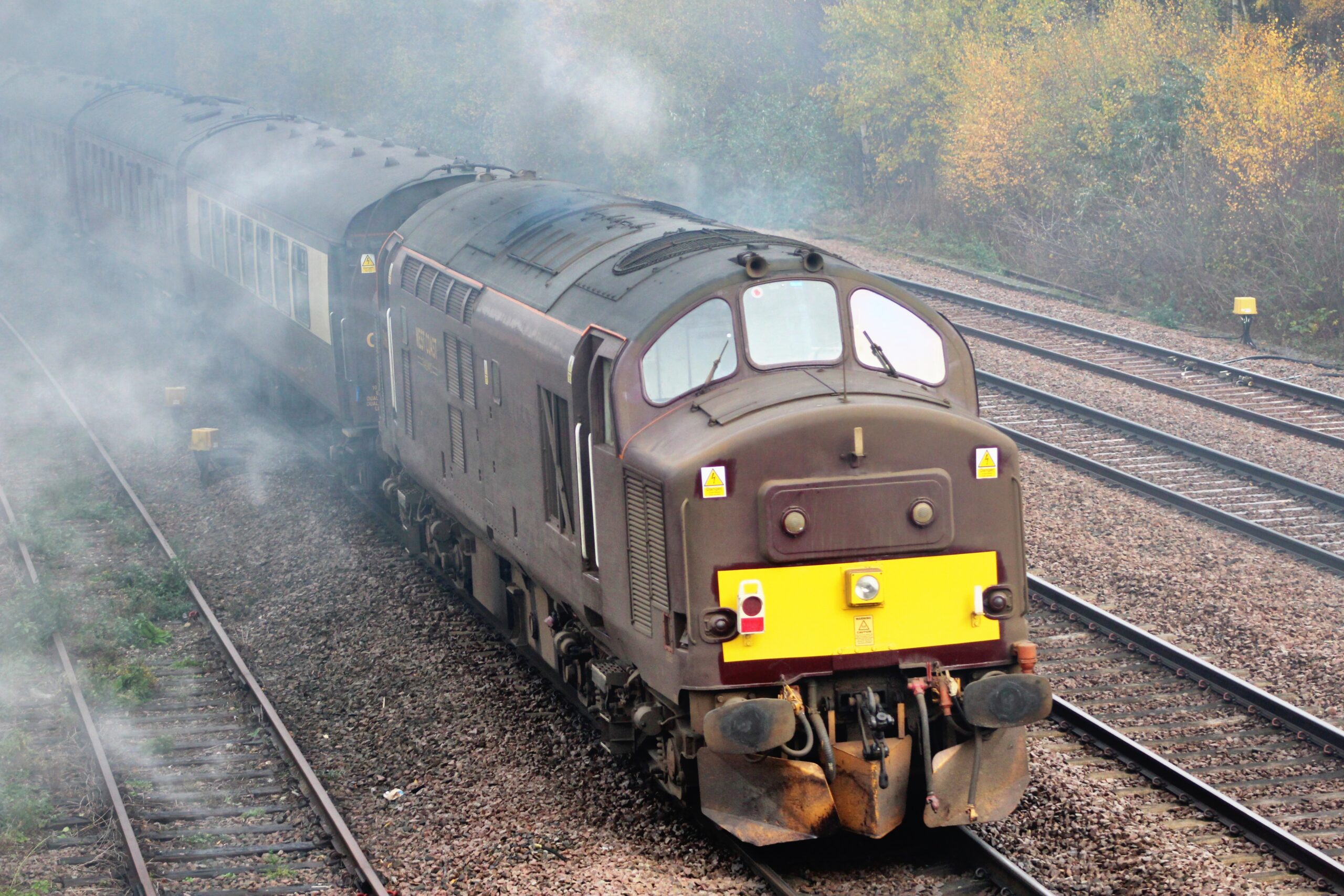
Saturday we had planned to head to Nottingham to meet friends. There was a strike by ASLEF union members which prevented any East Midlands Railway (EMR) trains running through the city. However, a quick look at the rail tour schedule revealed that The Railway Touring Company organised “York Yule-Tide Express” was scheduled to pass very close to Nottingham at around 1030 that morning. So feeling quite pleased that a mainline steam train would be in our sights, we headed off to Toton which is halfway between Derby and Nottingham. After taking some photographs from the A52 looking across to Toton depot, we drove a short distance to Sandiacre and the Iron Giant Walkway which crosses the five track railway line which I though would make a great location to see LMS Coronation Pacific No. 6233 ‘Duchess of Sutherland’ head to York.


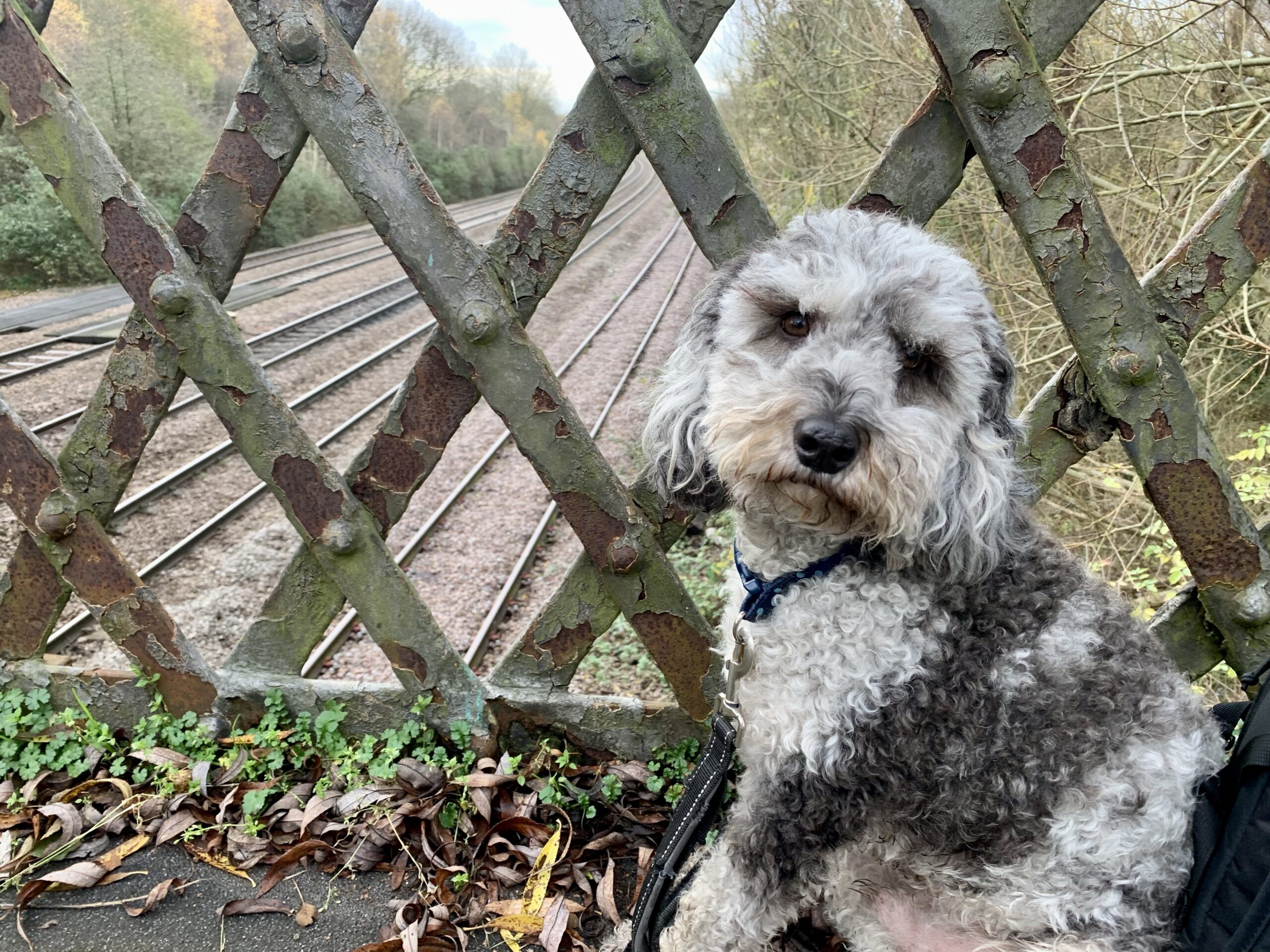
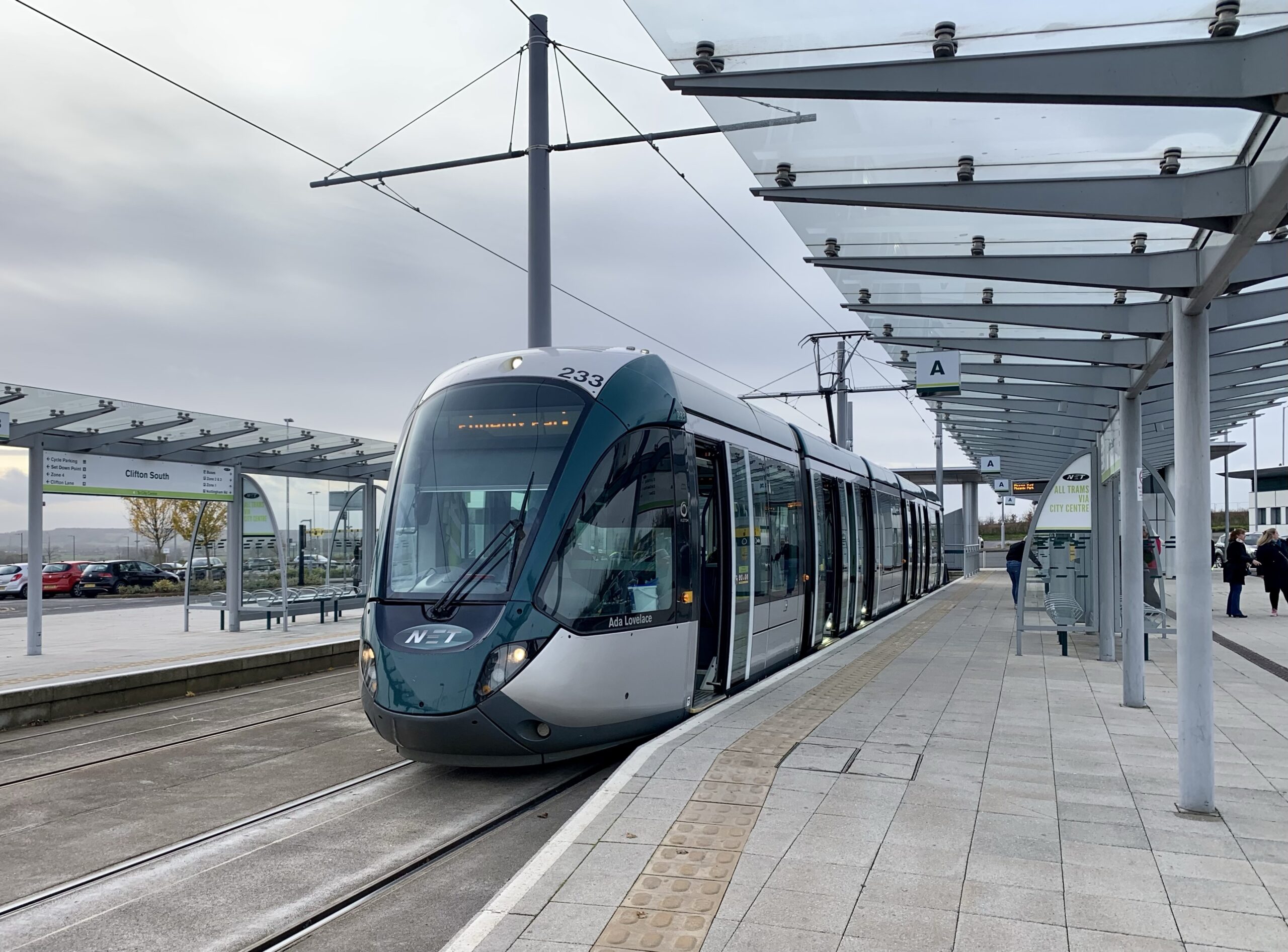
While we were waiting for The Duchess we learned Nottingham Castle had fallen into liquidation and was closed to the public. We were not discouraged by this set back and headed off to the Park and Ride at Clifton South, Nottingham. It was only when we tried to buy tickets for the Nottingham Tram that we discovered that dogs were ‘not allowed’ onboard. The helpful Nottingham Express Transit (NET) representative at at Clifton South suggested asking tram drivers if they minded Yoshi being carried onboard and luckily none of the drivers of the trams we travelled on that day objected. Quite frankly, I was amazed that dogs were not allowed on the trams. A quick look at other tram networks in the UK revealed that NET are not alone in their no dog policy. Surely if local authorities want to get people out of their cars and onto public transport this absurd rule needs to be changed. I spoke to NET who told me dogs are not carried on the Nottingham trams for “health and safety reasons and for passenger and animal safety”. I was however informed that dogs would be allowed if they were carried in a suitable “pet carrier or bag.”
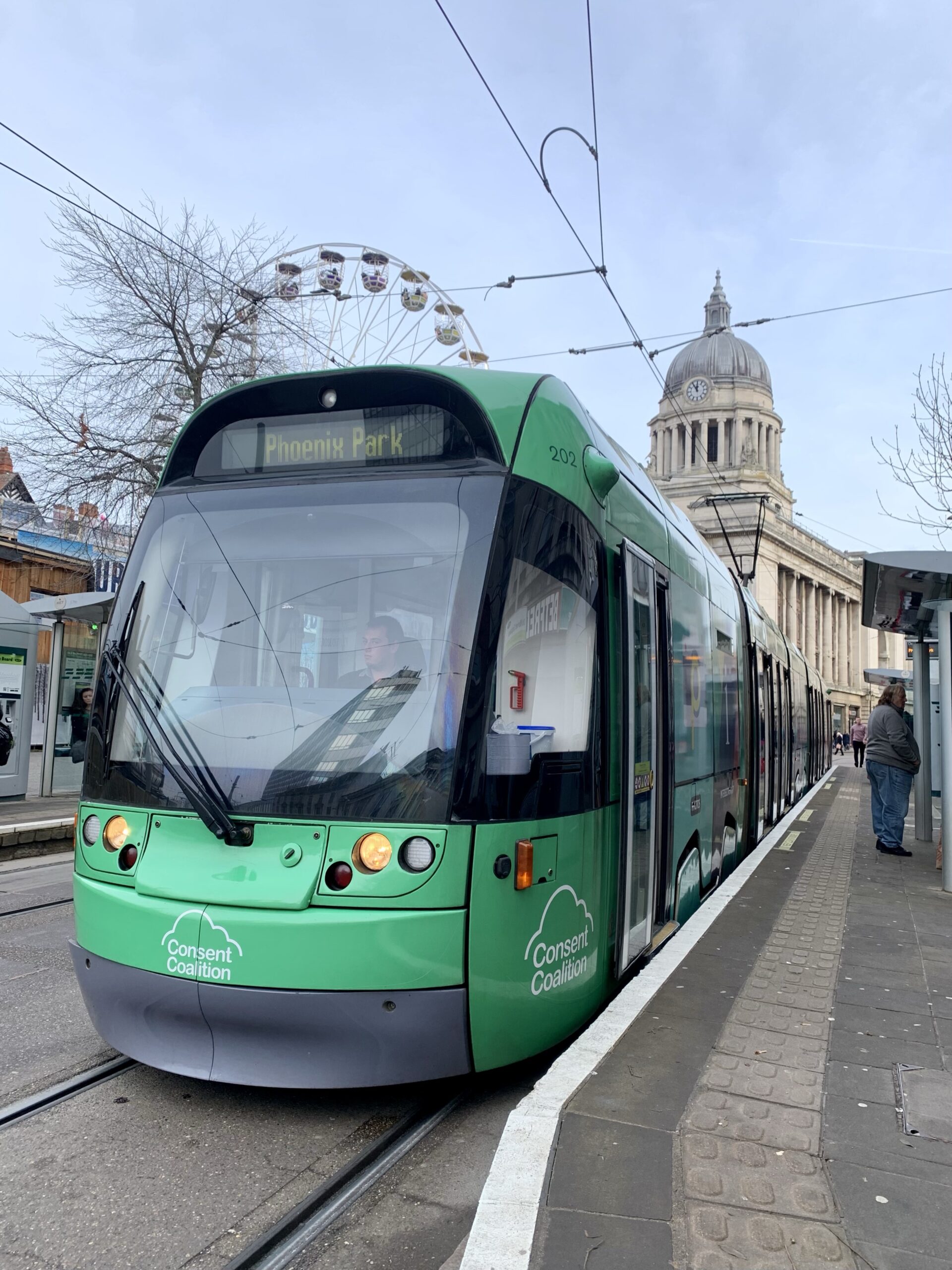
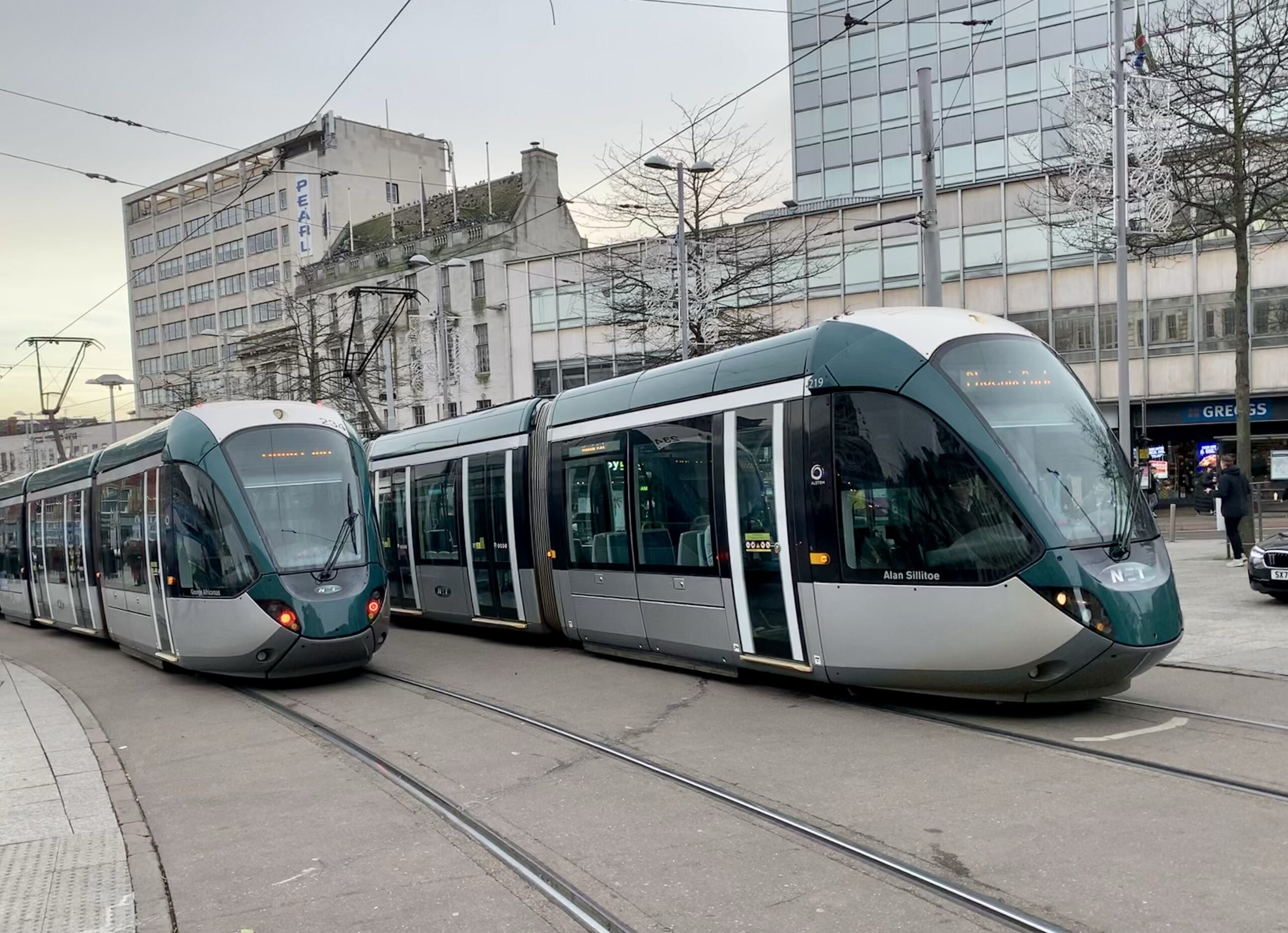
Once in Nottingham, Yoshi and I decided to explore. First stop was Nottingham railway station which is the only surviving city centre station which survives from the four that once served the population of the city of Nottingham. The station was first built by the Midland Railway (MR) in 1848 and later rebuilt in 1904 to design by company architect Charles Trubshaw with external detail by local architect Albert Lambert. It is now owned by Network Rail (NR) and managed by (EMR). The tram network runs above the station on the path of the former Great Central Railway (GCR) viaduct and includes an interchange tram stop. The station was renovated in 2017 but a fire started by a 33 year old female drug addict in January 2018 badly damaged the building.
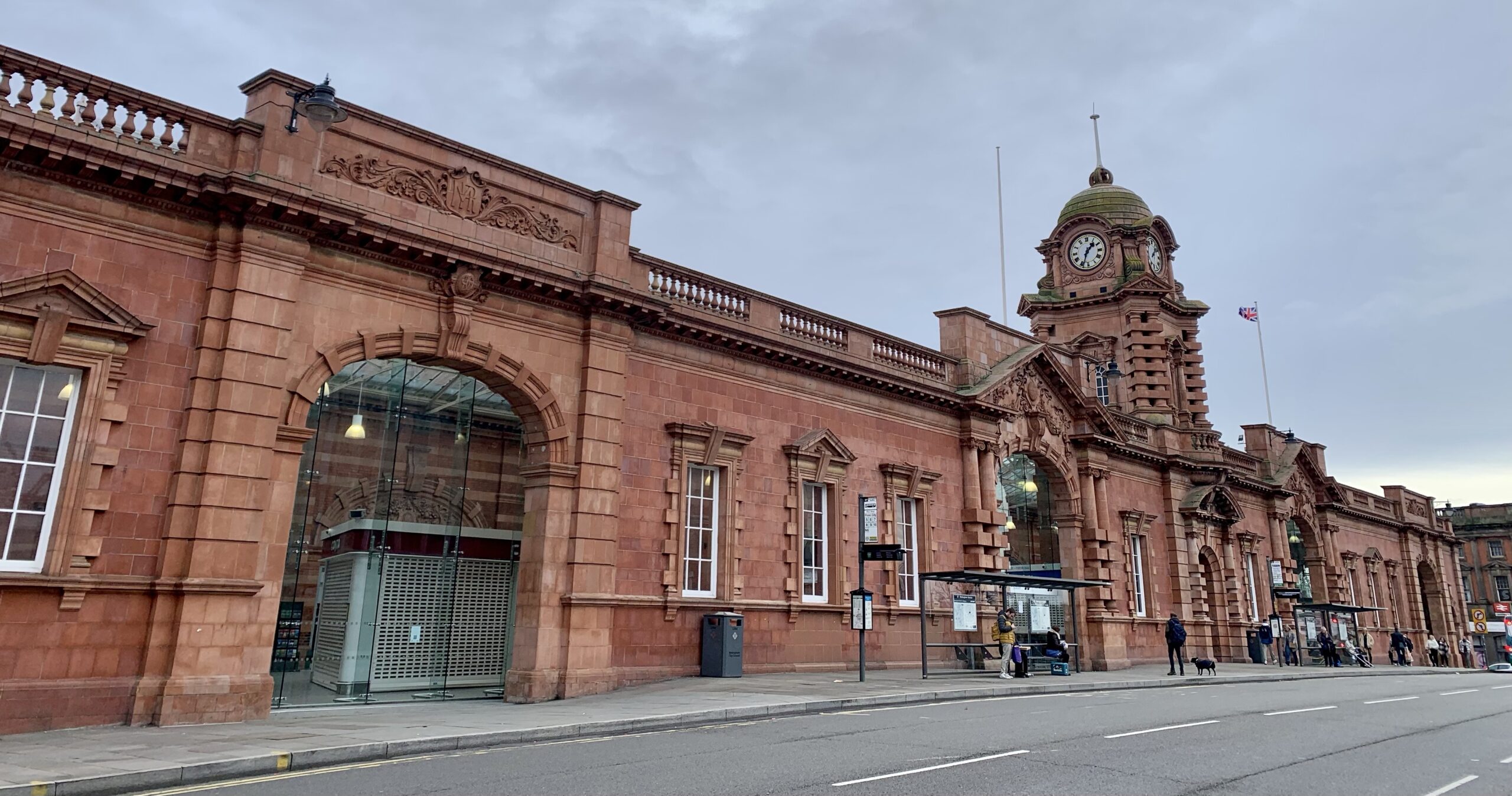
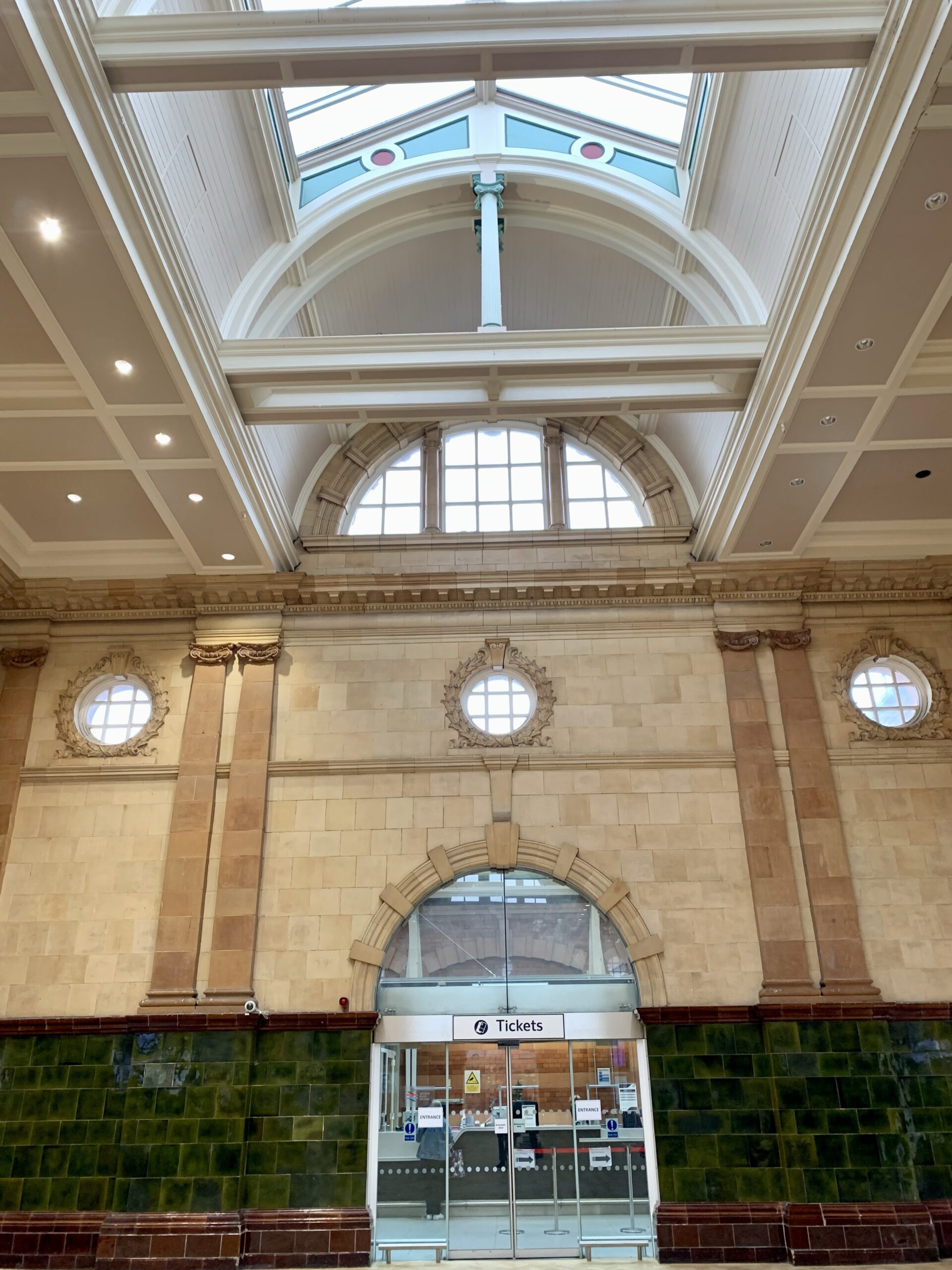
The station entrance is itself on a road bridge above the platform level and is of heavy railway baroque style with the frontage consisting of a grand passageway, where road traffic once had access, flanked by a giant arch at each end and five arches along the front. A large domed clock tower dominates the building while the interior ticket hall displays a Renaissance quality
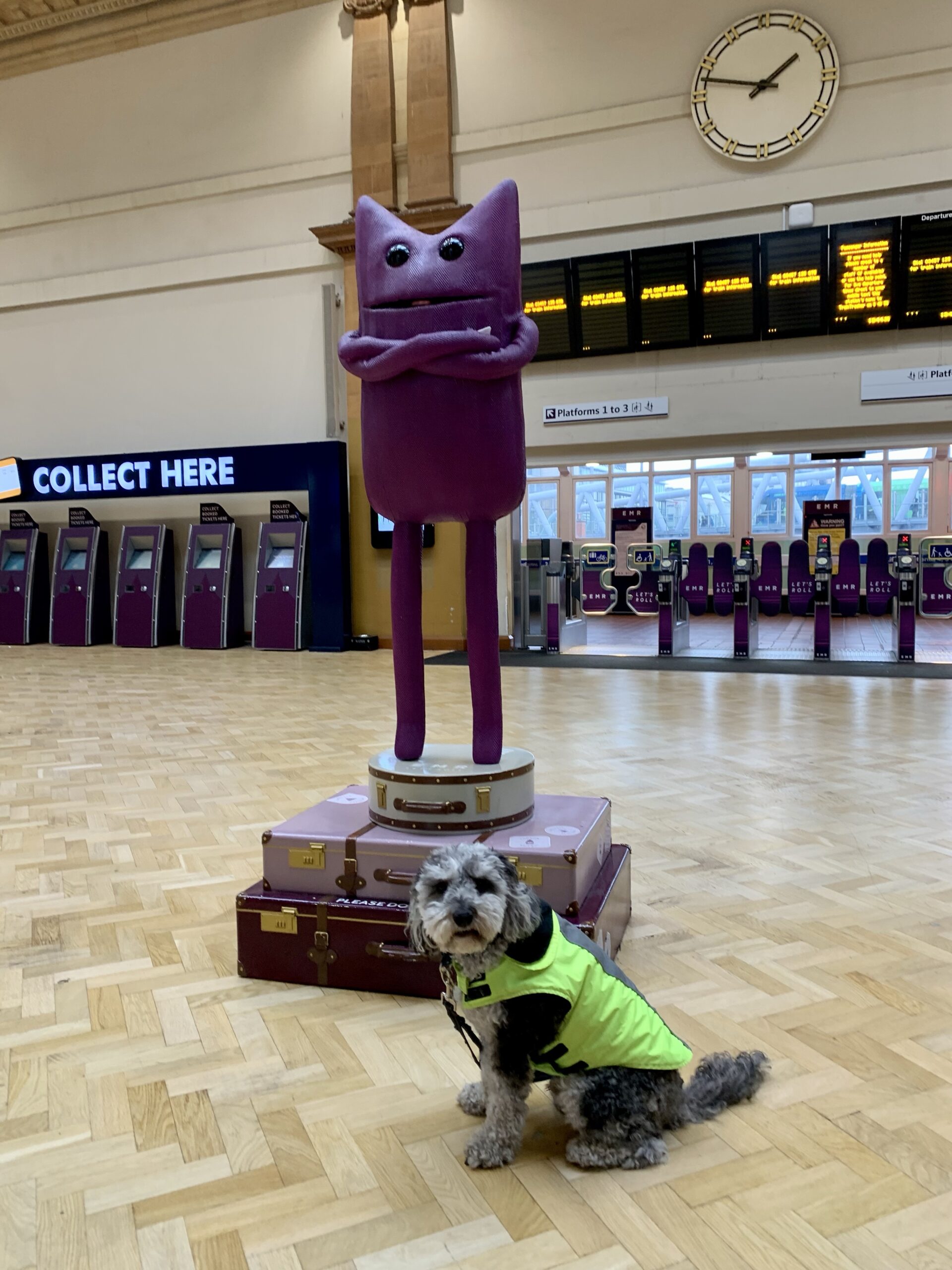
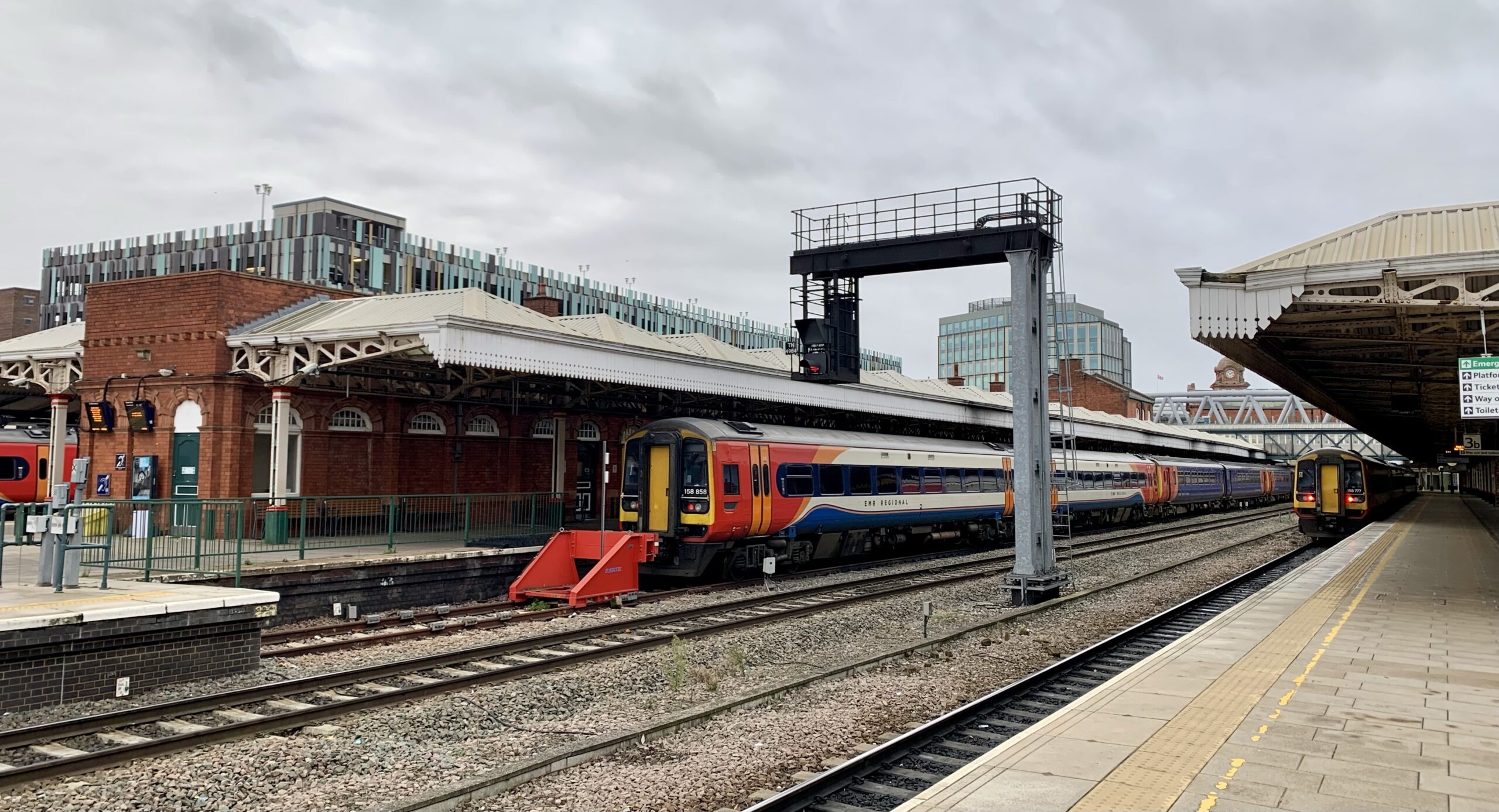
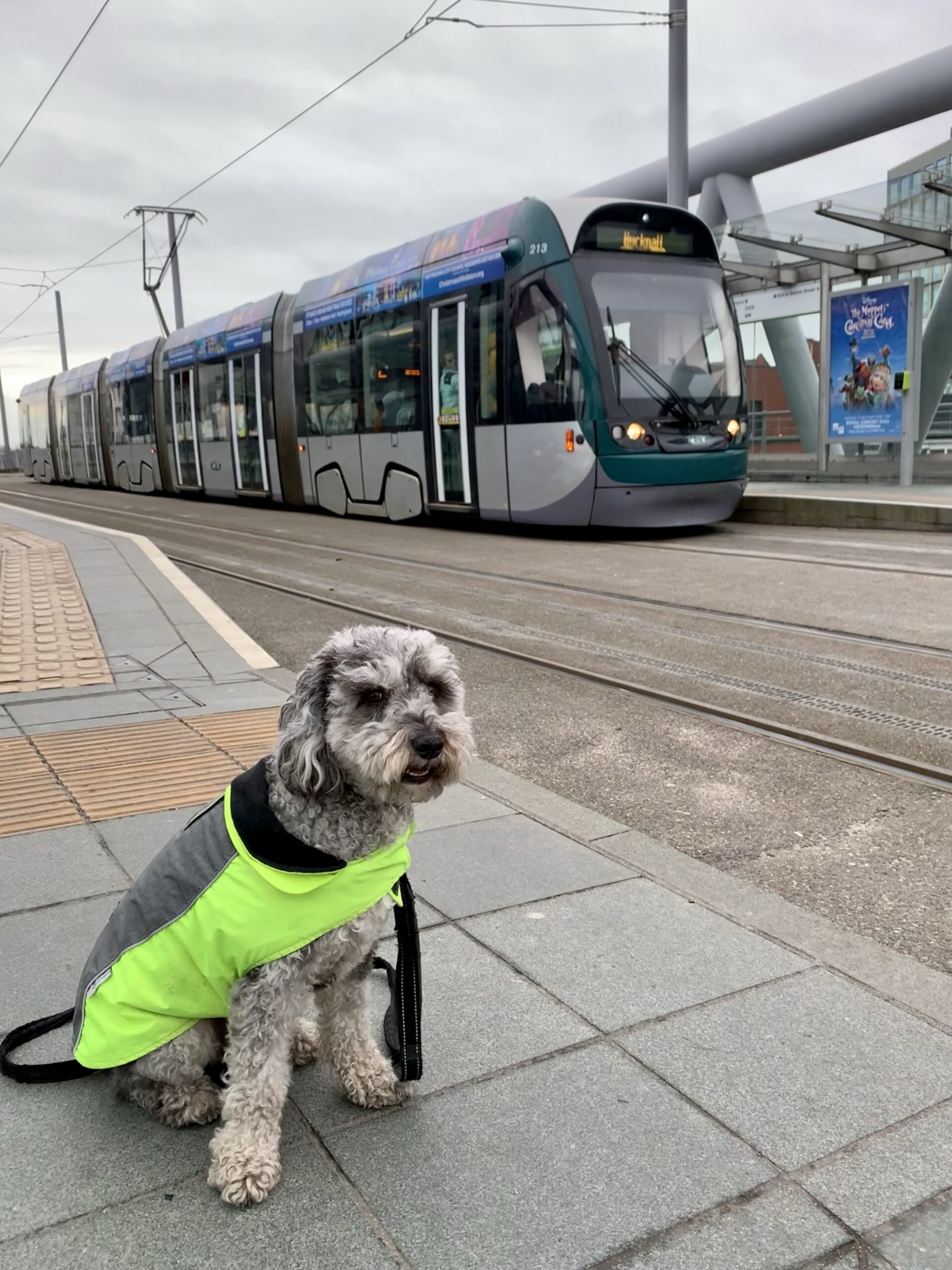
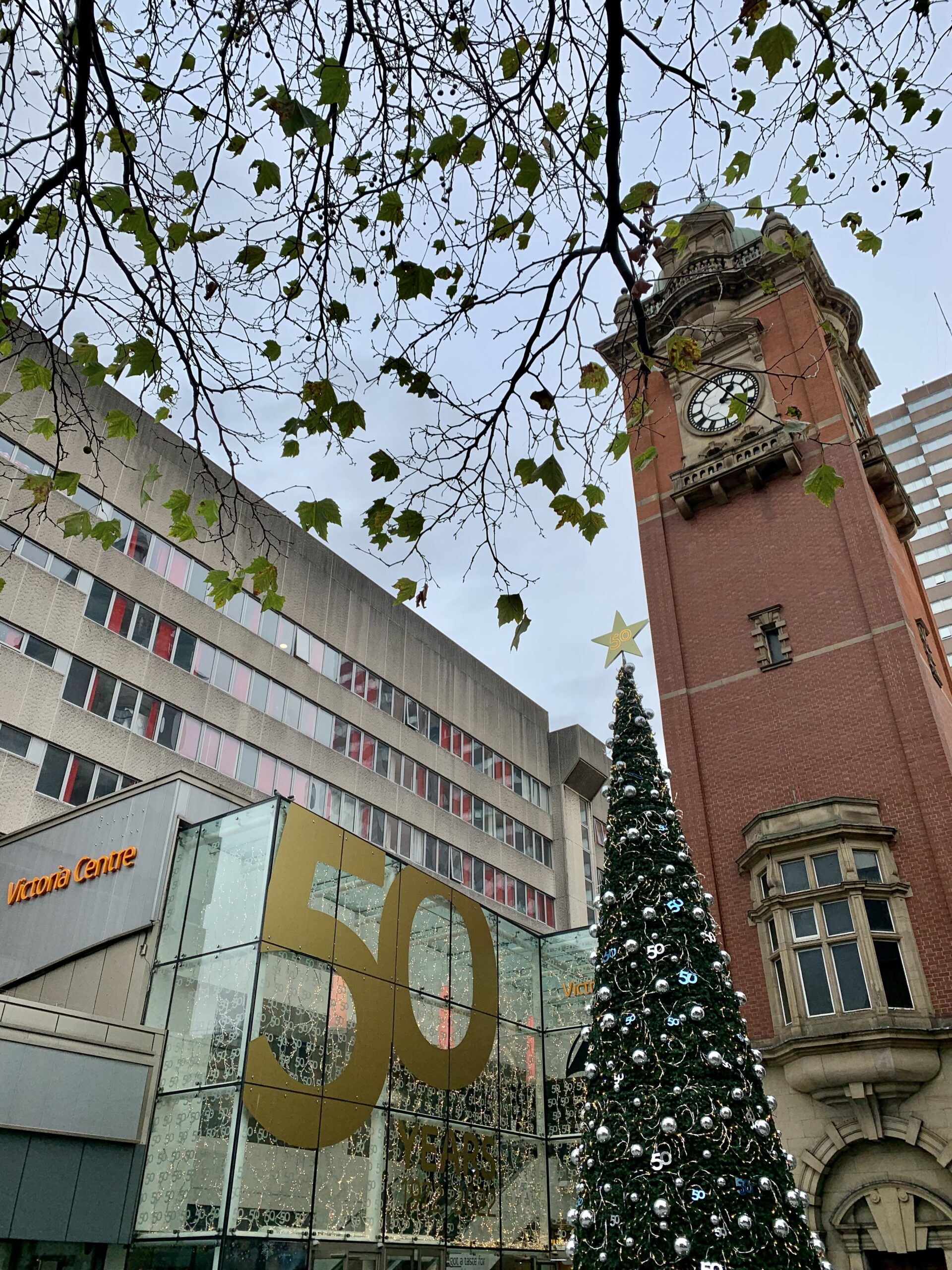
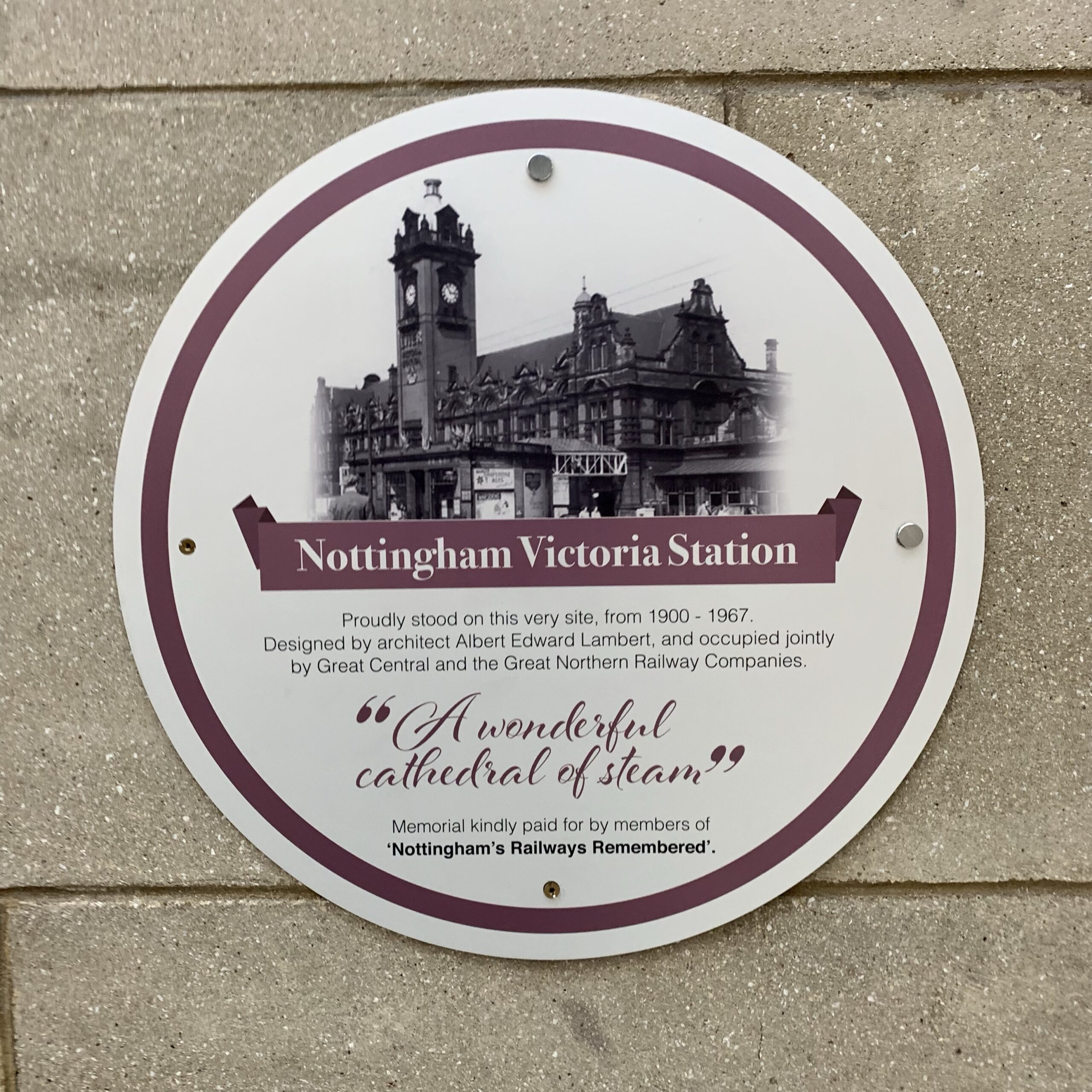
The other city centre railway stations were the GCR’s Nottingham Victoria, which was raised to the ground and replaced by a shopping centre with only the clock tower surviving, and two on London Road opened by the Great Northern Railway (GNR). Of the Nottingham London Road station’s; the High Level station was demolished in 2006 and although severely damaged by fire in 1996, the Low Level station building has been restored and converted to a health and fitness club.
That’s it for another week – thank you for joining us. We’ll leave you with the following thought; “In times of joy, all of us wished we possessed a tail we could wag” – W.H. Auden


Leave a Reply