November 10th 2023 to November 17th 2023
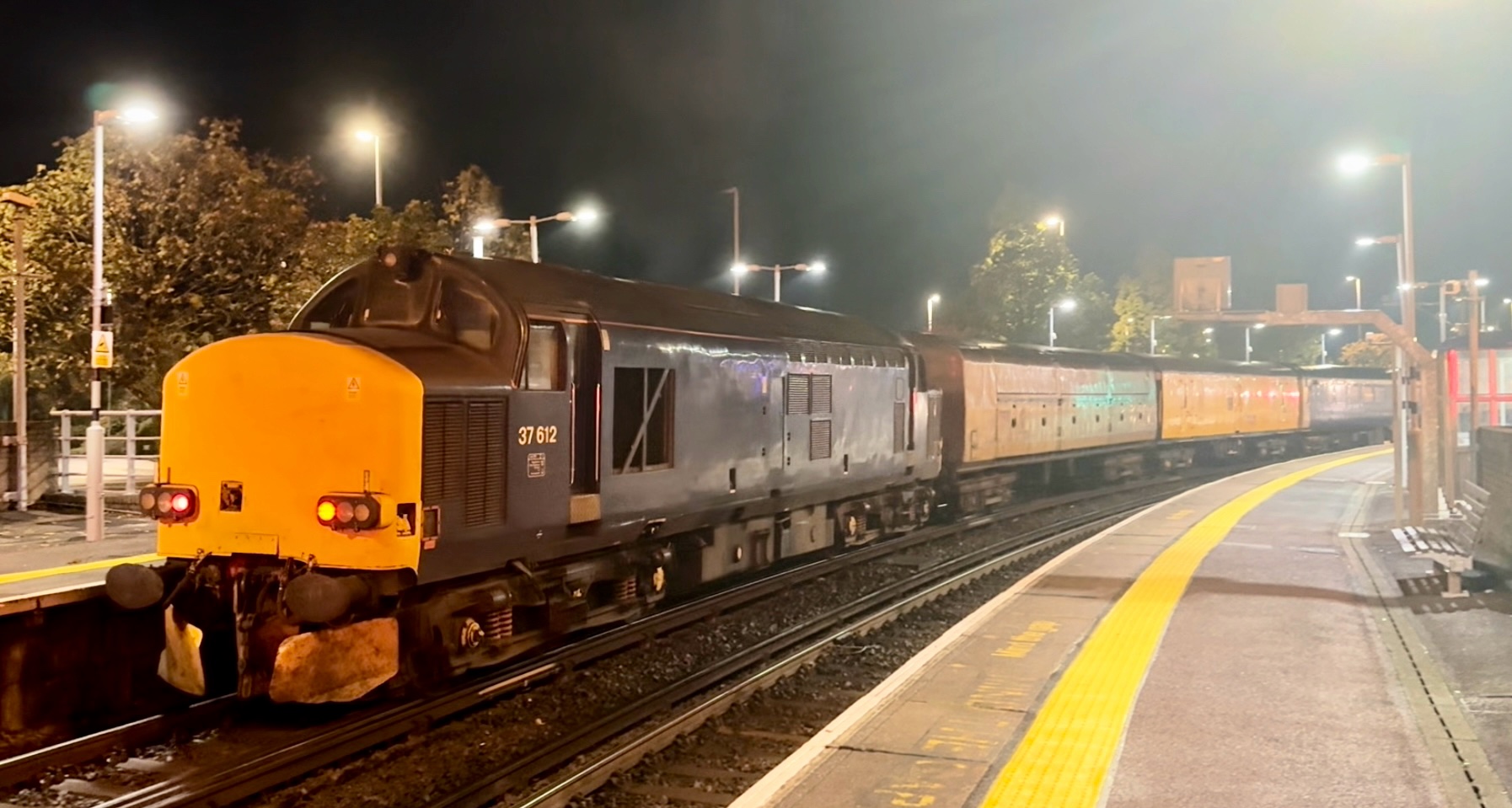
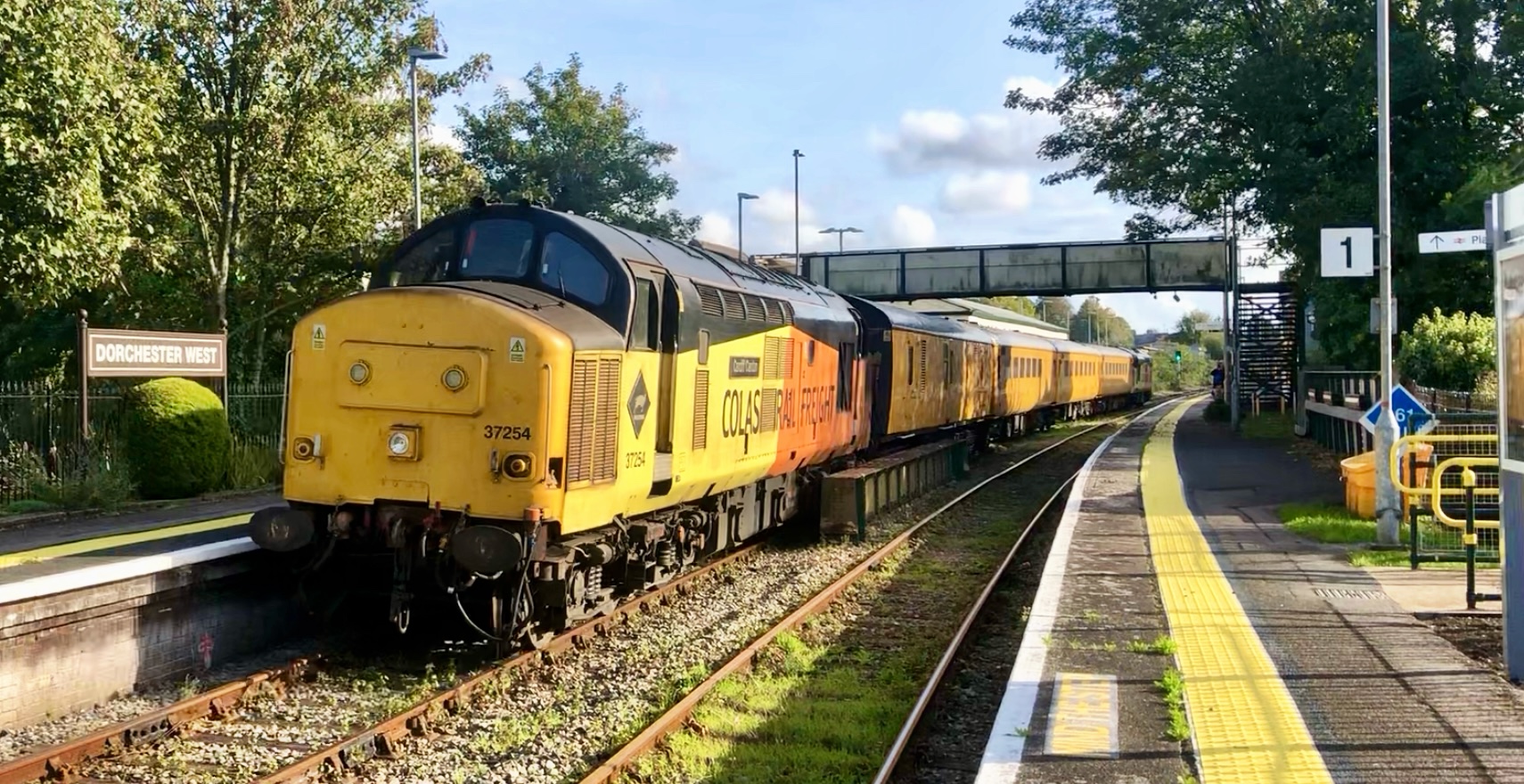
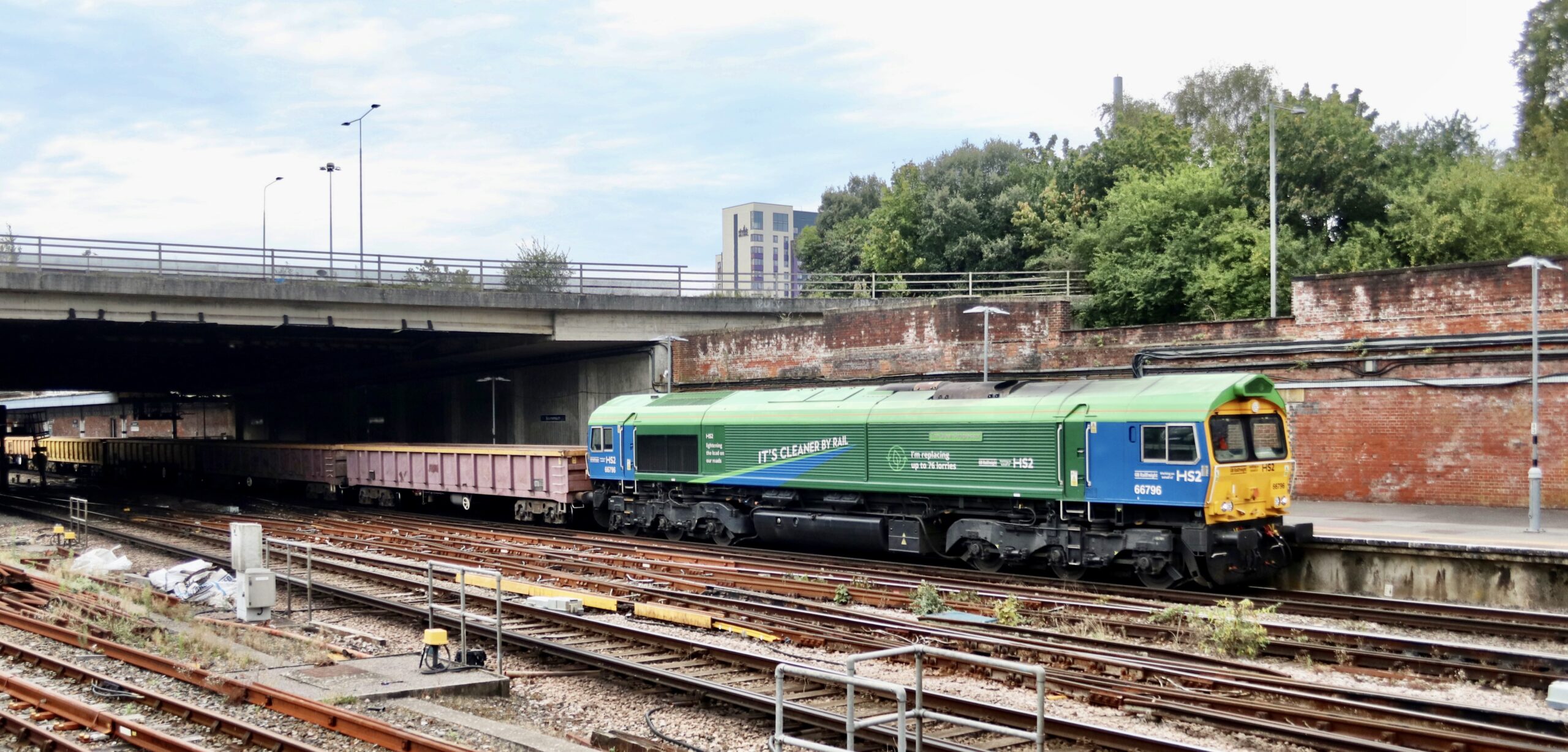
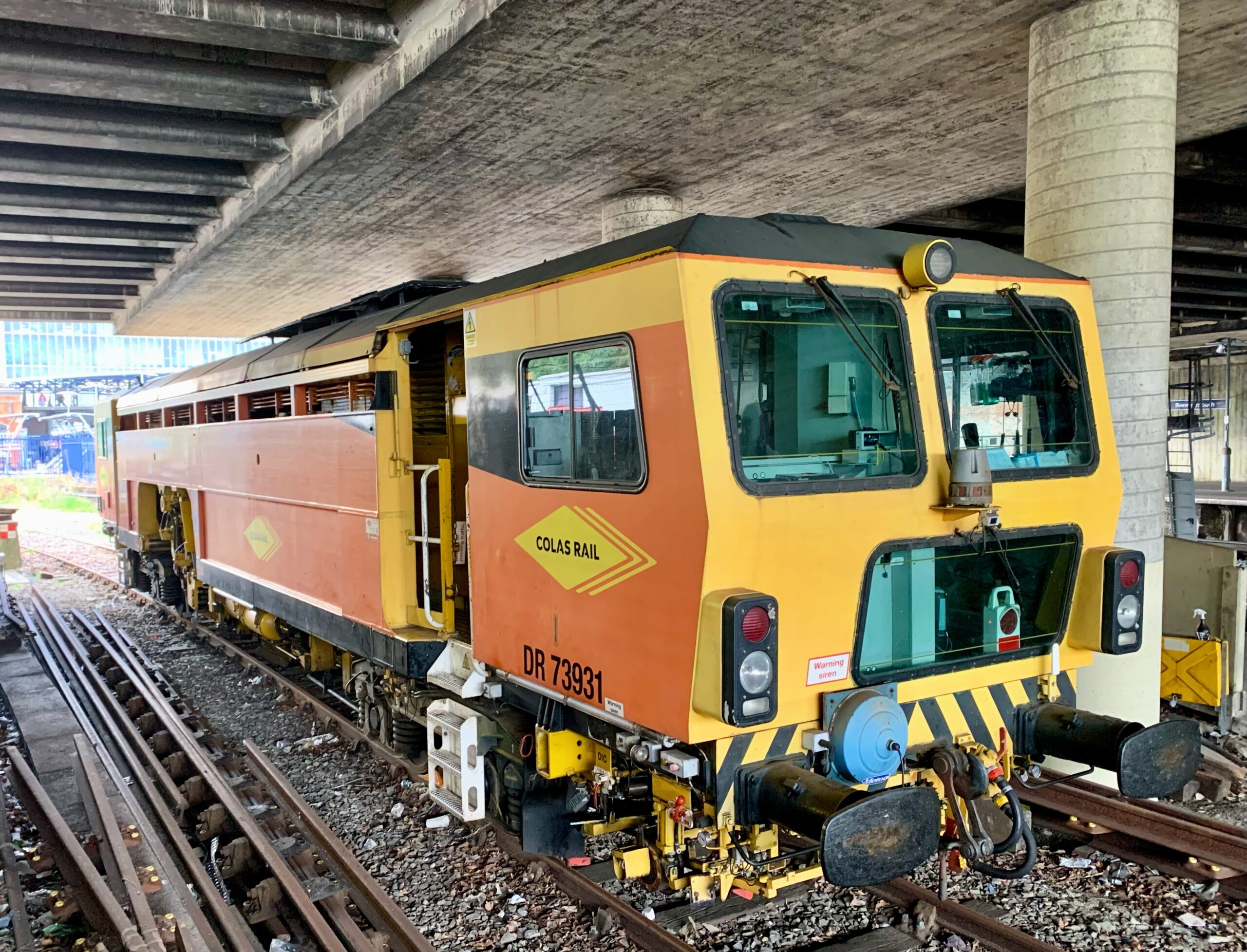
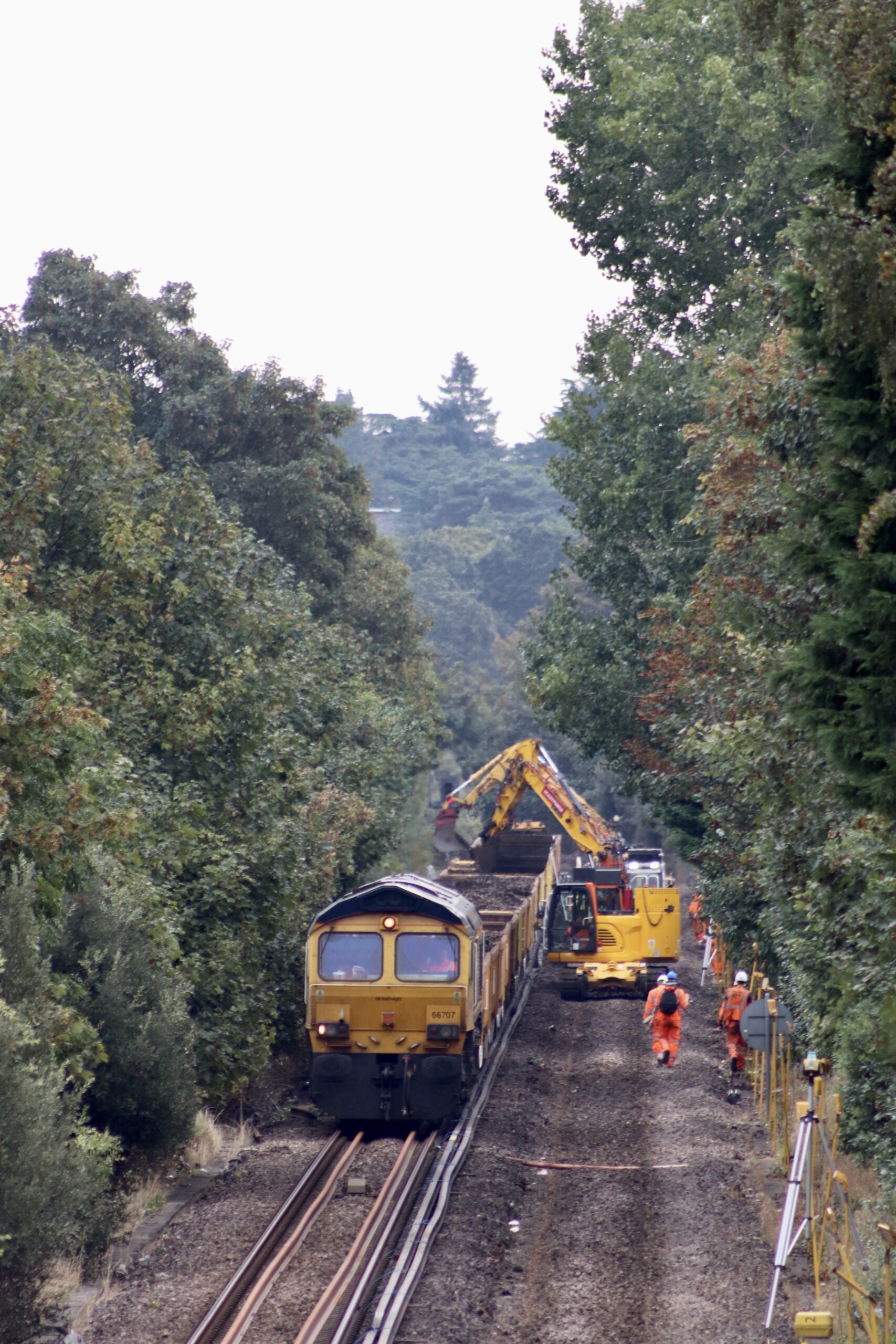
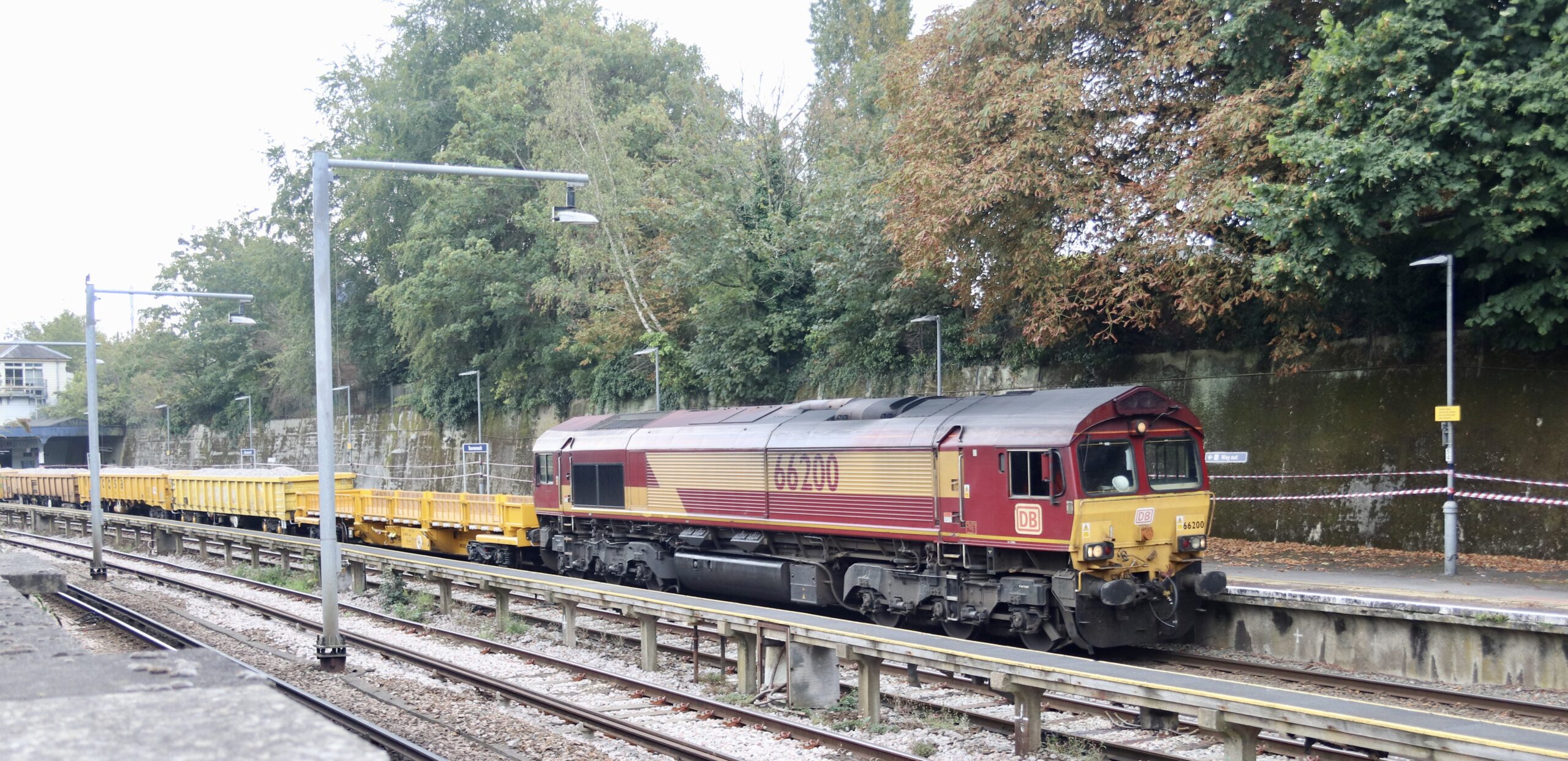
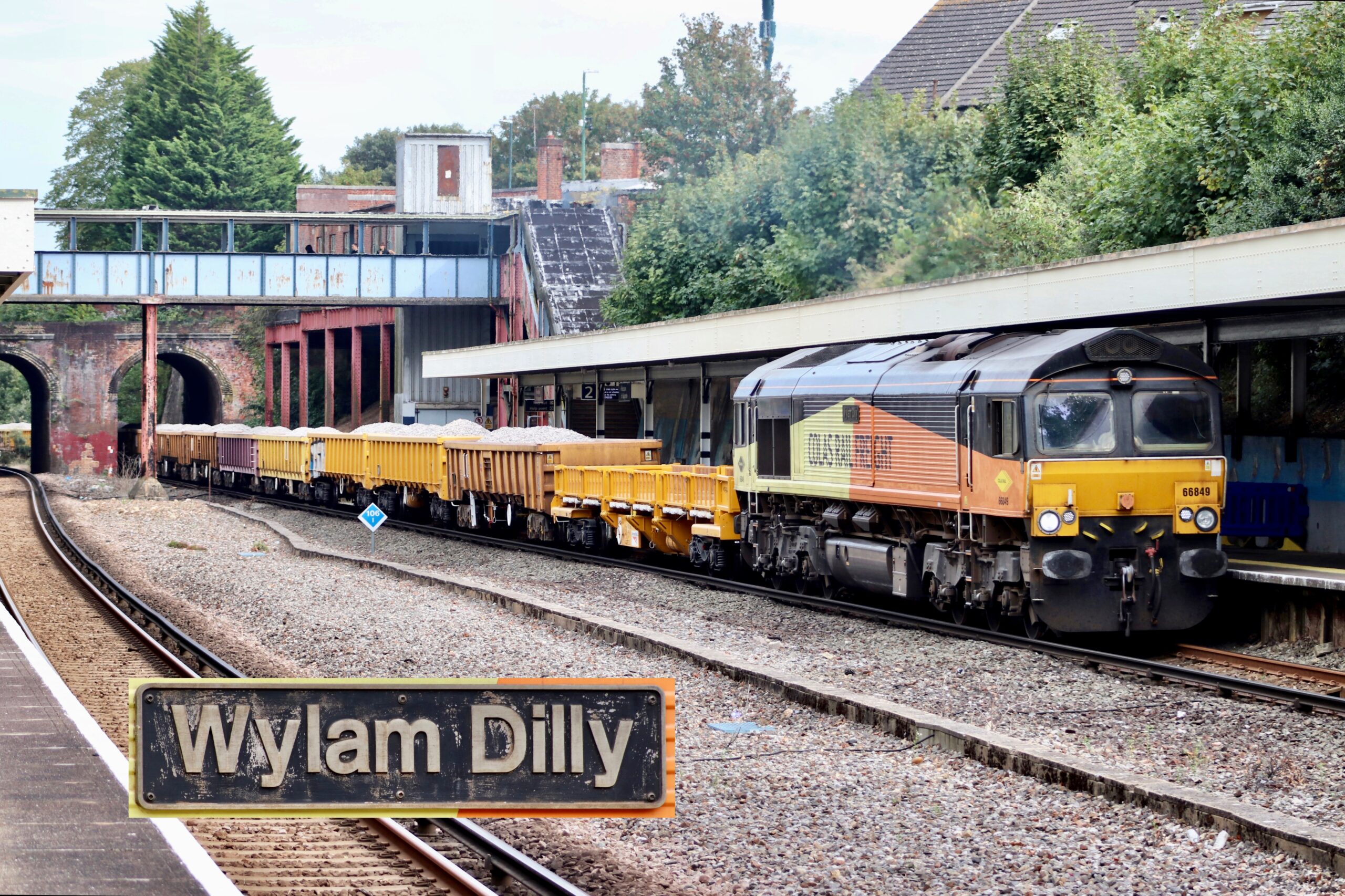
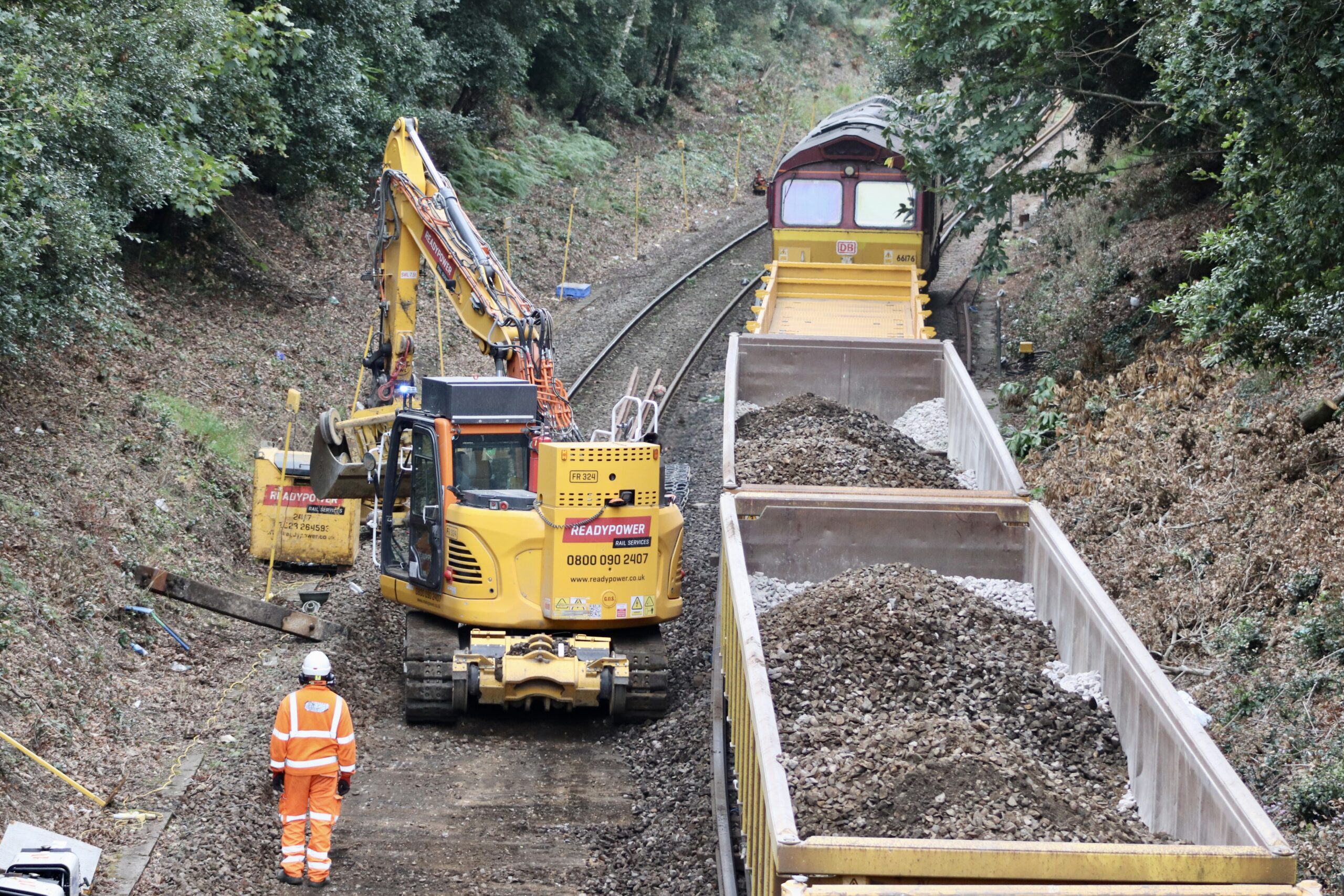
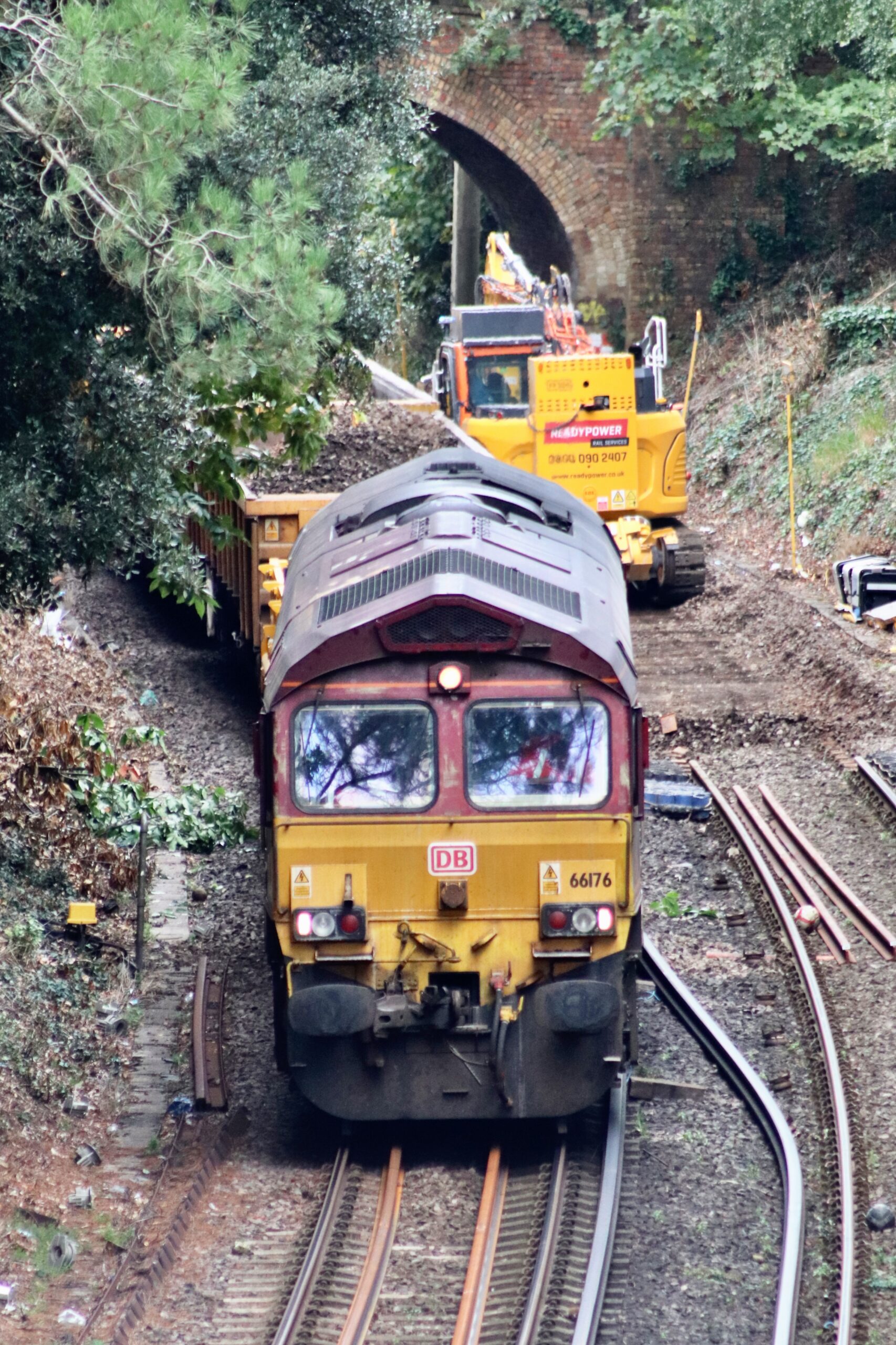
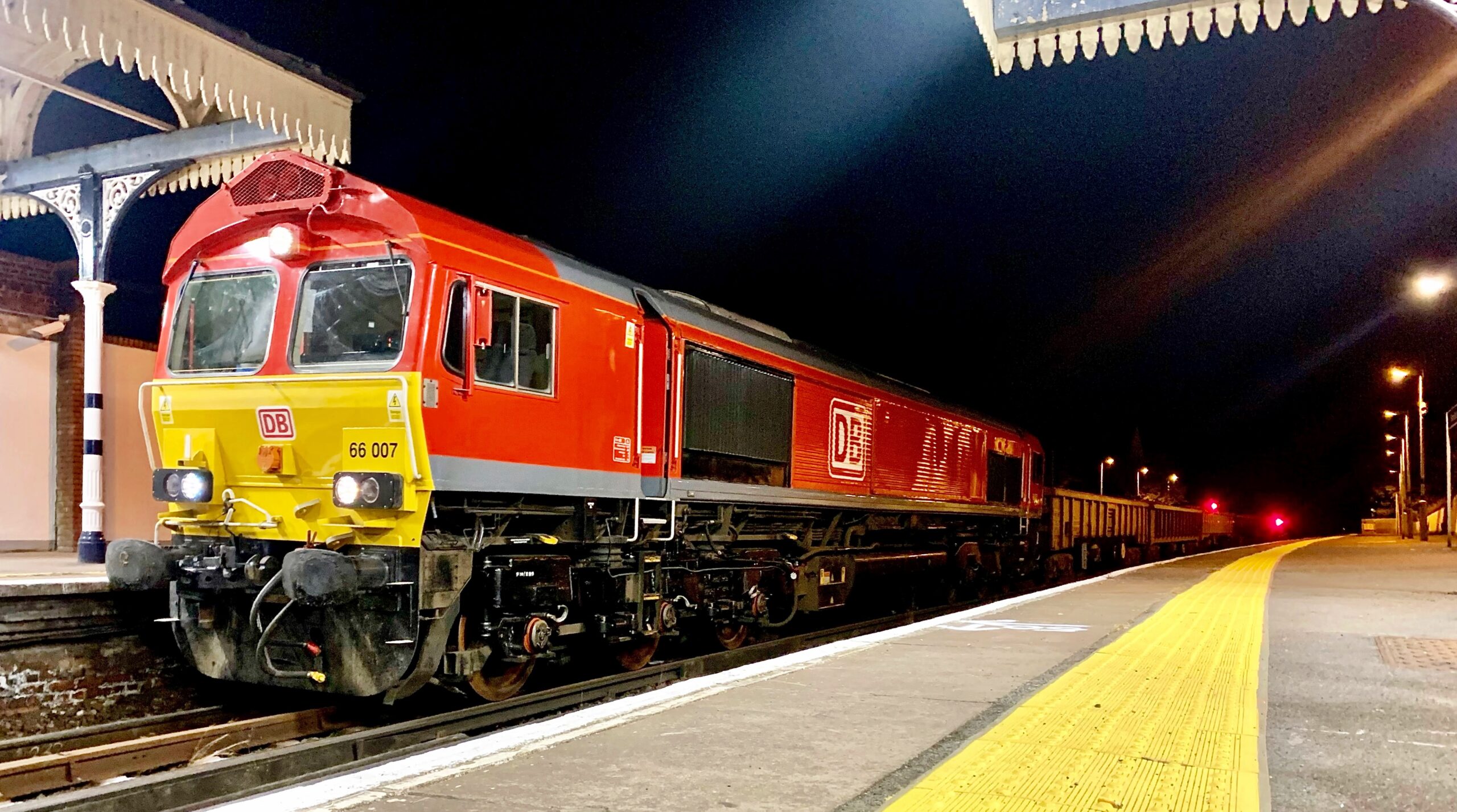
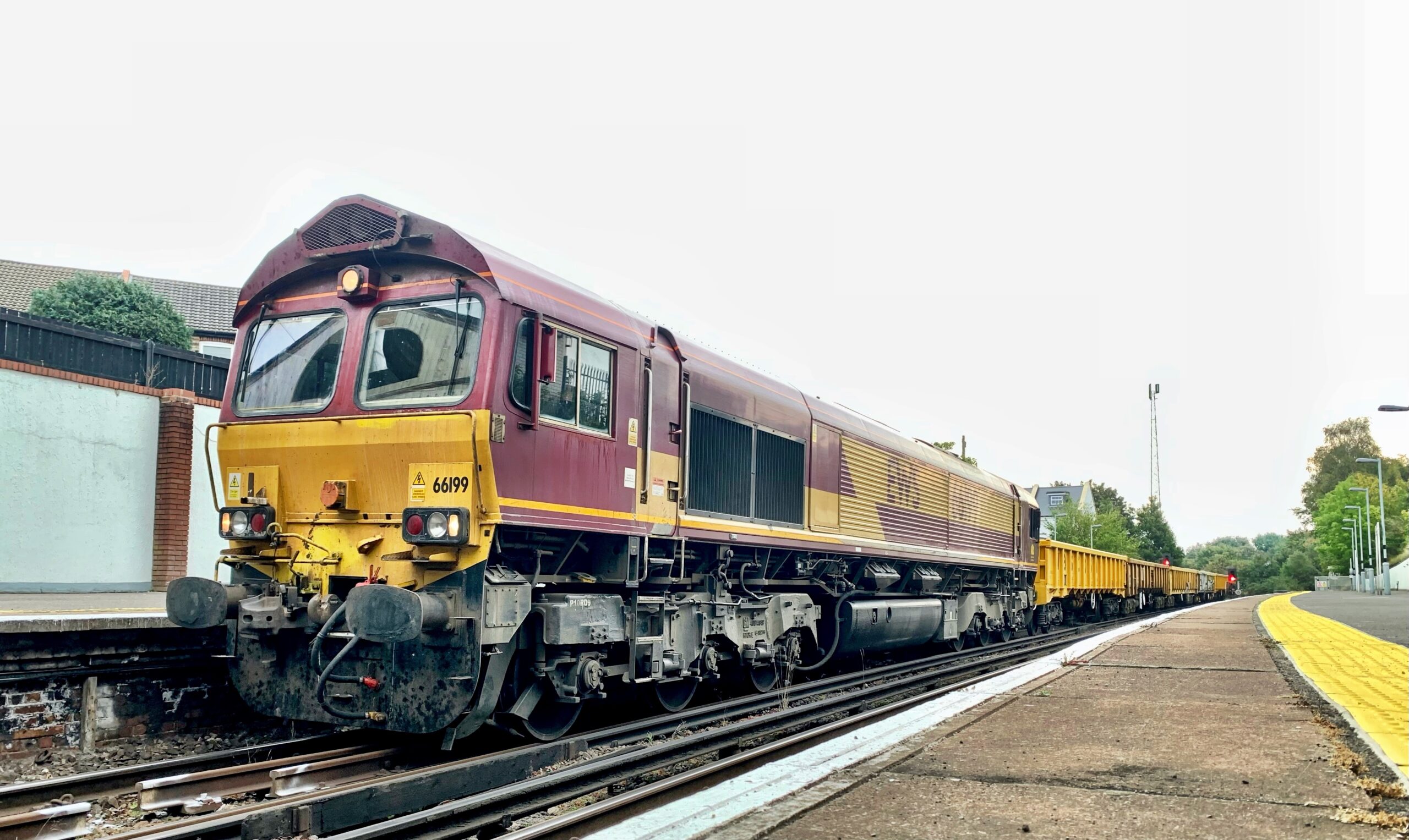
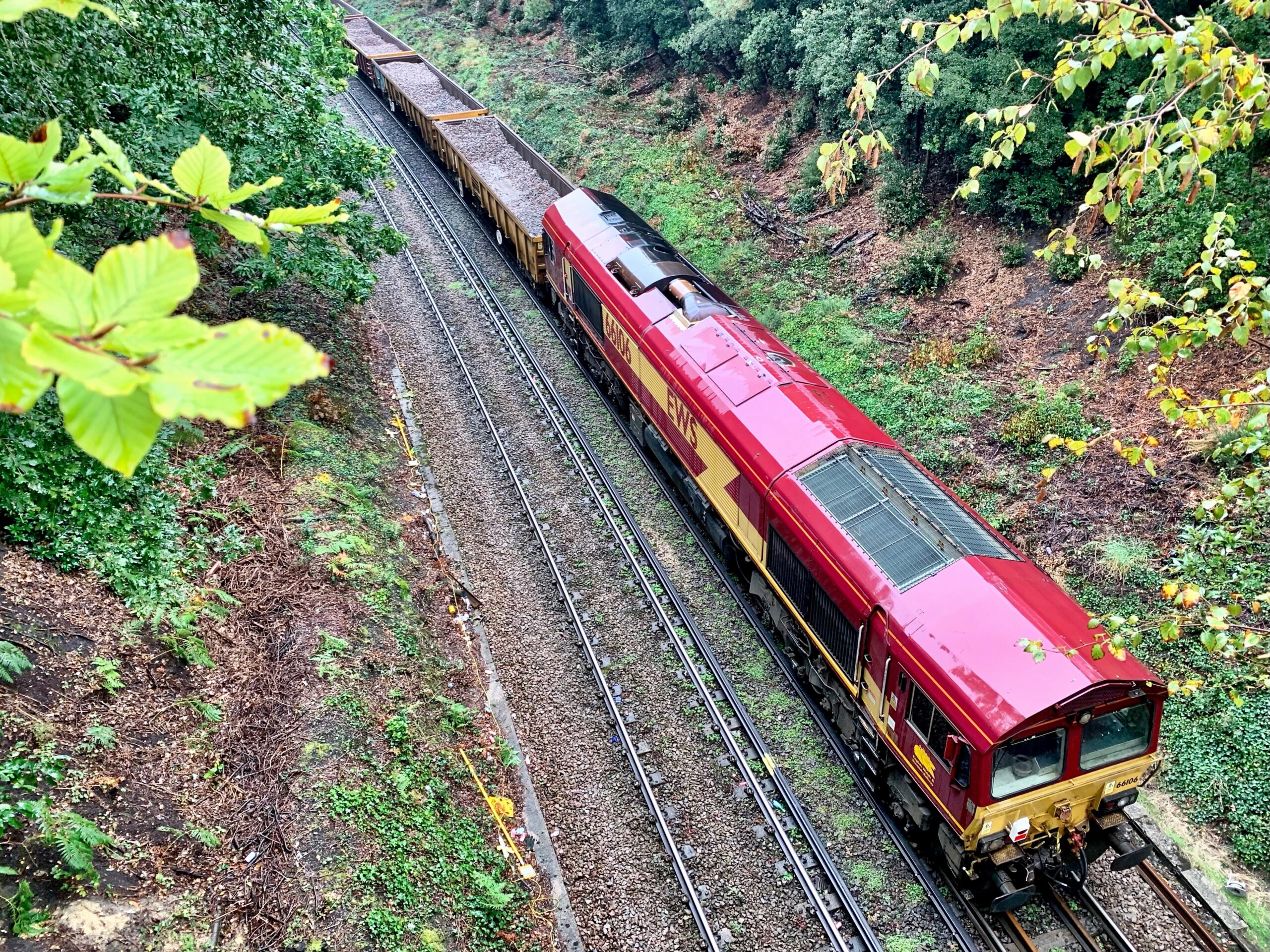
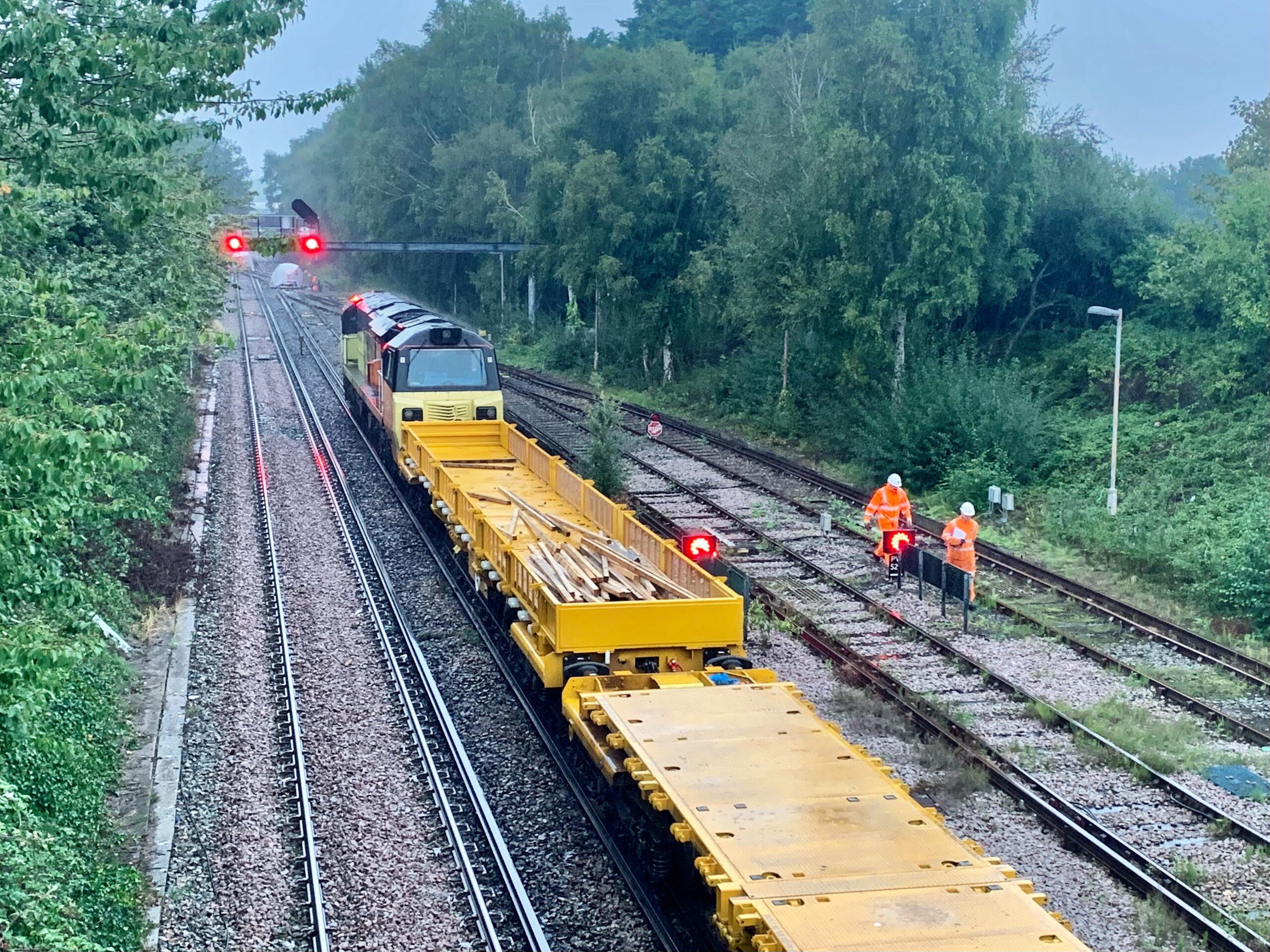
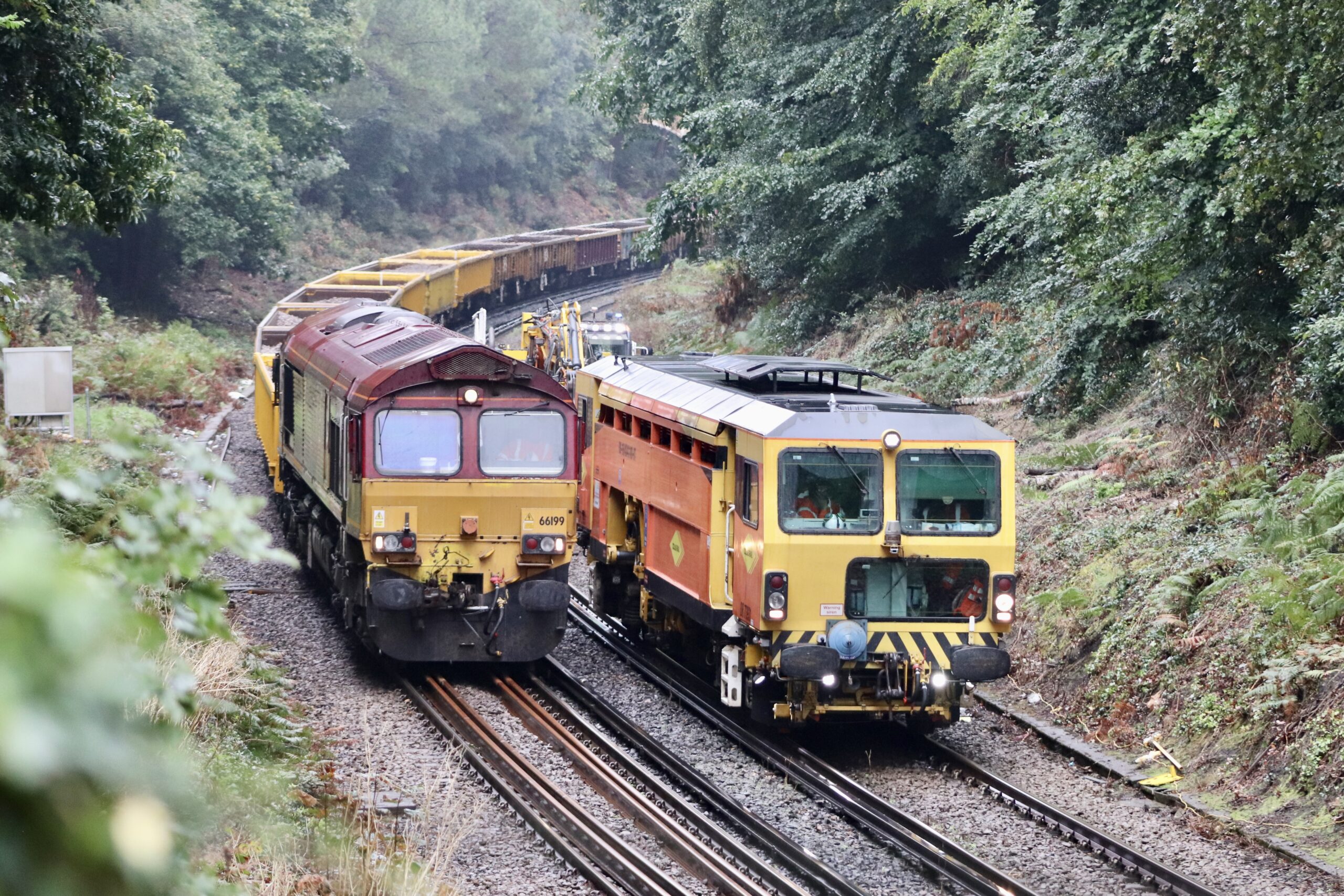
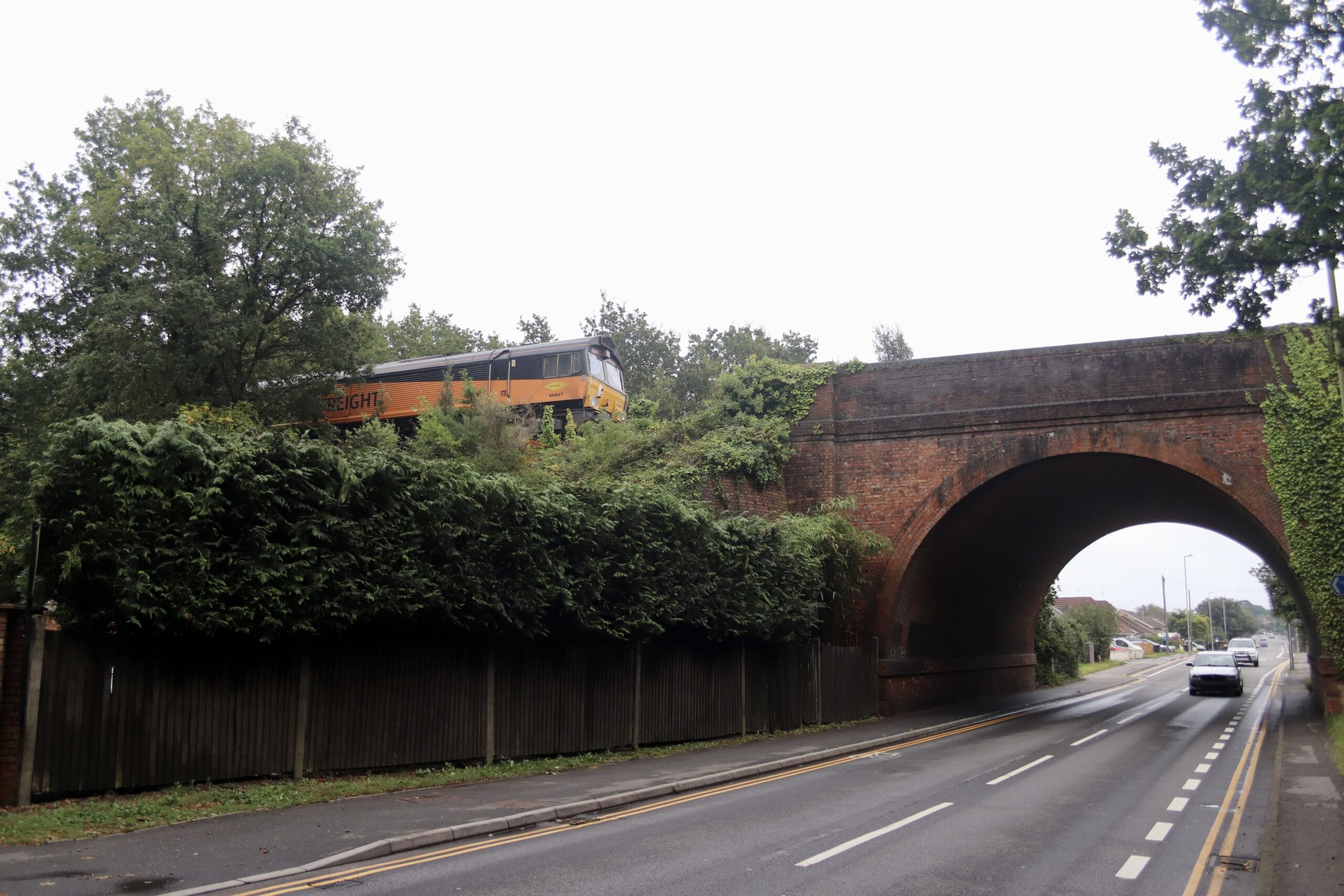
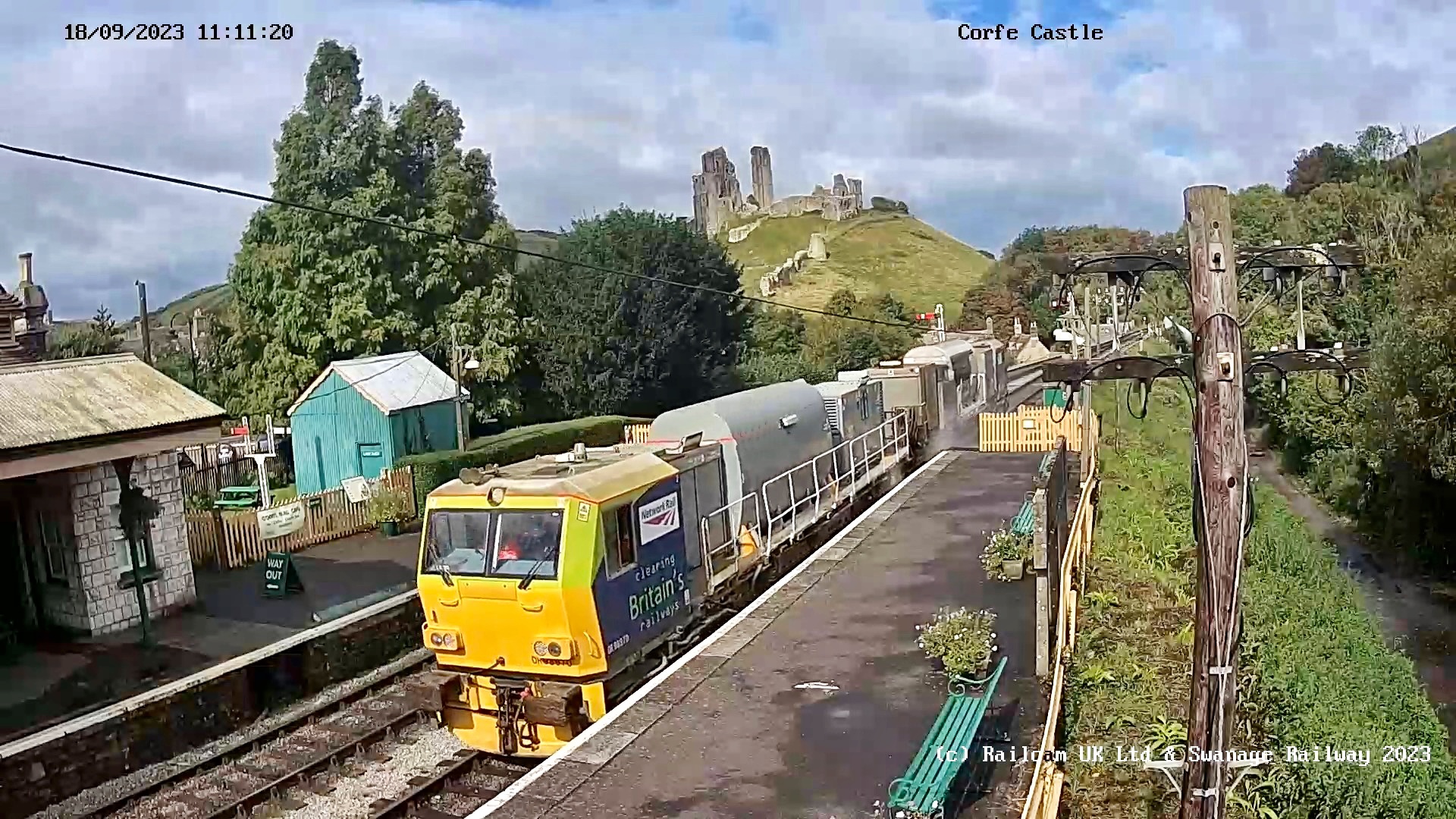
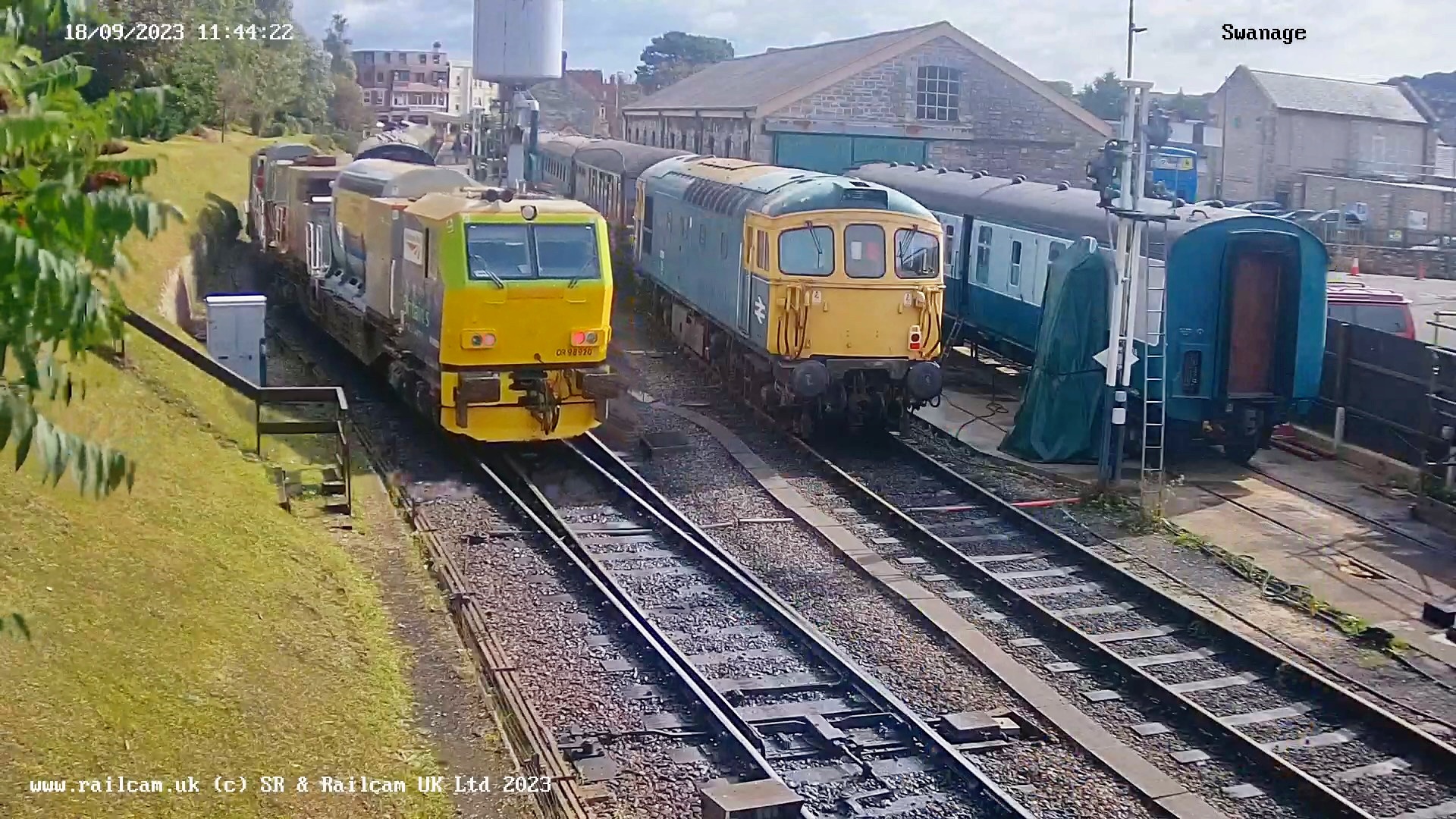
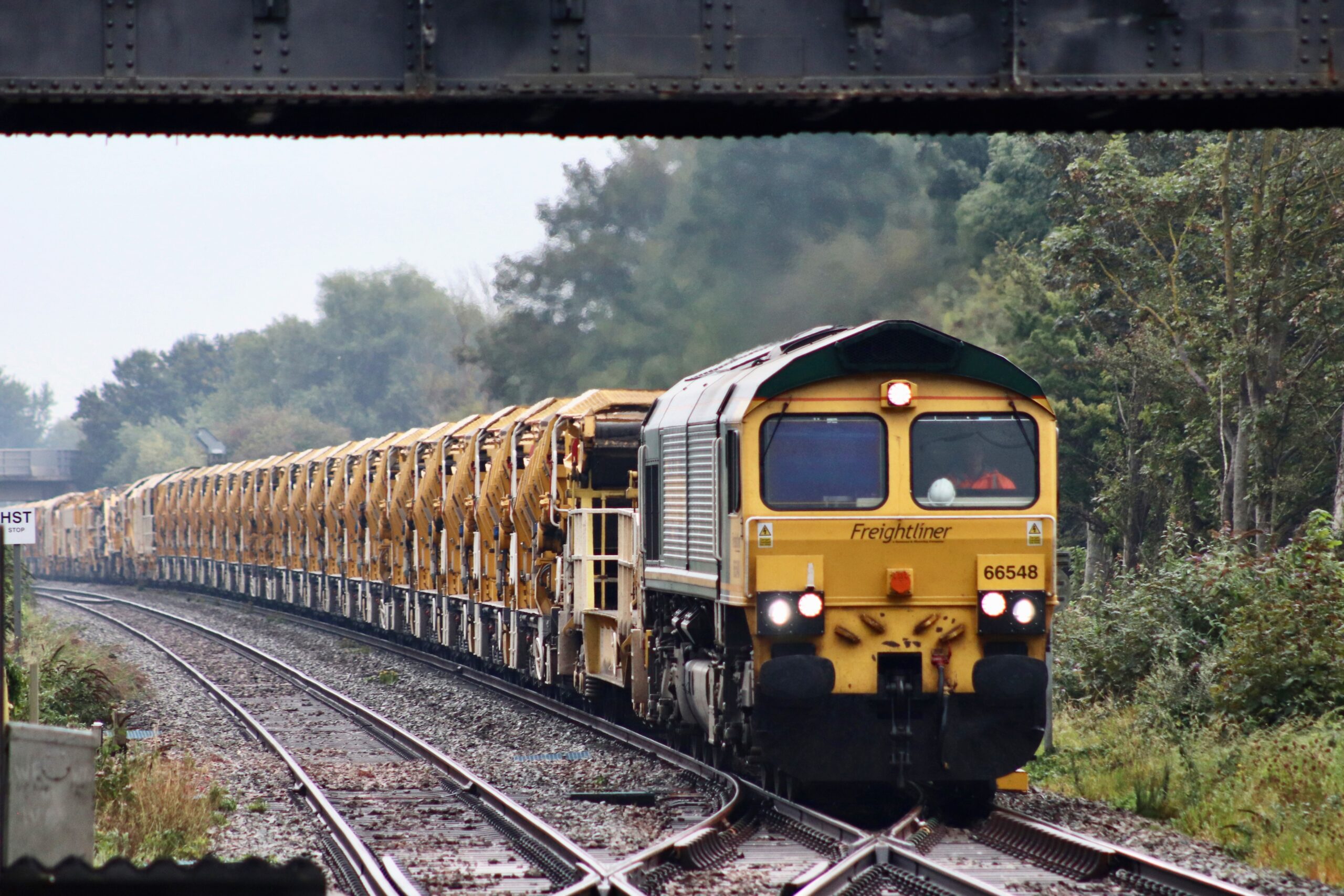
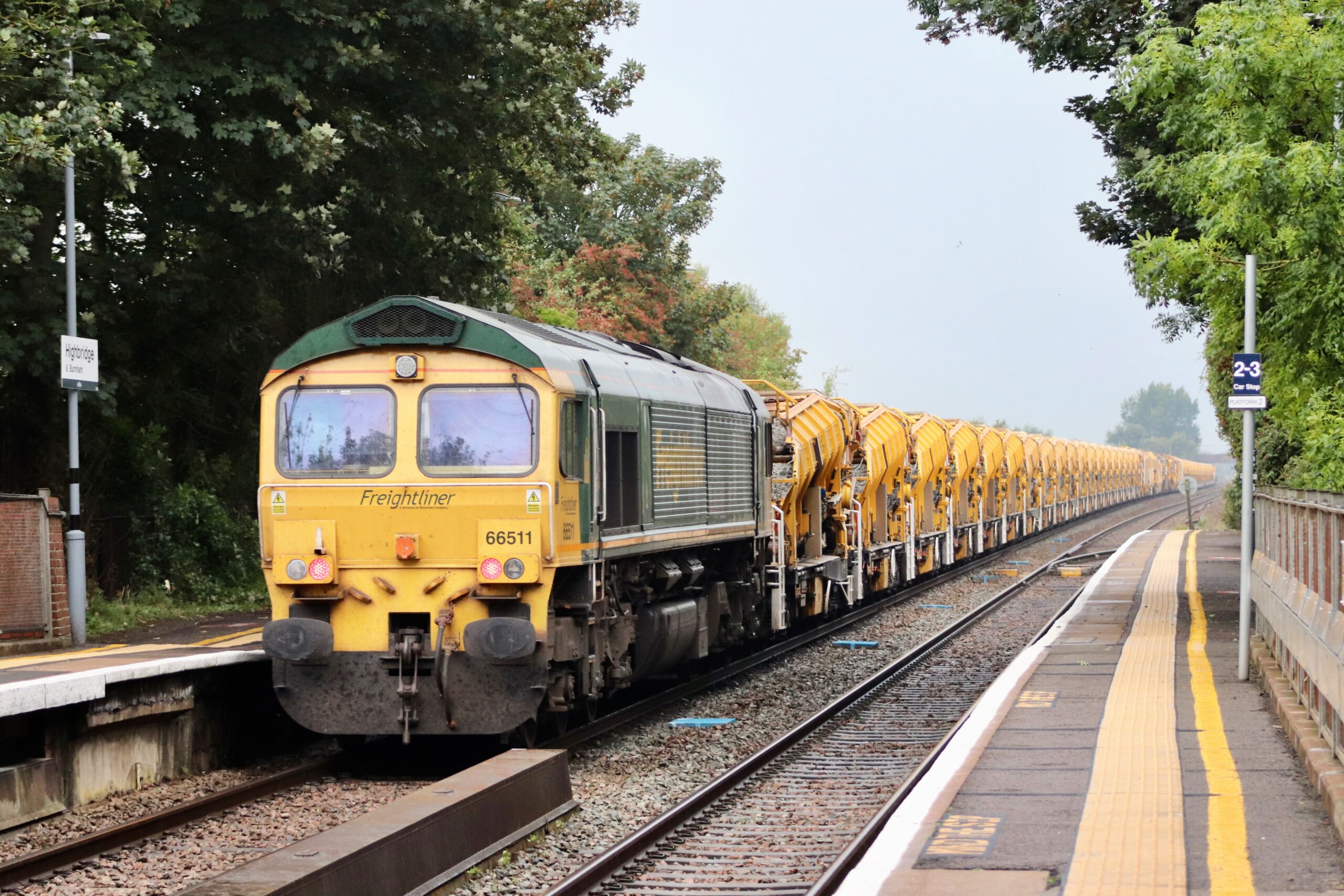
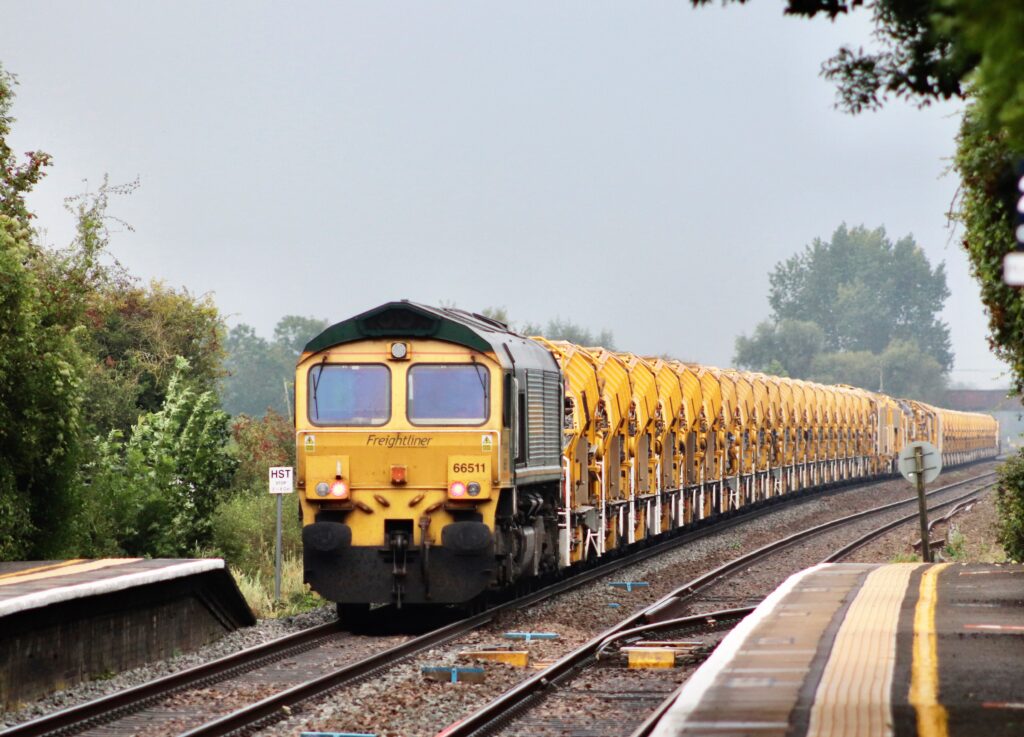
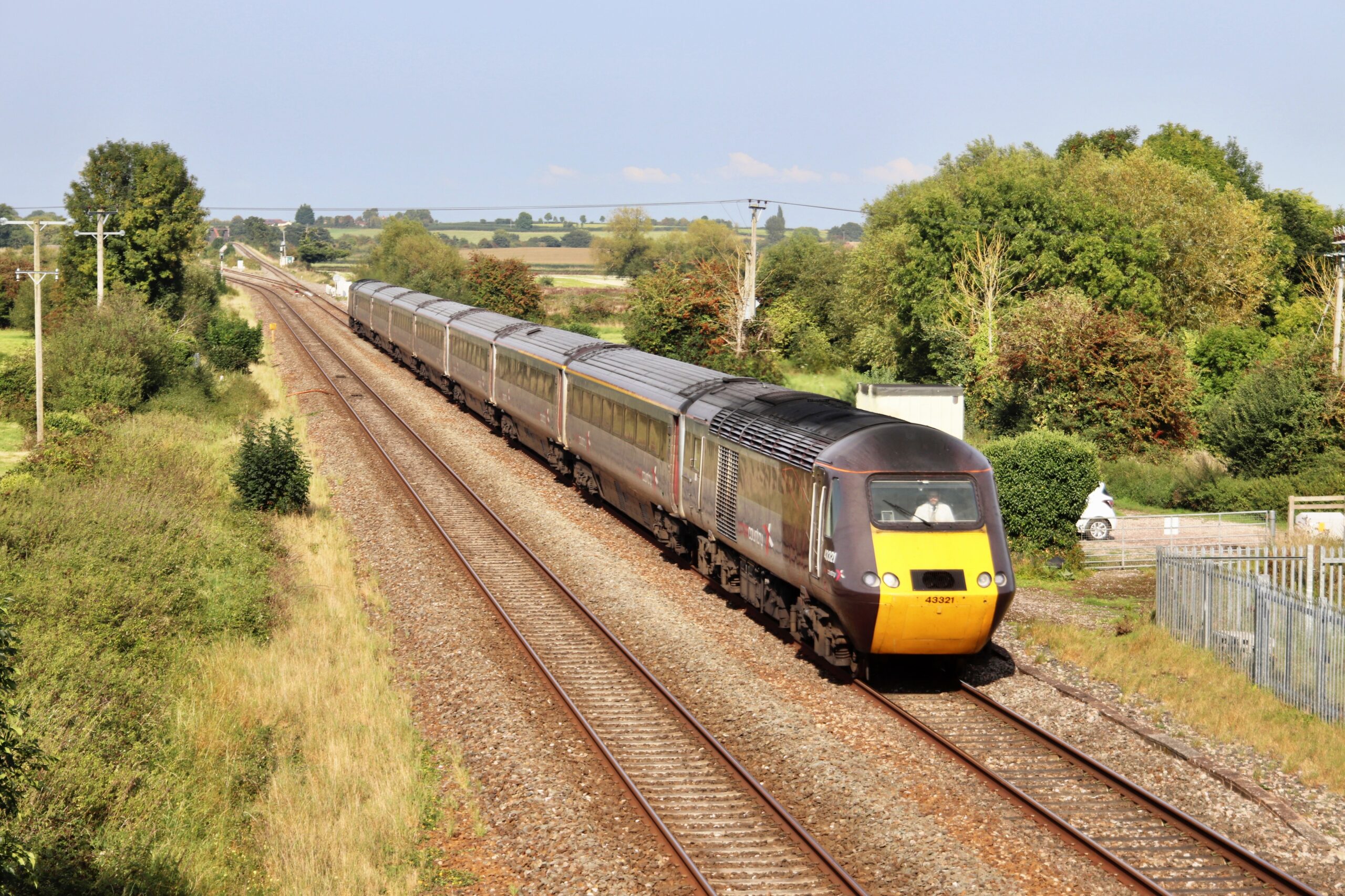
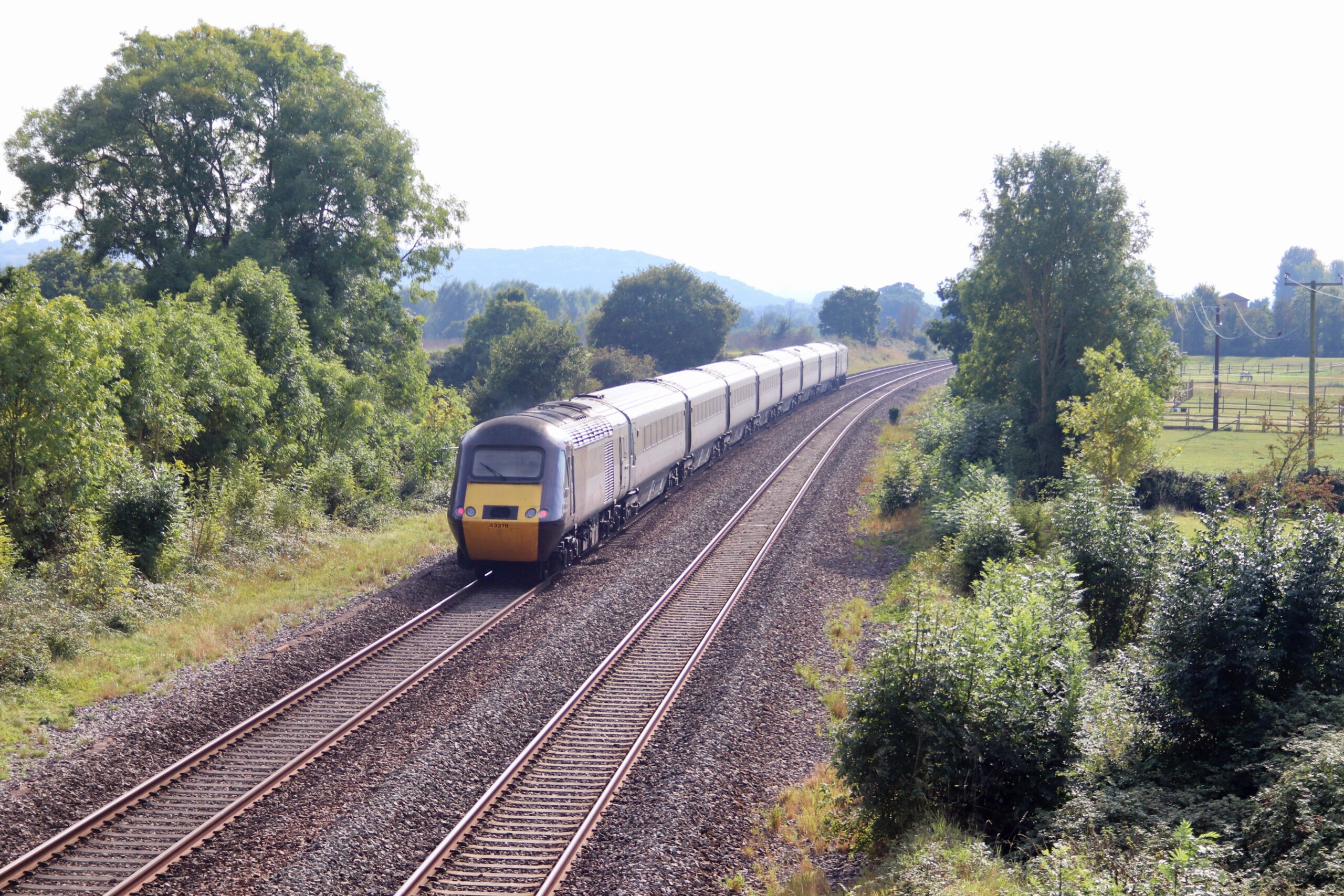
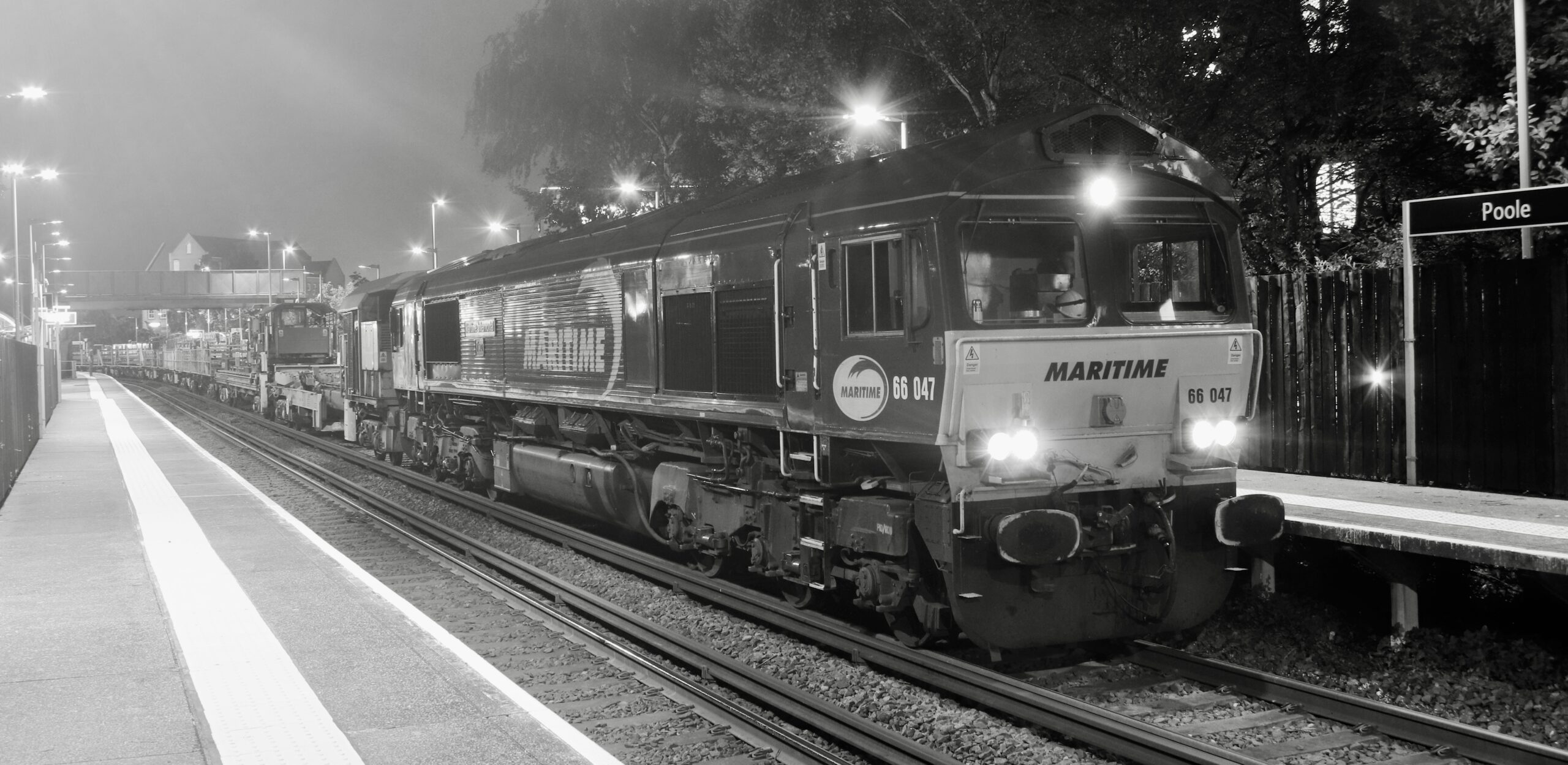
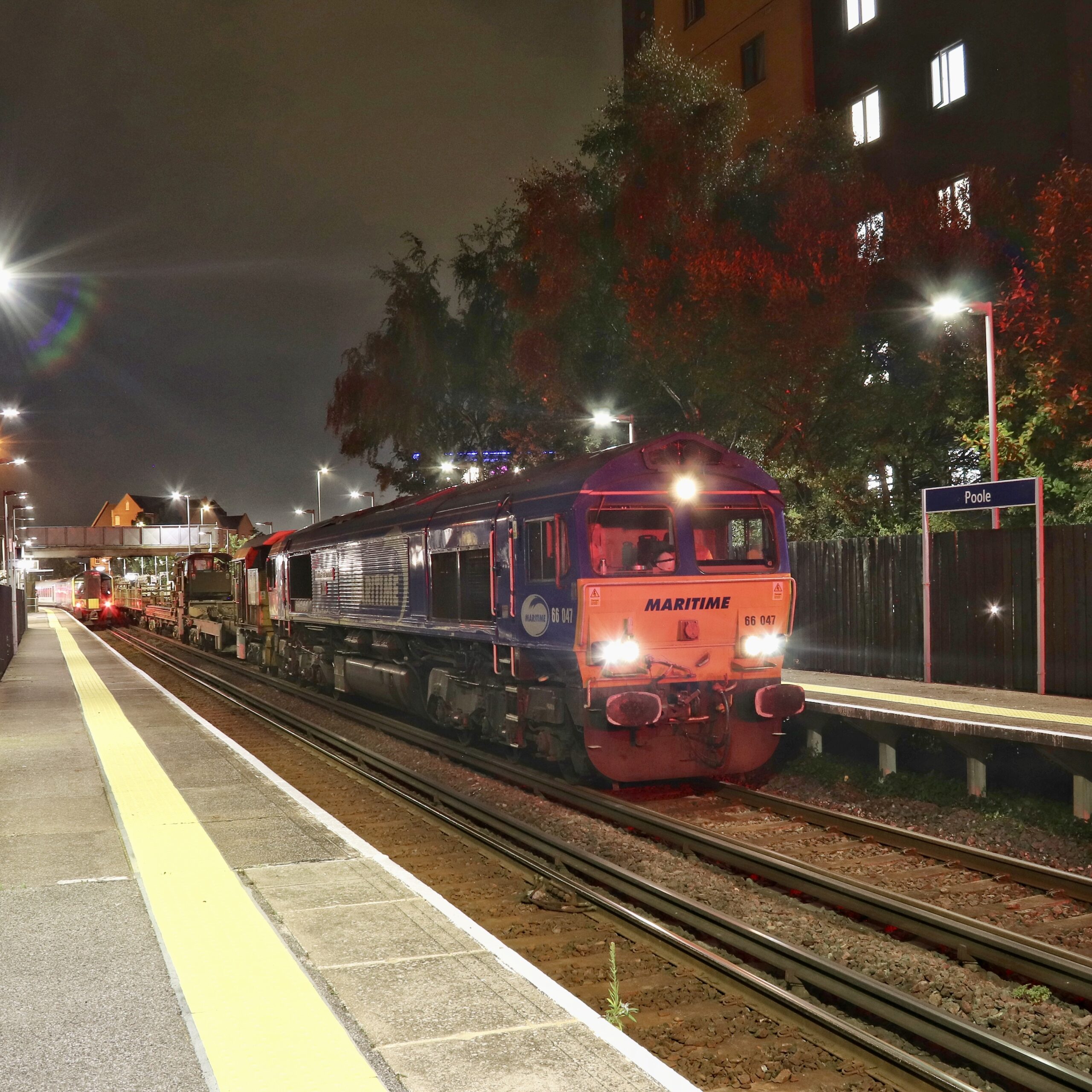
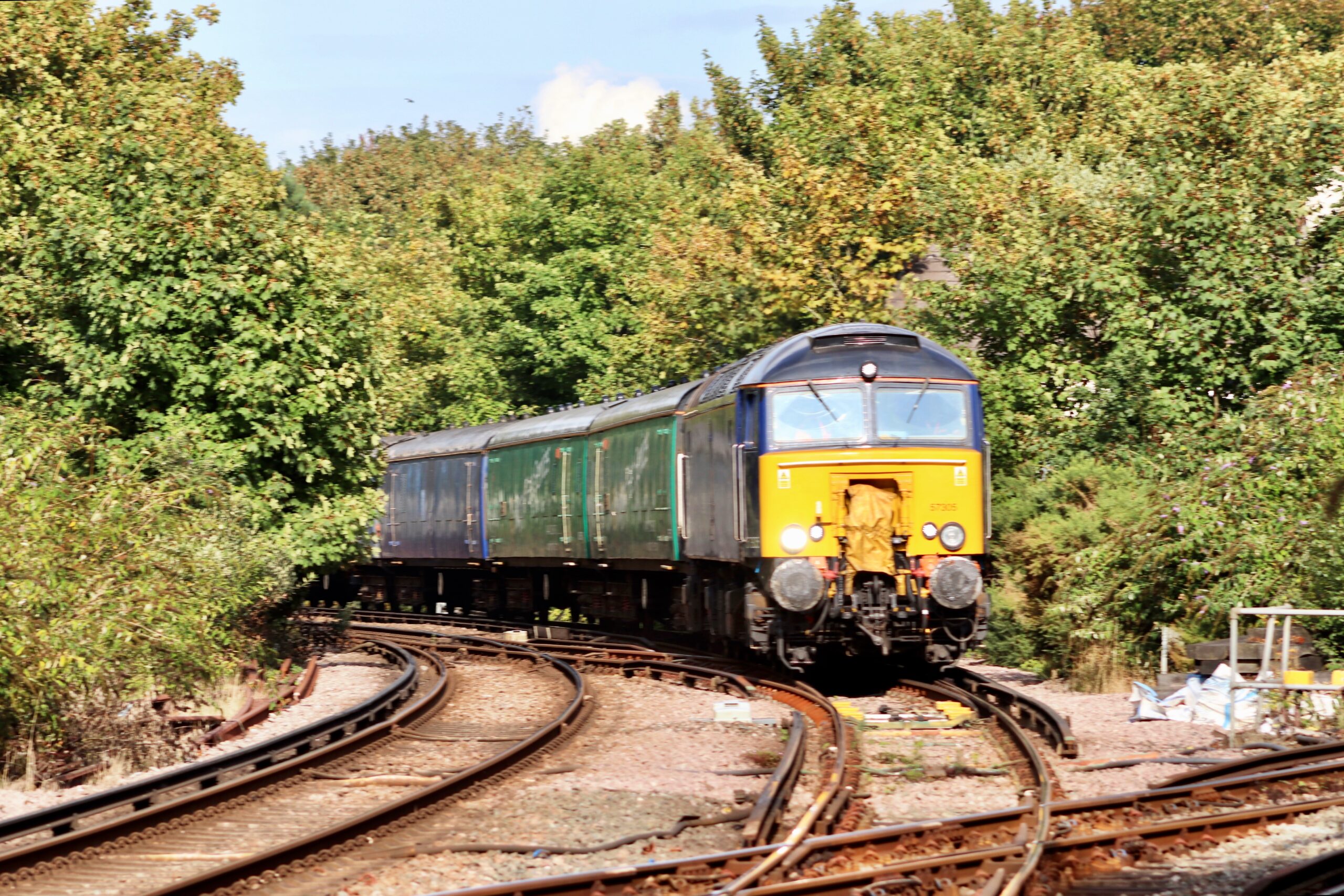
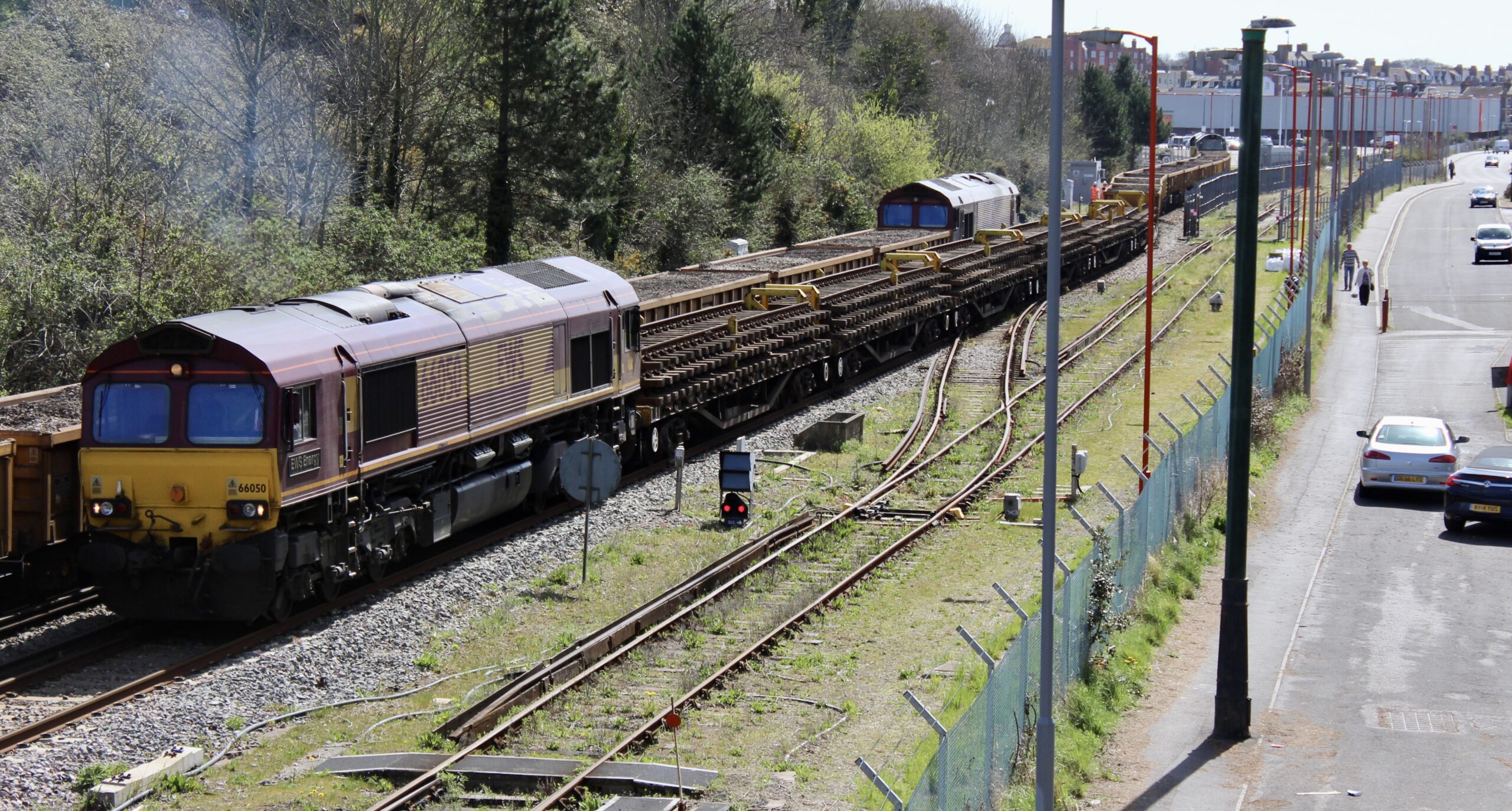
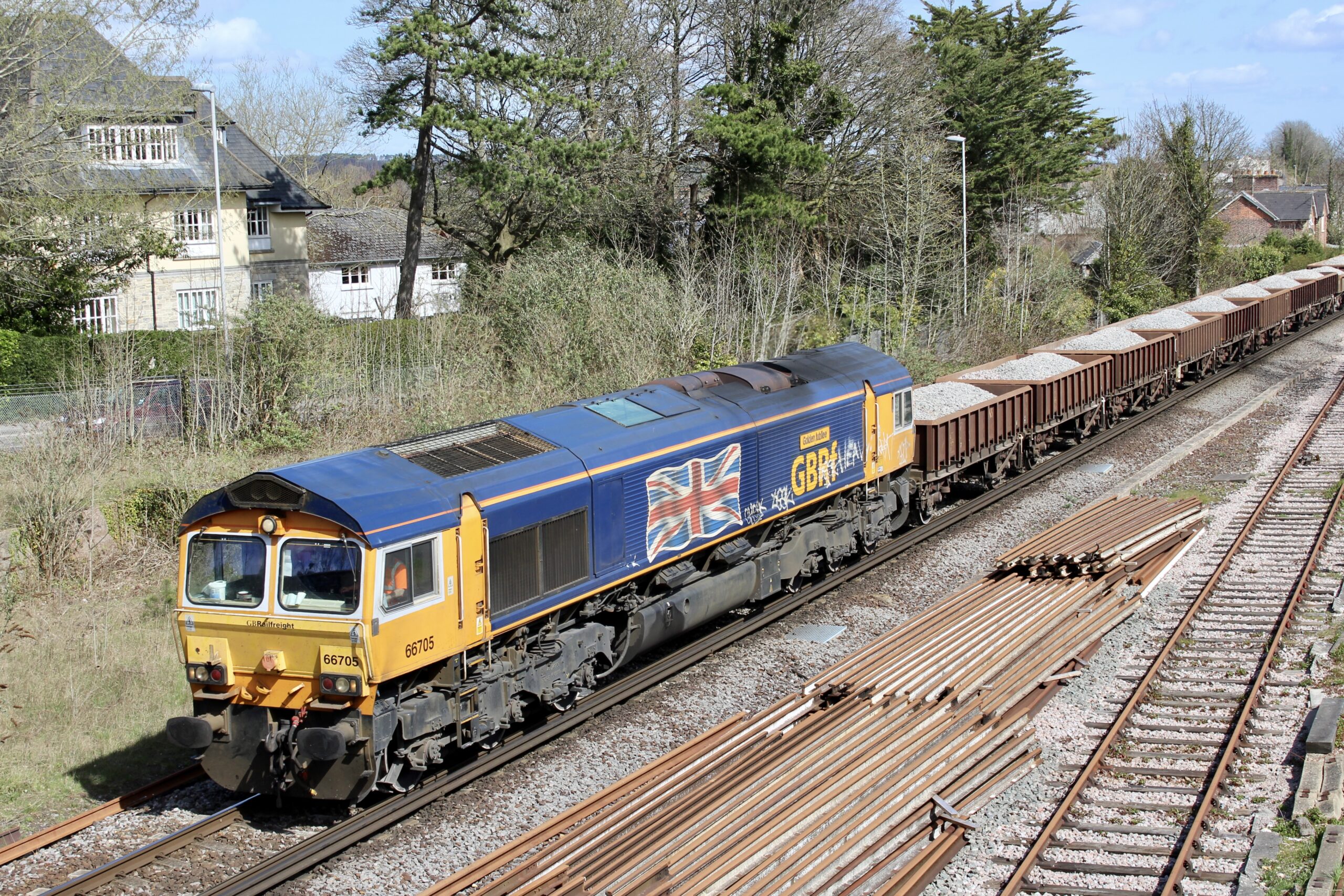
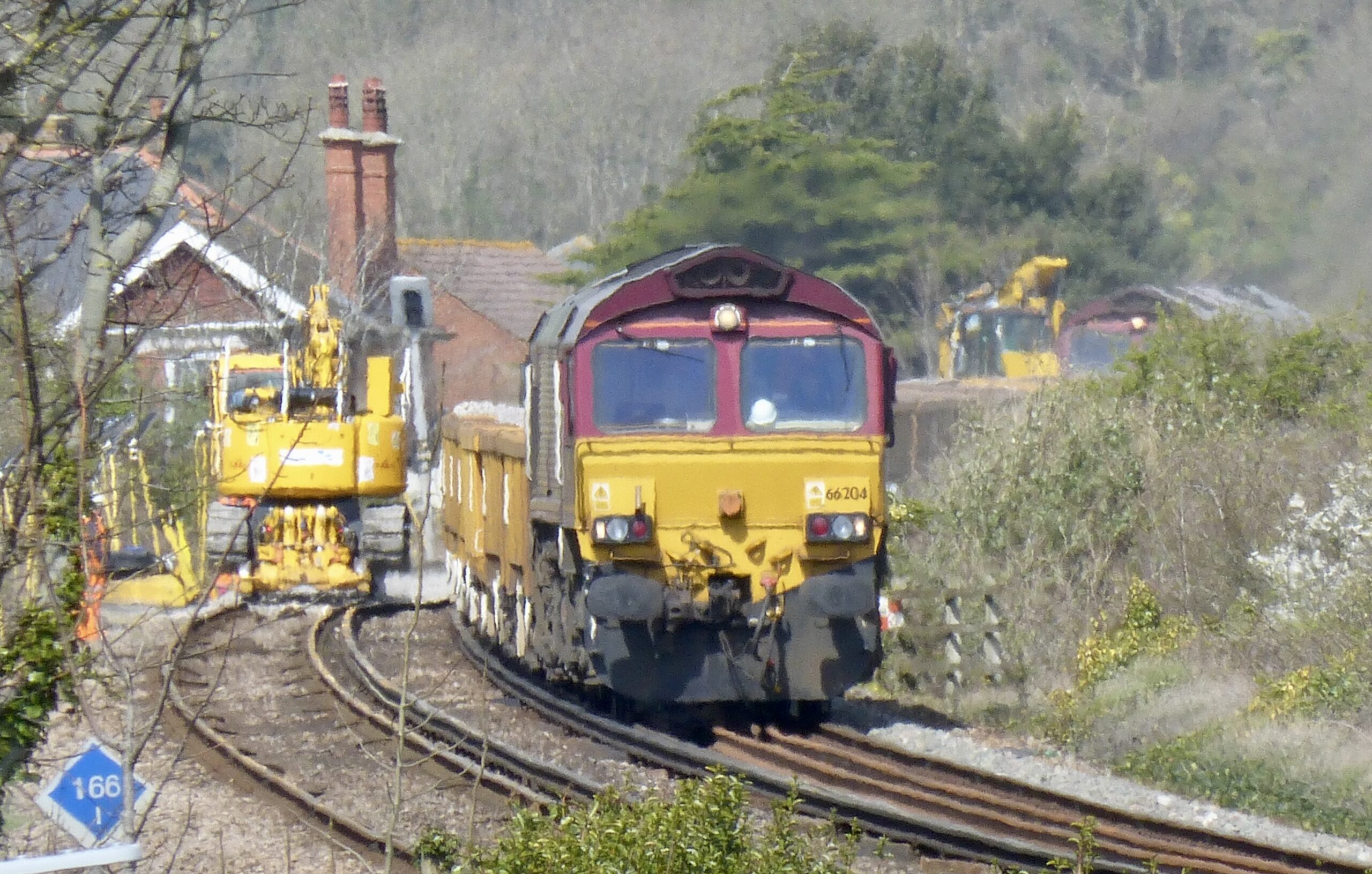
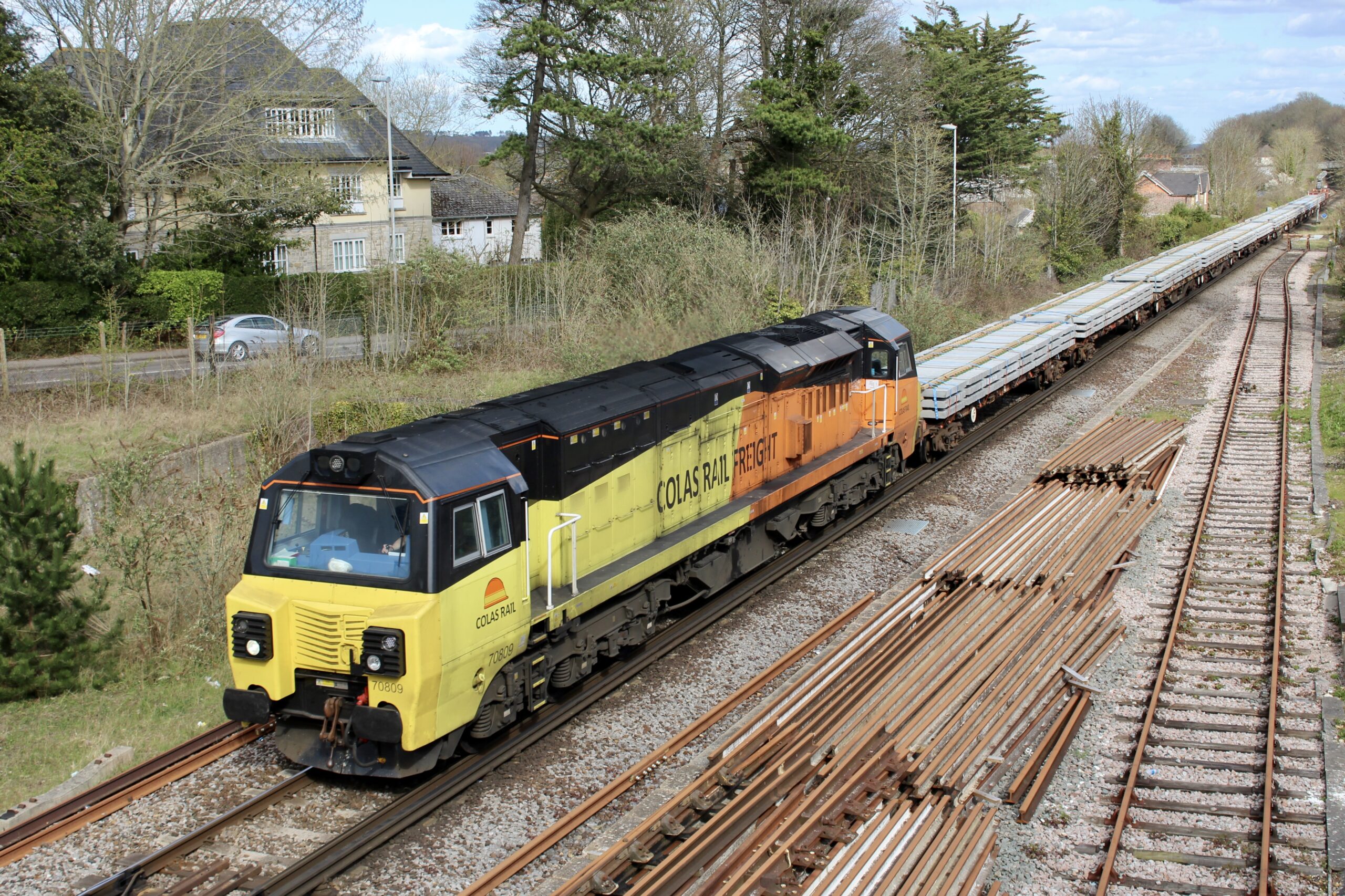
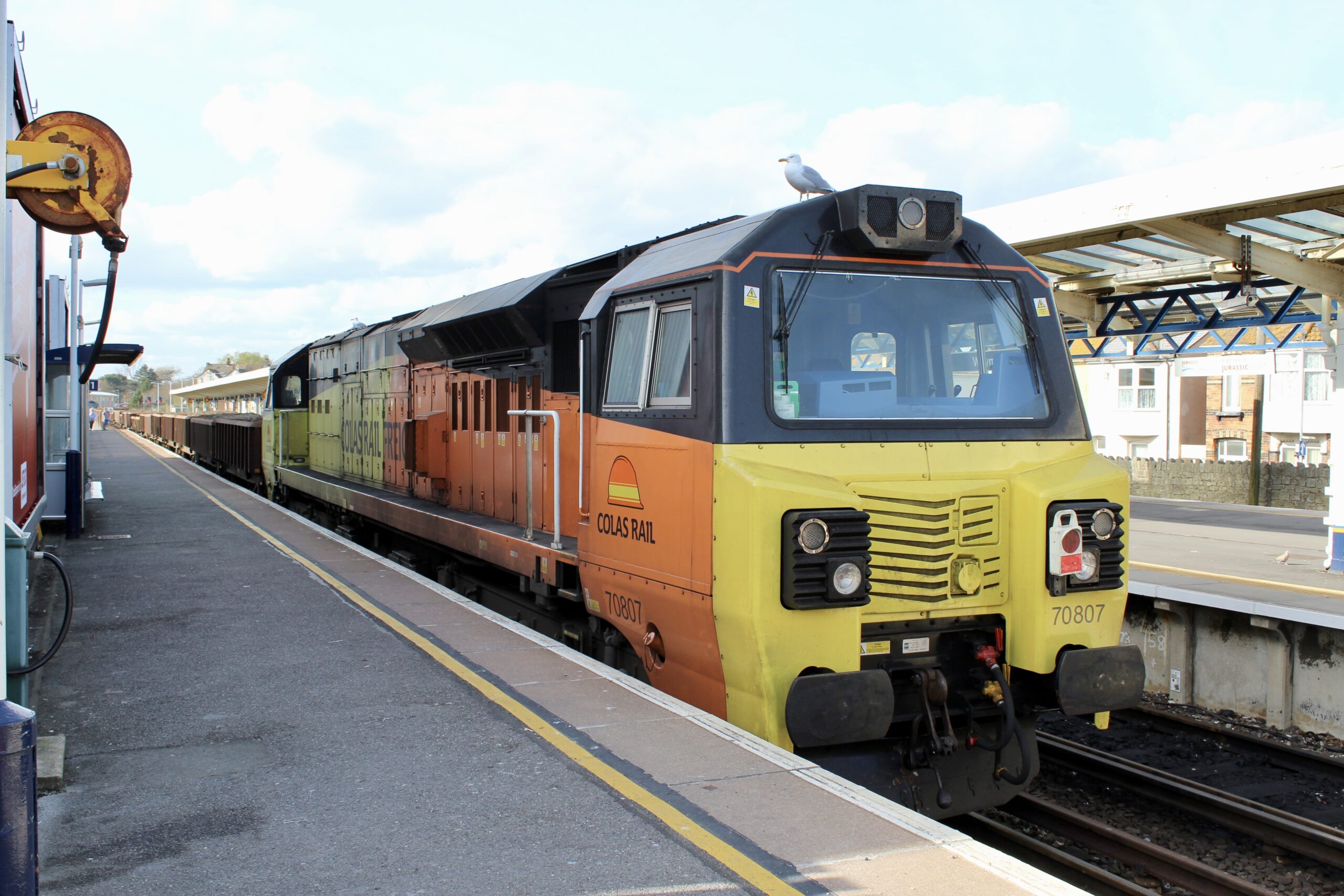
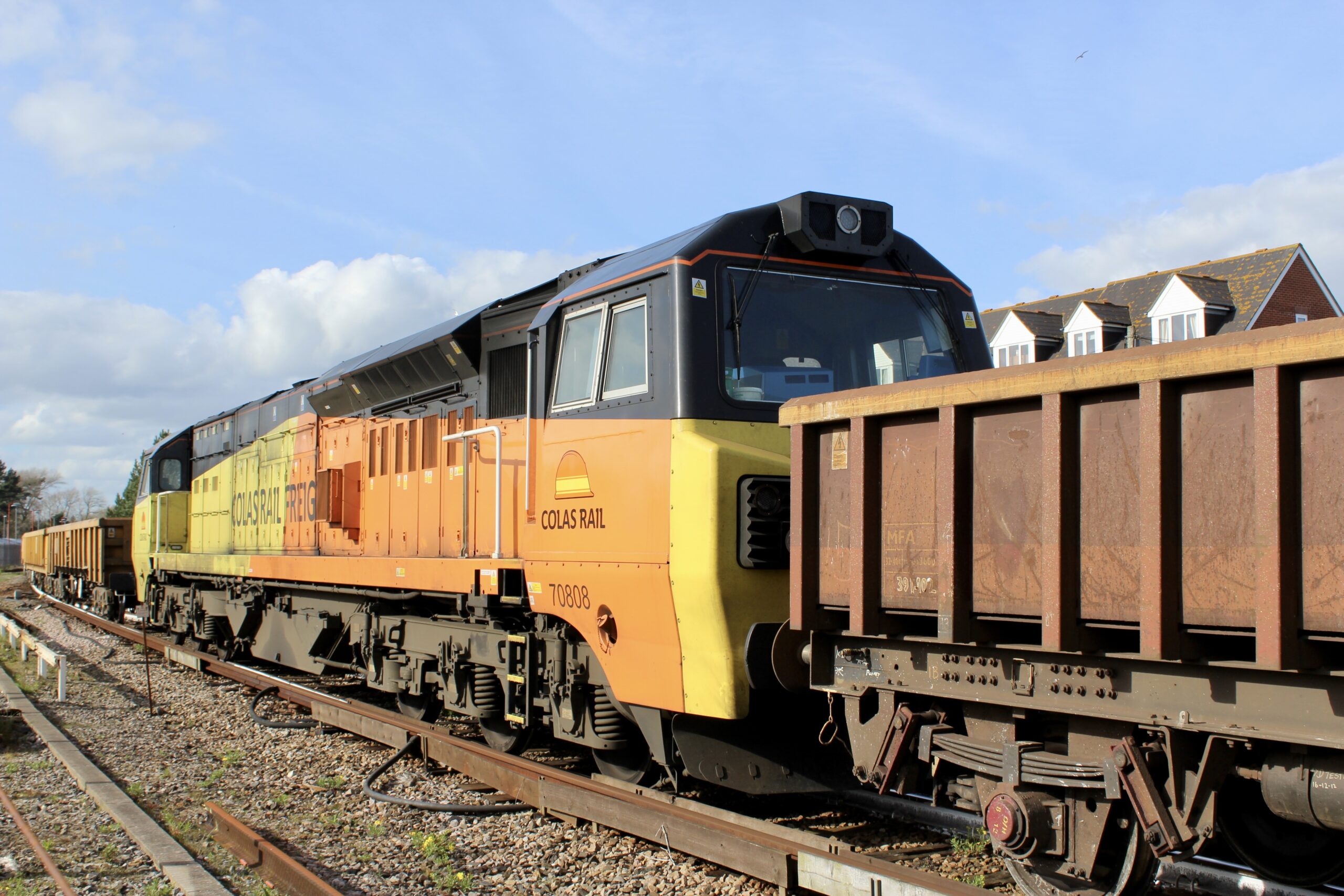
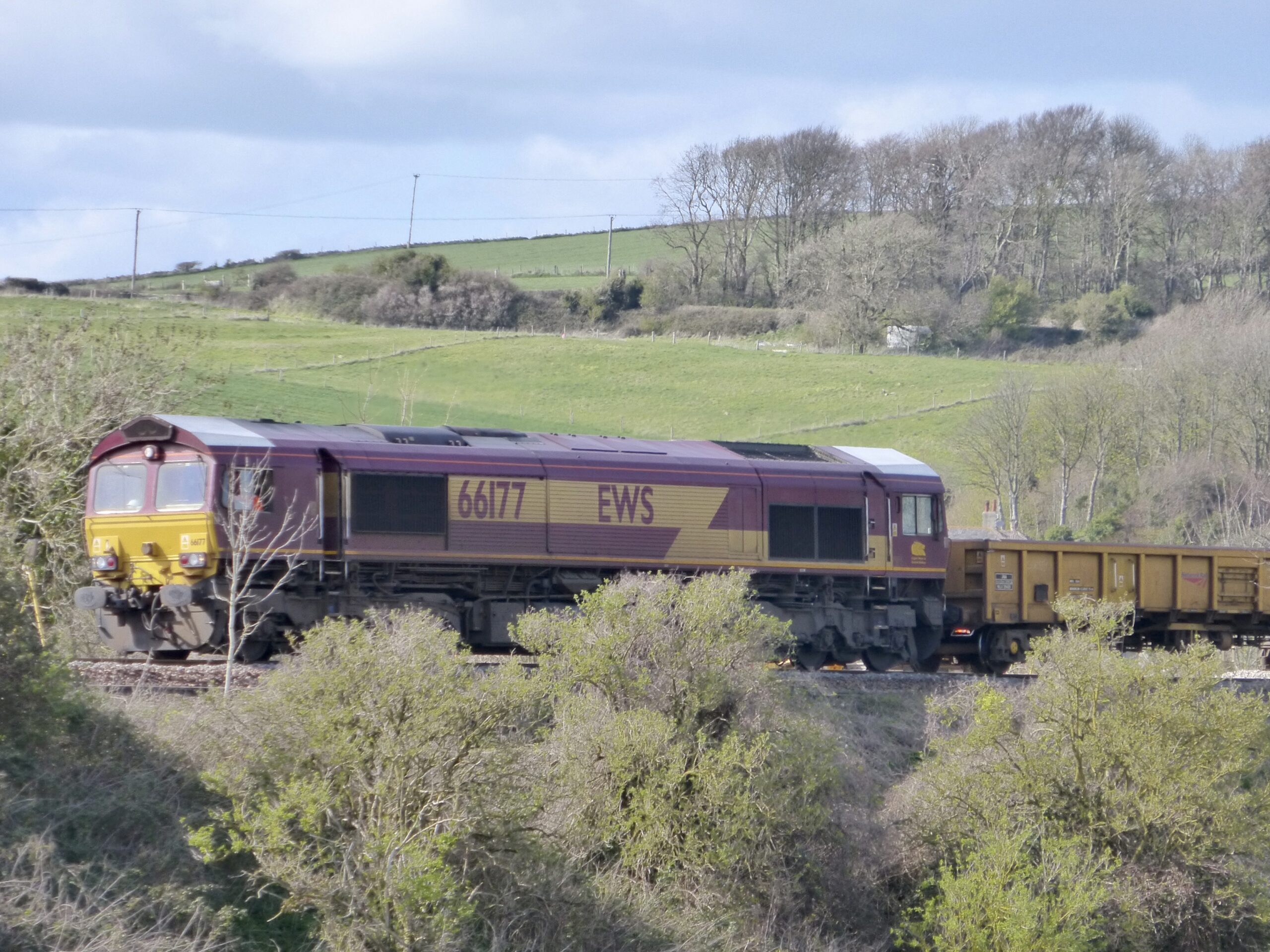
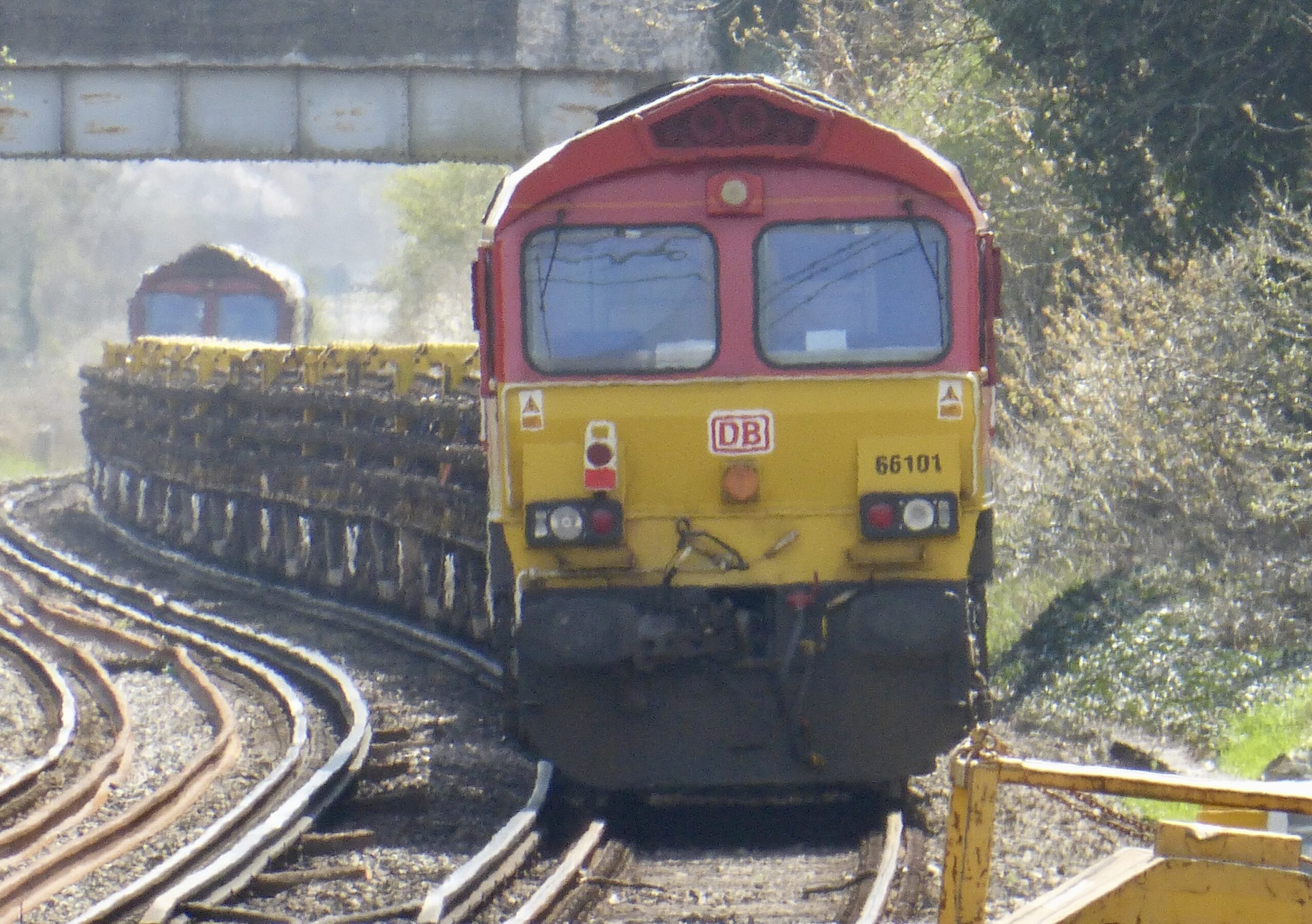
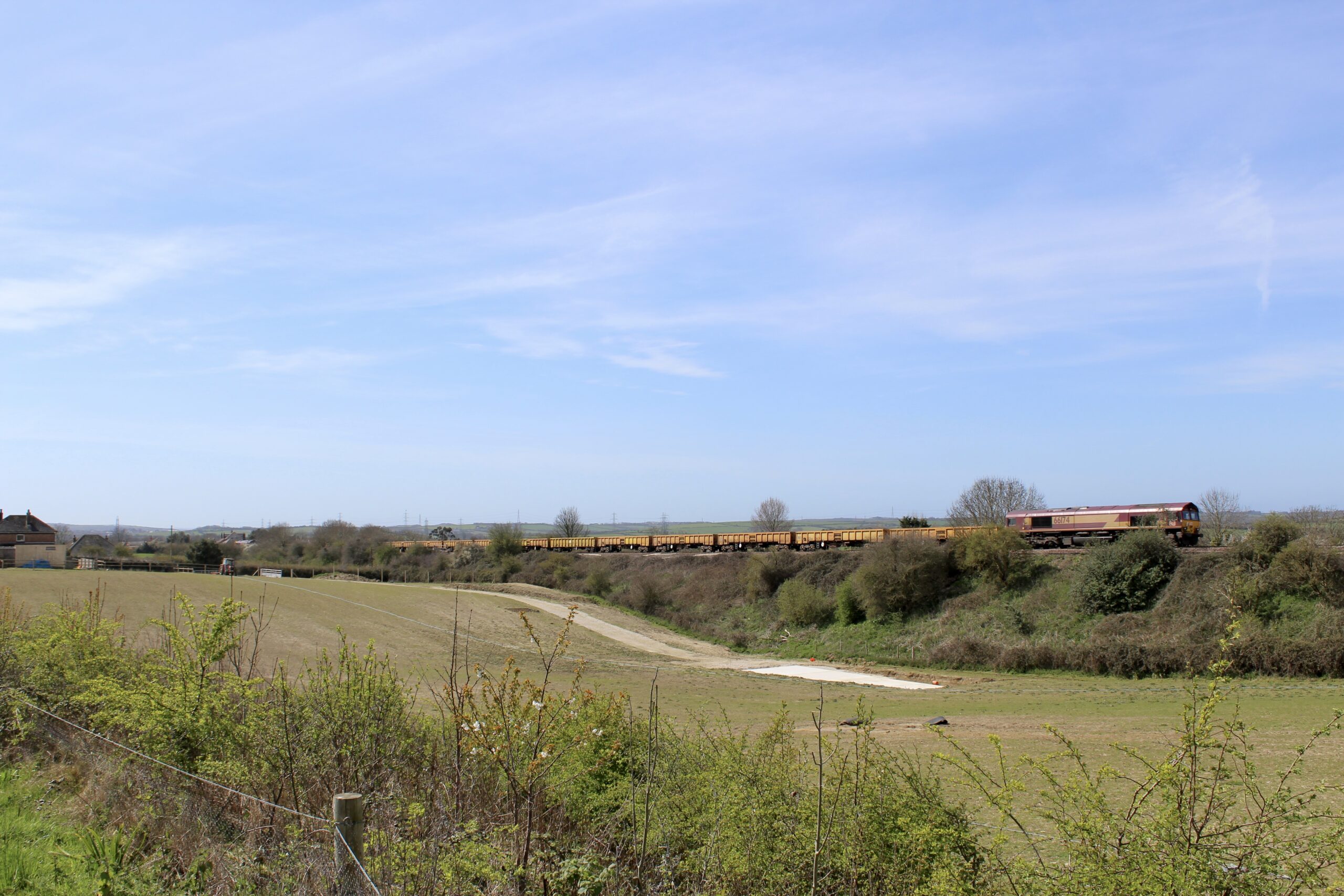
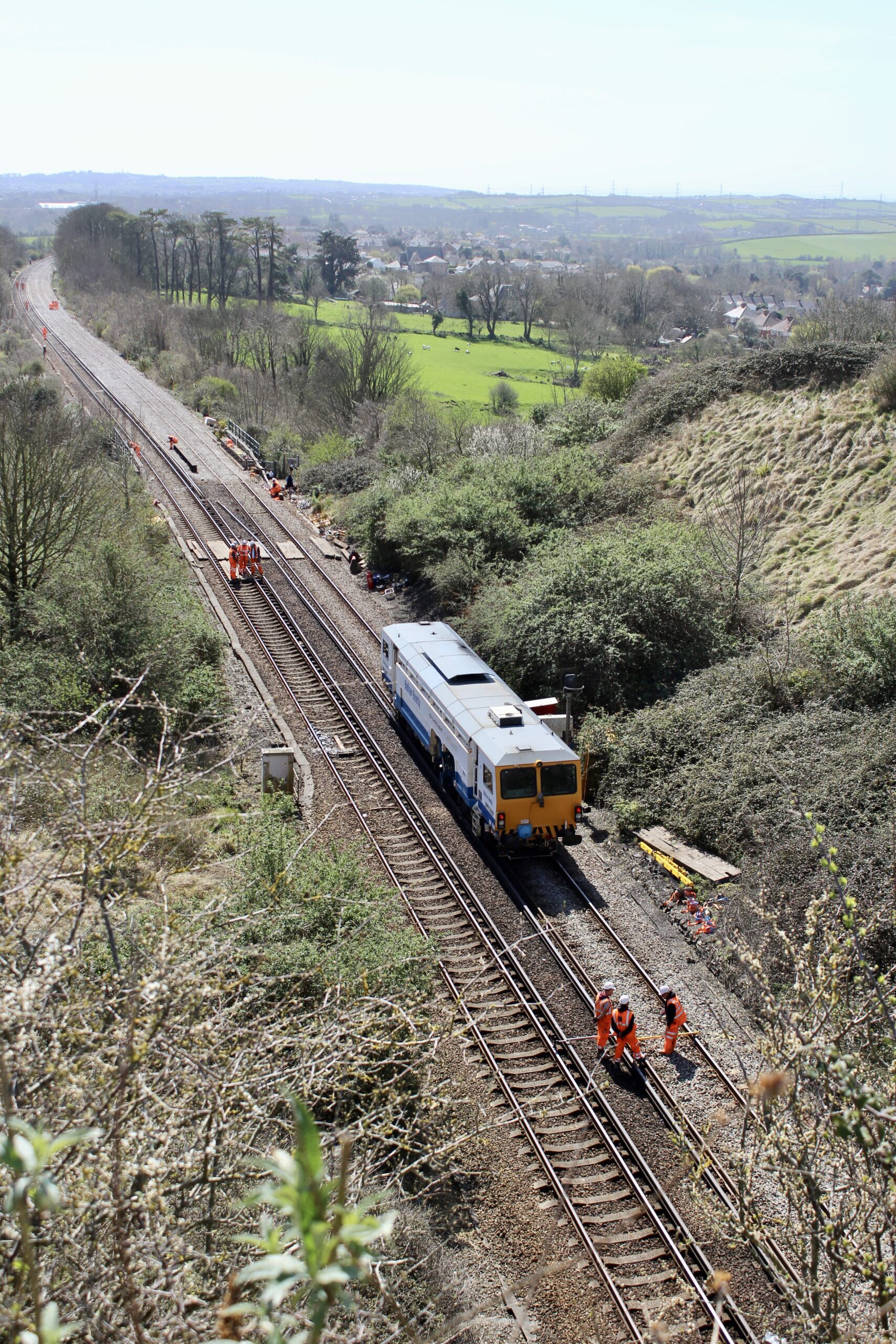
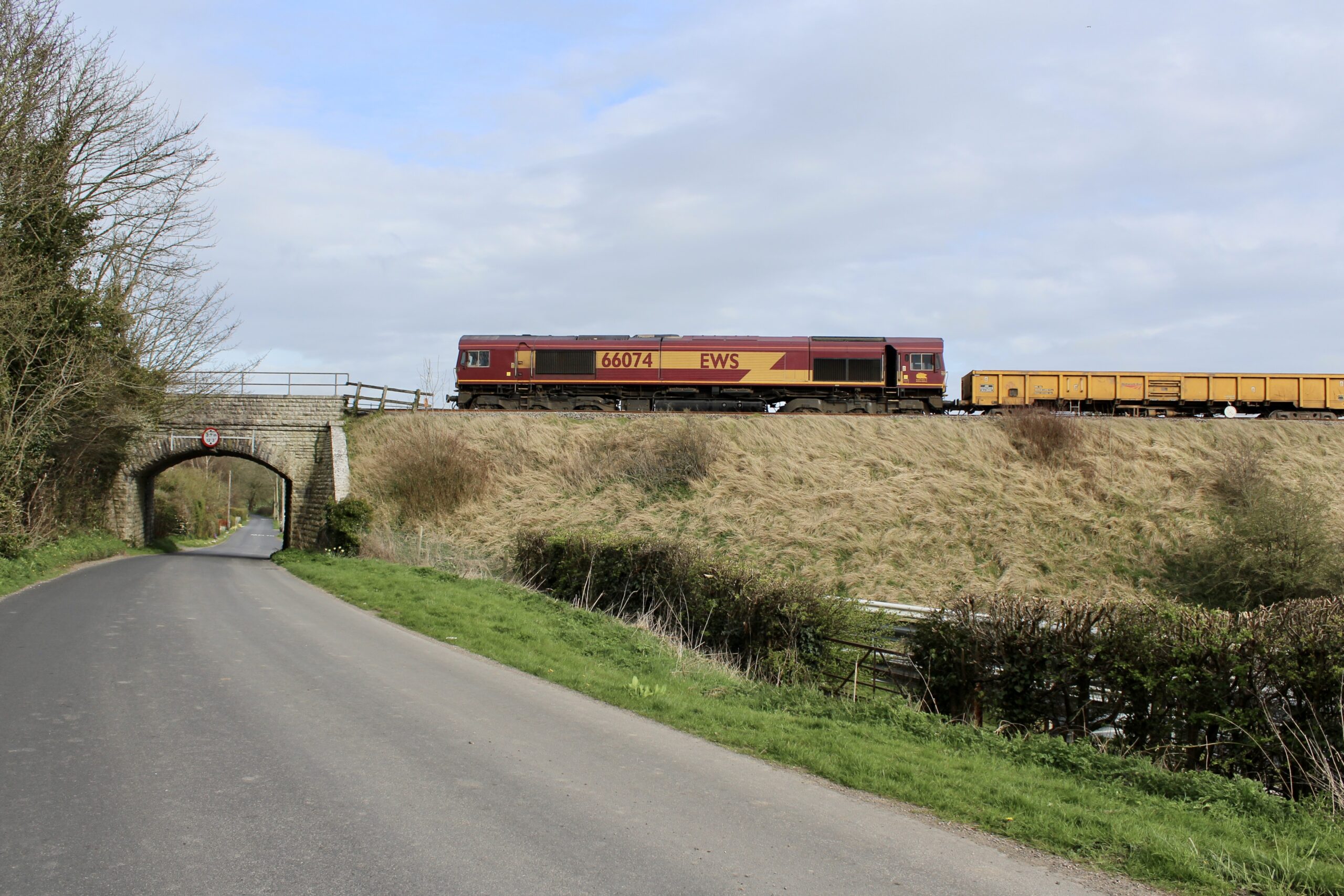
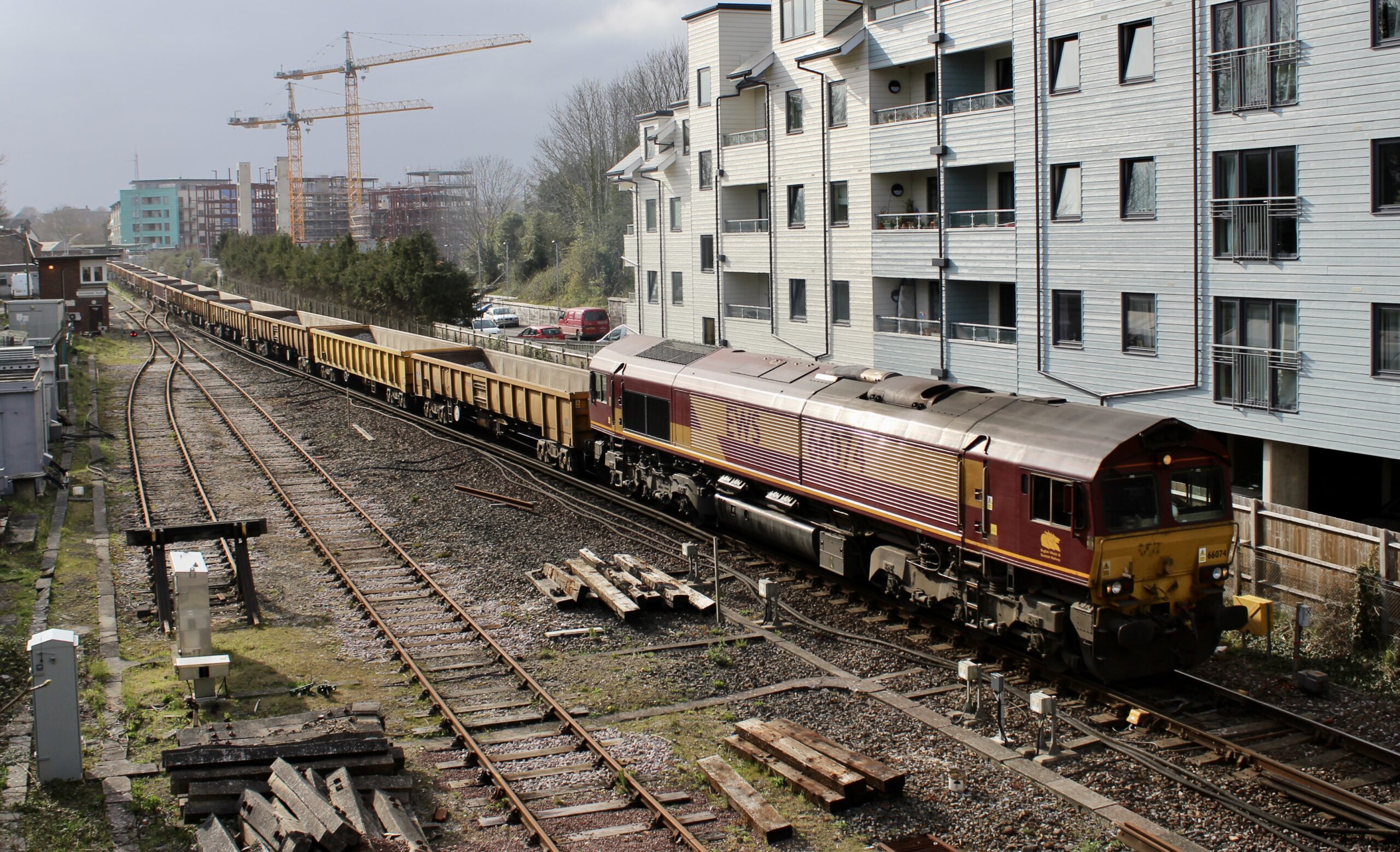
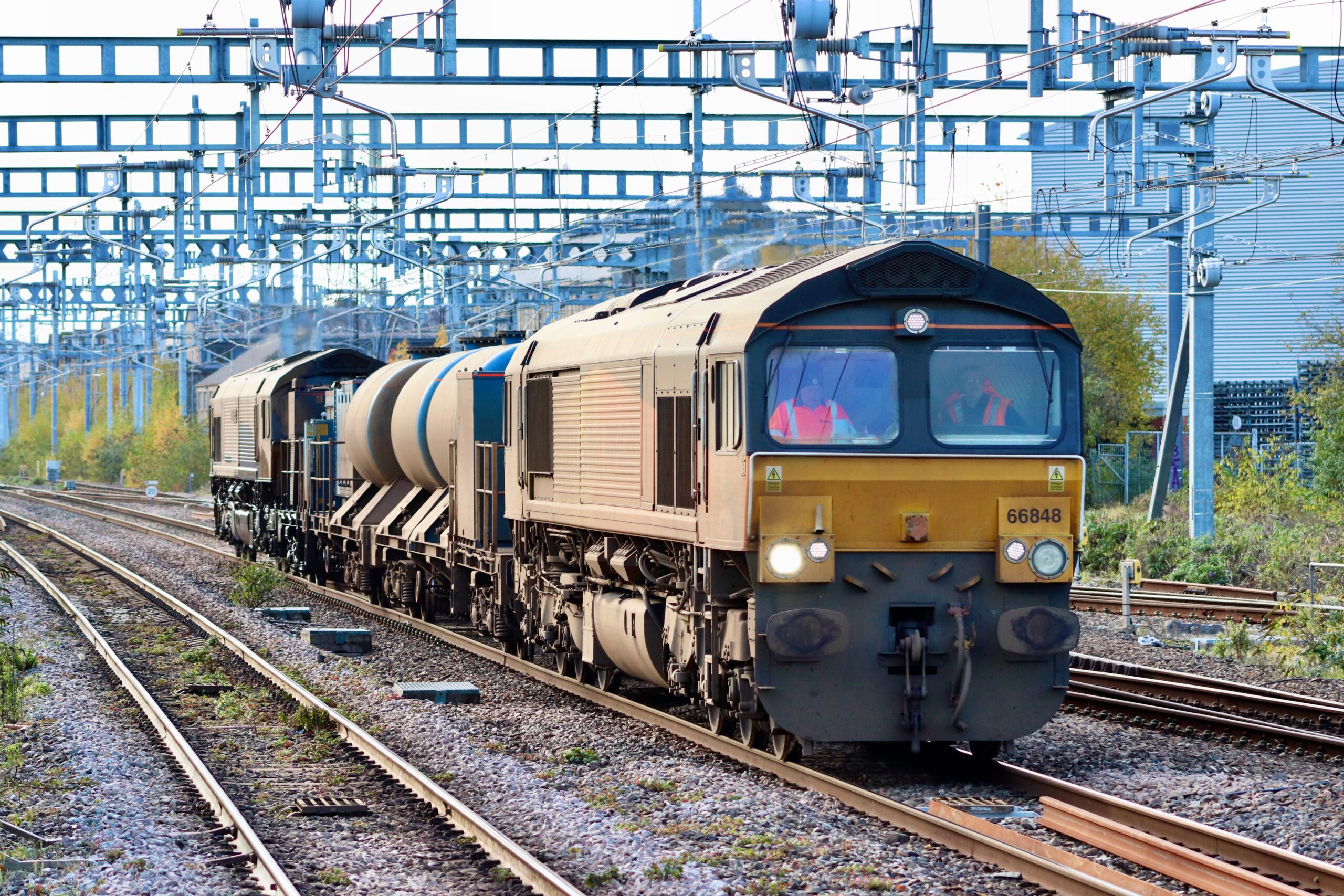
Having not seen any of the locomotive operated Rail Head Treatment Trains (RHTT) this year, we decided to combine a visit to the McArthur Glen Designer Outlet in Swindon with a visit to STEAM Museum and the chance of photographing an RHTT or two. The railways of Dorset are serviced by Multi Purpose Vehicles (MPV) during leaf fall season with leaves on the railway line causing problems.
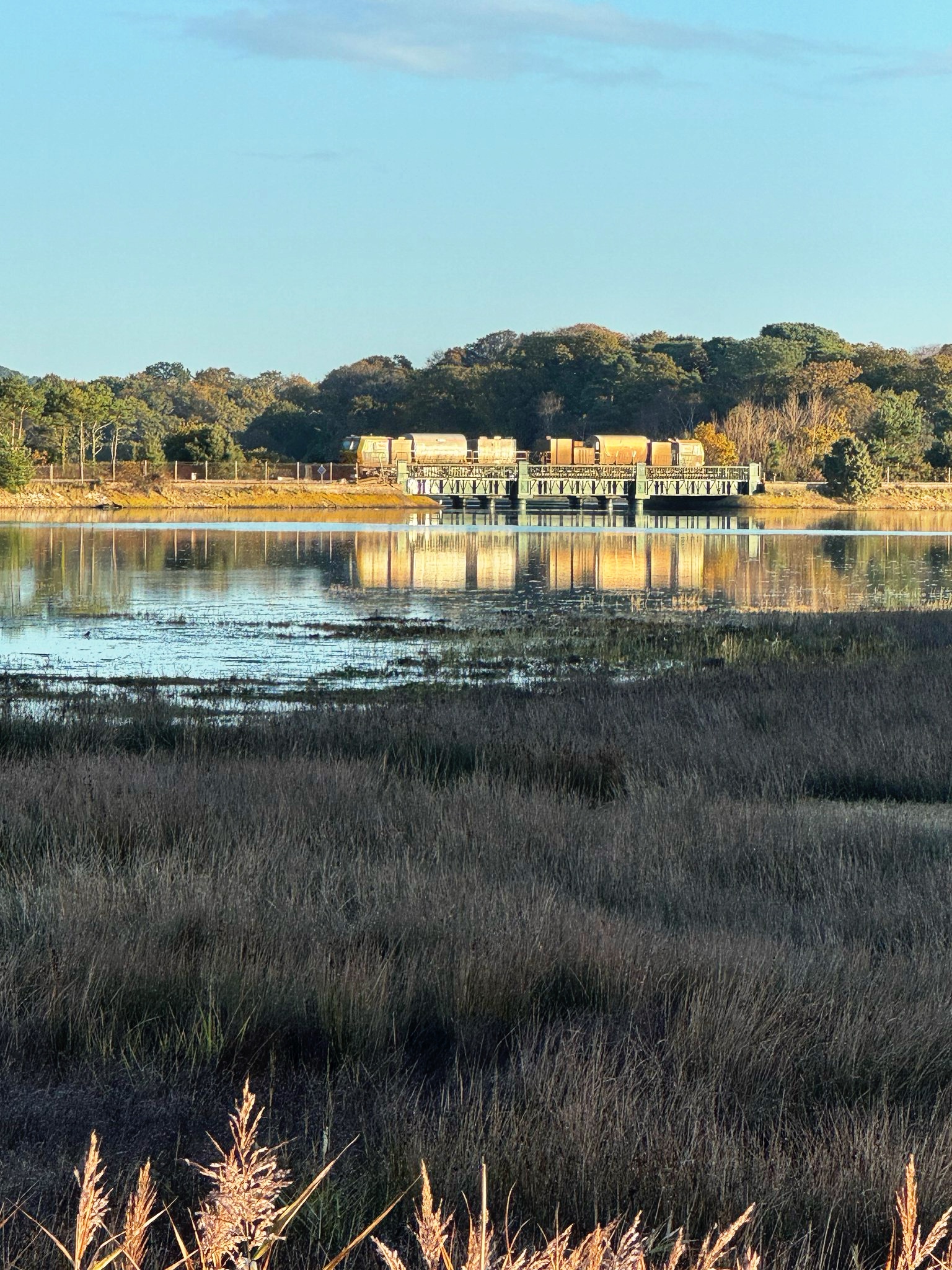
Windy conditions can cause heavy leaf fall in a short space of time and rain means they are more likely to stick to the rails. When trains pass over leaves, the heat and weight of the trains bake them into a thin, slippery layer on the rail. This is equivalent to black ice on the roads. This can create operational issues for the signalling system (track circuits) and reduce a trains grip – which can change the ability of a train to start from a station, accelerate and climb hills, or stop at stations and signals. Across the GB Rail Network, there are 32 MultiPurpose Vehicles and 29 locomotive hauled RHTT’s. Both types of train are equipped with a high-pressure water pump delivering 1,500 Bar and, if required, can apply adhesion modifier – a mixture of suspension gel (so it can be pumped), sand (to help train wheels grip the rail), and steel or iron shot that is pushed through contamination (compressed leaves and debris) on the rail head to help the track circuits work correctly – to each running rail. If the track circuits fail to identify, or ‘lose’ a train (because the leaf and debris contamination is preventing this) then the signalling system is designed to automatically stop all the trains to prevent an accident.

Swindon has been synonymous with railways, and in particular the Great Western Railway (GWR) since the 1840’s, when Daniel Gooch – working under Isambard Kingdom Brunel – picked the Wiltshire town as the location for a central repair works with the site opening on 2nd January 1843. The Works transformed Swindon from a small market town with a population of 2,500 into a bustling railway themed hive of industry. Built to the north of the main town centre, Swindon works had a need for locally accessible housing and services for the men and women who worked there. The development of the railway village was on the lines of similar Victorian-era model village lifestyle concepts, such as Bournville near Birmingham, and architect/builder Rigby’s were given license to create a commercially viable development by the GWR. The completed village provided the town with medical and educational facilities that had been previously sorely lacking, together with the large St Mark’s Church and the Bakers Arms public house, all completed before 1850.
The first locomotive constructed at Swindon Works, emerging in 1846 having taken less than two weeks to build, was the ‘Premier’, originally built with a 2-2-2 wheel arrangement but later converted to 4-2-2 and renamed ‘Great Western’ becoming part of the Iron Duke Class of broad gauge locomotives. She was joined by six more engines, with the Iron Dukes being considered the fastest broad gauge engine of its day. By 1851, the works employed over 2,000 people and were producing about one locomotive a week, with the first standard gauge engine being built in 1855. In addition to locomotive building standardised goods vehicles were produced, and in 1867 Swindon was made the central workshop for the construction of carriages and wagons.
In its heyday, Swindon works employed 14,000 people as Charles Collett (GWR’s Chief Mechanical Engineer from 1921 to 1941) greatly improved boiler making and facilities for working heavy gauge sheet metal. In 1927 the GWR’s most powerful and largest class of locomotive, the King’s, were introduced becoming the flagship of the GWR fleet. The King’s had been developed from the Castle Class which, along with the Hall Class, helped cement GWR’s reputation and image.
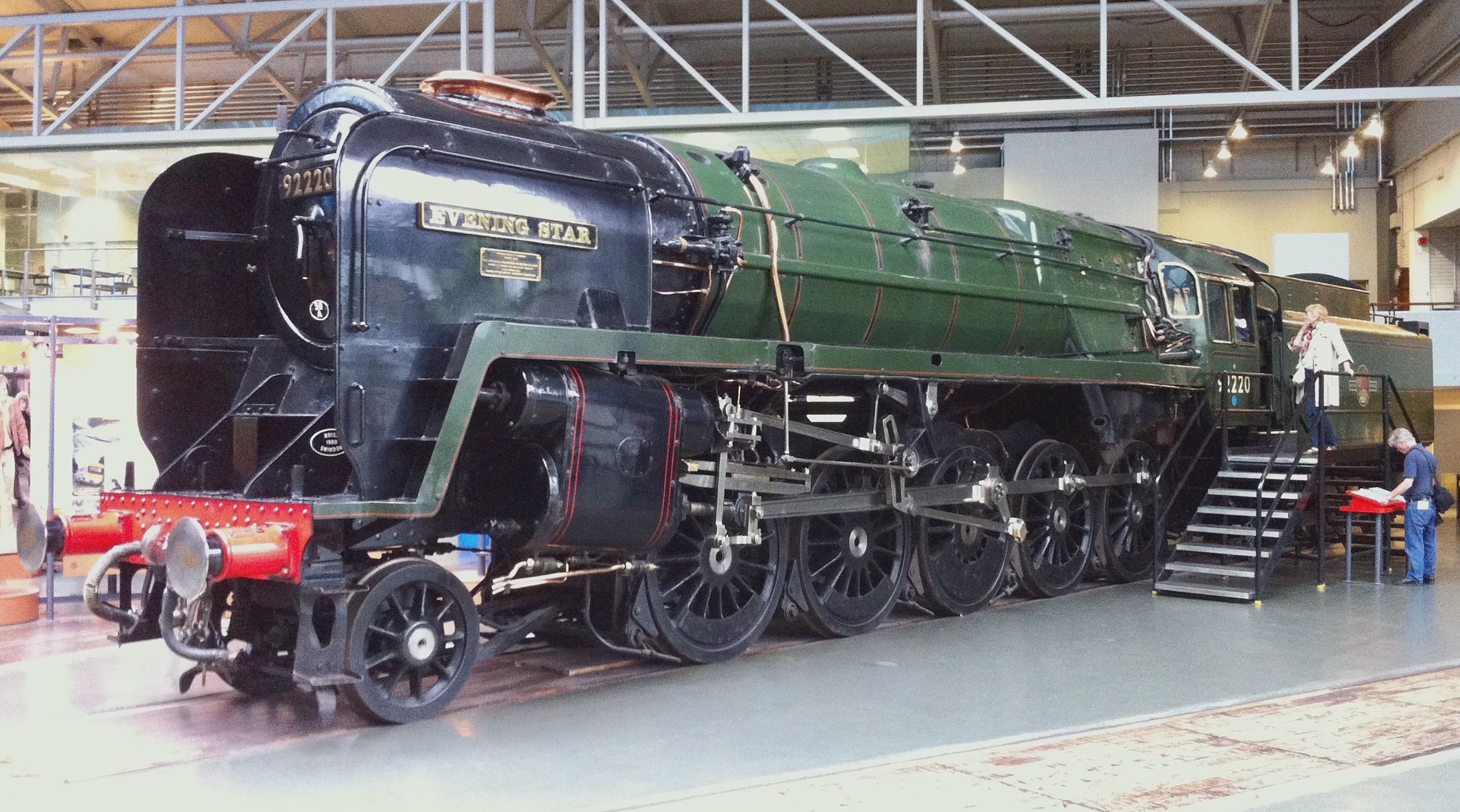
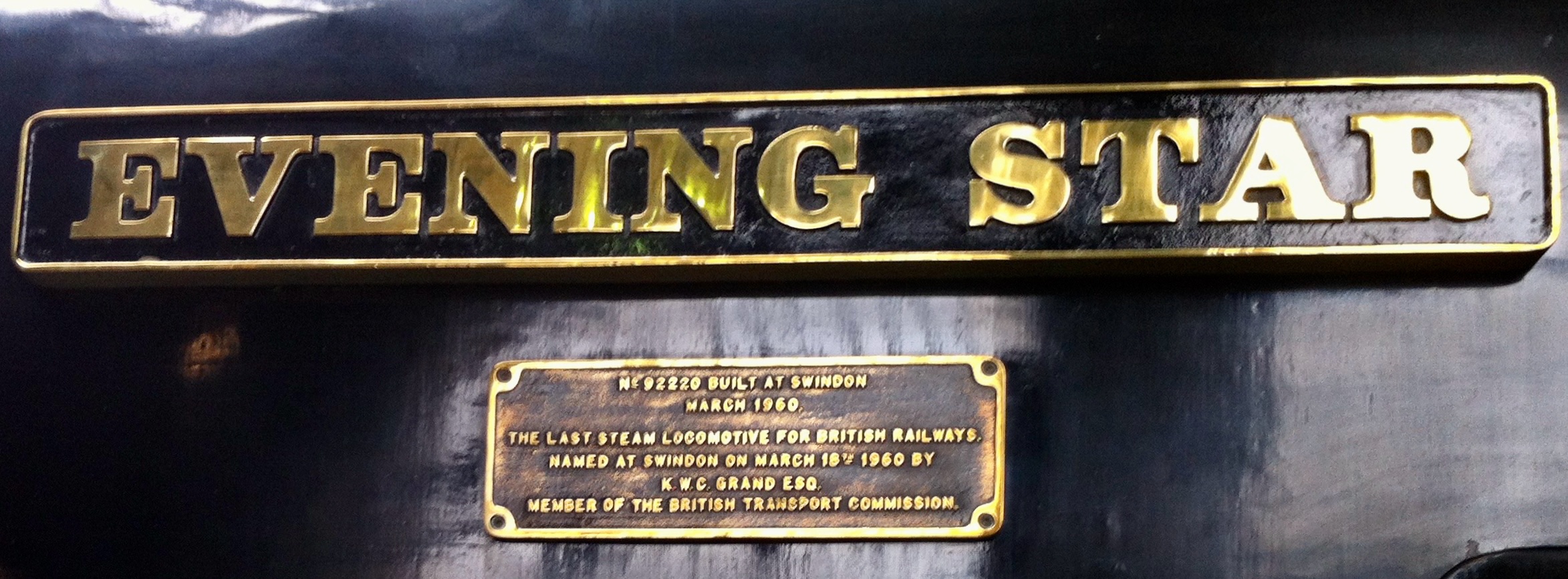
At the nationalisation of British Railways (BR) in 1948, the works was producing 60 new locomotives a year, with this number reducing to 42 in 1954. From 1948 to 1956, the works made 452 steam engines to GWR designs and between 1951 and 1960 200 BR standard classes. When the decision was made to transition the railways from steam to diesel and electric motive power, the works produced BR’s last steam locomotive; No. 92220 ‘Evening Star’. By this time the works employed 5,000 people and had become the regional hub for the storage and scrapping of steam locomotives and rolling stock.
As part of its Modernisation Plan, BR Western Region opted to develop and build diesel hydraulic locomotives rather than the diesel electric varieties employed across the rest of the network. From 1957 the works produced 38 “Warship” class D800’s and 30 “Western” class D1000’s.
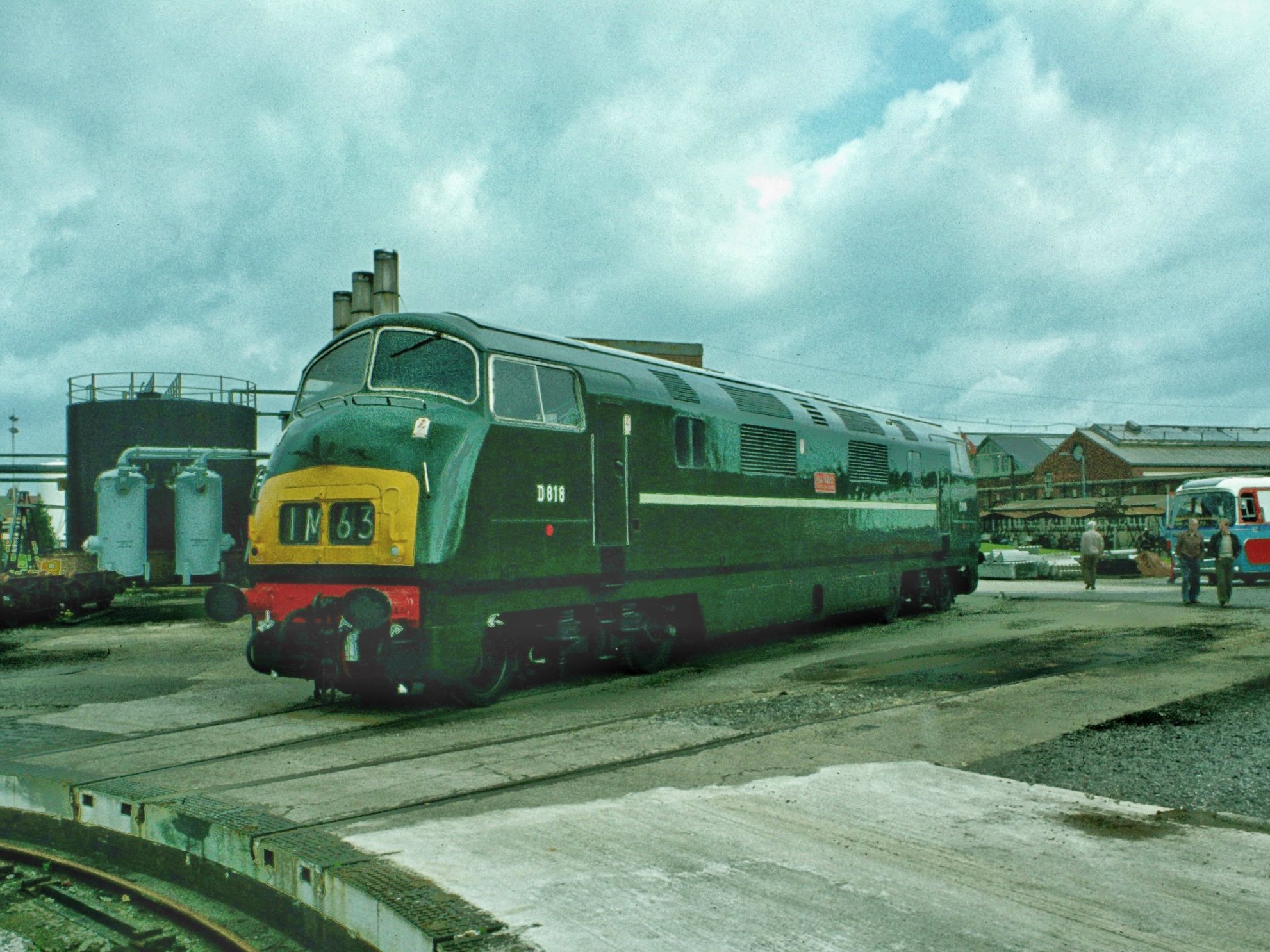
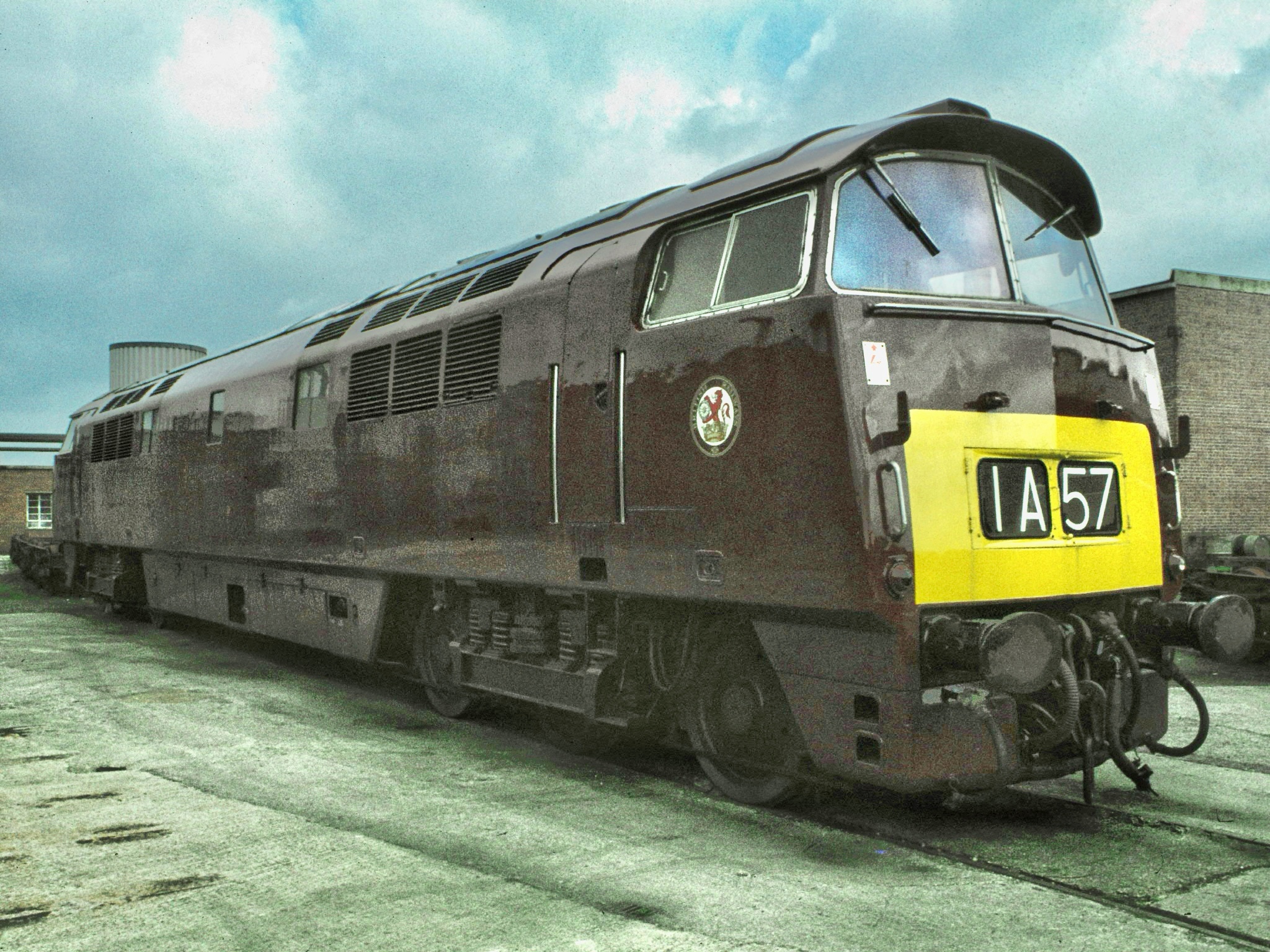

Locomotive building ceased at Swindon in 1965 following the construction of the Class 14 “Teddy Bear’s” after which the works became a heavy repair facility. In the 1970’s it was decided that the diesel hydraulic’s were non-standard and were withdrawn in favour of the diesel electric classes. The works were absorbed into British Rail Engineering Ltd (BREL) but won less and less maintenance business against the internal competition of Crewe and Derby Works. With the town of Swindon expanding and needing land close to its centre for development, the decision was made to close the works with the final day of operation being 26nd March 1986.
The redevelopment of the works took account of the listed building status of the original core infrastructure. The engineers’ office is now the headquarters of English Heritage, with most of the remaining buildings redeveloped as part of the Designer Outlet Village. The rest of the site’s extensive railway yard was used for housing and commercial buildings including purpose built storage for the English Heritage Archive and the National Trust’s central office building, known as “Heelis”, the married name of Beatrix Potter, one of the key figures in the early history of the organisation.
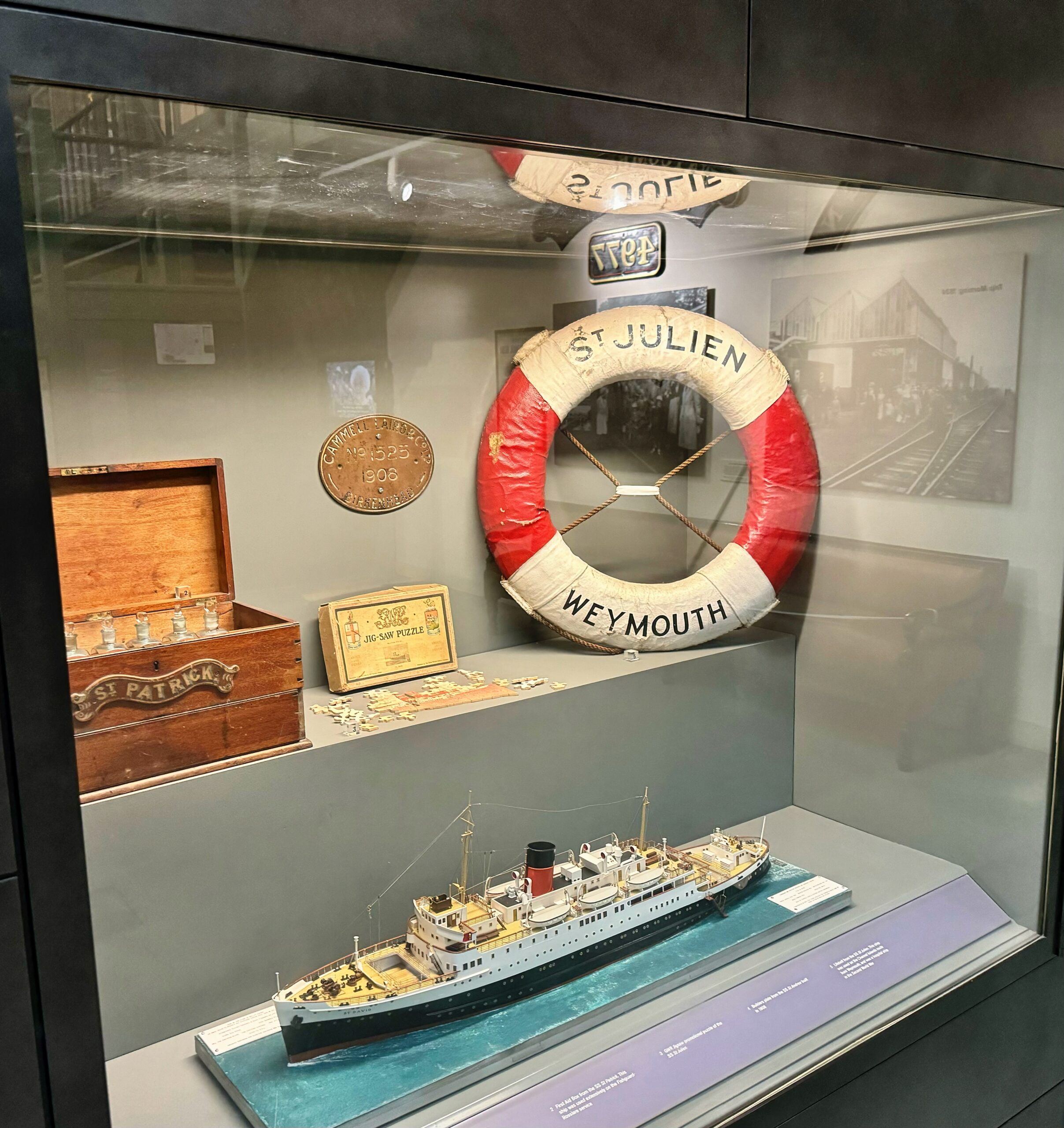
Another original works building houses STEAM: The Museum of the Great Western Railway, which “tells the story of the men and women who built, operated and travelled on the GWR, a network that, through the pioneering vision and genius of Isambard Kingdom Brunel, set the standard for rail travel. The story is brought to life with famous GWR locomotives, story-telling displays, videos – mixing rare archive film footage with the stories of ex-railway workers – hands-on exhibits, interactive displays and a large number of rare GWR objects and memorabilia.”
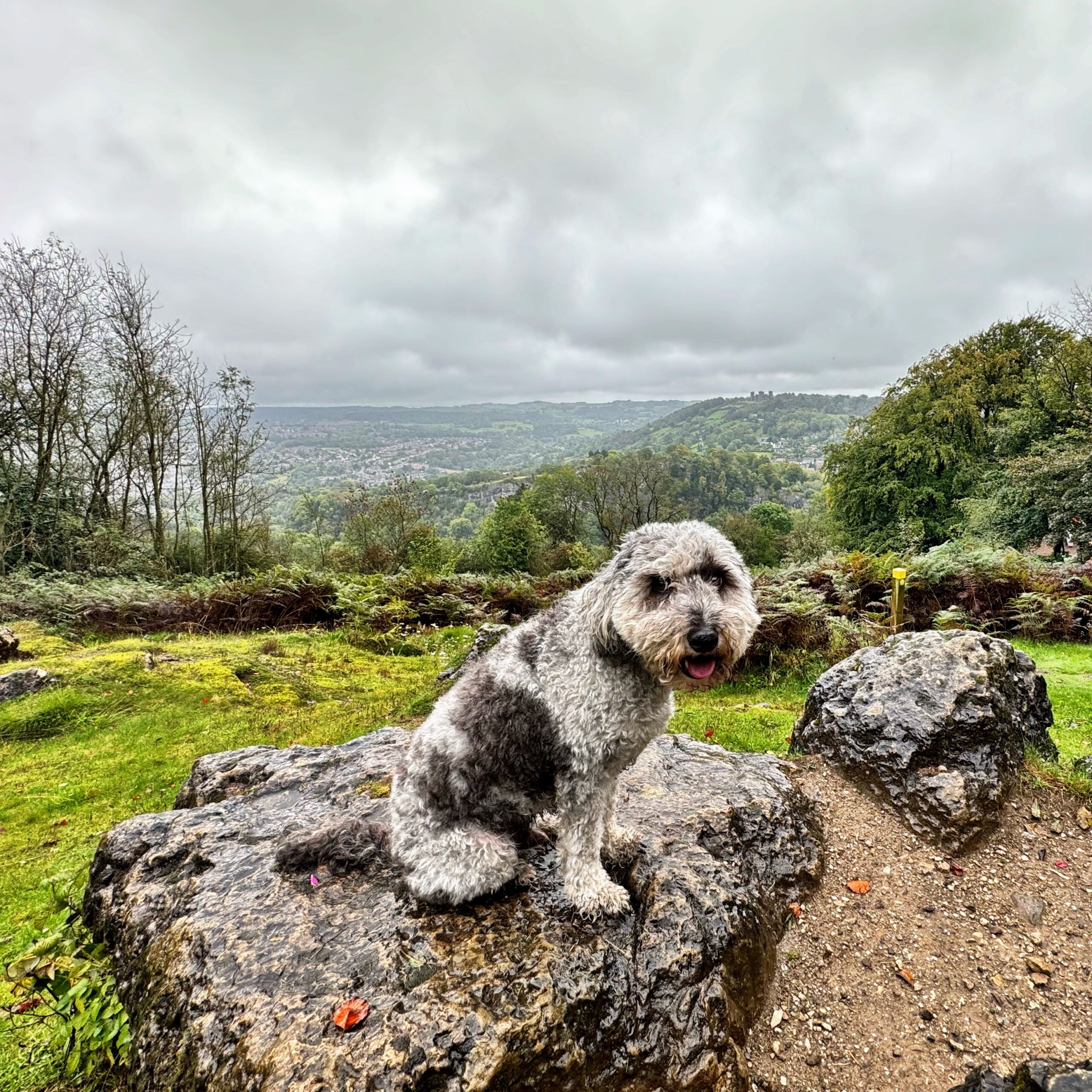
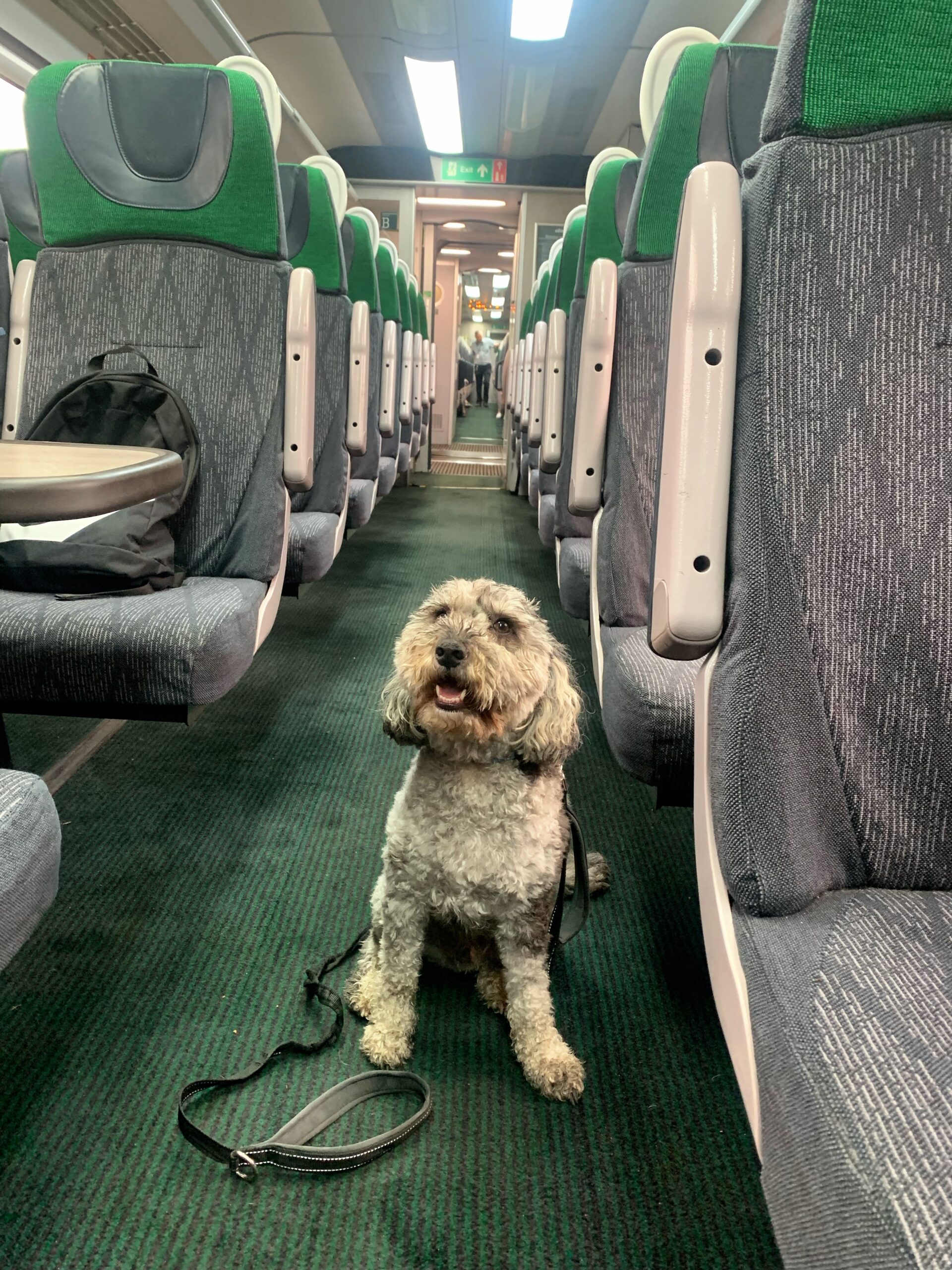
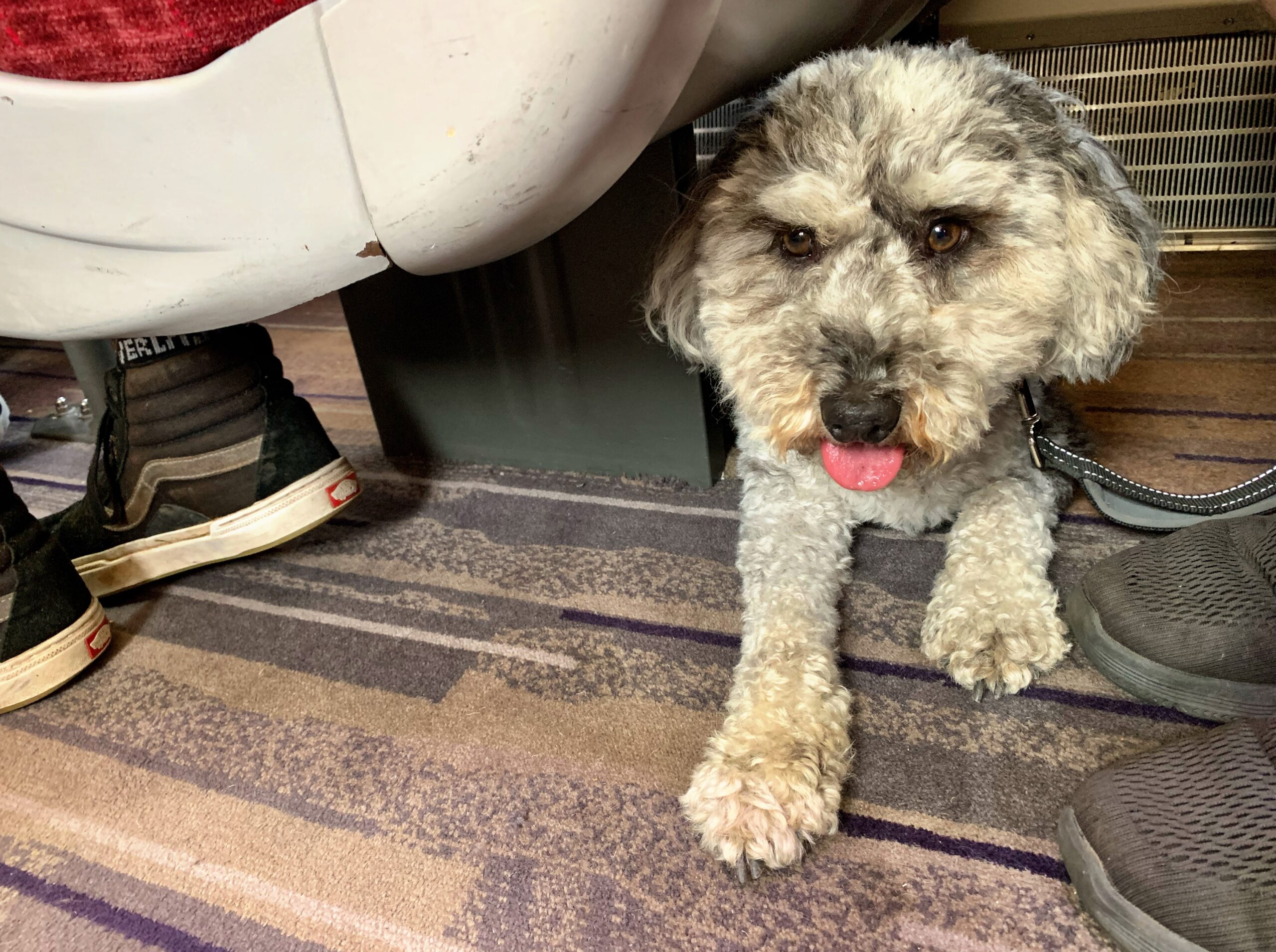
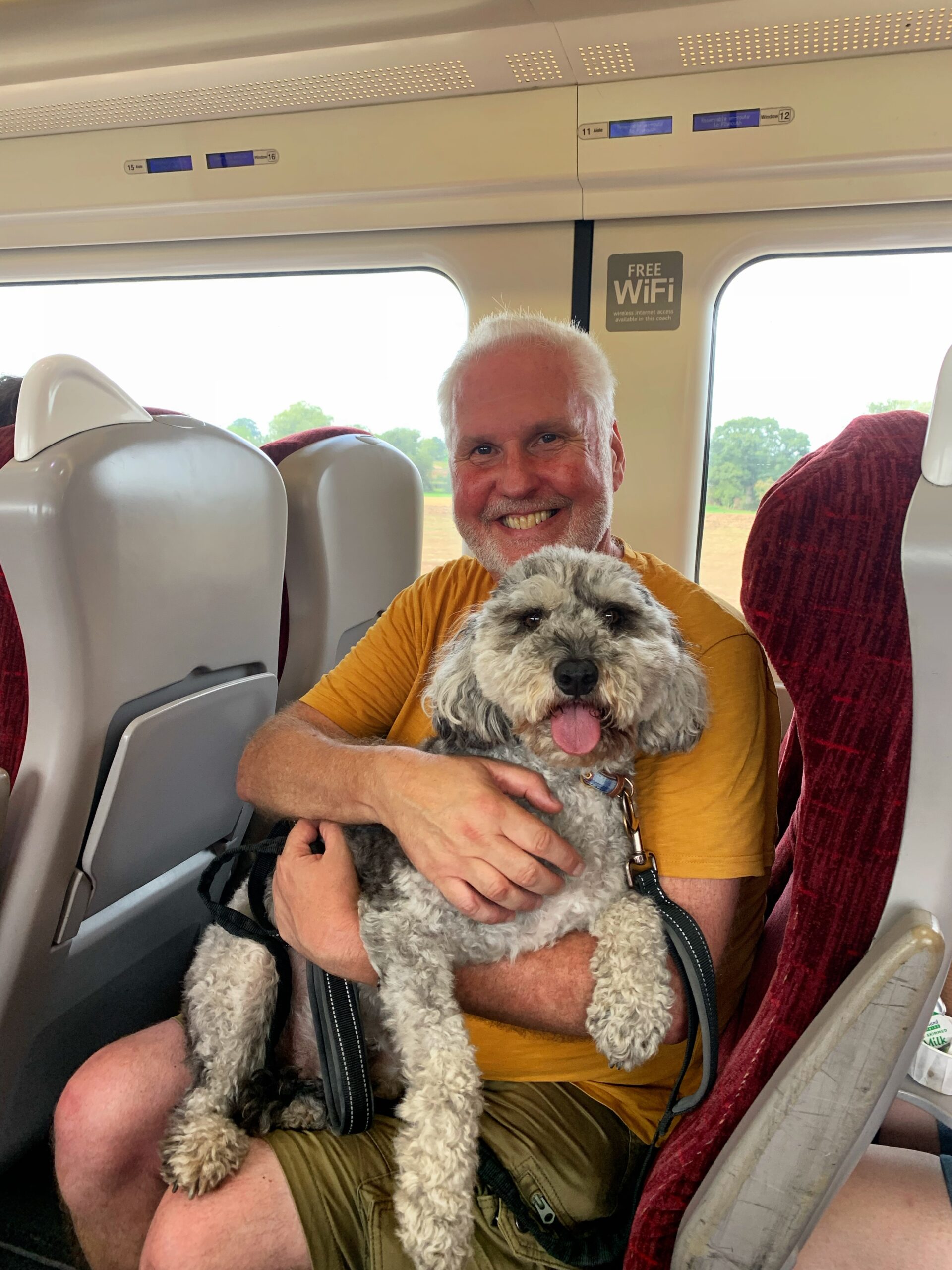
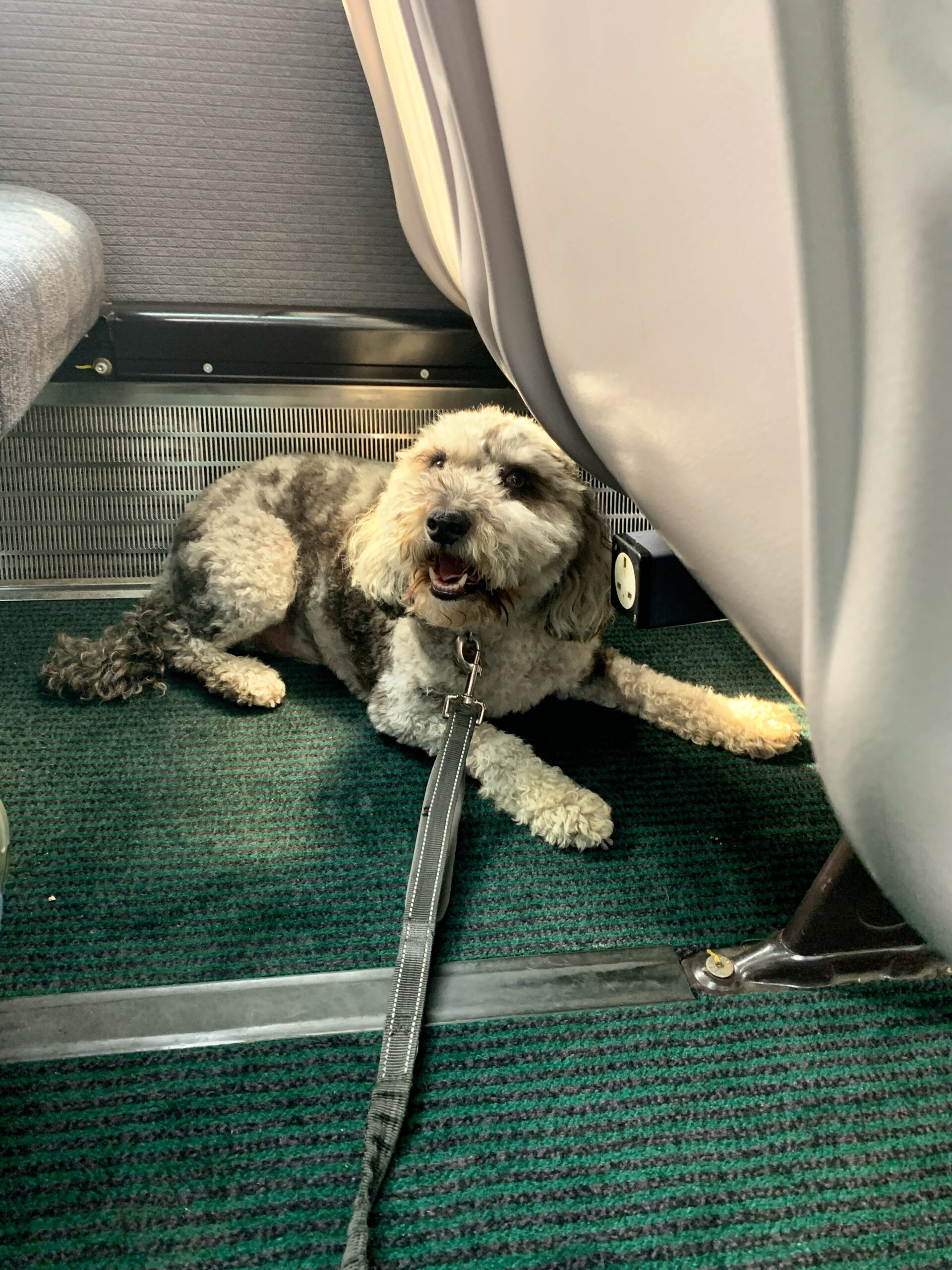
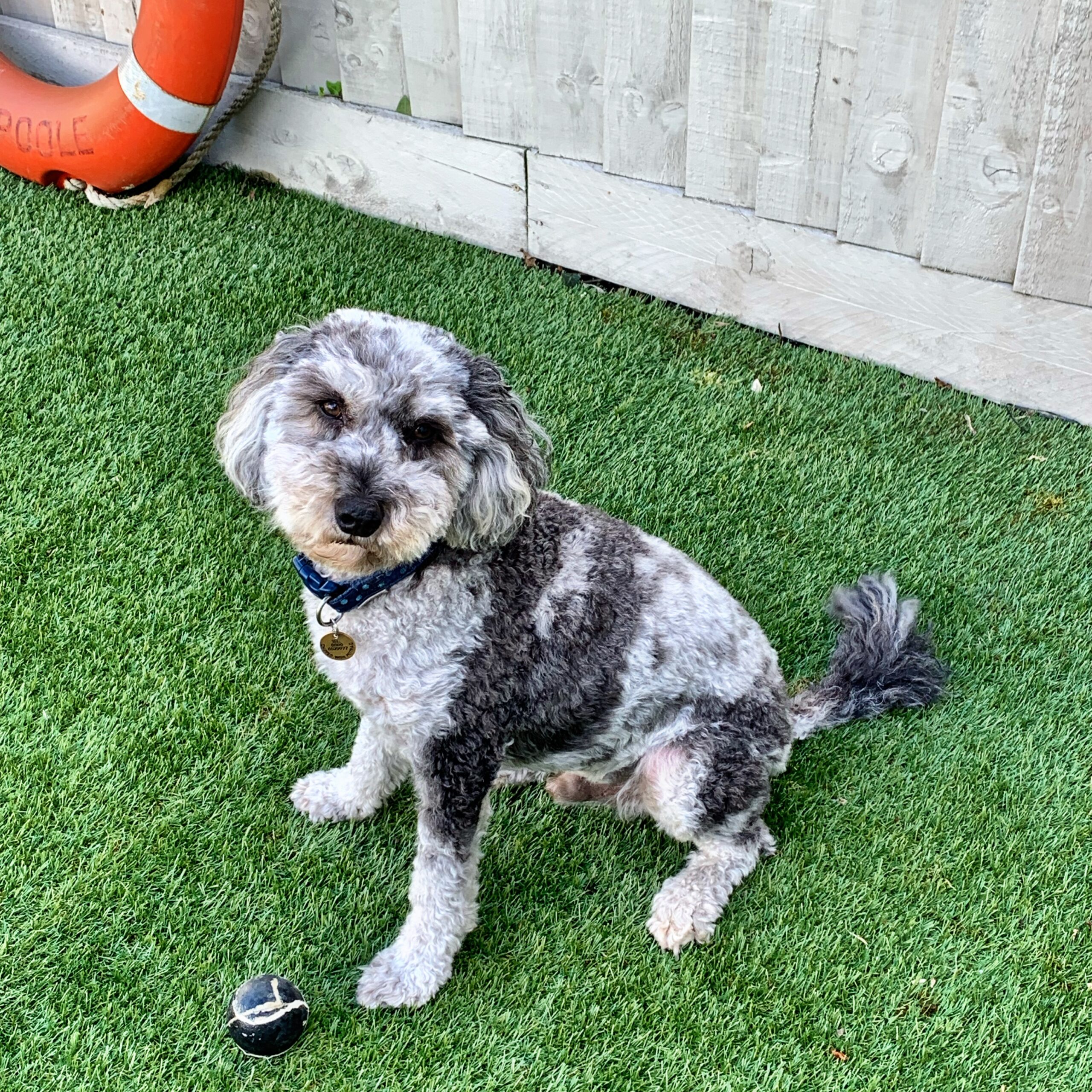
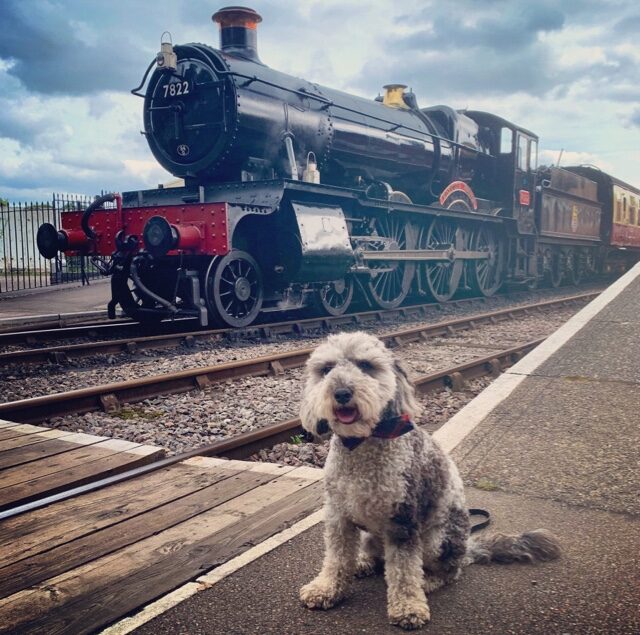
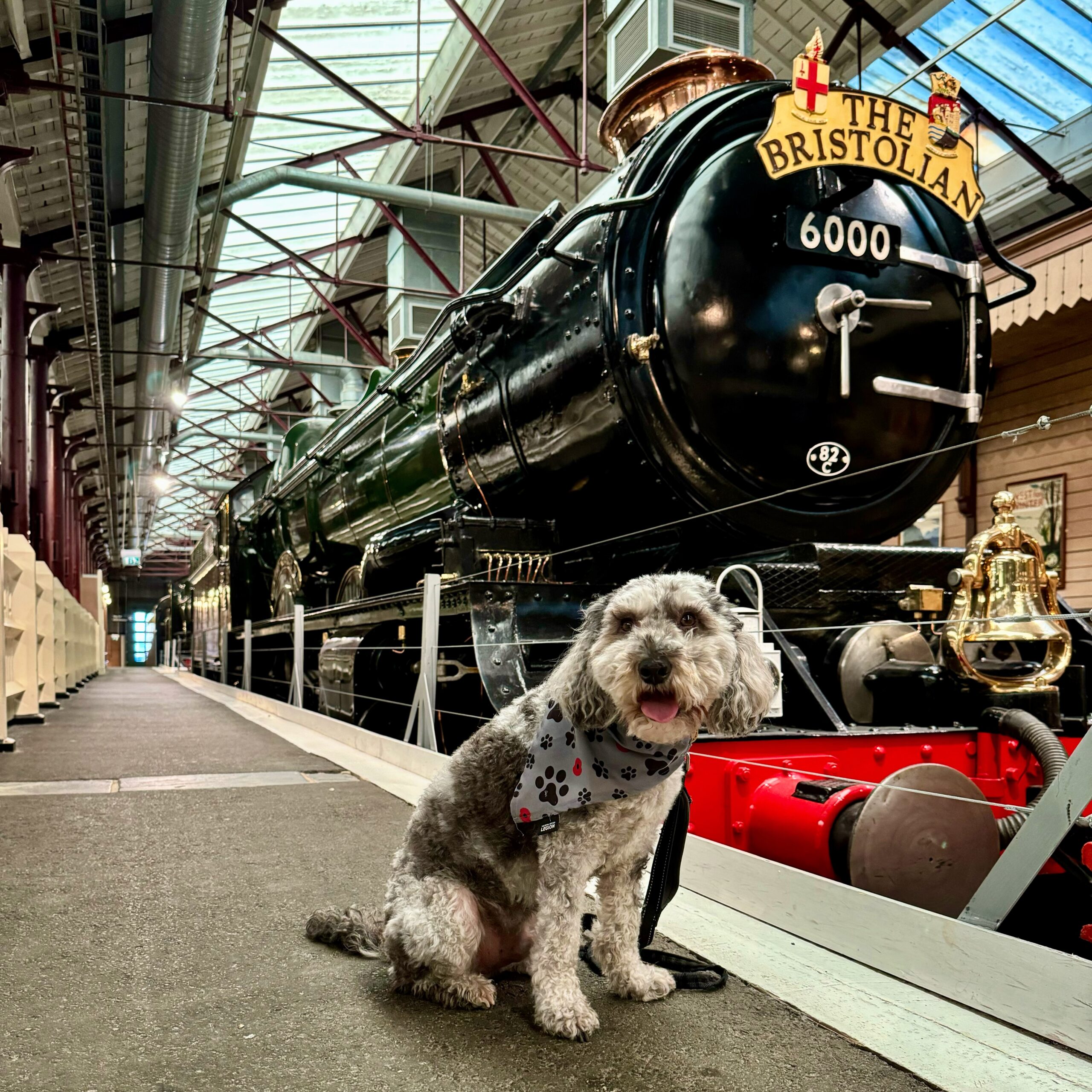
The folk at STEAM had very kindly given Yoshi permission to accompany me on my visit to the museum and we are very grateful for the team in extending the hand of friendship and being very helpful during our time there, which coincided with the National Trust’s AGM being held at the venue, so everyone was already very busy indeed.
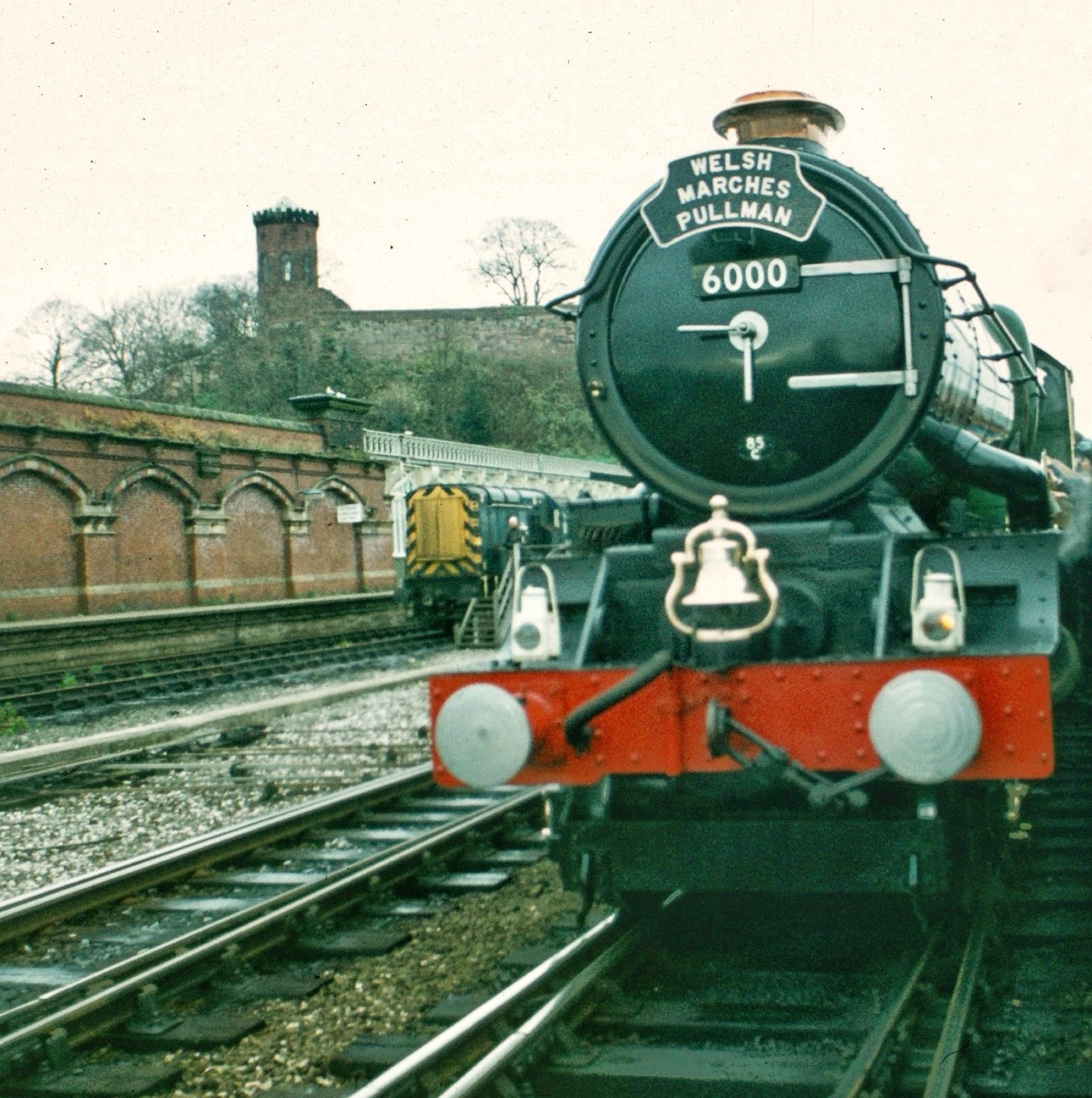
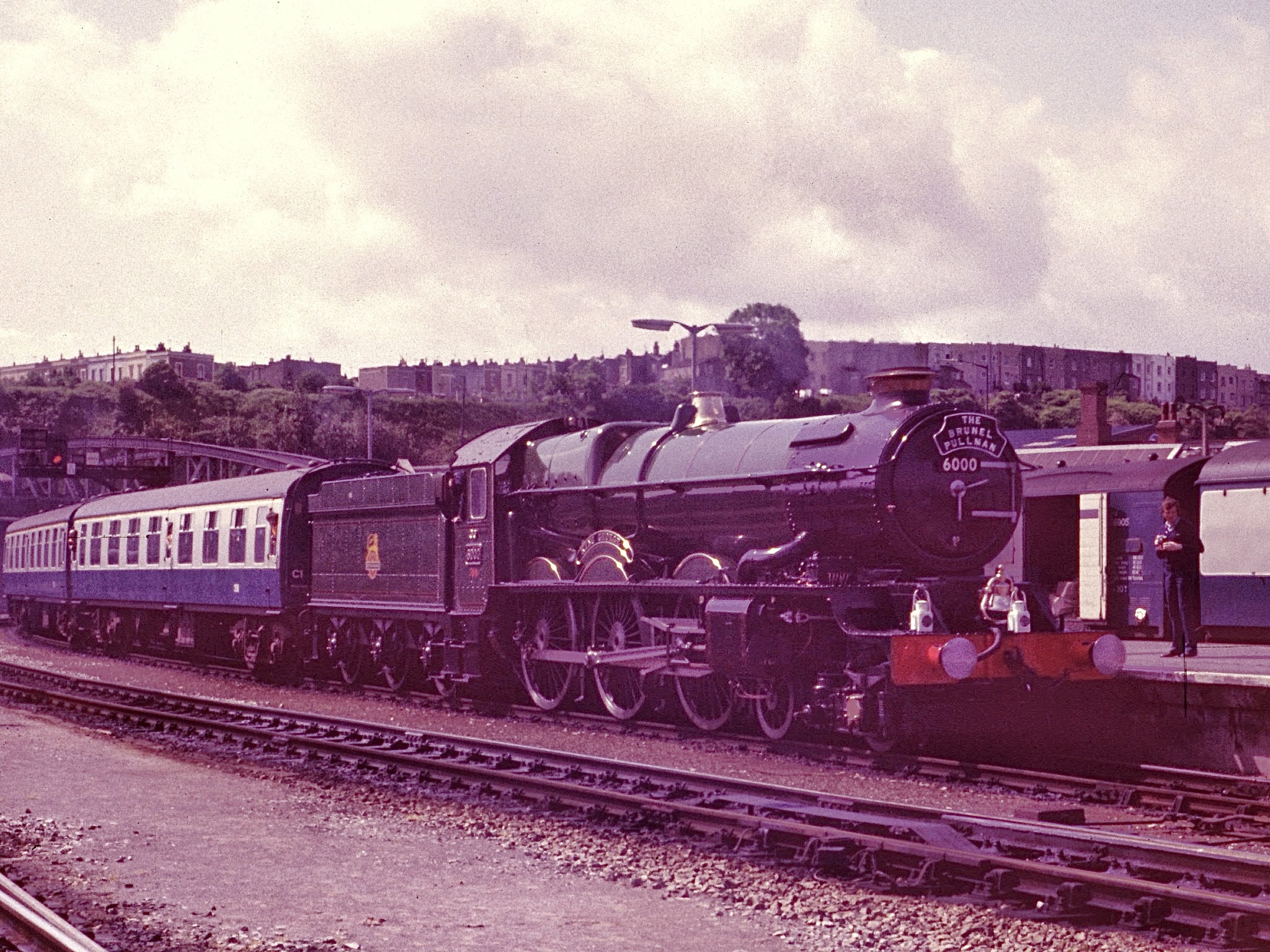
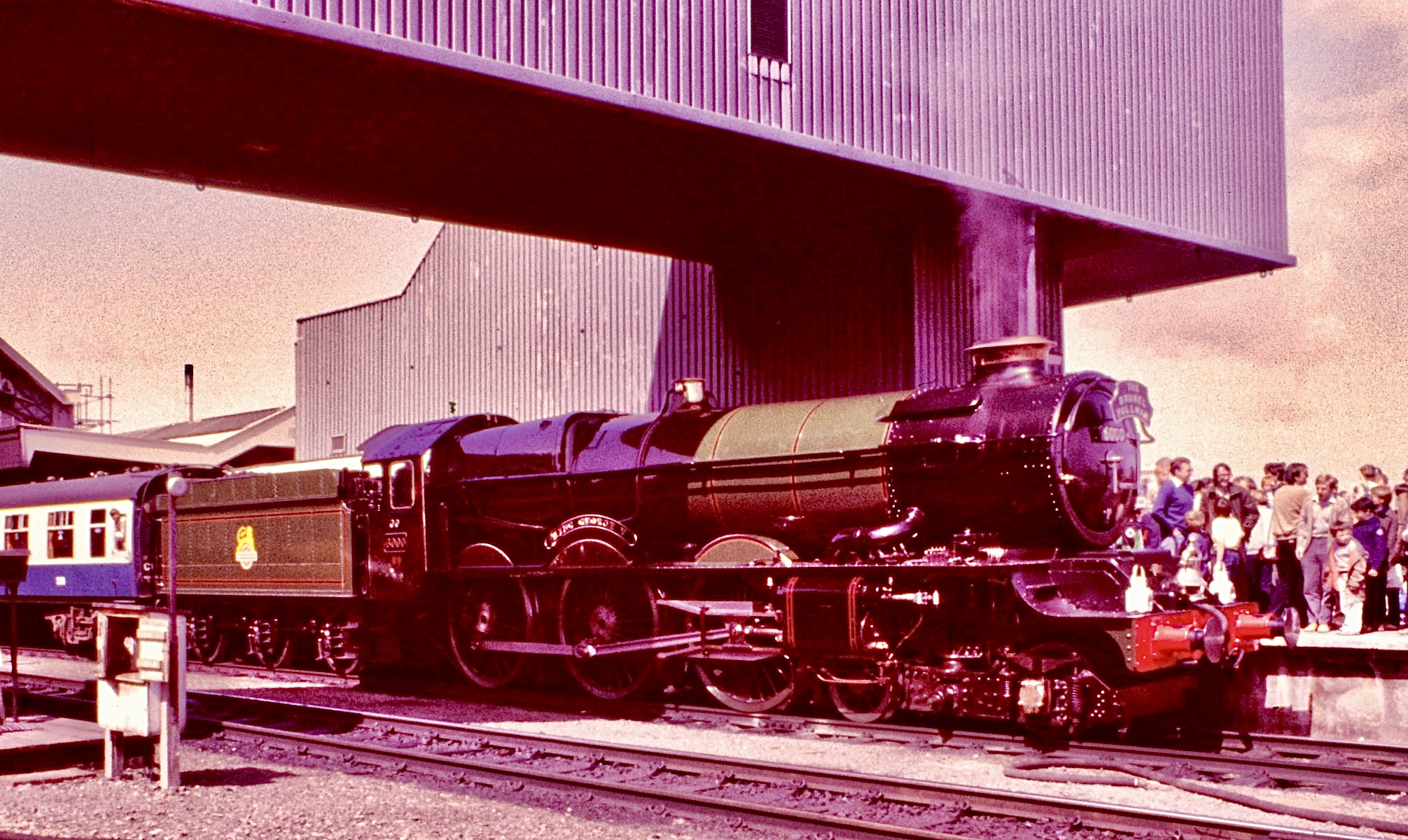
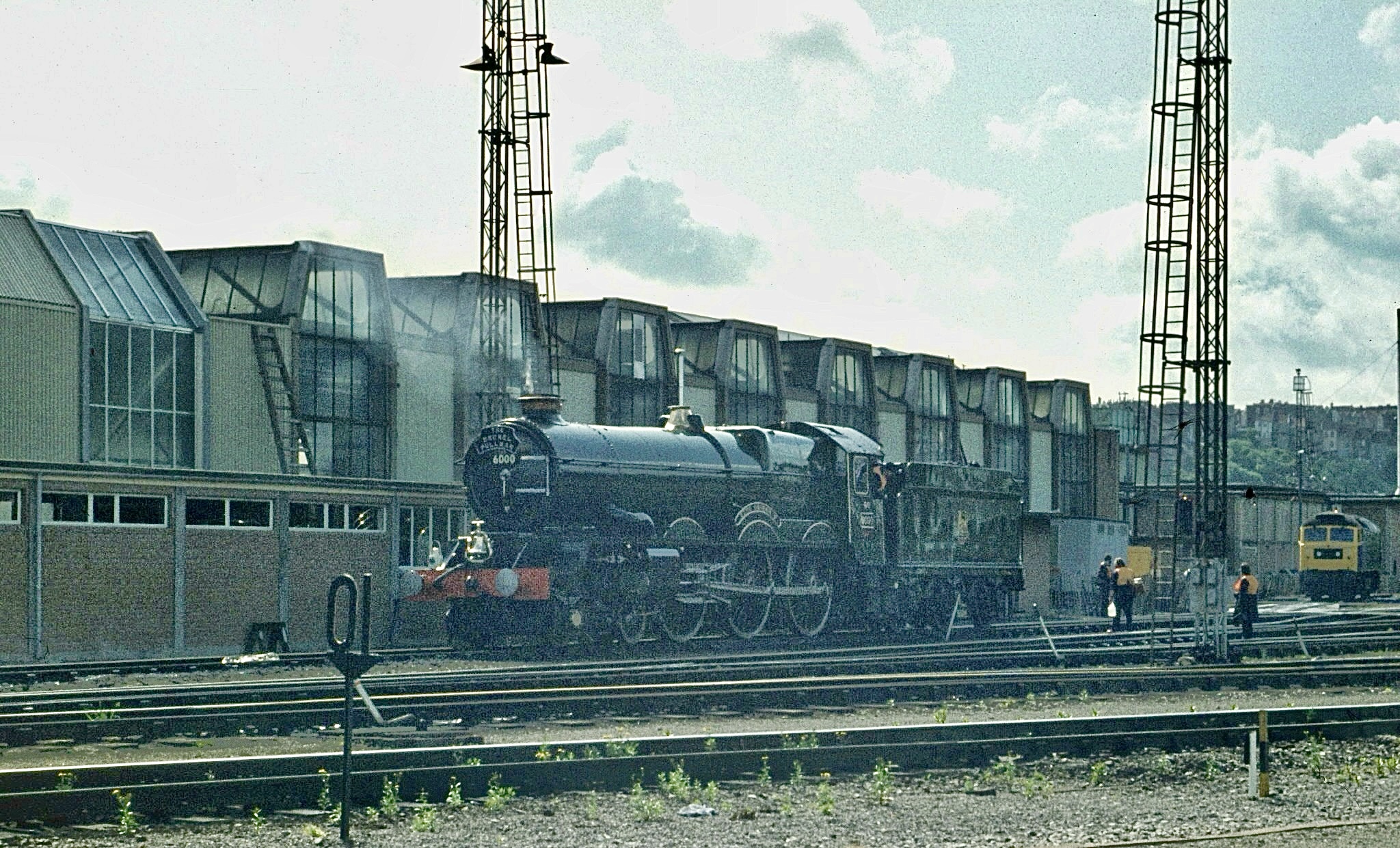
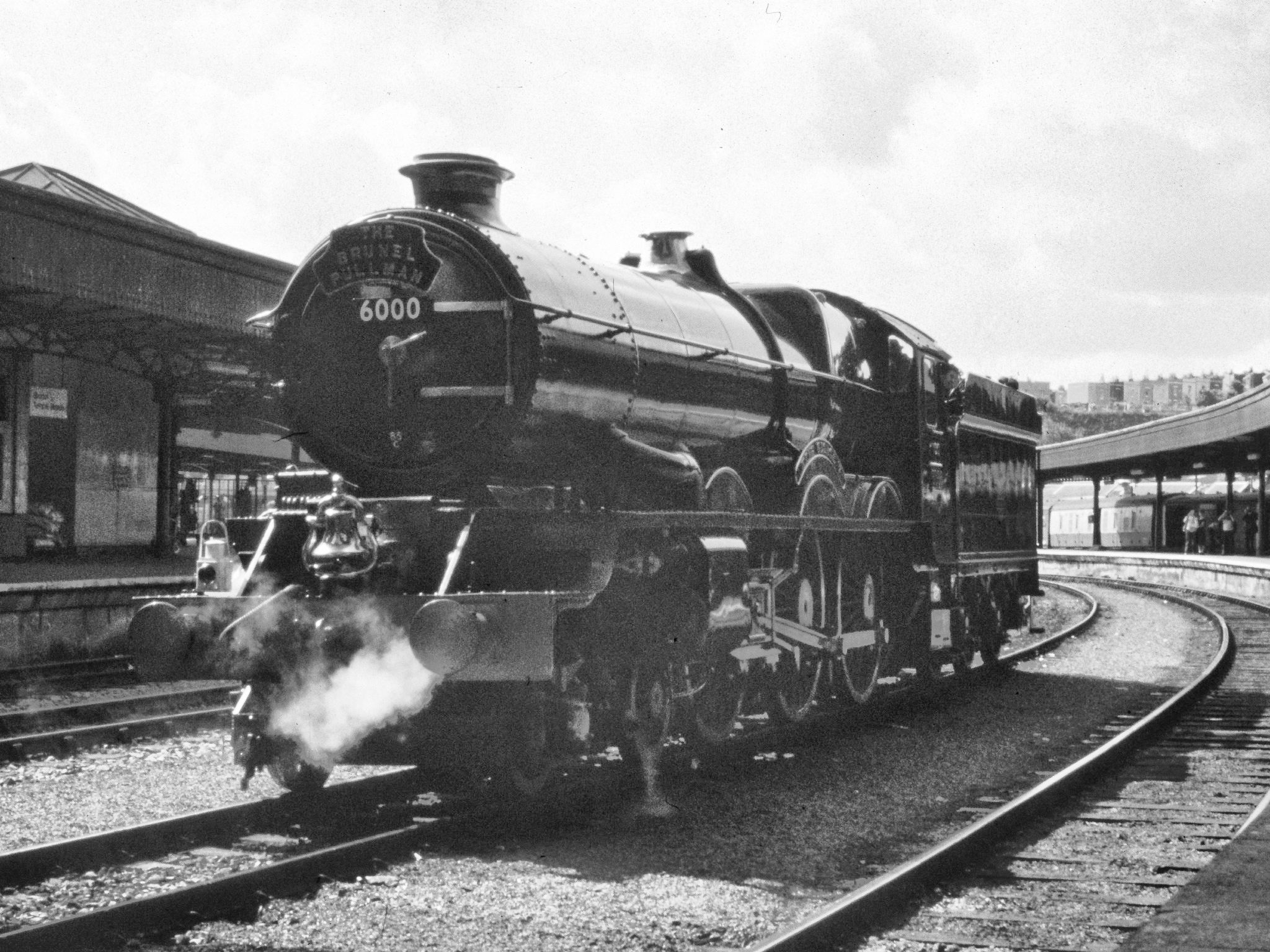
King Class 4-6-0 No 6000 ‘King George V‘
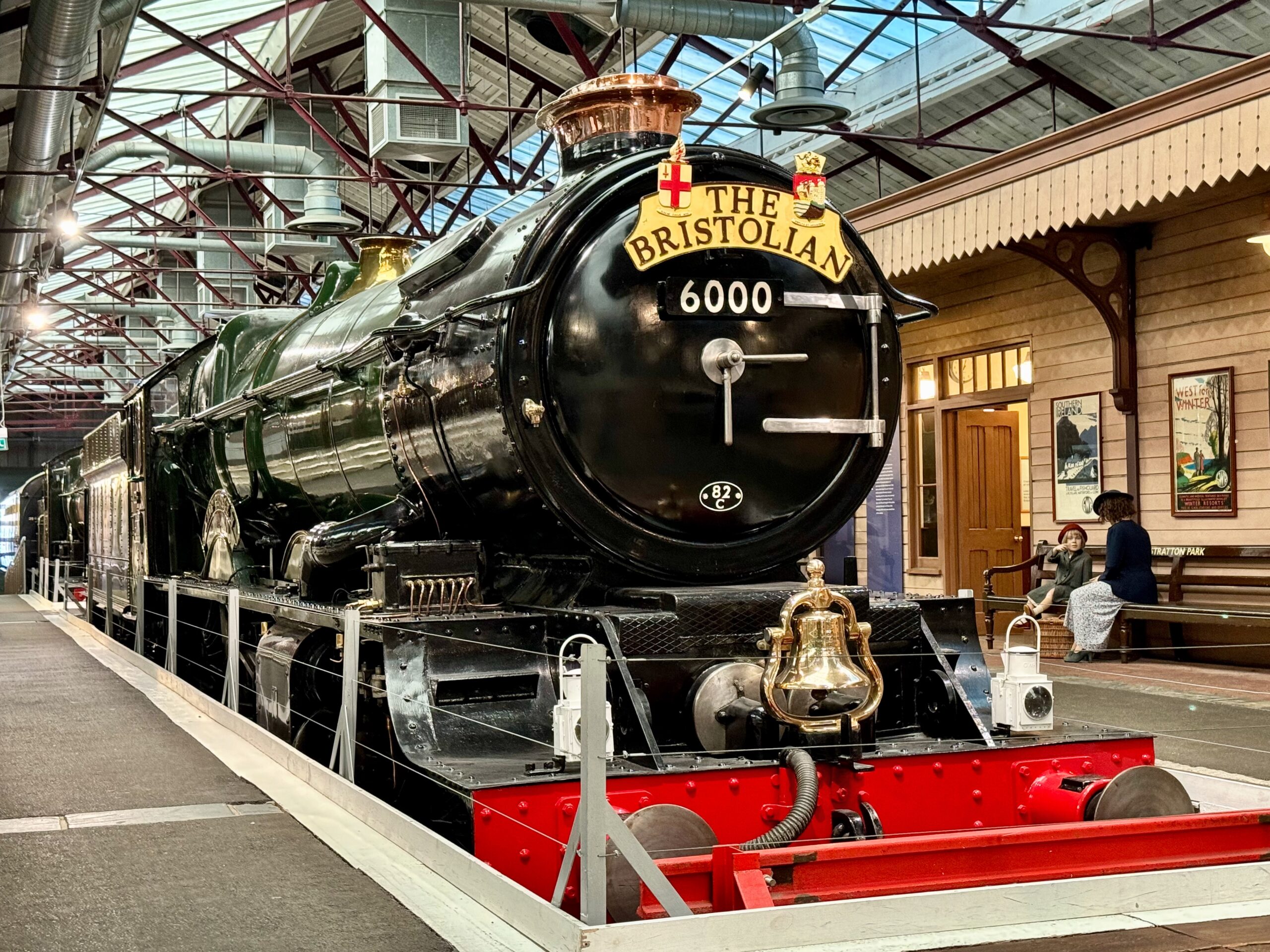
Charles Collett, Chief Mechanical Engineer at Swindon Works 1922 – 1941, designed the King Class to be the most powerful express passenger steam locomotive in Britain.
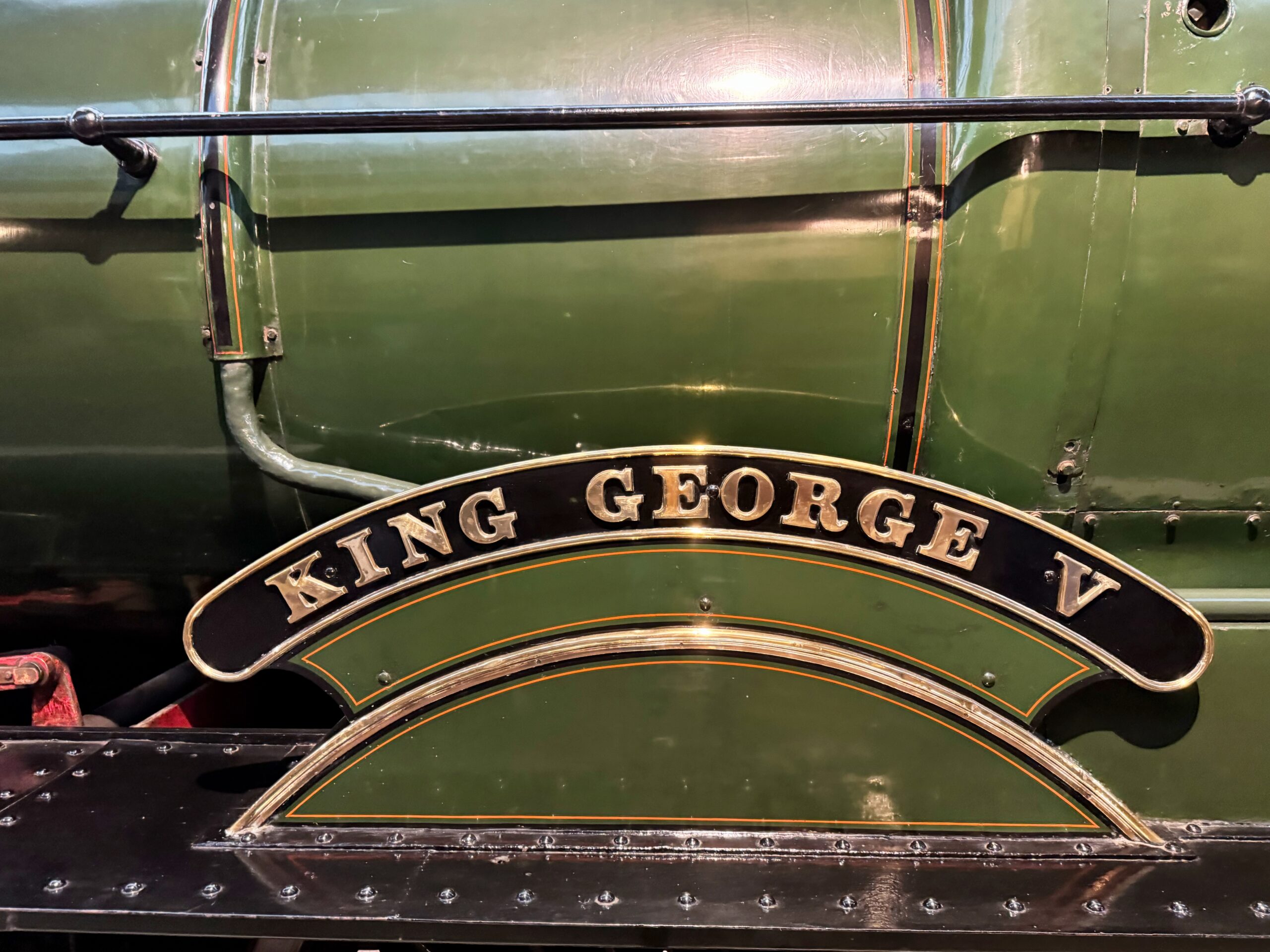
The King locos were much heavier than previous engines. A number of bridges and platforms had to be strengthened to accommodate them. The Kings weren’t used in Cornwall because the Royal Albert Bridge was too weak to support their weight.
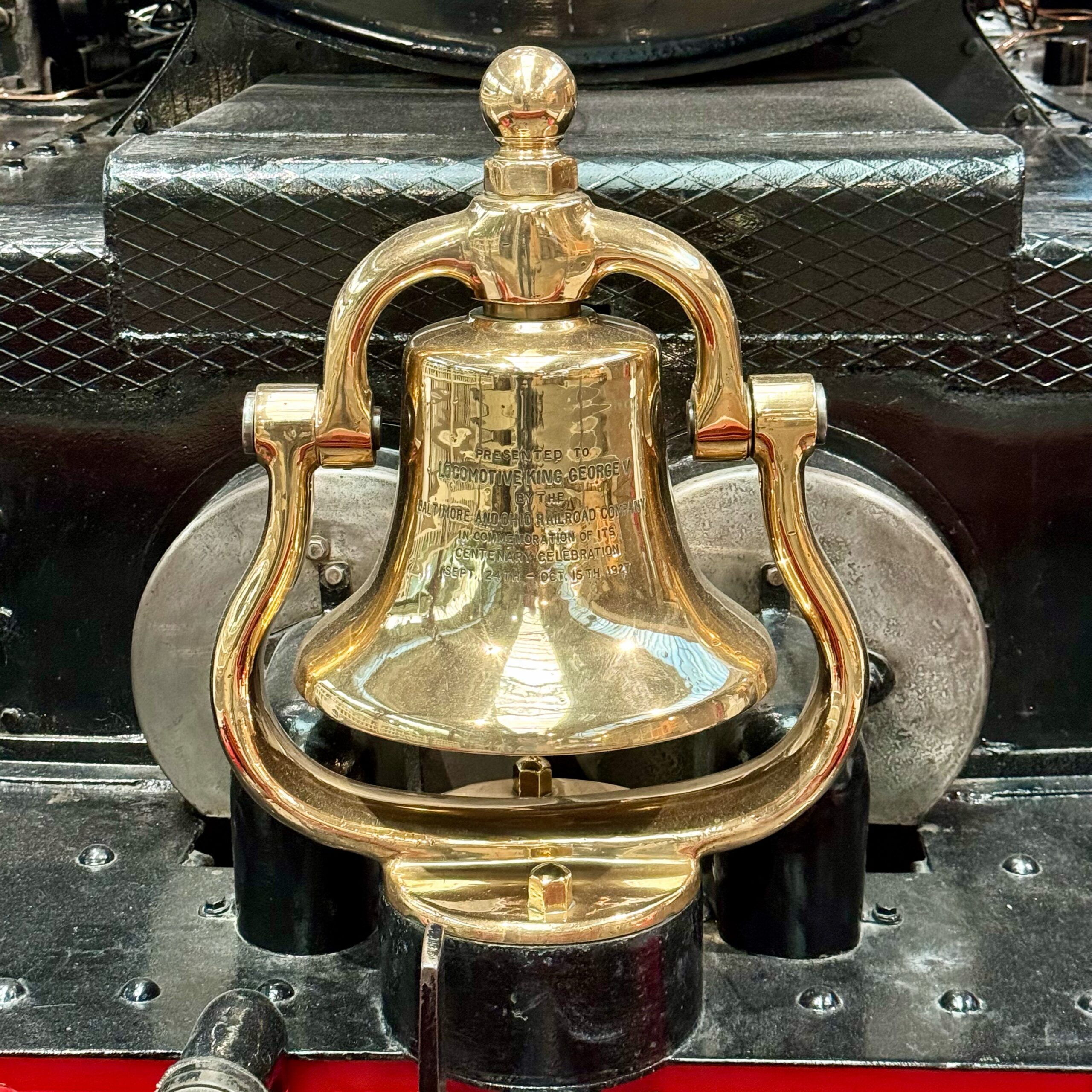
In 1947, the GWR began experiments leading to a number of modifications to ensure the King locomotives continued to perform well. By the time ‘King George V’ was retired in 1962, it had travelled nearly two million miles. But this wasn’t the end of the story as No. 6000 was preserved as part of the national collection and restored to main line running order at the Bulmer’s Railway Centre in Hereford. In 1971 ‘KGV’ became the first steam locomotive to break the British Rail mainline steam ban that had been in place since the completion of the “Fifteen Guinea Special” – the last main line passenger train to be hauled by steam locomotives over BR metals on 11th August 1968. No. 6000’s restoration to main line service and subsequent operation is often credited with opening the door for the return of steam to the mainlines of the UK.

2800 Class 2-8-0 No 2818
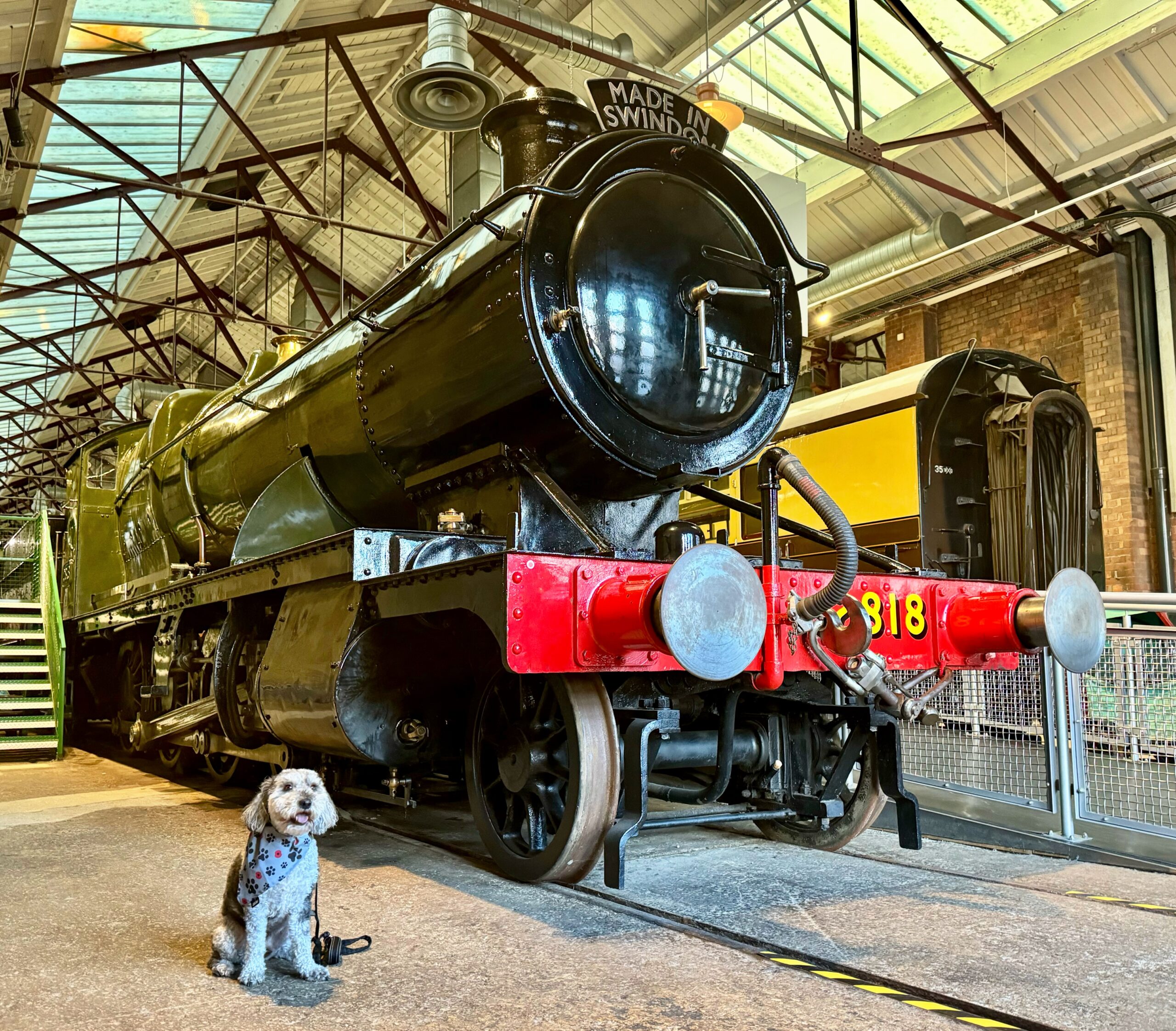
George Jackson Churchward, Chief Mechanical Engineer at Swindon Works 1902 – 1921, designed the 2800 class of heavy freight locos – a completely new design and not based on any previous loco type. Churchward’s design proved to be so successful that they were built from 1903 until 1942. During the 60 years that they were in service, they only underwent minor changes to their original build.
The original paint livery was black with red lining. This was changed to green during the First World War. Once the locomotive was under British Railways ownership, it was given the standard unlined black livery.
No. 2818 was allocated to work in South Wales where she hauled heavy coal trains. During the First World War, the loco, along with most others in the class, hauled the Jellicoe Specials, transporting coal to the Royal Navy’s fleet of ships based in Scapa Flow. Unusually for freight locos, the 2800’s were also used on Bank Holiday passenger special trains, where they demonstrated both their strength and their speed.
City Class 4-4-0 No 3717 ‘City of Truro‘
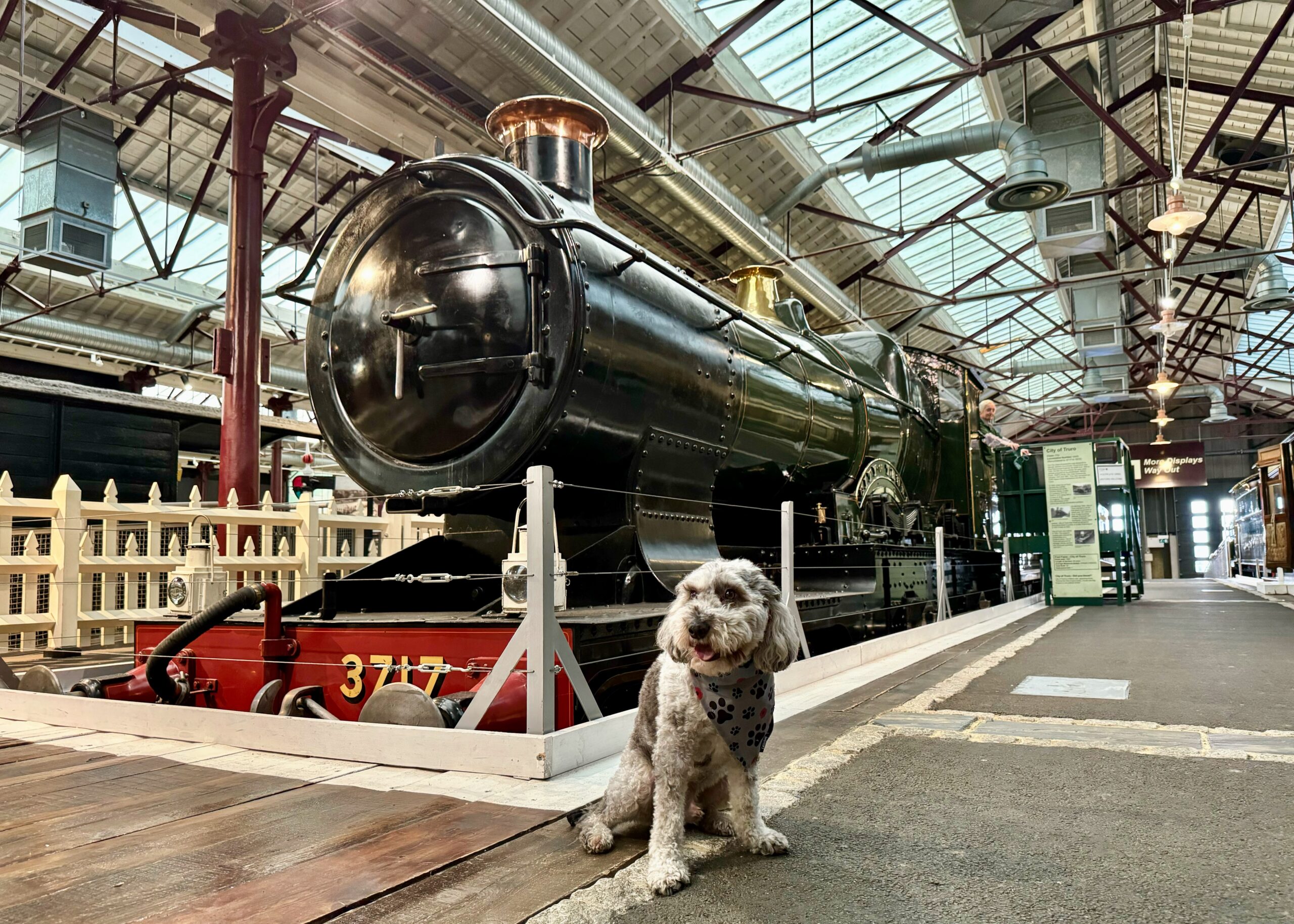
George Jackson Churchward also designed the City Class of locomotive. For the City locos, he used initial designs prepared by his predecessor, William Dean. The GWR built ten City Class locomotives between 1903 and 1907. They also converted ten GWR Atbara Class locos into the City Class.
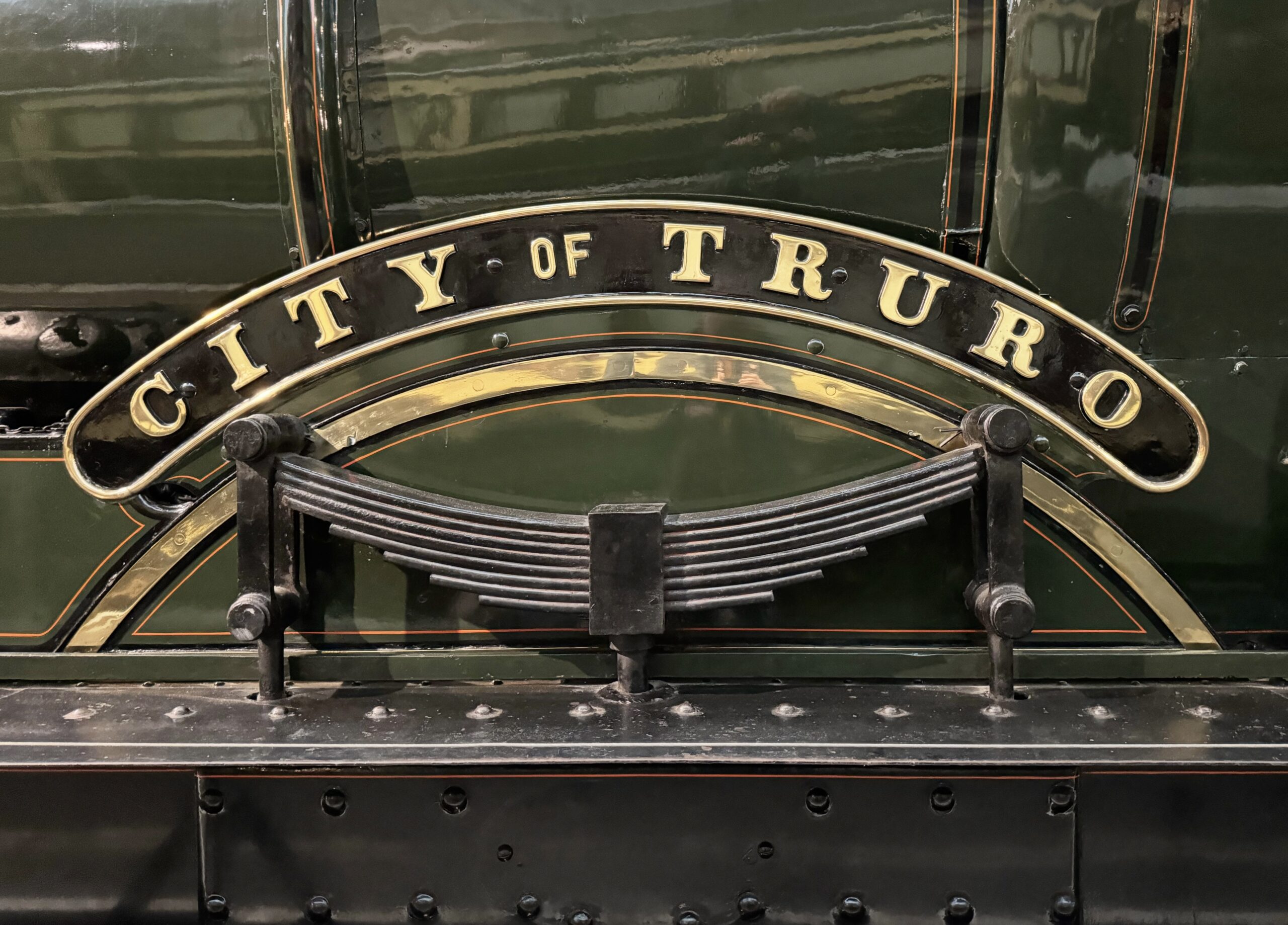
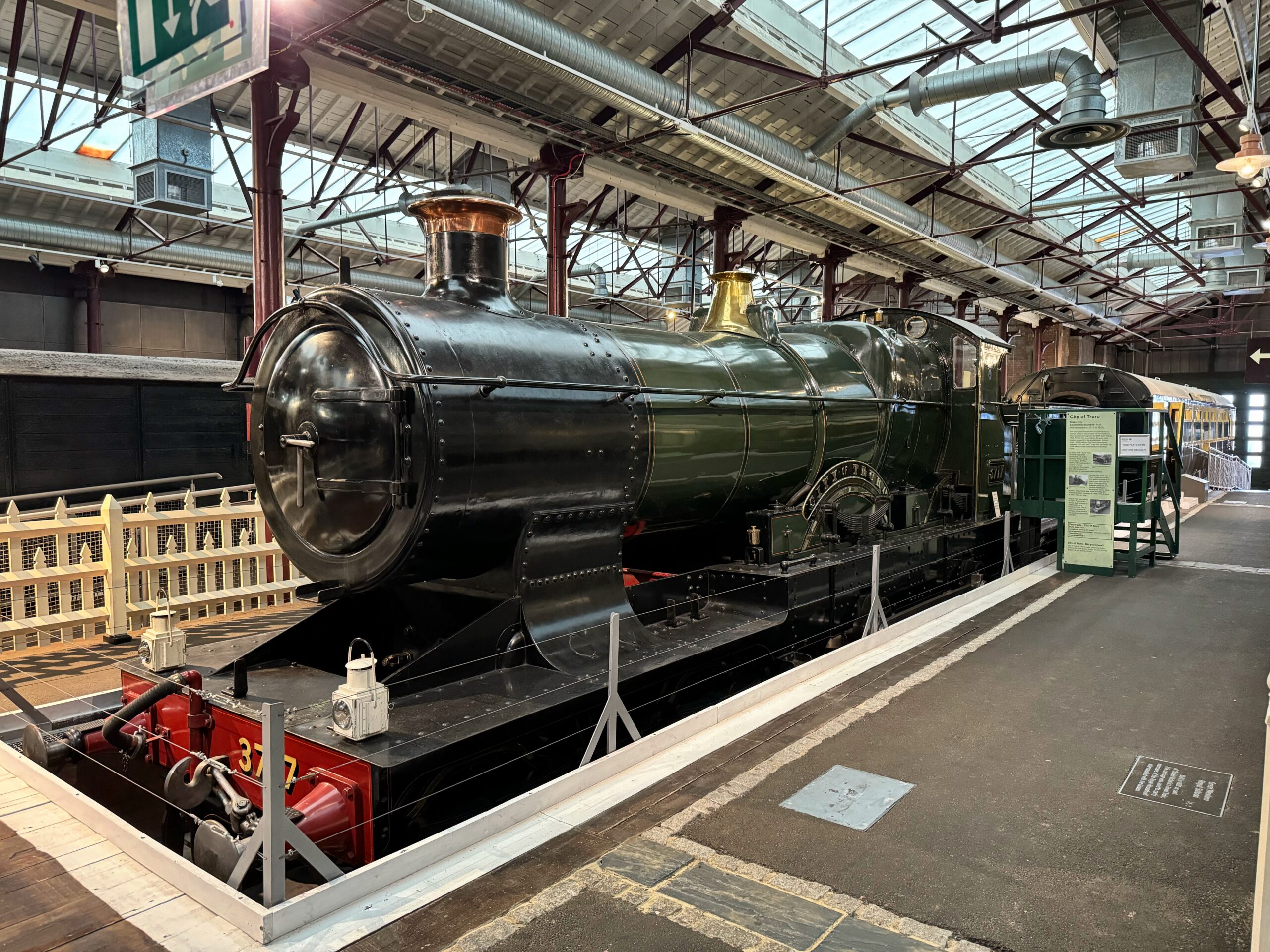
In 1903, No. 3440 ‘City of Truro’ became the 2,000th loco built at Swindon Works. She was re-numbered No. 3717 by GWR in 1912. This meant that locos of the same class all had consecutive numbers.
On 9th May 1904, ‘City of Truro’ laid claim at being the first steam locomotive to reach over 100 miles an hour. She was travelling between Plymouth and London Paddington, hauling the “Ocean Mails” consisting of a light load of 8-wheeled parcels vans with 1,300 bags of mail onboard giving a total weight of 148 tonnes. ‘City of Truro’ was timed as taking 8.8 seconds to travel a quarter of a mile; equal to 102.3 miles an hour. This was while descending Whiteball in Somerset and can only ever be a claim. It was recorded by railway journalist Charles Rous-Marten, but there was no second timekeeper to confirm his reading. ‘City of Truro’s record has therefore always been a matter of dispute, however if Rous-Marten’s timings are accurate they would indeed correspond to a speed of 102.3mph.
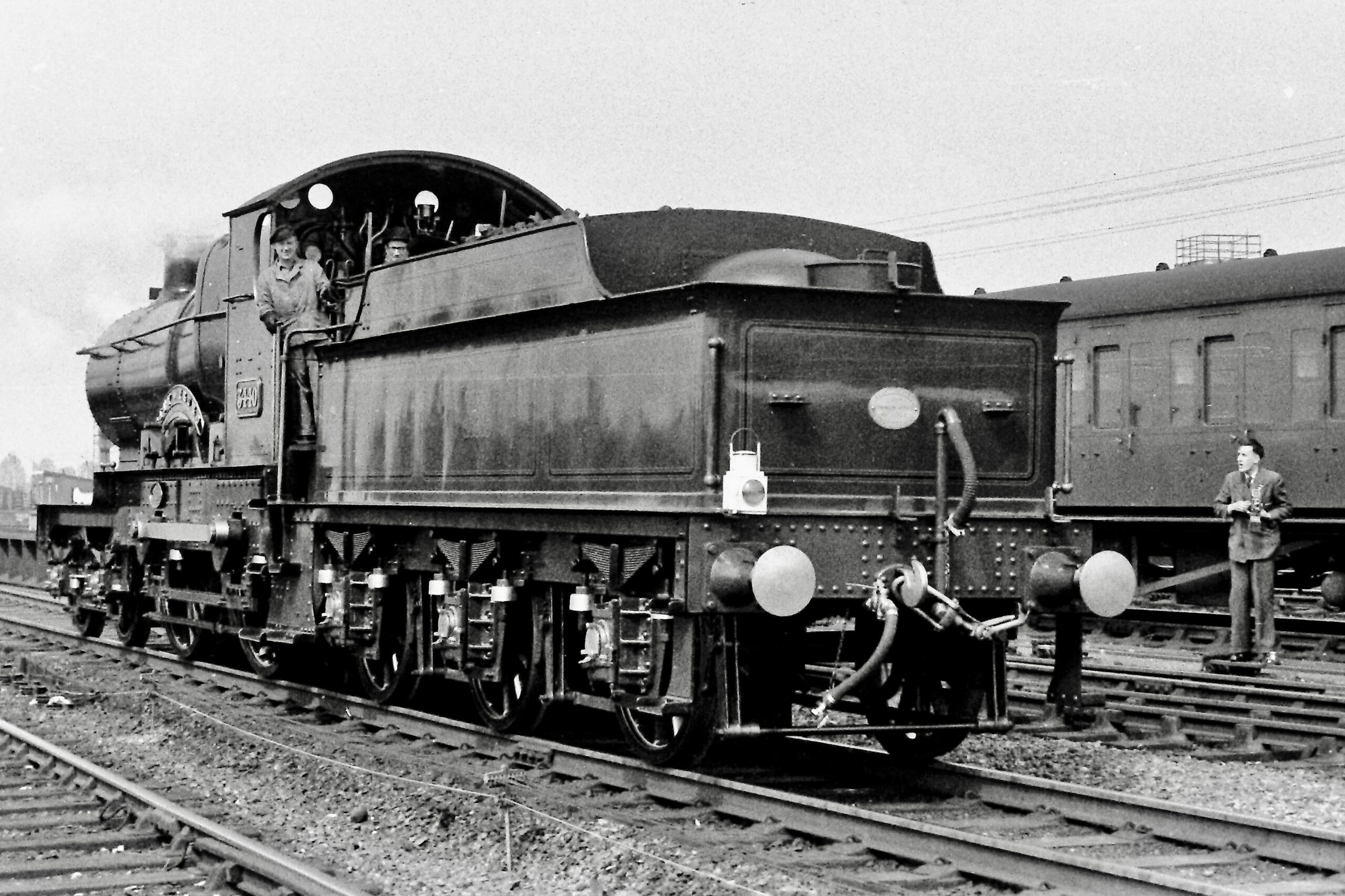

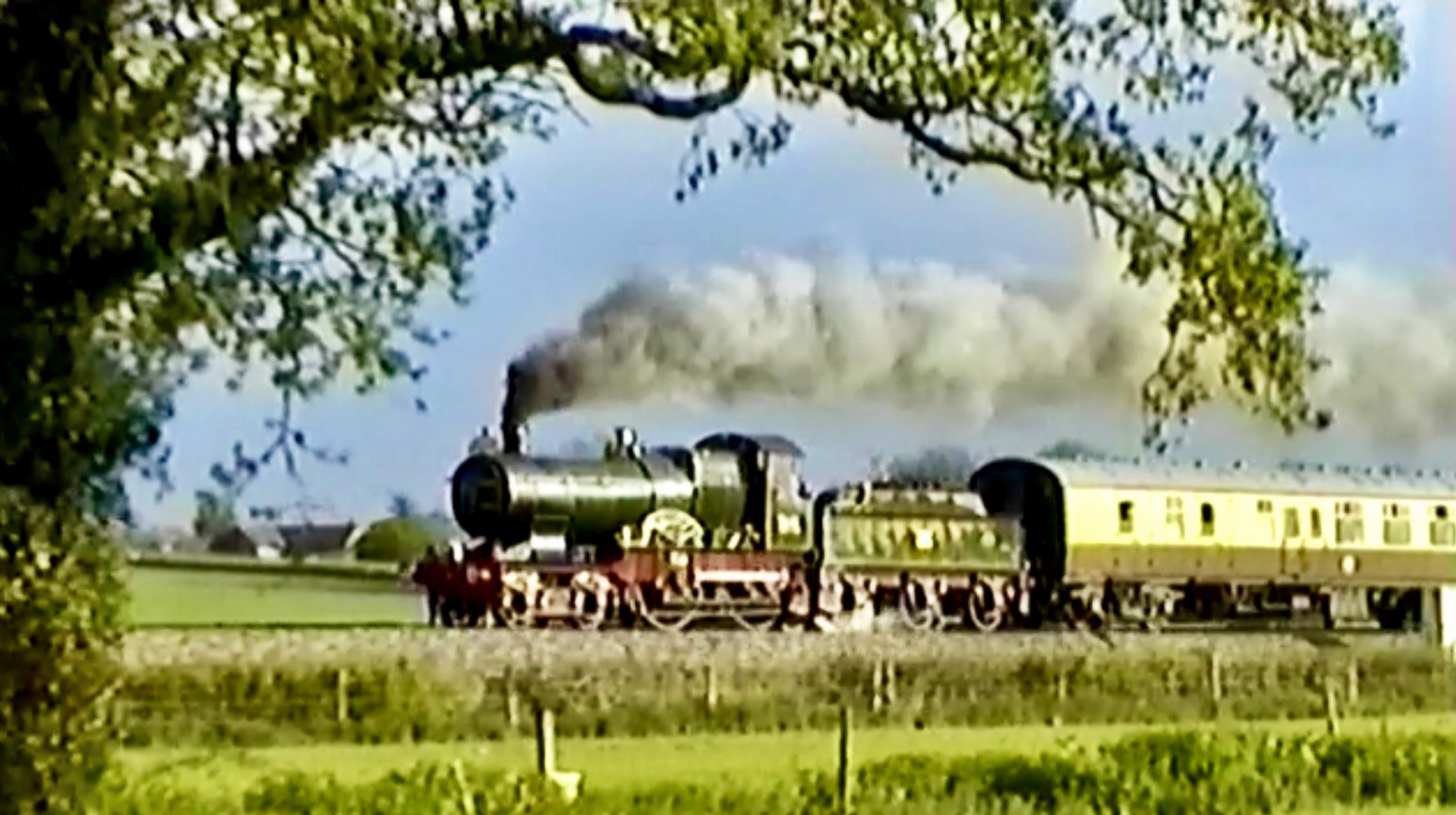
City of Truro was withdrawn from service in 1931. Although she was later returned to heritage railway service and continued operating until 2011.
Castle Class 4-6-0 No 4073 ‘Caerphilly Castle‘
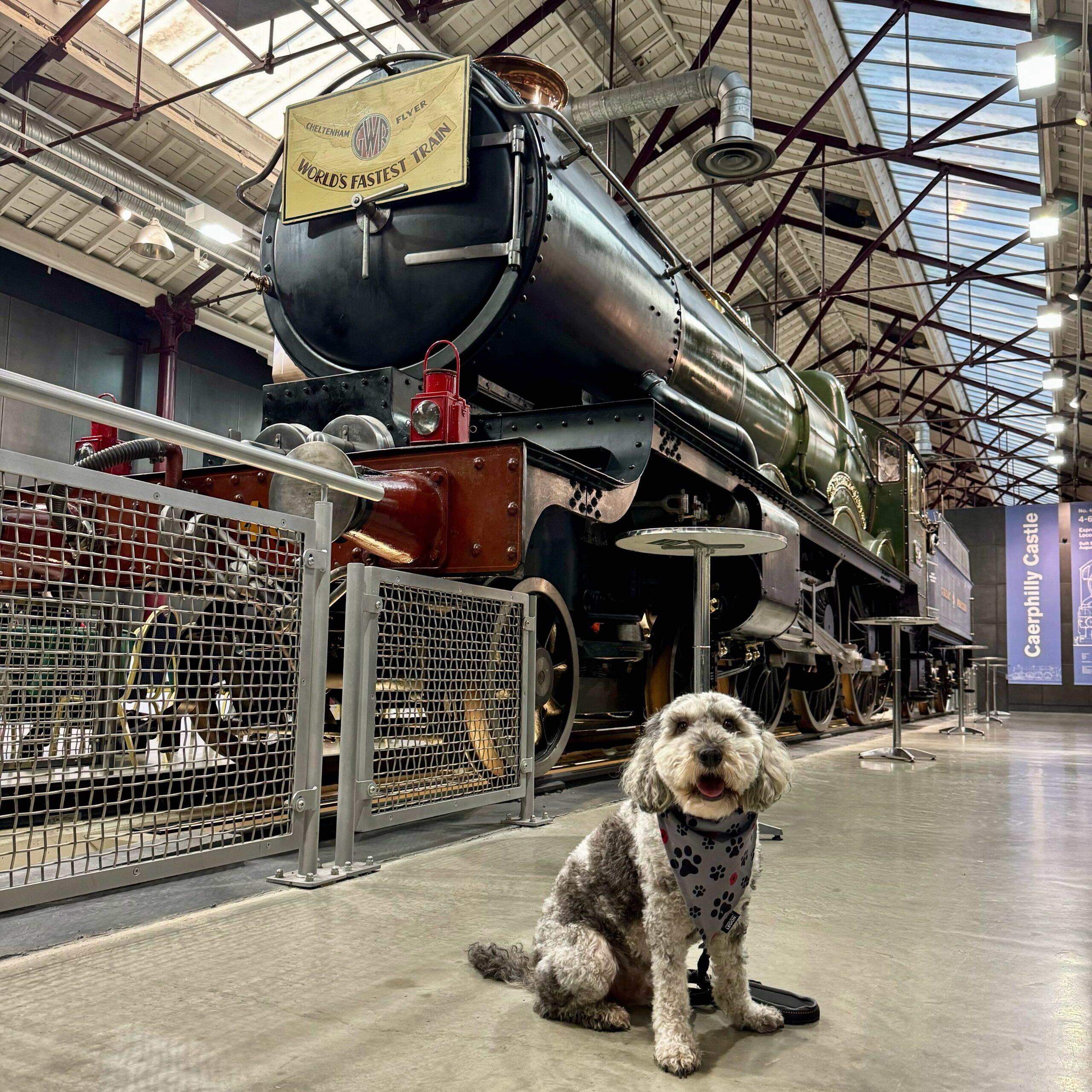
Charles Collett, Chief Mechanical Engineer at Swindon Works 1922 – 1941, designed the Castle Class of locomotive. He based the designs for the Castle Class locos on the earlier Star Class.
Who built, Castle class loconotives were Britain’s most powerful express passenger loco. Castle Class locos had larger boilers, and were designed to pull heavier loads.
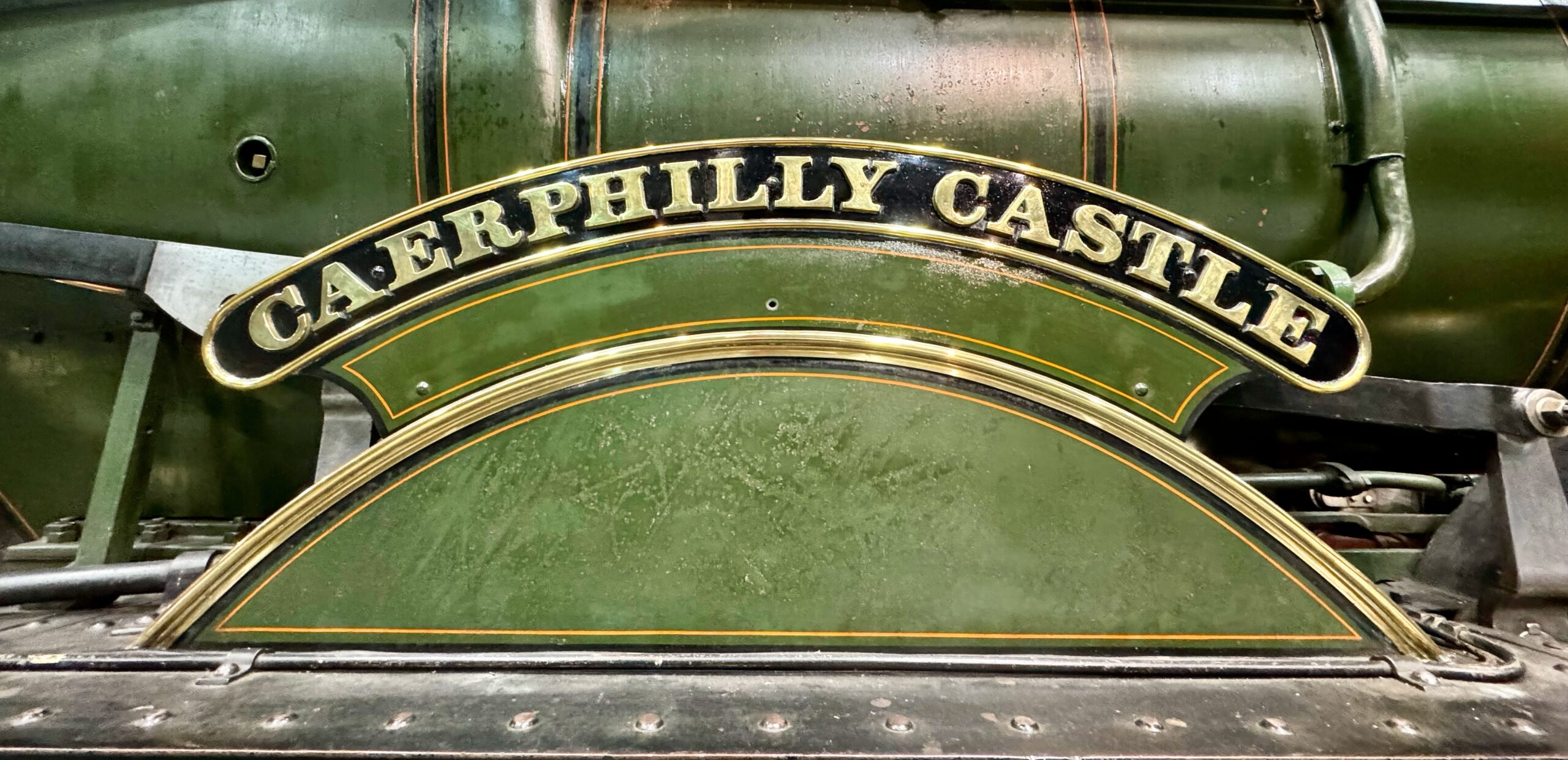
Between 1923 and 1950, the GWR built 155 Castle locos at Swindon Works. A further sixteen were converted from other classes. On the 23rd August 1923, No. 4073 ‘Caerphilly Castle’ was the first Castle Class loco to go into service. In 1924 and 1925, ‘Caerphilly Castle’ was exhibited at the British Empire Exhibition at Wembley next to the LNER’s ‘Flying Scotsman’ ( a locomotive we may have mentioned more than once previously).
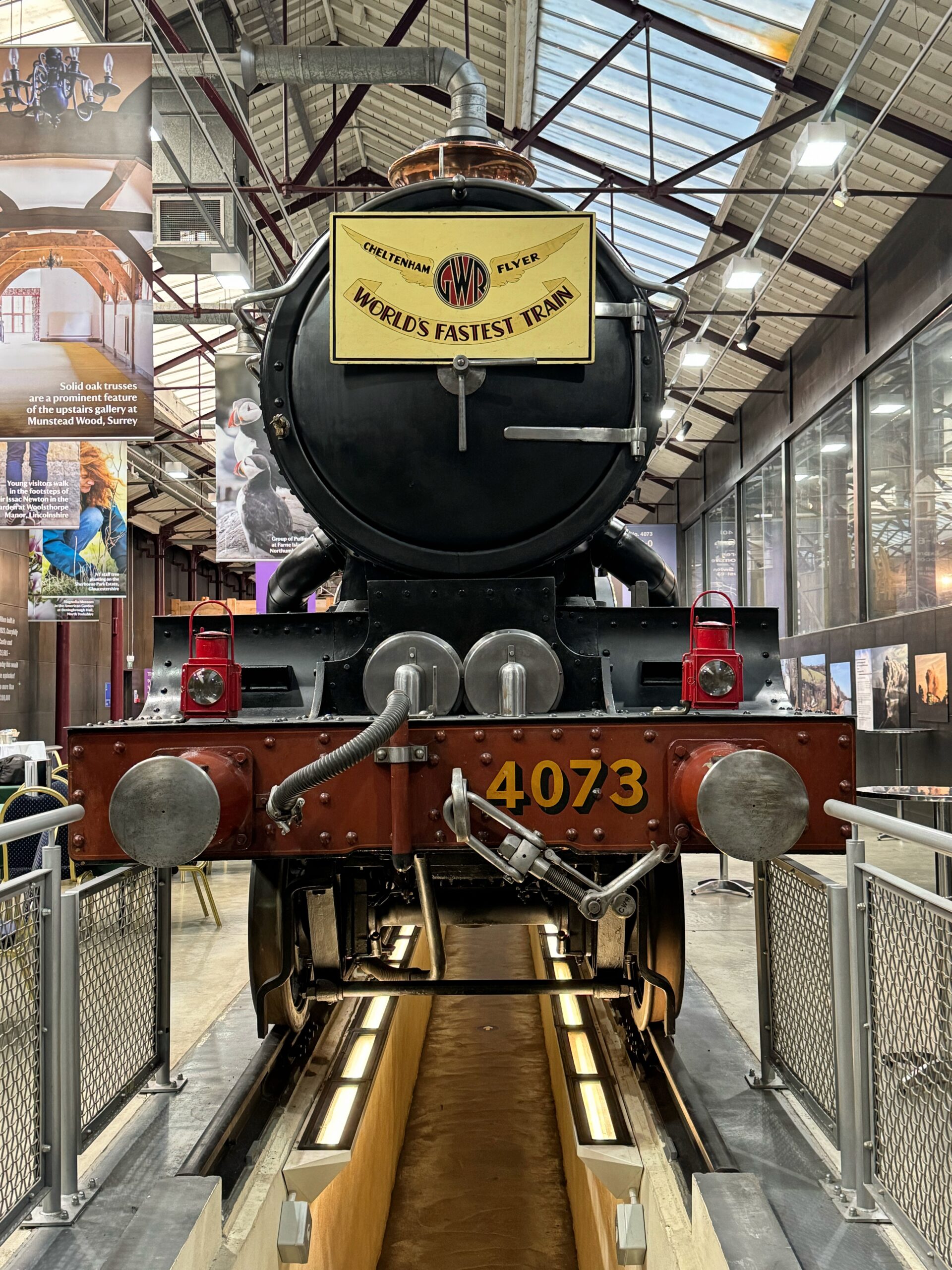
Castle Class locos were used on the express route between London Paddington and Cheltenham Spa. The Cheltenham Spa Express was a record breaker. In June 1923, it took just 75 minutes to travel from Swindon to Paddington, at an average speed of 61.8 miles per hour.
In July 1929, it became the world’s fastest train when it achieved an average speed of 66.2mph. On June 6th 1932, the Cheltenham Flyer smashed its own speed record, reaching an average speed of 81.6mph.
Replica of broad gauge engine ‘North Star‘
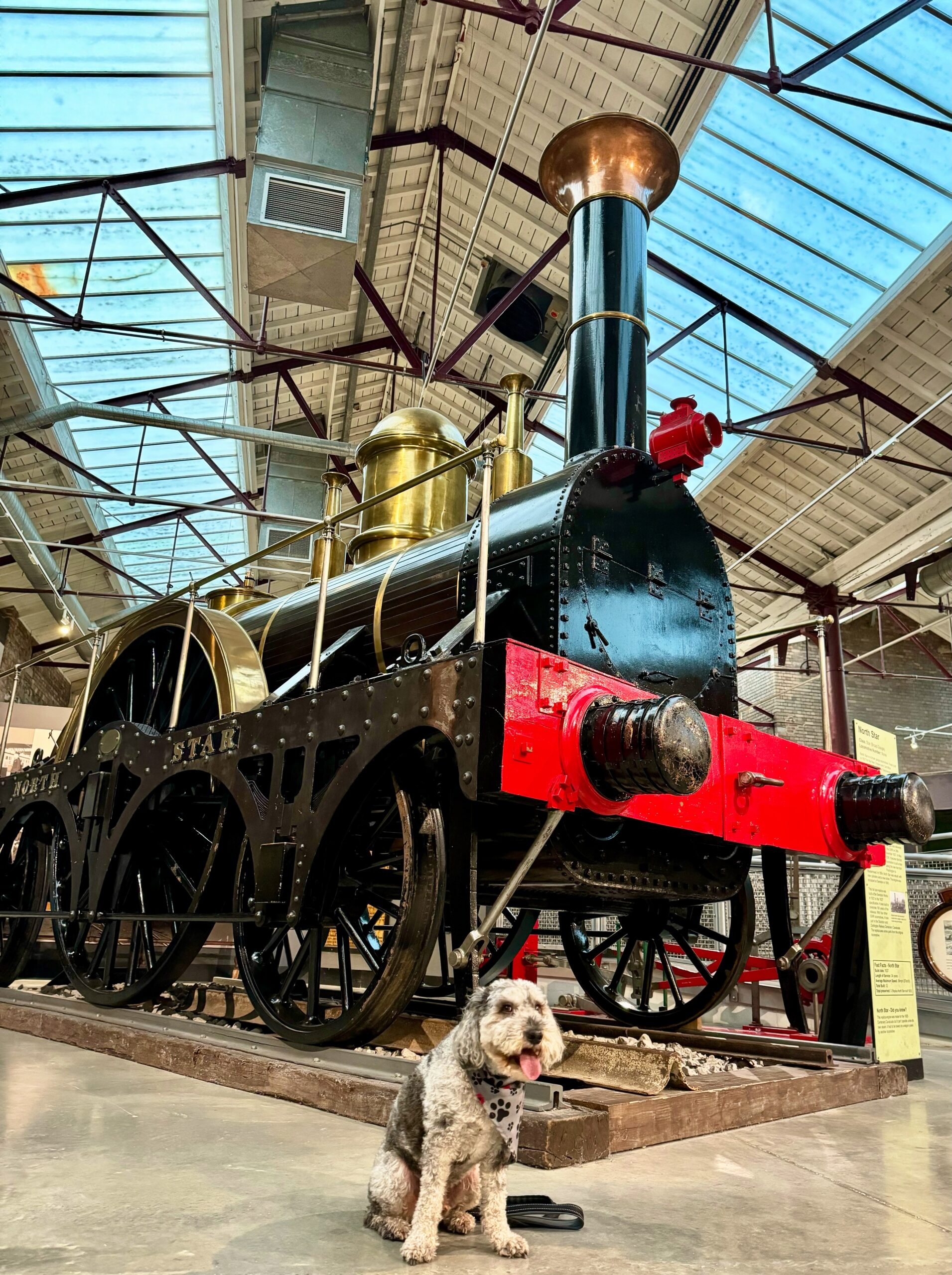
North Star is a broad gauge locomotive, built in 1837 for the New Orleans and Carrollton Railroad in the USA by Robert Stephenson and Company.
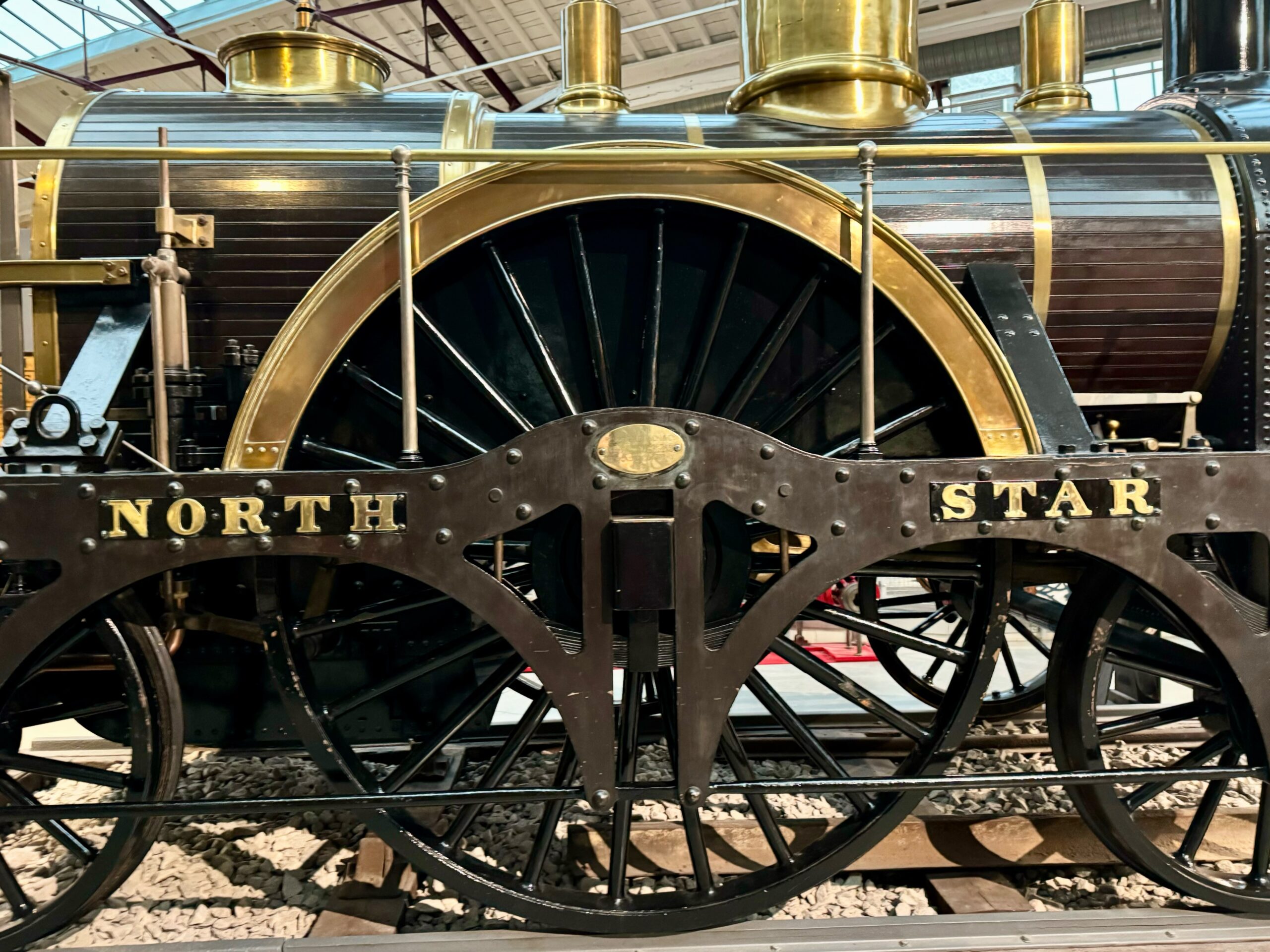

The full size replica on display at STEAM was built at Swindon Works in 1926 to the 1837 specification. It was built to celebrate 100 years of the railways. The replica uses some parts from the original locomotive.
2301 Class 0-6-0 No 2516 Dean Goods

William Dean, Chief Locomotive Engineer at Swindon Works 1877 – 1902, designed the Dean Goods Class of locomotives. The first locomotive of the class was built in 1883 at Swindon.
During the First World War, 62 of these locos were sent to France and Salonika (Greece). The engines were lightweight, strong, and reliable, making them ideal for war work. Inexperienced crews also found them easy to drive. During the Second World War, 108 of these locos were requisitioned. Of these, 32 had already seen service during the First World War. Most were sent to France and many were destroyed in the retreat to Dunkirk or used on the French railways by German forces.
No. 2516 was built in 1897. It spent most of its working life taking goods and passengers up and down the GWR branch lines in Mid-Wales before being withdrawn from service in the 1950’s.
9400 Class 0-6-0T No 9400 Pannier Tank
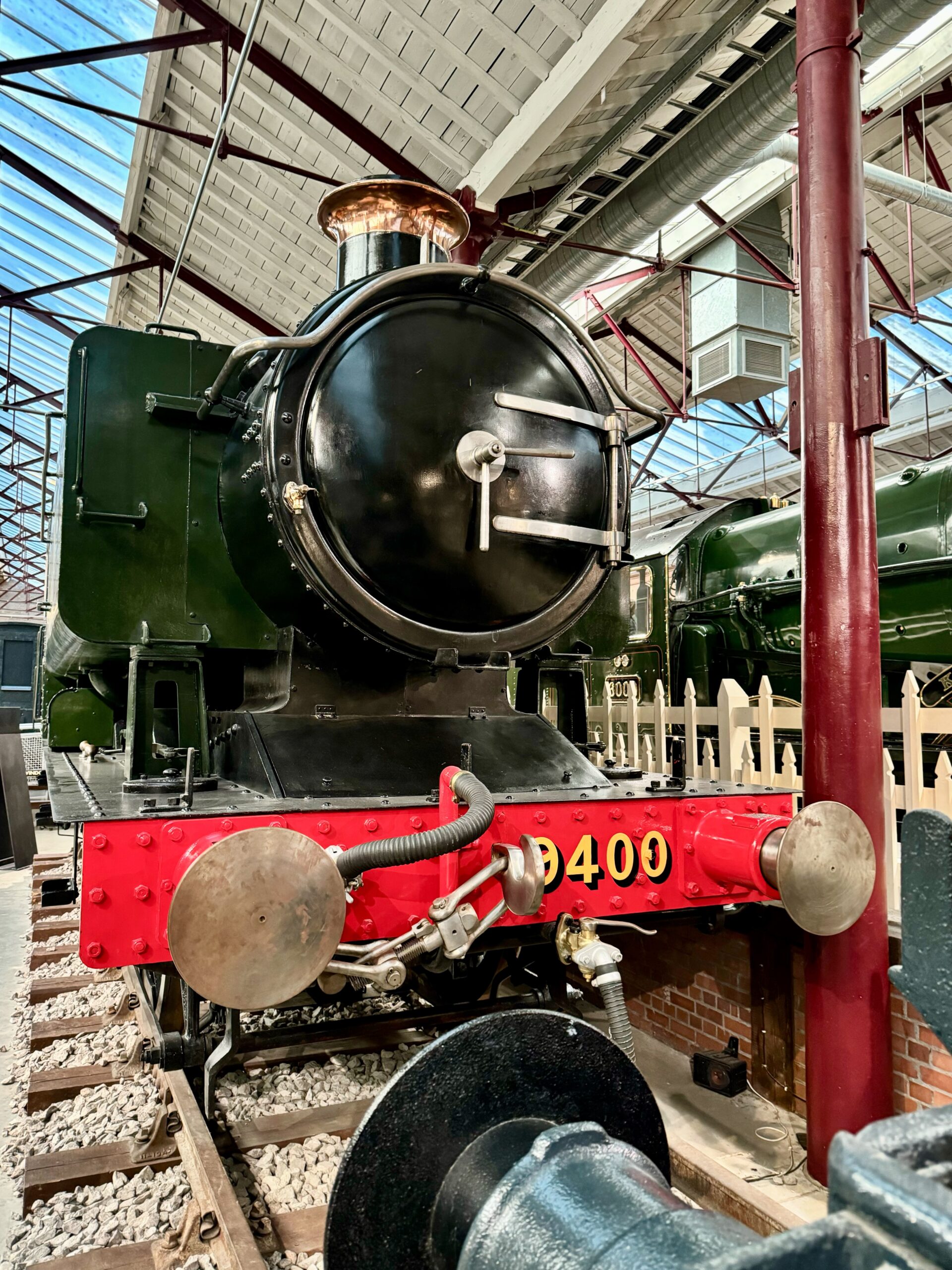
Frederick Hawksworth designed the Pannier Tank Locomotives. Hawksworth spent his entire career at Swindon Works. He began as an apprentice in 1905 and rose to become Chief Mechanical Engineer in 1941, before retiring in 1949.
From 1947, GWR built ten Hawksworth Pannier Tan locos at Swindon Works. The loco was called a ‘Pannier Tank’ because the water tanks on either side of the boiler looked like pannier bags carried by horses.
Hawksworth Pannier Tank locos were used all over the rail network for shunting and hauling passenger and goods trains on smaller branch lines. The locos could often be seen taking empty carriages to and from Paddington Station.
In 1947, No 9400 was the first Hawksworth Pannier Tank to be built at Swindon. It was one of the last locos to be built by the GWR before the railways were nationalised in 1948. After nationalisation, private contractors for British Railways built another 200 Hawksworth Pannier Tanks. By 1965, all Hawksworth Pannier Tanks including No. 9400 had been withdrawn from service.
4200 Class 2-8-0T 4248 (skeleton only)
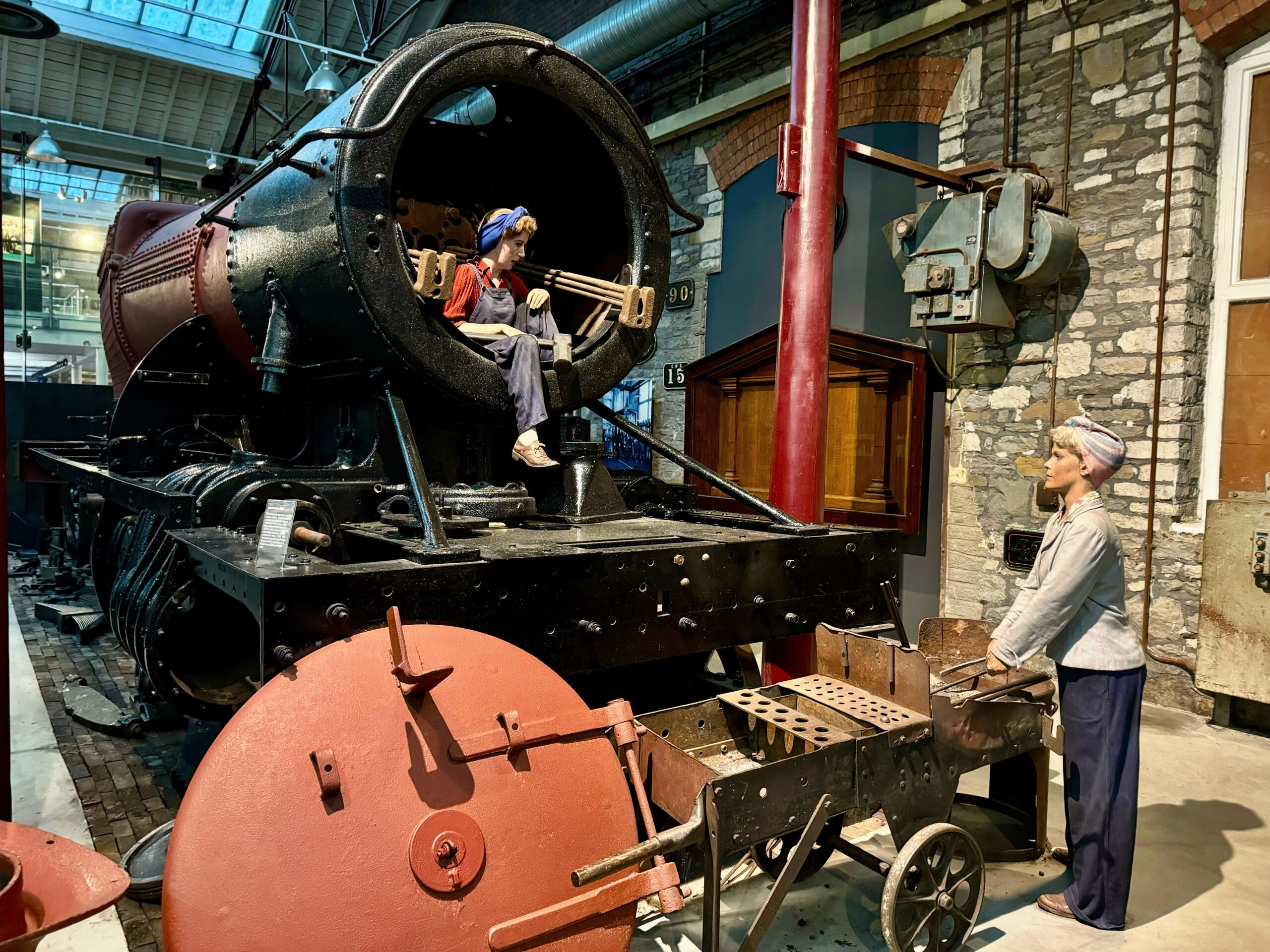
No. 4248 was built in 1916 at Swindon Works. It is one of the 4200 class of 2-8-0 tank engines designed by George Jackson Churchward. No. 4248 spent most of its working life hauling coal trains in and around South Wales. After being withdrawn from service in 1963 the engine spent many years in Barry Scrapyard. It was rescued from there in 1986.
No. 4248 was purchased for the Museum with the support of a Museums and Galleries PRISM grant. The engine has been conserved at STEAM and is on display as if it is a locomotive under construction in the Boiler Shop area of the museum.
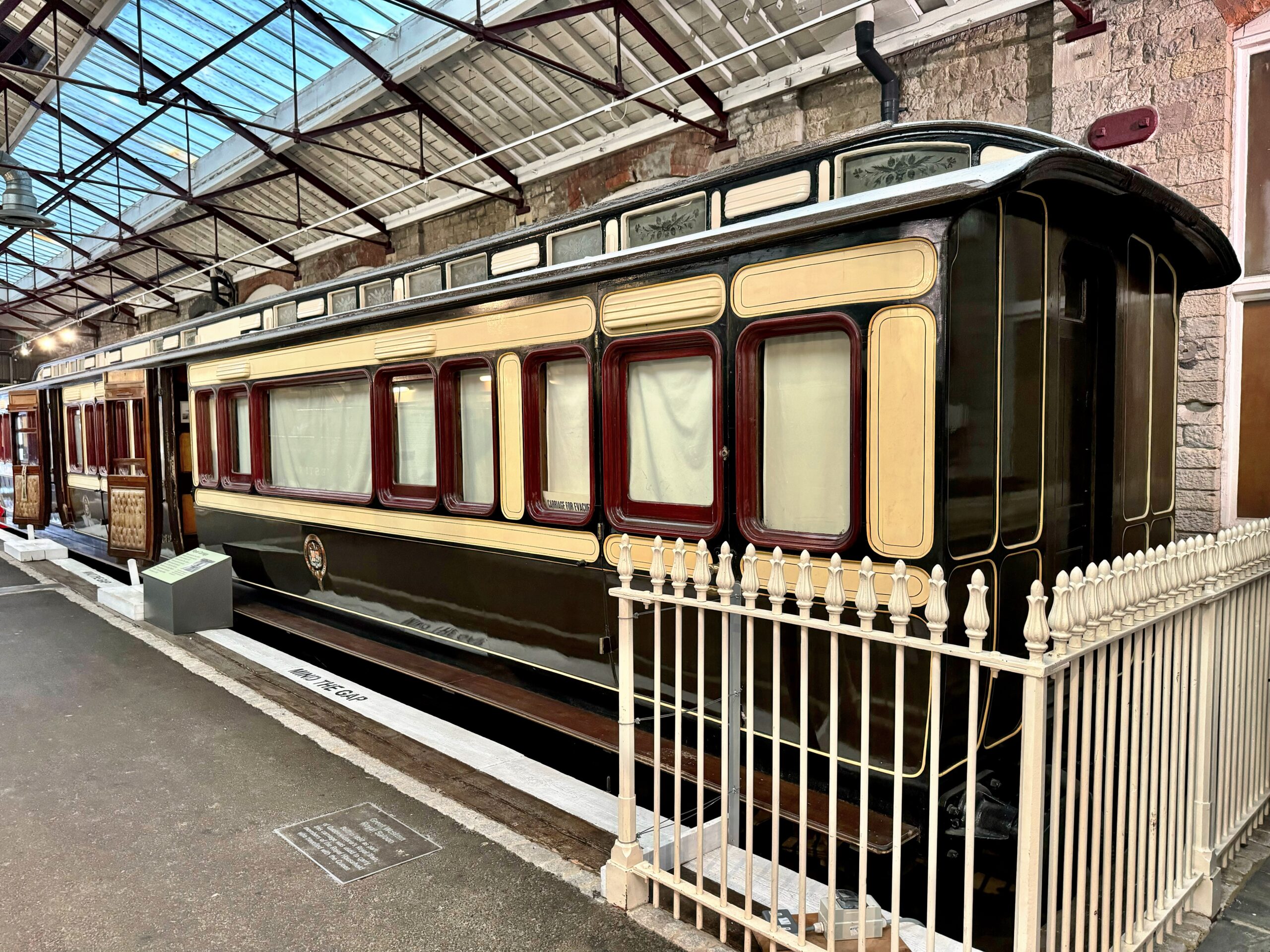
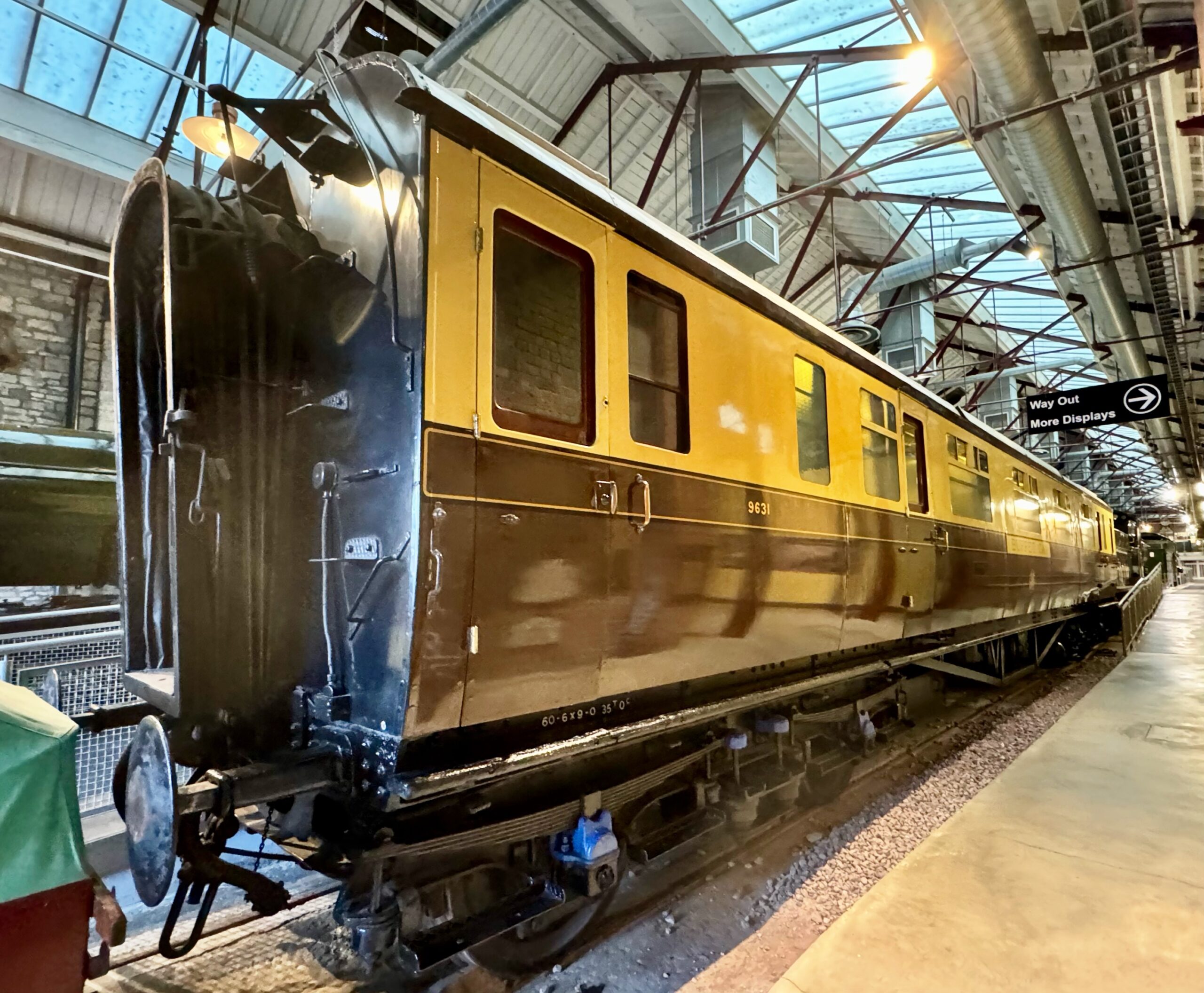
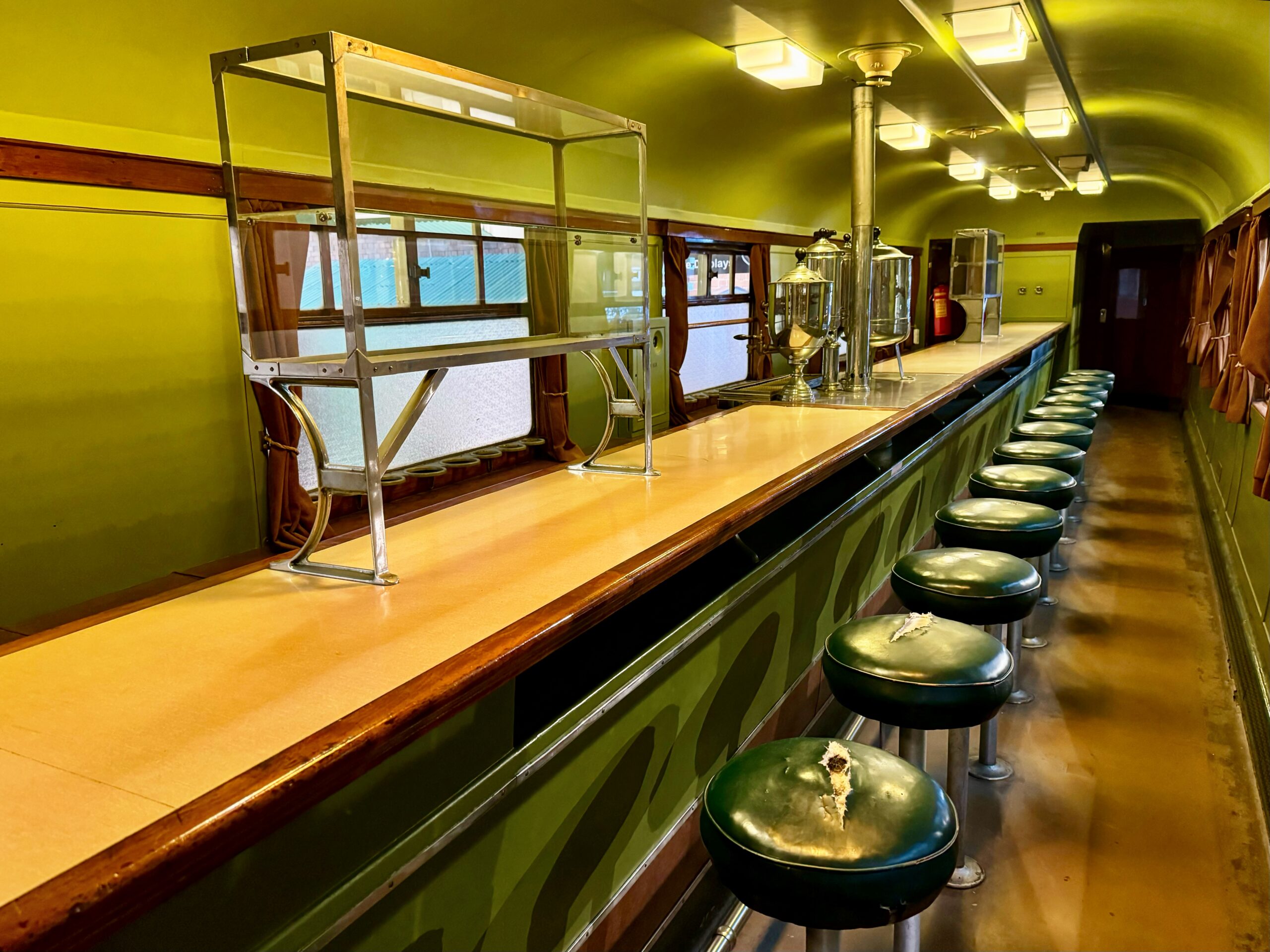
The collection holds a small but varied selection of Great Western rolling stock, which includes Queen Victoria’s Royal Saloon (above) which was built in 1897 and formed part of the Queen Victoria’s Diamond Jubilee train. Another highlight is the beautiful art deco styled Buffet Car No. 9631 built at Swindon in 1934 (below).
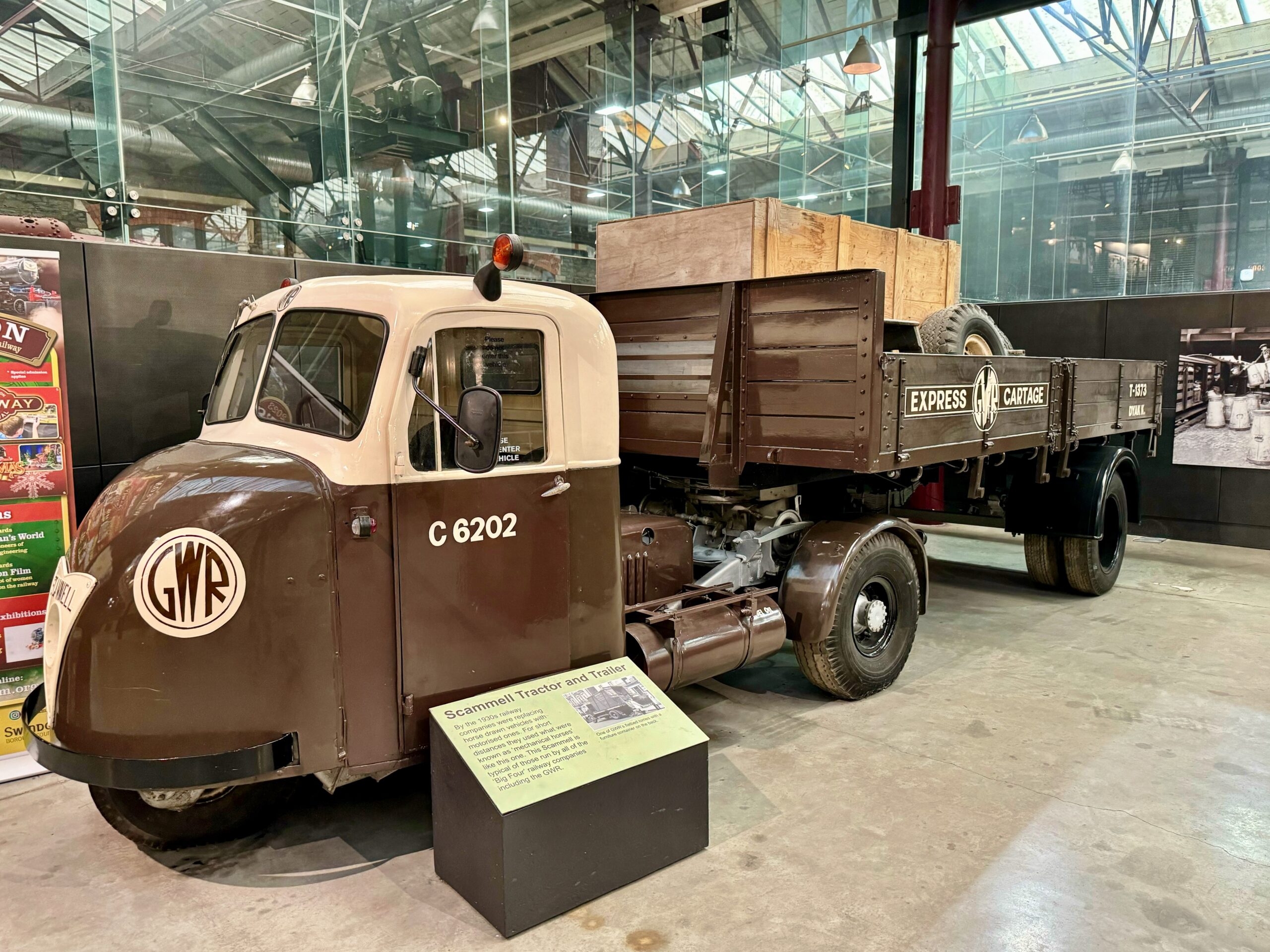
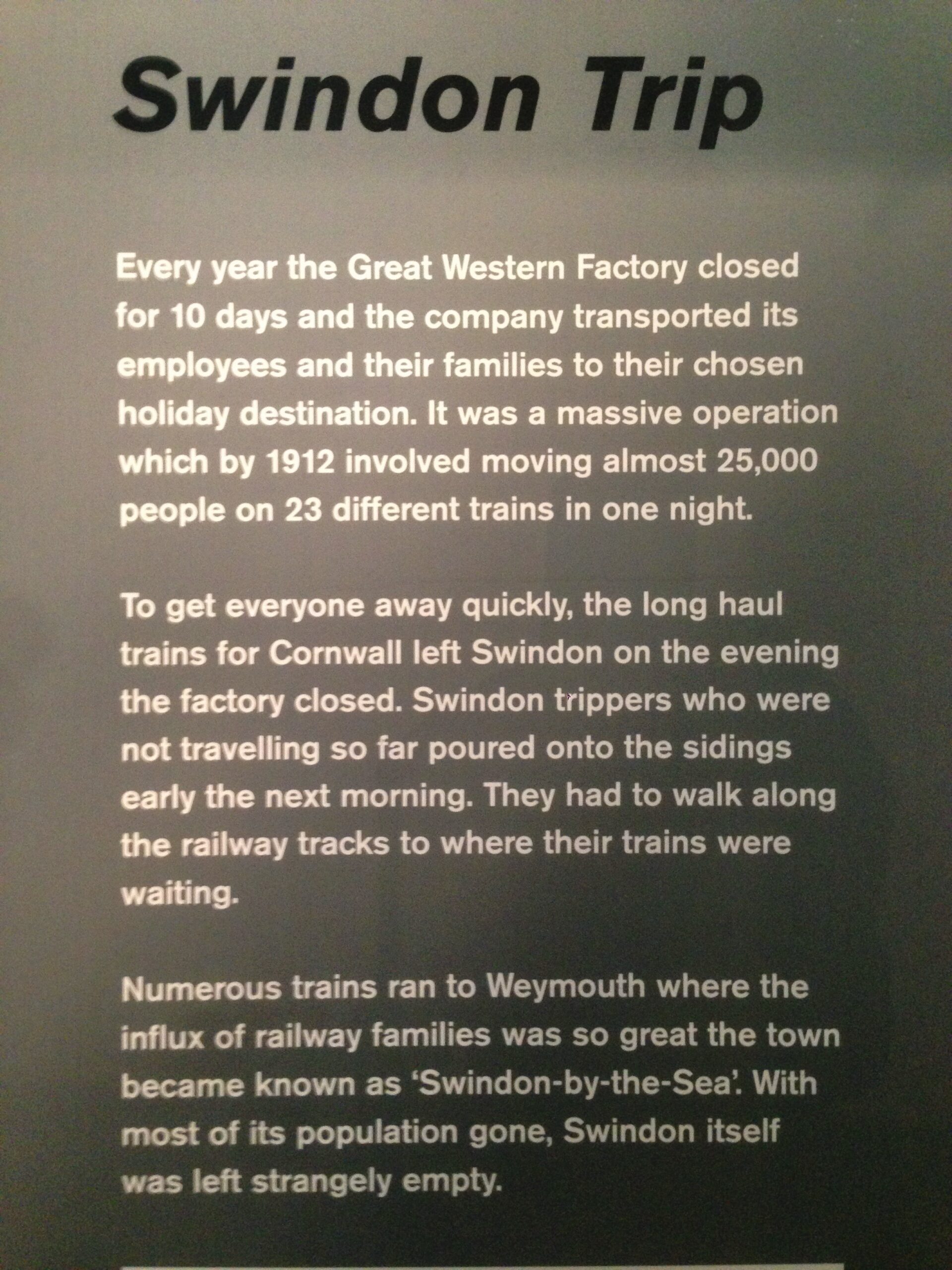
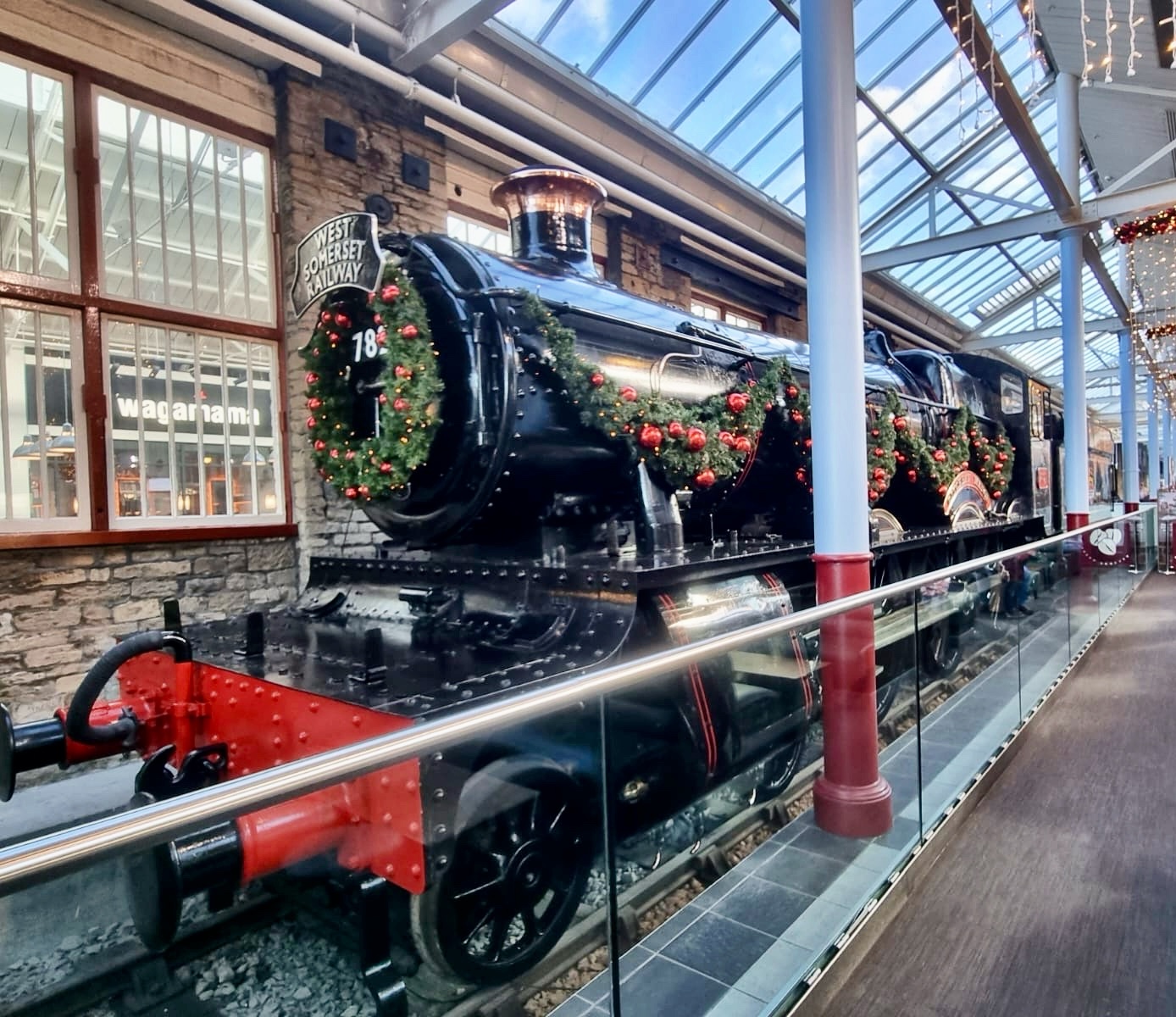
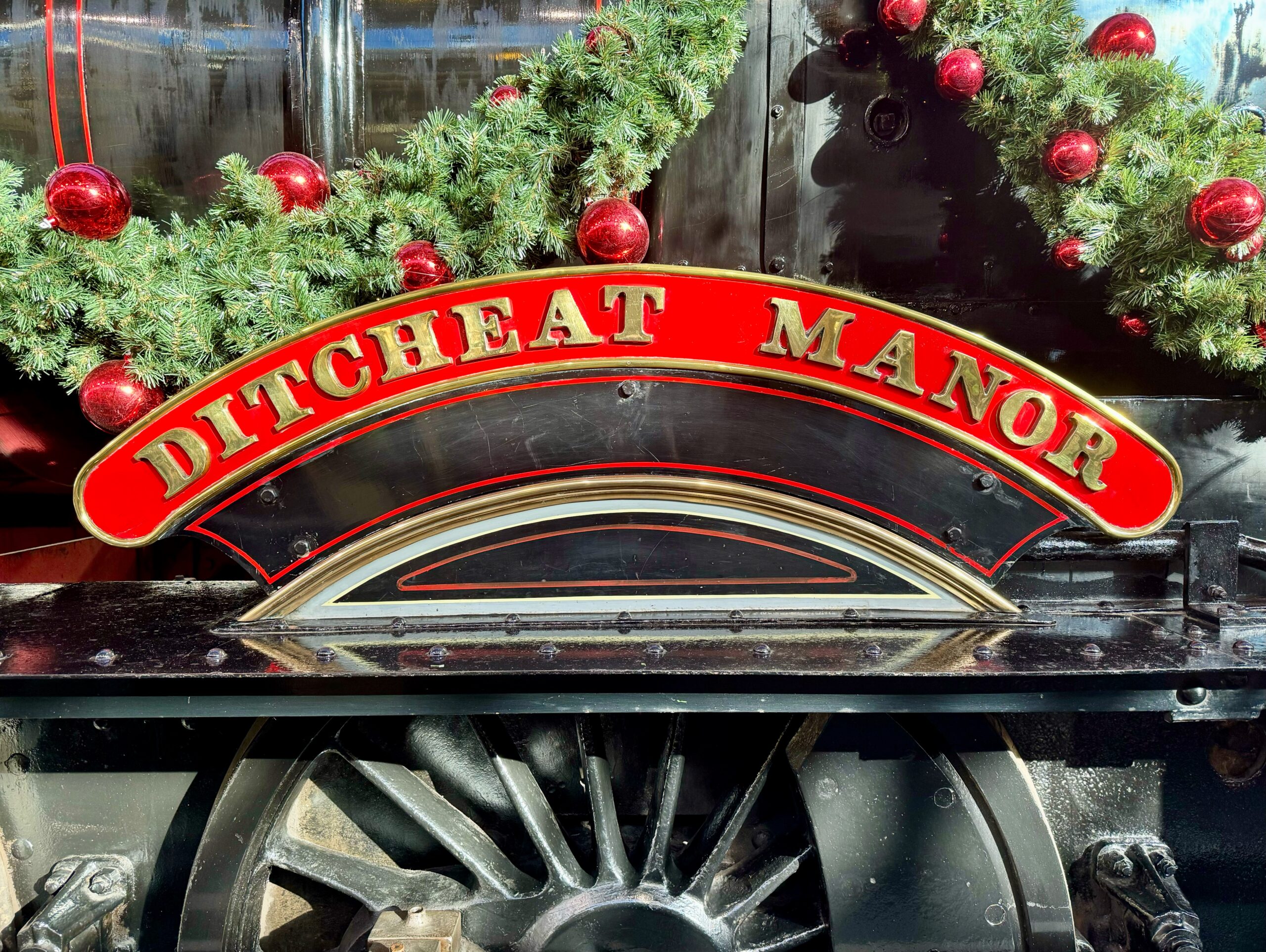
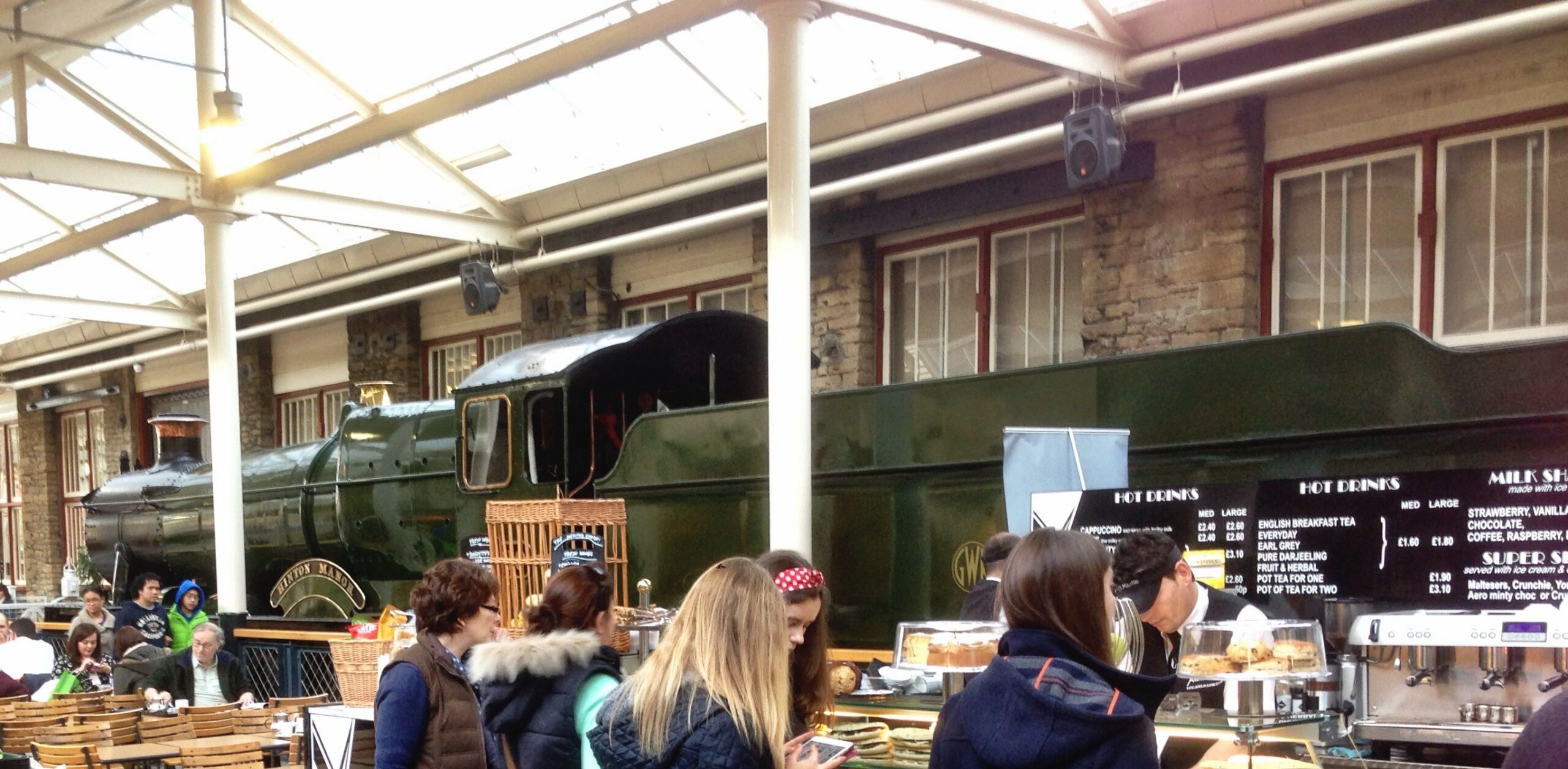
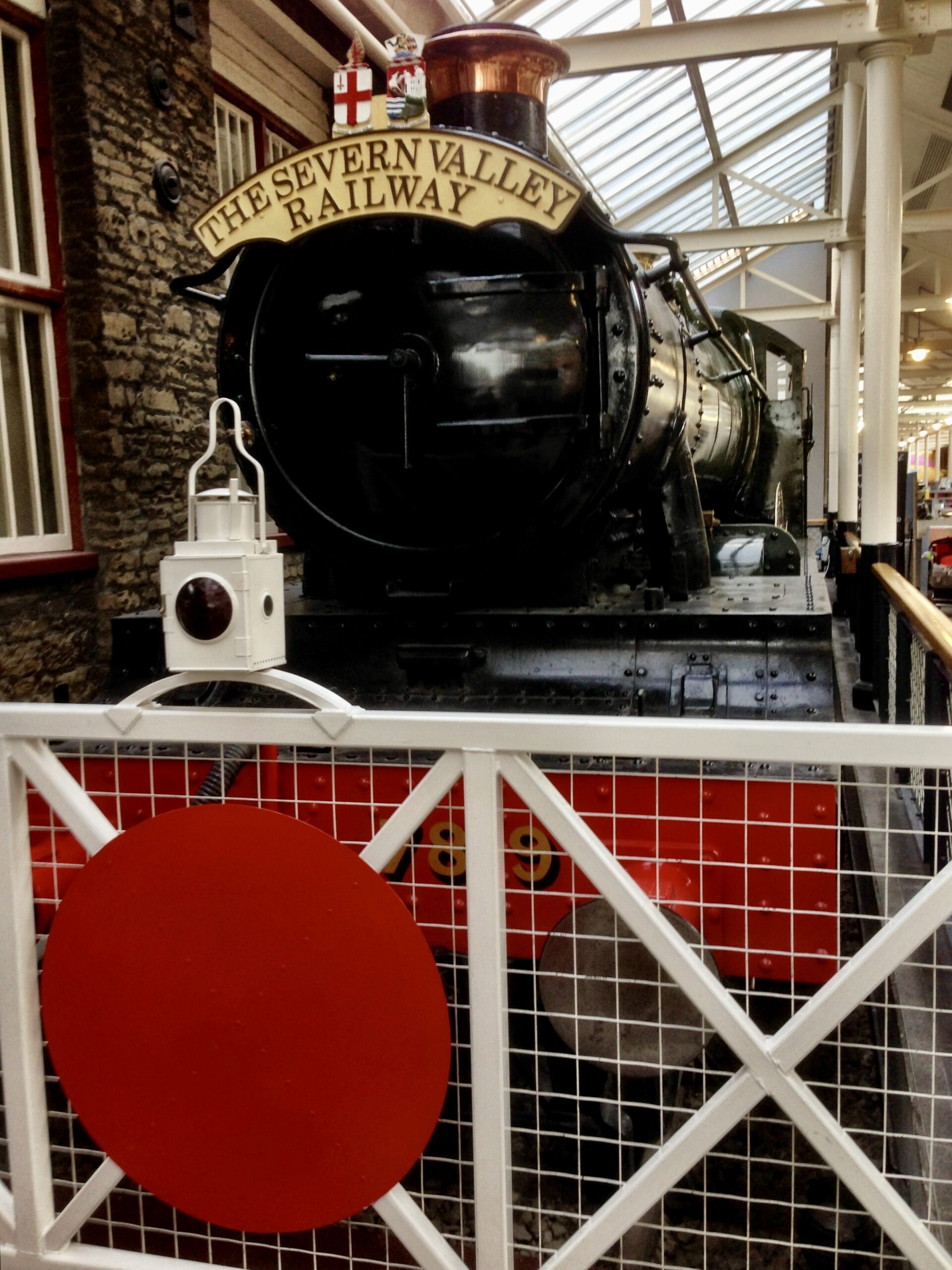
After our visit to STEAM we met up with Caroline who had been exploring the Designer Outlet. The shopping centre is located on the site of the long shop which was once responsible for erecting steam and diesel locomotives. One such example is GWR 7800 Class 4-6-0 No. 7821 ‘Ditcheat Manor’ which has been on display at the Designer Outlet centre since 2018 when she was moved from the STEAM museum taking the place of sister locomotive No. 7819 ‘Hinton Manor’.

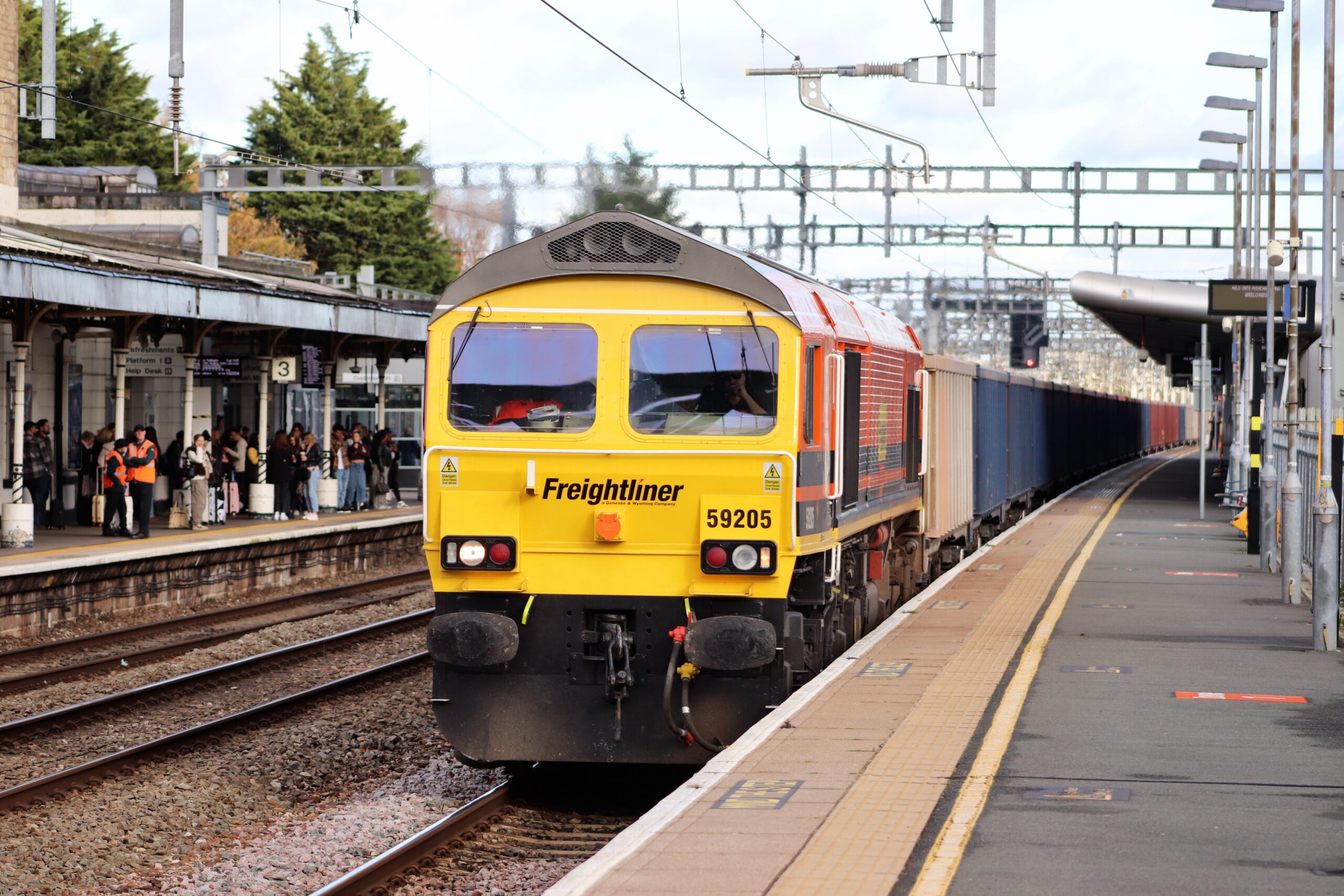
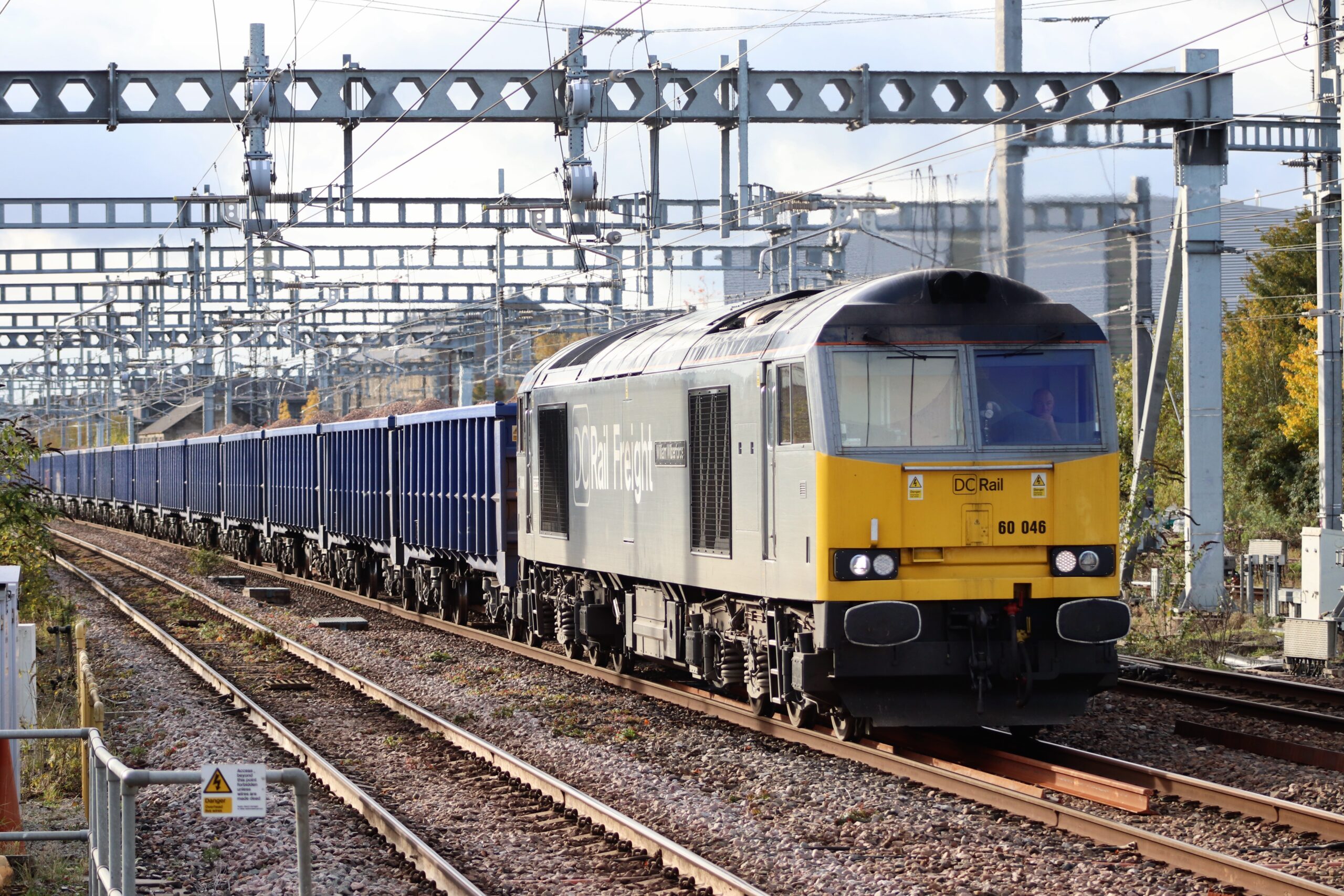
My next port of call was destined to be Swindon railway station as I was hoping to see and photograph Colas Class 67’s working the Cheltenham to Swindon Transfer Sidings RHTT. However a rare failing on behalf of Google maps, which directed us to the wrong car park, combined with the early running of the class 67’s meant I missed this particular working by a very thin margin. However, this was more than compensated by the DCR Class 60 which worked through the station on a Tytherington to Willesden DC Rail Sidings freight shortly after I arrived on the platform.


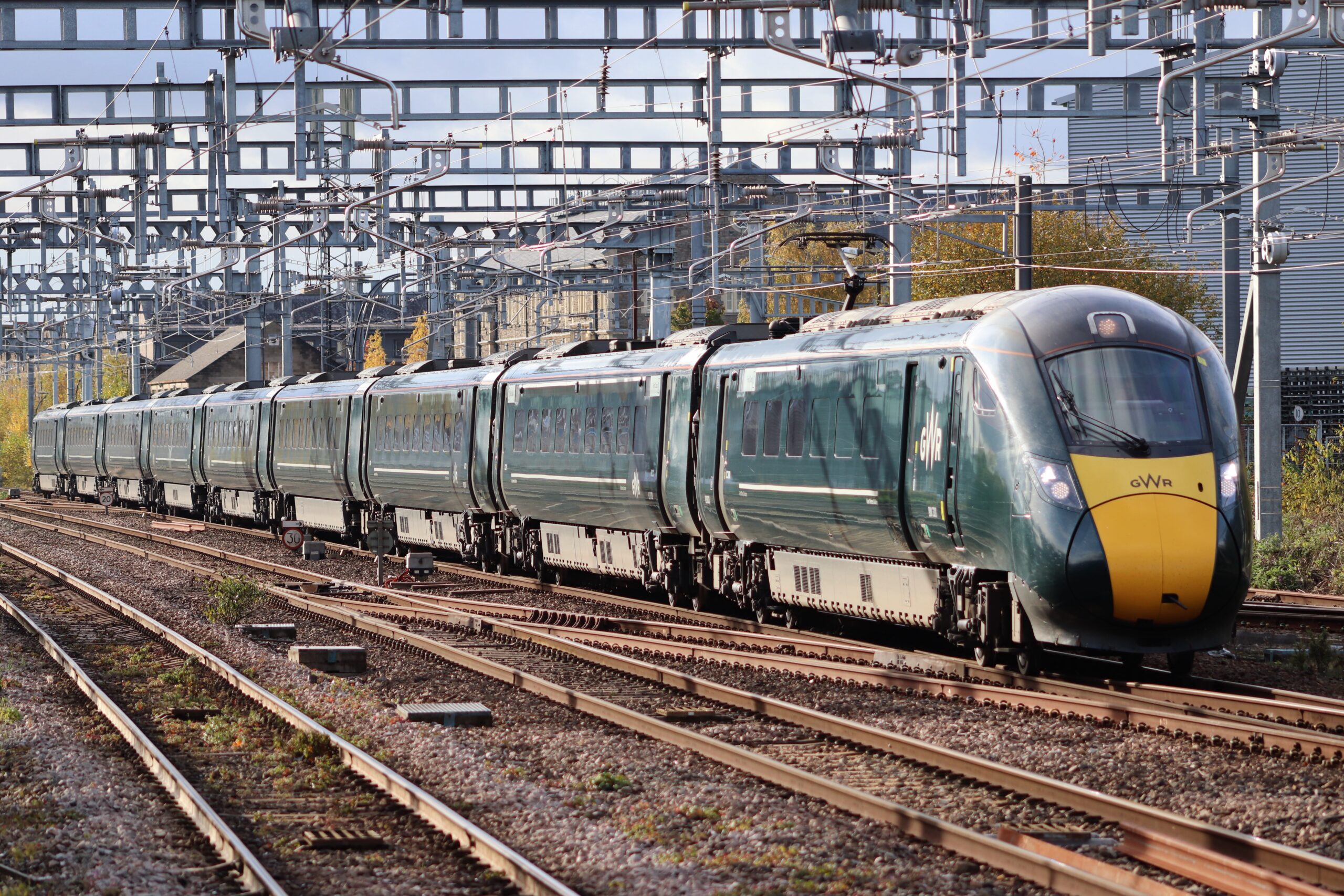
The following day we were off to the Isle of Wight to celebrate our friends 50th Wedding Anniversary in Ryde. We chose to leave the car on the mainland and take the hovercraft from Southsea over to the island. The Hovertravel crossing takes a speedy ten minutes.

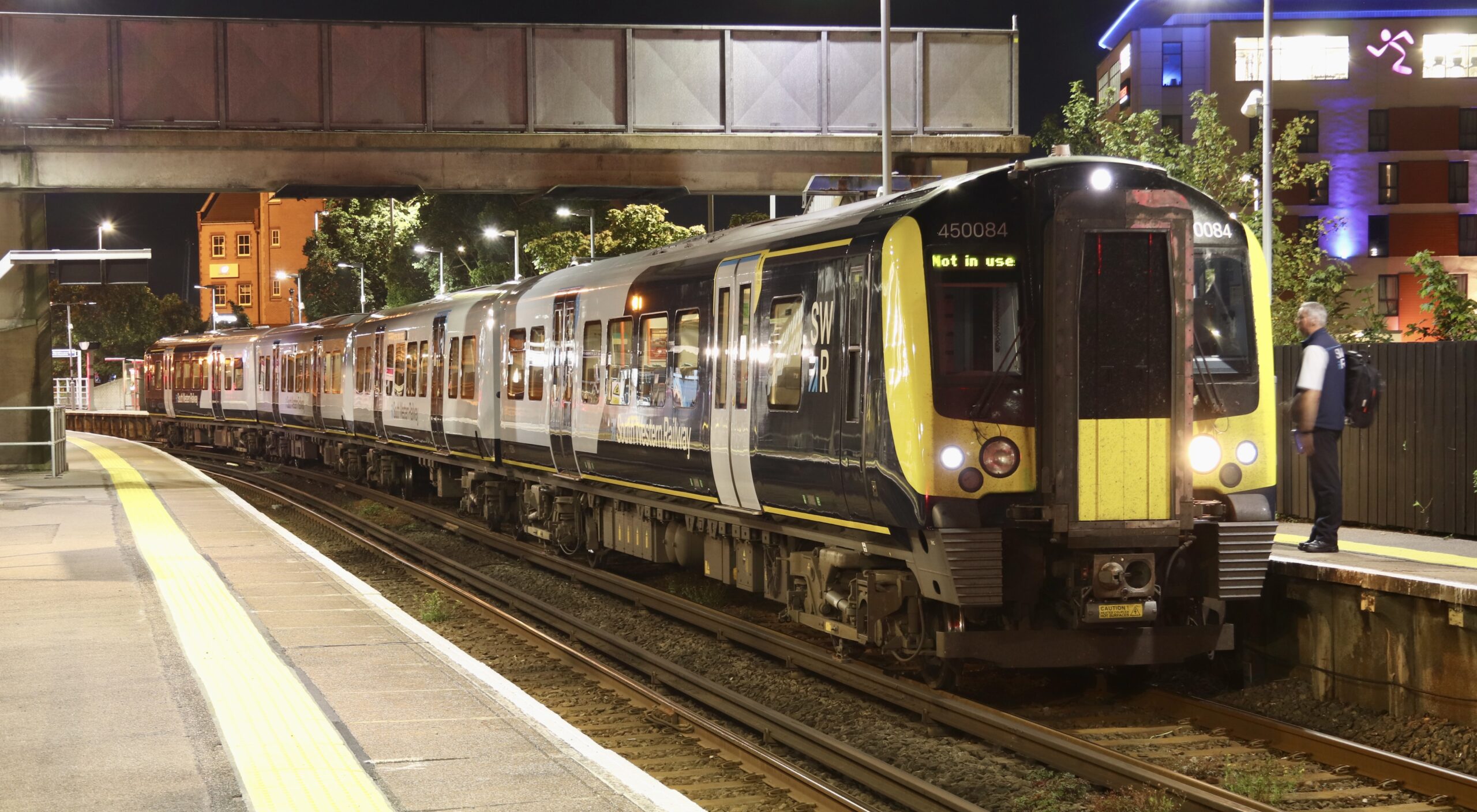
As we arrived into Ryde, I noticed a number of the railway orange army on the pier. Trains that run to Ryde Pier Head station are currently out of action following extensive damage from Storm Ciarán. The Island Line between Ryde Pier Head and Ryde St Johns Road has been closed since the bad weather on 2nd November and engineers are working to reopen the line. South Western Railway (SWR) hope to have trains running on the pier section again by 20th November. Meanwhile, a minibus service is running between Ryde St Johns Road and Ryde Pier Head to allow passengers to connect with ferries.
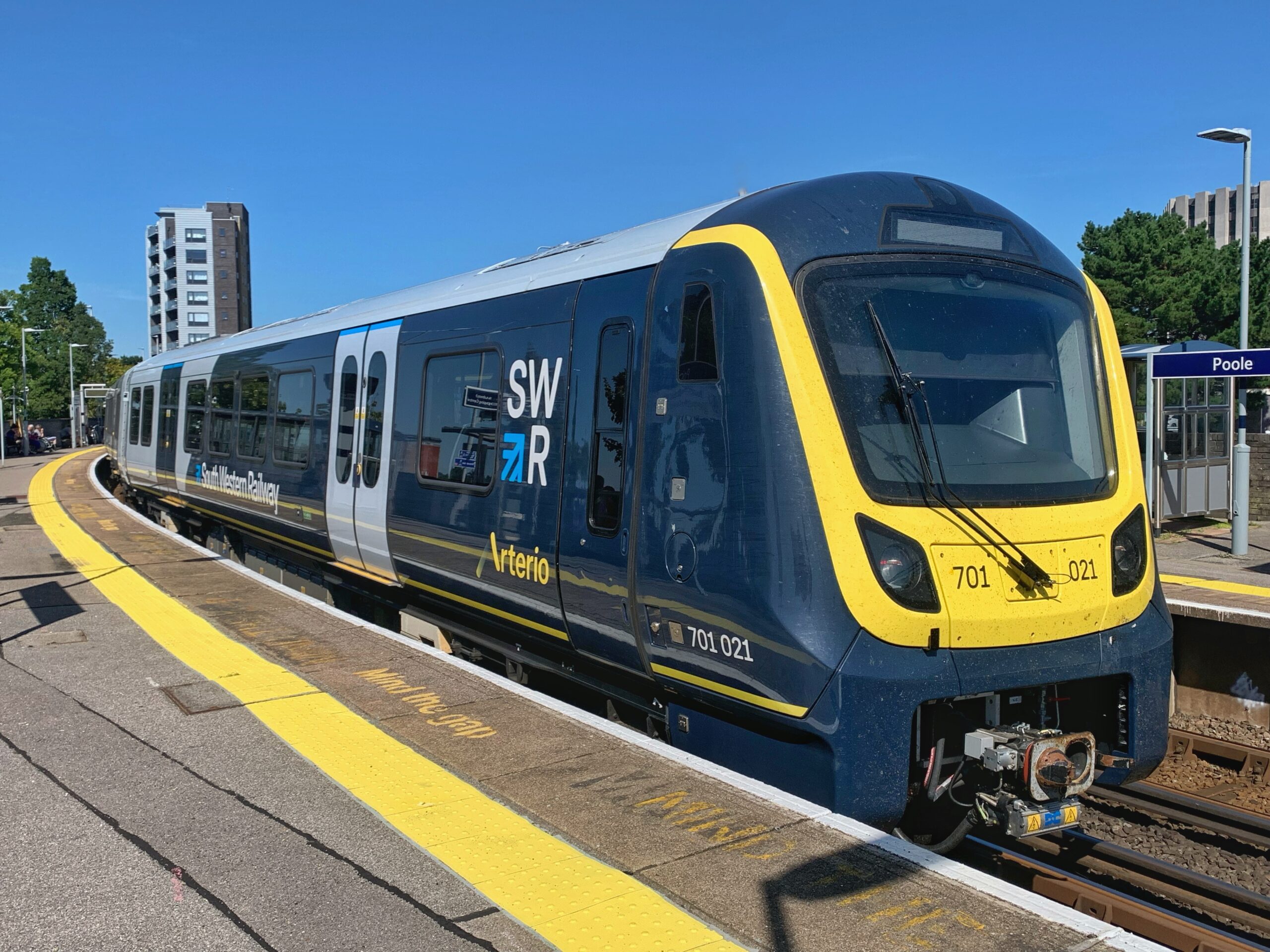
The rail line had a £26m upgrade in 2021 which saw Island Line’s old 1938 tube trains replaced by refurbished London Underground District Line trains, and its tracks and platforms upgraded. You can revisit our 2022 IoW trip here
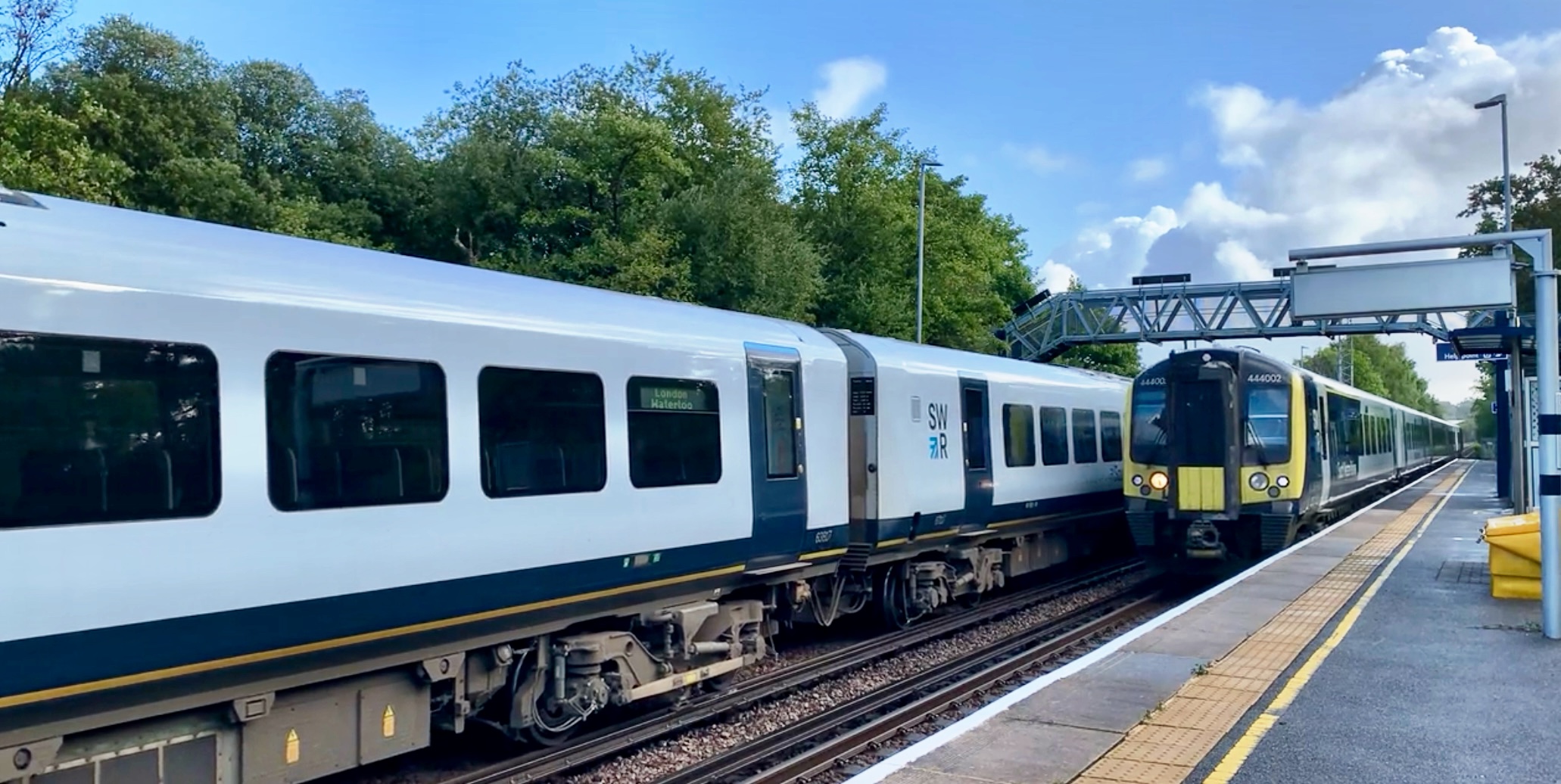
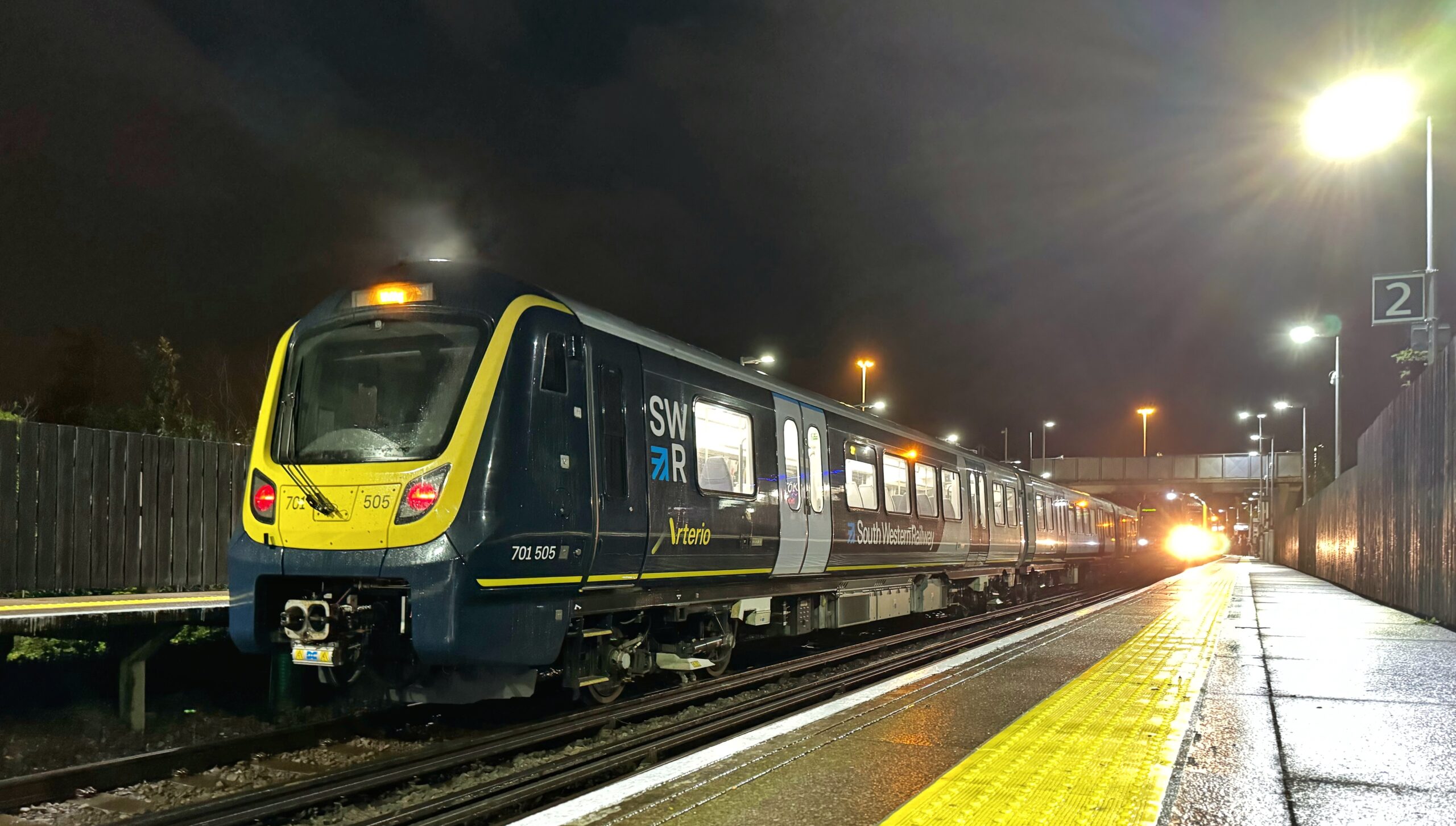
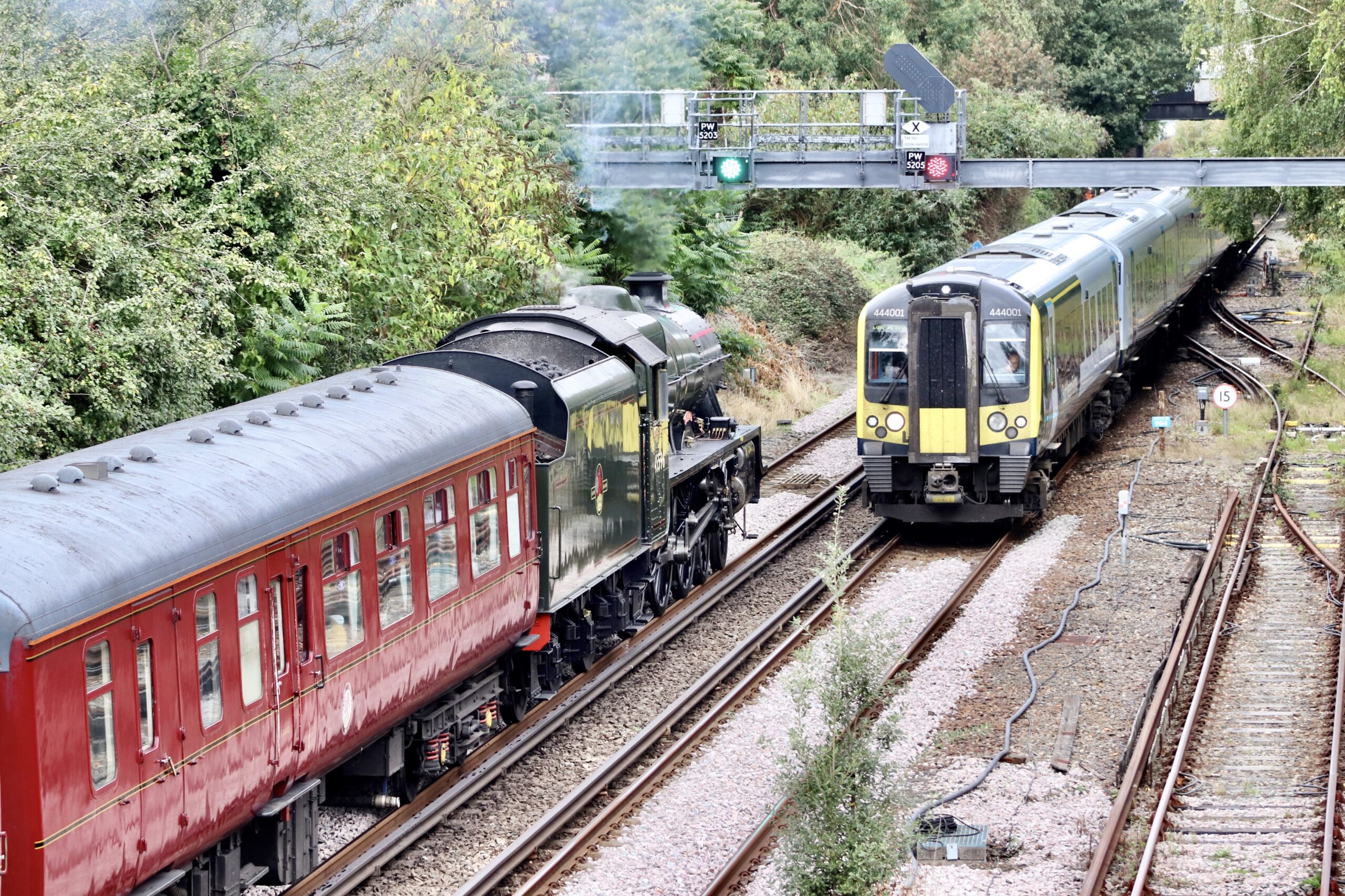
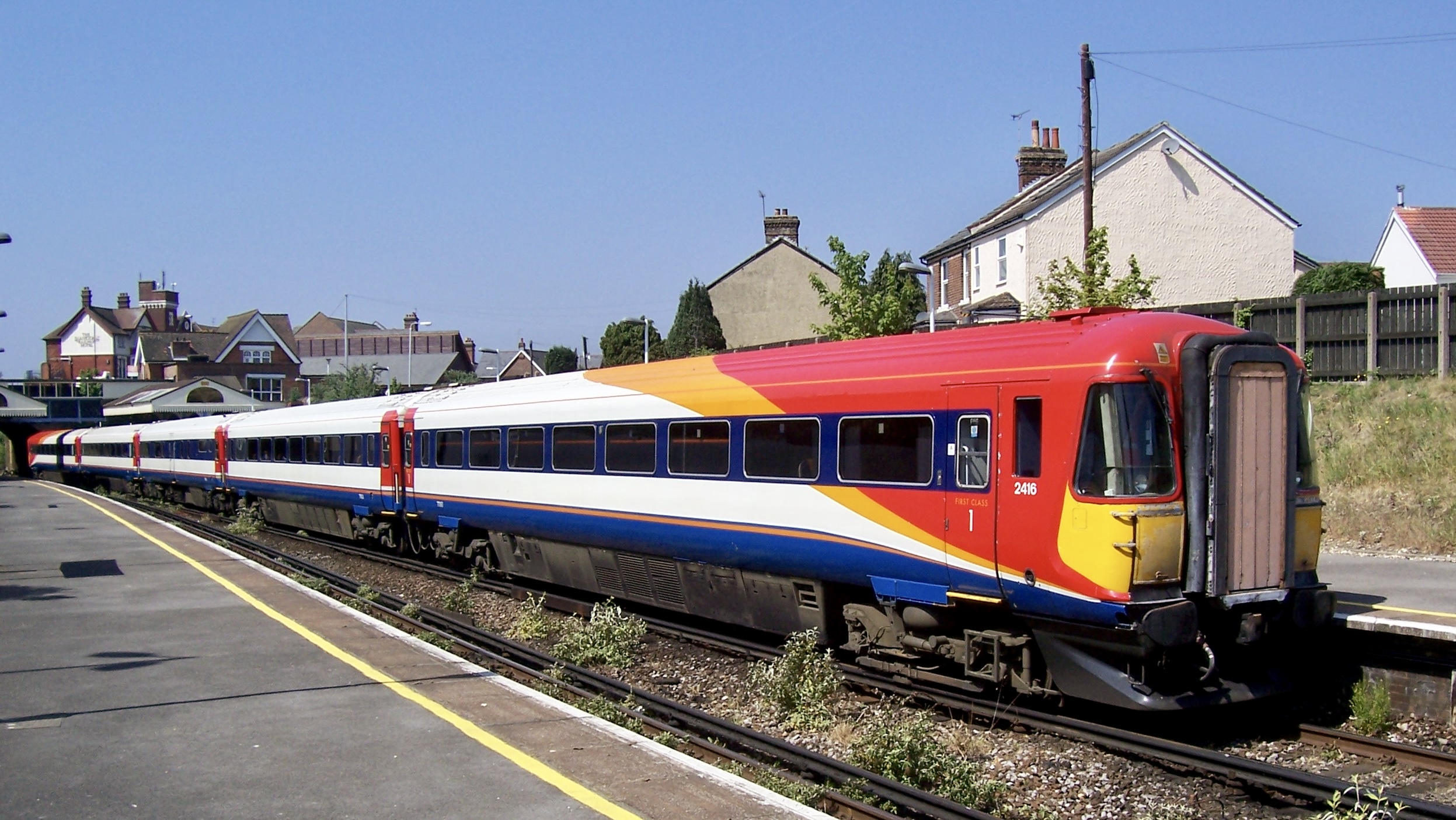
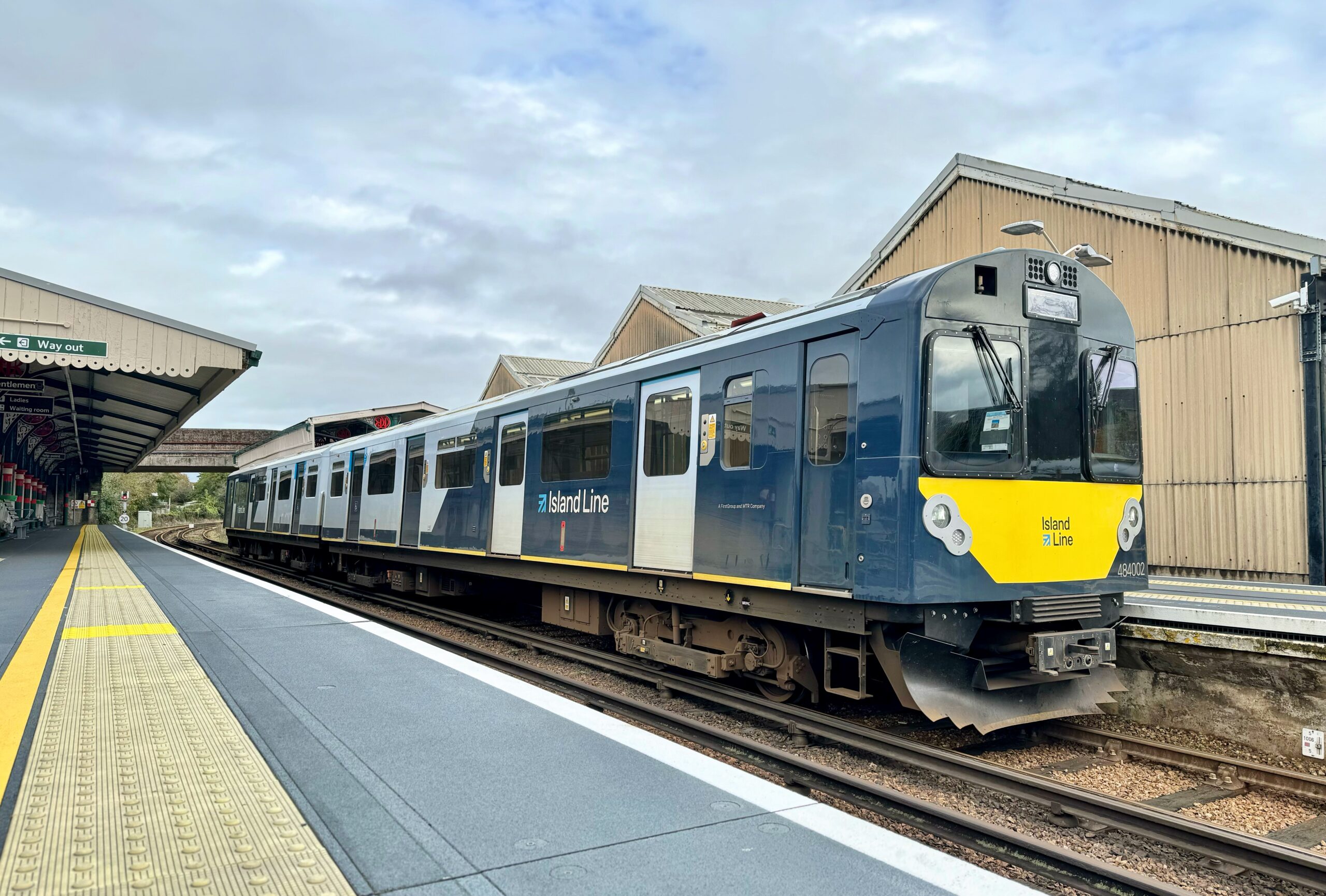
The line remains open between between Ryde St Johns Road and Shanklin with two trains per hour running. On our way to the Wedding Anniversary party, we took a slight detour to see SWR Class 484 No. 484002 depart Ryde St Johns Road with a lunchtime service to Shanklin.


For The Record:
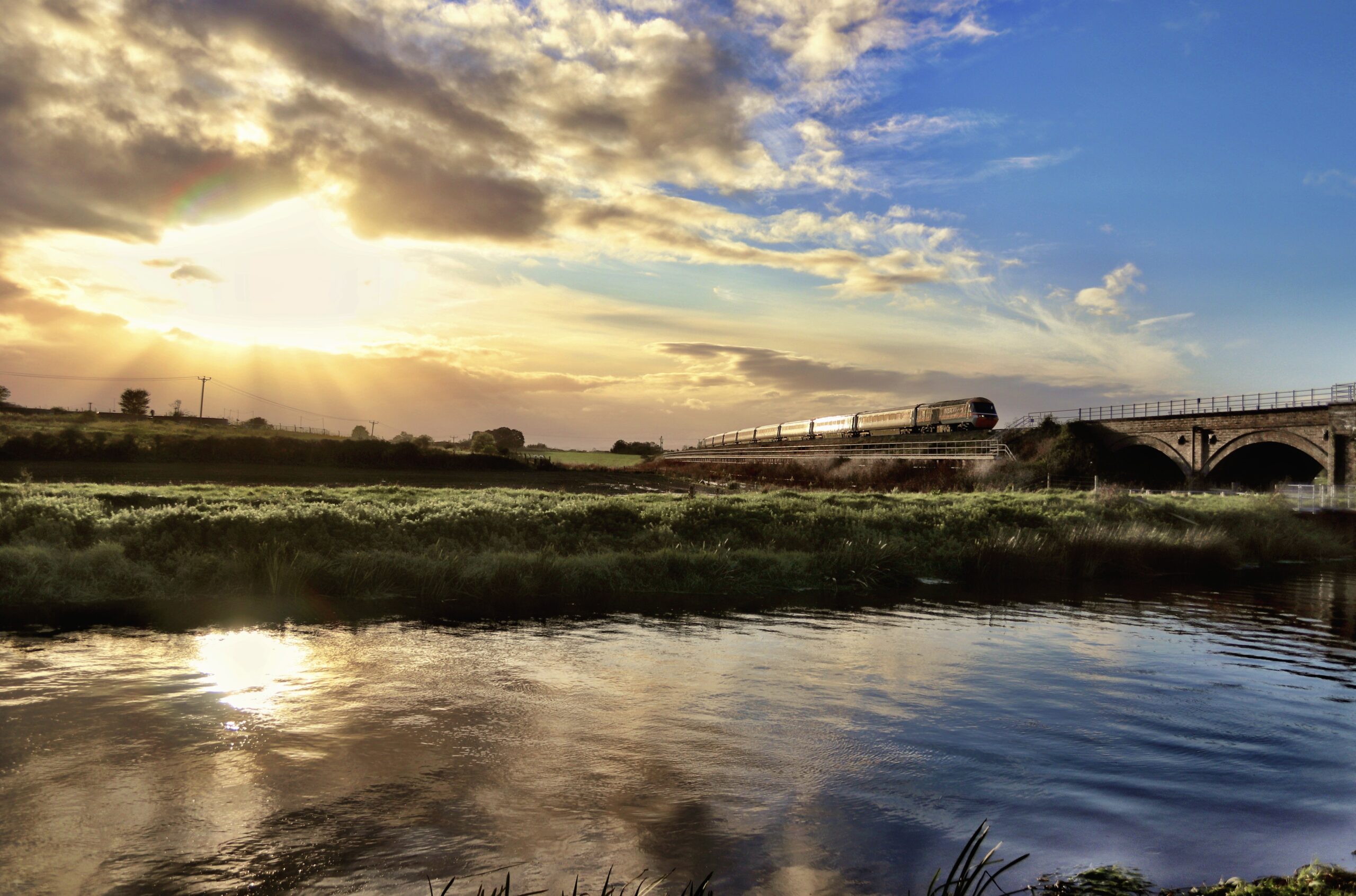
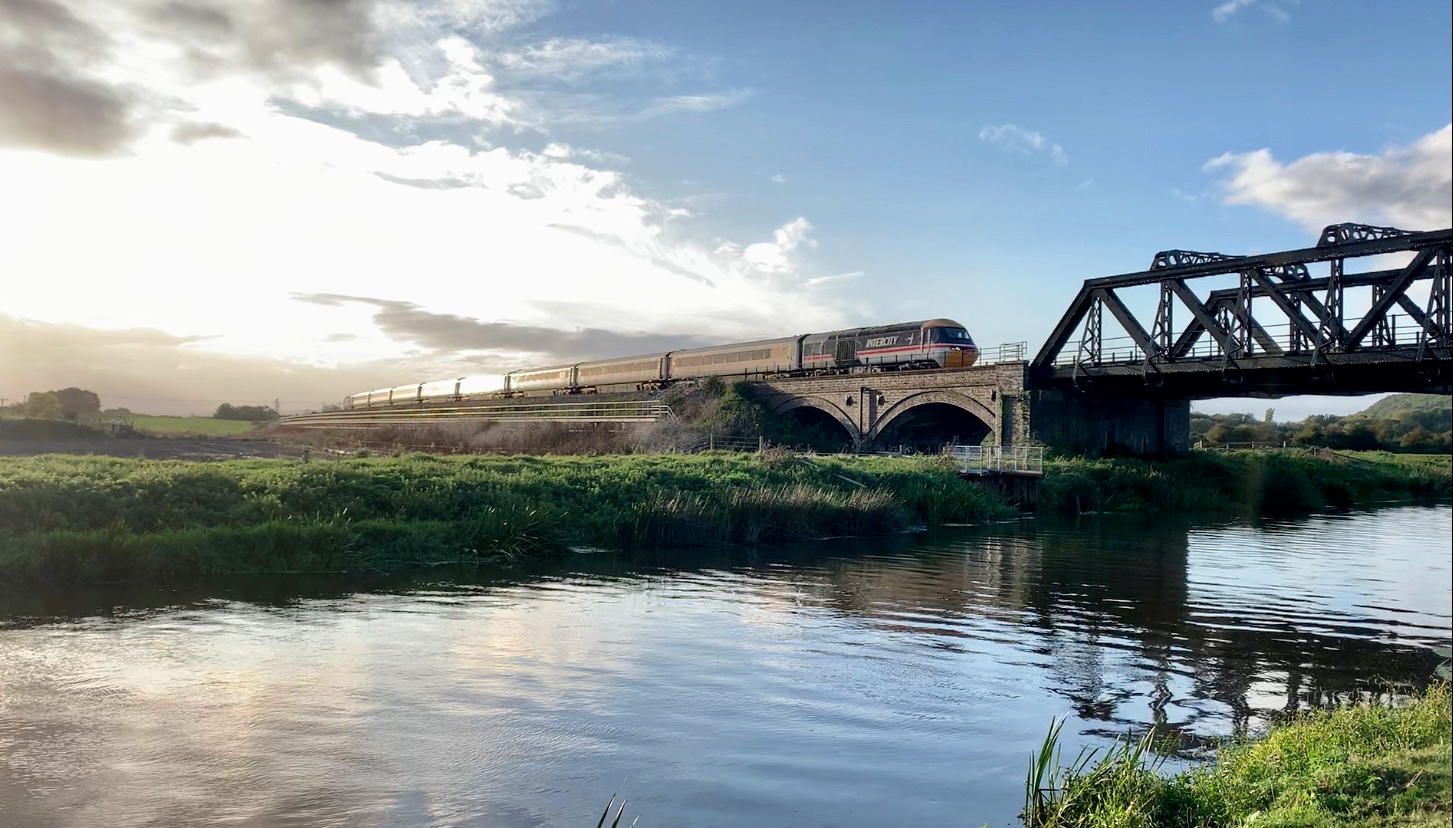
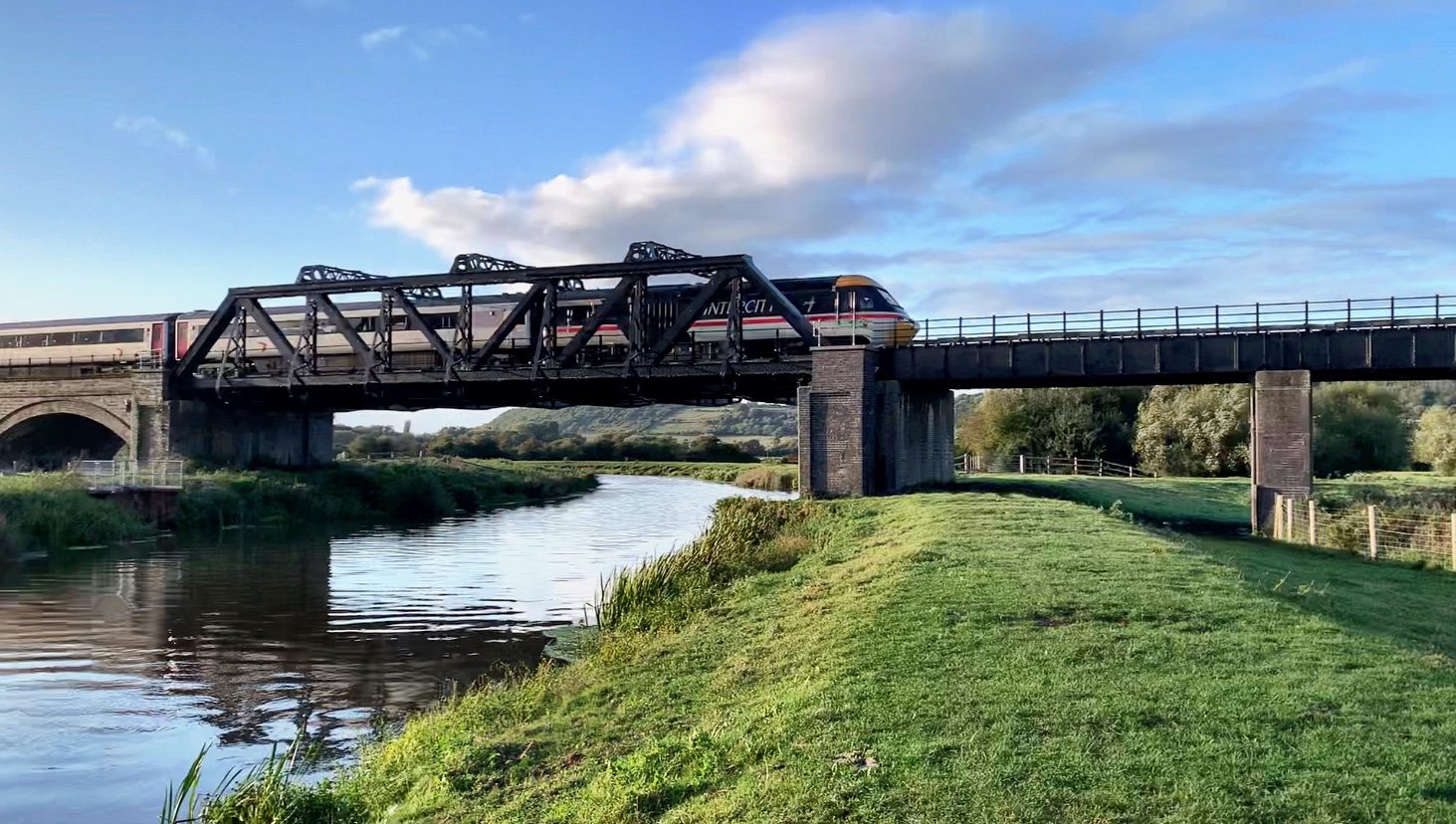
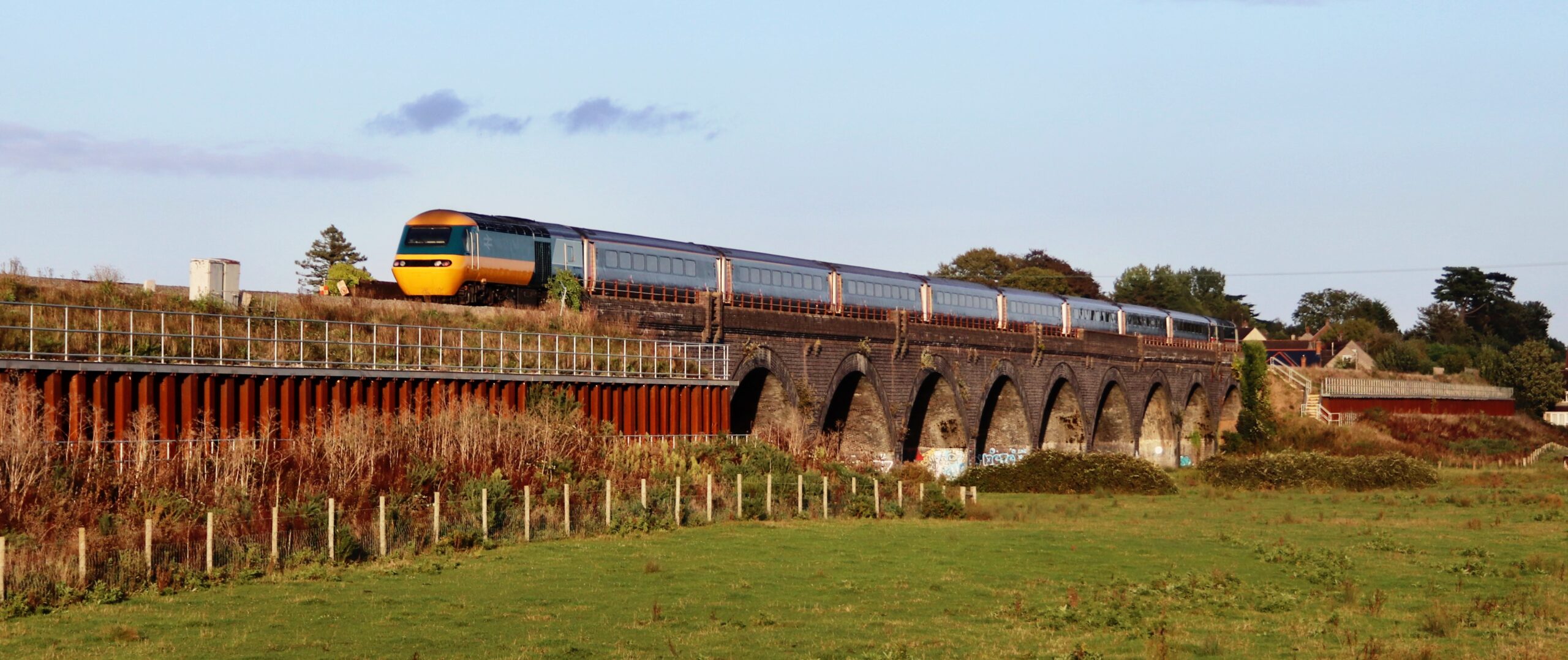
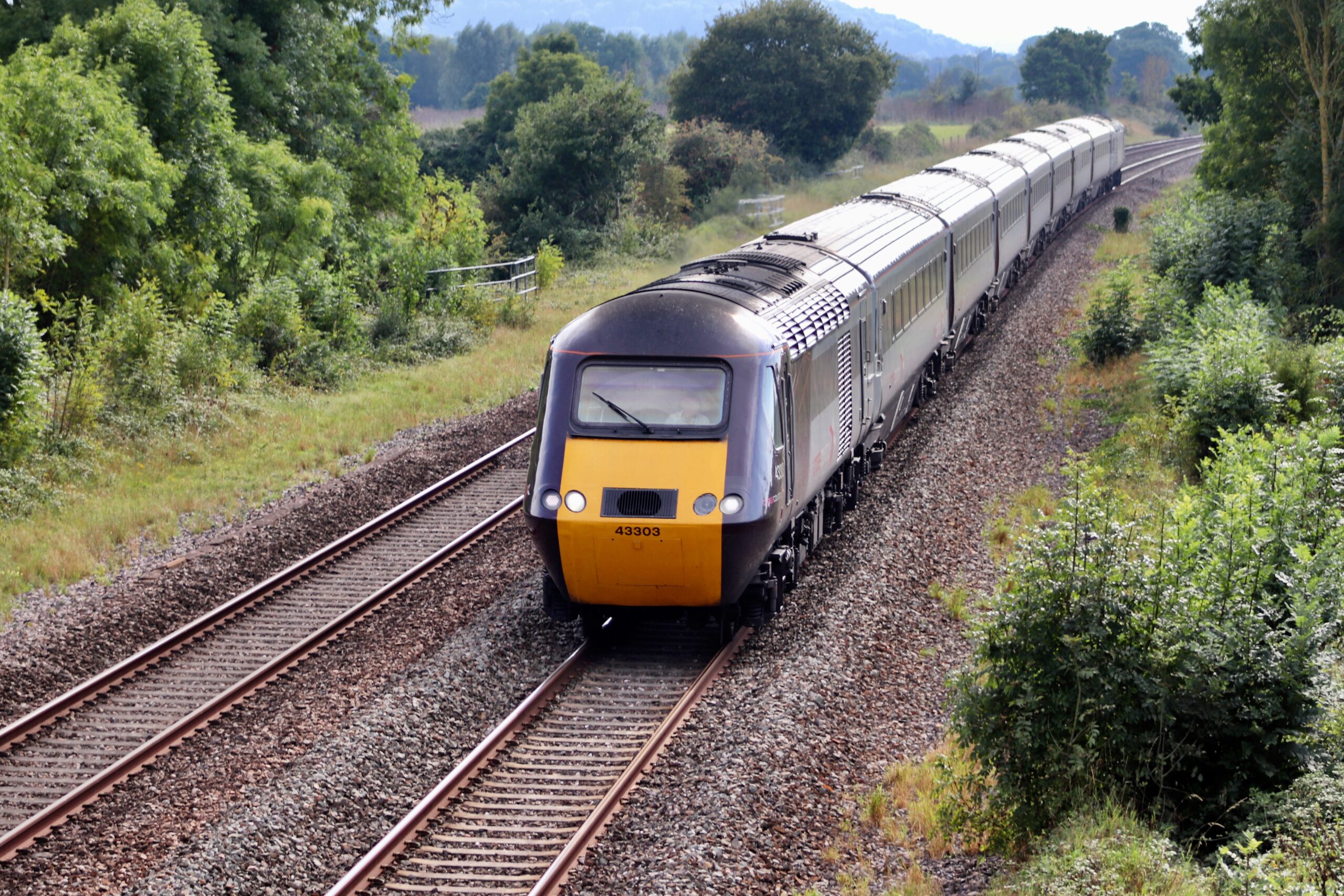
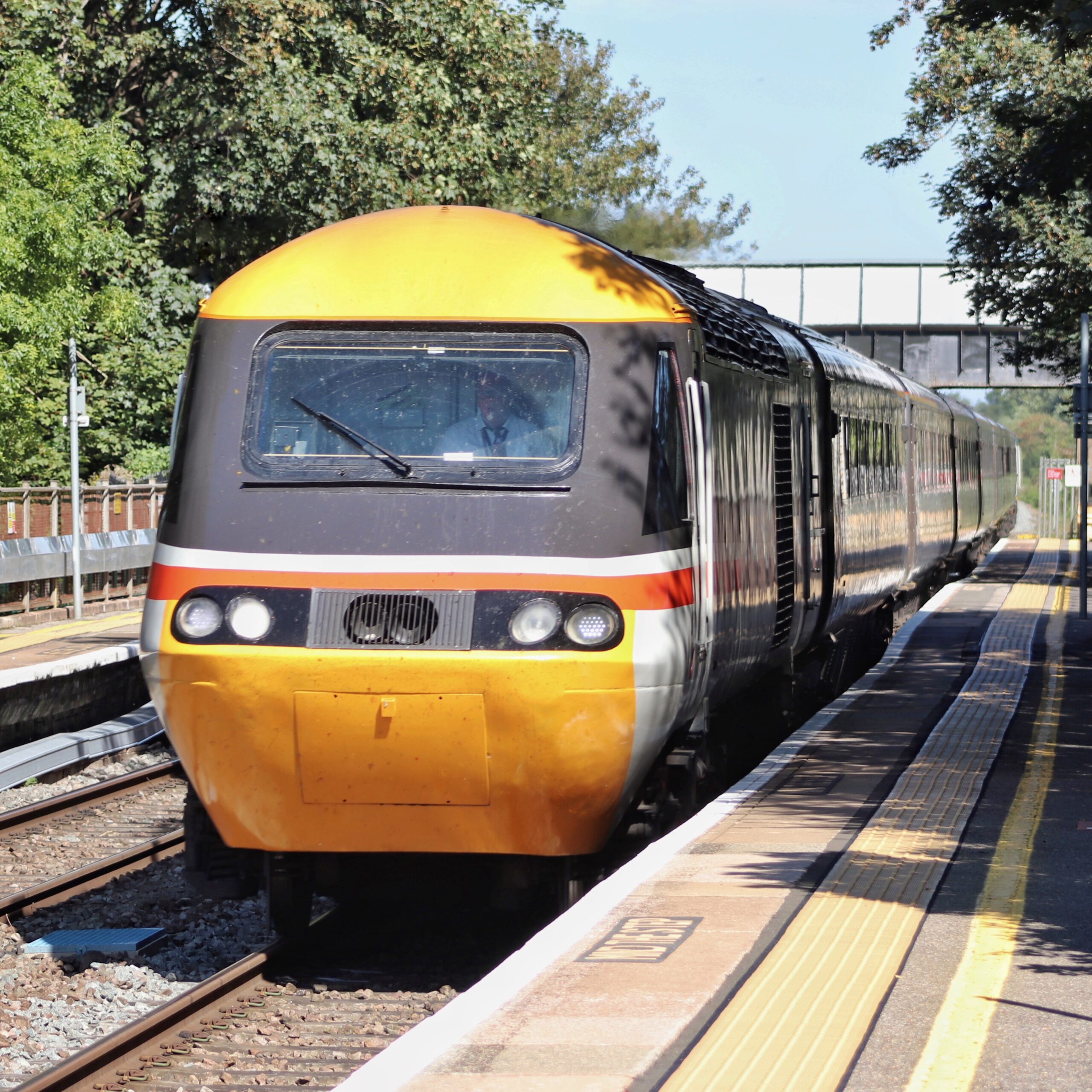
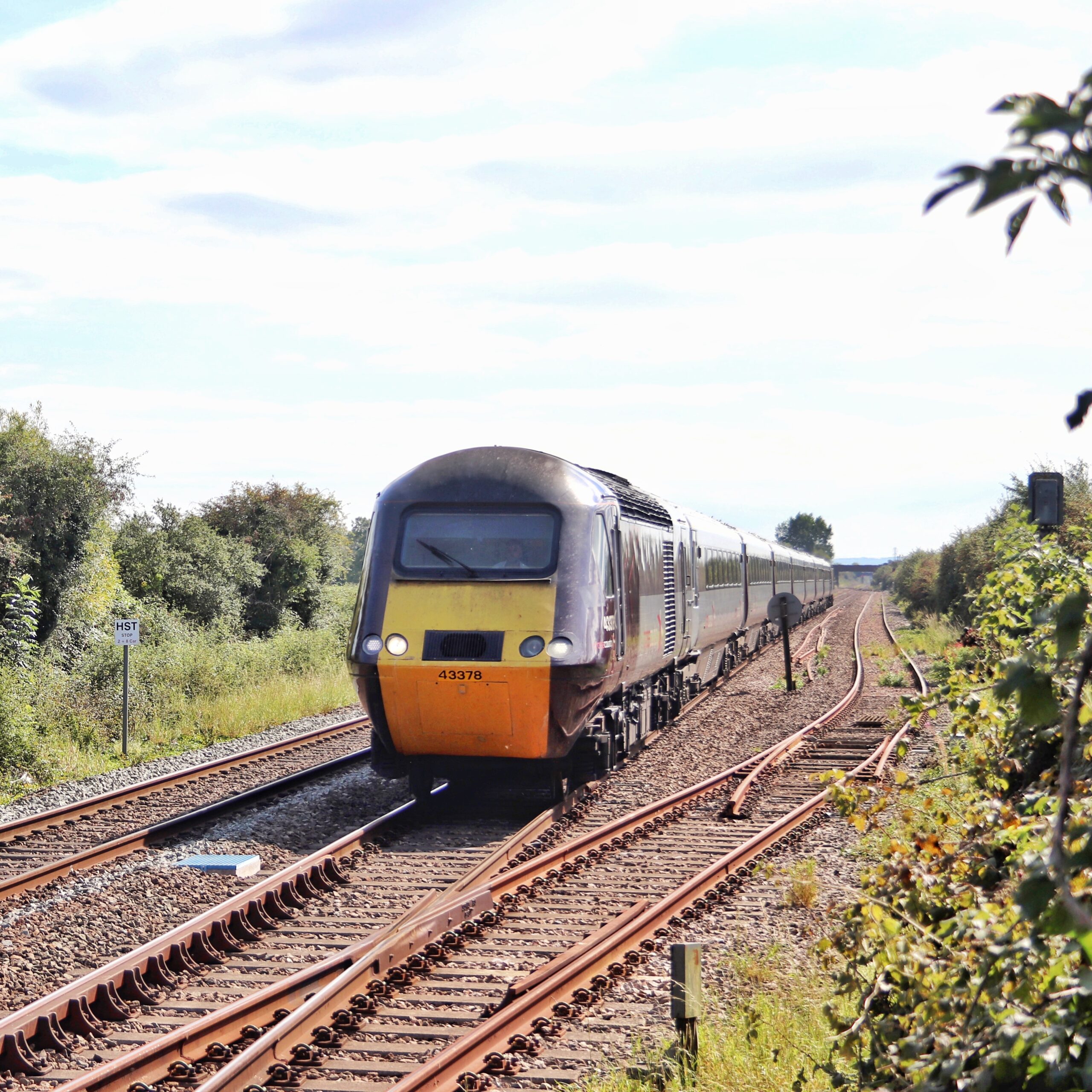
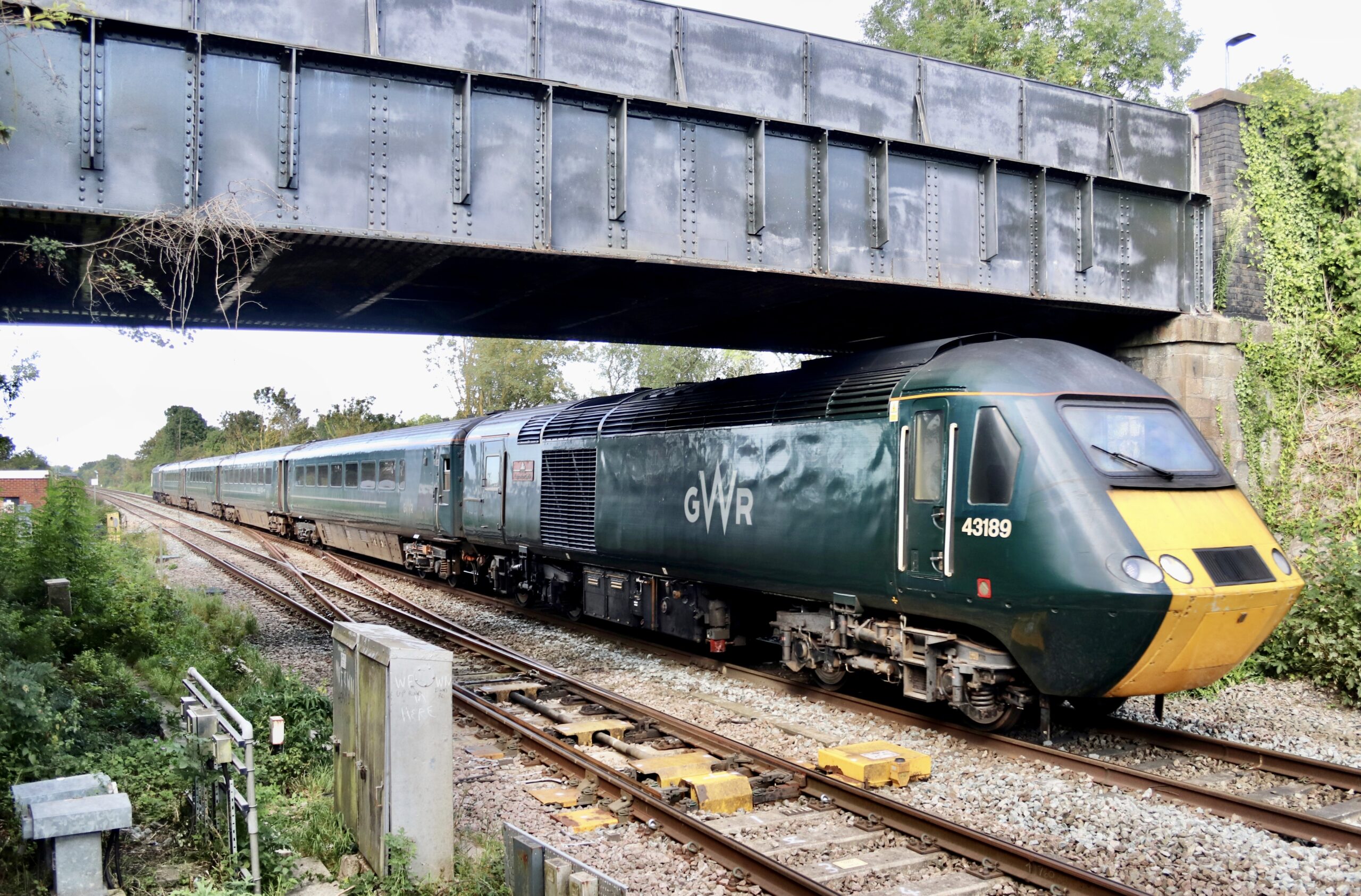
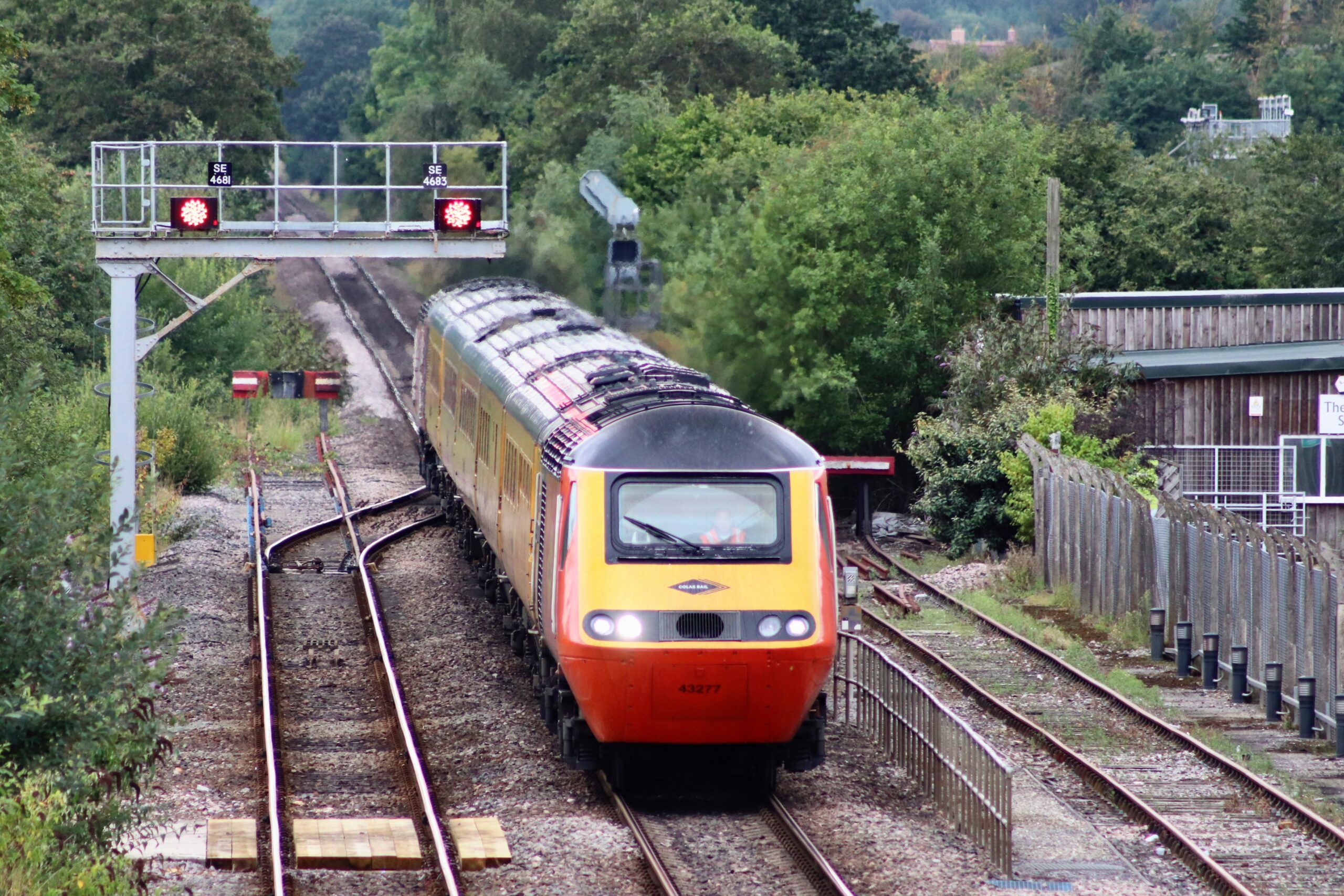
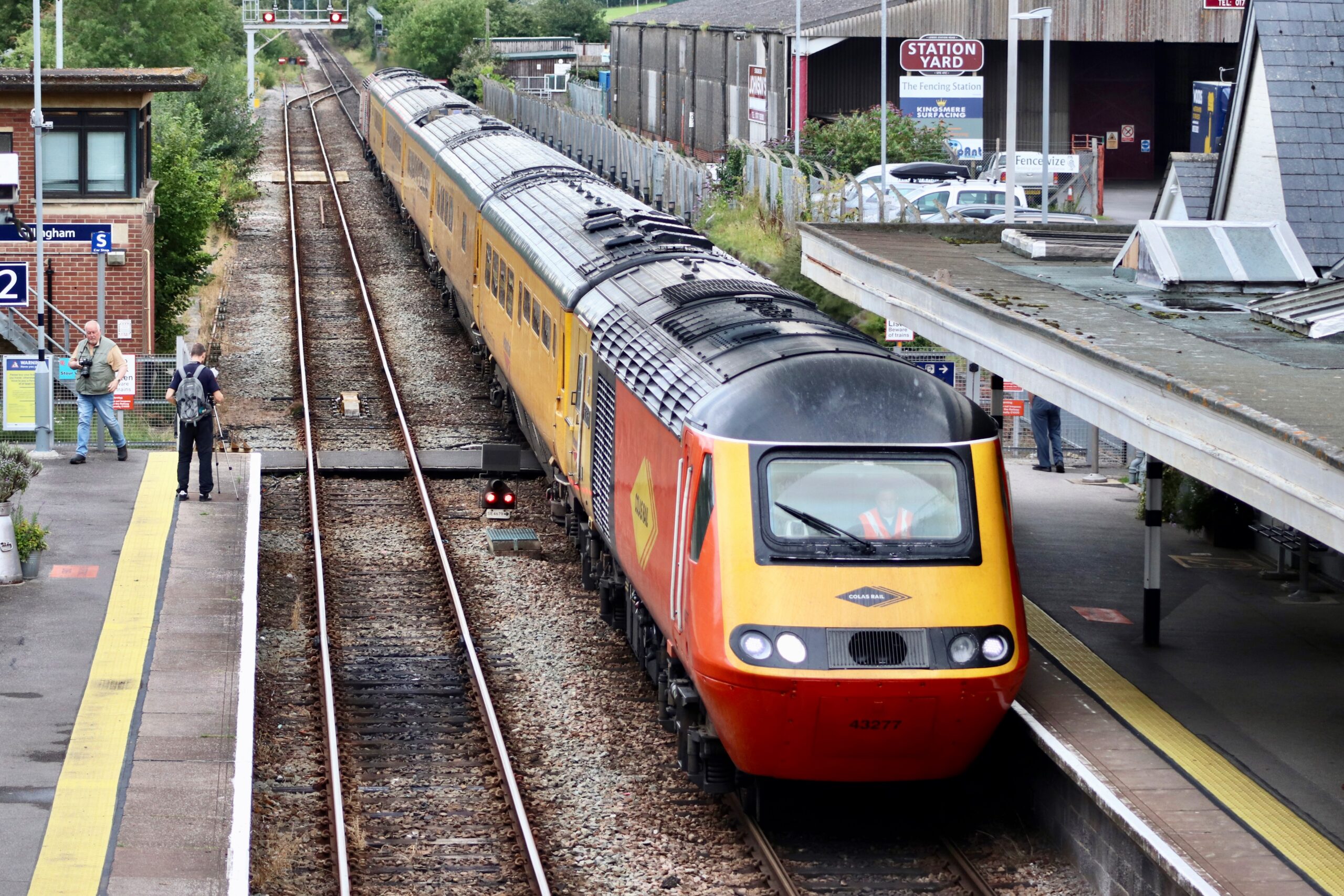
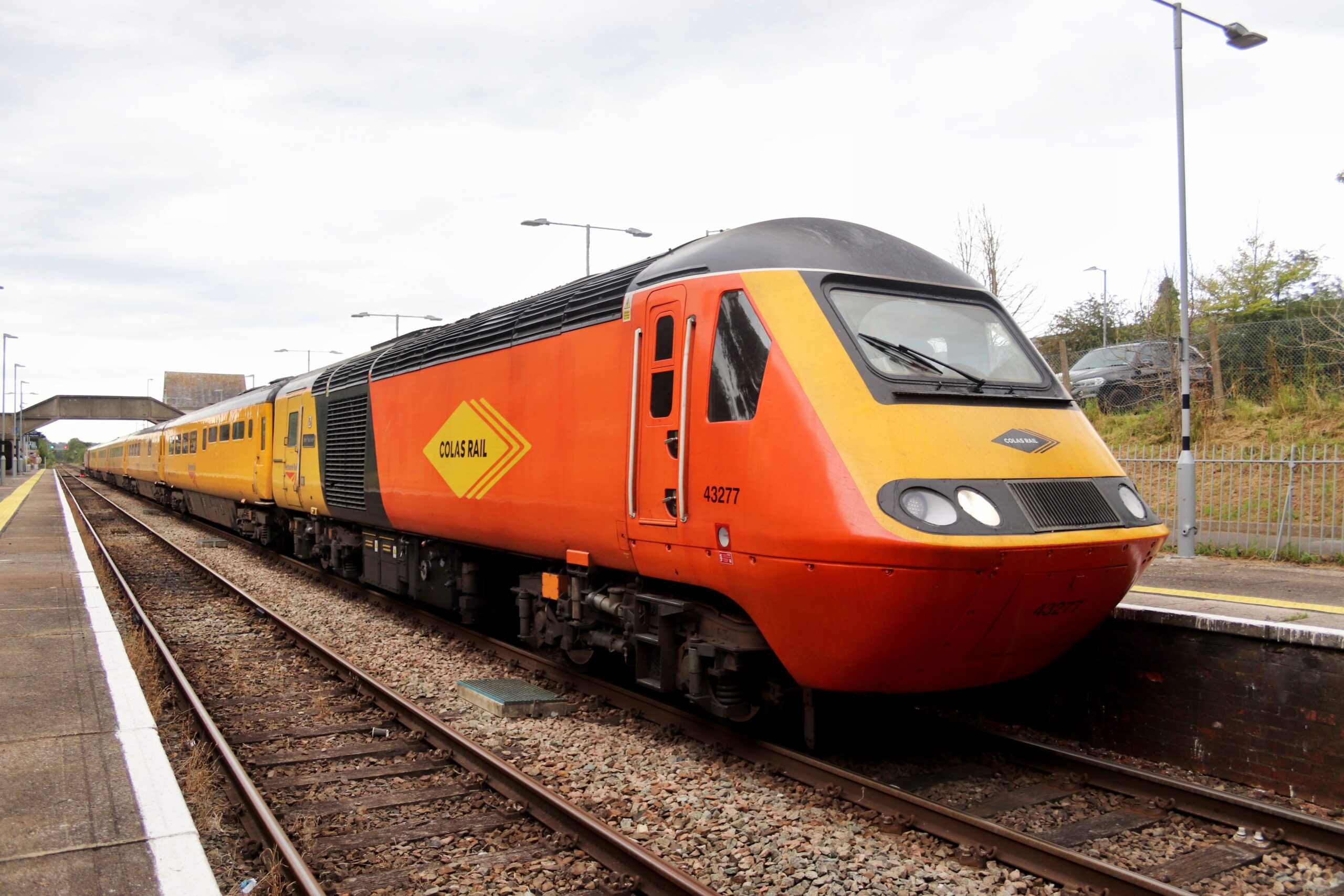
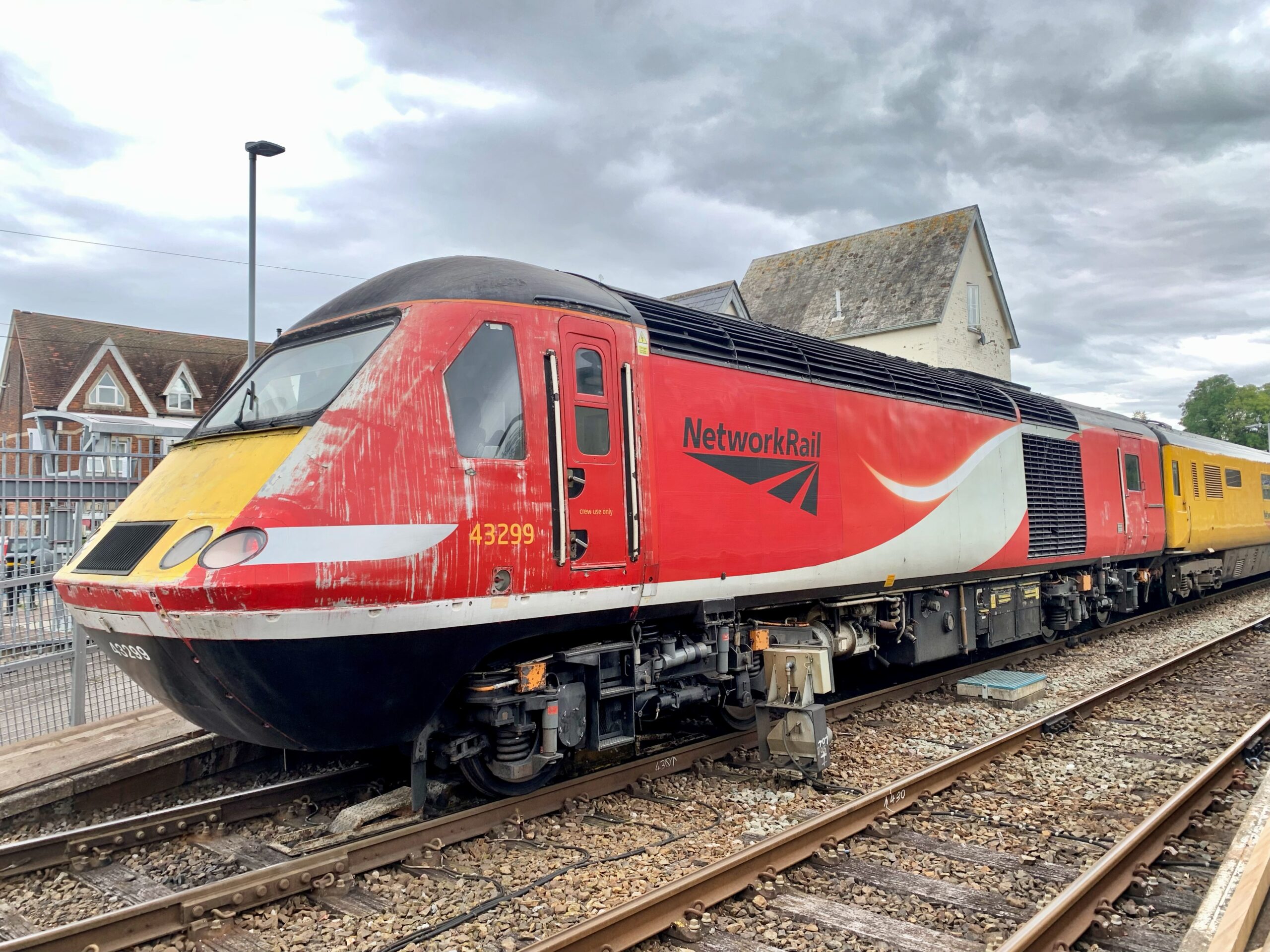
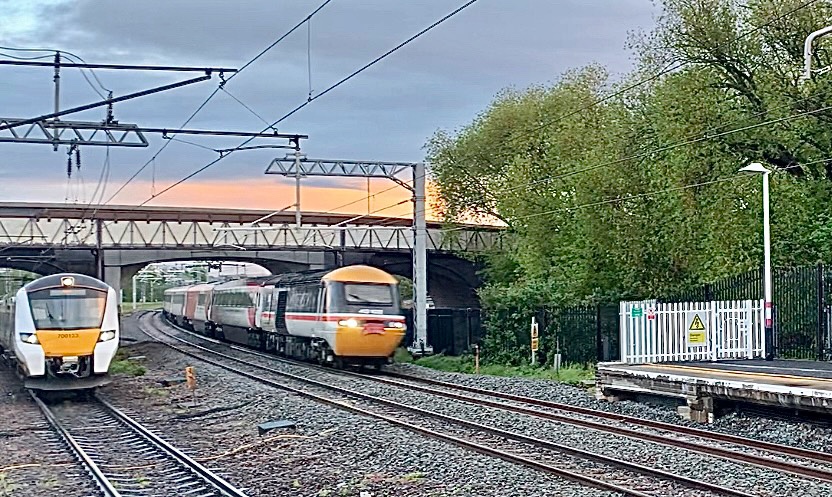
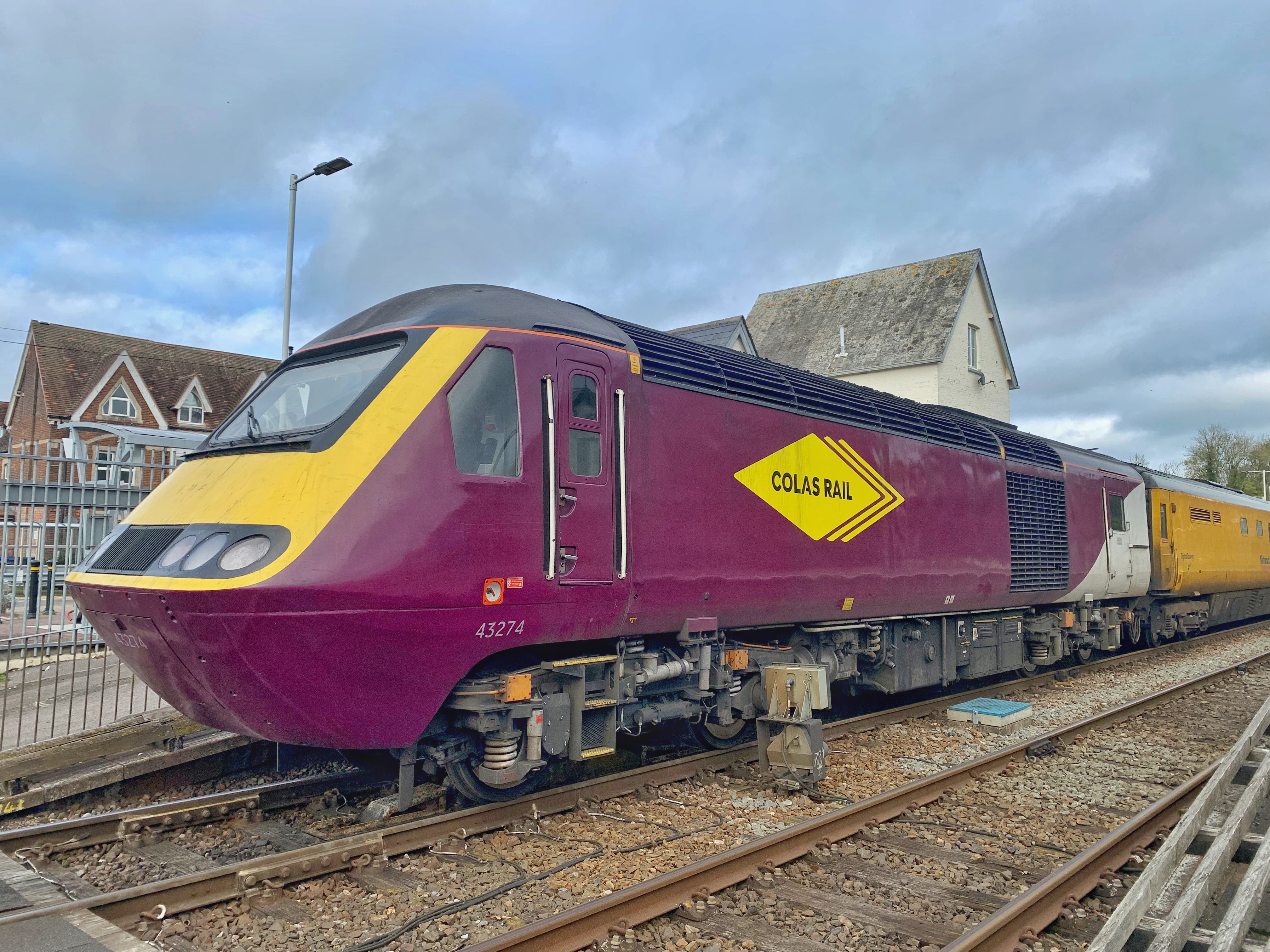
The New Measurement Train visited North Dorset on 16th November with High Speed Train Class 43 power cars No.’s 43013 and 43277 running as 1Q23 0556 Reading to Salisbury.
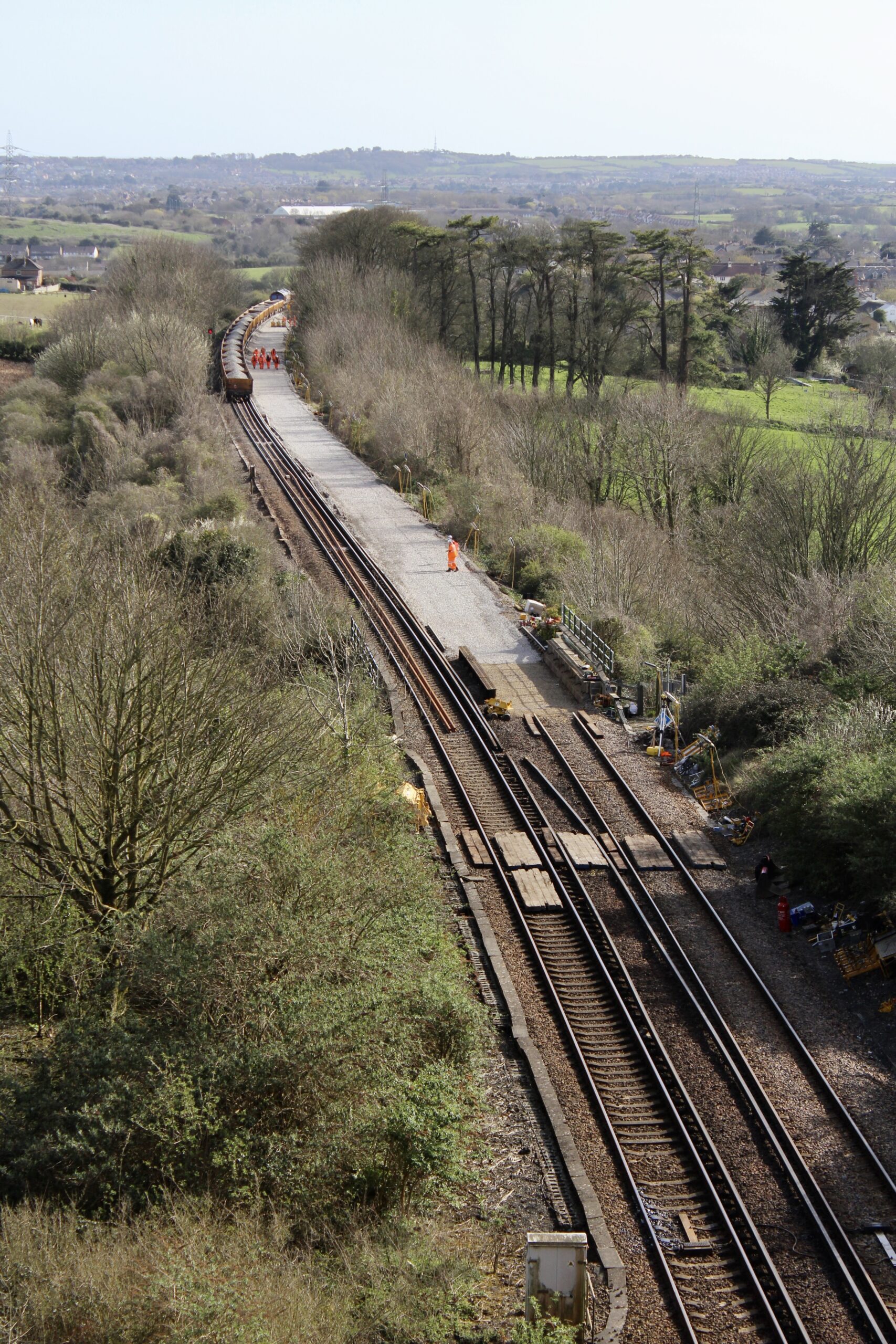
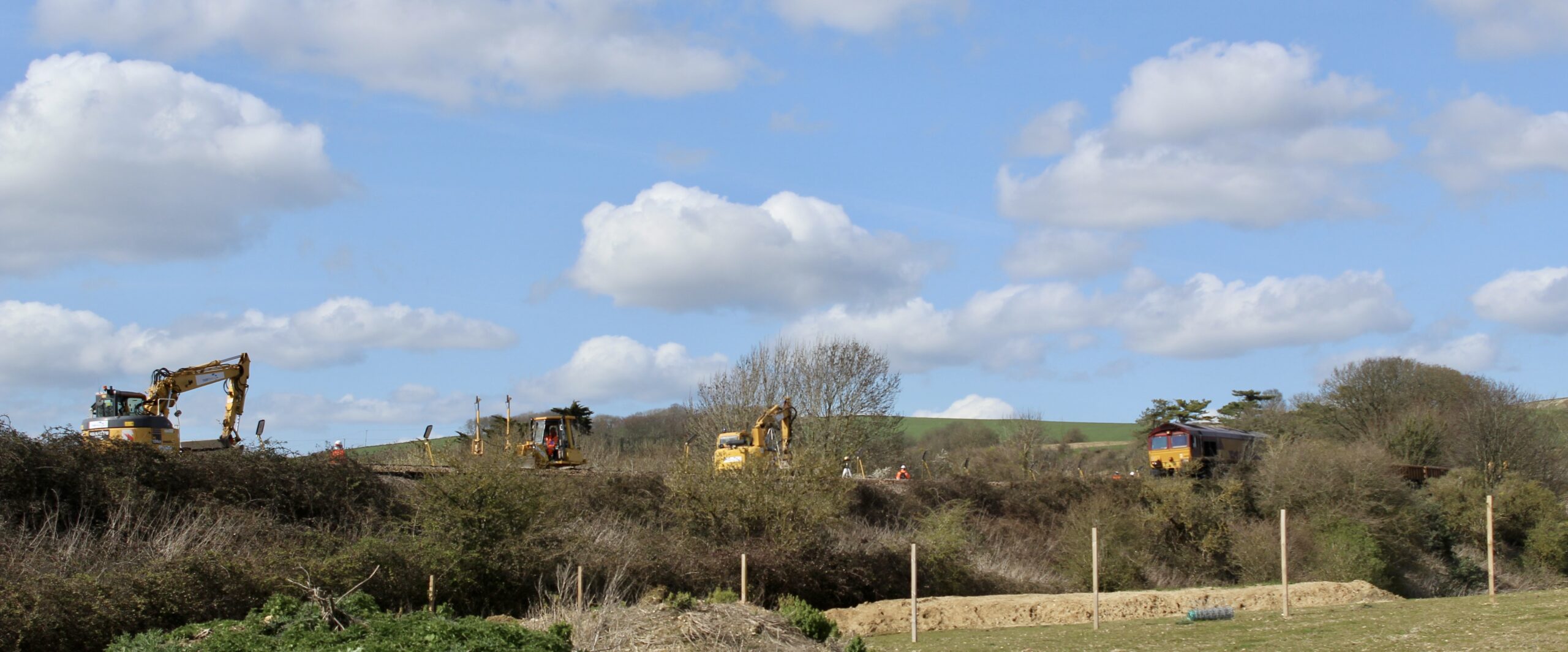
Network Rail has confirmed the successful completion of the first phase of works in a wider half a million-pound project to improve reliability on the mainline between Yeovil Junction and Axminster. A five day closure, which was announced at the end of last month, saw key upgrades carried out by engineers who worked day and night at four different sites and included works to stabilise the cutting at Crewkerne tunnel in Somerset following a landslip in October 2021. New drainage and specialist six metre long nails were installed into the earth just outside the tunnel entrance to help lessen the impact of heavy rainfall.
The second phase of the project will see a 16 day closure from Saturday 25th November to Sunday 10th December between Salisbury and Yeovil Junction, when approximately 0.3 miles of track on platform one at Gillingham in Dorset will be replaced and works to stabilise the ground by Gillingham tunnel will be carried out. A further 0.8 plus miles of track will be replaced between Tisbury, in Wiltshire’s Nadder Valley and Sherborne in Dorset and vegetation between Tisbury and Gillingham will be cleared. Maintenance work at the Wyley and Castleton level crossing is also planned. Rail replacement services will run during the two-week line closure.
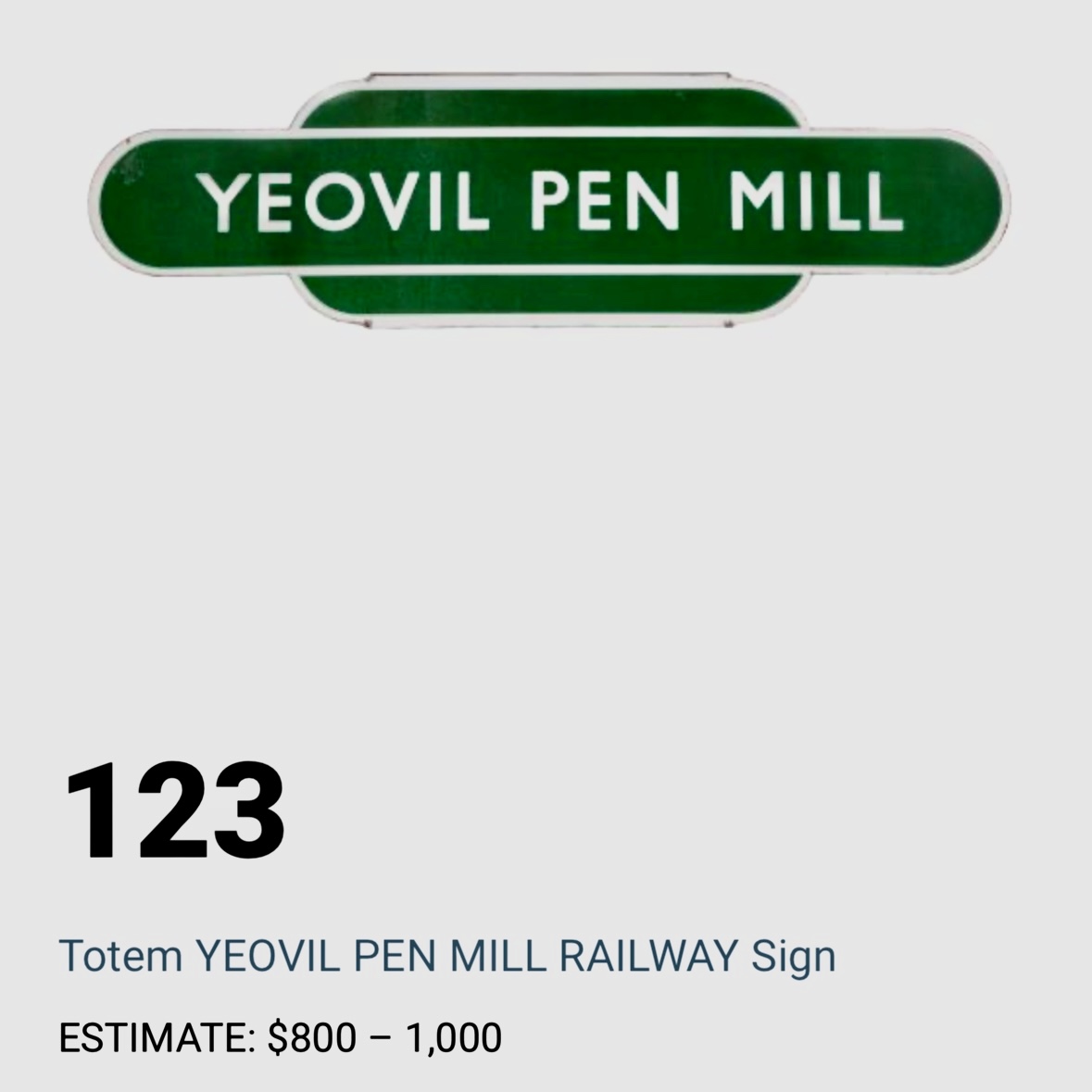
A British Railways half-flanged green and white enamel steel Yeovil Pen Mill station totem is up for online auction on Thursday November 30th with Leonard Auction
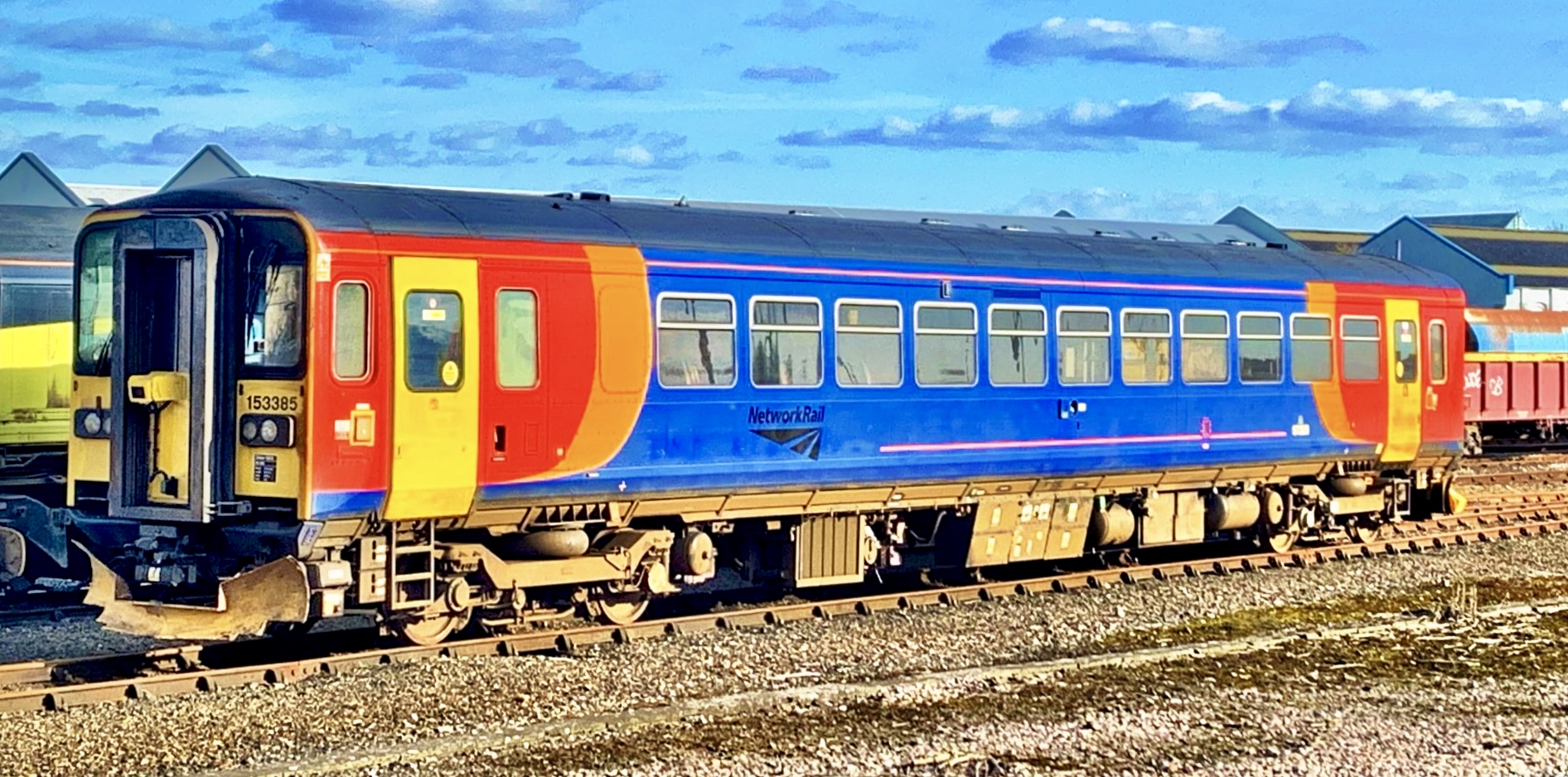
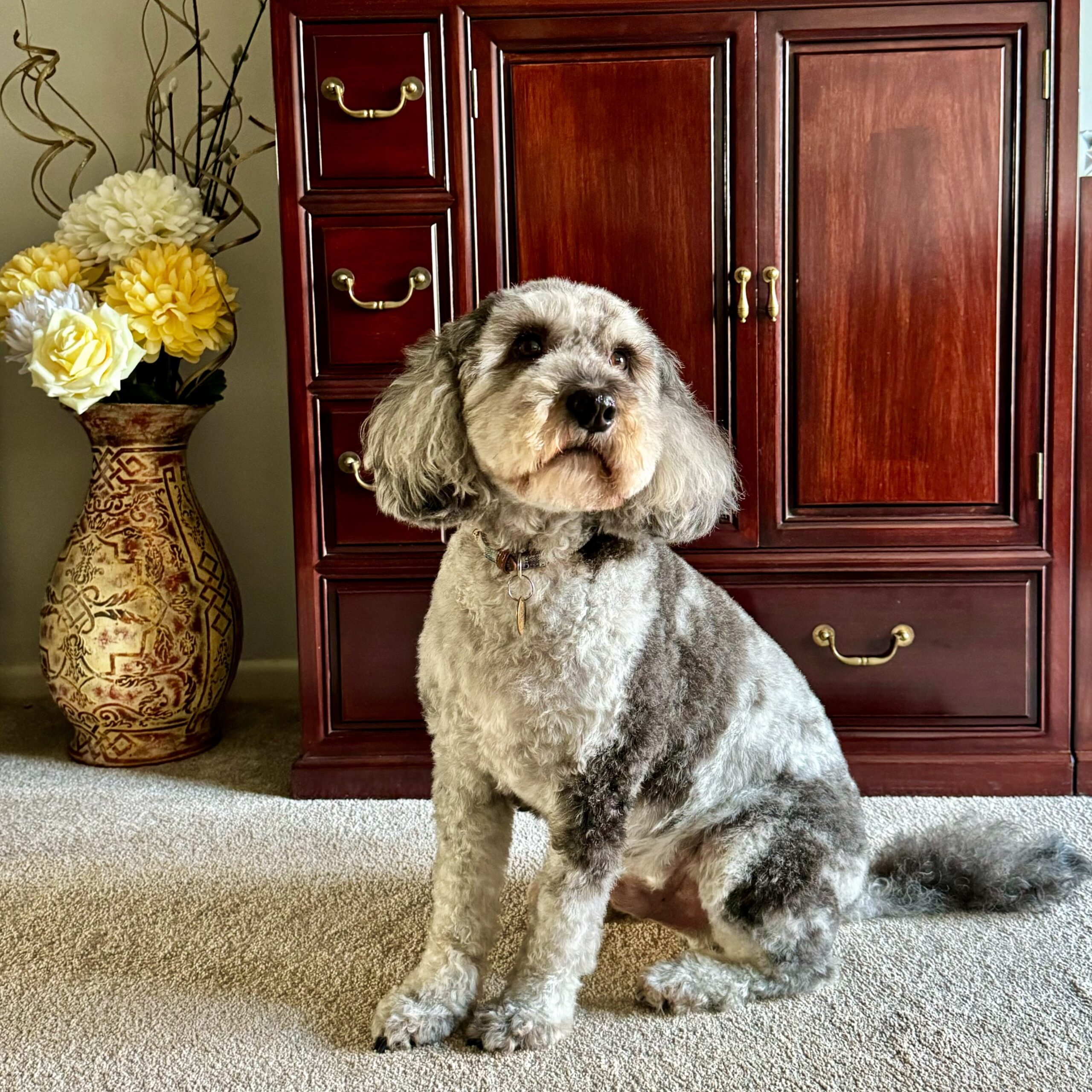
Class 153 DMU Network Rail Video Inspection Unit No. 153385 ran to Bournemouth on Friday 17th November 2023 as 2Q34 0942 Eastleigh East Yard to Eastleigh East Yard. I was picking Yoshi up from the groomer, so missed it!
ASLEF, the train drivers’ union have set dates for further strikes. In a change to previous industrial action, the strikes will be across a whole week split on different days affecting different Train Operating Companies (TOC’s). Union members will walk out at East Midland Railway and LNER on Saturday 2 December; at Avanti West Coast, Chiltern, Great Northern Thameslink, andWest Midlands Trains on Sunday 3 December; at C2C and Greater Anglia on Tuesday 5 December; at Southeastern, Southern/Gatwick Express, South Western Railway main line, South Western Railway depot drivers, and Island Line on Wednesday 6 December; at CrossCountry and Great Western Railway on Thursday 7 December; and at Northern andTransPennine Trains on Friday 8 December.
You’ve made it to the end of this blog entry, there are no prizes, but well done and thank you for reading. We’ll be back soon. Be seeing you!
Postscript: