September 6th 2023 to September 12th 2023
Saturday afternoon, I had booked with the Inter-City Railway Society (ICRS) for a visit to Eastleigh Arlington works. An accident involving three cars on the A31 forced the closure of the eastbound dual carriageway between Picket Post and Stoney Cross and created delays of up to two hours. Thankfully, I believe nobody was seriously hurt in the crash and I have Google Maps to thank in navigating me across the New Forest, arriving just before 1400 and the safety briefing which was given to all those in attendance at the new gated entrance to the works.
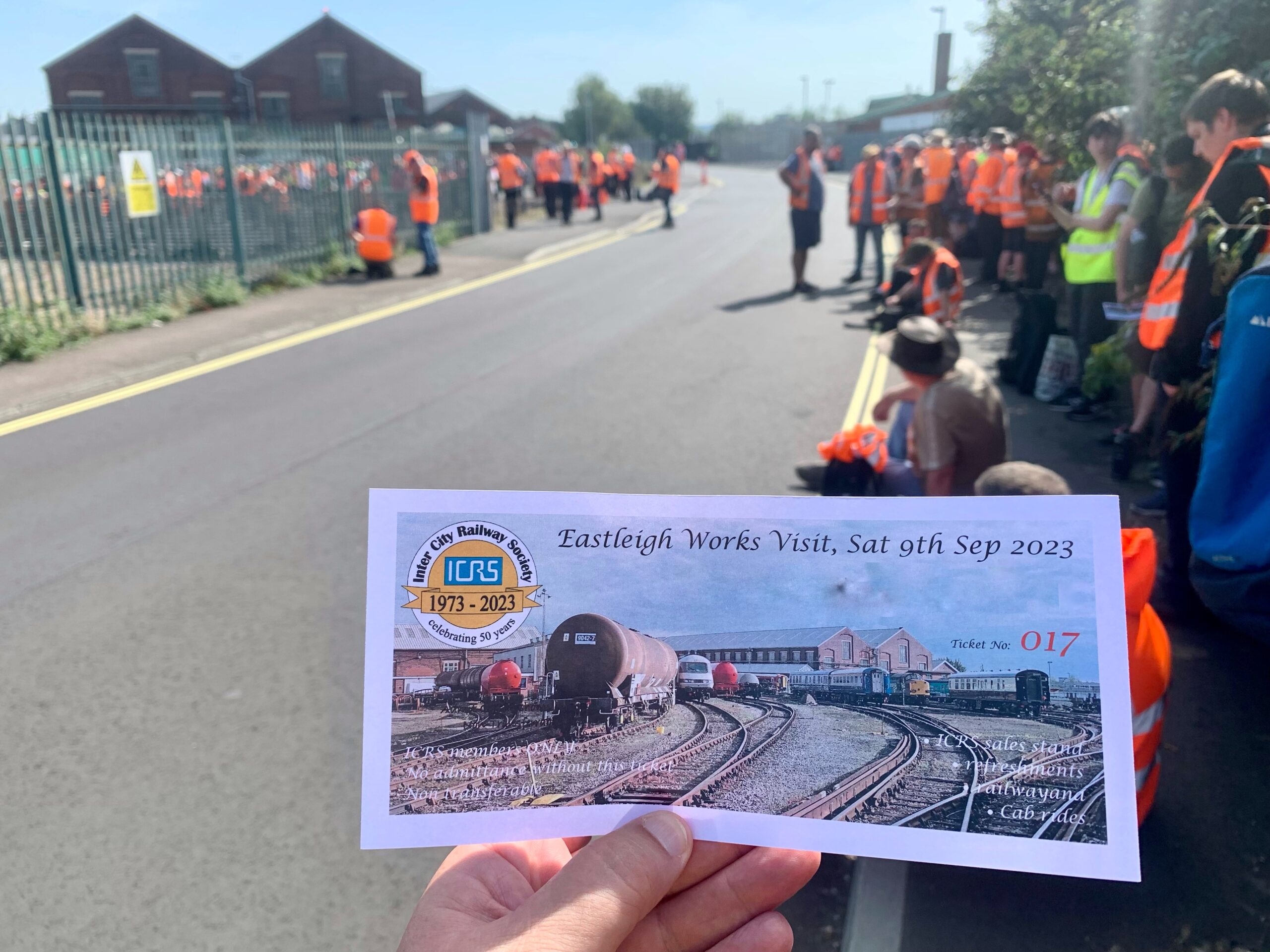
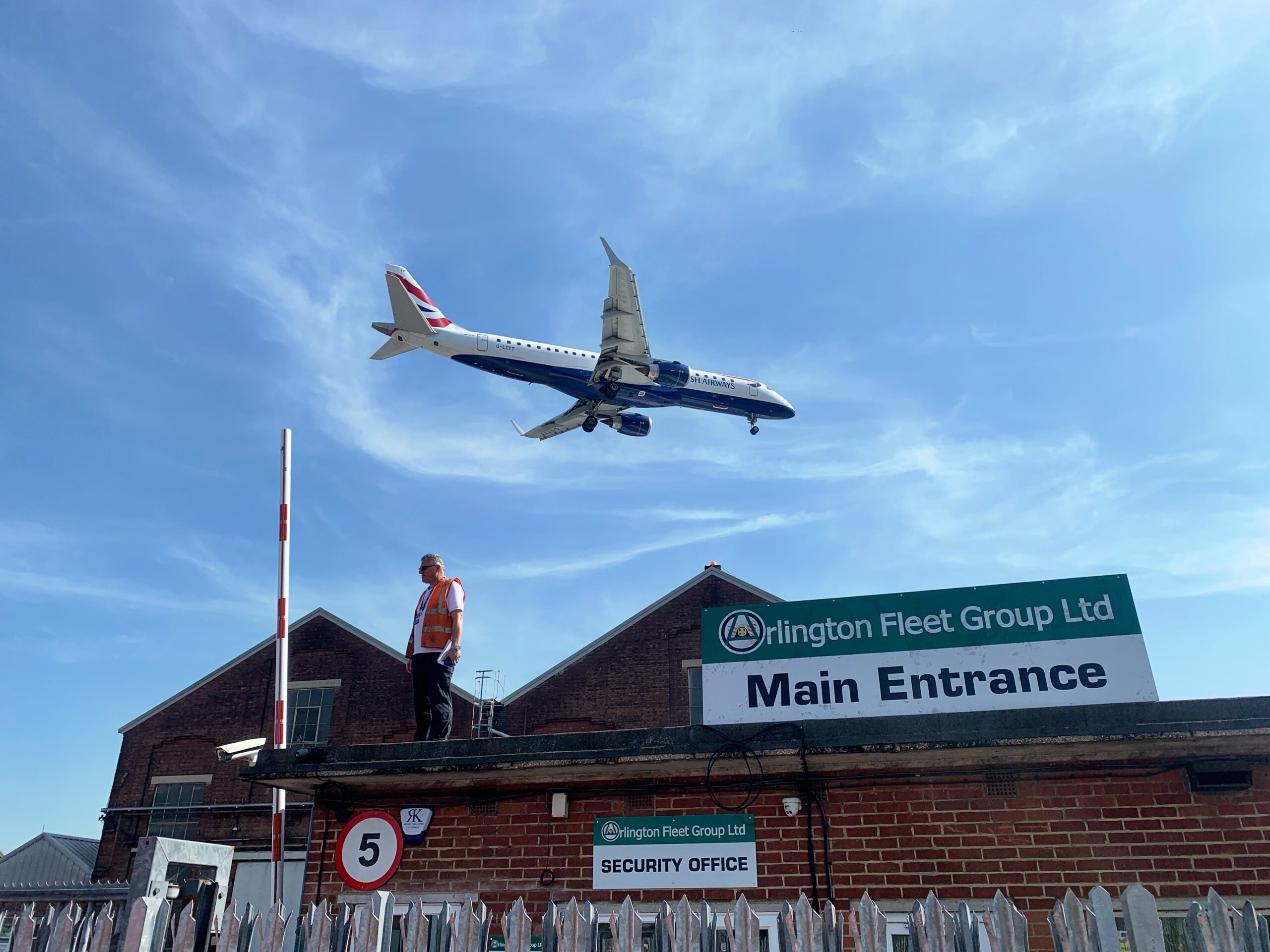
Unfortunately part of the terms of entry were that no images taken on site during the visit can be shared, so I’m unable to post any photographs which I took during my time walking around the works. However, pics obtained from outside the fence on the public highway are fair game!
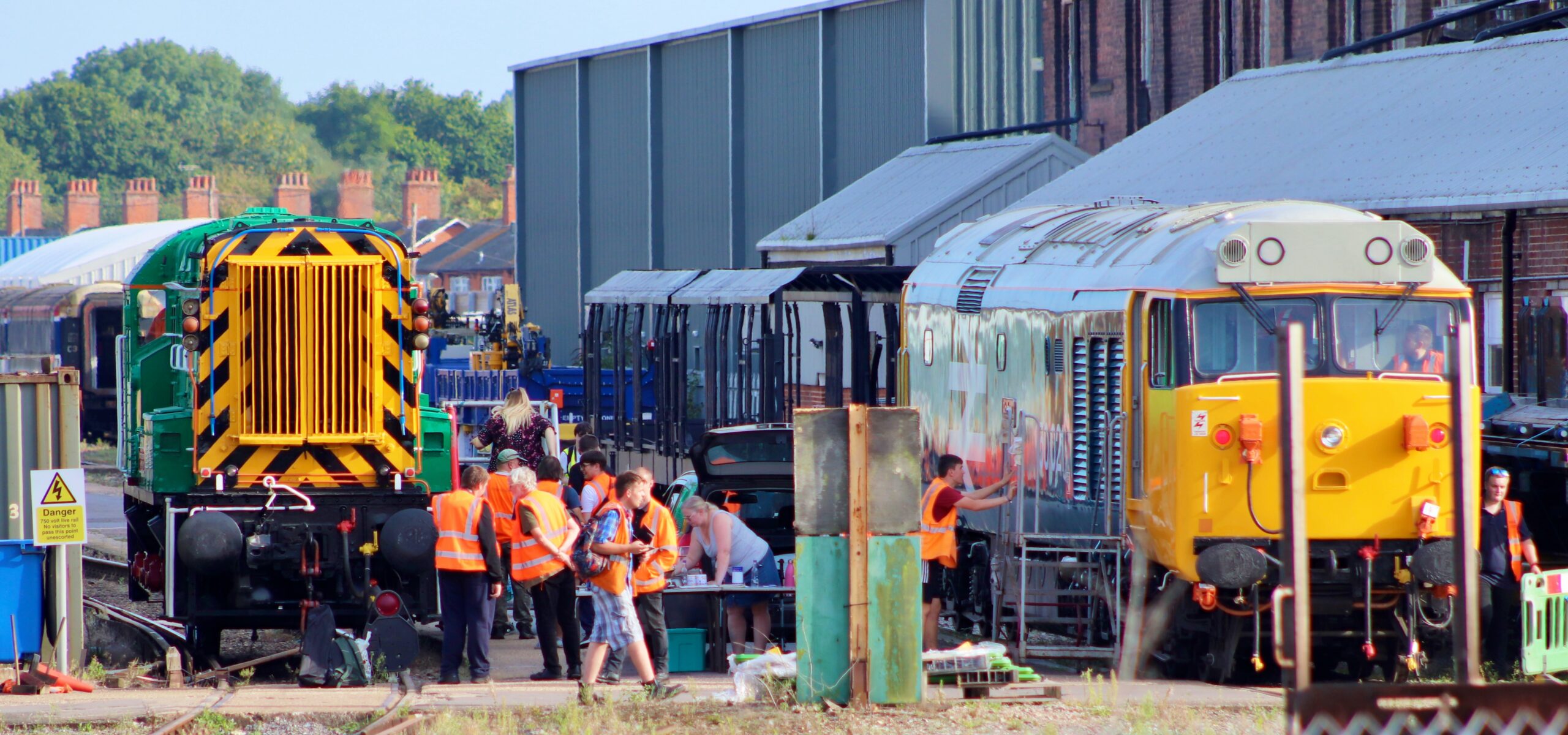
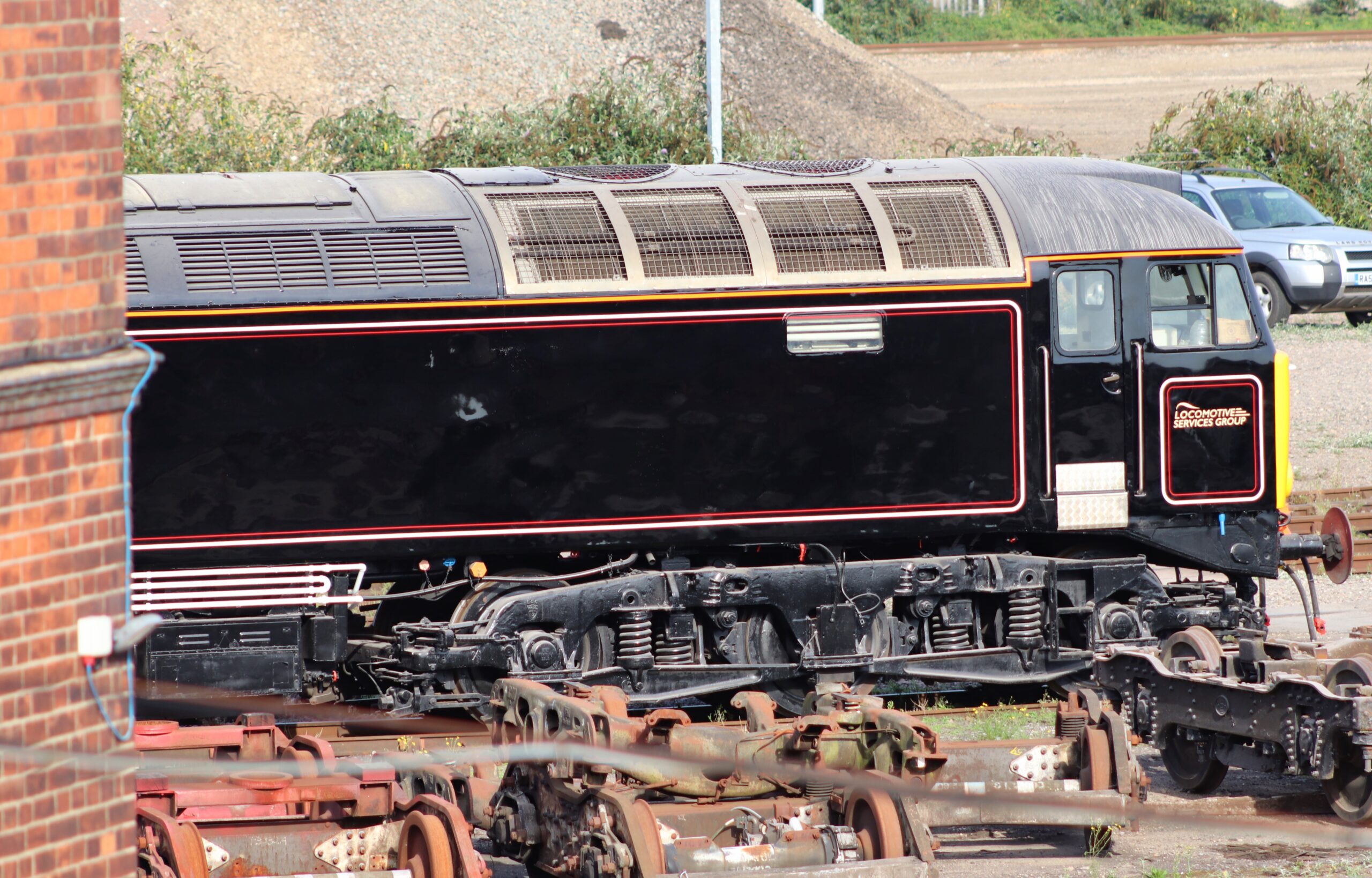
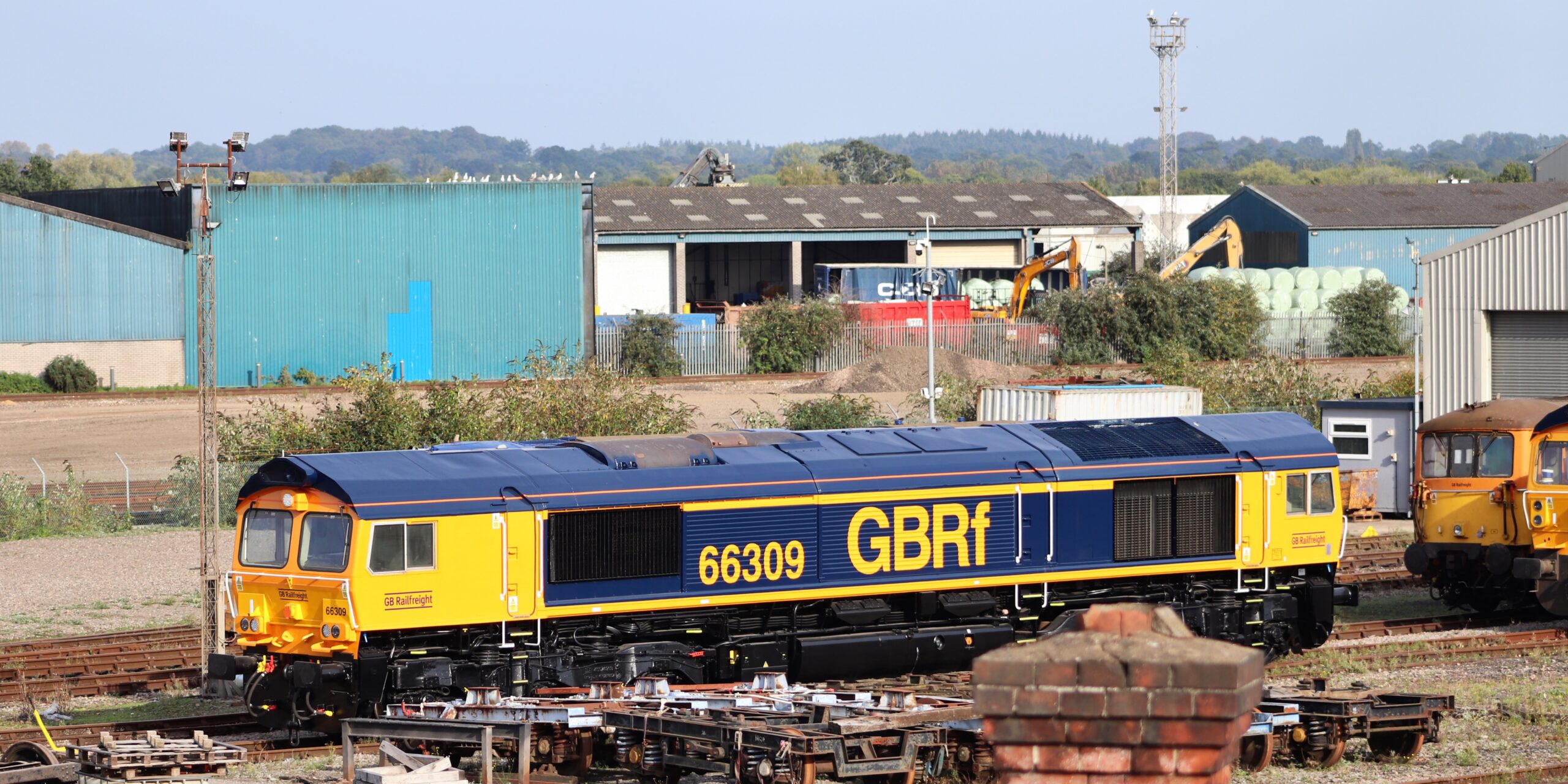
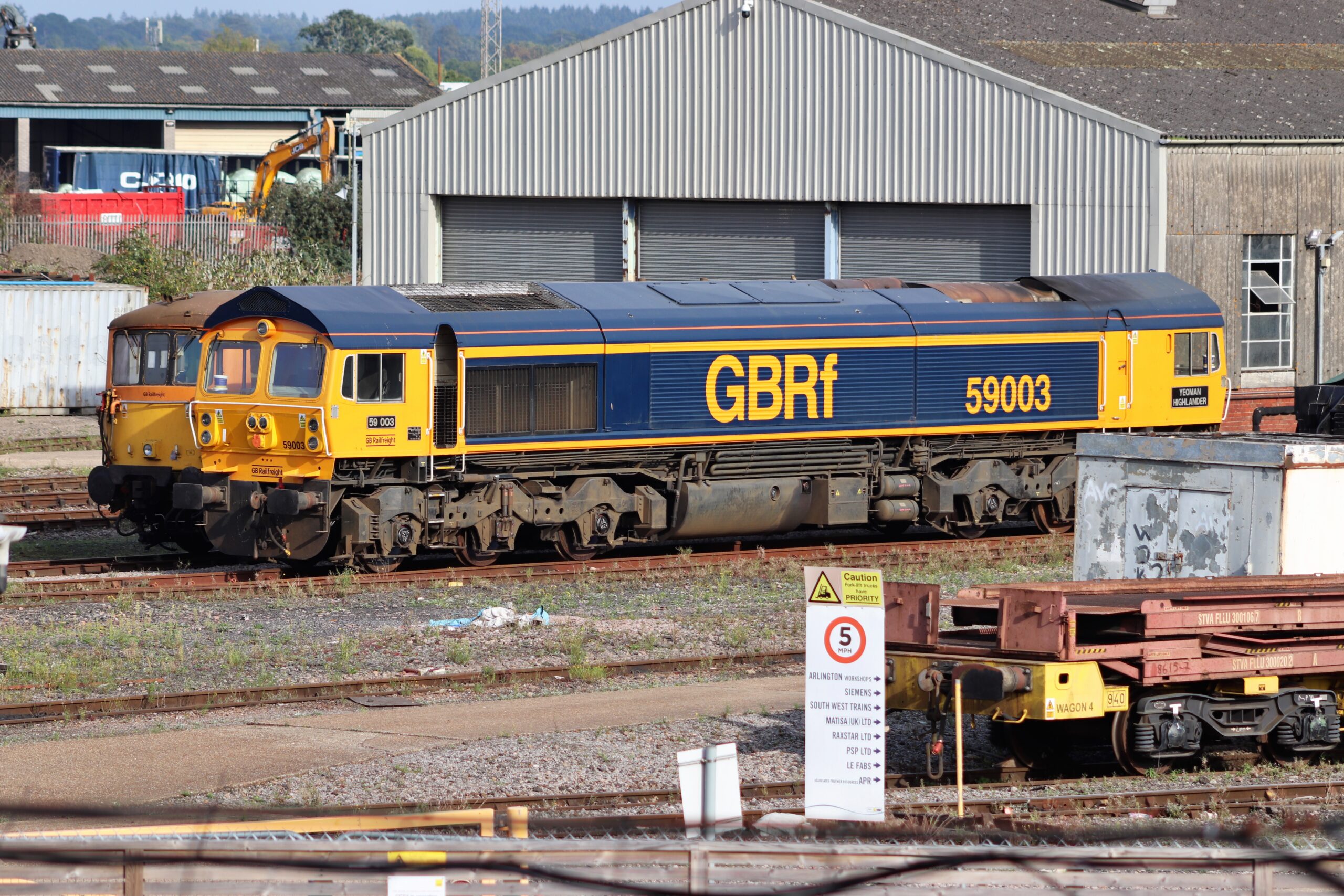
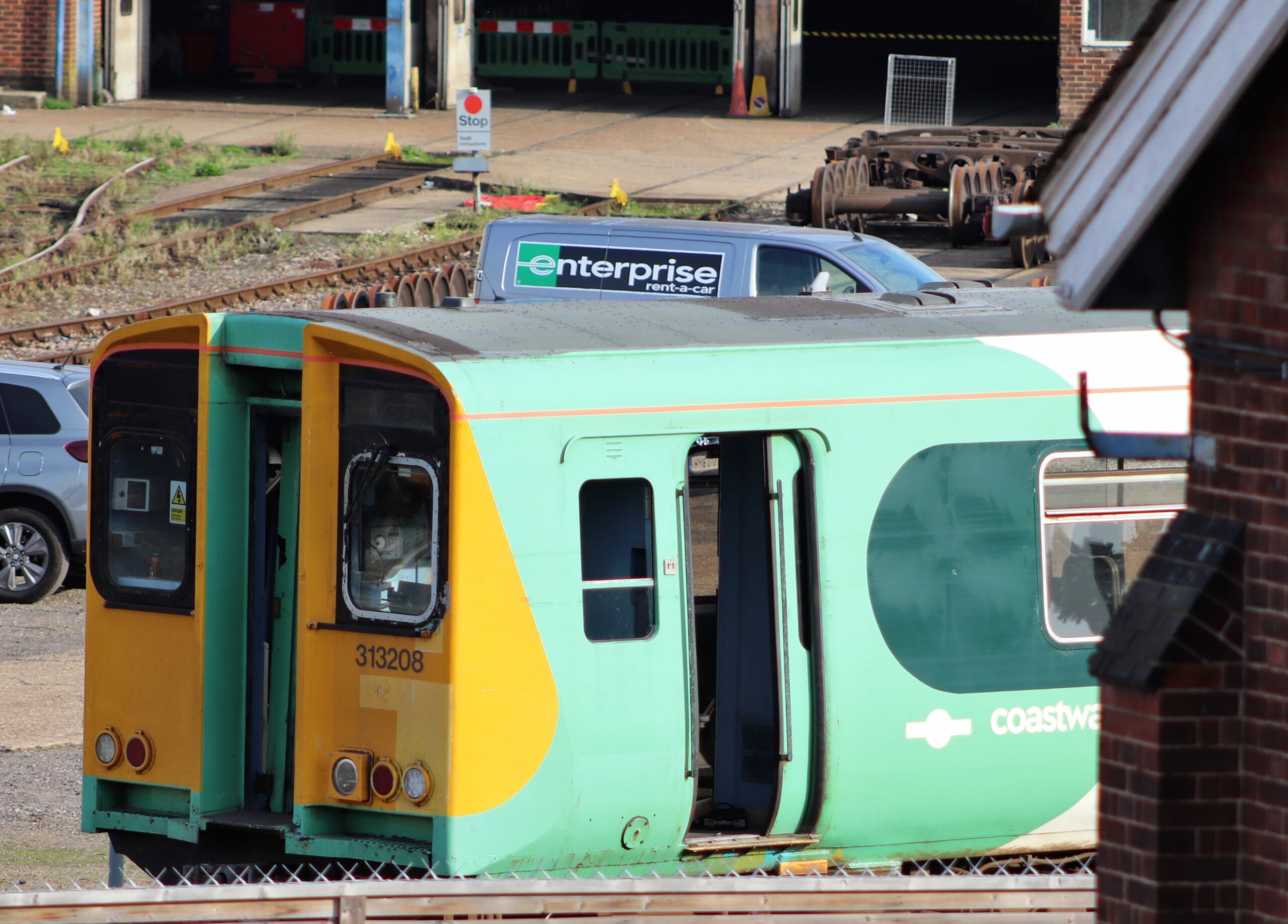
Originally a bustling carriage and wagon repair works for the London & South West Railway (L&SWR), Eastleigh Works boasts a history dating back as far as 1874. In January 1910 locomotive building was transferred to the workshops at Eastleigh from Nine Elms in London. Following the 1923 Railways Grouping Act, Eastleigh became the principal works for the new Southern Railway (SR). As with many large engineering locations, Eastleigh Works made a valuable contribution to the Second World War effort, with production resources being diverted, for example, to producing parts enabling Blenheim Bombers to be repurposed as fighters and building Horsa gliders for the D-Day airborne assault.
Following the 1948 nationalisation of the railways in the UK, new steam locomotive building ceased at Eastleigh, the works concentrating on repair work and the rebuilding of 90 of the Bulleid Pacific classes carried out between 1956 and 1961. In 1962, Eastleigh Works built the first six electro-diesel locomotives which would become later known as the Class 73. As steam locomotives disappeared from use, focus at the works changed from steam to diesel repairs.
As part of the privatisation of British Rail, the plant was acquired from British Rail Engineering Limited (BREL) through a management buyout in June 1995 and rebranded Wessex Traincare. In 1998 the site was sold to Alstom and renamed Alstom Wessex Traincare being used for carriage and multiple unit repairs. In 2004, Alstom announced the works were to close due to a lack of work, and this was realised in March 2006 after the completion of a contract to refurbish Class 455 EMU’s for Southern.
However, this was not the end of the story and in more recent times, the works has seen something of a steady resurgence in activity with principal tenant Arlington Fleet Services capitalising on the site’s rail infrastructure and vast engineering sheds; with locomotive and carriage renovations and decommissioning projects all being undertaken.
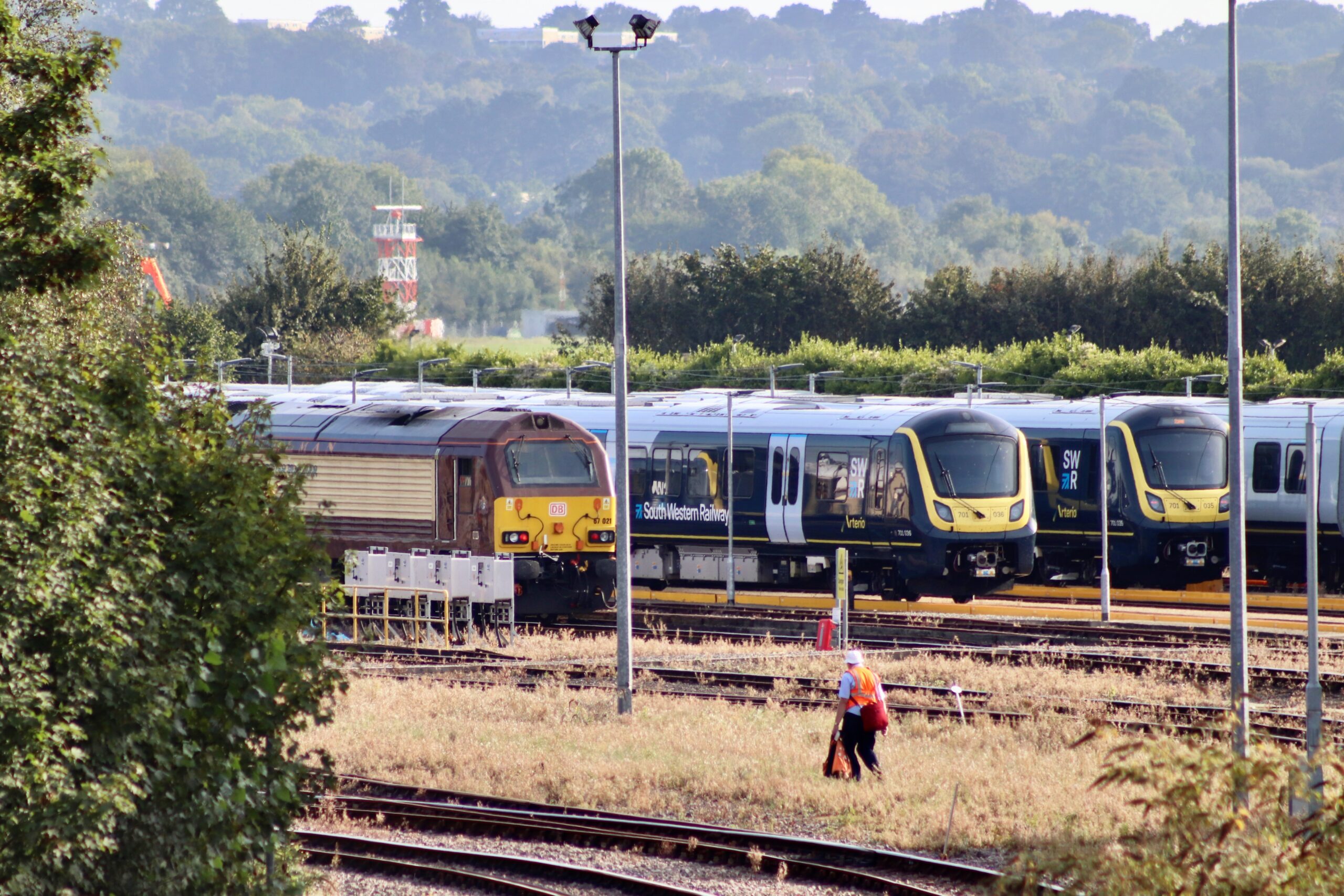
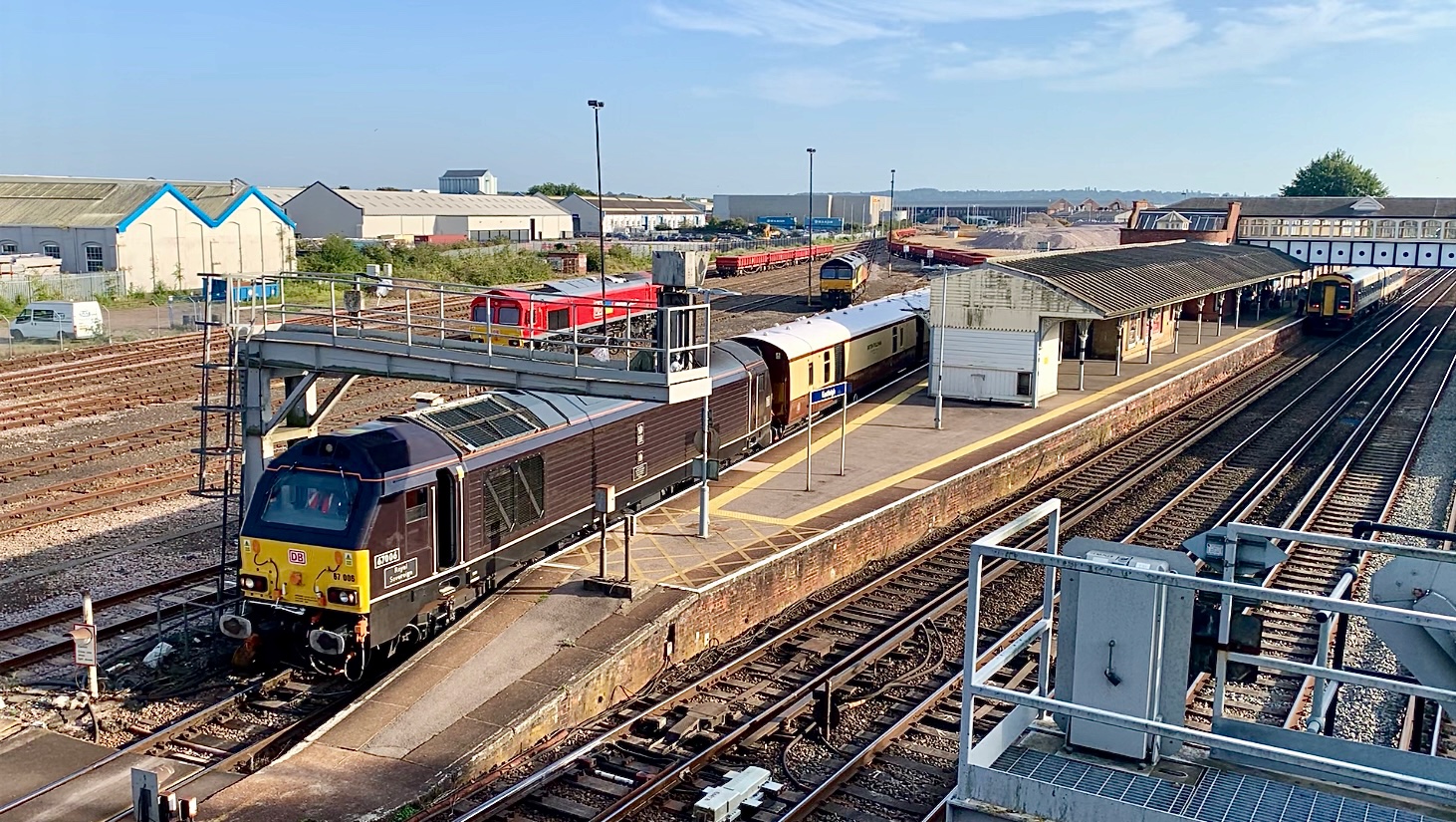
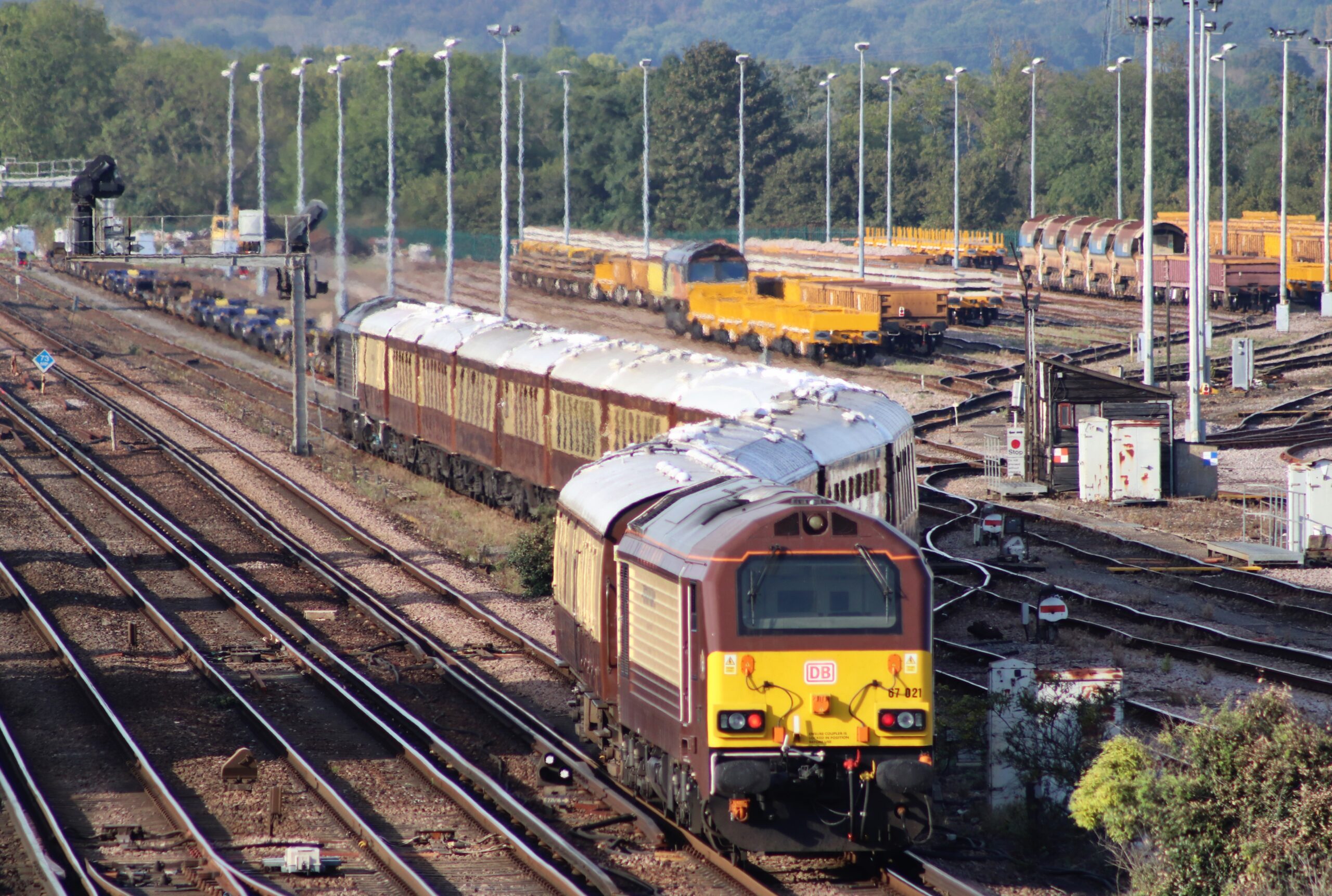
After spending three very enjoyable hours wandering around the Works, I made my way back to the car. As I walked over Cambell Road bridge, I cast an eye across to Eastleigh T&RSMD where a number of SWR Class 701 EMU’s are still in storage prior to their acceptance into traffic ( has there ever been such a new train fiasco in recent times? Answers on the back of a postage stamp to the usual address). As well as the stored units, I spied the distinct outline of a Class 67 locomotive. As its driver was making his way up the yard, I had a quick look at Real Time Trains (RTT – I really should create a glosary page with all the railway themed acronyms and abbreviations) and noted that the Class 67 was scheduled to depart the depot within the following 20 minutes working the empty coaching stock (ECS – see what I mean?) for the Belmond British Pullman Goodwood Revival railtour which was running that day from London Victoria to (you guessed it) Goodwood and return.
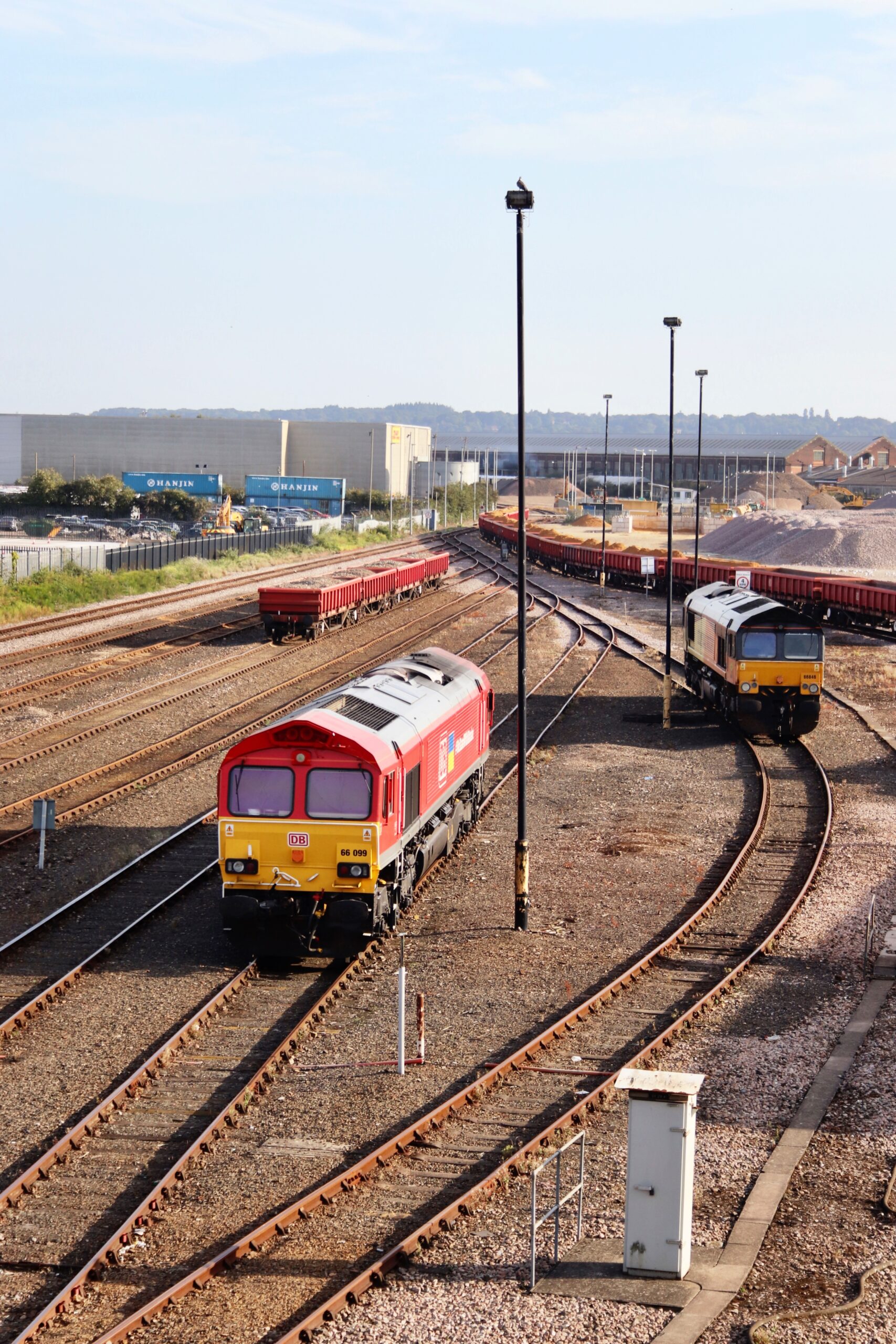
I headed to Eastleigh railway station to take a few photographs of the Class 66 locos stabled adjacent the platforms, pick up some water and wait for the ECS to pass.
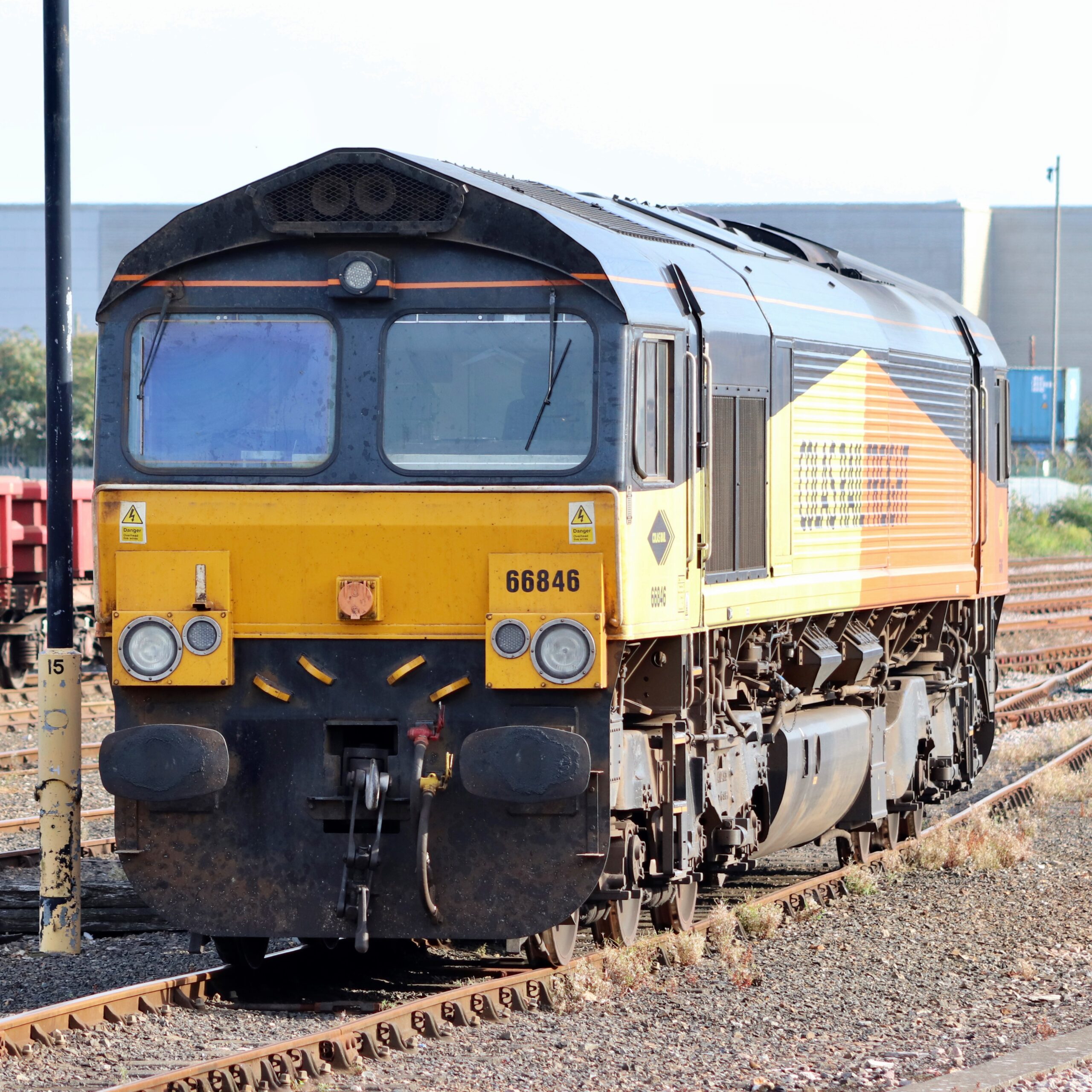
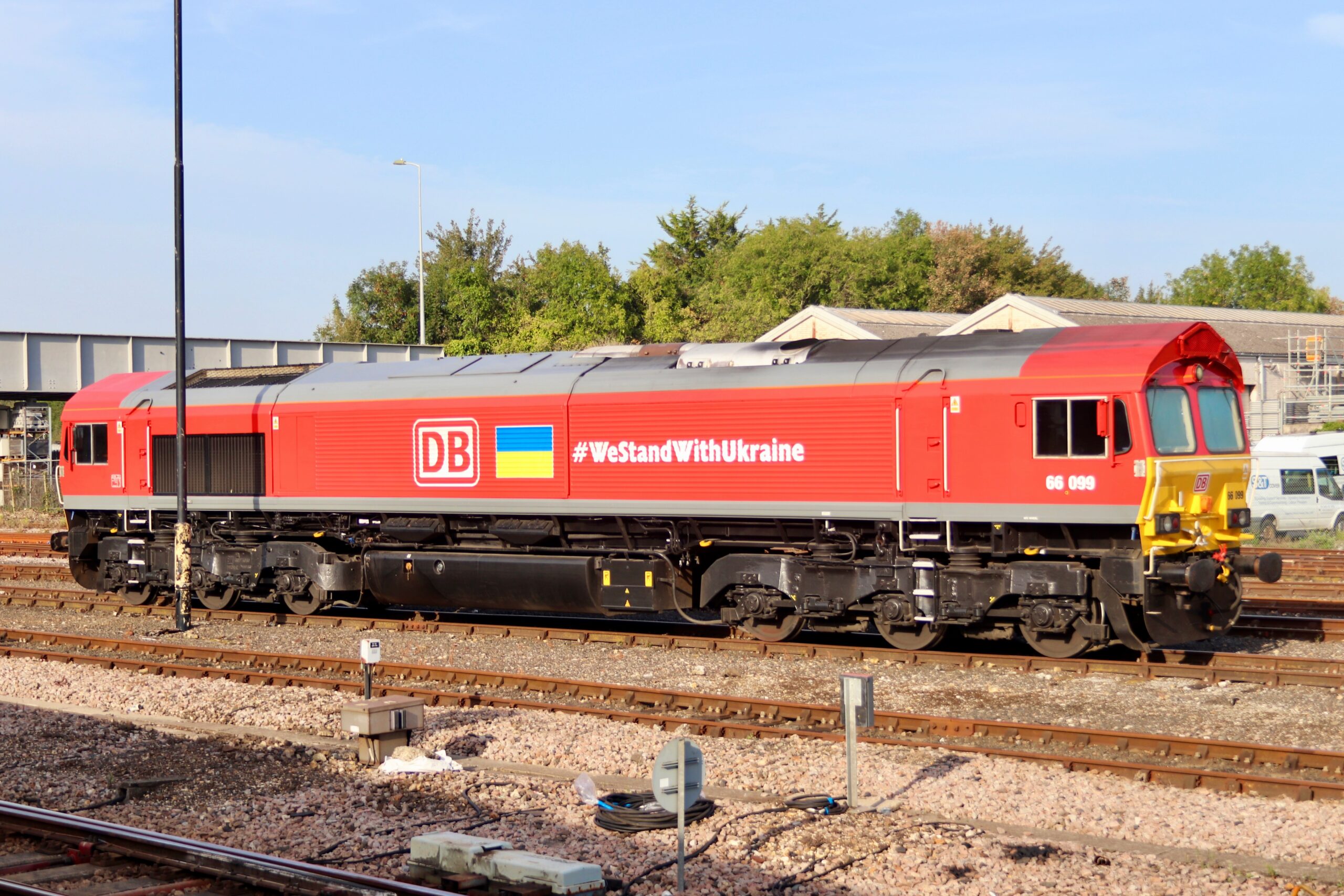
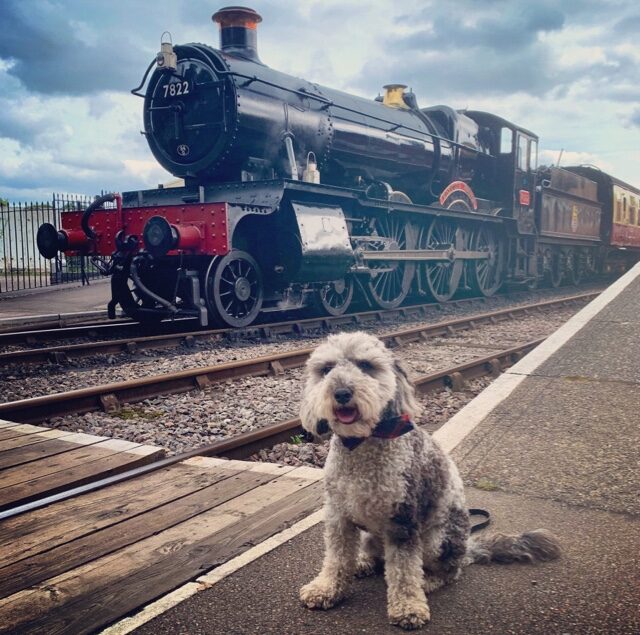
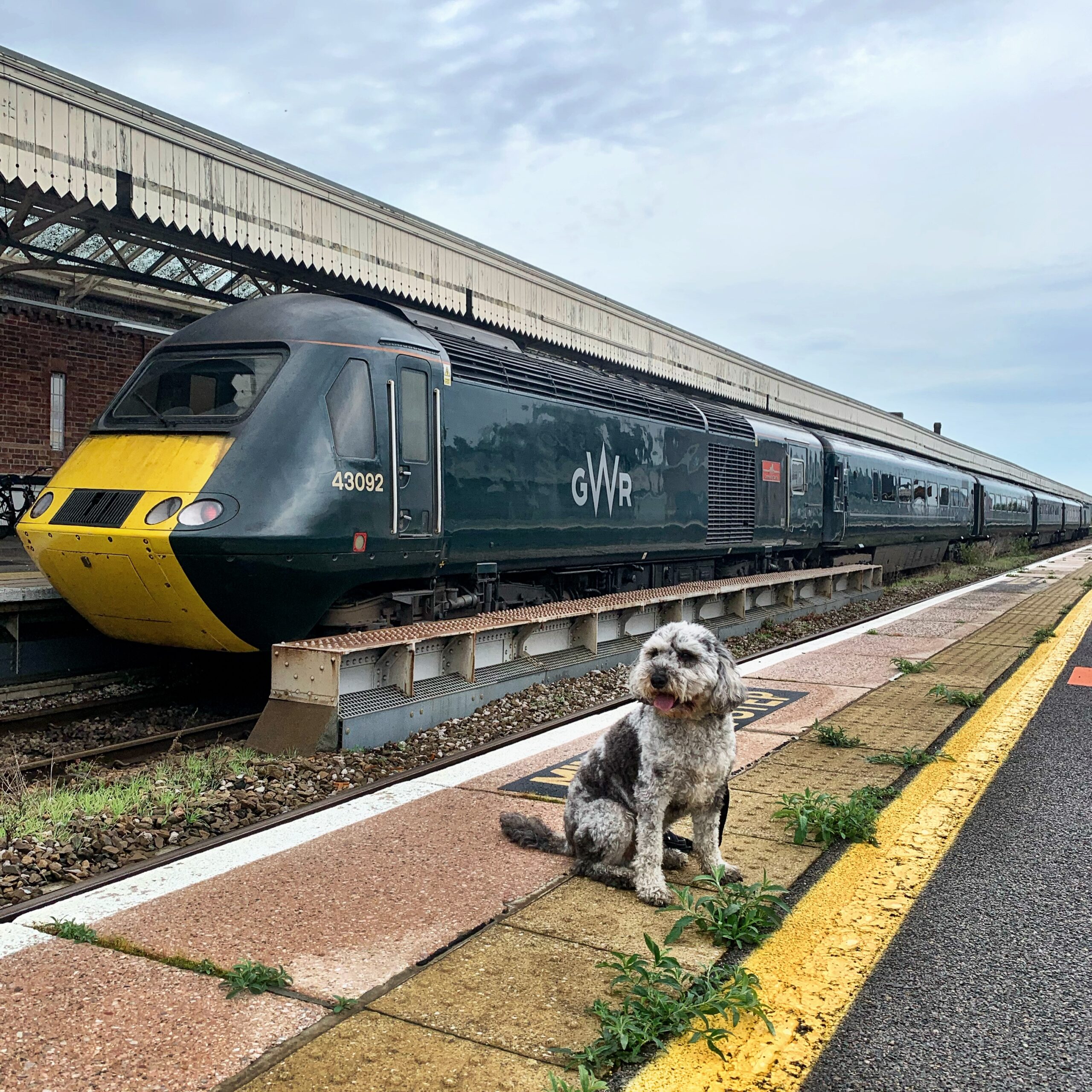
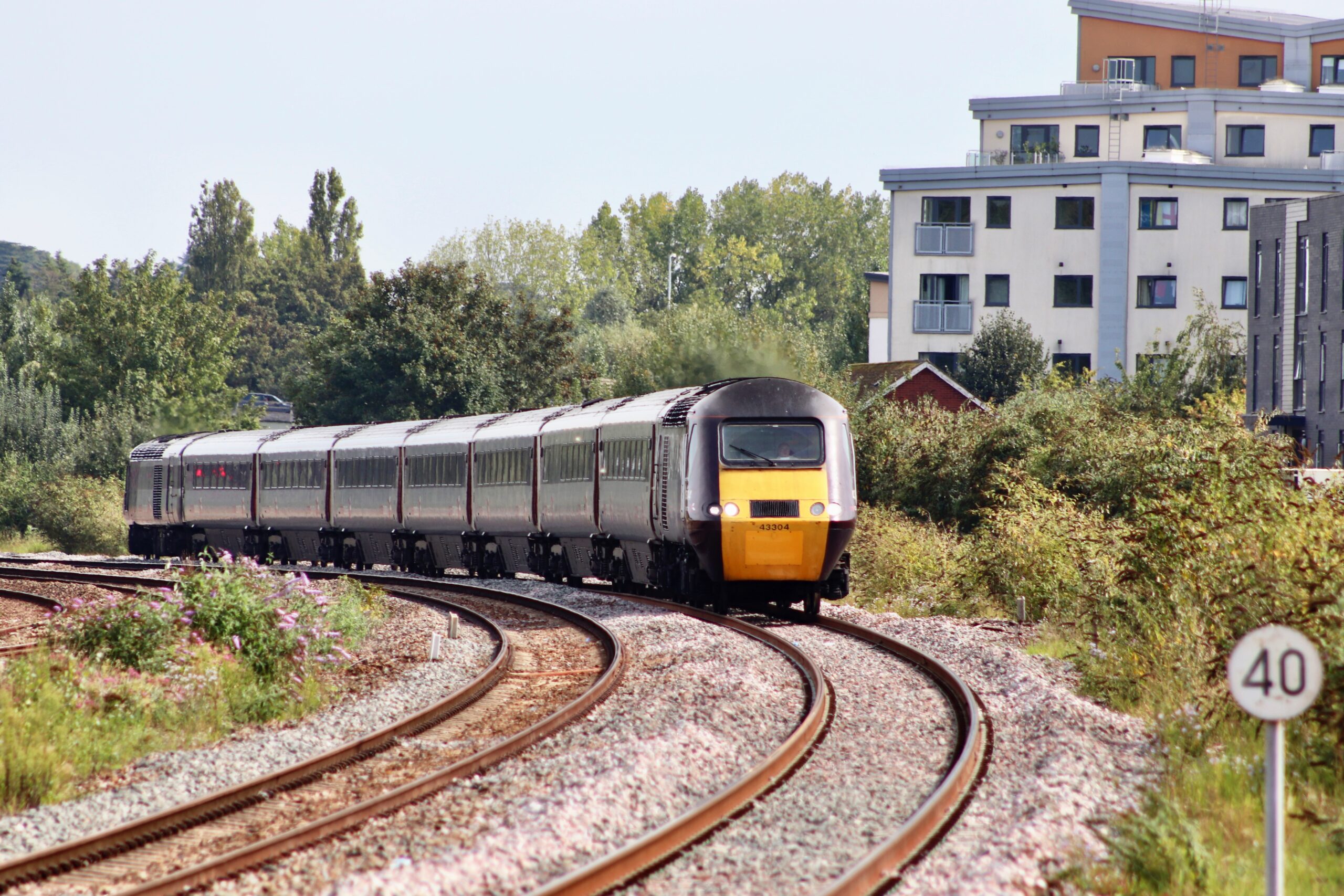
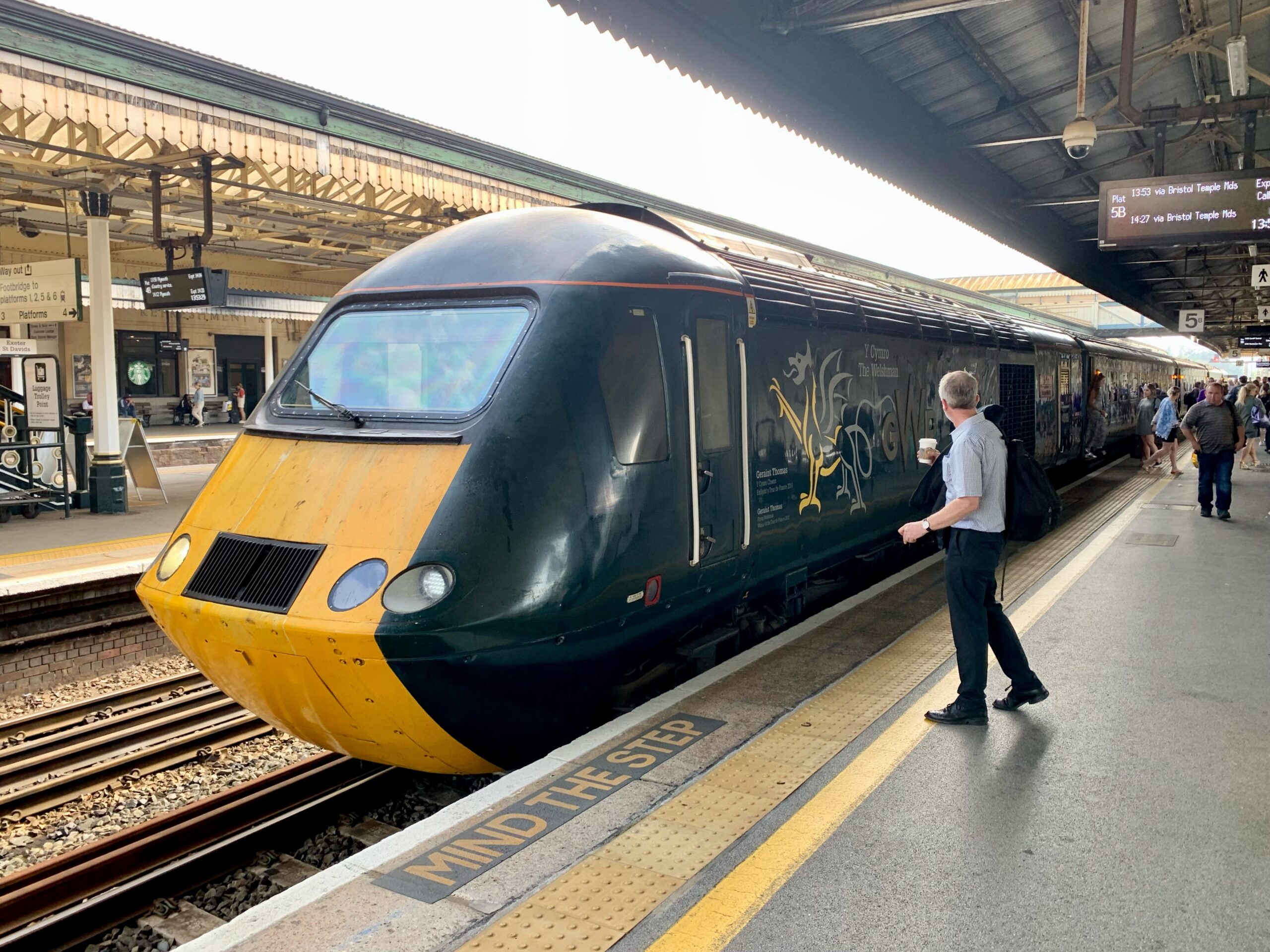
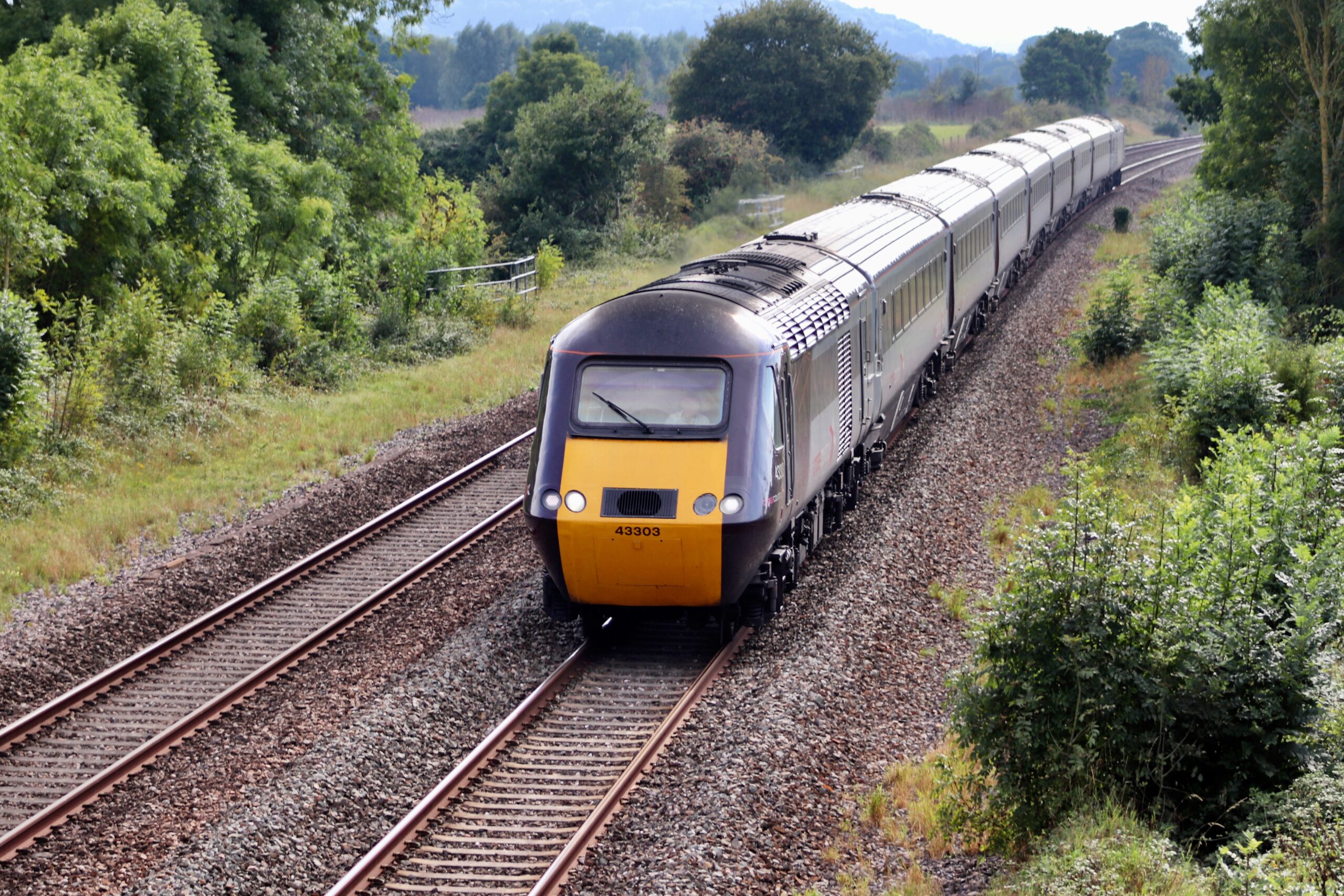
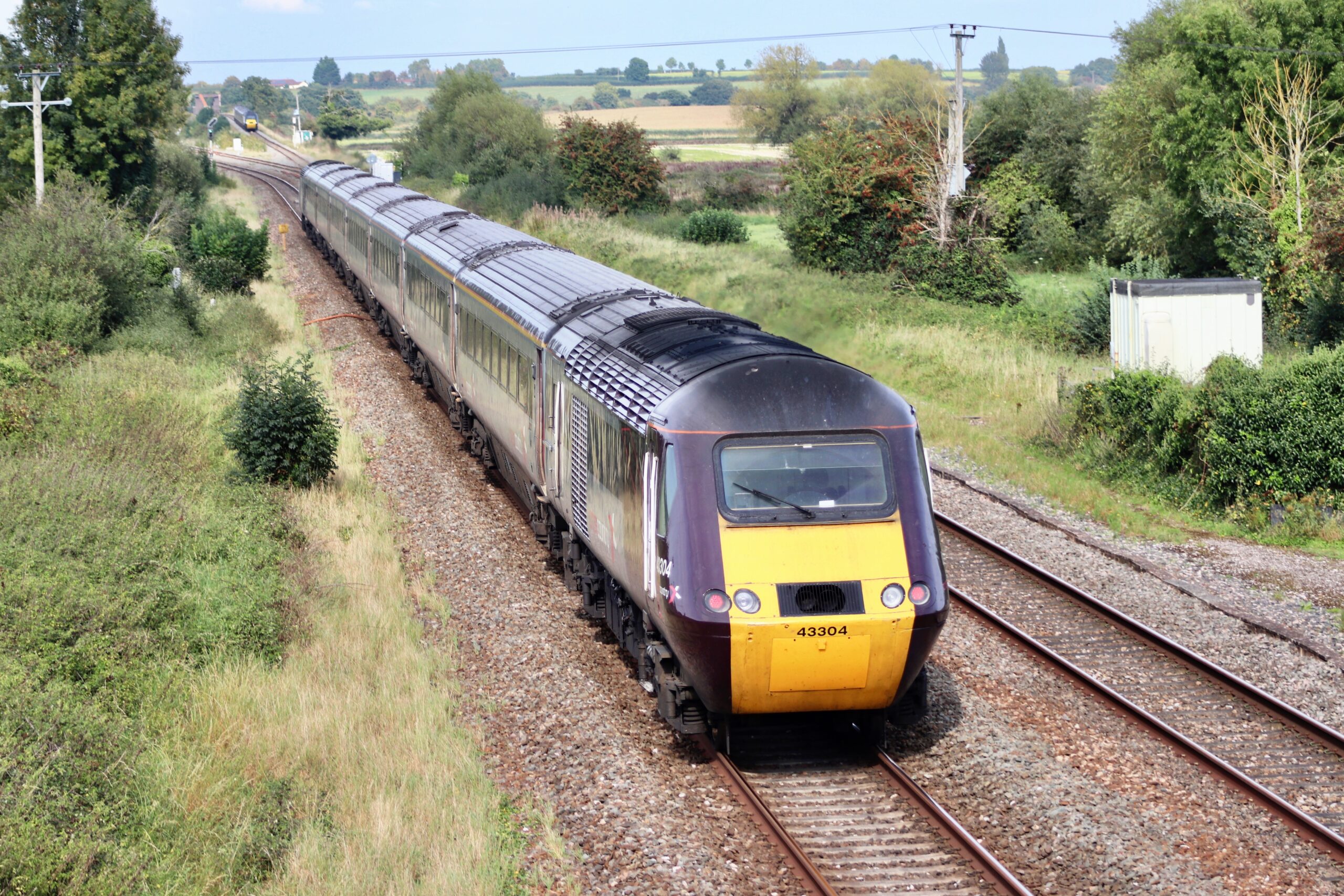
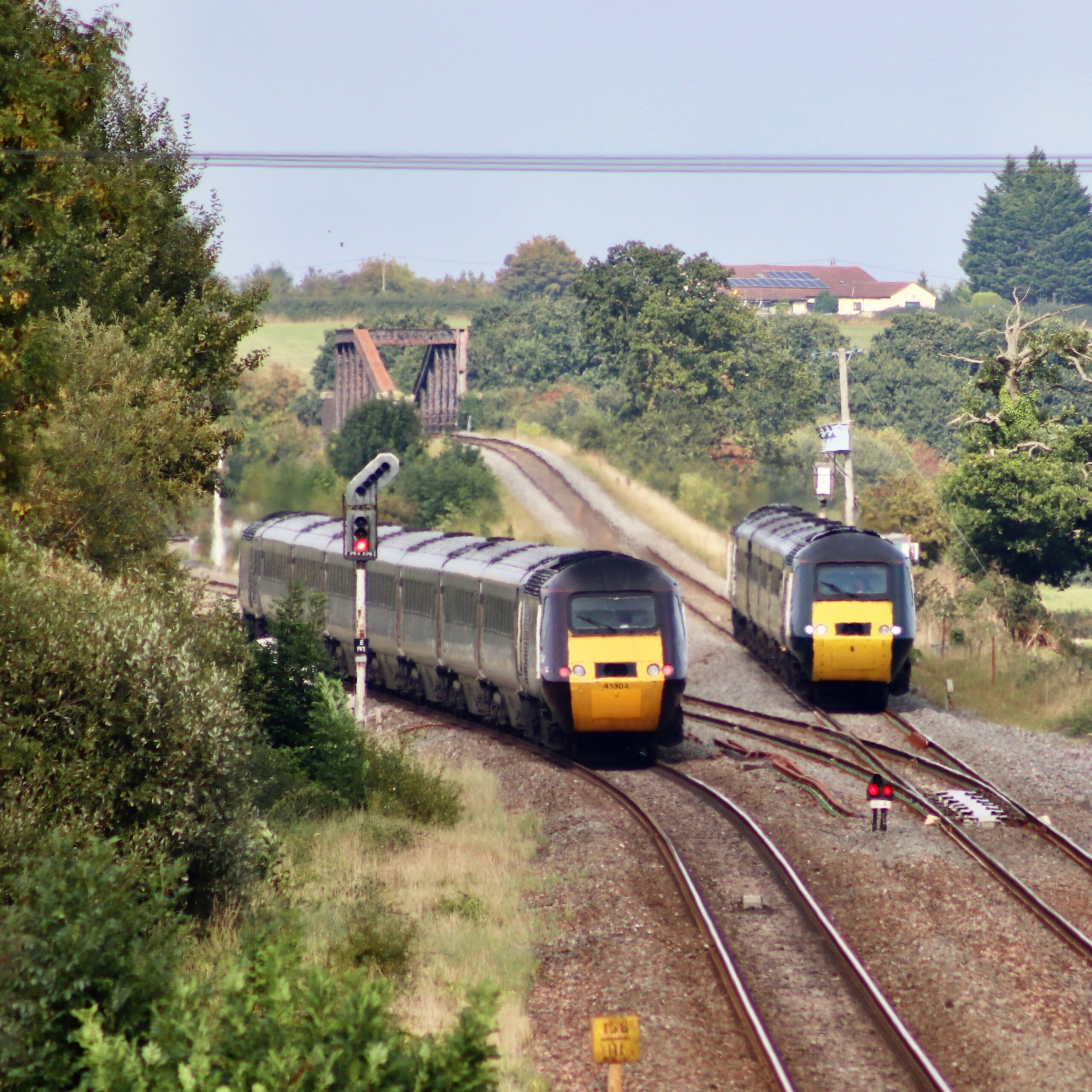
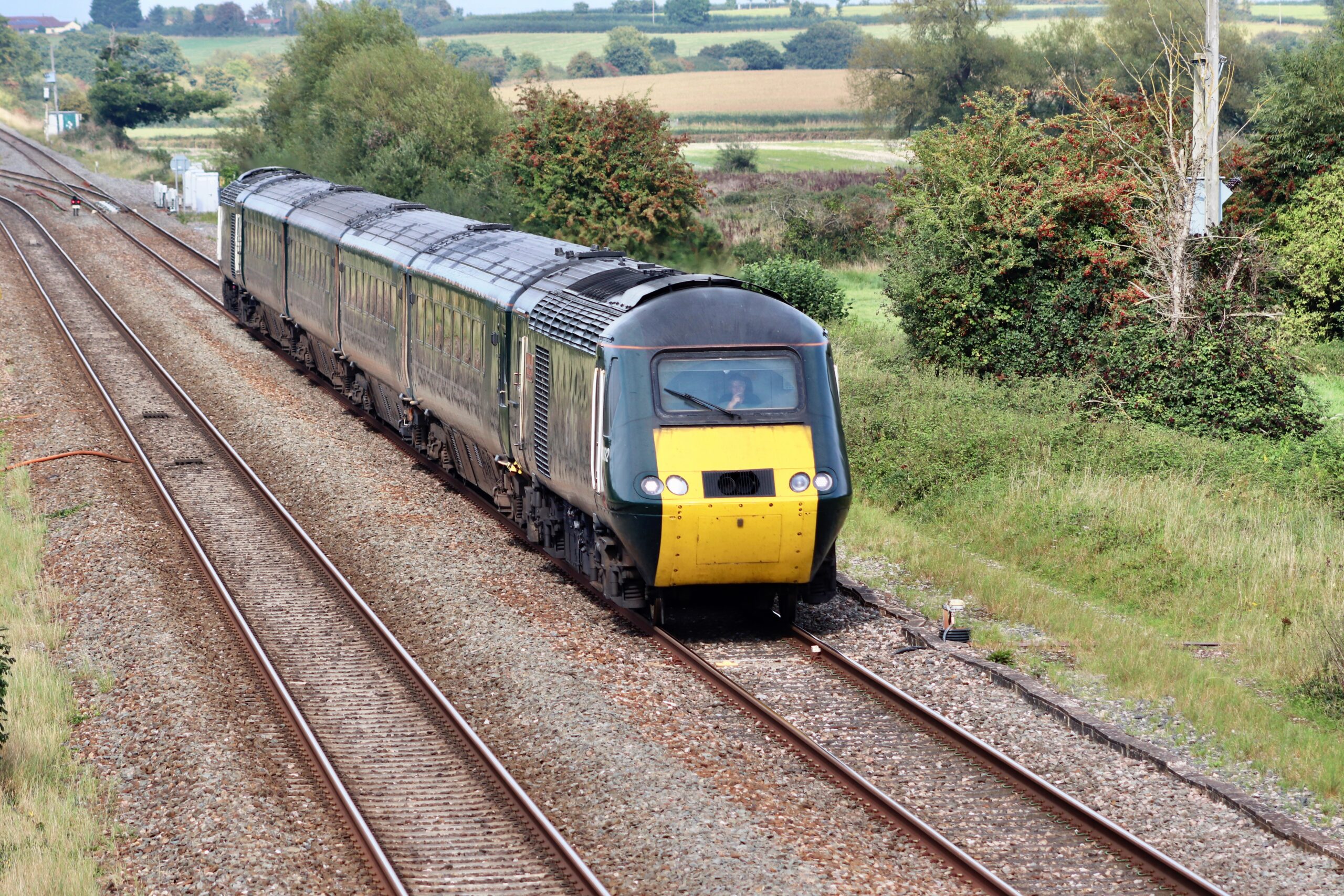
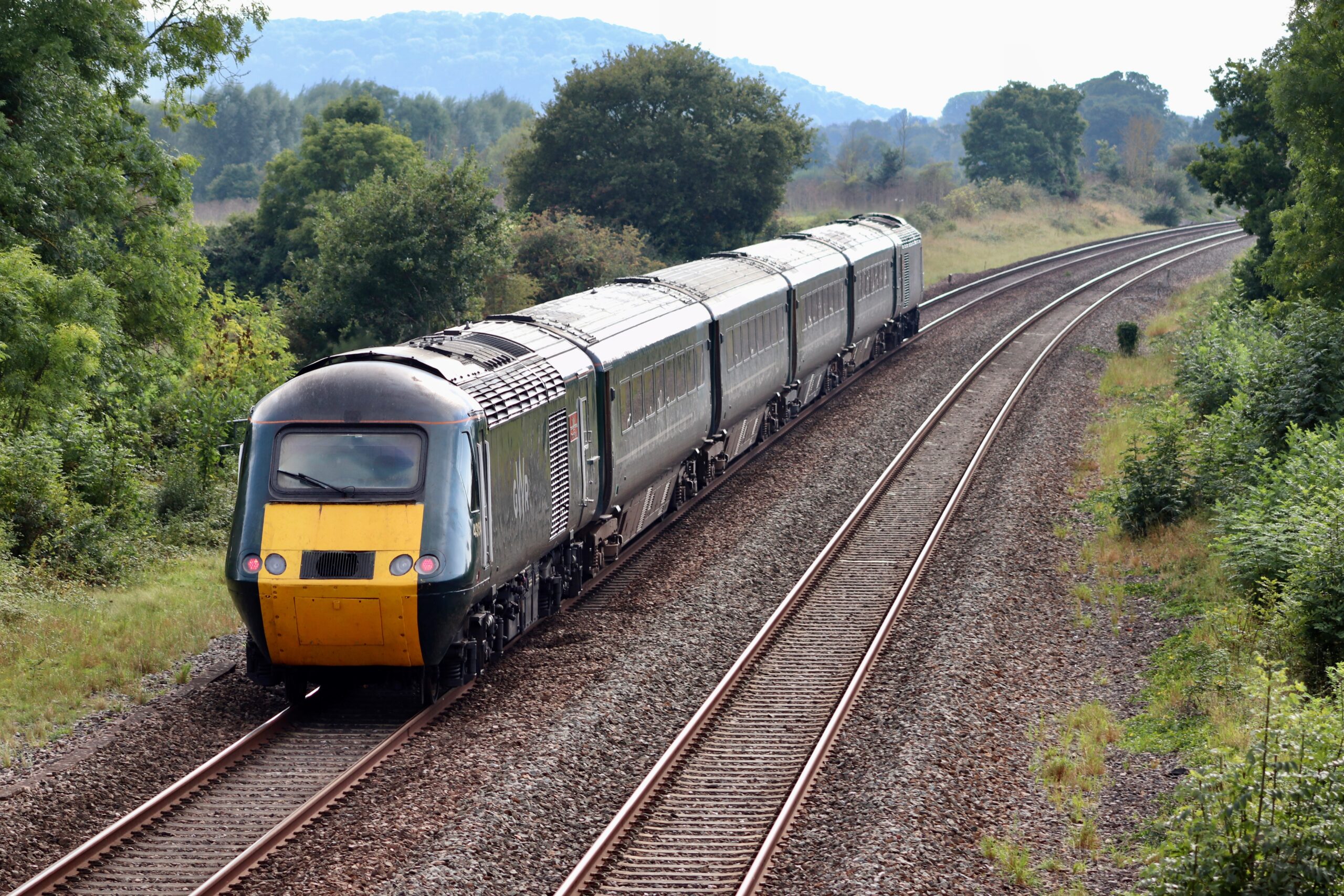
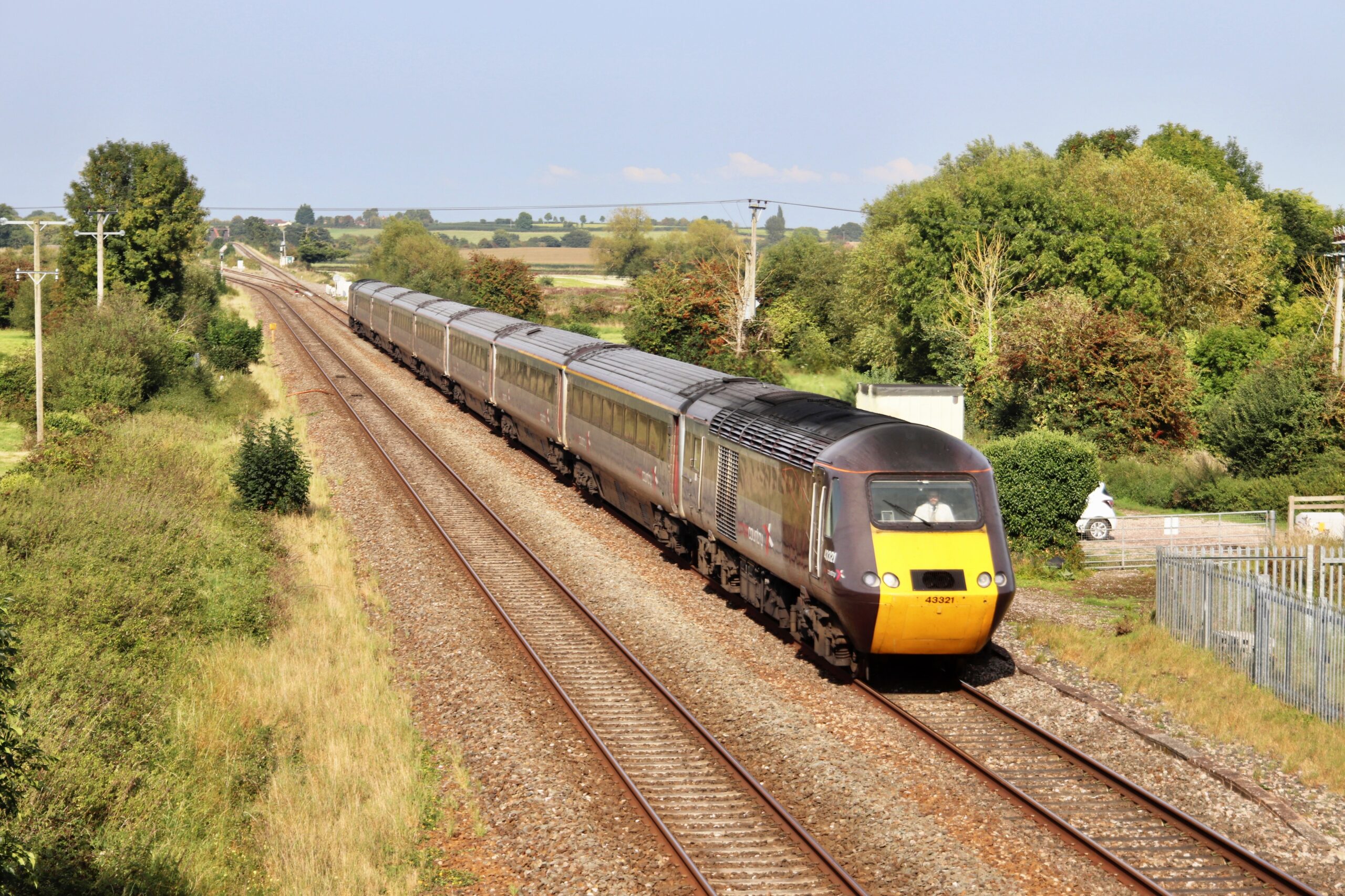
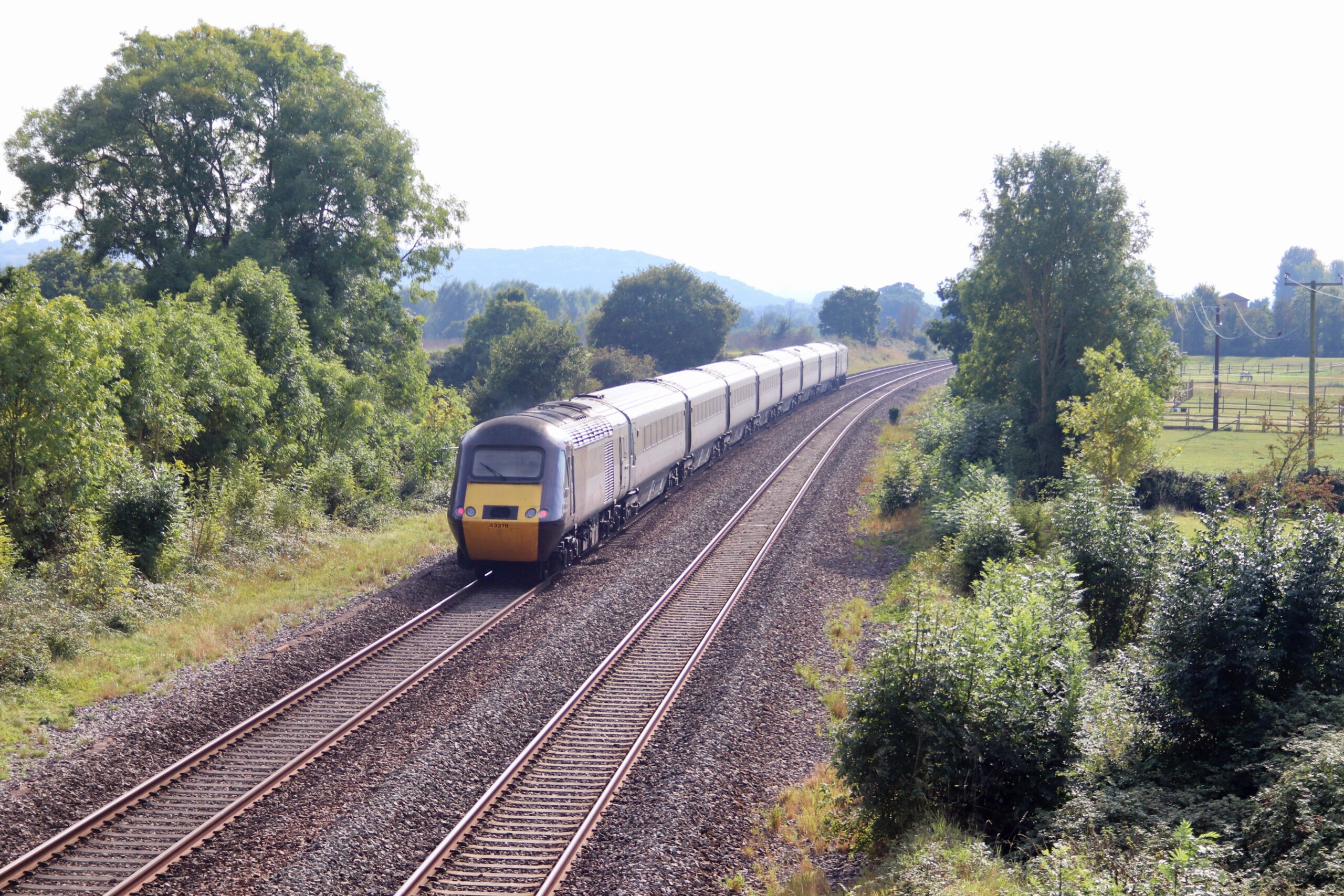
On Sunday we took another opportunity to see some CrossCountry HST services passing through Somerset and Devon as only days of them in scheduled service remain. In fact, Yoshi and I decided to sample the delights of High Speed Train travel and planned a short trip utilising these now classic old girls of British Rail. On checking the timetable, we decided on taking a Great Western Railway (GWR) Castle Class HST set from Highbridge and Burnham to Taunton where, after a two hour wait, we could catch one of the two CrossCountry HST’s diagrammed that day on to Exeter St Davids. Here we would de-train and catch the next GWR Castle back to Highbridge.
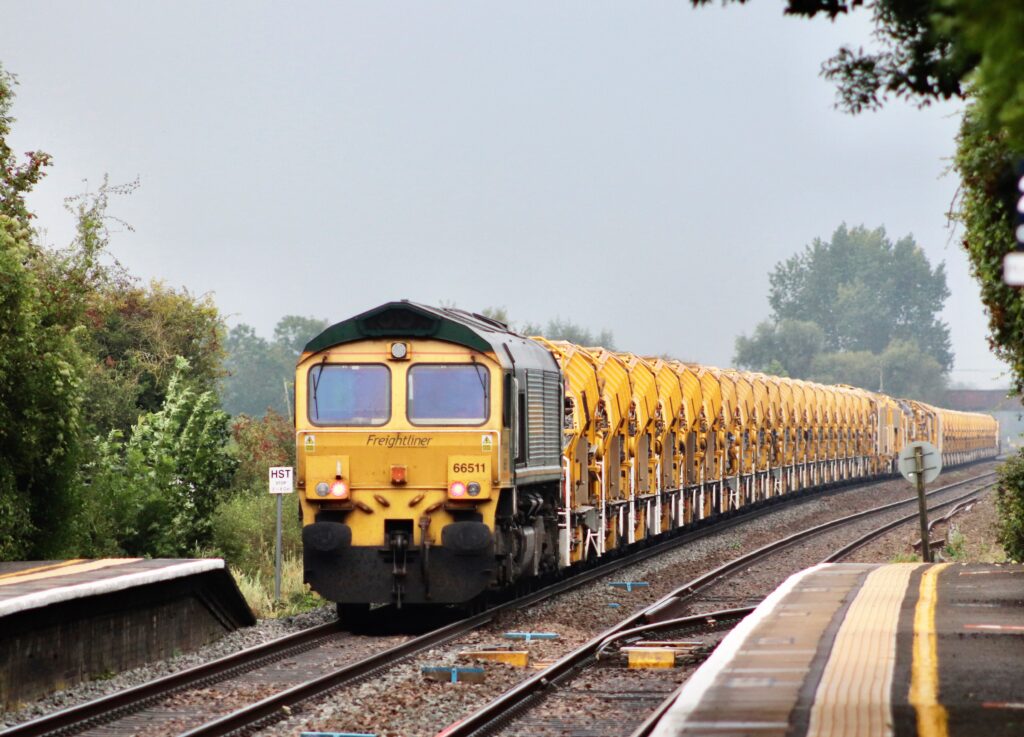
We were joined on our mini-rail adventure by @smithy.377 who, on our arrival at Highbridge and Burnham railway station, alerted us to the fact there was the imminent arrival of two Freightliner Class 66’s working a High Output Ballast Cleaner (HOBC) train on its way to Fairwater Yard, Taunton.
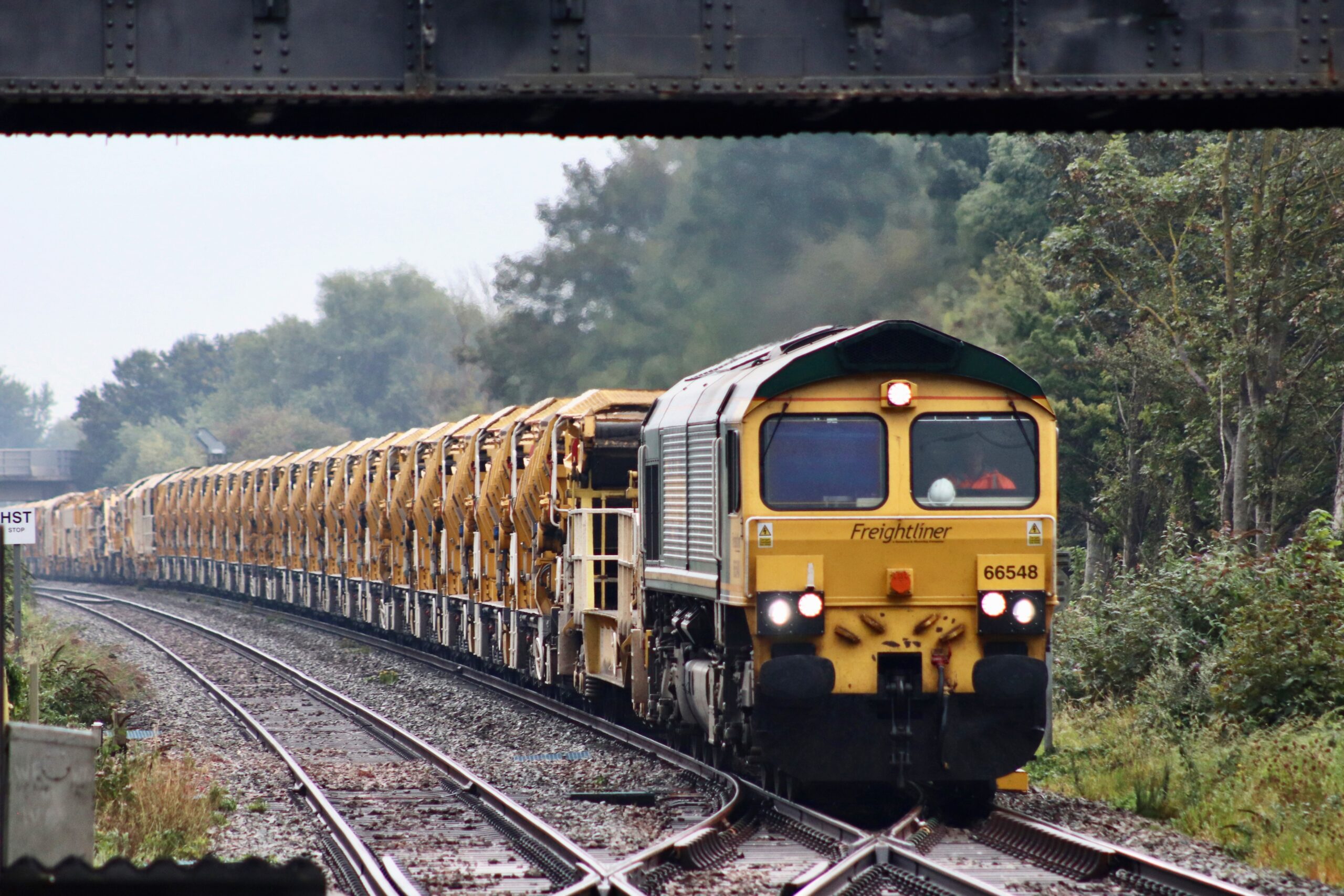
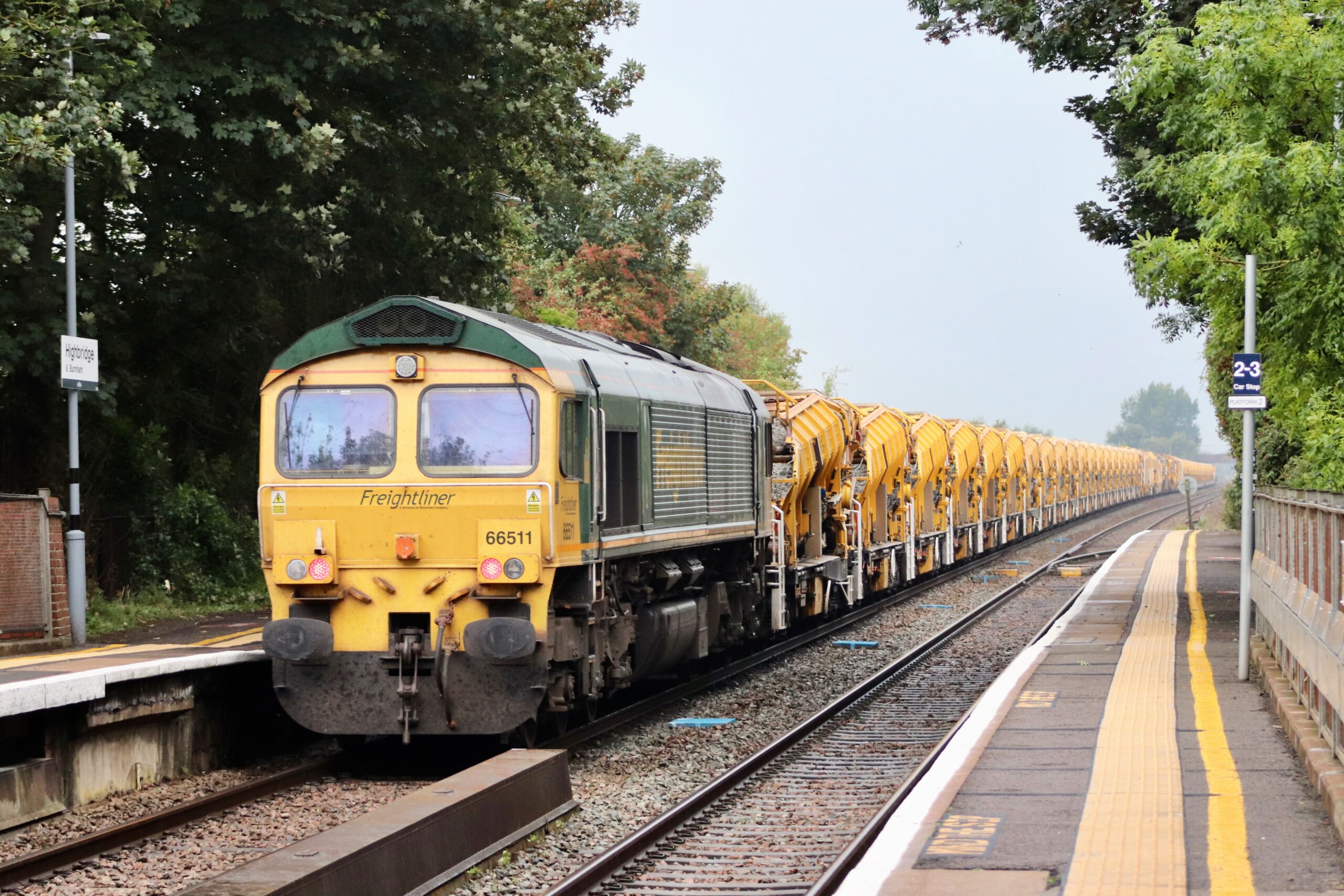
I don’t think I’ve seen one of these HOBC trains moving, if at all. Over time, railway ballast wears down and becomes rounded, the pieces of ballast then fit together less easily. Fine pieces of granite, like sand, are also created by attrition – these are known as ‘fines’. These fines stick together when combined with water in the ballast, making the ballast like a lump of concrete. This hinders track drainage and the flexibility of the ballast to constrain the track as it moves under traffic. The HOBC is used to recycle old ballast as much as possible during possessions where the ballast is due for renewal, reducing the quantity of new stones needed as the cleaning removes ballast, screens it and replaces the dirty worn ballast with new angular ballast. When in operation, the half a mile long HOBC consists of locomotives each end (to move the train to and from the work site in traffic at up to 60mph), an impressive sounding RM 900 RT ballast cleaning machine, two power wagons used as traction vehicles to propel the train while in operation, and 44 material conveyor and hopper units (22 empty wagons for ballast waste and 22 wagons full of new ballast). The entire system is designed for a cleaning output of up to 900 m3 per hour or 400 metres of track per hour.
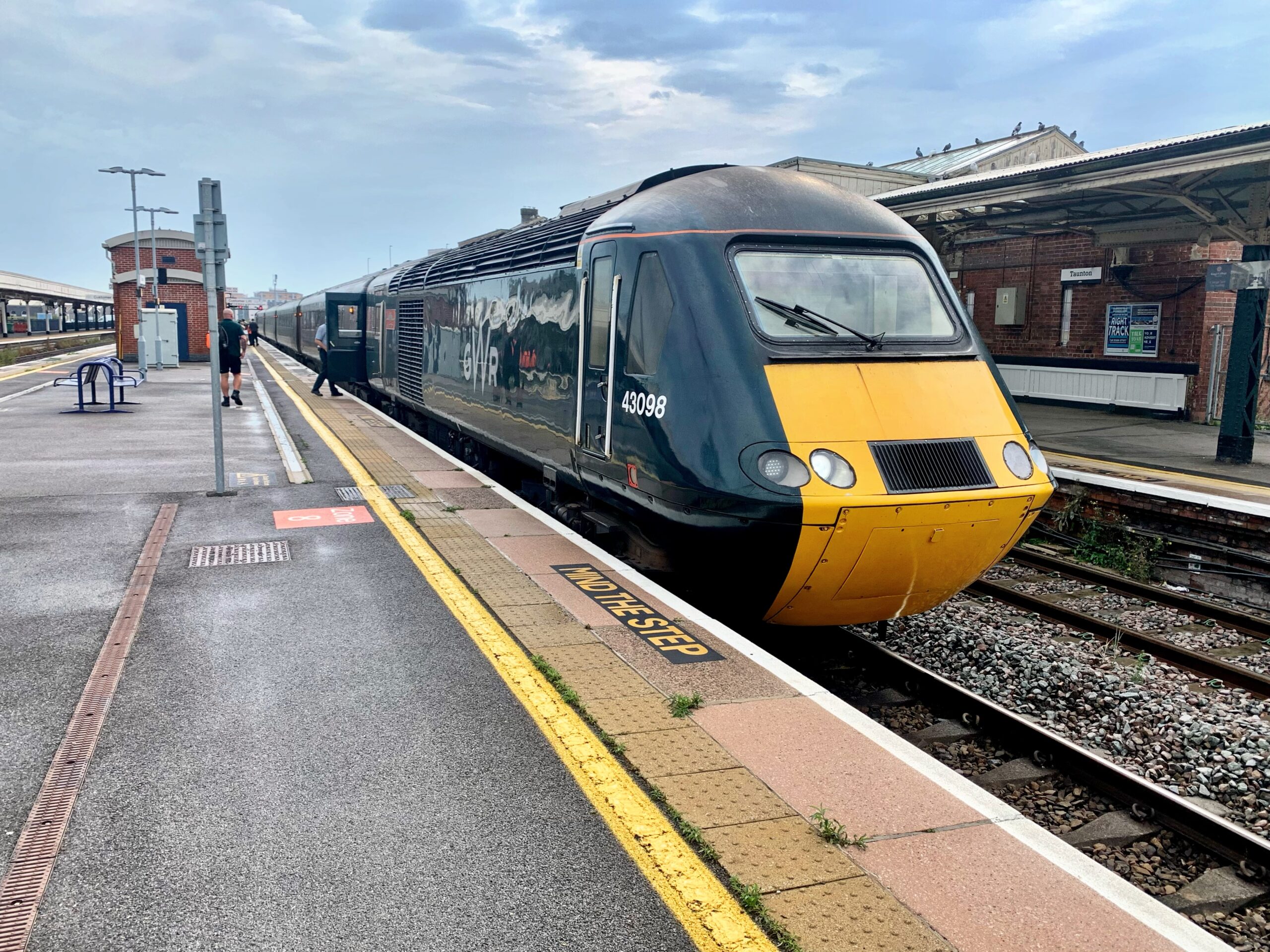
Following thunder and a heavy persistent shower of rain our GWR HST rolled into Highbridge and Burnham railway station around five minutes late. Onboard announcements apologising for the delay mentioned unspecific problems with the train which would be checked at Taunton, from where it departed approximately 9 minutes late.
While we waited for our CrossCountry train at Taunton station, we could see the HOBC train emerging and re-entering Fairwater Yard to the west of the station. After watching various CrossCountry and Great Western Railway trains arrive and depart and enjoying a coffee from the station Starbucks, it was over to platform two ready for the arrival of the 1V48 0811 Leeds to Plymouth service which rolled in 13 minutes late.
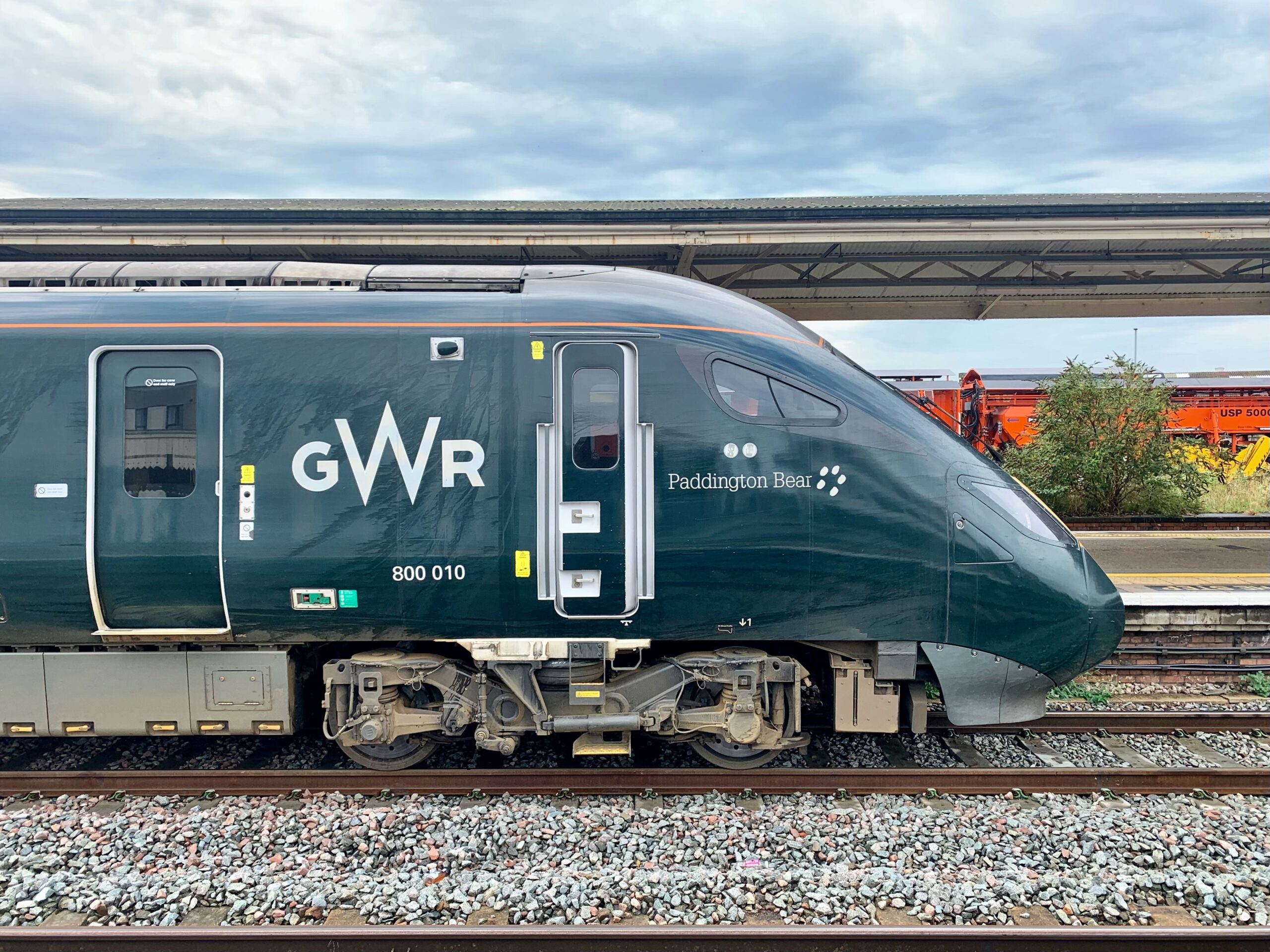
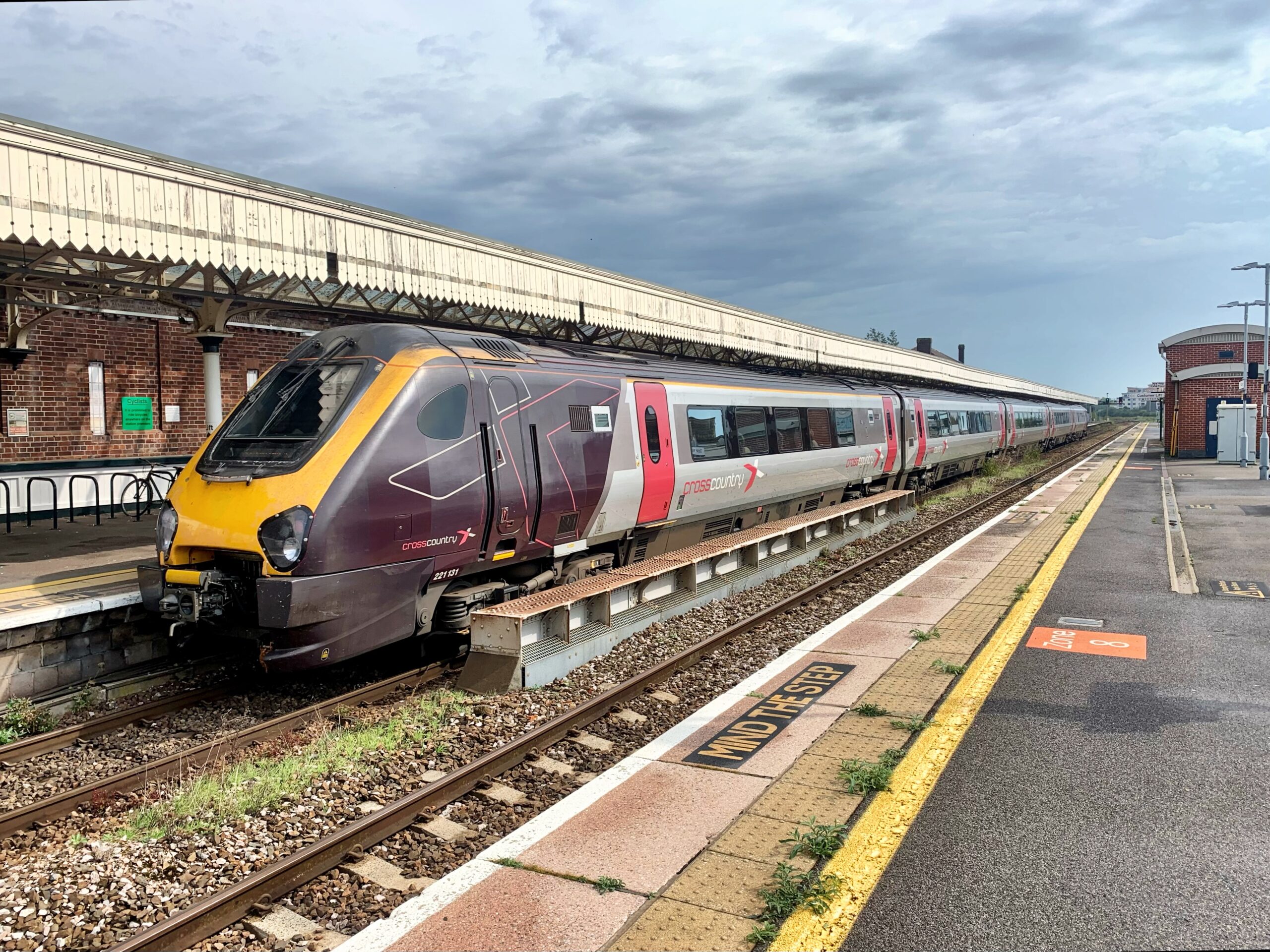
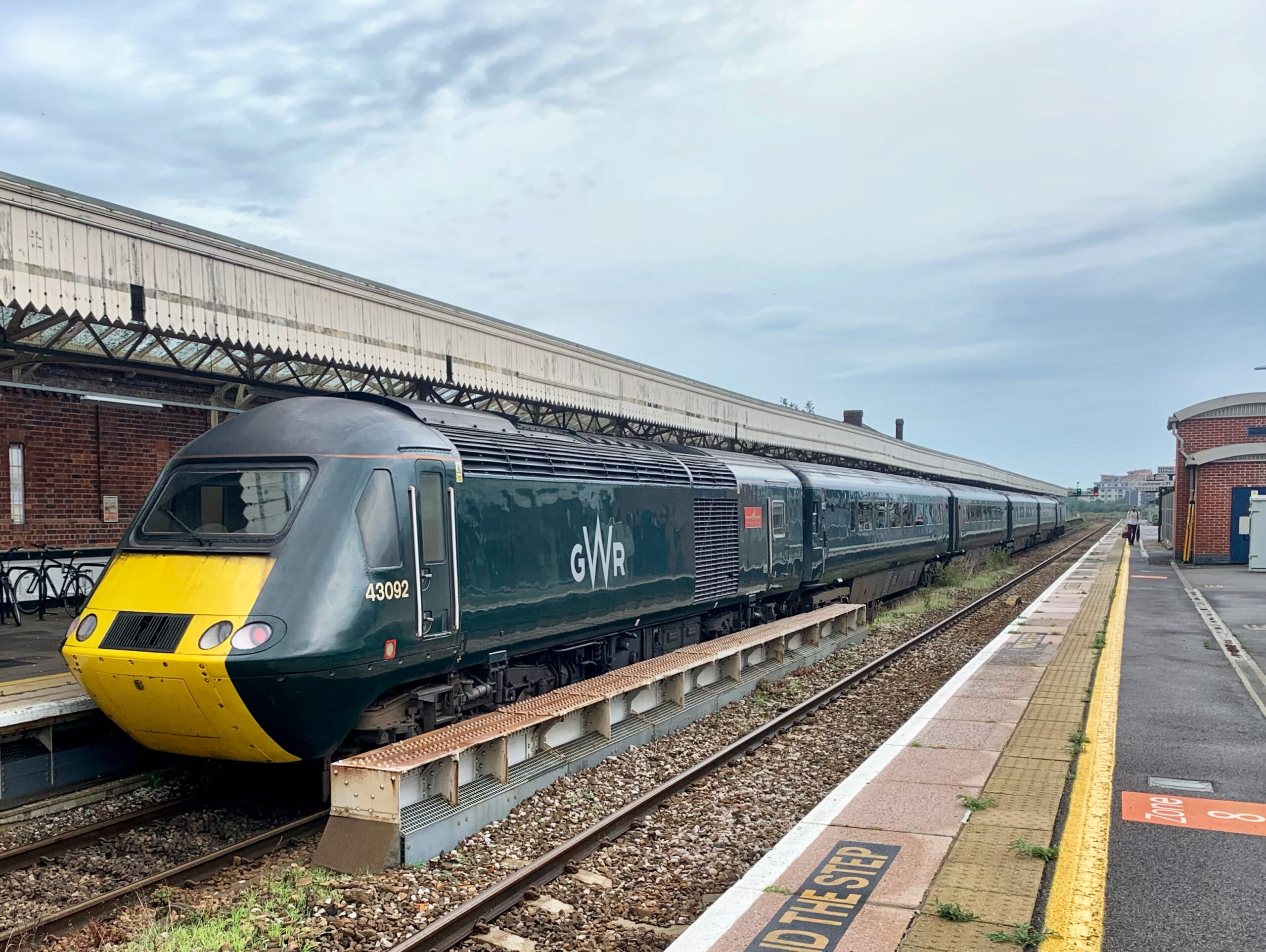
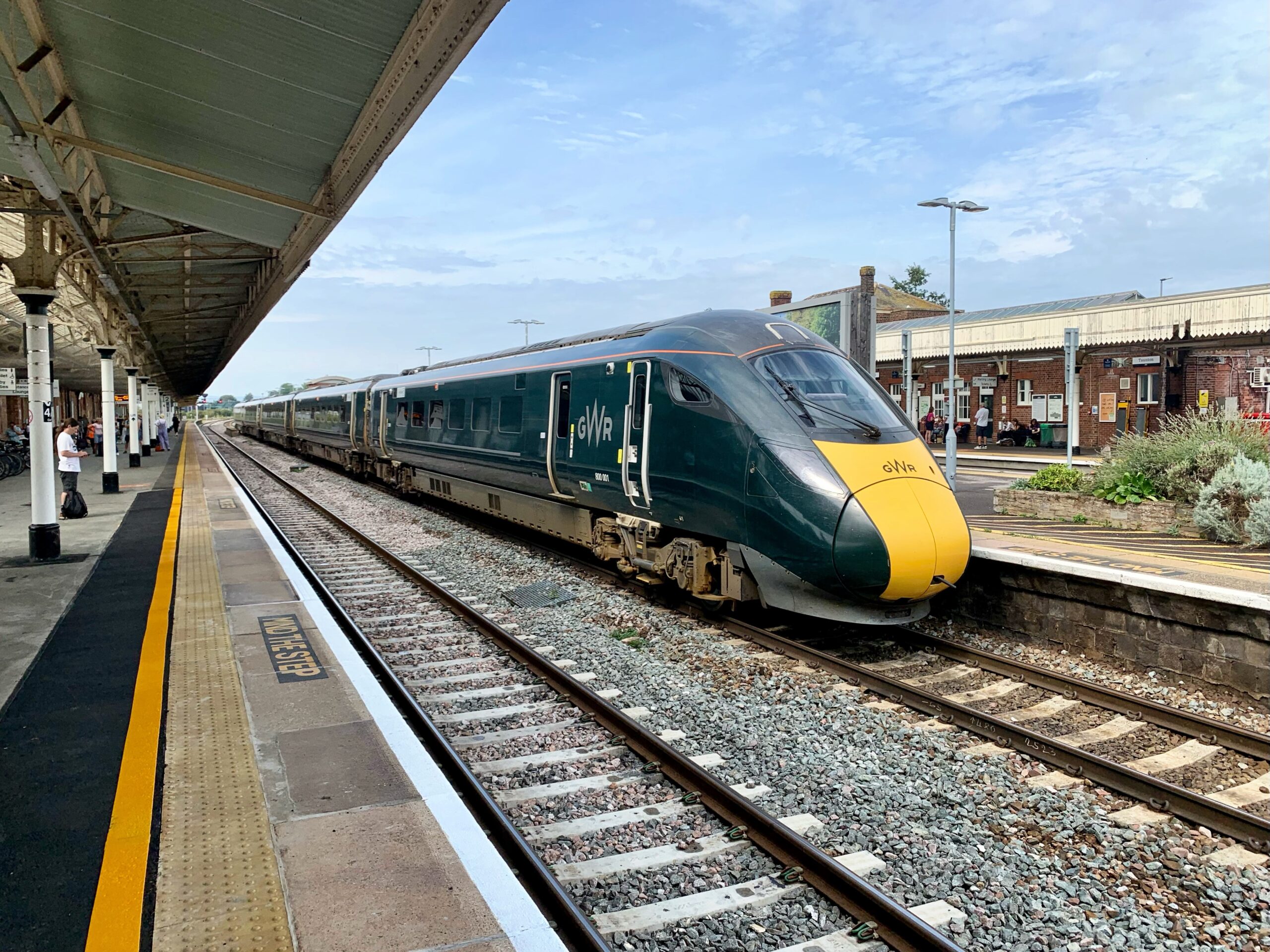

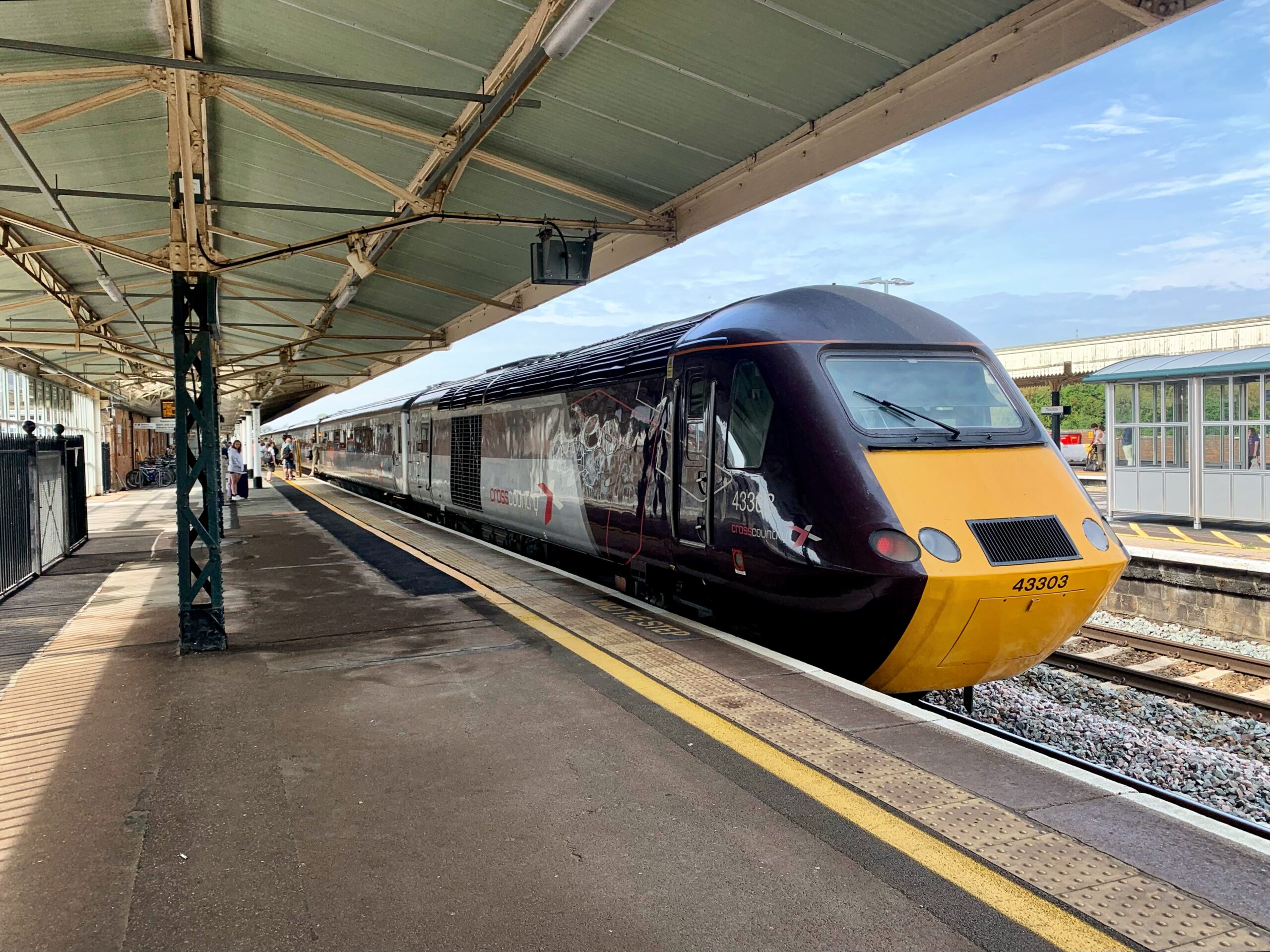
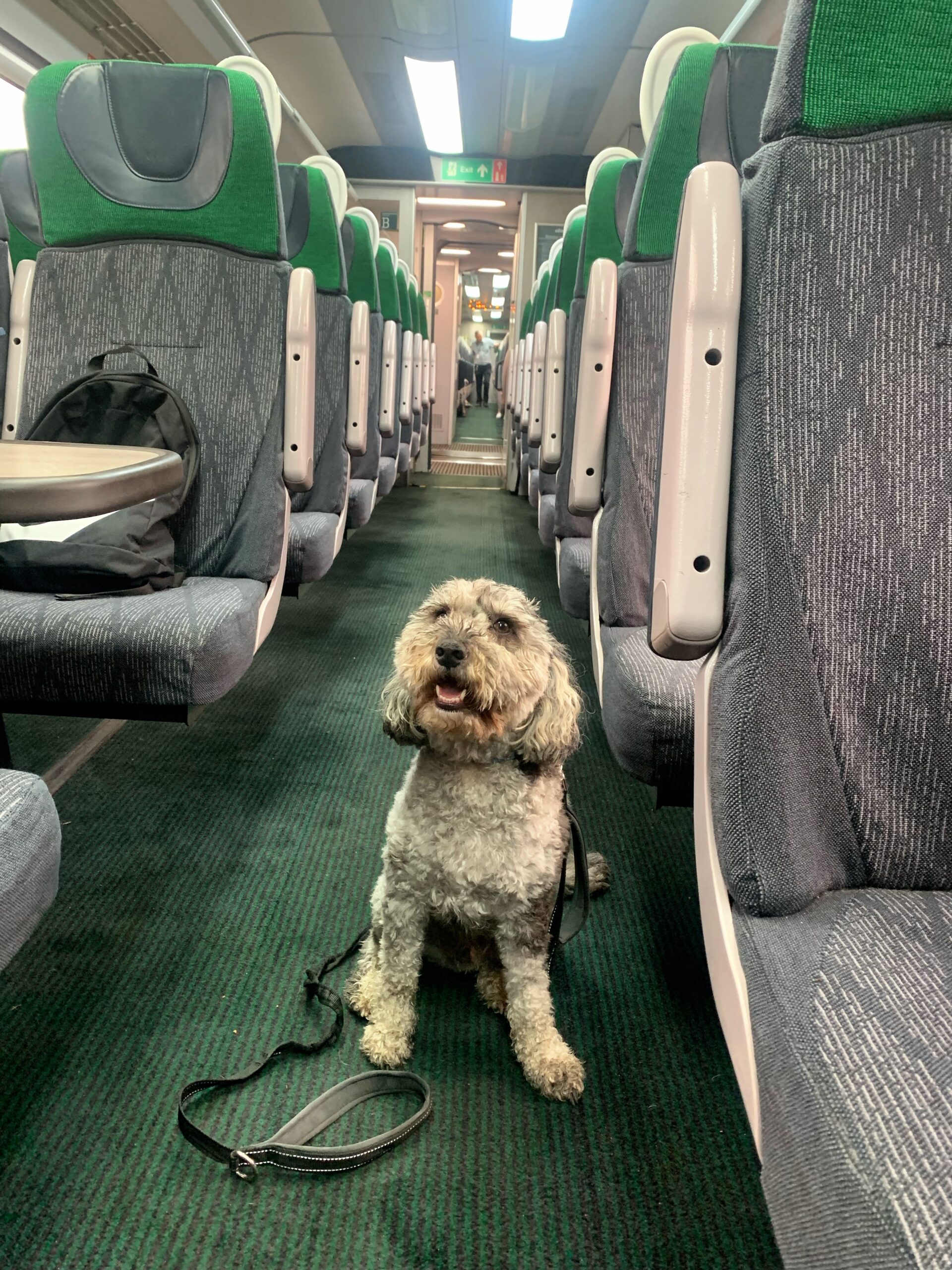
Once onboard the well loaded HST, we discovered the seats were comfy, if high density, and I could imagine being quite settled for a long journey in the MKIII carriage. Mosreso than the Class 220/221 Voyager DMU’s which work the majority of XC services in the West Country.
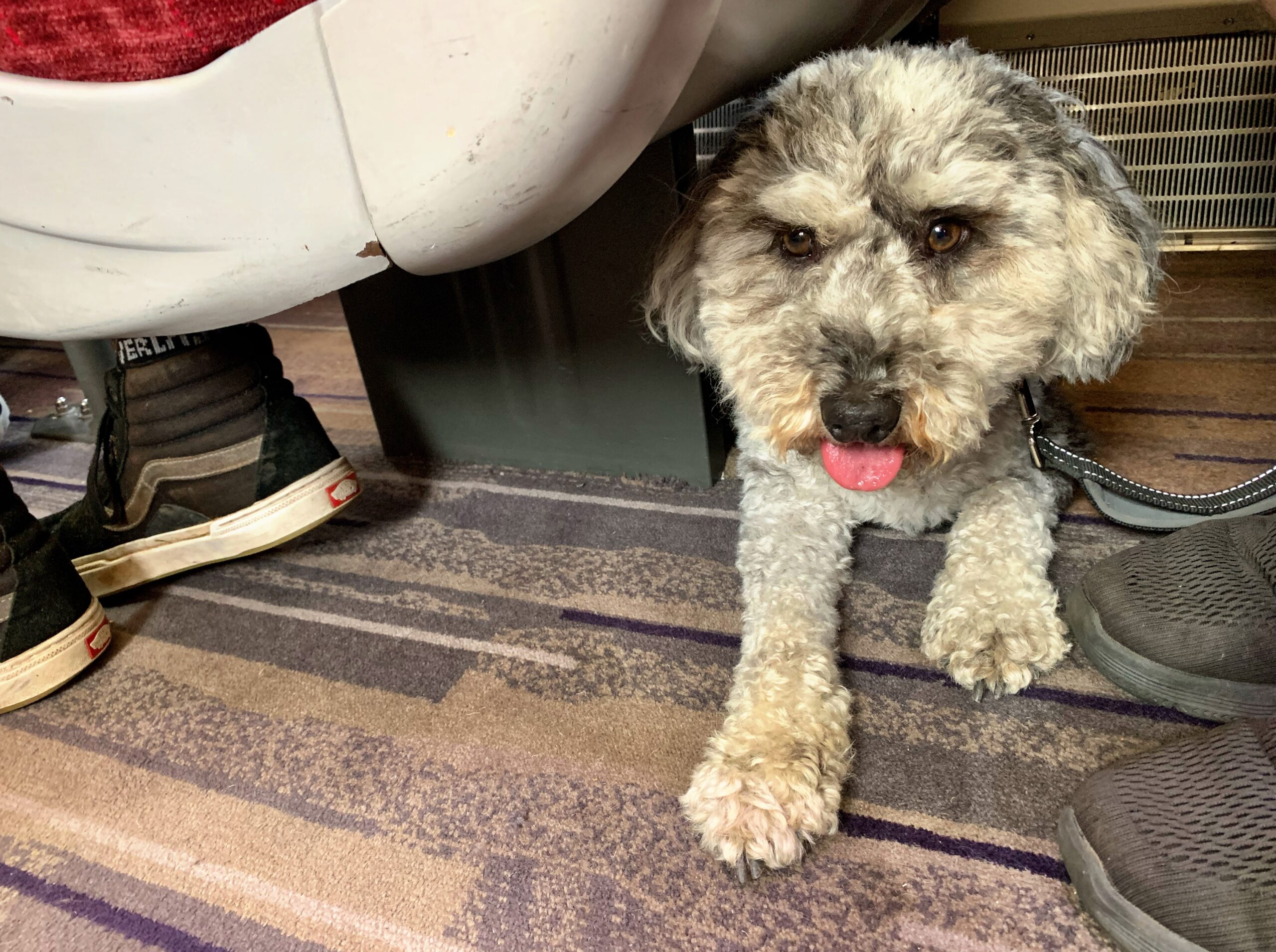
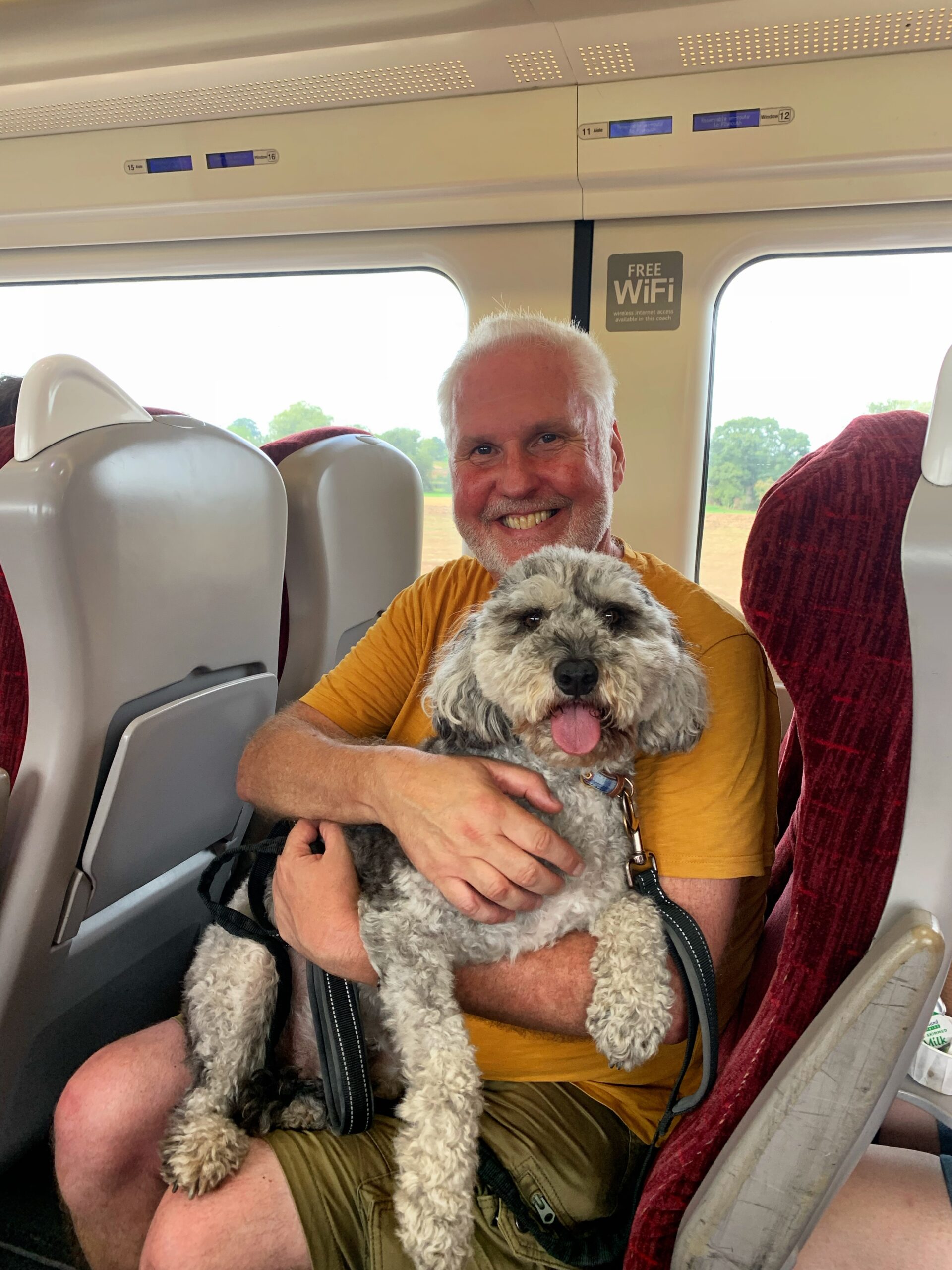
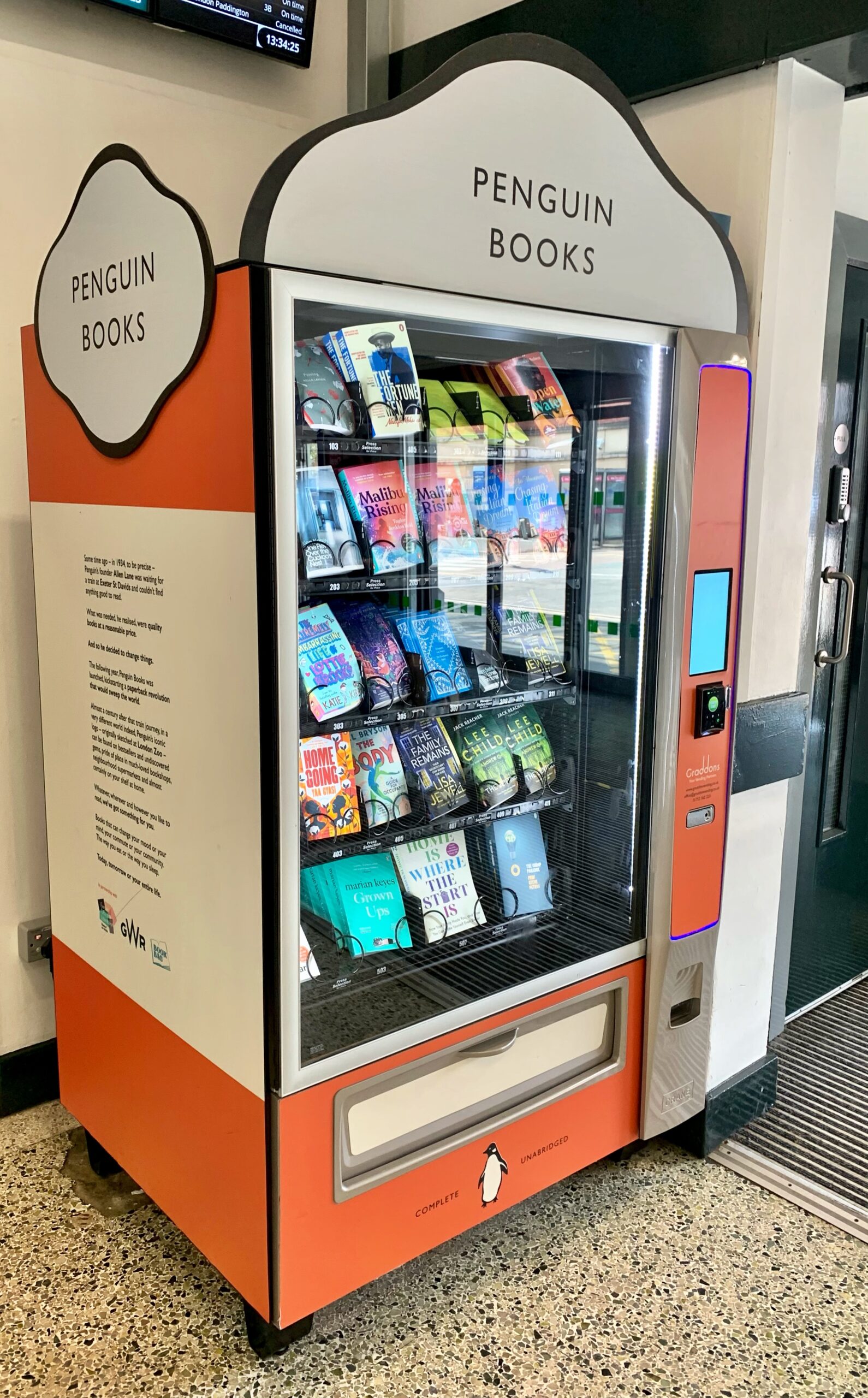
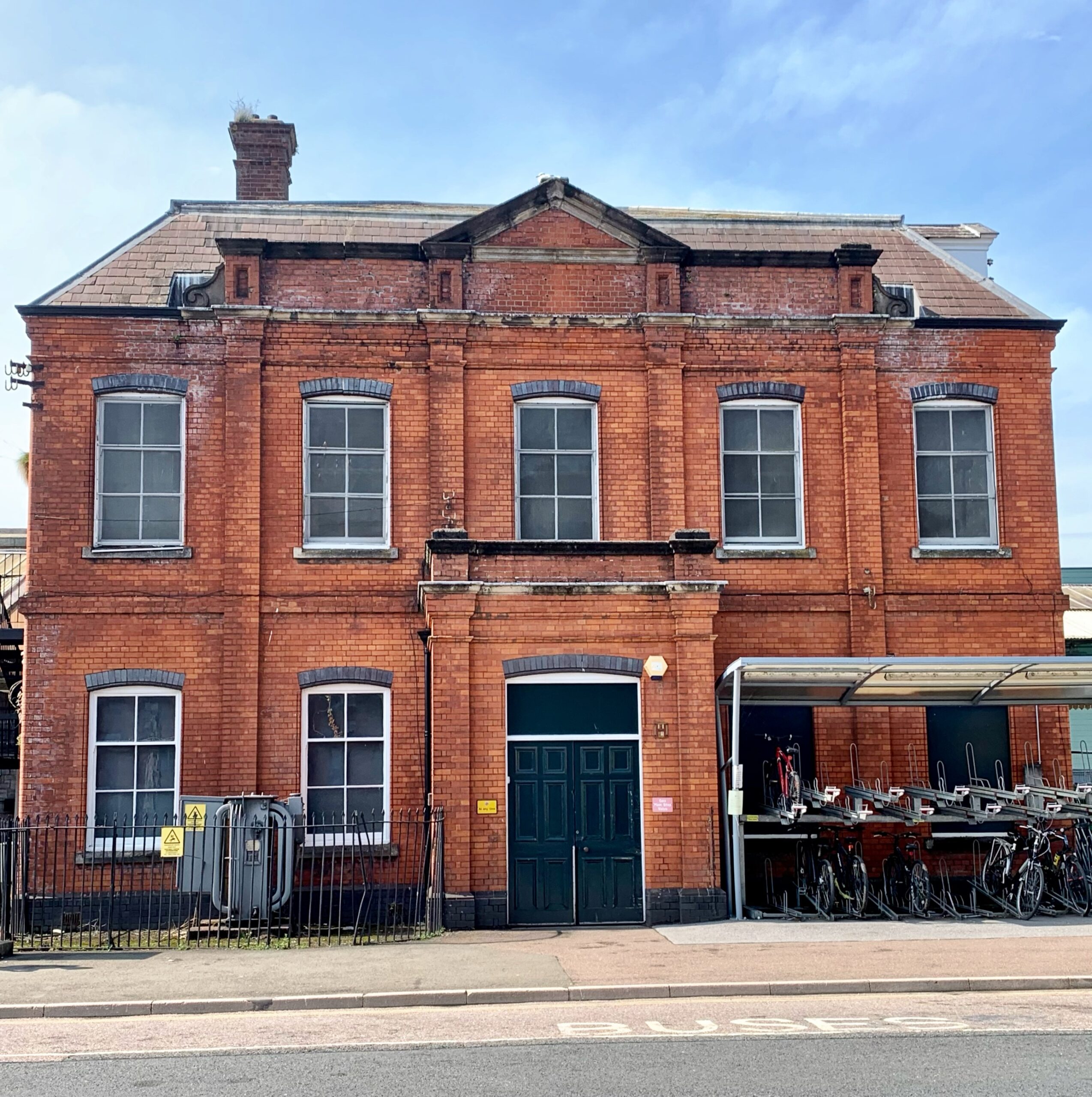
The journey to Exeter St Davids took around 25 minutes and although arrival was behind schedule, we had allowed plenty of time in our schedule for catching the return GWR Castle set back to Highbridge. This gave us time to watch a few trains, explore the immediate station vicinity and top up with water.
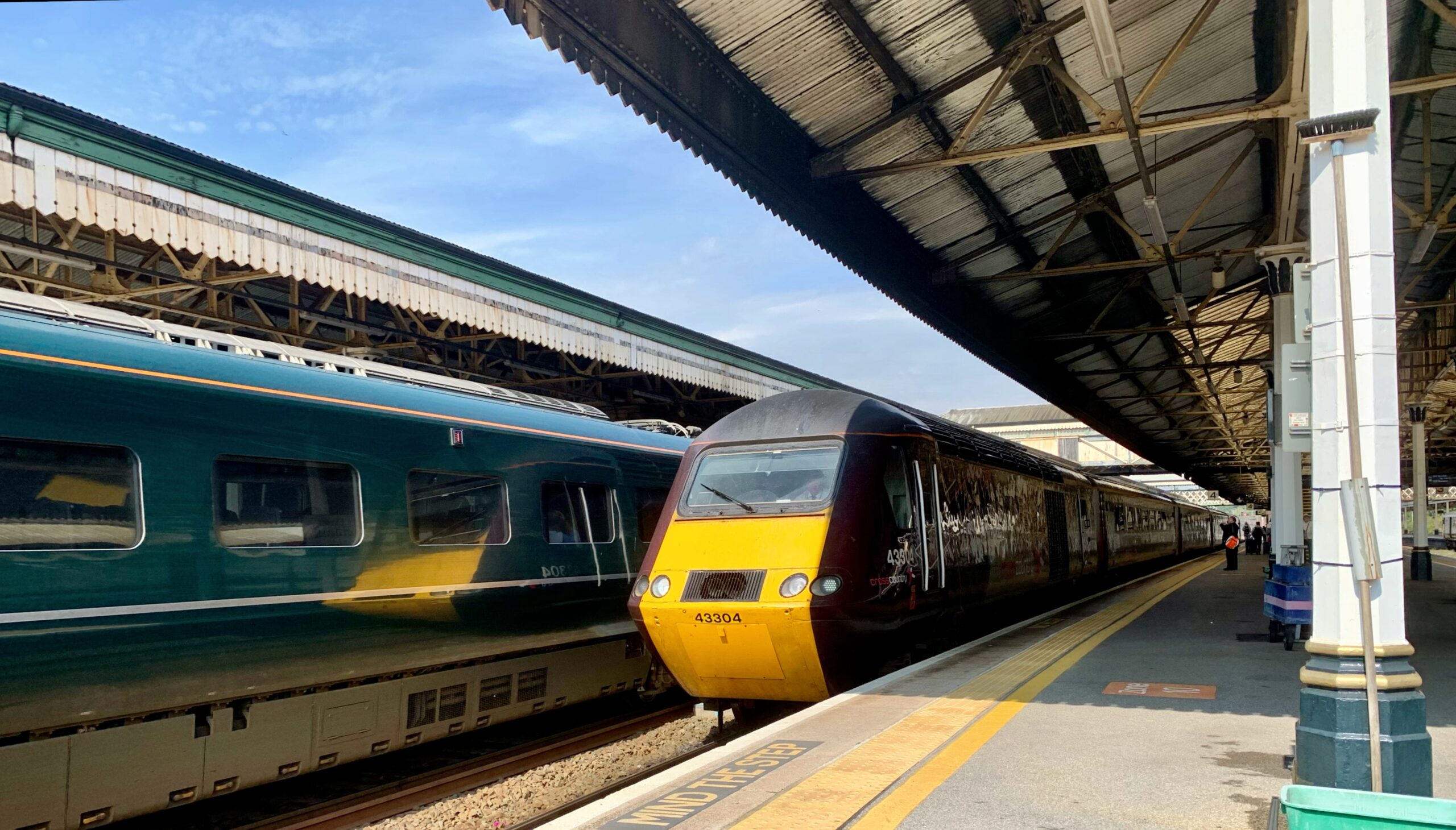

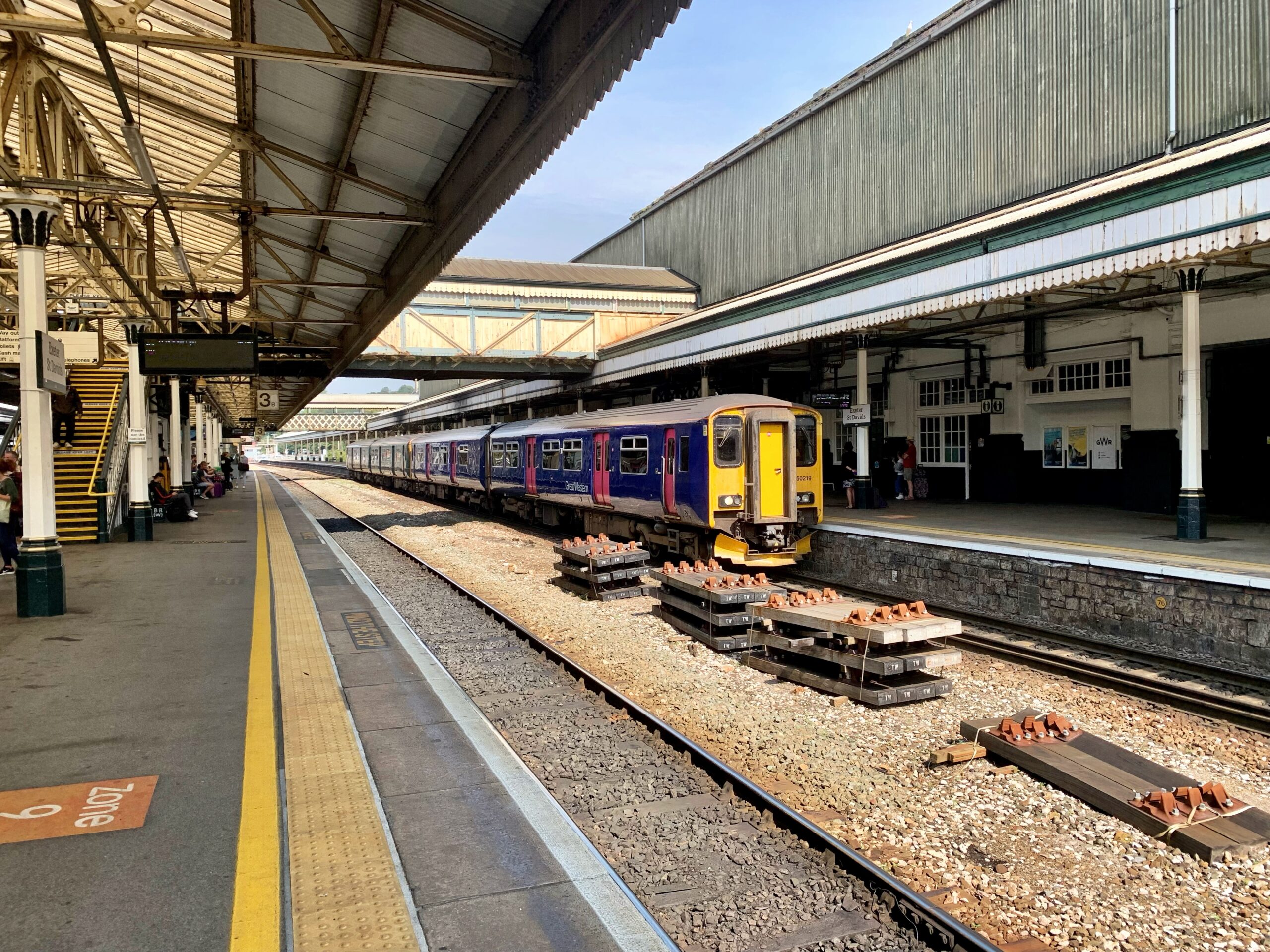
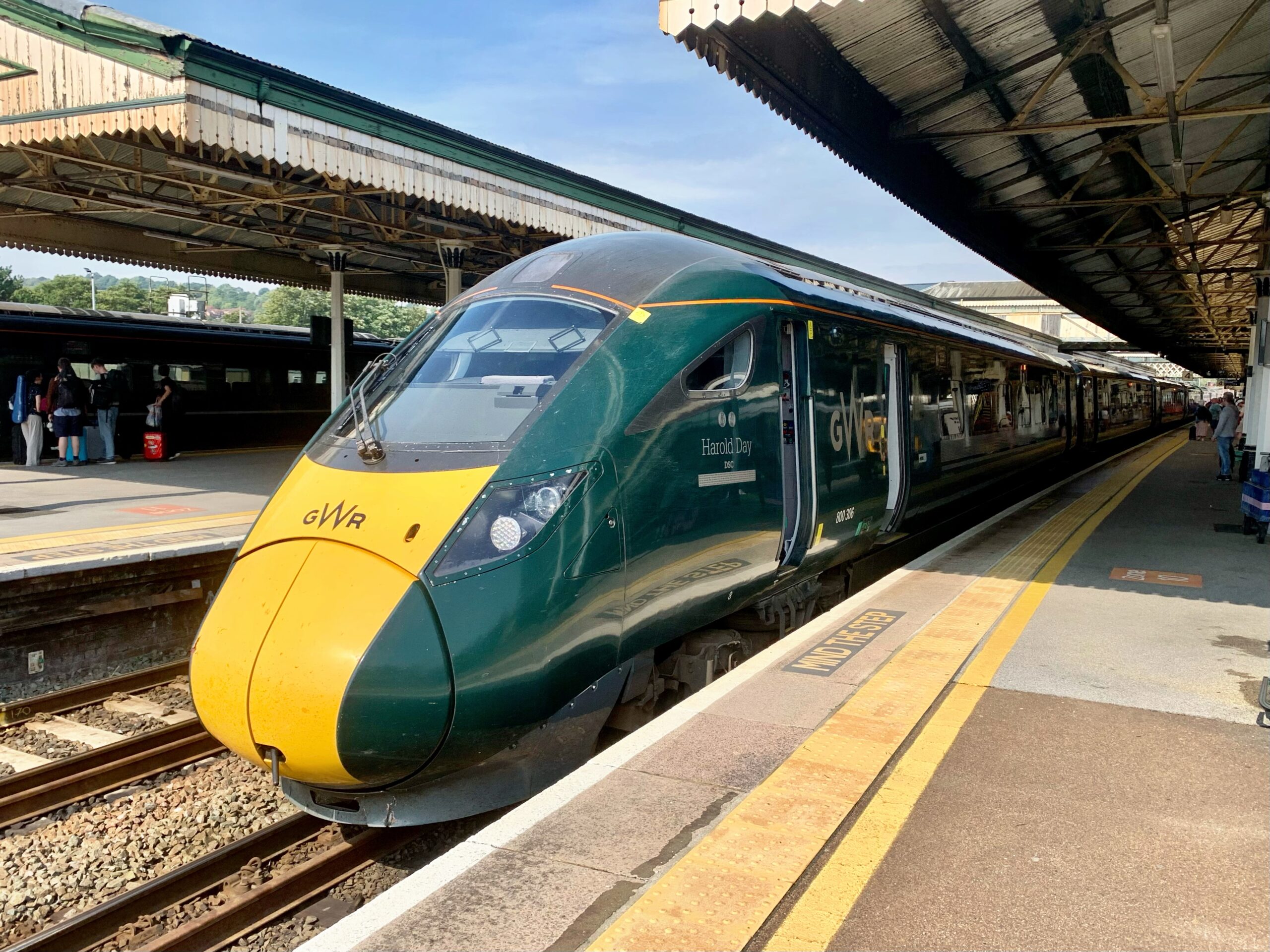
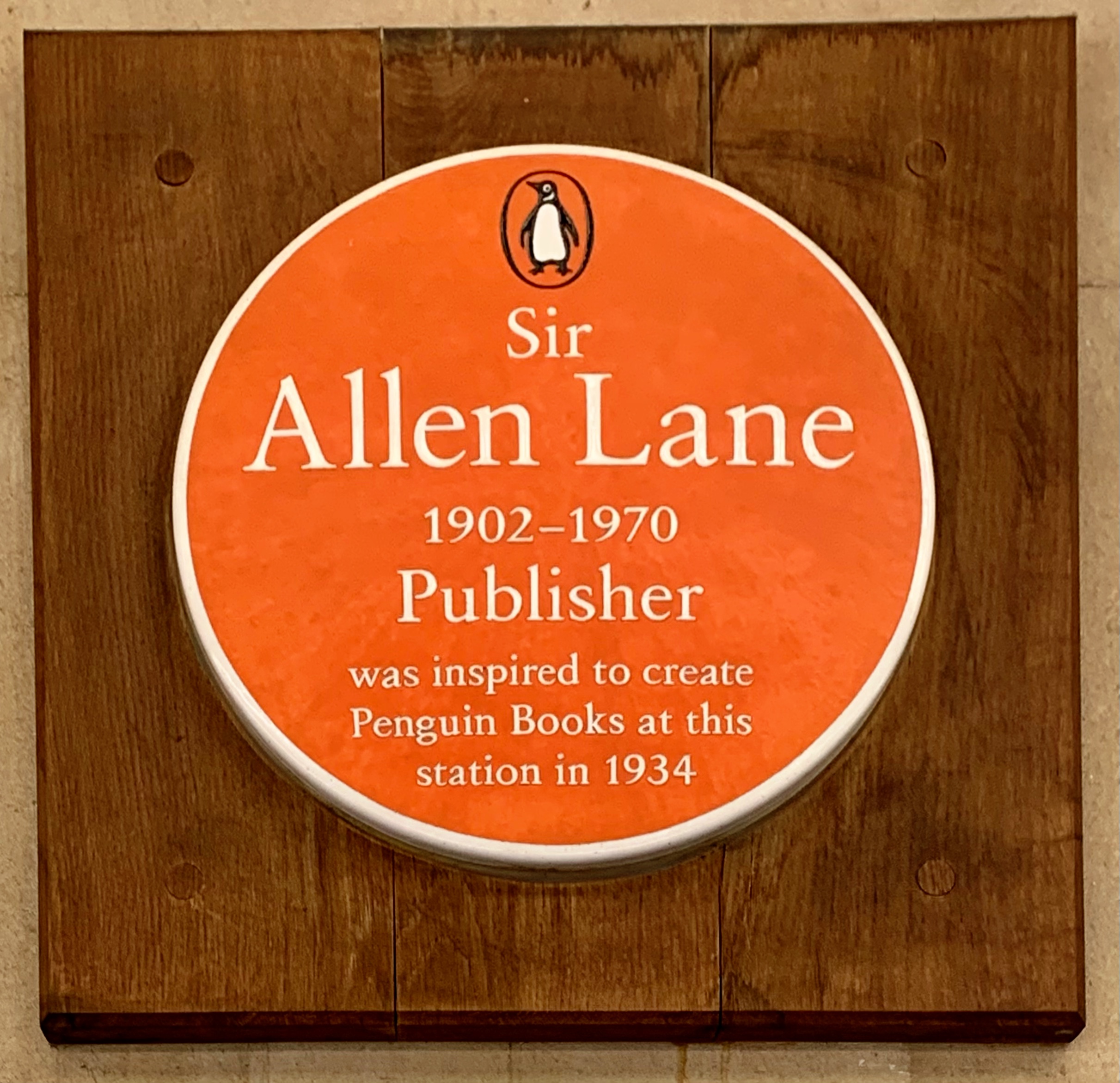
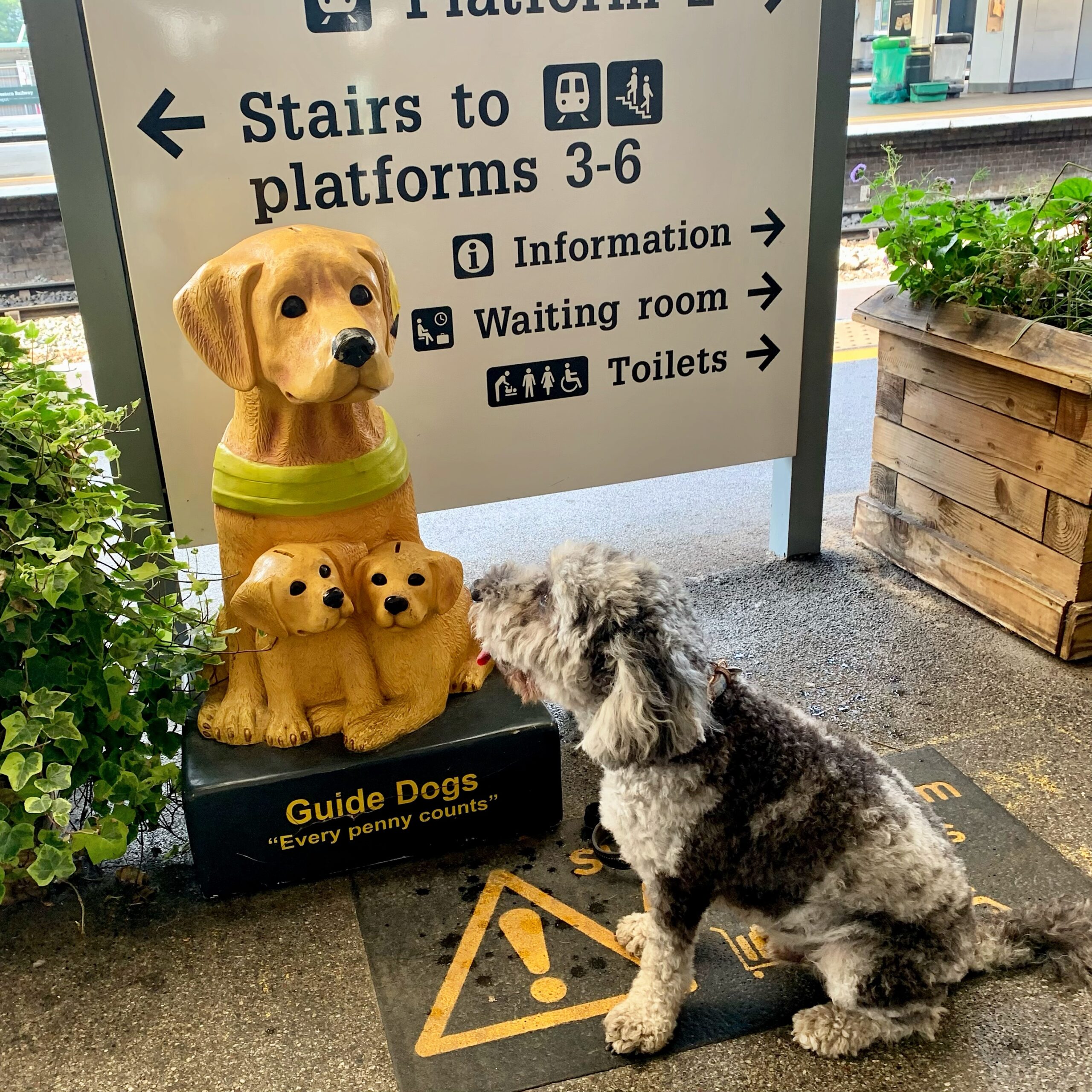
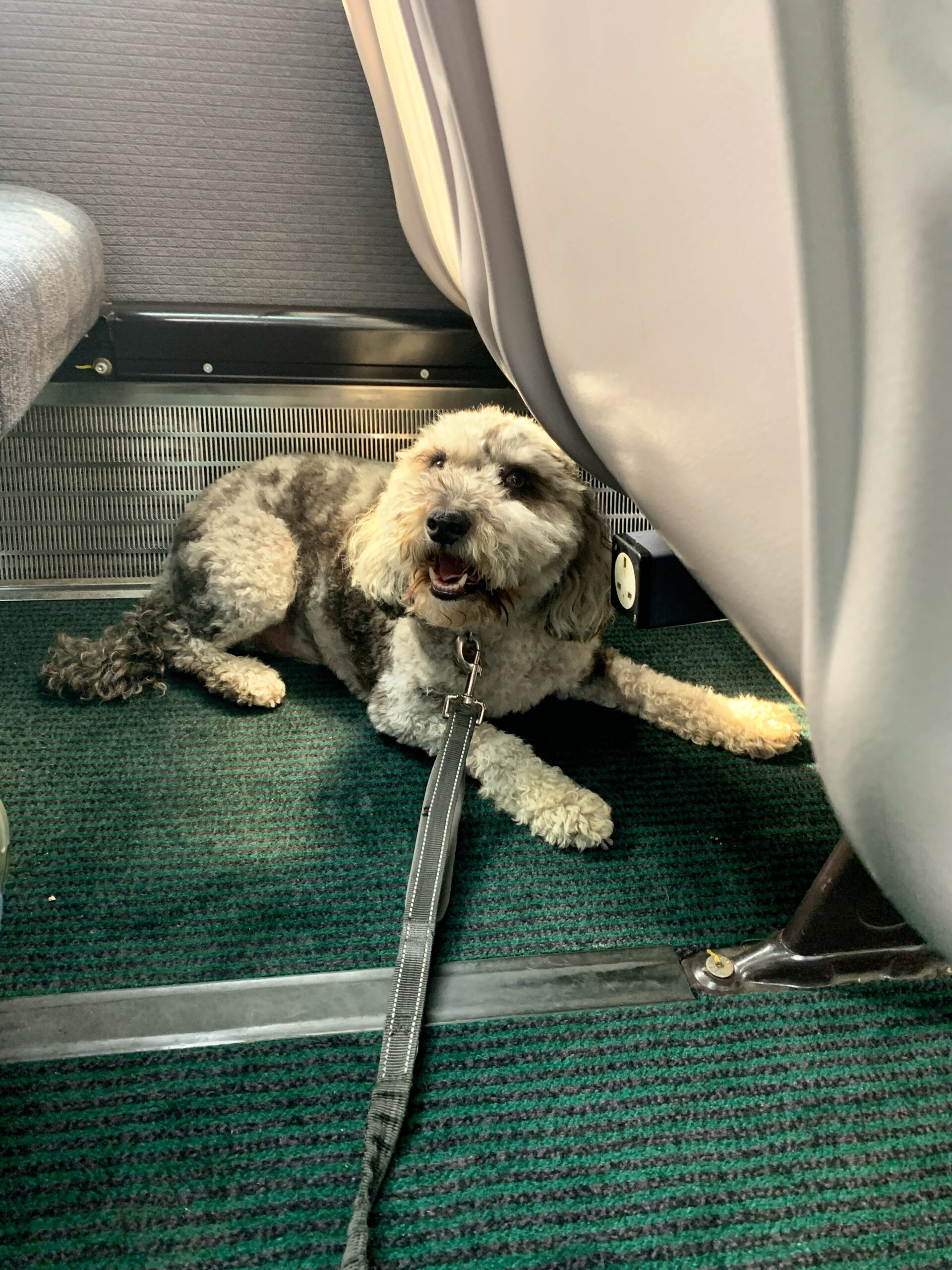
Yoshi took a distinct dislike to a South Western Railway Class 159 in old South West Trains livery which had arrived from London Waterloo just prior to the arrival of our service train becoming quite vexed. So we headed off away from the offending vehicles and waited for our third and final train of the day.
The two GWR services we planned to take should have been diagrammed for the same Castle HST set out and back, but because of the problems with set GW16 (operated by power cars No.’s 43098 and 43162) as announced by the guard onboard as we had neared Taunton earlier, it was replaced on the diagrams for the day by another set; GW02 top and tailed by No.’s 43188 and 43186. This was the same unit we had seen on the Severn Valley Railway back in May.
This, our second GWR HST set was possibly the best of the day as the air conditioning was working, so a cool journey ensued with right time arrival at Highbridge. After this I headed home via Cogload Junction to get a couple more snaps of passing CrossCountry HST’s on their way north and south in quick succession.
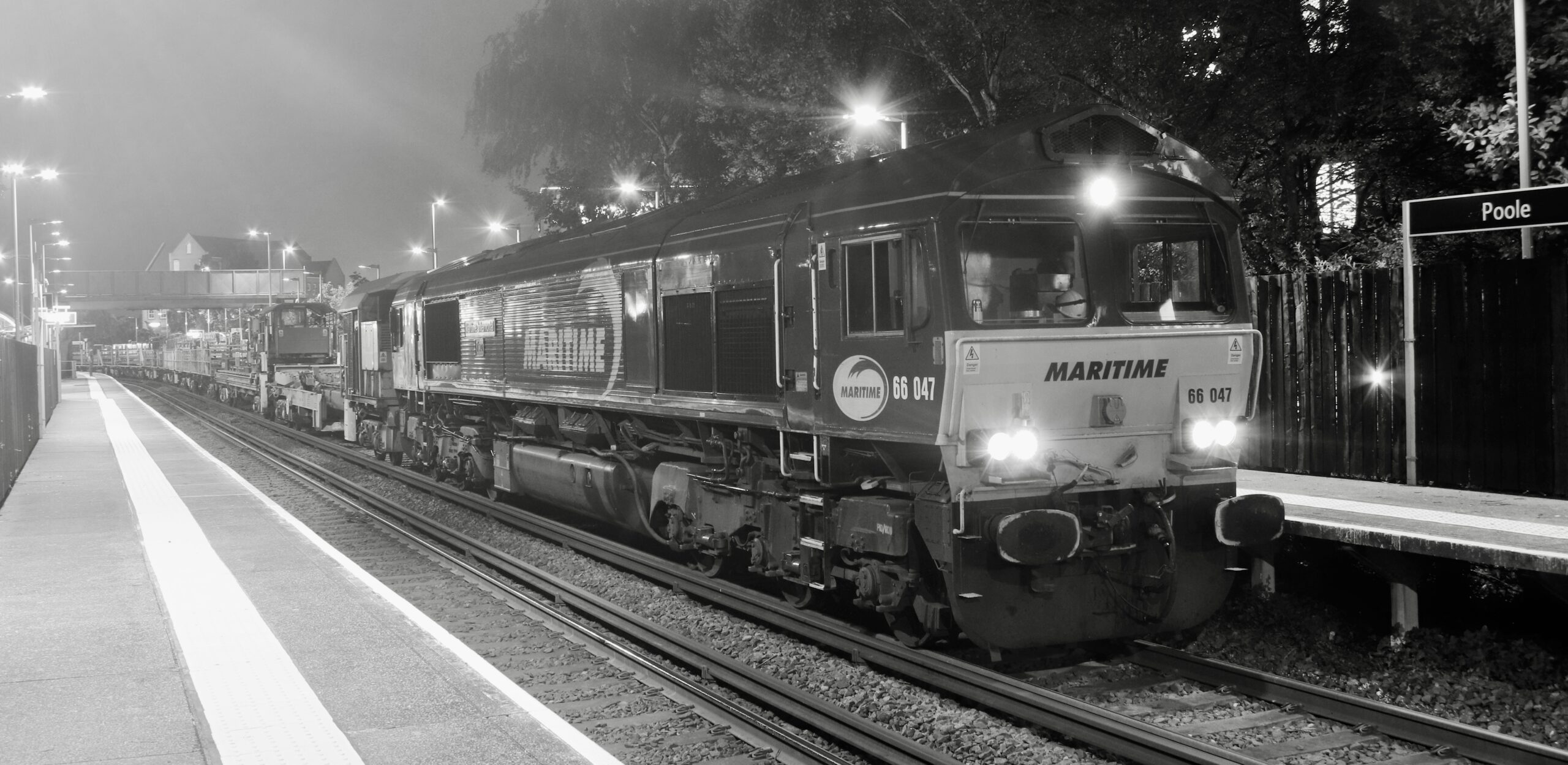
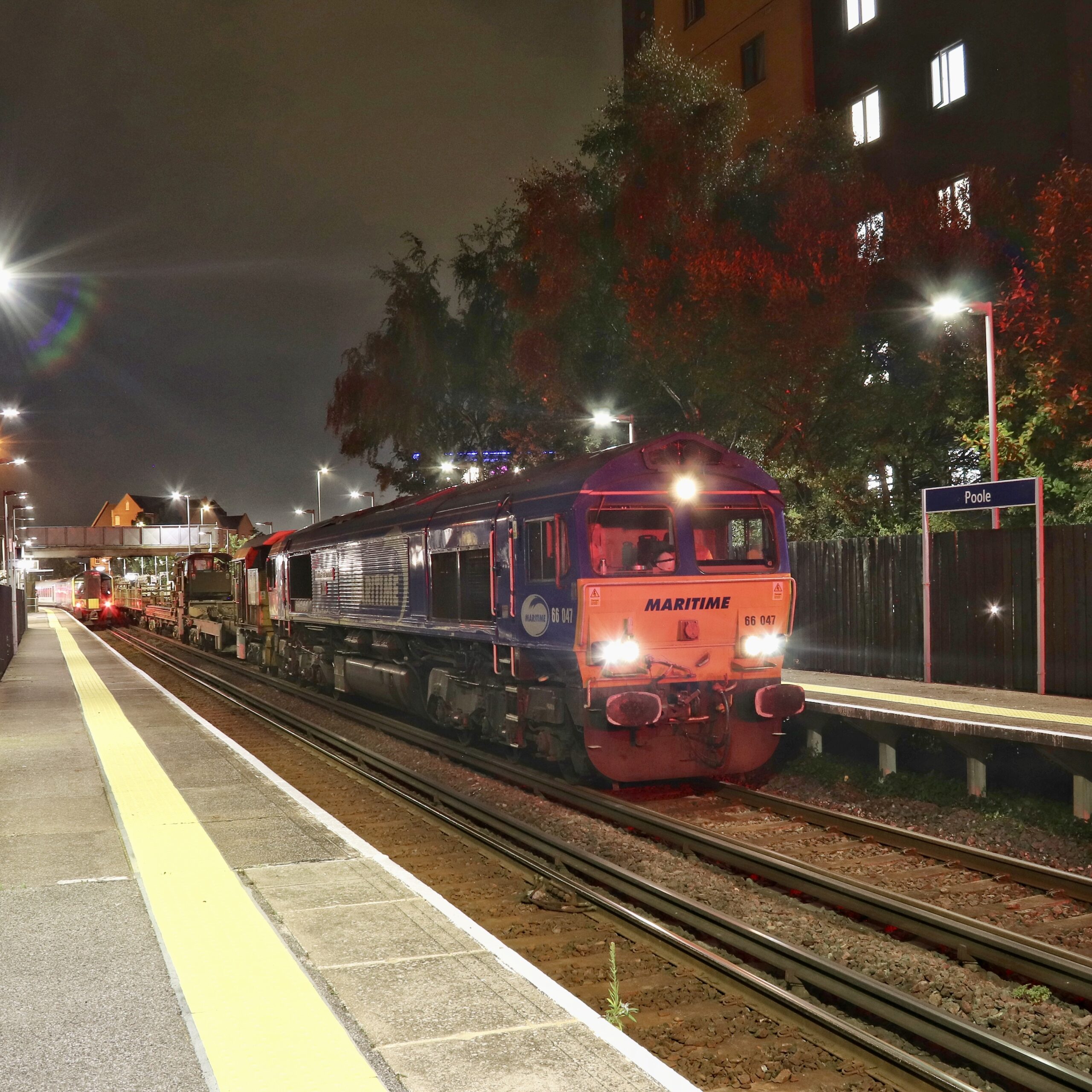
With a couple of weekends worth of scheduled engineering works in the Bournemouth and Poole area coming up in September, the early hours of Tuesday saw something of a curtain raiser as DB Cargo operated 6N60 2240 Eastleigh East Yard to Parkstone (Dorset) and the associated return 6N60 0507 Bournemouth to Eastleigh East Yard. I went to Poole to see the outward working as the train, top and tailed by Class 66 “sheds” No.’s 66047 ‘Maritime Intermodal Two” and 66176, was scheduled to stop before moving out to Poole Storage Sidings and reversing back to Parkstone. I was pleased the blue liveried No. 66047 was leading as it made a pleasant change from the standard EWS or DB Cargo red liveries. Although 6N60 arrived into Poole 14 minutes late it was still held at a red light in the station, so I was able to get a reasonable photo of the lead loco standing at the platform as well as the usual phone video.
For The Record
Wednesday 6th September 2023
Colas operated test train 1Z22 0800 Derby R.T.C.(Network Rail) to Bristol Kingsland Road, in the capable hands of top and tailed Class 37 No.’s 37116 and 37610, was scheduled to run to Weymouth via the West route. Because of late running due to a track circuit failure, the train was reversed at Yeovil Pen Mill.
Thursday 7th / Fiday 8th September 2023
Colas engineering train 6C19 1913 Eastleigh East Yard to Maiden Newton was operated by Class 66 locomotives No.’s 66847 and 66849. It’s not clear if the train went all the way to Maiden Newton despite Real Time Trains reporting it arrived on time. It certainly didn’t pass me as I was waiting at Yetminster well past its due time! The associated return working was 6C19 0500 Yeovil Pen Mill to Eastleigh East Yard.
Two historic viaducts on a route which mostly follows the former Somerset & Dorset Joint Railway (S&DJR) will be a given a new lease of life after Somerset Council have approved plans for a new active travel route with the aim of encouraging people to walk or cycle to work and school. The route starts at the Ham Wood viaduct in Croscombe and runs through the Windsor Hill tunnel before passing over Ham Lane and Forum Lane. People will then cross the Bath Road viaduct, taking them above the B3136 Bath Road, before ending their journey at a new junction with the A37 at Kilver Street Hill. Once permissions and further funding have been secured, campaigners hope that the route intended to form part of the Somerset Circle – a 76 mile traffic free circuit which would link to the north Somerset coast – can be extended. Two new sections of the Strawberry Line – which will also form part of the Somerset Circle – were previously opened in Shepton Mallet during March 2023, with work currently under way on further extensions in Easton and Dulcote.
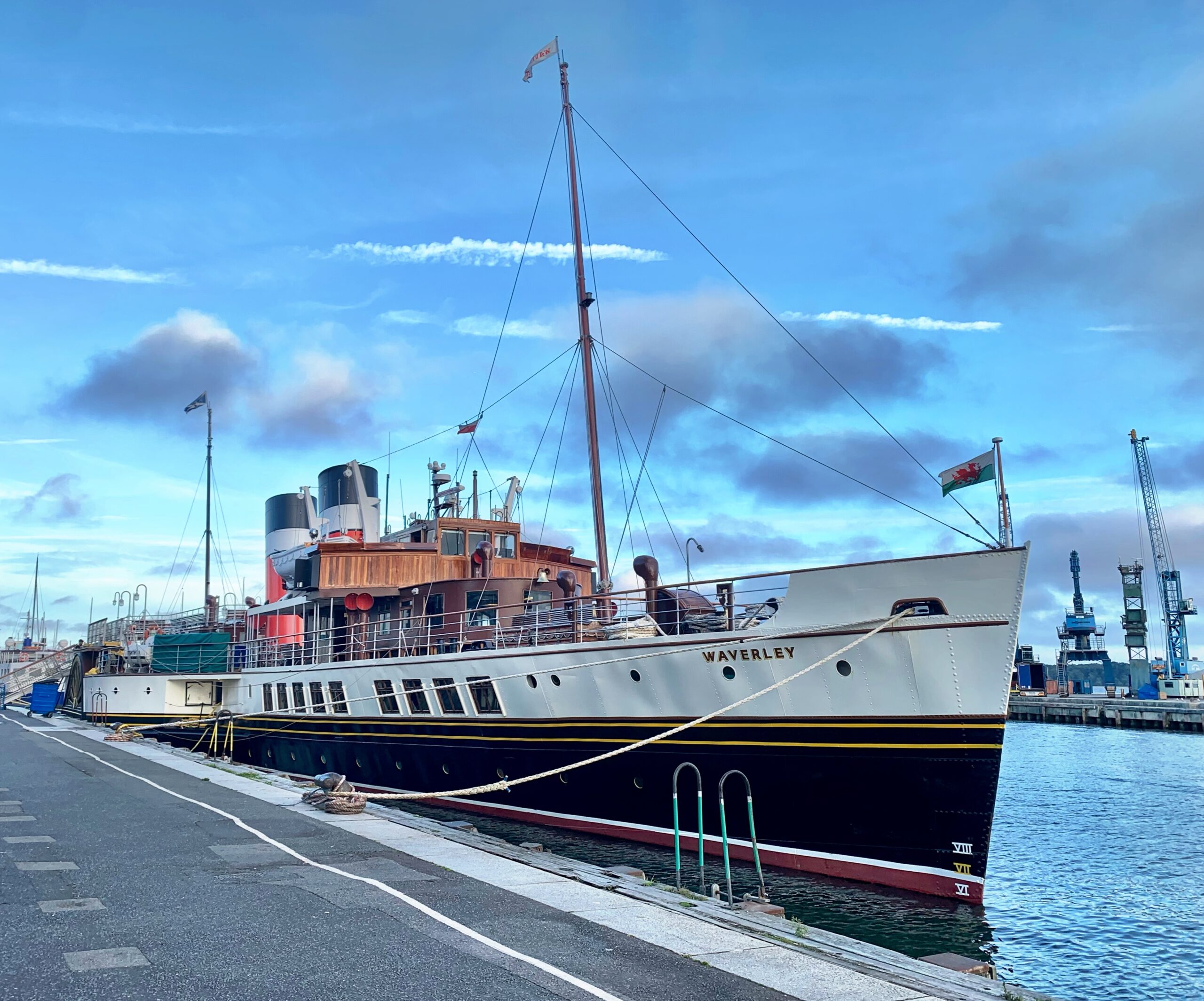
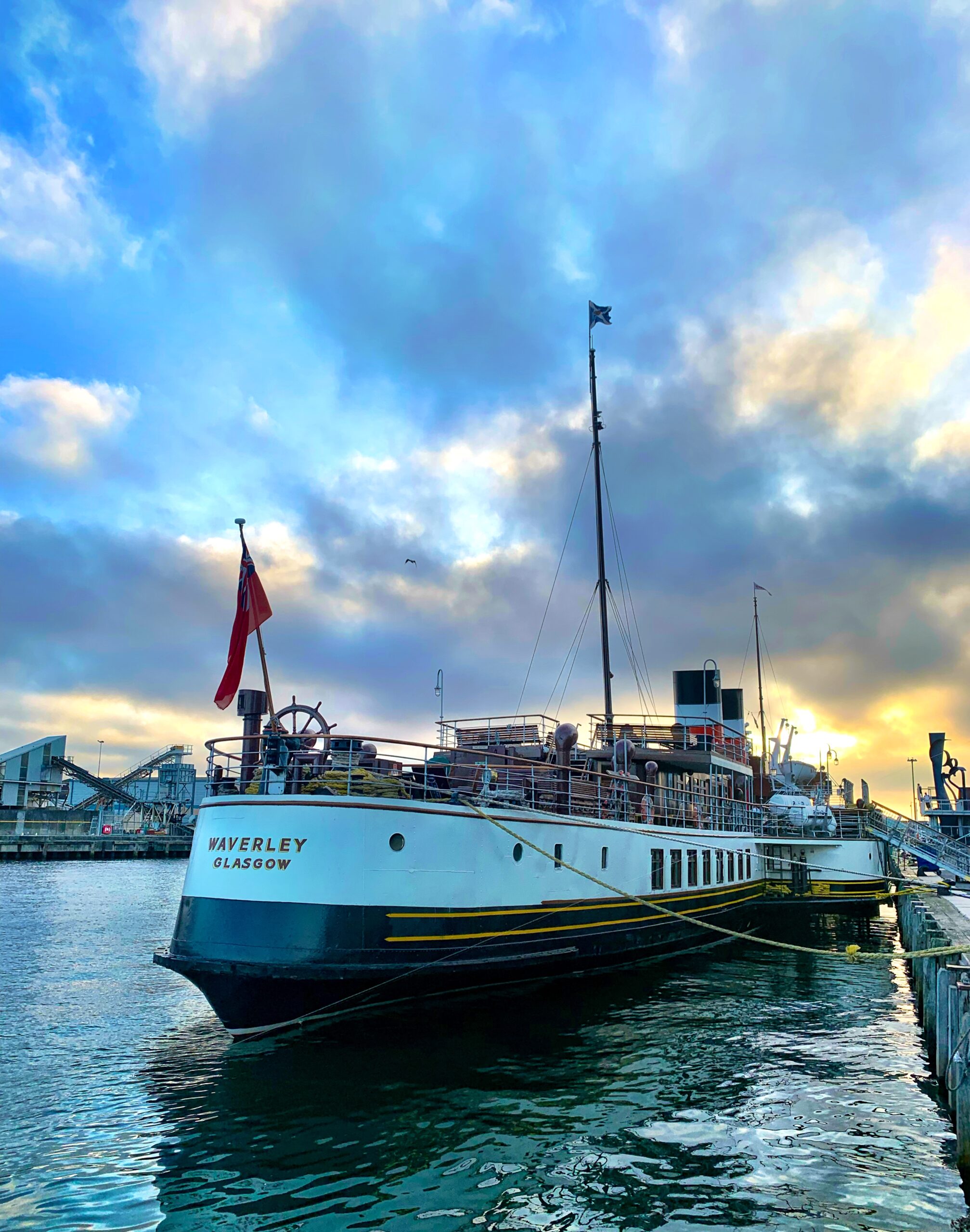
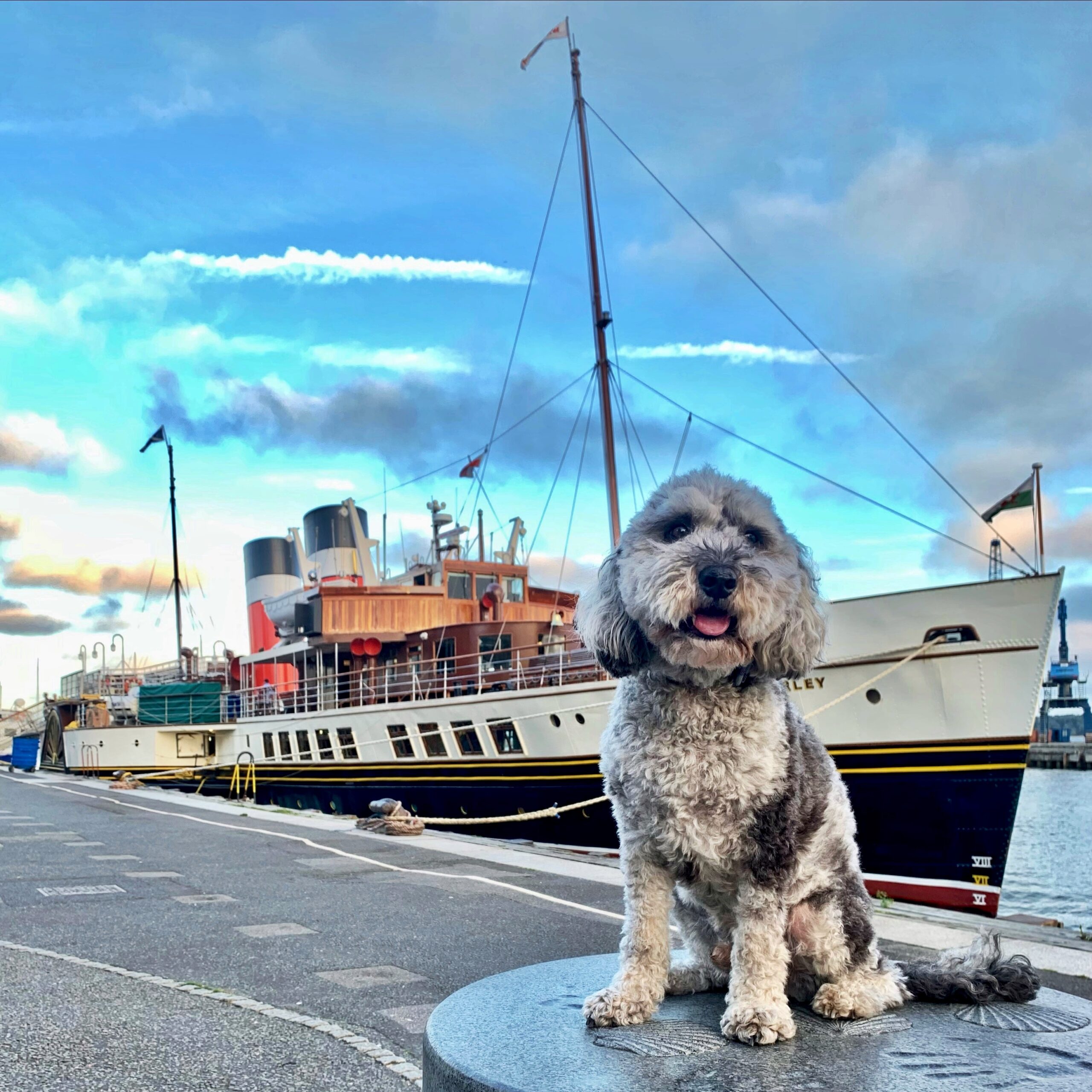
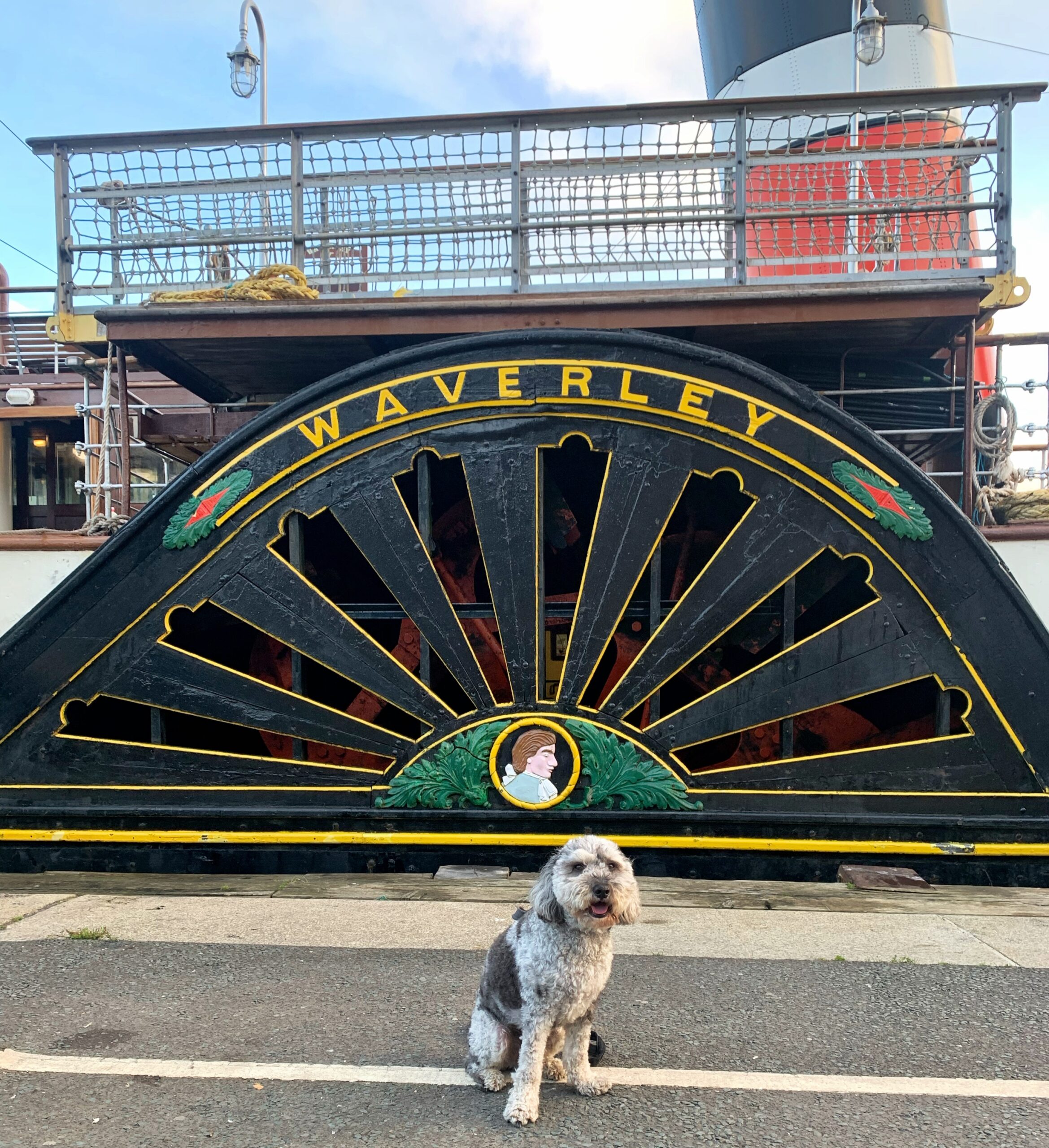
Yoshi and I took another opportunity to go see the last seagoing passenger-carrying paddle steamer, PS Waverley, alongside Town Quay in Poole on Monday 11th September. Built in 1946 for sailings from Craigendoran on the Firth of Clyde to Arrochar on Loch Long which she operated until 1973 when she was purchased by the Paddle Steamer Preservation Society (PSPS) for the princely sum of £1 and restored to her 1947 condition. She now operates passenger excursions around the British coast. Most years she visits Dorset, operating tours from Poole and Swanage.
Thank you once again for visiting and for your comments and corrections. Hopefully we’ll be back next week with photos of the Railway Touring Company organised “Swanage Belle” railtour and the results of our efforts at tracking down local engineers trains! Be seeing you!
Leave a Reply