September 28th 2023 to October 5th 2023
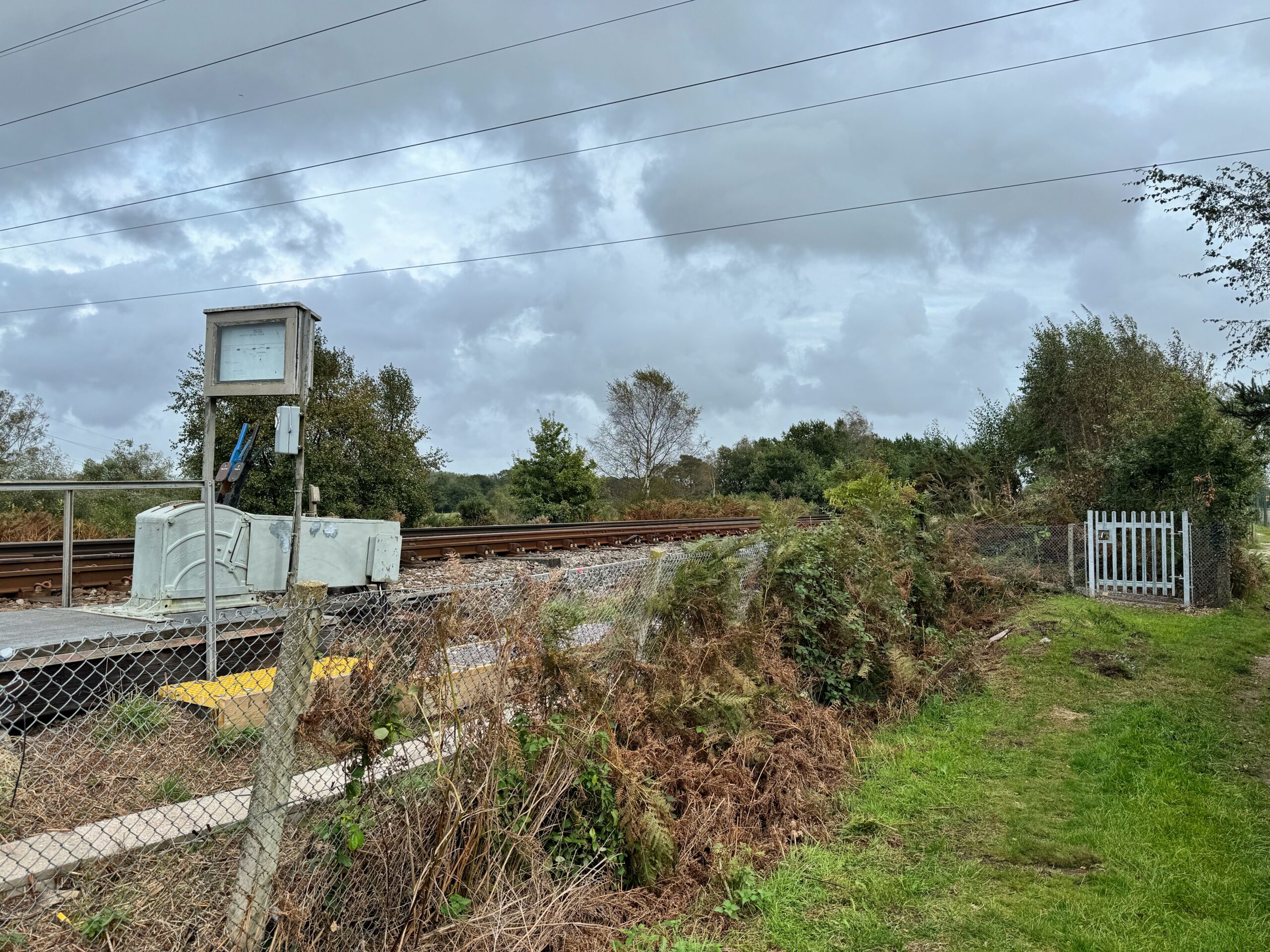
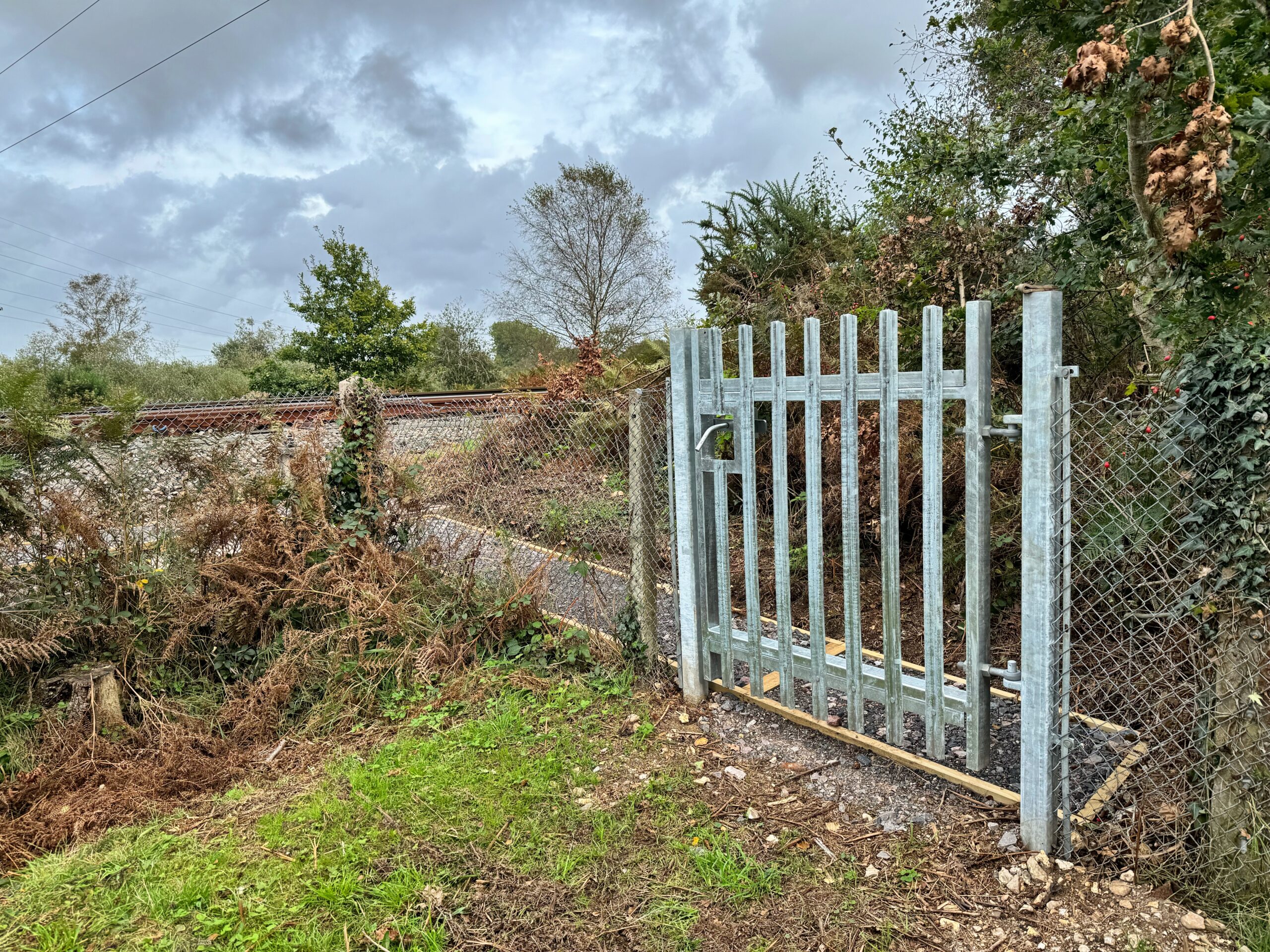
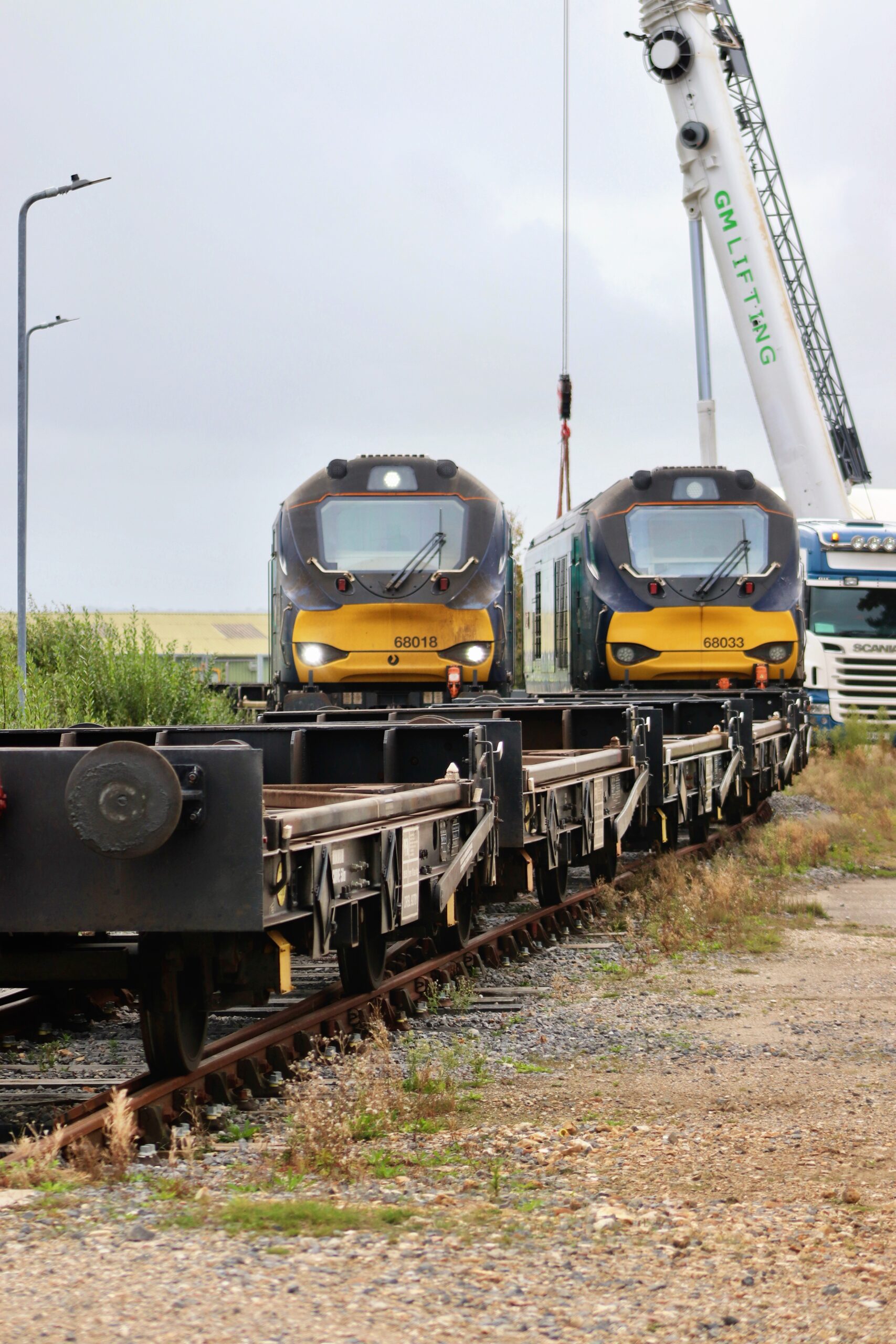
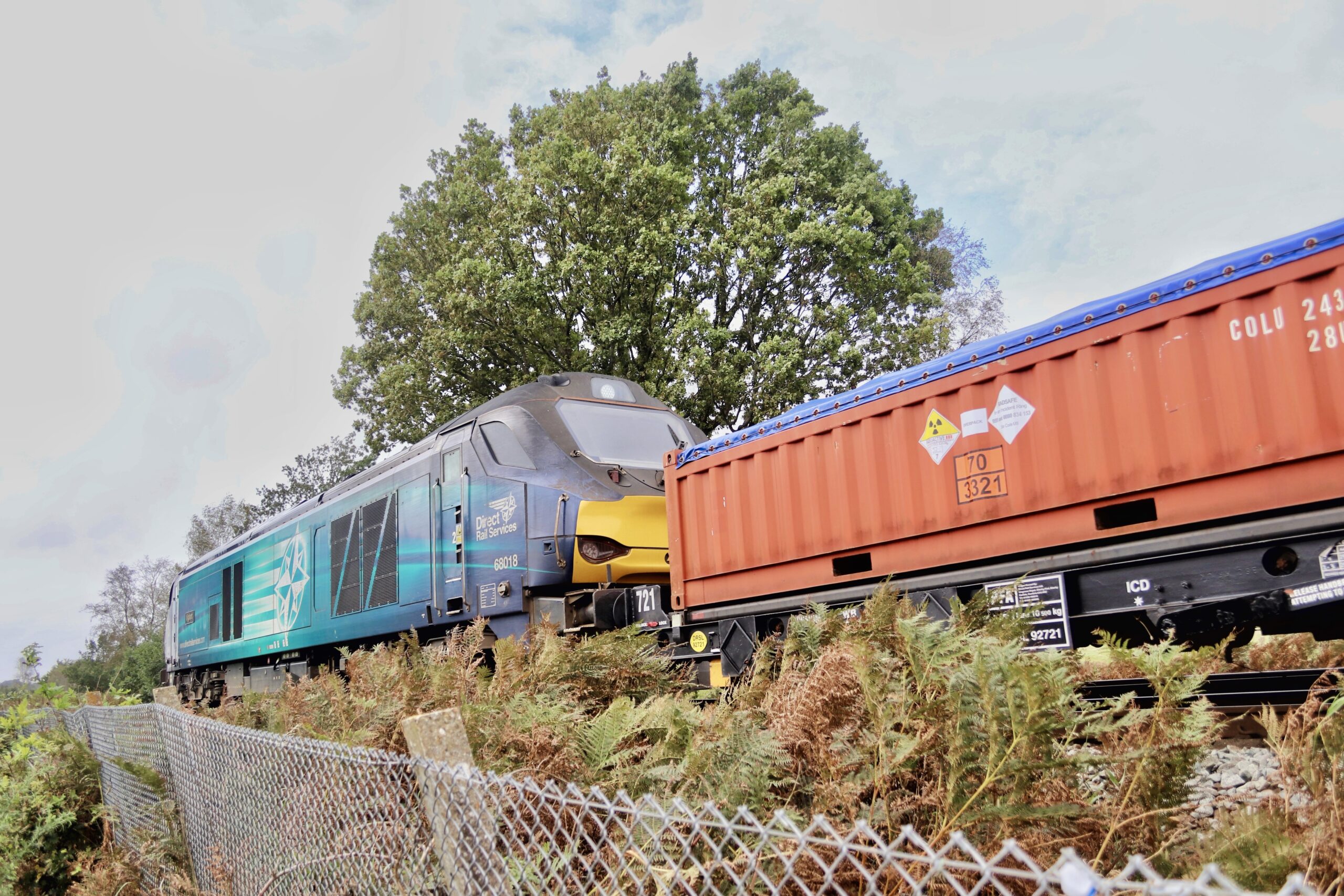
Thursday September 28th 2023 saw another Direct Rail Services (DRS) run from Crewe to Winfrith for the collection of low level nuclear waste. If estimates are correct there may only be three of these trains left to run. When we took the public footpath alongside the sidings at Winfrith to see the Class 68 locomotives, we were surprised to see a new access gate and path leading to the ground frame which controls the point work to / from the main line into the sidings had been installed. A ground frame is a bank of point levers placed at the trackside to operate nearby points or emergency crossovers and are generally found in remote locations too far away from a signal box to be connected by traditional rodding or wires. The levers on a ground frame look very similar to those found in a signal box and operate in the same way but rarely have a building enclosing them. They are operated either by the train driver or a remote crew that is sent out in a van as and when their operation is required. Because the points at a ground frame are not under the direct control of a signal box, a token or key is required to operate them, this can be in the form of a physical key or in more recent years an electronic token.



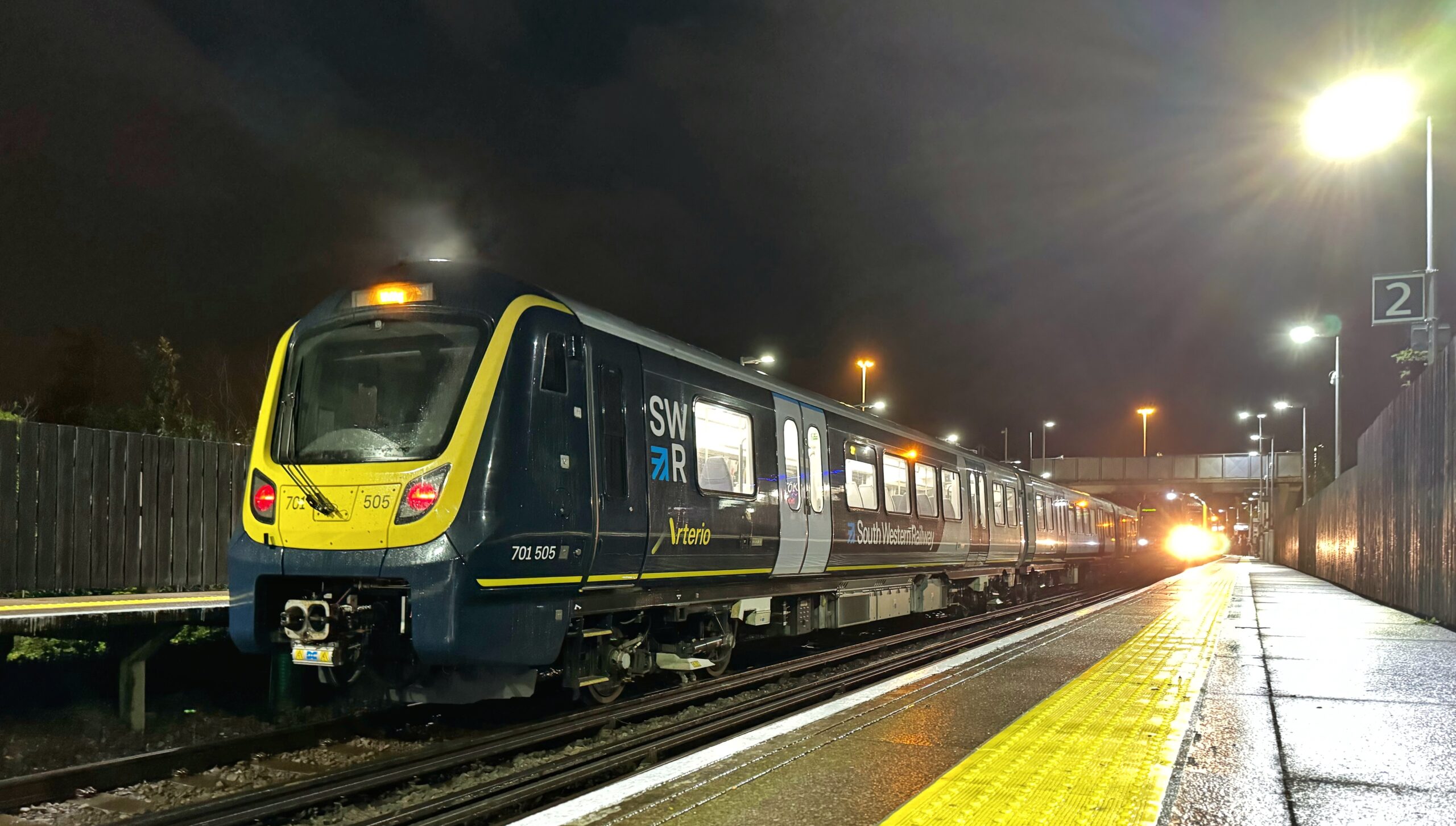
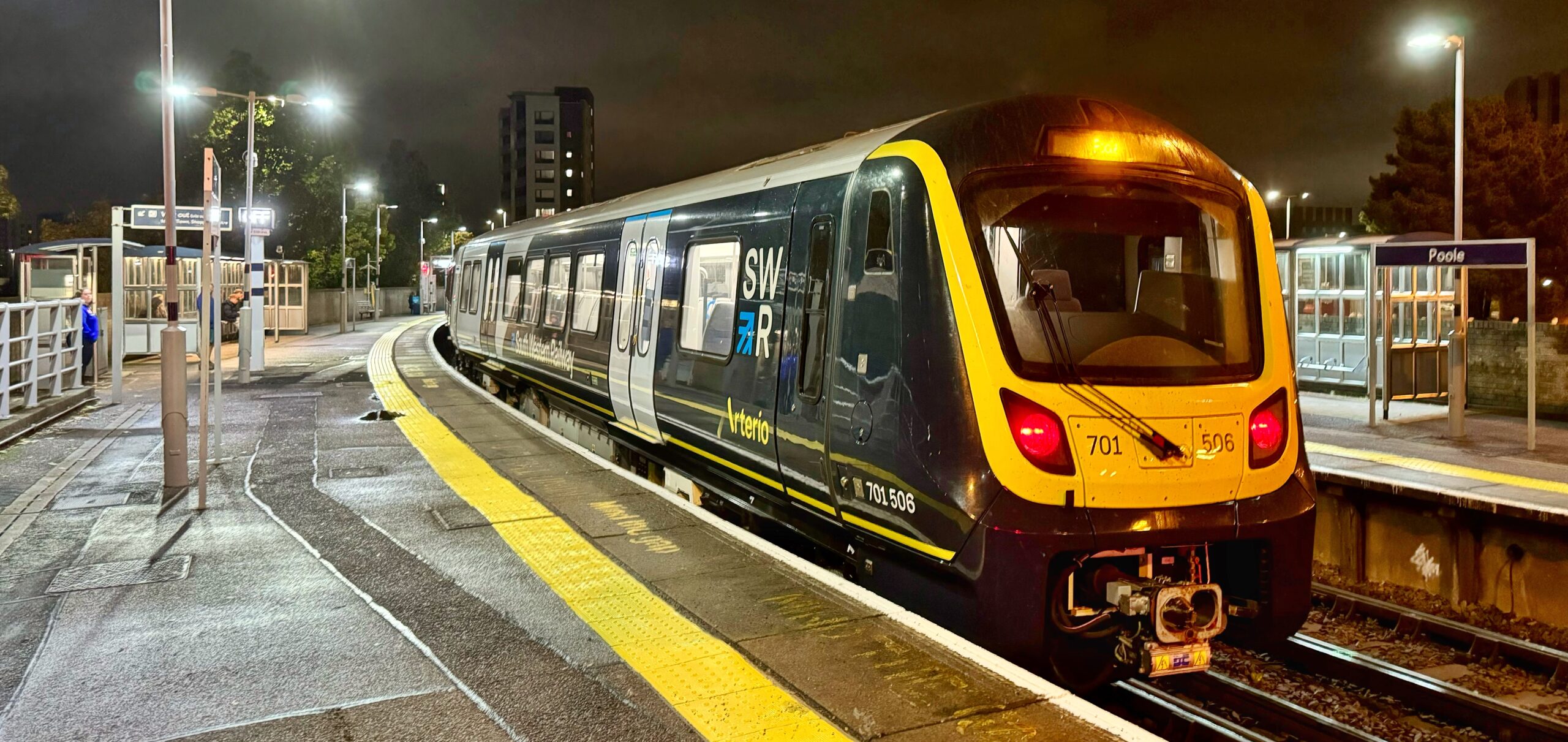
Thursday evening, I was contacted by Bob from the “Christchurch Mafia” who kindly called to let me know that a pair of SWR Class 701/5’s were on their way to Poole on a mileage accumulation run. Class 701/5 are a five car variant of the ten car Class 701 EMU.
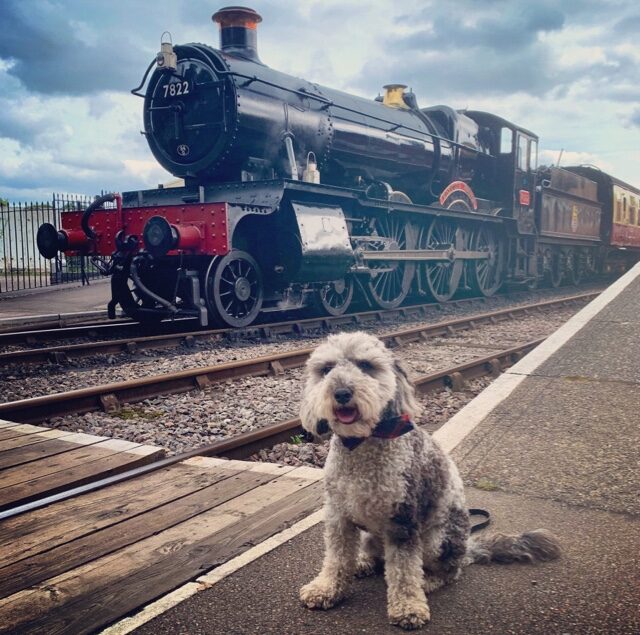
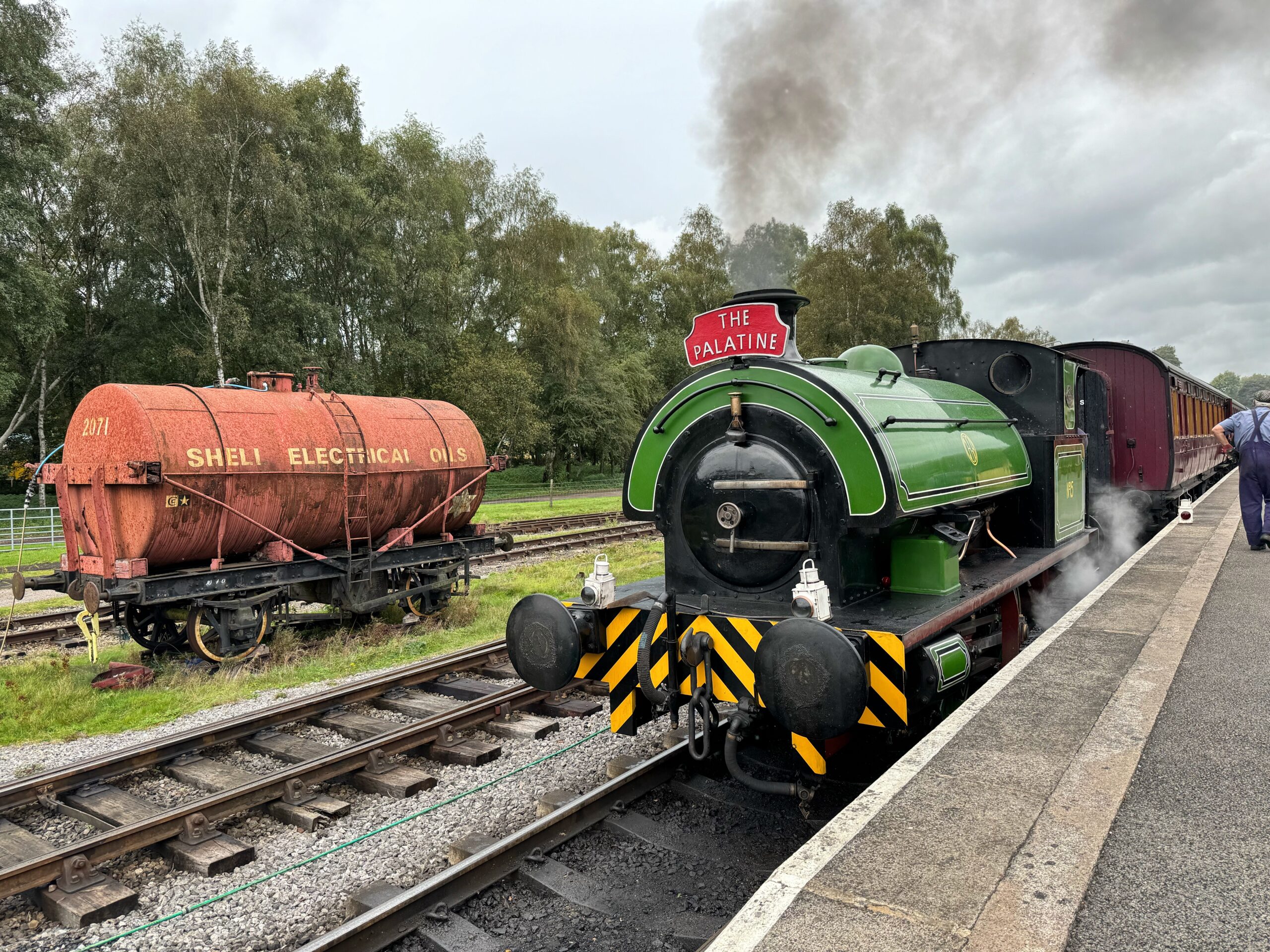
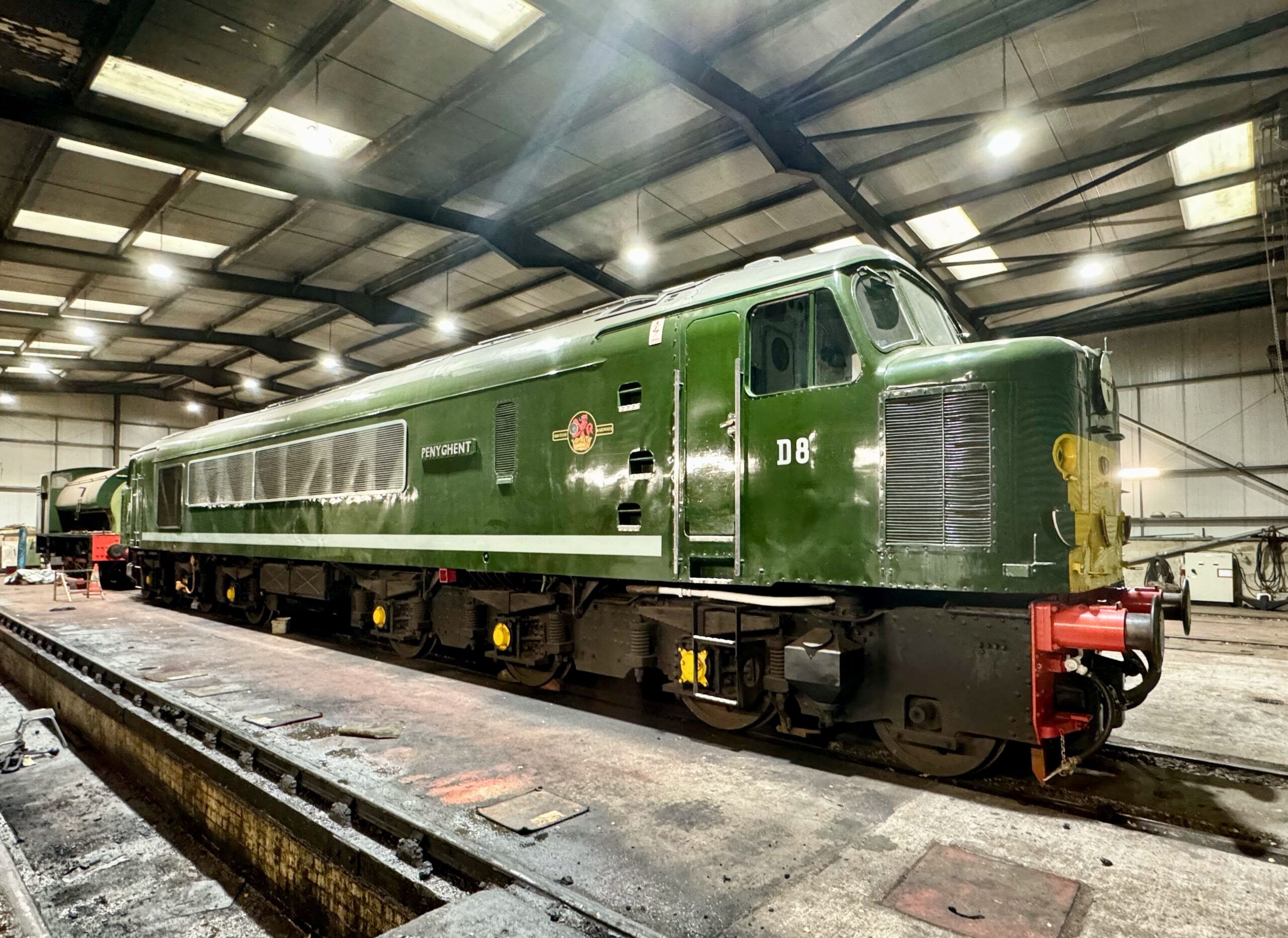
Over the weekend, Caroline, Yoshi and I had a trip to Derbyshire where we visited Hardwick Hall, the Matlock Bath illuminations and The Heights of Abraham. Despite there being a rail strike on Saturday 30th September, I still managed to find a railway element to indulge in and spent an enjoyable few hours at Peak Rail during the afternoon, the highlight of which was being shown around the shed and storage sidings. Peak Rail covers part of the old Midland Railway line between Manchester Central and London St Pancras which was closed in 1968 and currently operates on approximately 4 miles between Rowsley South Station and Matlock Station Platform 2 with ambitions to extend to Bakewell. Peak Rail operates a number of special events each year and during my visit a Mixed Traffic Gala was in full force with the train I travelled on running a restaurant service; The Palatine, on board two beautifully preserved railway carriages. Neither of which I joined and had to be content with my coffee and a seat in one of the non dining coaches!

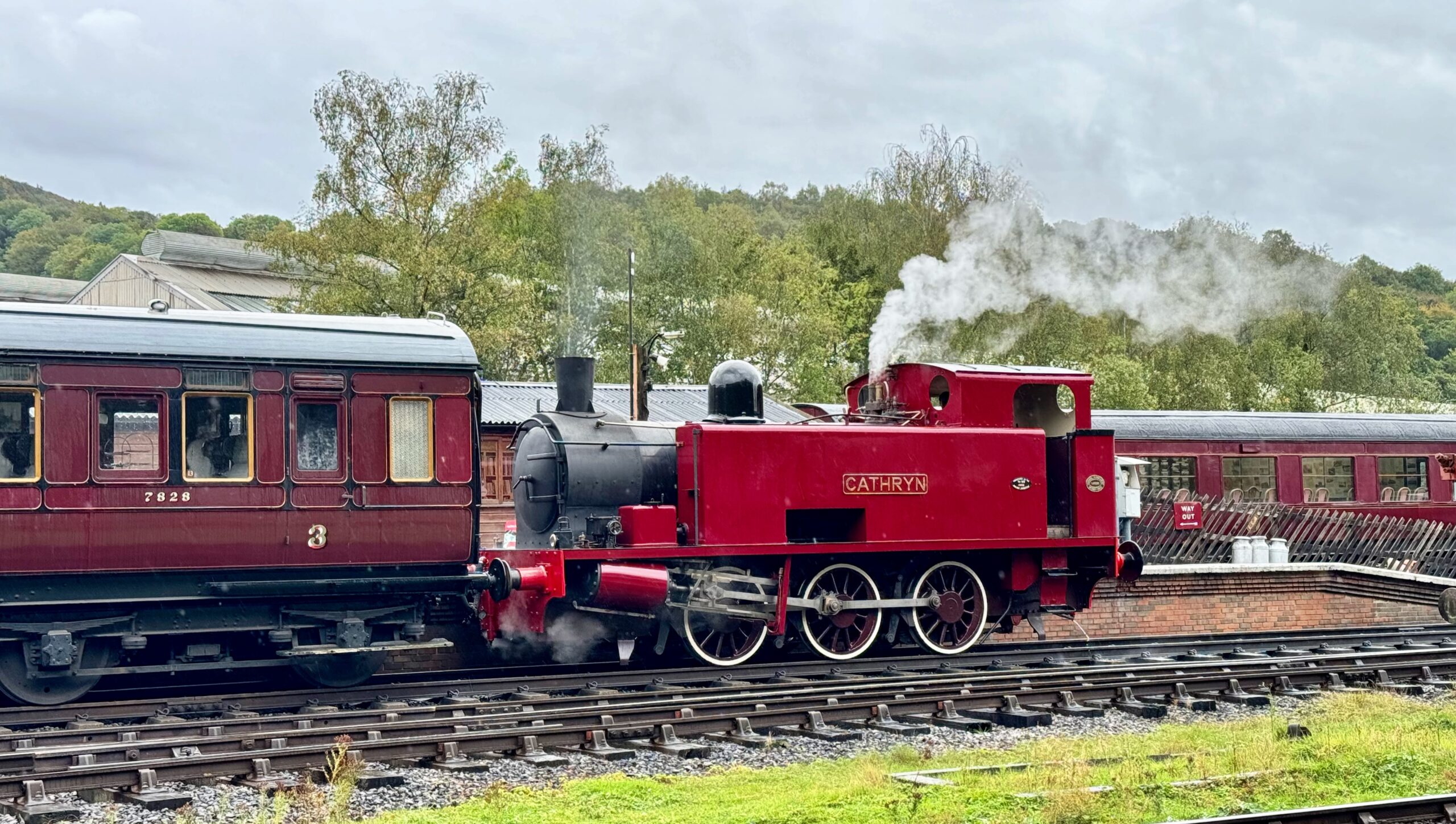
The Peak Railway Preservation Society was first established in 1975 and opened a site at the now closed Buxton Steam Centre with restoration facilities and a 300-yard operating line. However, the whole site was sold to Buxton Water when Peak Rail relocated its headquarters to Darley Dale in the 1980’s using funds from the sale.

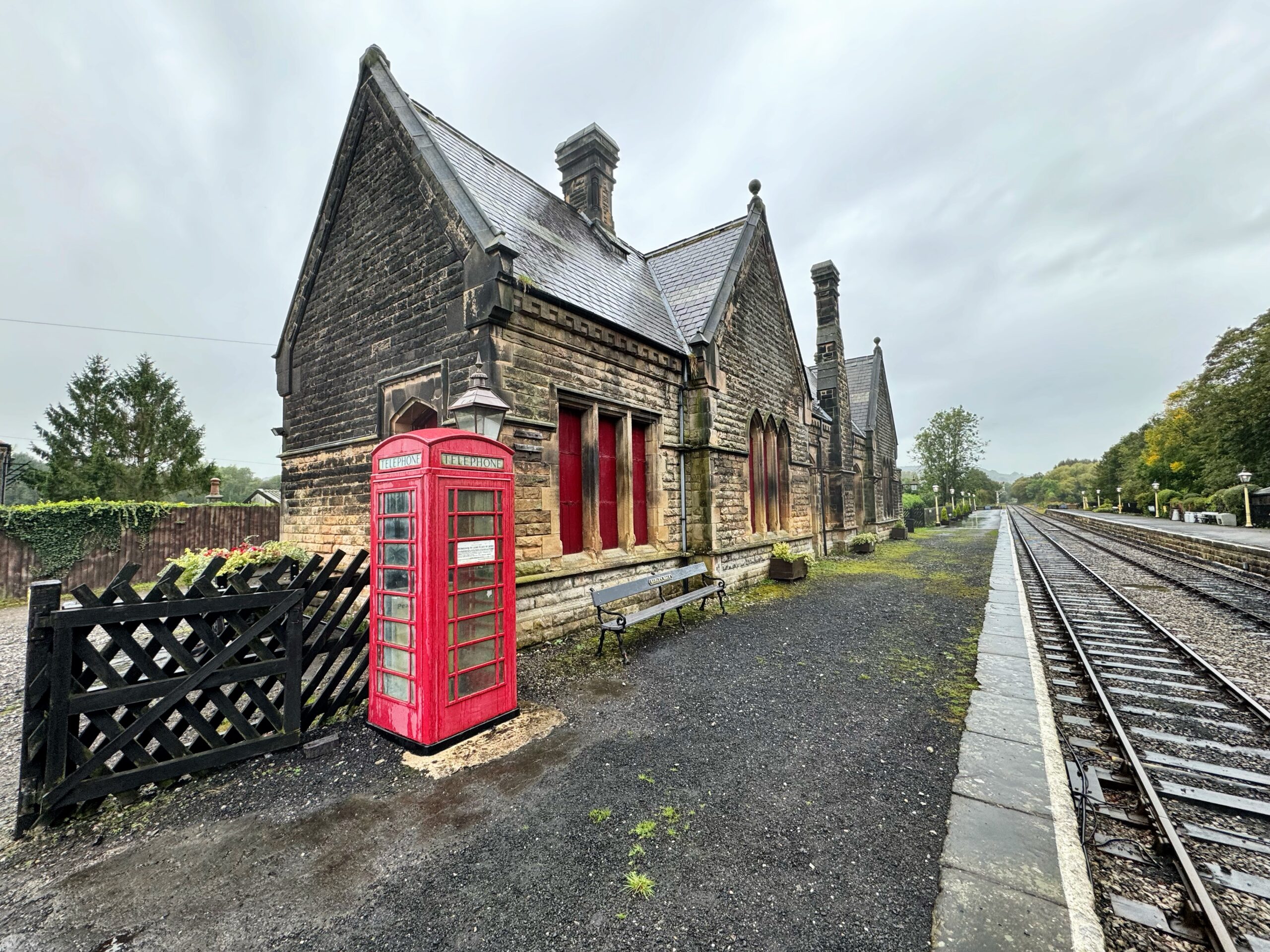
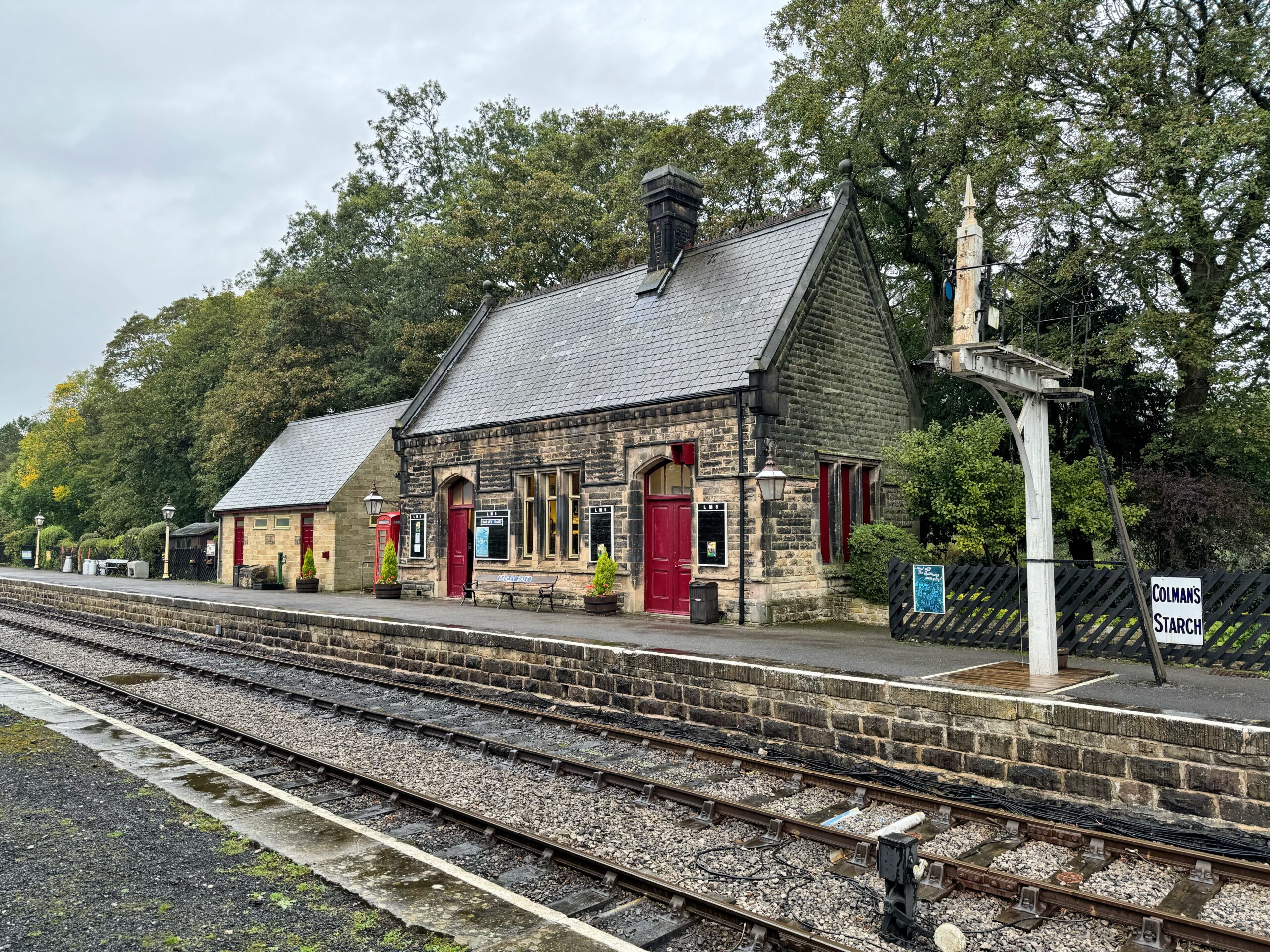
By 1991, the railway had reopened the section of line between Matlock Riverside and Darley Dale with an extension to within a half-mile south of the Derbyshire village of Rowsley opening in 1997. A new station was constructed at Rowsley South next to the site of the former loco shed which housed banking engines for the route to Manchester.
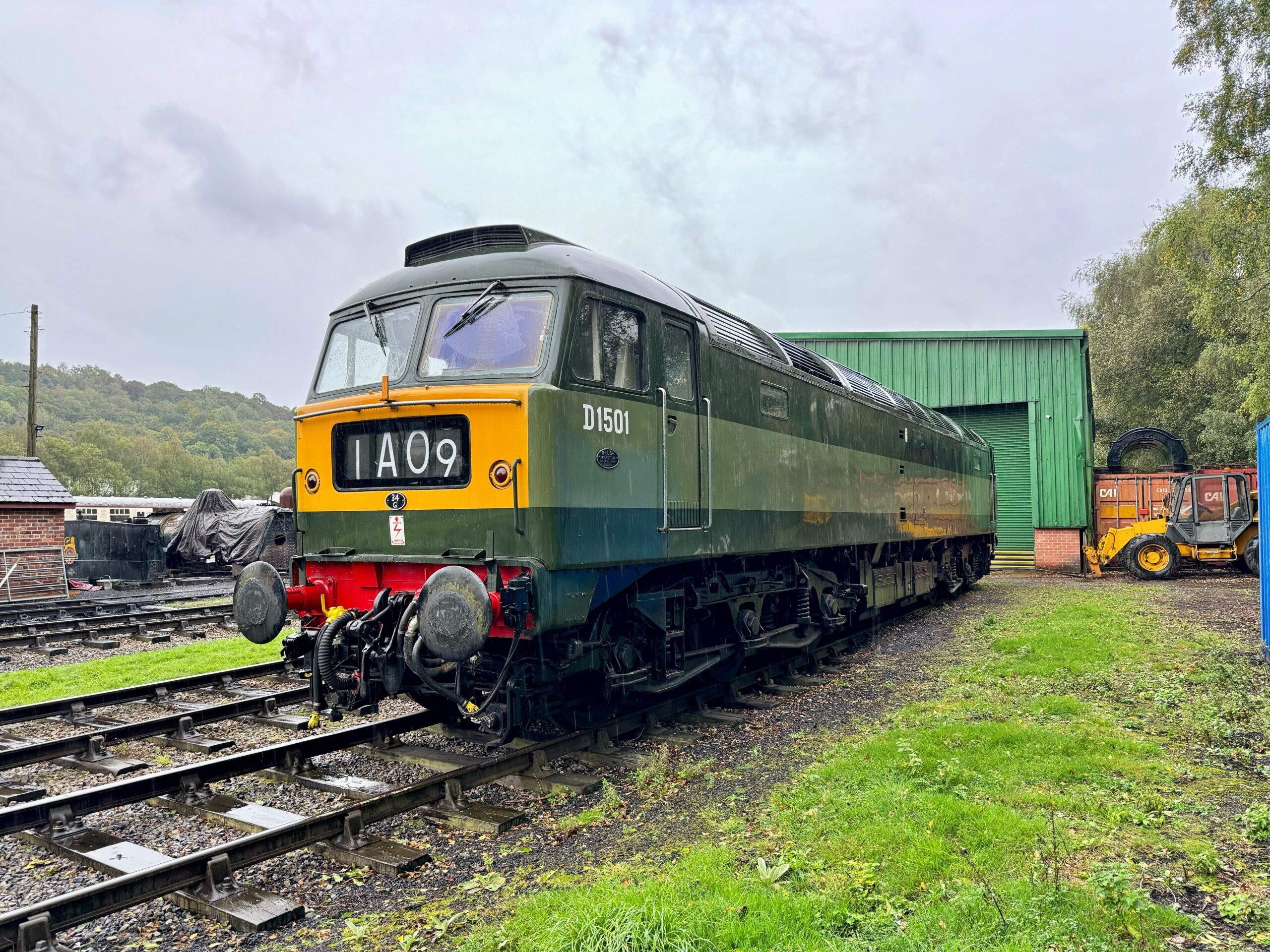
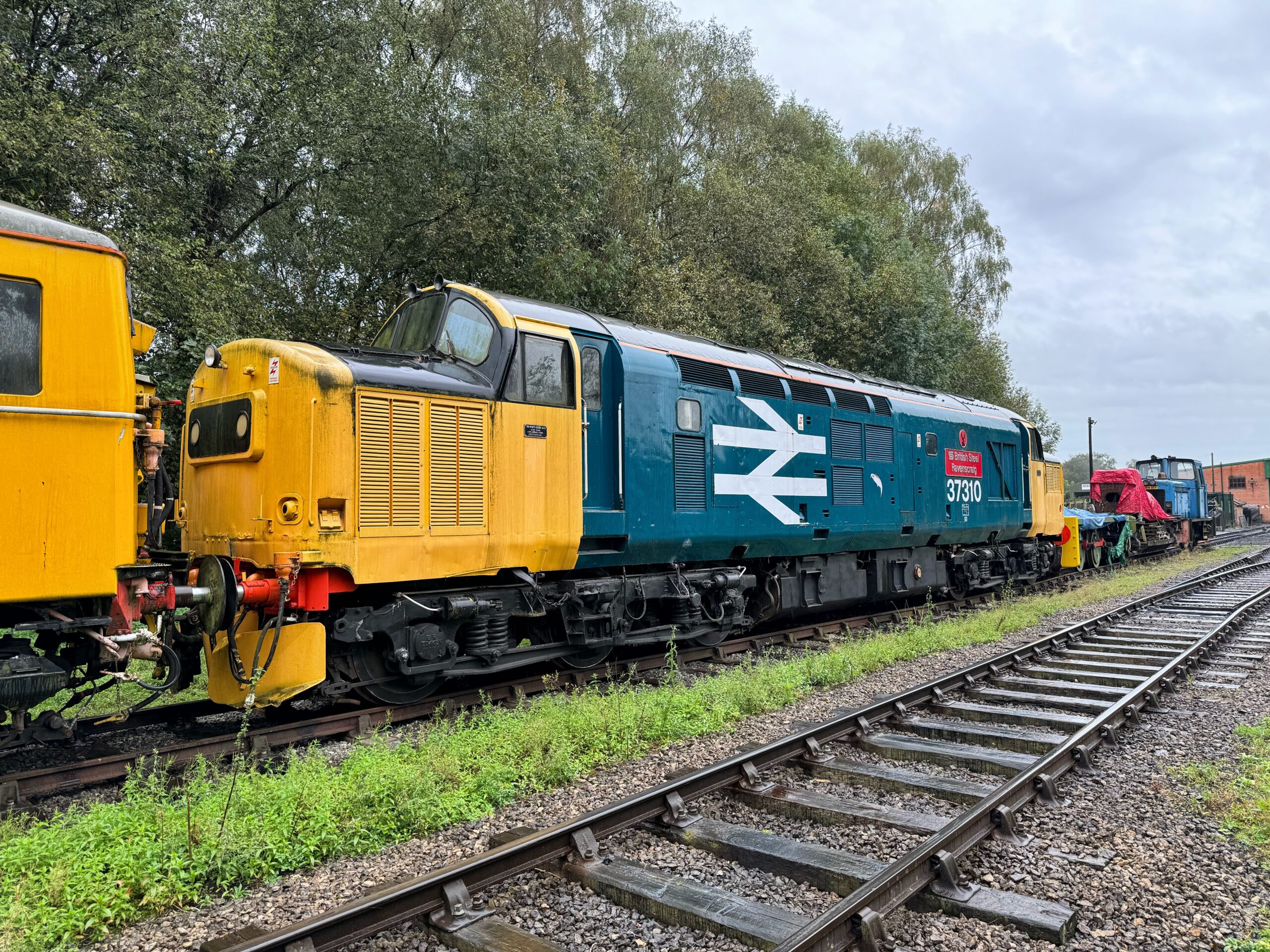
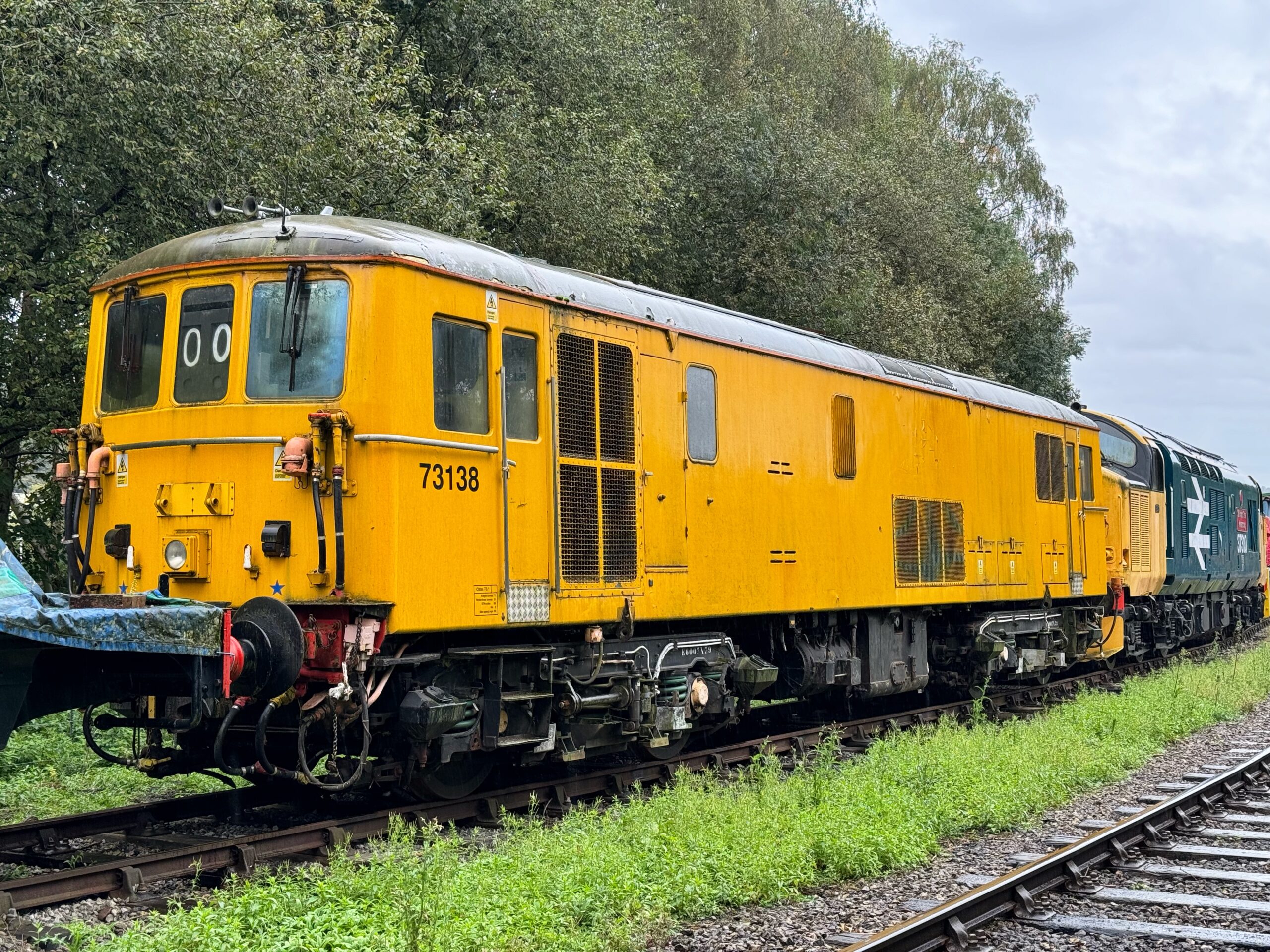

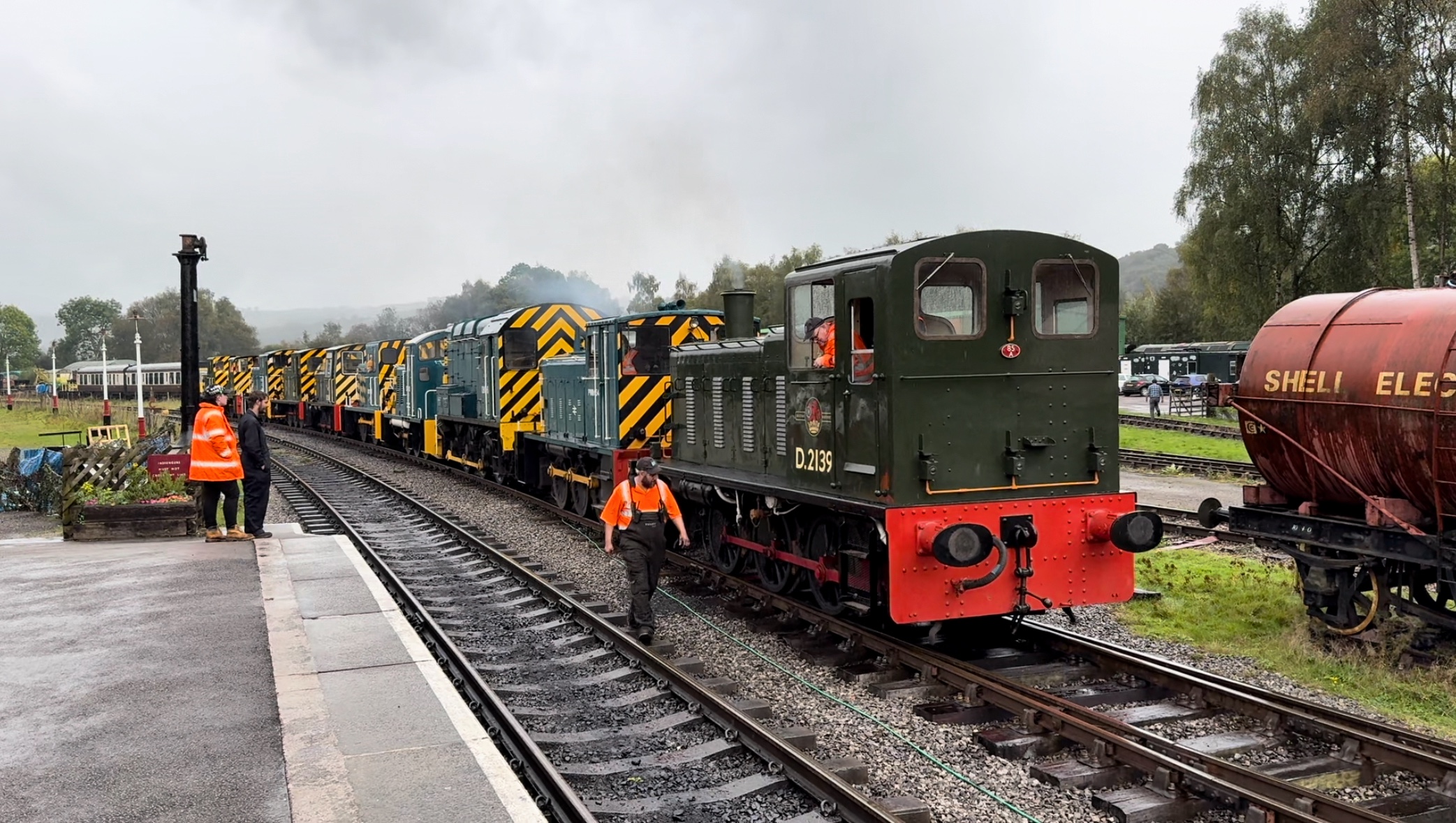
After the construction of the Matlock by-pass, and a new Sainsburys supermarket in the former Cawdor Quarry, a new track alignment and track layout was installed between Matlock Riverside and Matlock railway station to provide a through connection from Peak Rail to the national network which re-opened on 2nd July 2011 with a 50 year lease for this and the use of platform 2 by the heritage line.

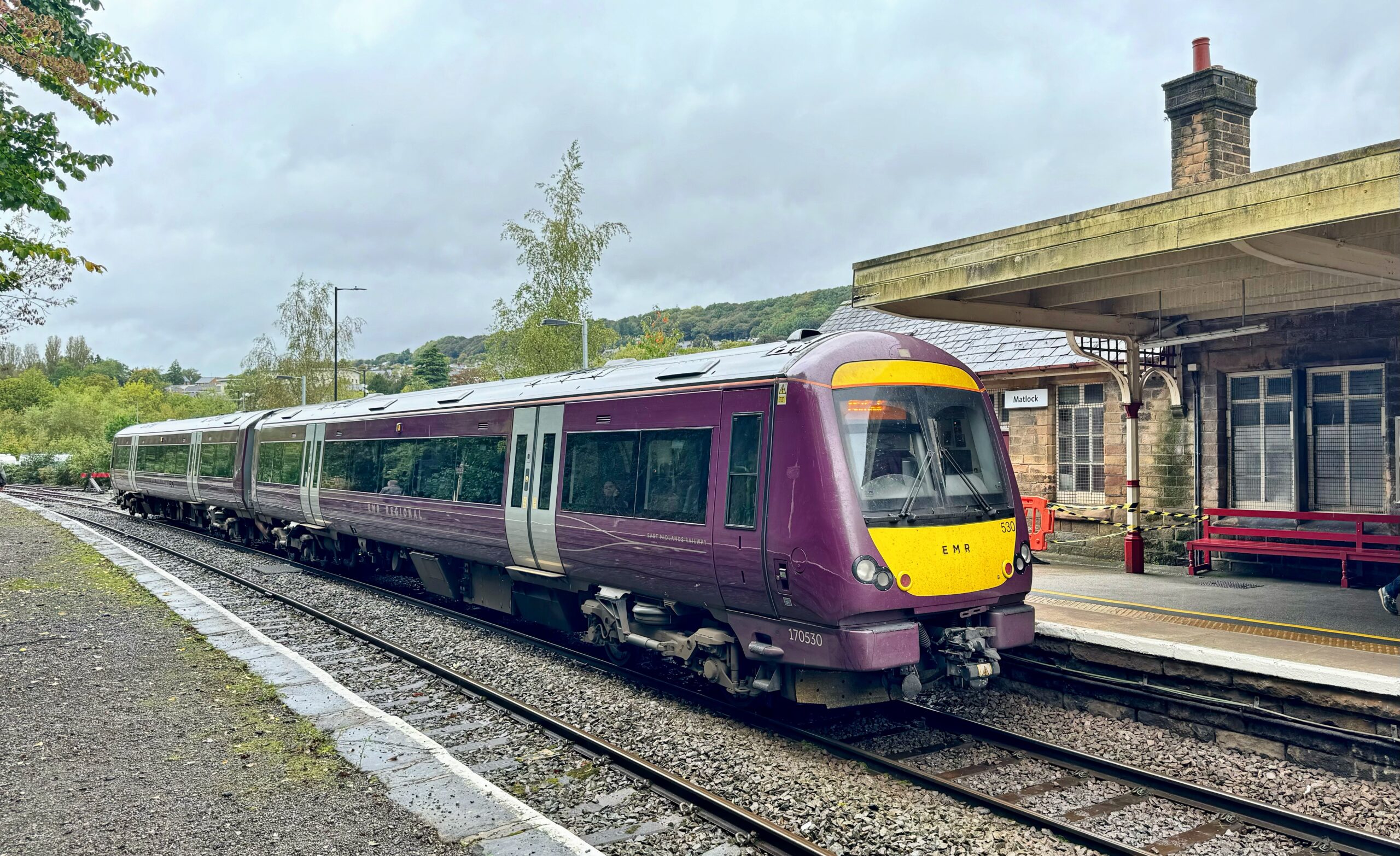
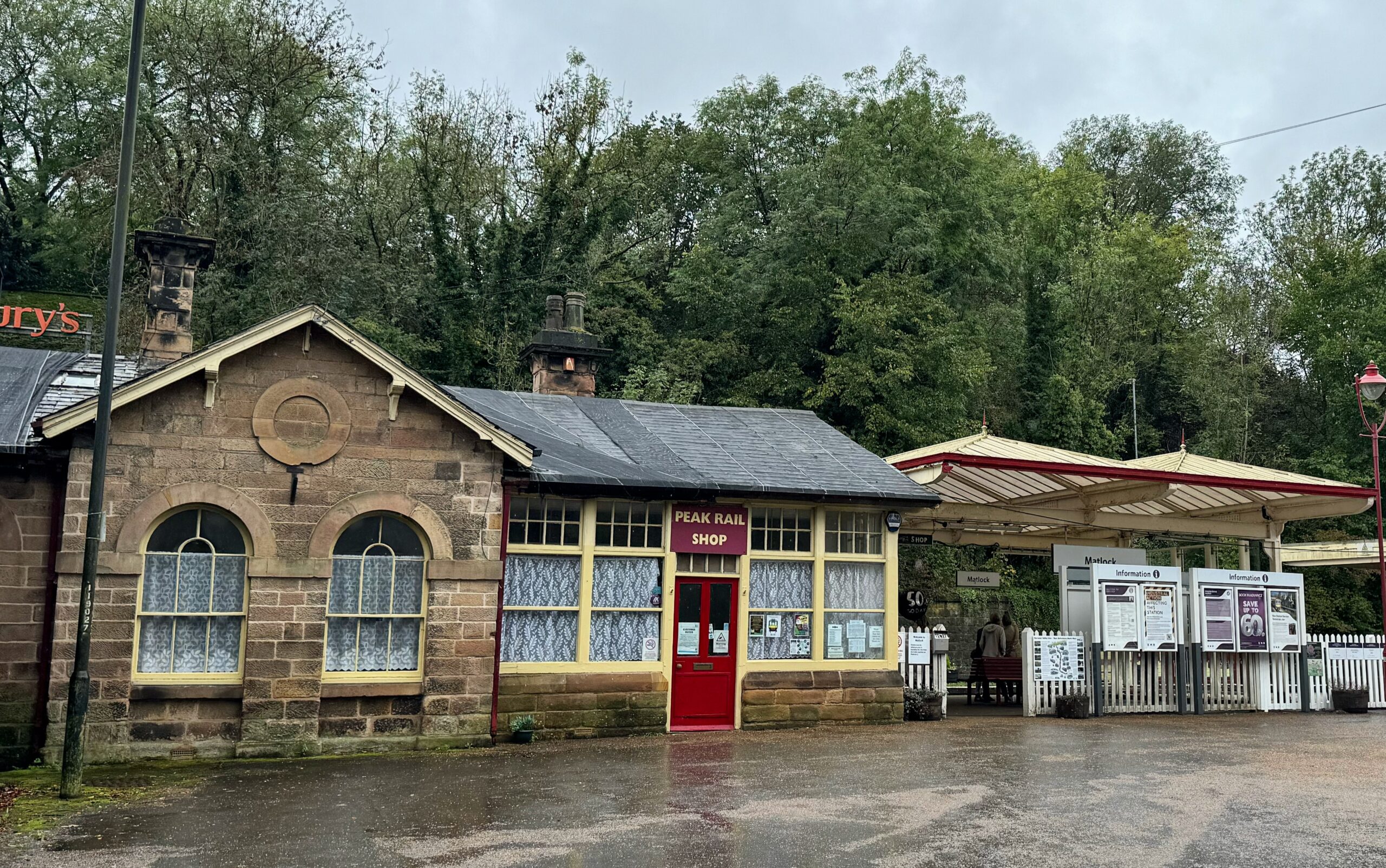
Once famed for its hydro and spa treatments, Matlock’s central location, scenic surroundings and public transport links make it a popular base for exploring the Peak District and Derbyshire. Pioneering industrialist John Smedley developed the attractive market town as a fashionable spa in the 19th century, and his legacy lives on in buildings such as Smedley’s Hydro (now the offices of Derbyshire County Council) and Gothic-style Riber Castle. Matlock railway station, originally called Matlock Bridge, was opened by the Manchester, Buxton, Matlock and Midland Junction Railway on 4th June 1849, when the line between Ambergate and Rowsley opened. The station buildings, designed by Sir Joseph Paxton, opened in 1850. The adjacent station master’s house is now Grade II listed.

Just a mile and a half to the south, Matlock Bath is a lively town that was developed as one of England’s first true tourist destinations. It has been attracting visitors since the late 17th Century, and by the 19th Century it was a place for the finest in society to be seen, including royalty. Lord Byron dubbed it “Little Switzerland” on account of its magnificent views and steep, wooded hillsides. Matlock Bath is just as much fun to visit today. It has a long high street lined with quirky shops, cafés, amusement arcades and visitor attractions, as well as peaceful paths for shady strolls alongside the River Derwent.
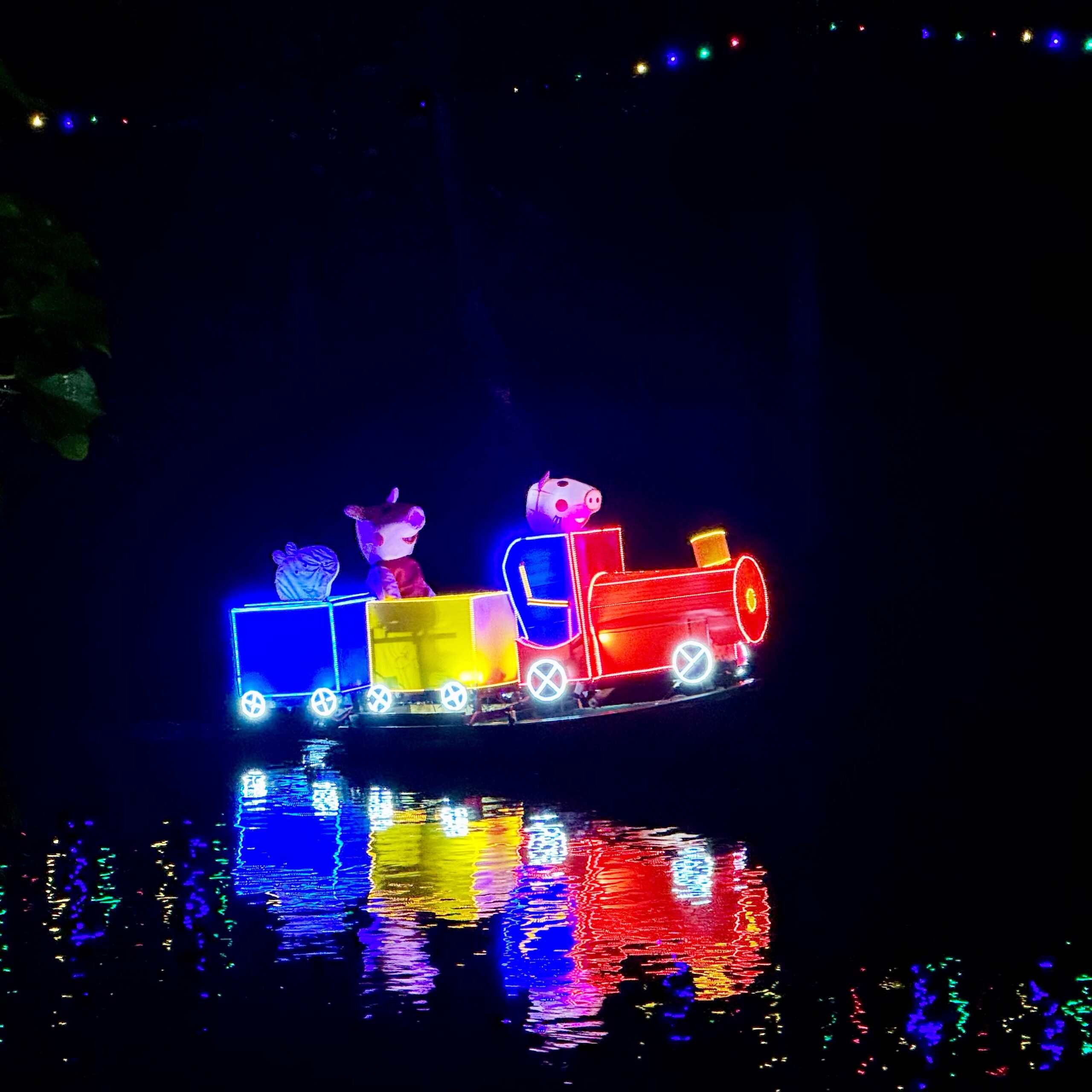
The Matlock Bath Illuminations are a popular annual event running from September to the end of October, when the riverside is decorated and the cliffs floodlit to create a magical scene of colour. At weekends during the Illuminations there are parades of decorated boats, entertainments and, on certain dates, firework displays.
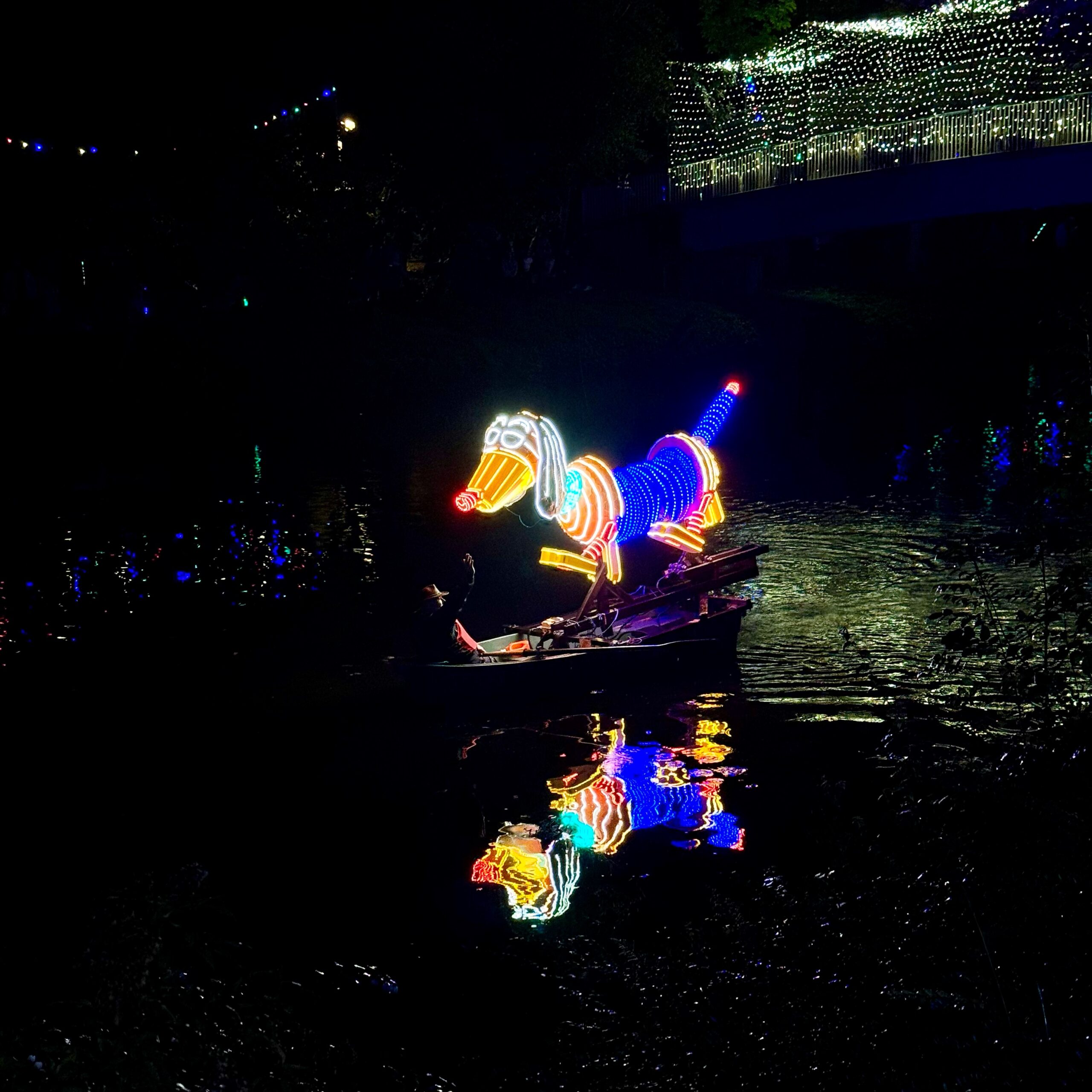
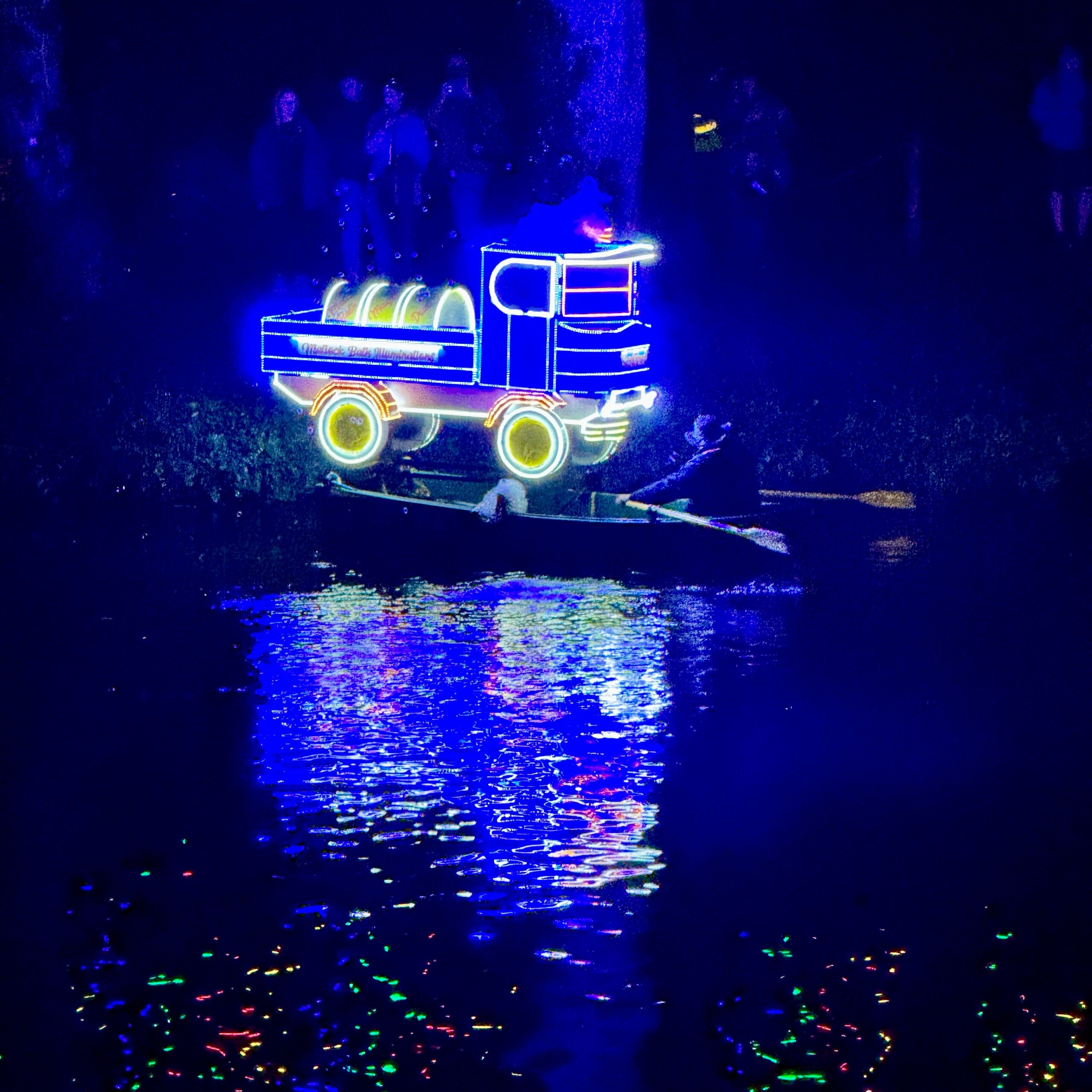
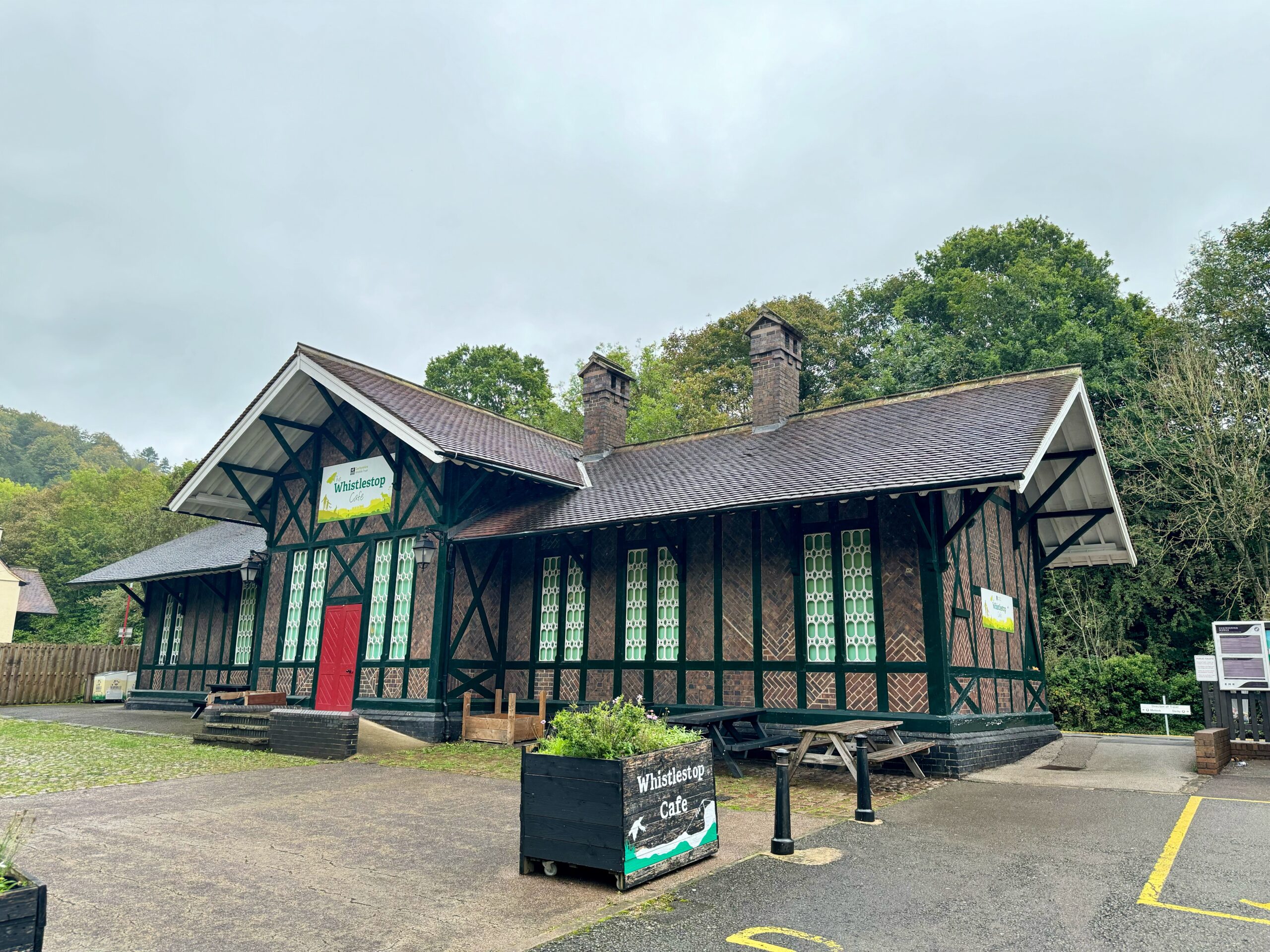
Matlock Bath railway station is owned by Network Rail and managed by East Midlands Railway is also Grade II listed. Opened by the Manchester, Buxton, Matlock and Midland Junction Railway on 4th June 1849 and closed on 6th March 1967 but reopened on 27 May 1972.
The station buildings have an unusual ‘chalet’ style, inspired by the romantic notion at the time that the resort was England’s “Little Switzerland”. The station buildings have been occupied by Derbyshire Wildlife Trust since the 1980’s and were restored in period-style and opened as a cafe/visitor centre in 2019 after a grant from the National Lottery Heritage Fund, with additional support from Derbyshire Dales and Derbyshire County councils, and other donations, but were unfortunately closed when we visited.
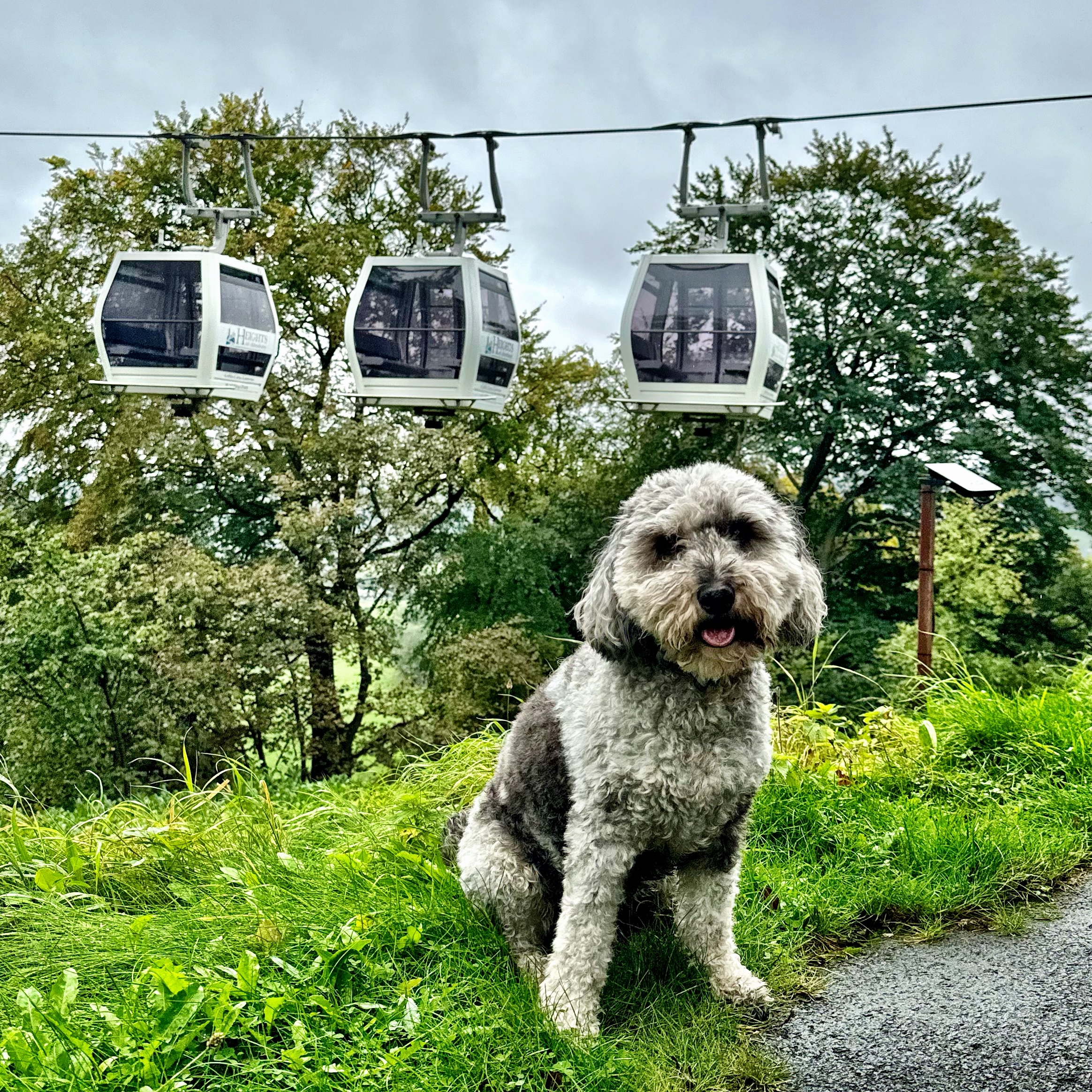
The Heights of Abraham cable car runs from near the station up to the associated visitor attraction. Originally opened in 1787 as a “Savage Garden”, a popular term for wild and exotic locations first coined by the Georgians in the late 18th Century, the Heights is a unique and special hilltop park with guided underground cavern tours, historical exhibitions and other facilities.
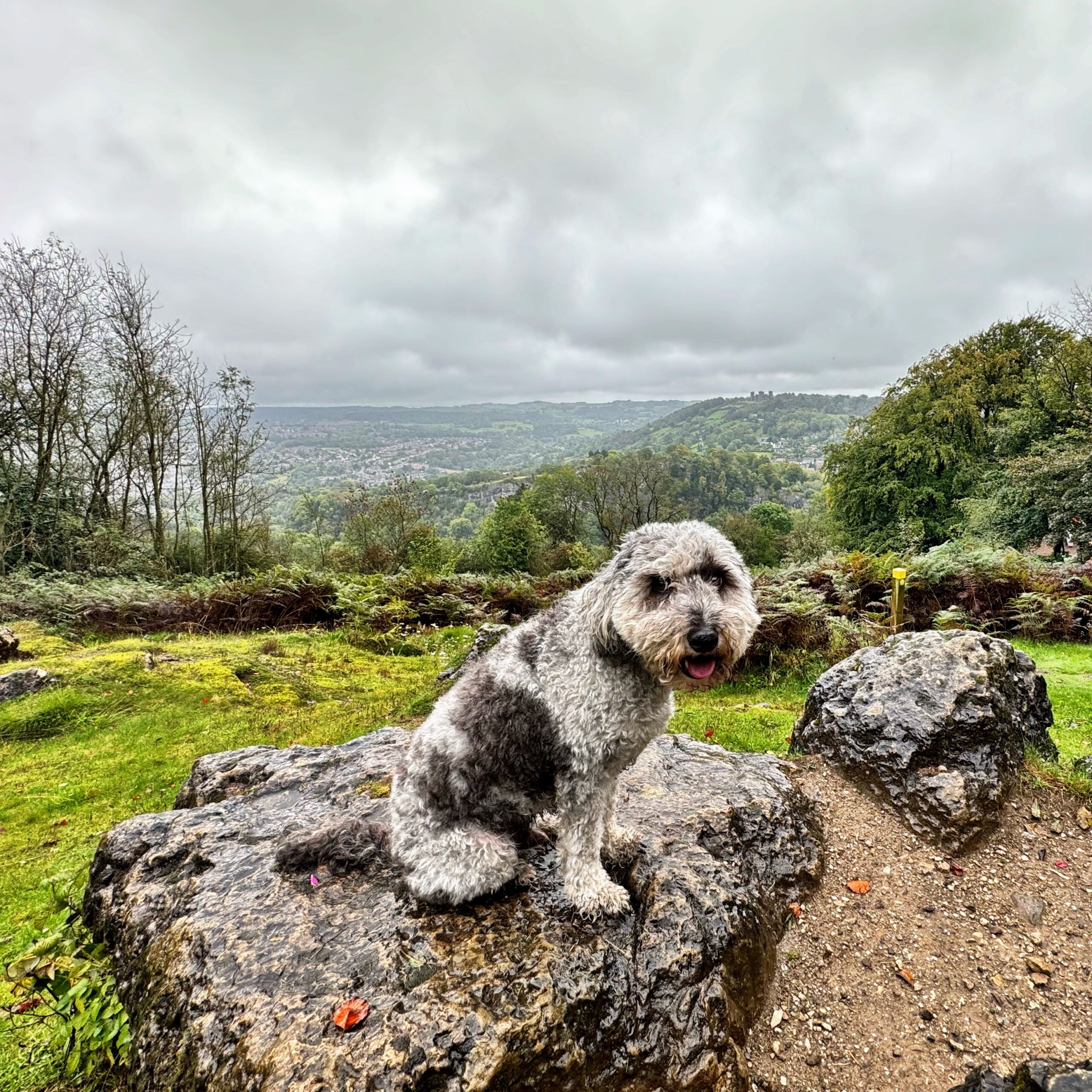
Caroline took a guided tour of Masson Cavern, formed over 350 million years ago, while Yoshi and I took the quicker route to meet her after her underground experience at Tinker’s Shaft once the main access point when it was a working lead mine in the 17th Century. It is now safely capped and has been transformed into a viewing platform with incredible vistas over the Derbyshire Dales.

We also took time to visit the Masson Pavilion which houses a new exhibition entitled “A Mirror on the Past” which features 14 historically accurate life-sized figures dressed in reproduction period costumes as worn by the Georgian, Regency, Victorian and Edwardian guests who visited the Heights of Abraham between 1787 and 1910 created by Arts University Bournemouth Costume and Make-up students.

Wednesday 4th October was another Aslef strike day, but one train which did run in our region was the Network Rail New Measurement Train top and tailed by Colas Class 37 diesel locomotives No.’s 37175 and 37254.

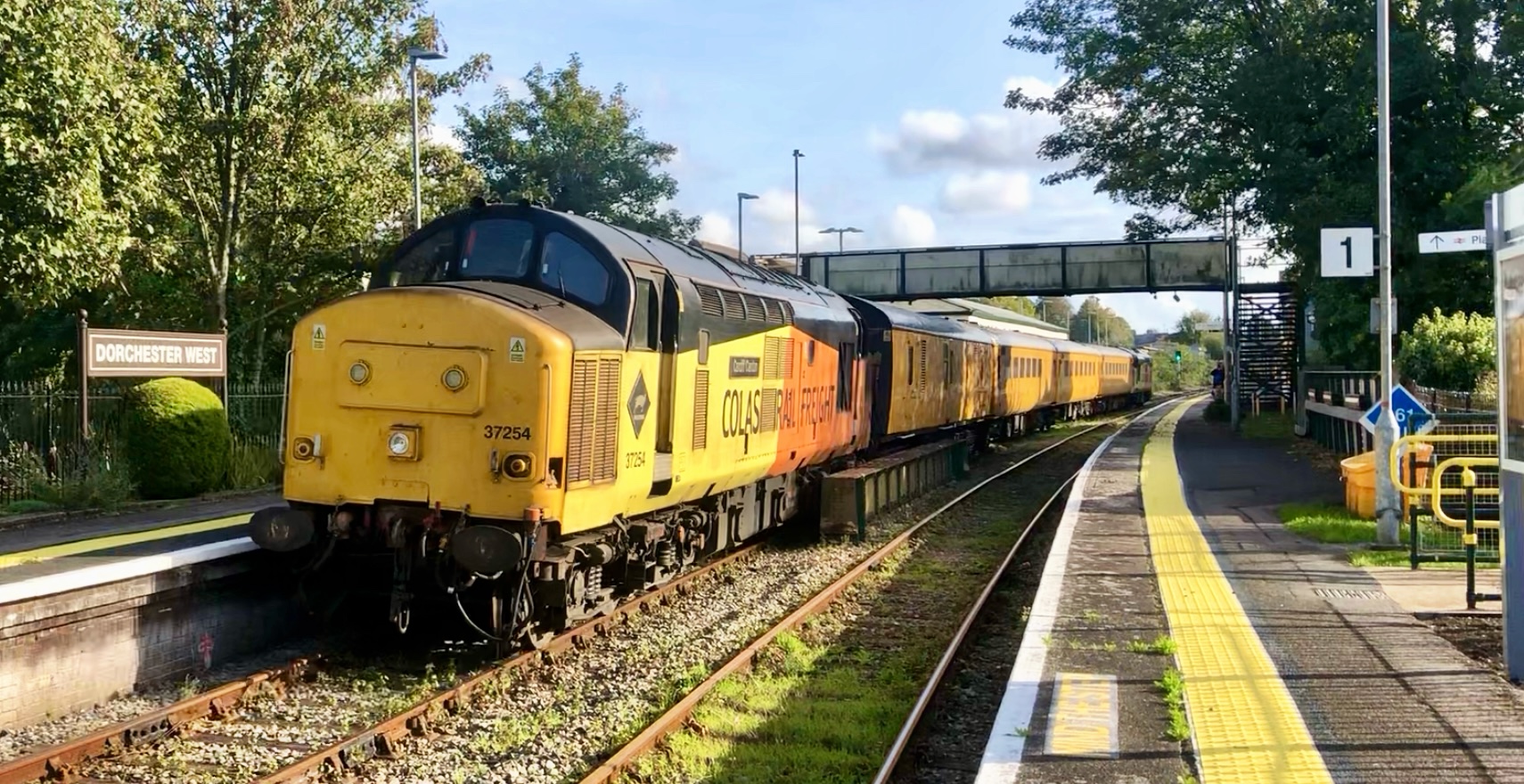
For the record, Colas Class 37 No. 37116 was allocated to the Ultrasonic Test Unit with DBSO No. 9701 working 3Q14 1113 Westbury Down Yard to Westbury Down Yard via Weymouth on Thursday 5th October. It would appear this service was turned around at Castle Cary.
From The Archive:
Video of Thomas and Friends event at Darley Dale on Peak Rail 08/04/1995:
That brings us to the end of another blog entry, thanks for reading and for your comments and corrections. We will be taking a break for a few weeks, but hope to be back at the end of October. Be seeing you!
Leave a Reply