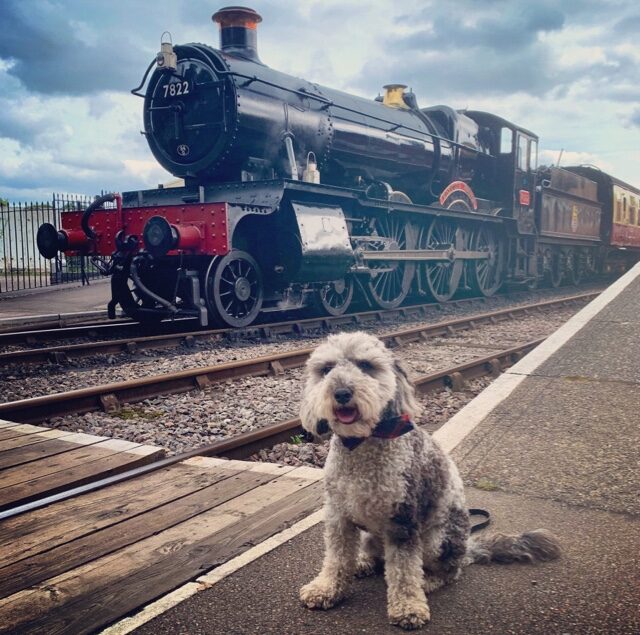
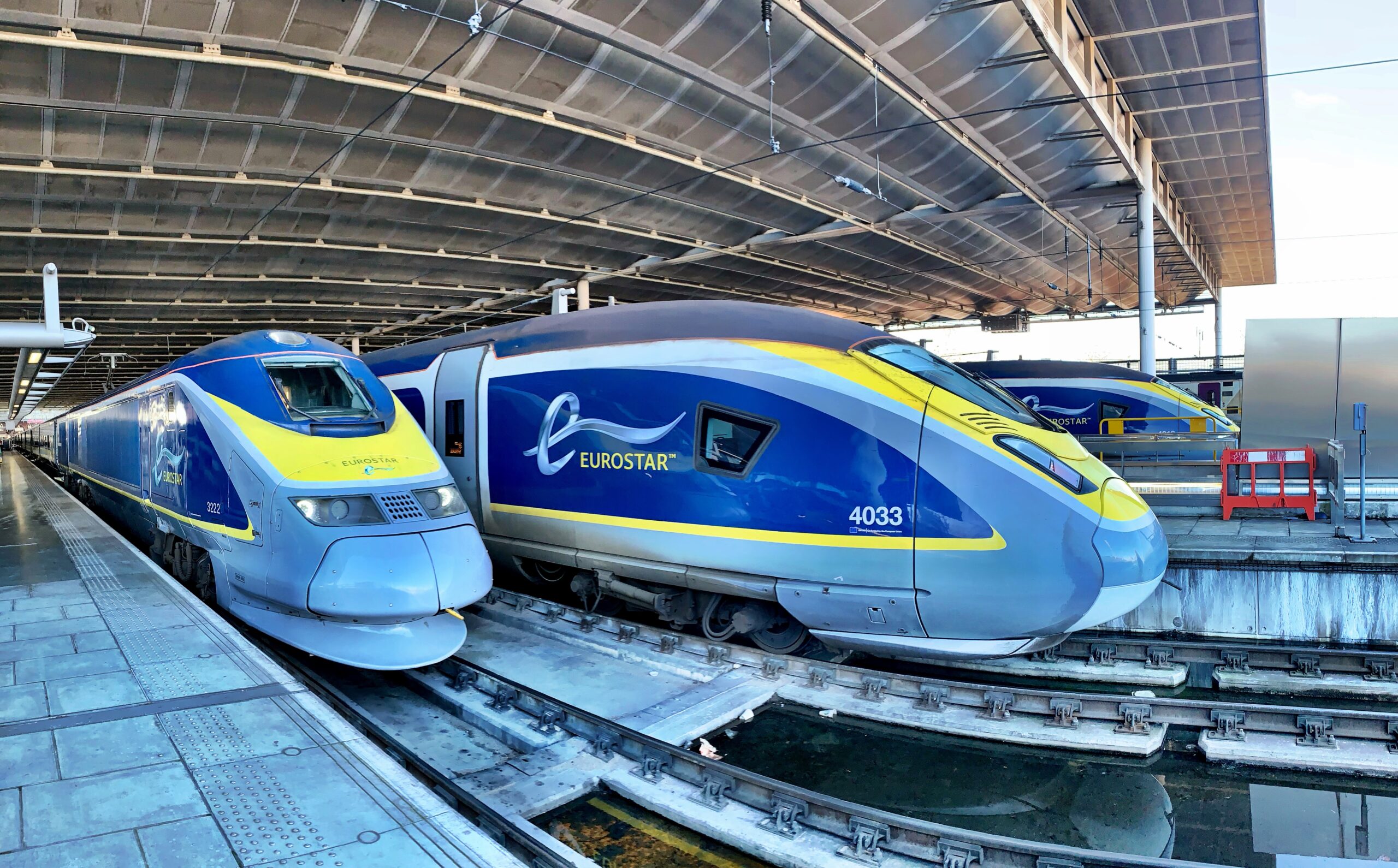
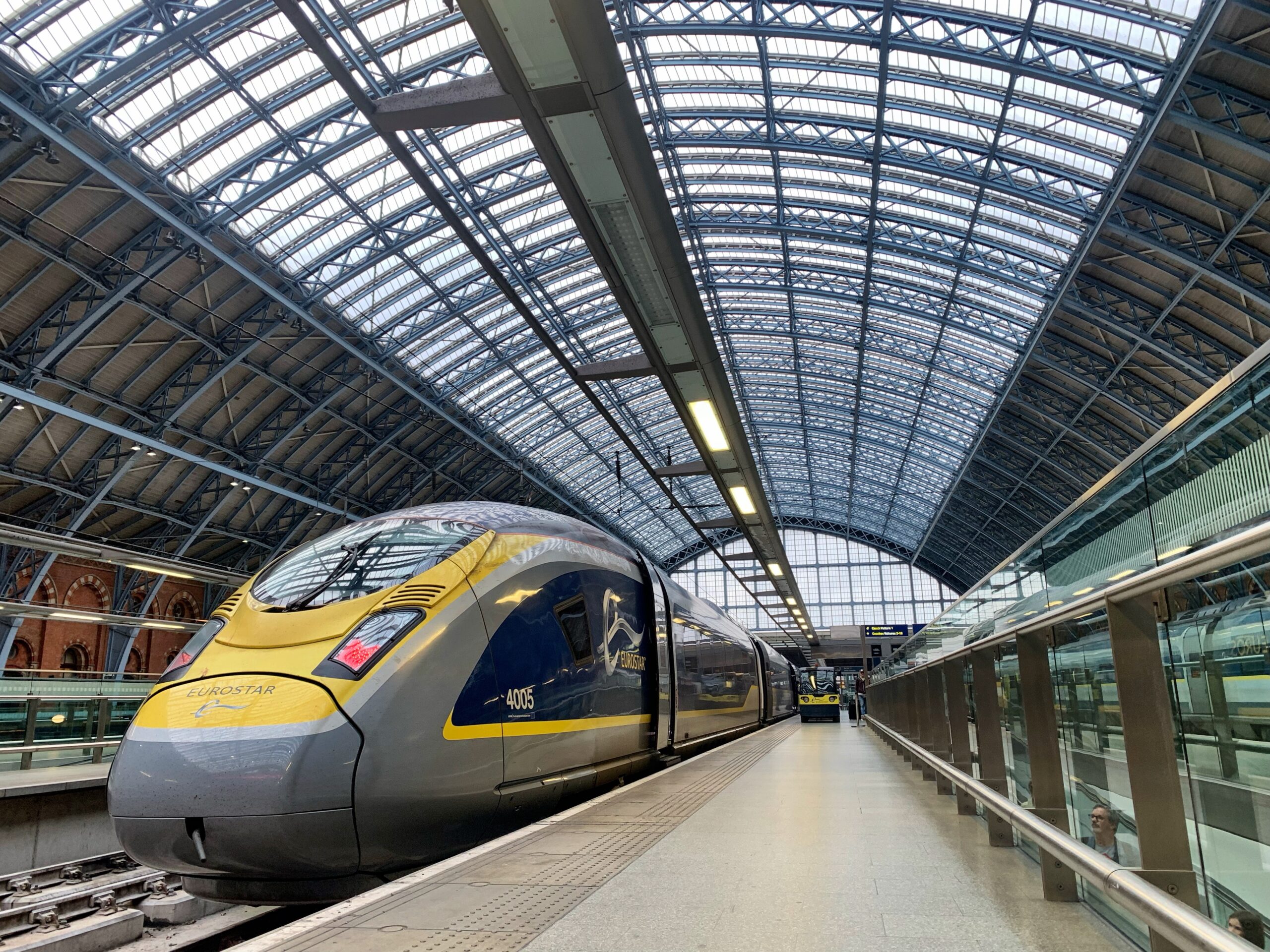
At the end of March we had a few days in Paris having travelled by Eurostar from London St. Pancras to Pais Gare du Nord. We did a lot of walking as we took in the sights and sounds of the City during our mini break.
On a quiet Tuesday morning, we avoided a demonstration against the raising of the pension age planned for later in the day and took the opportunity to track down the Promenade Plantée. We headed to Gare de Lyon via Metro Line 14 which was operating throughout the strike day as it is fully automated and features driverless Siemens trains.
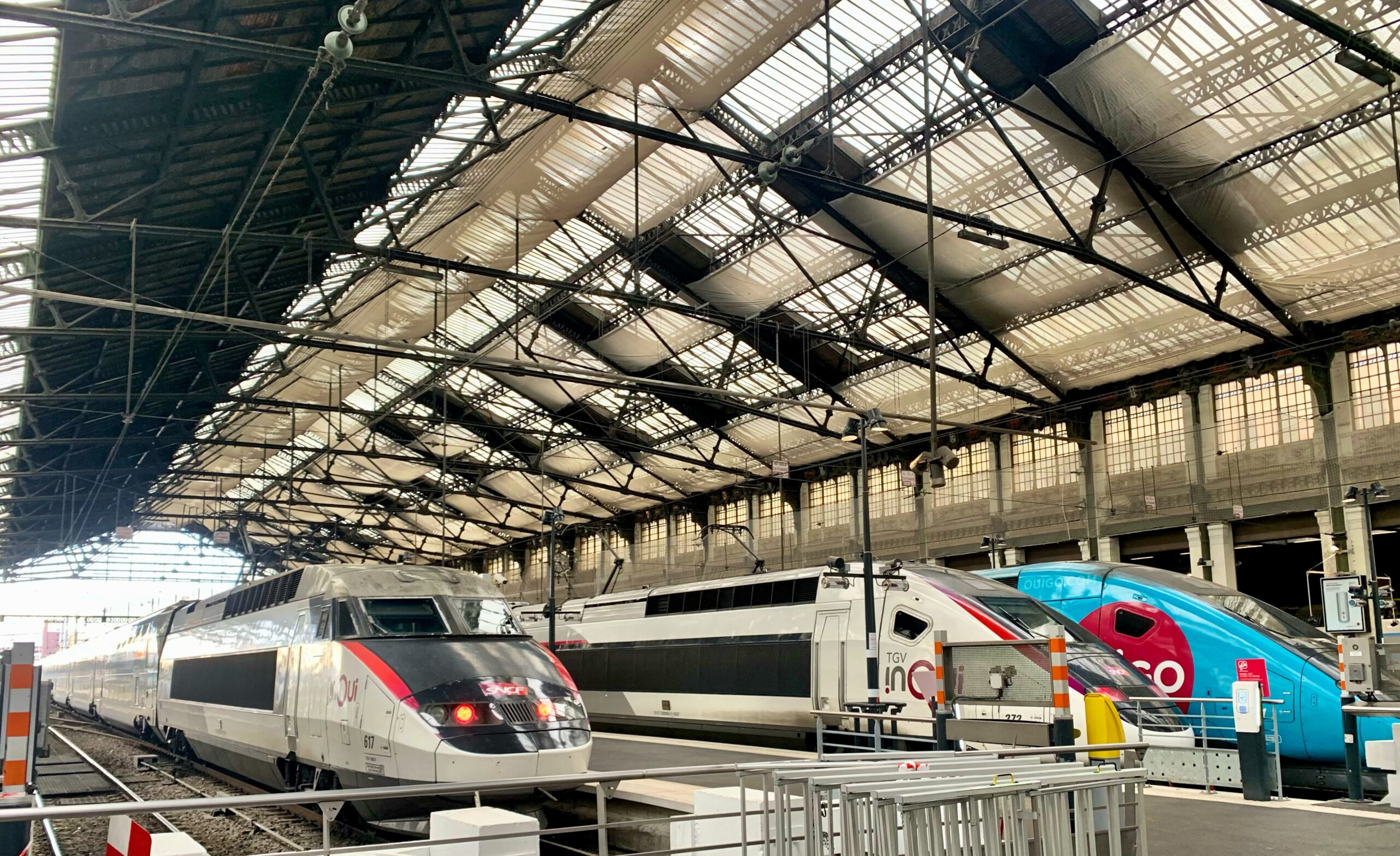
On arriving at Gare de Lyon, we enjoyed a cup of tea and a very expensive macaroon before finding our bearings. We didn’t see any of the piles of uncollected bin bags which the mainstream media would have us believe were on every street corner and soon found a signpost directing us towards our destination; the world’s first elevated park walkway and a well loved part of the French capital City.
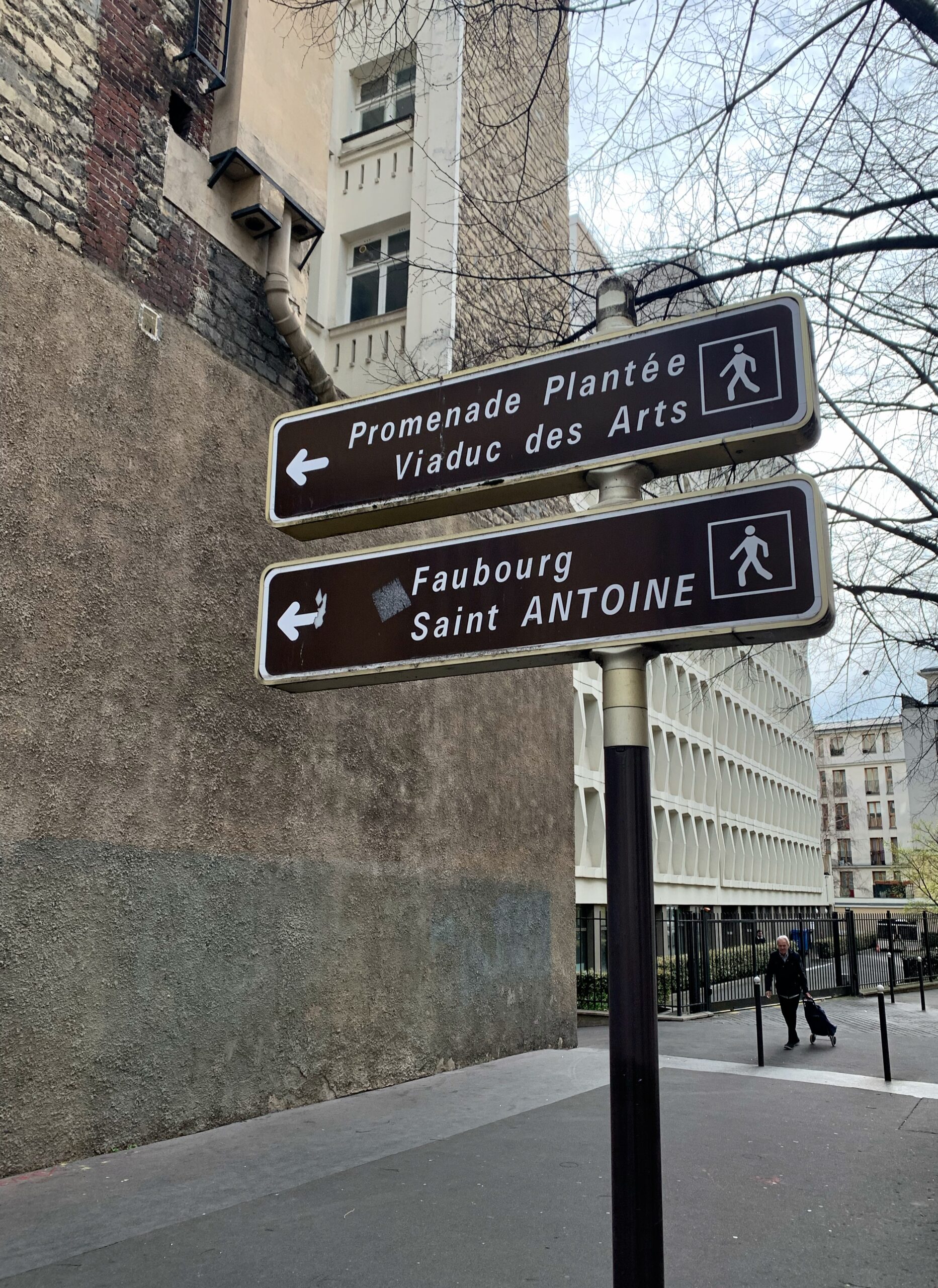
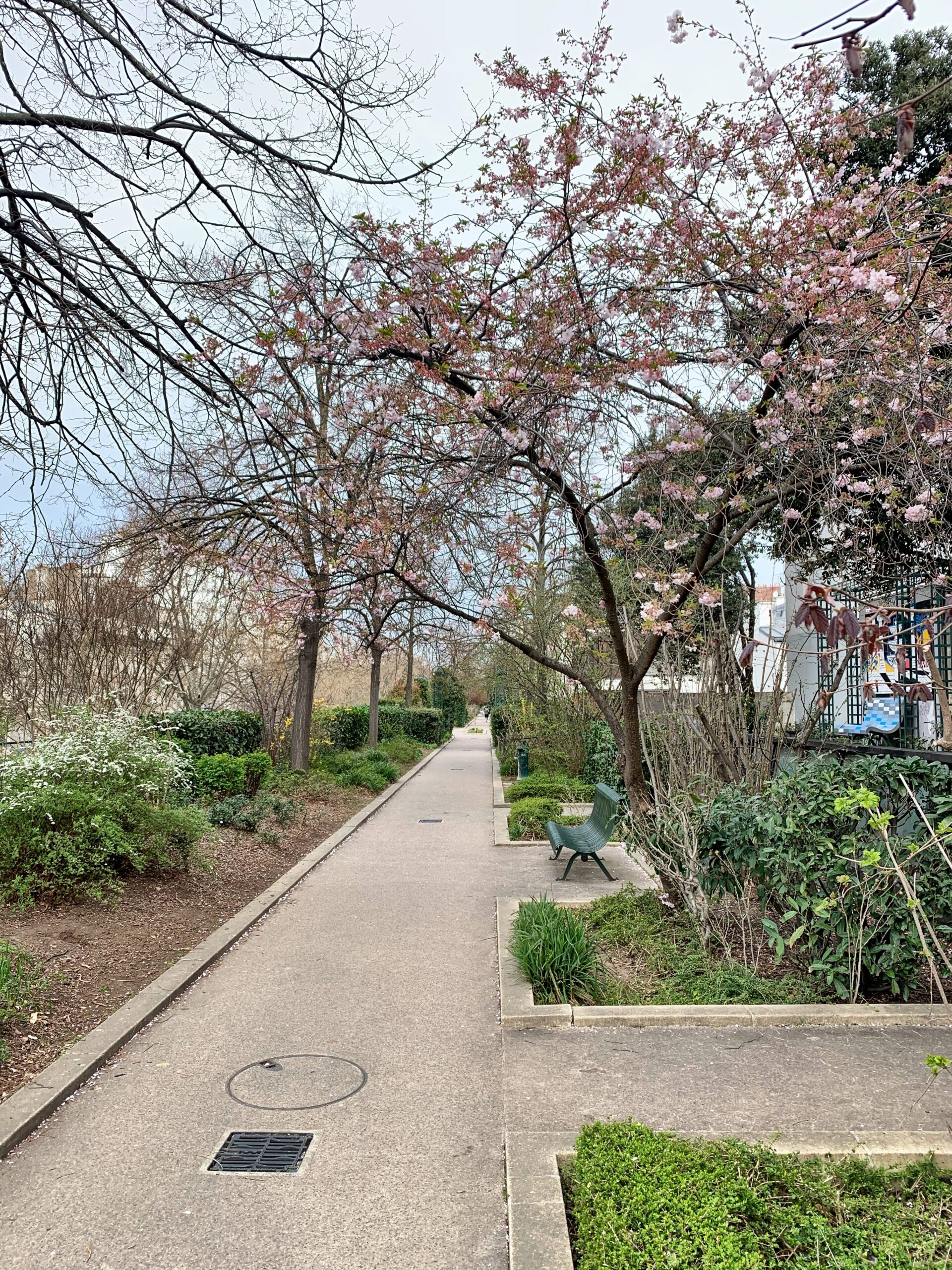
Promenade Plantée is built on the former Vincennes railway line which once linked Bastille station to Verneuil-l’Étang after passing through Vincennes. It’s now a peaceful, green stroll 10 metres above street level, which begins just east of the Opera Bastille at the crossroads at rue de Lyon and avenue Daumesnil and winds through the 12th arrondissement for three miles, coming out before the Bois de Vincennes.
The original railway ceased its operation on December 14th, 1969. A section of the line beyond Vincennes was integrated into Line A of the RER, while the Paris-Vincennes section was completely abandoned. In the 1980’s, the area was renovated with the former Bastille station being demolished in 1984 to make way for the Opéra Bastille. The Reuilly section was designed in 1986 incorporating the old commercial rail depot of Reuilly into a group of park areas. The Promenade Plantée was put into place at the same time in order to reuse the rest of the abandoned line and was designed by architects Jacques Vergely and Philippe Mathieux. It was inaugurated in 1993.
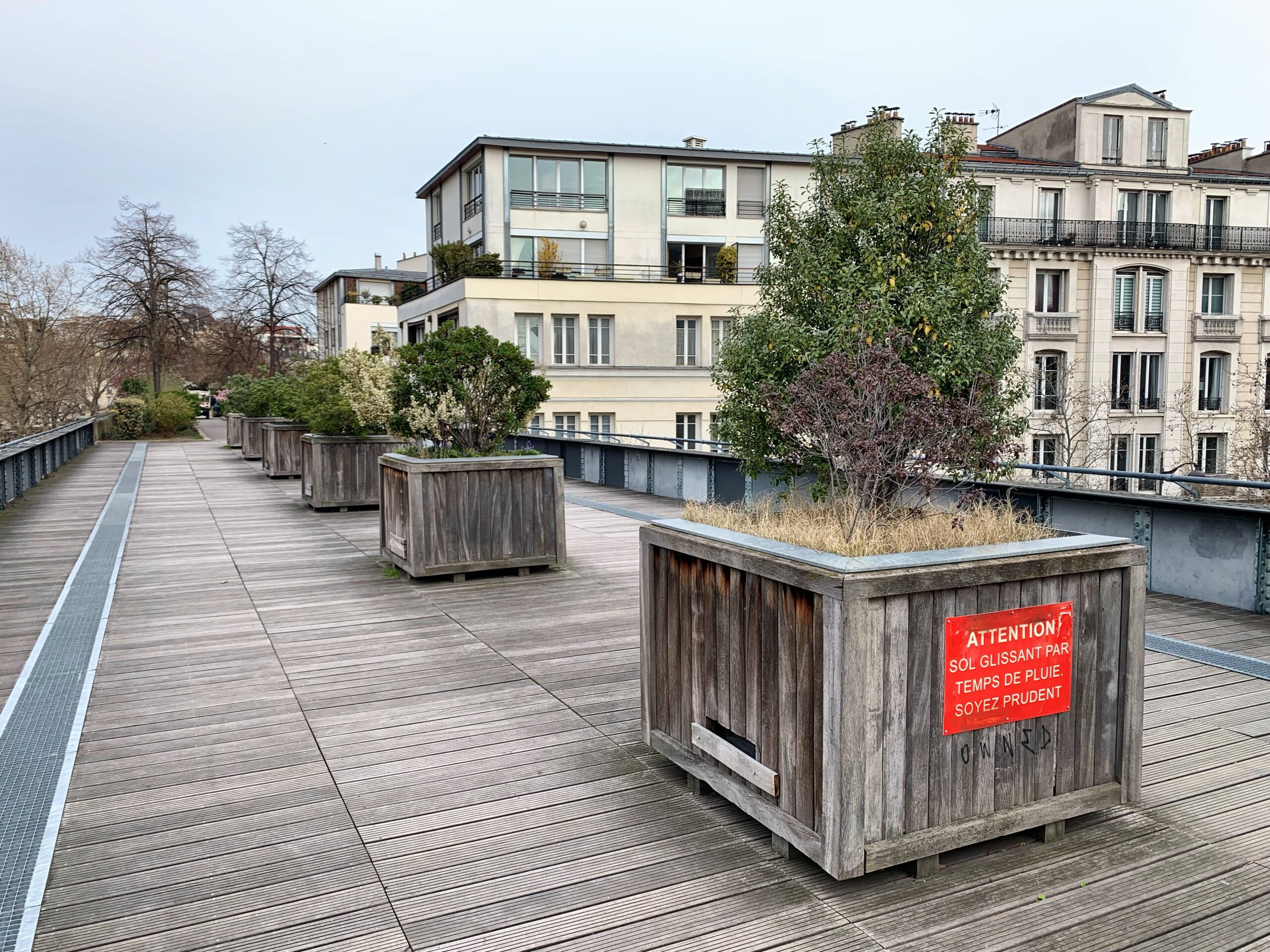
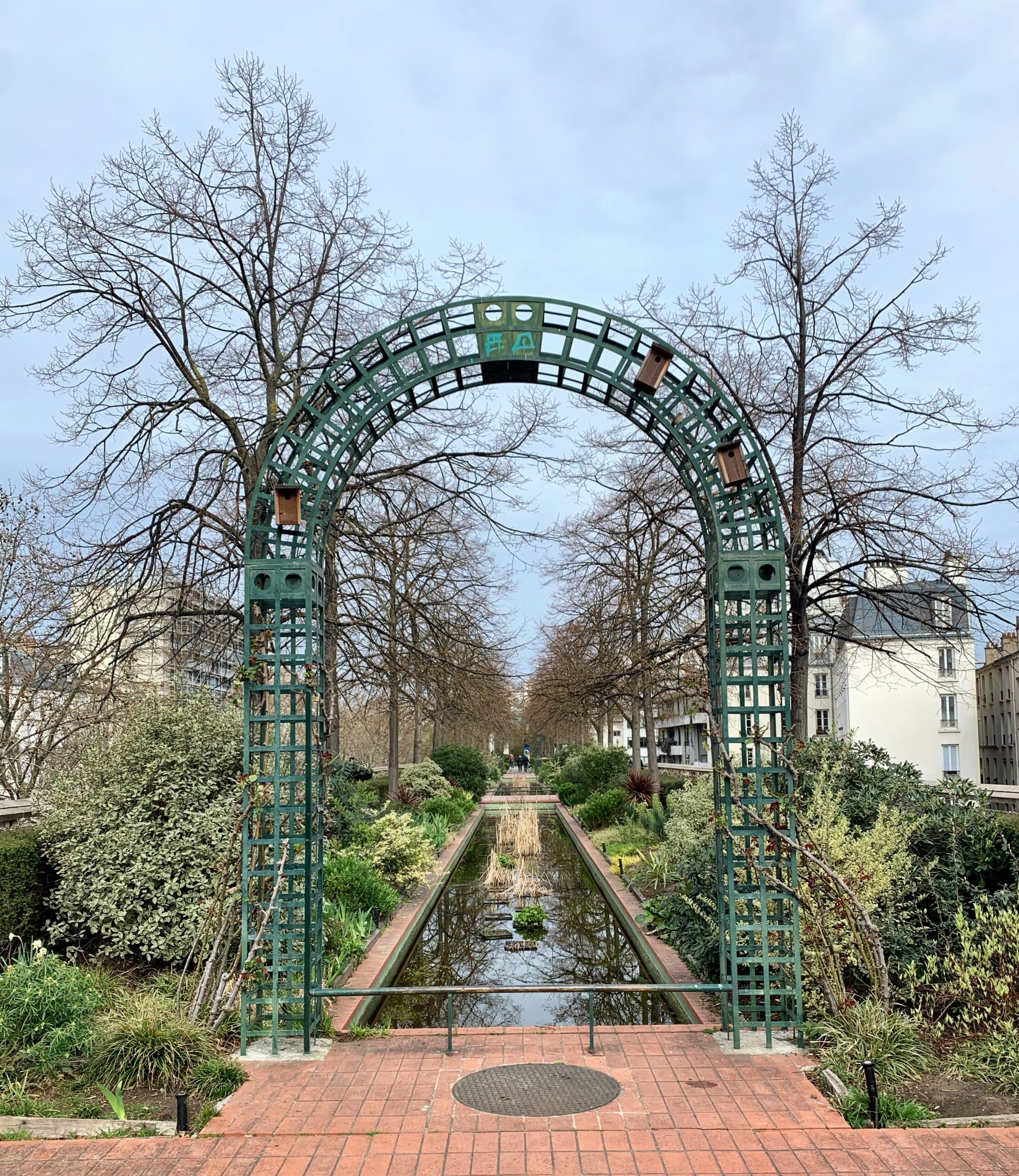
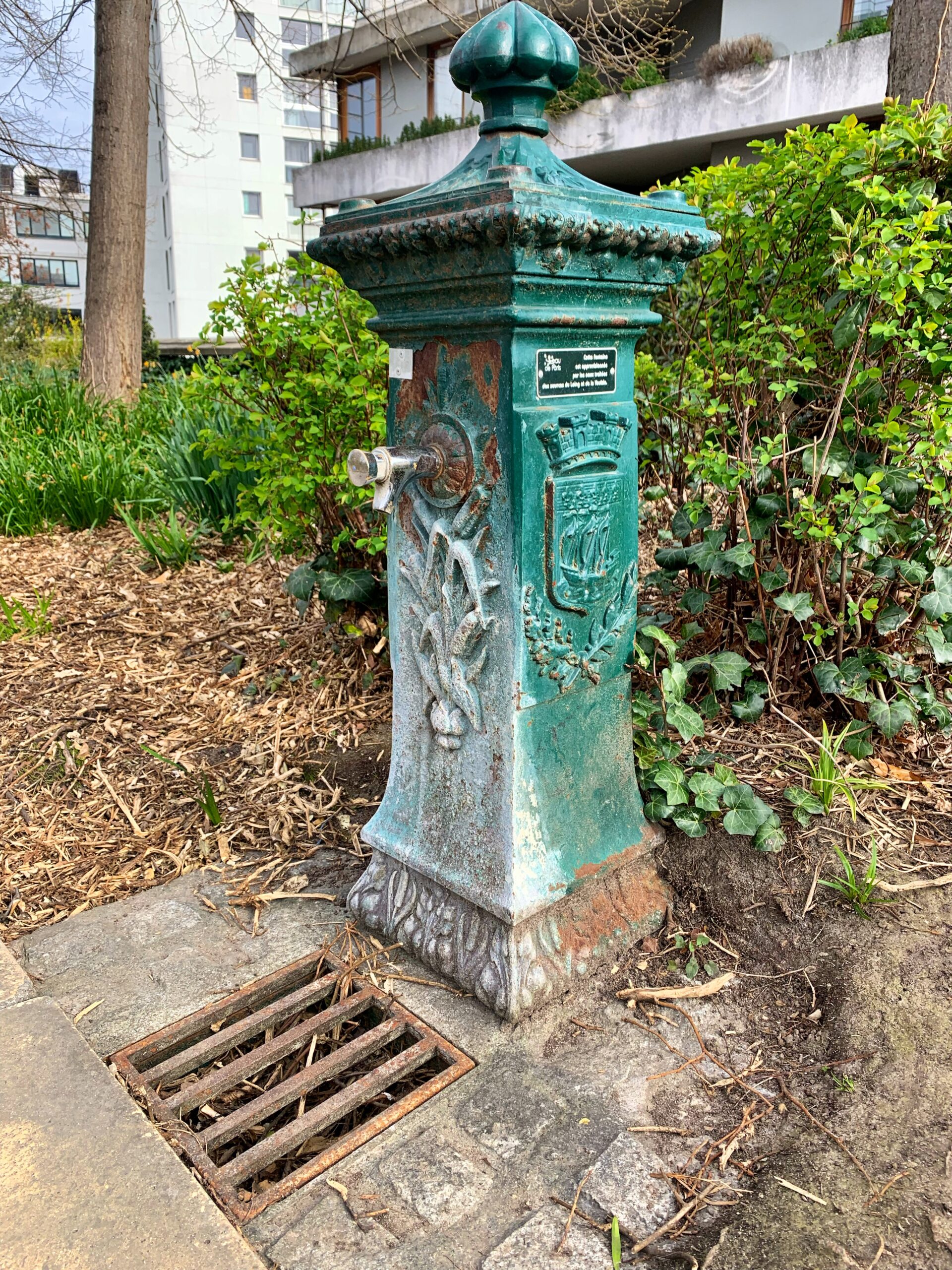
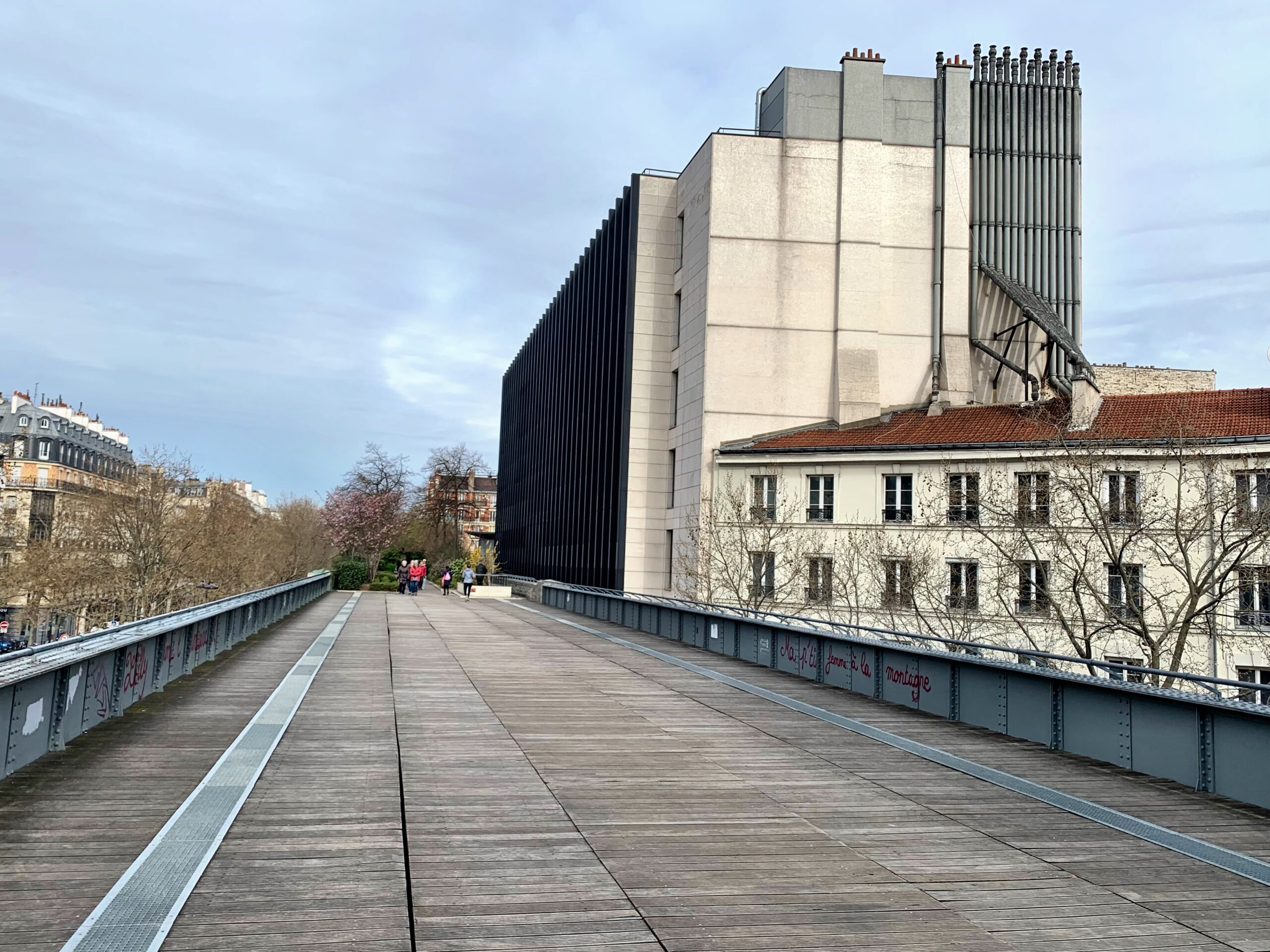
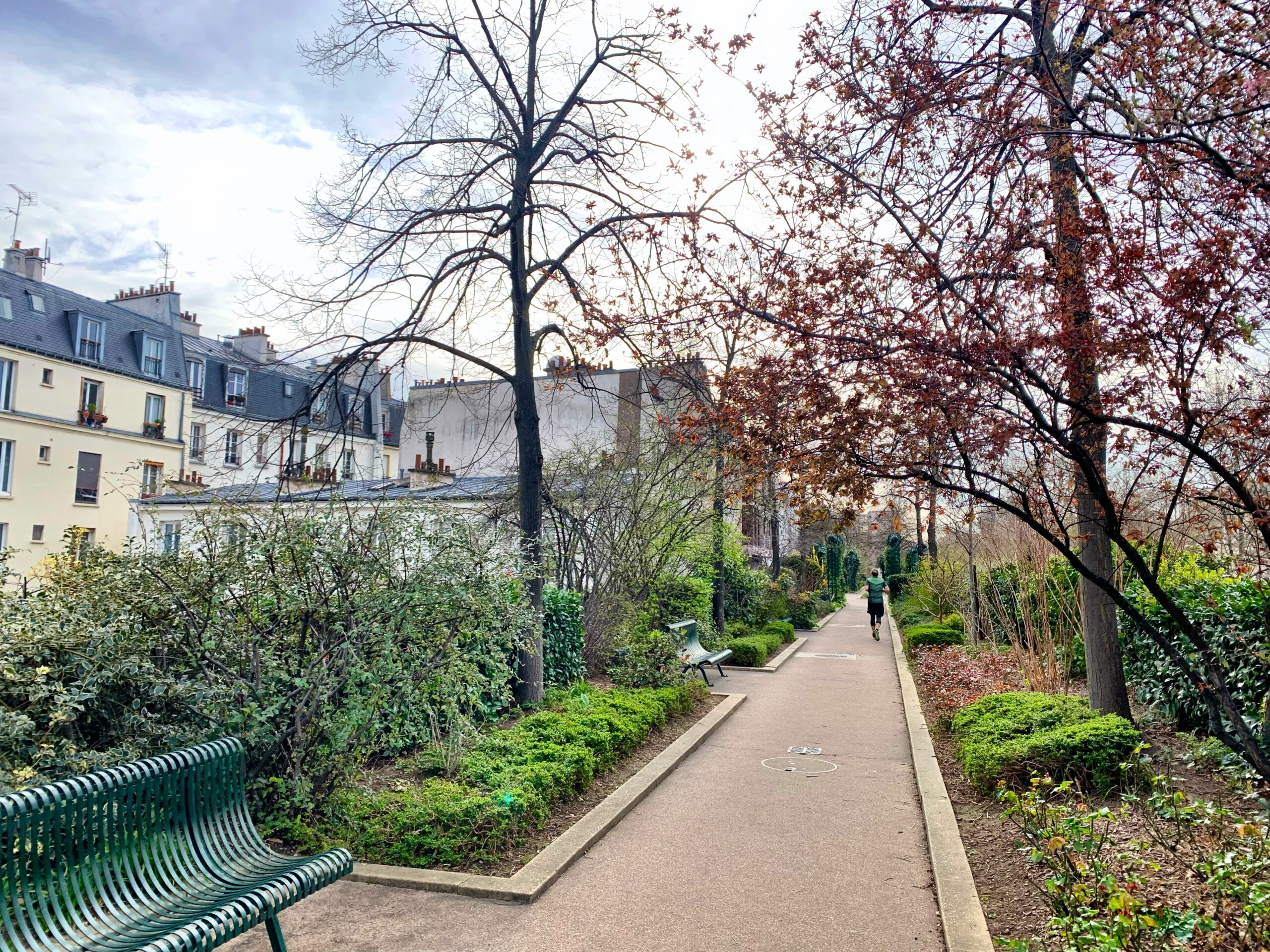
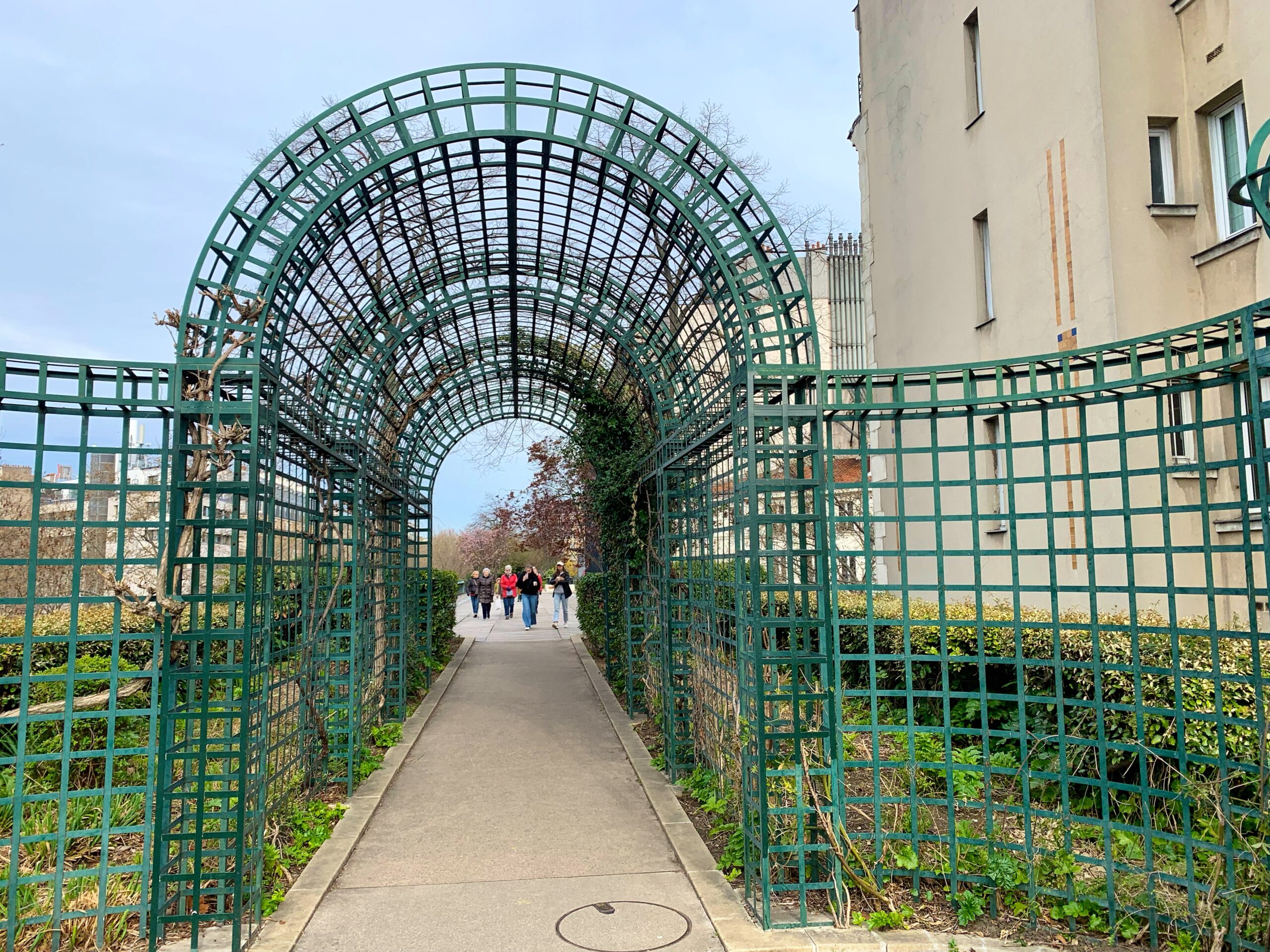
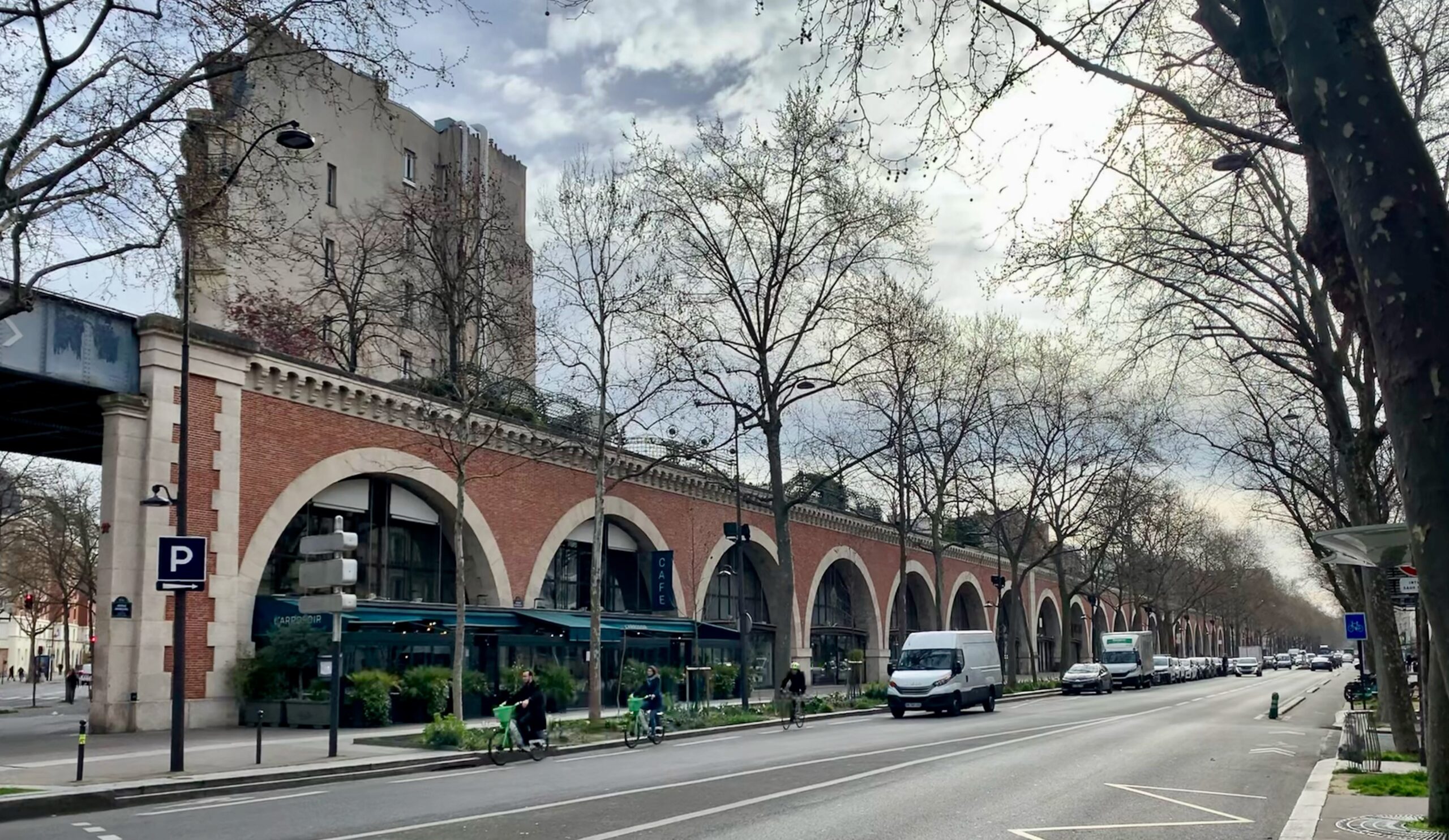
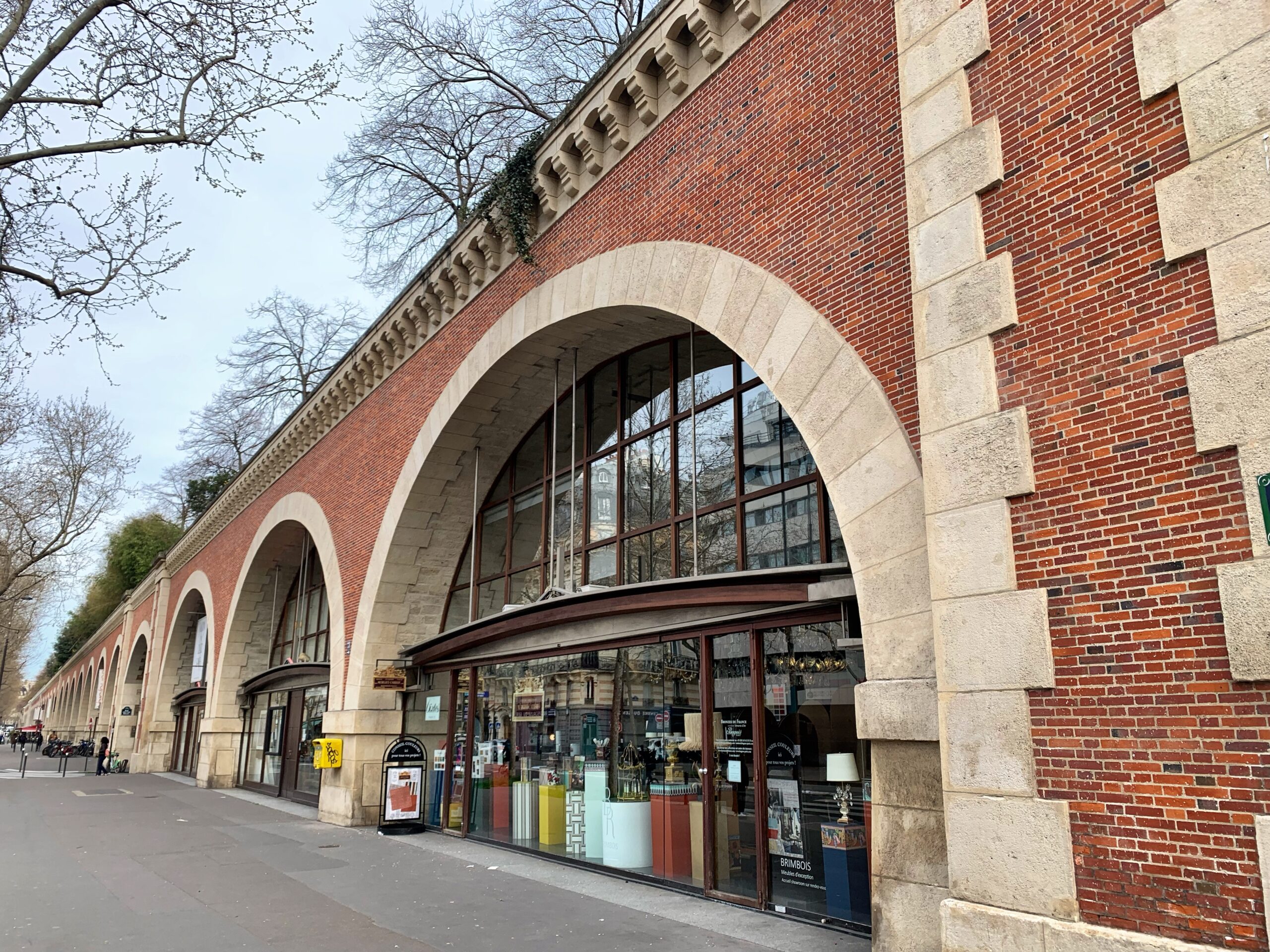
At its west end near the Bastille the walkway utilises a viaduct, renovated in 1989 by architect Patrick Berger, where its 45 archways have been adapted to house artisan shops displaying the works of florists, violin makers, glass blowers and furniture restorers all creating the Viaduc des Arts.
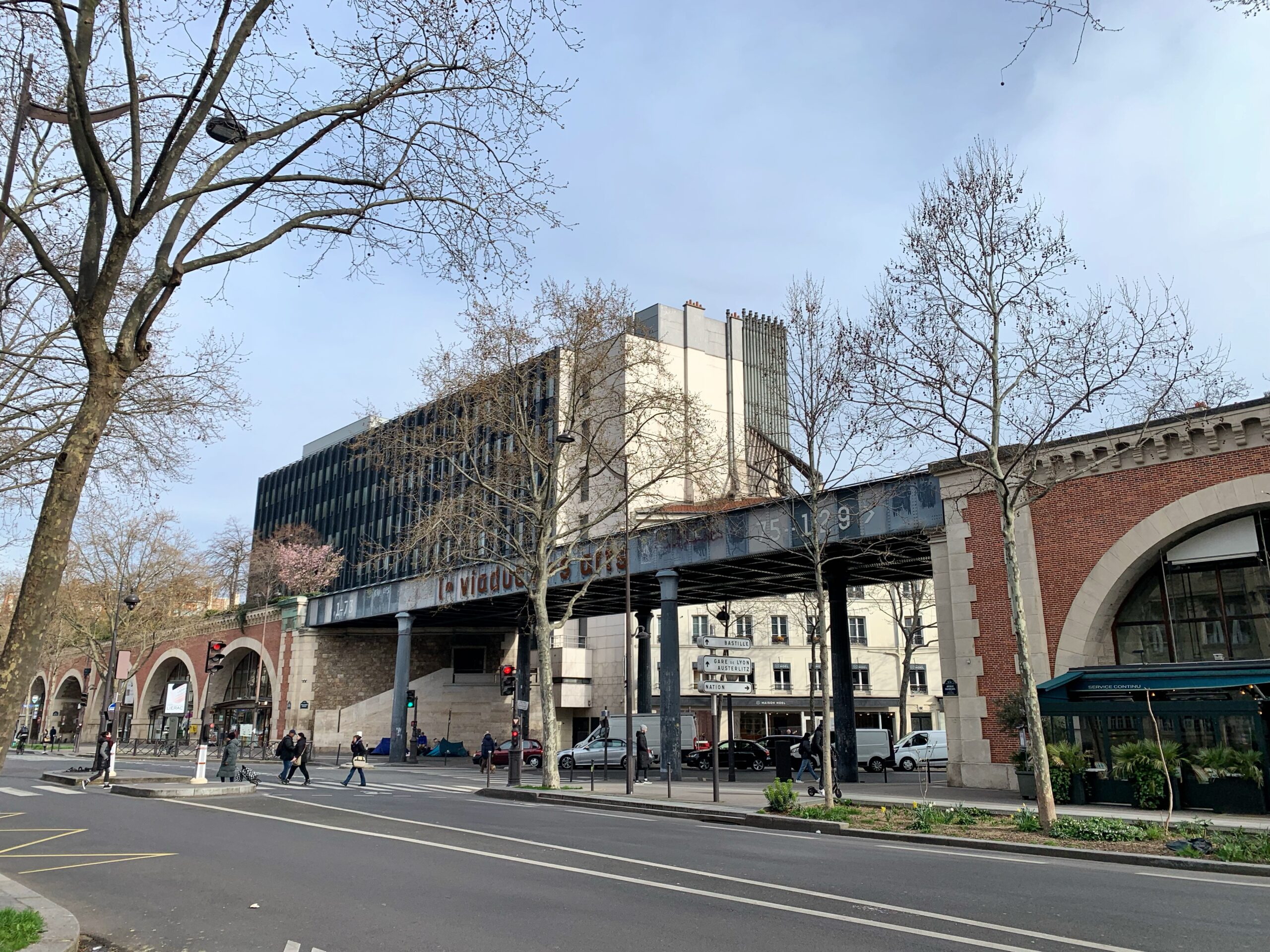
Further along a modern building splits in two with the walkway running inbetween, while a long, wobbly cable footbridge stretches across the Jardin de Reuilly. Then the elevated section heads to street level – becoming accessible to bikers, rollerbladers and skateboarders, too; a tree-lined corridor passes through old railway tunnels before ending at another park, the Jardin Charles Peguy. This is right by the disused train tracks of what was known as La Petite Ceinture and plans are afoot to extend the Promenade Plantée along the old railway line in the future. There are other examples of disused high level railway lines having been converted into parks, notably the High Line in New York. There are plans for a similar venture in Camden, London.
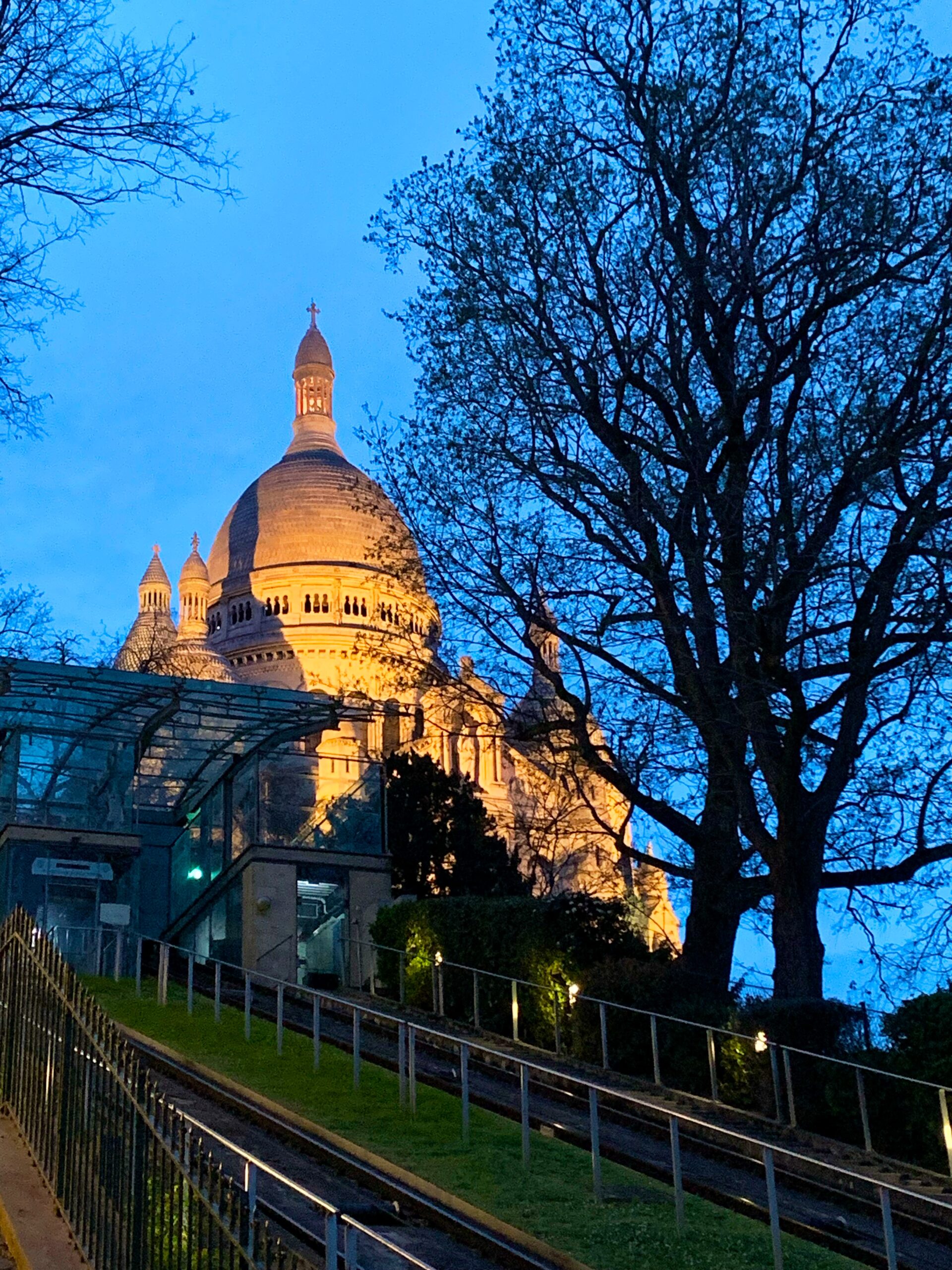
Later in the day we attempted the most touristy Paris activity; a vast to the Eiffel Tower. Every time I’ve tried to ascend the structure on previous visits to the City, the tower has been closed due to strike action and this time was no exception. We decided instead to visit La Basilique du Sacré Cœur de Montmartre and take a short trip on the funicular located there.
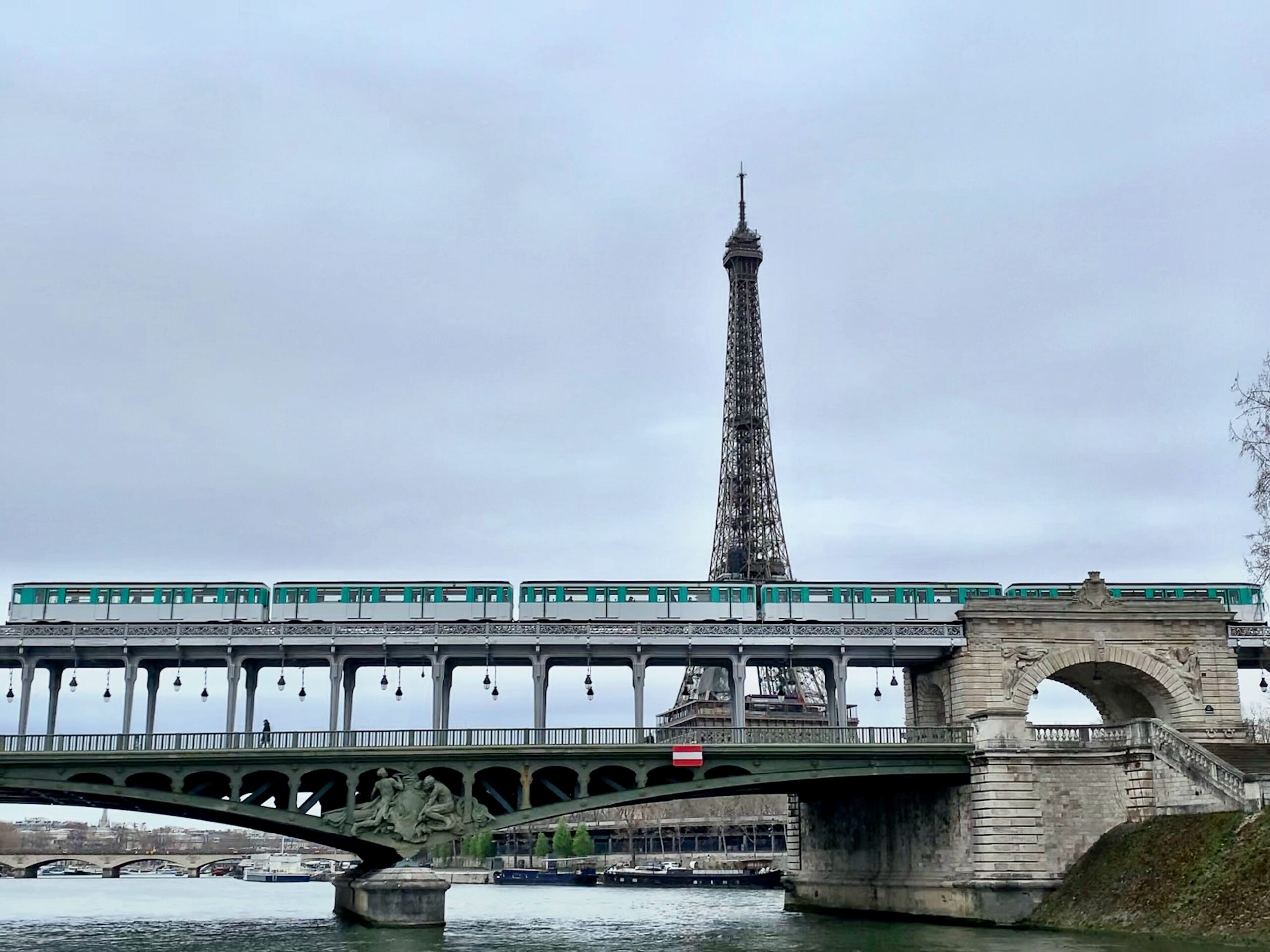
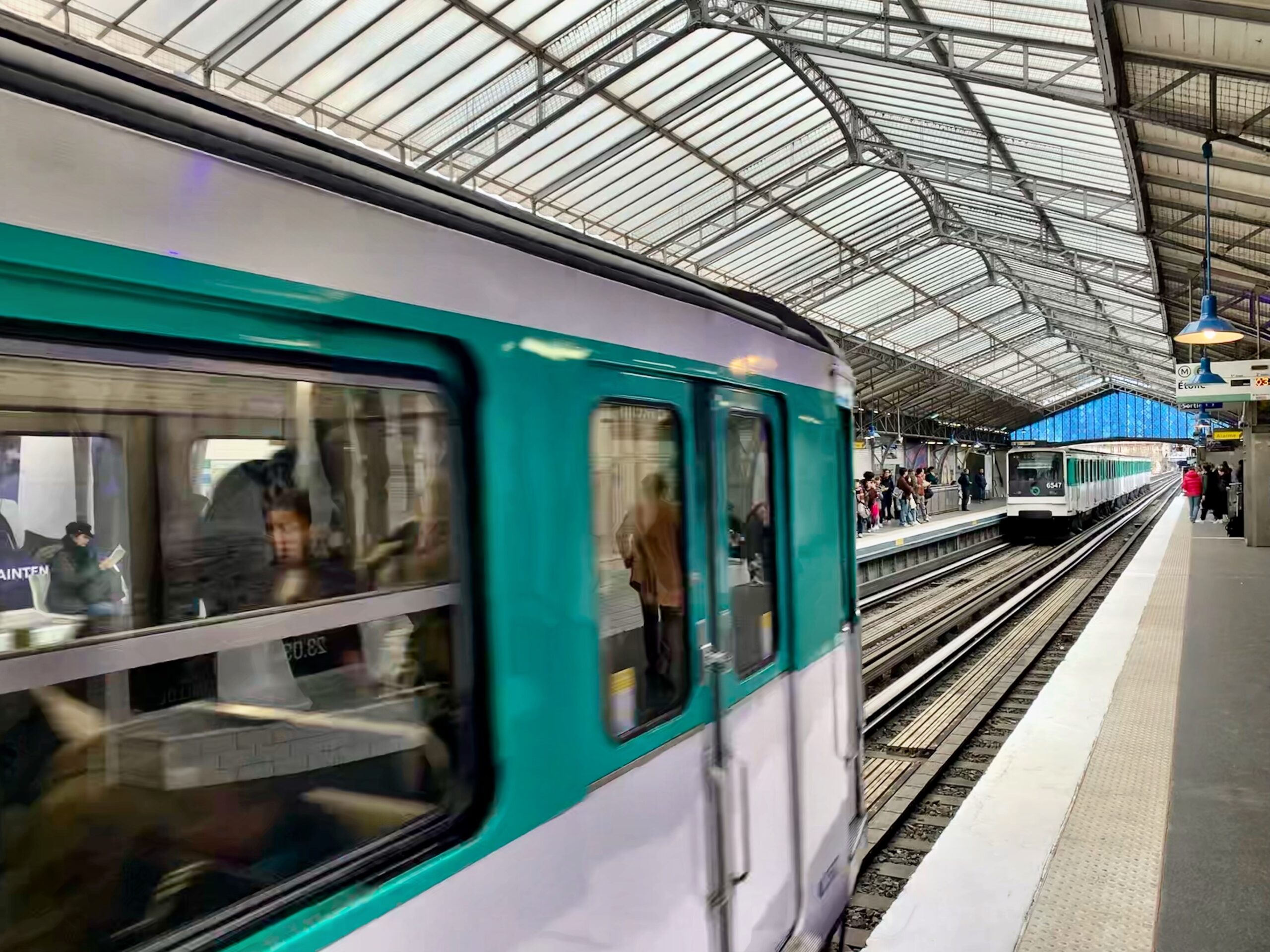
The closest metro station to the Eiffel Tower is Bir-Hakeim, an elevated station serving line 6 in the Boulevard de Grenelle in the 15th arrondissement. It is situated on the left bank of the Bir-Hakeim bridge over the Seine. The station opened as part of the former Line 2 South on 24 April 1906. The station was called Quai de Grenelle until 1949, when it was renamed. The name of both the bridge over the Seine and the station commemorates the World War II battle of Bir- Hakeim. A commemorative panel is situated at the entrance of the platform for trains traveling towards Nation.
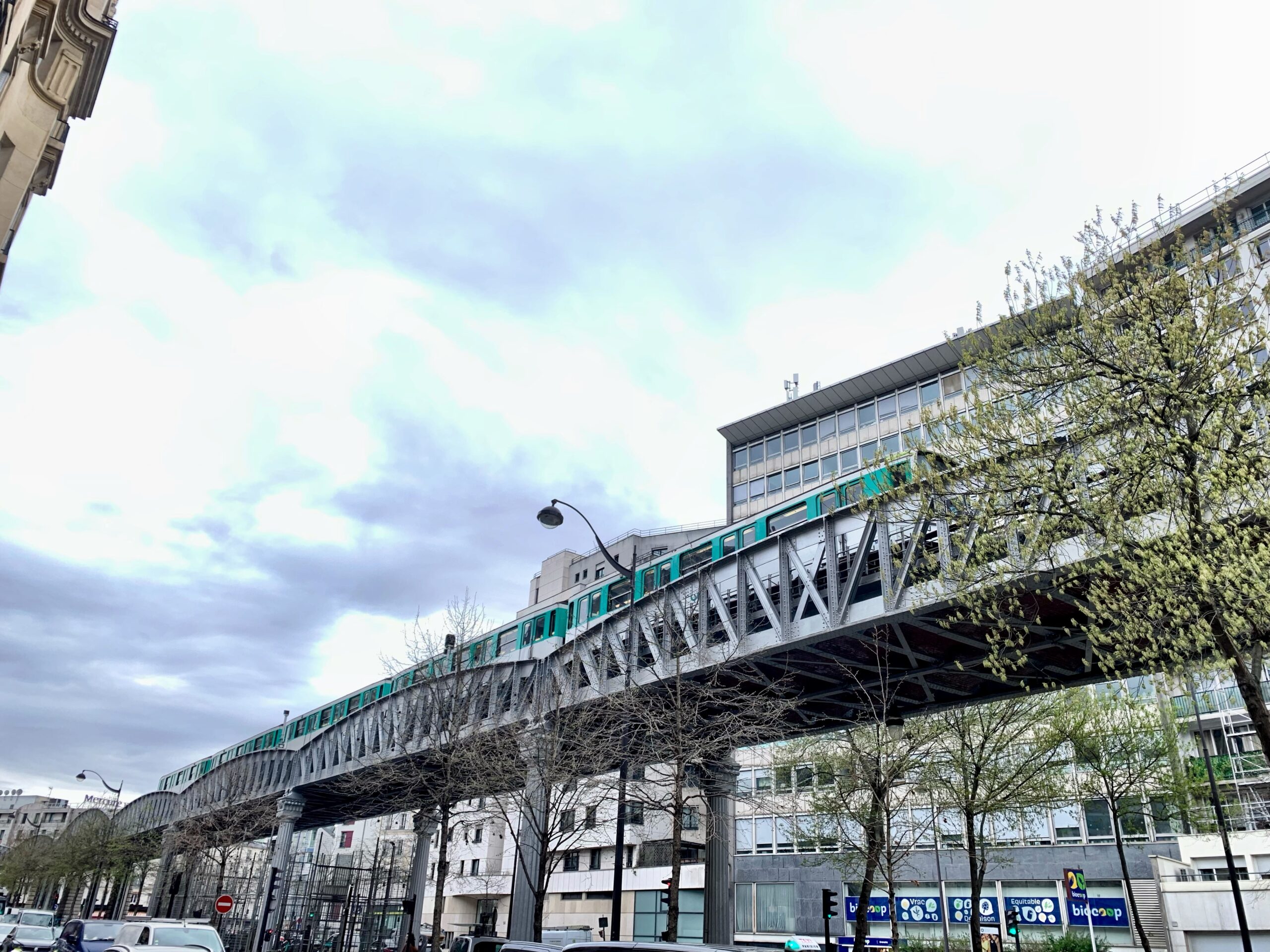
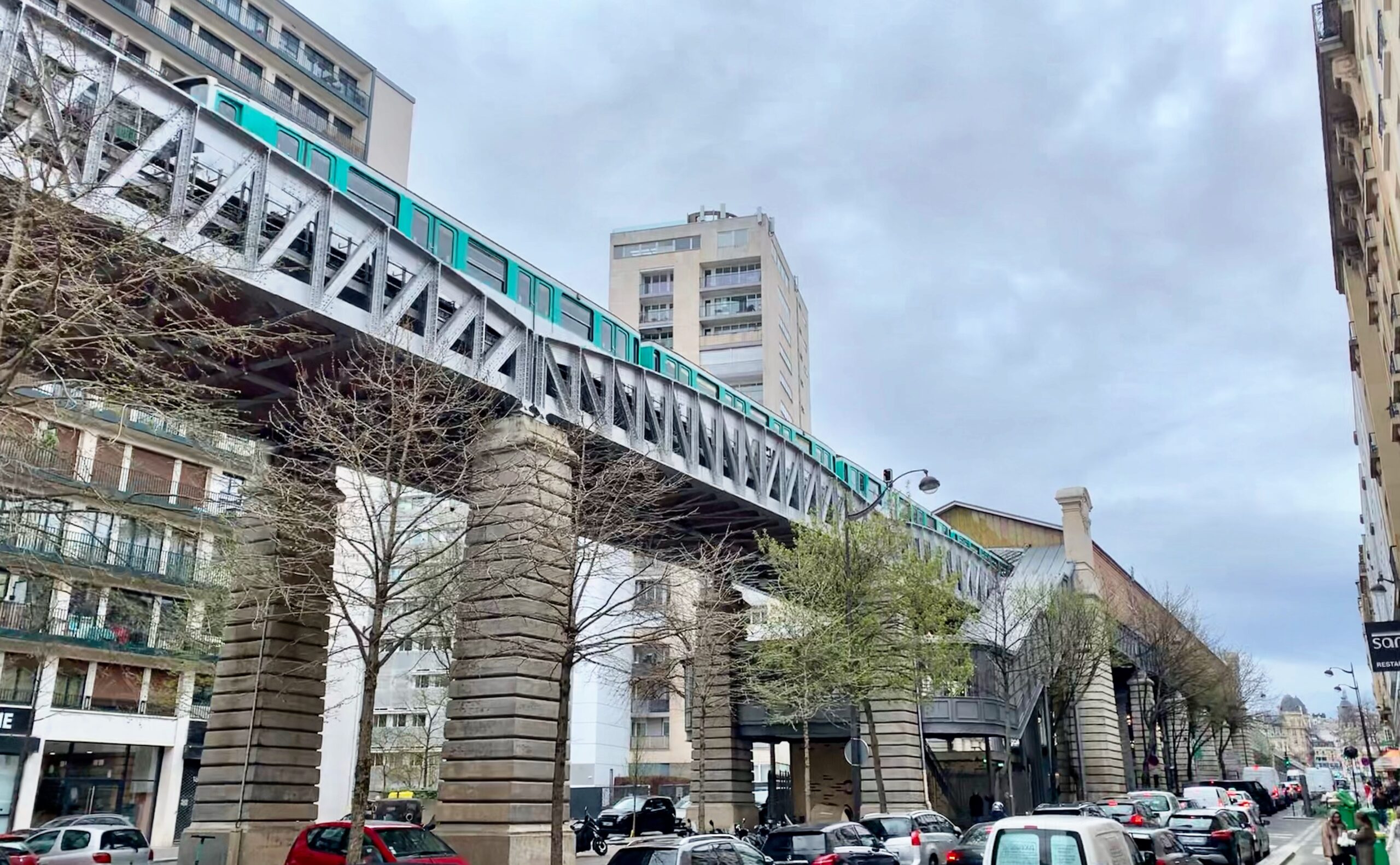
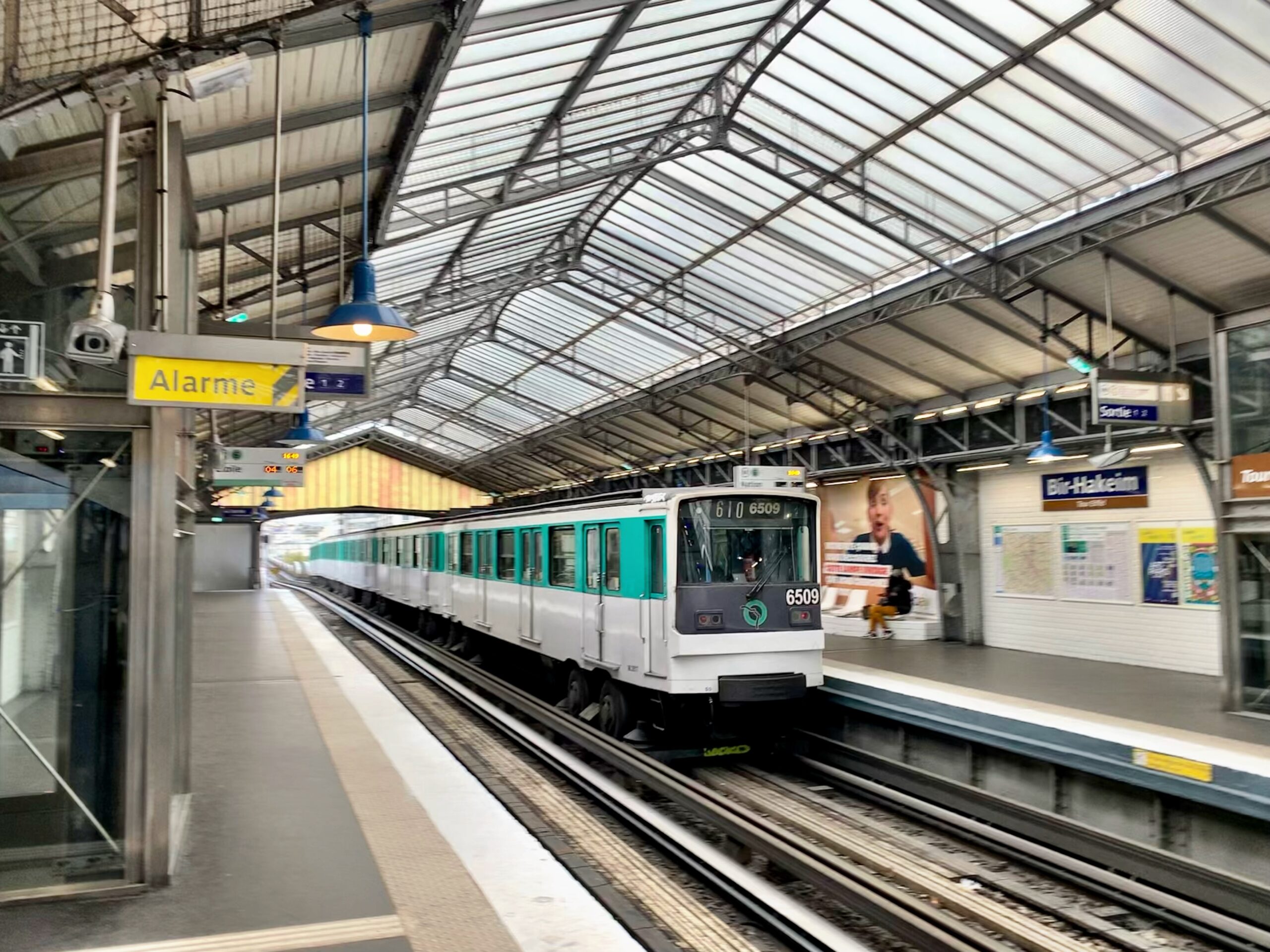
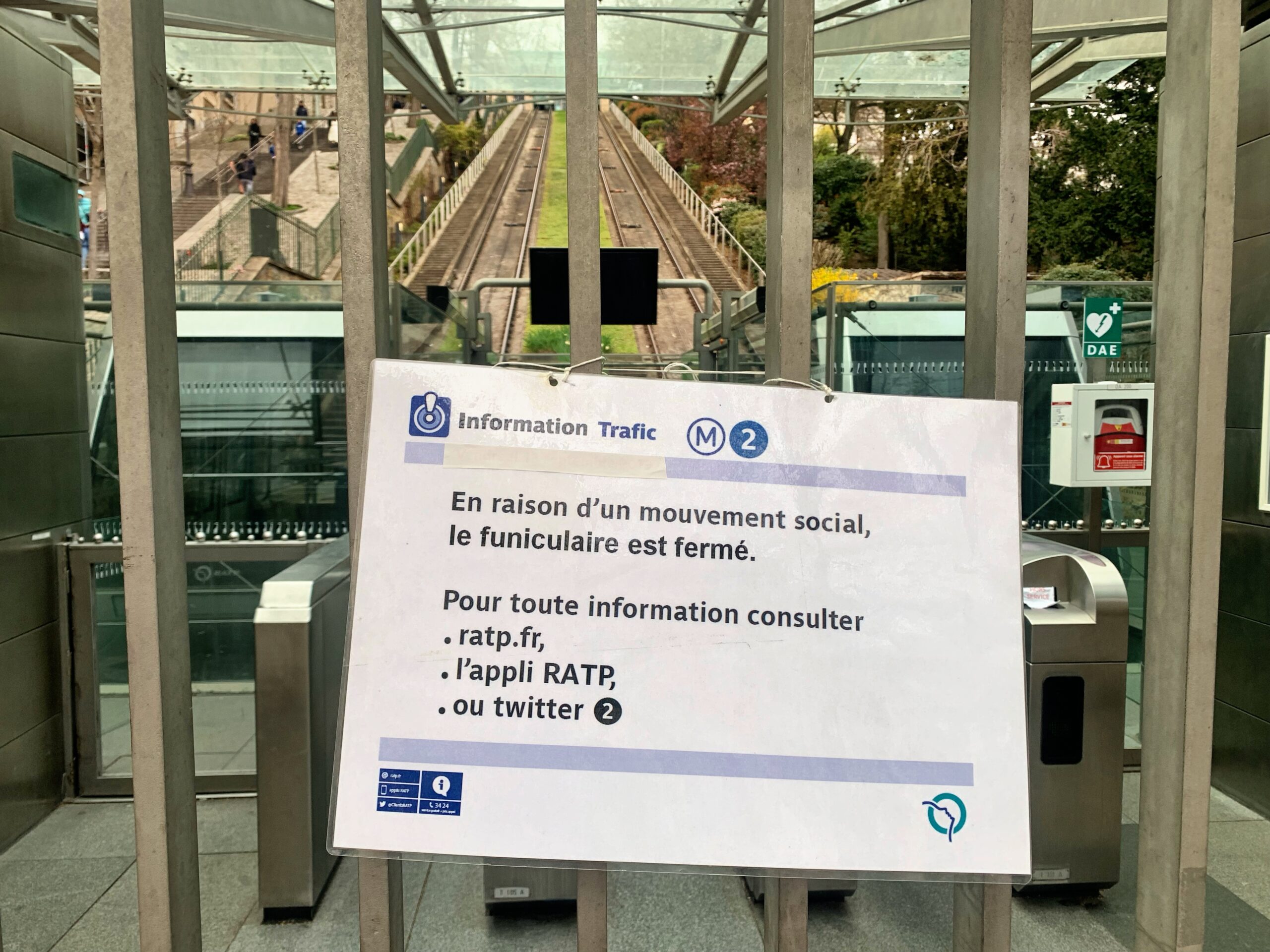
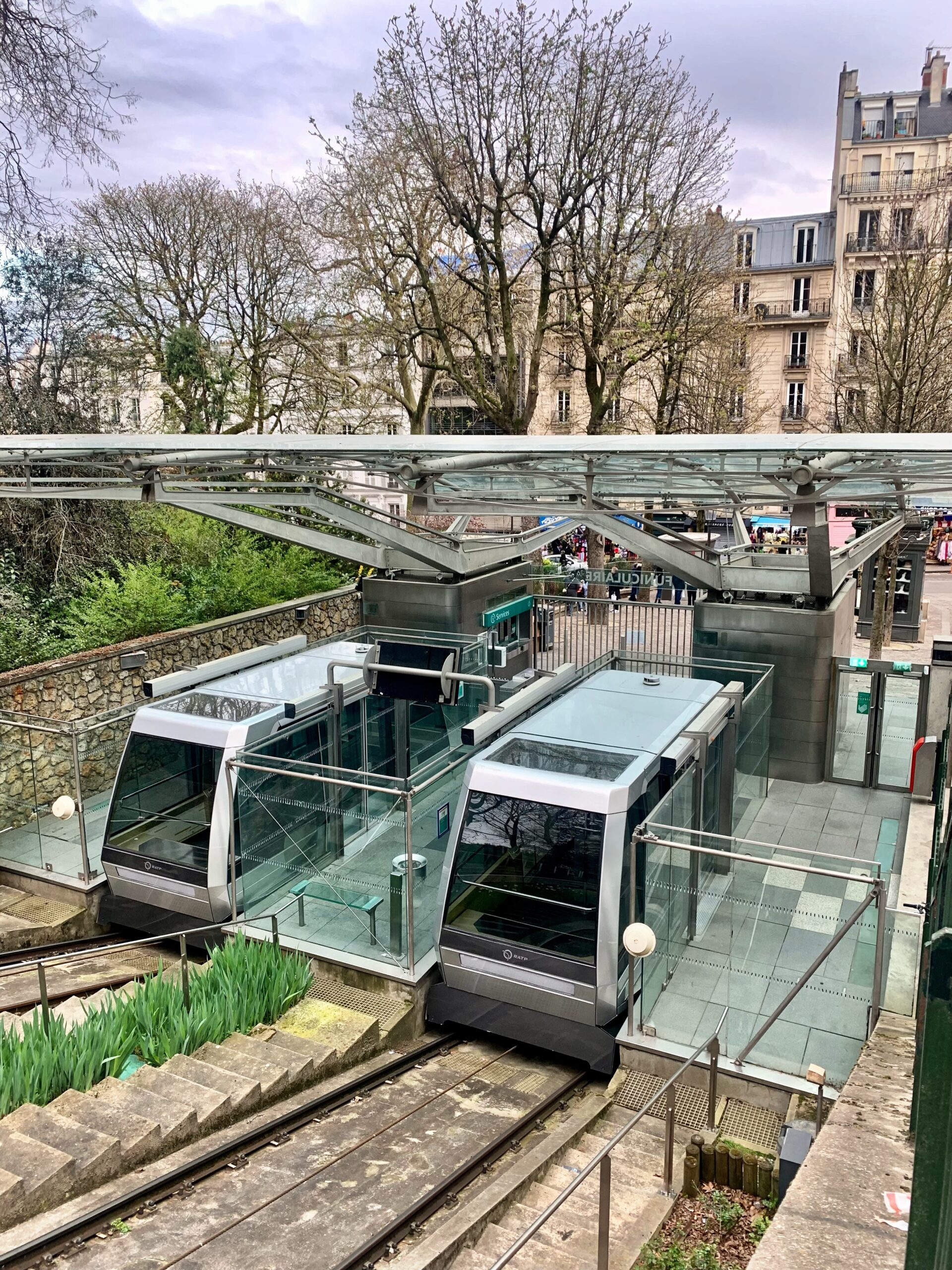
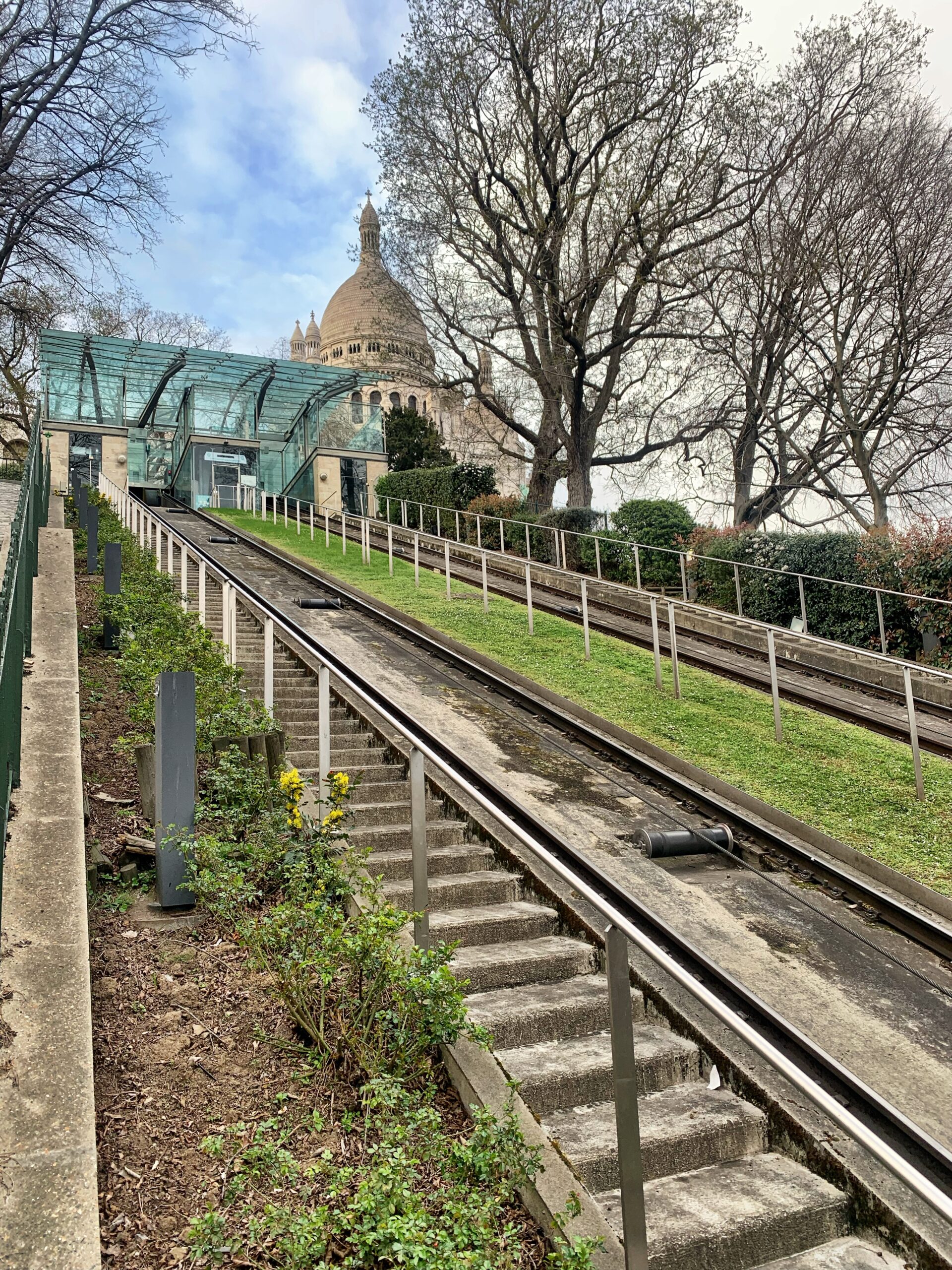
We took the train to Montmartre and enjoyed a evening meal before asking for directions to the funicular railway which turned out to be a brief walk away. On arrival we found the funicular closed because of that days strike action. So we climbed the steps and watched the sun set over Paris.
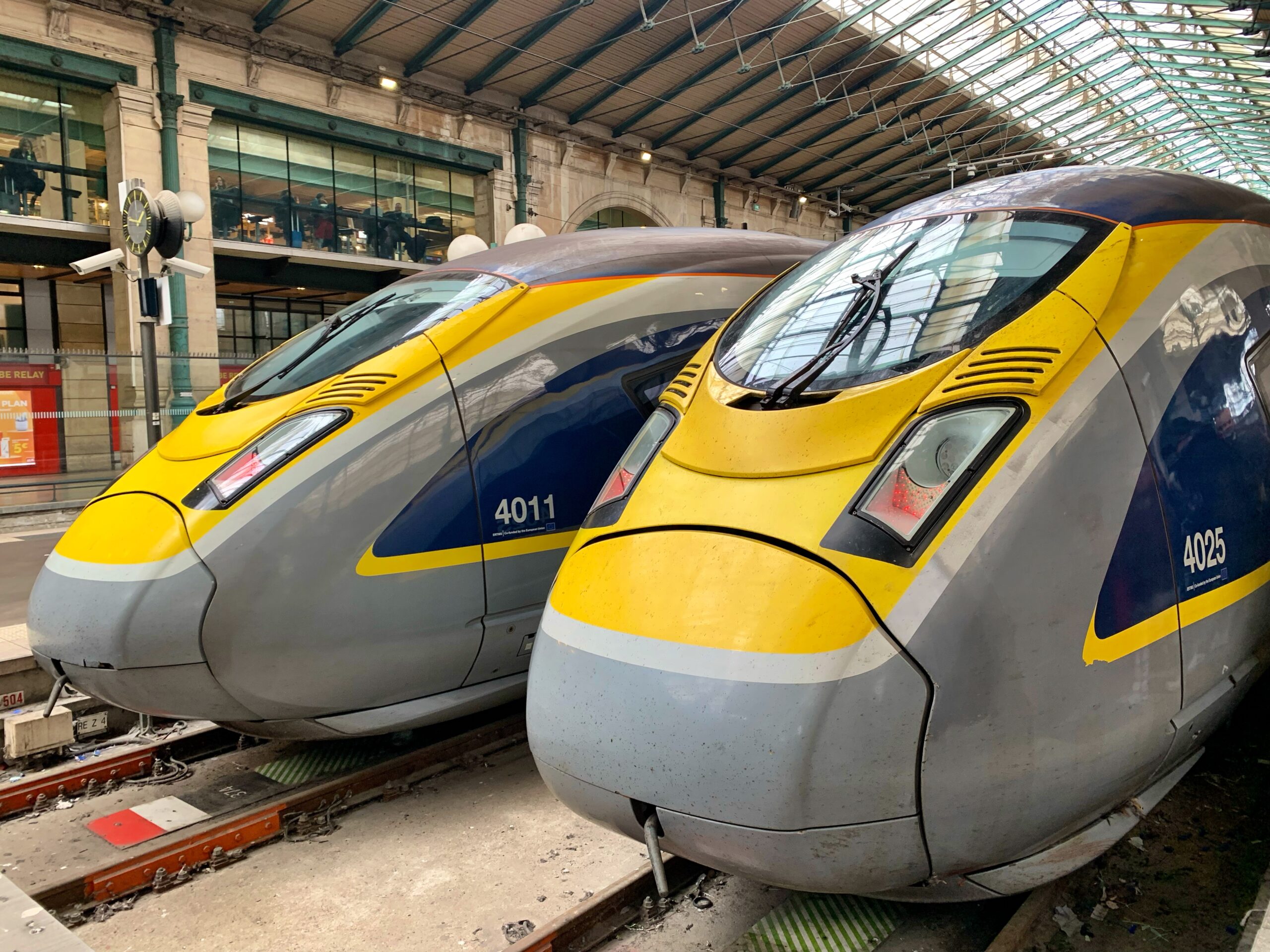
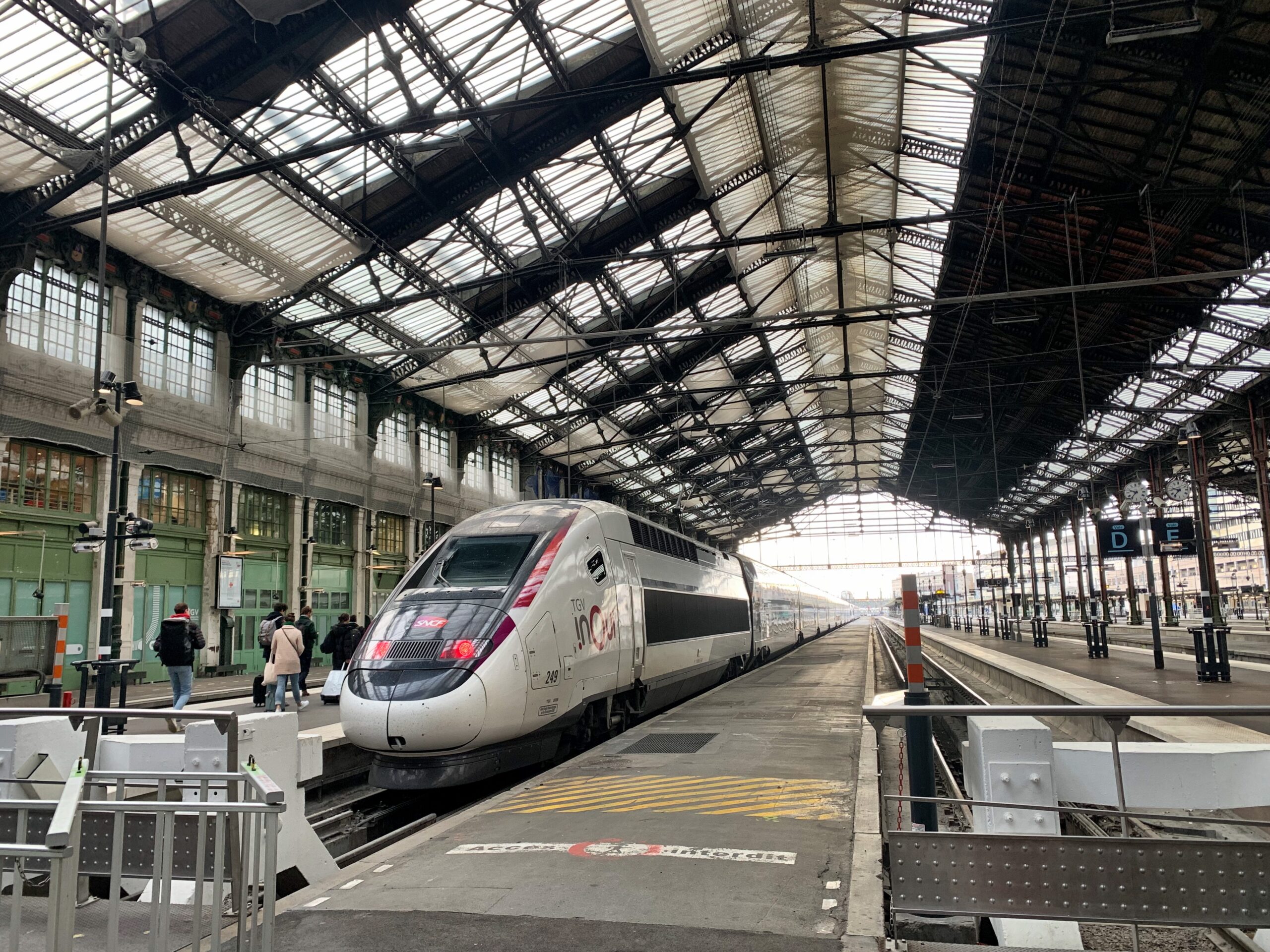
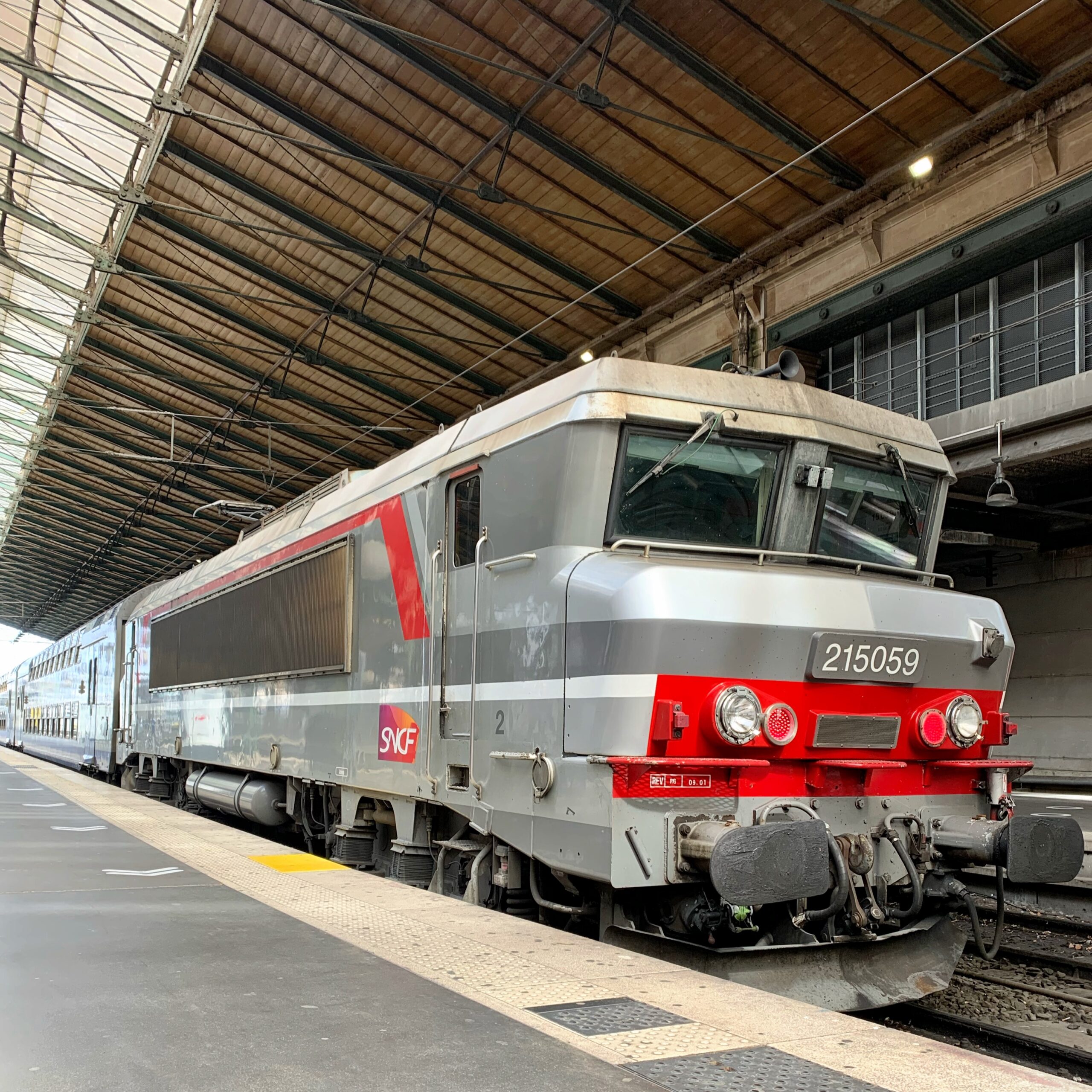
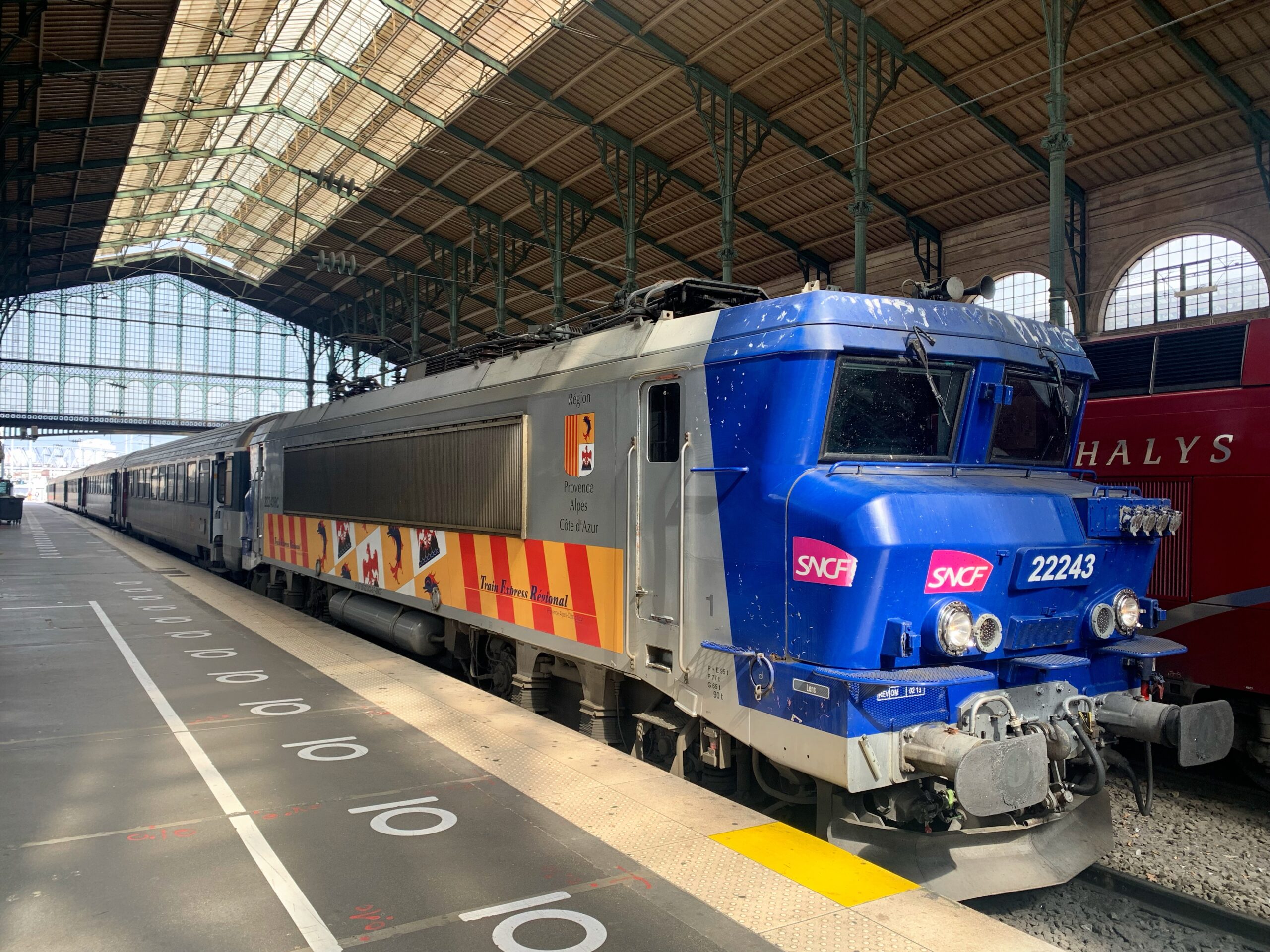
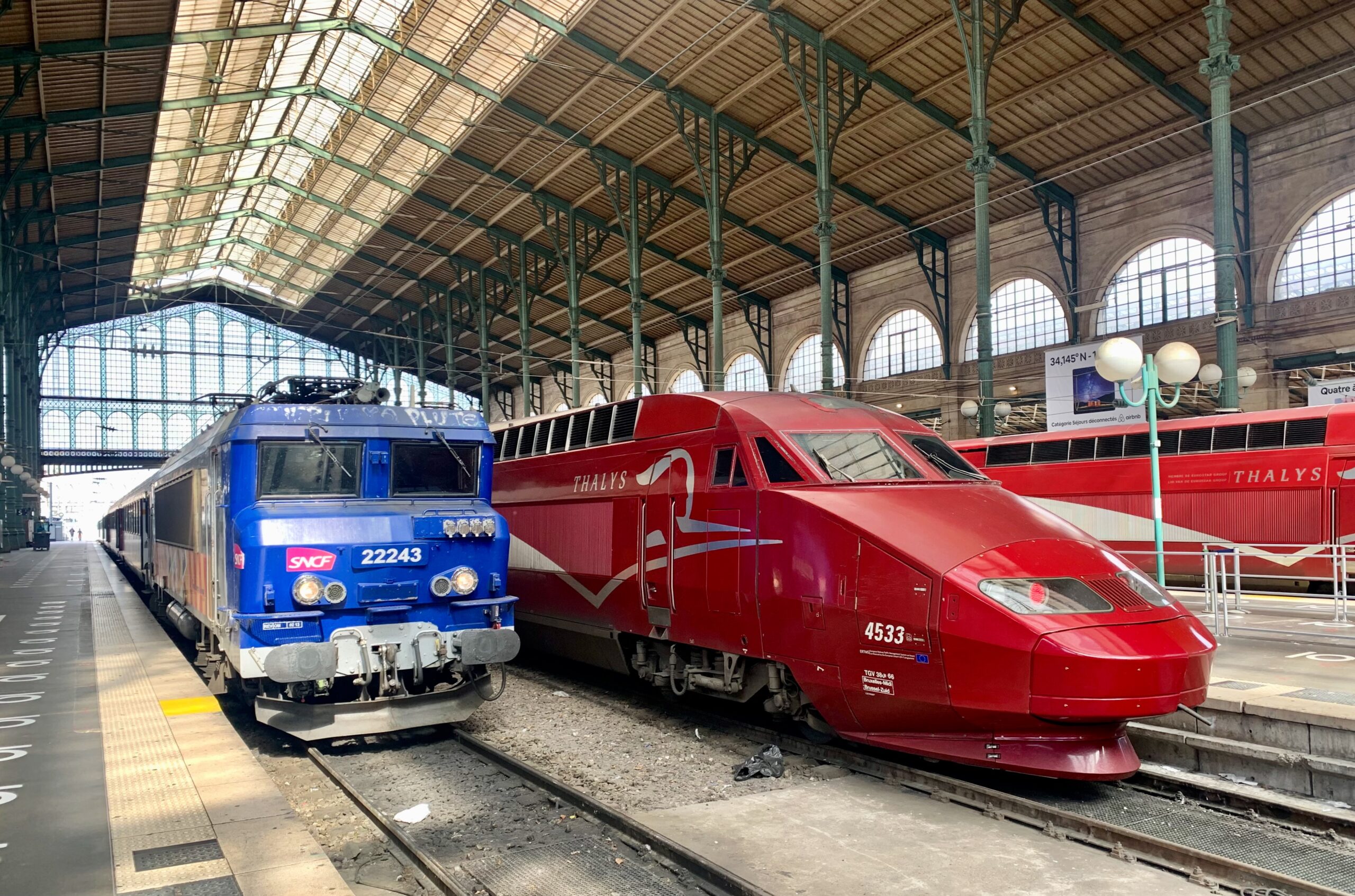
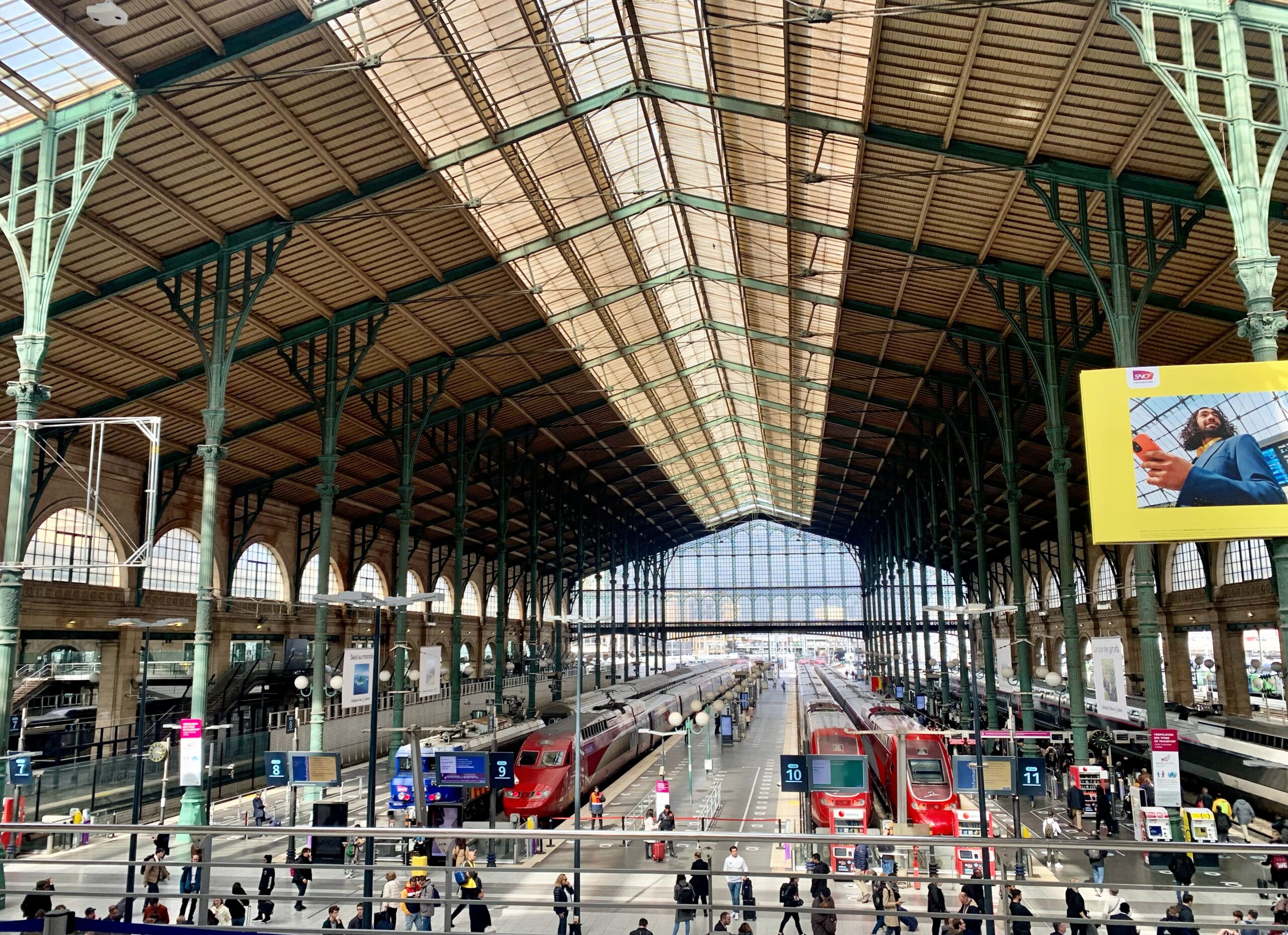
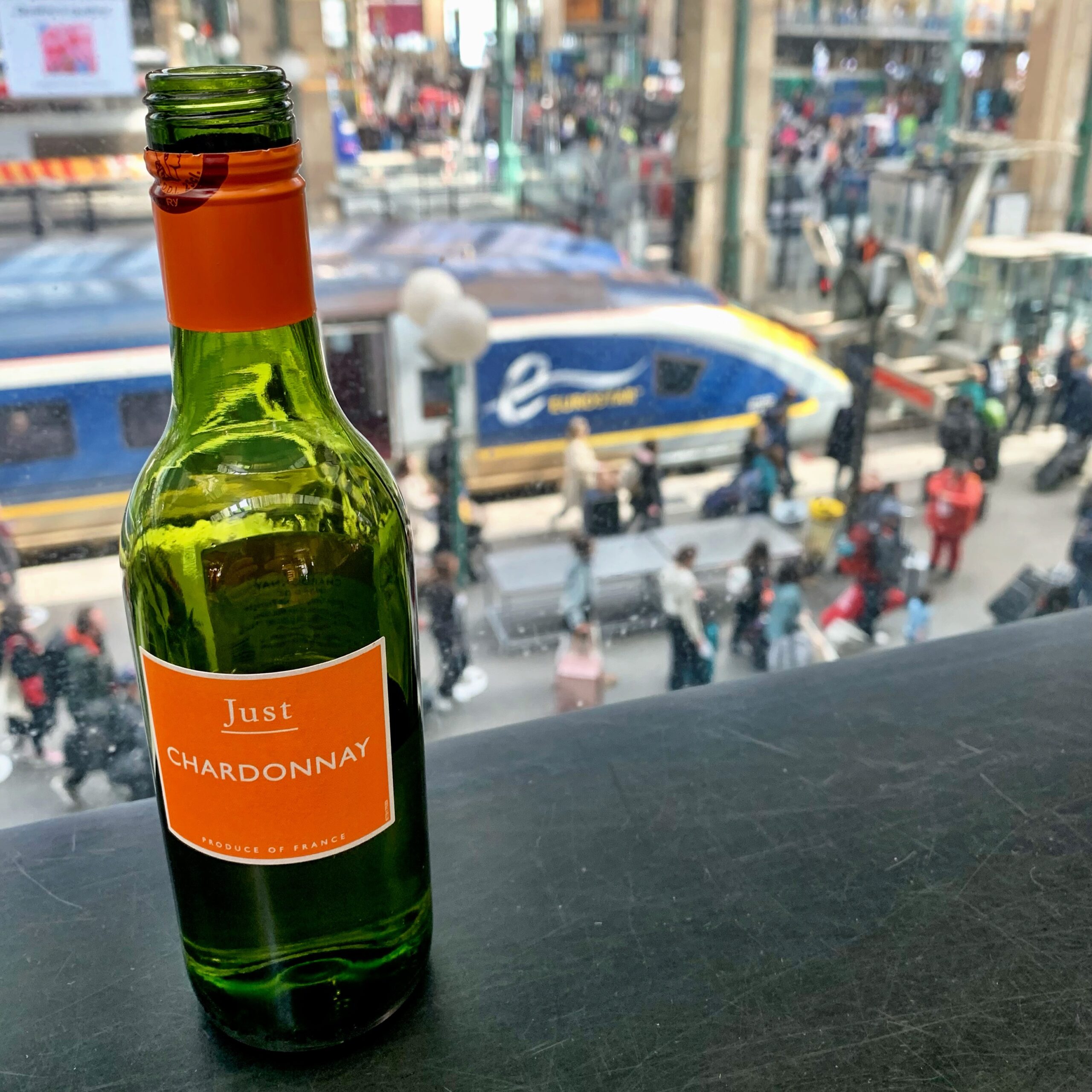
We returned back home on the Friday, and I was able to get a couple of photographs of locomotives at Gare du Nord as we awaited boarding for our Eurostar service to London St. Pancras.
We’ll hopefully be back with our regular update next week – thanks for reading. Take care and see you next time!
Leave a Reply