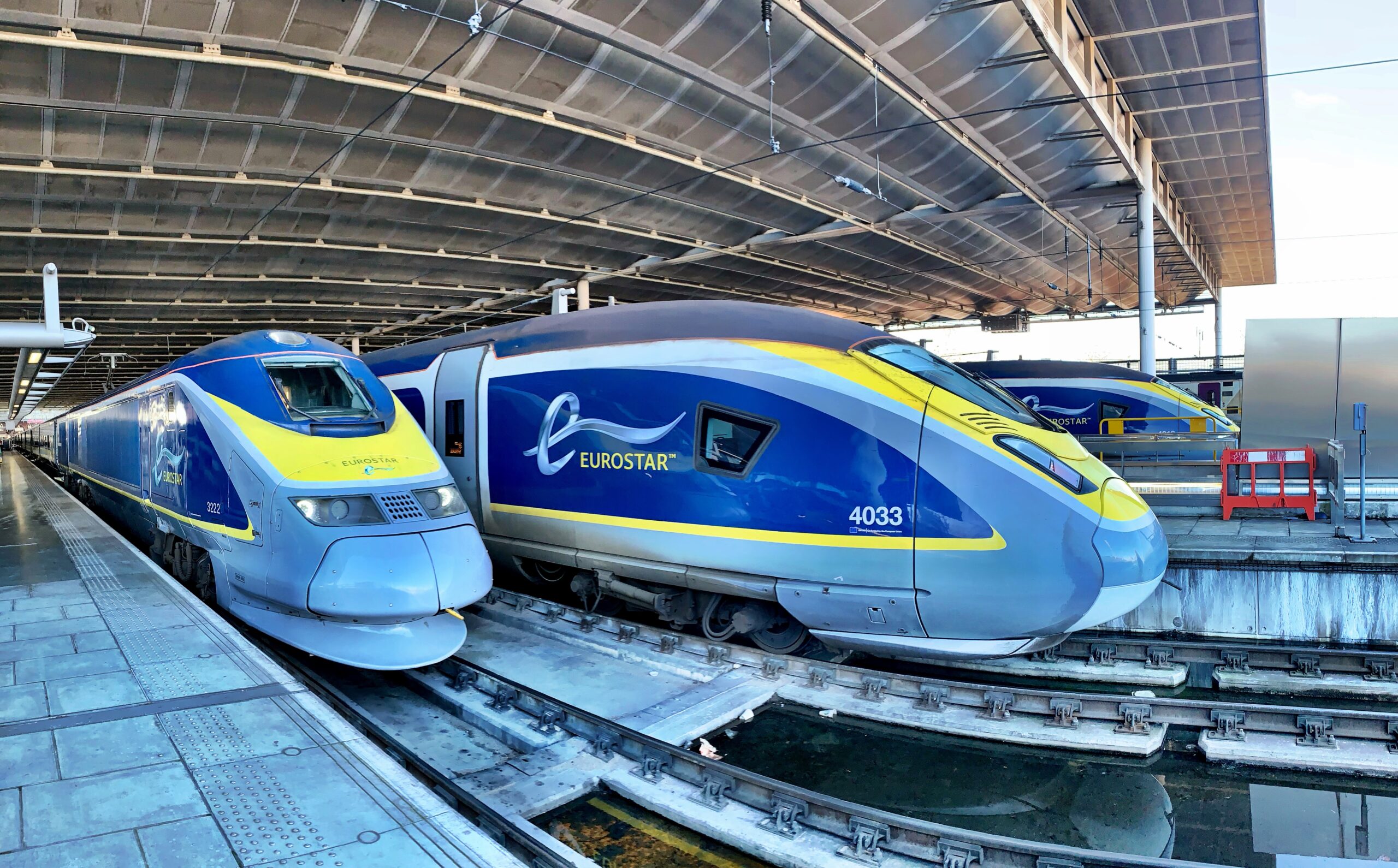
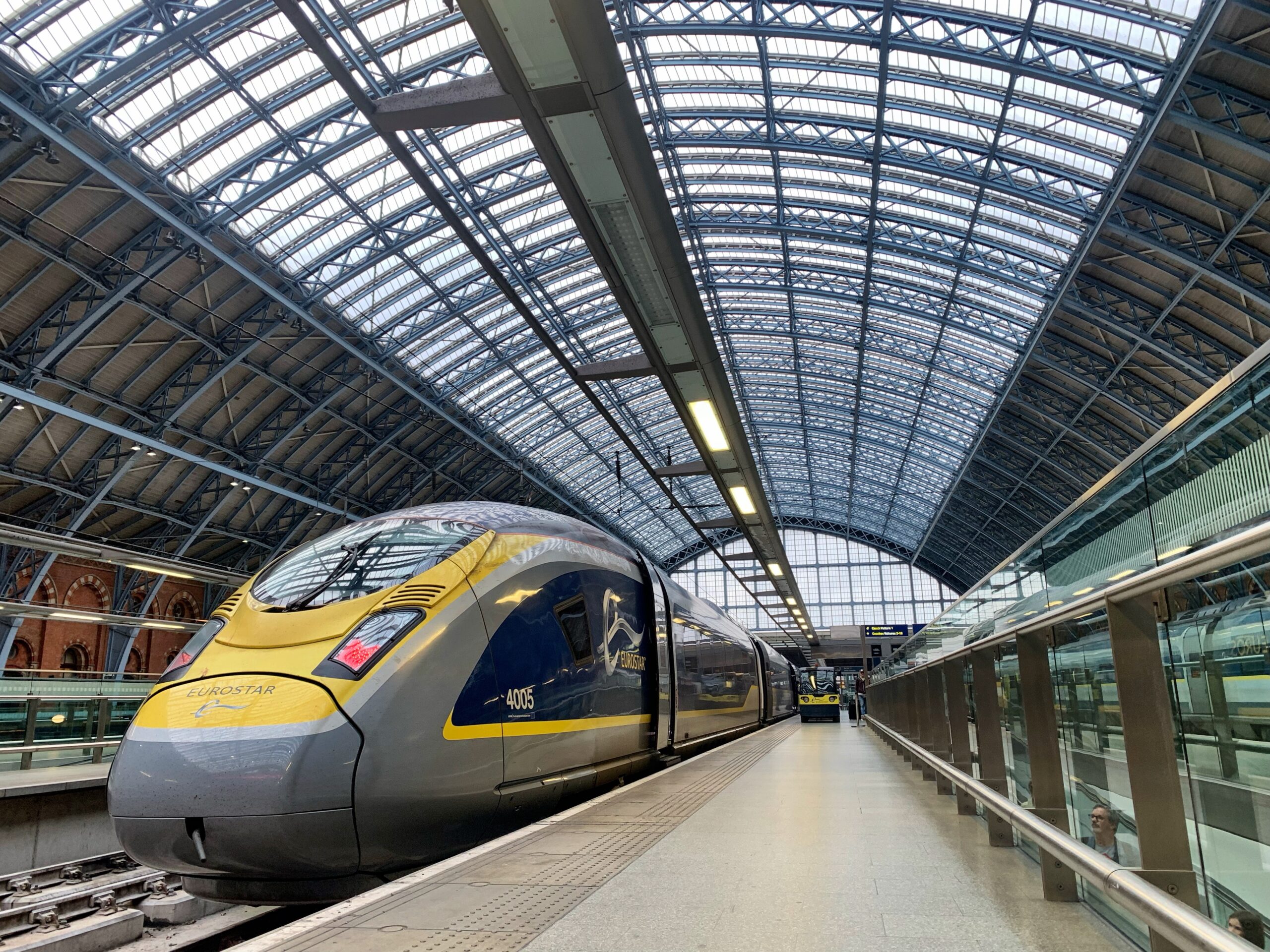
Class 373 No. 3222 and Class 374 No. 4033 Eurostar trains at London St. Pancras – 27/03/2023
At the end of March we had a few days in Paris having travelled by Eurostar from London St. Pancras to Pais Gare du Nord. We did a lot of walking as we took in the sights and sounds of the City during our mini break.
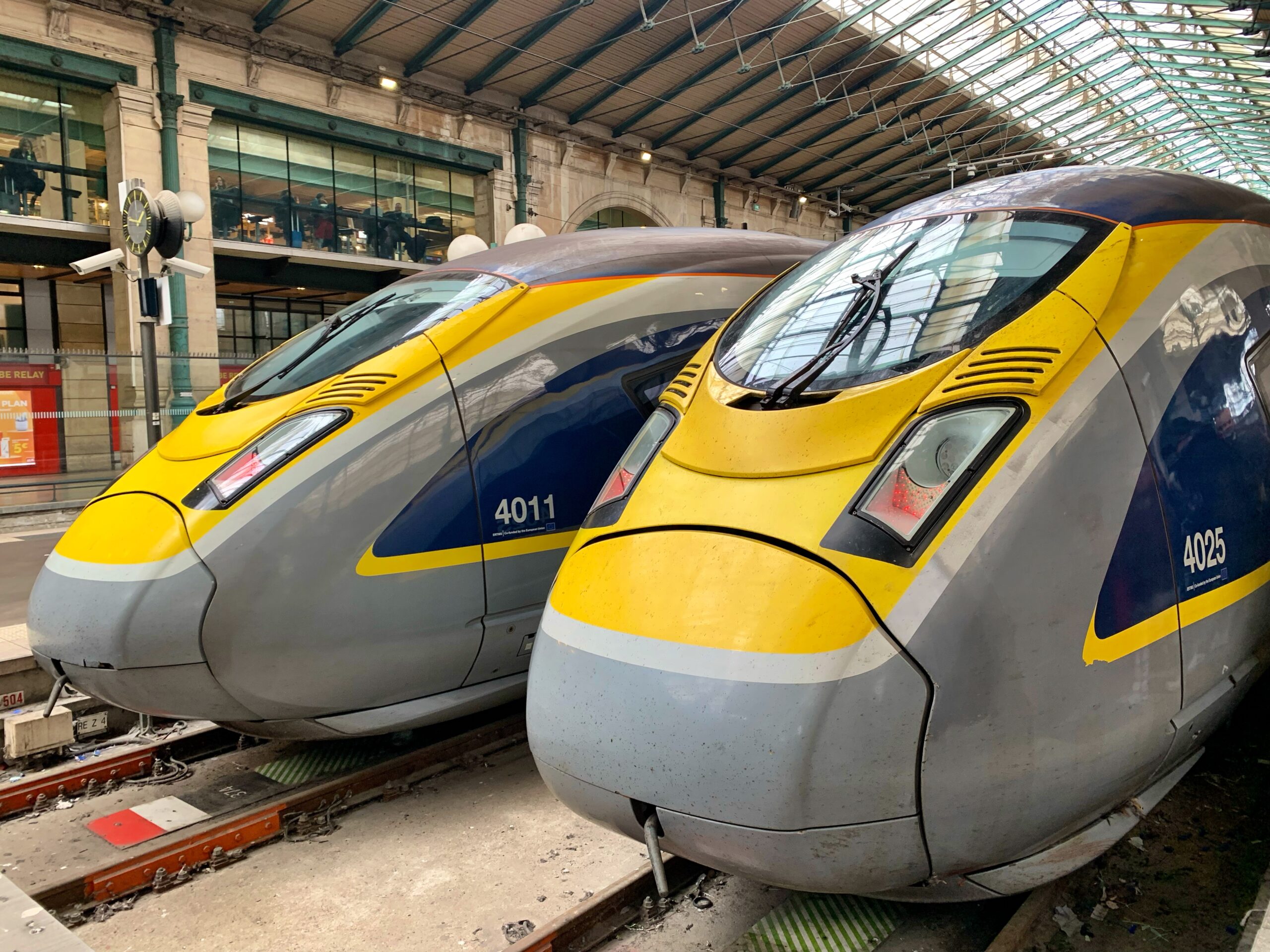
Paris Gare du Nord is the southern terminus of Eurostar services. Class 374 set No. 4025 rests at the buffer stops having worked 9O18 1026 London St. Pancras International to Paris Nord. Class member No. 4011 sits alongside – 27/03/2023
On a quiet Tuesday morning, we avoided a demonstration against the raising of the pension age planned for later in the day and took the opportunity to track down the Promenade Plantée. We headed to Gare de Lyon via Metro Line 14 which was operating throughout the strike day as it is fully automated and features driverless Siemens trains.
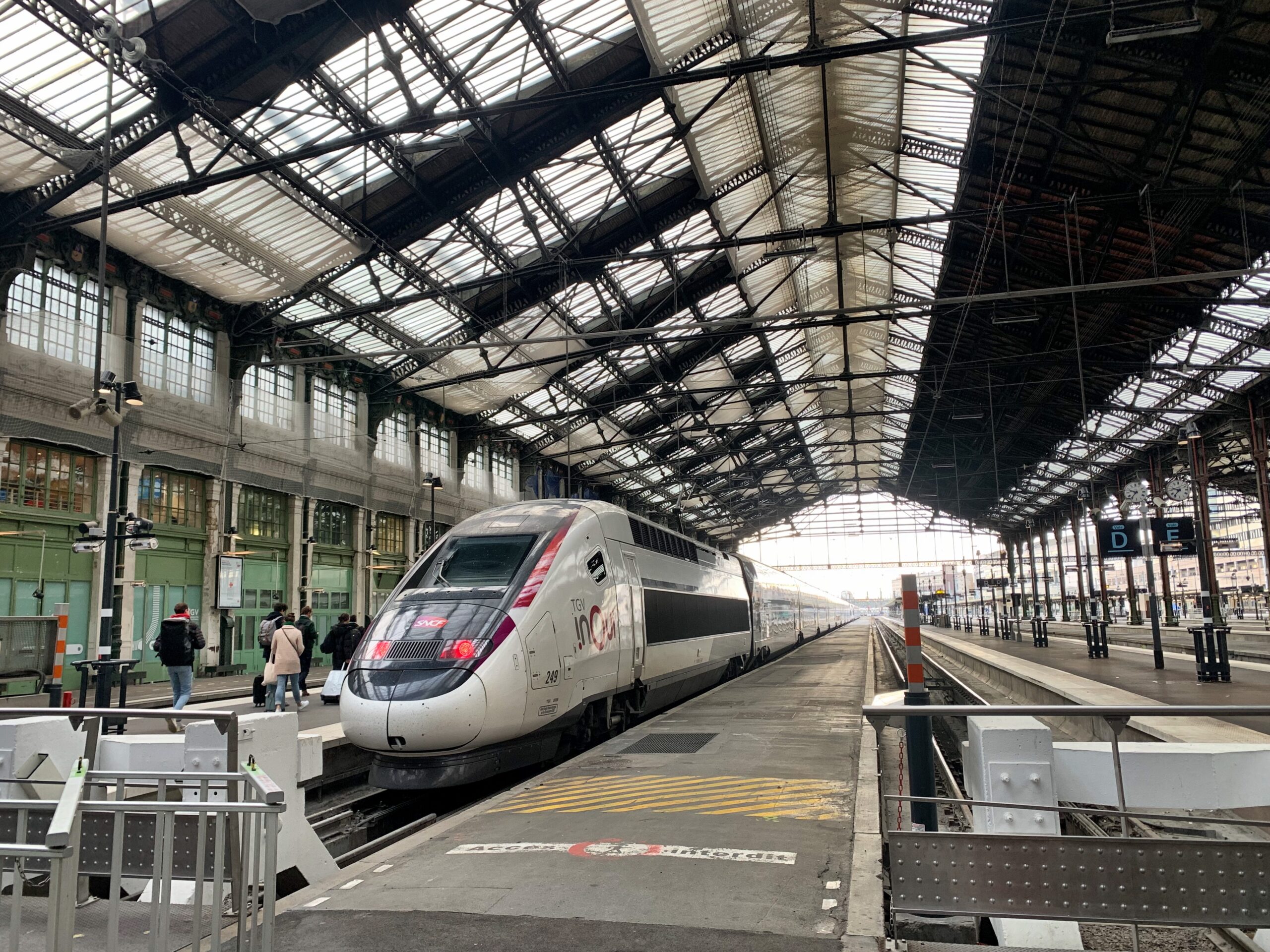
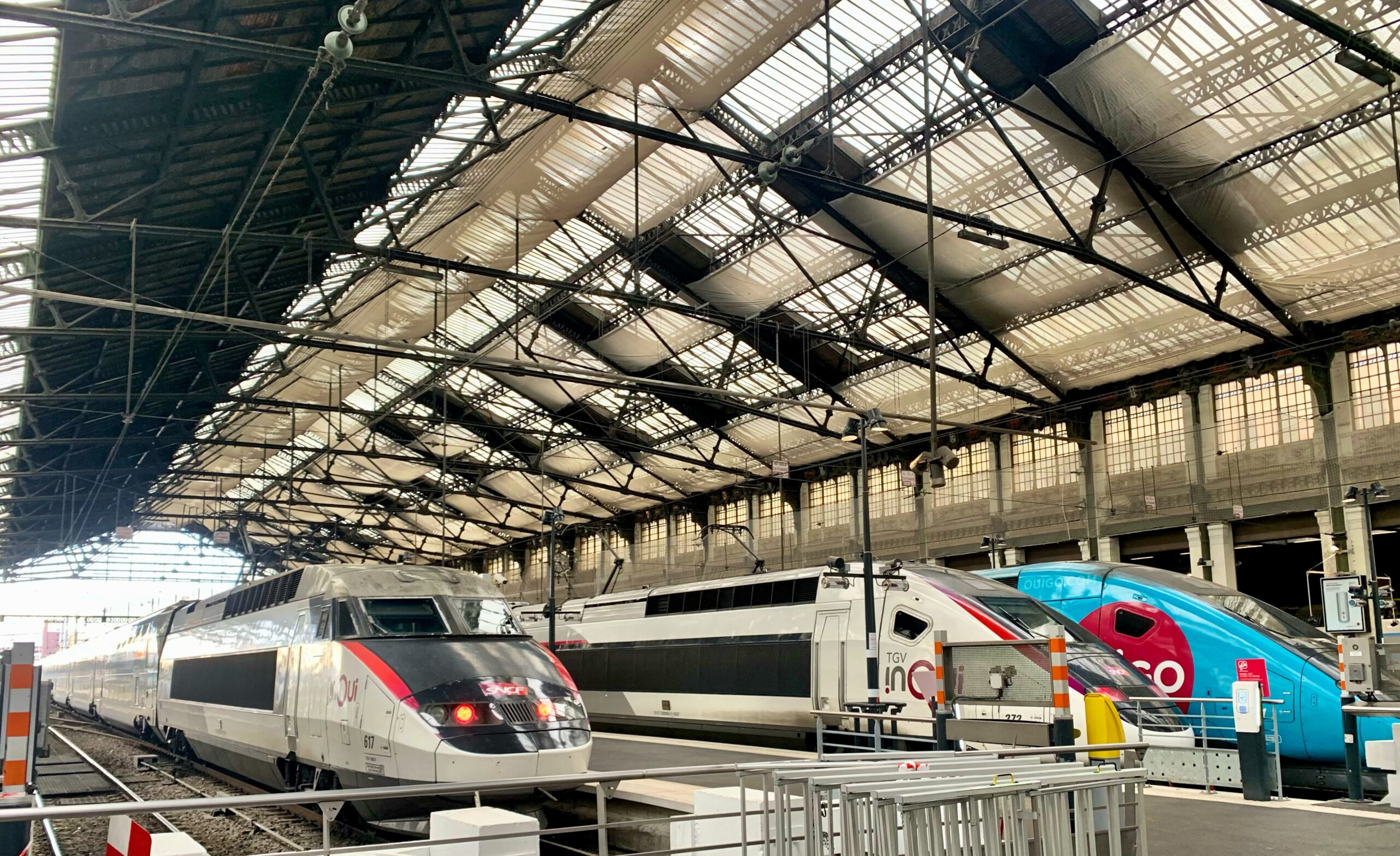
Double-deck TGV No. 249 at Gare de Lyon – 28/03/2023TGV No.’s 617, 272 & 791 Gare de Lyon – 28/03/2023
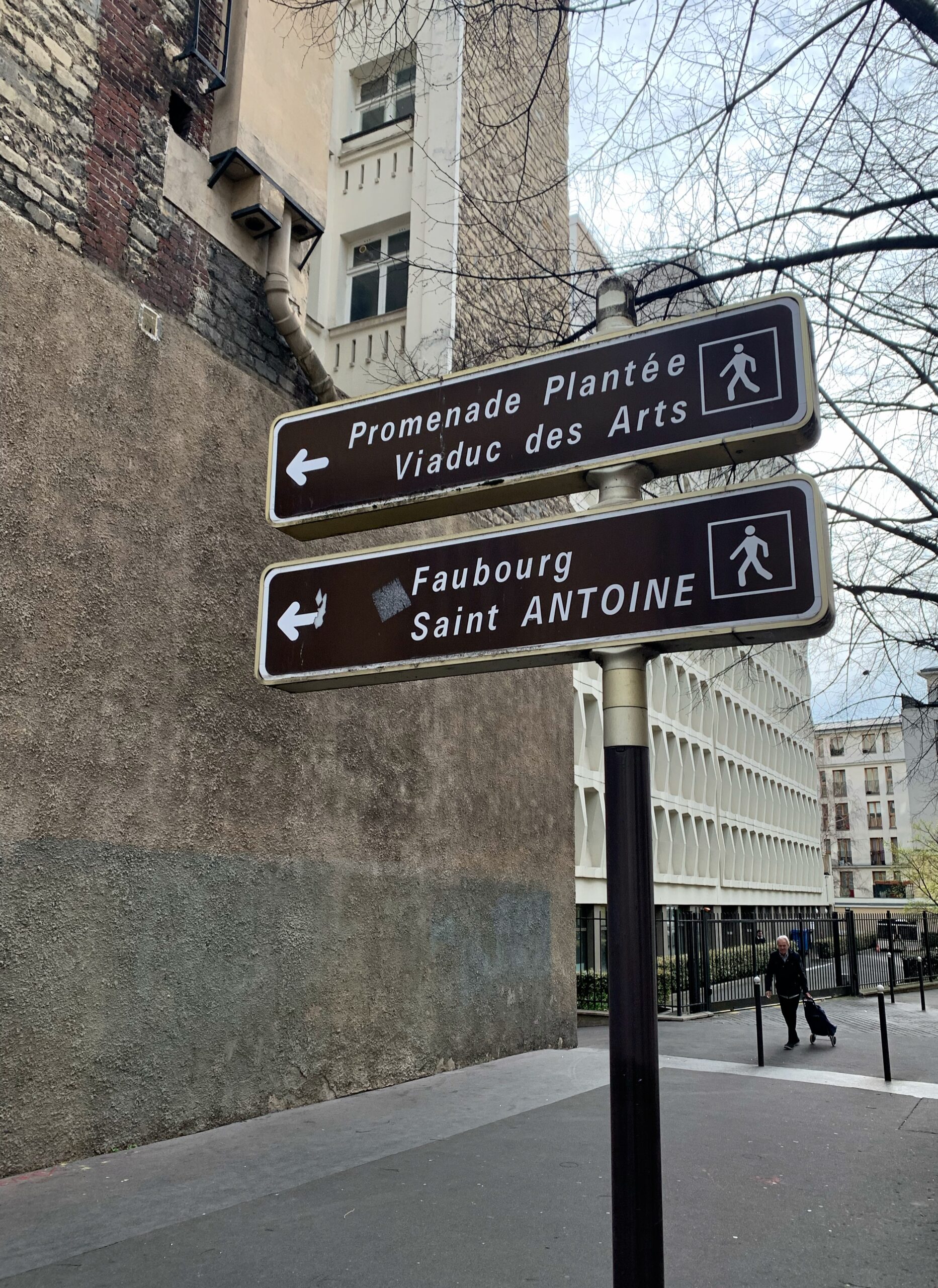
On arriving at Gare de Lyon, we enjoyed a cup of tea and a very expensive macaroon before finding our bearings. We didn’t see any of the piles of uncollected bin bags which the mainstream media would have us believe were on every street corner and soon found a signpost directing us towards our destination; the world’s first elevated park walkway and a well loved part of the French capital City.
Pointing the way to Promenade Plantée – 28/03/2023
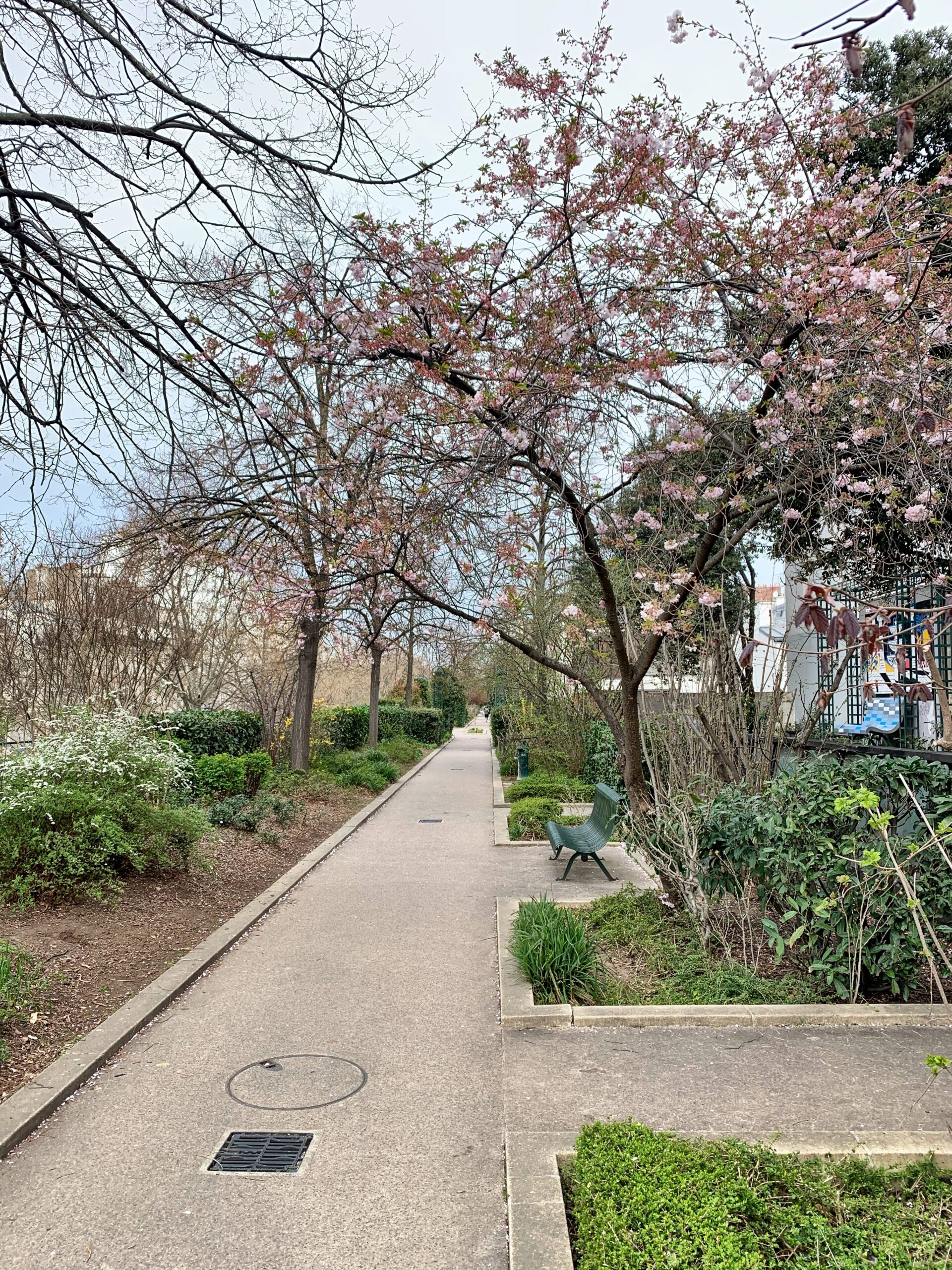
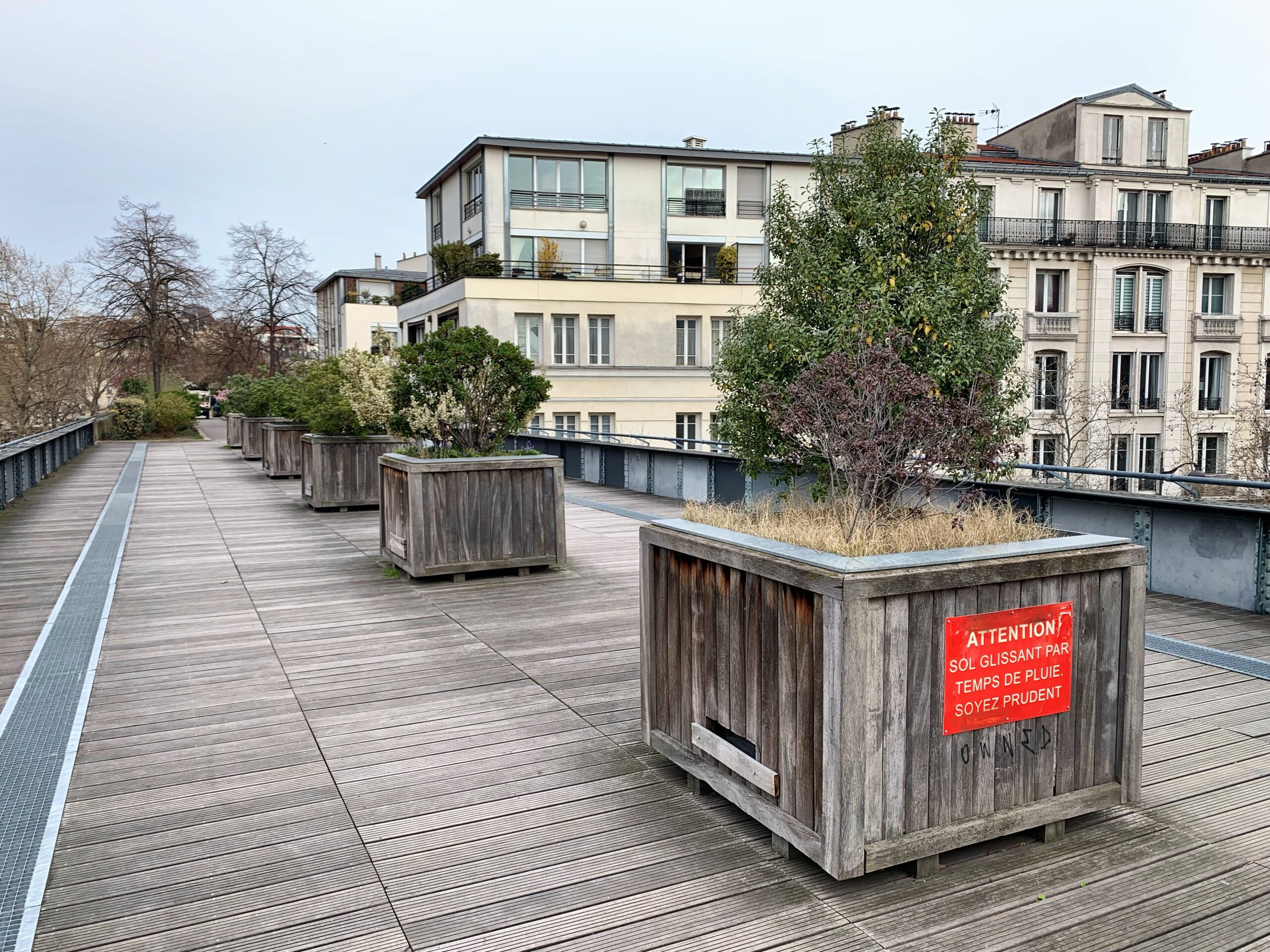
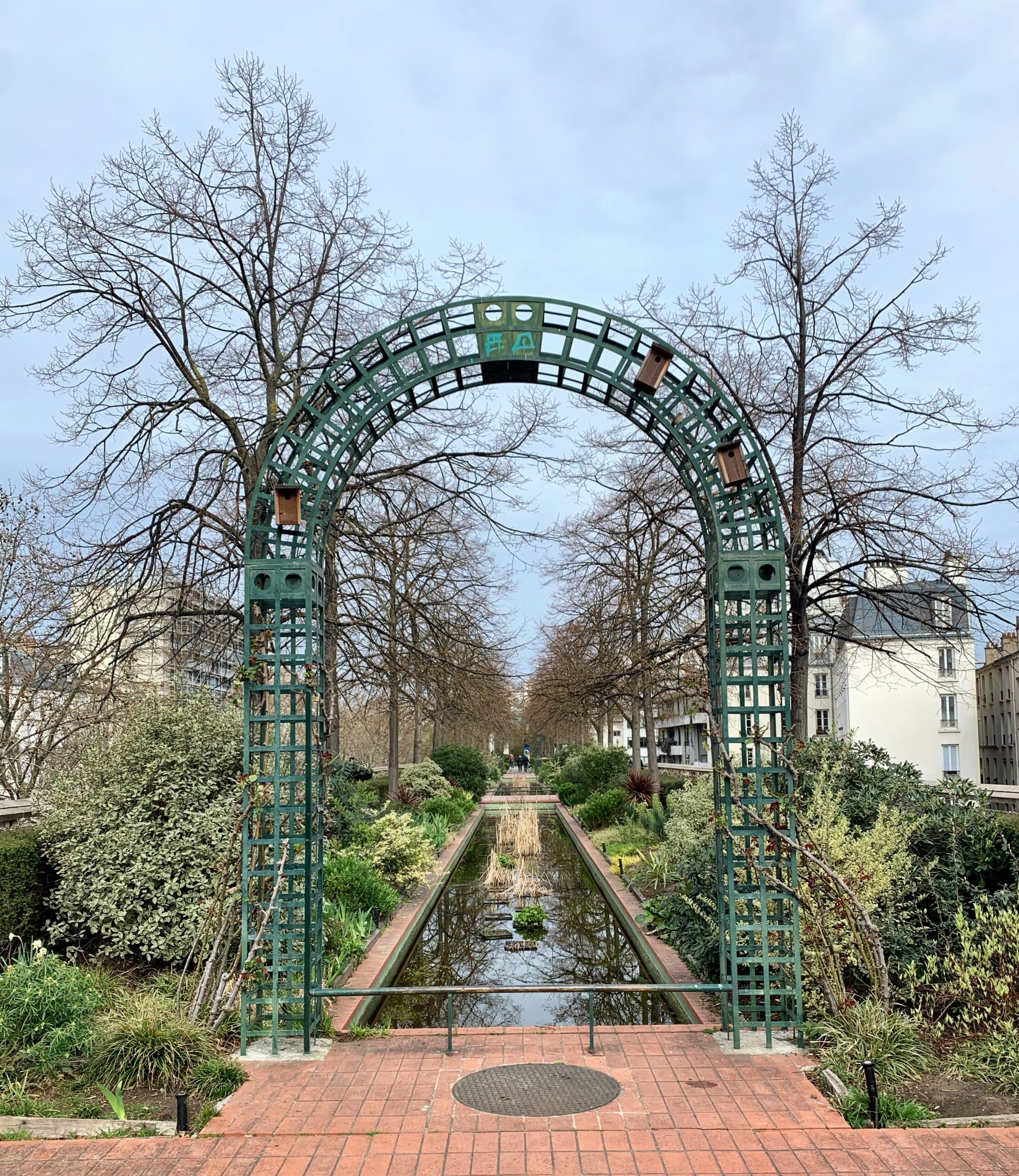
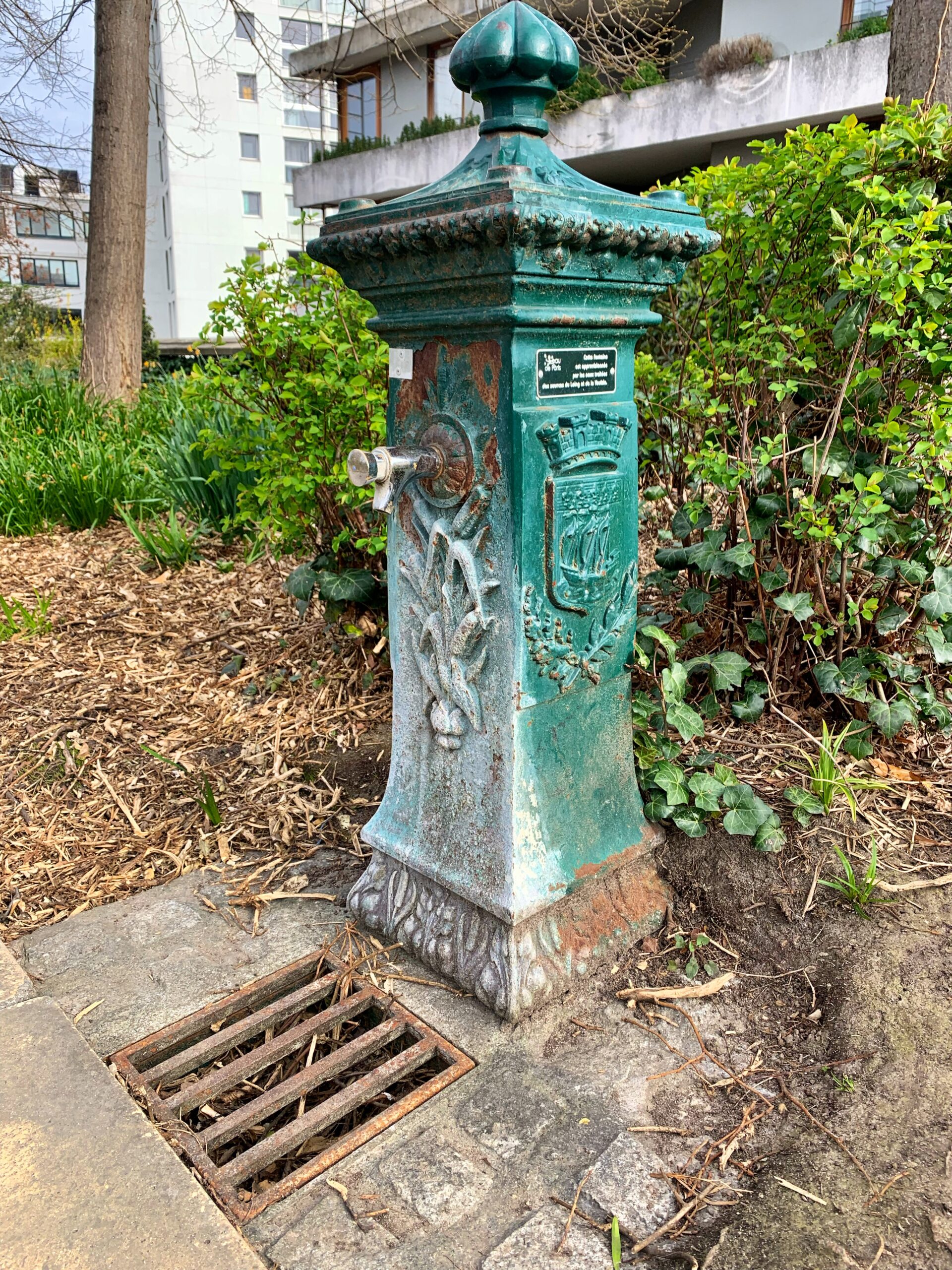
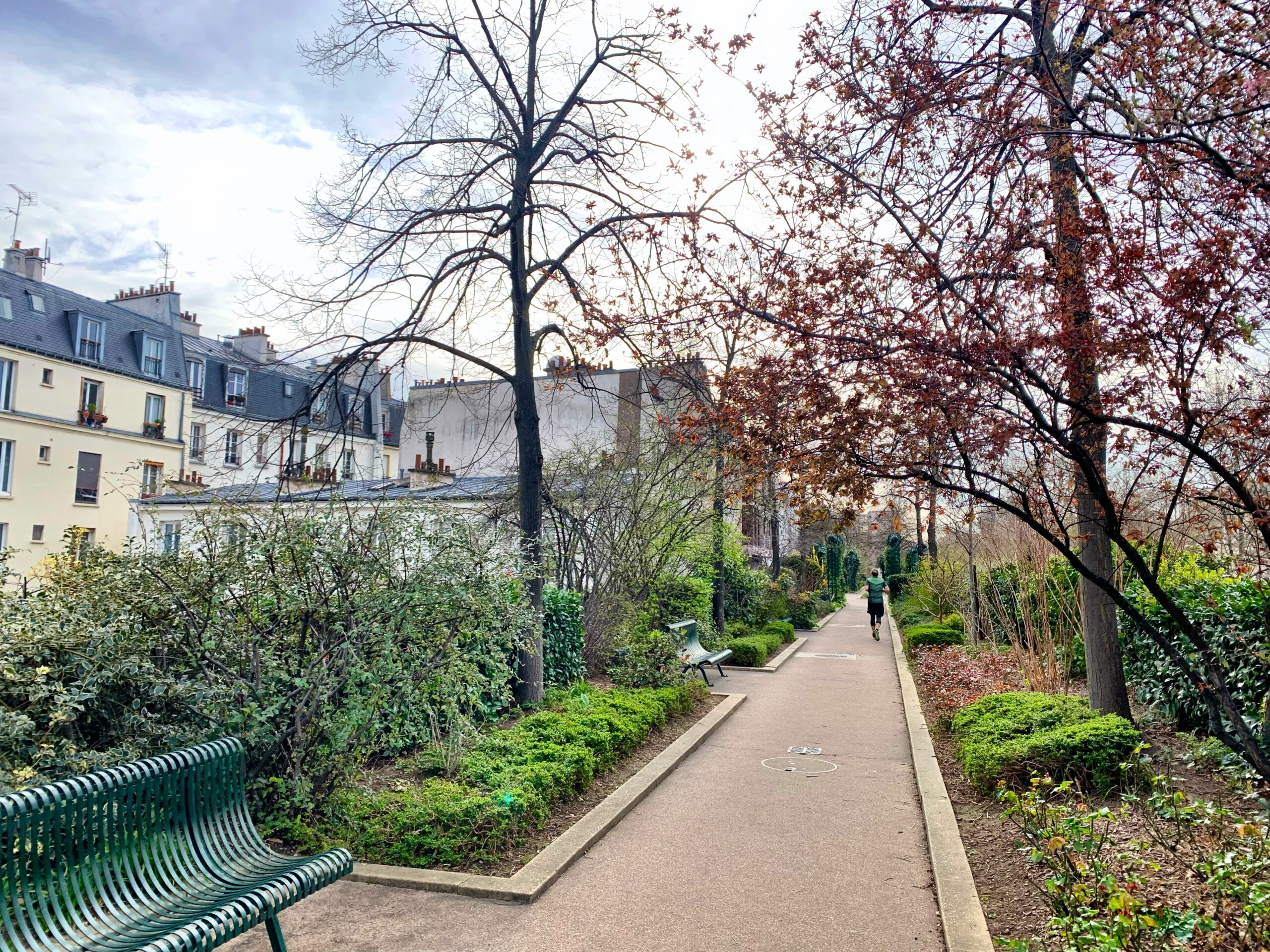
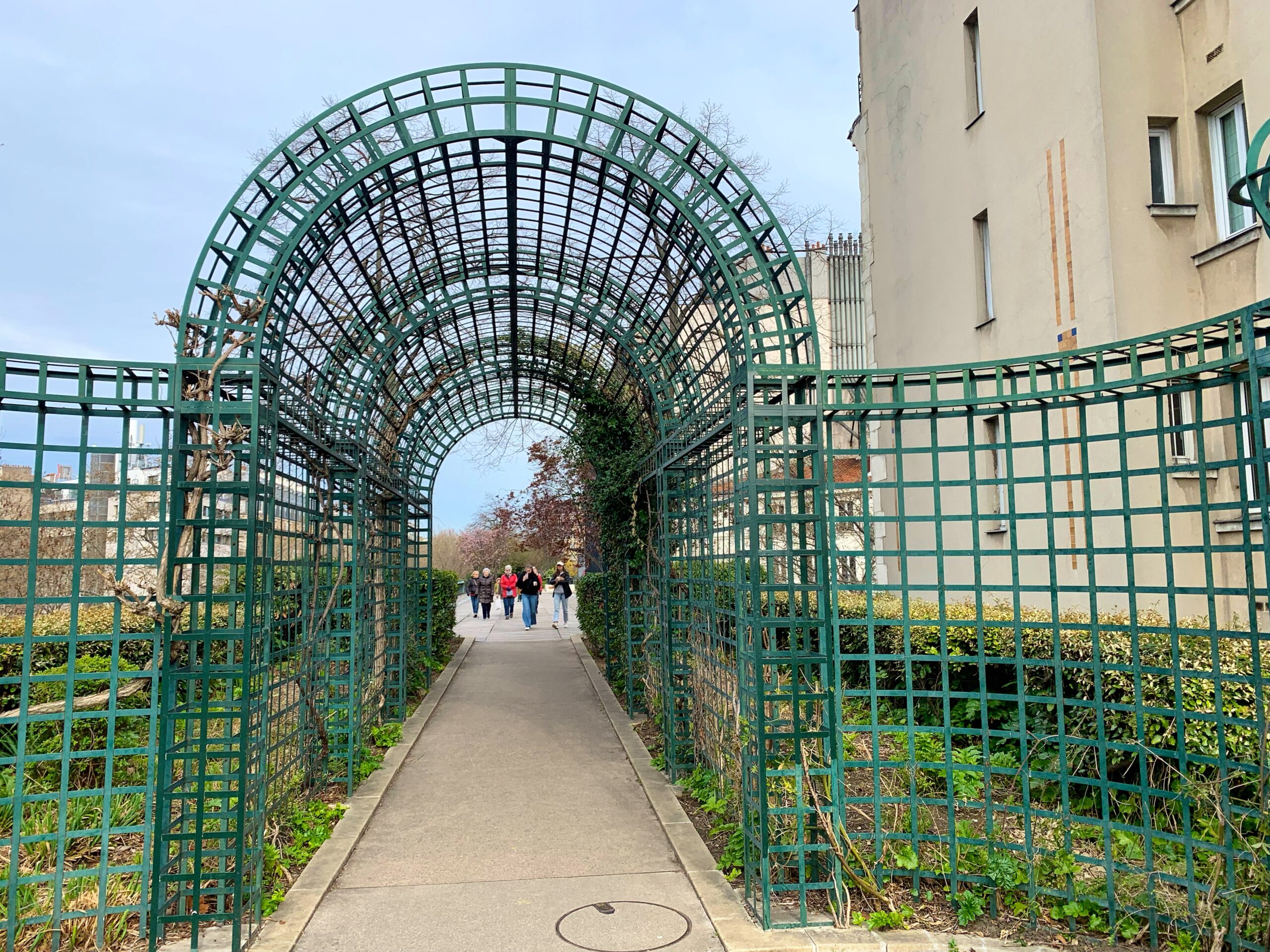
Promenade Plantée is built on the former Vincennes railway line which once linked Bastille station to Verneuil-l’Étang after passing through Vincennes. It’s now a peaceful, green stroll 10 metres above street level, which begins just east of the Opera Bastille at the crossroads at rue de Lyon and avenue Daumesnil and winds through the 12th arrondissement for three miles, coming out before the Bois de Vincennes.
The original railway ceased its operation on December 14th, 1969. A section of the line beyond Vincennes was integrated into Line A of the RER, while the Paris-Vincennes section was completely abandoned. In the 1980’s, the area was renovated with the former Bastille station being demolished in 1984 to make way for the Opéra Bastille. The Reuilly section was designed in 1986 incorporating the old commercial rail depot of Reuilly into a group of park areas. The Promenade Plantée was put into place at the same time in order to reuse the rest of the abandoned line and was designed by architects Jacques Vergely and Philippe Mathieux. It was inaugurated in 1993.
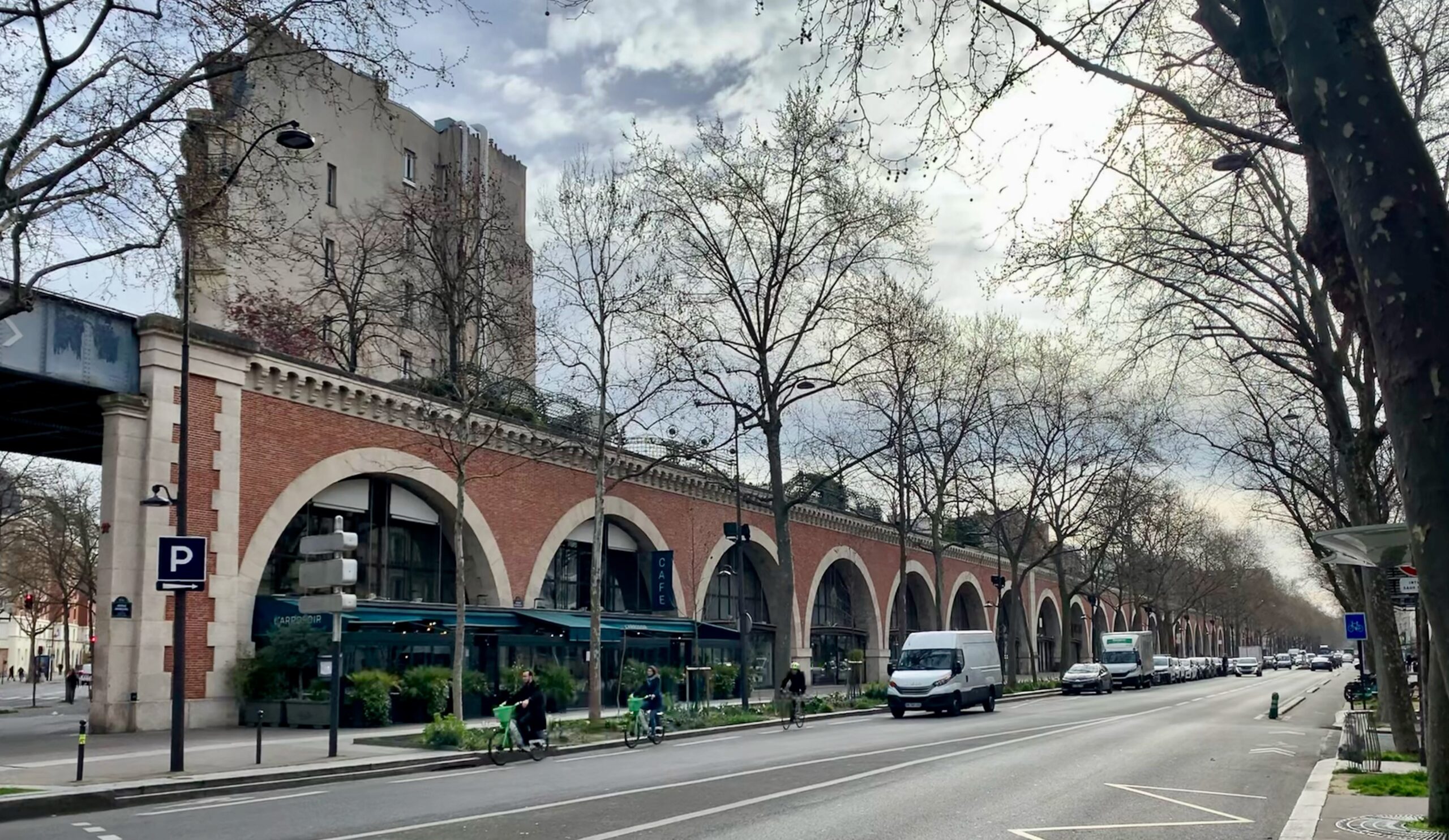
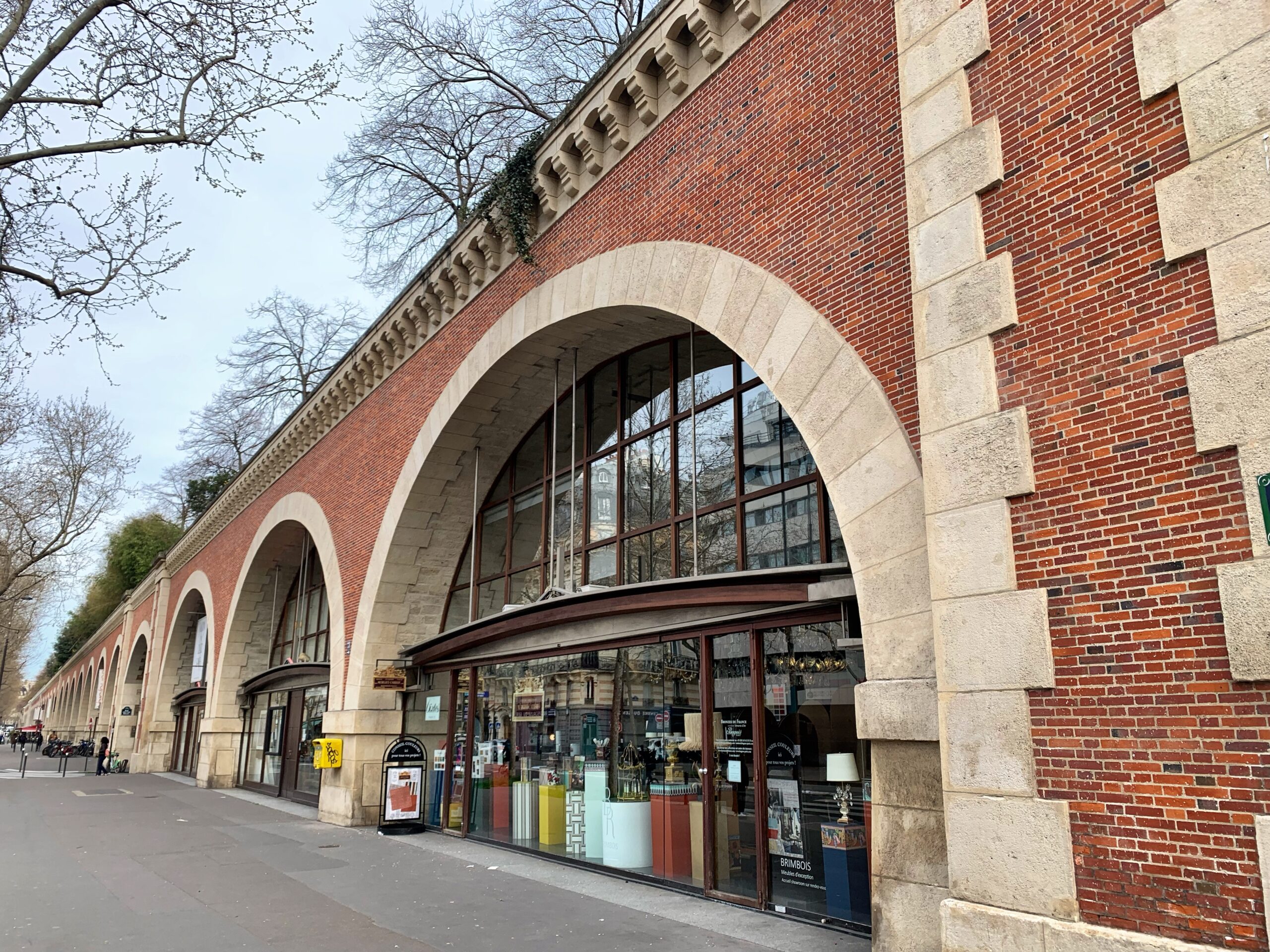
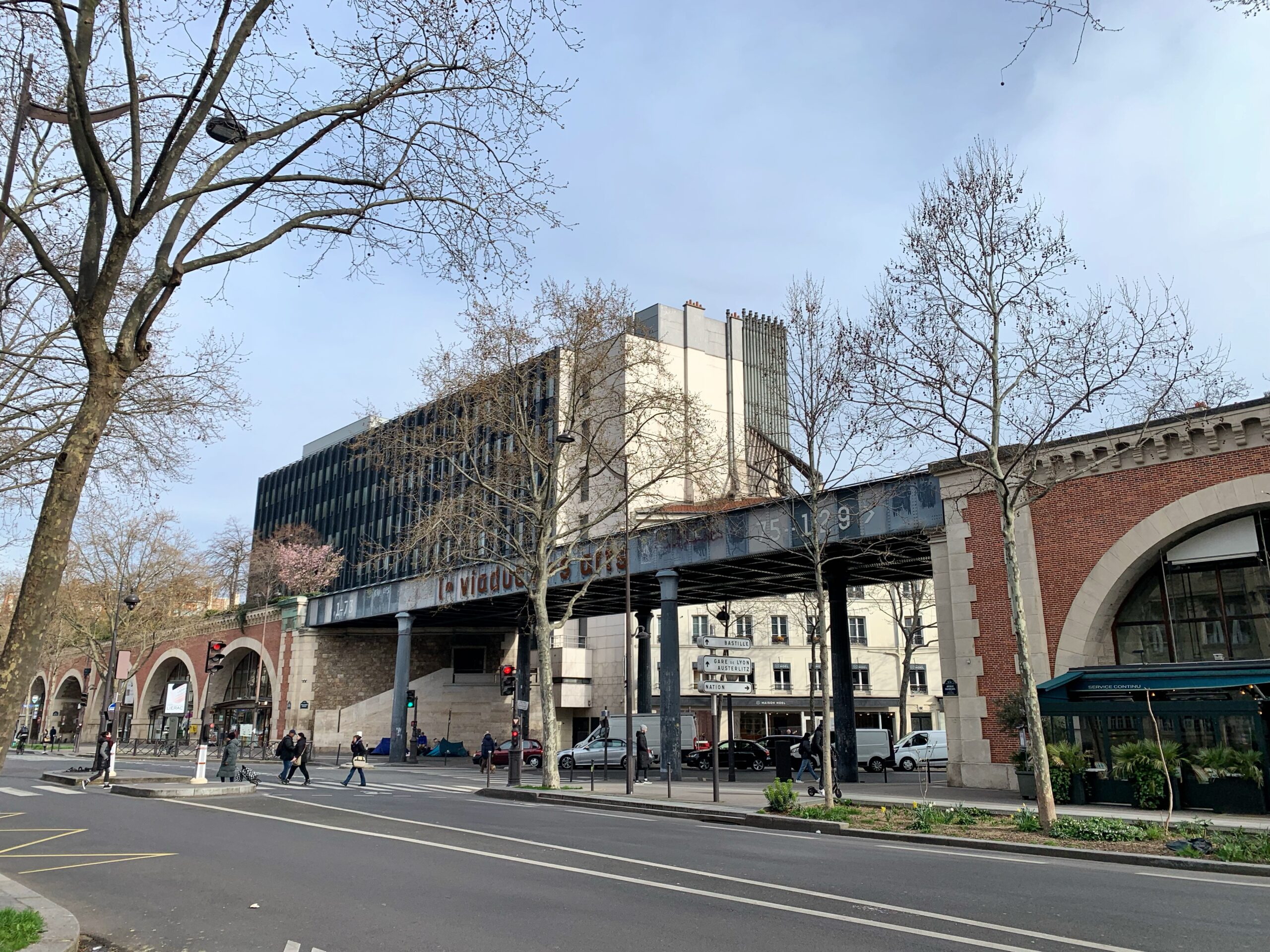
At its west end near the Bastille the walkway utilises a viaduct, renovated in 1989 by architect Patrick Berger, where its 45 archways have been adapted to house artisan shops displaying the works of florists, violin makers, glass blowers and furniture restorers all creating the Viaduc des Arts.
Viaduc des Arts, Promenade Plantée – 28/03/2023Viaduc des Arts, Promenade Plantée – 28/03/2023Viaduc des Arts, Promenade Plantée – 28/03/2023
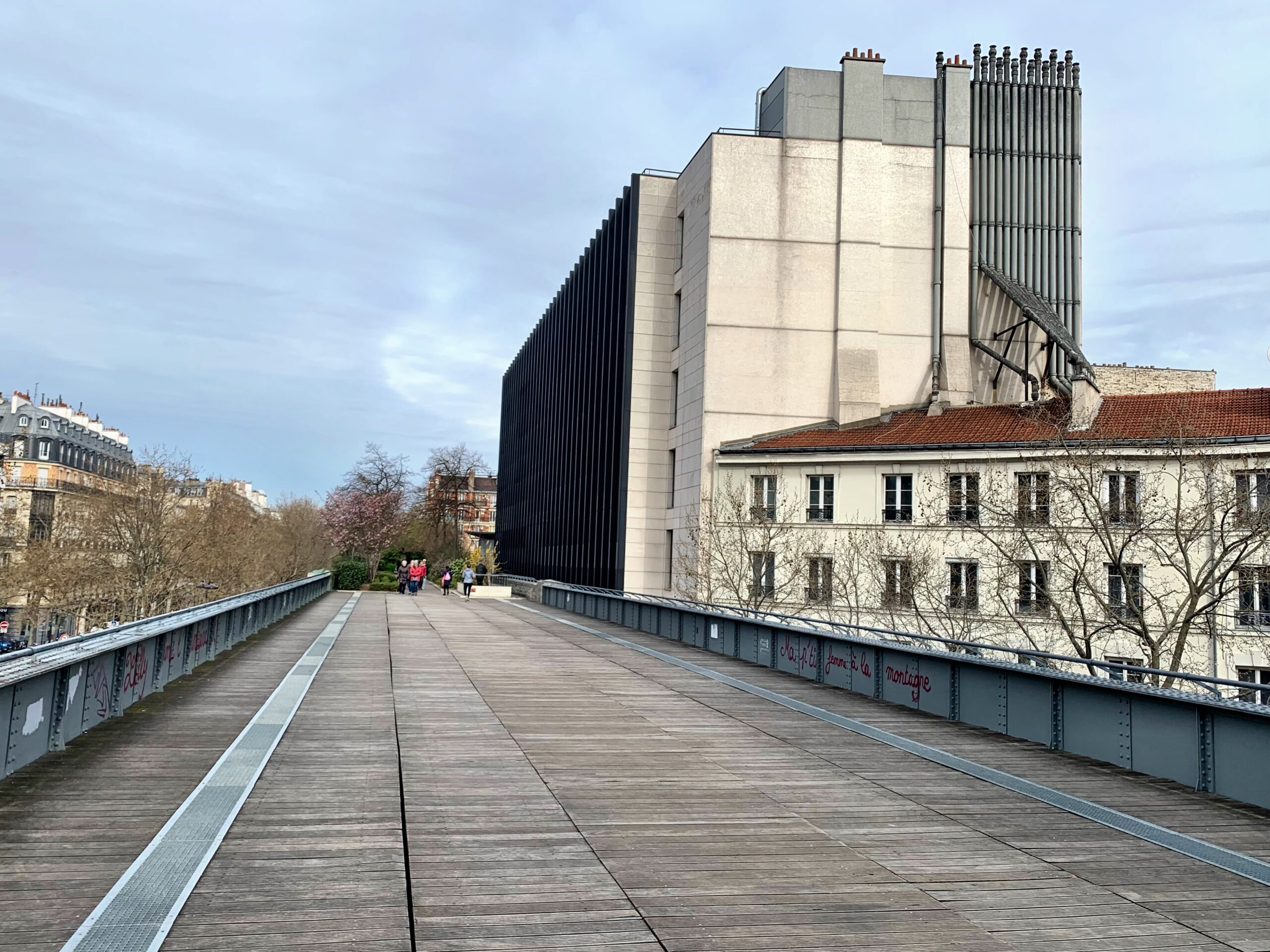
Further along a modern building splits in two with the walkway running inbetween, while a long, wobbly cable footbridge stretches across the Jardin de Reuilly. Then the elevated section heads to street level – becoming accessible to bikers, rollerbladers and skateboarders, too; a tree-lined corridor passes through old railway tunnels before ending at another park, the Jardin Charles Peguy. This is right by the disused train tracks of what was known as La Petite Ceinture and plans are afoot to extend the Promenade Plantée along the old railway line in the future. There are other examples of disused high level railway lines having been converted into parks, notably the High Line in New York. There are plans for a similar venture in Camden, London.
Later in the day we attempted the most touristy Paris activity; a vast to the Eiffel Tower. Every time I’ve tried to ascend the structure on previous visits to the City, the tower has been closed due to strike action and this time was no exception. We decided instead to visit La Basilique du Sacré Cœur de Montmartre and take a short trip on the funicular located there.
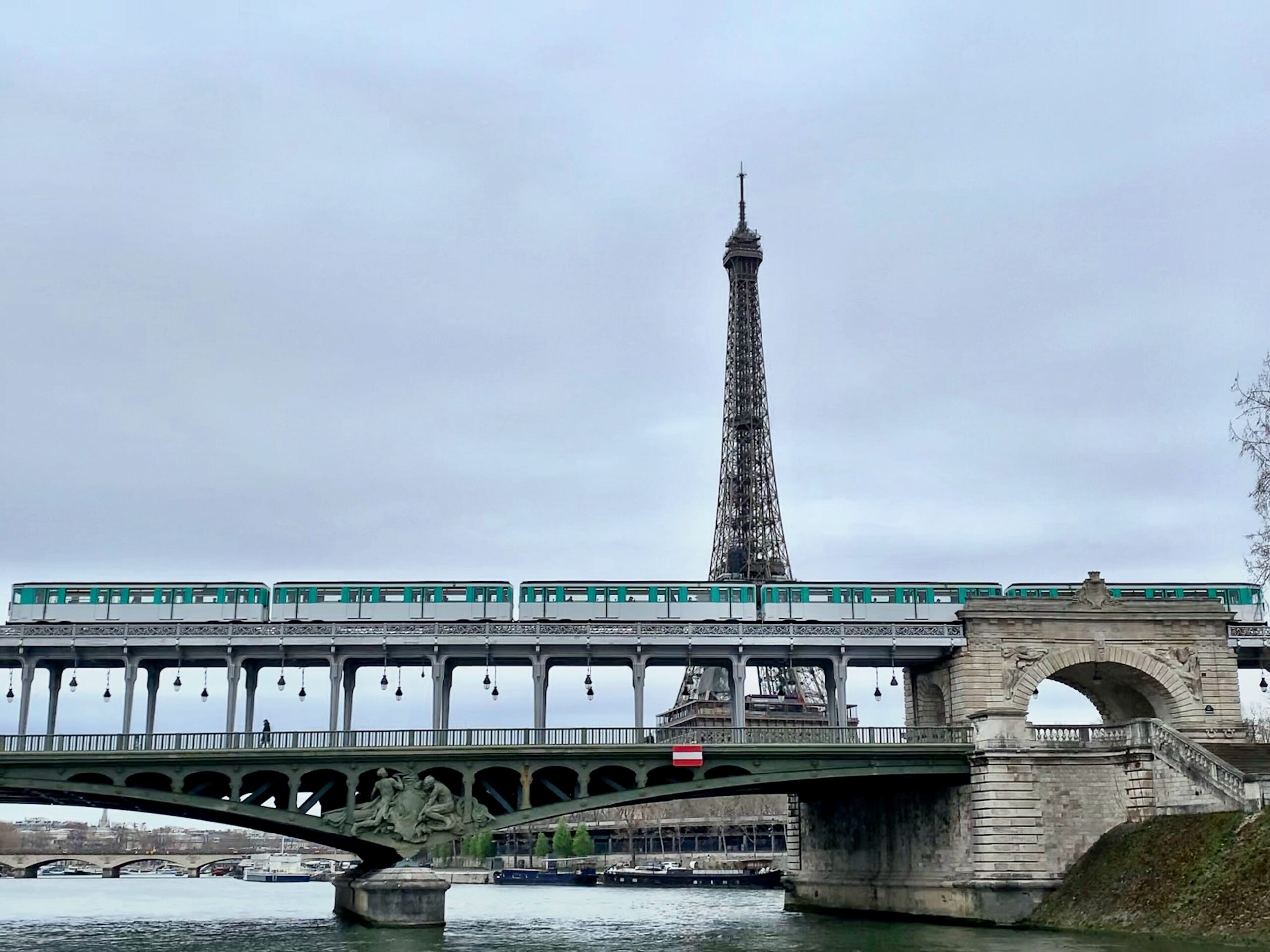
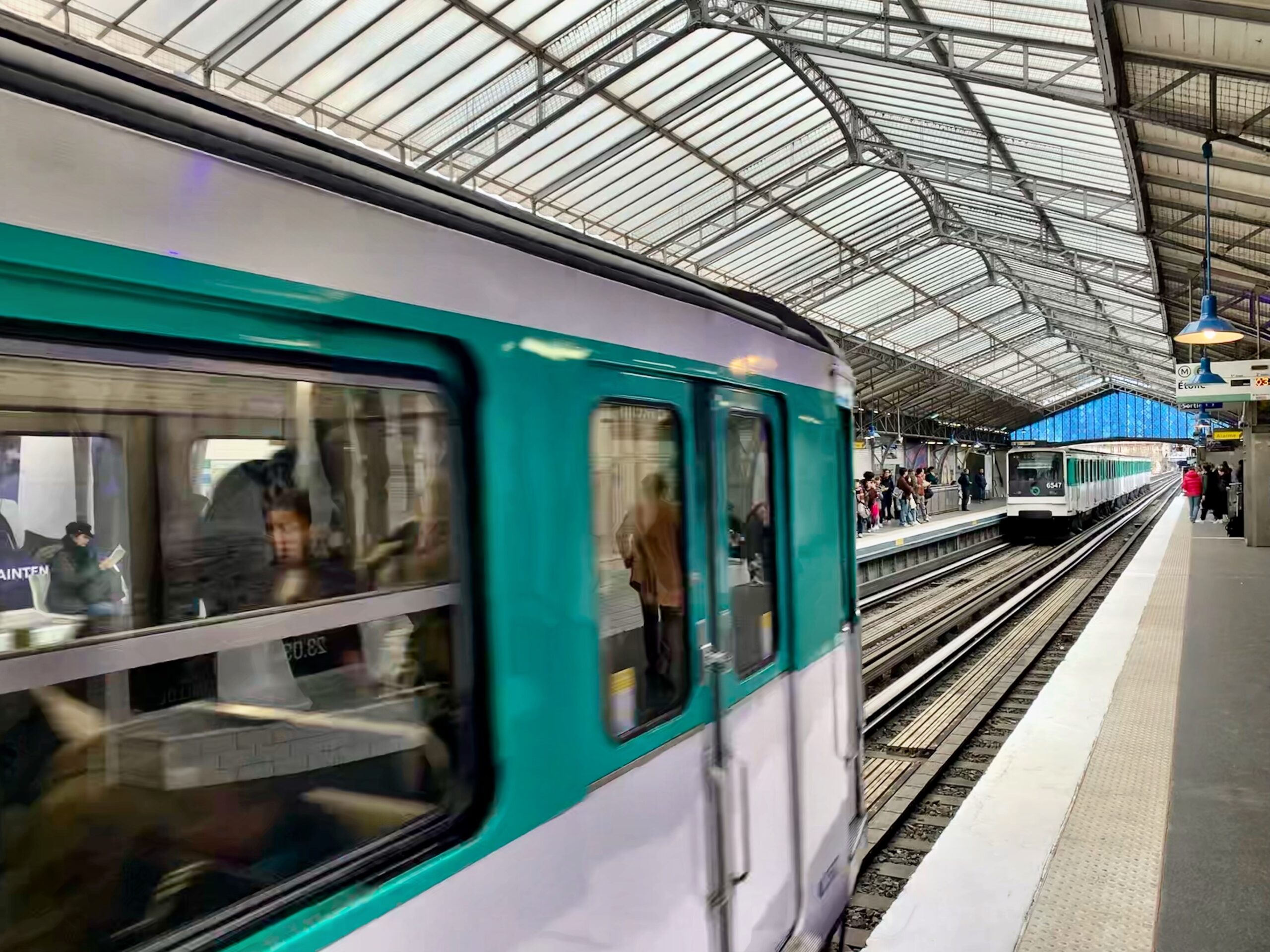
A line 6 Paris Metro train crosses the Seine with the Eiffel Tower in the background – 28/03/2023
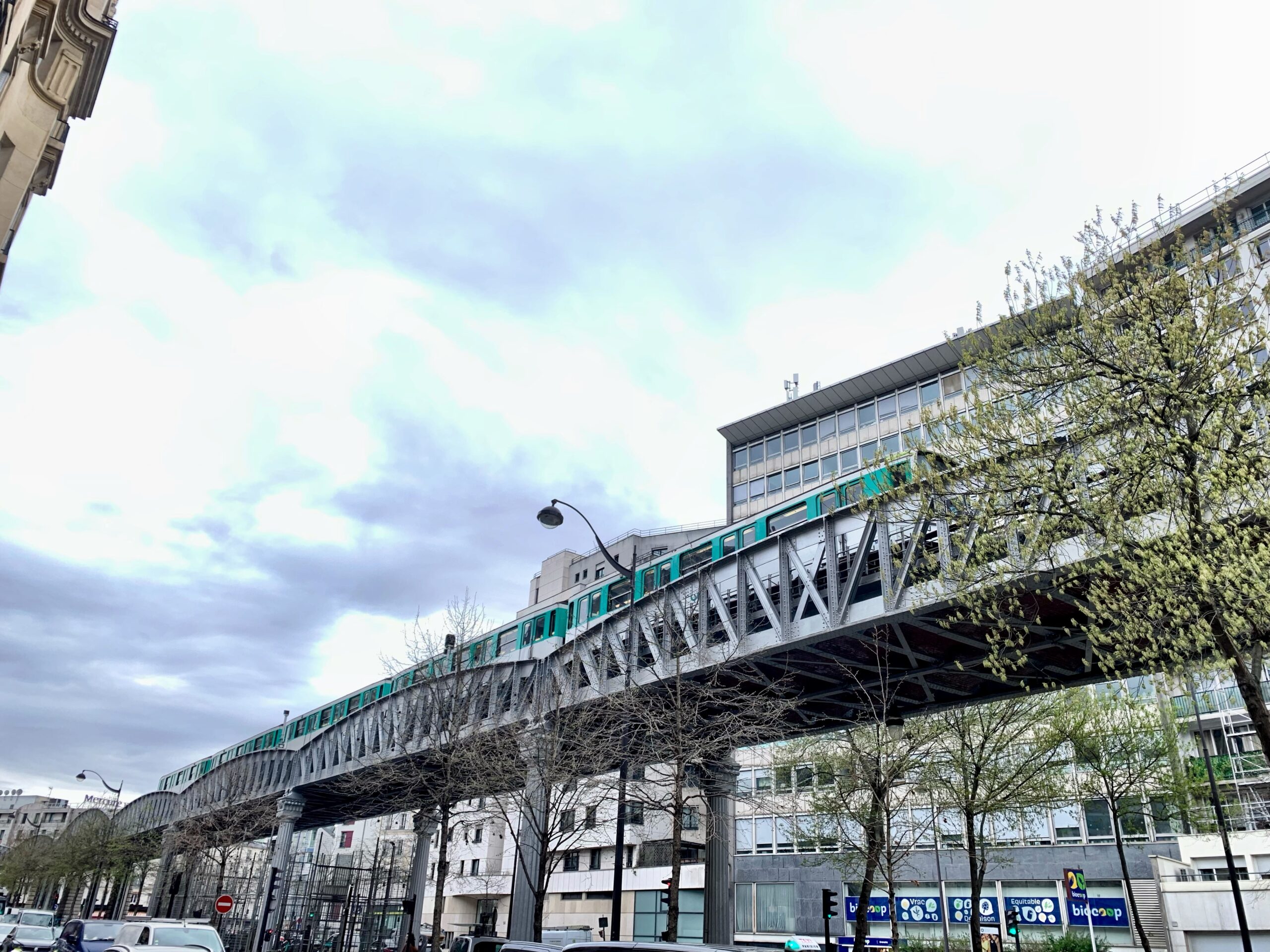
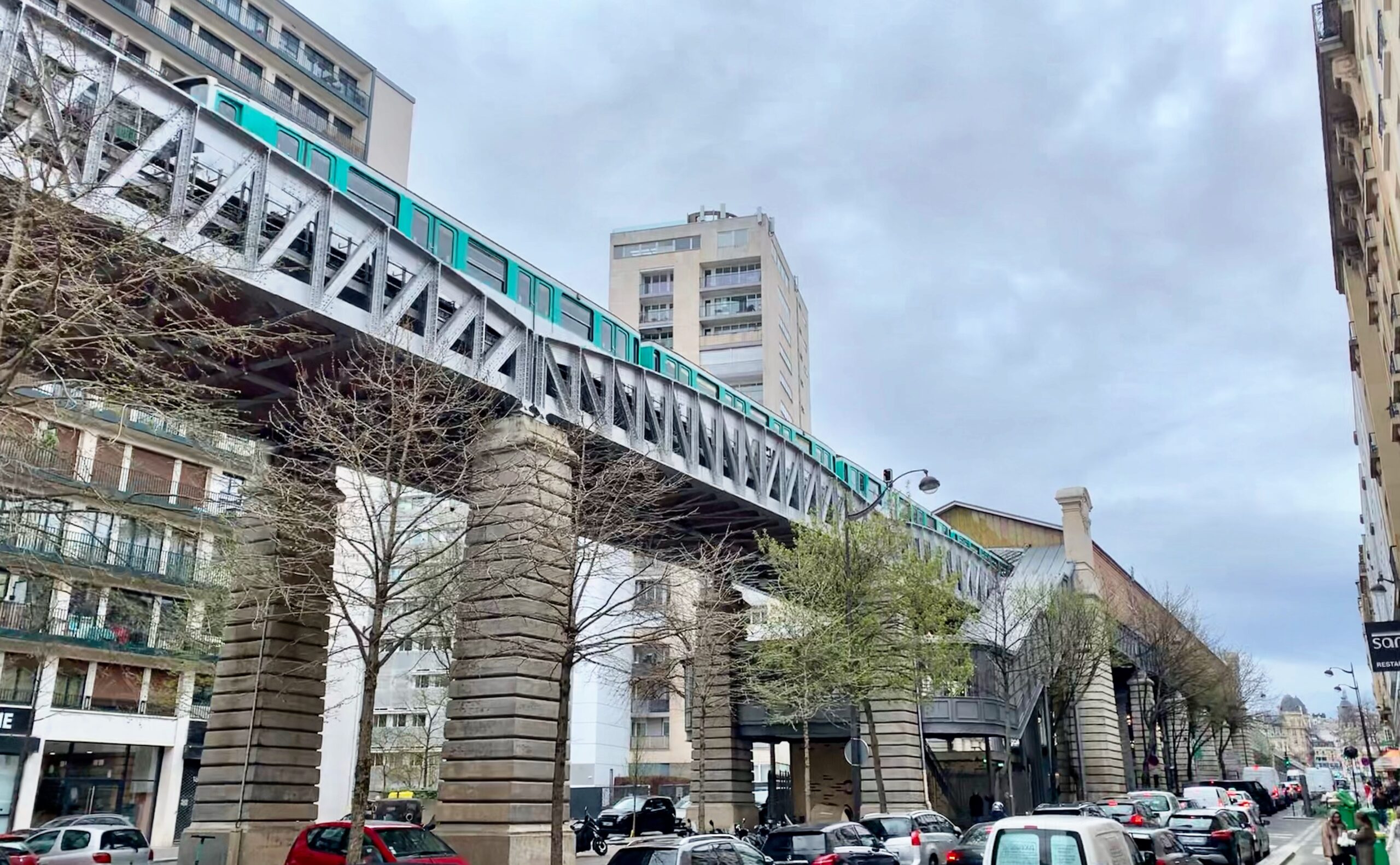
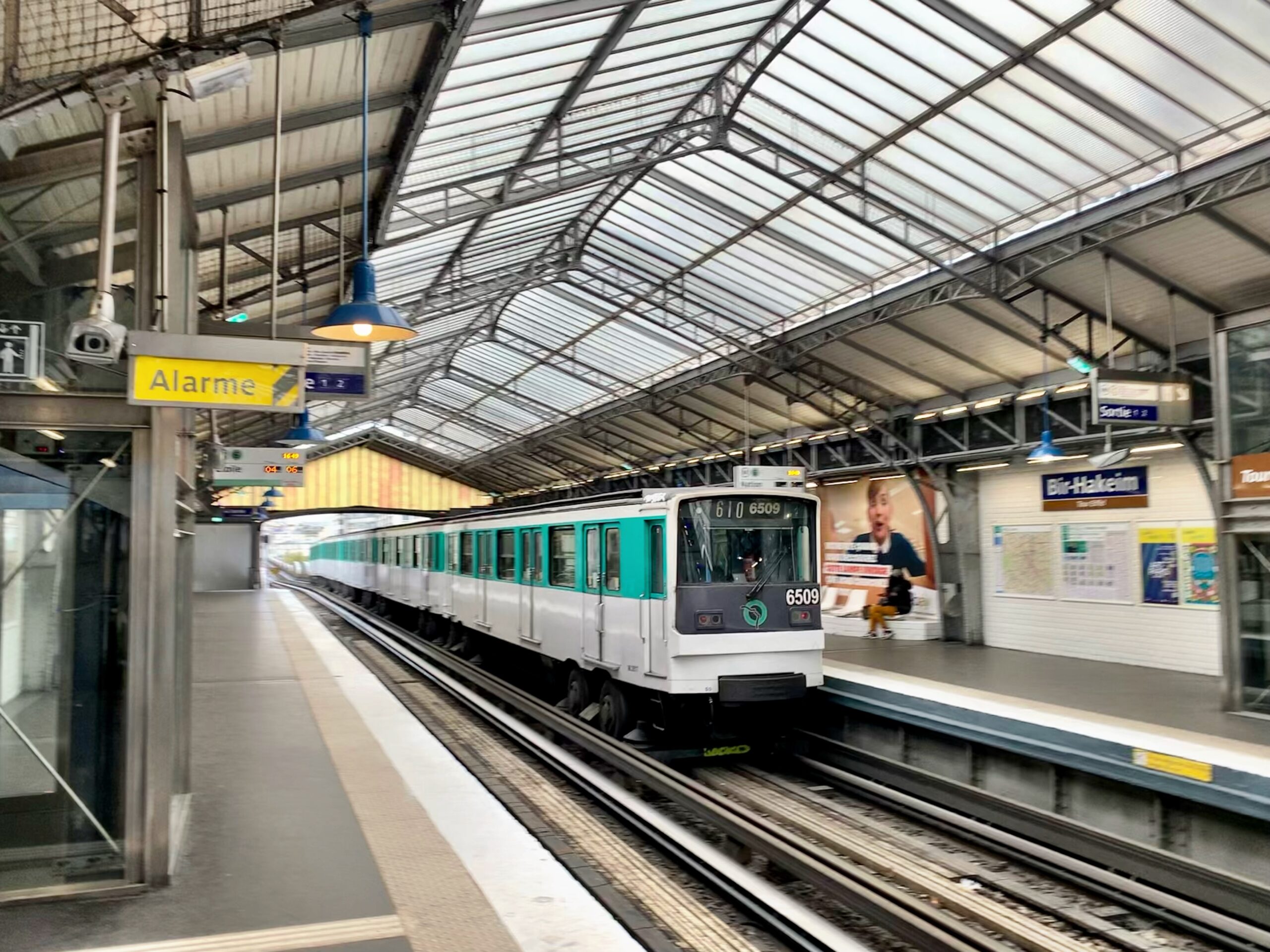
The closest metro station to the Eiffel Tower is Bir-Hakeim, an elevated station serving line 6 in the Boulevard de Grenelle in the 15th arrondissement. It is situated on the left bank of the Bir-Hakeim bridge over the Seine. The station opened as part of the former Line 2 South on 24 April 1906. The station was called Quai de Grenelle until 1949, when it was renamed. The name of both the bridge over the Seine and the station commemorates the World War II battle of Bir- Hakeim. A commemorative panel is situated at the entrance of the platform for trains traveling towards Nation.
A line 6 Metro train on an elevated section of railway leading to Bir-Hakeim station – 28/03/2023Bir-Hakeim station – 28/03/2023Bir-Hakeim station – 28/03/2023Bir-Hakeim station – 28/03/2023
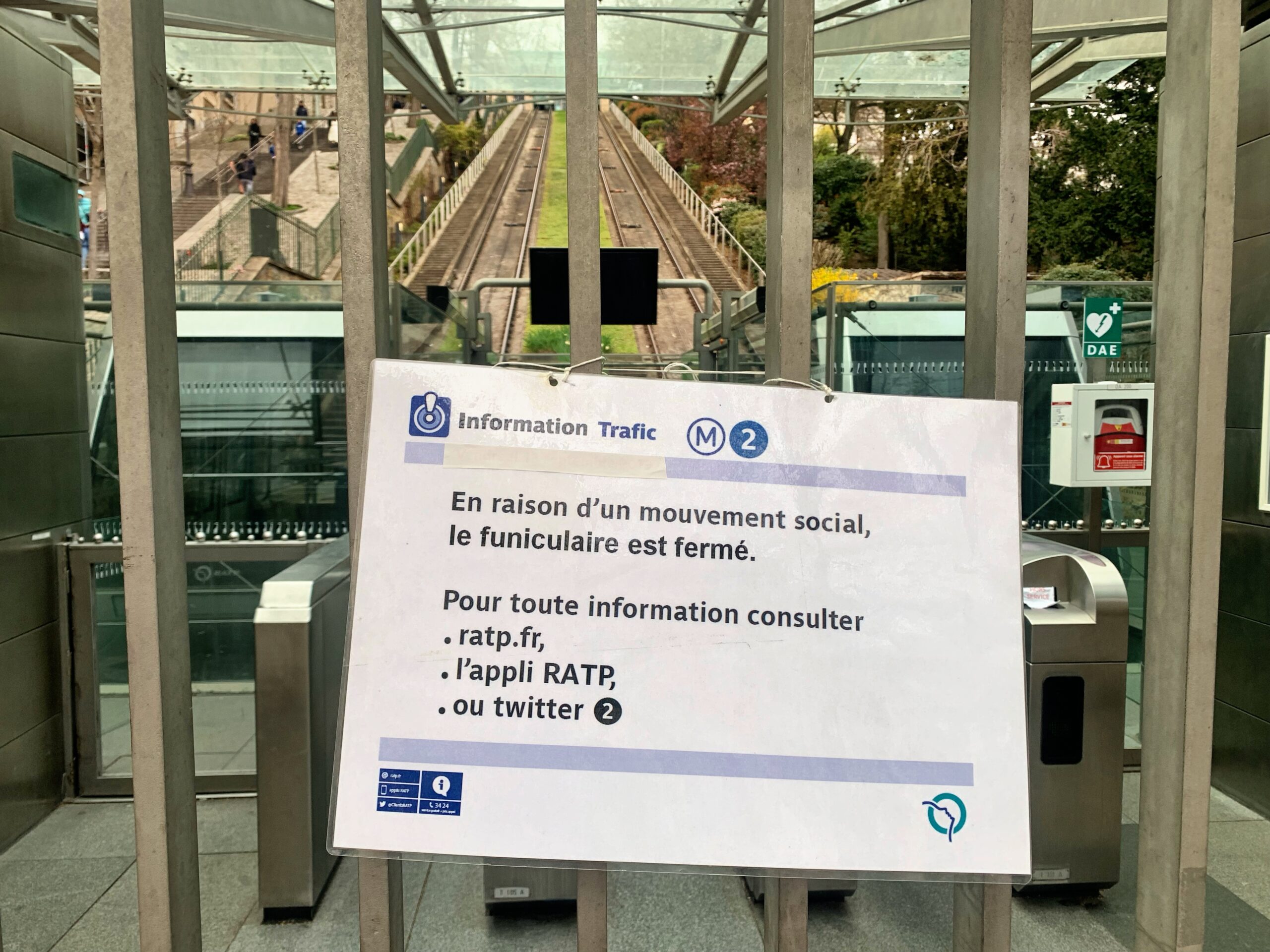
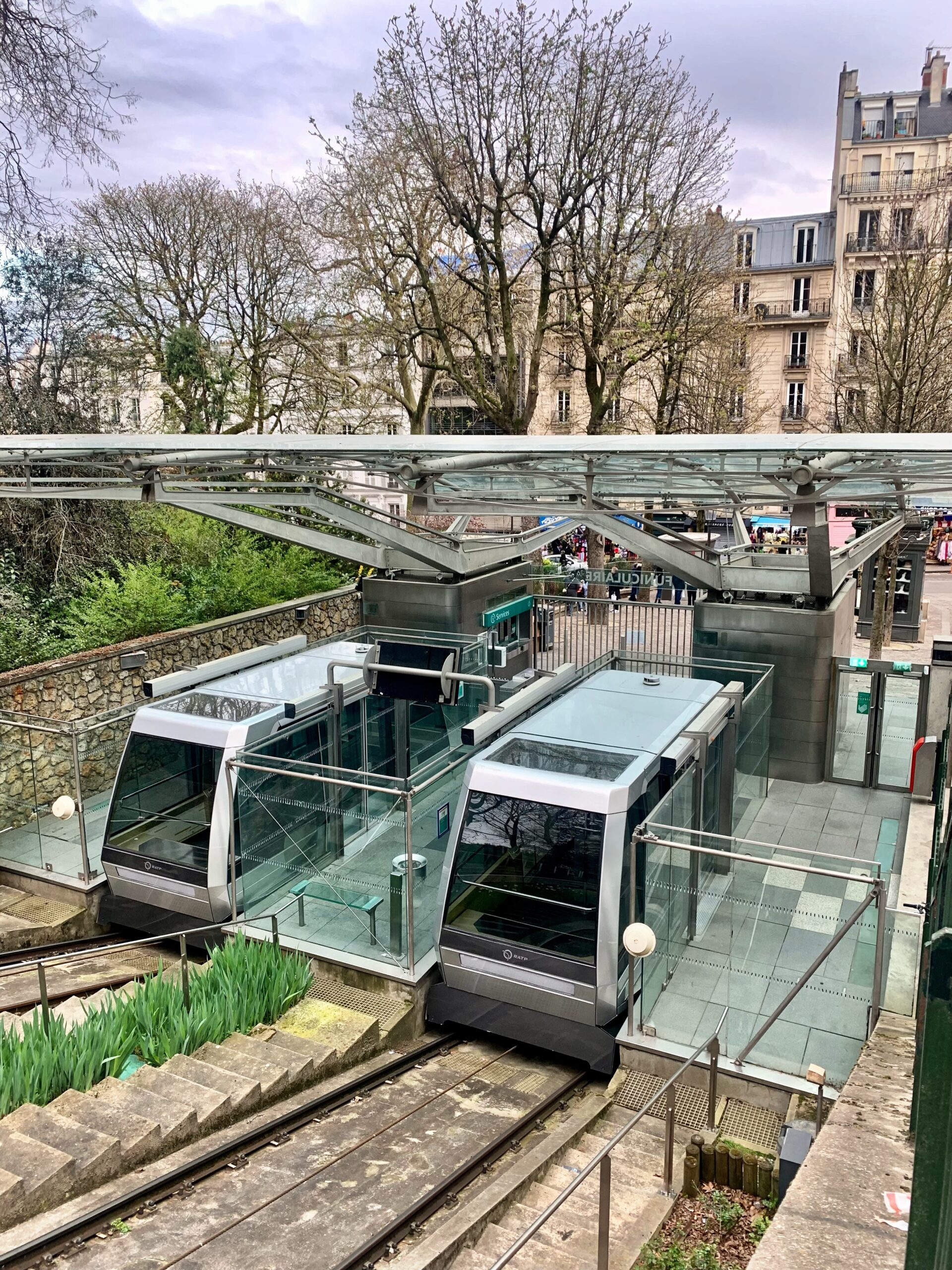
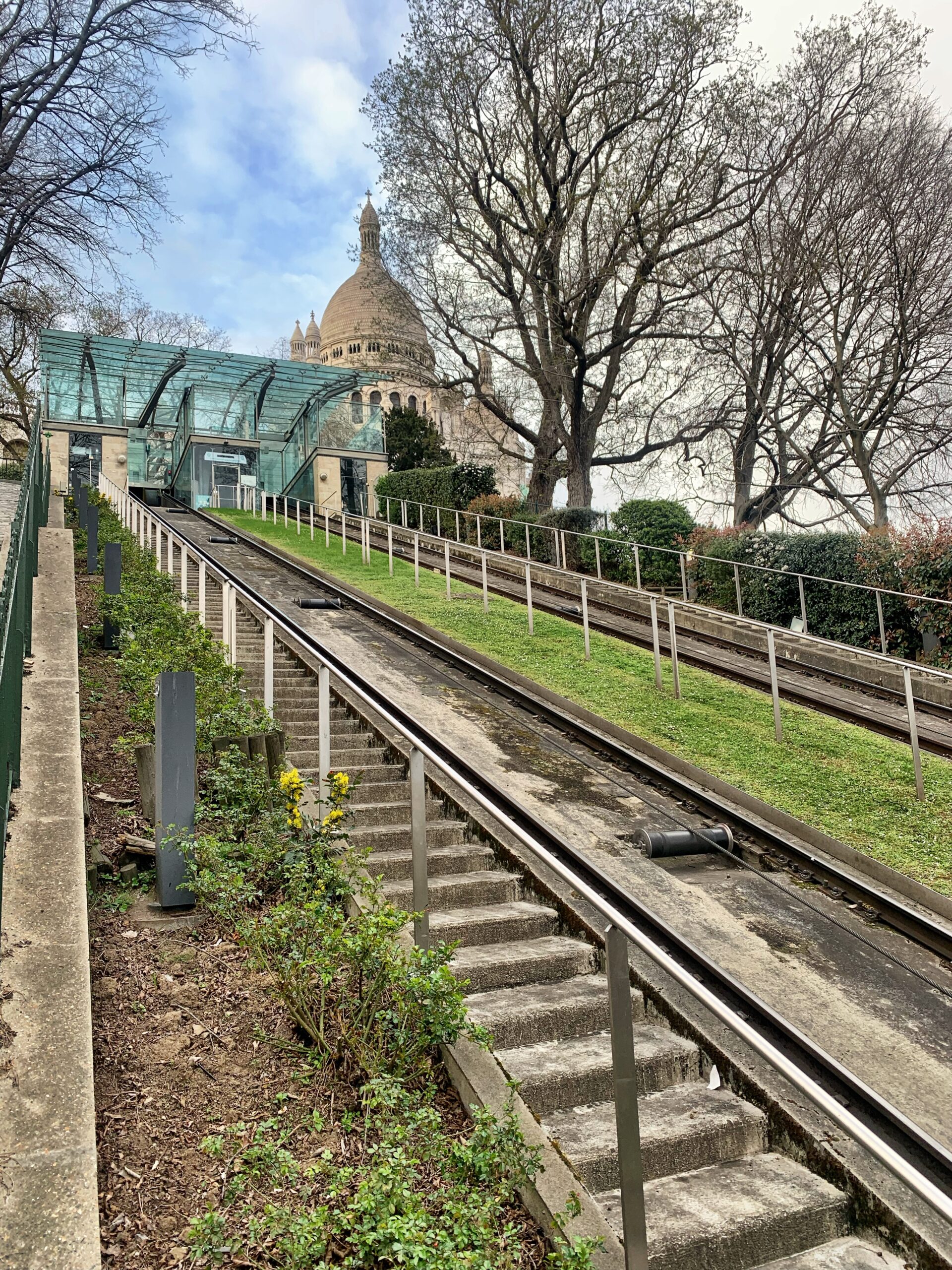
We took the train to Montmartre and enjoyed a evening meal before asking for directions to the funicular railway which turned out to be a brief walk away. On arrival we found the funicular closed because of that days strike action. So we climbed the steps and watched the sun set over Paris.
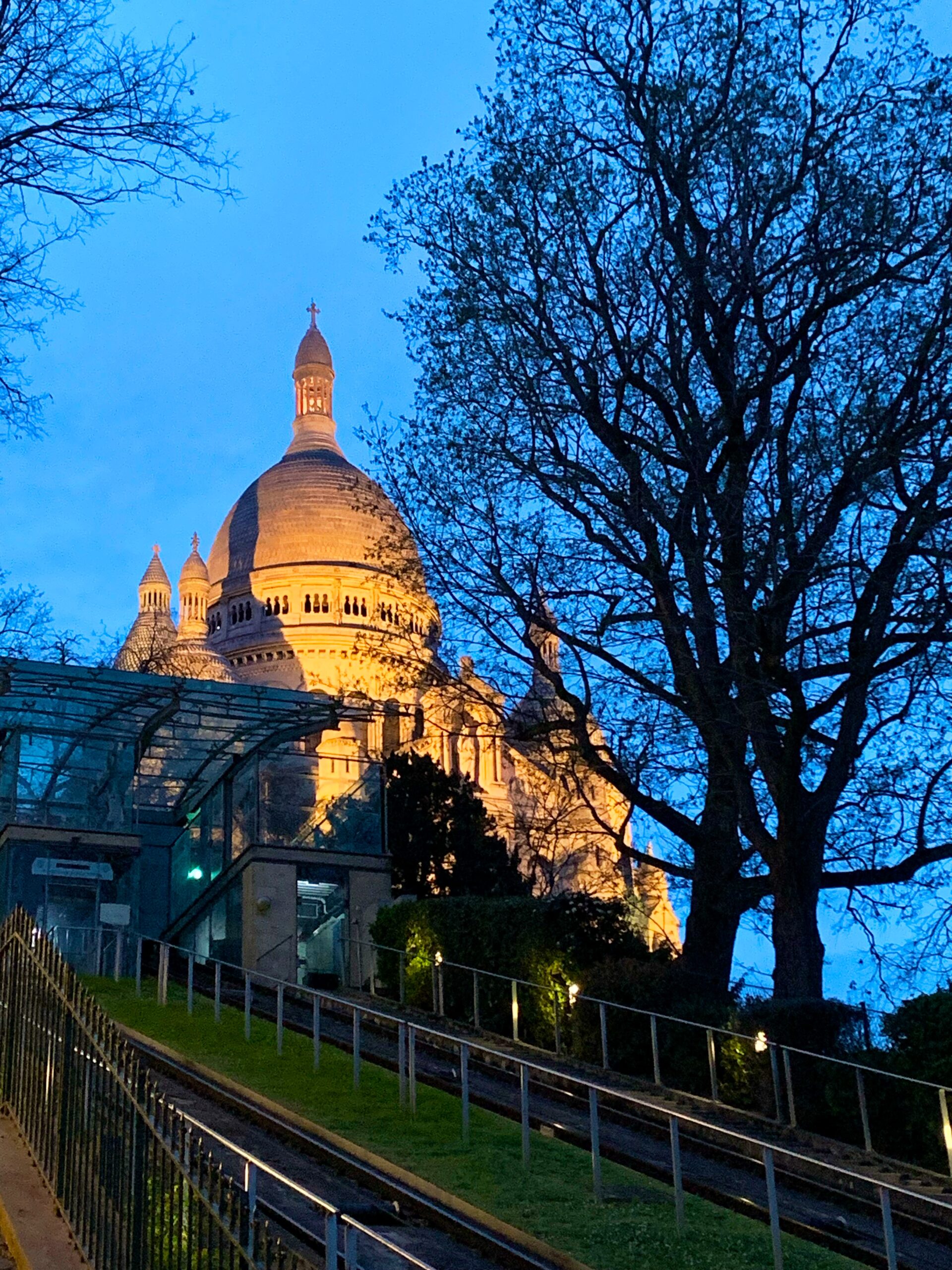
The furnicular is closed – 28/03/2023The funicular cars at rest – 28/03/2023A view of the top station – 28/03/2023La Basilique du Sacré Cœur de Montmartre – 28/03/2023
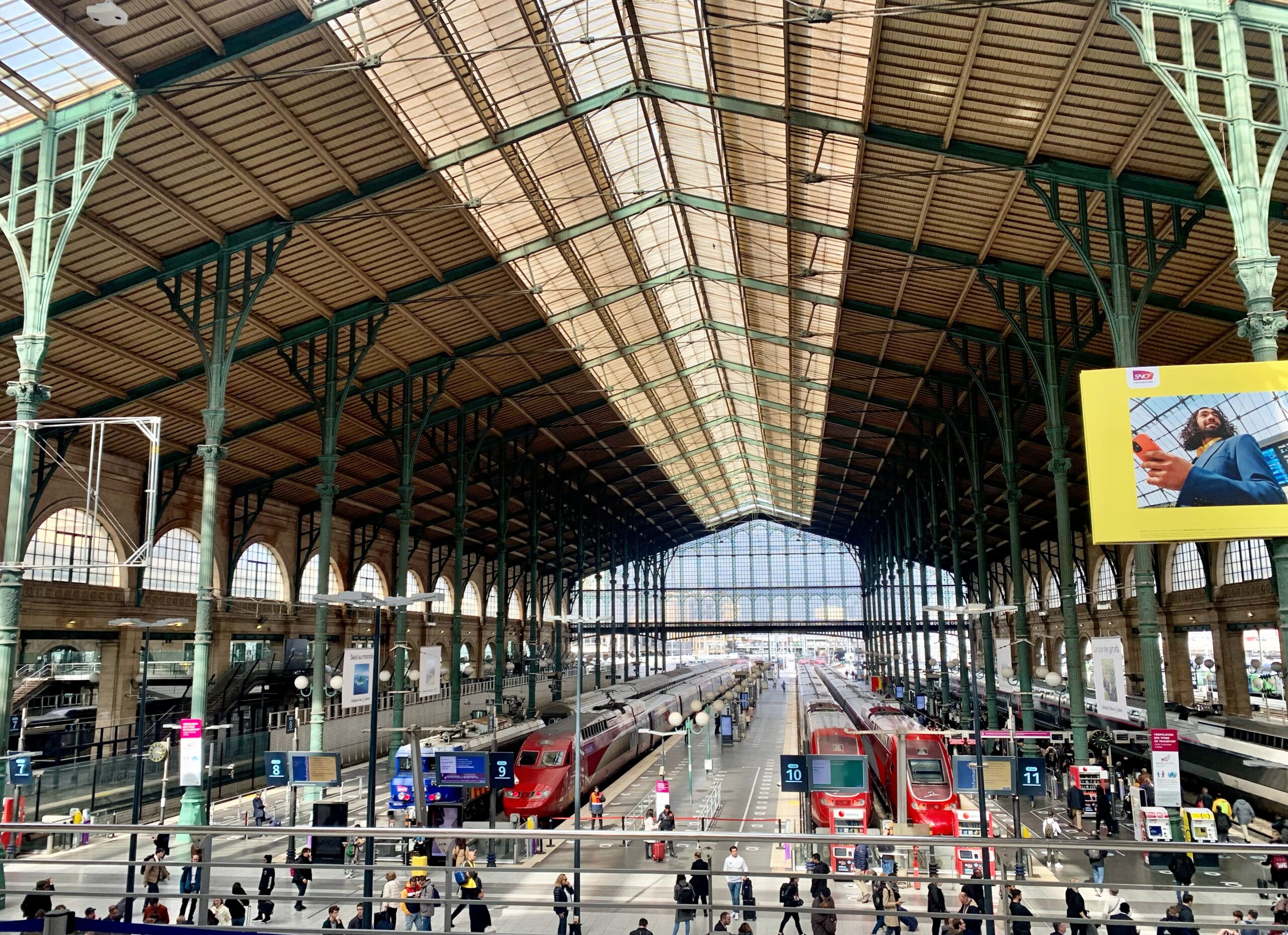
We returned back home on the Friday, and I was able to get a couple of photographs of locomotives at Gare du Nord as we awaited boarding for our Eurostar service to London St. Pancras.
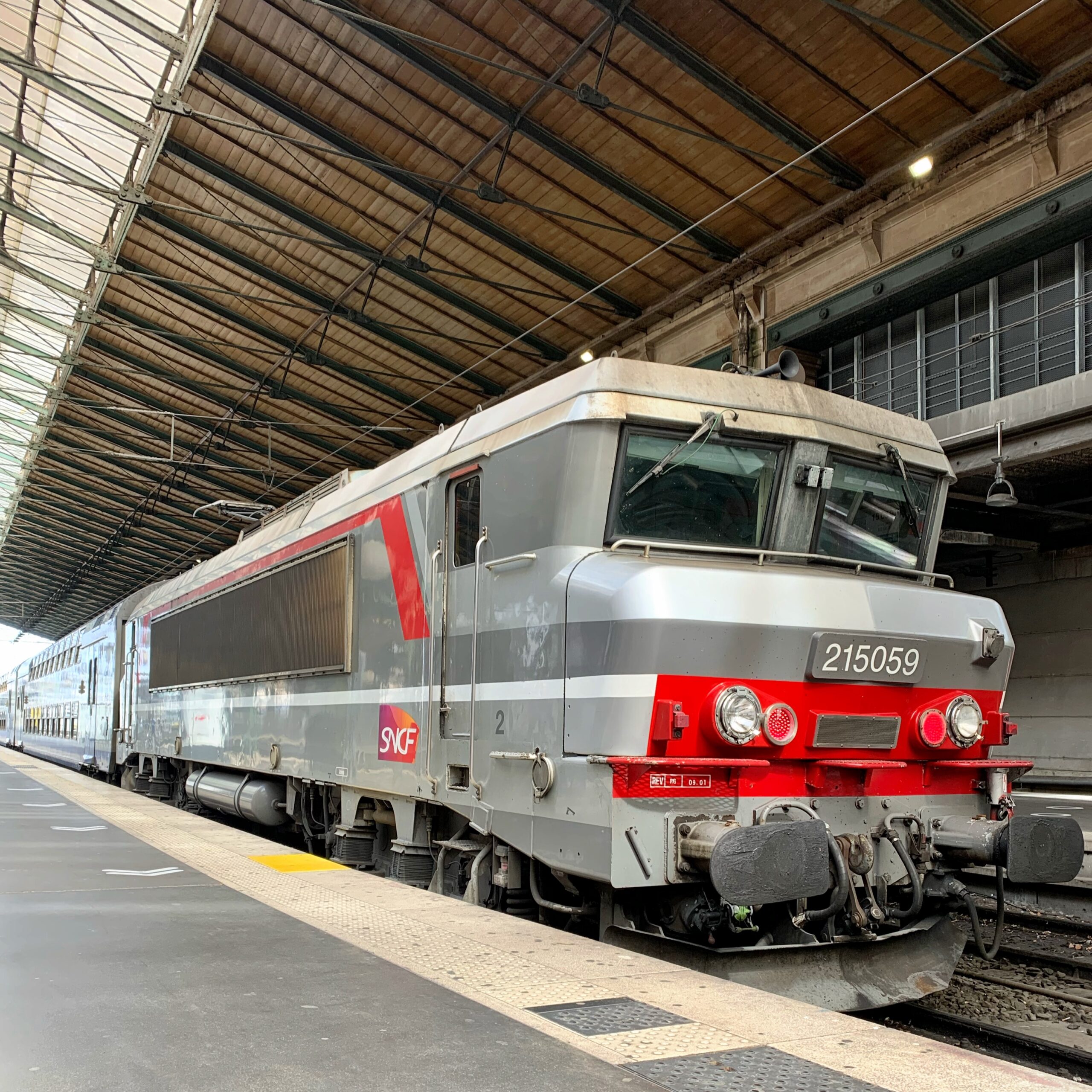
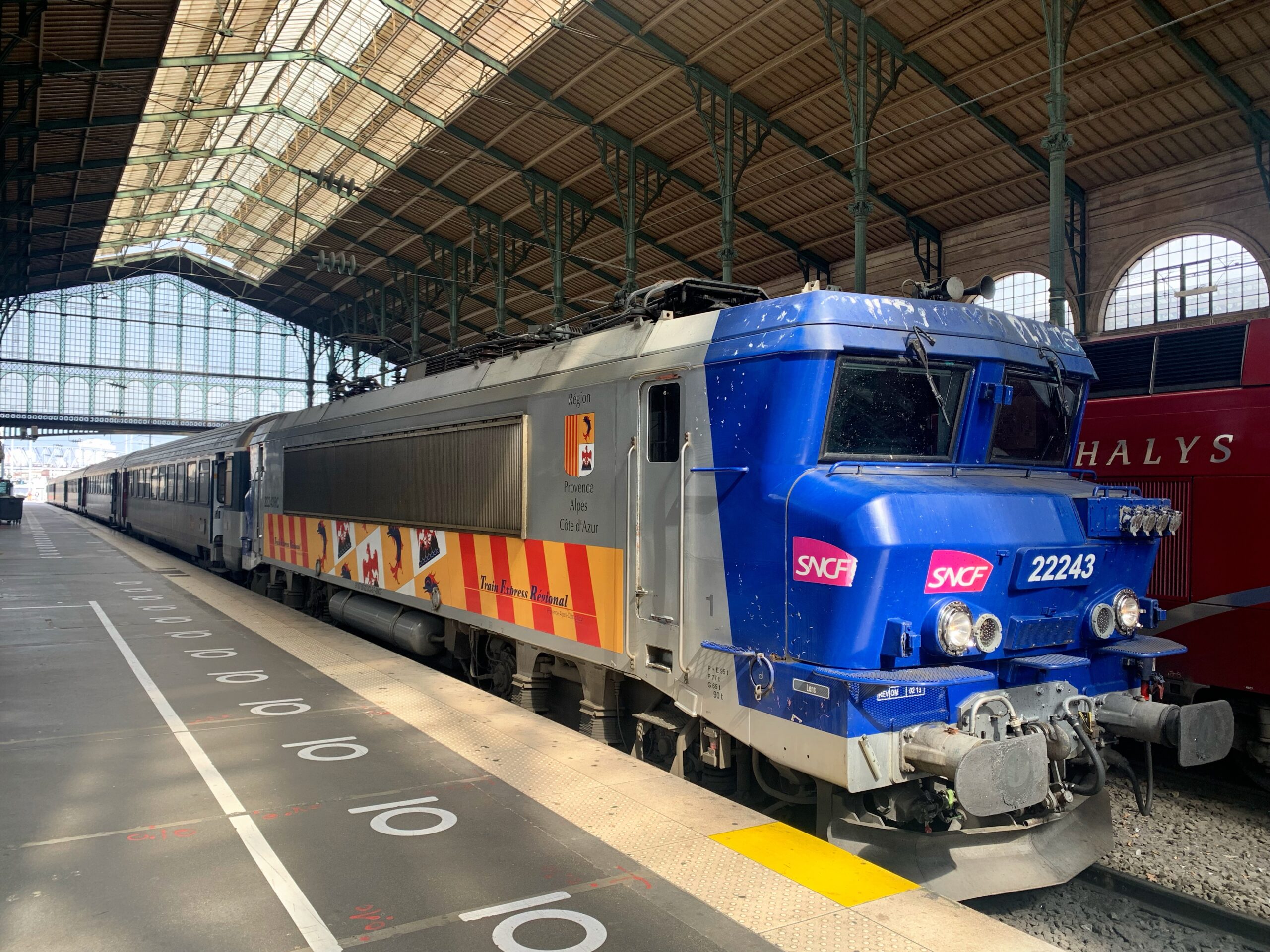
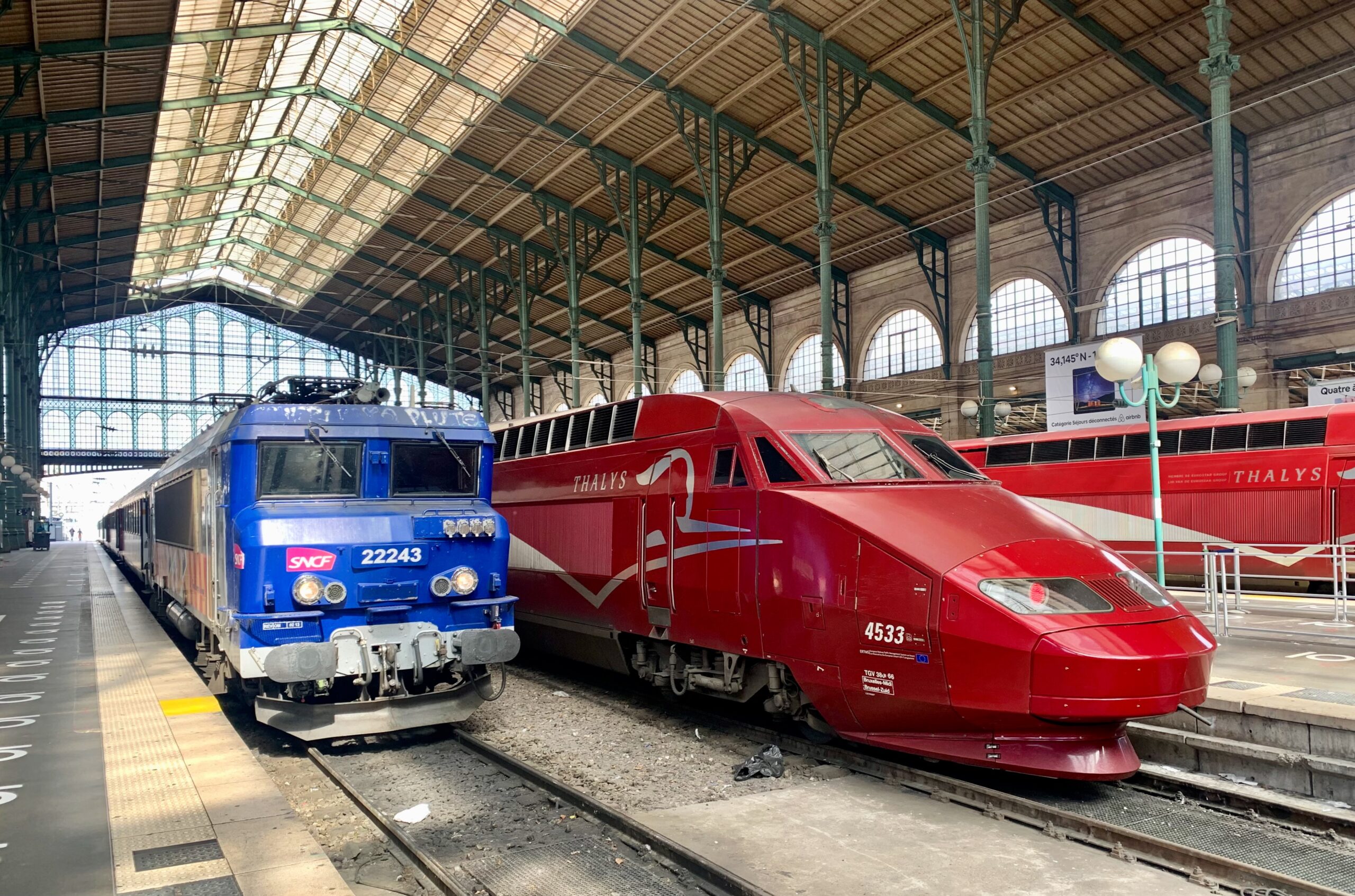
The SNCF class BB 15000 is a class of 25 kV 50 Hz electric locomotives built by Alstom and MTE between 1971 and 1978. This is No. 215059 at Gare du Nord – 30/03/2023The SNCF BB 22200 is a class of electric locomotives built by Alstom between 1976 and 1986. They are a dual voltage version of the BB 7200 and BB 15000 classes. No. 22243 stands at at Gare du Nord – 30/03/2023SNCF BB 22200 No. 22243 alongside TGV Thalys PBA No. 4533 at Gare du Nord – 30/03/2023Gare du Nord – 30/03/2023Overlooking the Eurostar platforms at Gare du Nord – 30/03/2023Arrival on 1703 Paris Gare du Nord to London St. Pancras formed of Class 374 No. 4005 – 30/03/2023
We’ll hopefully be back with our regular update next week – thanks for reading. Take care and see you next time!
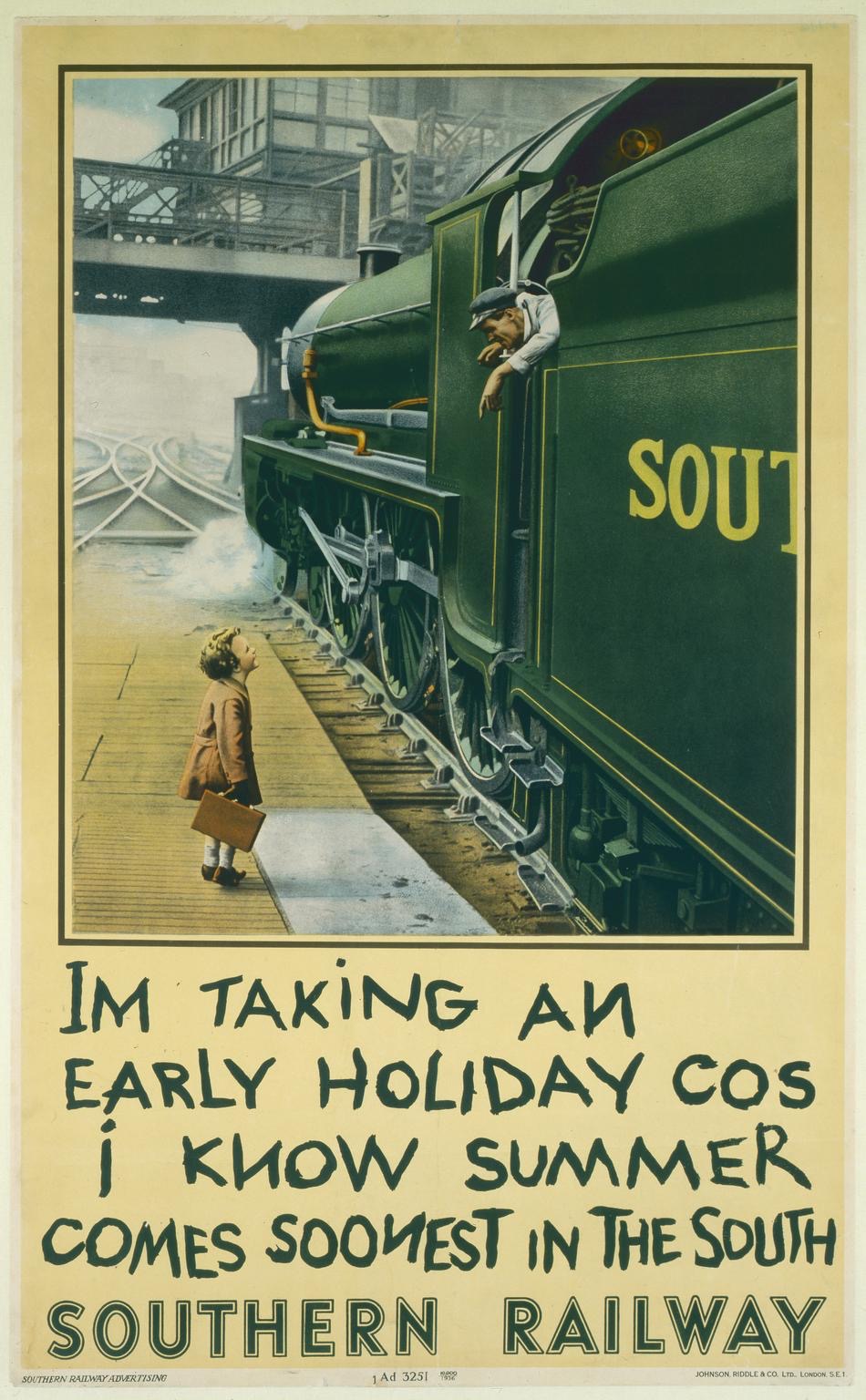
Southern Railway poster; “I’m Taking and Early Holiday cos I know Summer Comes Soonest in the South”
Wednesday October 12th to Tuesday October 18th2022
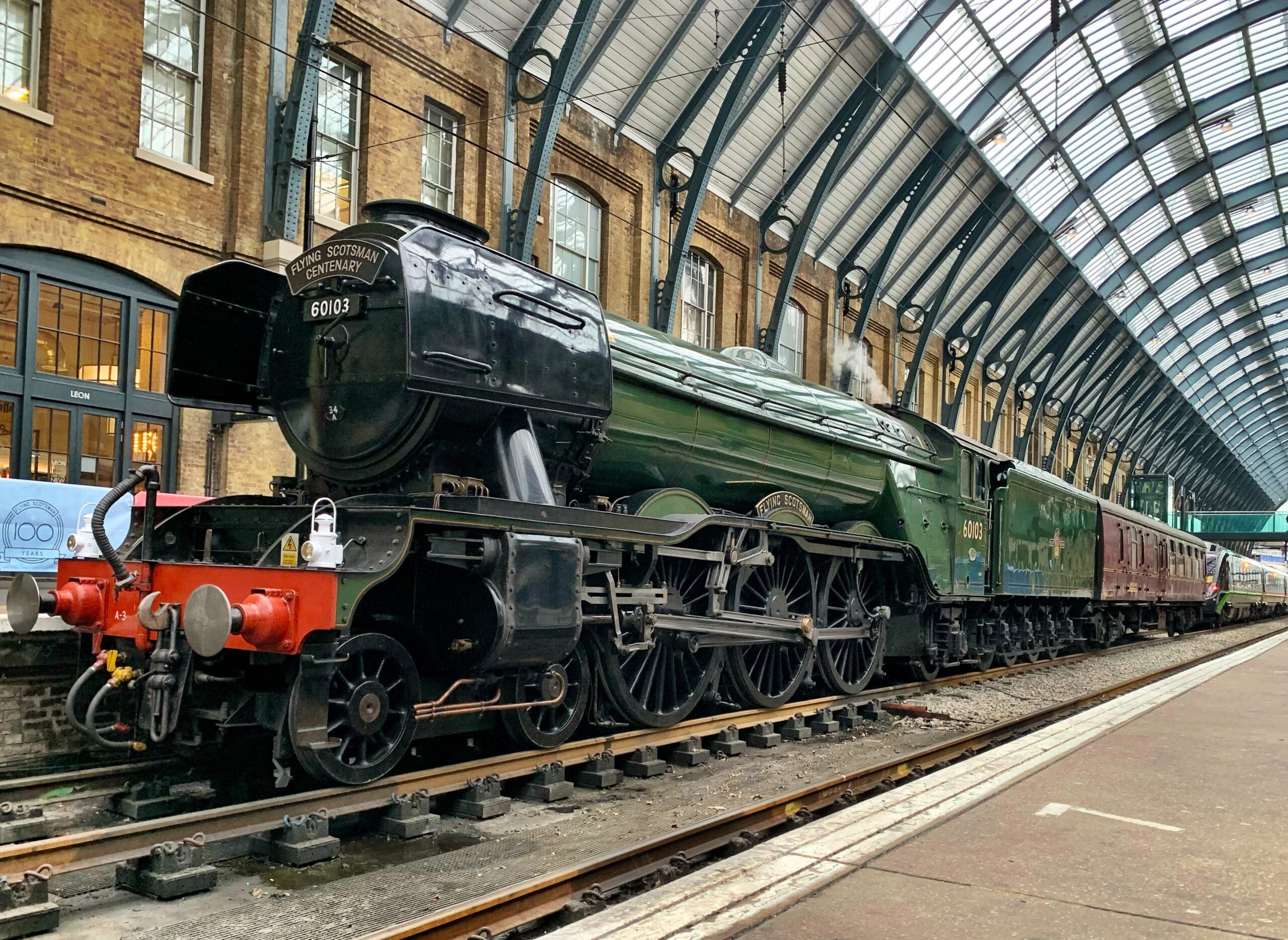
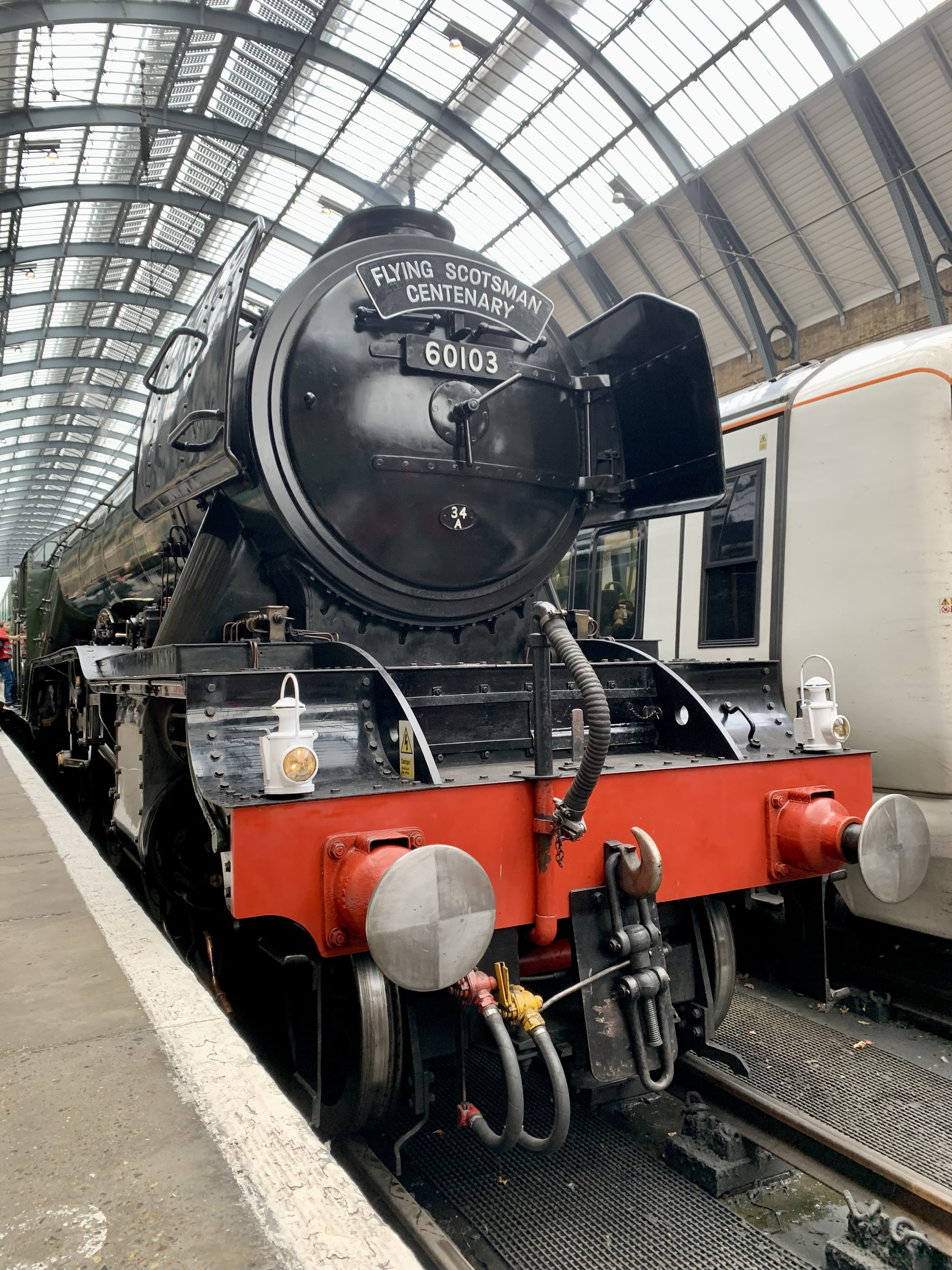
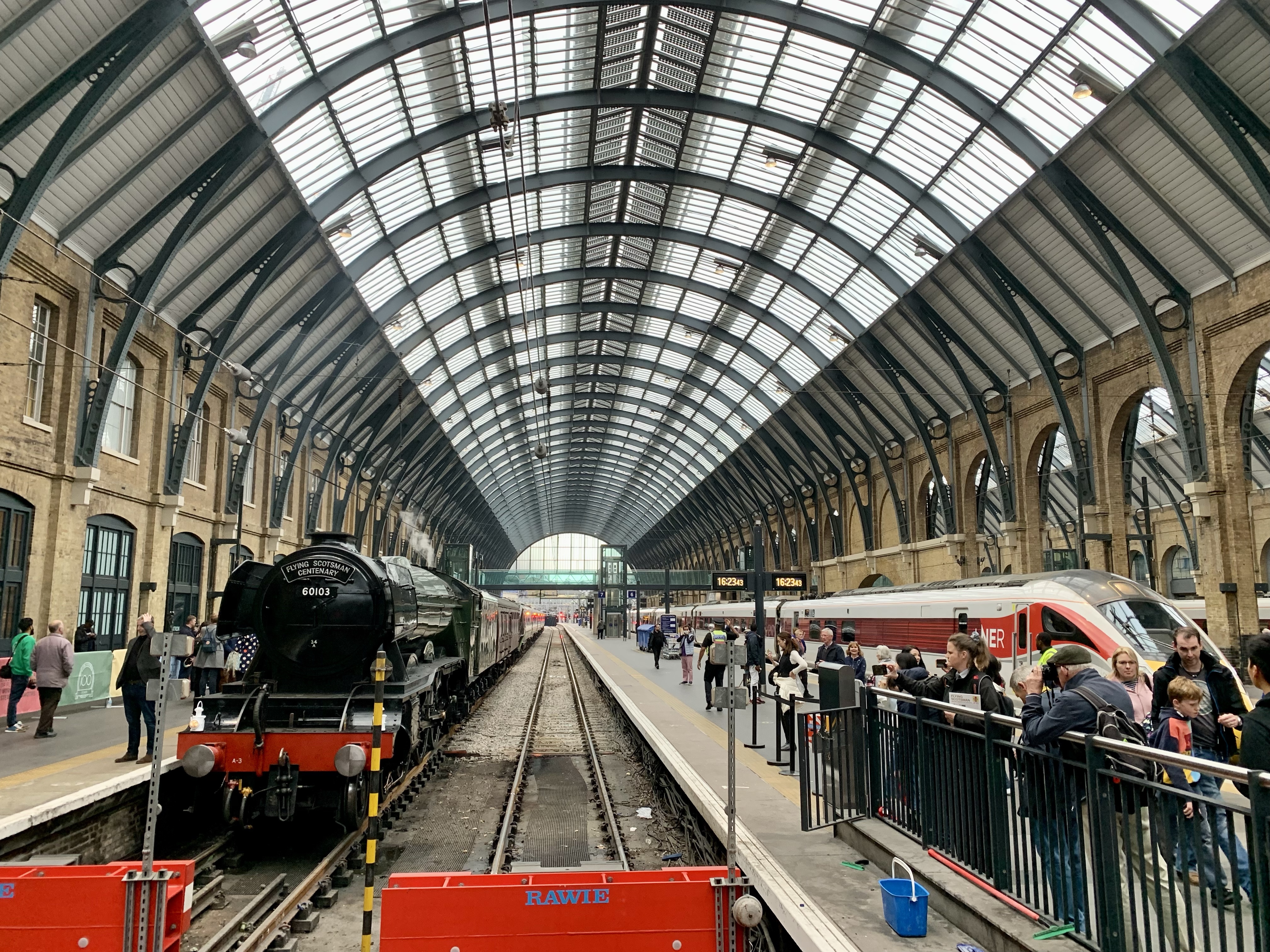
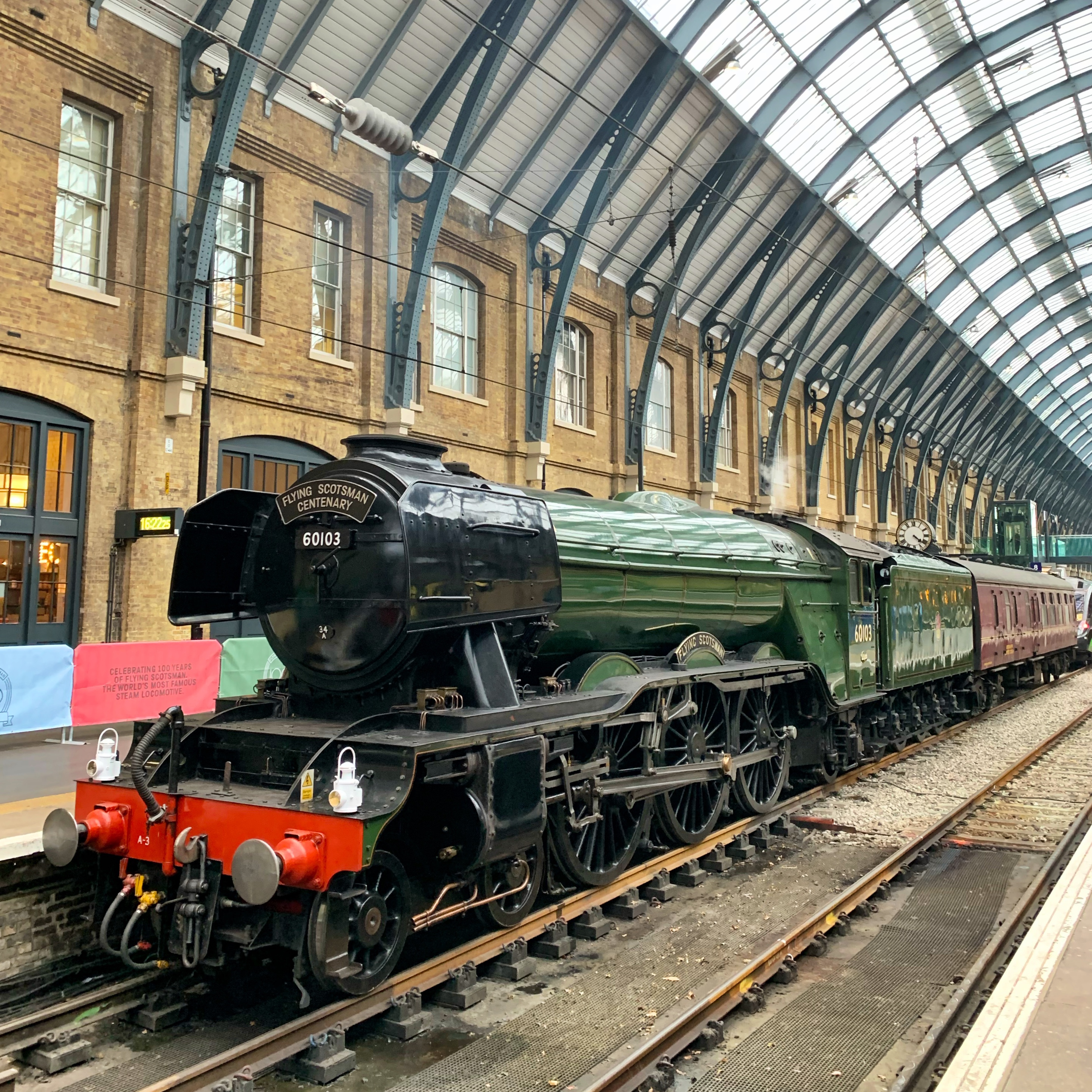
‘Flying Scotsman’, perhaps the most famous steam locomotive ever, kicked off a year of events to celebrate 100 years since she first emerged from Doncaster Works in February 1923. Costing £7,944 and originally numbered 1472 she was the first locomotive built for the London North Eastern Railway (LNER) and in 1924 was chosen to be exhibited at the British Empire Exhibition at Wembley Park in London which aimed to celebrate the British Empire and its economic achievements and potential. It was at this time the locomotive was renumbered to 4472 and given the name ‘Flying Scotsman’ in honour of the prestigious daily 1000am London to Edinburgh passenger service. In 2022, now in British Railways livery and numbered 60103, ‘Flying Scotsman’ spent the weekend of 15th/ 16th October in light steam at the buffer stops of Kings Cross platform 8 allowing visitors to view this icon. The event also tied in with the 170th Anniversary of the opening of Kings Cross station in 1852.
Visitors to the station over the weekend were also able to take part in associated activities including a ‘Flying Scotsman’ driving simulator, where people could experience driving the engine out of The Cross, screens to watch live footage of ‘Flying Scotsman’ from the concourse and regular recorded announcements from Michael Portillo.
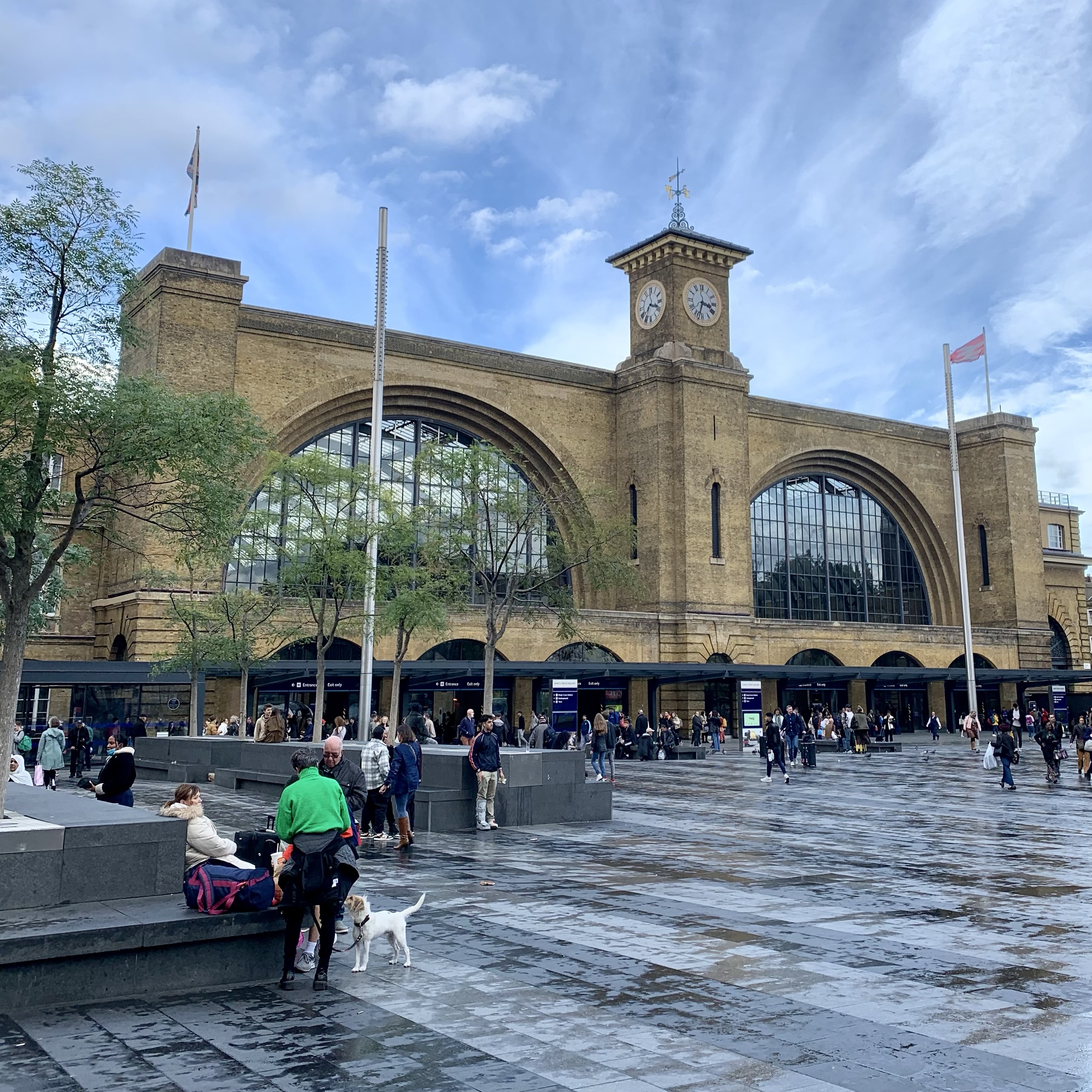
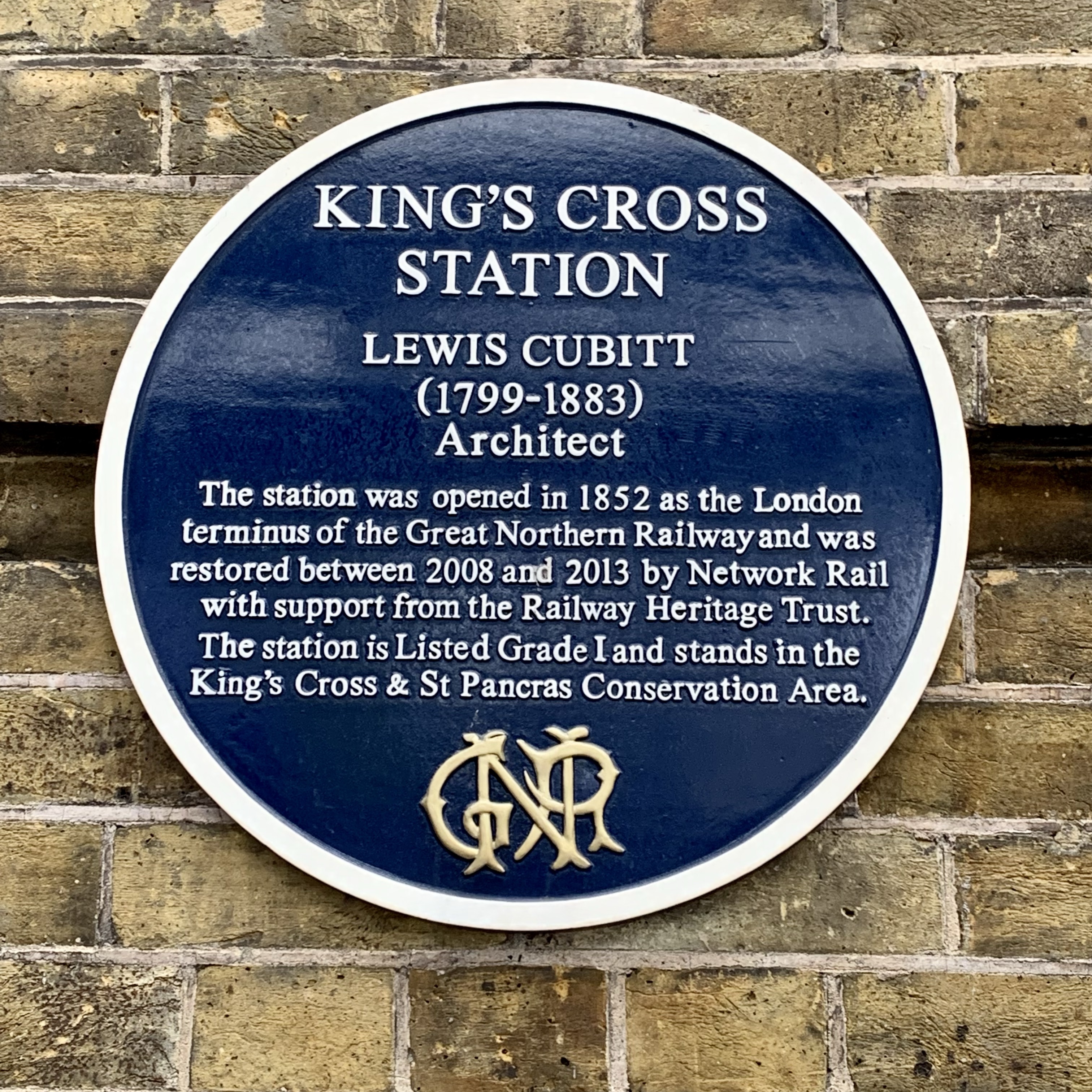
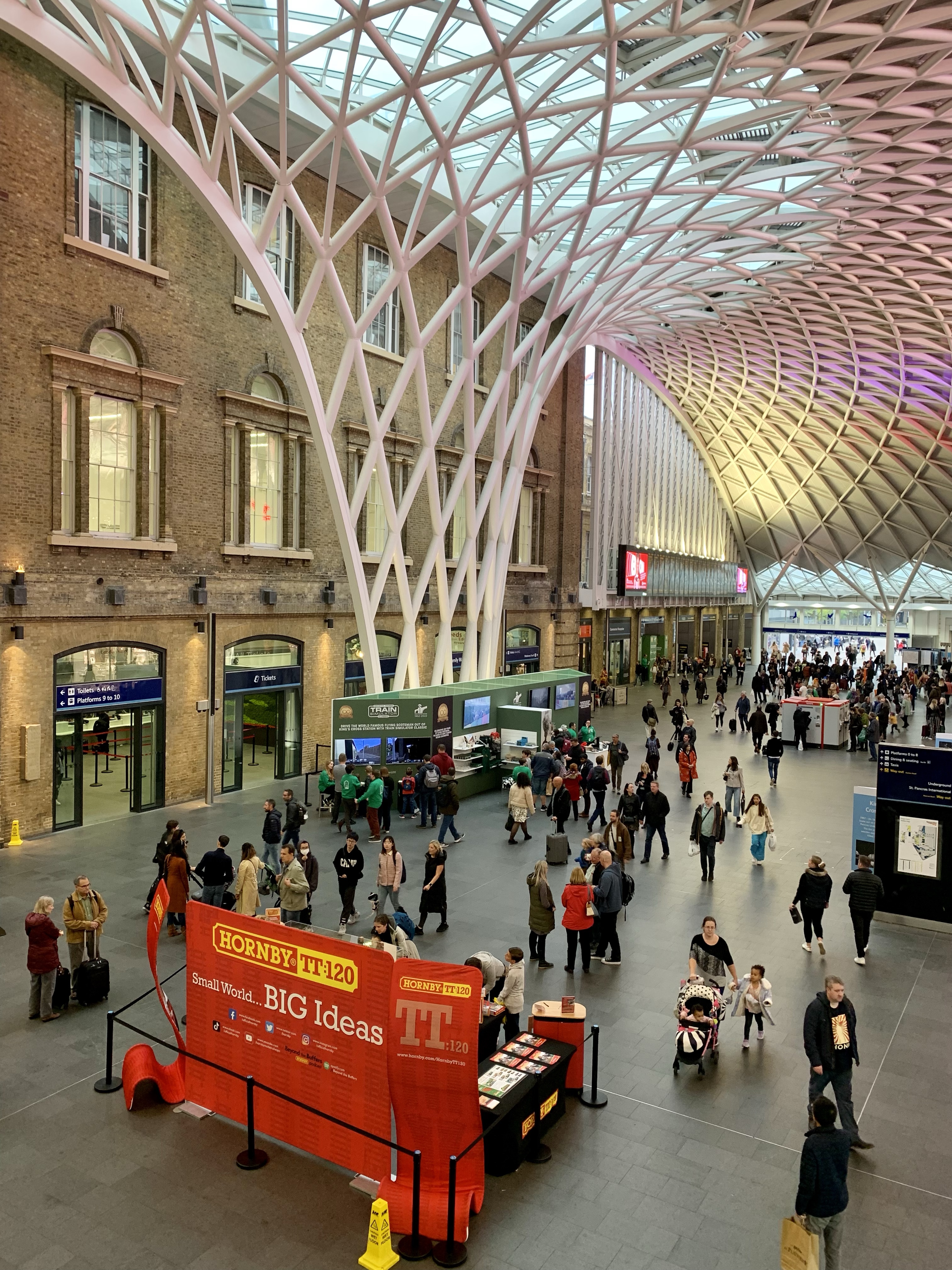
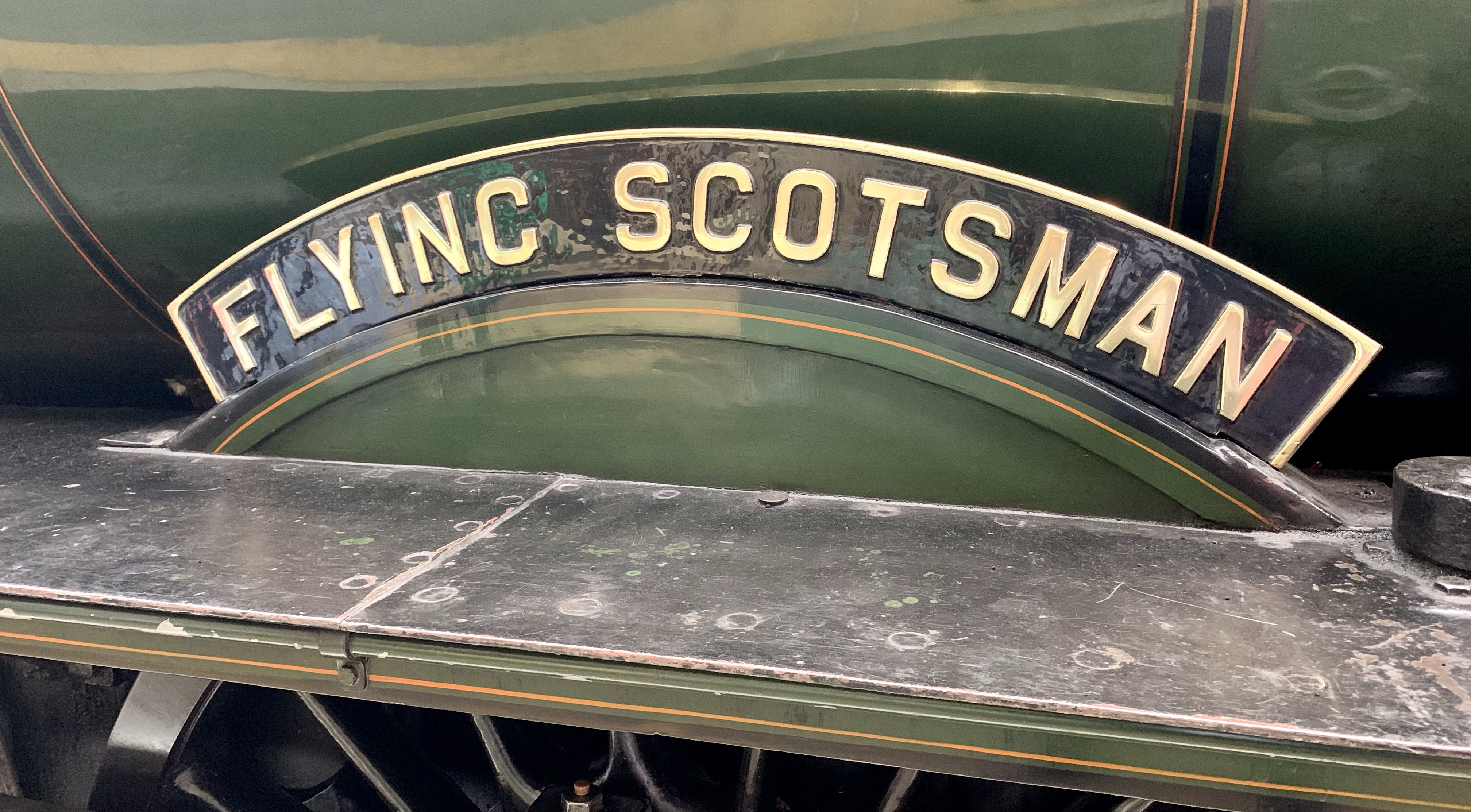
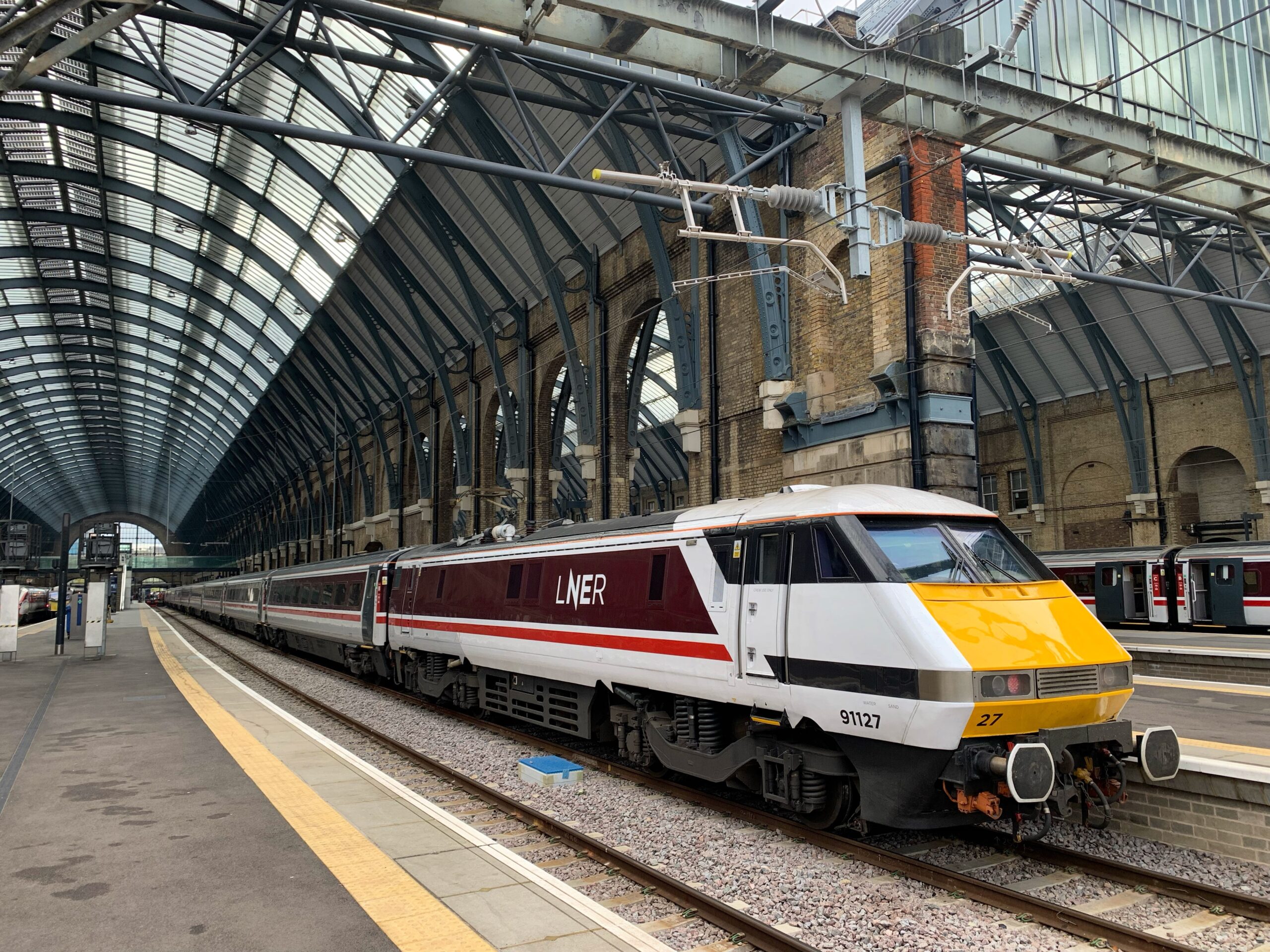
Kings Cross railway station exterior – 15/10/2022Blue plaque, Kings Cross – 15/10/2022Hornby Railways stand at Kings Cross. Hornby is lead sponsor of the ‘Flying Scotsman’ Centenary events. The steel structure engineered by Arup forming the roof seen in this image was added as part of a refurbishment programme completed in 2012 which included a new semi-circular departures concourse has been described as being “like some kind of reverse waterfall, a white steel grid that swoops up from the ground and cascades over your head” – 15/10/2022Hornby’s Marketing and Product Development Director, Simon Kohler – 15/10/2022The entrance to Platform 8 at Kings Cross – 15/10/2022‘Flying Scotsman’ Souvenir Platform Ticket LNER Gresley A3 4-6-2 No. 60103 ‘Flying Scotsman’ sits at Kings Cross platform 8 – 15/10/2022‘Flying Scotsman’ name plate LNER Gresley A3 4-6-2 No. 60103 ‘Flying Scotsman’ sits at Kings Cross platform 8 as a modern day LNER Azuma arrives at platform 10 – 15/10/2022The Gresley A3’s and A4’s gave way to diesel traction. Class 43 HST power car No. 43059 alongside Class 55 “Deltic” No. 55015 ‘Tulyar’ at Kings Cross – 18/10/1981Class 91 No. 91127 at the head of 1D19 1503 Kings Cross to Leeds – 15/10/2022LNER Gresley A3 4-6-2 No. 60103 ‘Flying Scotsman’ sits at Kings Cross platform 8 – 15/10/2022
For my Saturday October 25th visit to see No. 60103 at Kings Cross, Yoshi stayed at home with his mum as we thought things might be a little too crowded for our boy. For my part, it was great to be reacquainted with ‘Flying Scotsman’ once again and to hear her whistle echo around Kings Cross. Also a great joy was to witness the faces of passengers arriving at the station and unexpectedly coming across the peoples’ locomotive. It seems that everyone loves a steam engine, and none more so than Sir Nigel Gresley’s most famous A3.
Brief video of ‘Flying Scotsman’ at the buffer stops of platform 8 of London Kings Cross – 15/10/2022
Purchased by Alan Peglar from regular British Railways service for £3,000 in 1963 after covering 2,076,000 miles, ‘Flying Scotsman’ was later under the custodianship of Sir William McAlpine and then Tony Marchington before, in 2004, a campaign spearheaded by the National Railway Museum (NRM) to save the locomotive for the nation was supported by thousands of members of the public, confirming its status as a national treasure. A ten year £4.2 million restoration project funded by the National Heritage Memorial Fund, the Heritage Lottery Fund and public donations followed.
There will be a calendar of mainline UK rail tours involving No. 60103 across the the next year. ‘Flying Scotsman’ is extremely well travelled as in addition to hauling enthusiast specials across England, Scotland and Wales, between 1969 and 1973 the locomotive toured extensively in the United States and Canada and from 1988 to 1989 she visited Australia where she set a record for the longest non-stop run by a steam locomotive of 422 miles on 8 August 1989. ‘Flying Scotsman’ actually set two world records for steam traction being the first steam locomotive to be officially recorded at reaching 100mph which happened on 30 November 1934.
The next of the planned Centenary events takes place on Yoshi’s doorstep as ‘Flying Scotsman’ visits the Swanage Railway for a three week visit until November 7th 2022. No. 60103 is on display at Swanage railway station for pre-booked visits to her footplate on 20th and 21st October 2022 as well as every day between 27th October to 6th November inclusive. ‘Flying Scotsman’ will be hauling passenger trains between Swanage and Norden from 22nd October to 26th October.
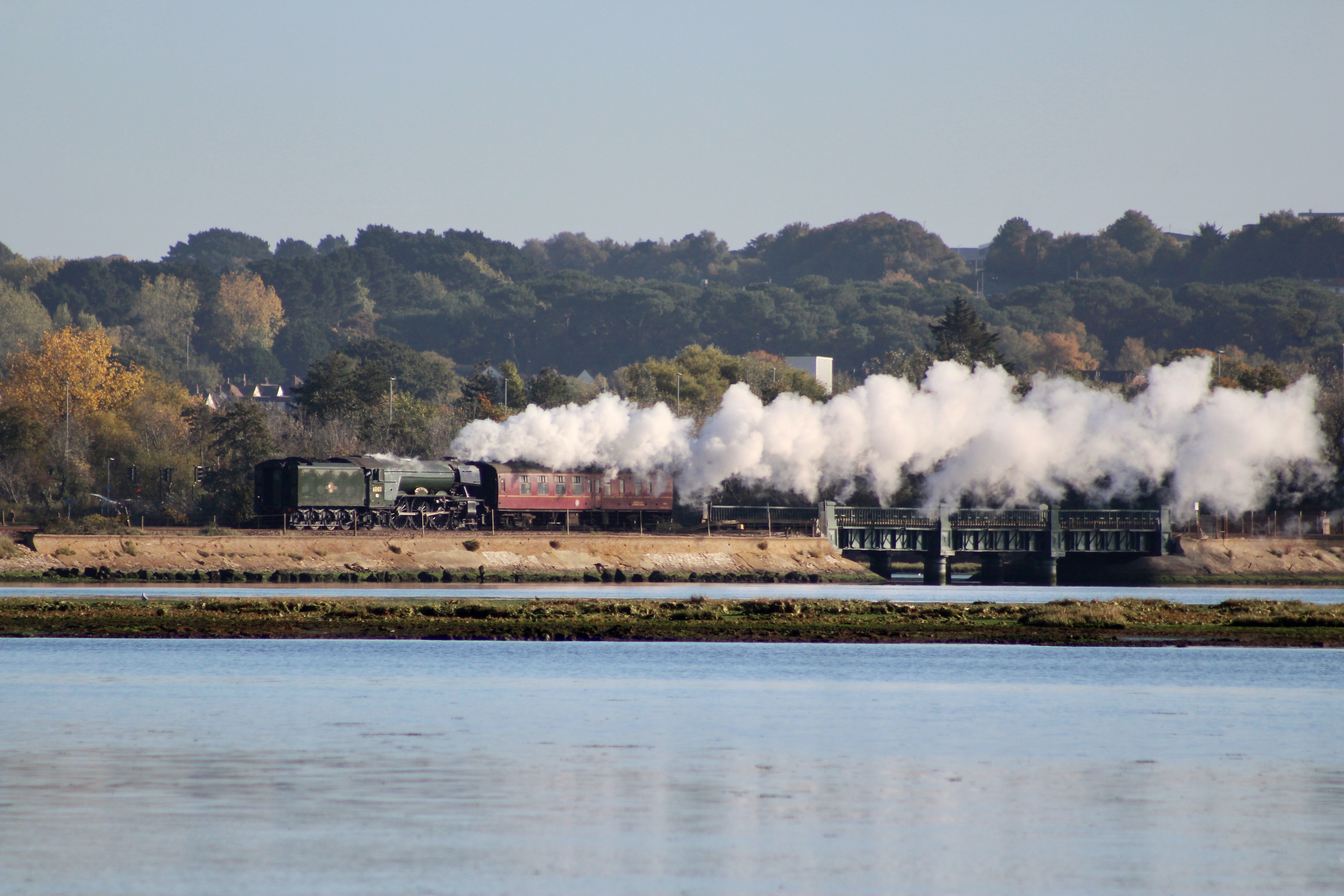
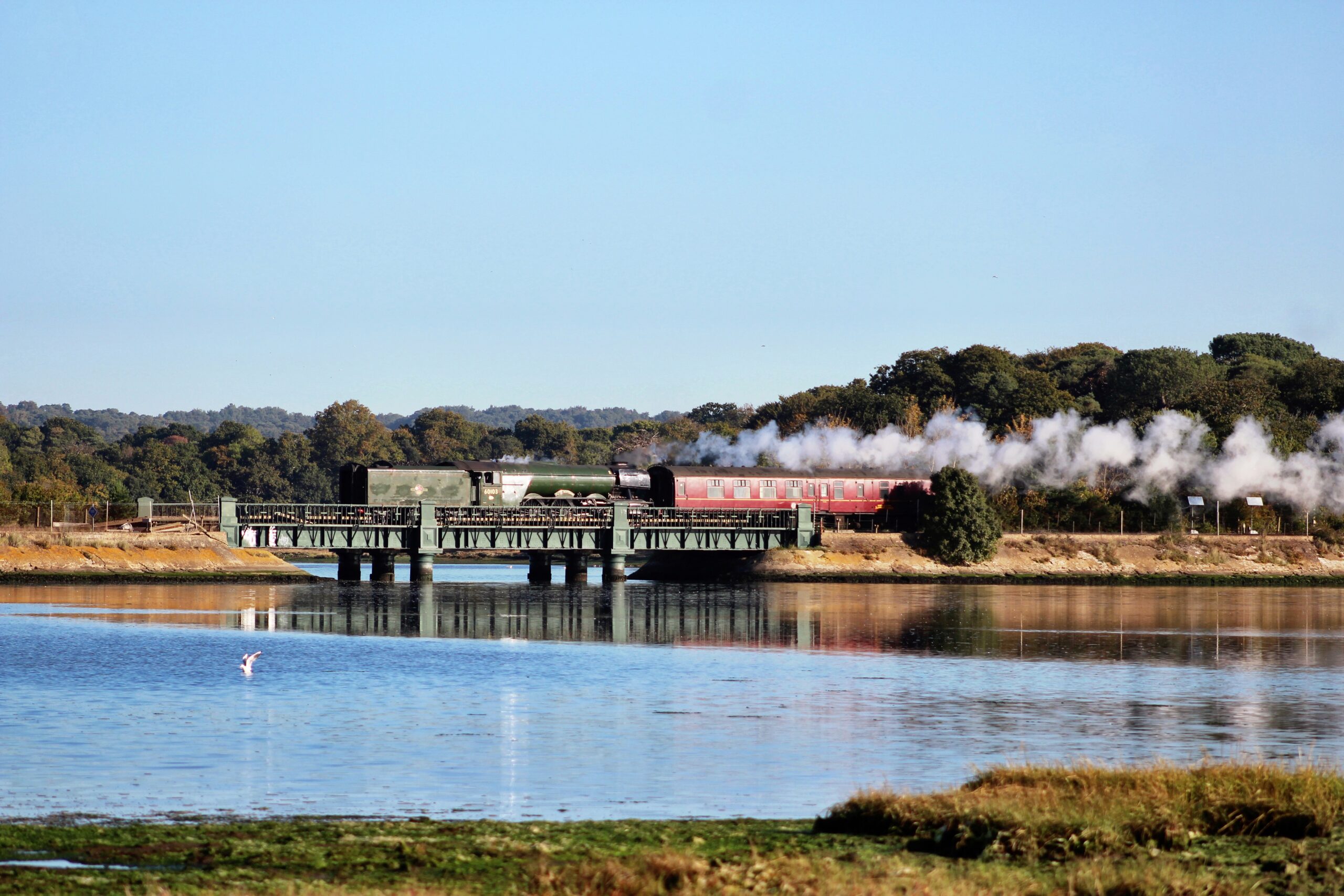
Making her way to the Isle of Purbeck, No. 60103 passed through East Dorset and we popped out to see her working tender first as she crossed the Holes Bay Causeway near Poole on the morning of 18th October 2022.
LNER Gresley A3 4-6-2 No. 60103 ‘Flying Scotsman’ having traversed Creekmoor Viaduct on the Holes Bay causeway working 5Z74 0452 Southall WCR to Swanage – 18/10/2022LNER Gresley A3 4-6-2 No. 60103 ‘Flying Scotsman’ crossing Upton Viaduct on the Holes Bay causeway working 5Z74 0452 Southall WCR to Swanage – 18/10/2022LNER Gresley A3 4-6-2 No. 60103 ‘Flying Scotsman’ nears Hamworthy after crossing Upton Viaduct on the Holes Bay causeway working 5Z74 0452 Southall WCR to Swanage – 18/10/2022
Video of LNER Gresley A3 4-6-2 No. 60103 ‘Flying Scotsman’ crossing the Holes Bay causeway working 5Z74 0452 Southall WCR to Swanage – 18/10/2022
Another reason for my visit to London on Saturday was the opportunity to view the former Victorian St Pancras railway station water tower which was the subject of an open day. The water tower was built in 1872 and sat on the eastern side of St Pancras providing refreshment for steam locomotives using the station.
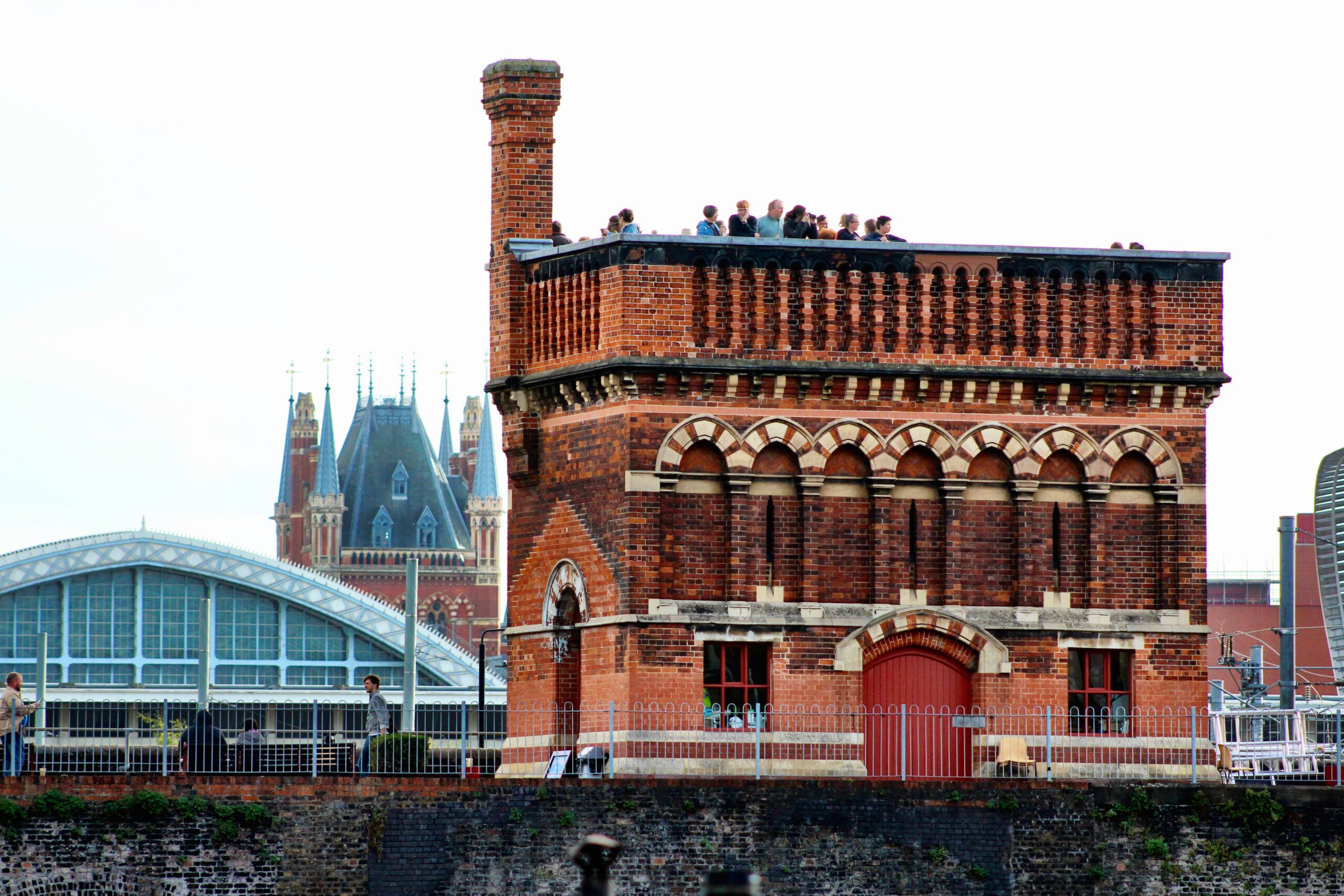
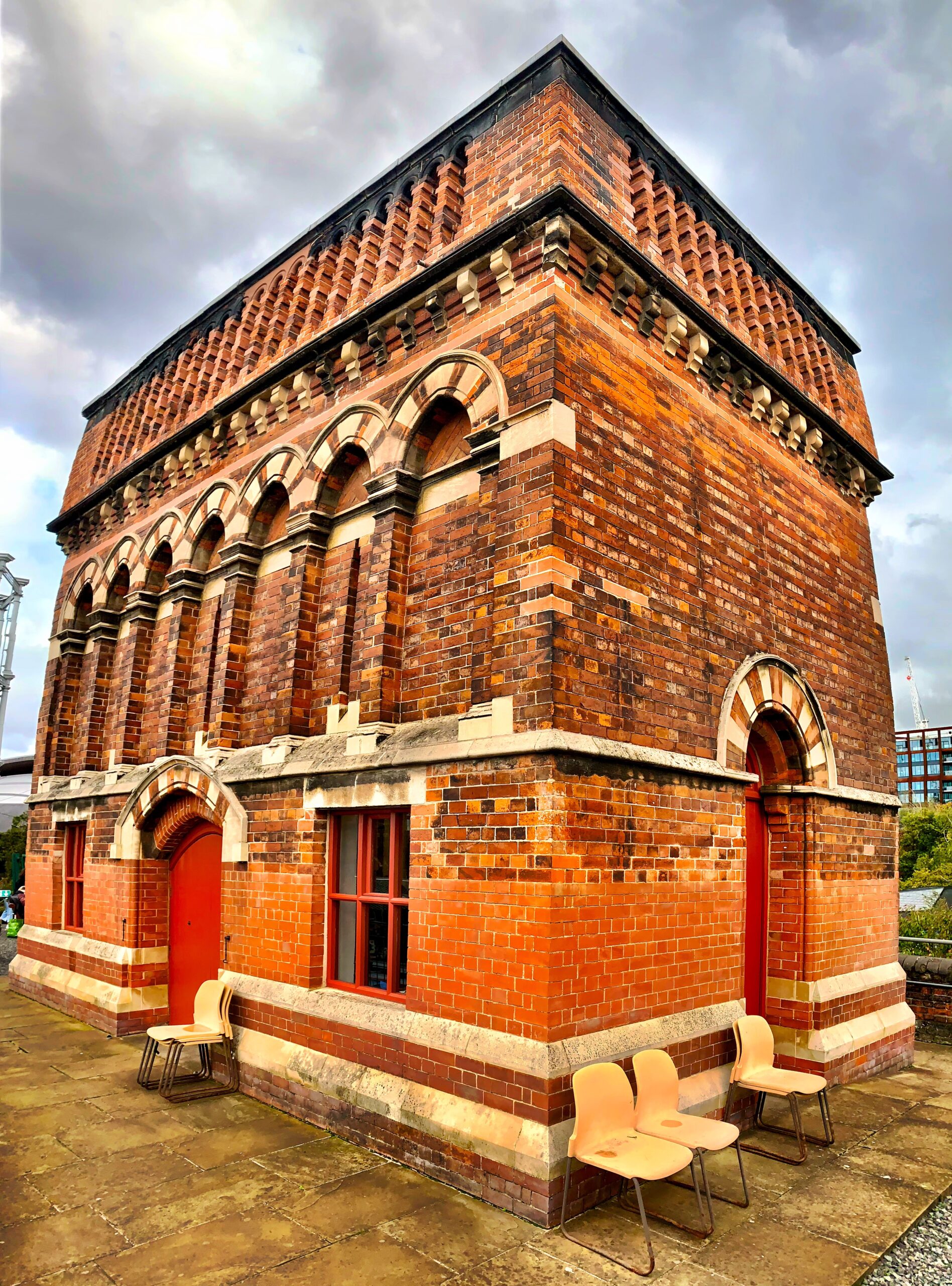
The St Pancras water tower was designed by the office of Sir George Gilbert Scott and features elaborate brickwork detailing around the edges of the overhang that supported the water tank – 15/10/2022
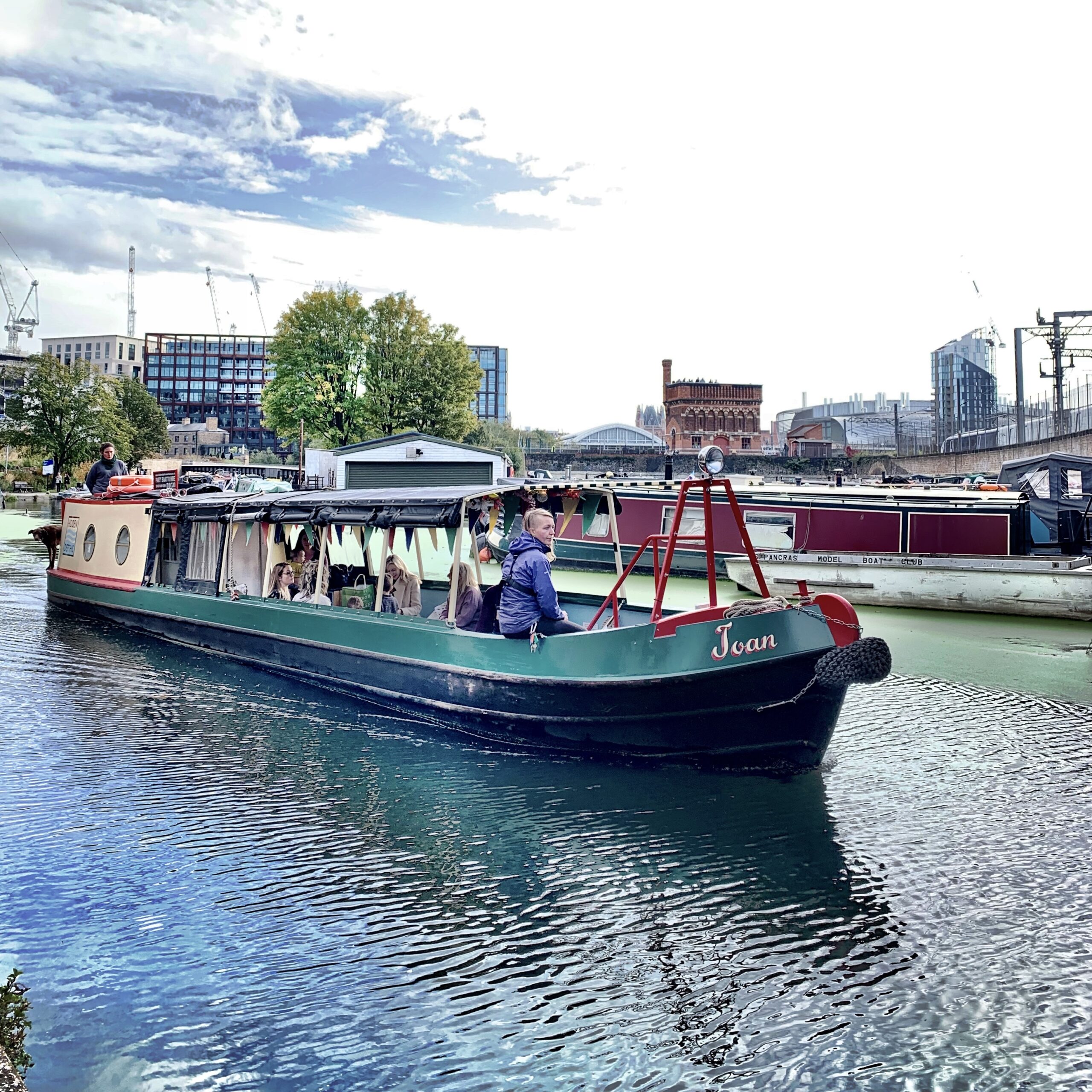
The water tower was nearly demolished as part of the 2001 Channel Tunnel rail link development at St Pancras. Thankfully a solution was sought to retain the building, and although now moved slightly from its original location, the water tower survives on land owned by the St Pancras Cruising Club. It was not an easy task relocating the structure as it was discovered that dismantling it brick by brick would be impossible given the hardness of the original mortar used in its construction. So instead, the tower was cut in half horizontally and moved in two pieces, the operation being completed by 2005.
Once I’d managed to find the entrance, which was gained by crossing canal lock gates, the tower’s elevated location and low lying surroundings contributed to stunning views across St Pancras and the Regent’s Canal.
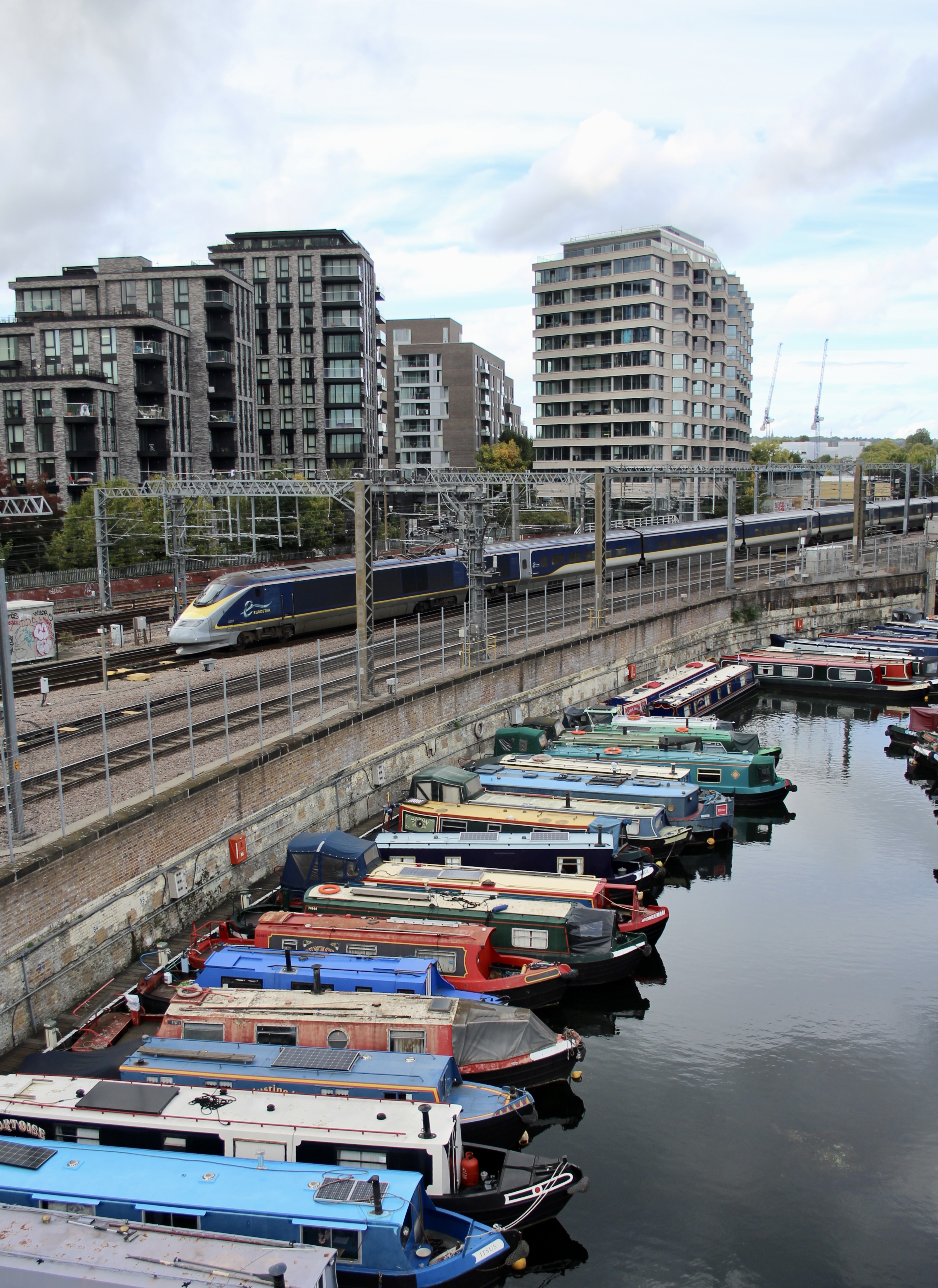
Two SouthEastern Class 395 Javelin EMU’s, with No. 395011 ‘Katherine Grainger’ leading, form the 1F38 1425 St Pancras International to Rochester service – 15/10/2022Class 373/1 Eurostar set No. 373007 9031 1313 Paris Nord to St Pancras International on the approach to the London terminus – 15/10/2022The St Pancras water tower serves as a back drop to the Regent’s Canal – 15/10/2022
Trains viewed from the St. Pancras water tower – 15/10/2022
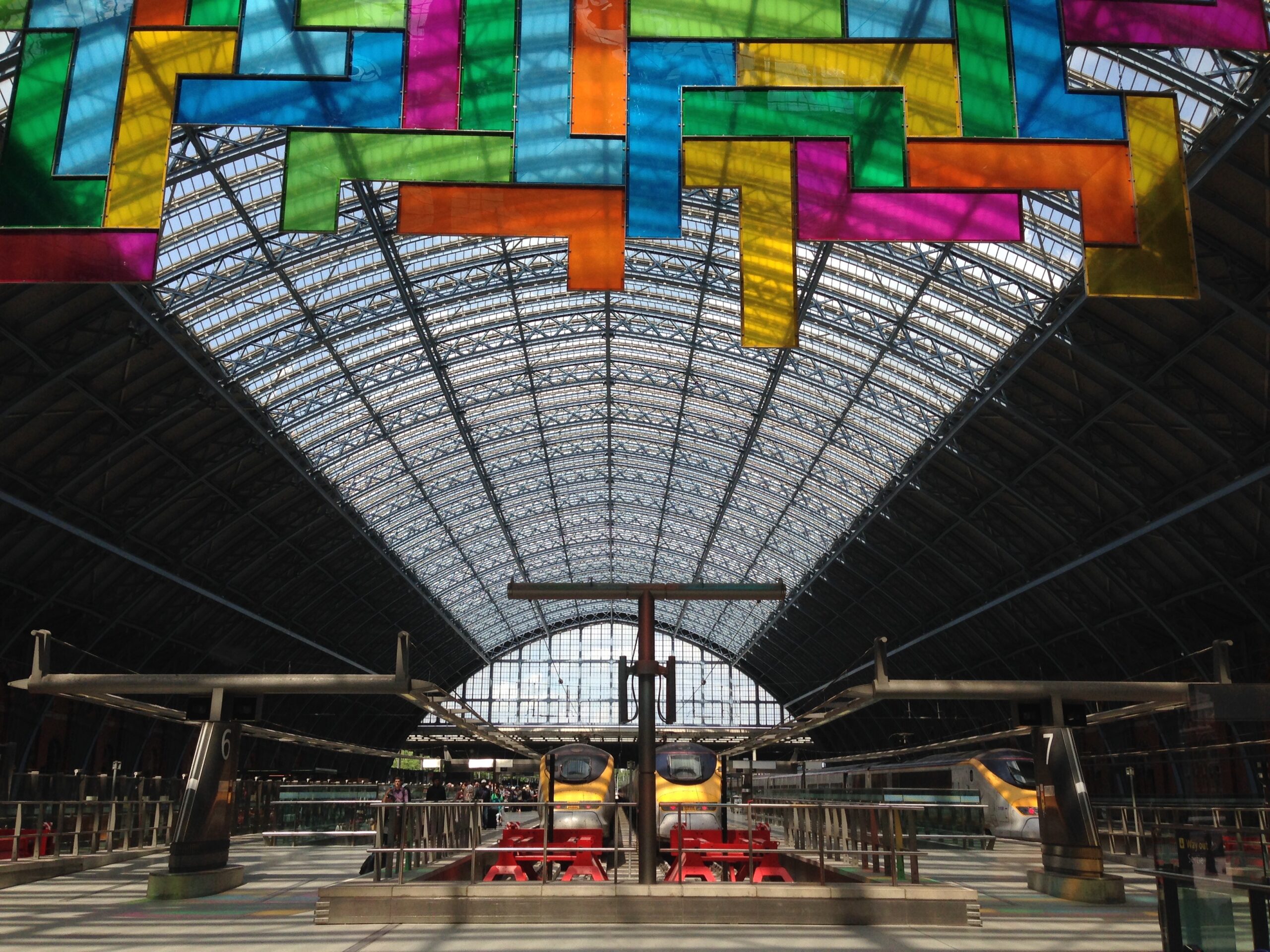
St Pancras railway station was designed by Midland Railway engineer William Barlow and his masterpiece train shed roof was built to span five tracks in one single arc with its cross ties buried under the floor in the form of horizontal girders. At 74 metres this was once the largest span in the world. Not content with this, the company turned to Sir George Gilbert Scott to design a hotel which would be the most luxurious on the planet. Scott’s building has an entrance wing facing Euston Road with a curved quadrant forecourt to reach Barlow’s existing entrance ramps to the station. The Midland Grand hotel closed in 1935 and was then used as office space.
The interior of St Pancras International with Eurostar trains in evidence – 21/06/2014
In the 1960’s British Railways driven by modernisation wanted to sweep it all away and concentrate rail services into neighbouring Kings Cross. However, unlike the corporate vandalism bestowed on London Euston, St Pancras had a flurry of supporters determined to save the building led by Sir John Betjeman and the newly formed Victorian Society. In 1967 the British Government acquiesced and St Pancras gained Grade I listed status and was saved the fate of the wrecking ball. Despite continued future use as BR offices and dormitories for rail staff the building fell into disrepair and was shut down in the 1980’s after failing fire safety checks. At a cost of £10 million, the exterior was restored and made structurally sound. But it was not until 2004 that planning permission was given for the building to be redeveloped into a new hotel.
Statue of Sir John Betjeman who led a campaign to save St Pancras Station from demolition in the 1960’s. In tribute to the famous poet and railway enthusiast a 2.10 metre high sculpture by Martin Jennings was unveiled in 2007 to celebrate the man and his poetry – 21/06/2014
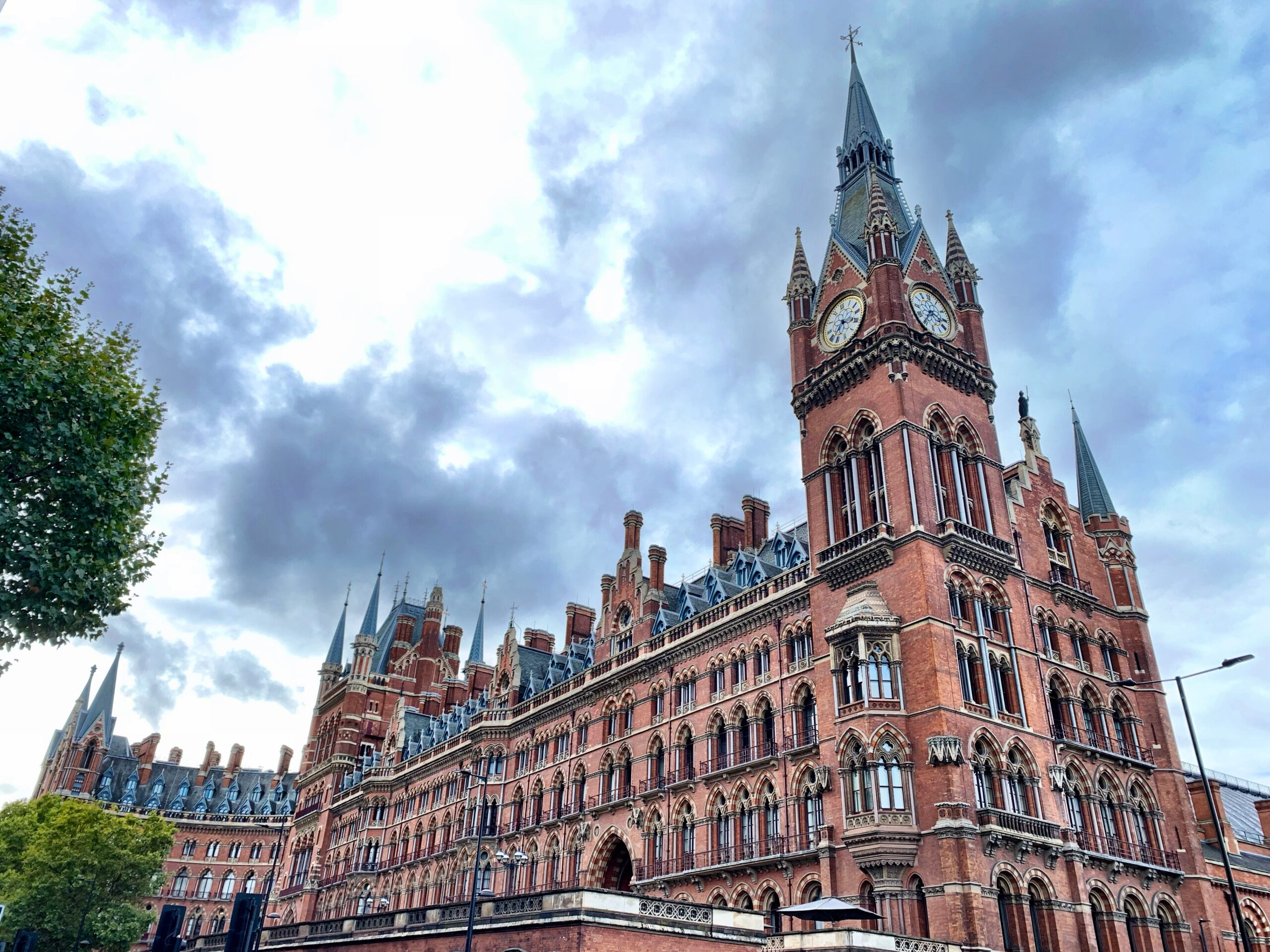
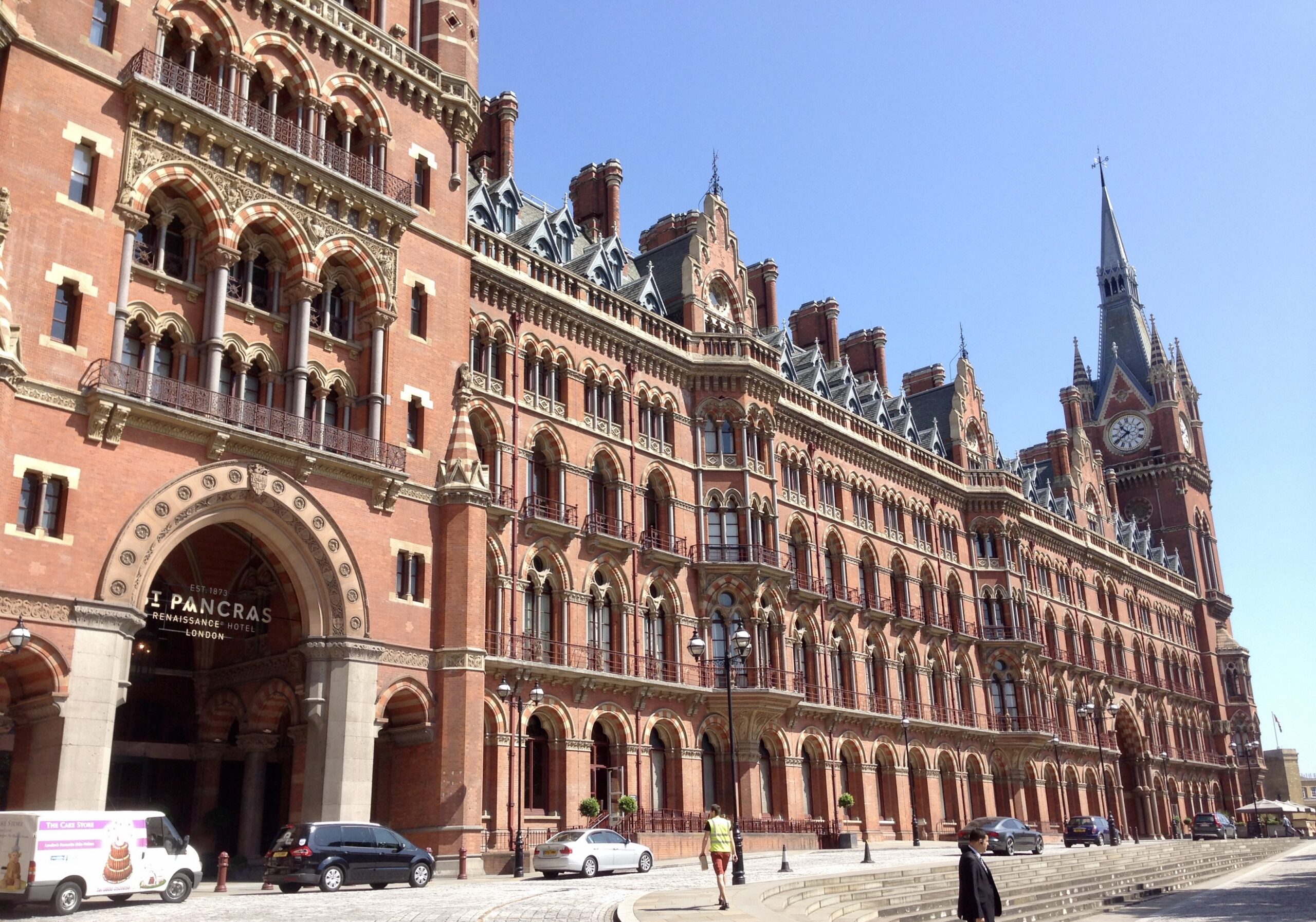
The main public rooms of the former Midland Grand Hotel were restored, along with some of the bedrooms. The former driveway for taxis entering St Pancras station which passed under the main tower of the building was converted into a hotel lobby and a new wing constructed on the western side of the Barlow train shed. Although open to guests in March 2011, the formal Grand Opening of The St Pancras Renaissance Hotel was held on the 5th May the same year, 138 years to the day after the original hotel opened in 1873. St Pancras is, without doubt, my favourite building in London. One day I’ll have breakfast at the hotel, or stay a night – maybe even both.
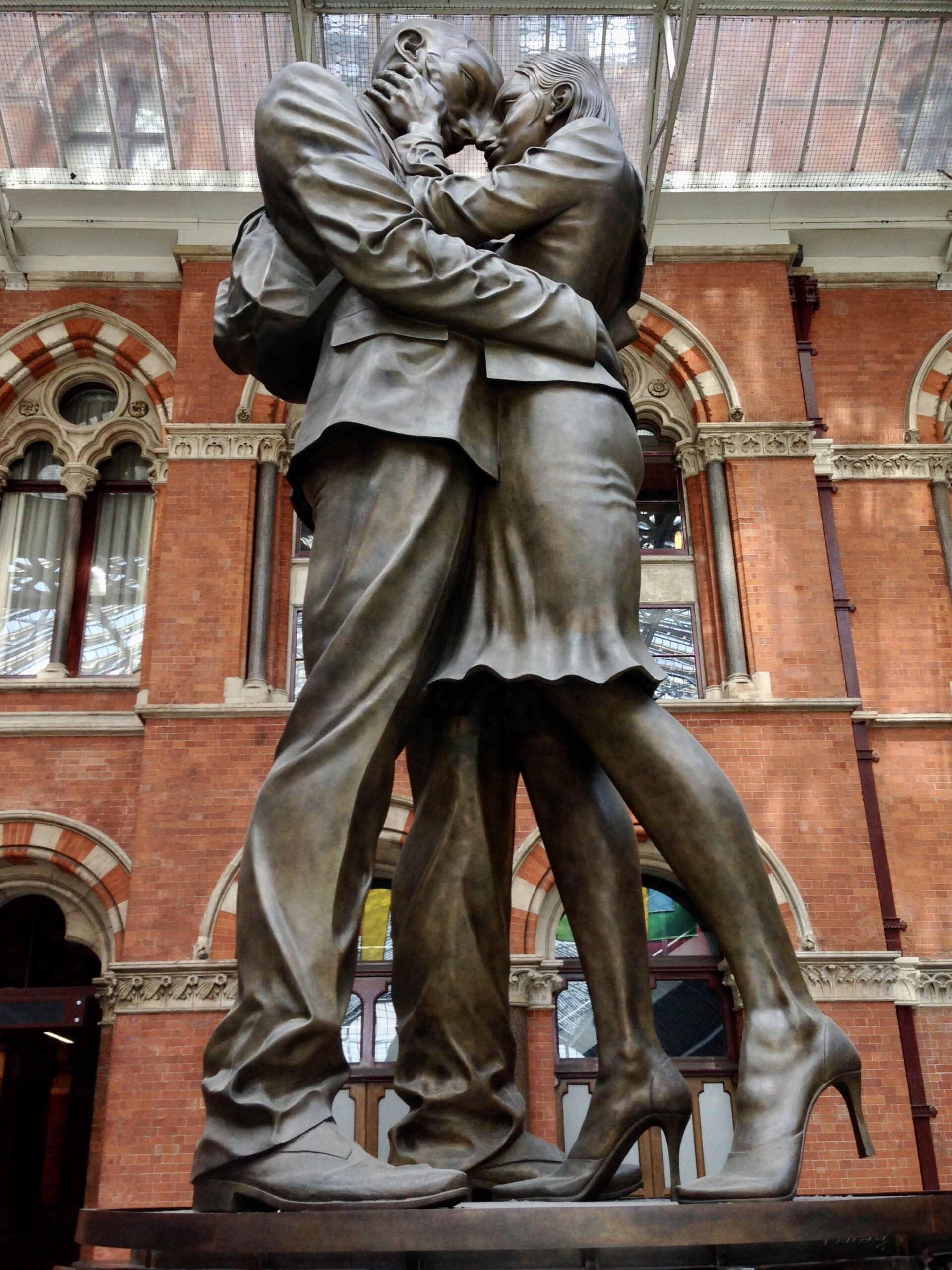
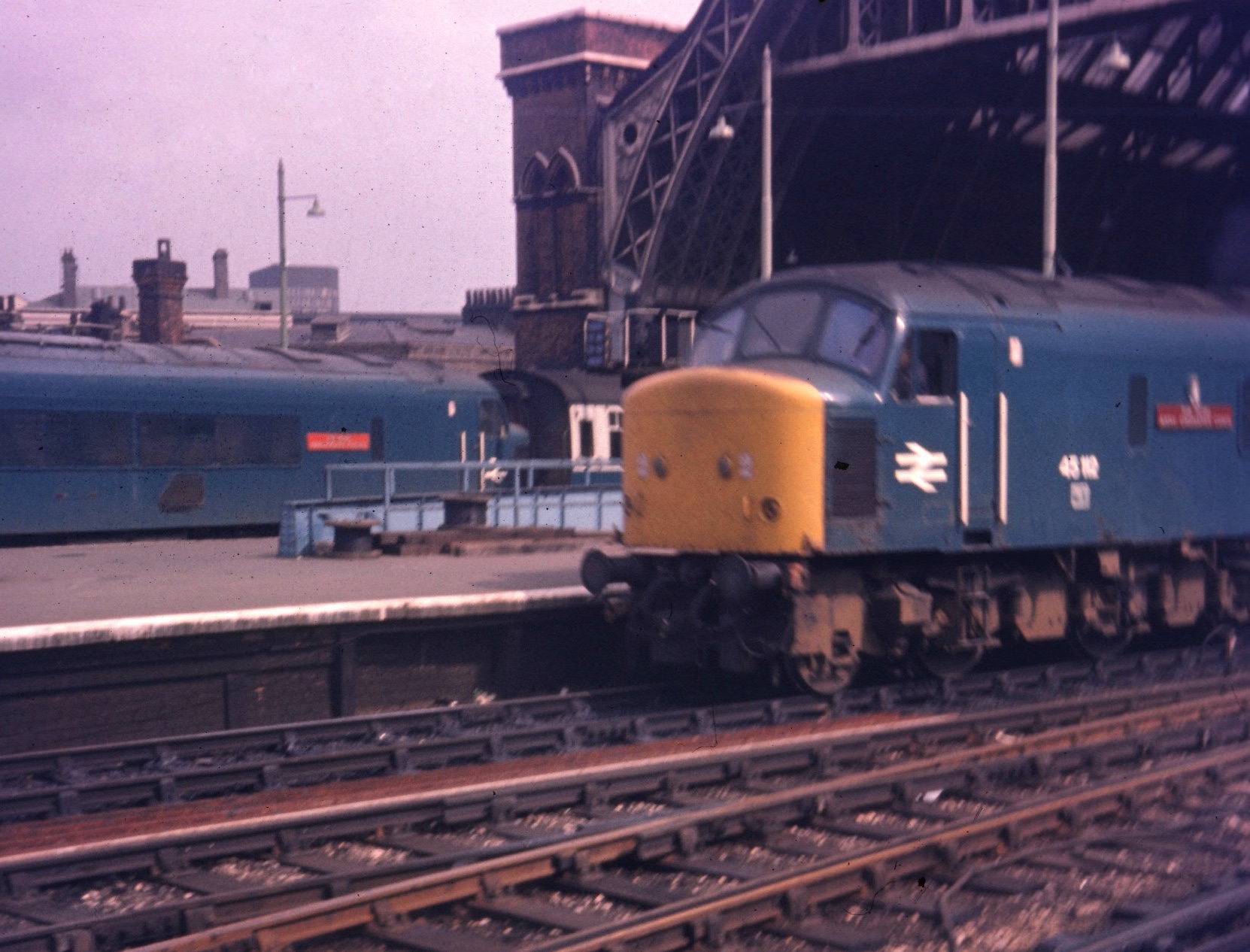
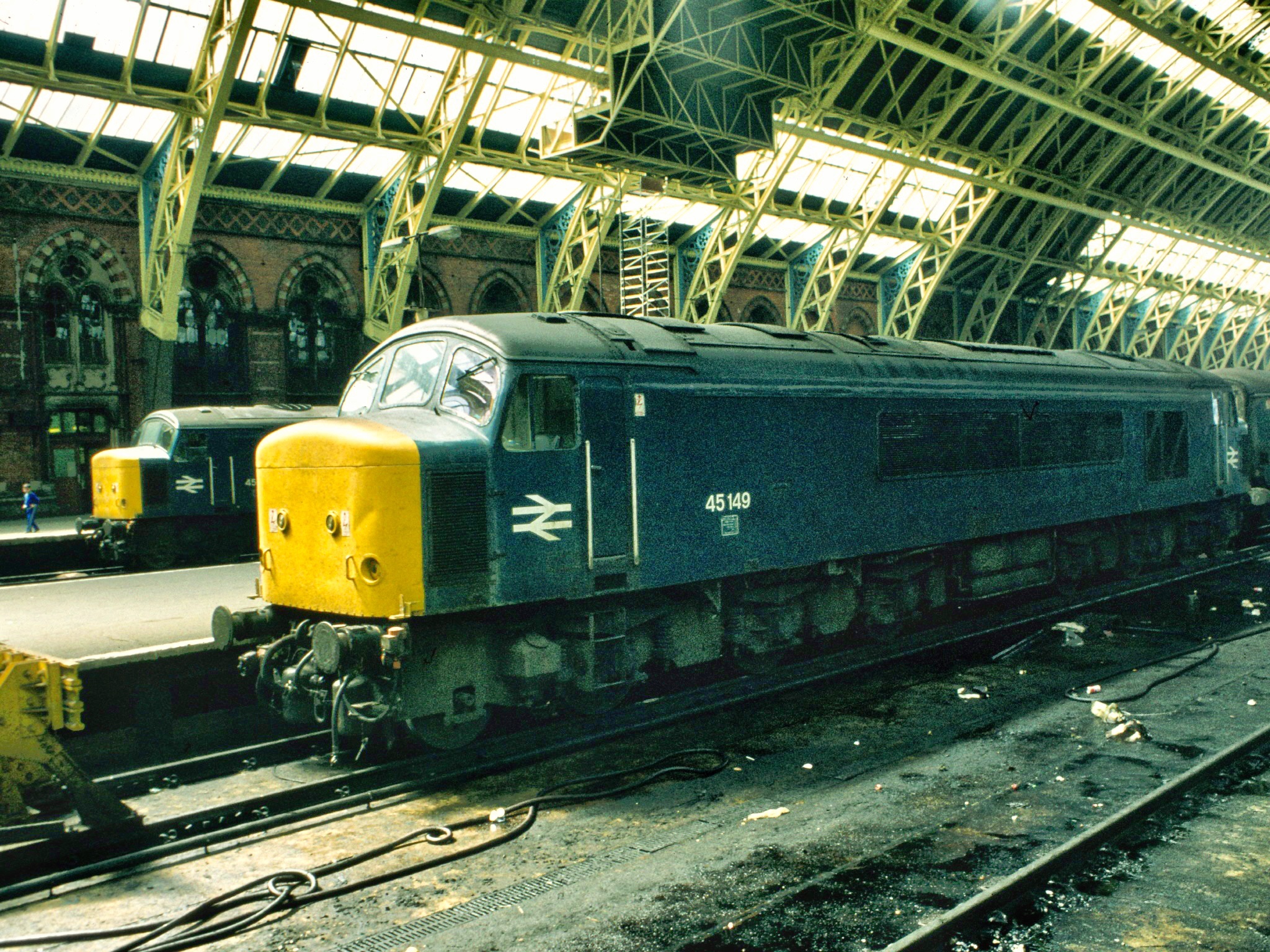
St Pancras railway station and The St Pancras Renaissance Hotel viewed from Euston Road – 15/10/2022 St Pancras railway station and The St Pancras Renaissance Hotel – 21/06/2014“The Meeting Place” is a 9 metre high, 20 tonne bronze sculpture that stands at the south end of the upper level of St Pancras. Designed by the British artist Paul Day and unveiled in 2007, it is intended to evoke the romance of travel through the depiction of a couple locked in an embrace – 21/06/2014Class 45 No. 45112 and an unidentified classmate at St Pancras circa 1977Class 47 No. 47484 ‘Isambard Kingdom Brunel’ awaits departure at St Pancras – 11/07/1981Class 45 No.’s 45149 and 45117 at the buffer stops of St Pancras – 11/07/1981
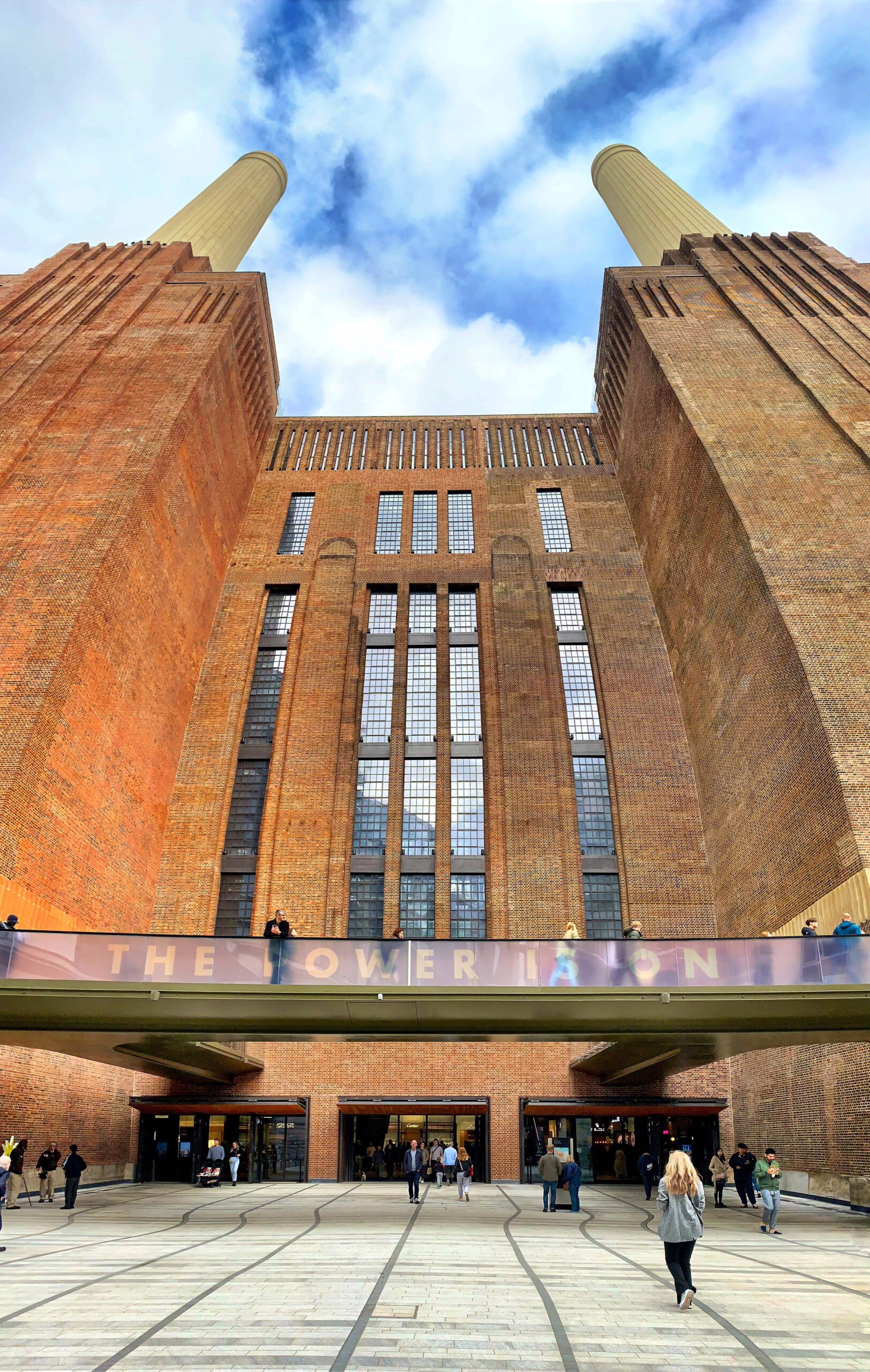
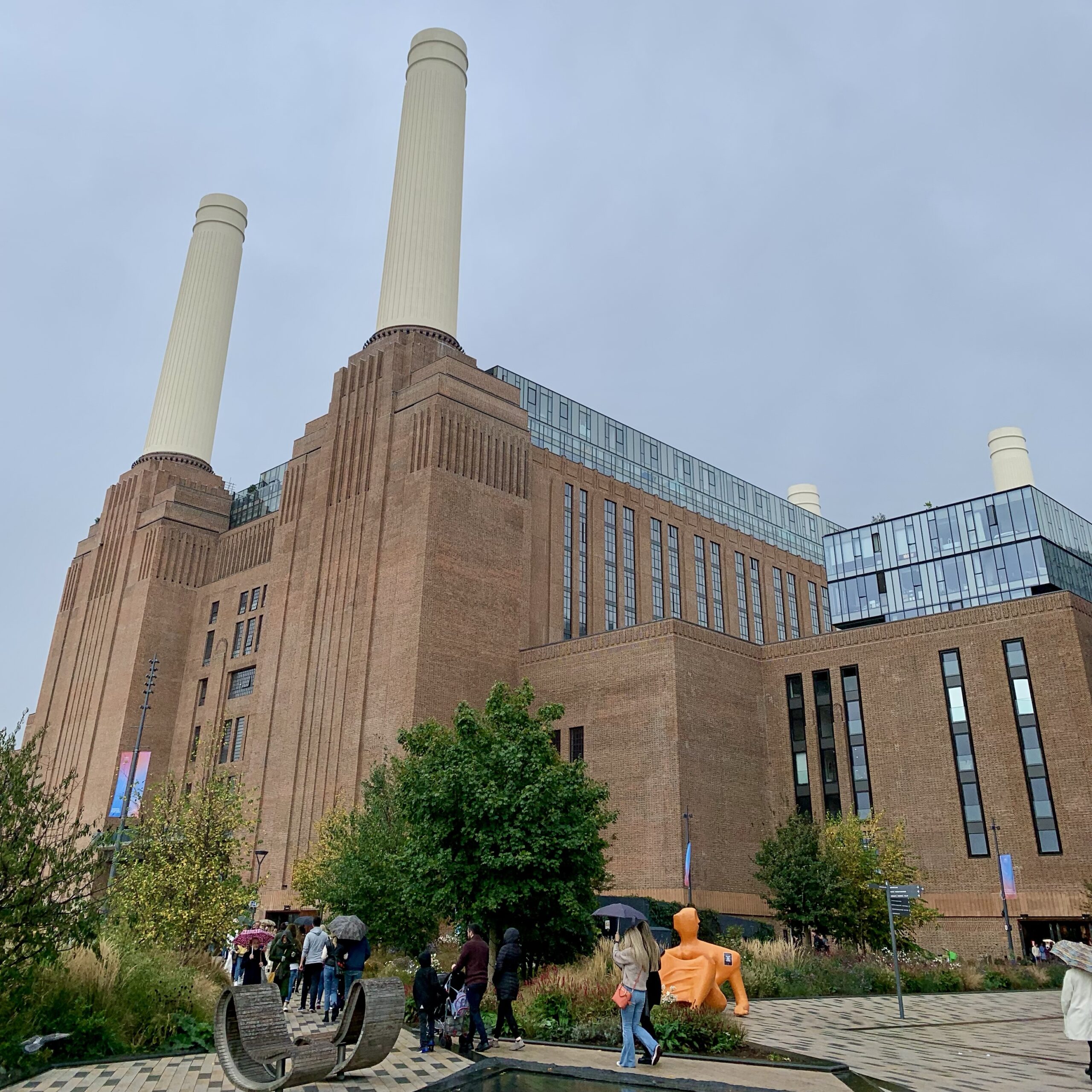
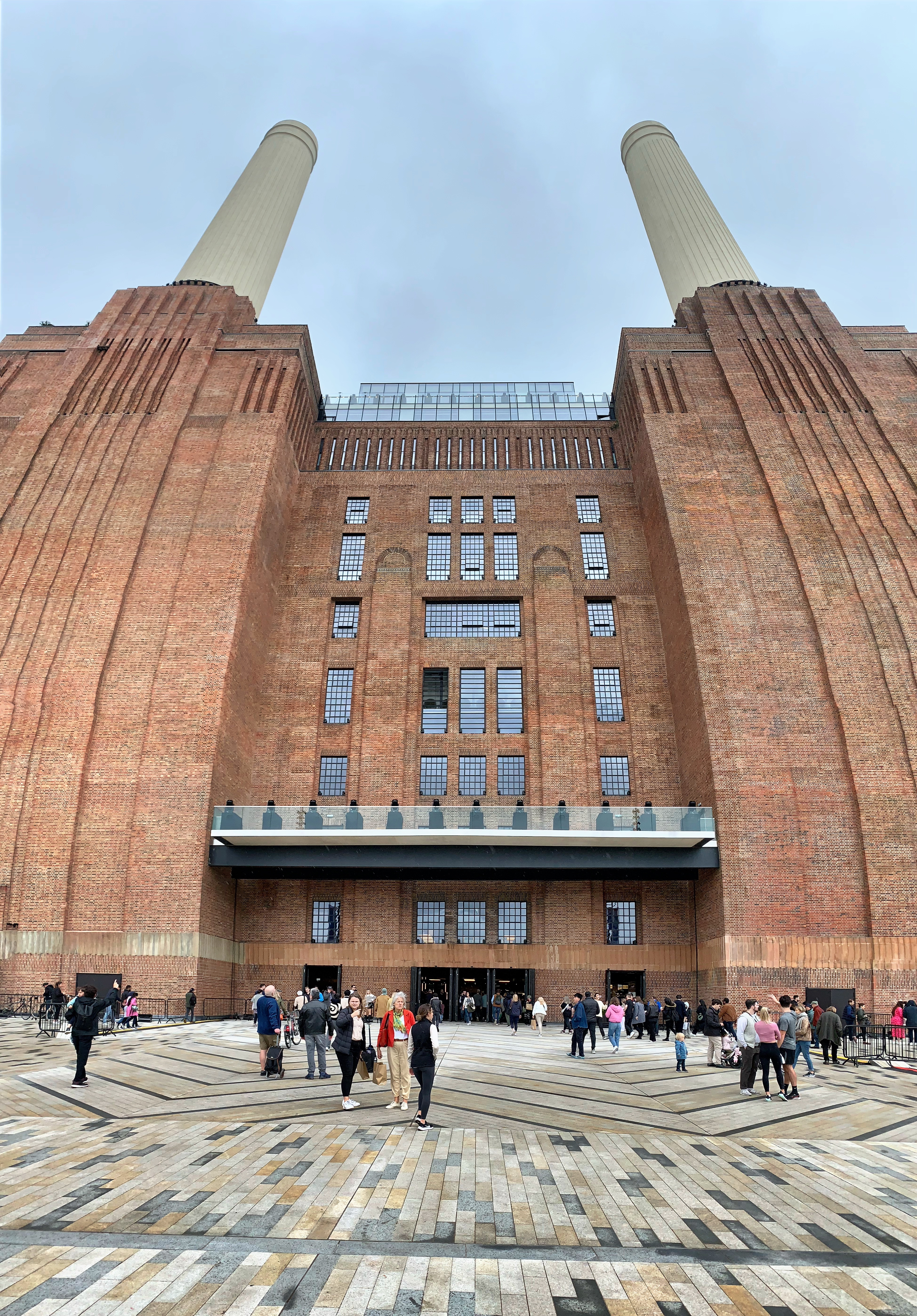
Staying with buildings connected to Sir George Gilbert Scott, Grade II Battersea Power Station re-opened on 14th October, so as I was in London and hoping to find an inflatable pig tethered above it, I thought it would be remiss of me not to stick my nose in and see what had been done to the place. The construction is actually two near-identical power stations built to form a single structure balanced by four chimneys, one in each corner of the plan. Designed by a team of architects and engineers, and allowing me to seamlessly segue from railway water towers to power stations, the third son of Sir George; Sir Giles Gilbert Scott, was brought onboard in 1930 by the London Power Company as consulting architect. Working with the buildings designer and the company chief engineer, Leonard Pearce (not to be confused with Lennard Pearce who played Grandad in BBC sitcom “Only Fools and Horses”), Scott’s role was to enhance the external appearance of the structure. He remodelled the four corner chimneys so they mimicked classical columns and added detailing to the vast brick walls.
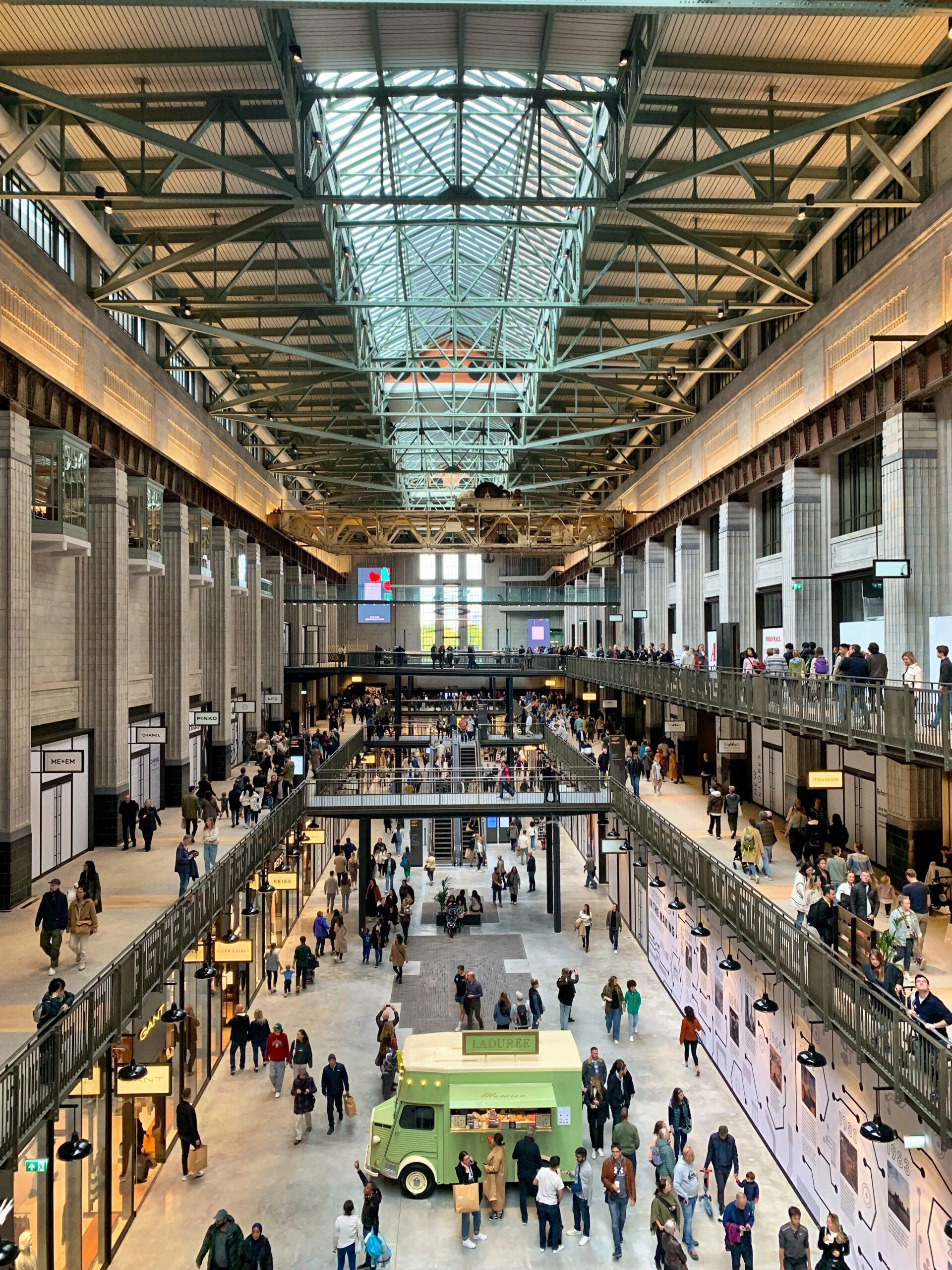
Battersea Power Station was originally opened in 1933, but has been disused since 1982. It was always one of the buildings I would look out for on rail journeys into London Waterloo, but is now obscured by modern buildings. At the time of its opening, The Observer newspaper called it “one of the finest sights in London” and I, for one, am happy it survived the intervening years which saw numerous unfulfilled proposals put forward for its regeneration. From theme parks to football stadiums, what we have ended up with on the site is a shopping centre, offices (soon to accommodate Apple’s London HQ) and homes occupying the building which was once dubbed “The Cathedral of Power” at the cost of £9 billion. 1,600 luxury flats have been built with a further 2,400 planned. Despite its size and six million bricks, I felt the former Power Station was somewhat lost amongst these new developments which have sprung up around it.
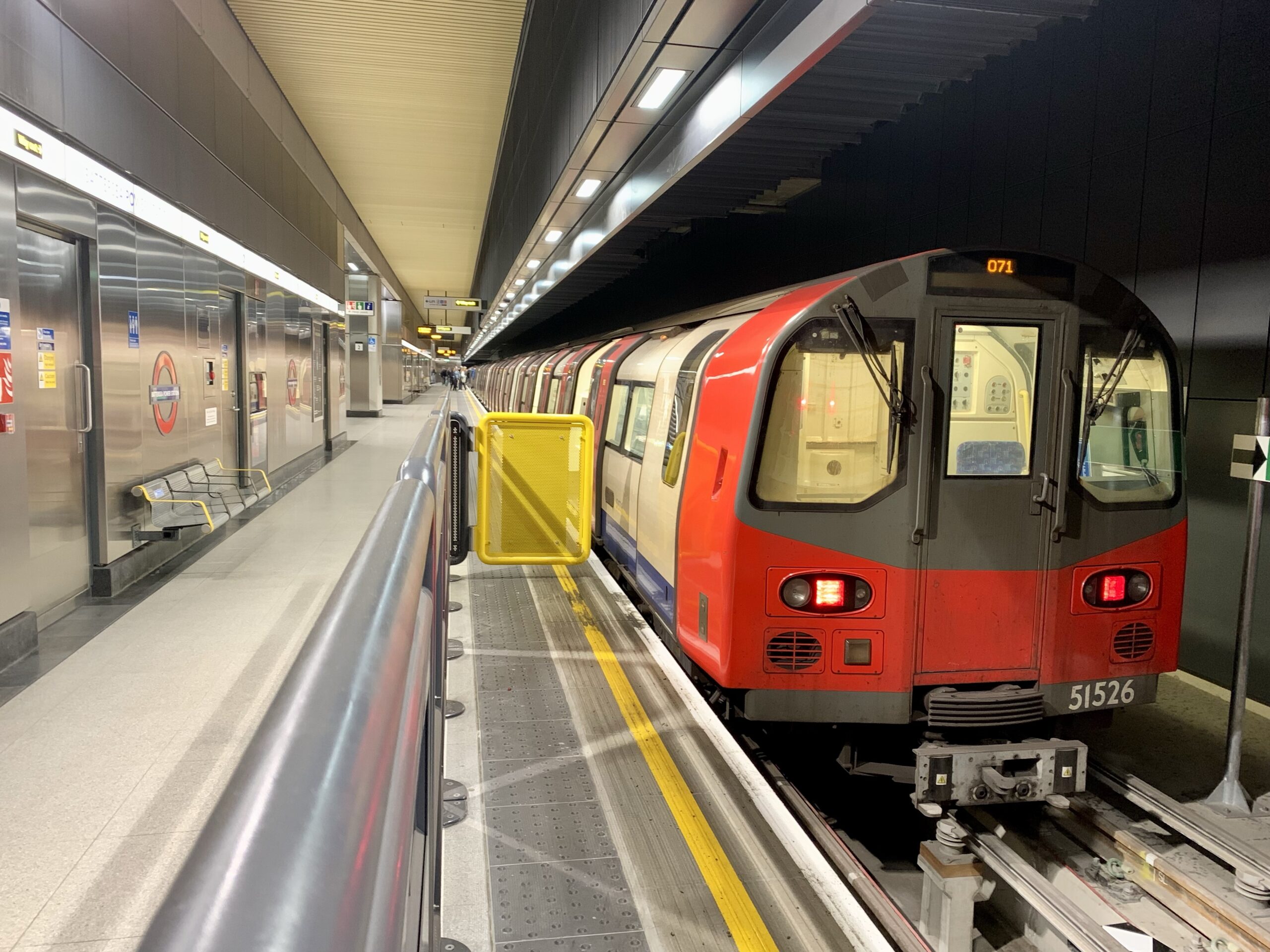
The London Underground’s Northern Line was extended, branching off at Kennington, with two new stations; Nine Elms and Battersea Power Station opening on 20th September 2021. The construction cost £1.1 billion and the extension is 3 kilometres long.
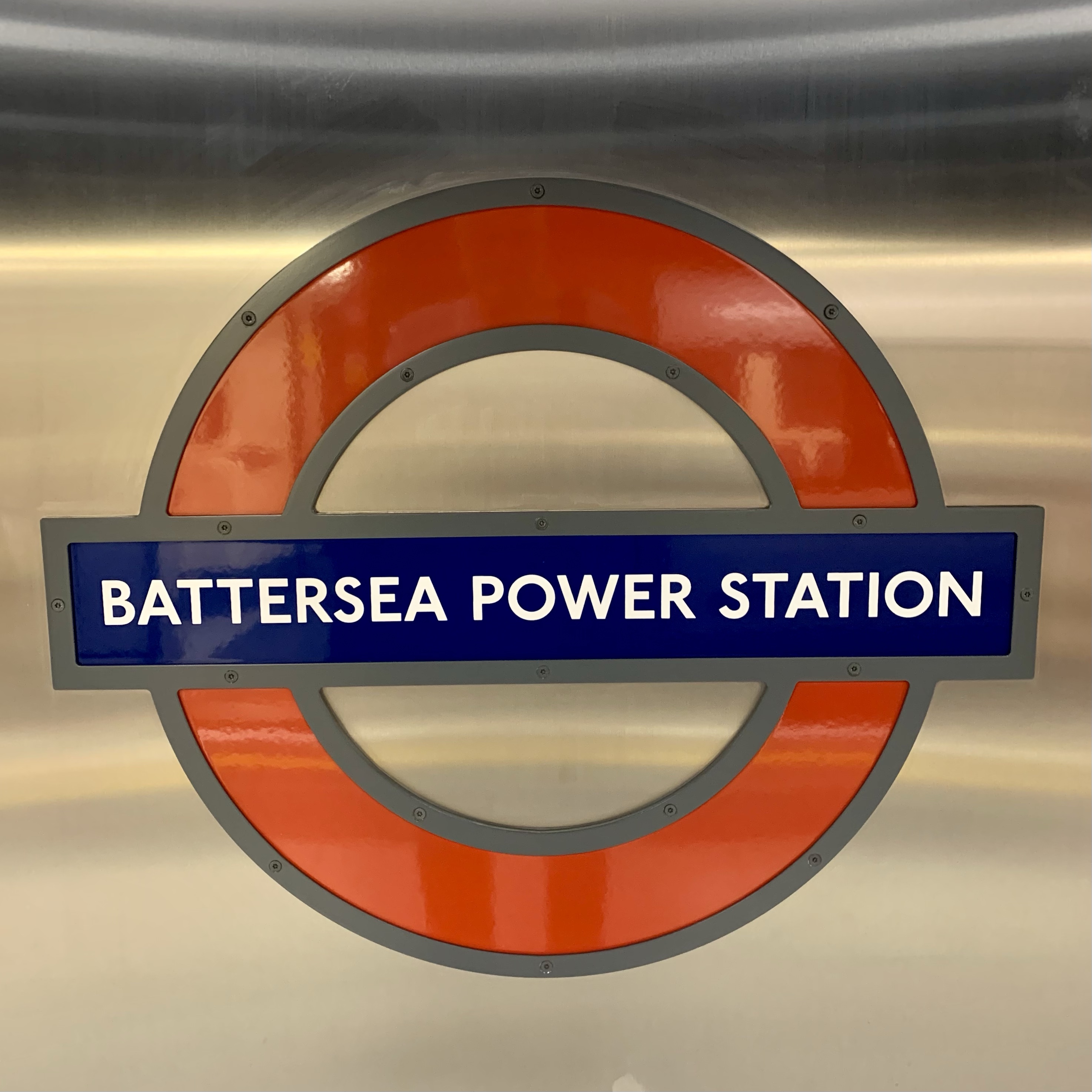
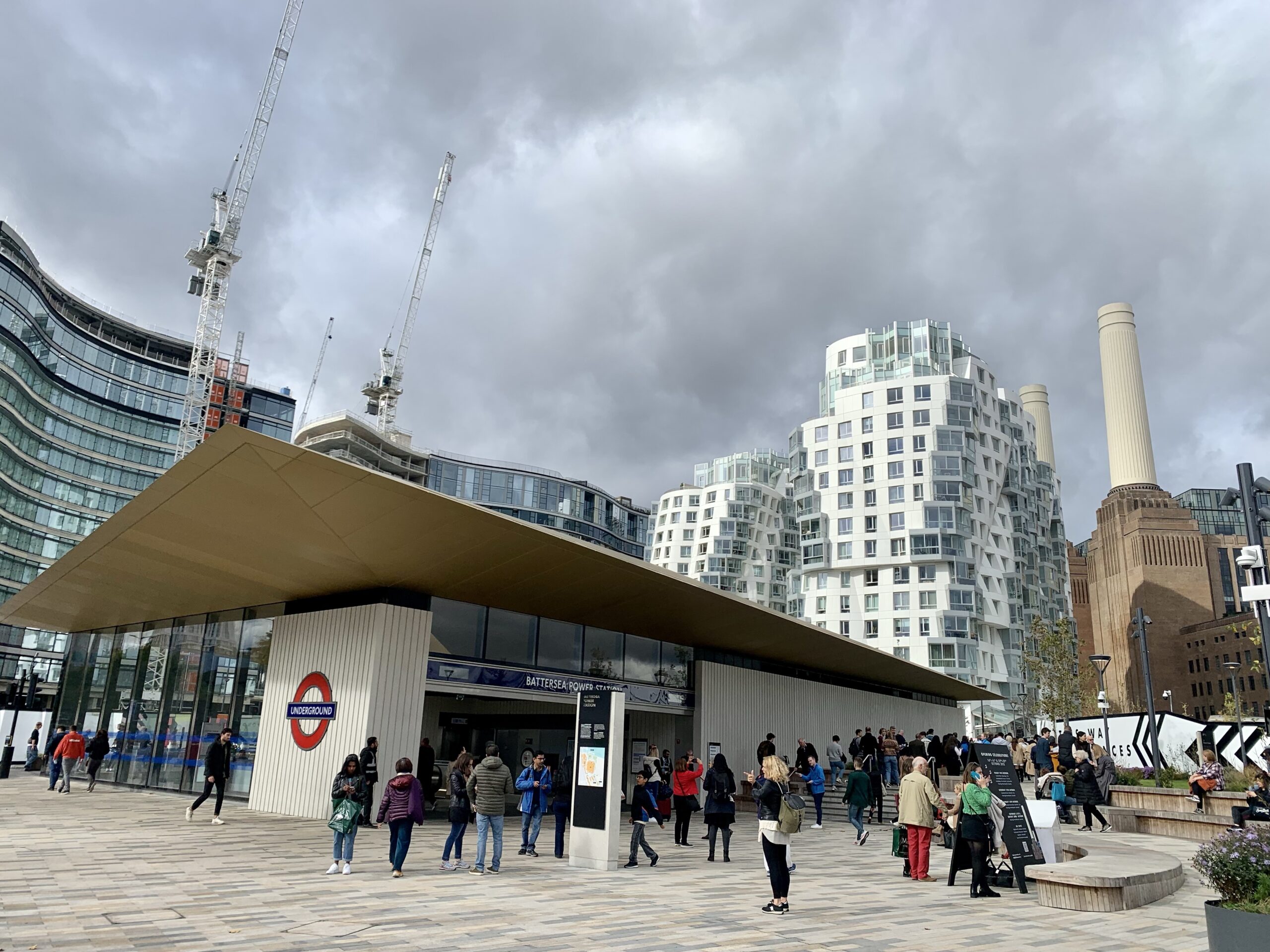
A Northern Line train awaits departure from platform 2 at Battersea Power Station – 15/10/2022Battersea Power Station roundel – 15/10/2022Exterior of Battersea Power Station tube – 15/10/2022Battersea Power Station – 15/10/2022Battersea Power Station – 15/10/2022
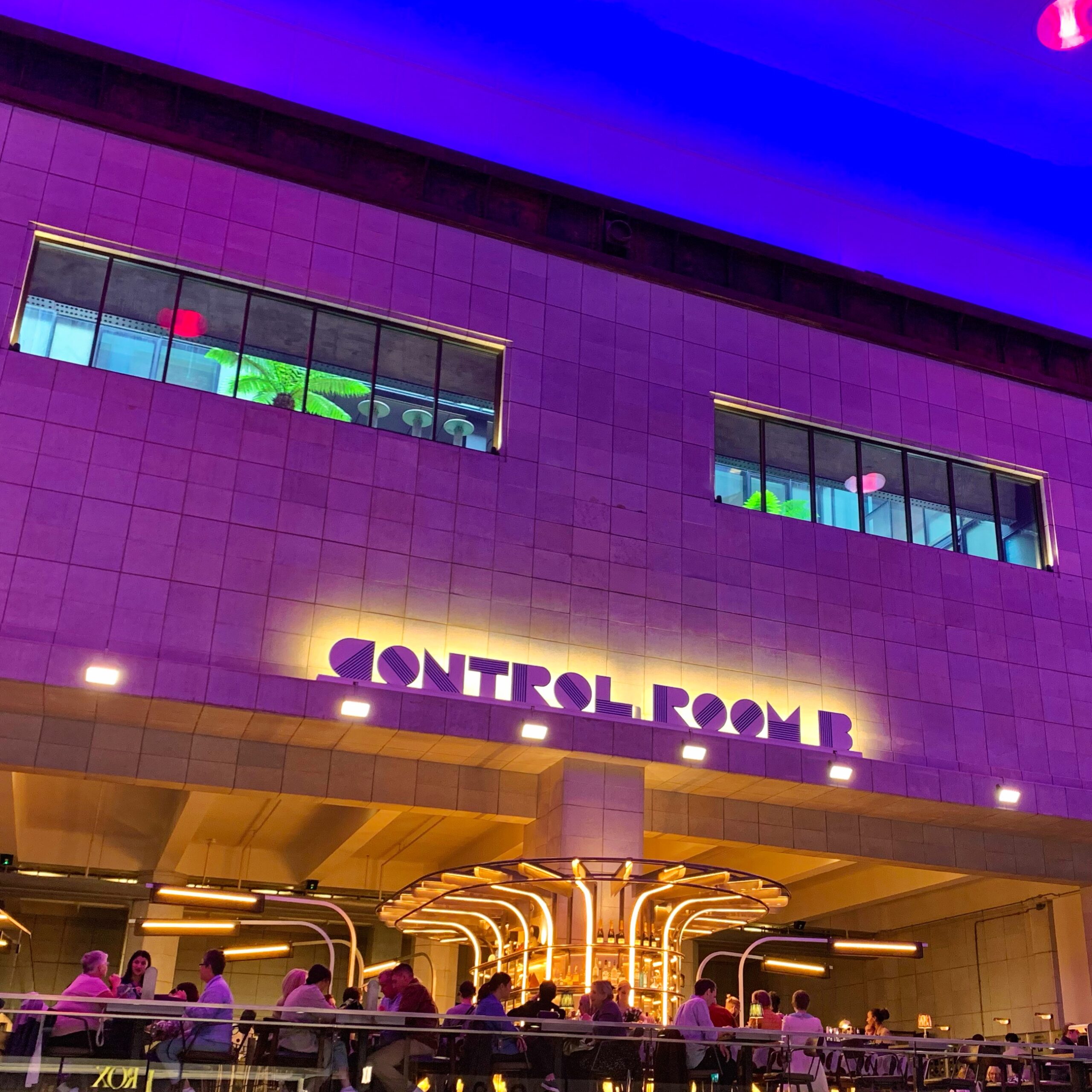
Not everything is open yet or accessible, such as the lift in one of the chimneys which promises aerial views of London, and Control Room A which will be used as an event space by invitation only. You can, however, visit Control Room B which is now a bar of the same name where staff wear white boiler suits and punters sit alongside switches and dials which technicians once used to control one fifth of the capital’s electricity. There was a queue of people waiting for seats when I passed by. On a future visit, I will definitely be checking out chef Gordon Ramsey’s bottomless pizzas at “Gordon Ramsey Street Pizza”. Unfortunately my visit of the exterior area was curtailed because of rain, so my intention of checking out the view of the railway originating from London Victoria across Grosvenor Bridge will have to wait until next time.
Shopping centre West Entrance to Battersea Power Station – 15/10/2022Battersea Power Station from alongside the River Thames – 15/10/2022North Entrance Battersea Power Station – 15/10/2022Interior Battersea Power Station – 15/10/2022Control Room B, Battersea Power Station – 15/10/2022Control Room B, Battersea Power Station – 15/10/2022
Sir Giles Gilbert Scott has a Dorset connection having designed the Church of the Annunciation, a Roman Catholic Church in Bournemouth. But this isn’t a blog about churches. Or power stations for that matter. And anyway, Bournemouth was in Hampshire in 1905.
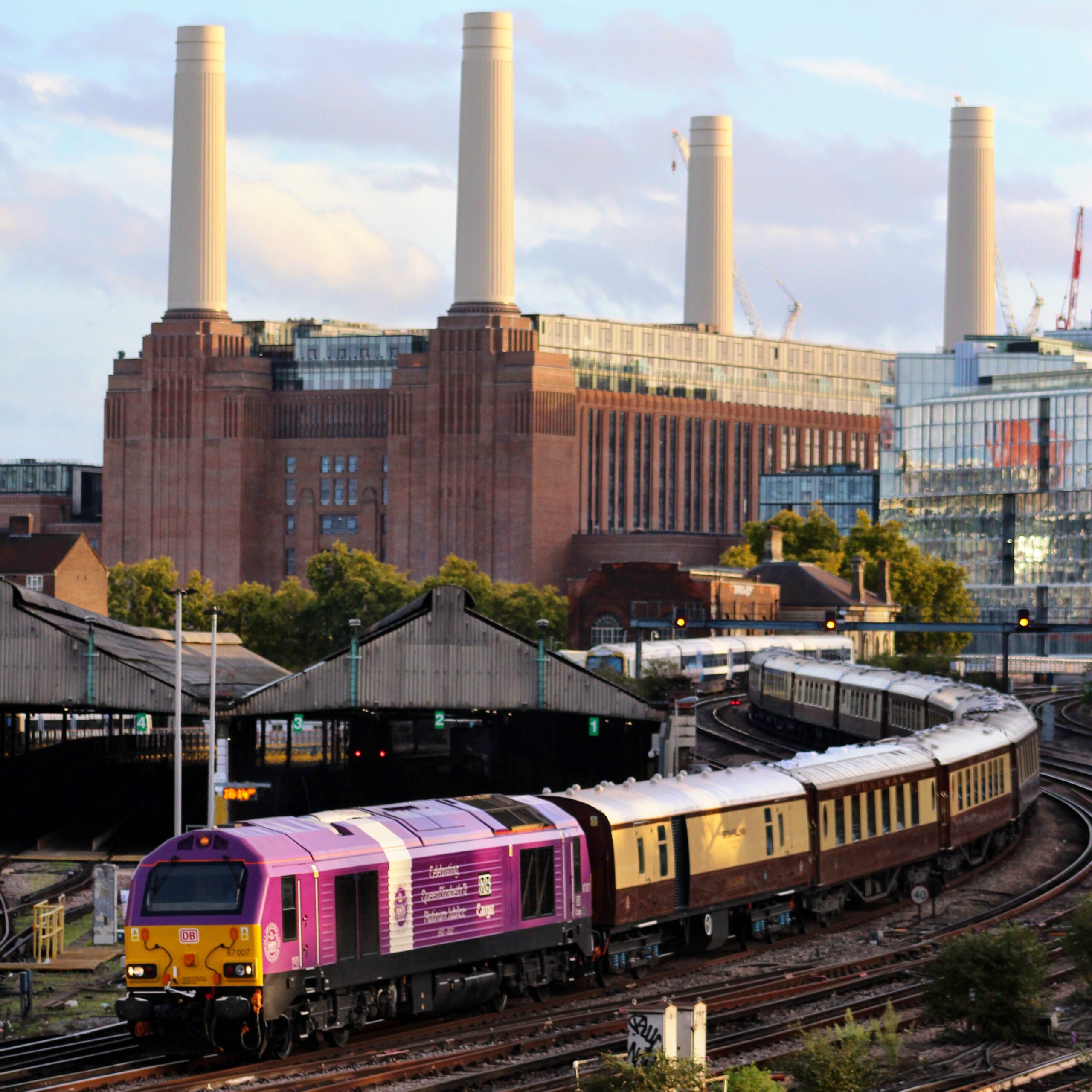
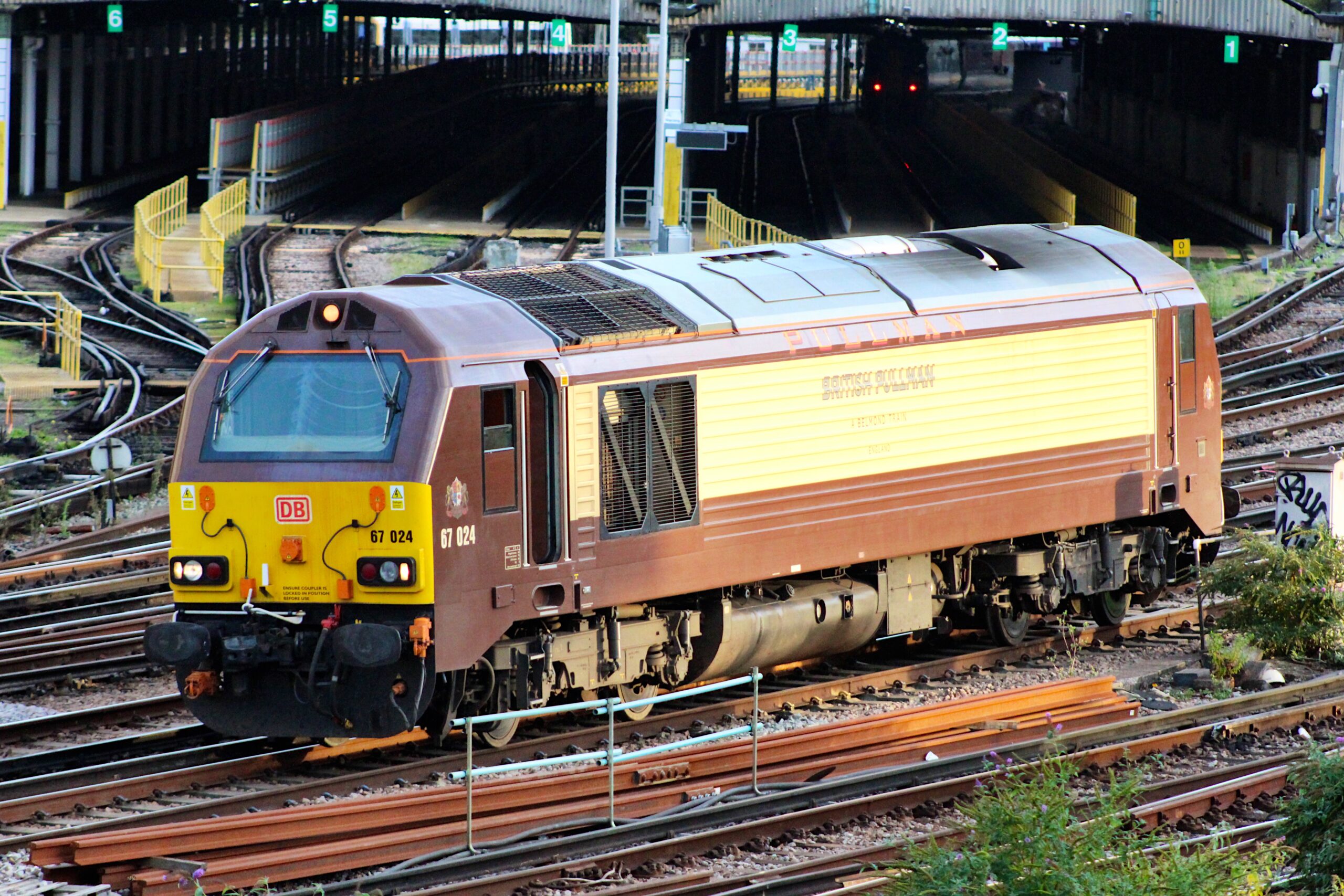
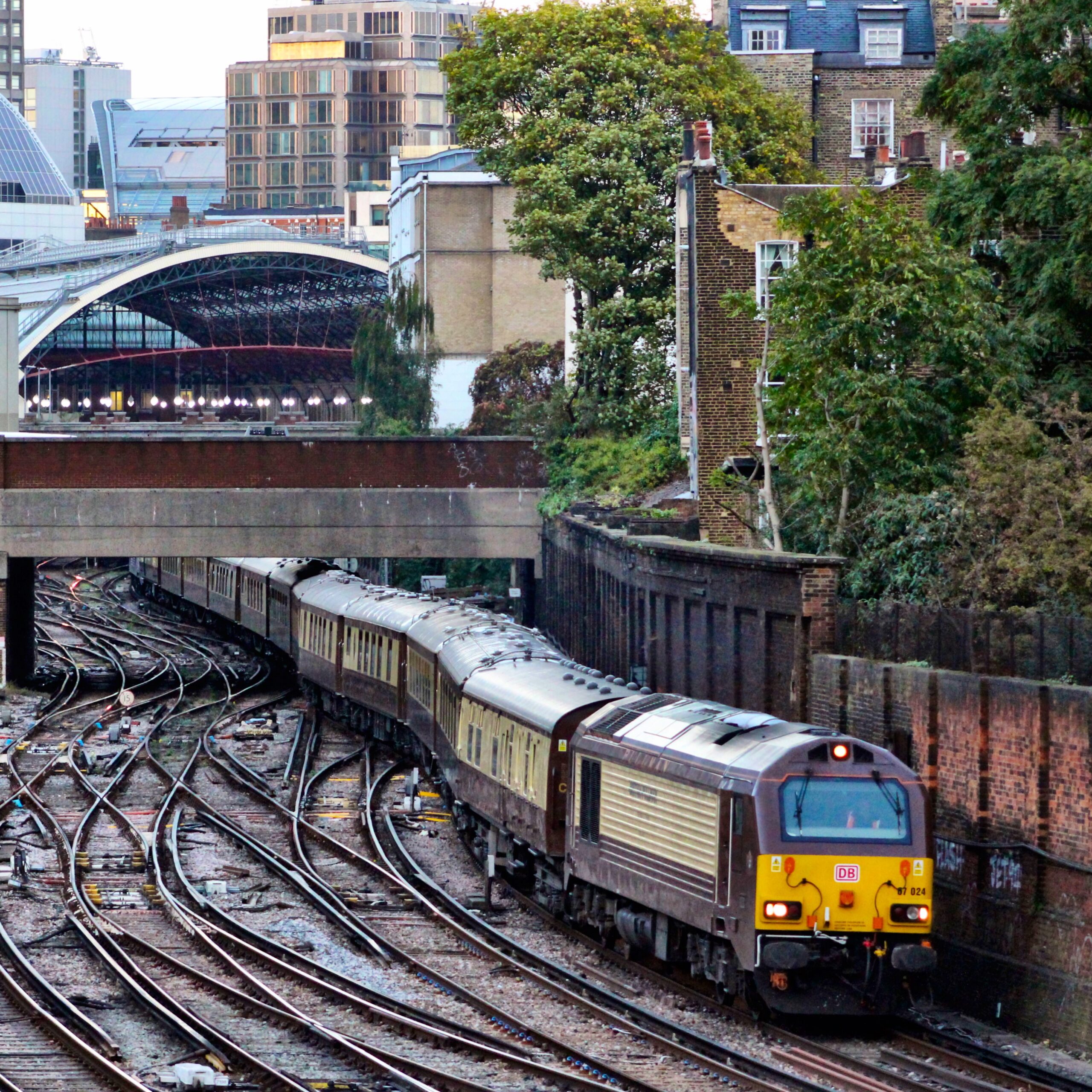
Returning to my recent London adventure, I did however set Battersea Power Station in my sights later in the day when on my way home, I alighted from my Victoria Line tube train to see Belmond Trains “Brighton Belle” British Pullman rail tour arrive at London Victoria.
Platinum Jubilee liveried DB Class 67 No. 67007 working the return Brighton Belle 1Z91 Hove to London Victoria passes Grosvenor Road Carriage Sheds with the newly re-opened Battersea Power station as backdrop – 15/10/2022Light locomotive Class 67 No. 67024 in British Pullman livery working 0Y83 Stewarts Lane T&R.S.M.D to London Victoria – 15/10/2022Class 67 No. 67024 in British Pullman livery departing Victoria station with 5O82 London Victoria to Stewarts Lane T&R.S.M.D
Comings and goings at London Victoria vowed from Ebury Road bridge – 15/10/2022
Thank you for stopping by, Yoshi and I will be back next week for more ‘Flying Scotsman’ related tales. Until then, take care!