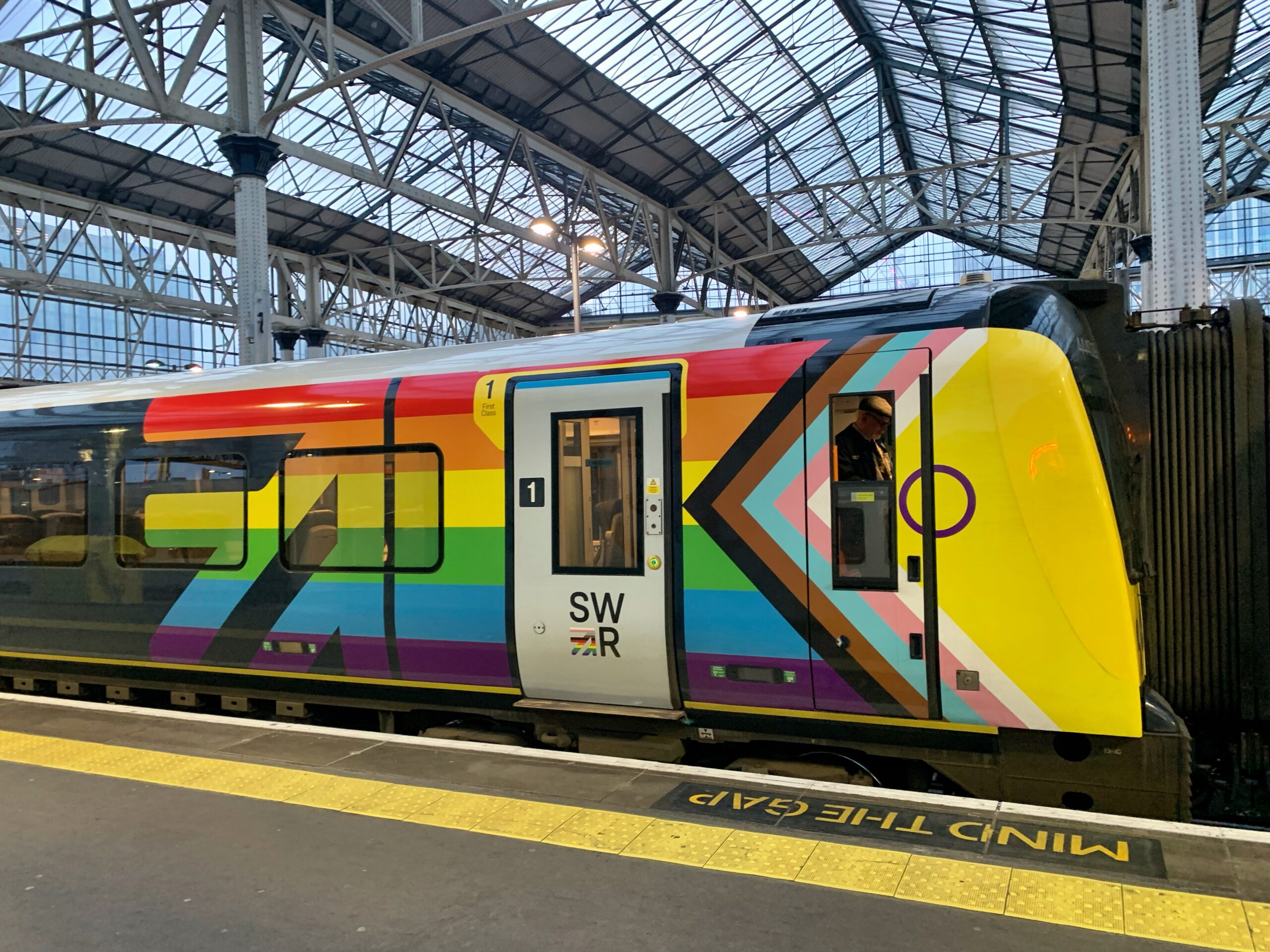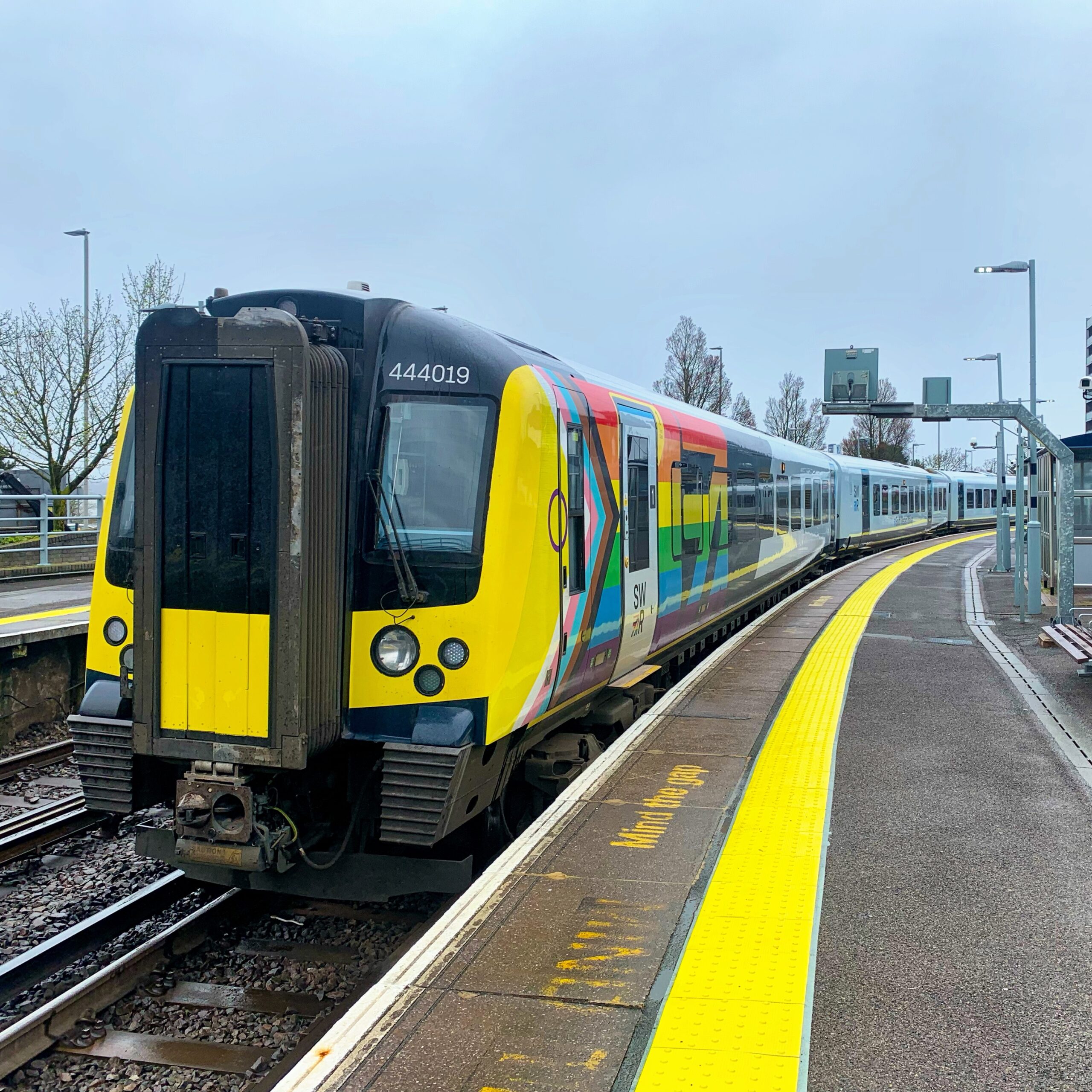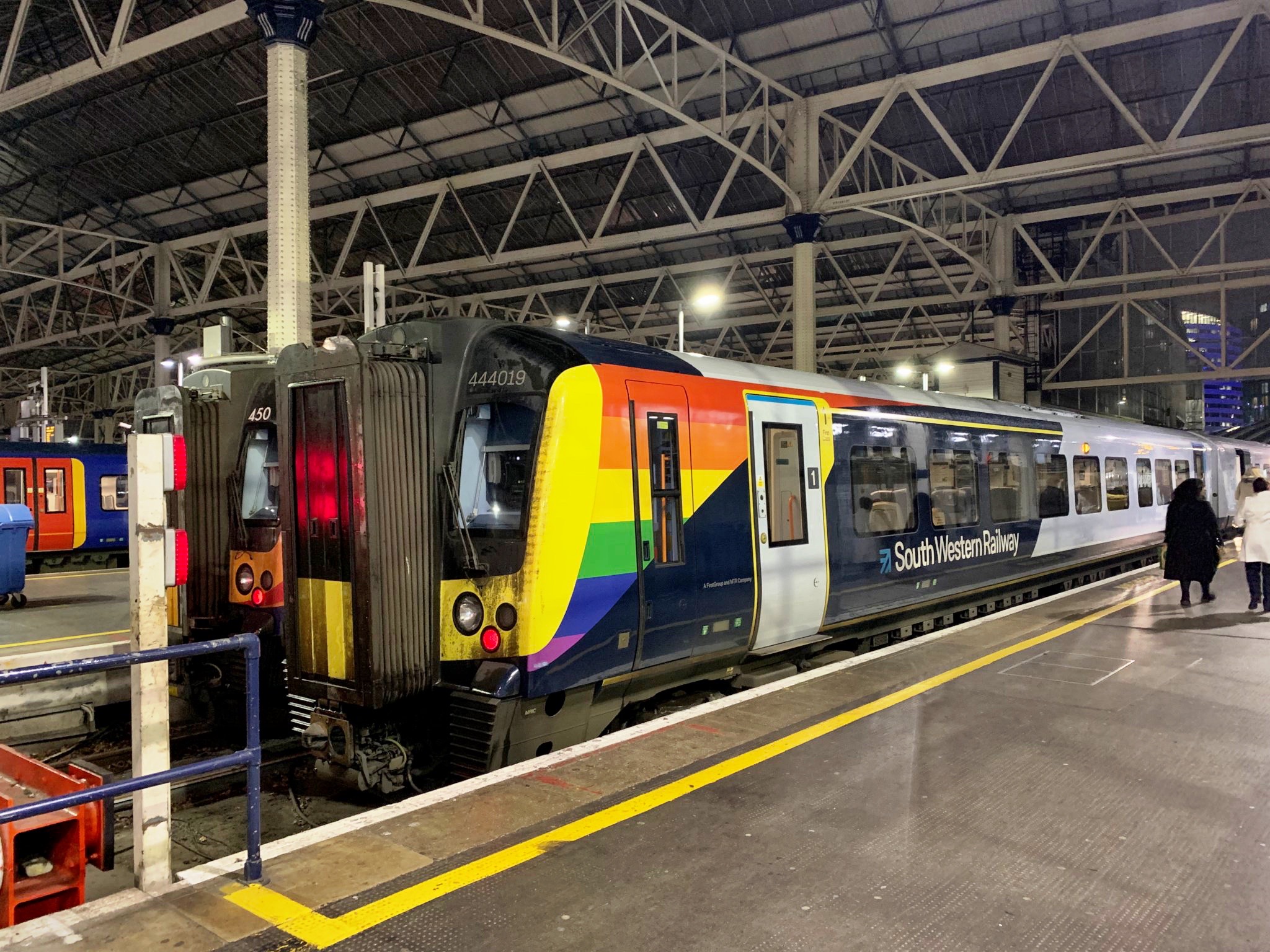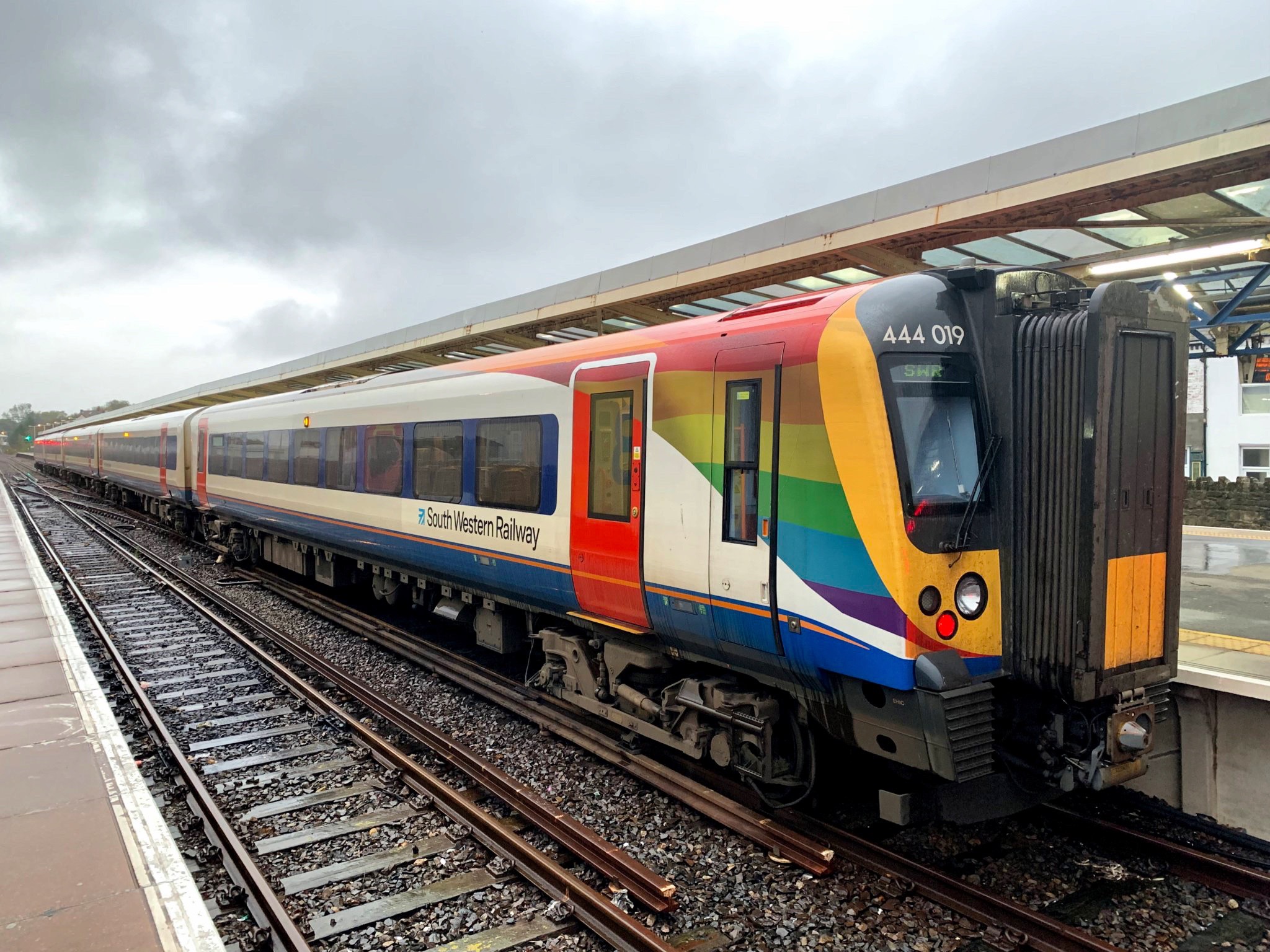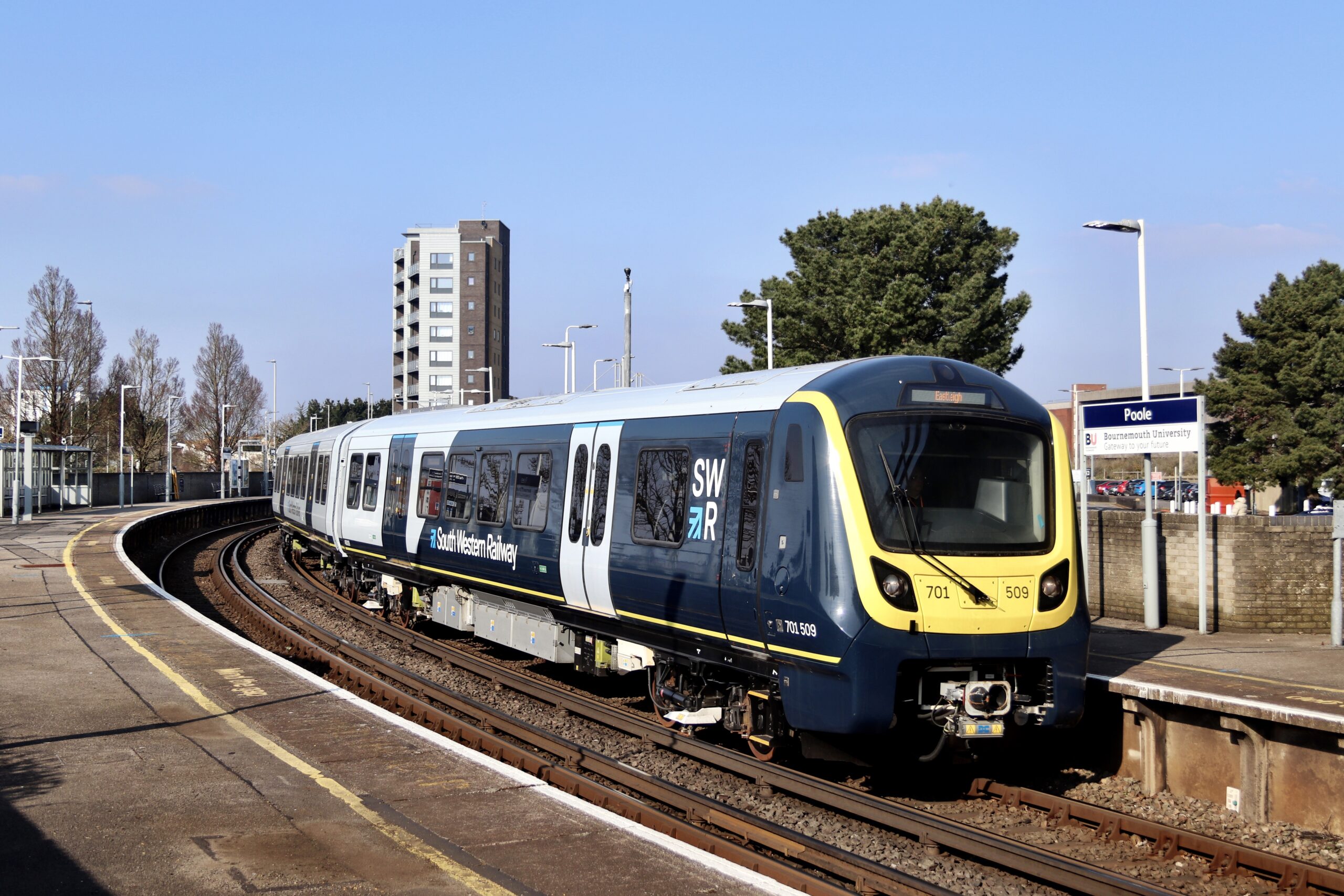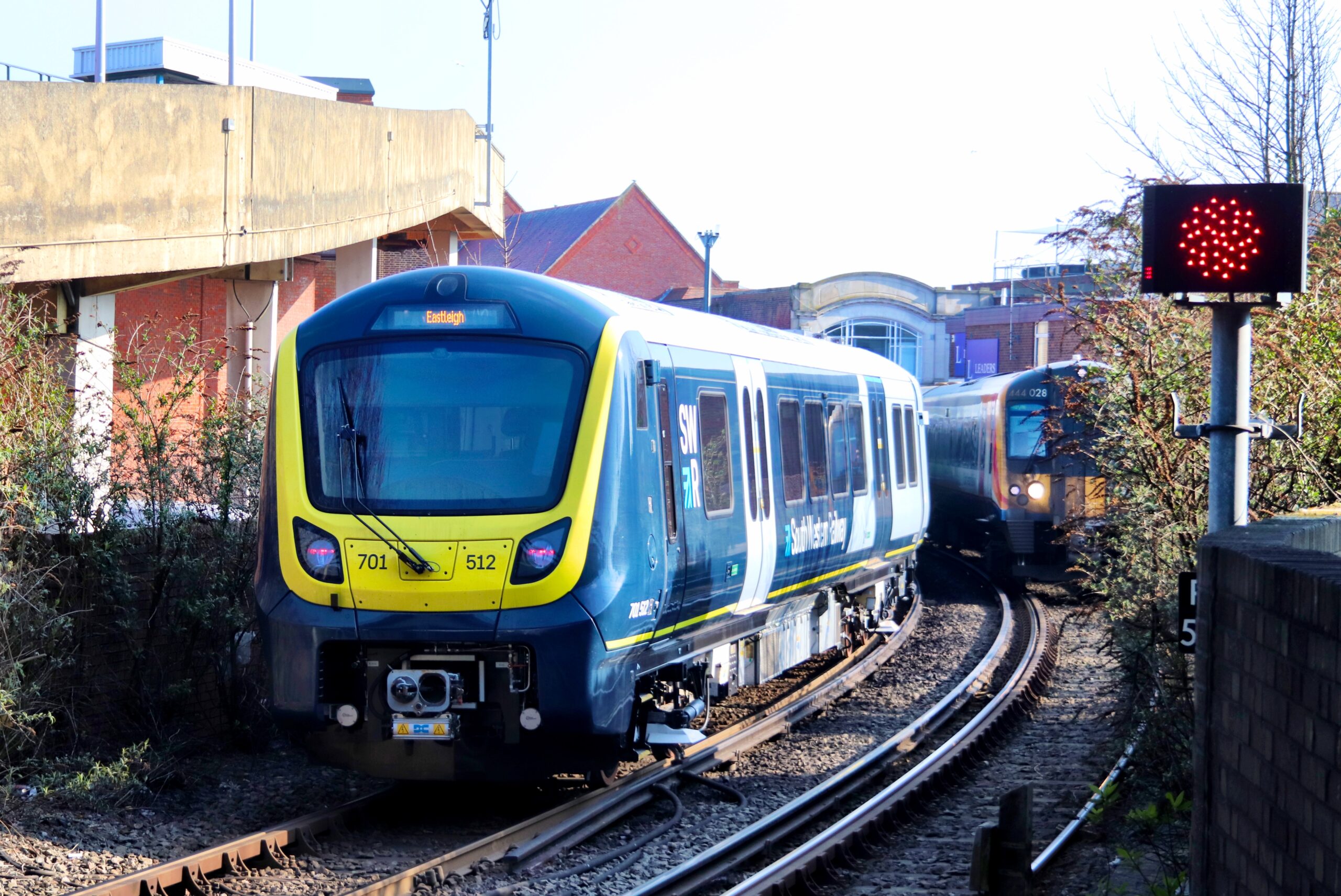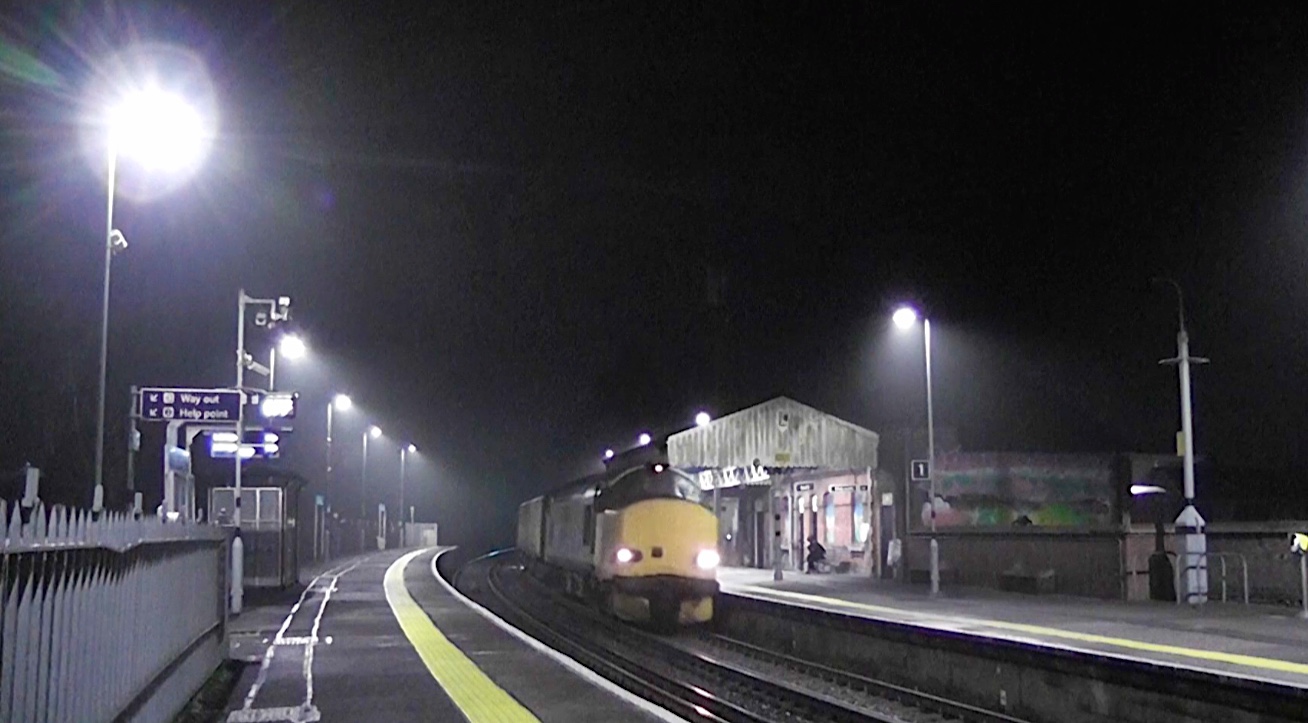
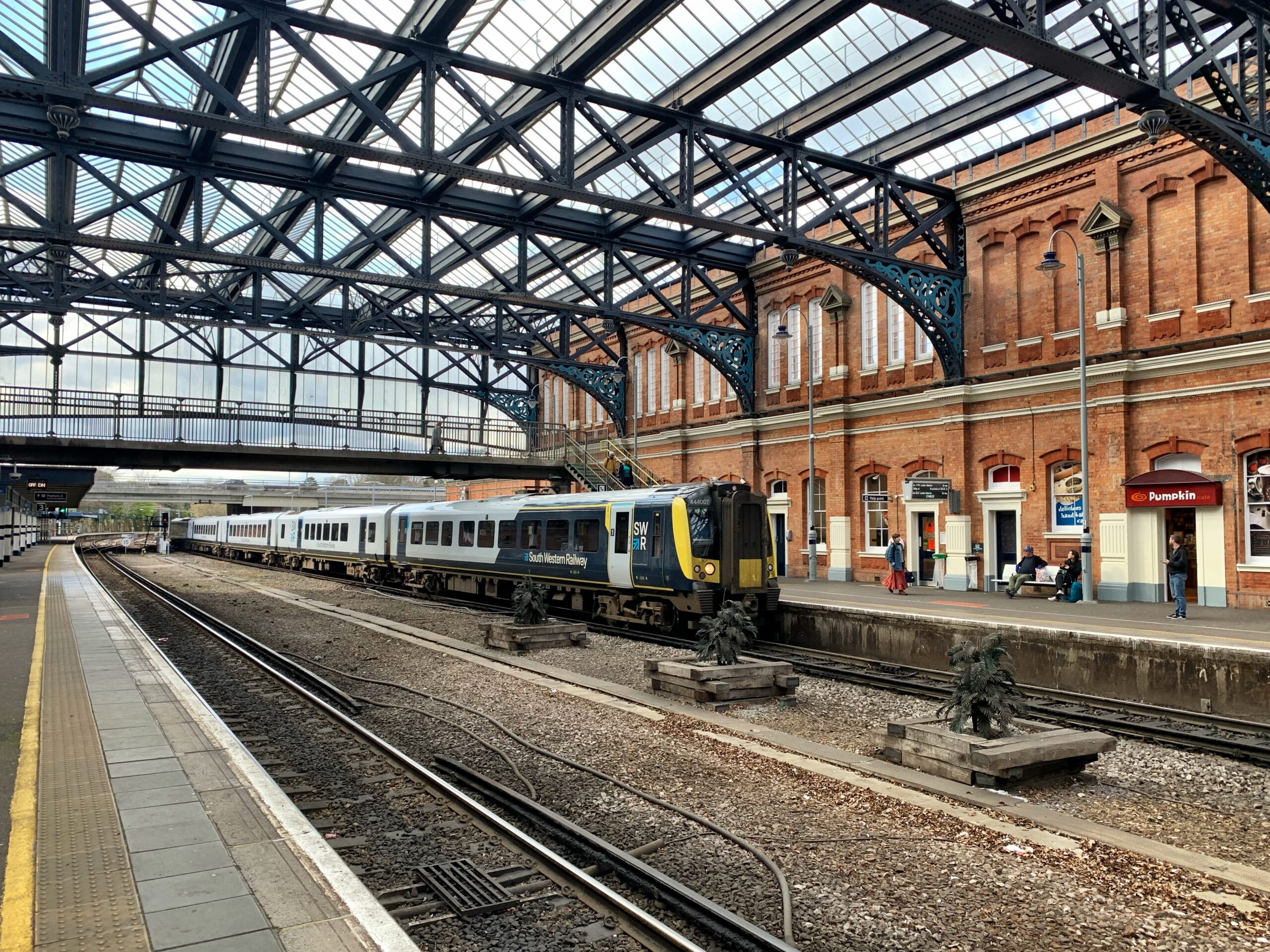
Thursday 13th April was greeted by South Western Railway (SWR) announcing a major fault at @0300 in the cabling that powers the signalling systems at London Waterloo. This knocked out 14 of the platforms. Consequently passengers were advised not to travel on routes into the busiest railway station in Britain with 41.4 million customers travelling through every year. Engineers fixed the problem by 1130, however because of the length of time the lines were blocked SWR was expecting disruption until the end of the day. For some reason, a number of trains between Weymouth and Poole / Bournemouth were cancelled. We asked SWR why and were told it was “due to staff and stock displacement”. There were three Class 444 Electric Multiple Units in Weymouth station so I can only assume SWR have not heard of taxis to get staff to Weymouth. Yet again the Bournemouth to Weymouth line is mostly disregarded when it comes to providing a train service.

However, Bournemouth station has been chosen to showcase a new, green addition on the platforms. SWR has introduced new, more energy-efficient vending machines as part of a world-leading, innovative new trial having partnered with Christchurch-based Decorum Vending, who have worked with Regency Design and phs Greenleaf to design the world’s first “living walls” that can be attached to the sides of vending machines.
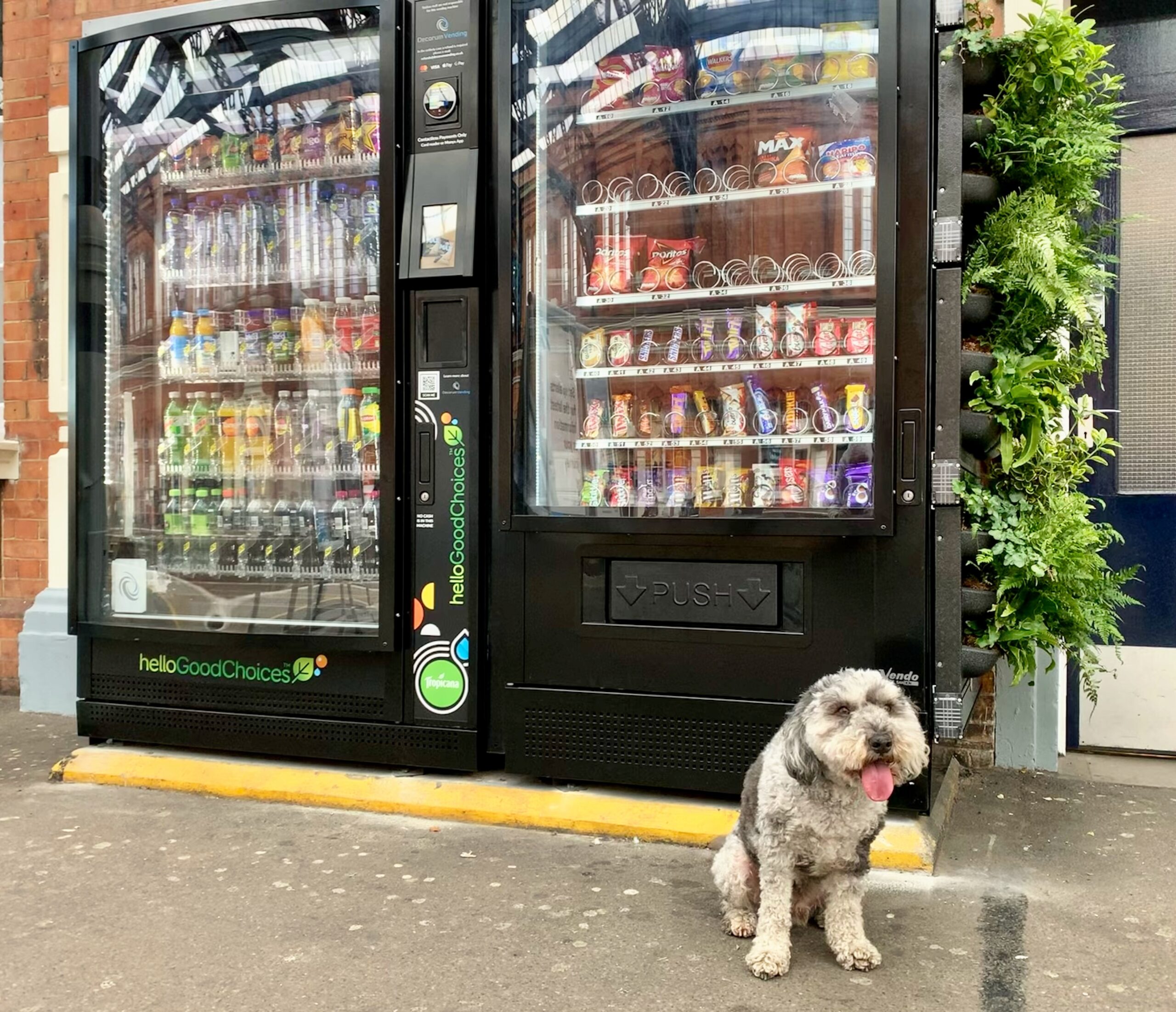
The living walls – which are small, self-sufficient, vertical gardens – have been developed to thrive in all locations, whether sunlight, shady or covered, and if the trial at Bournemouth is successful, they will be making an appearance on machines at other locations on the SWR network. The living walls are attached to an advanced vending machine which uses 54% less electricity than previous versions and has a smaller environmental impact through the use of upgraded refrigerants. Annually, each wall consumes nearly 5kg of carbon and produces 2.4kg of oxygen while combatting air pollution and increasing biodiversity. The walls’ structures are made from recycled coffee grounds and all removed plants are recycled back into biomass. Living walls have been proven to effectively reduce harmful nitrogen oxides while providing a boost to biodiversity, by providing accessible habitats for insects and other wildlife.

The new vending machines join other innovations in Bournemouth including station benches made from recycled plastic bottles and a plastic-free dispenser for both still and sparkling water.

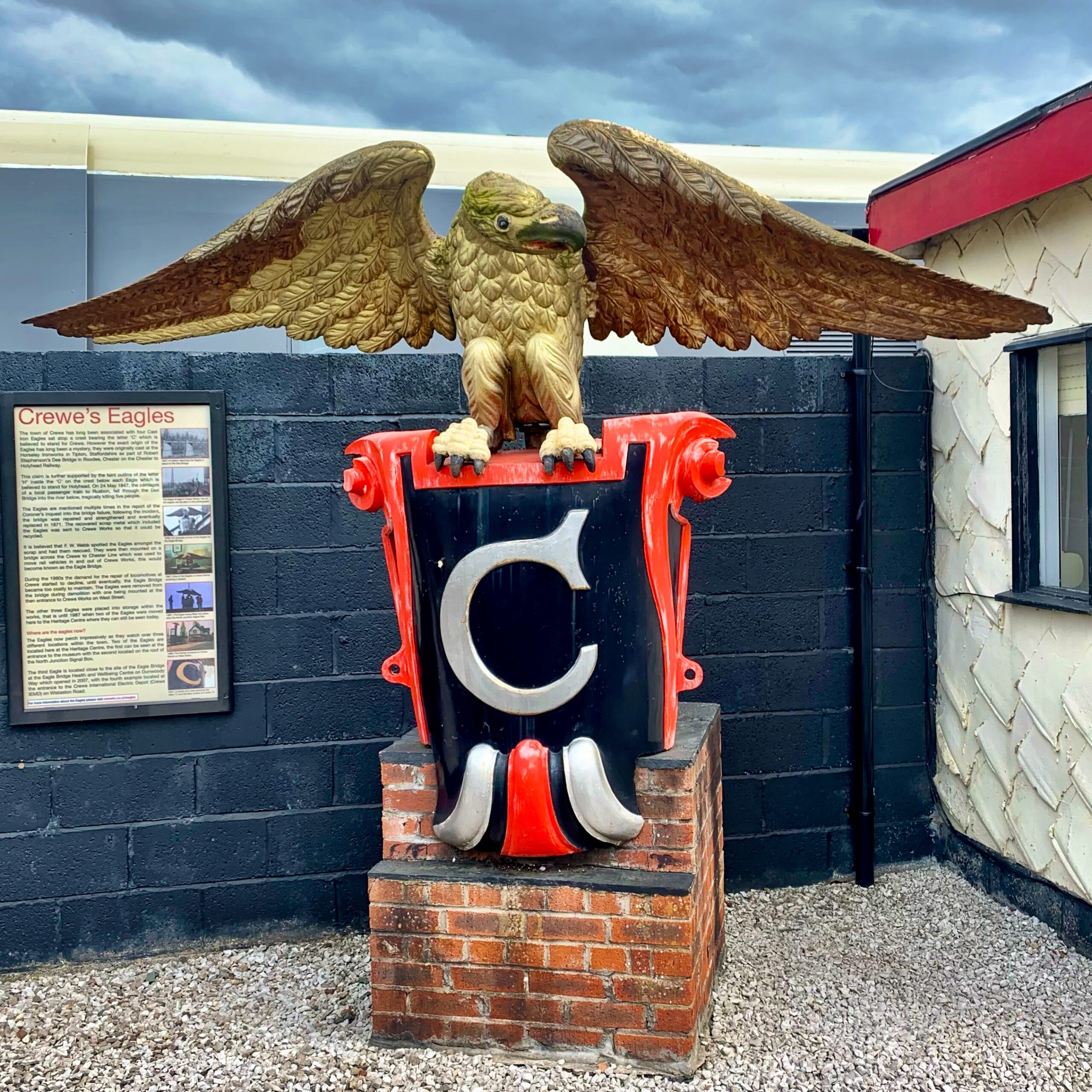
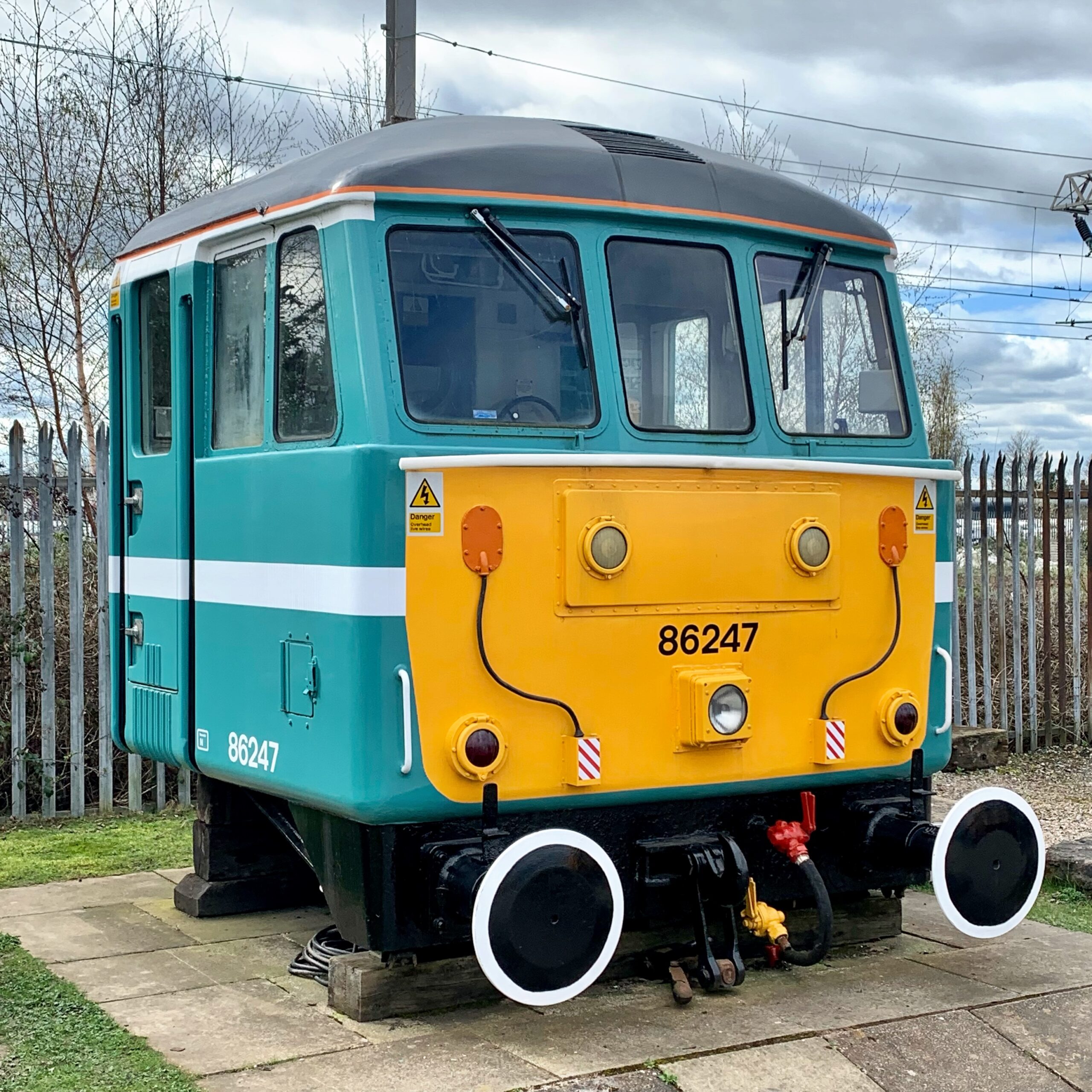
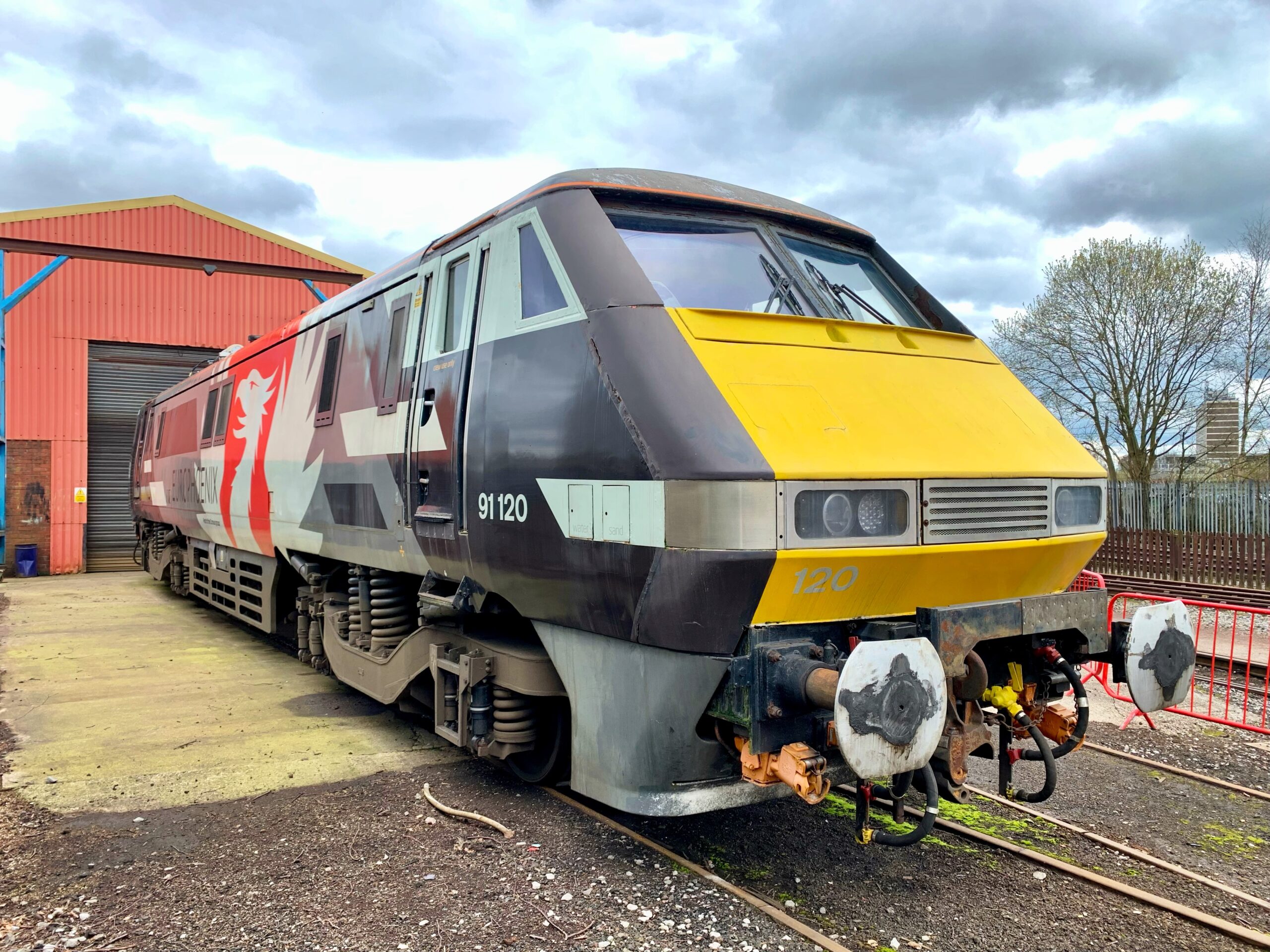
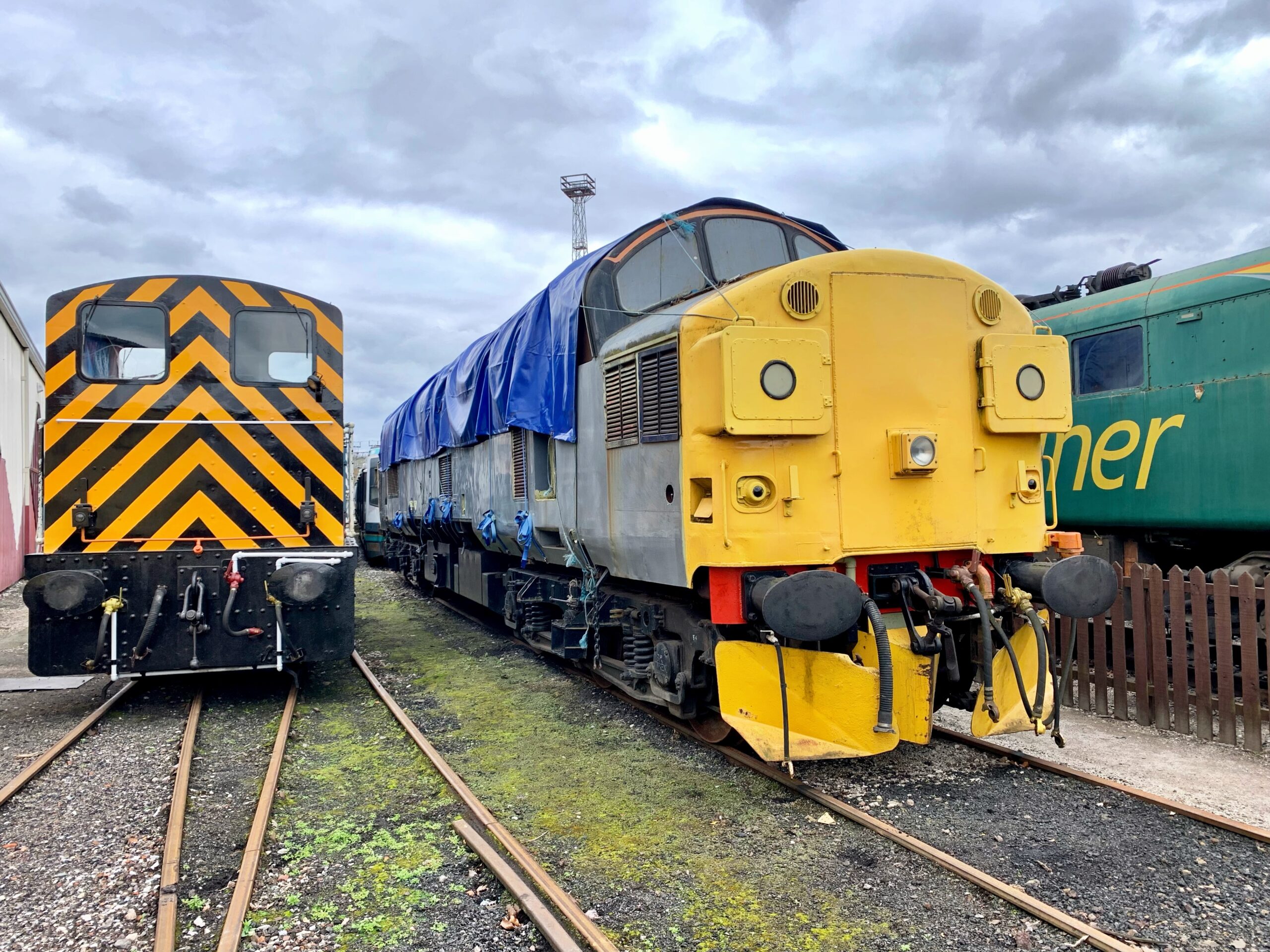
We posted photos of our recent visit to the Crewe Heritage Centre last week. We were in Crewe to take part in an Inter City Railway Society organised visit to Crewe Basford Hall Yard, a railway marshalling yard which since the 1970’s has been the stabling and swapping of intermodal trains operated by the Freightliner Group. The yard is situated just under a mile south of Crew railway station and was originally opened in 1901 by the London & North Western Railway (LNWR). During the 1930’s, Basford Hall was the busiest marshalling yard in Europe, handing between 28,000 and 47,000 wagons every week.
We arrived in good time at the 1145 meeting point situated at the entrance to Basford Hall. Parking was limited, and we were very grateful that another car shunted forward to allow enough space to squeeze in a Nissan Note. After signing in and handing over our fee, we joined an expectant number of other enthusiasts to await the safety briefing prior to admission into the yard. It was stressed that visitors should be in good health as on a previous visit a member of an enthusiast group had been taking ill through the exertion of walking over uneven surfaces and railway track.


The yard, still one of the busiest in the UK for freight traffic, is a nationally important node on the West Coast Main Line (WCML), with most freight trains routed through the yard in order to avoid congesting the nearby Crewe railway station, which is also an important junction on the WCML for passengers.
Prior to the privatisation of British Rail (BR), Freightliner trains would run from various locations in the north which were then re-organised at Basford Hall to make whole trains for other locations. In 1992, the destination roster was changed so that all services stopped at Crewe to allow swapping of containers. This meant that any destination or point of origin was possible with only one change. Whilst this process has lessened in the 21st century, Basford Hall is still an important location for the stabling and rearranging of trains for Freightliner’s intermodal network.
Freightliner also stable non-intermodal freight trains at Basford Hall, and they have a maintenance location on site for wagons and locomotives, with heavier repairs and maintenance is still undertaken at Leeds Midland Road. A fuelling point was opened at Basford Hall in 1998, when the yard experienced an upsurge in traffic, with further remodelling of the down yard taking place in 2000. The traction maintenance depot (TMD) was opened on site in 2016, with the TOPS code of BA.
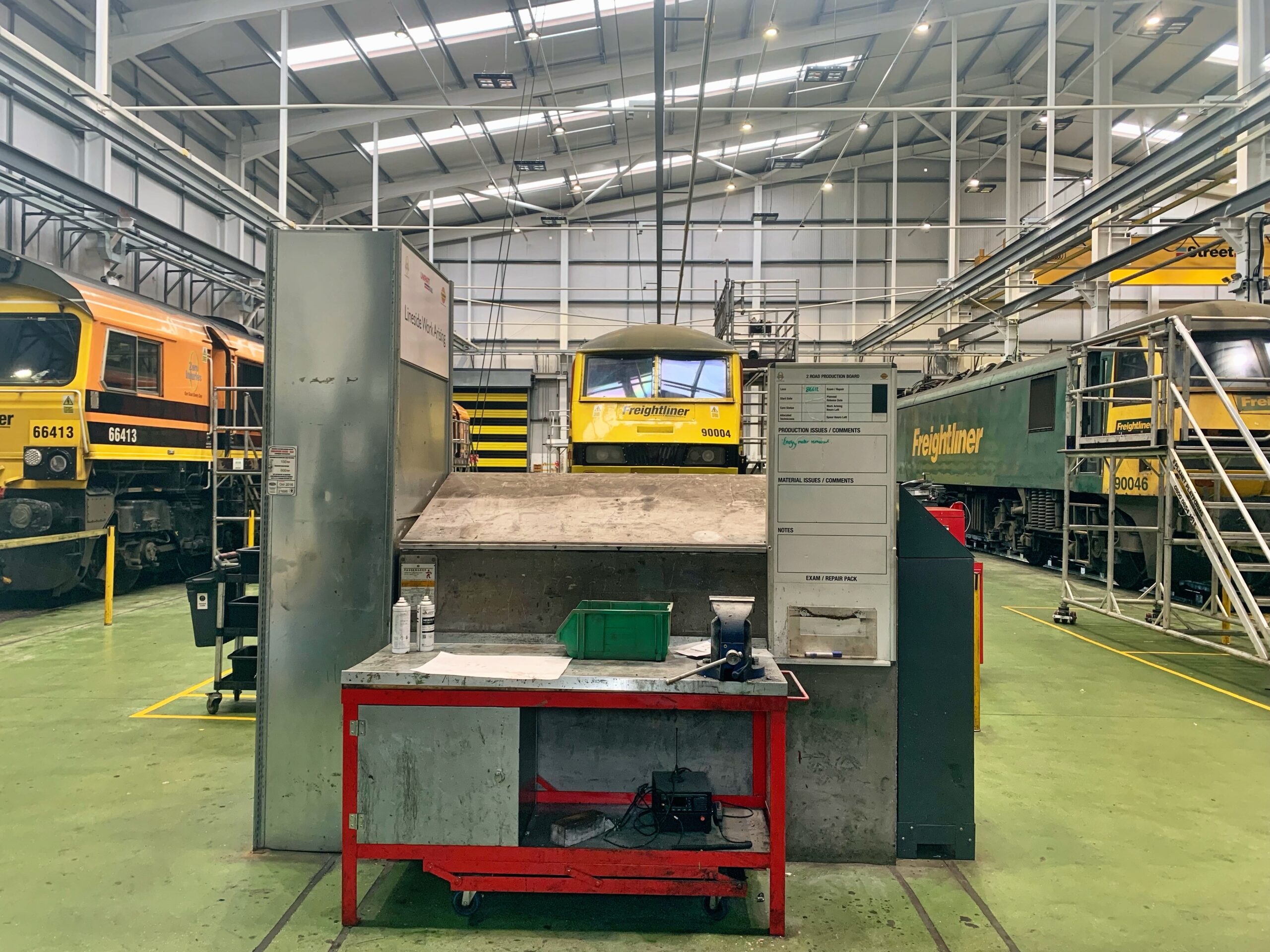
Crewe Vehicle Maintenance Facility is comprised of a two-road diesel Loco fuel point and a five-road maintenance shed. The facility operates 24/7 providing maintenance services for both electric and diesel locomotives across six types, Classes 08, 47, 66, 70 86 and 90. Home to Freightliner’s electric fleet, the Crewe VMF team carry out all planned maintenance activities on these locos including wheelset changes, bogie overhauls and transformer changes. In addition the team carry out servicing, maintenance and repair activities on the diesel fleet from the fuel point and also up to C exams on the Class 66’s in the maintenance shed. The team is currently expanding into class 66 engine work as part of their 2020 maintenance development plan.
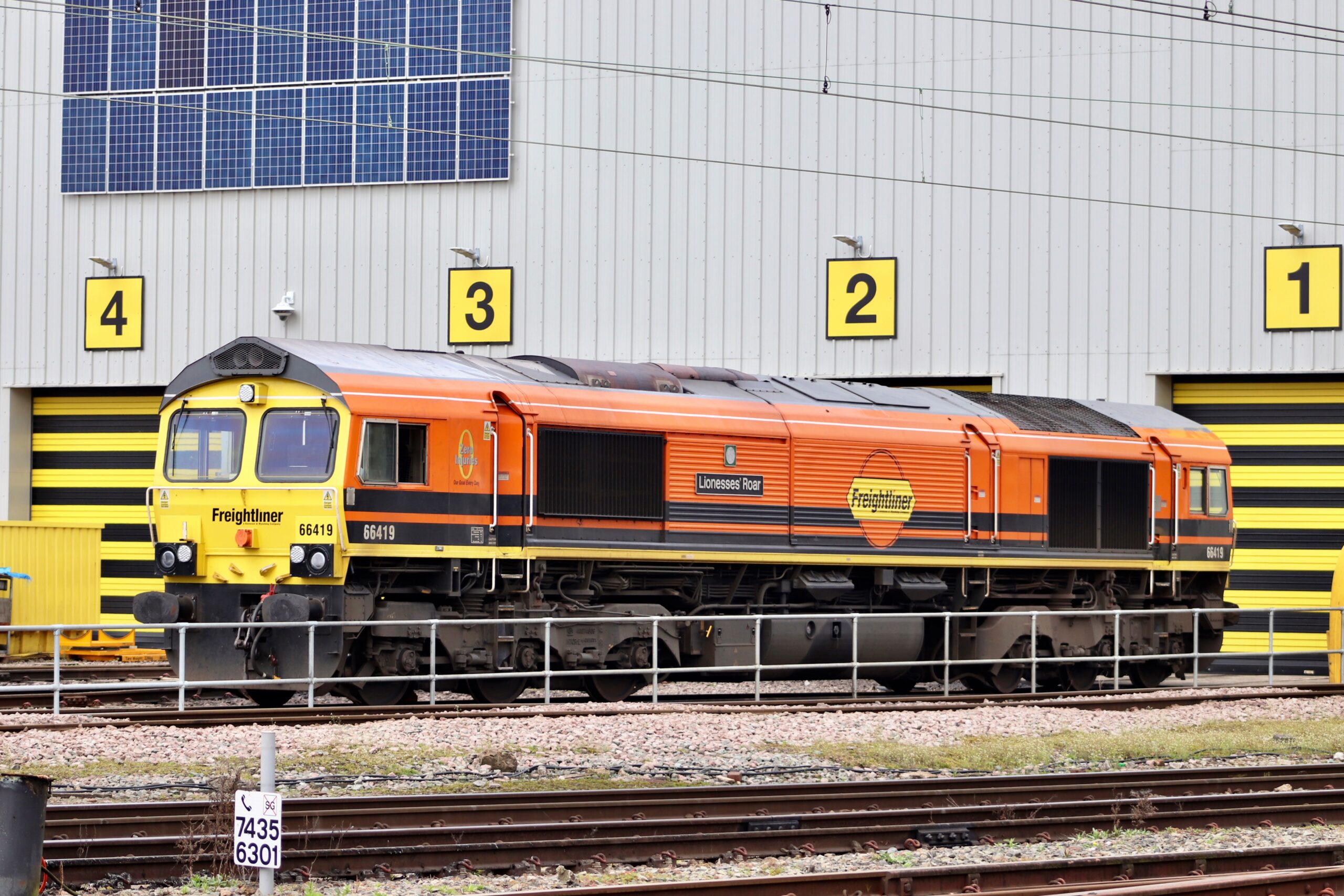
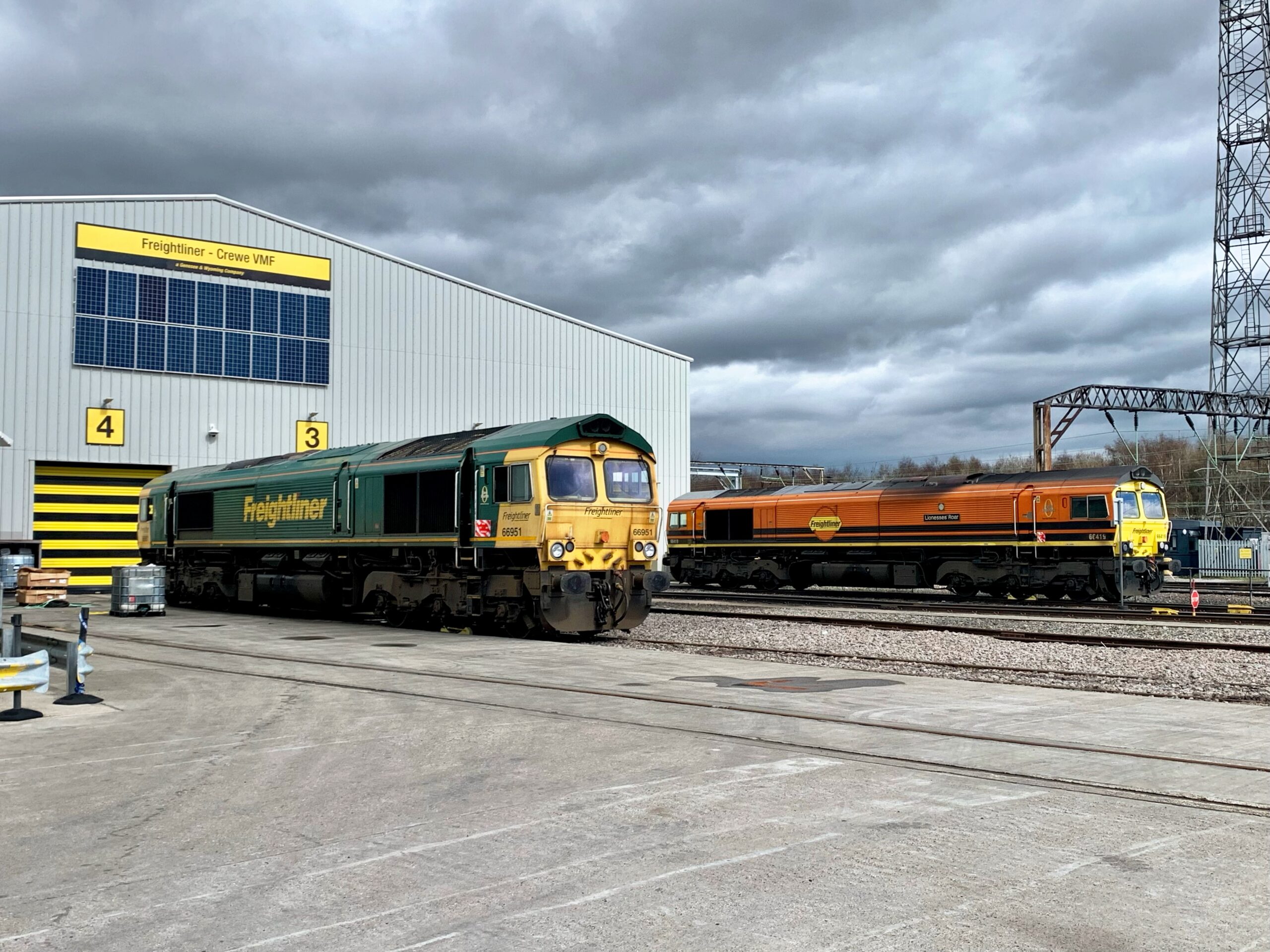
A team of mobile Field Service Engineers, managed from Crewe but strategically located throughout the country undertake planned maintenance and repairs in the field minimising locomotive downtime.
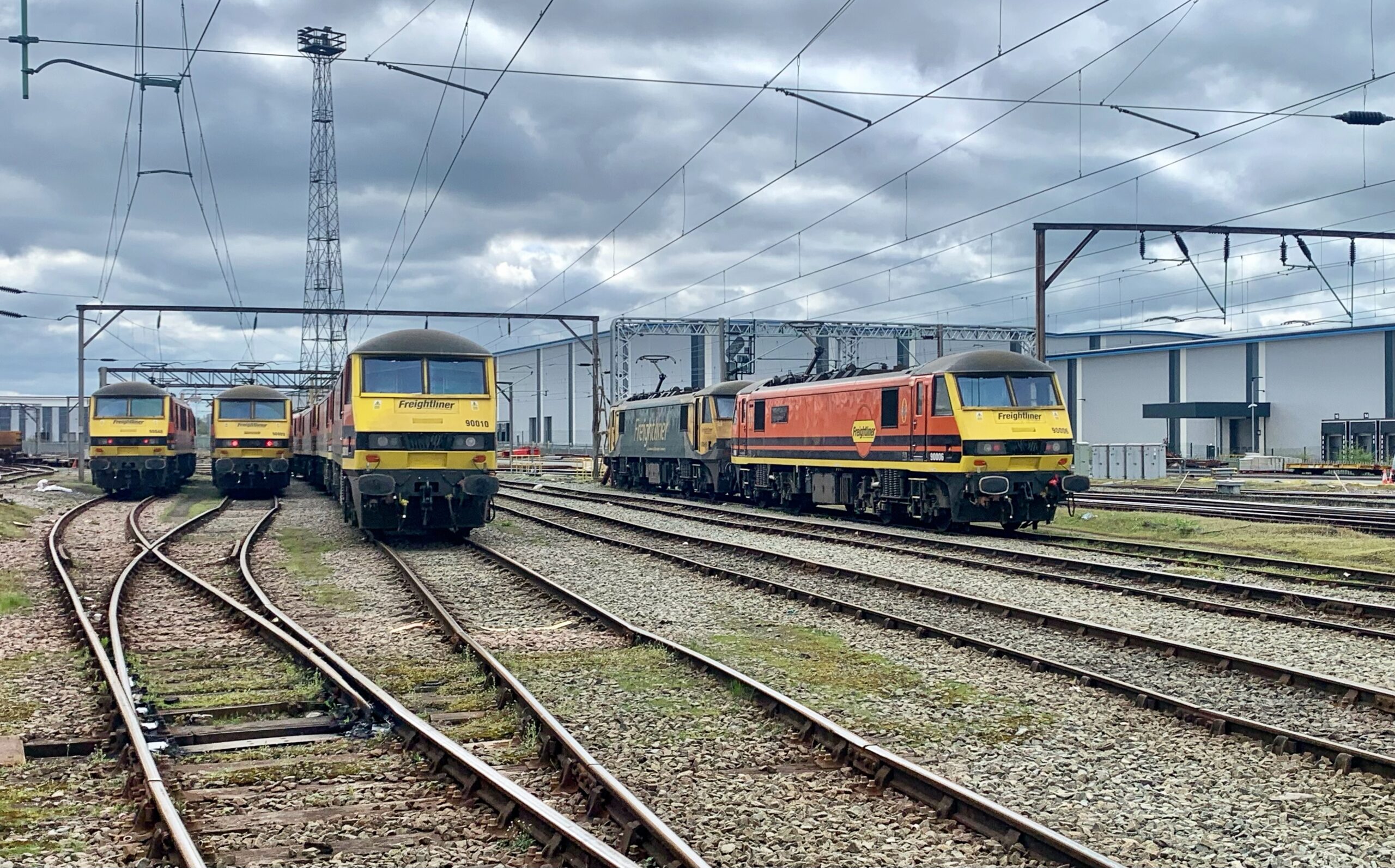

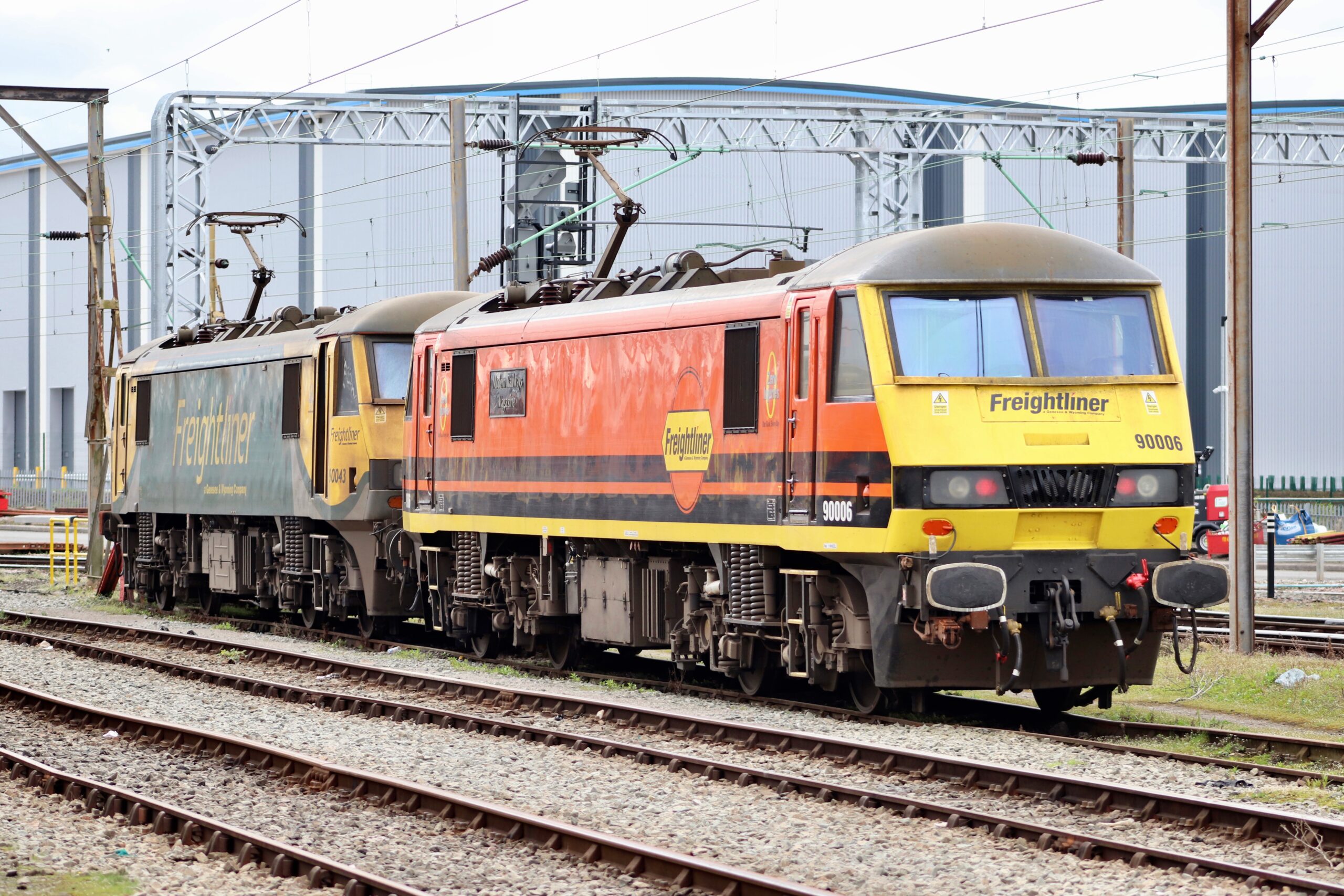
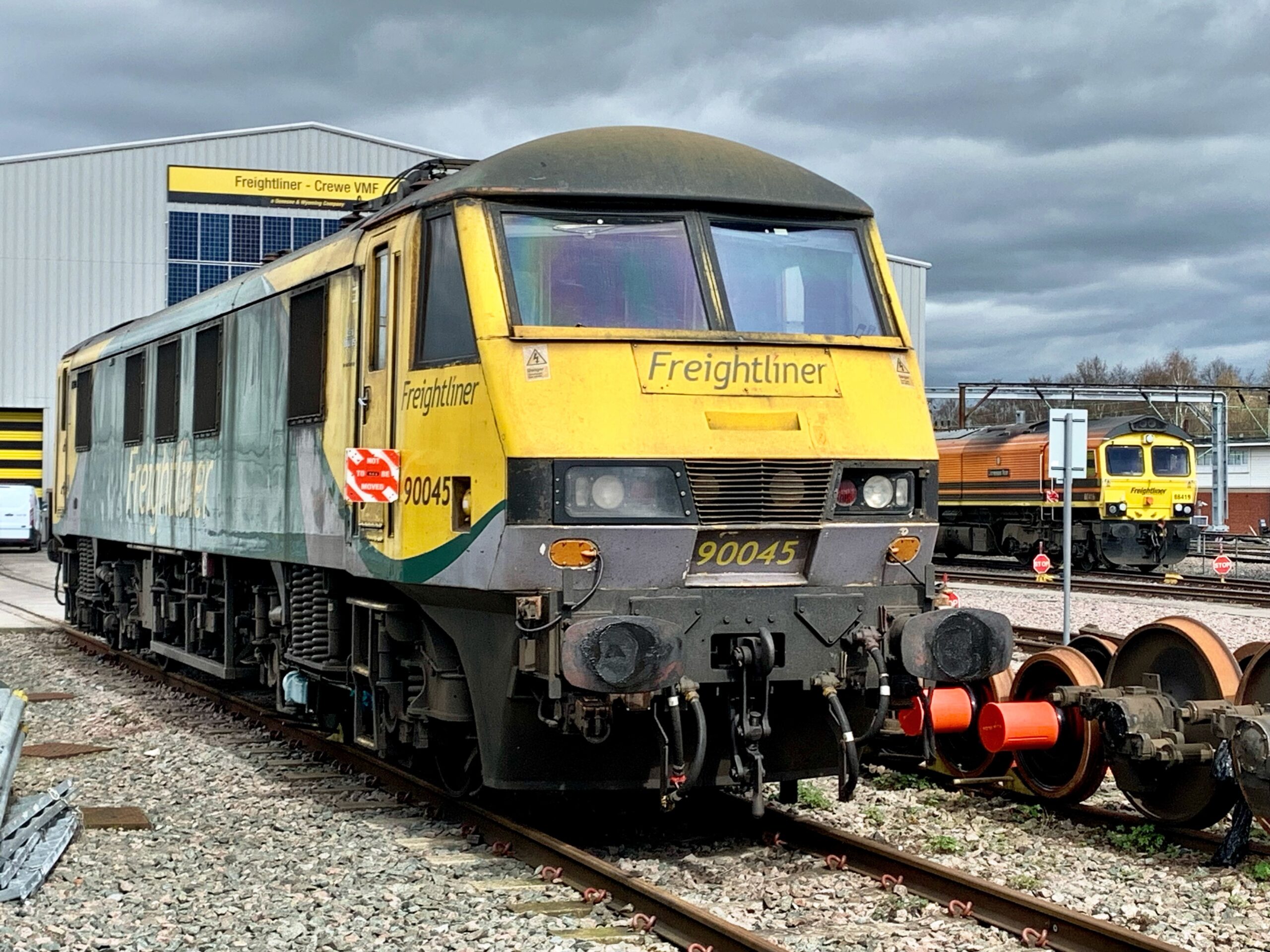
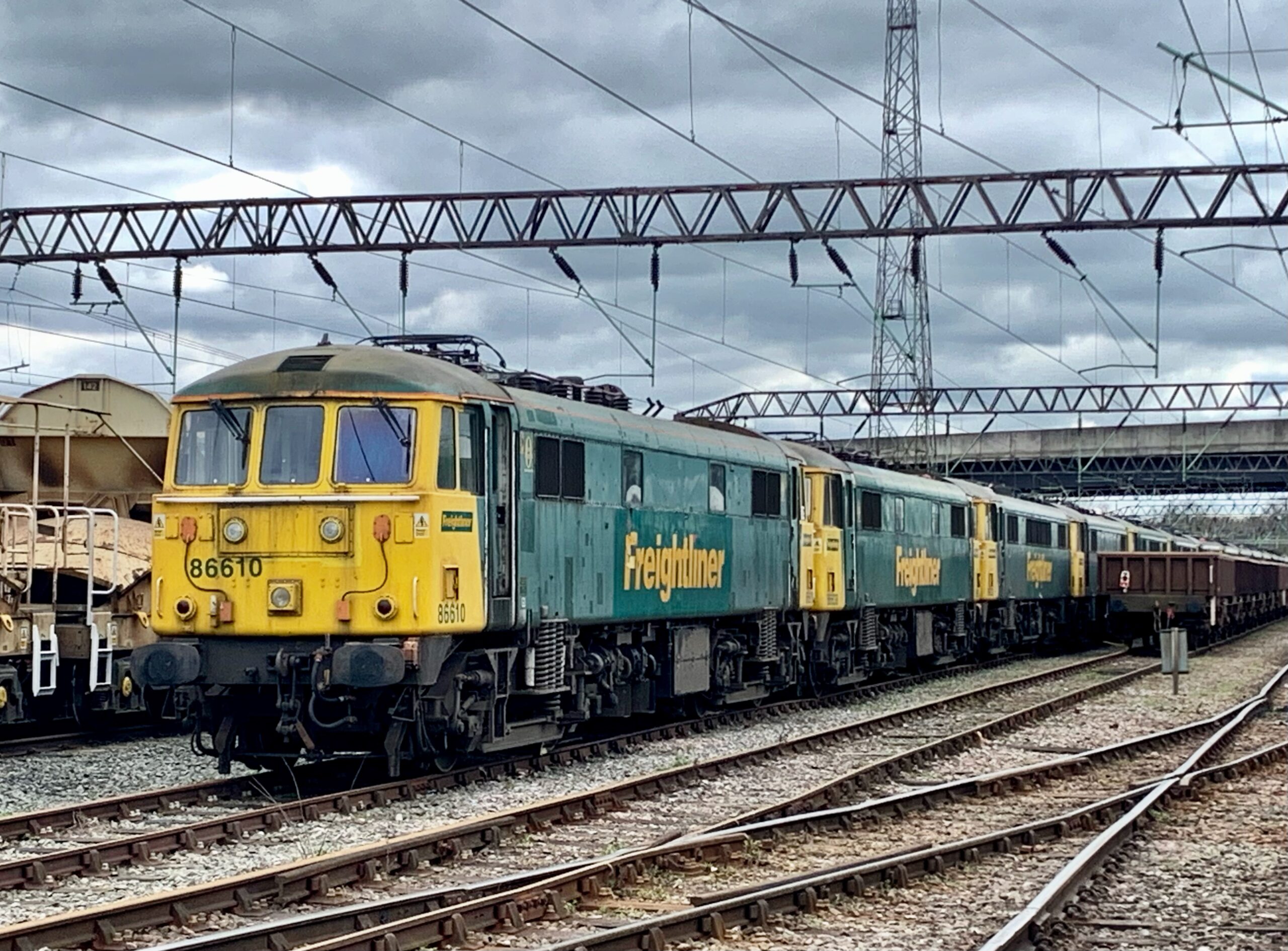
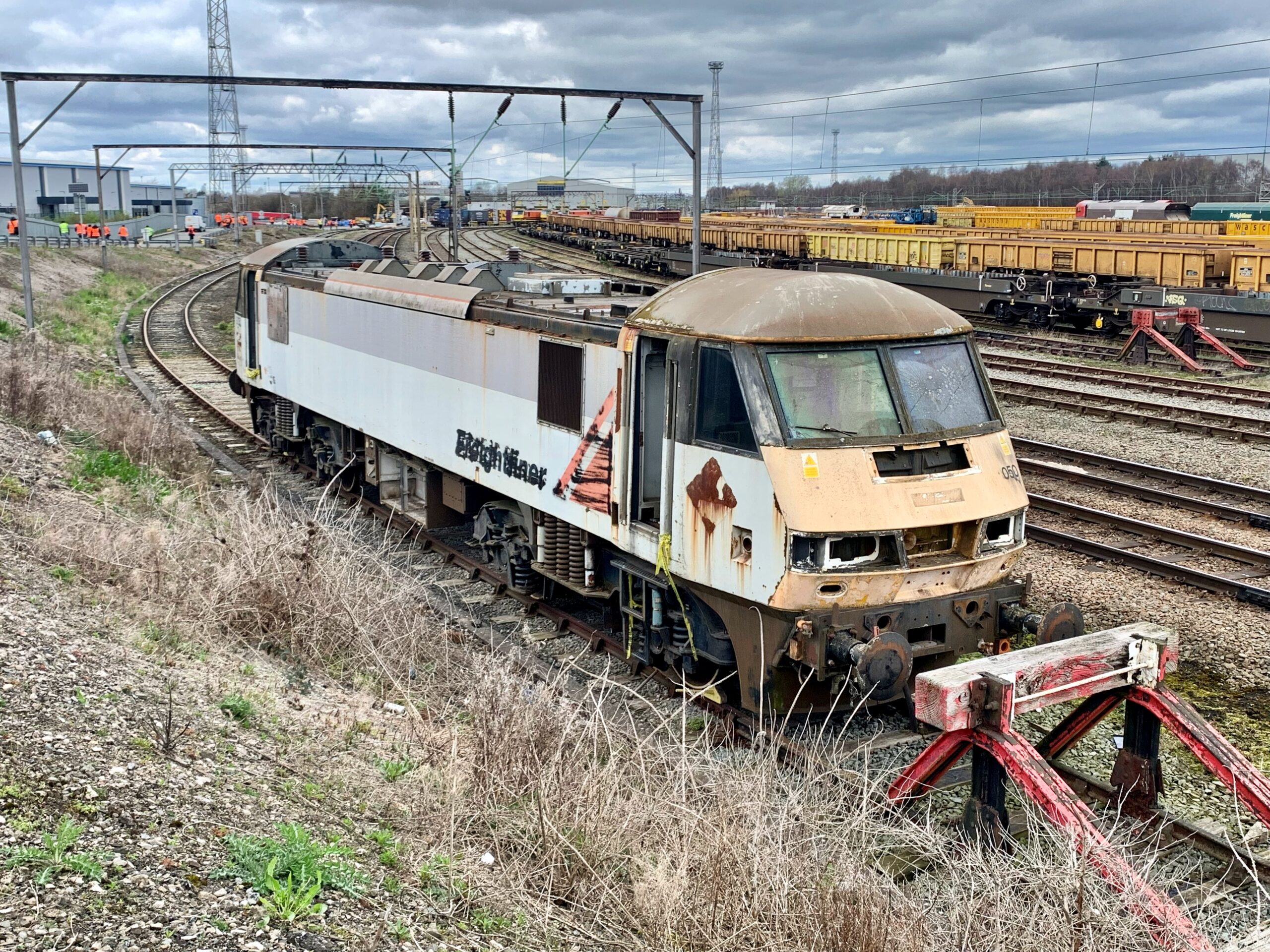
Our visit took just over an hour and I found it very enjoyable, although I understand that some in the group were very frustrated as they were unable to wander down every line of wagons in order to collect the numbers.
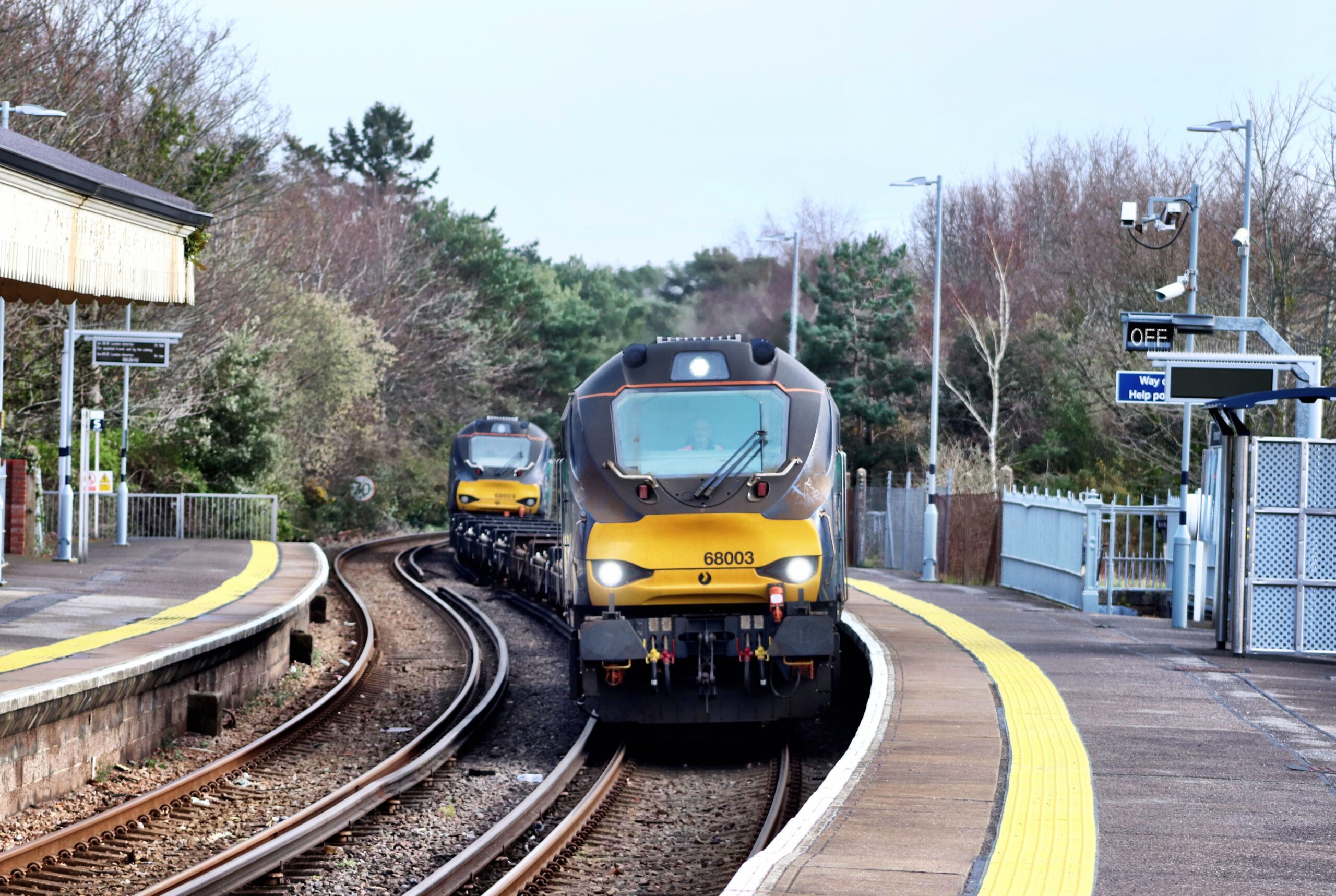
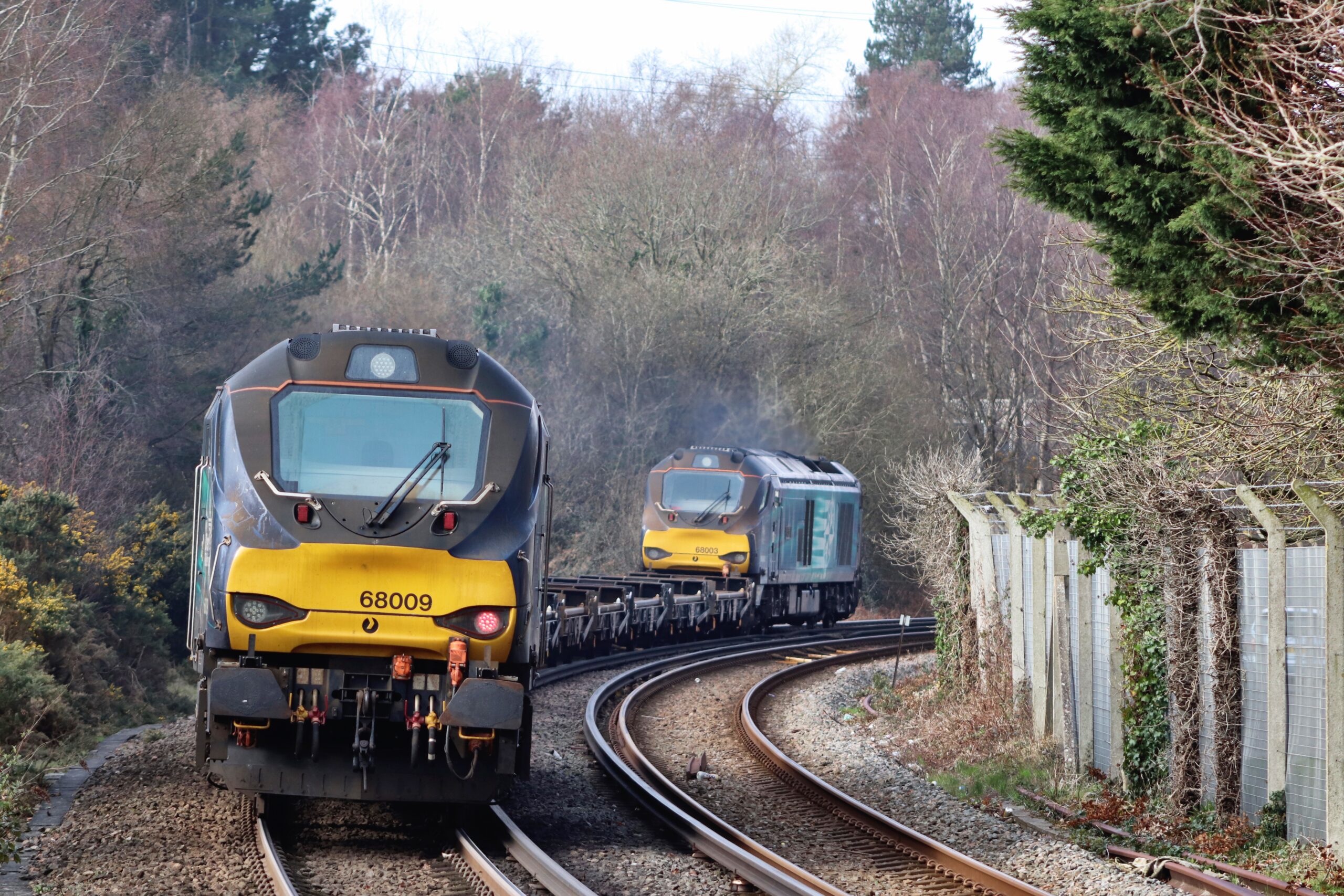
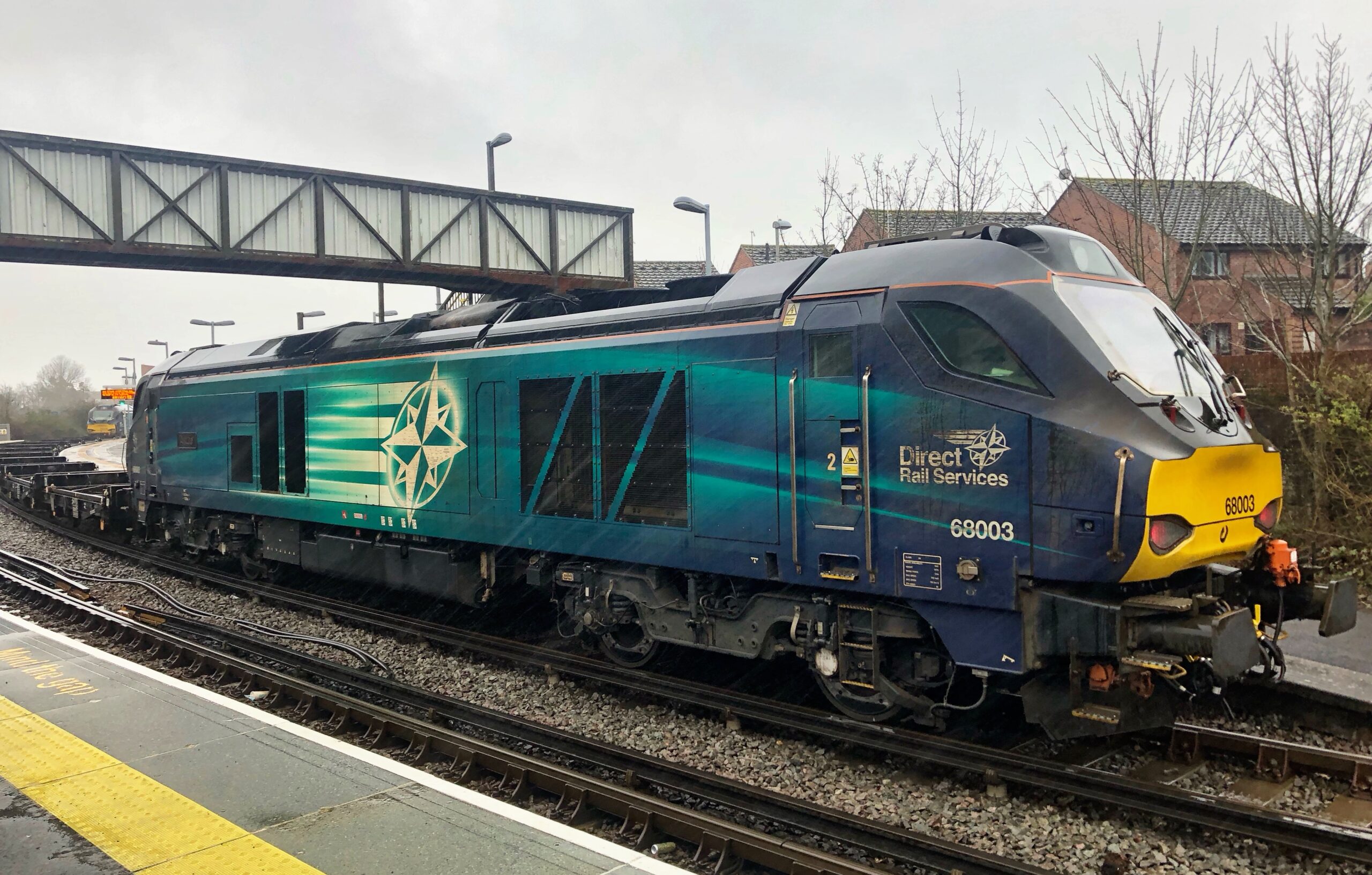
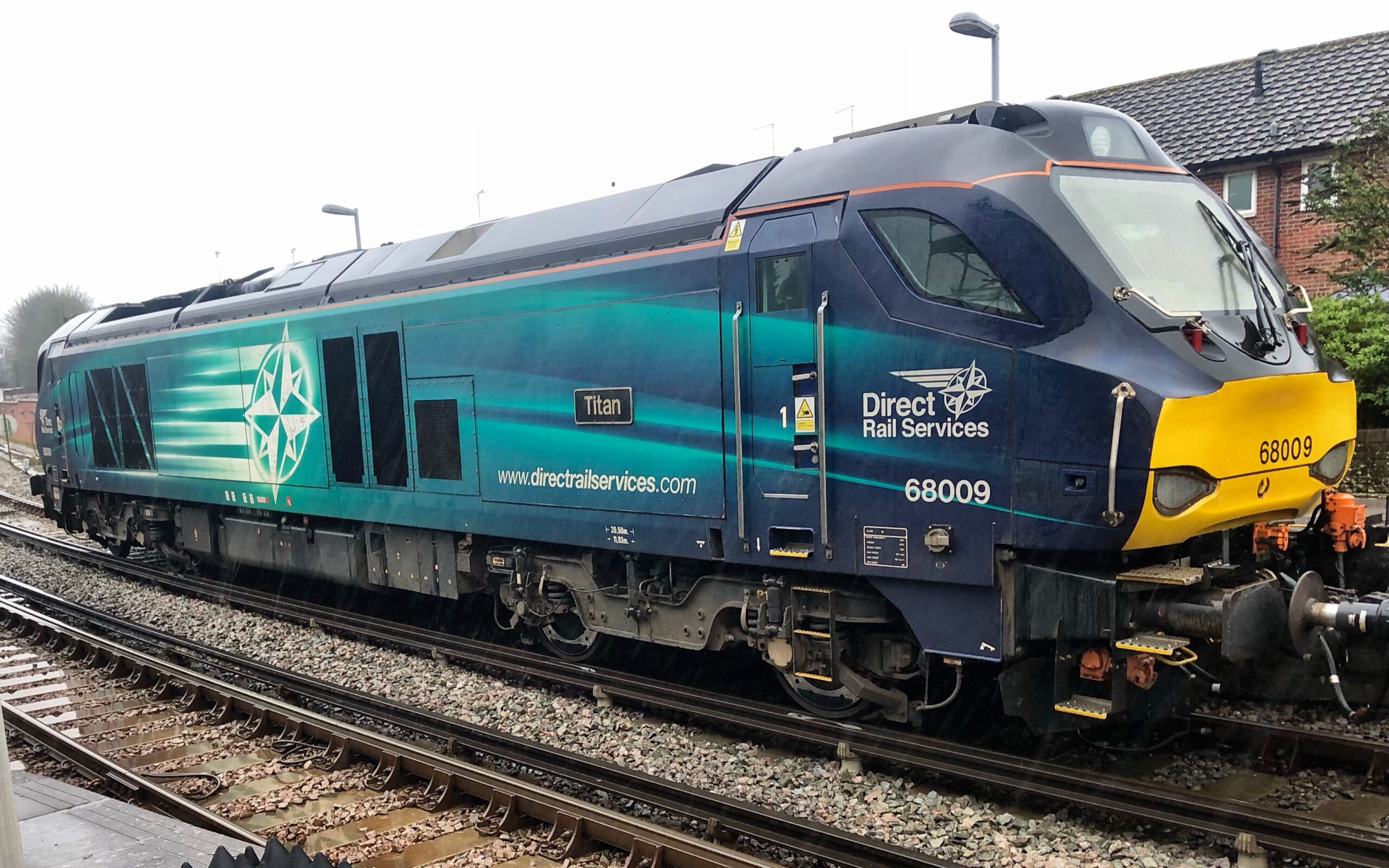
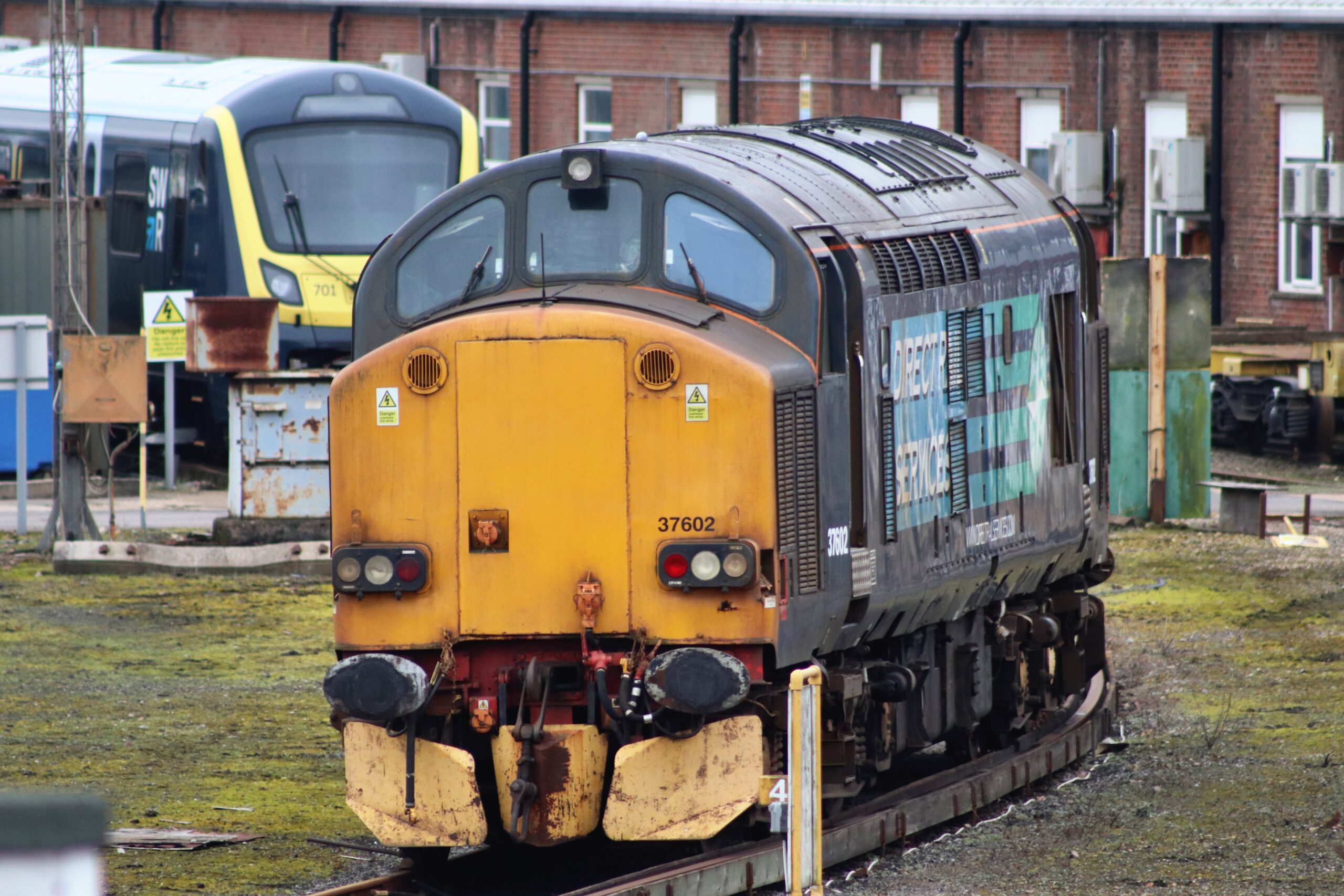
Afterwards, we made the short walk over the road to peer through the fence at Direct Rail Services Crewe facility and were able to obtain the following views:


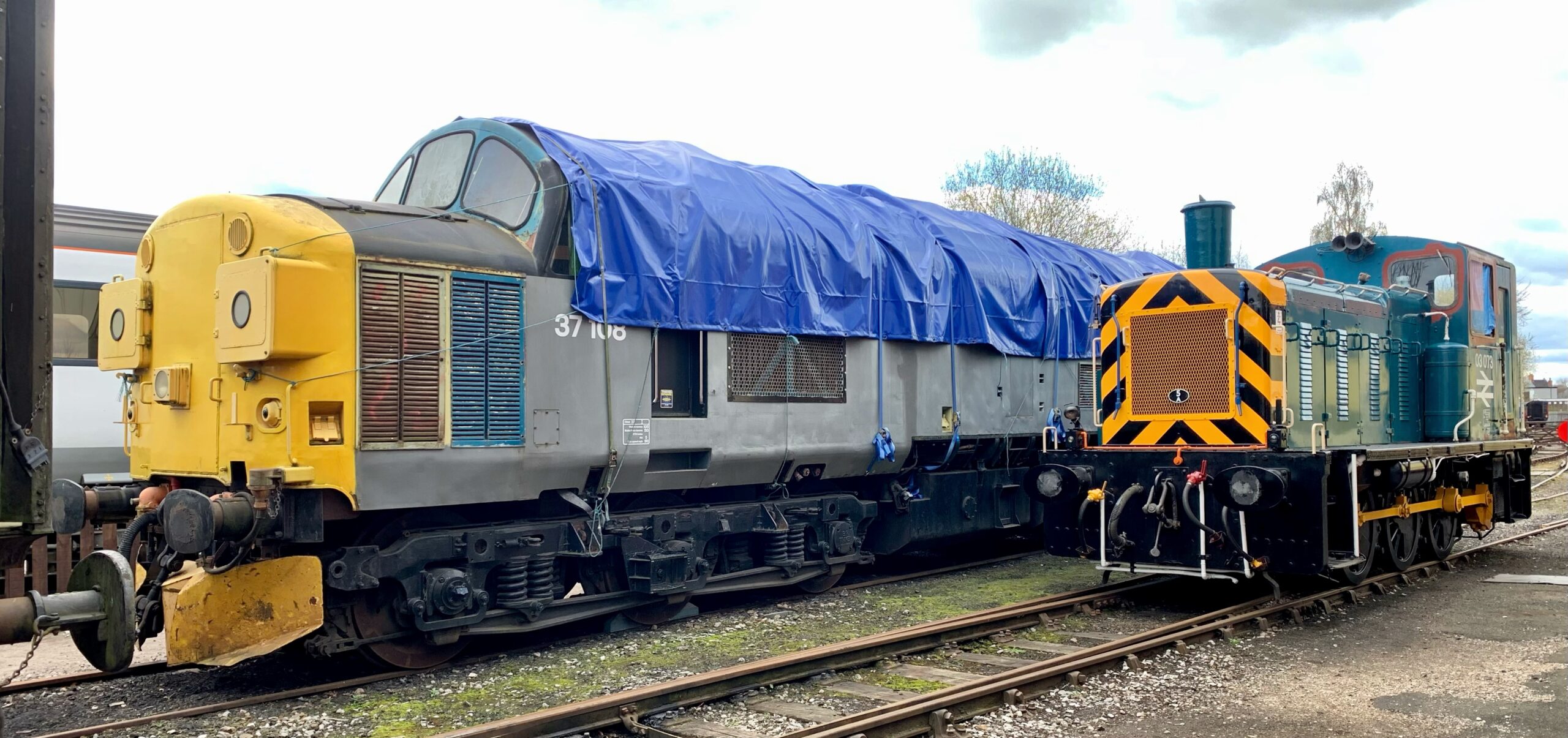
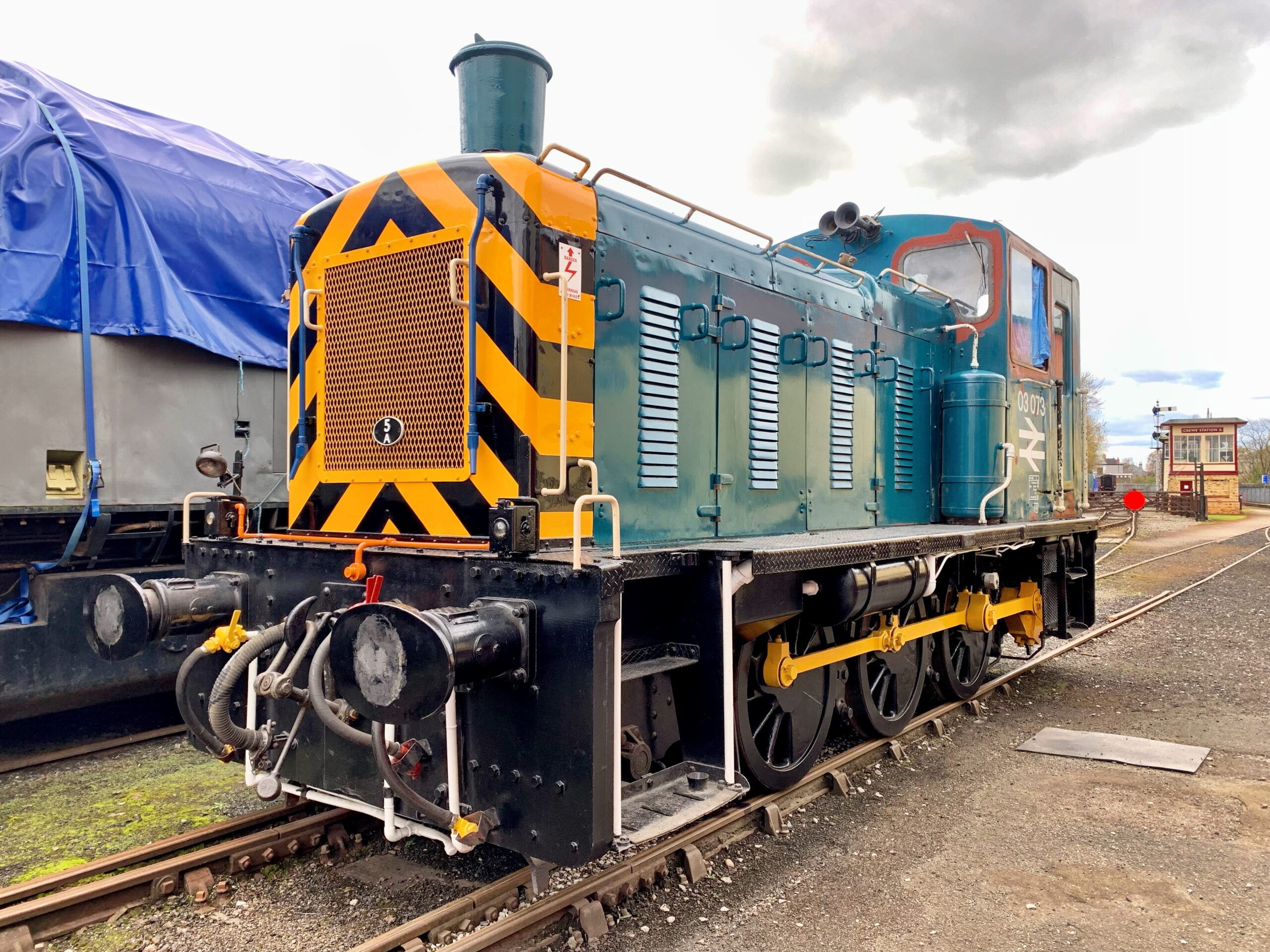
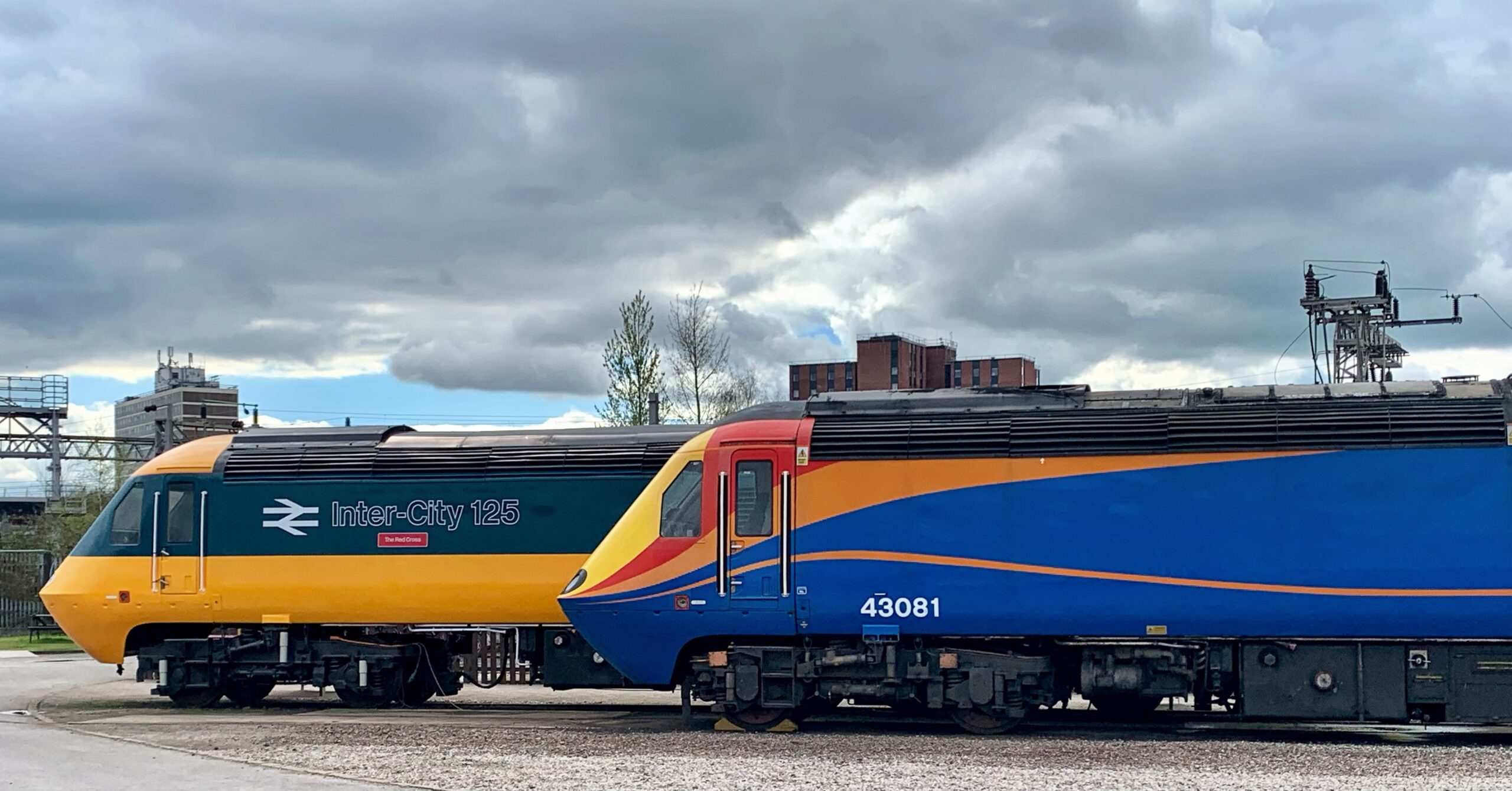
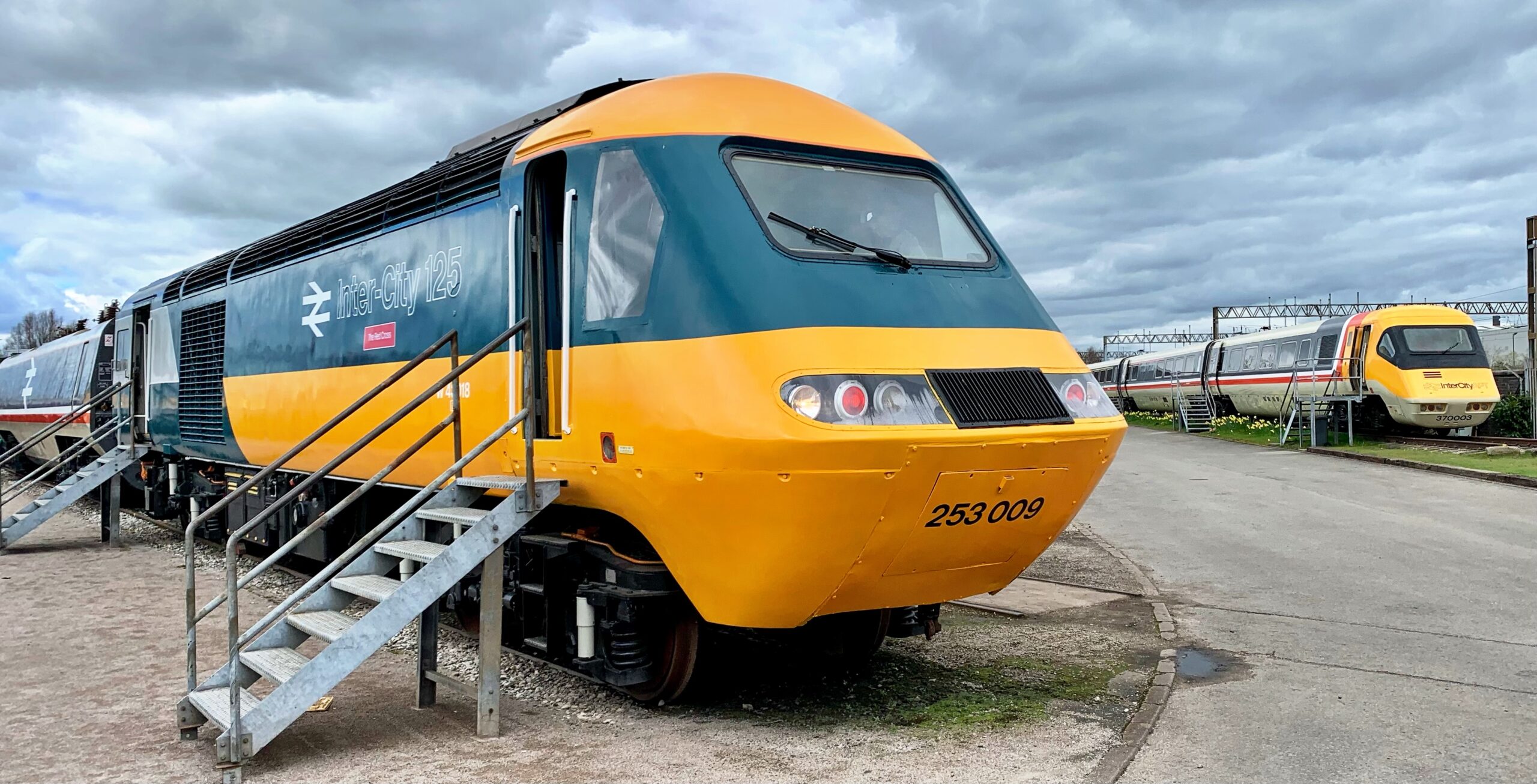
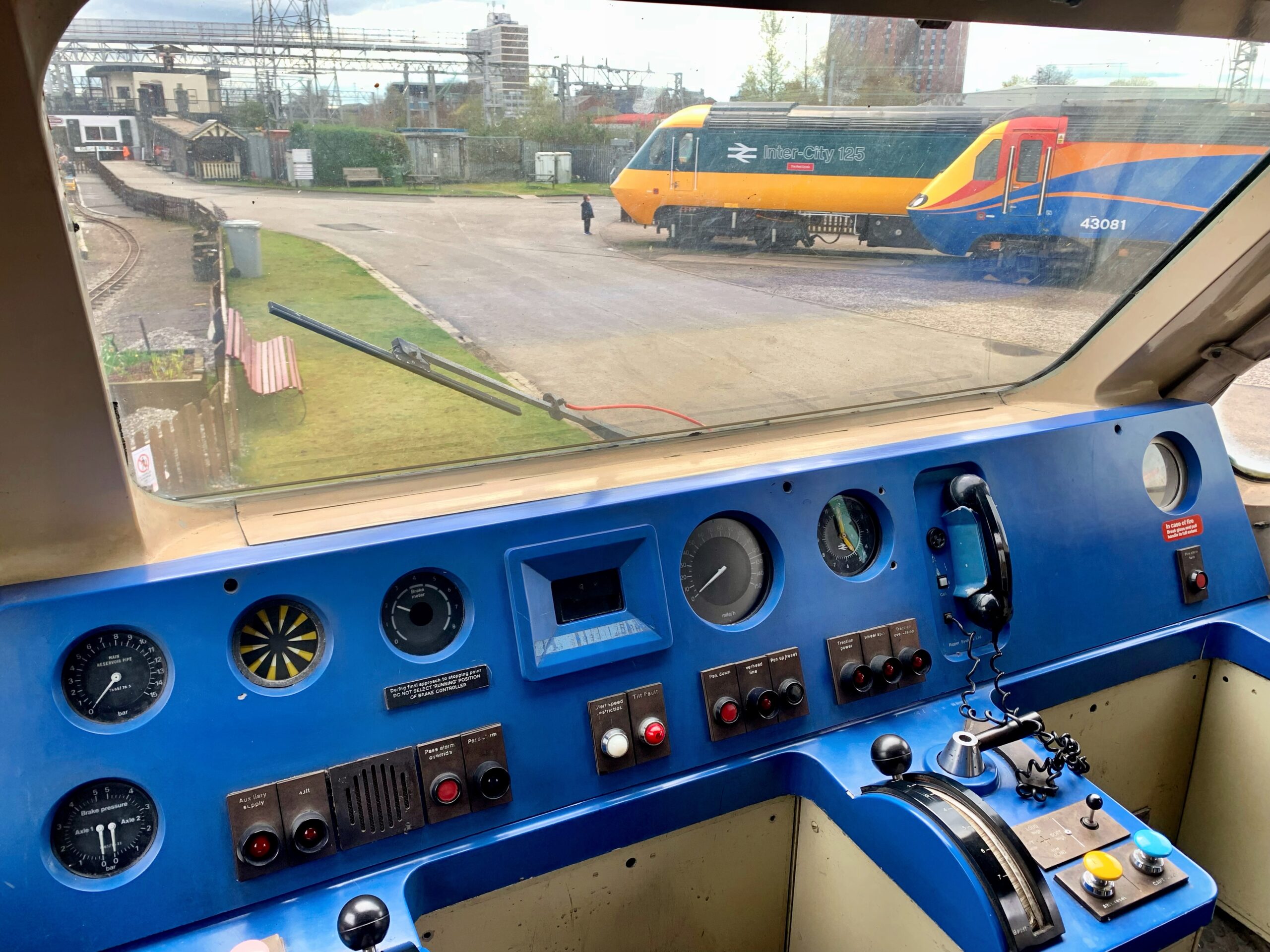
At this point we collected the car and drove round to the Crewe Heritage Centre which we chatted about last time.
Our next port of call was Casey Lane which is situated just south of Crewe Basford Hall yard for an entertaining hour of watching trains go by, the highlight for me being a Class 60 on a sand train.
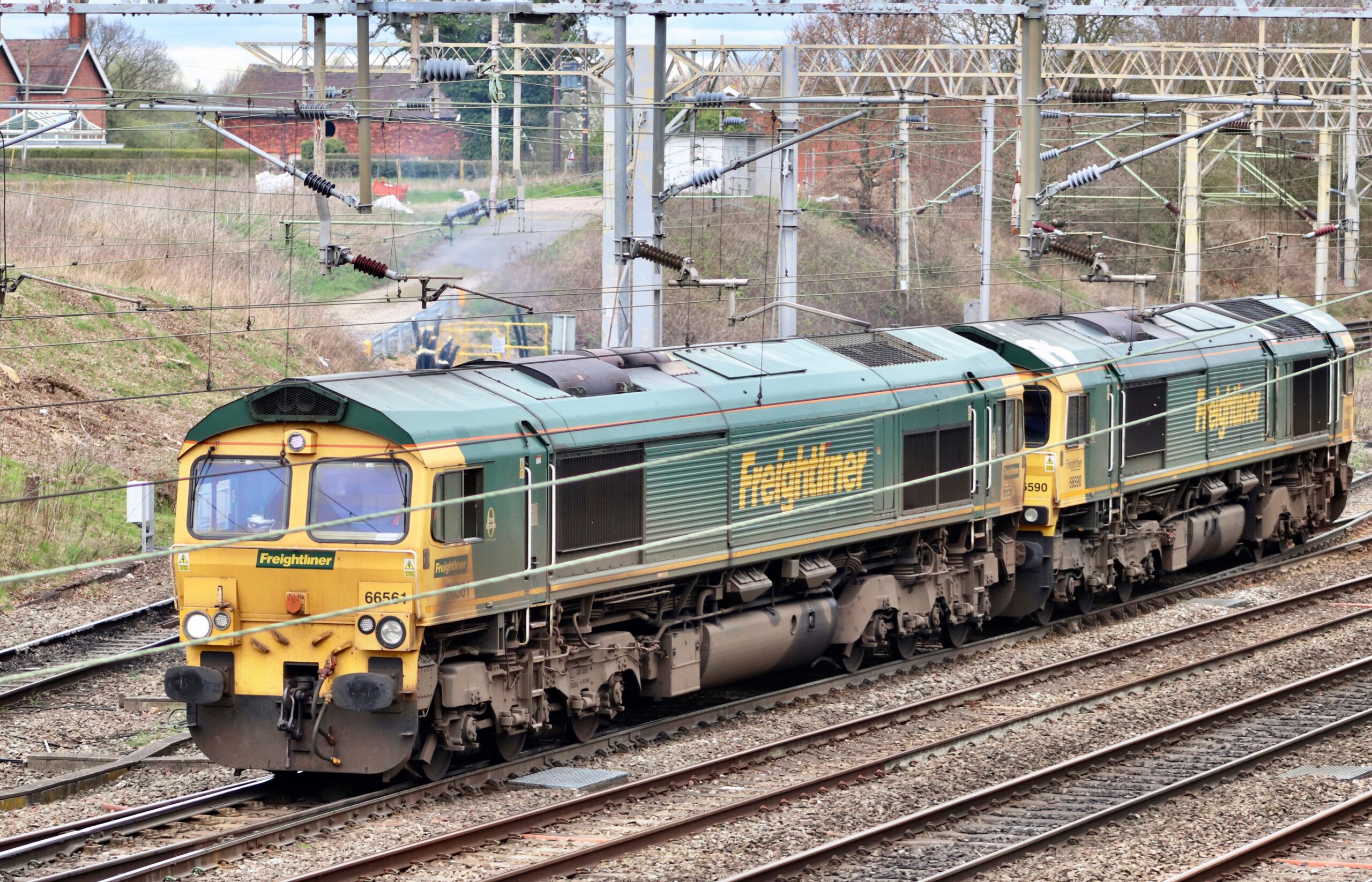
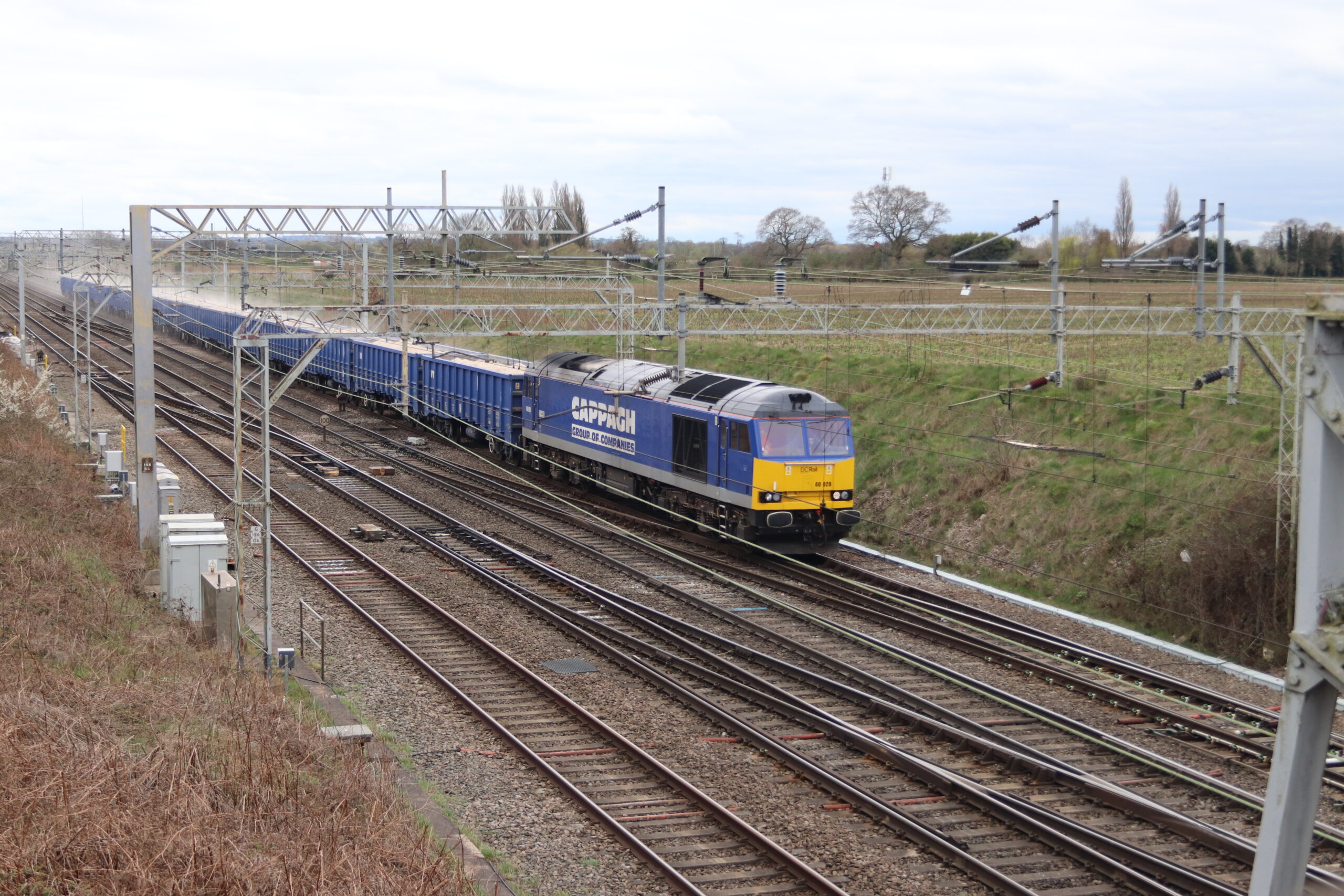
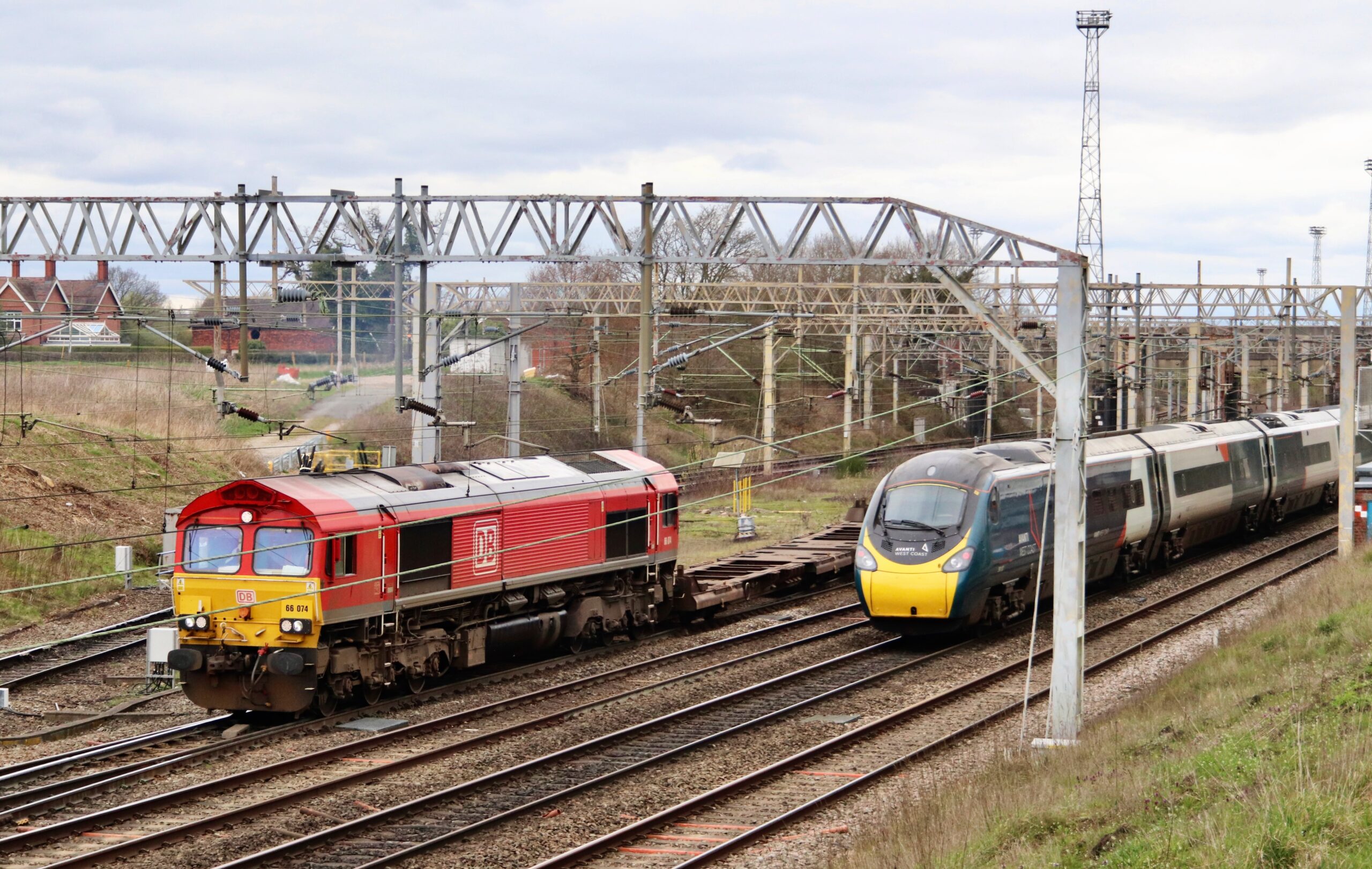
Our intention was then to pop into Longport to have a look through the fences at Electromotive (EMD) before heading onto Derby for an overnight stay. And although we did drive down to Longport and captured the following images, we were soon on our way back to Crewe!
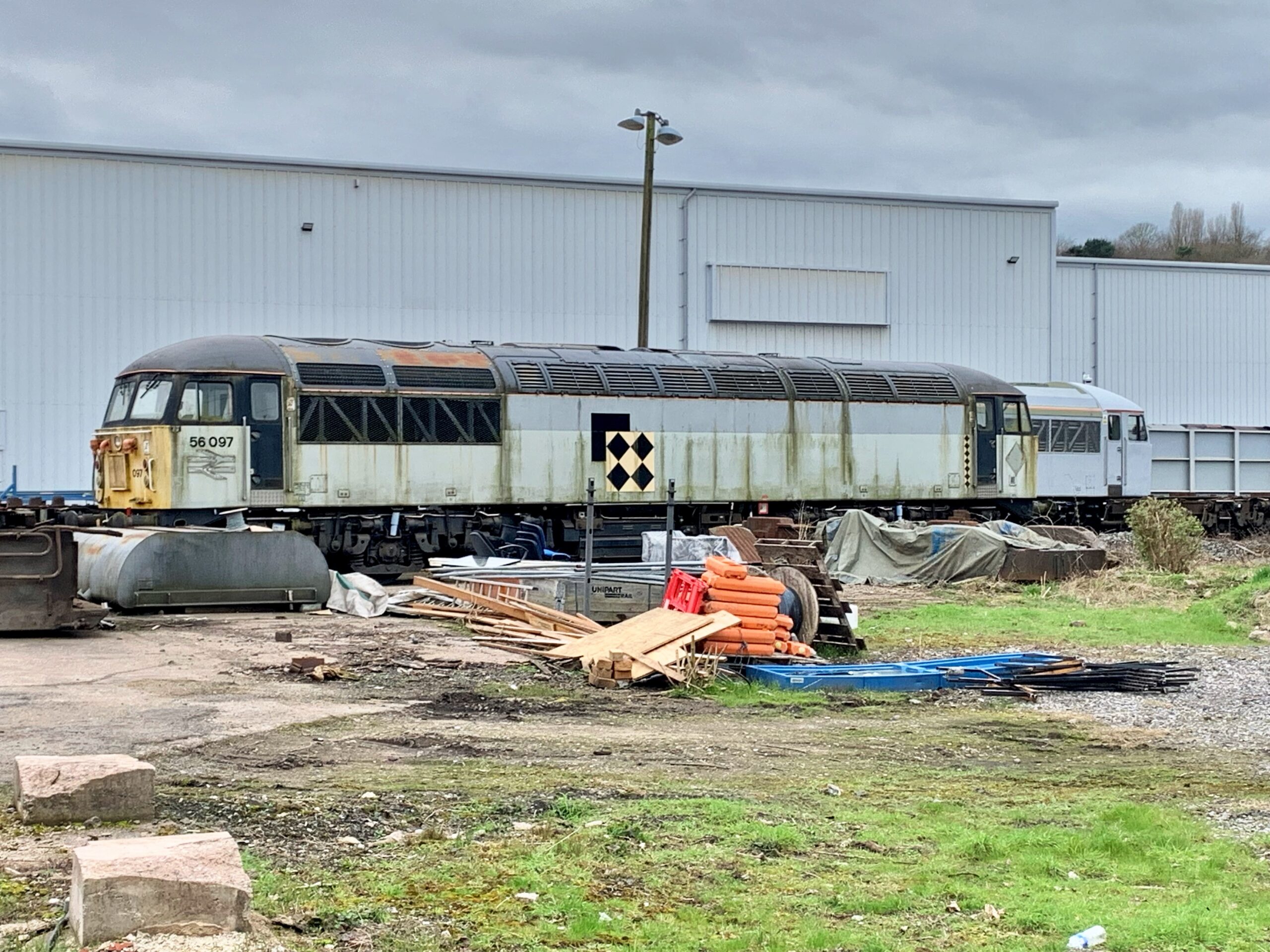
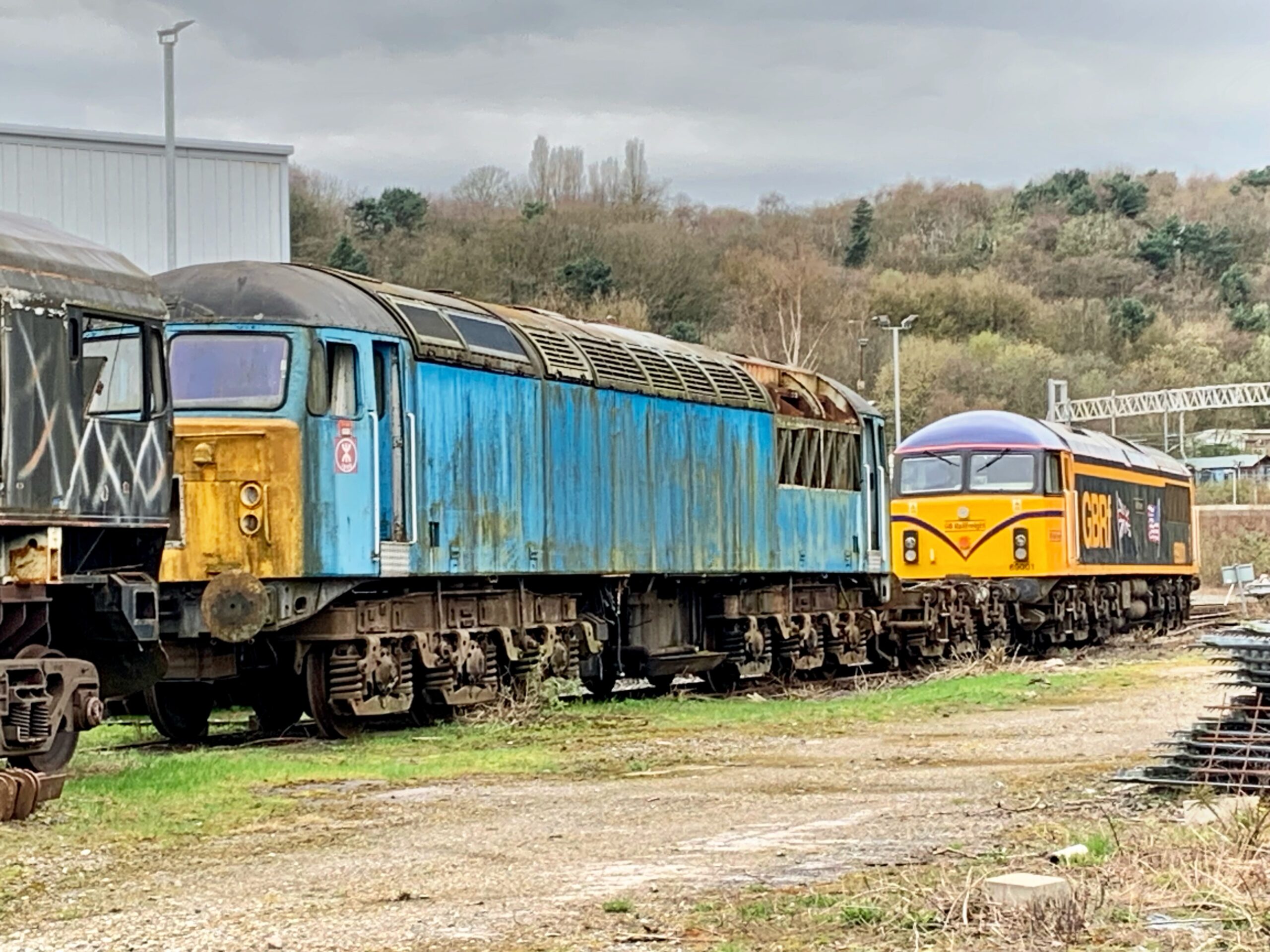

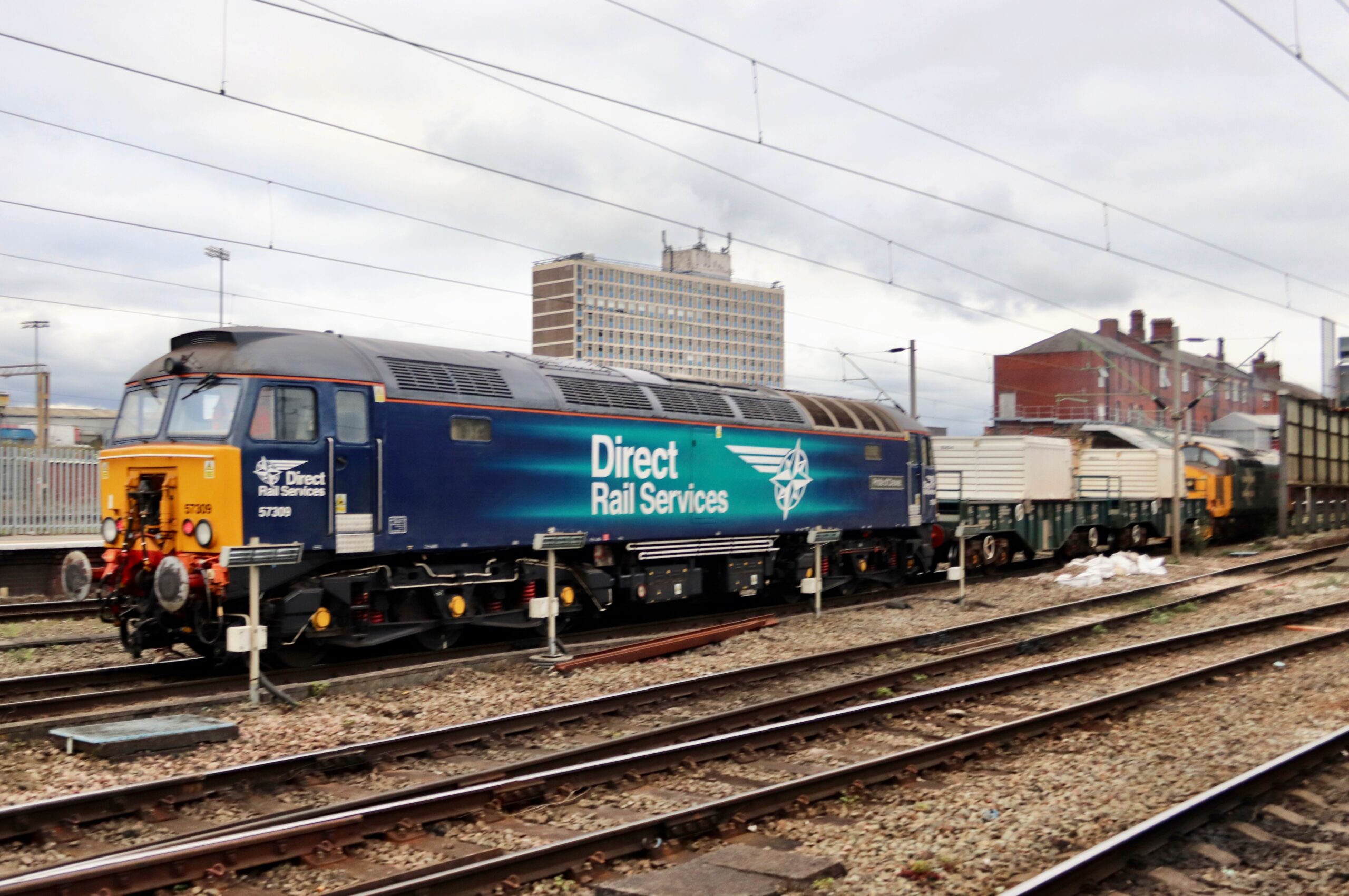
As we returned to the car at Longport, we heard a rumbling noise coming trough the station which sounded very much like a Class 37, because it was indeed one of the veteran locomotives which soon passed us top and tailing two FNA flask wagons with a Class 57. A quick look at Real Time Trains revealed the working was heading to Crewe Coal Sidings which would require a reversal in Crewe Station. The timings were in our favour so we headed back up the A500 and the barrier staff at the station very kindly allowed us access to the platforms allowing us to see Class 37 No. 37401 ‘Mary Queen Of Scots’ arrive with Class 57 No. 57309 ‘Pride Of Crewe’ bringing up the rear.

Our afternoon at Casey Lane and Crewe railway station has been distilled into the following video:

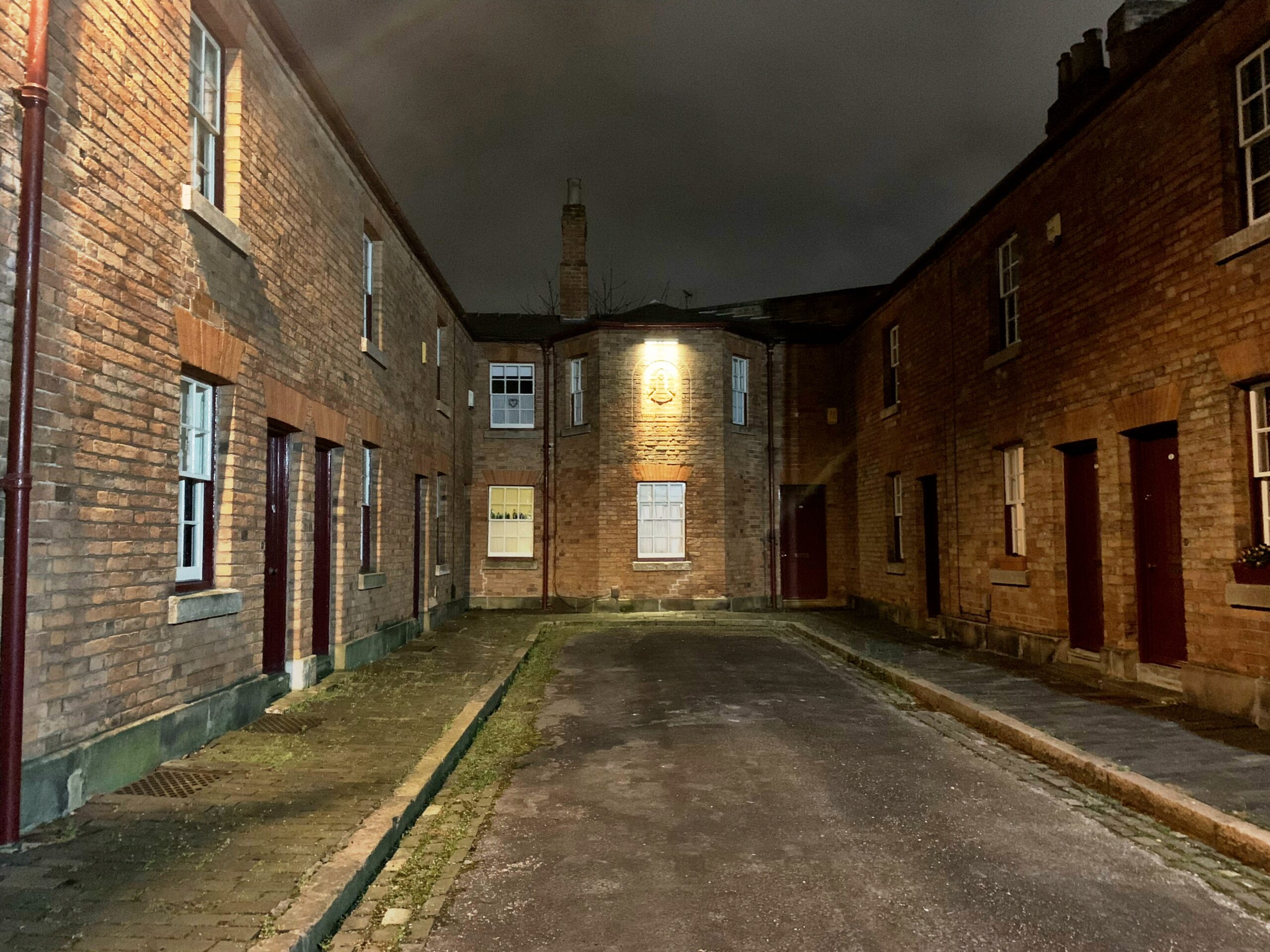
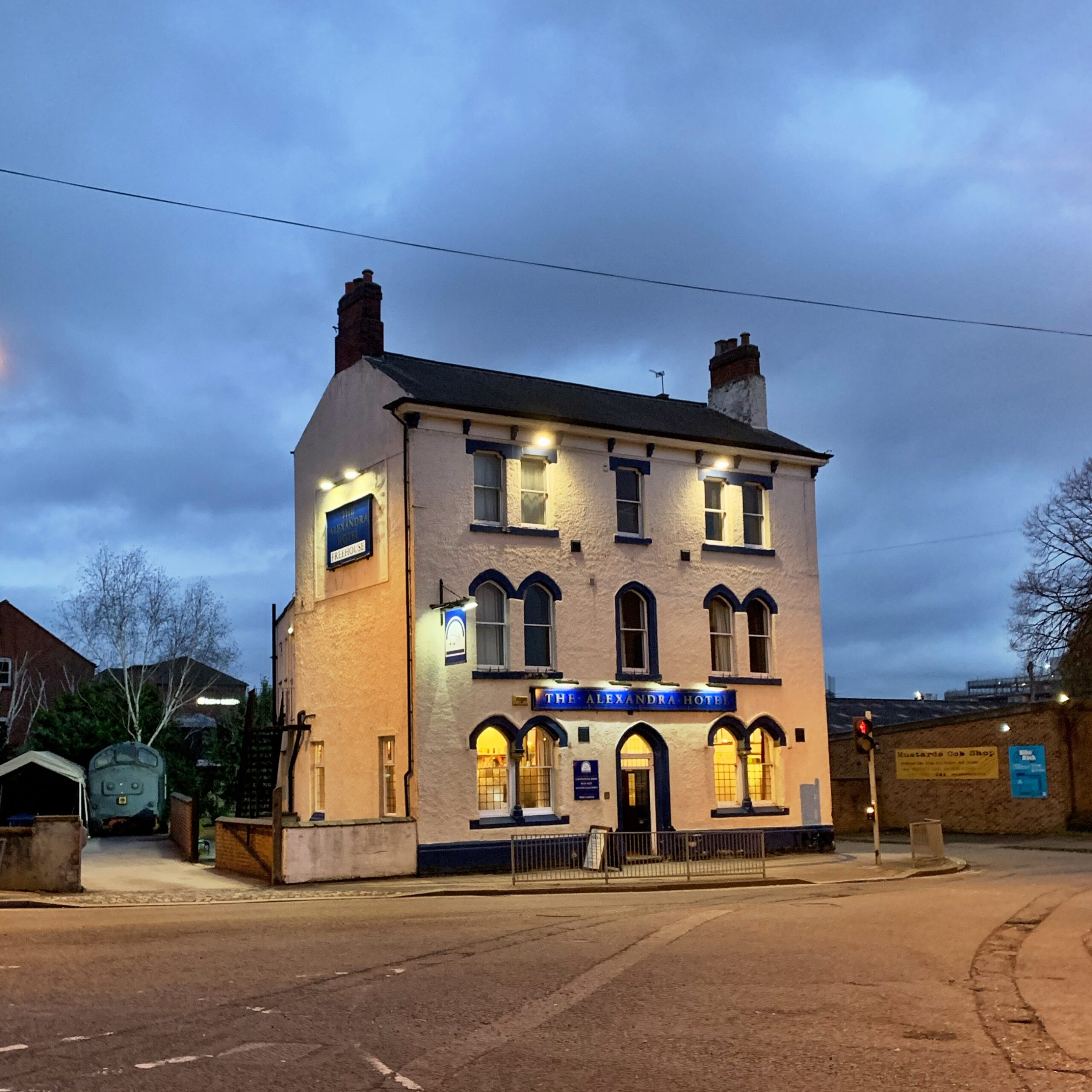
Arrival at Derby was slightly later than planned, but feeling chuffed to have captured the flask working at Crewe. To stretch our legs we had a walk over to the East Midlands Railway depot, which might have been a highlight had it not been so dark! On the way we passed a former roundhouse engine shed building now in use by the university. The evening was rounded off with a visit to The Alexandra Hotel to check out the railway memorabilia agai and a bag of surprisingly good chips!
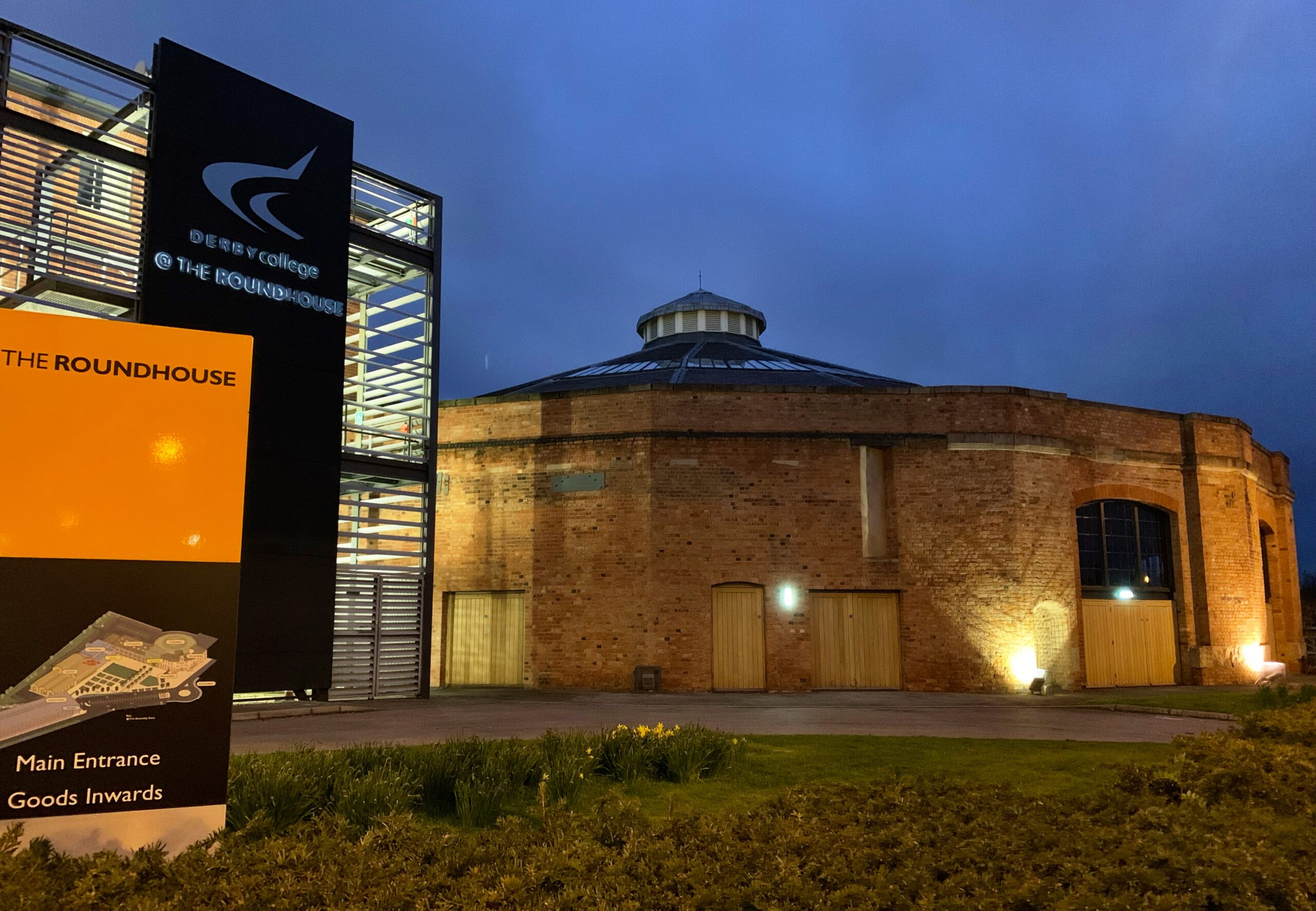
It was decribed on construction as “A polygon of sixteen sides, and 58m (190 ft) diameter, lighted from a dome-shaped roof, of the height of 15 m (50 ft). It contains sixteen lines of rails, radiating from a single turn-table in the centre: the engines, on their arrival, are taken in there, placed upon the turn-table, and wheeled into any stall that may be vacant. Each of the sixteen stalls will hold two, or perhaps more, engines.”
Early steam locomotives normally travelled forwards only; although reverse operations capabilities were soon built into locomotive mechanisms, the controls were normally optimized for forward travel, and the locomotives often could not operate as well in reverse. Some passenger cars, such as observation cars, were also designed as late as the 1960s for operations in a particular direction. A turntable therefore allowed a locomotive or other rolling stock to be turned around for the return journey.
Located next to Derby Railway Station, the buildings were previously part of the East Midlands’ thriving railway business. Attached to and integral with the Roundhouse are two buildings distinct within their own right. Firstly, The Carriage Shop, which as the name suggests, was primarily used for the manufacture and repair of railway carriages. Secondly, there is an office complex which consists of three storeys of accommodation wrapped around the North West quadrant of the Roundhouse. In addition to this complex of three adjoined buildings, there is a fourth building which stands alone to the North. This is known as The Midland Counties Building or Engine Shop.
Having narrowly escaped demolition after the closure of Derby Railway Works, this Grade II* Listed Building has been sympathetically restored as the main campus of Derby College, catering for more than half of the college’s 25,000 students. Source: https://www.nationaltransporttrust.org.uk/heritage-sites/heritage-detail/derby-roundhouse
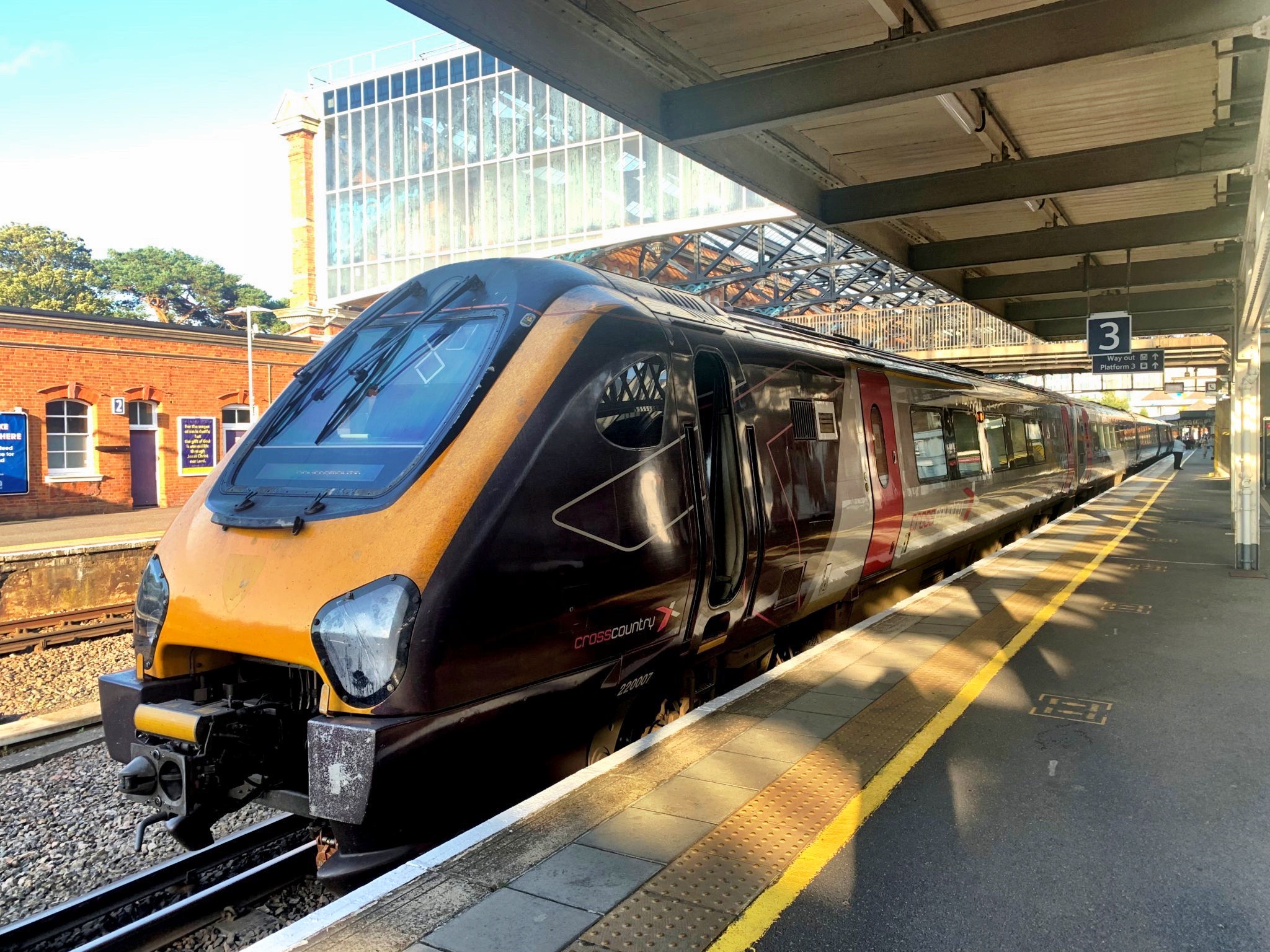
That’s it for another week – time has defeated us once again! Thank you, as always, for visiting, your comments and encouragement. However, we can’t close without mention of the story first broken by “The Independent” newspaper regarding a leaked Network Rail presentation claiming the condition of railway infrastructure including track, bridges and earthworks is expected to worsen as funding will not cover the rising costs of maintaining a largely Victorian network. We only have to look at the Nuneham Viaduct in Oxfordshire which was closed on 3rd April for safety reasons after cracks appeared in supporting structures. This section of railway, a key artery on the route between the Midlands, London and the South Coast which includes CrossCountry services from / to Bournemouth, will be closed until at least 10th June 2023.
The leaked presentation states that the funding constrictions will mean:
- Network Rail will do fewer repairs over the next five years, clearing less of the debris that can cause delays and accidents.
- Lack of funding will lead to higher costs overall as Network Rail will be expected to repeatedly repair outdated infrastructure instead of replacing it.
- Network Rail £3bn risk fund, which covers unpredictable events like a pandemic or extreme weather, has been cut because there is “not sufficient headroom”.
- A “market-led” approach to maintenance will be adopted, with the highest earning services taking priority.
All this was revealed as the RMT union highlighted Transport Secretary Mark Harper has allowed two rail companies to be paid £82 million in dividends in 2022. FirstRail Holdings Ltd, the holding company for five FirstGroup franchises, and Govia Thameslink Railways, which runs the biggest franchise in Britain, have recently reported dividend payments of £65 million and £16.9 million respectively in their annual accounts for 2022.
This is the despite the fact both companies are part of a major industrial dispute where hundreds of millions of pounds has been used to indemnify them against lost revenue from strike action. Two of First Rail Holdings Ltd’s franchises, Avanti West Coast and Transpennine Express, have been the subject of public and political controversy after cancelling hundreds of services. In spite of this, the government has renewed or extended contracts for Avanti West Coast and may shortly do the same for Transpennine Express.
Govia won a contract to carry on running the Thameslink, Southern and Great Northern franchise from the government in October 2022 despite its sister company LSER being stripped of the Southeastern franchise for concealing public money. The Department for Transport allowed Go-Ahead Group to conduct its own internal inquiry into the failings at LSER and renewed Govia’s contract for the Thameslink franchise in spite of the fact that the two companies shared many of the same management personnel.
All these franchises have benefited from indemnification worth hundreds of millions of pounds in taxpayers’ money by the DfT to cover the costs of lost passenger revenue during the ongoing dispute. The RMT believes this is unnecessarily prolonging the dispute, as the employers do not feel the full impact of stoppages.
What a way to run a railway…. into the ground.