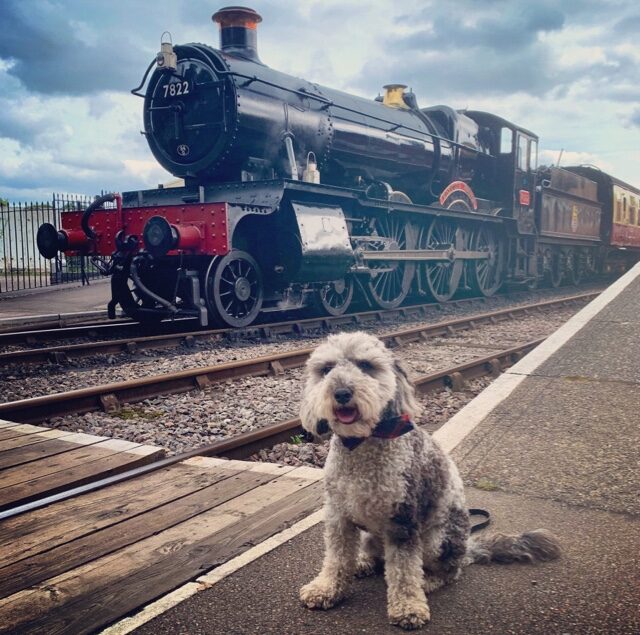
Wednesday February 15th to Tuesday February 21st 2023
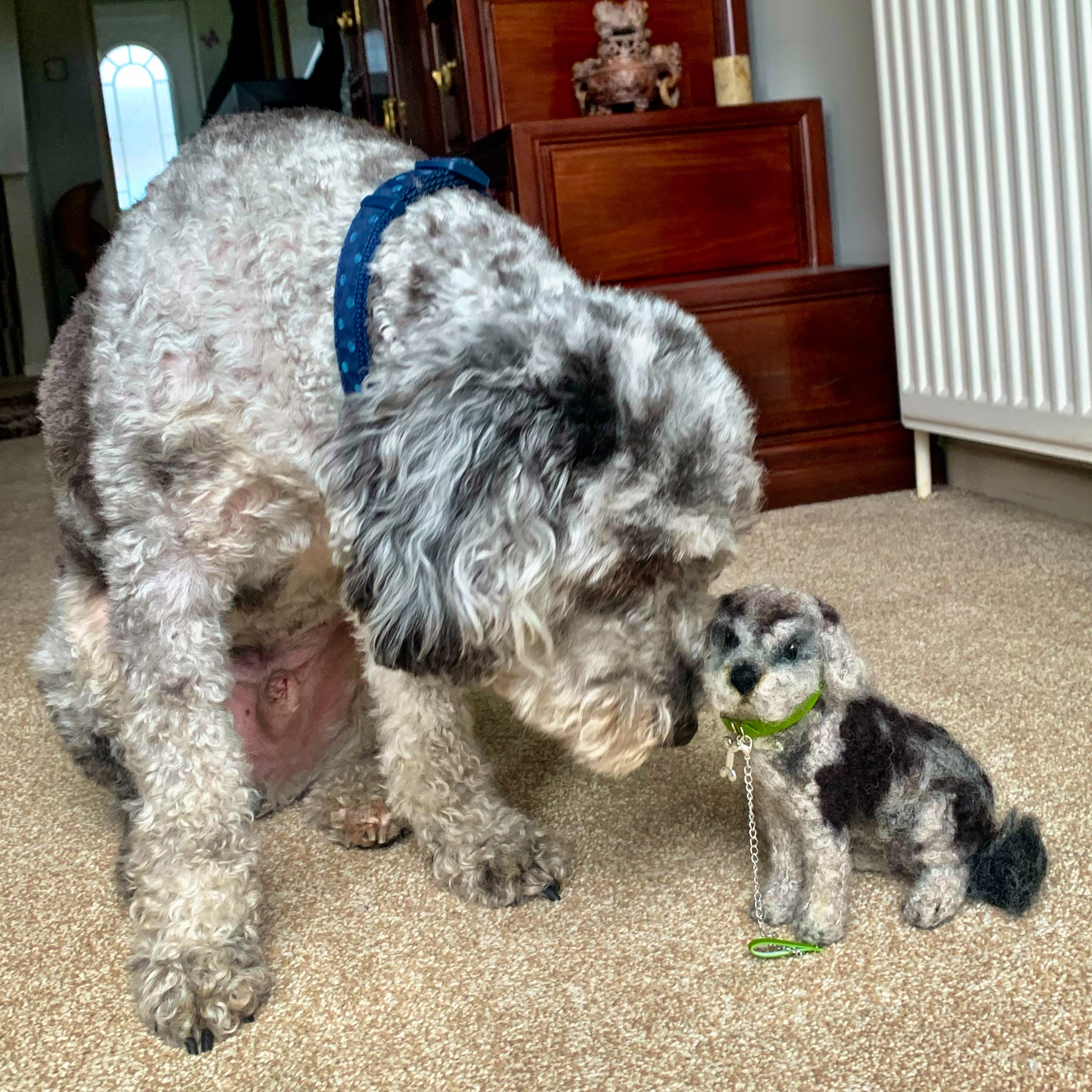
The week kicked off with the delivery of a little Yoshi from ArtemisFibreArt, which the boy himself was rather intrigued about. Thankfully he decided against tearing it apart as is his usual reaction to soft toys. He recognises a handsome boy when he sees one!

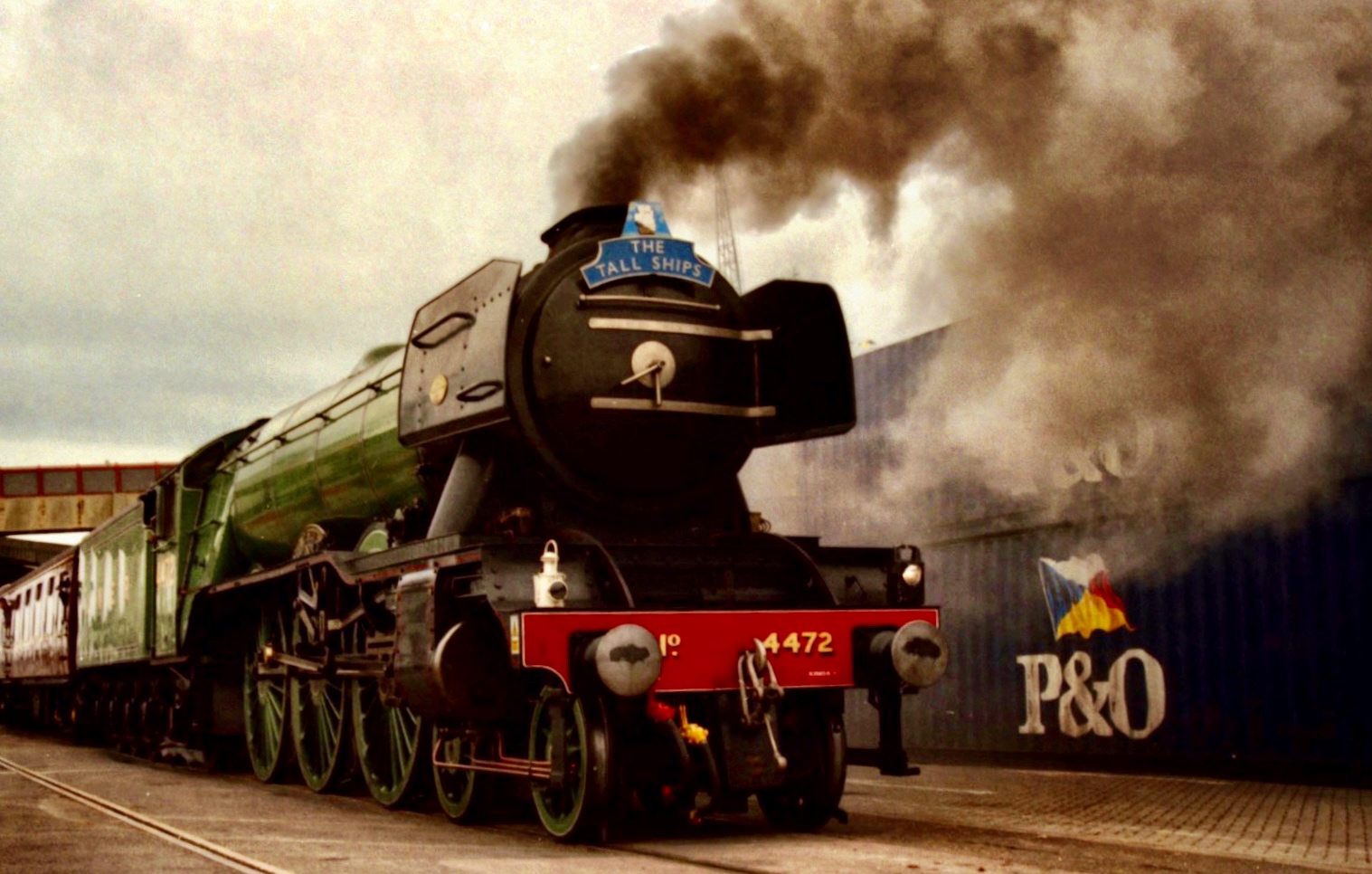
24th February 2023 marks 100 years since the third A1 Class 4-6-2 Pacific locomotive left Doncaster Works for the very first time and entered service with the London & North Eastern Railway. As if we haven’t written enough about this particular loco in previous blog entries, here’s another look at her history. Designed by Sir Nigel Gresley and originally numbered 1472 in a sequence originated by the Great Northern Railway who had placed the order for 51 Class A1’s prior to the “Big Four” Grouping of January 1923. A year later the LNER renumbered her No. 4472 and she gained the name ‘Flying Scotsman’ after the eponymous titled train in readiness for display at the British Empire Exhibition at Wembley.
In 1928, ‘Flying Scotsman’ ran a non-stop passenger service between London King’s Cross and Edinburgh, this was achieved by means of another Gresley innovation; a corridor tender allowing drivers and firemen to pass through to the locomotive footplate from the leading train carriage. Water for the engine was picked up en-route from troughs set between the rails.
1st November 1934 No. 4472 became the first steam locomotive to be officially recorded at travelling at 100 miles per hour as she passed between Little Bytham and Essendale on the East Coast Main Line.
In 1946 the LNER introduced an extensive renumbering scheme with the aim of placing all locomotives of the same type in a numerical sequence. ‘Flying Scotsman’ was renumbered twice this year, firstly in January as No. 502 by Gresley’s successor Edward Thompson and then No. 103 in May. After the Nationalisation of the railways in 1948 60000 was added to LNER engine numbers and consequently No. 103 became No. 60103.
January 1947 ‘Flying Scotsman’ was converted from a Class A1 locomotive to an A3 under a programme initiated by Gresley in 1928 which added a larger boiler with a higher boiler pressure. A double Kylchap chimney was added in 1959 to improve performance with German style smoke deflectors being added in 1961 as the exhaust from the new chimney blocked the drivers view.
Things looked bleak in October 1962 when it was announced ‘Flying Scotsman’ would be withdrawn from service in January 1963 and sent for scrap. Holder of the steam speed record Gresley A4 4-6-2 Pacific No. 60022 ‘Mallard’ was to be saved for the nation and it was deemed that only one locomotive of any given wheel arrangement per designer could be preserved.
After a failed public appeal to “Save Our Scotsman” by raising the £3000 scrap value, businessman Alan Peglar, fresh from selling his Northern Rubber business and with money to burn stepped in and purchased No. 60103 from British Railways in 1963. As part of the deal, Peglar negotiated an agreement for ‘Flying Scotsman’ to run on the main line until 1966 with options to 1971. The locomotive was overhauled at Doncaster emerging in LNER Apple Green and carrying the number 4472 once again. In 1969, the locomotive was heading for USA and Canada on a tour where she travelled 15,400 miles to promote British exports where, after initial success, UK Board of Trade backing was withdrawn and by 1970 money was running out. As a result, in 1972 Peglar was declared bankrupt and ‘Flying Scotsman’ was put into storage in the US Army Sharpe Depot to keep her safe from creditors.

Enter Sir William McAlpine, who stepped in and bought the locomotive, shipping her home in 1973. Following restoration at Derby, ‘Flying Scotsman’ embarked on a career running on the UK main line and heritage railways. In October 1988 she made a trip to Australia where over the next year she travelled more than 28,000 miles and set the record for the longest non-stop run by a steam locomotive totalling 422 miles having journeyed between Parkes and Broken Hill in New South Wales. On her return to the UK, ‘Flying Scotsman’ would eventually come under new ownership, that of a new consortium “Flying Scotsman Railways” which included Sir William McAlpine and record producer and railway enthusiast Pete Waterman. In 1993, she was outshopped in BR Brunswick Green, complete with double chimney and smoke deflectors representing how she looked at the end of her working life on BR.
April 1995, while working an empty coaching stock movement on the Llangollen Railway, ‘Flying Scotsman’ derailed and suffered a crack between her boiler and cab. She was deemed to be a complete failure and was taken to Southall to face an uncertain future. Experiencing financial difficulties, the consortium sold ‘Flying Scotsman’ to biotech entrepreneur Dr Tony Marchington in 1996 for £1.5m in a deal which included a set of coaches. Over the next three years Dr Marchington spent a further £1m restoring the locomotive which he returned to the main line in 1999. Following a failed attempt to create a “Flying Scotsman Village” in Edinburgh and the collapse of his company Oxford Molecular, Dr Marchington was bankrupted in September 2003. ‘Flying Scotsman’ was put up for sale in 2004 and there was a real fear that the locomotive would be sold abroad. However, to the relief of many, a huge public appeal was launched by the National Railway Museum (NRM) and on 5th April 2004 it was announced that the NRM had been successful with their sealed £2.2m auction bid, which had been boosted by a £1.8m grant from the National Heritage Memorial Fund. ‘Flying Scotsman’, a locomotive which perhaps more than any other represents the people’s engine had finally been saved for the nation. Unfortunately No. 60103 required a great deal of work to return her to steam with an estimated 12 month £750,000 restoration commencing in 2005. In reality, it would take 10 years and £4.2m before a warming fire could be lit in the overhauled firebox of ‘Flying Scotsman’. On her first public runs in January 2016 following restoration, she was seen in a wartime black livery on the East Lancashire Railway.
Still in wartime black livery with No. 60103 on the smokebox and No’s 103 and 502 on opposite cab sides, her first mainline outing following overhaul was on 6th February 2016 at the head of “The Winter Cumbrian Mountain Express” from Carnforth to Carlisle. Myself and @da_buckley967 decided to drive from Dorset to Cumbria to see the spectacle of ‘Flying Scotsman’ climbing Shap on the West Coast Main Line.
Ahead of her centenary year celebrations, ‘Flying Scotsman’ underwent another overhaul at Riley & Son in Bury, the first event following this being her attendance at London King’s Cross to help celebrate the railway station’s 170th anniversary and launch her own event programme before she arrived in Dorset for a stint on the Swanage Railway.
For more ‘Flying Scotsman’ goodness, you might like to check out these “Railway Dog” blog entries from 2022 which feature more images and video:
From 27th February to 3rd March 2023 no weekday trains will run between Yeovil Pen Mill and Dorchester West to allow Network Rail to lay new track and carry out other maintenance, including station improvements at Maiden Newton. The closure extends to include the Yeovil to Castle Cary section on 6th and 7th March affecting Great Western Railway (GWR) and South Western Railway (SWR) services.
In no way connected to the forthcoming closure “up the West”, Monday 20th and Tuesday 21st February 2023 saw Freightliner Engineering Trains head to Dorchester South. A further train was scheduled to depart Eastleigh East Yard for Upwey on Wednesday 22/02/2023.
In another of our occasional visits to cafes which happen to be situated in former railway stations, on Wednesday 15th February, we popped over the county border to Hampshire in order to visit The Old Station Tea Rooms at Homsley.
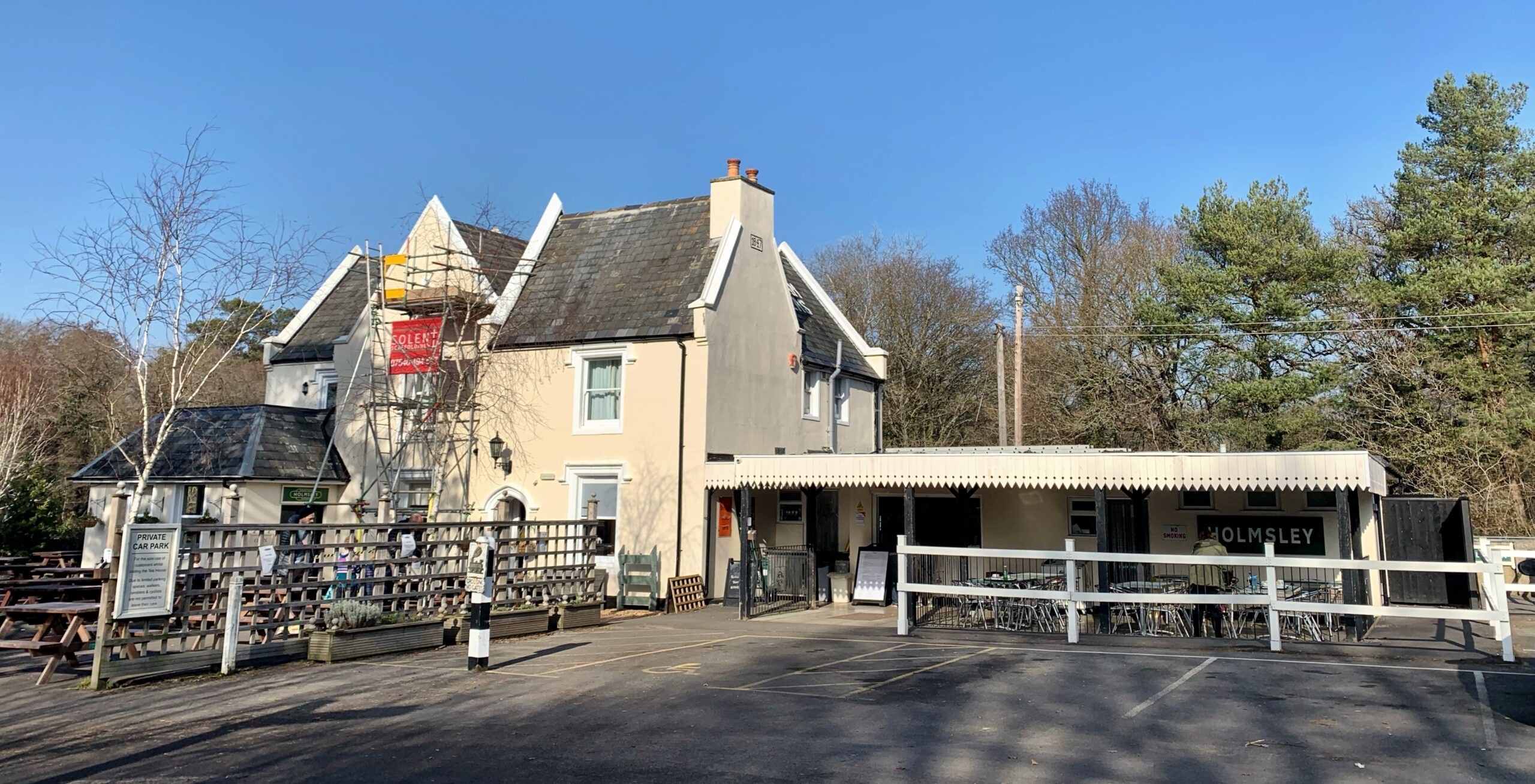
Opened in 1874 as Christchurch Road railway station by the Southampton & Dorchester Railway it was, at the time, the closest station to Bournemouth and Christchurch, becoming Holmsley station in 1894. Prince Edward, the eldest son of Queen Victoria was a regular user of the station with his mistress Lillie Langtry as it was here where they would embark on their way to their private residence in Bournemouth. Holmsley was also the inspitration for Browndean station in Robert Louis Stephenson’s novel “The Wrong Box”.
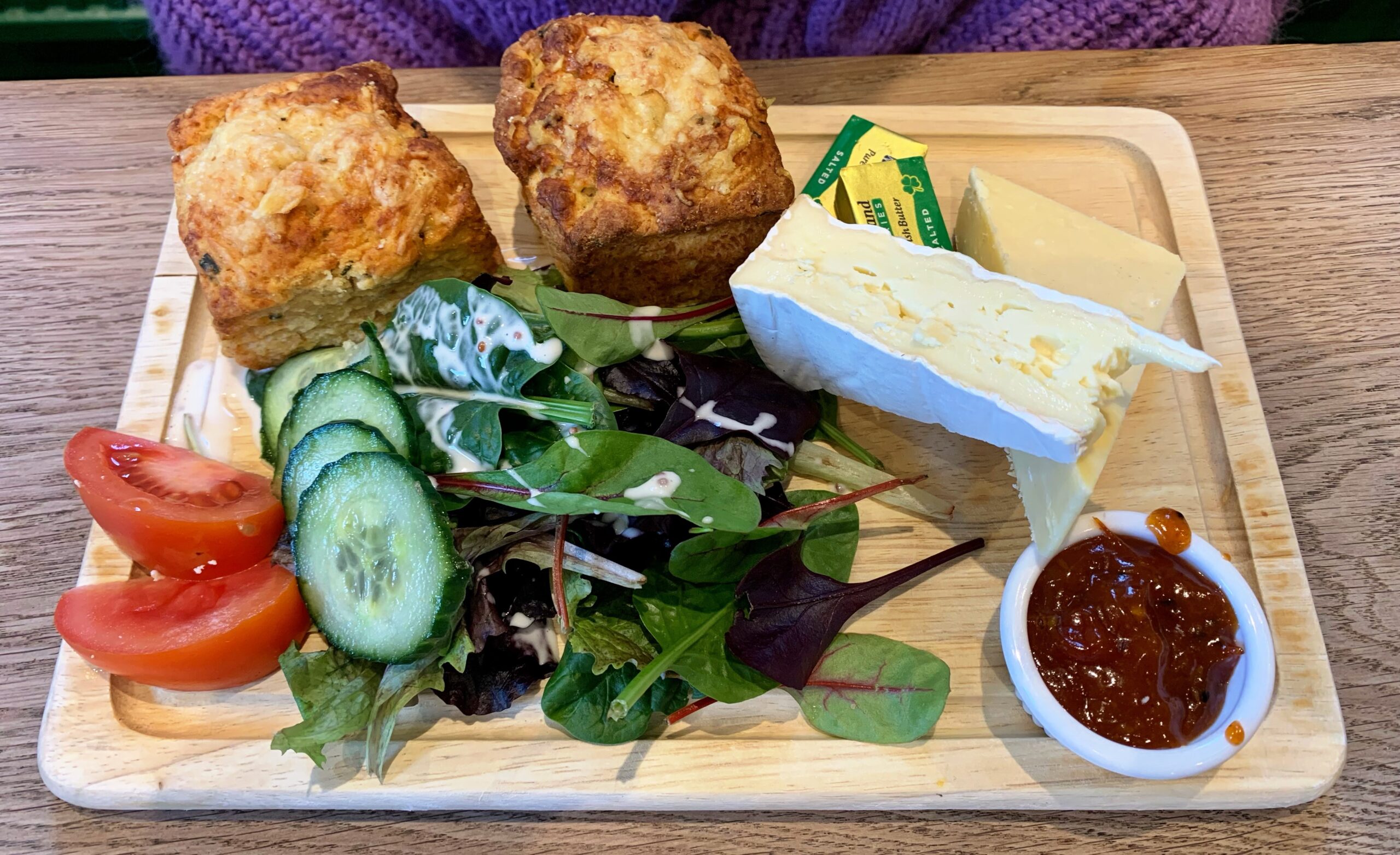

Holmsley station was closed on May 4th 1964 as a result of the Beeching Report. Today the main station building lives on, repurposed as a tea room with several items of railway memorabilia and photographs on display. Dogs are welcome at outside tables, of which there are many, and the food is delicious. Walks along the Castleman Railway utilising the old rail road to Ringwood, Wimborne and Poole can be enjoyed nearby.
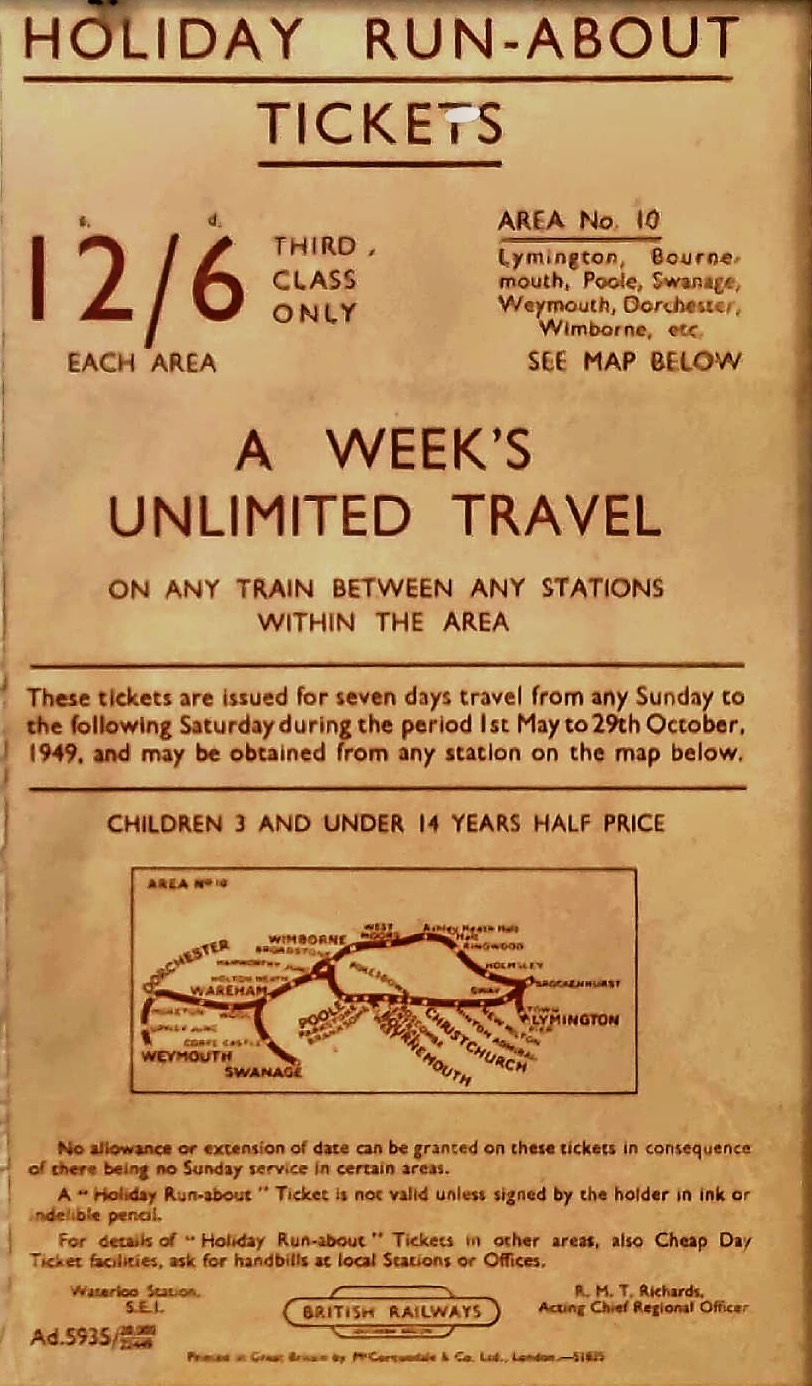
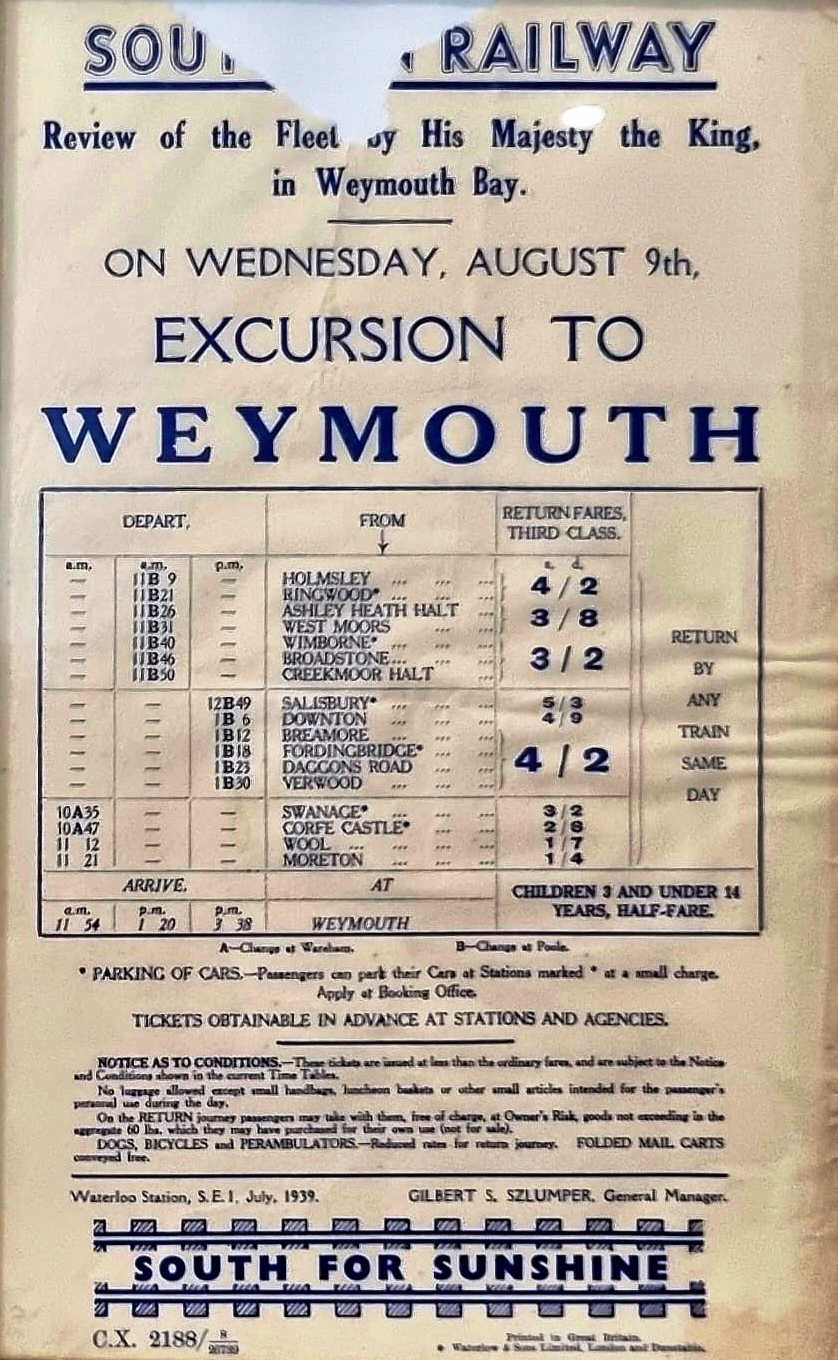
That brings us to the end of another entry. Thanks for visiting and we hope to see you again another time. Your comments, corrections and observations are very much appreciated. Recommendations for cafes situated in former railway stations are welcome! This weeks blog was mostly written with the aid of tea, Galaxy Milk Chocolate Digestive biscuits to the accompaniment of Pink Floyd’s “The Dark Side Of The Moon” – which, amazingly, is 50 years old next Wednesday (1st March 2023). Time, eh?


Leave a Reply