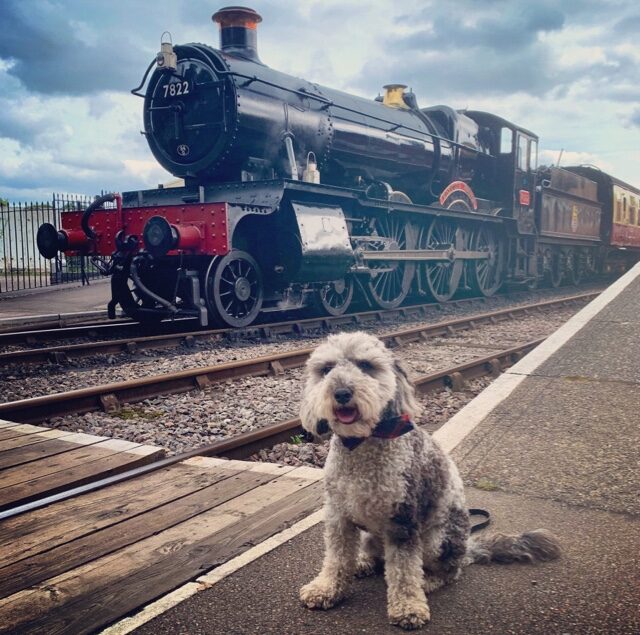
Thursday 22nd December to Tuesday 3rd January 2023
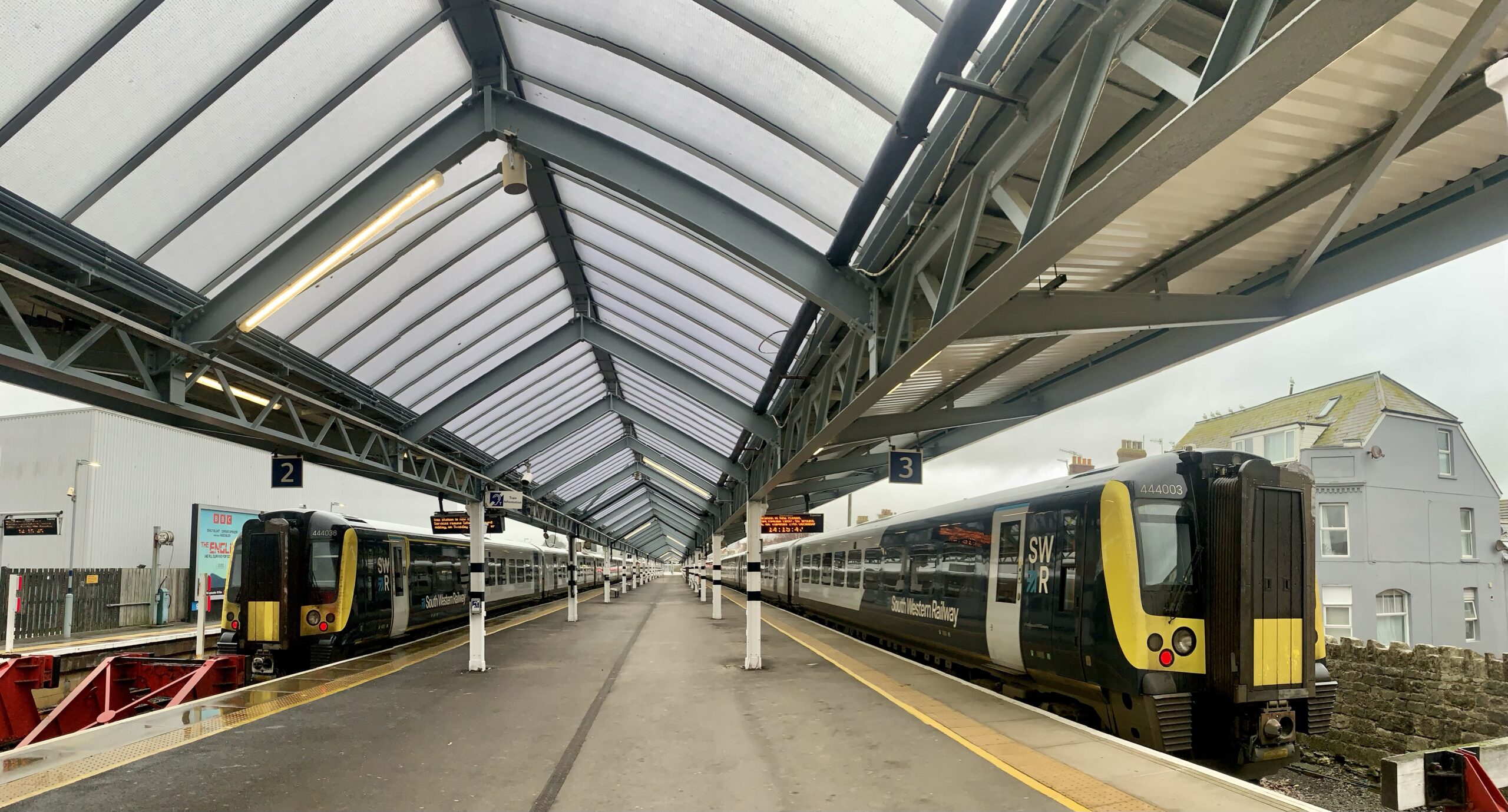
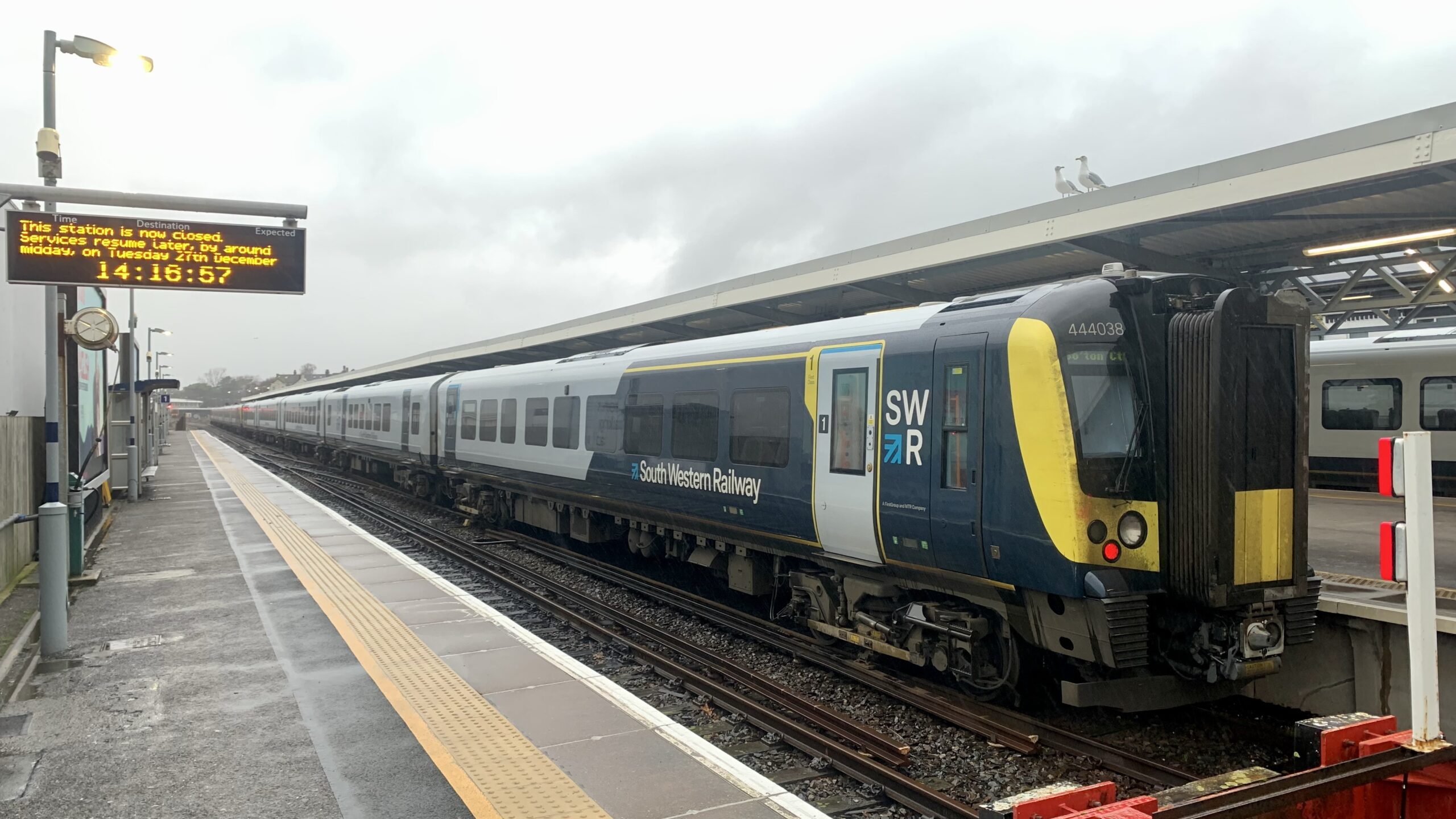
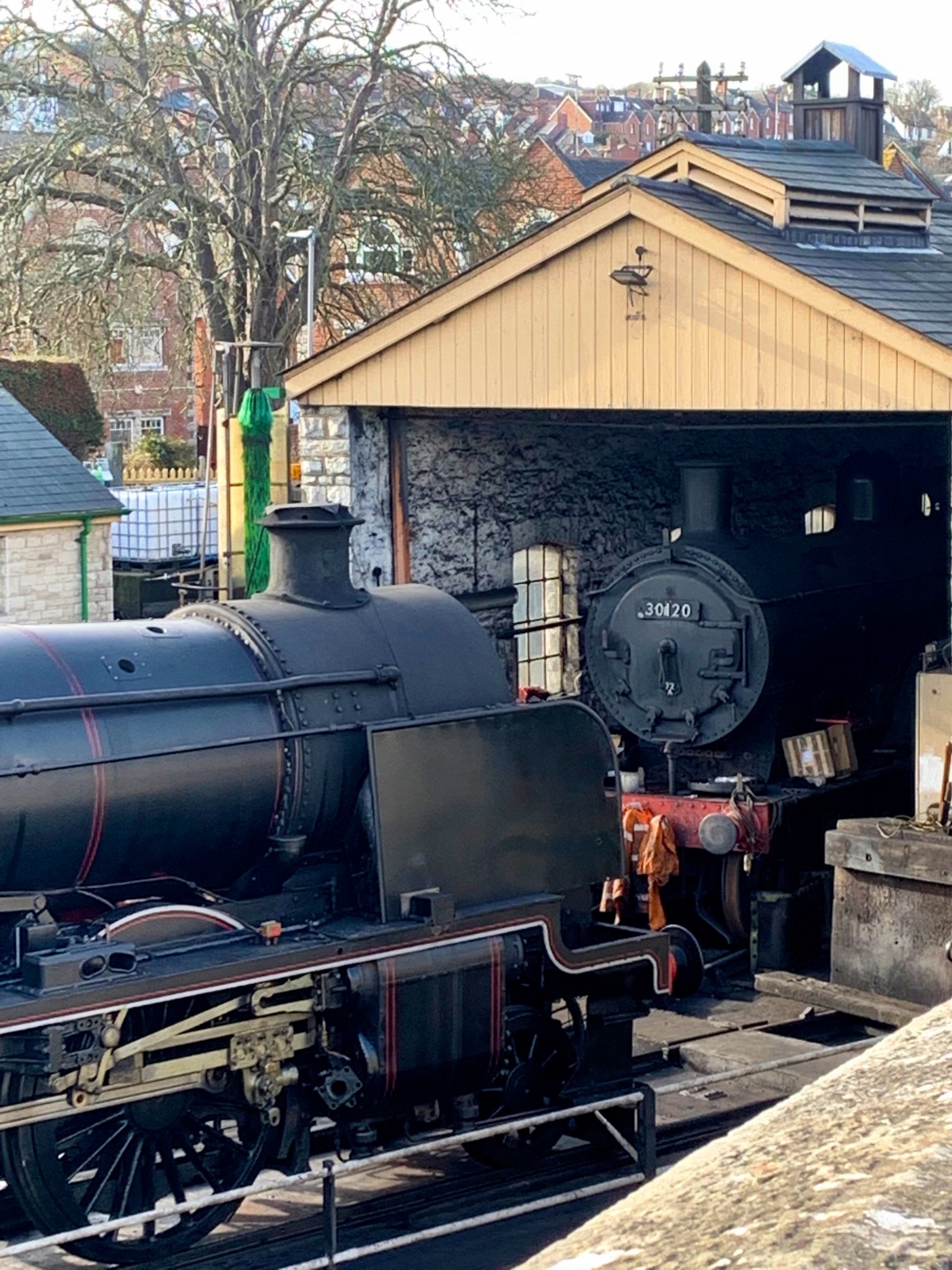
The UK rail network wound down for the Christmas break early on 24th December in 2022 because of industrial action. Several South Western Railway (SWR) Class 444 Electric Multiple Units and a Great Western Railway (GWR) Class 165 diesel multiple unit spent Christmas parked up at Weymouth railway station awaiting the restart on the 27th December 2022.
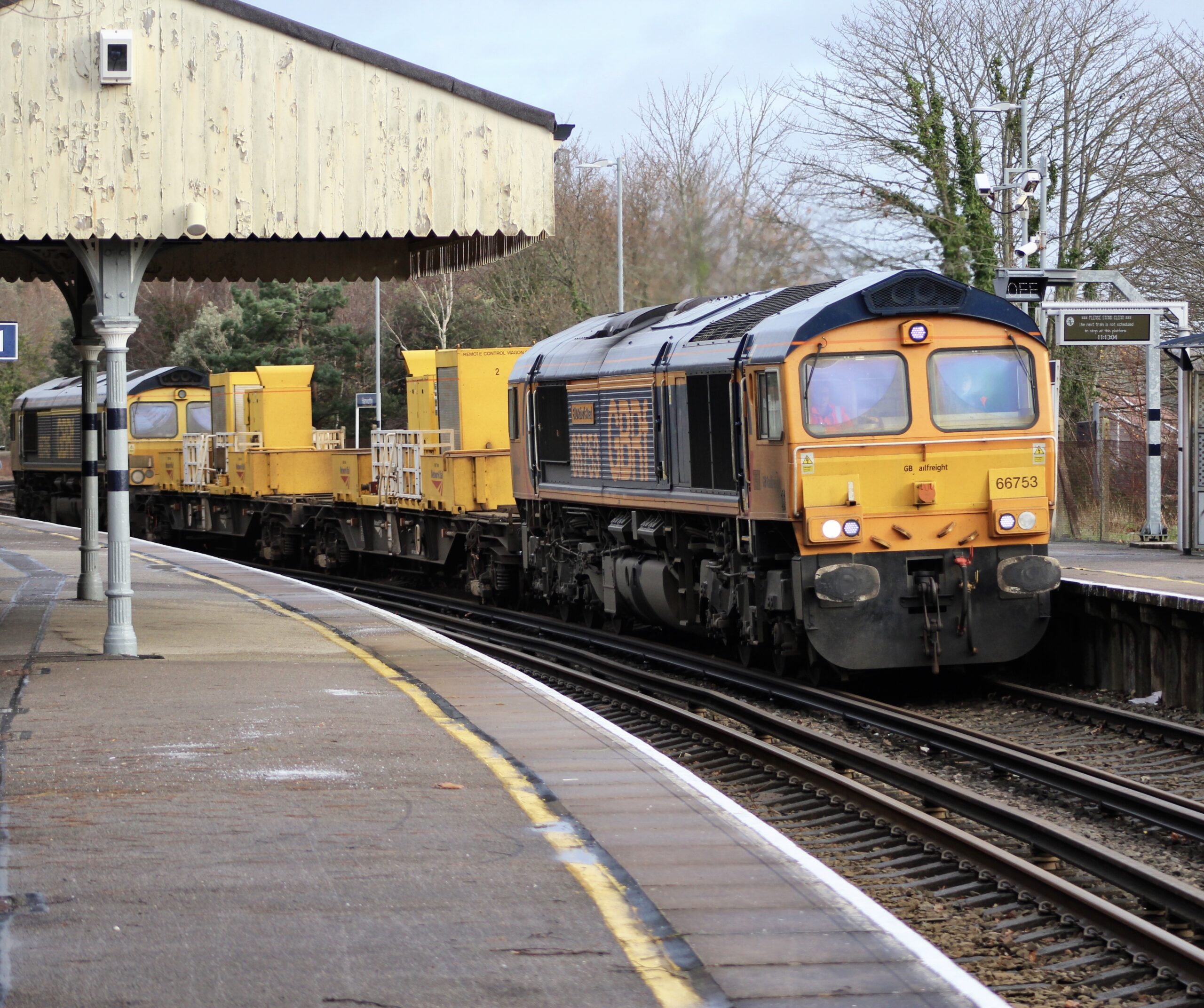
Following the Christmas close down of the railways, the first train to run on the Bournemouth to Weymouth route was the seasonal Snow & Ice Treatment Train (SITT) which set off from Eastleigh mid-morning to ensure rails were free of ice before passenger services started after mid-day.

1st January 2023 marks 100 years since the formation of the ‘Big Four’, the term coined by “The Railway Magazine” for the grouping of 120 individual railway companies into just four: Great Western Railway (GWR), Southern Railway (SR), London, Midland and Scottish Railway (LMS) and London and North Eastern Railway (LNER). The grouping was outlined in the 1921 Railways Act which strived to stem losses and regulate what were seen as inefficient, diverse and, in some cases, overlapping operations which had been struggling following the Great War. The act eliminated competition, as each group now had a regional monopoly. It also established standard fares and charges for particular services. 75 years ago on 1st January 1948, as a result of the Transport Act of 1947, the Big Four companies were nationalised to form British Railways.
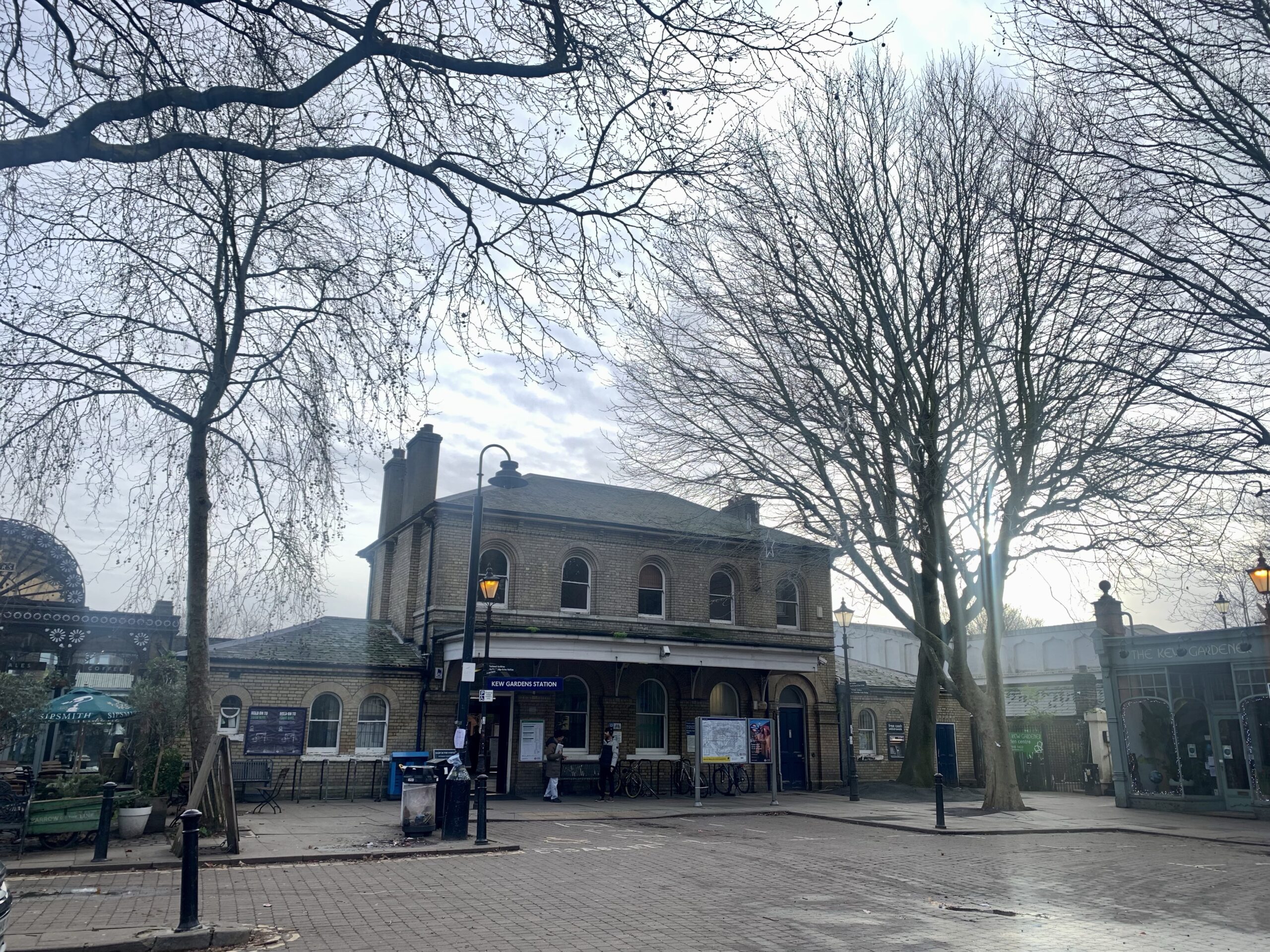
New Years Day 2023 saw Yoshi’s Mum and I heading to London to take in the conveniently extended “Beatrix Potter: Drawn to Nature” exhibition at the V&A and Matthew Bourne’s “Sleeping Beauty” at Sadler’s Wells. We had intended to take the train, but South Western Railways timetabling around the RMT industrial action meant we would not be able to get everything done and home on the day with our last train leaving London Waterloo at 1830. So instead, we took to the roads and parked up at Kew Gardens and travelled into Town using the London Underground District Line from there.
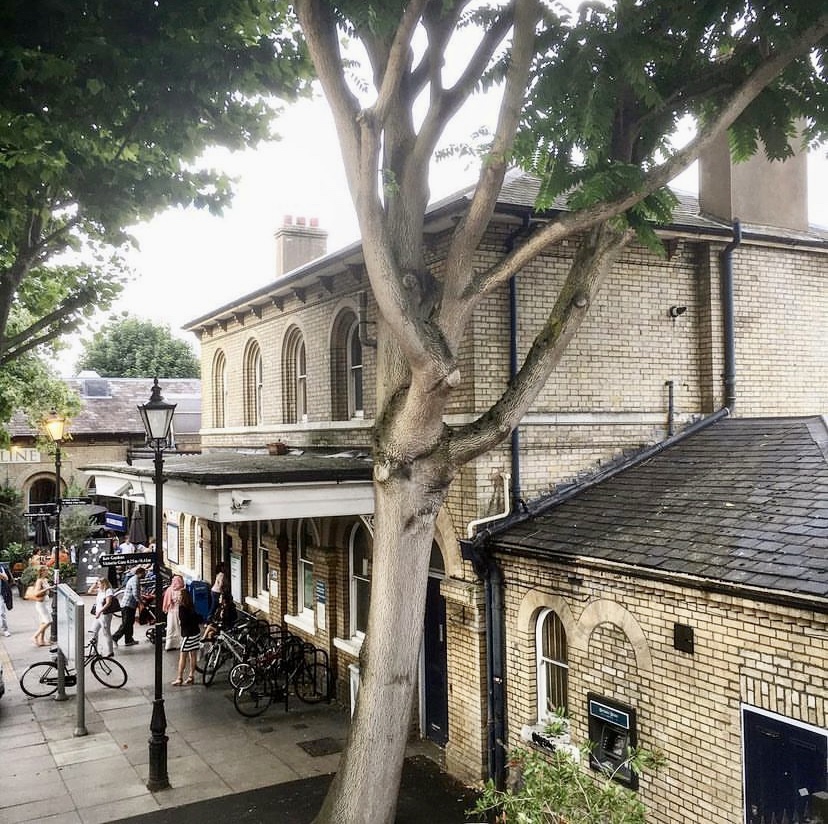
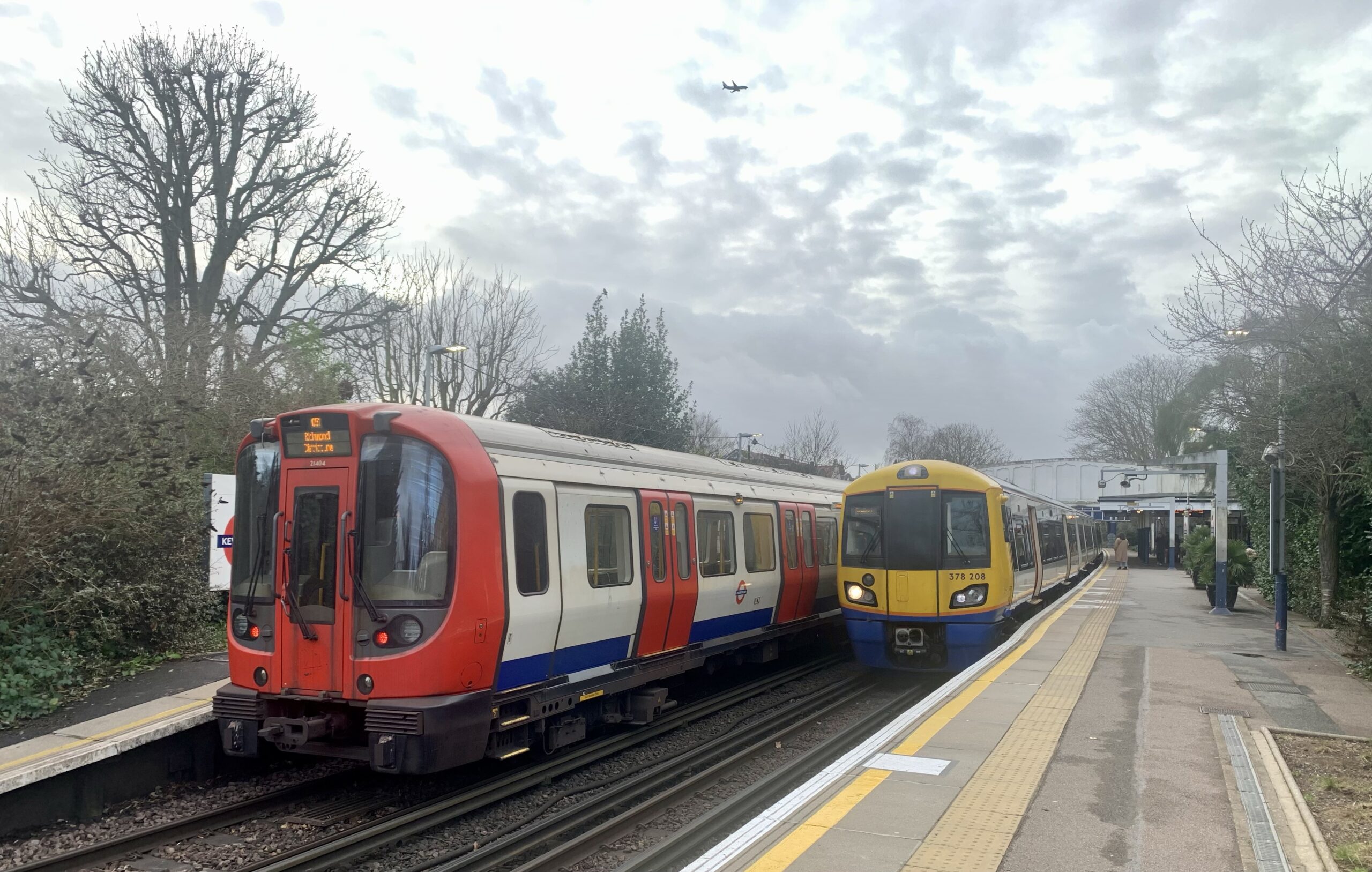
I like Kew, it has a lovely village feel and Kew Gardens railway station is a fine Grade II listed example of mid-Victorian architecture and one of the last remaining 19th Century stations on the North London Line having been opened in 1869 by the London & South Western Railway (L&SWR) who were, prior to the formation of ‘The Big Four’, custodians of the Bournemouth to Dorchester line. Current services calling at Kew Gardens are operated by London Underground (LU) and National Rail London Overground utilising LU S7 stock and British Rail Class 378’s respectively. The Class 378 EMU’s replaced the Class 313’s operated by Silverlink and were introduced in 2008. Kew Gardens is also the only station on the London Underground network I know of which has a pub attached to it. The pub once had a door which gave access to platform one, but this is no longer in use. The pub is currently called ‘The Tap on the Line’ but was formerly known as ‘The Railway’.
The footbridge over the tracks at the southern end of the station buildings is Grade II listed in its own right and is a rare surviving example of a reinforced concrete structure built by French engineer Francois Hennebique (1842-1921). The bridge, restored in 2004, has high sides which protected users from the smoke emitted from steam locomotives passing below when originally installed.


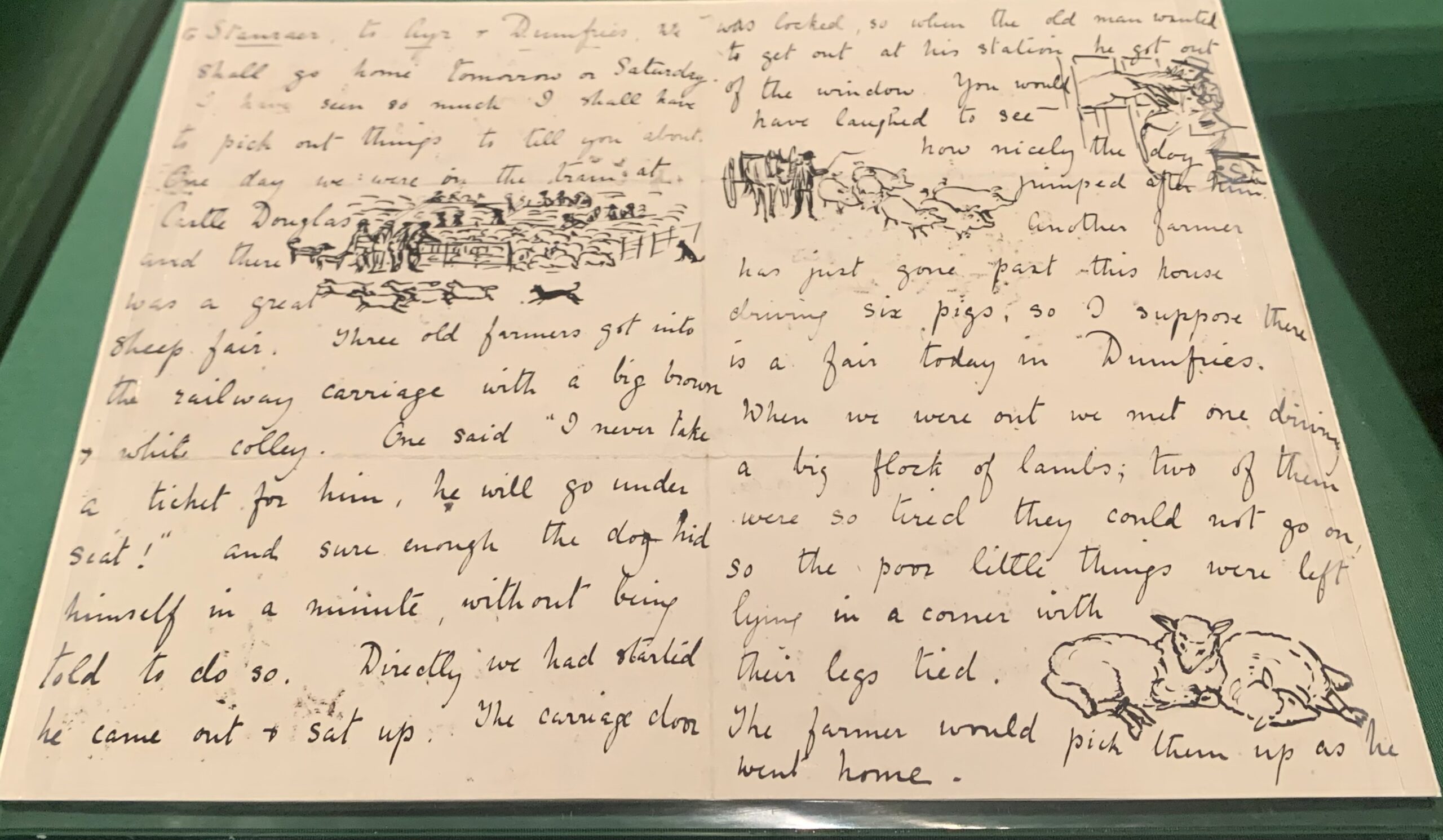
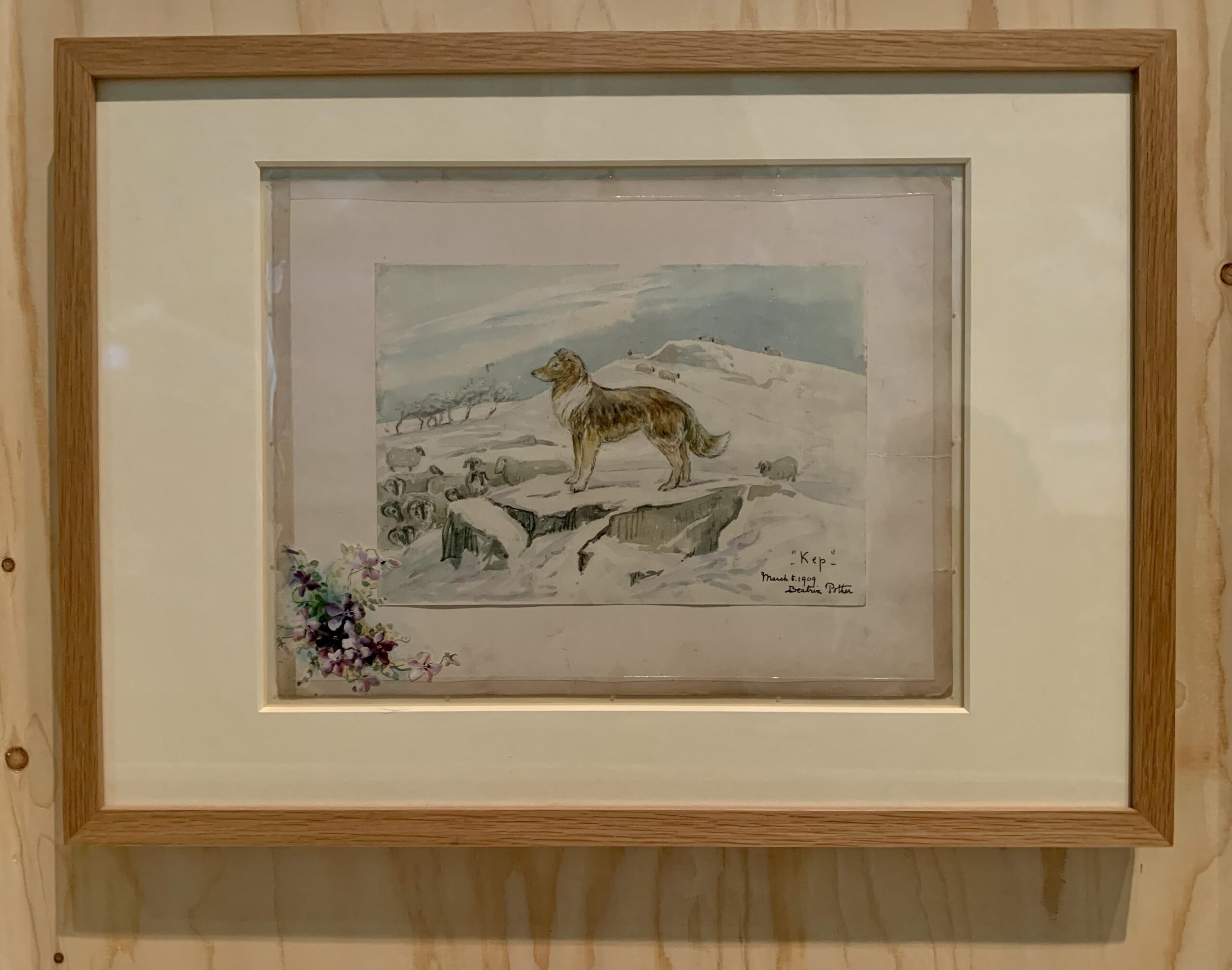
I very much enjoyed the V&A’s exhibition celebrating the life and work of Beatrix Potter. One railway themed item was this illustrated letter Beatrix sent to Marjorie Moore, the daughter of her last governess, detailing an eventful train journey when a farmer’s collie exited the carriage by jumping through a window:
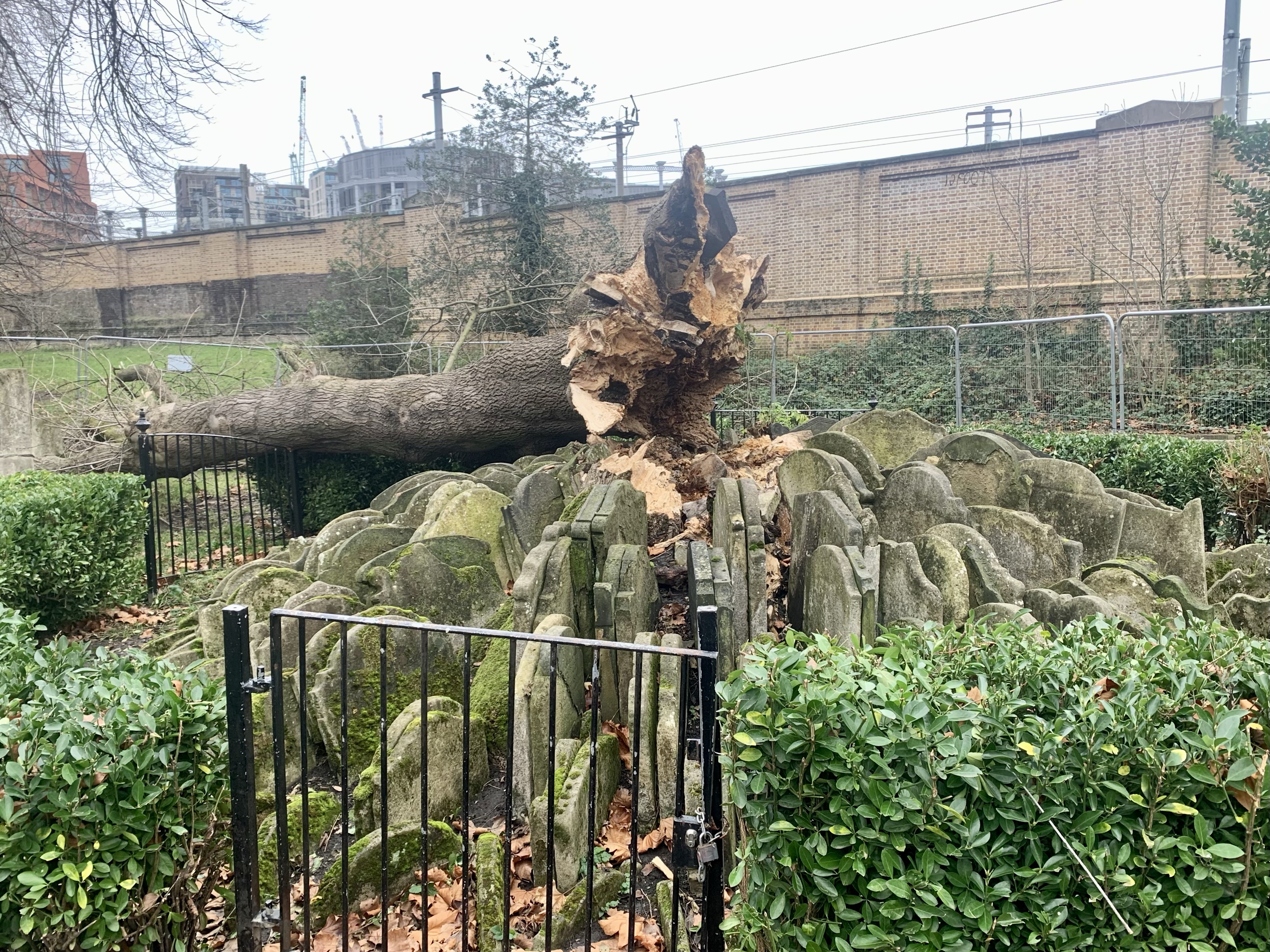
Following our visit to the V&A (and a fabulous lunch – mustn’t forget the lunch!) we headed off to Islington via Old St. Pancras Churchyard so we could see ‘The Hardy Tree’ which had recently succumbed to a fungal infection and had fallen. During the 1860’s the Midland Railway line was being built over part of the original St. Pancras Churchyard. Arthur Blomfield, a Covent Garden based architect, was commissioned by the Bishop of London to supervise the proper exhumation of human remains and the dismantling of tombs. He passed this unenviable task onto his protégé Thomas Hardy in 1865. Hardy (1840-1928) is best known as a Dorset author and poet with his novels set in rural ‘Wessex’, however before turning to writing full time he studied architecture in London from 1862-67.
Hardy would have spent many hours in Old St. Pancras Churchyard during the construction of the railway, overseeing the careful removal of bodies and tombs from the land on which the tracks were being laid. Legend has it that Hardy stacked displaced headstones in a circle around an ash tree with the stones becoming embedded in the tree over time.
A few years before Hardy’s involvement, Charles Dickens (1812-1870) makes reference to Old St. Pancras Churchyard in “A Tale of Two Cities” (1859), as the churchyard in which Roger Cly was buried and where Jerry Cruncher was known to ‘fish’ – a 19th Century term for tomb robbery and body snatching!
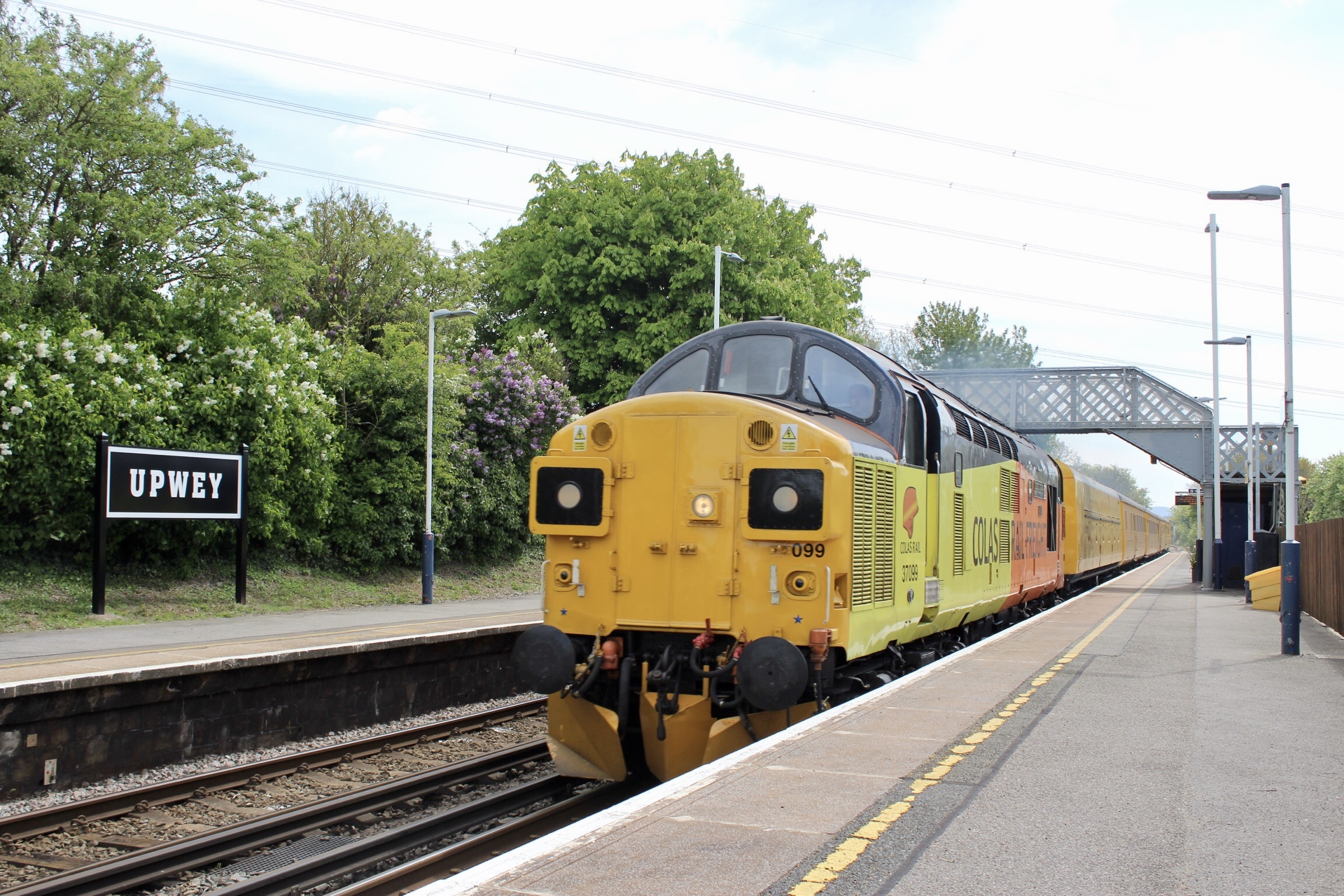
Thanks for reading and Happy New Year! This blog entry was brought to you by Halls Soothers. Until next time, we’ll leave you with this; Thomas Hardy, inspired by a visit to Upwey, wrote a poem “At the Railway Station, Upway”, about waiting for a train at a country station:
“There is not much that I can do,
For I’ve no money that’s quite my own!”
Spoke up the pitying child –
A little boy with a violin
At the station before the train came in, –
“But I can play my fiddle to you,
And a nice one ’tis, and good in tone!”
The man in the handcuffs smiled;
The constable looked, and he smiled, too,
As the fiddle began to twang;
And the man in the handcuffs suddenly sang
Uproariously:
“This life so free
Is the thing for me!”
And the constable smiled, and said no word,
As if unconscious of what he heard;
And so they went on till the train came in –
The convict, and boy with the violin.


Leave a Reply to Yoshi Cancel reply