Wednesday September 7th to Tuesday September 20th
Dorset
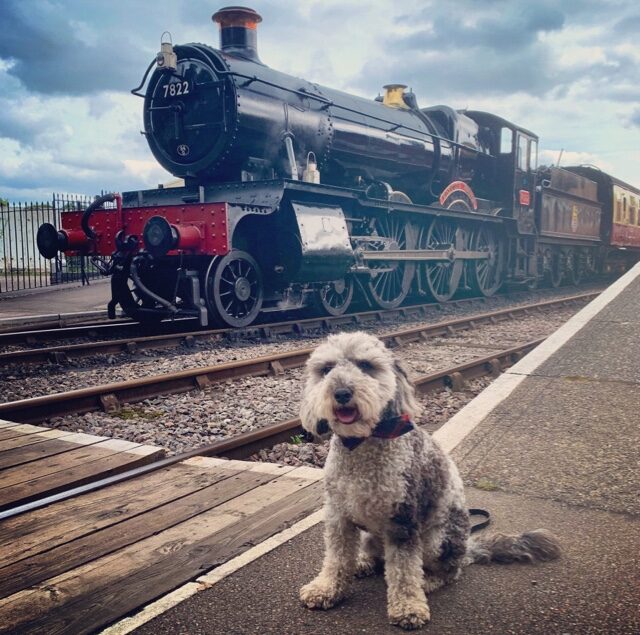
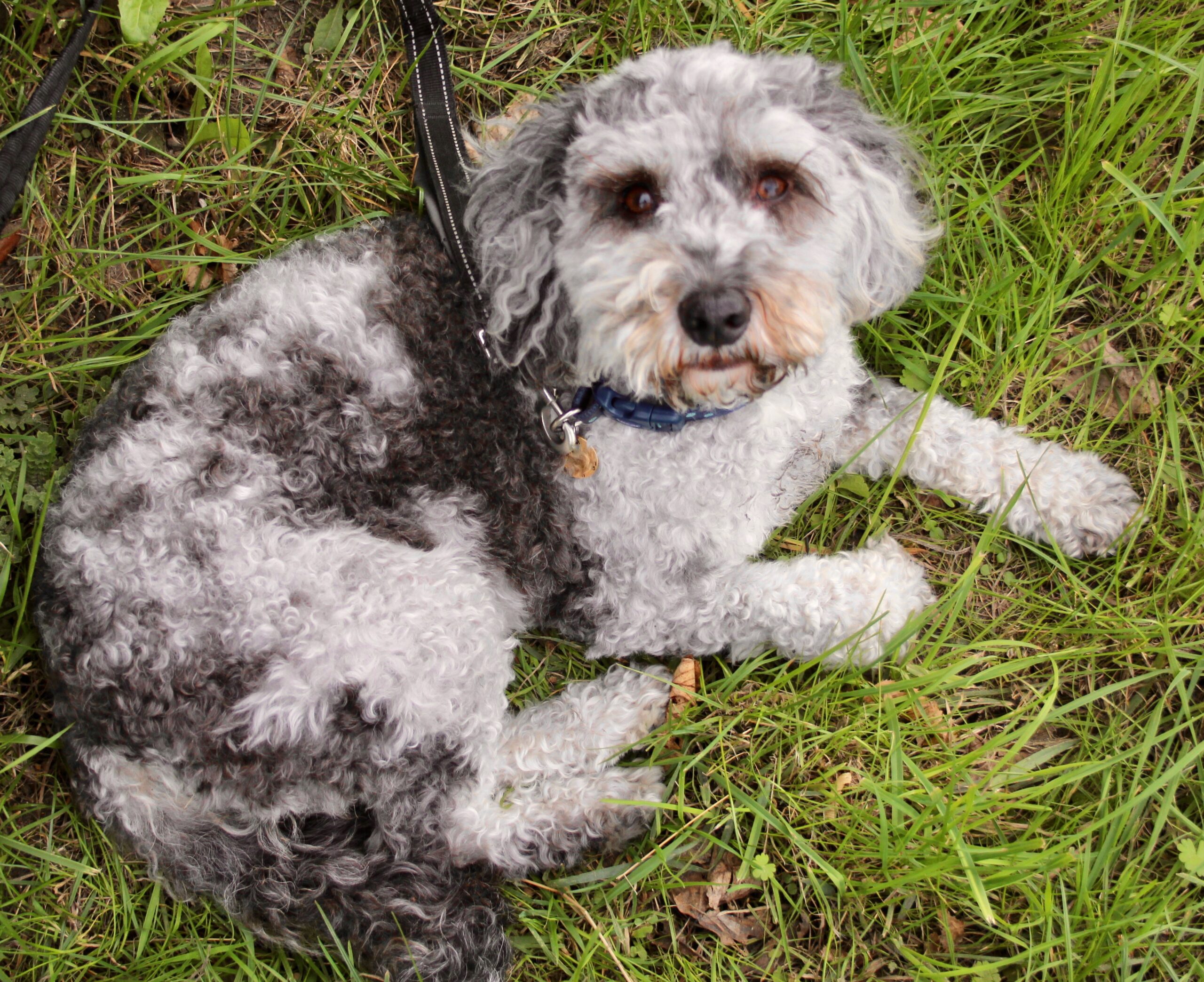
After last weeks ‘filler’ blog entry on the XP64 livery, we’re back! I’ve been on my hols, as has Yoshi who has been staying with his cousins. I’m sure it was a very happy doggo madhouse for a couple of weeks! Have to admit I missed our boy and it was so very good to see his excited face again when we were all reunited together ready to catch up on Yoshi’s favourite TV programme; “Married At First Sight UK”.
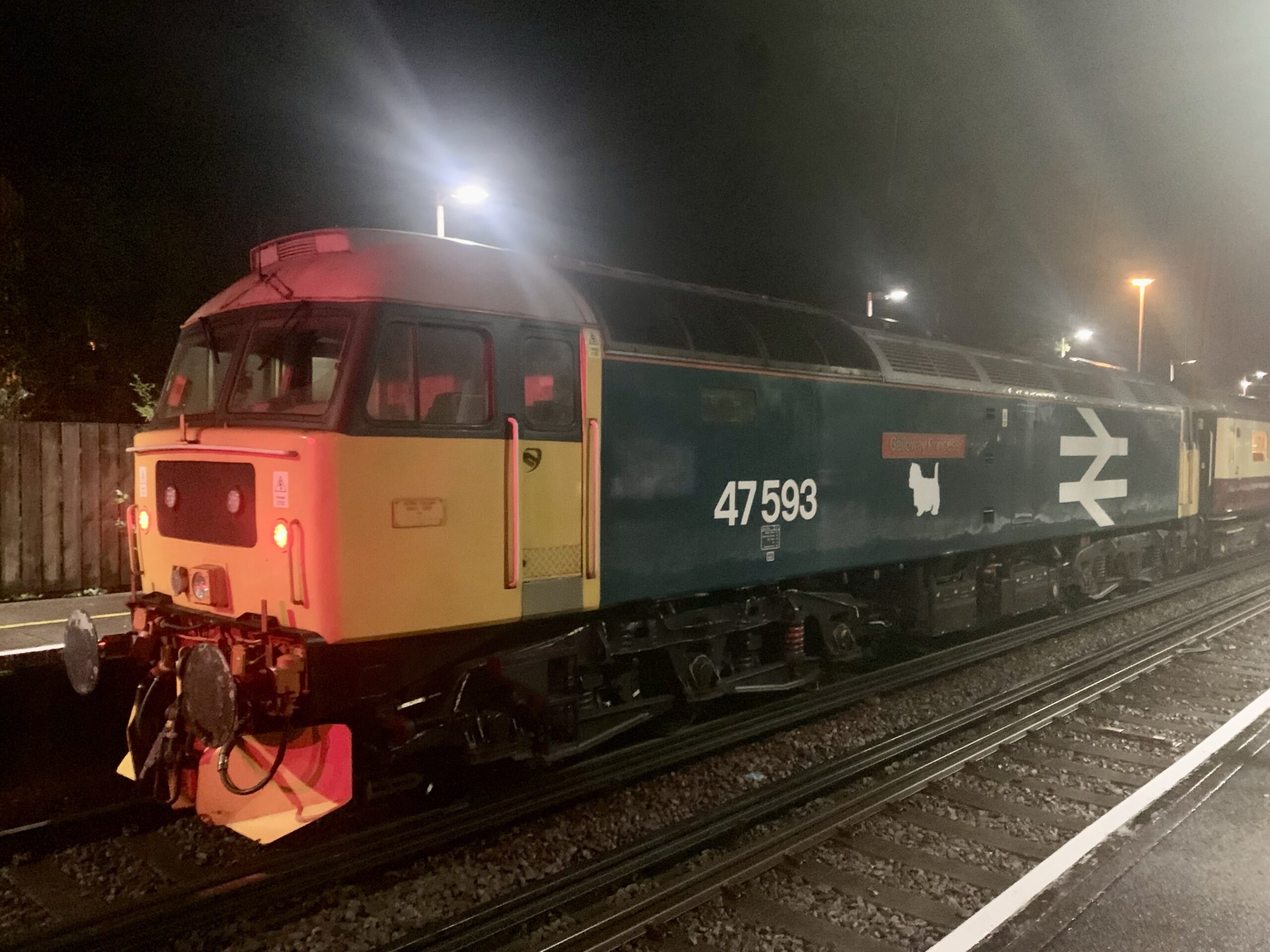
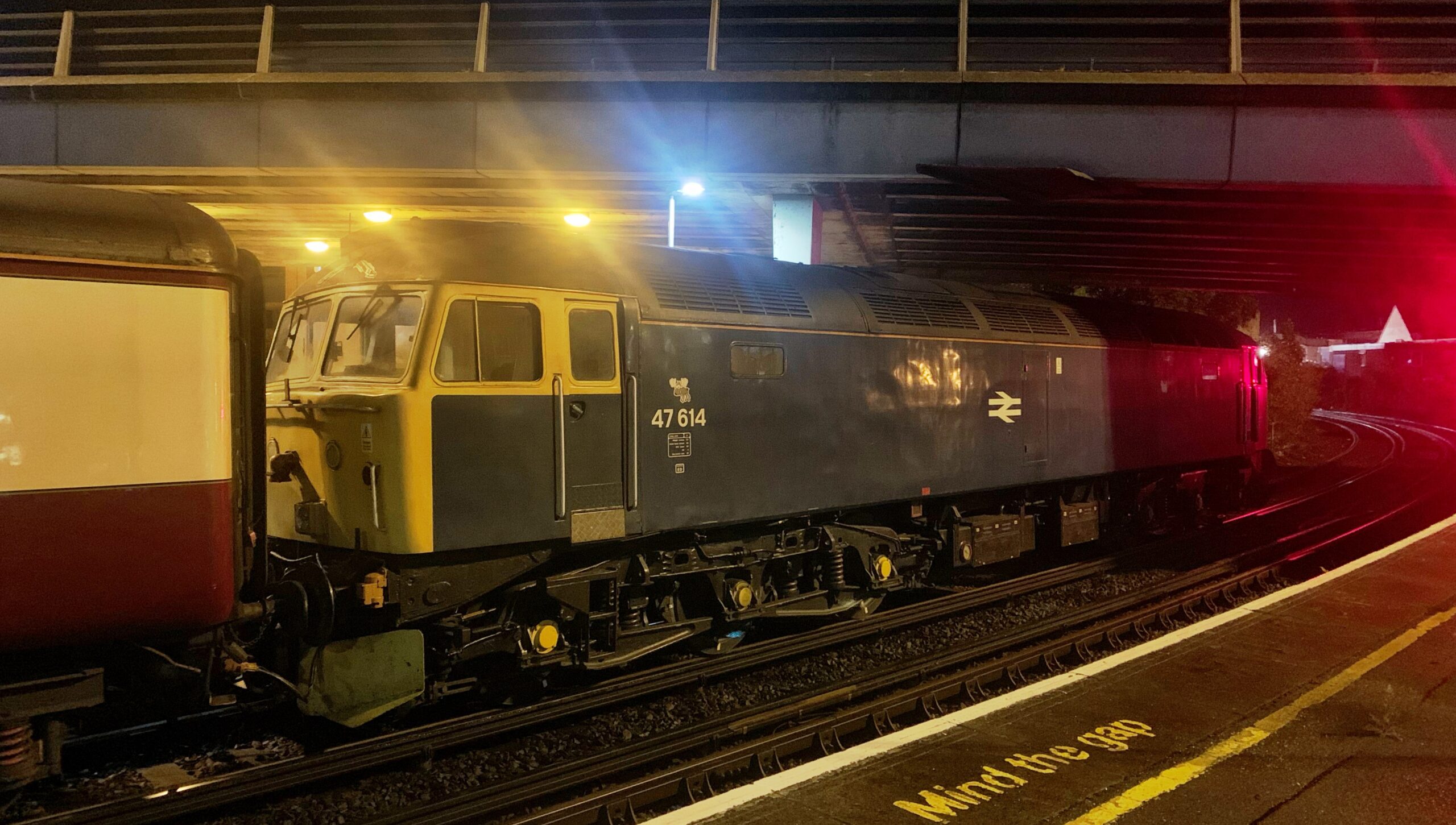
Before we went off on my travels, I was up early on Wednesday September 7th 2022 in order to see the departure of the “Welsh Marshes Express” rail tour from Poole on its way to Shrewsbury. The Dorset part of the tour saw top and tailed Locomotive Services Limited Class 47’s in charge, the working being taken over by steam in the form of BR Standard Class 7 No. 70000 ‘Britannia’ at Bristol where the train was taken forward to Shrewsbury and its return back to Temple Meads before the Class 47’s returned the train back to Poole.
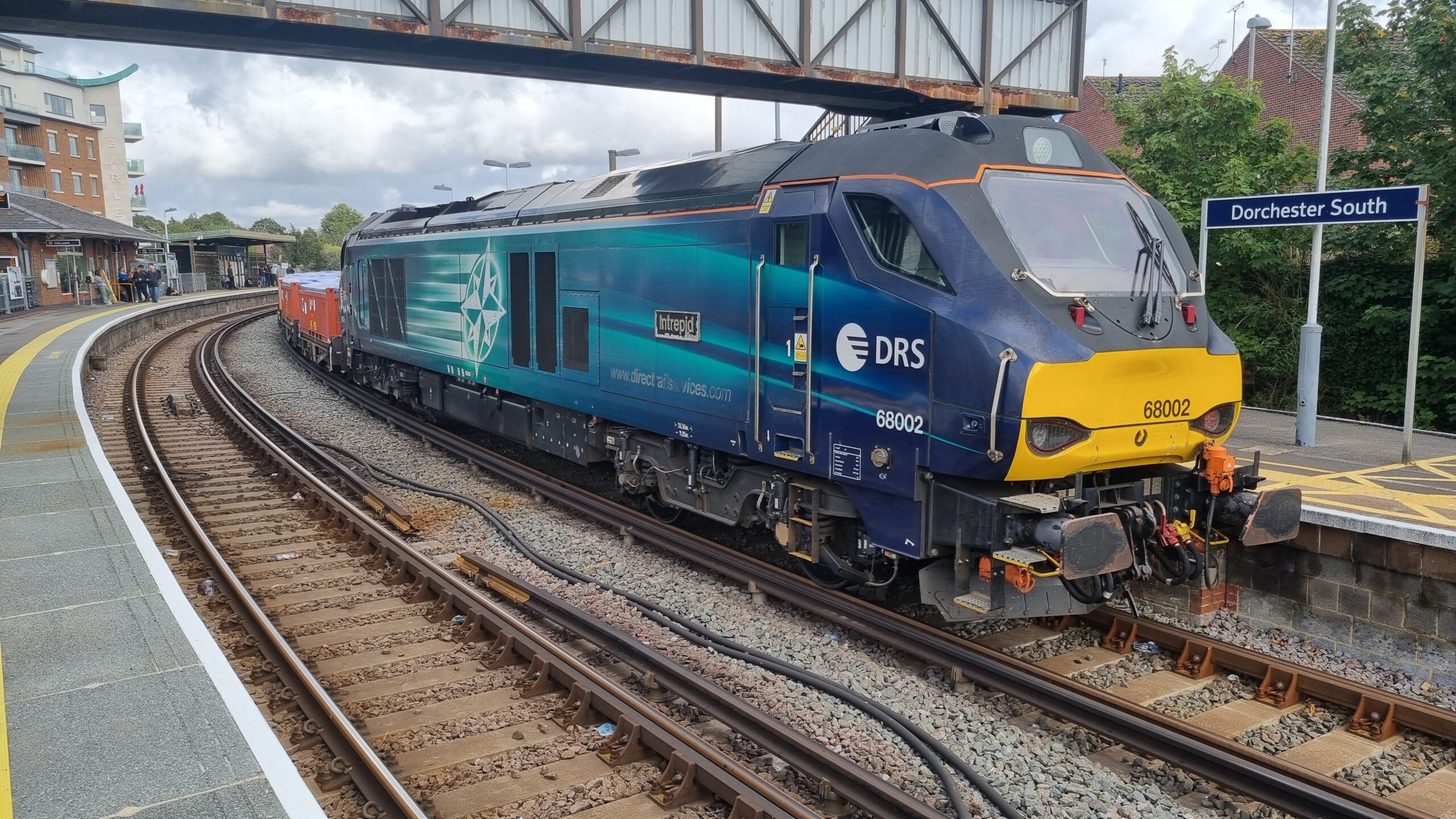
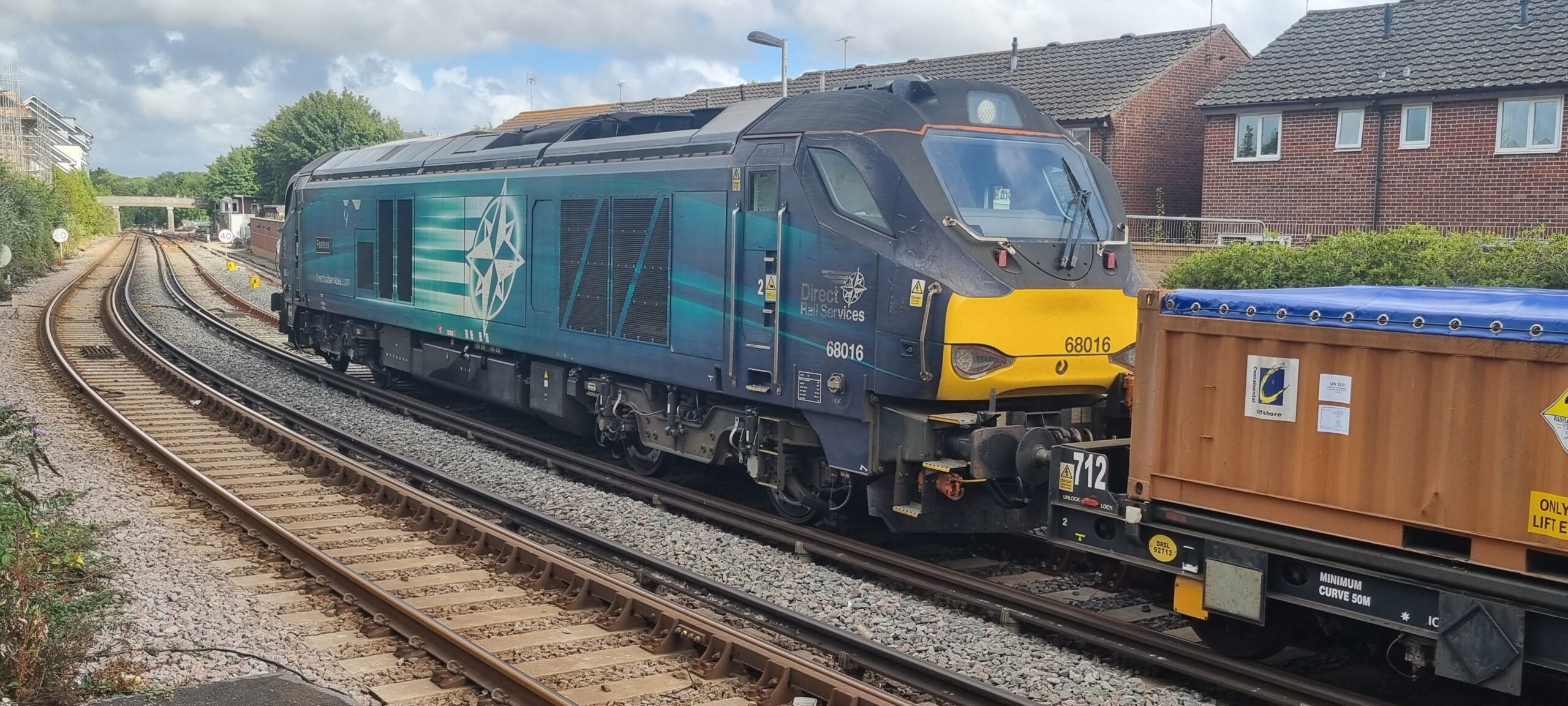
Also the same day was an additional Winfrith working; 6Z62 0103 Crewe Coal Sidings (DRS) to Winfrith Sidings with Class 68’s once again taking a train of empty PFA wagons to collect low level nuclear waste from the Magnox site.


I was enjoying the hospitality of Heathrow T5 when 2 x Colas Class 37’s were in Weymouth working the New Measurement Train which is normally in the control of former HST power cars, but by kind permission, we can share the video below of the train reversing at Weymouth:
The return working of the Winfrith low level nuclear waste train was occupying Dorchester South at around the same time the Class 37’s were passing through Dorchester West with the return NMT working. I at least didn’t have to make a choice as to which train I would have photographed as at that moment I was boarding my BA flight to Egypt. However, with kind permission, we can share the following images of the loaded DRS train at Dorchester South:
Thursday 8th September and Thursday 15th September were scheduled dates for steam hauled excursions into Dorset run by The Railway Touring Company. Unfortunately a passenger falling ill and then sadly passing away at London Victoria on “The Swanage Belle” on the 8th meant the train was cancelled prior to departure. Our condolences to family and friends concerned. “The Dorset Coast Express” due to run on the 15th fell foul of the scheduled rail strike which in the event was itself cancelled following the death of Queen Elizabeth II. Both trains were to have been worked on the outward leg by LMS Jubilee Class 4-6-0 No. 45596 ‘Bahamas’. “The Swanage Belle” was rescheduled for 22nd September 2022.
Egypt
In 1851 Abbas I, Khedive of Egypt, began negotiations with British engineer Robert Stephenson for the construction of a railway from Alexandria to Cairo. This was only the second railway built in the world and the first on the African continent. The 120 mile line to Cairo was completed by 1856 and work began on a southern extension with a 230 mile section to Assiut finished in 1874.
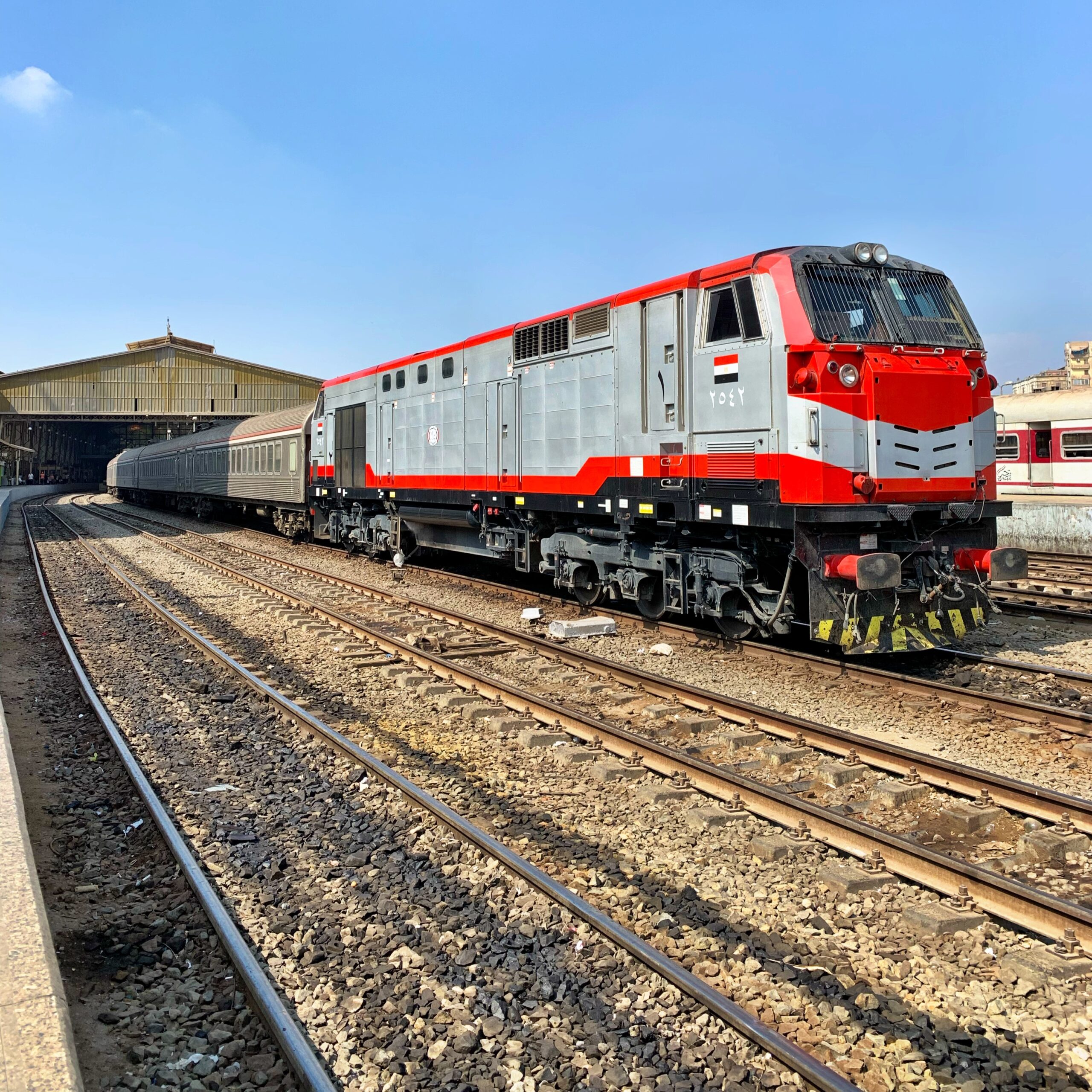
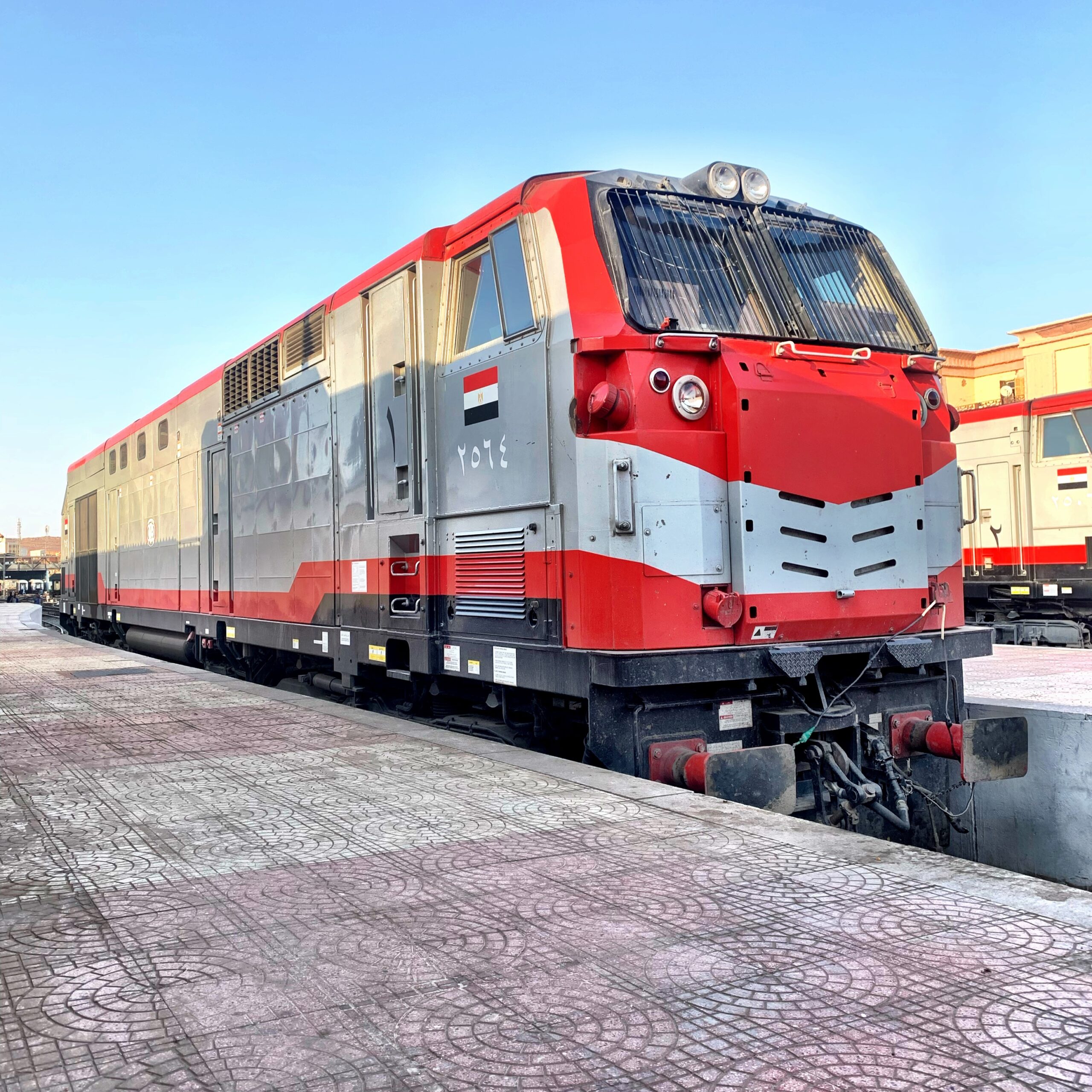
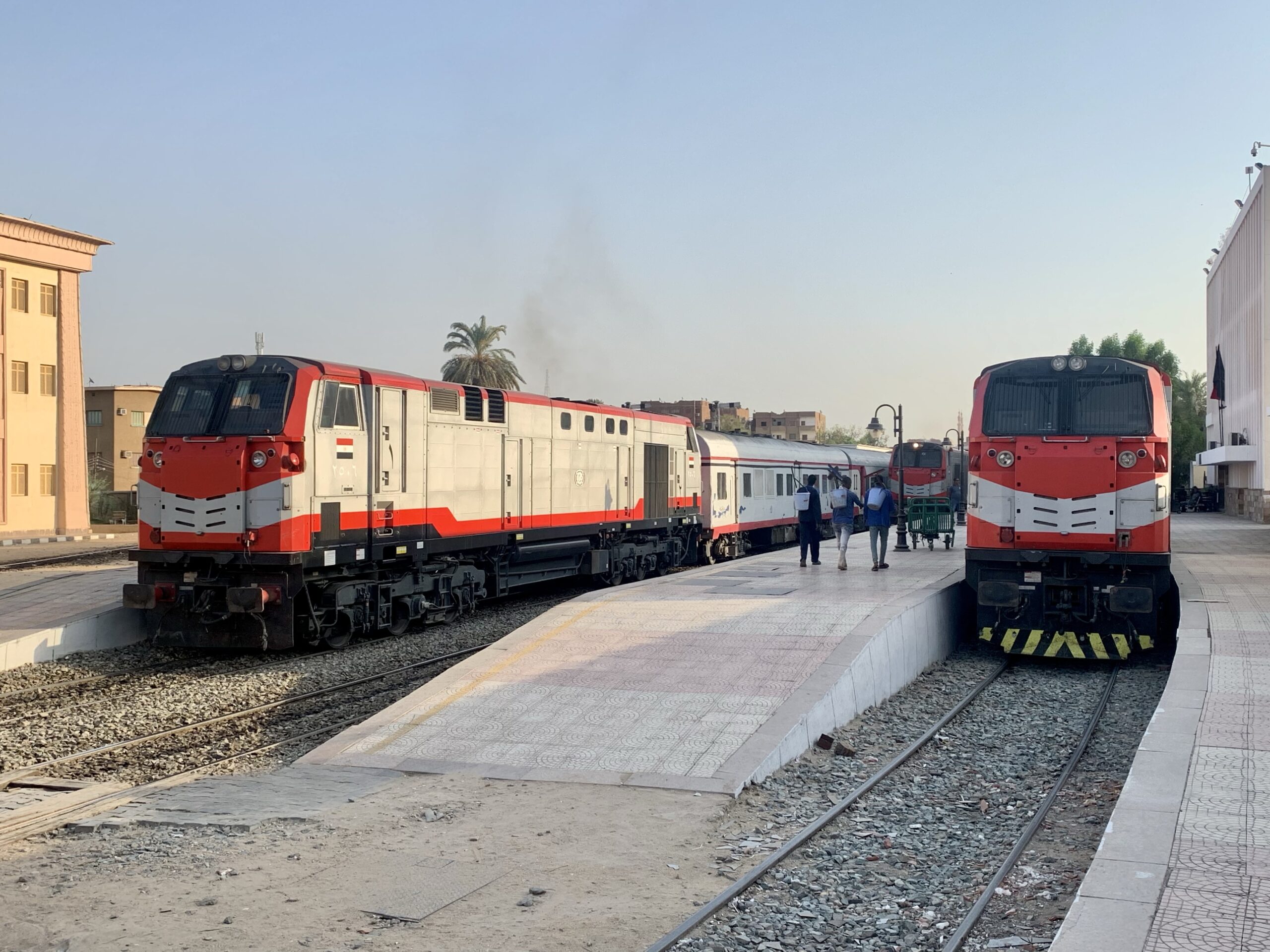
in September 2022, the majority of Egyptian National Railway services we saw during our stay were hauled by the impressive ES30ACi Light Evolution diesel locomotives built by the American GE Transportation Systems (now owned by Wabtec) and are are equipped with a 12-cylinder, 3200 HP GE Evolution Series engine. The locomotives are capable of passenger and freight train duties and 110 were ordered in 2017, the final units being delivered in March 2021.
I was a little concerned about railway photography in Egypt as UK Foreign Office advice noted that British nationals have been arrested for photographing amongst other things, train stations and bridges. So, during my stay I ensured that permission was asked and if possible I was with my guide or a local travel company agent. I’m pleased to report I wasn’t arrested, and was in all instances greeted by friendly waves, enthusiasm and chat.
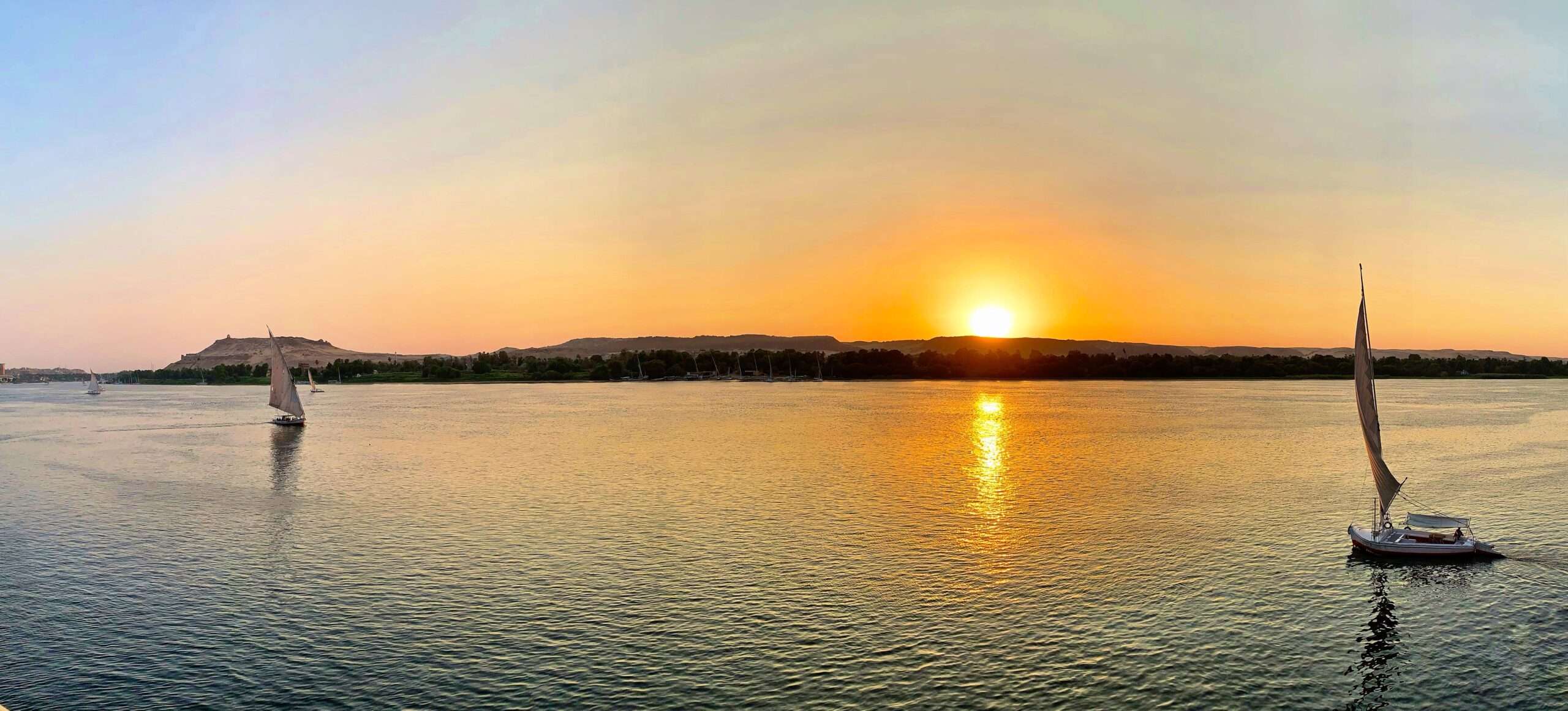
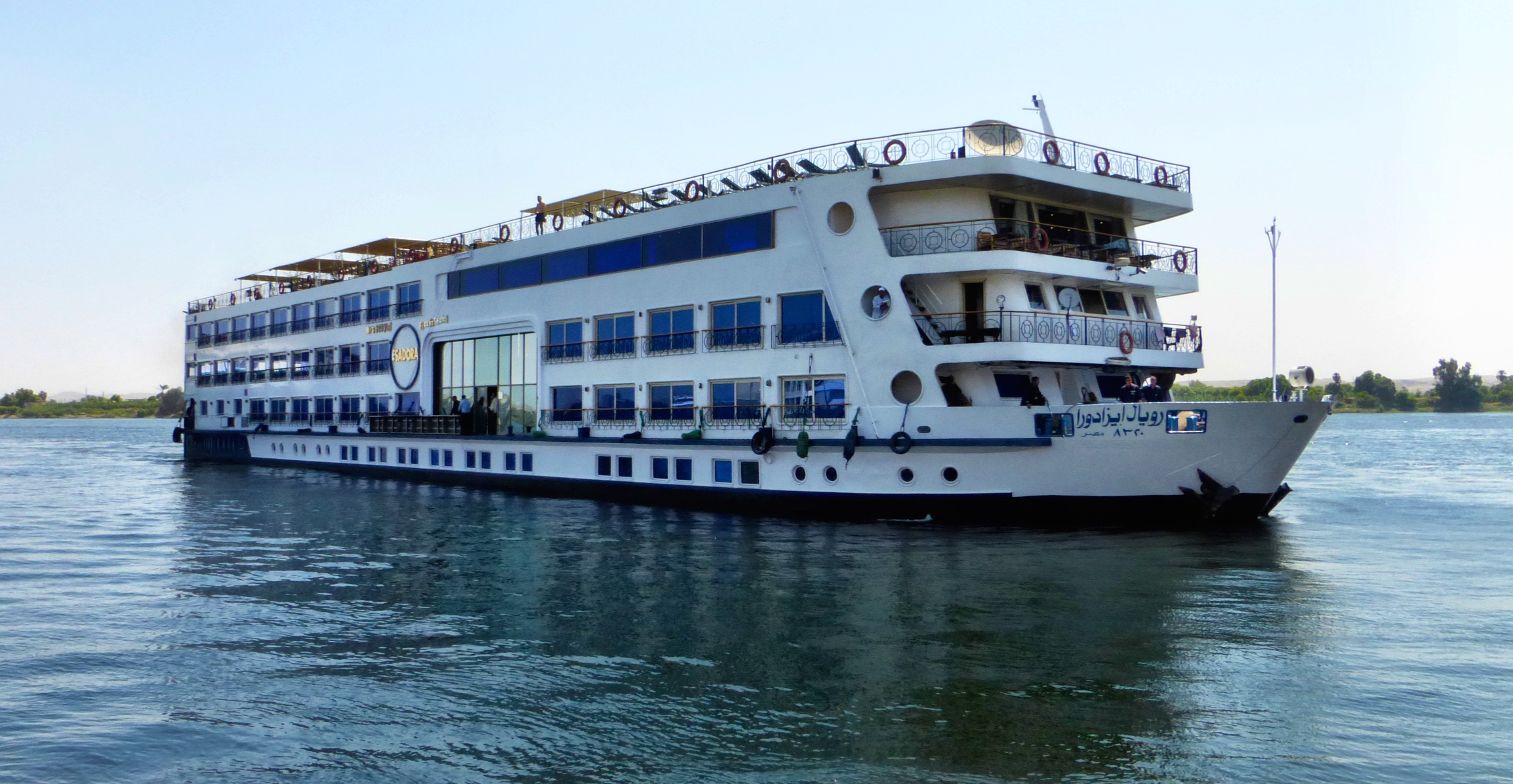
We spent a few days in Cairo before flying to Luxor to board the M/S Royal Esadora which would take us along the River Nile to Aswan and back.
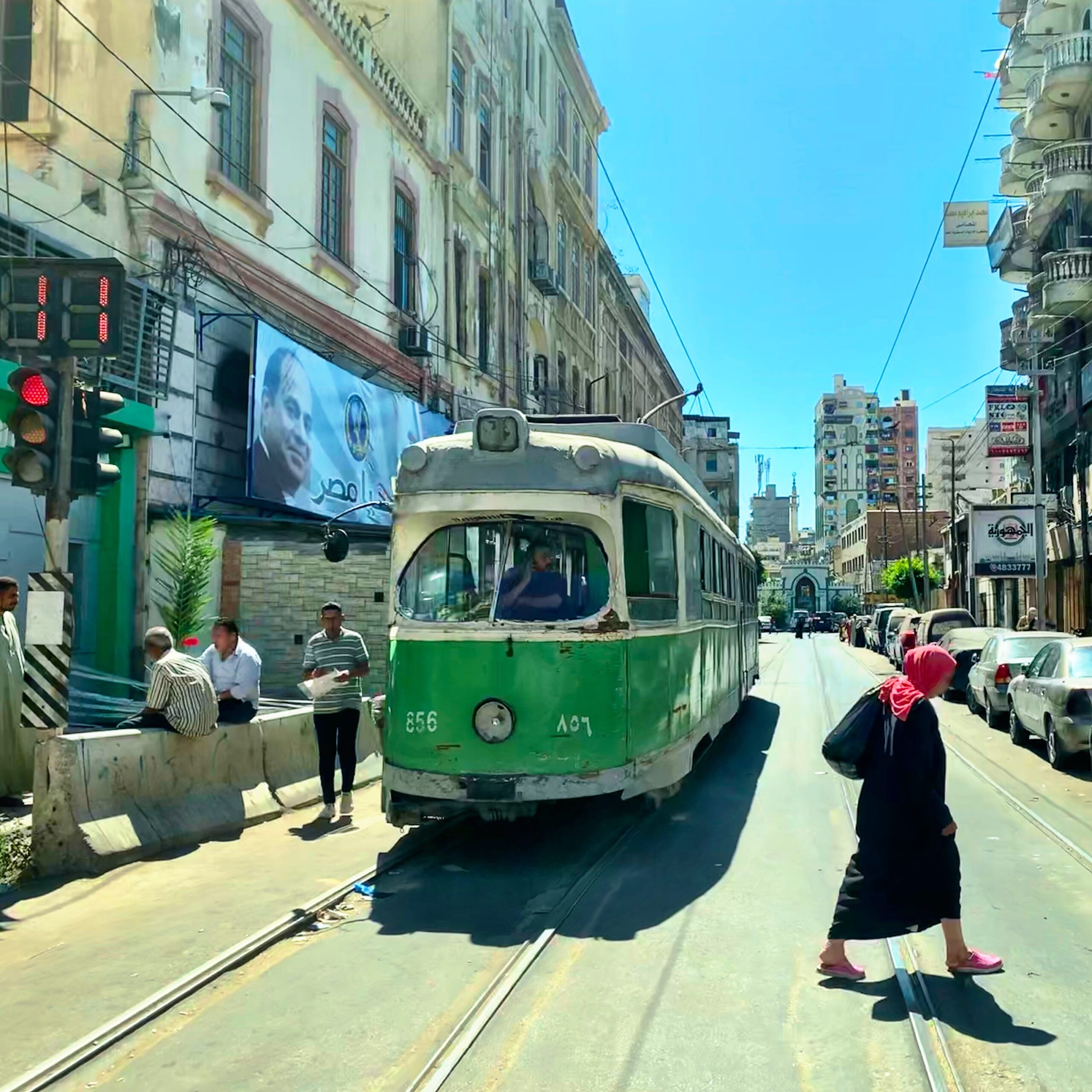
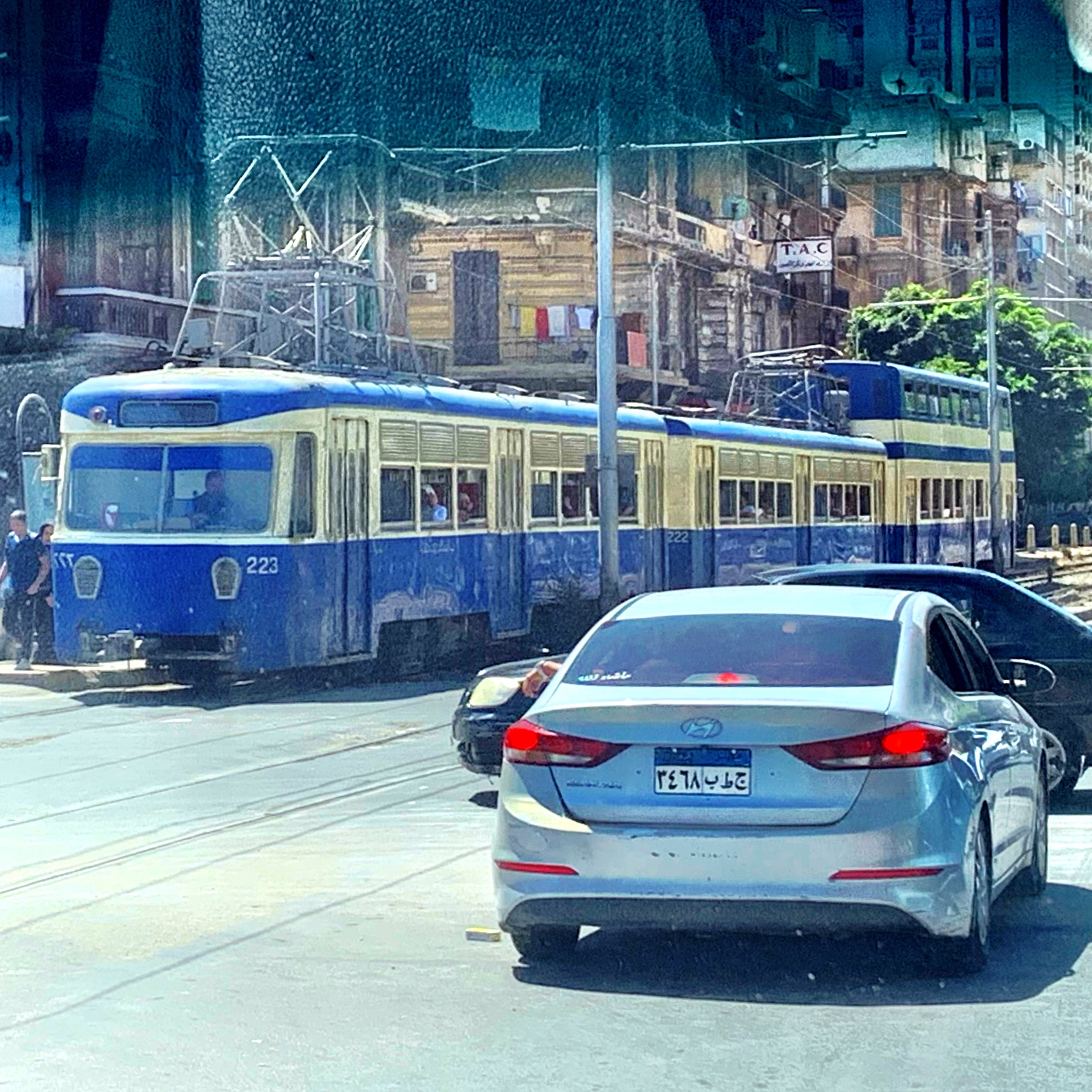
The Alexandria Tramway Network – Alexandria is located on the Nile delta in the north of Egypt. We travelled by car from Cairo for the day and as we drove around, our guide enthused over the wooden trams which still survive. The license to build a tramway system in Alexandria was issued on 16 August 1860, and the first line of the network began operating in on 8 January 1863. The system was electrified in 1902. There is an extensive network of 20 tram lines operating on 32 kilometers of track, serving 140 stops, running in the streets of central and western Alexandria as well as the coastal Al Raml line.



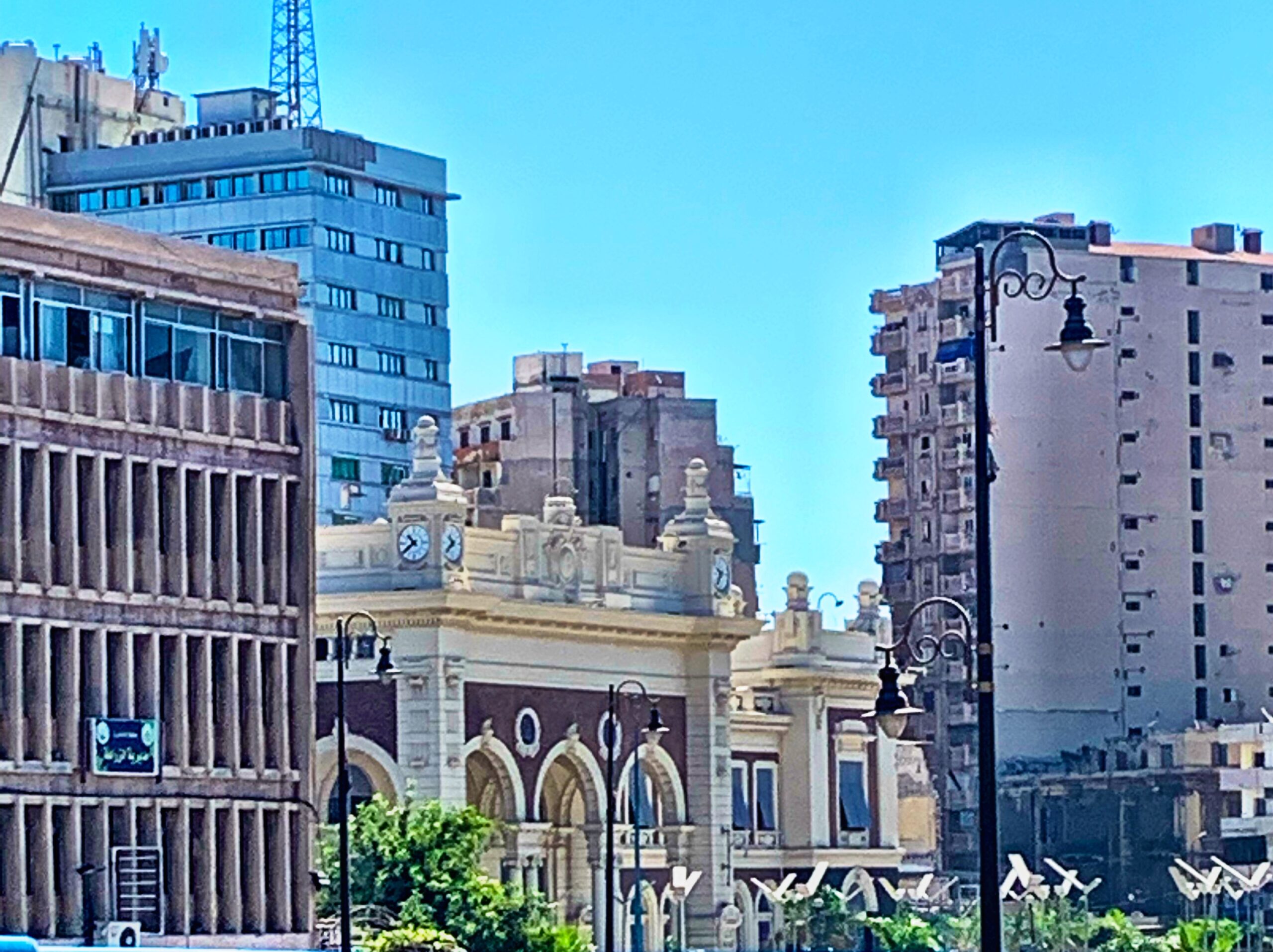
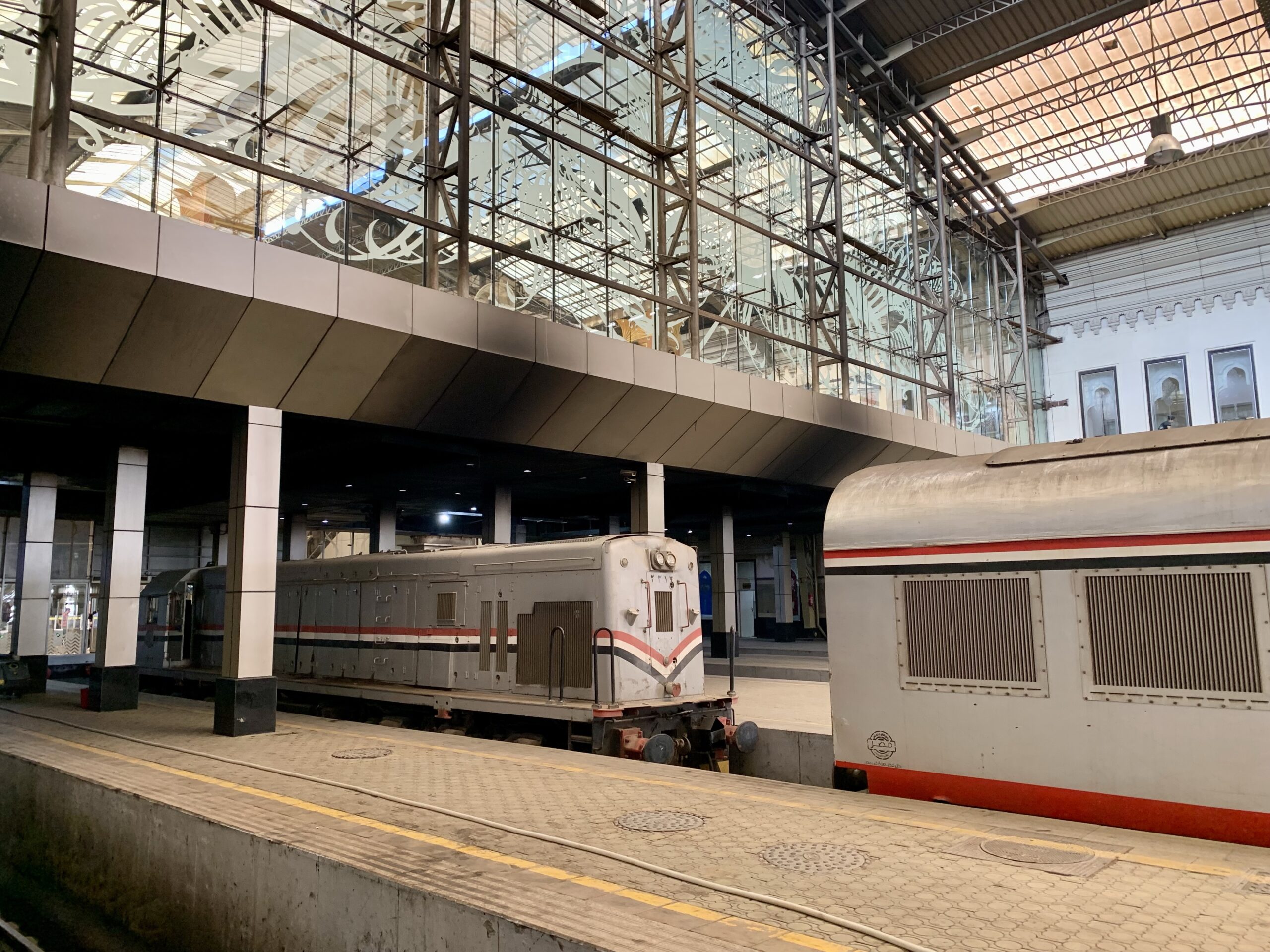
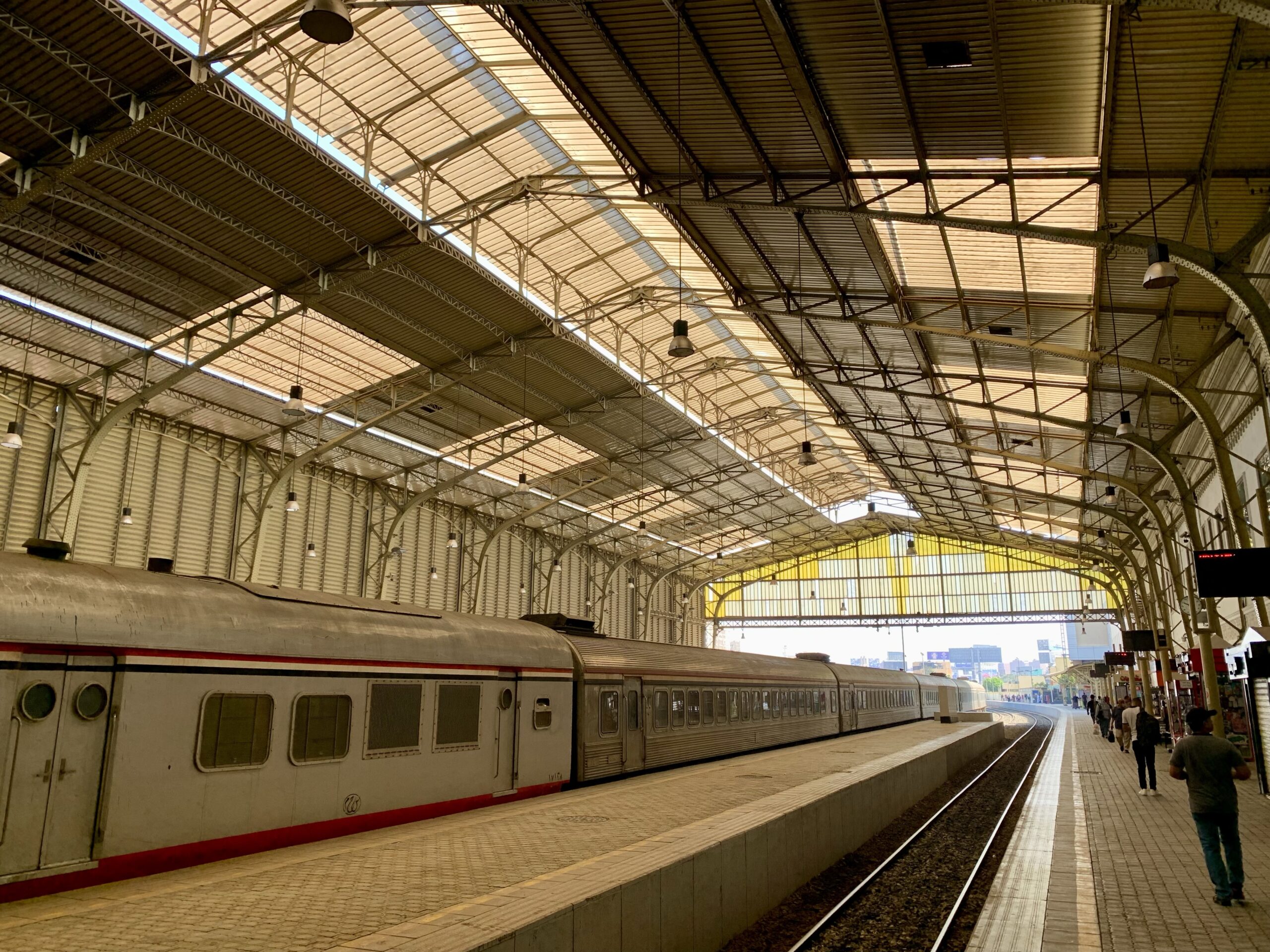
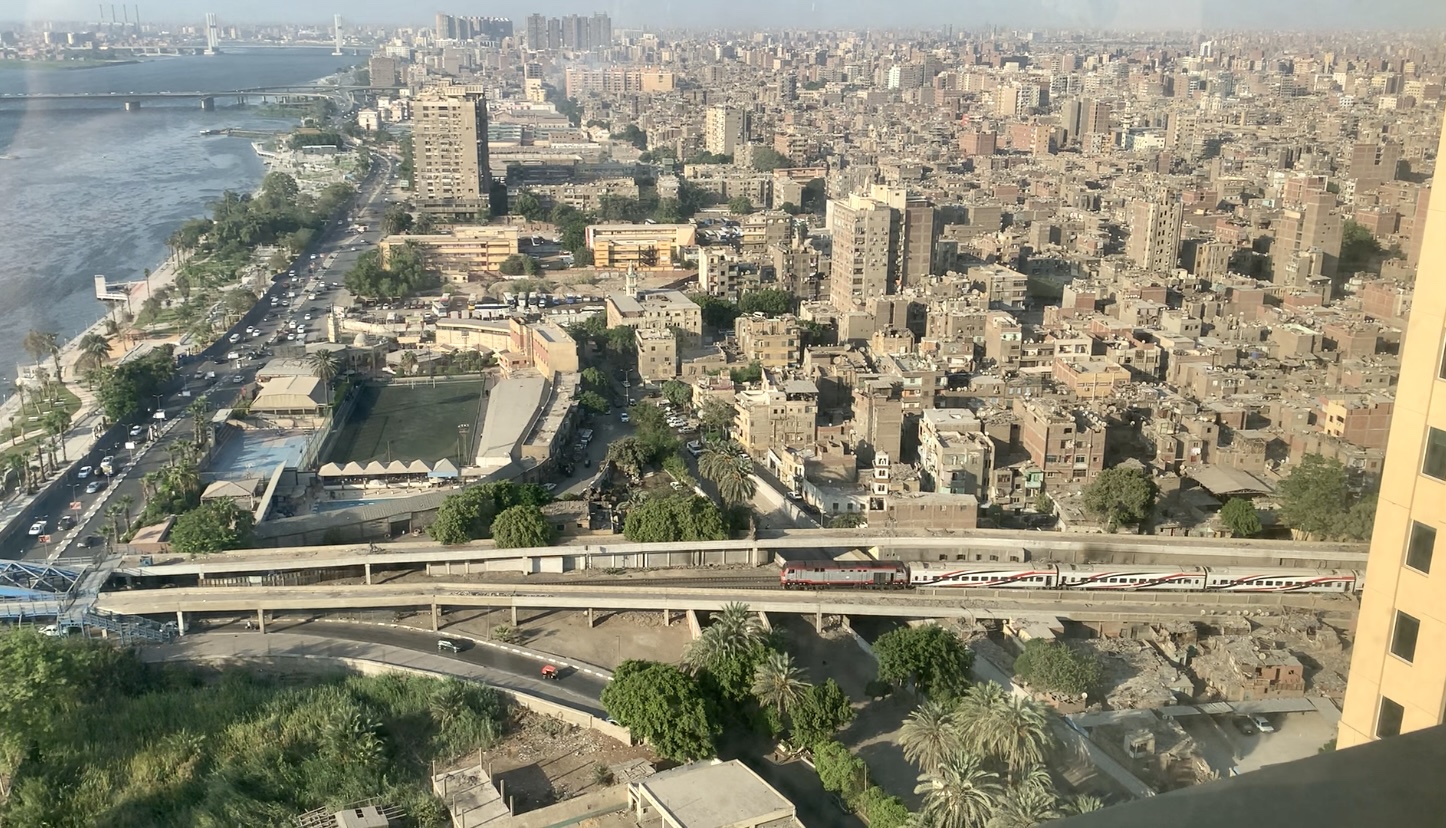
Cairo – Ramsis Railway Station is the main railway station in Cairo and our first glimpse of the lengthy imposing structure was out of the windows of the transfer car taking us from the airport to our hotel on our first night in Egypt. The station is named after Pharaoh Ramses II. We saw a lot about him during our stay in the country!
An older railway station was opened at the site in 1854. Later in 1890 the Egyptian government, driven by a desire to give Cairo a grand entrance way began work on the current, much larger railway station. For most visitors before the advent of air travel, Ramsis station was the entry point into Cairo after arriving in Alexandria by ship. The station is part terminus with some through platforms.
An upgrade to the structure was carried out in 1955 and from January 2001 to early 2011 the station underwent major modernisation being fully upgraded and air conditioned with new marble flooring and the addition of escalators. The railway station has also a connection to the Cairo Metro (which I was unable to photograph), buses, and taxis (although no idea where these were!)
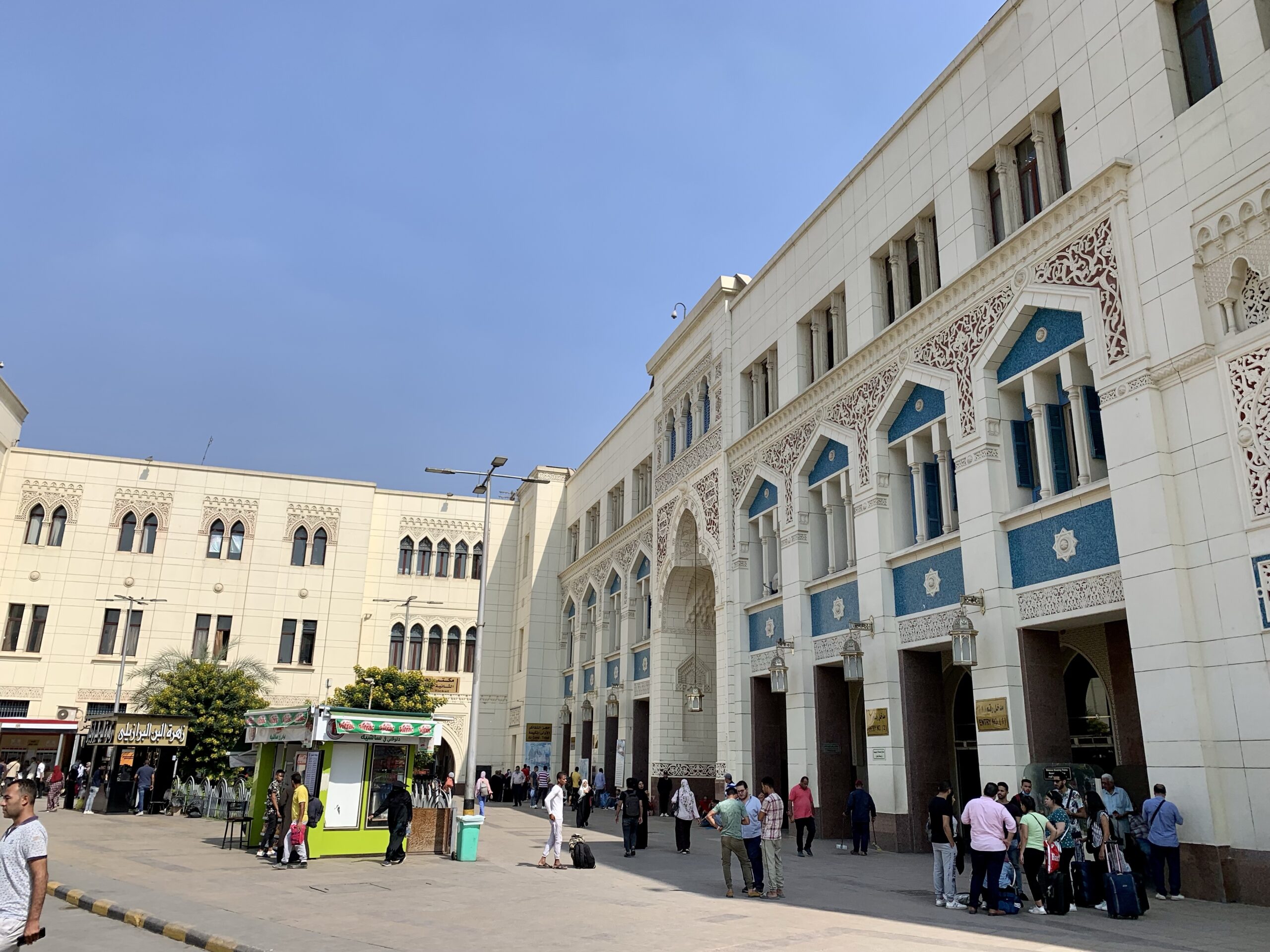
Luxor – Luxor is a modern city in Upper Egypt which includes the site of the Ancient City of Thebes. The temples of Karnak and Luxor are situated within the city with the Valley of the Kings (which includes the Tomb of Tutankhamun, discovered by Howard Carter almost 100 years ago) and Valley of the Queens located on the opposite west bank of the Nile.
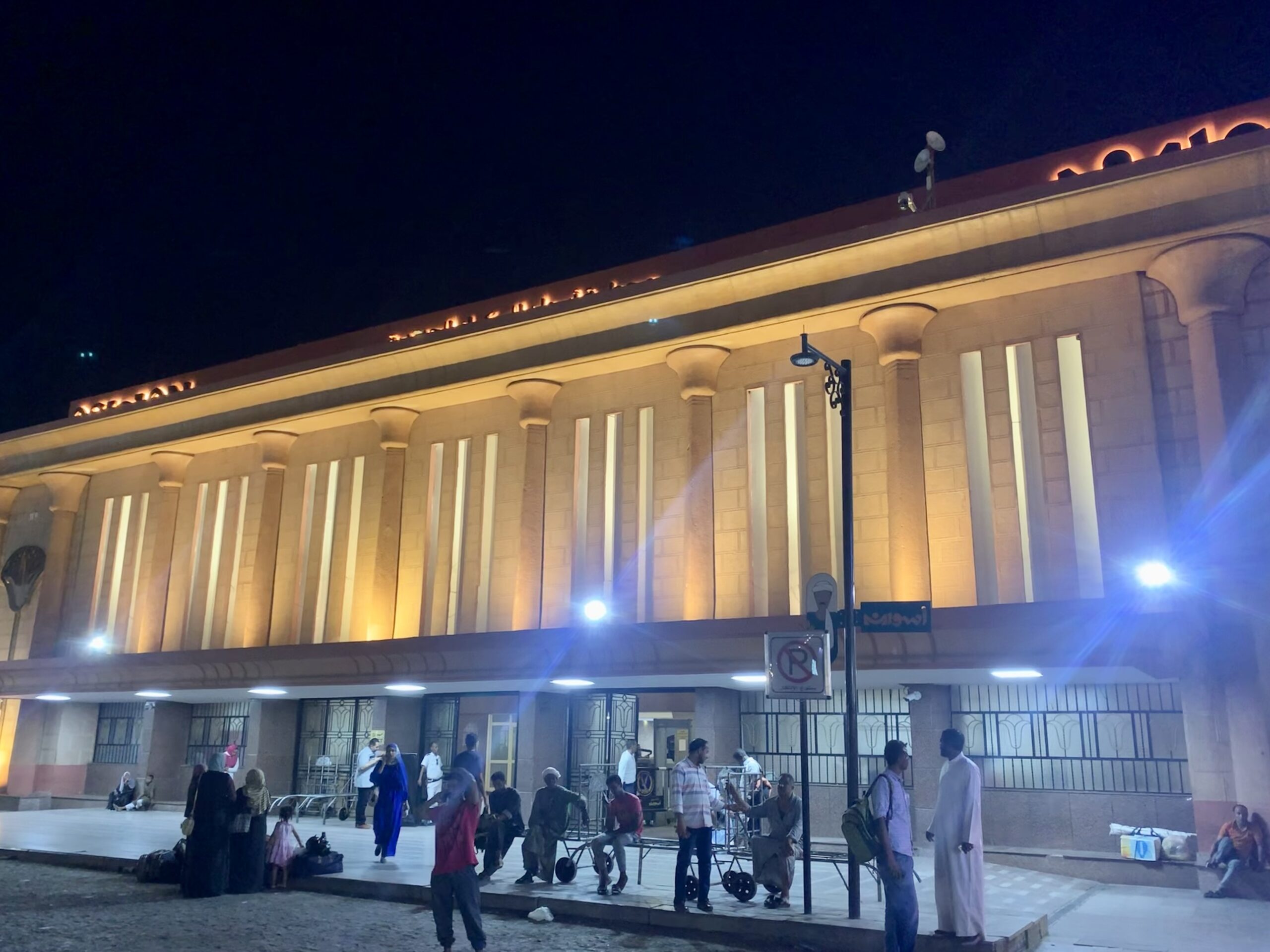
Luxor railway station is located near the centre of the city, the original station having opened in 1898 to accommodate standard gauge trains. The railway between Luxor and Aswan was built to a 3 ft 6 in gauge eventually being converted to standard gauge in 1926. The exterior of the current station is built to reflect the local temples.

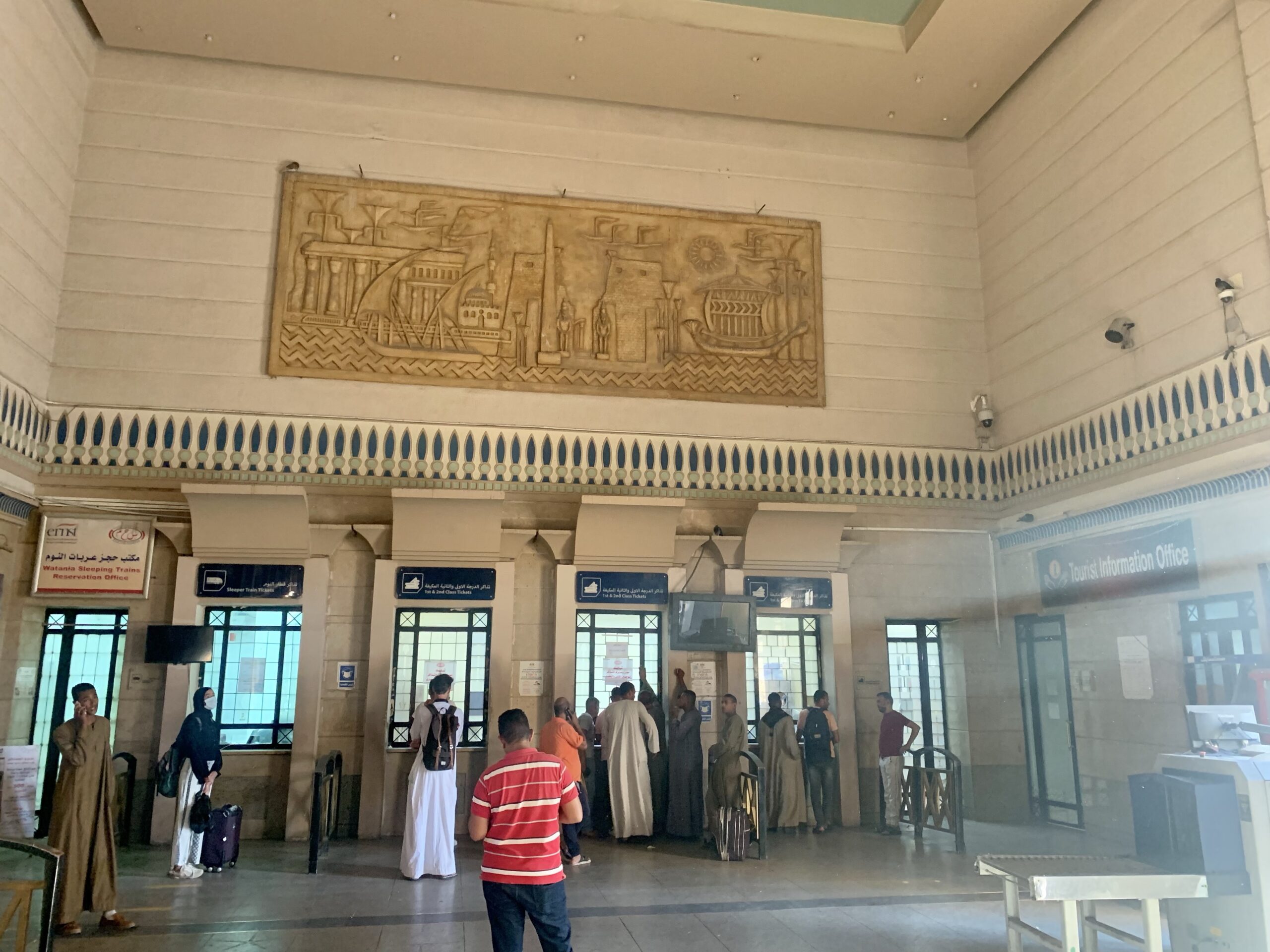
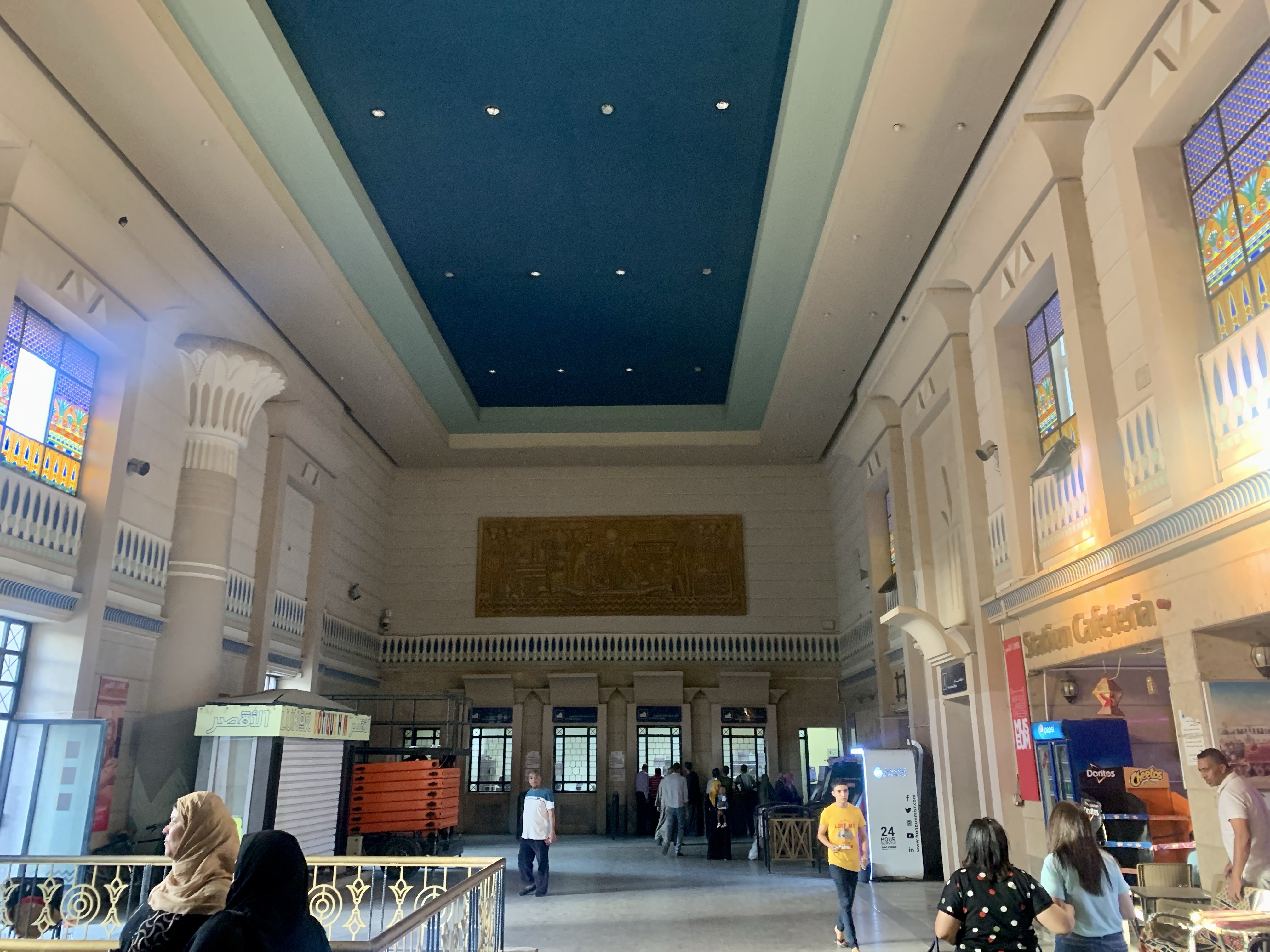
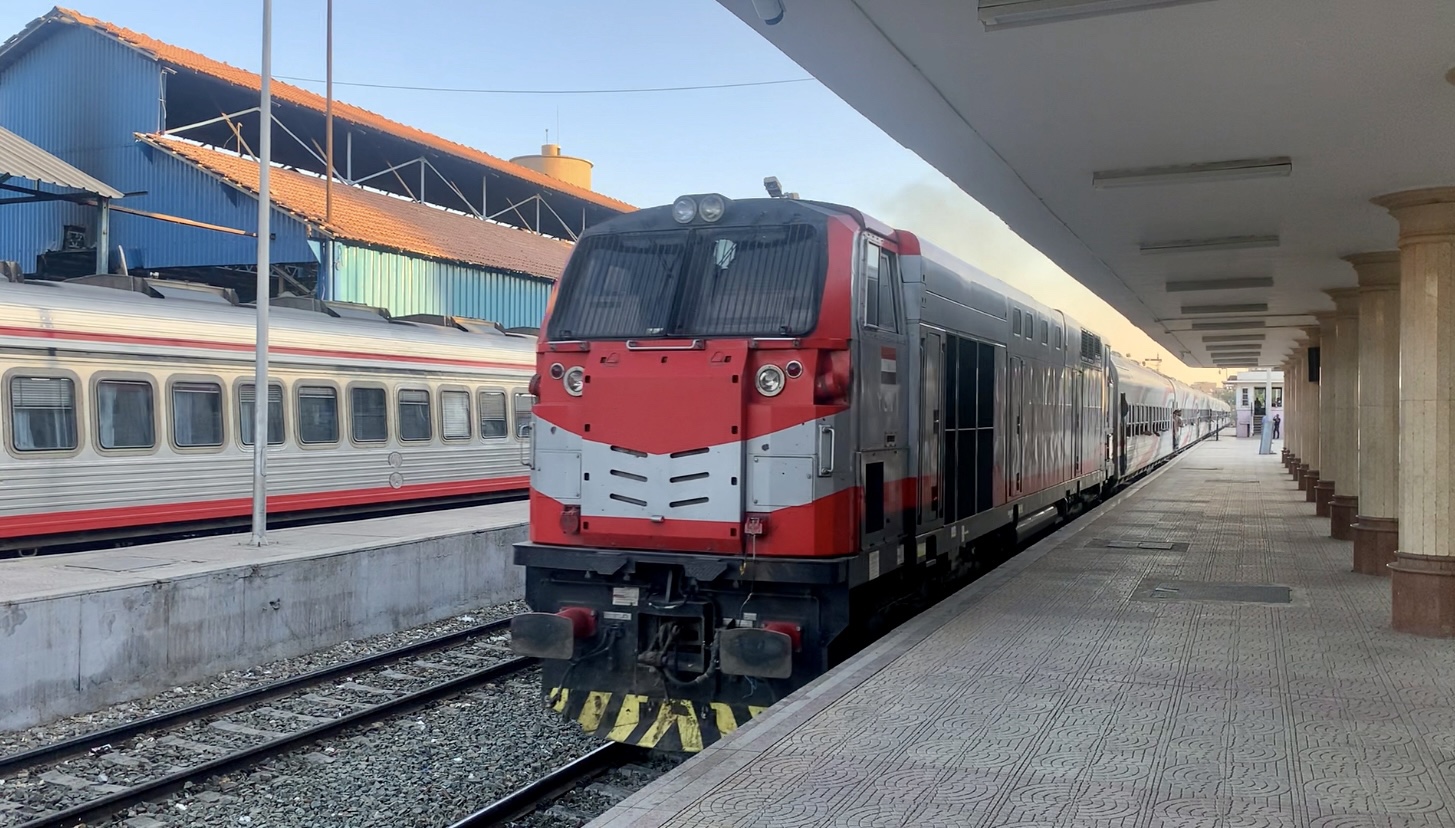
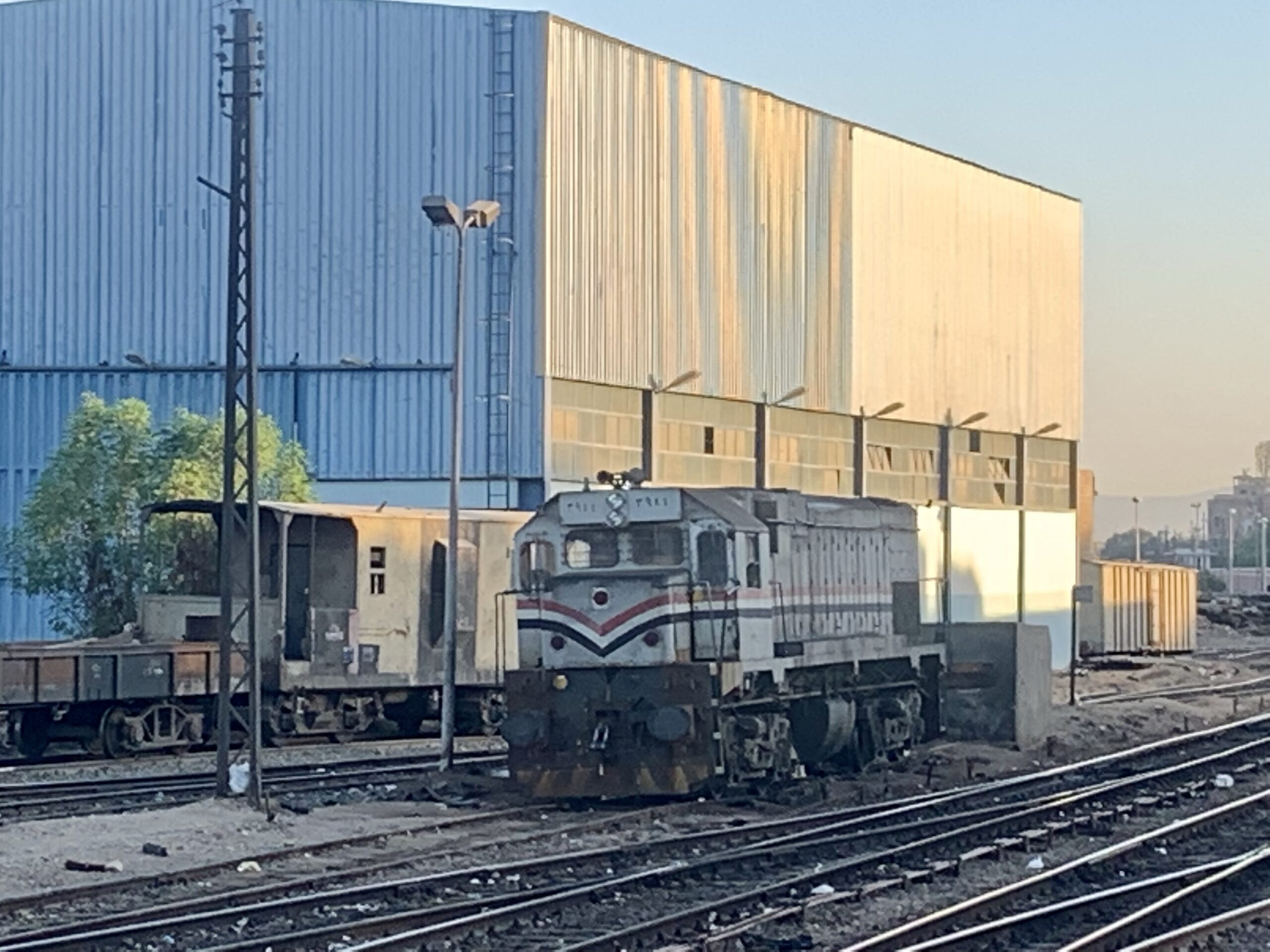
Aswan – Aswan is a busy market and tourist centre located just north of the Aswan Dam on the east bank of the River Nile at the first cataract (shallow lengths of the Nile where the surface of the water is broken by small rocks and boulders jutting out of the river bed). I was taunted by the sound of passing trains out of my view as I spent time in my cabin or on the sun deck whilst catching up on my reading time.


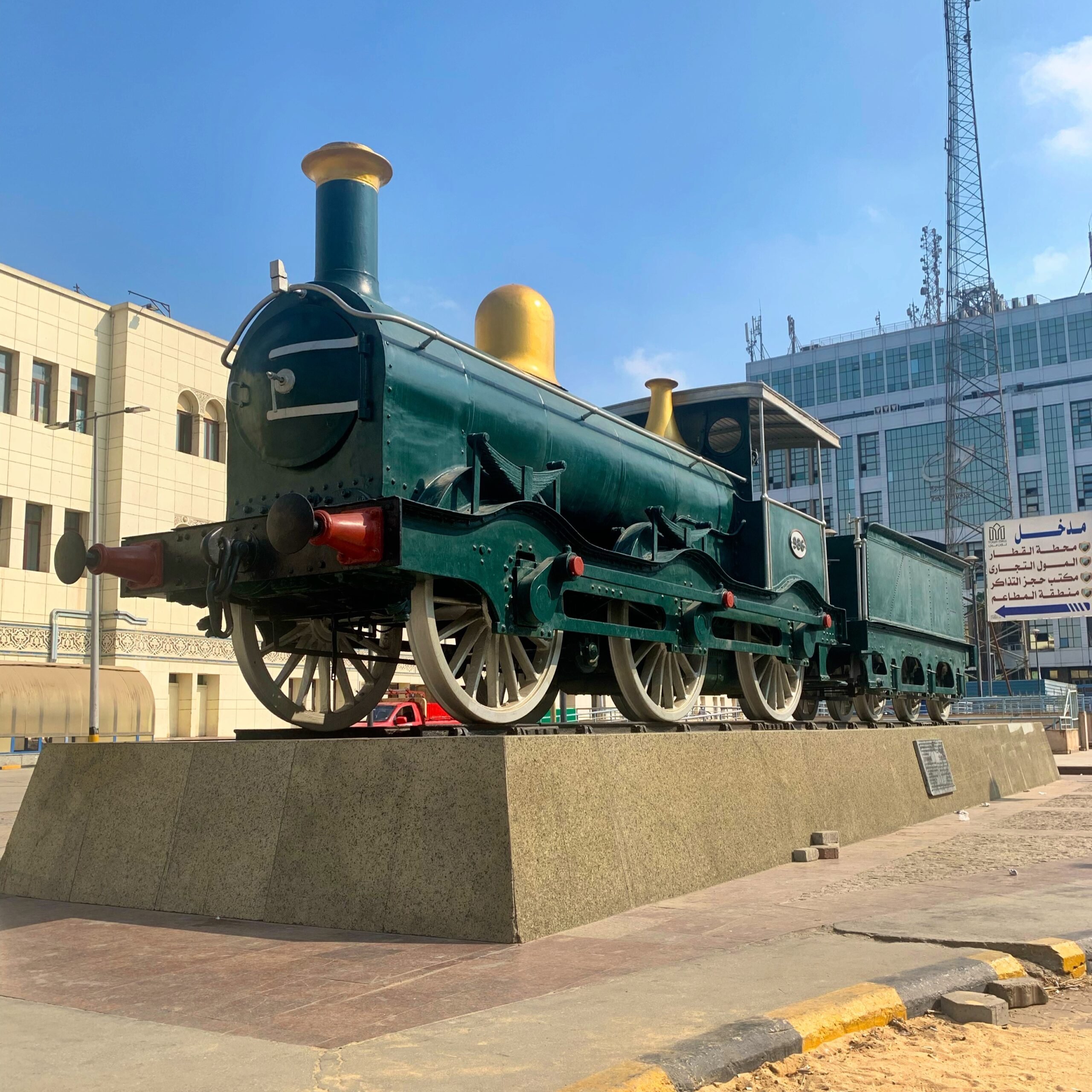
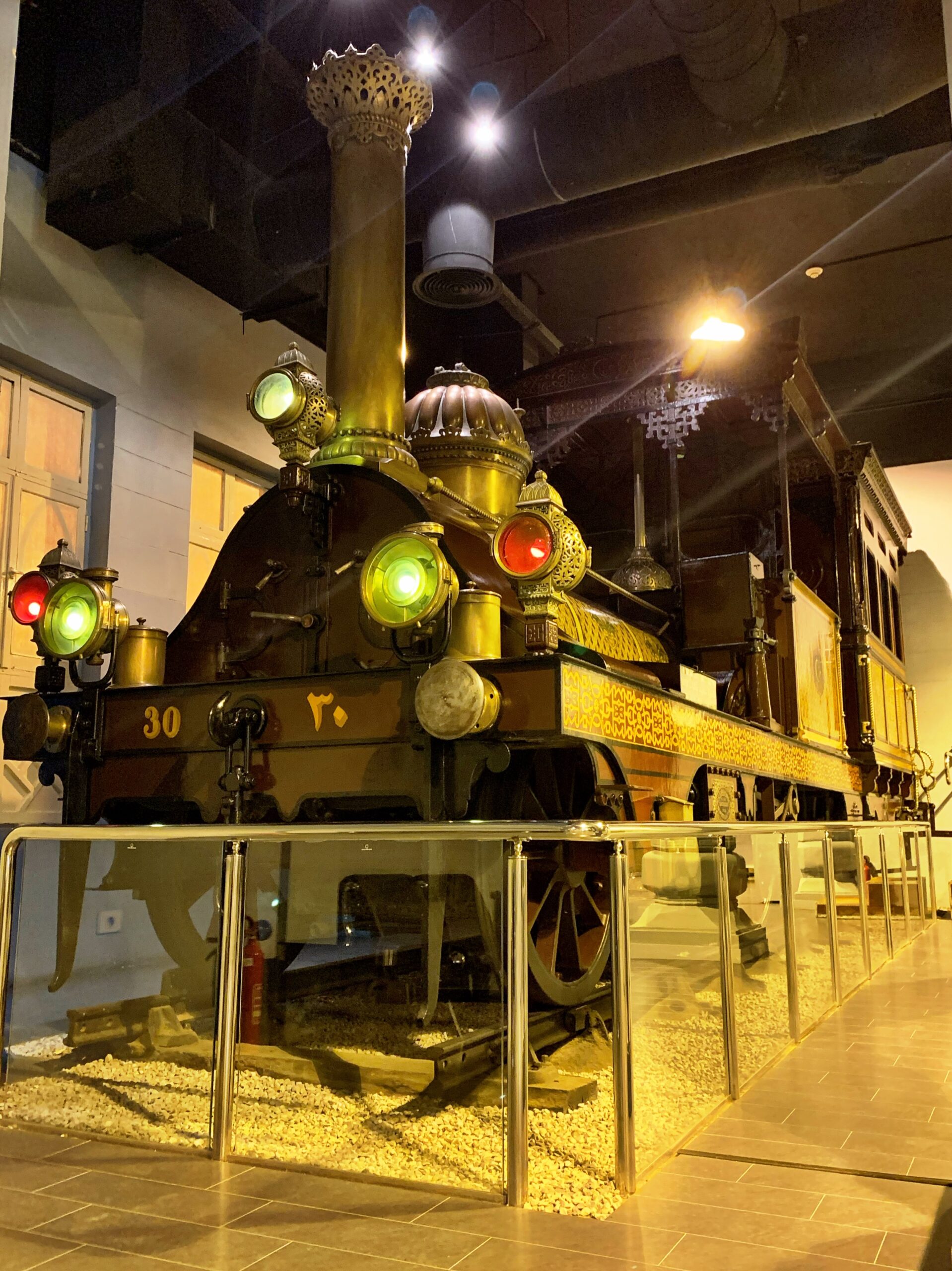
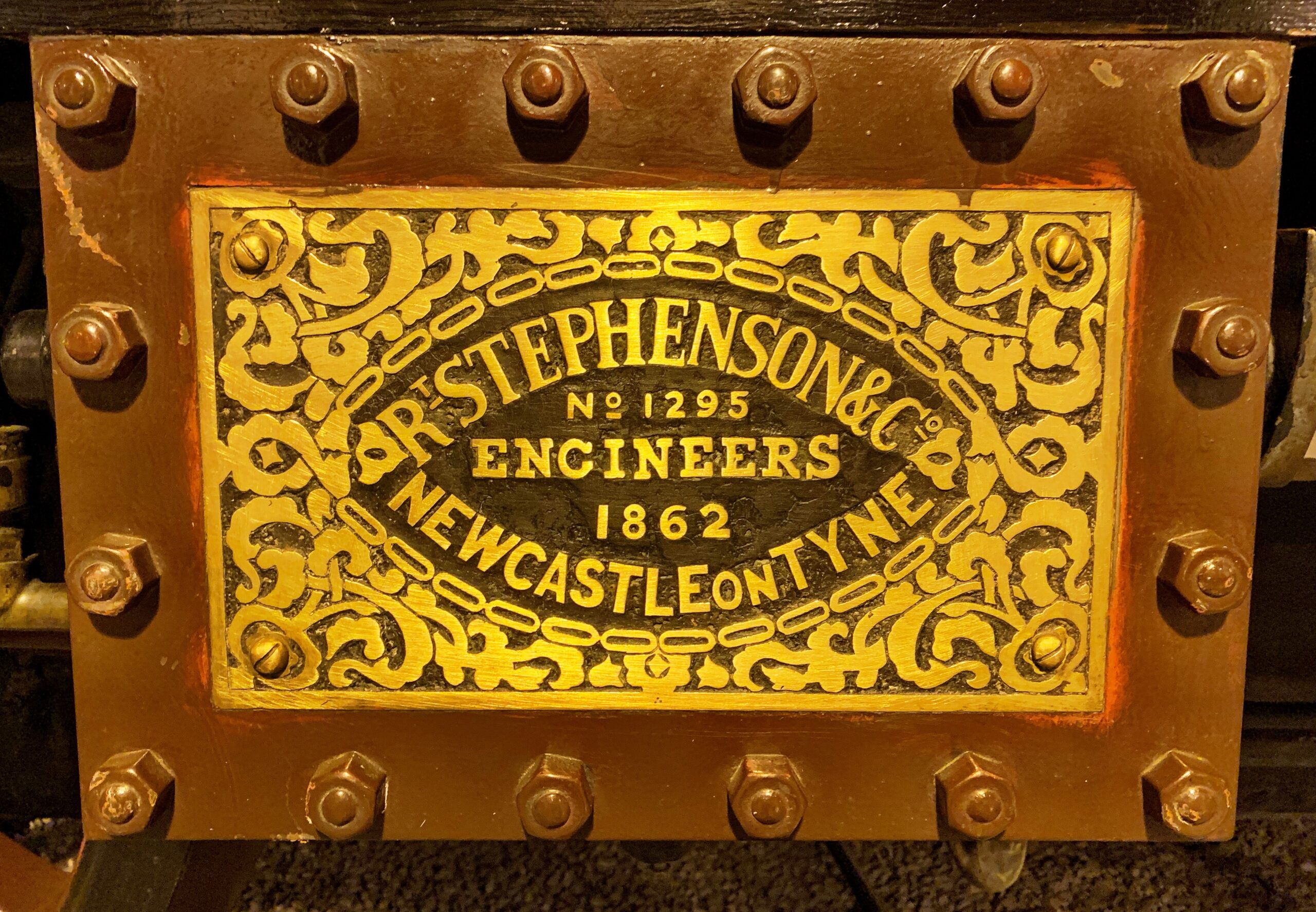
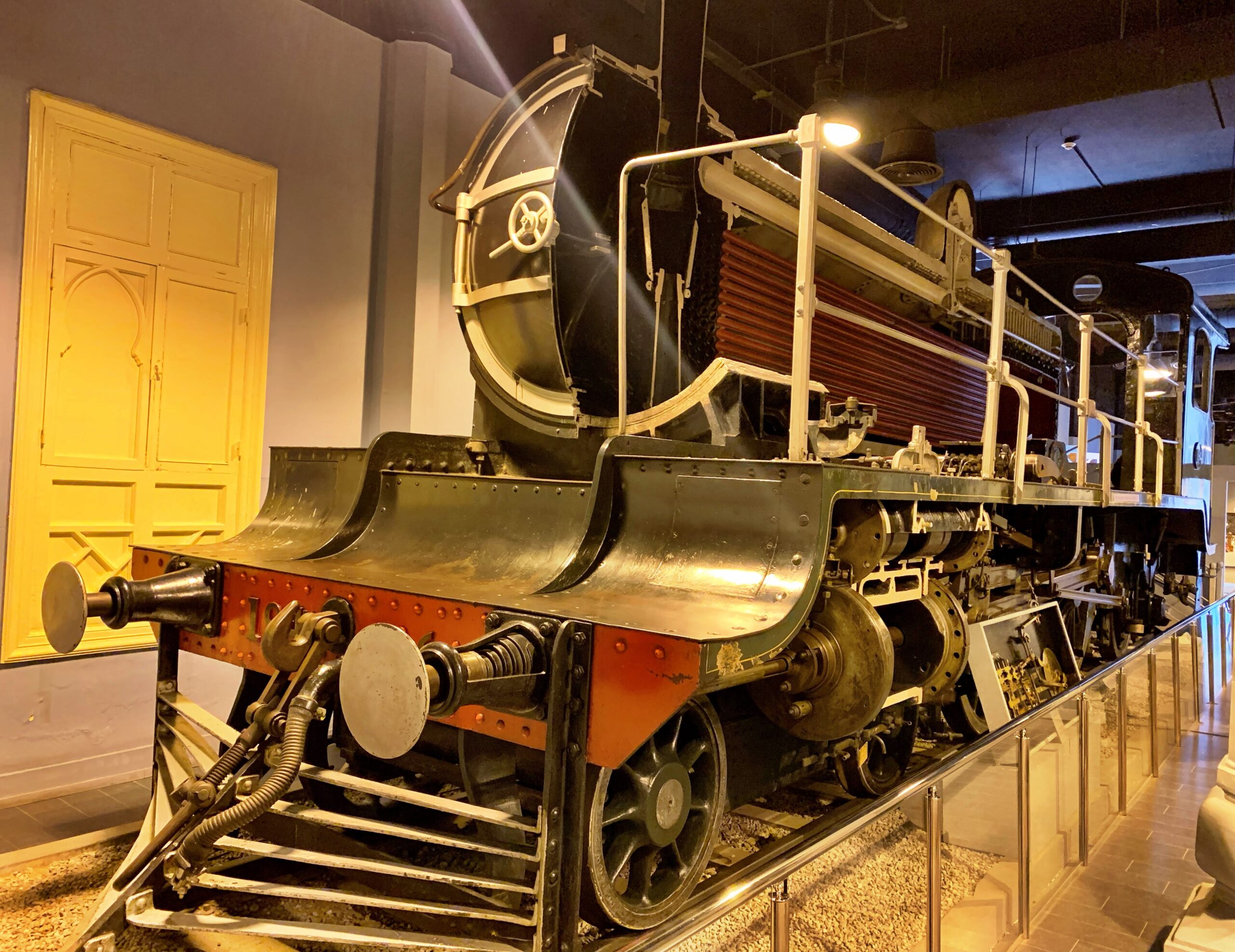
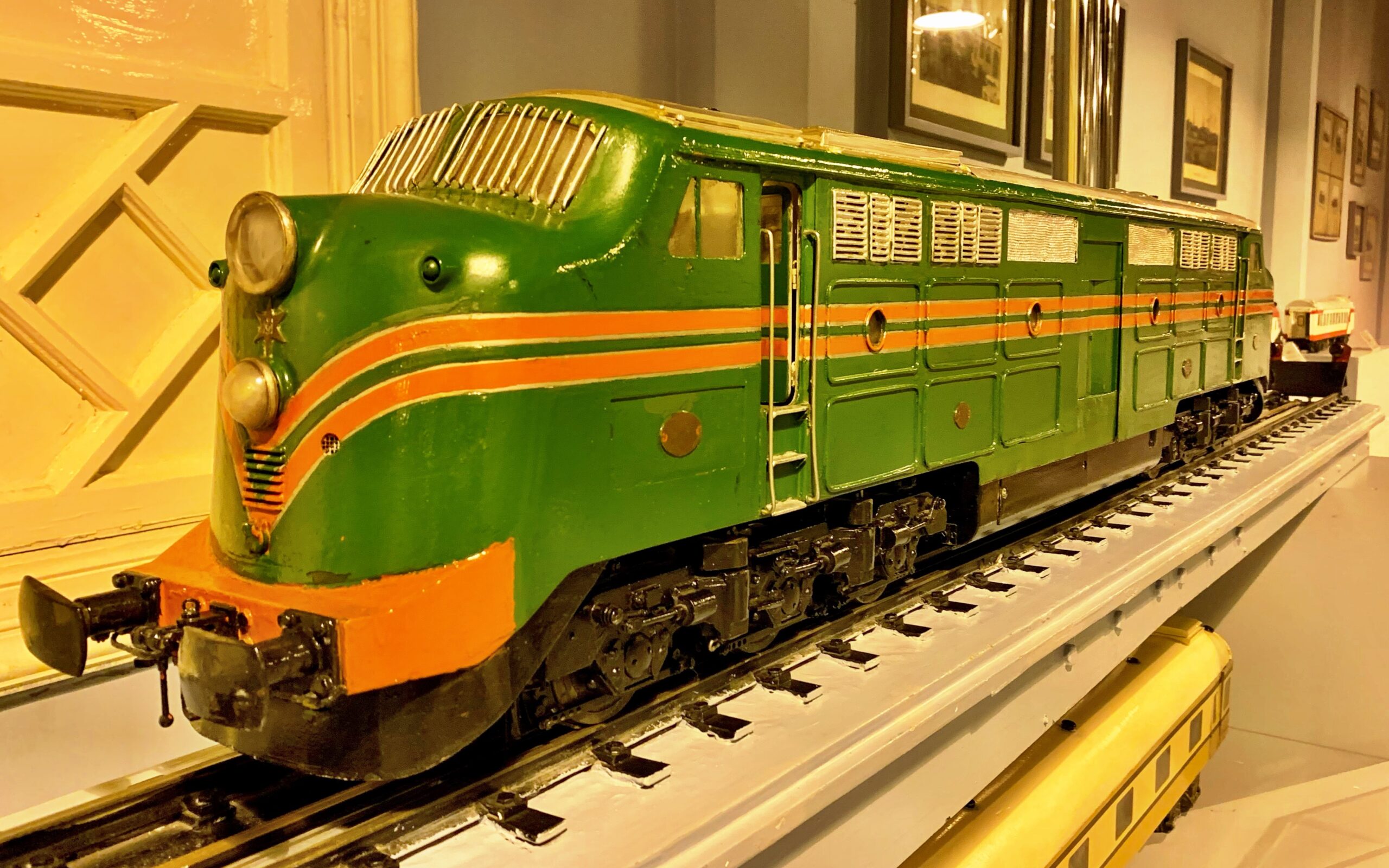
Egyptian Railway Museum, Cairo – On our last morning in Cairo, Caroline very thoughtfully surprised me by hiring an Uber which took us into the centre of Cairo and the Egyptian Railway Museum which is located in the eastern wing of Ramsis railway station. I’d been whinging on about trying to fit in a visit throughout our stay. Trying to find a taxi to take us back to our hotel in time for our flight home was a bit of an adventure in itself, but Caroline relished the challenge!
The museum first opened in January 1933 and contains over 300 models and exhibits, a collection of documents, maps and statistical data.

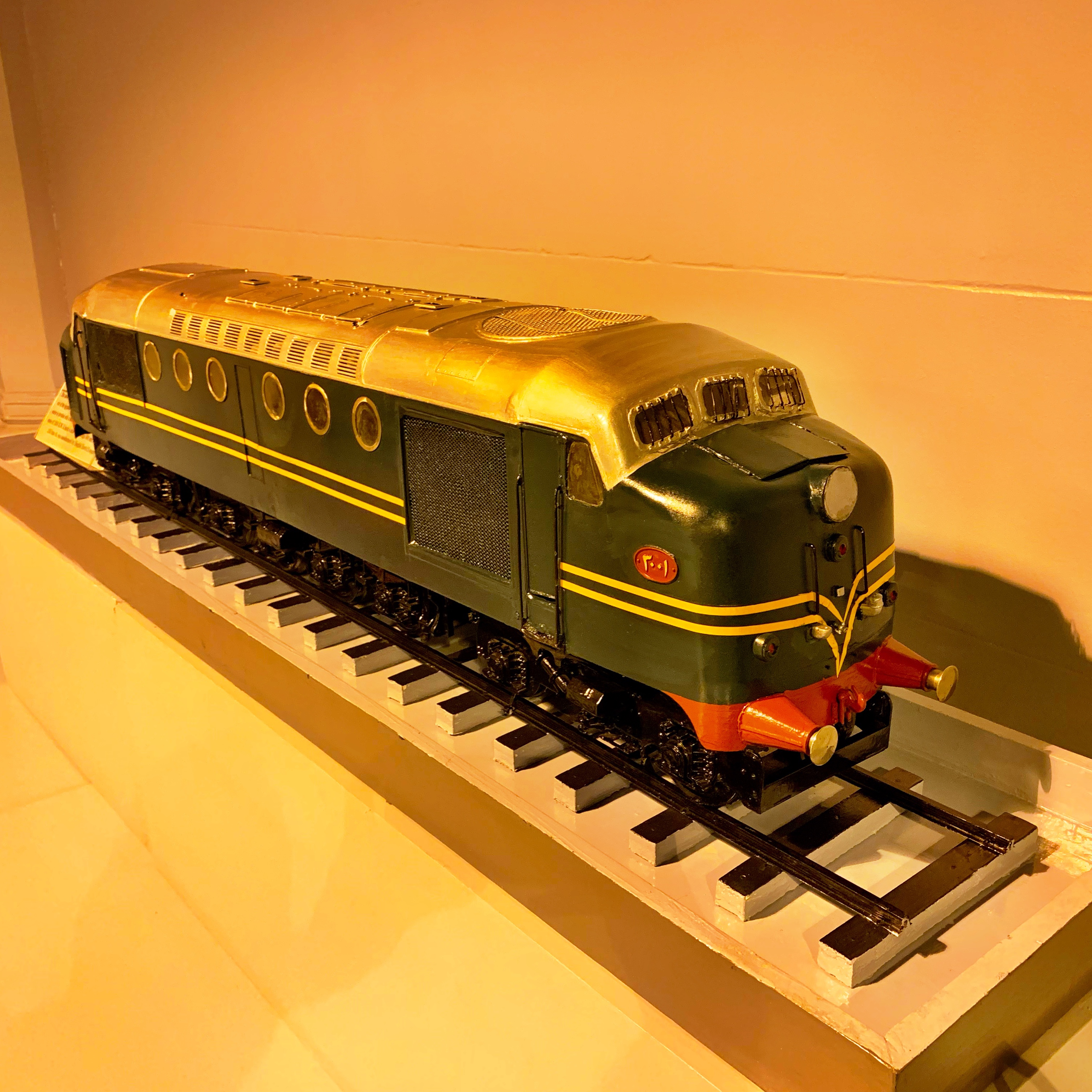
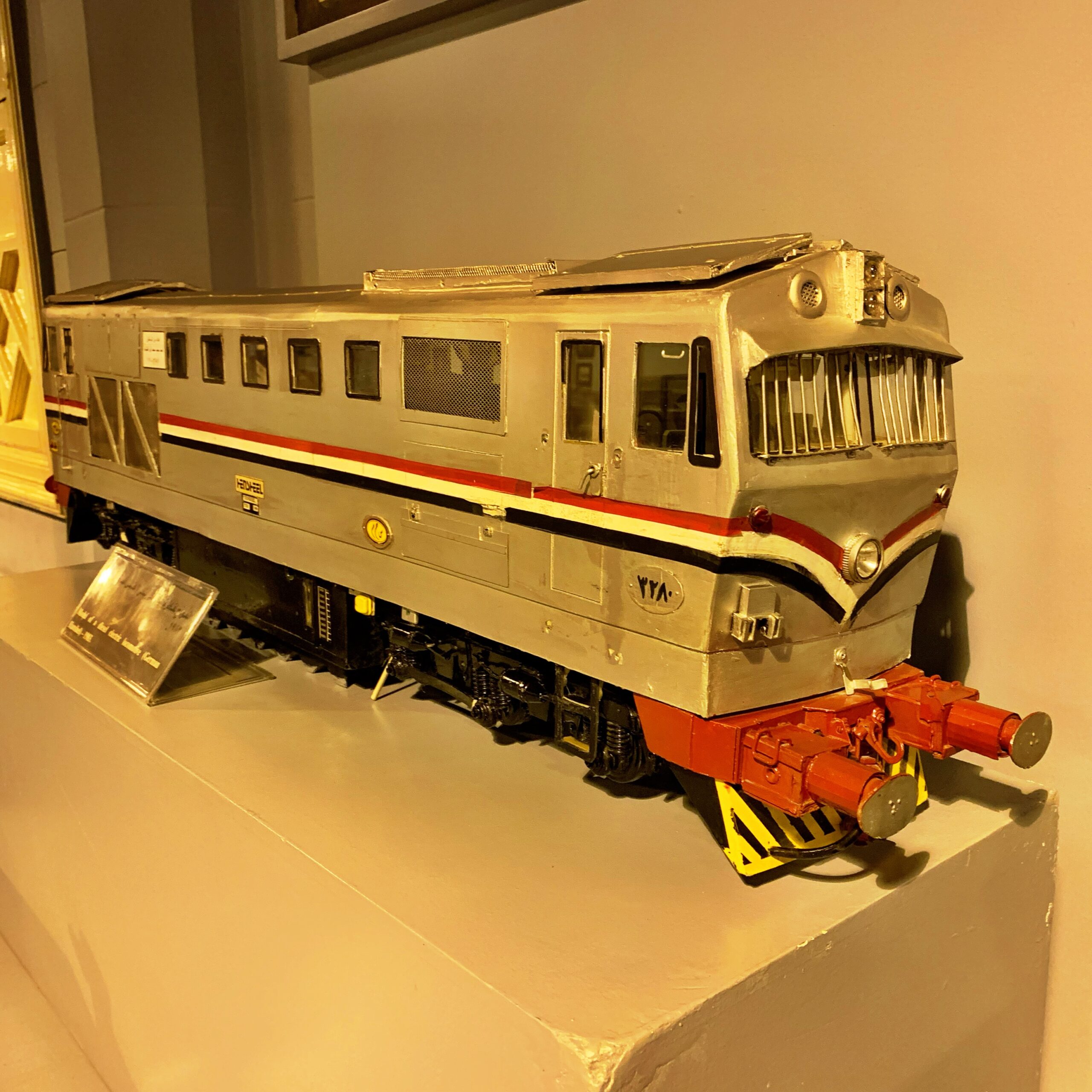
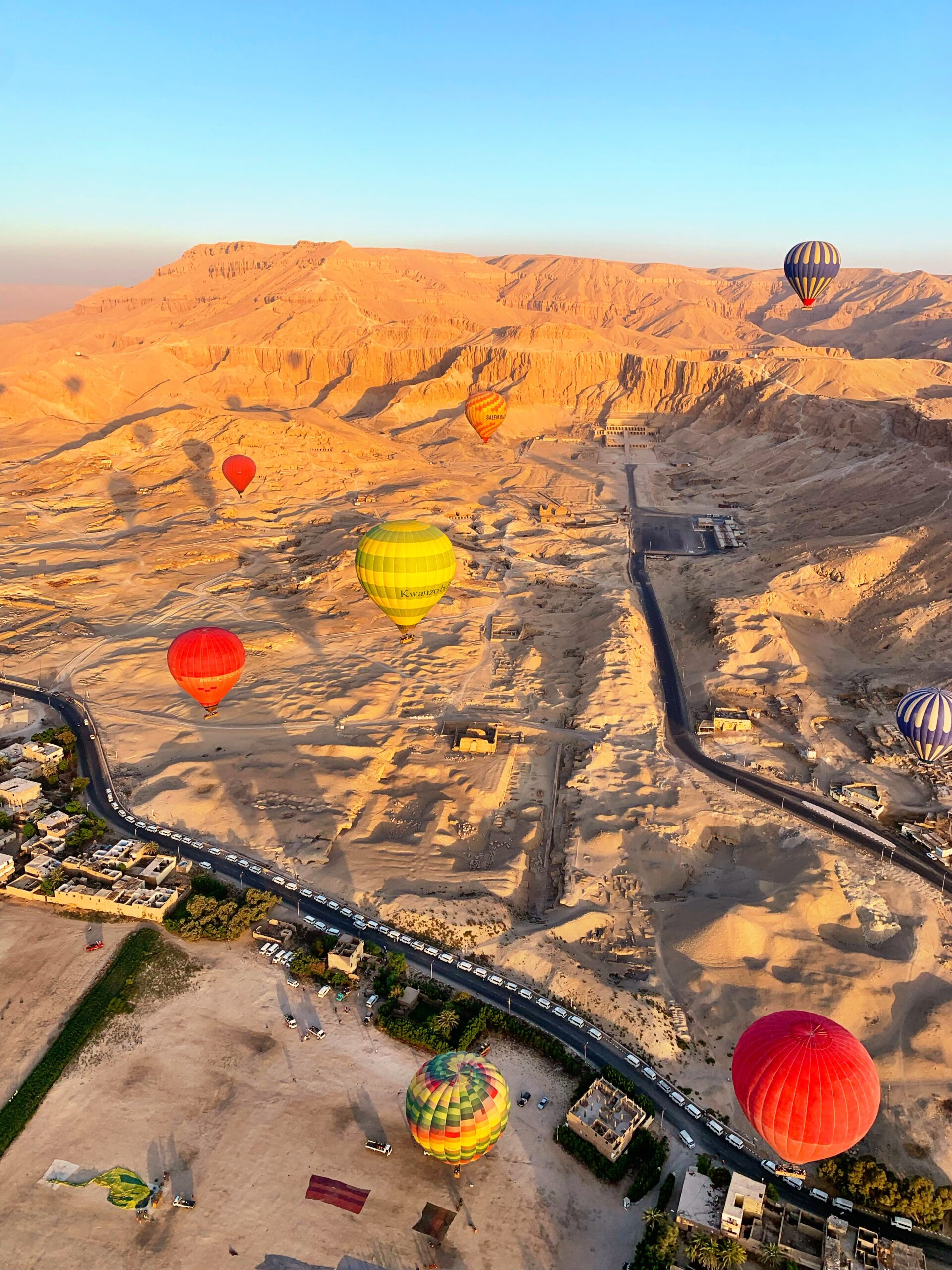
Earlier in the week, we enjoyed another mode of transport in the form of a hot air balloon which gave us an exceptional view of the Mortuary Temple of Queen Hatshepsut in Deir el Bahri near Luxor:
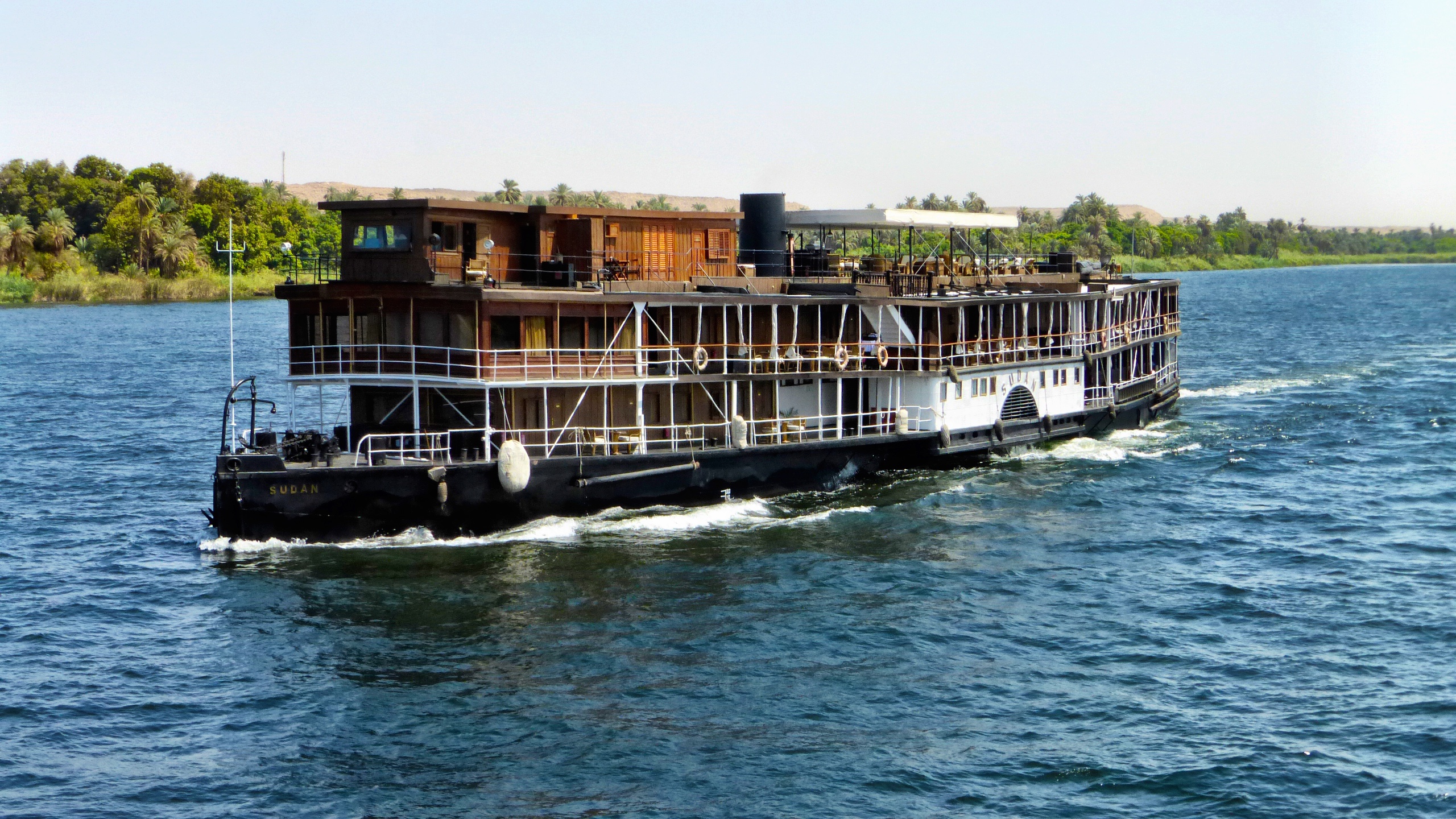
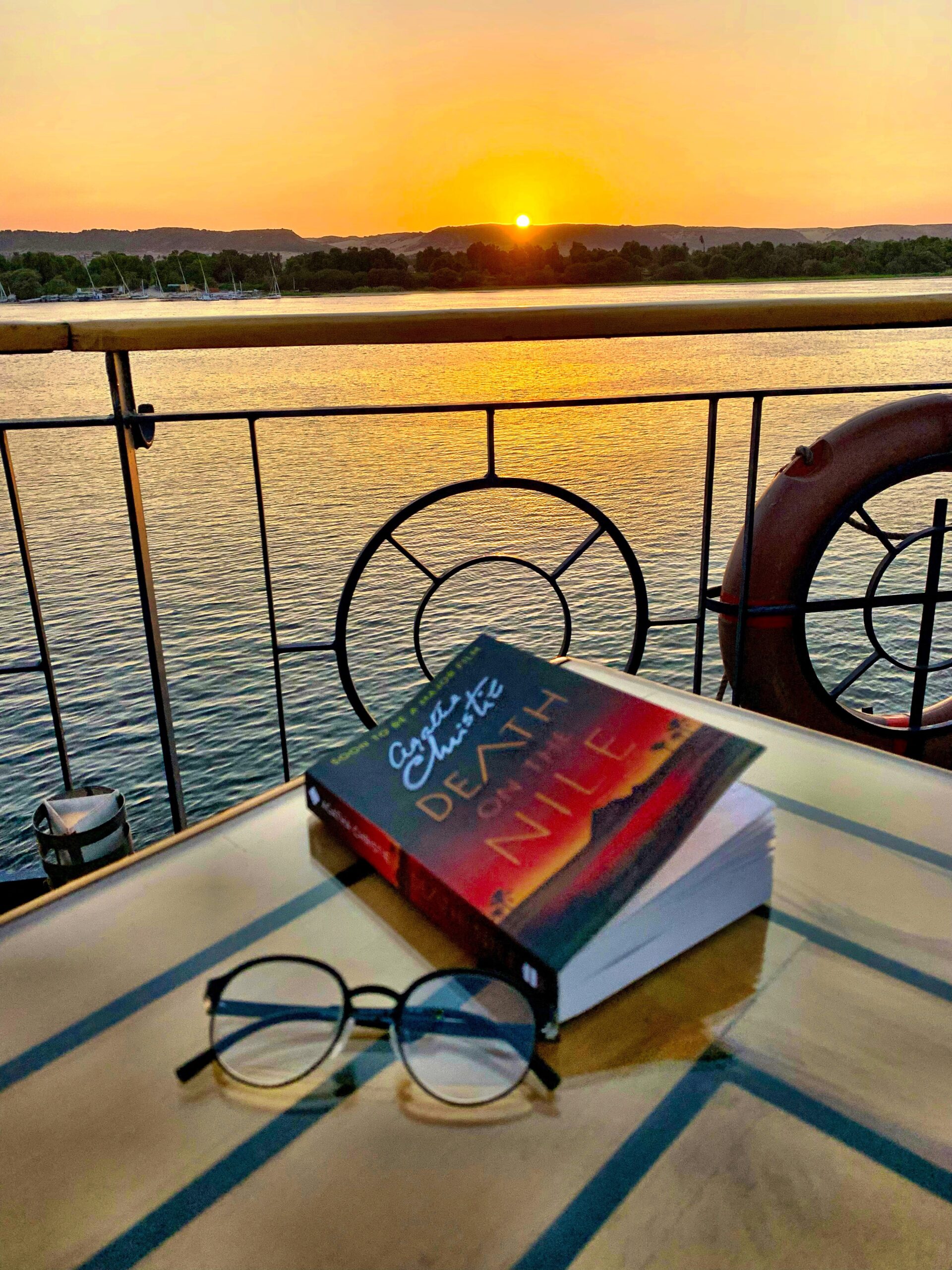
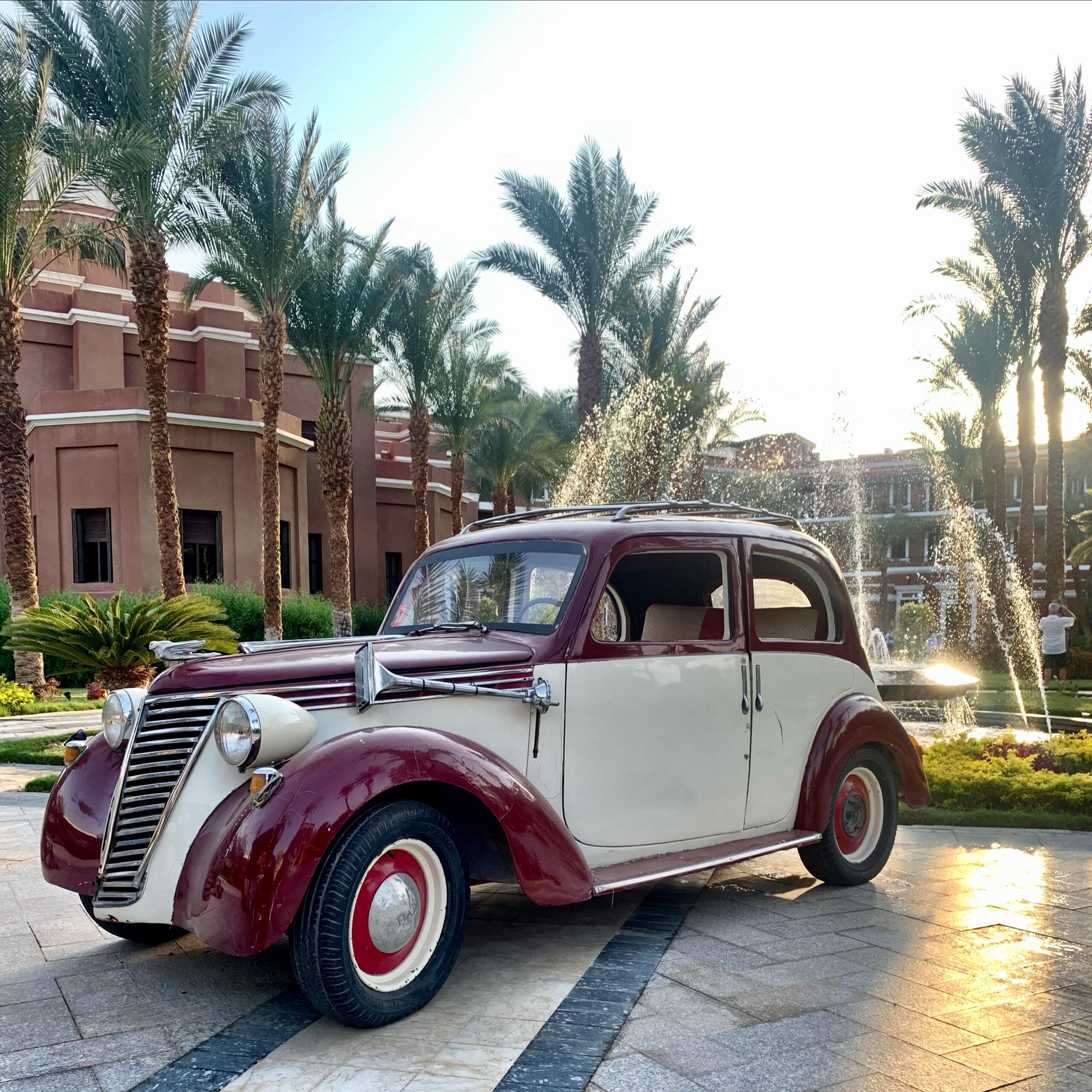
We had a wonderful time visiting ancient Egyptian archaeological sites as well as modern railway stations! Huge thanks to our guides while we were in Egypt; Reda and Ahmed who shared their knowledge and facilitated some of the railway station visits.
This weeks blog was created while listening to Alphaville with Deutsches Filmerchester Babelsberg, Alison Moyet, and Handel’s Passacaglia, Suite no. 7 in G Minor, HWV 432/6 ( Modern Piano Solo Version performed by Johan Halvorsen on repeat). All being well, we’ll be back next week!


Leave a Reply to Yoshi Cancel reply