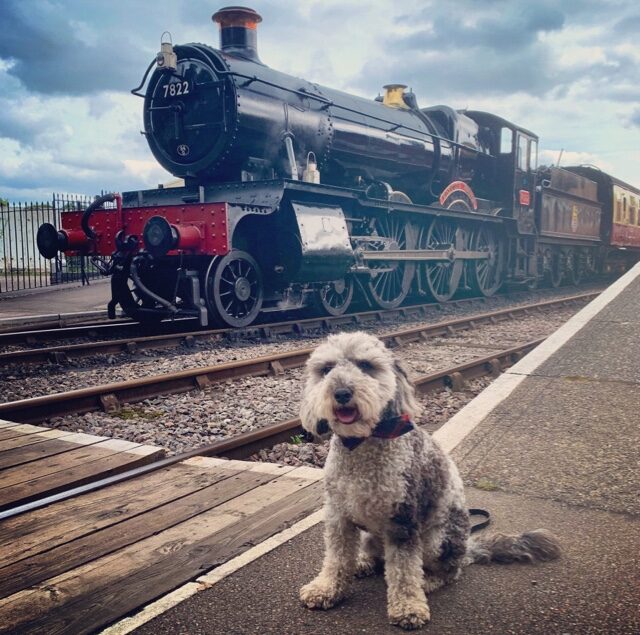
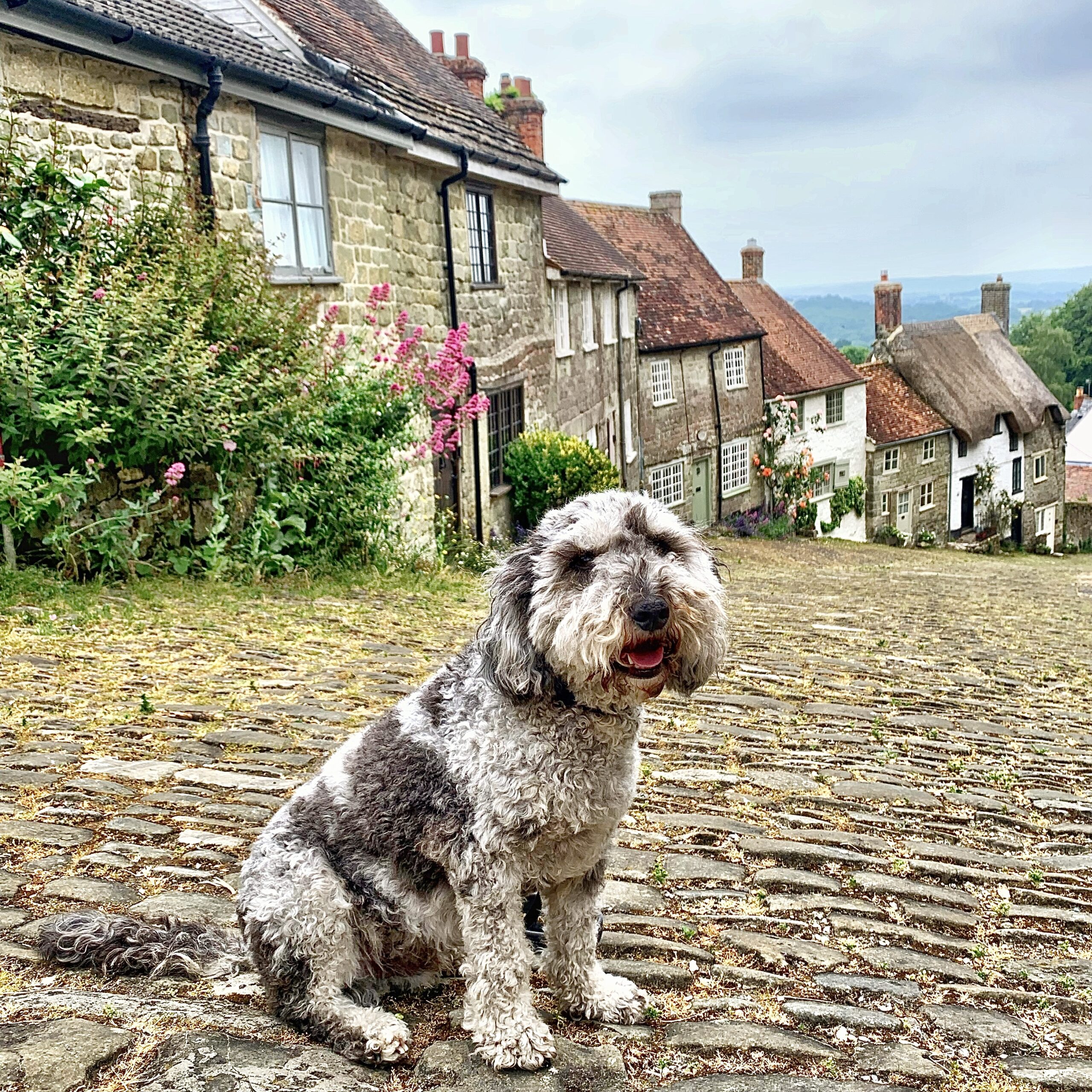
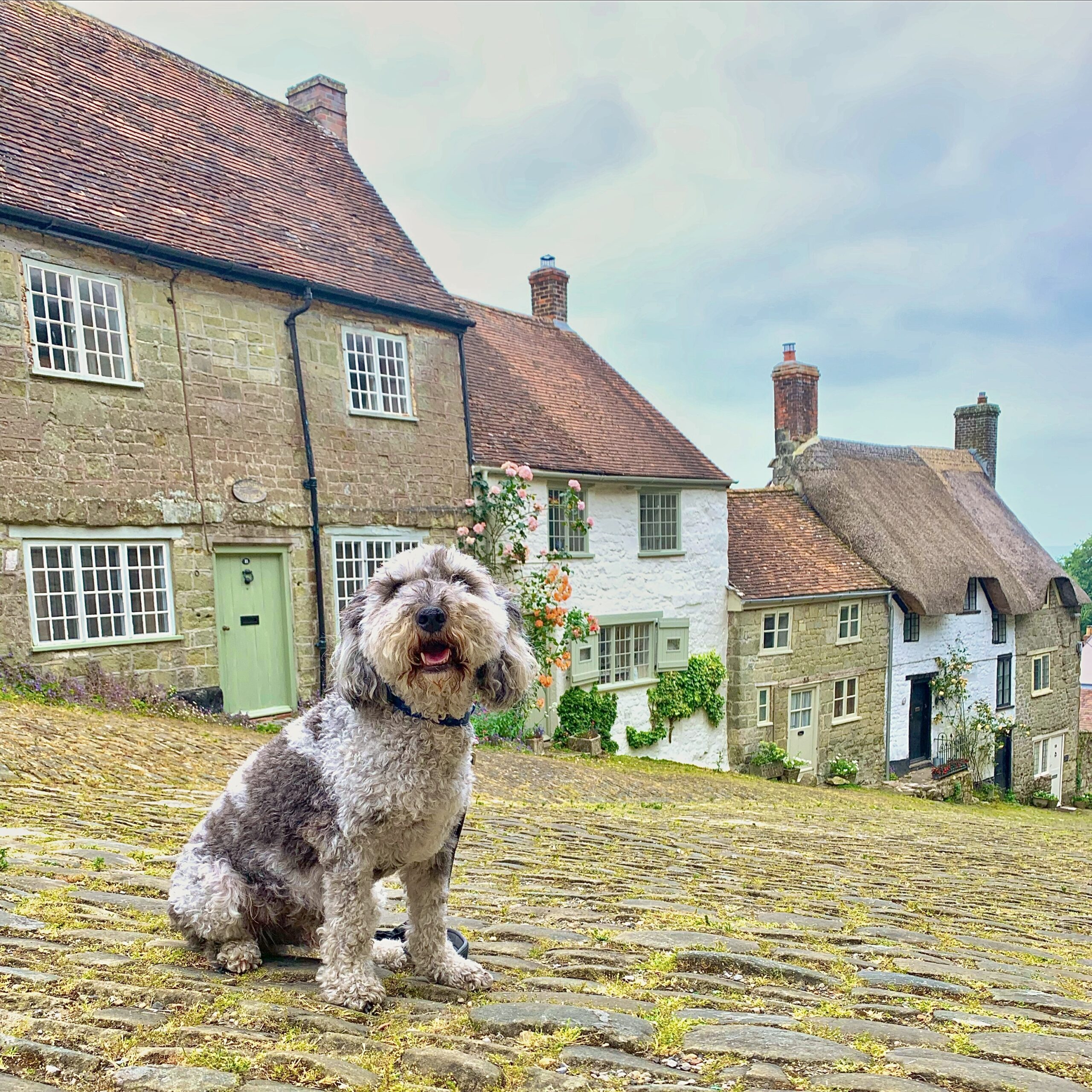
We went to Shaftesbury on Sunday to see old buses. Caroline and I visited a pub or three and Yoshi took a liking to Gold Hill. Famous as the location for the 1973 Hovis bread TV advert directed by Ridley Scott. Still the same today as its always been – 18/06/2023
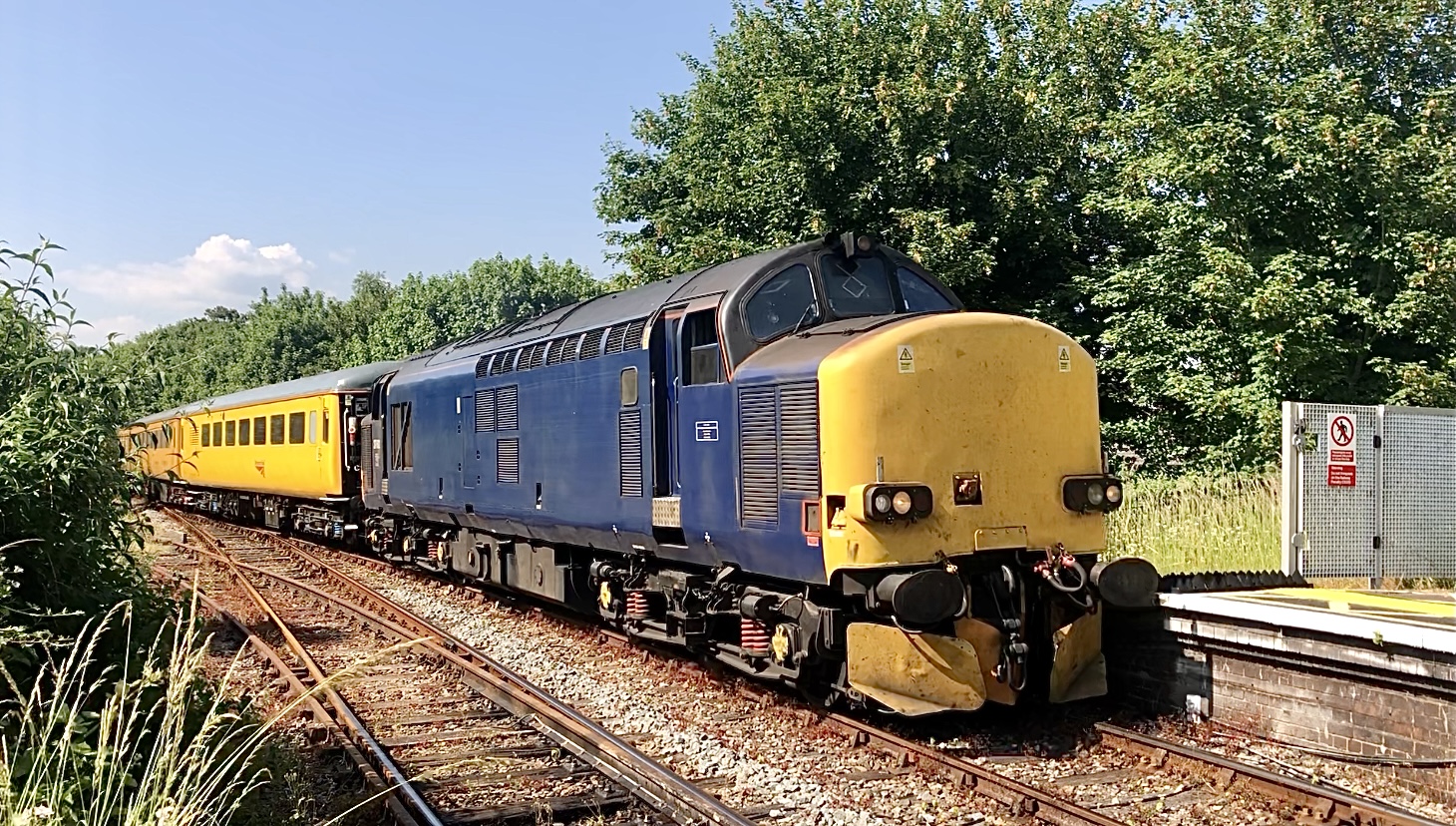
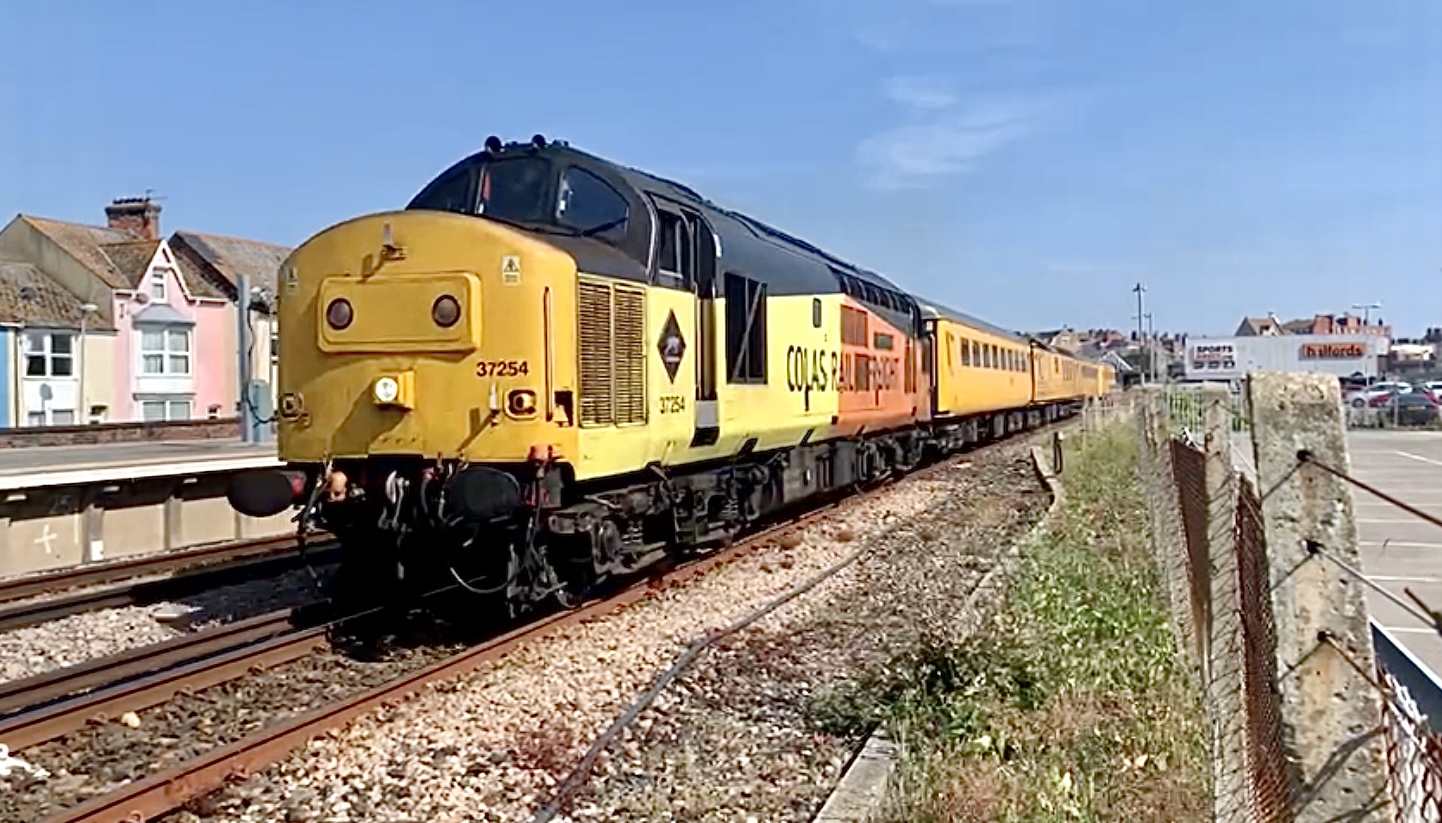
Wednesday 14th June 2023 saw Colas test train 1Q18 Derby RTC to Bristol Kingsland Road visit Dorset in the capable charge of top and tailed Class 37 locomotives No.’s 37612 and 37254. I was in the east of the county hoping to capture a Class 701 drag from Bournemouth to Eastleigh which didn’t materialise. It’s been quite a month for unusual movements being cancelled here; a Class 69 hauled Weedkiller to Weymouth, a Class 37 test train via the West and a Class 455 drag with a Rail Operations Group (ROG) Class 37 to Bournemouth T&RSMD to mention a few.
Class 37 No. 37612 leads 1Q18 Derby RTC to Bristol Kingsland Road via Weymouth into Dorchester West (video screen grab courtesy of G E Barrett) – 14/06/2023Class 37 No. 37254 leads out of Weymouth where 1Q18 Derby RTC to Bristol Kingsland Road has reversed for the run to Bristol (video screen grab courtesy of @da_buckley967) – 14/06/2023
Video of Class 37 No.s 37612 and 37254 working 1Q18 Derby RTC to Bristol Kingsland Road courtesy of @da_buckley967 and G E Barrett – 14/06/2023
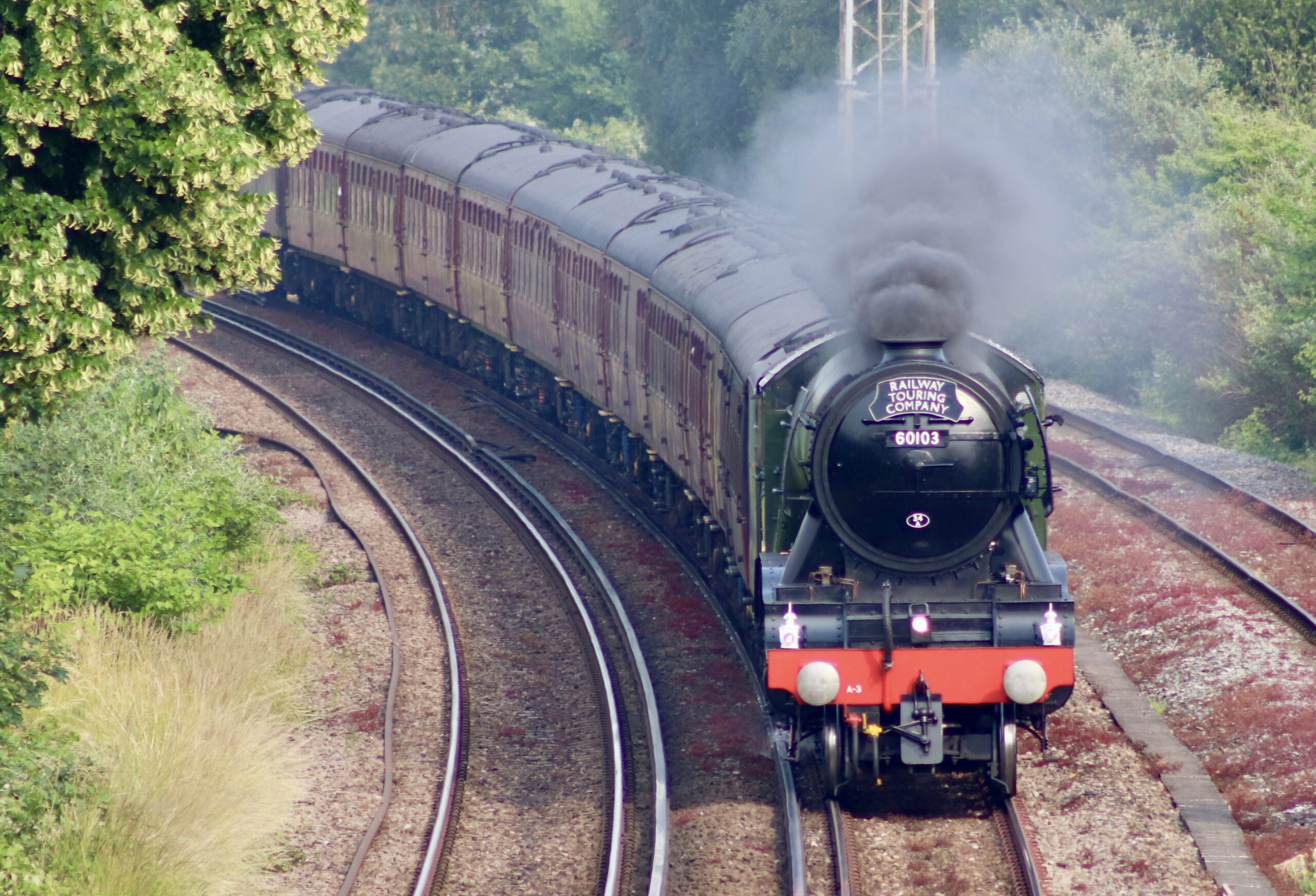
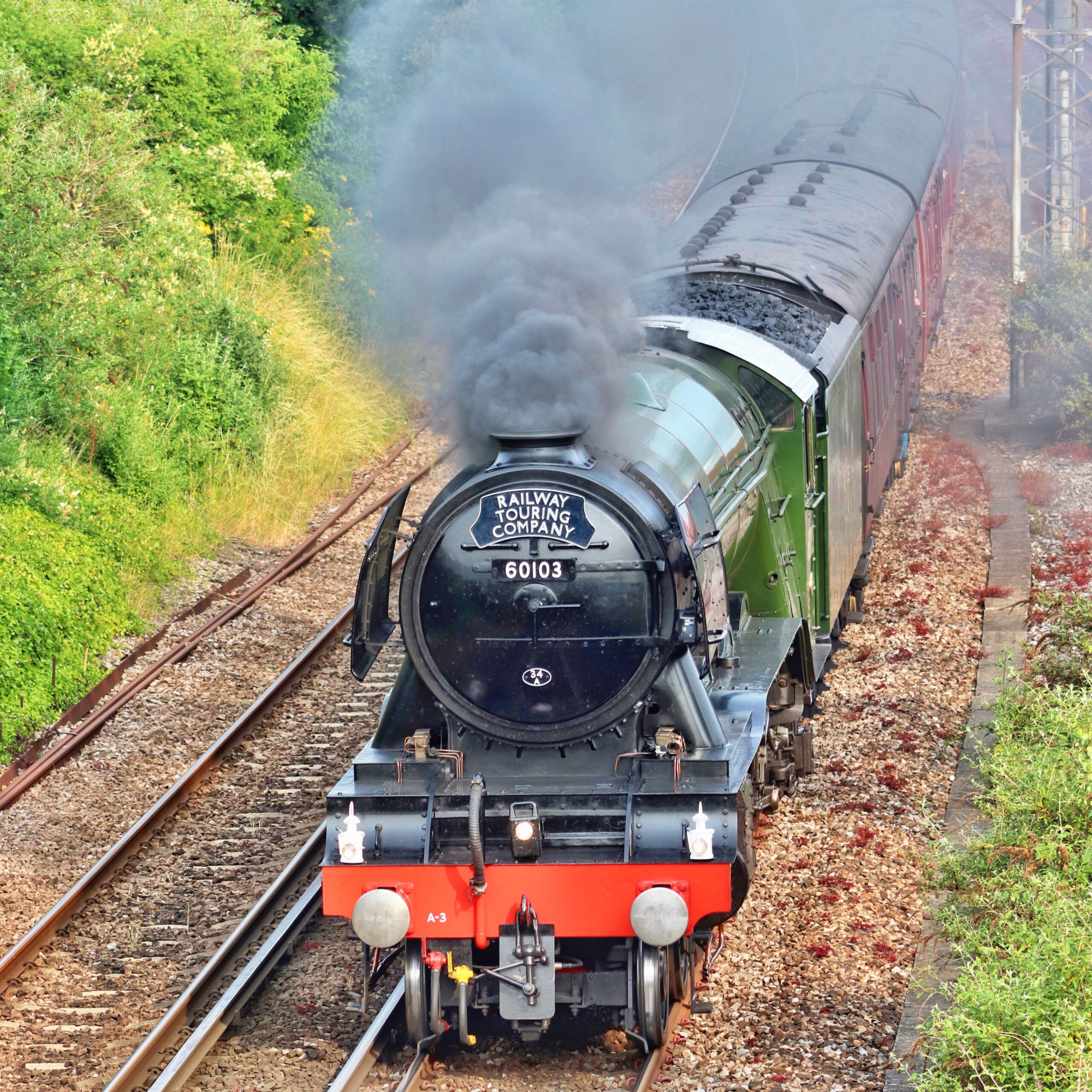
On Saturday, I popped over to the Southampton area for a brief evening visit to see LNER A3 4-6-2 Pacific No. 60103 ‘Flying Scotsman’. I don’t understand the scorn poured on this locomotive by a certain section of the railway enthusiast fraternity. I think it’s great Scotsman captures the imagination of the general public and it was delightful to hear a lot of chatter on our local radio station before and after the locomotive visited Portsmouth. I was interested to see if No. 60103 retained her white roof which she had gained the previous week in advance of hauling the Royal Train carrying King Prince Charles over the North Yorkshire Moors Railway on Monday 12th June, and I was very pleased to see she had! I was able to observe the “Portsmouth Flyer” rail tour on its way back to London Victoria from the overbridge leading to Dock Gate 20 at Millbrook. It’s also an excellent vantage point to see the locomotives being stabled at Freightliner Maritime depot. I thought the location would be quite popular with onlookers, but in the event it was just myself and another photographer there to see the “People’s Locomotive” steam by. It was quite pleasant passing the time having a friendly chat about railways of today and years gone.
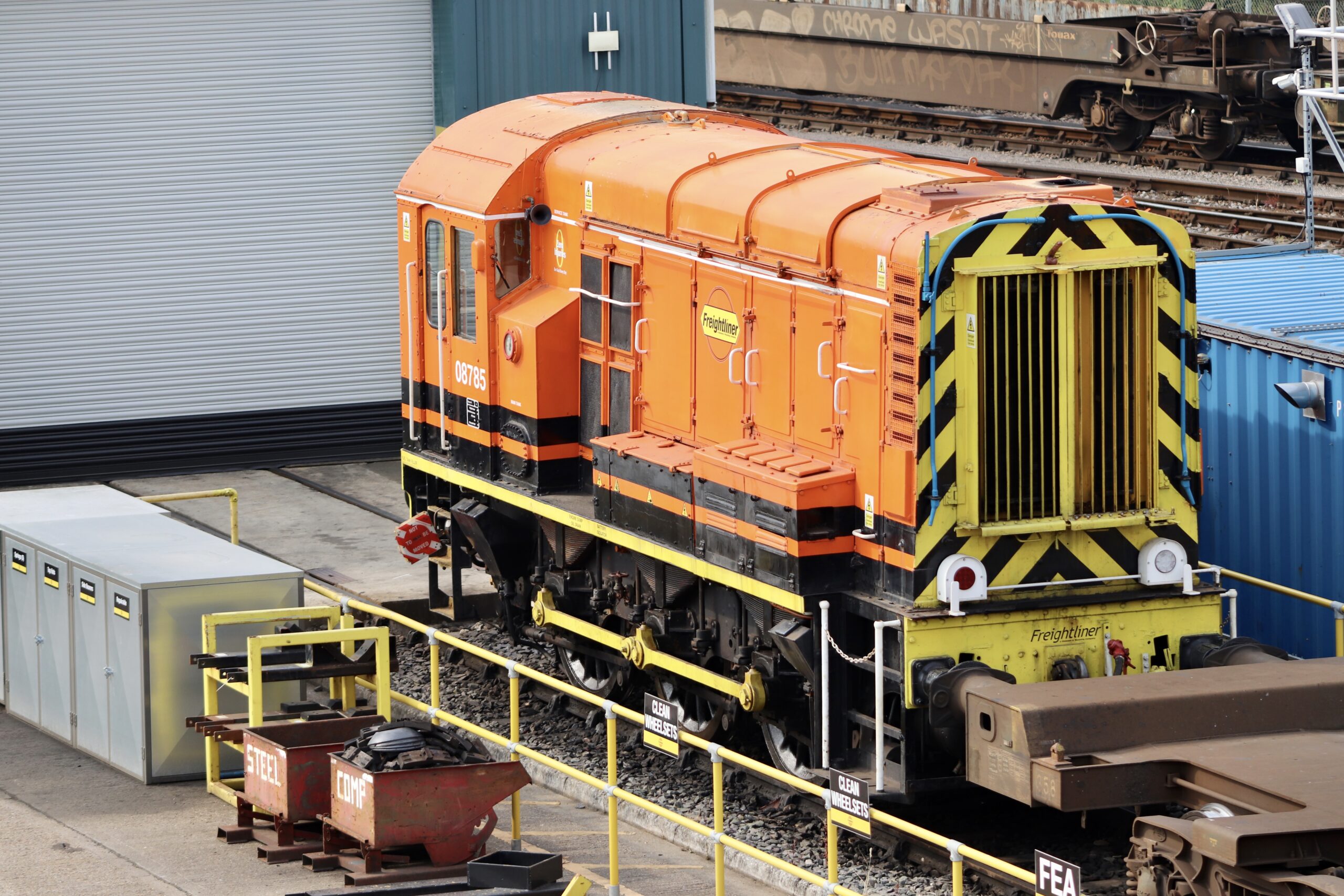
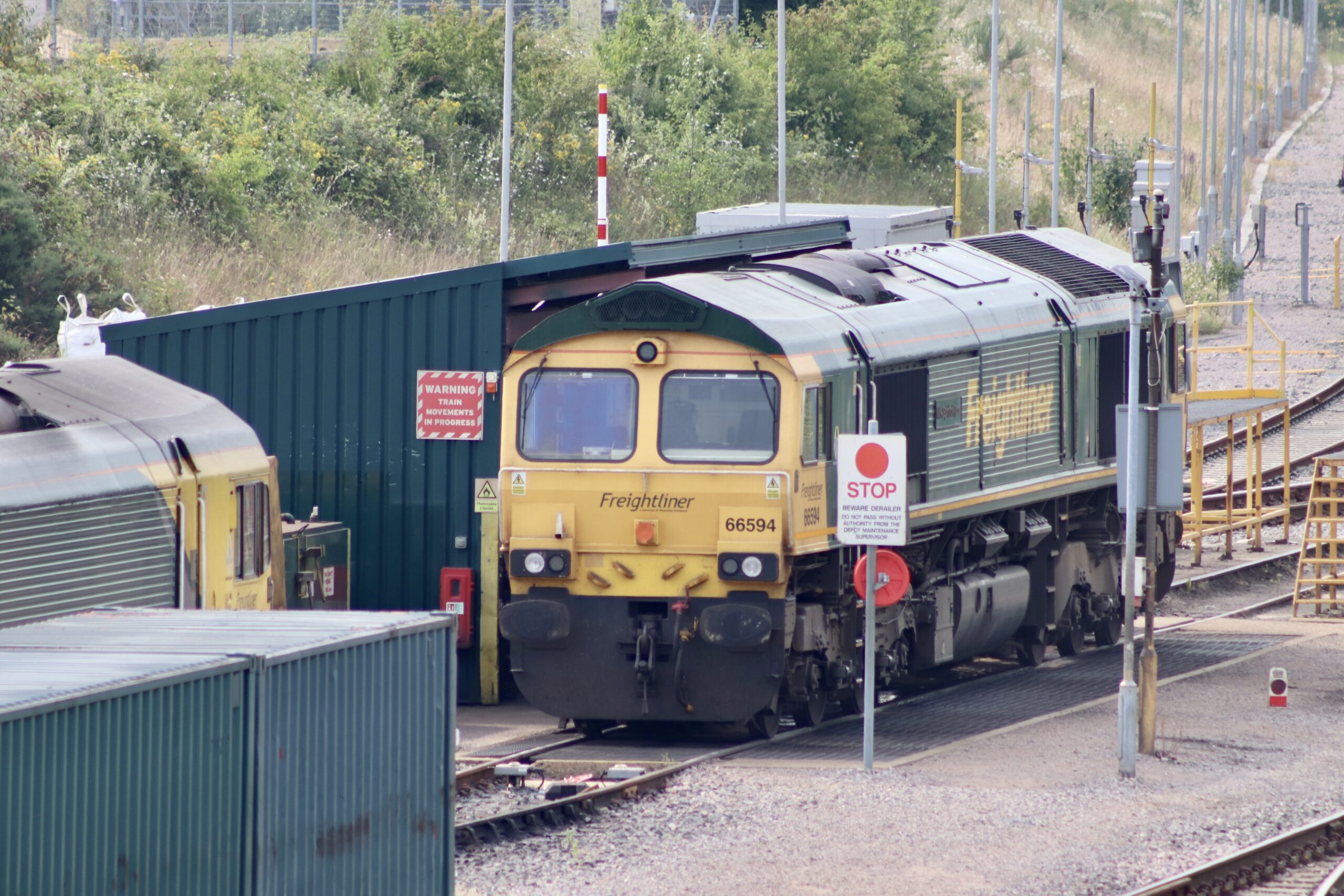
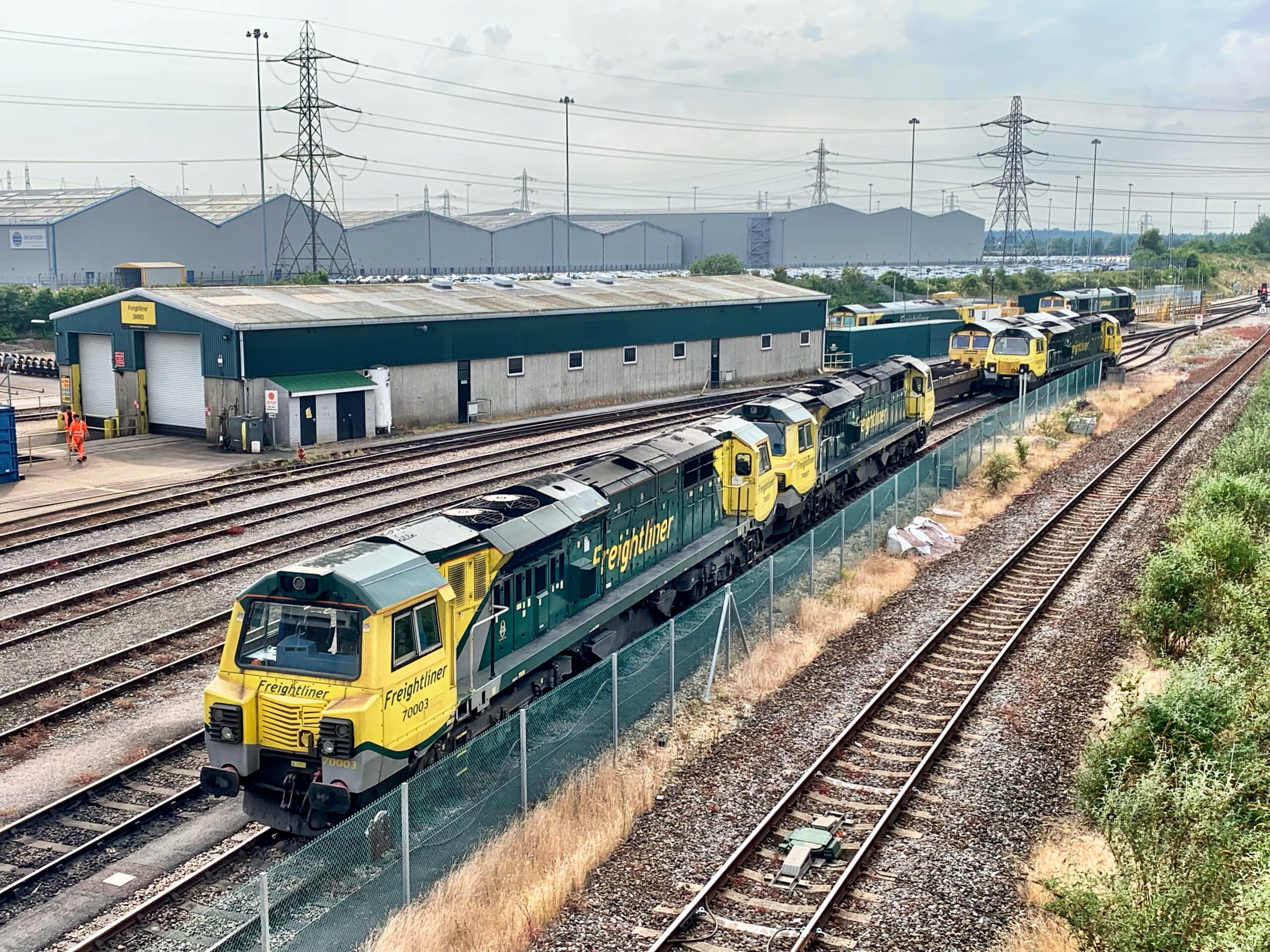
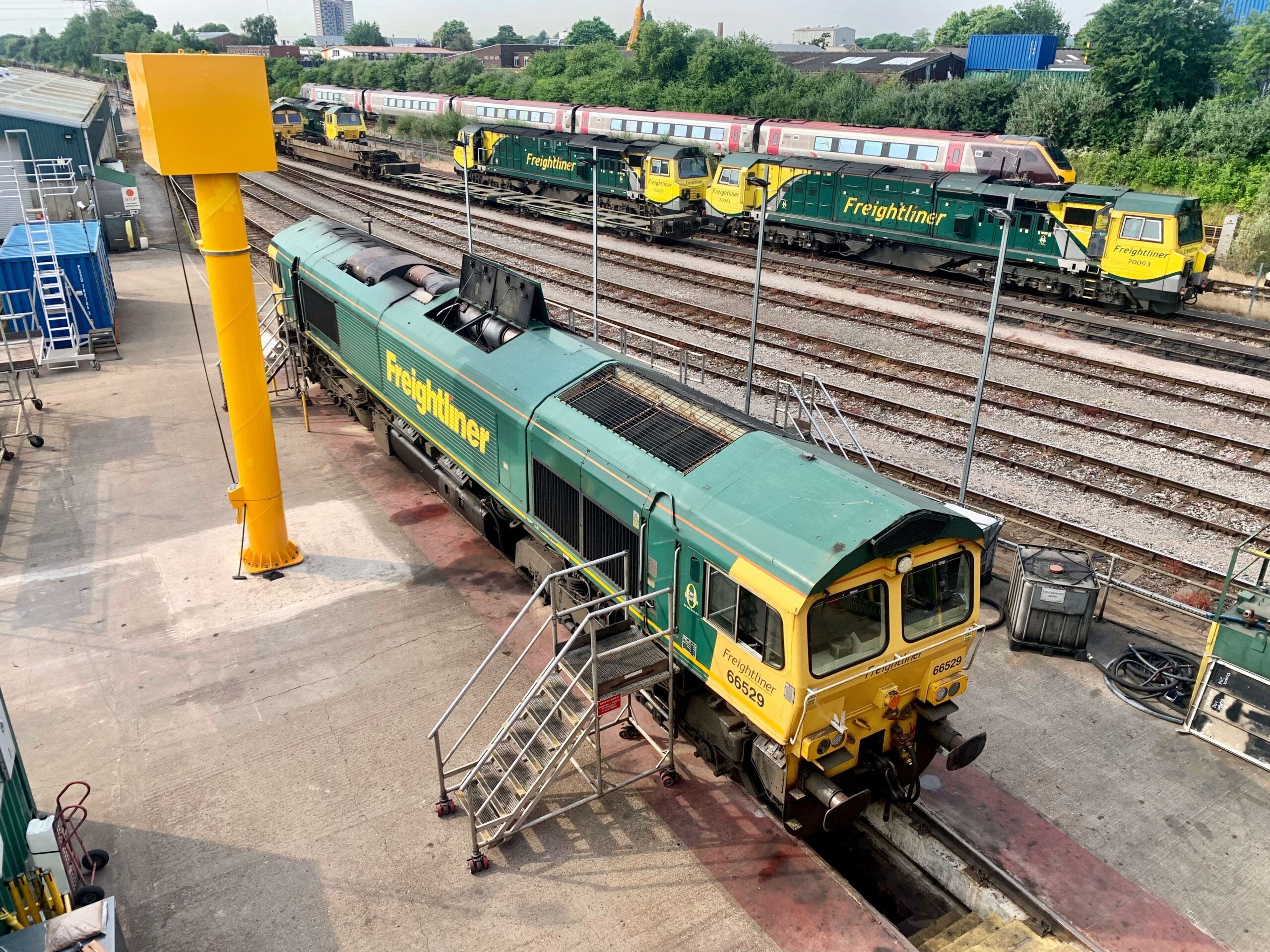
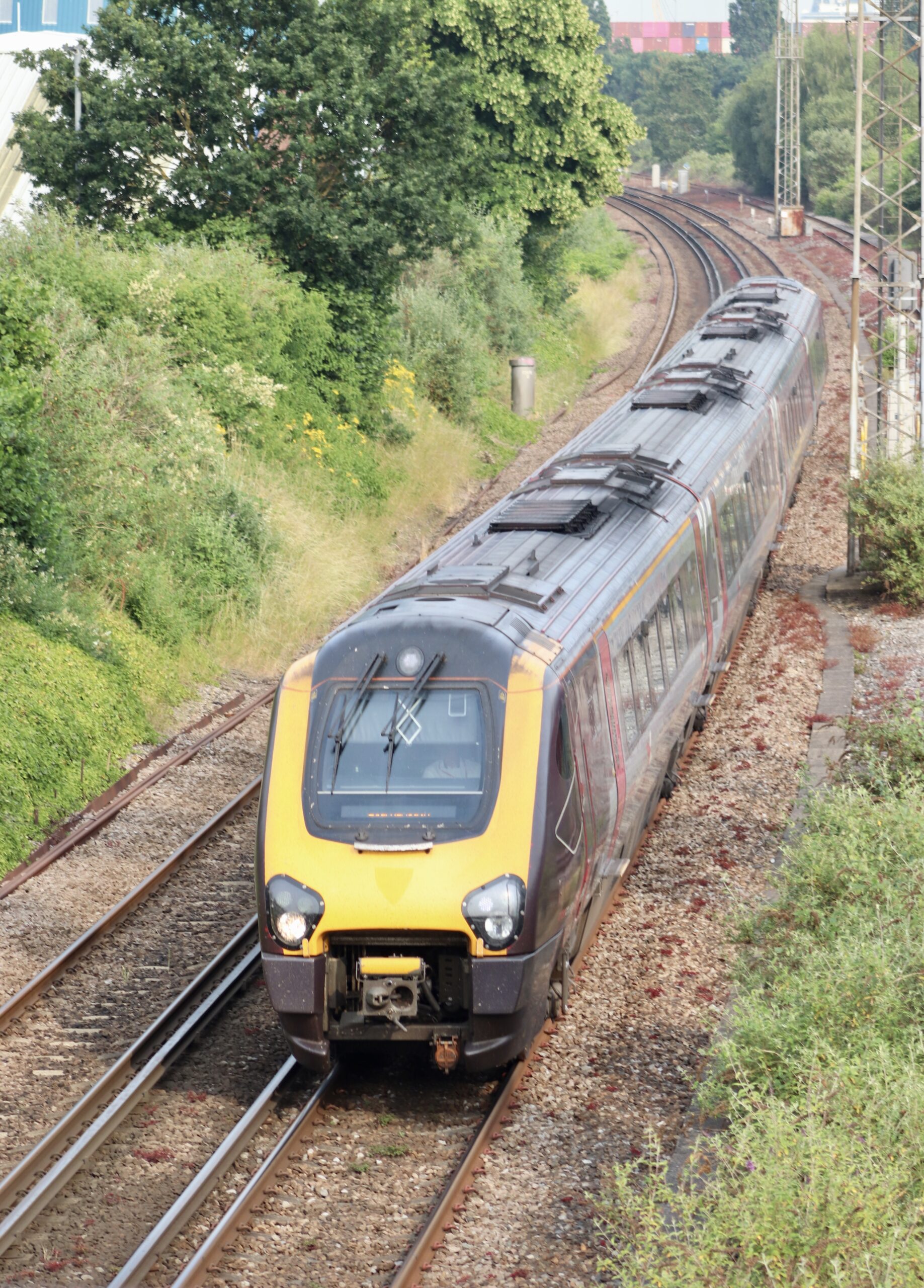
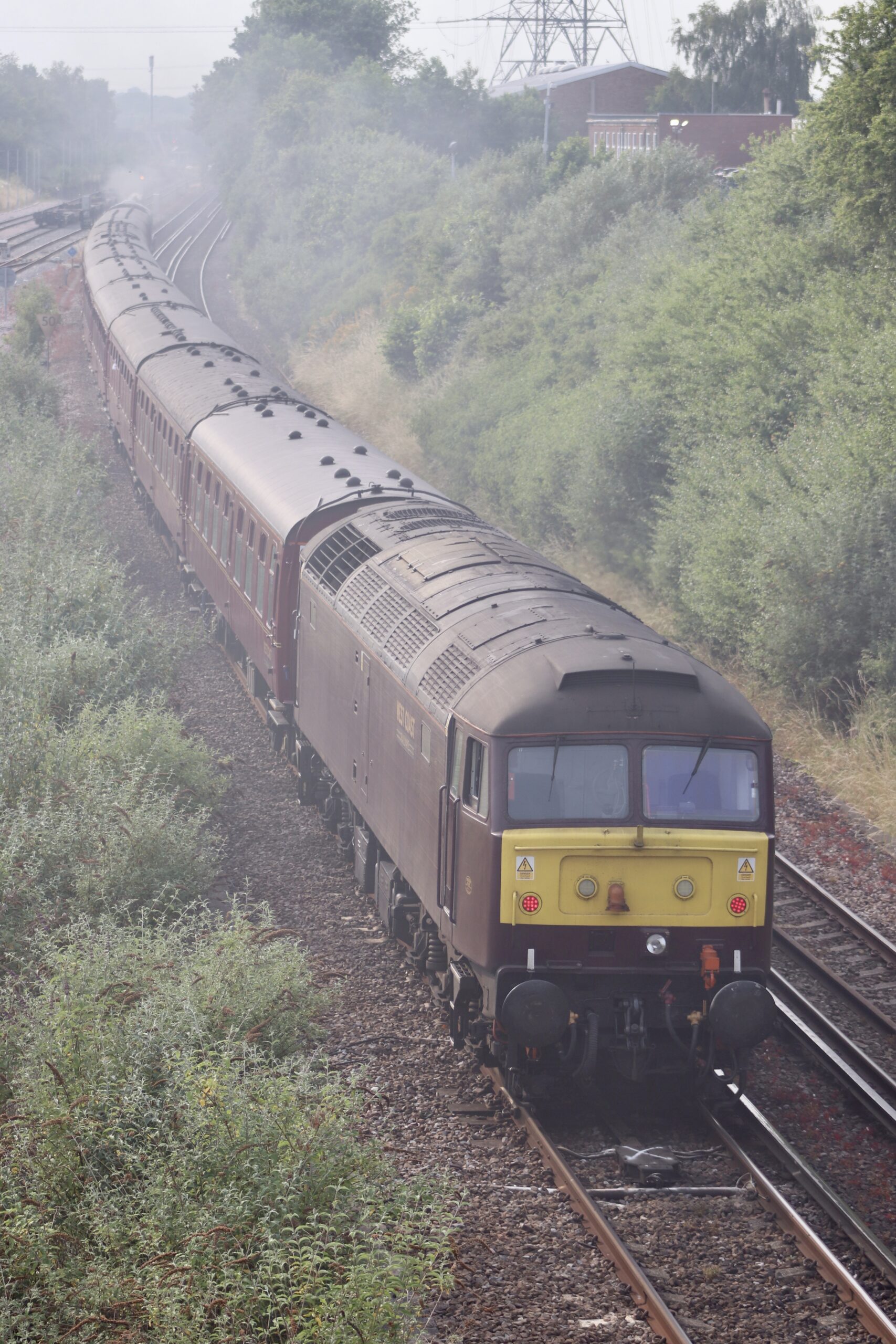
Freightliner Class 08 shunter No. 08785 at Southampton Maritime – 17/06/2023Class 66 No. 66594 at Southampton Maritime – 17/06/2023A line up of Class 70’s at Southampton Maritime, including No.’s 70003,70007 and 70014 with Class 66 No.’s 66565, 66594 and 66504 also visible- 17/06/2023Class 66 No. 66529 receives attention at Southampton Maritime – 17/06/2023CrossCountry Voyager No. 220011 nears Redbridge working 1020 1325 Manchester Piccadilly to Bournemouth – 17/06/2023LNER A3 Pacific No. 60103 ‘Flying Scotsman’ at Millbrook working the return “The Portsmouth Flyer” 1Z73 1606 Portsmouth Harbour to London Victoria – 17/06/2023The white cab roof applied to LNER A3 Pacific No. 60103 ‘Flying Scotsman’ can be seen clearly in this view of the locomotive as she works the return “The Portsmouth Flyer” 1Z73 1606 Portsmouth Harbour to London Victoria on the approach to Redbridge – 17/06/2023West Coast Railway Company Class 47 No. 47802 at the rear of “The Portsmouth Flyer” 1Z73 1606 Portsmouth Harbour to London Victoria approaching Redbridge – 17/06/2023
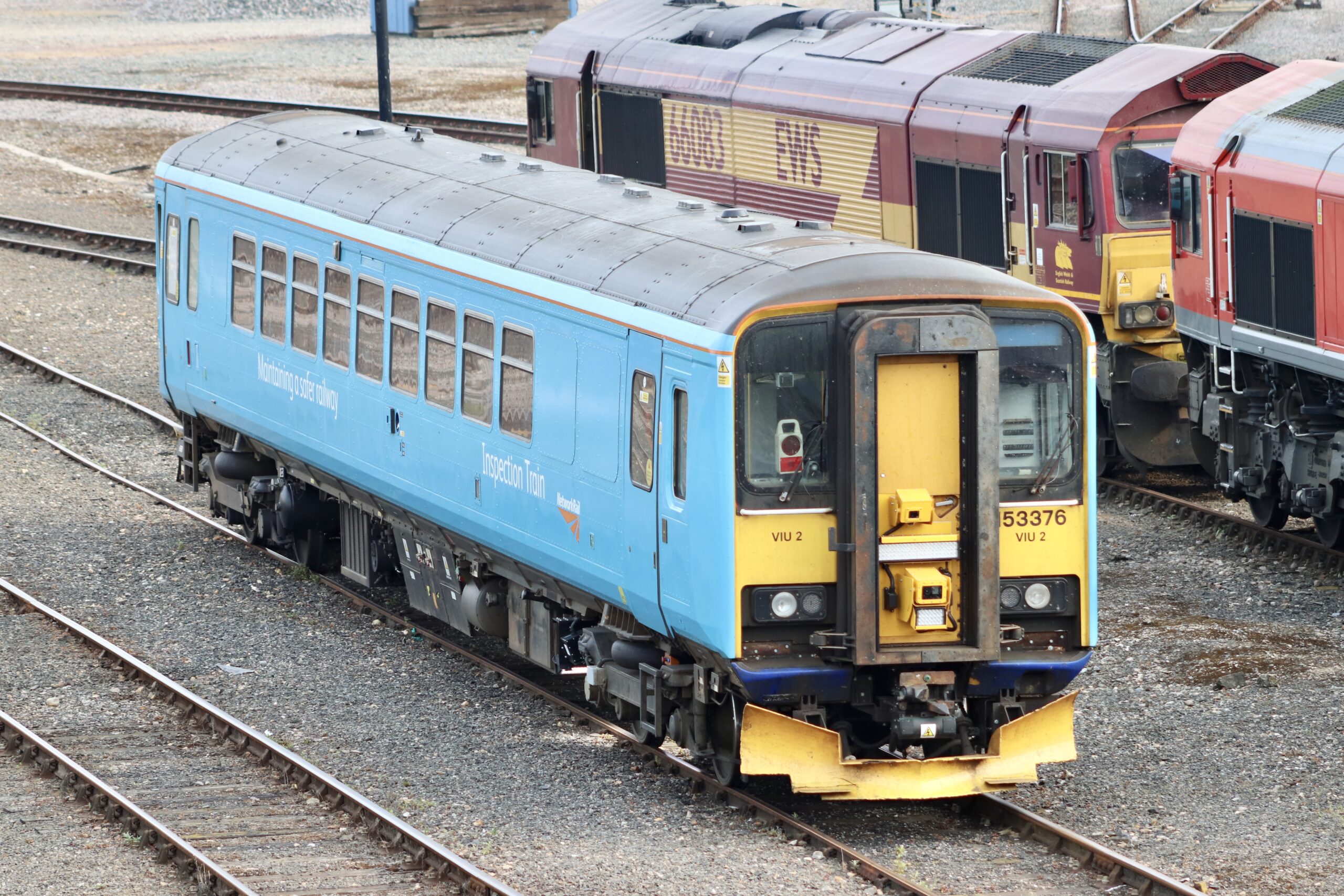
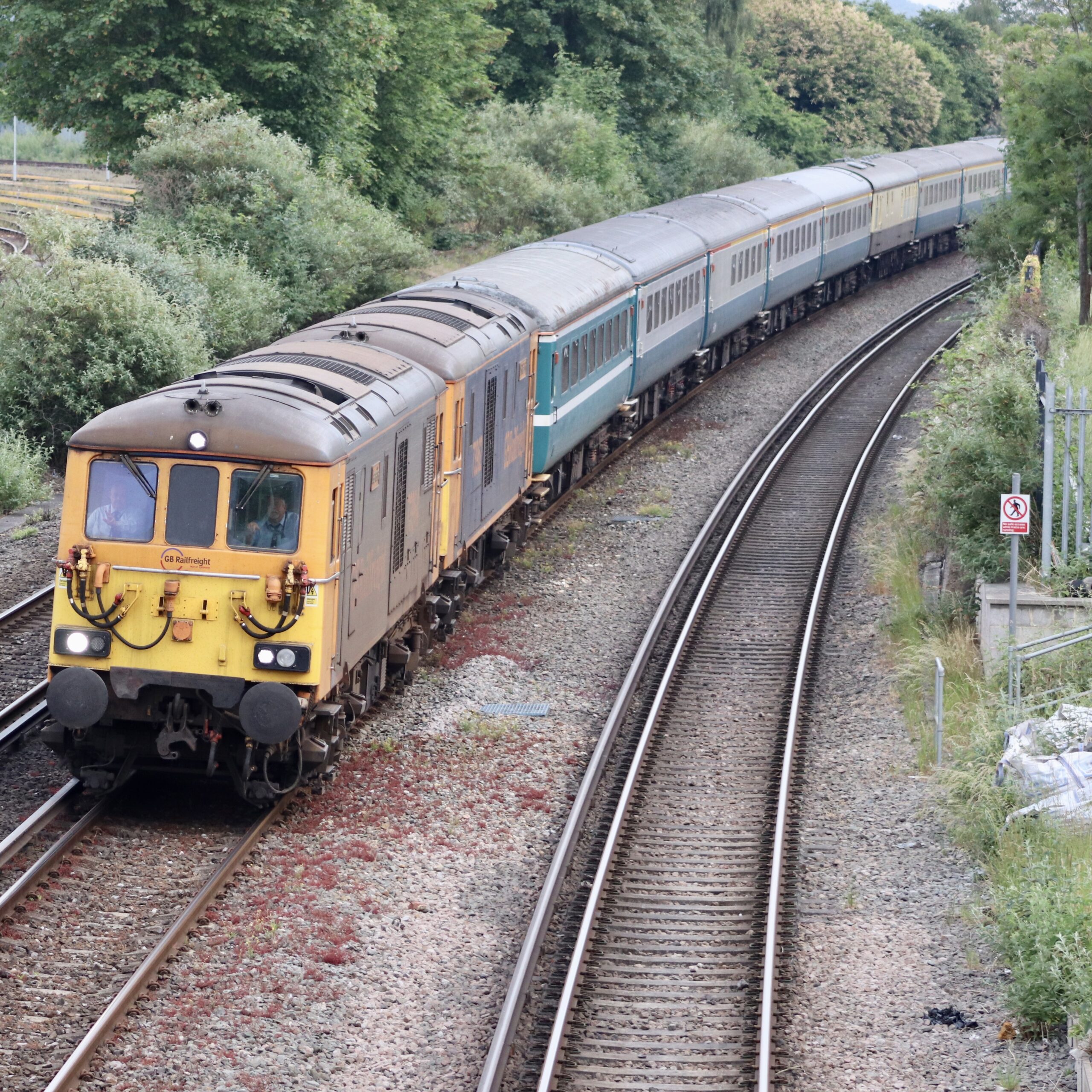
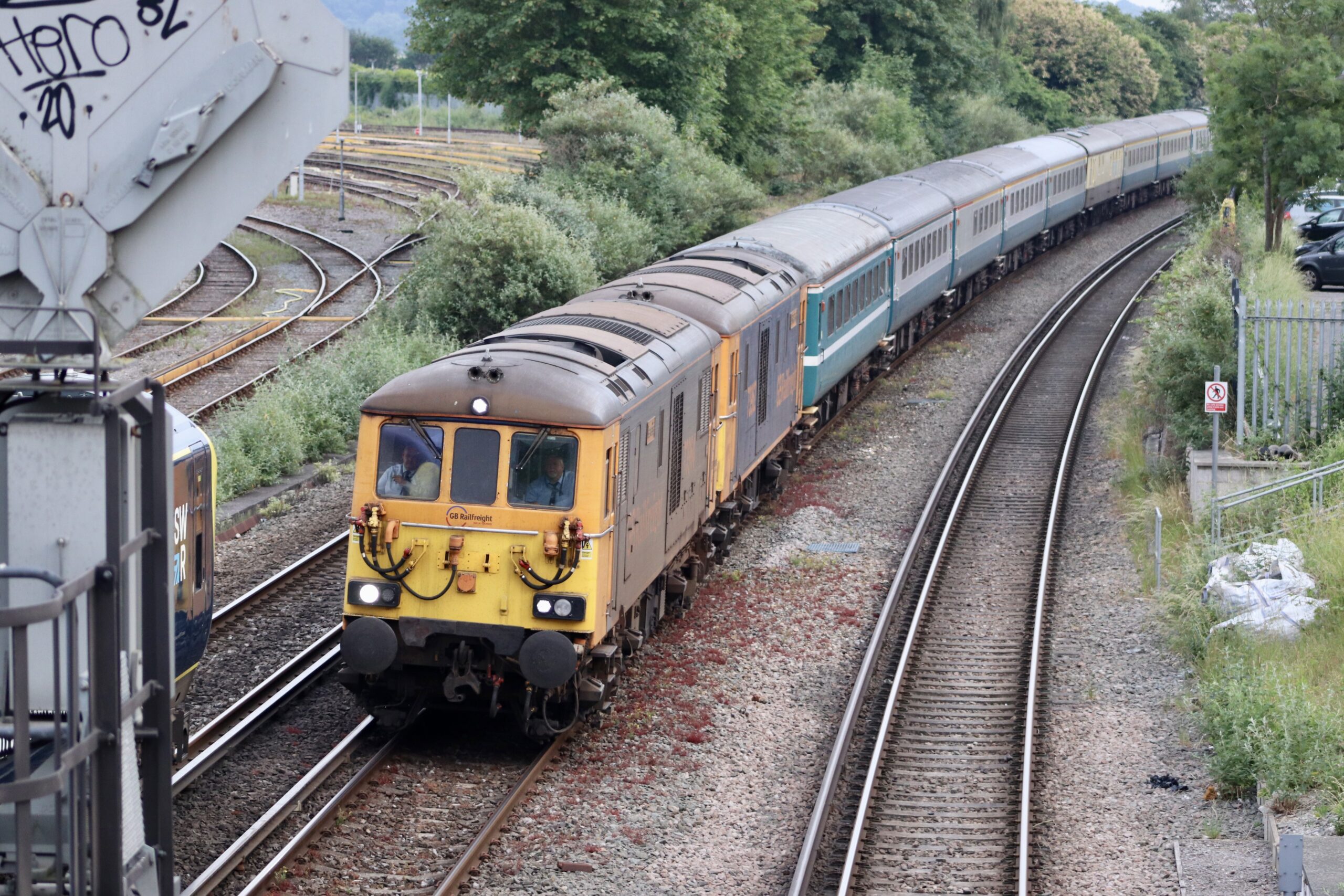
After seeing ‘Flying Scotsman’ I had just enough time to pop over to Eastleigh to get a photo of the Network Rail Class 153 Inspection Train. I was also able to see UK Railtours “The Magic Carpet” on its way from Exeter to London Victoria. This was hauled by two GBRf Class 73 Electro-diesels of the type we normally get here on a test train the first Monday of every month.
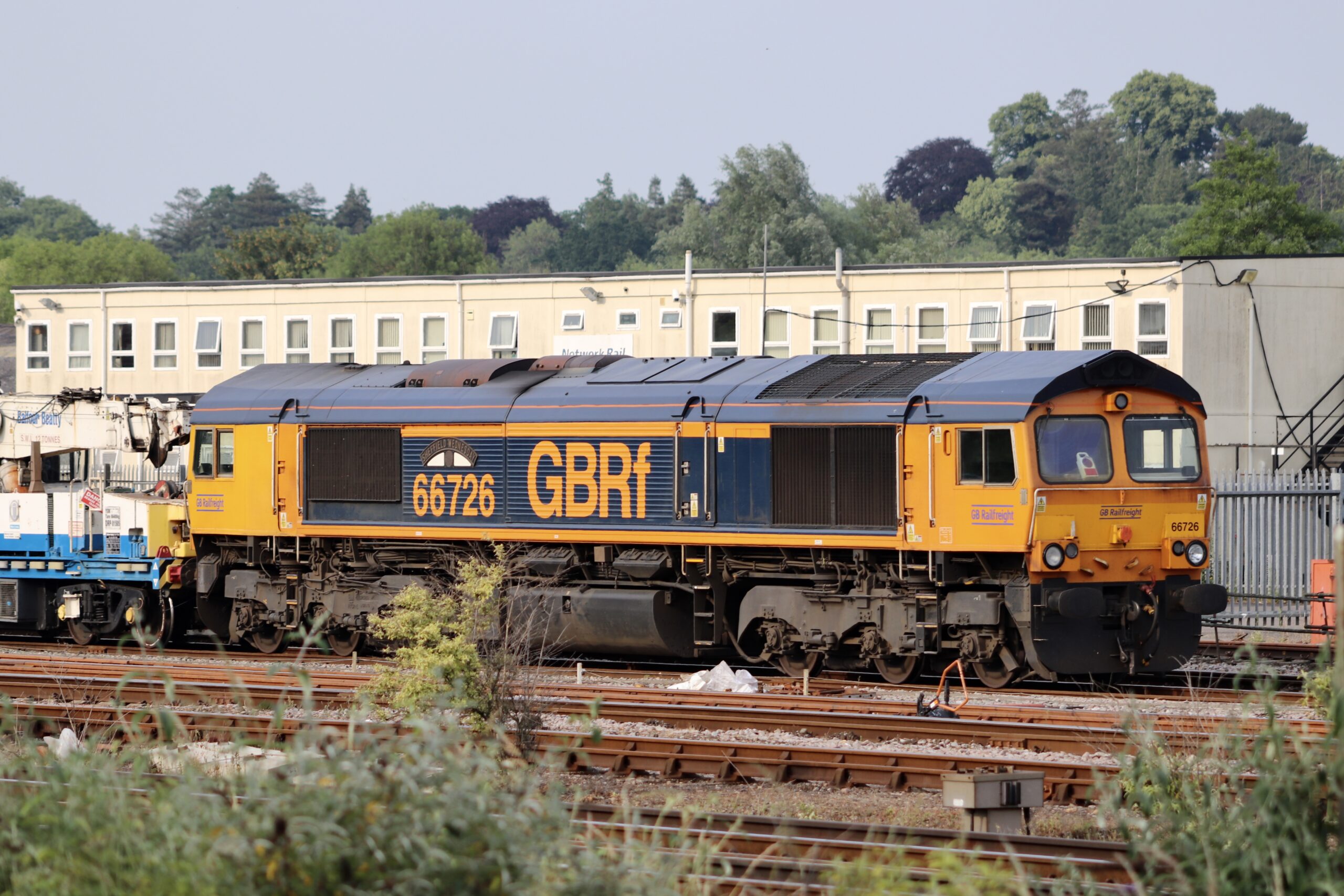
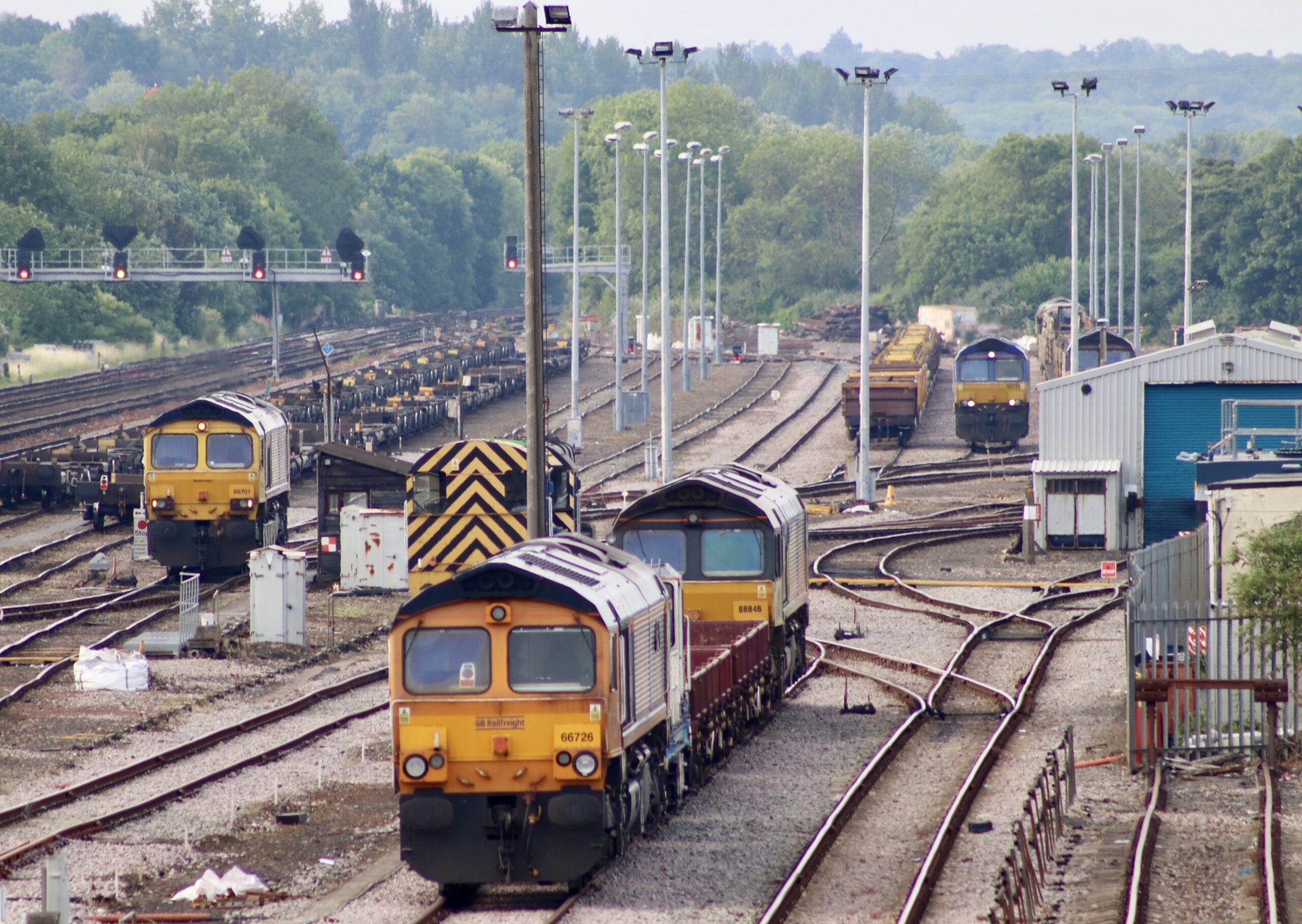
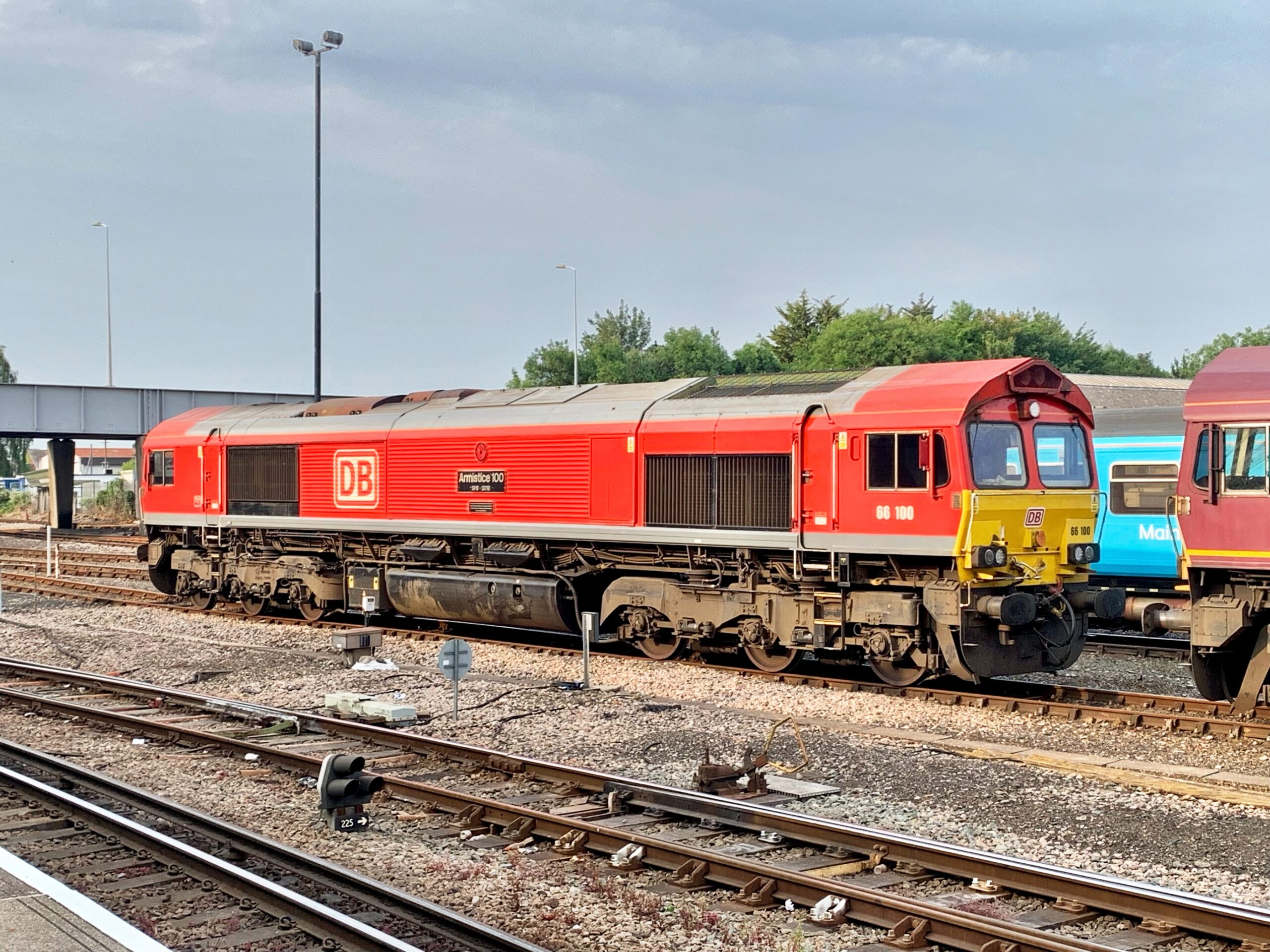
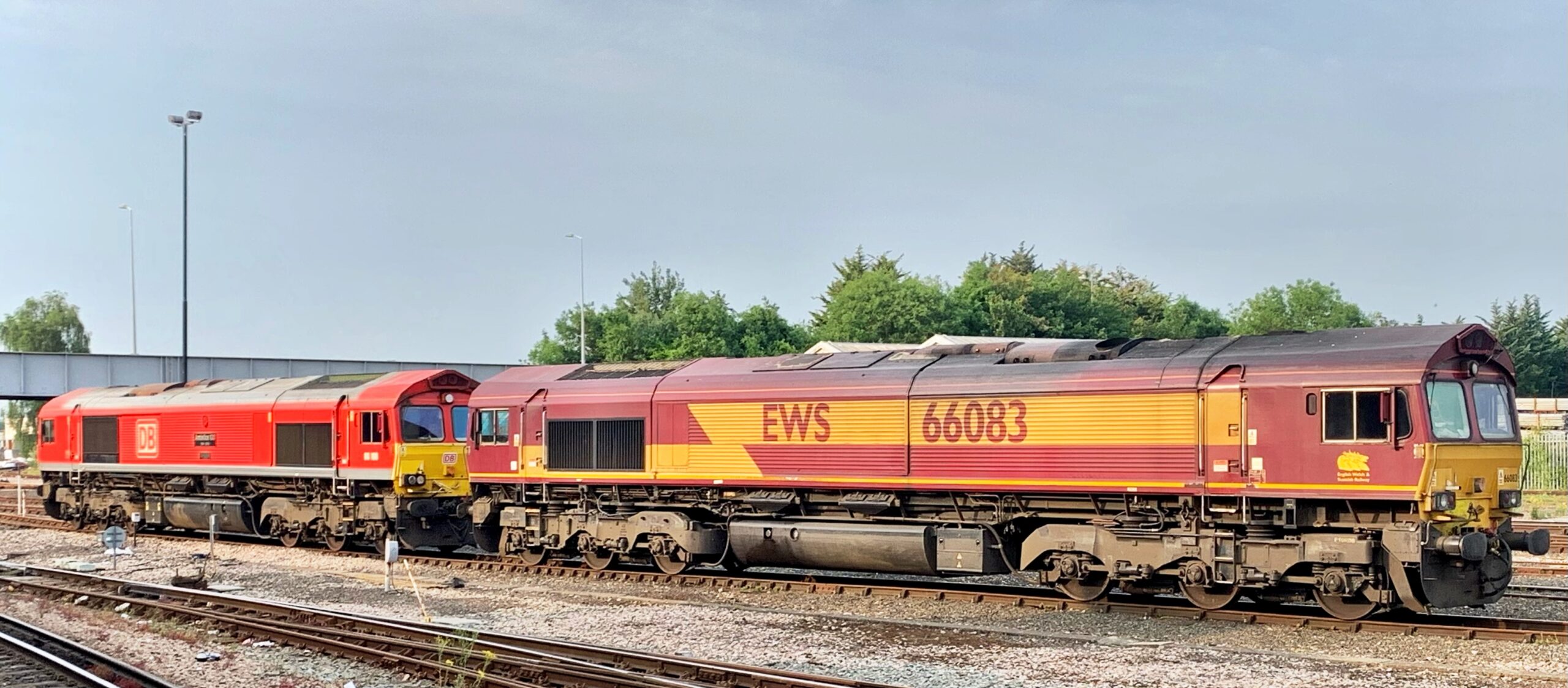
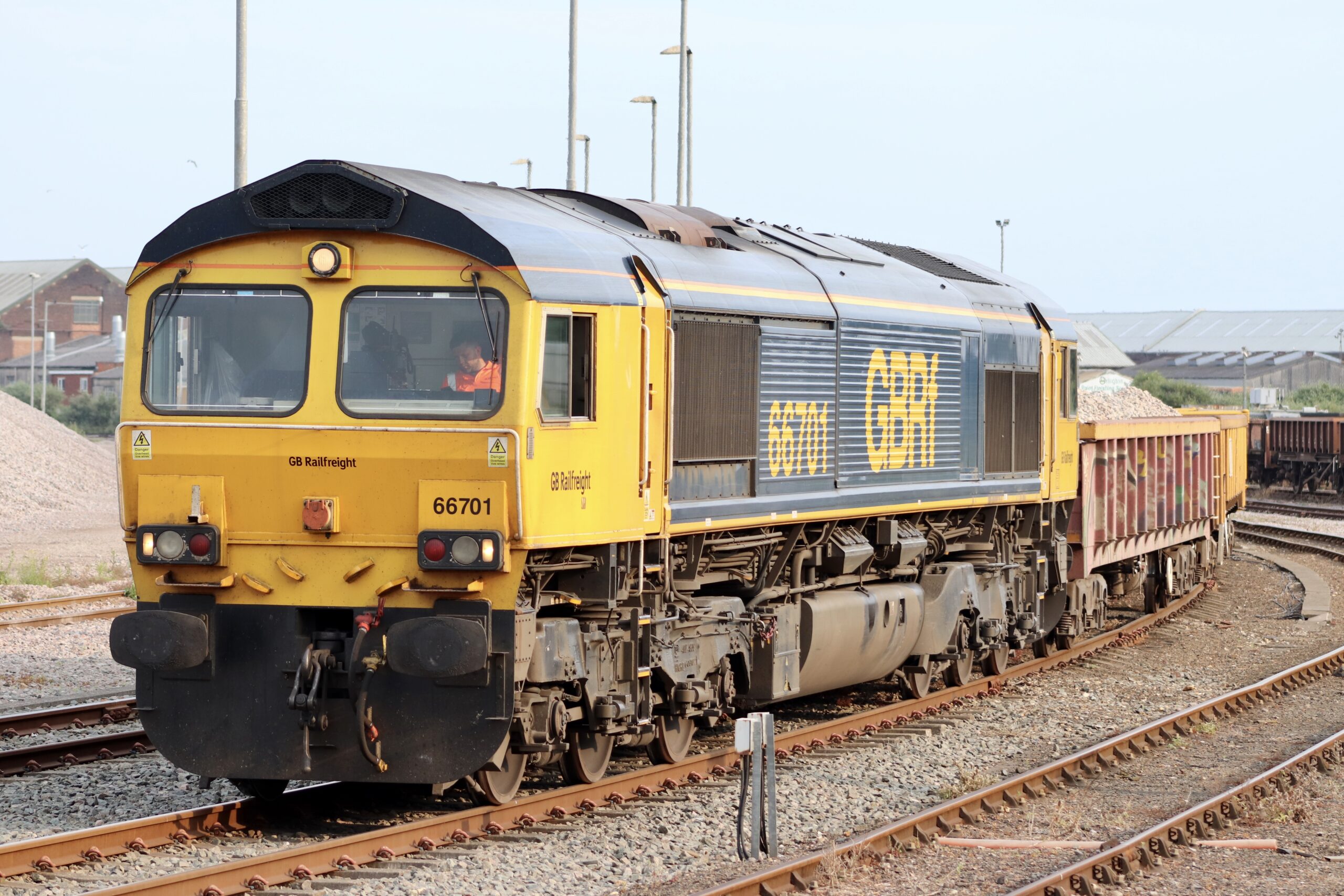
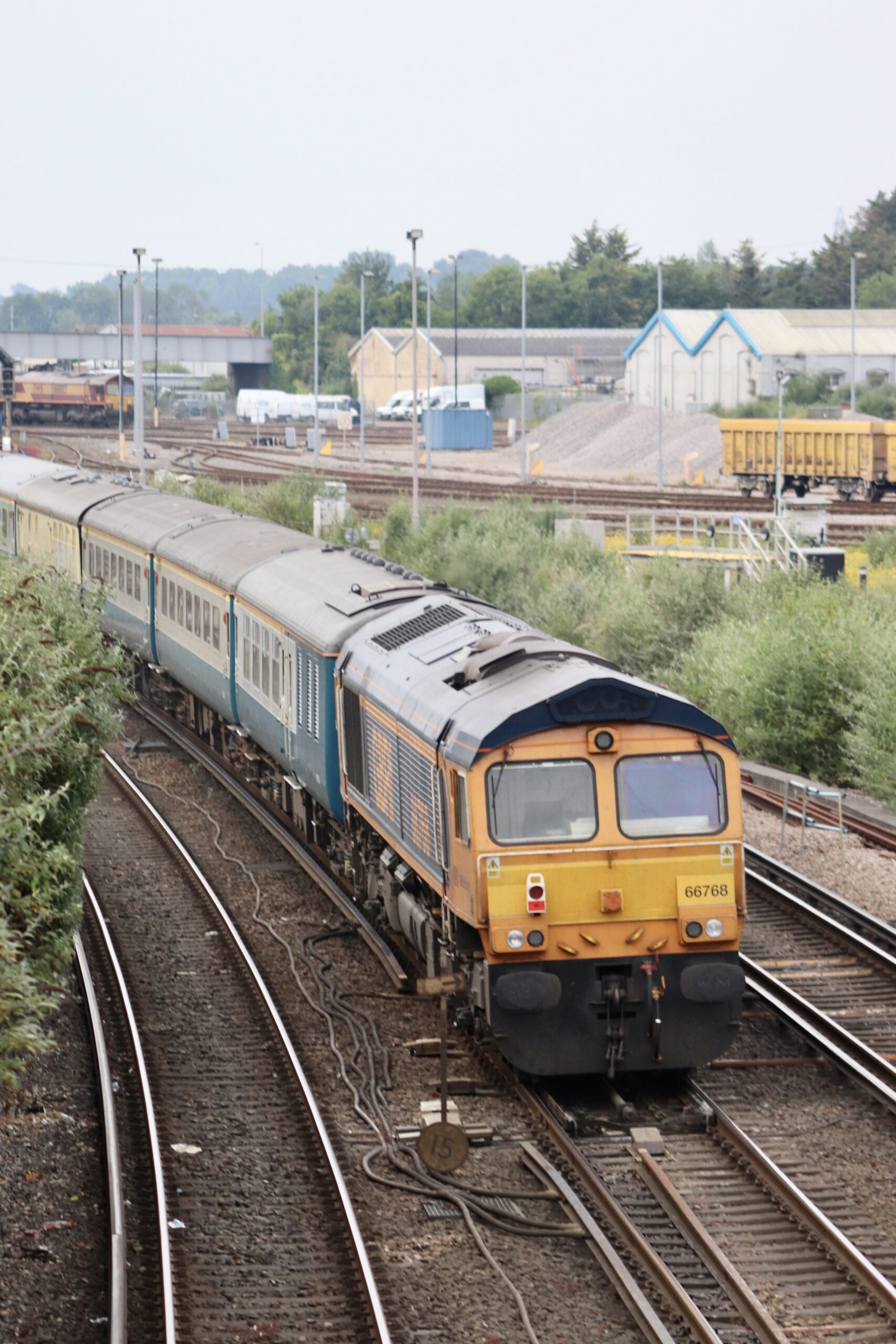
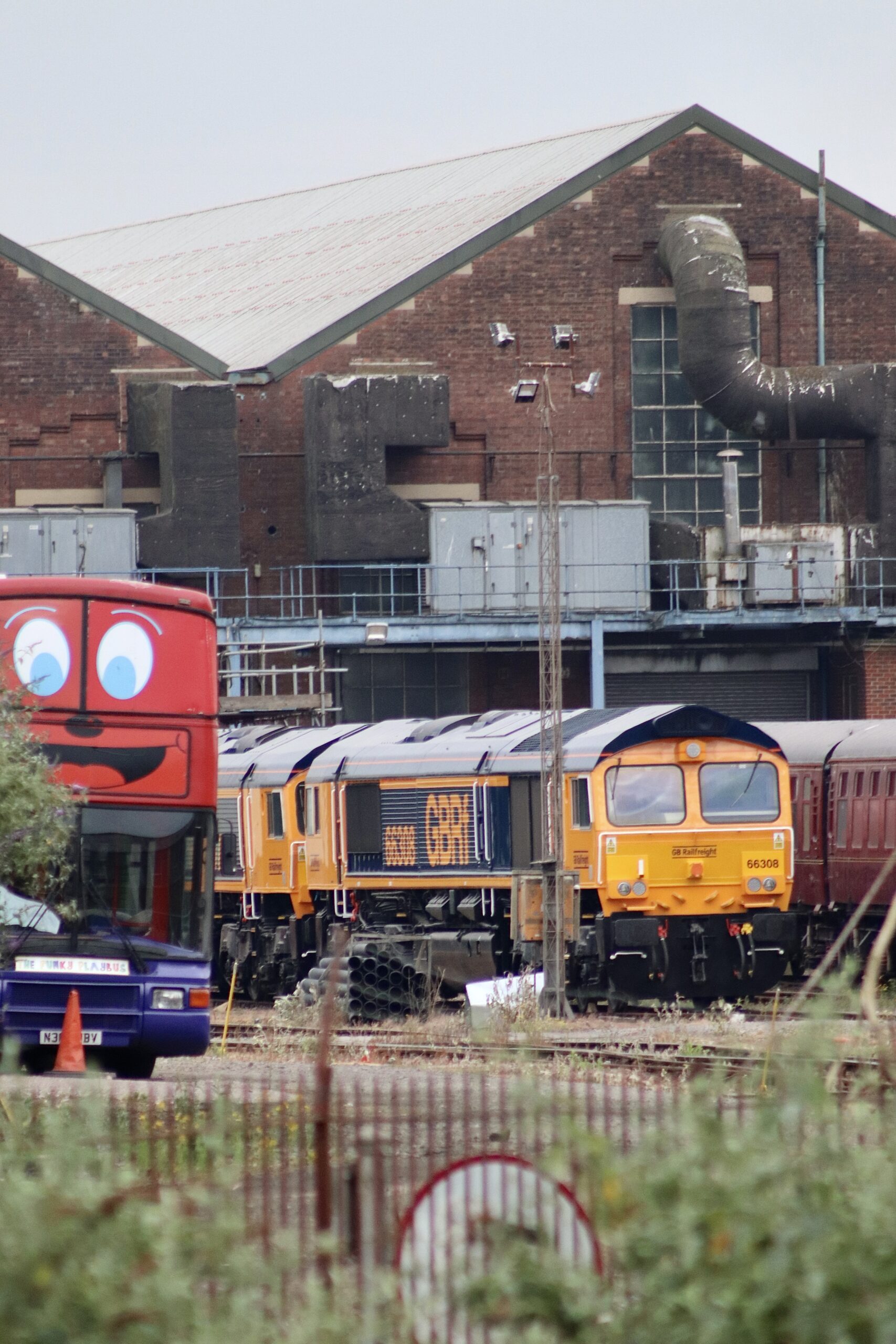
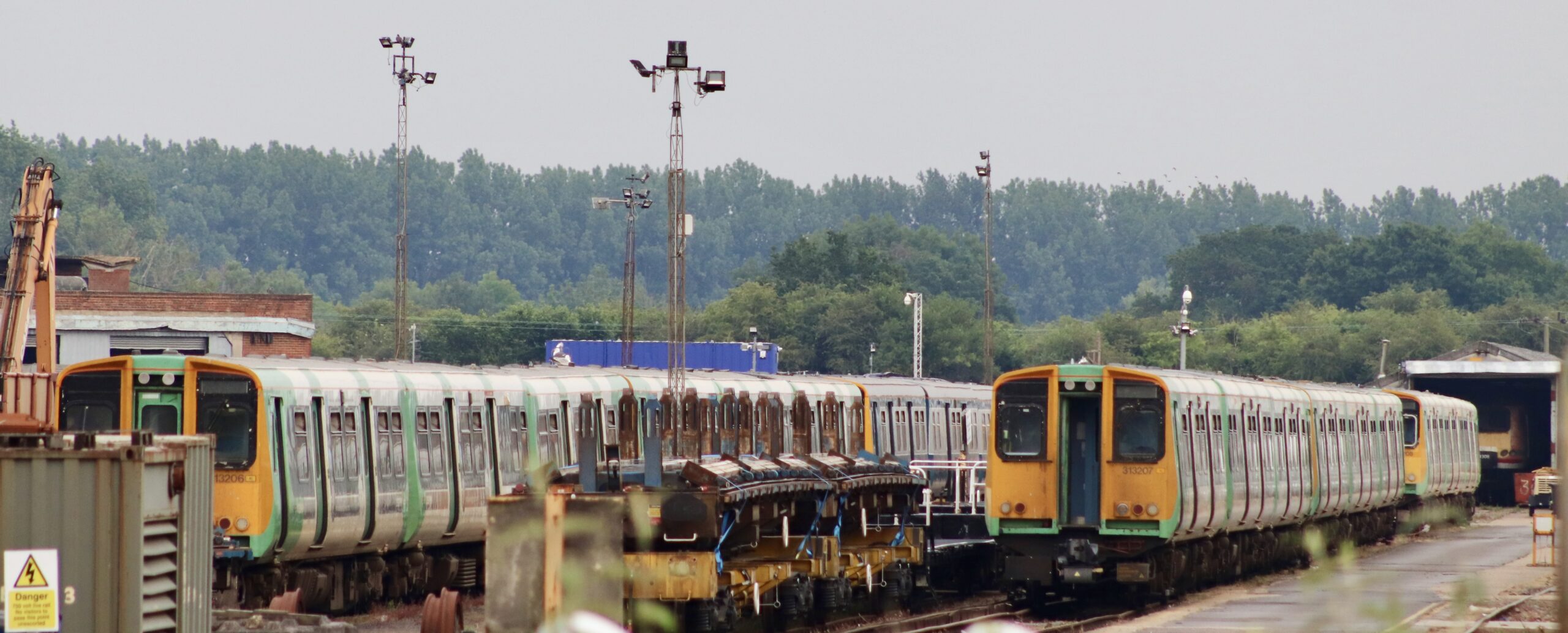
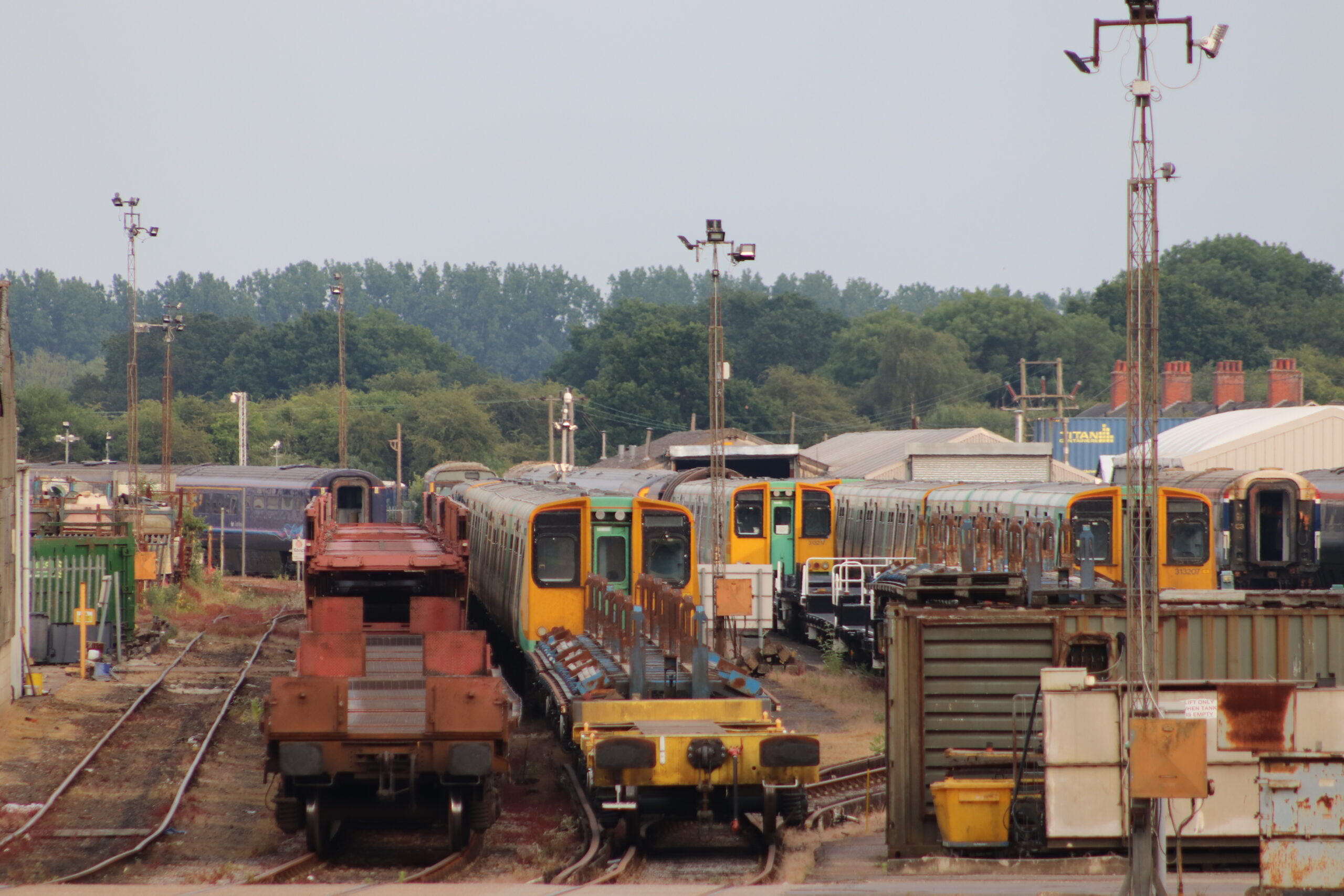
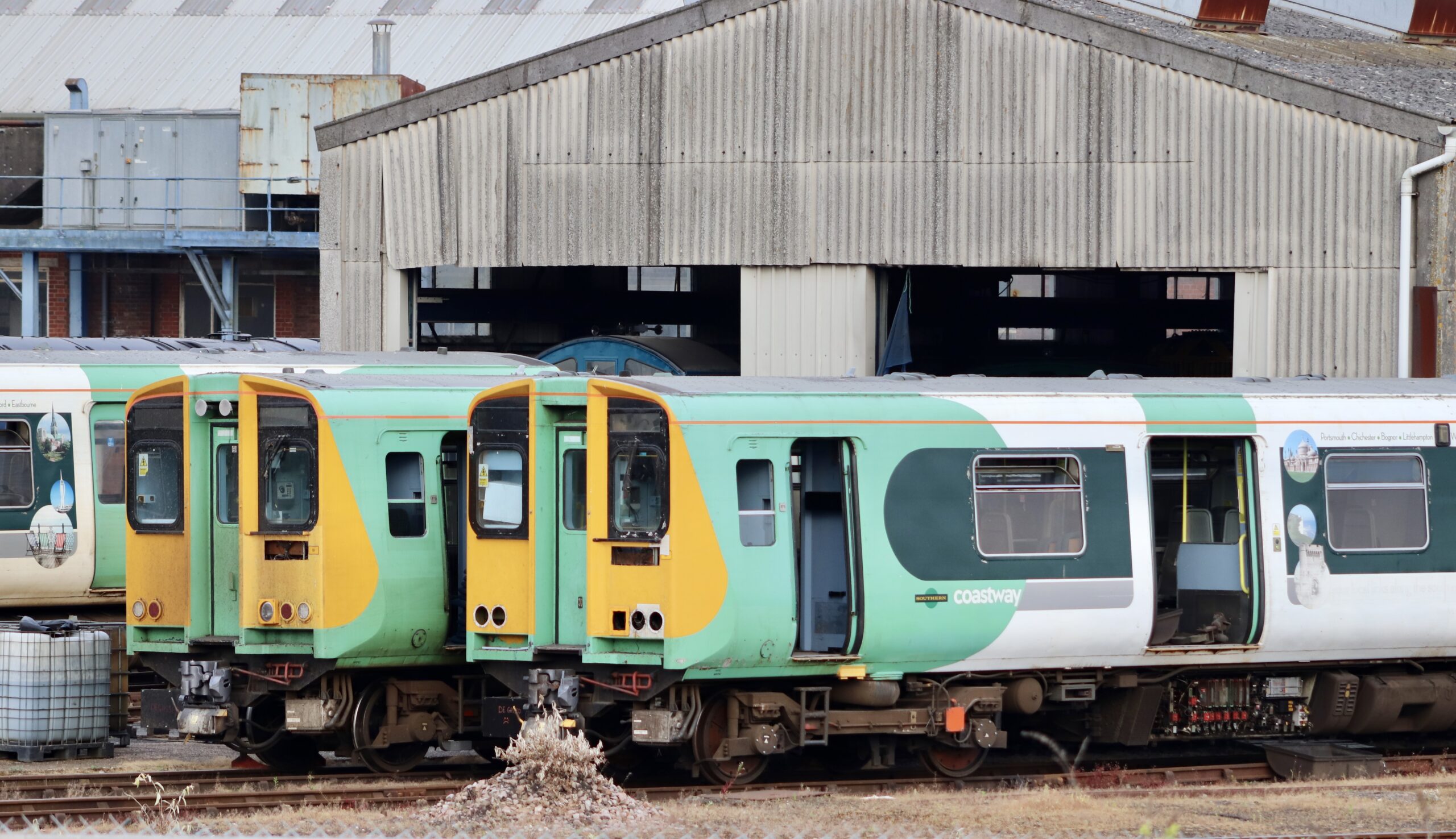
GBRf Class 66 No. 66726 ‘Sheffield Wednesday’ in Eastleigh East Yard in preparation for working 7C03 2302 to Clapham Junction Windsor Lines civil engineering train later in the day along with No. 66846 – 17/06/2023A view over Eastleigh East Yard with GBRf Class 66 No. 66726 ‘Sheffield Wednesday’ and Colas Rail Class 66 No. 66846 in the foreground – 17/06/2023DB Cargo Class 66 No. 66100 ‘Armistice 100 1918 – 2018’ in the sidings adjacent Eastleigh railway station – 17/06/2023Nameplate detail of Class 66 No. 66100 ‘Armistice 100 1918 – 2018’ – 17/06/2023Still carrying EWS Livery, DB Cargo Class 66 No. 66083 partners No. 66100 ‘Armistice 100 1918 – 2018’ at Eastleigh – 17/06/2023Network Rail Video Inspection Unit No. 2 (VIU2) No. 153376 rests at Eastleigh. Network Rail employs three Class 153 DMU’s for video assessment of track and points – 17/06/2023GBRf Class 66 No. 66701 having just reversed onto wagons ready to form 6G13 1952 Eastleigh East Yard to Cheam engineers train – 17/06/2023Maritime Blue liveried Class 66 No. 66051 ‘Maritime Intermodal Four’ passing through Eastleigh heading up 4V44 1824 Southampton Eastern Docks to Morris Cowley MAT – 17/06/2023GBRf Class 73/9 No.’s 73964 ‘Jeanette’ and 73962 ‘Dick Mabbutt’ hauling UK Railtours “The Magic Carpet” one the approach to Eastleigh – 17/06/2023GBRf Class 73/9 No.’s 73964 ‘Jeanette’ and 73962 ‘Dick Mabbutt’ hauling UK Railtours “The Magic Carpet” 1Z62 1533 Exeter St Davids to London Victoria on the approach to Eastleigh – 17/06/2023On the rear of “The Magic Carpet” 1Z62 1533 Exeter St Davids to London Victoria GBRf Class 66 No. 66768 – 17/06/2023In 2011, leasing company Akiem acquired seven unused JT42CWRM locomotives, which would originally enter service for Veolia Cargo SAS (77501-77503) as order 20078941 and Crossrail Benelux (77504-77507) as 20078920. On 20 June 2011, all seven locos were delivered with train protection systems for Germany, Belgium and France. After being delivered to Akiem, they were immediately leased to VFLI. Purchased and imported by GBRf Class 66 No.’s 66308 (ex-77503) and 66307 (ex-77502) are seen at Eastleigh Arlington Works having been repainted into standard GBRf livery following sizing modifications for the UK rail loading gauge carried out at Doncaster – 17/06/2023Class 313’s continue to arrive at Eastleigh Arlington for component recovery and scrapping. No.’s 313206, 313201, 313207 and 313208 can be identified in this view. An appeal to fund maintenance and storage costs of blue liveried No. 313201 has been launched – 17/06/2023No.’s 313206, 313201, 313217, 313207 and 313208 await their fate at Eastleigh Arlington – 17/06/2023These Class 313 EMU’s at Eastleigh Arlington have had their numbers cut out. We can identify No. 313202, closest to the camera, from the coach number 62530 – 17/06/2023
“The Magic Carpet” passed through Dorset and our North Dorset correspondent was on hand to capture the train at Gillingham:
GBRf Class 73/9 No.’s 73964 ‘Jeanette’ and 73962 ‘Dick Mabbutt’ head up UK Railtours “The Magic Carpet” at Gillingham on the return leg (photo courtesy of Scott Lewis) – 17/06/2023
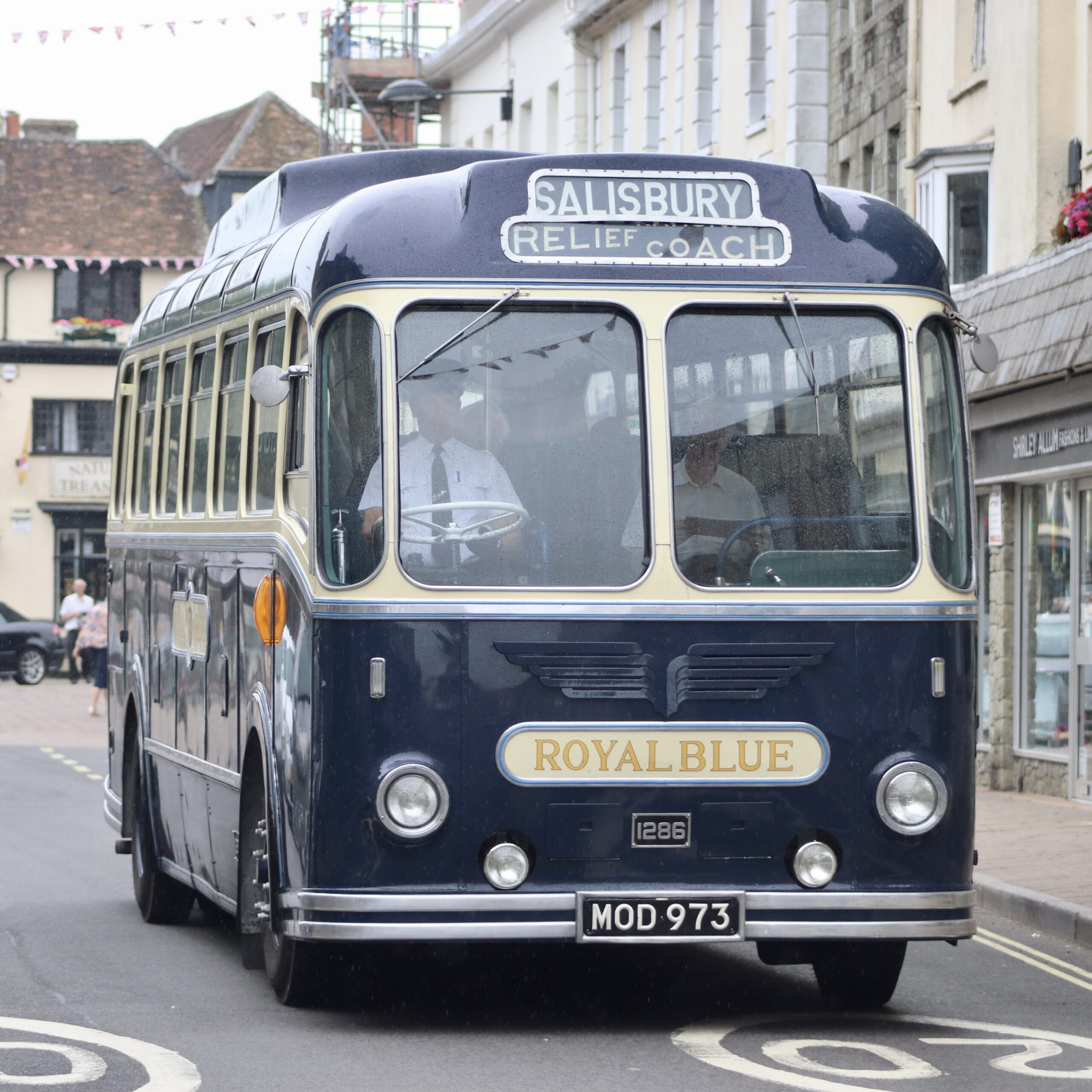
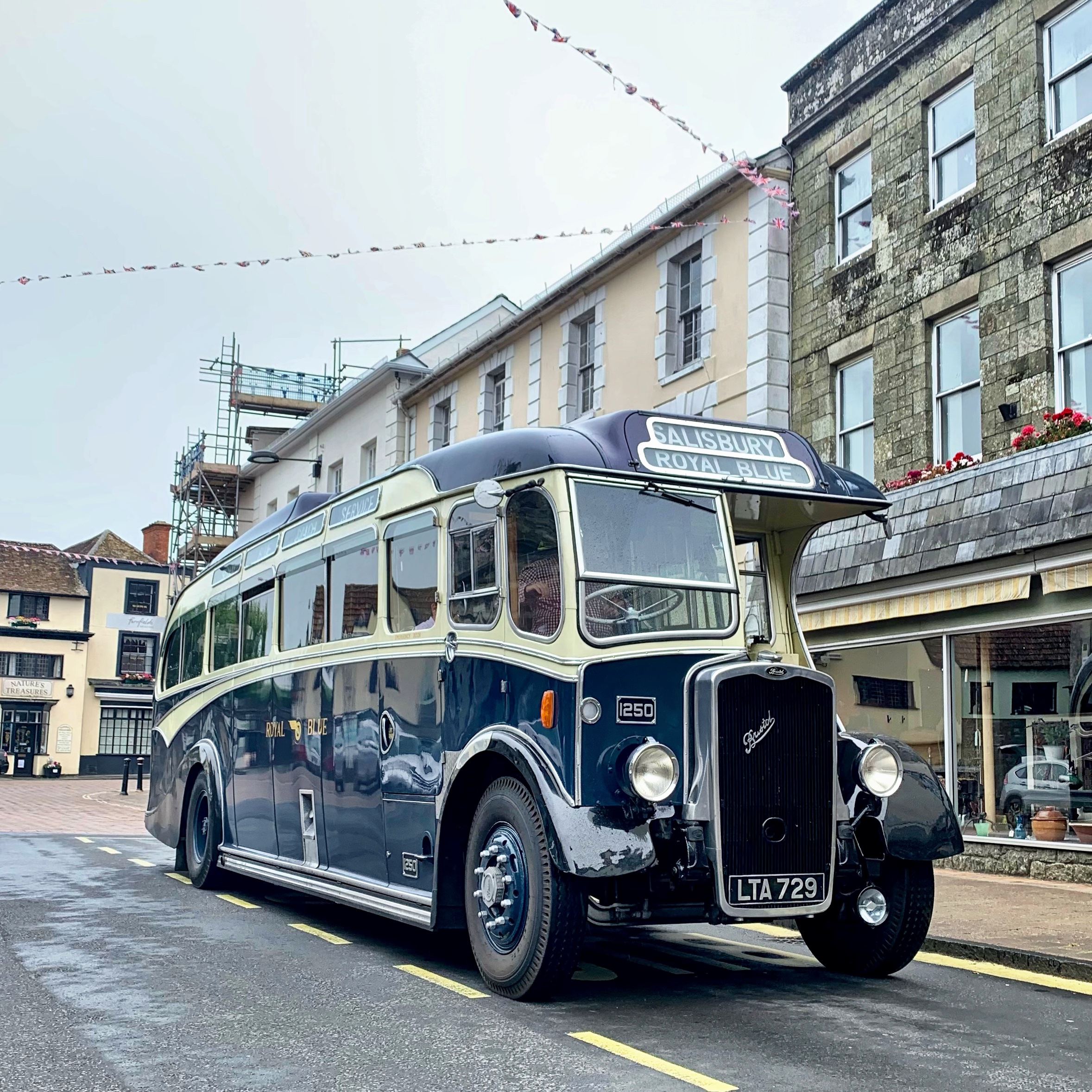
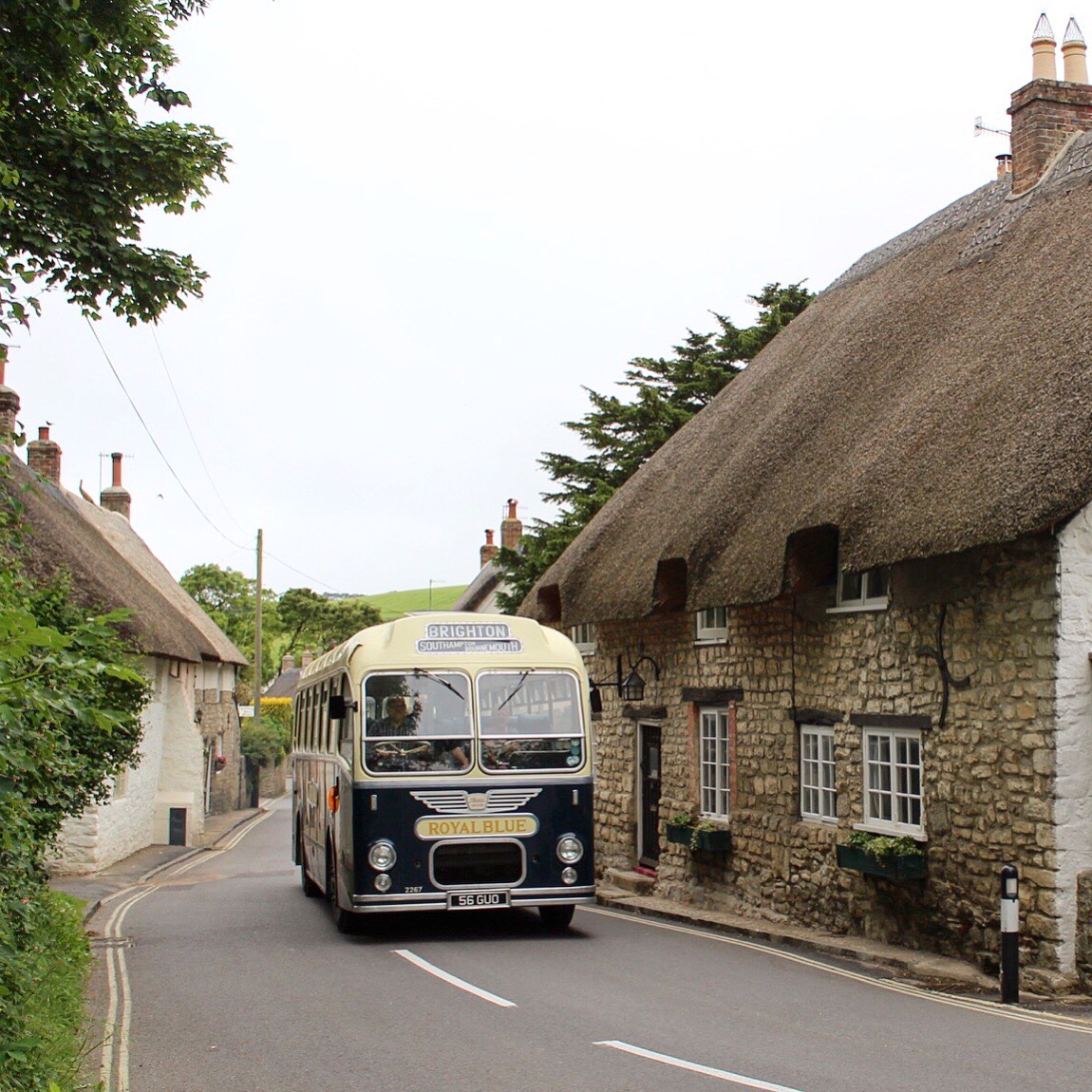
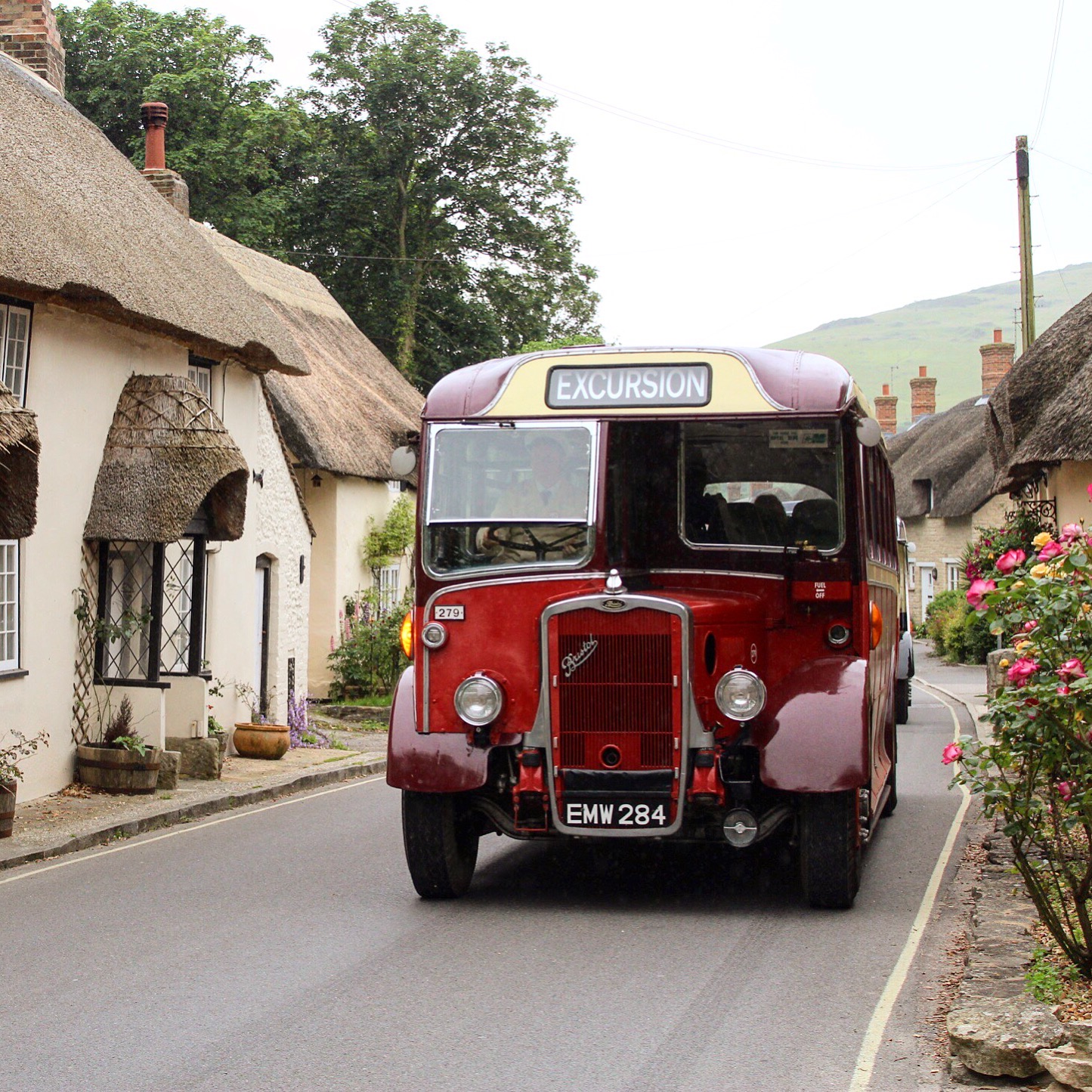
This past weekend the 2023 “Royal Blue Run” saw the return of preserved and restored coaches to roads across the West Country, showcasing these fine specimens in authentic settings across the country recreating lost scenes. This year the Royal Blue & Associated Motorways run saw the privately owned vehicles recreate an age of bygone travel on the open roads through Wiltshire, Somerset, Devon and Cornwall reaching Penzance in the far south west. The specific routes chosen were drawn from Royal Blue timetables from different eras. Sometimes segments of express services are followed, or in other cases seasonal variants are used (e.g. summer Saturdays only or winter season routing). Every stretch has to be pre-driven to ensure the original roads remain suitable for coaches to pass even with modern parking practices or traffic management schemes. The coaches set out from Salisbury bus station on Friday 16th June and we chose to see them passing through Shaftesbury on their return final stage run up the A30, as used by the ‘stopping’ Penzance to London services, to Salisbury.
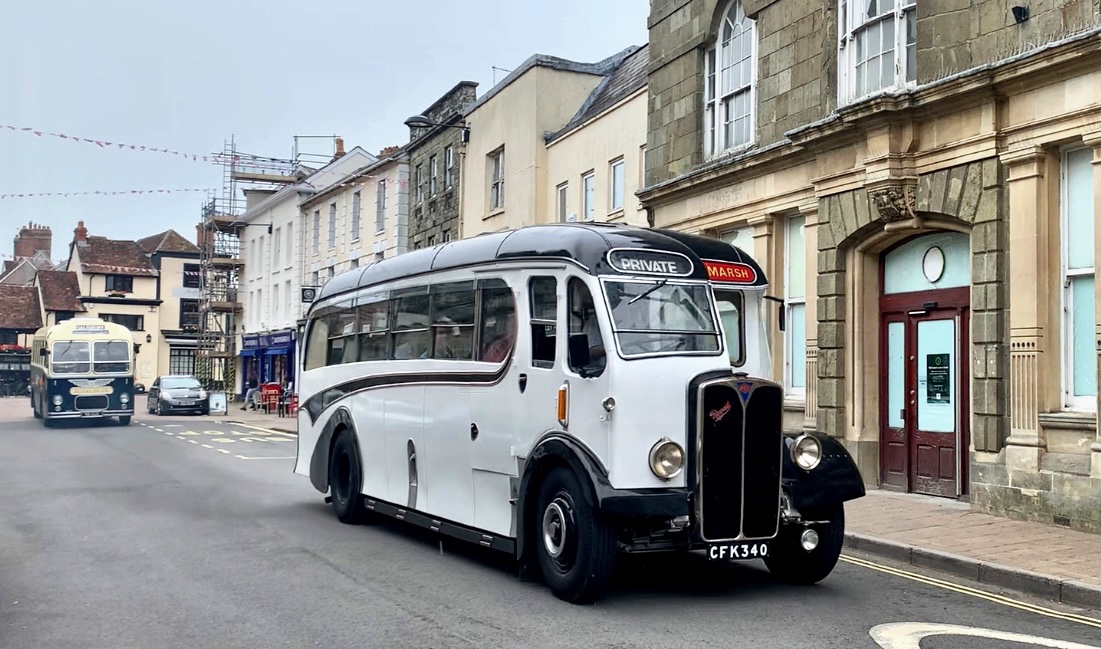
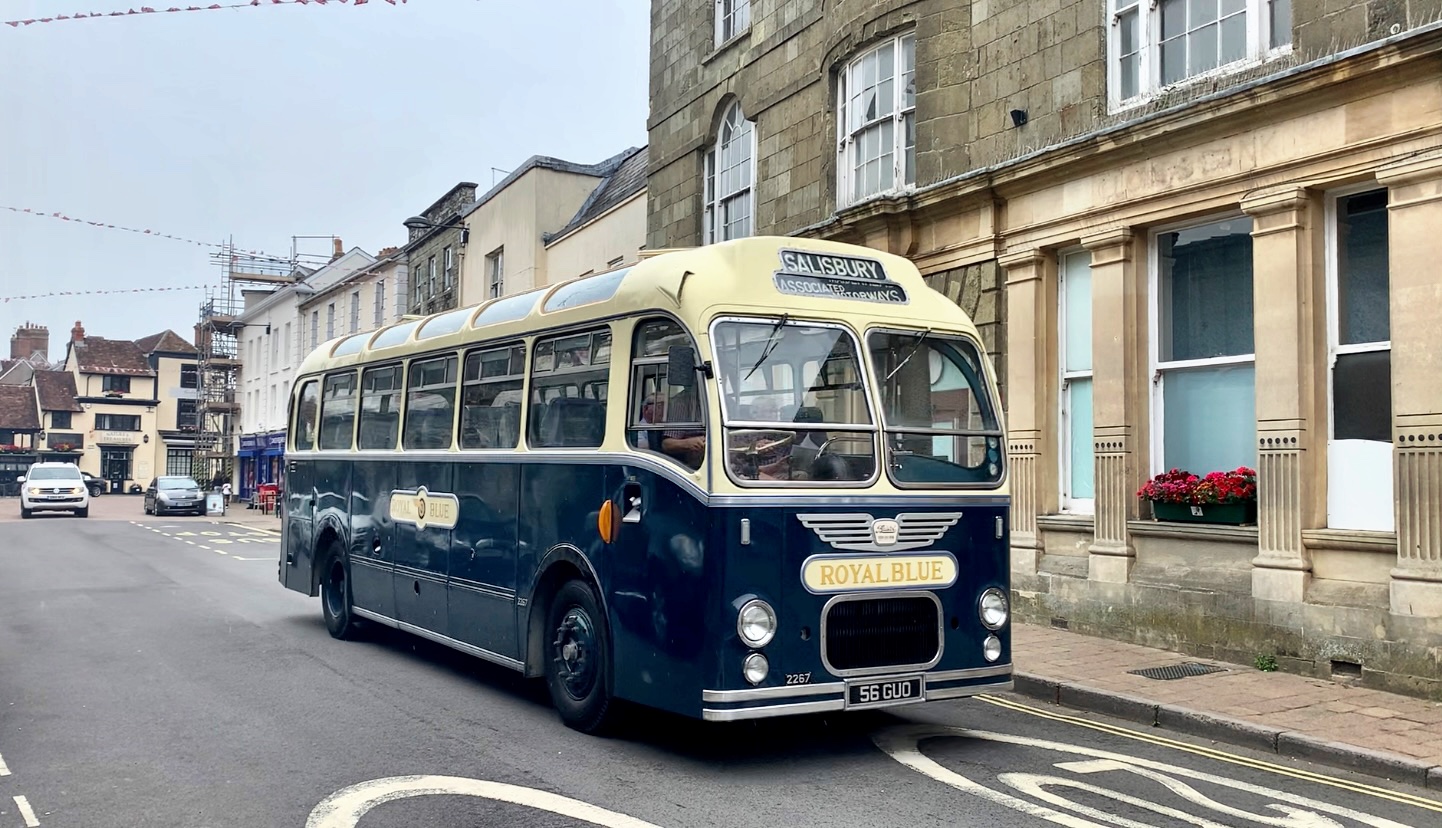
Burlingham C33F AEC Regal Reg No. CFK 340 in the livery of operator Burnham built 1948 at Shaftesbury – 18/06/2023Royal Blue ECW Bristol MW6G Fleet No. 2267 Reg No. 56 GUO built 1961 at Shaftesbury – 18/06/202Wilts & Dorset Beadle C32R Bristol L6B Fleet No. 279 Reg. EMW284, built 1947 at Shaftesbury – 18/06/202
The Thames Valley & Great Western Omnibus Trust (TV&GWOT) website provides more information on the Royal Blue Runs which “were established in 2002 so that owners and their passengers can relive the pleasures of long distance luxury coach travel for which their carefully preserved vehicles were originally intended. The aim is to follow original Royal Blue routes as closely as possible and to travel at a leisurely pace redolent of the times. The runs also create a wonderful spectacle for innocent bystanders and dedicated photographers alike, thanks to the hard work and resources the owners have devoted to restoring and maintaining their fine coaches.
A lot of work goes into planning the runs from selecting routes from the extensive Royal Blue network and researching the original drivers’ instructions and passenger timetables, preparing maps and outline routing, driving the routes to develop detailed instructions allowing for modern day features and constraints, organising refreshment stops, obtaining parking permissions, to identifying potential accommodation for a dozen or more coaches and their passengers. Despite all the preparations, final timings are hard to judge whether due to roadworks or things that might pique the interest of crews along the way. The coaches do not travel in close convoy so as not to inconvenience other road users. Some drivers have also been known on occasion to deviate from the intended route (unintentionally!).
Overall the focus is on education and enjoyment and we hope that however you take part you share in the pleasure.”
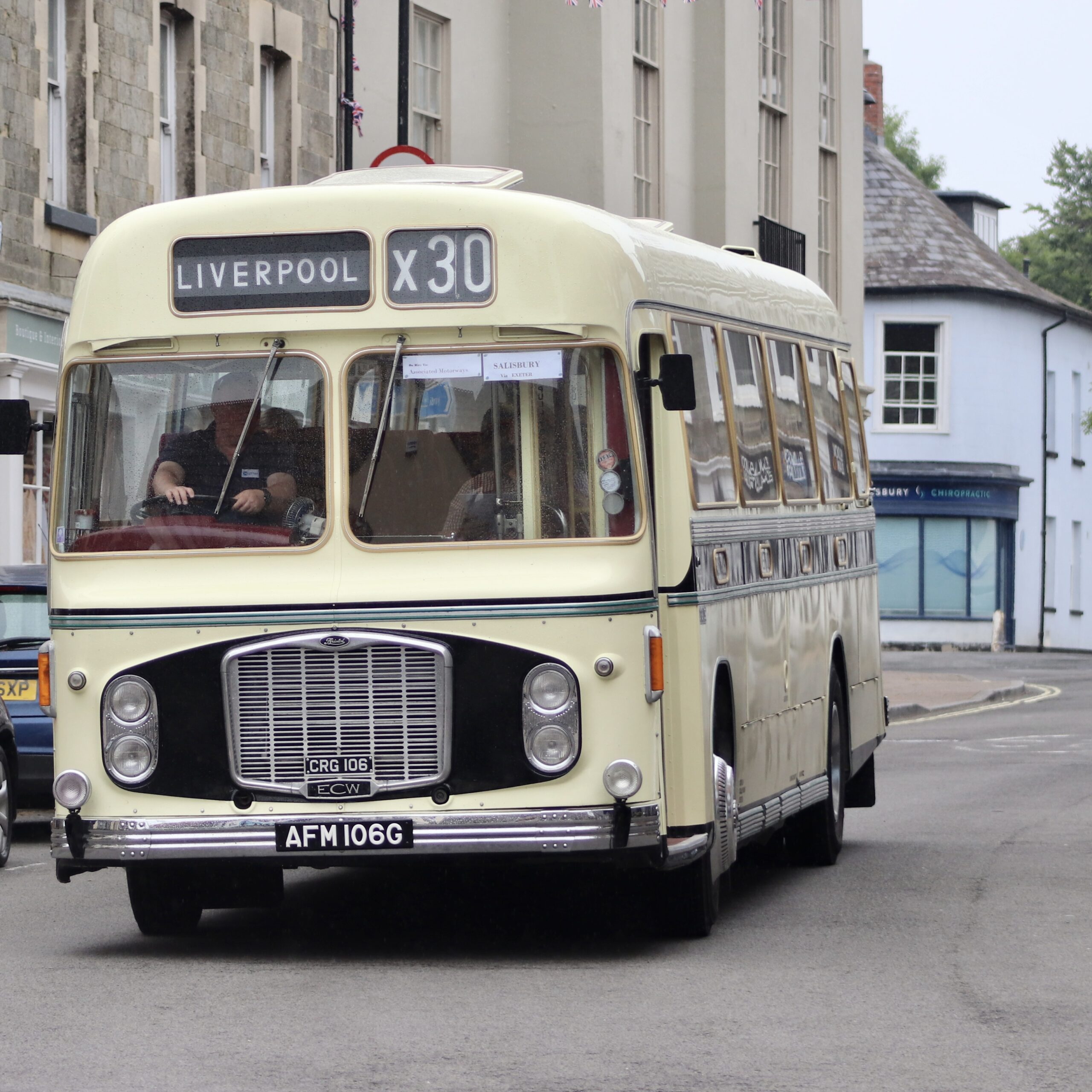
Western National Fleet No. 3307 Reg AFJ 727T Plaxton Supreme DP41F Bristol LH6L built in 1979 at Shaftesbury – 18/06/202A long way from home, Crossville Fleet No. CRG106 Reg AFM 106G ECW C49F Bristol RELH built in 1969 at Shaftesbury – 18/06/202Royal Blue Fleet No. 1286 Reg MOD 973 ECW Bristol LS6G C39F built in 1952 at Shaftesbury – 18/06/202Royal Blue (Western National) Fleet No. 1250 Reg. LTA 729 Duple Bristol LL6B C37F built in 1951 at Shaftesbury – 18/06/202
A very short video of Royal Blue Run buses passing through Shaftesbury – 18/06/2023
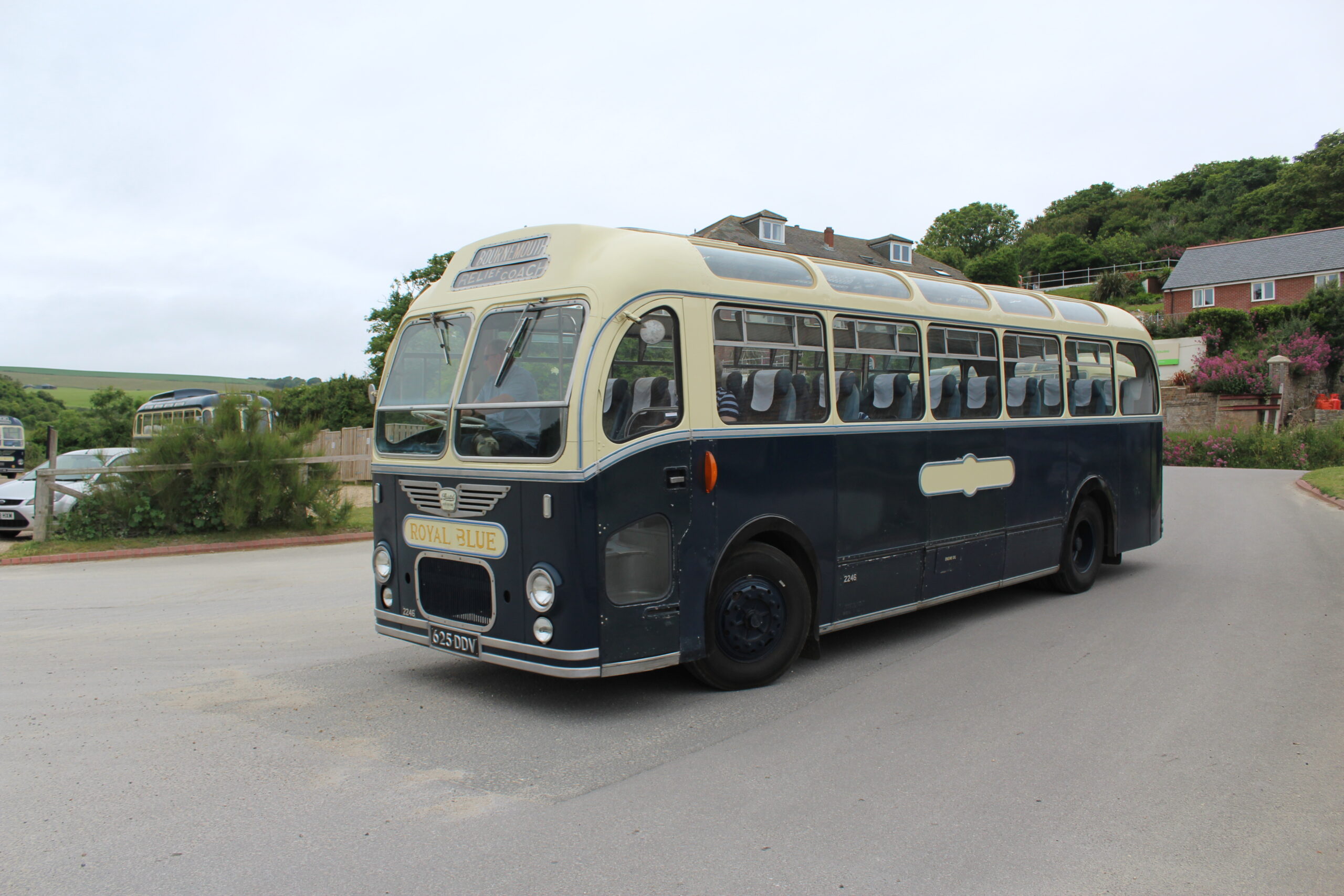
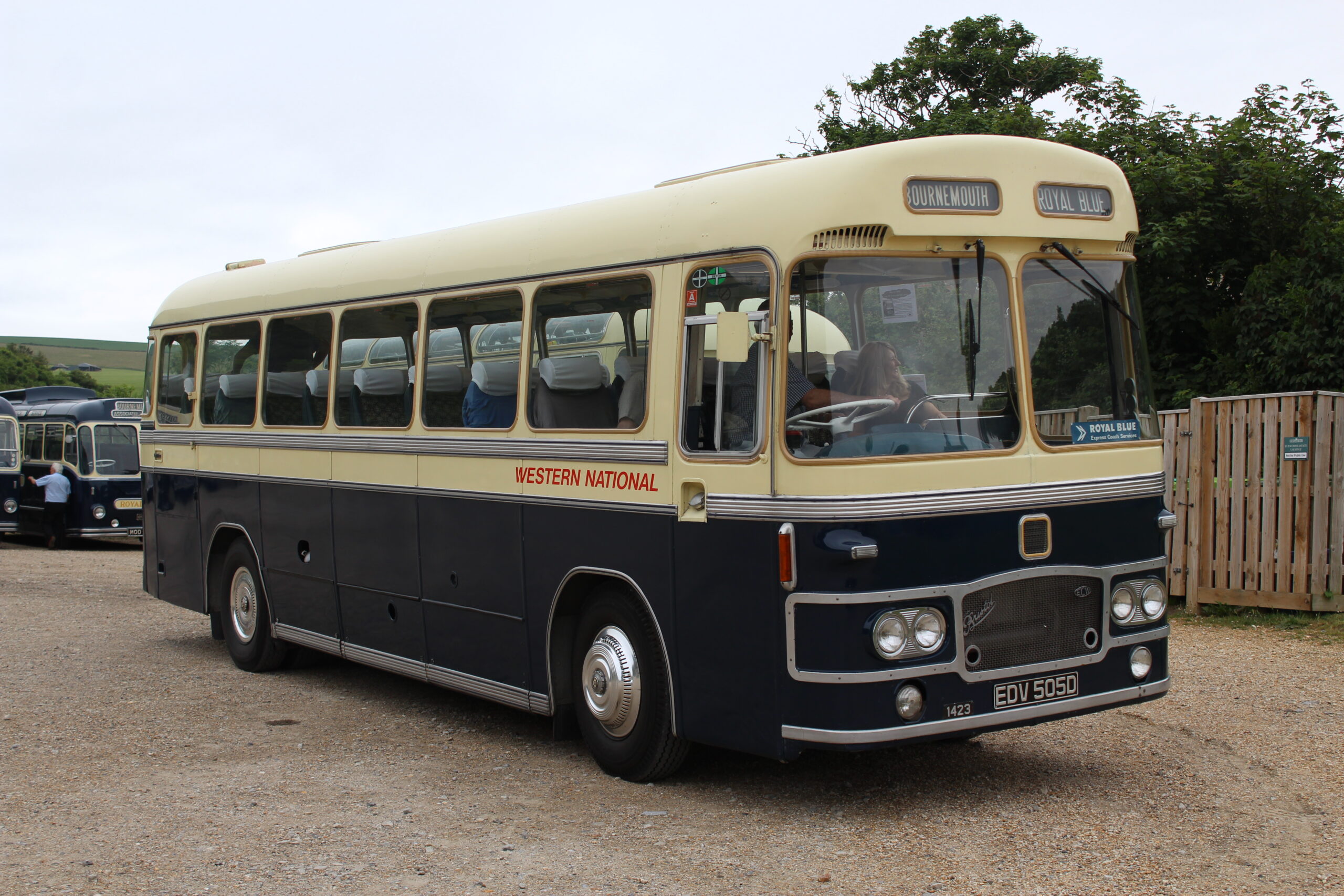
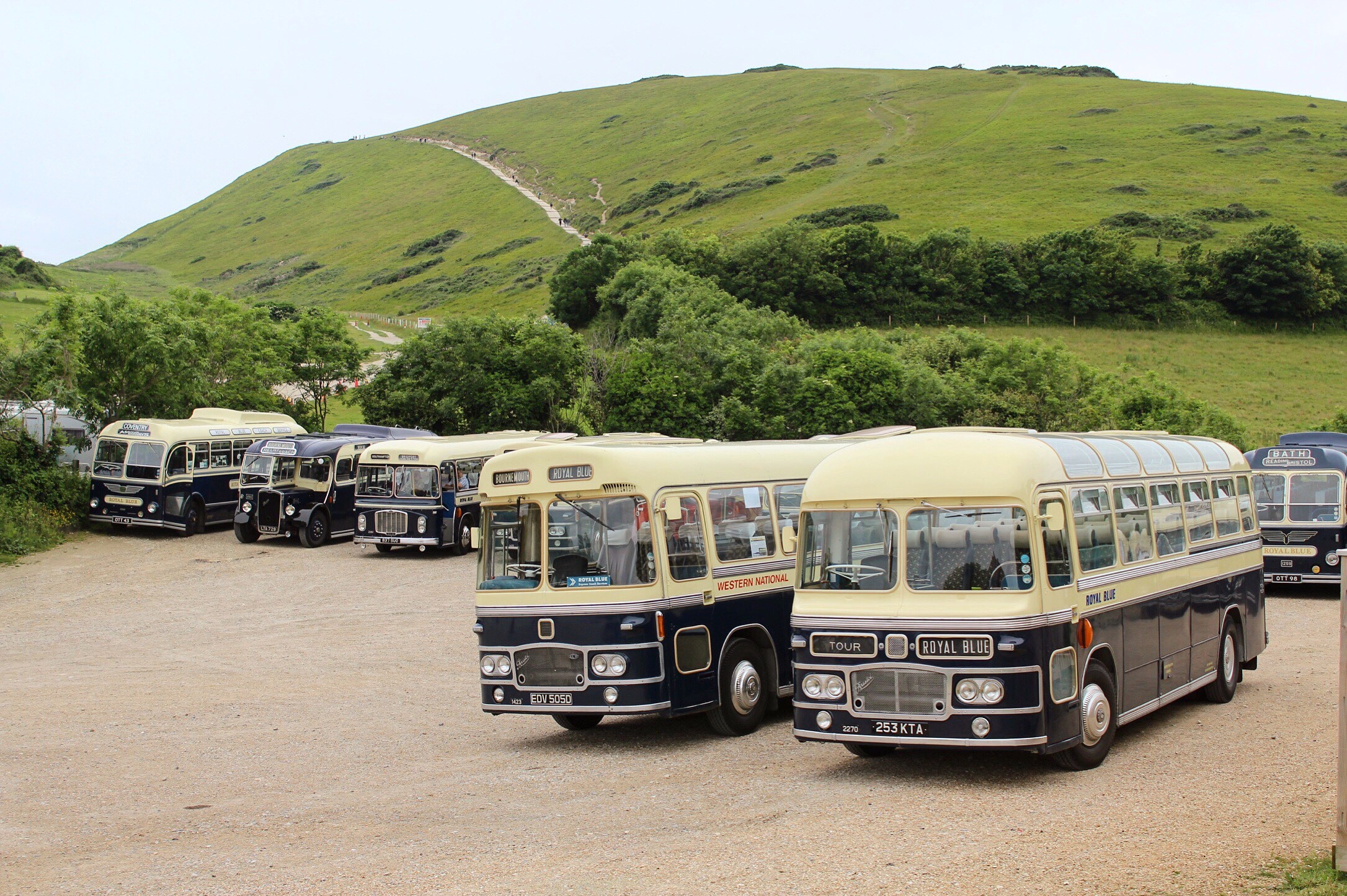
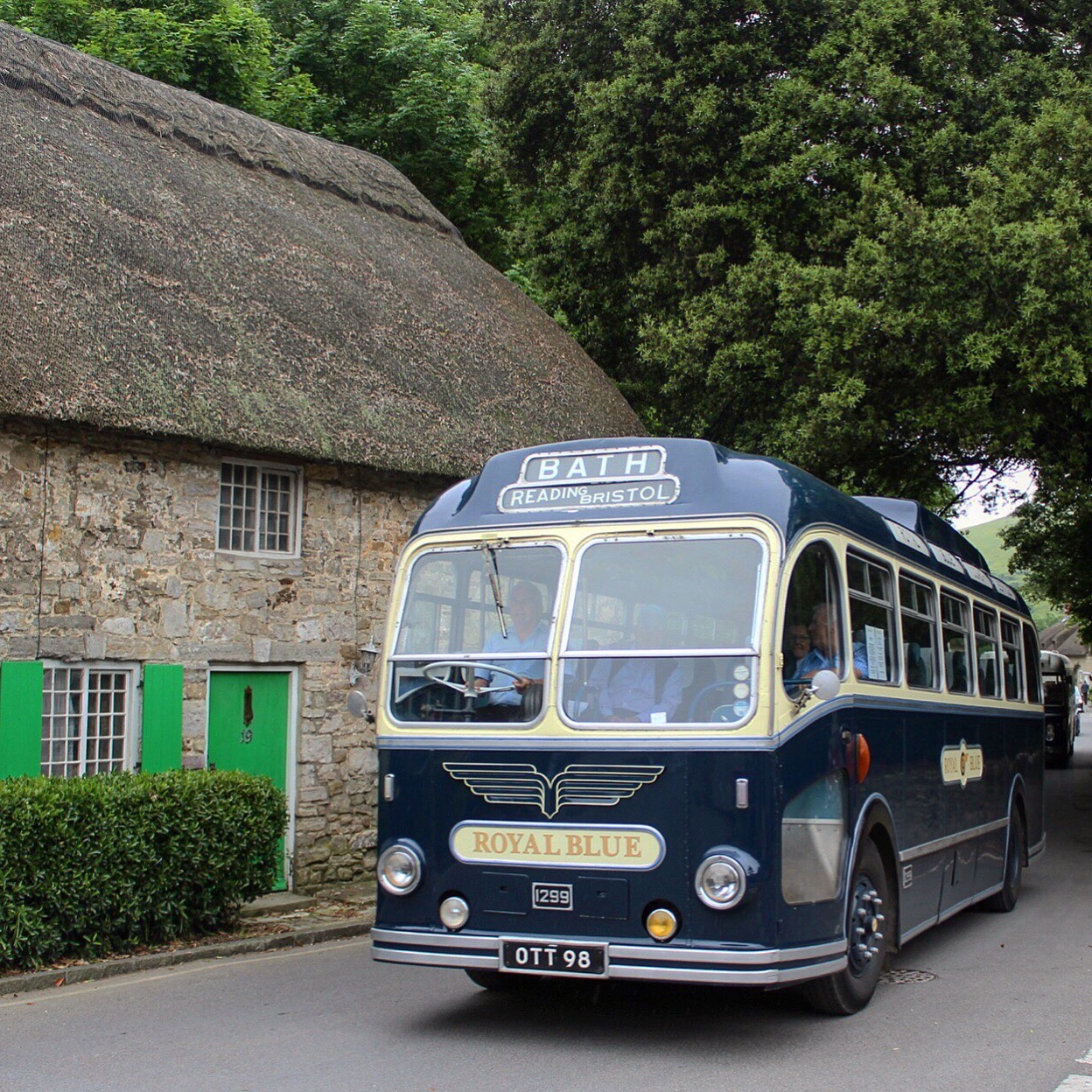
I certainly derived much pleasure from seeing the coaches which were running around thirty minutes behind schedule when they passed us. Not bad timing in my humble opinion! I previously saw the 2016 Royal Blue Run which having started at London Victoria Coach Station ran to Bristol on Day One. The following day was designed to commemorate 50 years since the final train on the Somerset & Dorset Railway, a much loved and mourned route that ran through Royal Blue heartland from Bath to Bournemouth. The route intertwined with several famous S&D locations, recreating in part the former rail replacement service that was created when the line closed in 1966. Day Three was an excursion from Bournemouth to Lulworth Cove, followed by a trip across the New Forest to Lyndhurst. It was Lulworth Cove where I decided to see the buses as they grouped together in the car park before once again taking to the open road where I took the opportunity to see them passing through Lulworth village and Wareham.
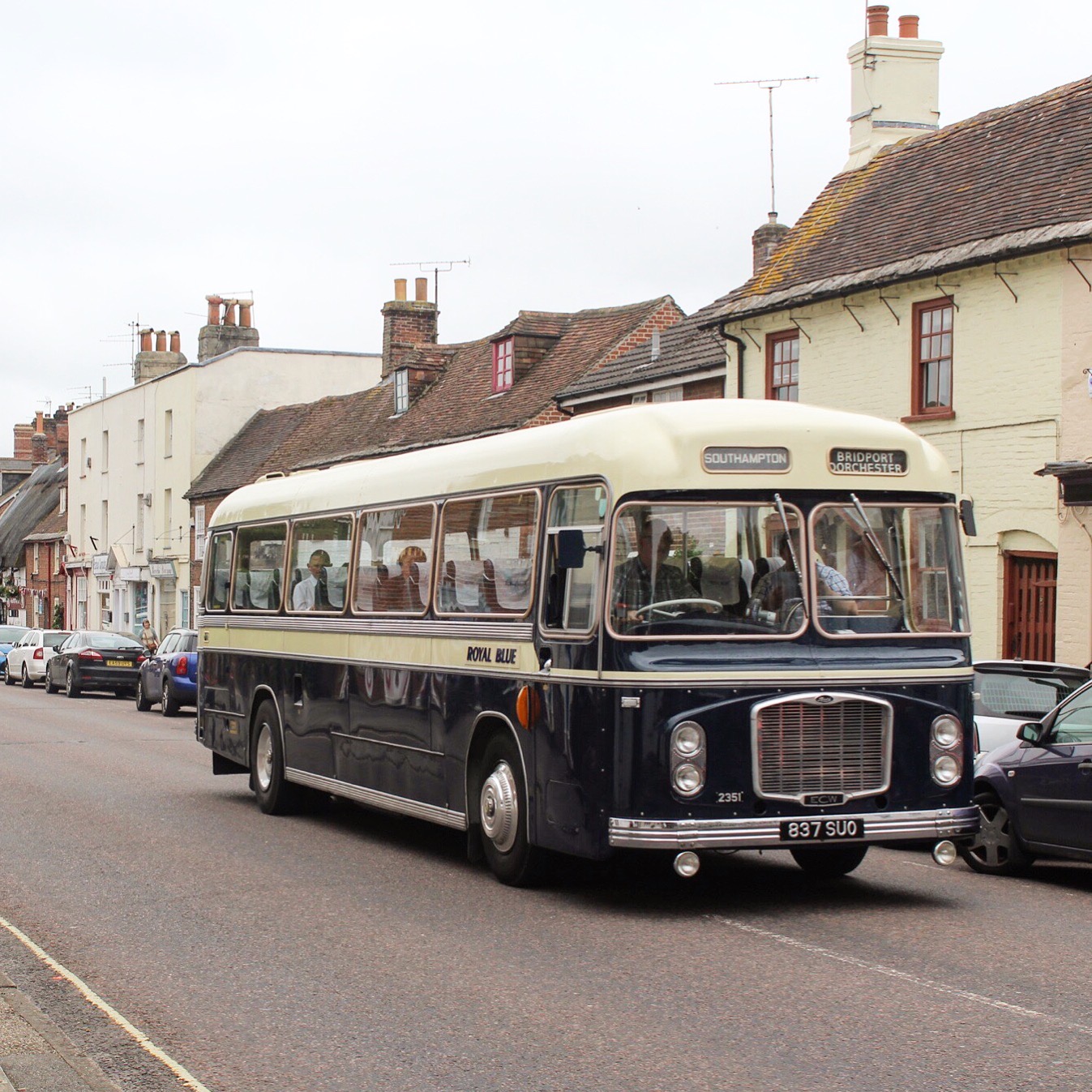
Royal Blue Bristol MW6G Fleet No. 2246 Reg. 625 DDV built 1960 enters the car park at Lulworth Cove – 19/06/2016Western National Bristol MW6G ECW C39F Fleet No. 1423 Reg. EDV 505D built in 1966 and entered service in Plymouth seen at Lulworth Cove – 19/06/2016A Royal Blue line up at Lulworth Cove – 19/06/2016Royal Blue ECW Bristol MW6G Fleet No. 2267 Reg No. 56 GUO built 1961 passing through Lulworth – 19/06/2016Wilts & Dorset Beadle bodied Bristol L6B Fleet No. 279 Reg. EMW284, built 1947 at Lulworth – 19/06/2016Royal Blue Fleet No. 1299 Reg. OTT 98 1953 Bristol LS6G with ECW C39F coachwork at Lulworth village – 19/06/2016Royal Blue express services Fleet No. 2351 Reg. 837 SUO Bristol RELH6G ECW passing through Wareham – 19/06/2016
From The Archives:
Mention of Penzance as part of the Royal Blue Run this year reminded me that I was going to look for a photograph of the Pullman Camping Coaches which used to stand at Marazion and I mentioned as much in our blog entry “Yoshi Goes To Cornwall”. As luck would have it, I was looking for some paperwork the other day and came across the following images:
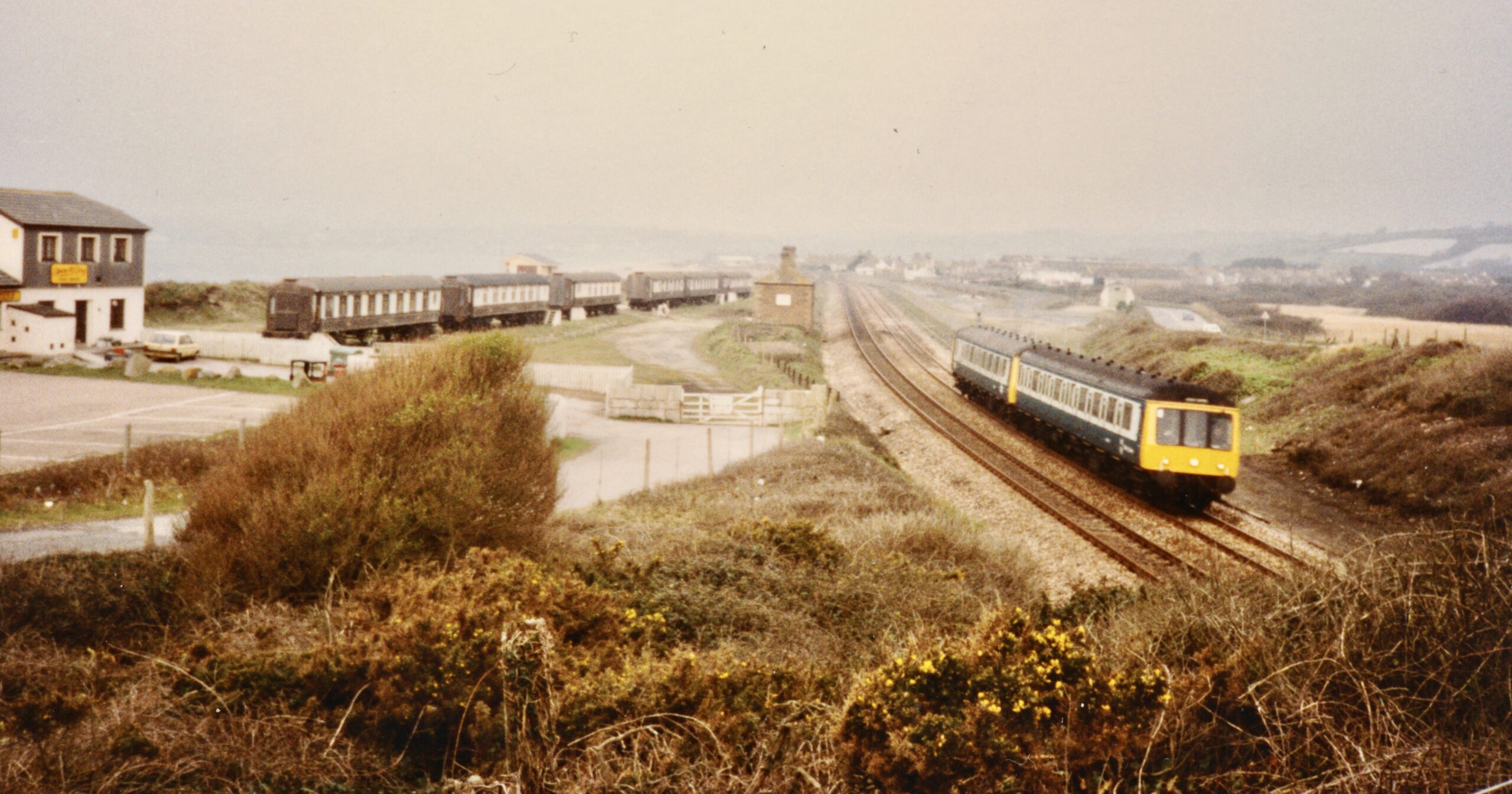
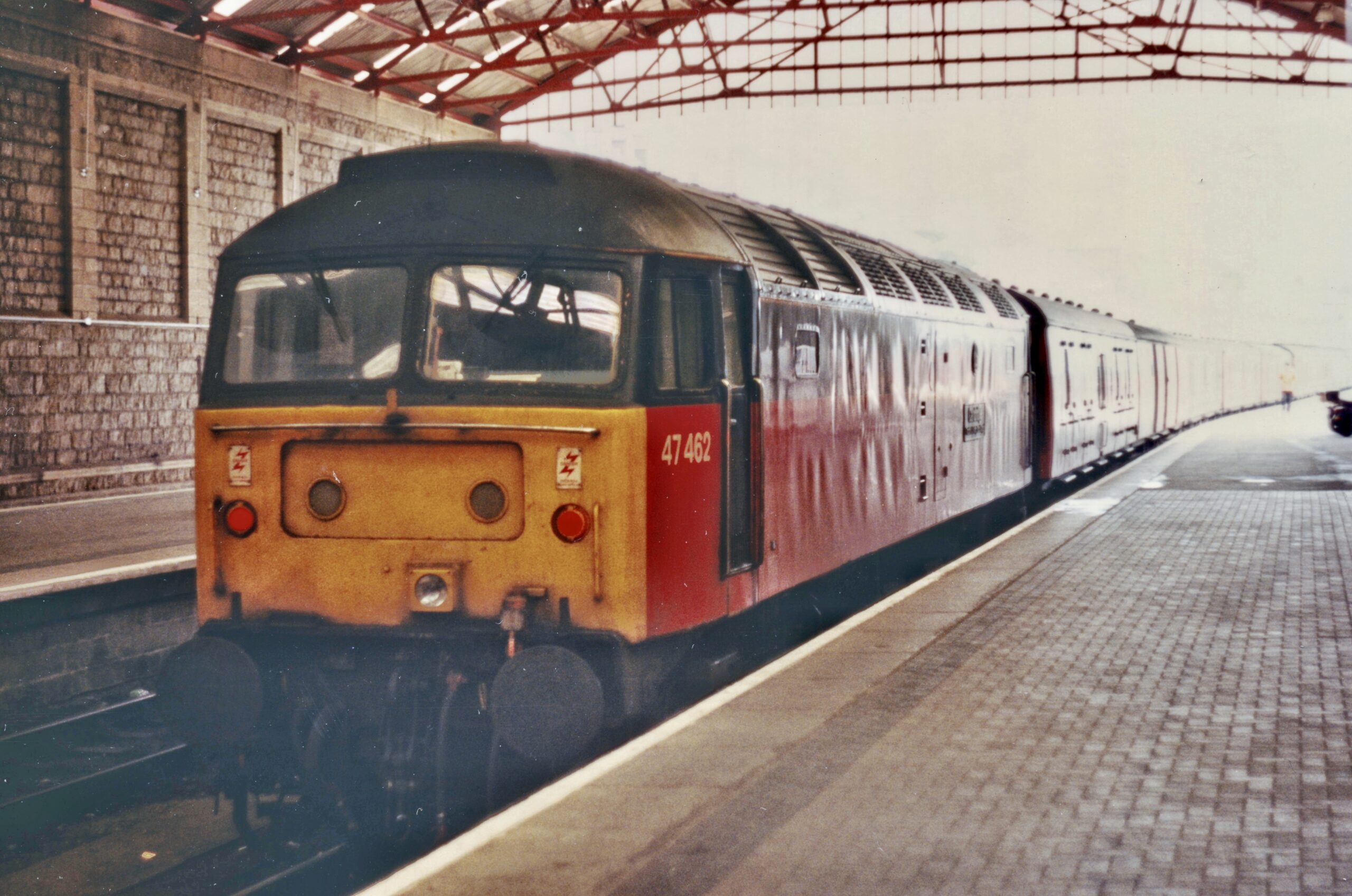
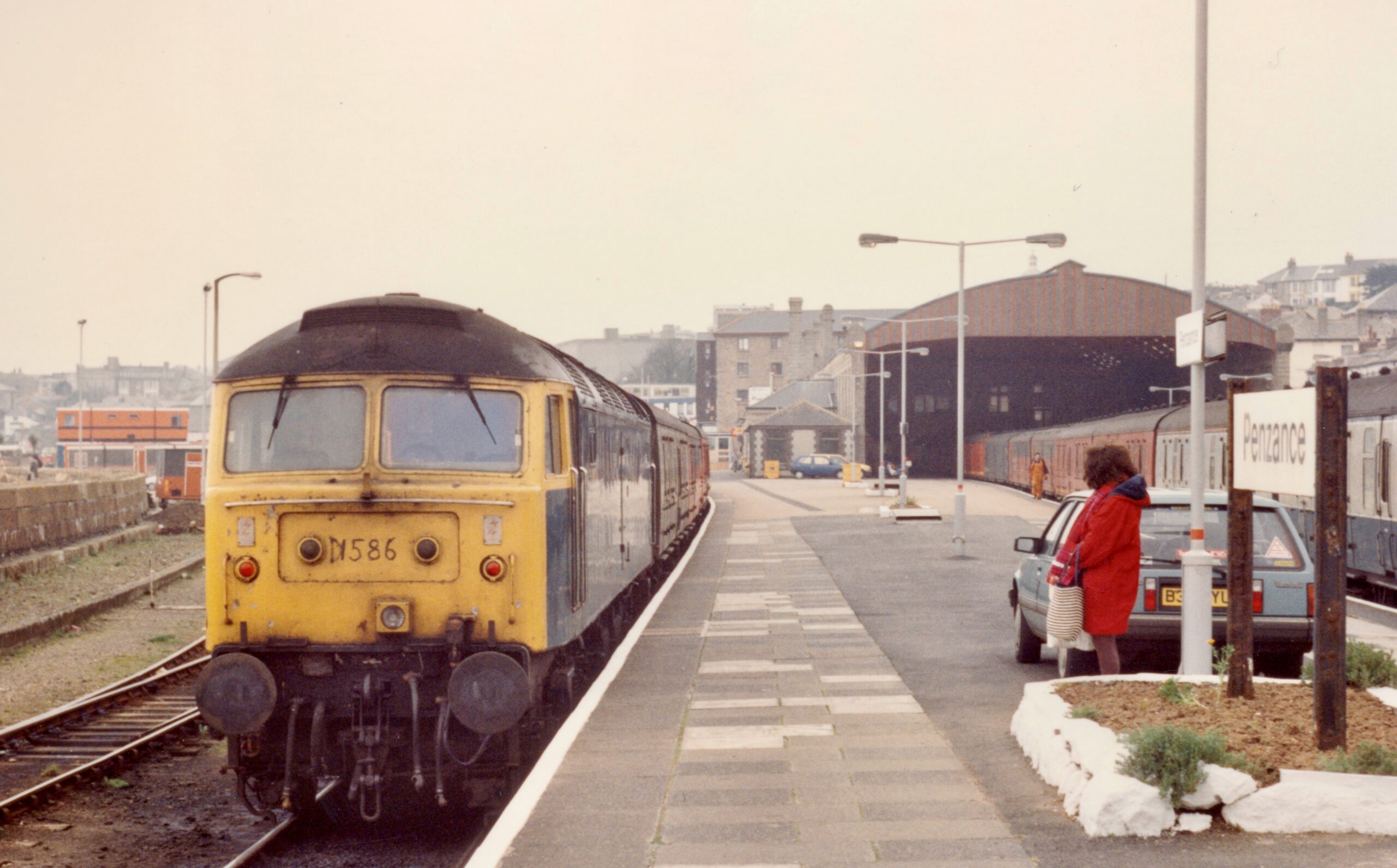
For many years Marazion was home to six old Pullman coaches that were employed as camping coaches; holiday accommodation offered by the railway containing sleeping and living space designed to encourage people to travel by train to the stations where they were situated – March 1993British Rail Parcels Sector liveried Class 47 No. 47462 ‘Cambridge Traction & Rolling Stock Depot’ at Penzance – March 1993 Class 47 No. 47463 (with her pre-TOPS number D1586 marked between her head code lights) in BR Standard Monastral Blue livery, which she retained to the end, stands at Penzance. The locomotive entered service in May 1964 and was cut up in November 1996 by MRJ Phillips at Crewe Works – March 1993Class 47 No. 47462 ‘Cambridge Traction & Rolling Stock Depot’ at Penzance. The locomotive was built at Crewe and entered traffic on May 16th 1964 as D1582. Named at Cambridge Open Day held on 29th September 1990 by Jack Firman a retired workshop supervisor, the nameplates were removed in December 1993 and later transferred to No. 47736 – March 1993Class 47 No. 47462 at Penzance. The locomotive was cut up at Toton by Harry Needle Rail Co in March 2003 – March 1993
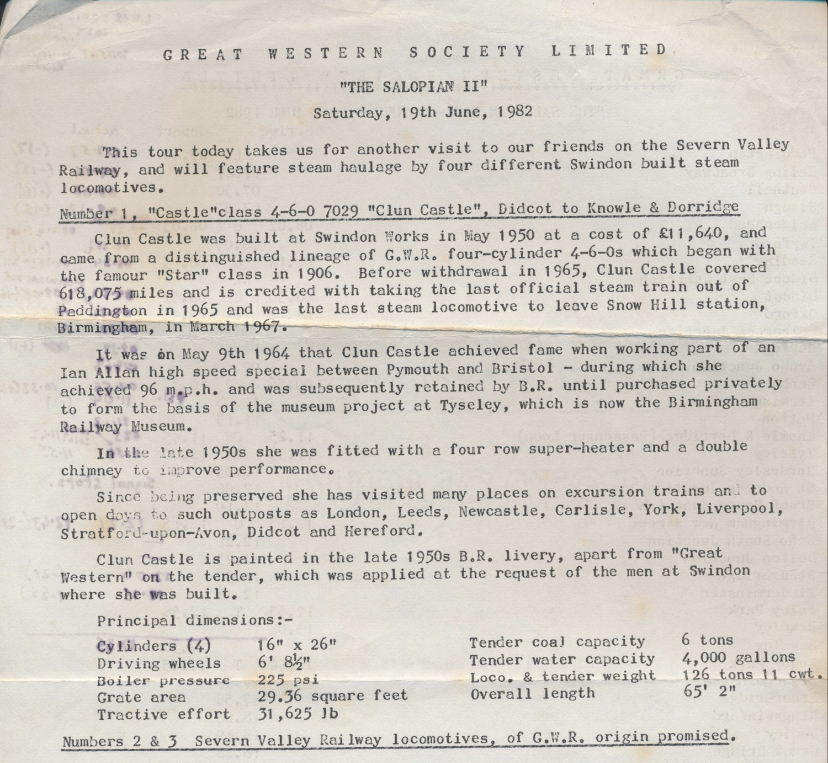
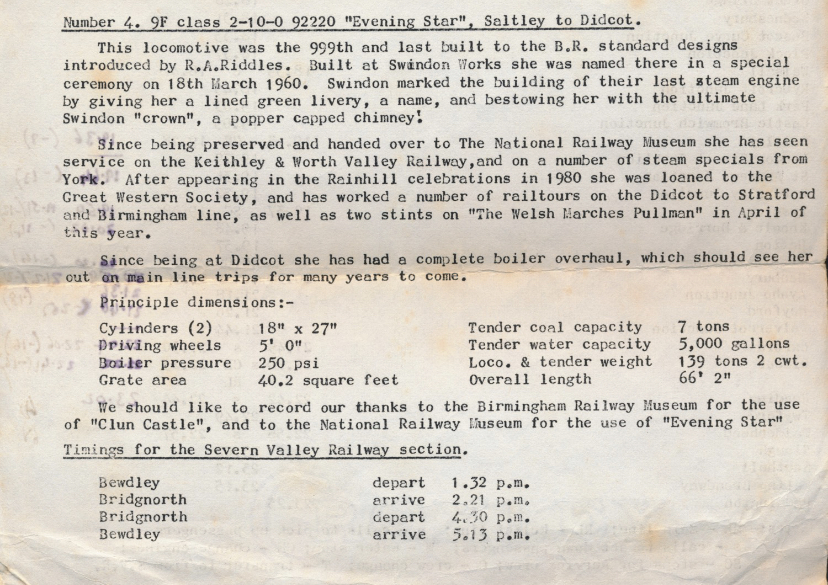
Alongside the Cornwall photographs above, the same box of documents contained, amongst other things, a Blake’s 7 ‘Liberator’ model and an old diary. I’ve not been one for keeping a diary, but for six months in 1982, I seemed to have managed it. Tucked inside the diary was a piece of paper from a rail tour I took from London Paddington to the Severn Valley Railway on Saturday 19th June 1982.
Great Western Society Limited “The Salopian II” information sheet – 19/06/1982Great Western Society Limited “The Salopian II” information sheet – 19/06/1982
This must have been my first visit to the SVR, and I don’t really remember much about the day if I’m honest. So from the pages of a diary not opened in years, here, extracted from amongst references to exams, my sister’s wedding, the Falklands War and working part-time at Bere Regis Motors in Dorchester, is my record of the Great Western Society Limited’s “The Salopian II”:
Thursday June 10th 1982
Rail tour tickets for the 19th arrived today. Going with Tony S. Adam Ant is number one with ‘Goody Two Shoes’
Friday June 18th 1982
At 2245 Tony and I boarded the mail train at Dorchester South. Jon H was there as well, but he’s going off somewhere else when we get to London.
There was talk about the mail train being taken off soon. If so, we will have problems if we want an overnight jaunt to connect with rail tours departing London in the future.
Saturday June 19th 1982
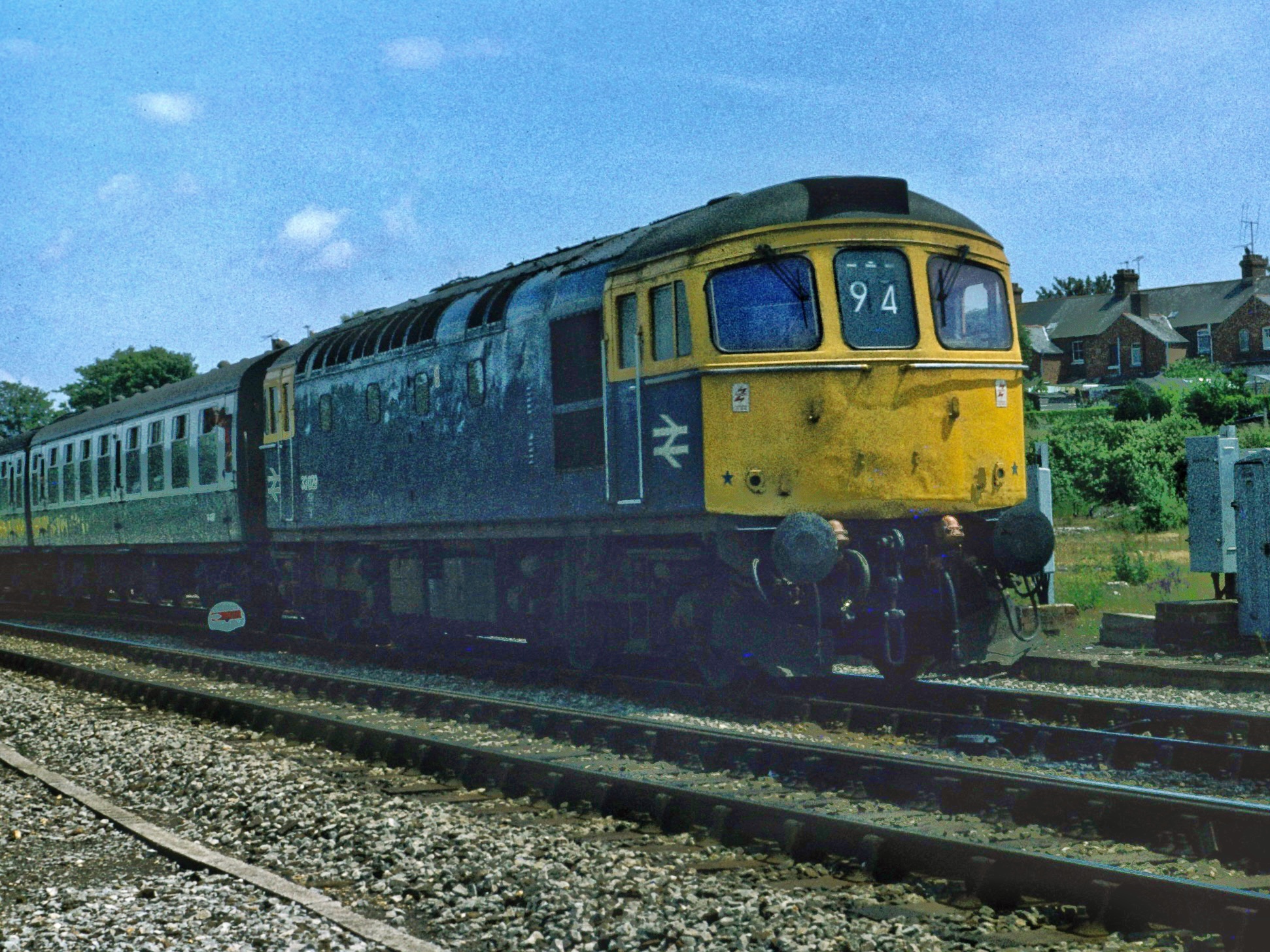
The locomotive which hauled the mail train from Dorchester, 33118, came off at Eastleigh where it was replaced by 73122. We arrived at London Waterloo right-time and then, together, Jon, Tony and I took a black cab across to Euston. At 0600 we went our separate ways with Jon heading to Kings Cross while Tony and I undertook the two and a half mile stroll to Paddington railway station. The weather was dismal , but at least it didn’t pour down with rain.
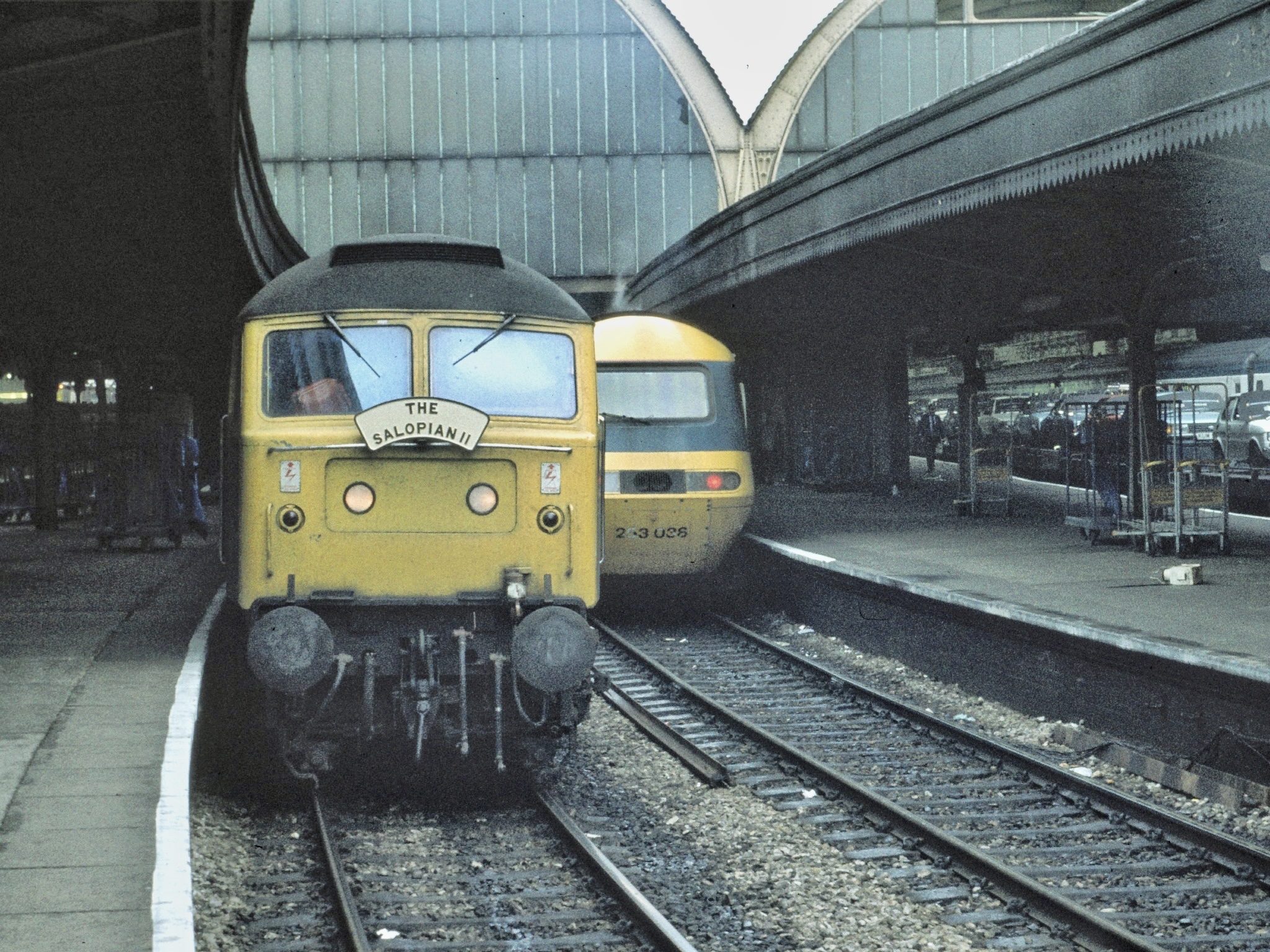
At Paddington, we were due to depart at 0740 but at the appointed time we were surprised to see our train loco; 47532, being taken off the stock at 0725 and taken away.
Class 47 No. 47532 at the head of “The Salopian II” rail tour at London Paddington prior to being removed from the train. HST Class 43 Power Car No. 43145 is on the adjacent track – 19/06/1982
We eventually left at 0757 with the class 47 having been replaced by 50012.
Class 50 No. 50012 ‘Benbow’ approaches London Paddington to take over “The Salopian II” rail tour. The locomotive would be withdrawn from service in January 1989 and cut up by Vic Berry in Leicester by July of that year – 19/06/1982
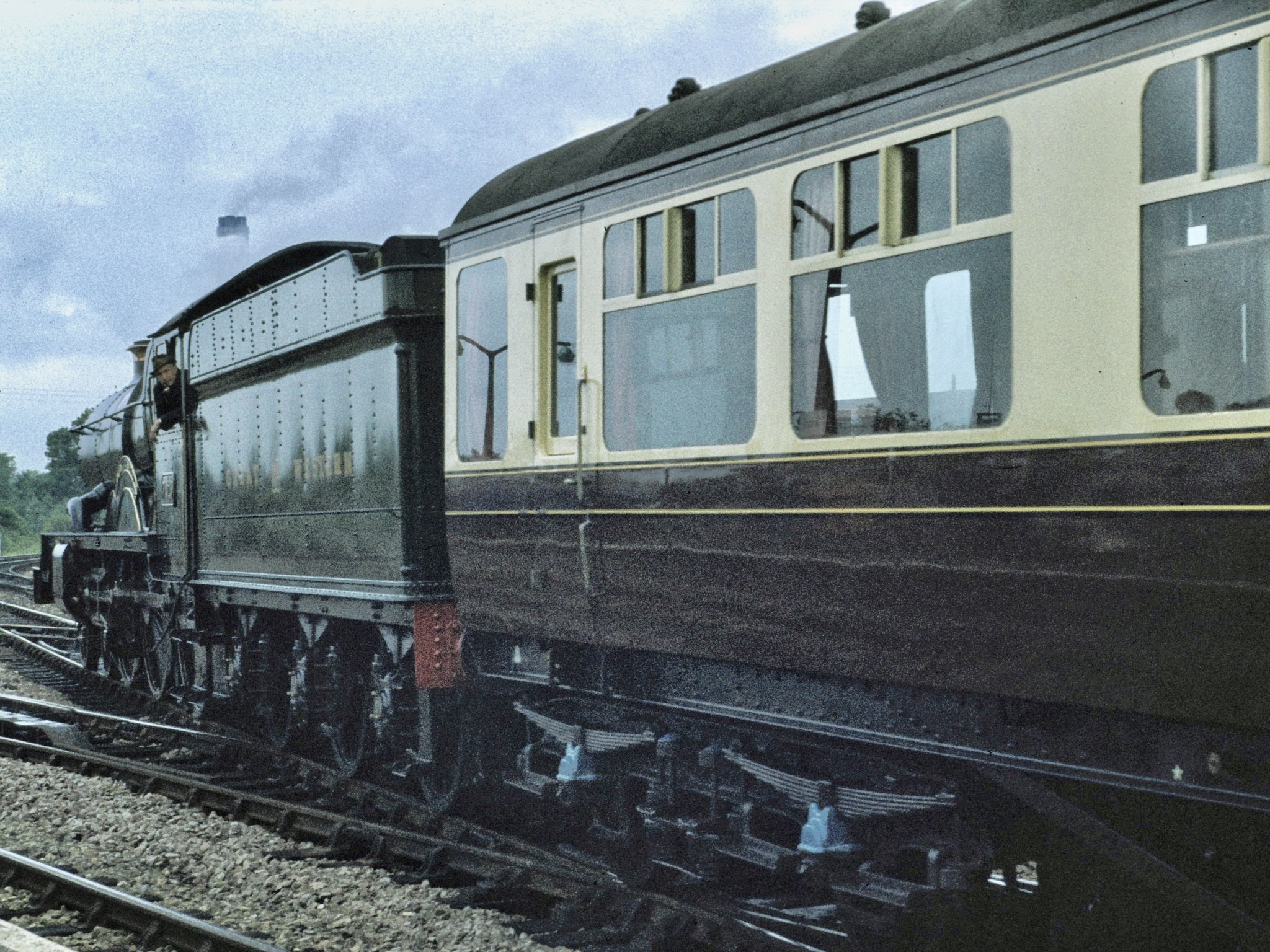
By the time we arrived at Didcot we were 27 minutes down on schedule. But a quick locomotive changeover meant this was reduced to 16 minutes when we left behind 7029 ‘Clun Castle’.
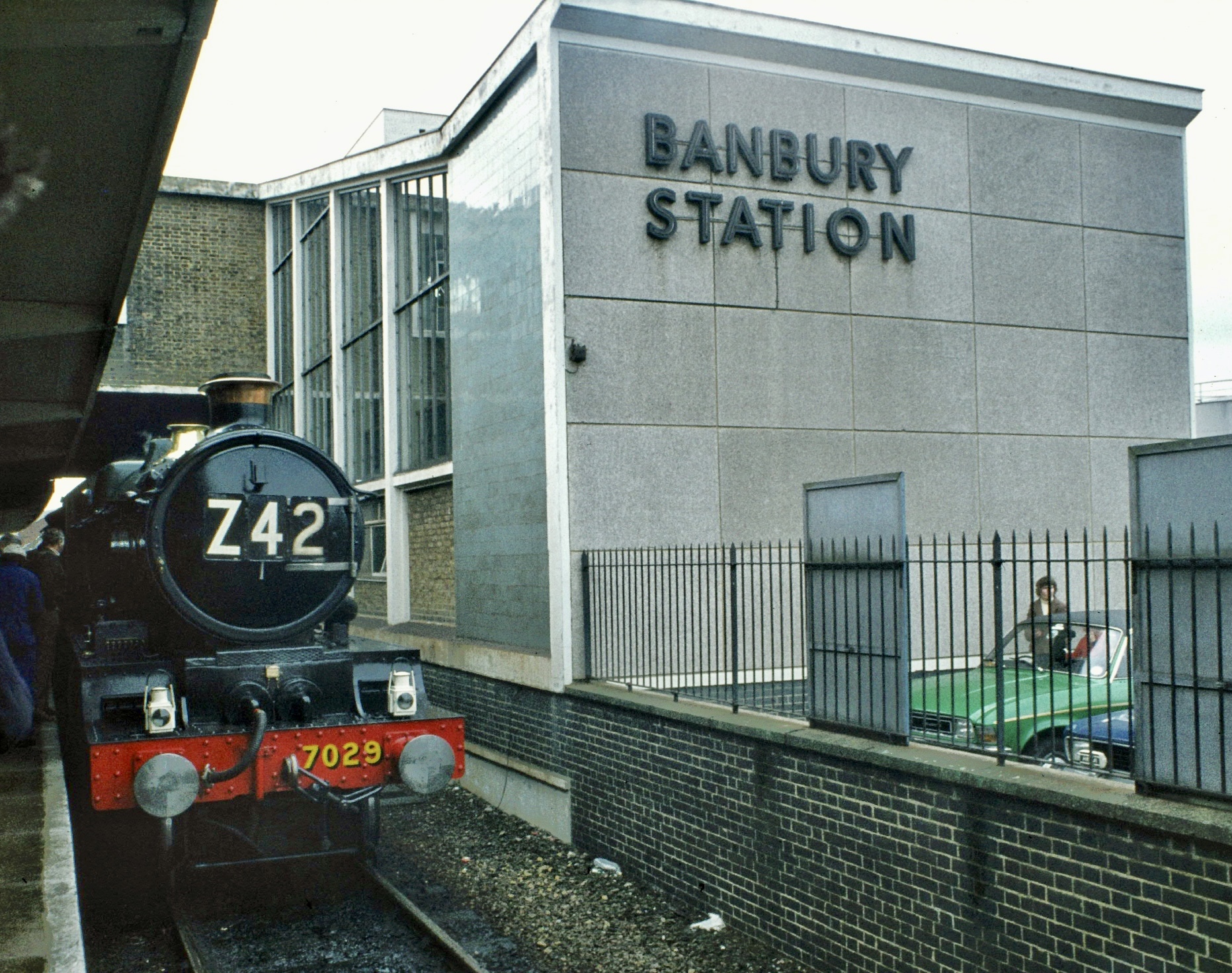
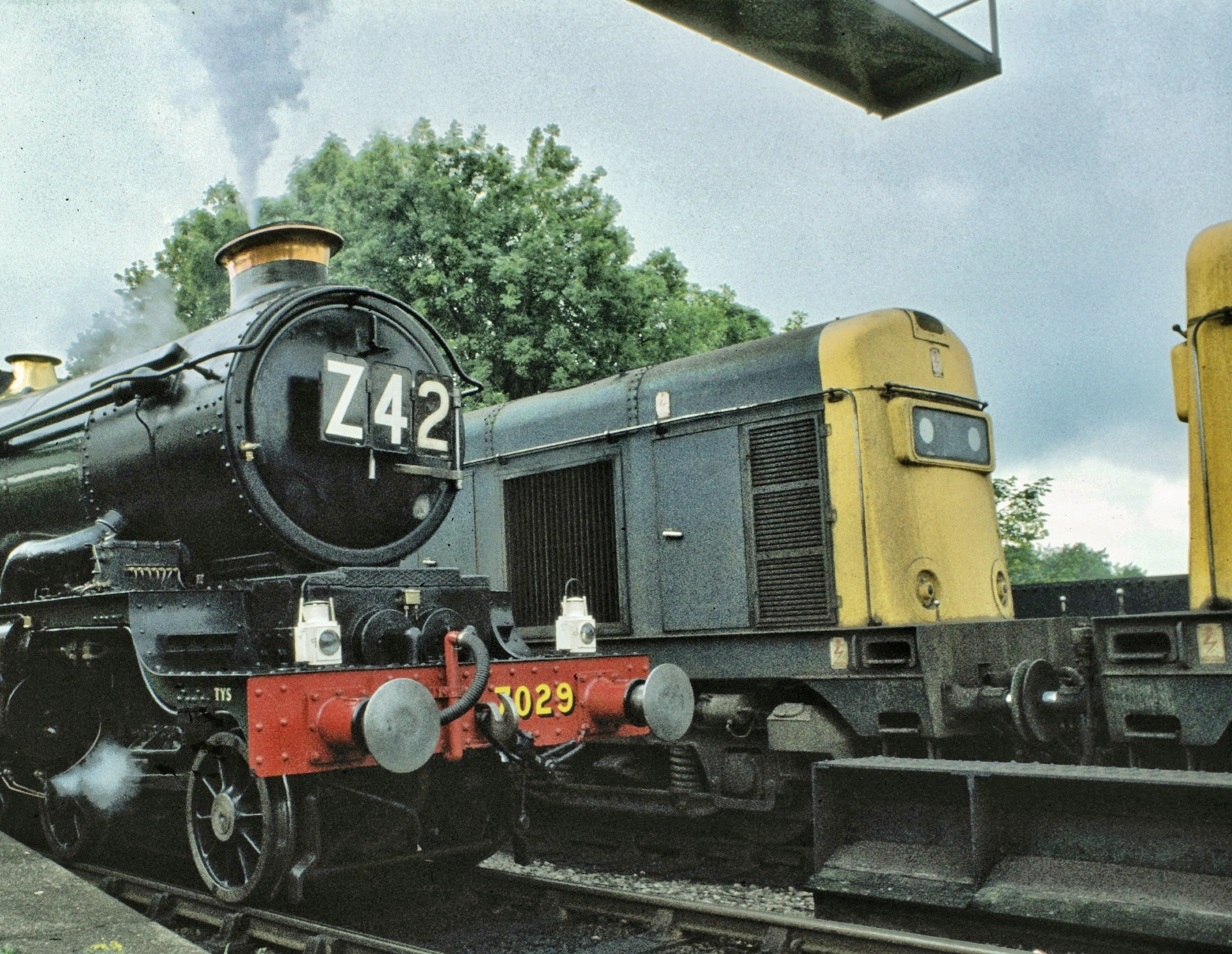
GWR 4073 Class 4-6-0 No. 7029 ‘Clun Castle’ backs onto “The Salopian II” at Didcot – 19/06/1982GWR 4073 Class 4-6-0 No. 7029 ‘Clun Castle’ at Didcot – 19/06/1982GWR 4073 Class 4-6-0 No. 7029 ‘Clun Castle’ at Didcot – 19/06/1982GWR 4073 Class 4-6-0 No. 7029 ‘Clun Castle’ stopped at Banbury for a water stop – 19/06/1982Class 33 No. 33025 ‘Sultan’ in the bay platform at Banbury as No. 7029 ‘Clun Castle’, having drawn forward from the previous image, takes on water – 19/06/1982
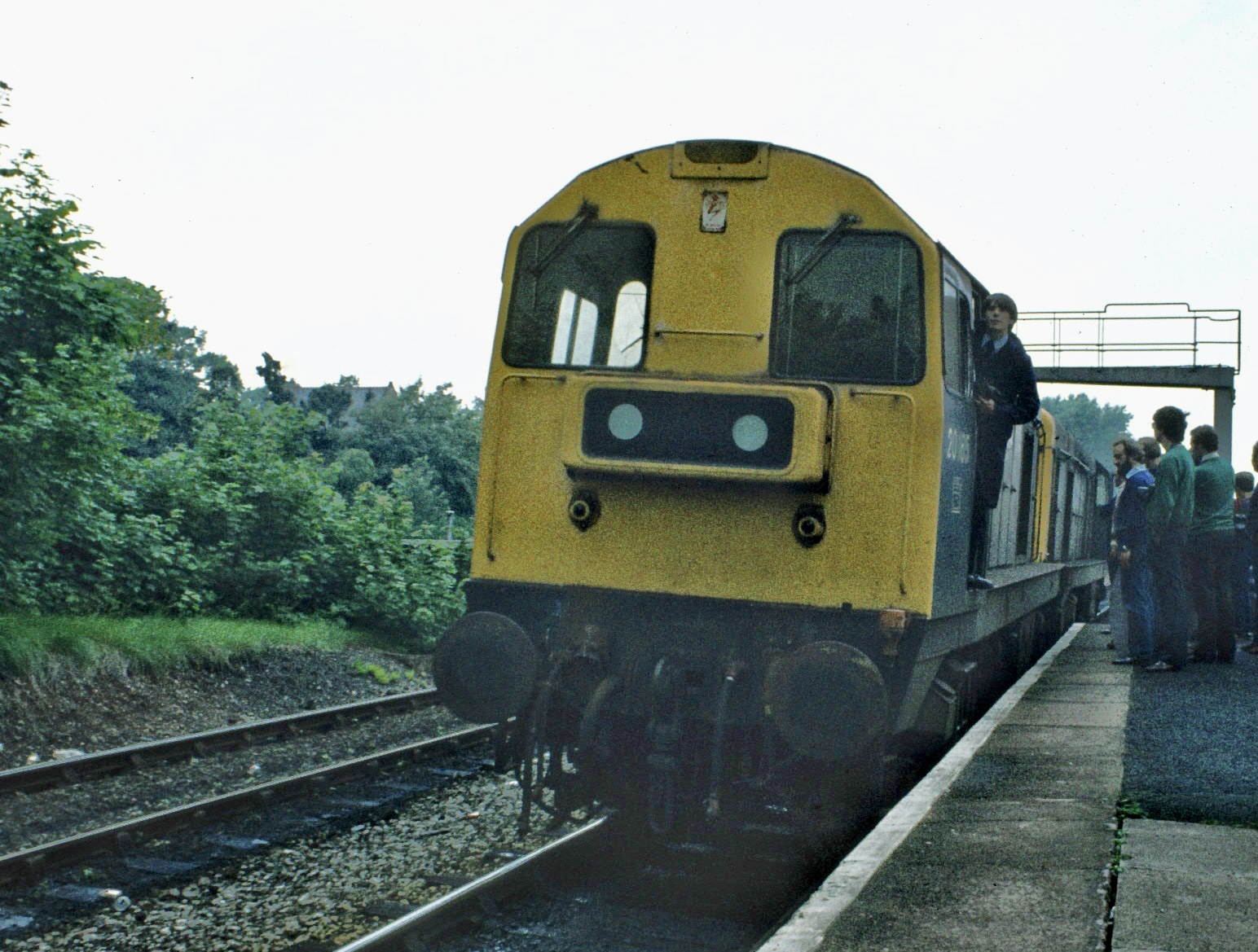
By the time of our next locomotive changeover the ‘Castle’ had managed to make up the deficit and we arrived bang on time allowing 20165 and 20167 to take us forward to Bewdley on the Severn Valley Railway where we still managed to arrive 20 minutes late!
GWR 4073 Class 4-6-0 No. 7029 ‘Clun Castle’ alongside Class 20 No.’s 20165 and 20167 which took over “The Salopian II” at Dorridge – 19/06/1982Class 20 No.’s 20165 and 20167 backing onto “The Salopian II” at Dorridge – 19/06/1982
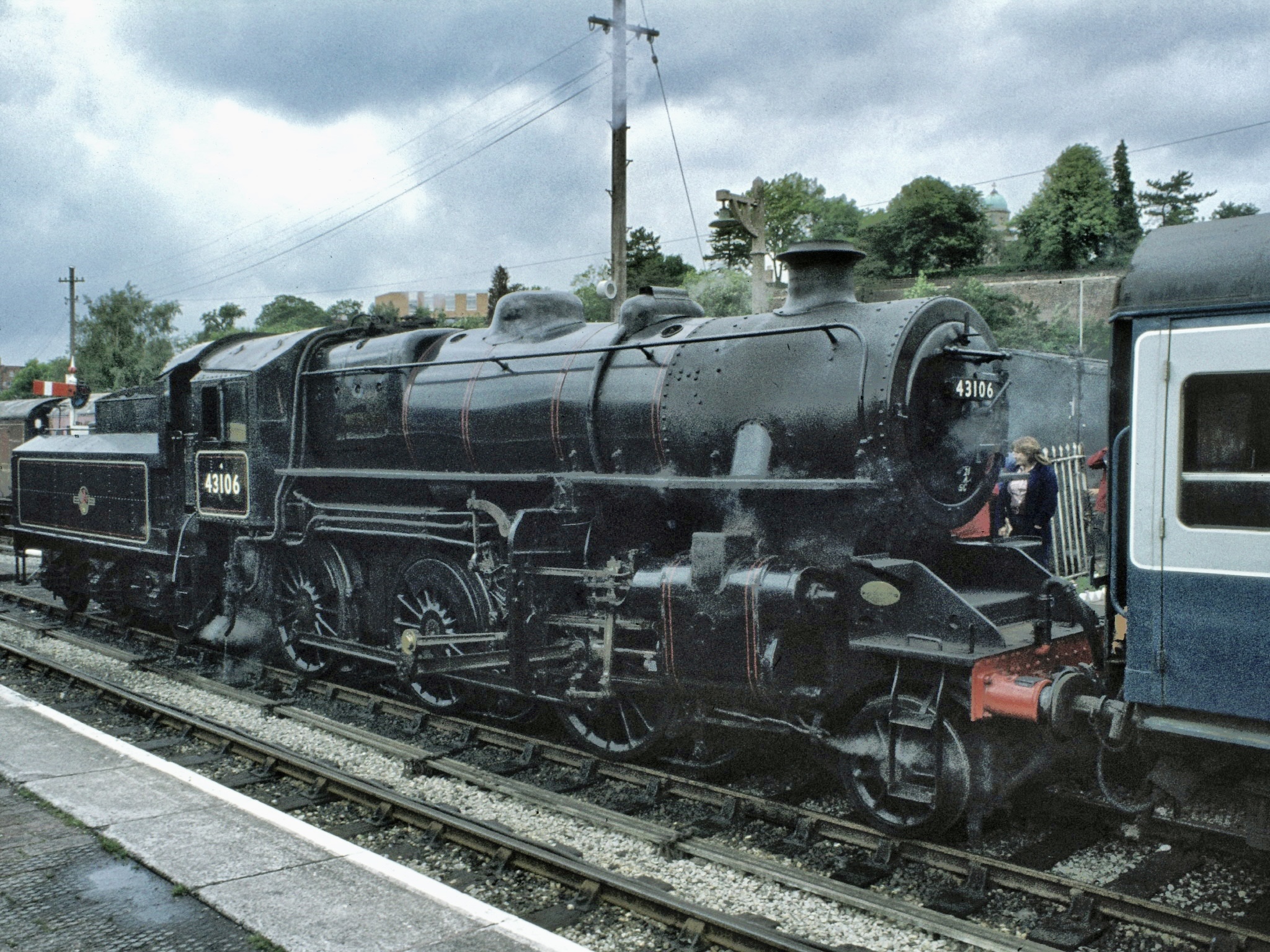
On the SVR we were hauled by 43106 from Bewdley to Dorridge and return. We had a couple of hours to look around the shed at Bridgnorth and get refreshments.
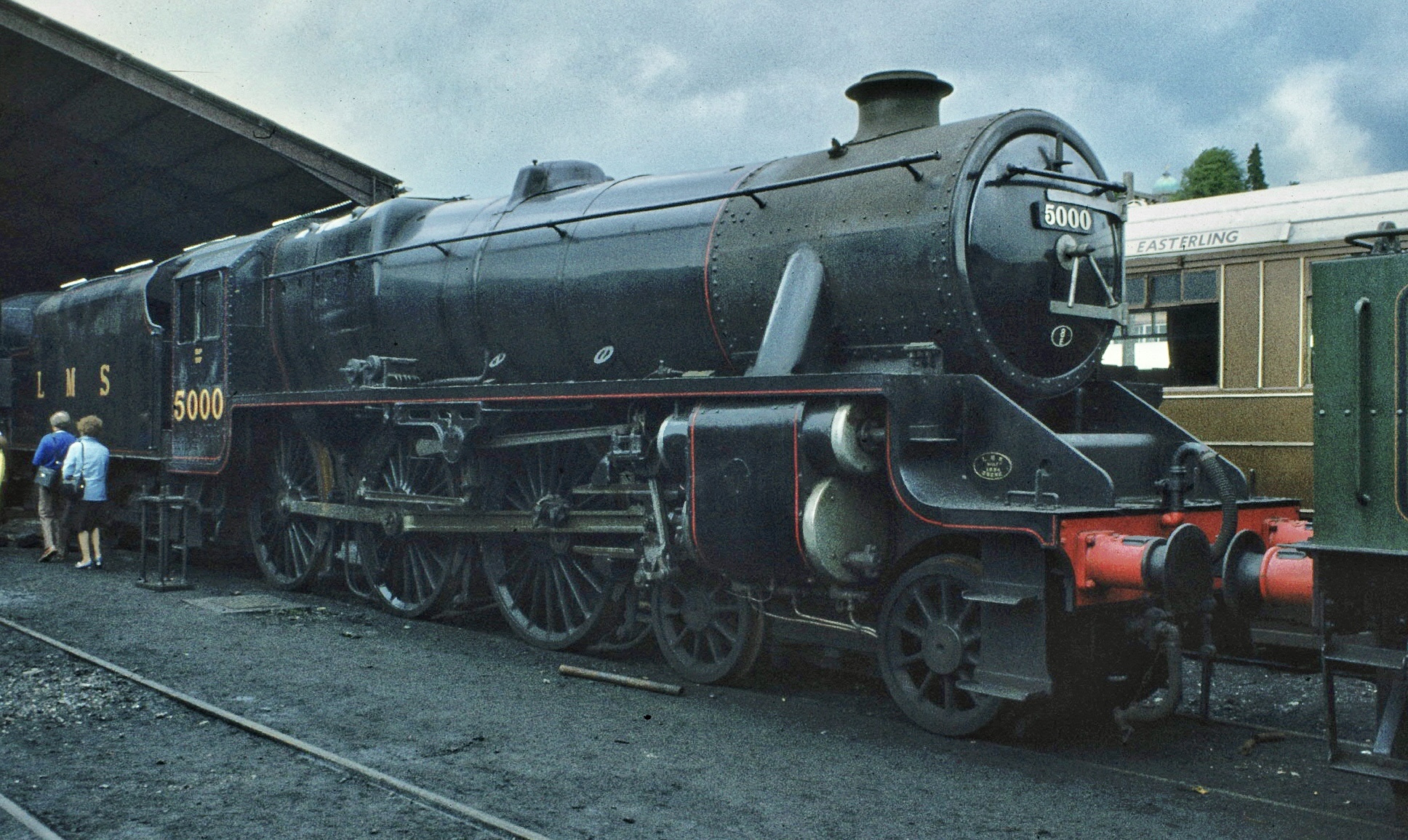
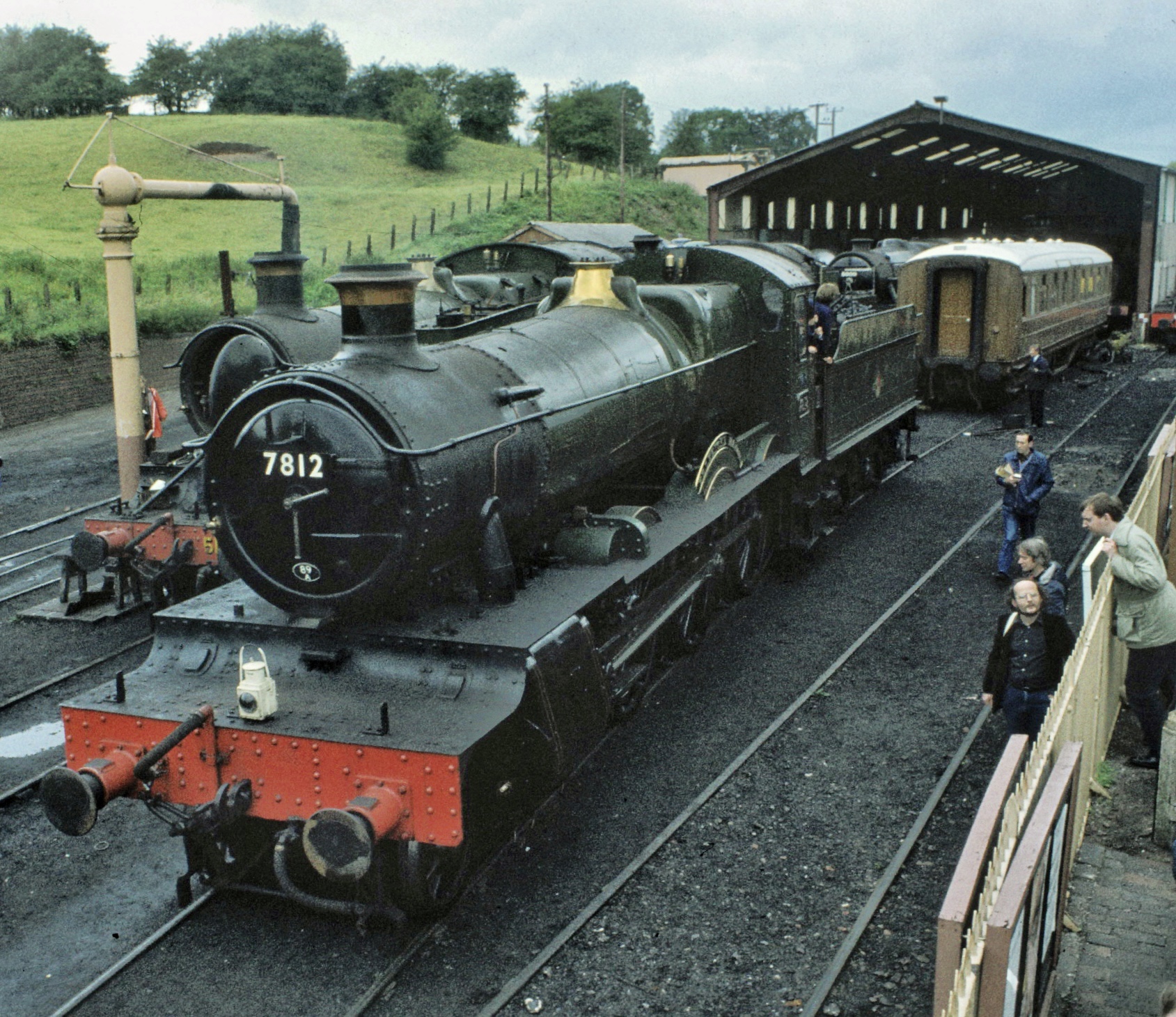
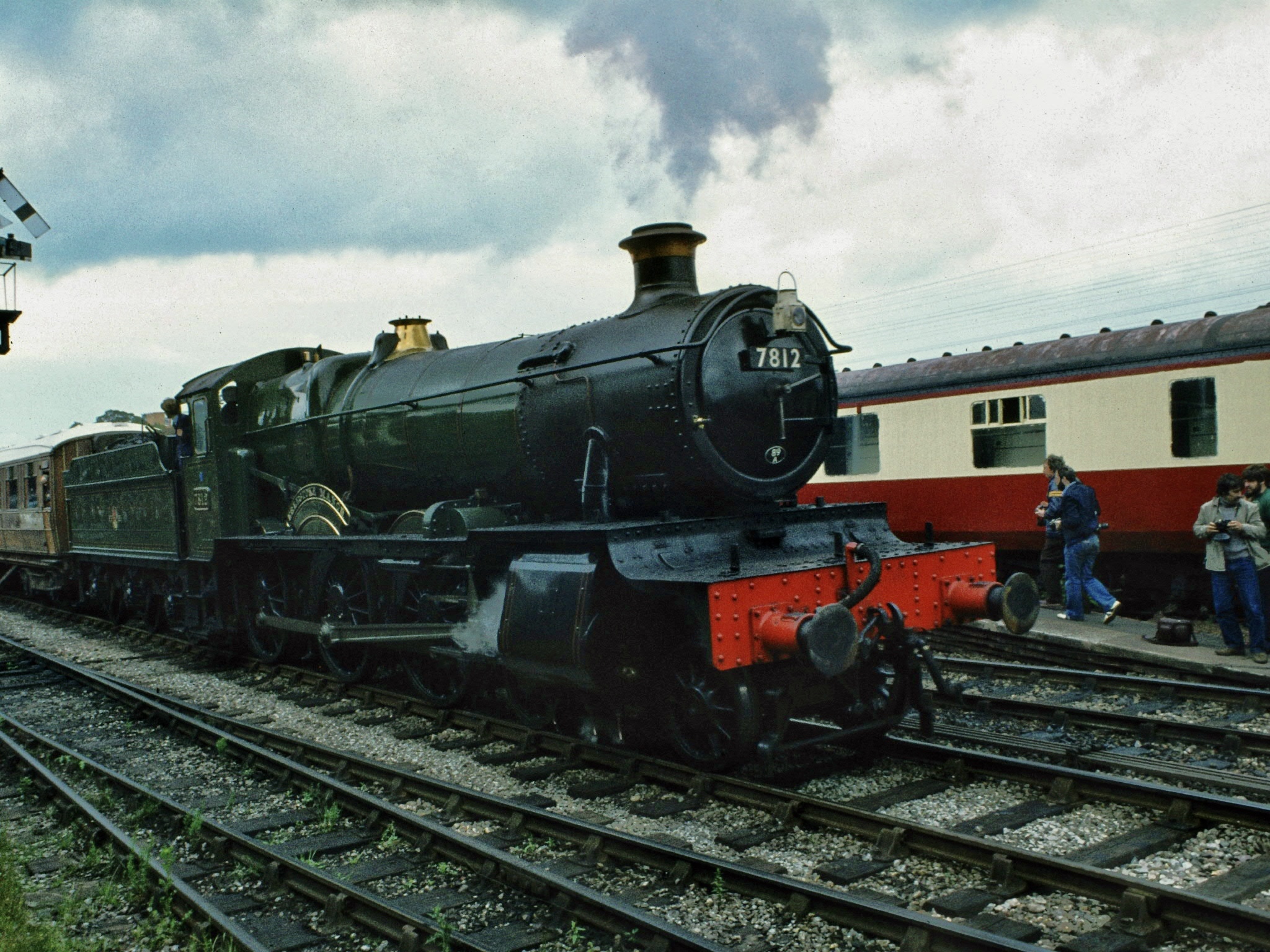
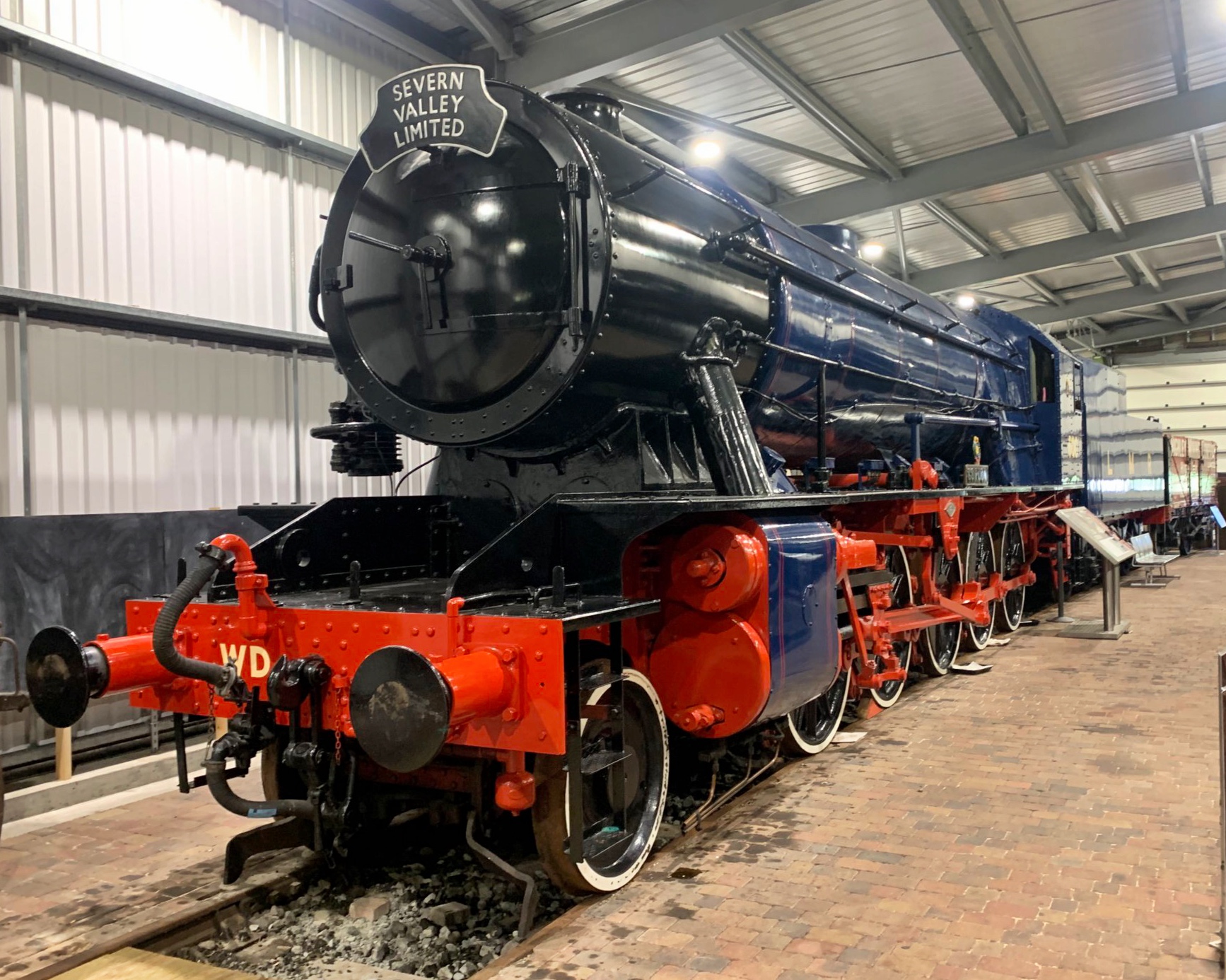
While on Severn Valley Railway metals our train was hauled by LMS Ivan Class 4 No. 43106, the only surviving member of the class. Seen here at Bridgnorth – 19/06/1982GWR 7800 Class 4-6-0 No. 7812 ‘Erlestoke Manor’ at Bridgnorth – 19/06/1982LMS Stanier Class 5 4-6-0 No. 5000 at Bridgnorth. No. 5000 is part of the National Collection and is currently on static display at the Shildon Locomotion Museum in County Durham – 19/06/1982Longmoor Military Railway No. 600 ‘Gordon’ (named after General Gordon of Khartoum) was. built in 1943 for the War Department and is seen here at Bridgnorth. In 1957, during the Suez Crisis, ‘Gordon’ worked highly secretive trains between Longmoor Military Base and Southampton. The locomotive is currently on static display on the SVR at The Engine House, Highley – 19/06/1982GWR 7800 Class 4-6-0 No. 7812 ‘Erlestoke Manor’ at Bridgnorth – 19/06/1982GWR 7800 Class 4-6-0 No. 7812 ‘Erlestoke Manor’ at Bridgnorth – 19/06/1982
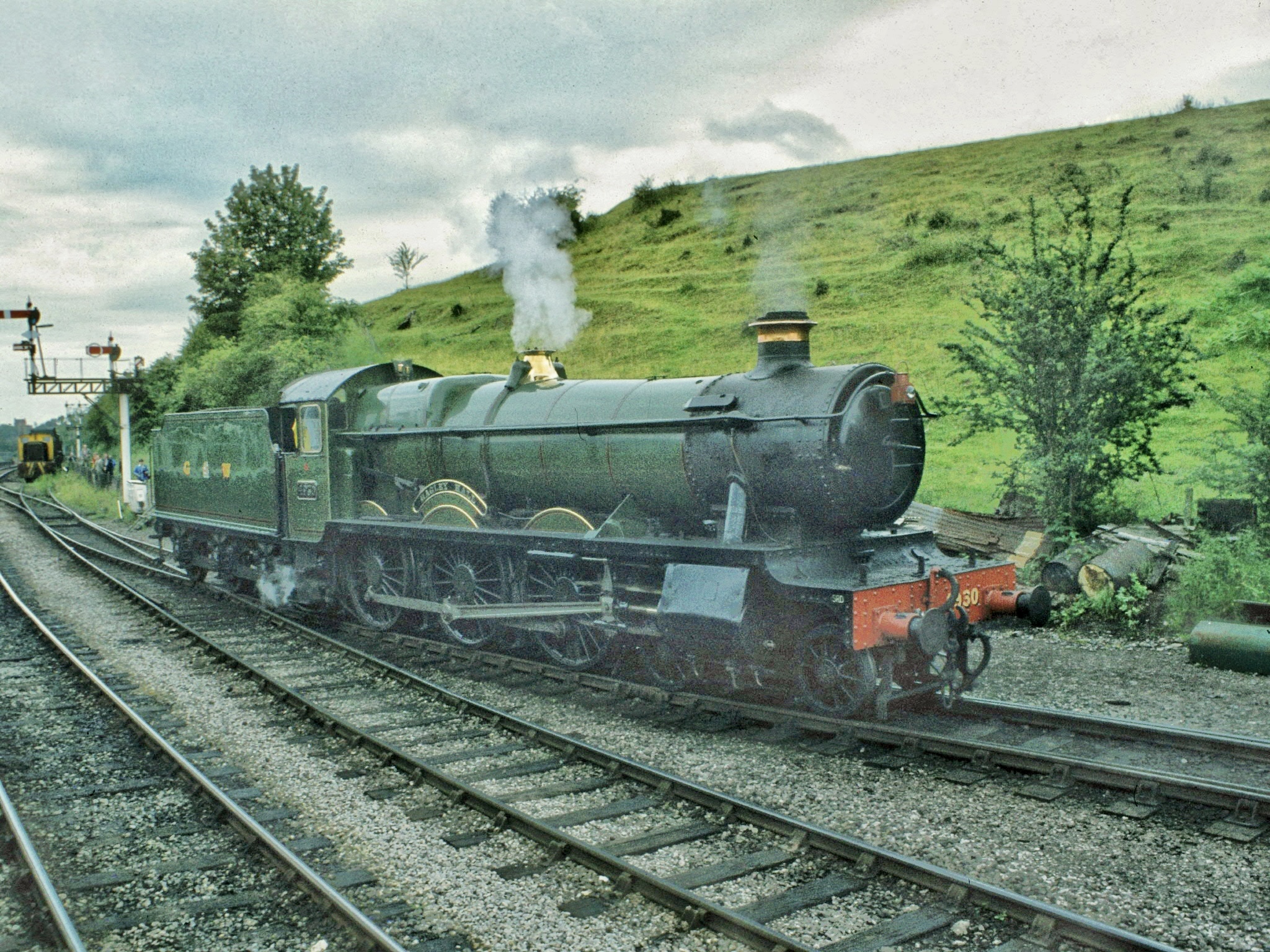
I managed to get a piece of smut in my in my eye from 4930 ’Hagley Hall’ which I just couldn’t get out. [2023 note: I’m thinking No. 4930 may have hauled us one way on the SVR, but my diary says No. 43106 worked the train in both directions]
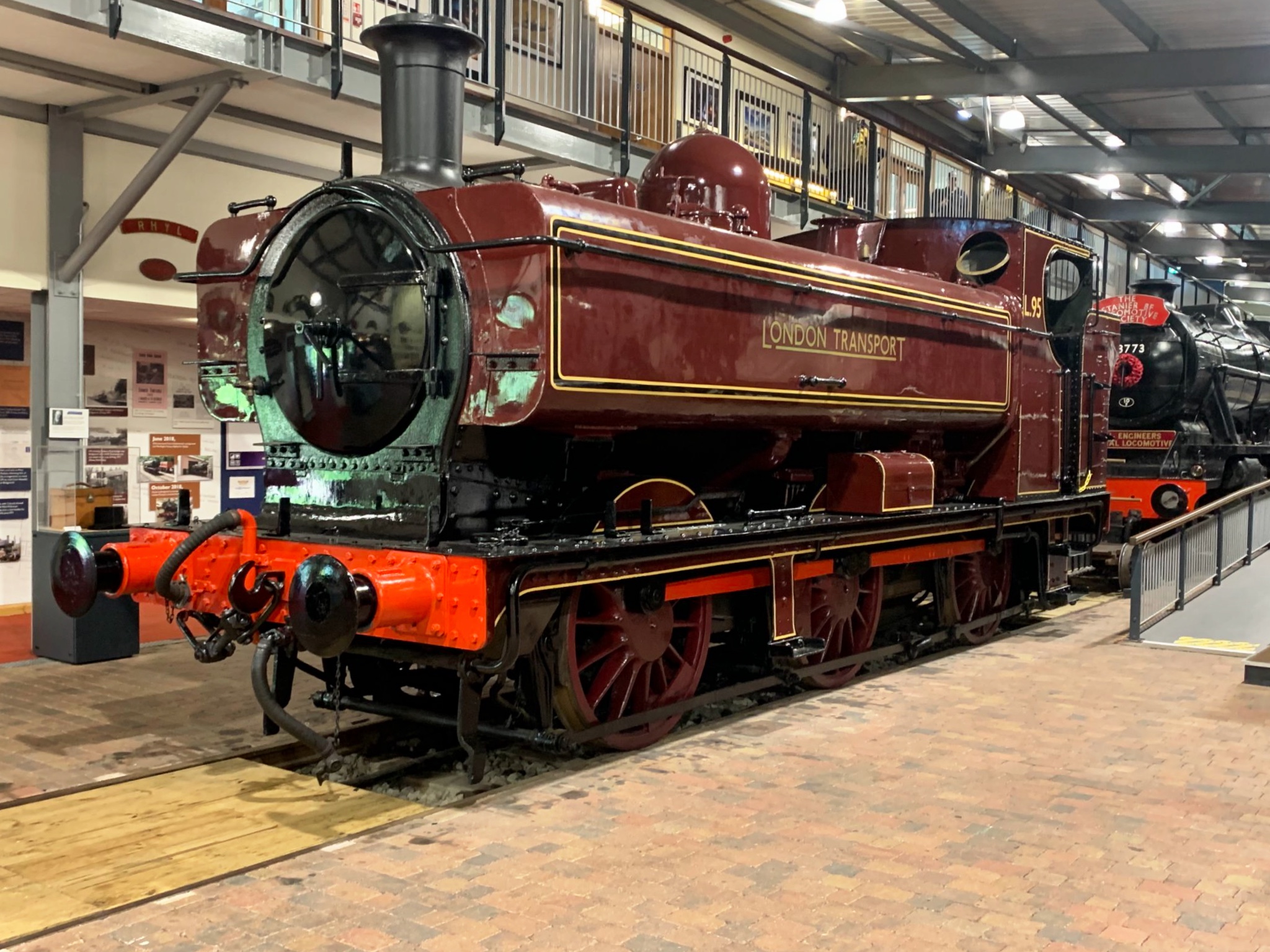
GWR Collett 4-6-0 Hall Class No. 4930 ‘Hagley Hall’ at Bridgnorth. She was built in 1929 at Swindon Works and originally allocated to Wolverhampton Stafford Road – 19/06/1982GWR Collett 5700 Class 0-60PT “Pannier Tank” No. 5764 entered service at London’s Old Oak Common in 1929 and was later one of a number of the class sold to London Transport following withdrawal from British Rail in 1960. She is currently on static display in London Transport guise, numbered L95, at The Engine House, Highley. She is seen here in GWR livery at Bridgnorth – 19/06/1982
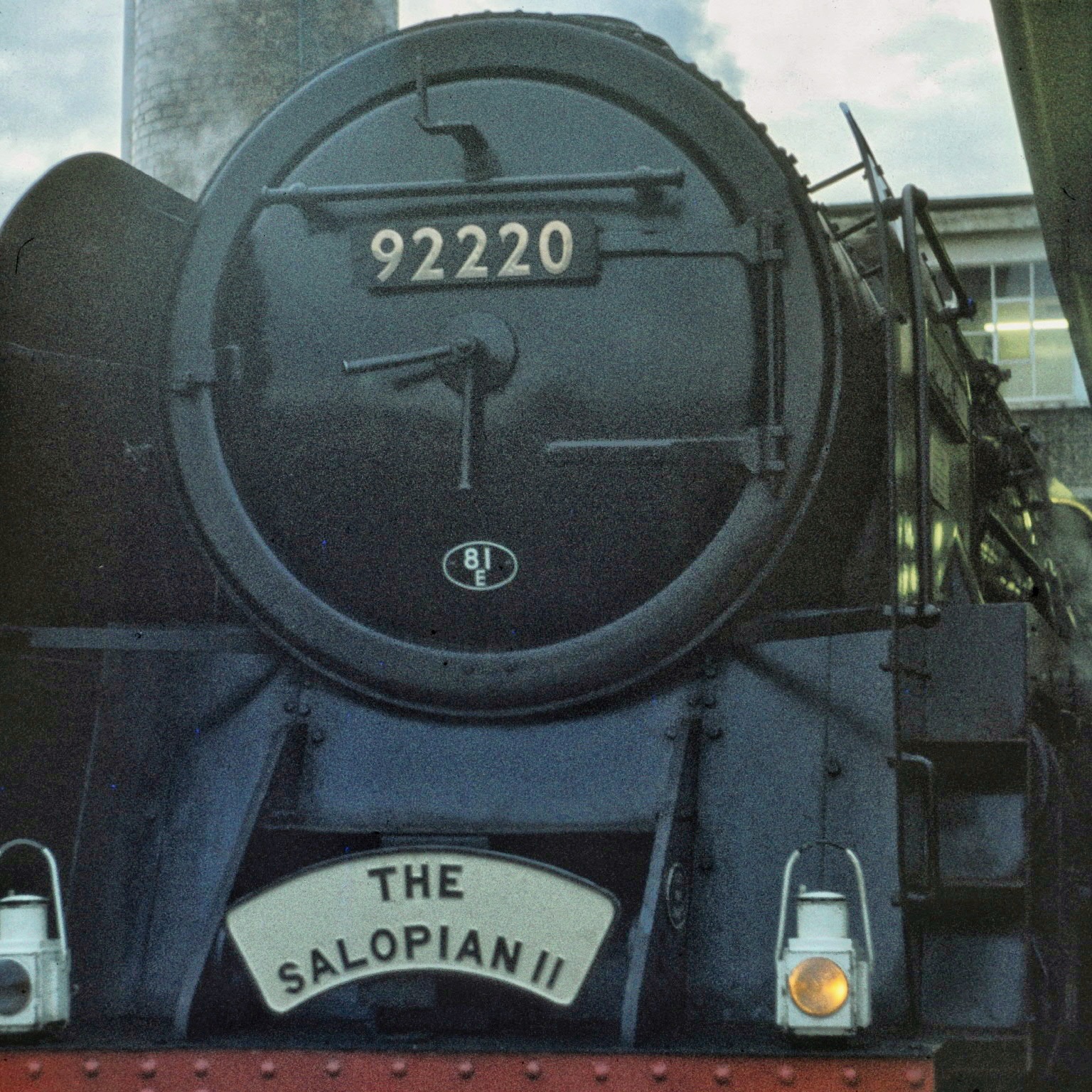
Returning to Bewdley, the 20’s took control of our train once again and regained all lost time and even gained 15 minutes. But despite these efforts, the quarter hour and more was lost due to a number of signal stops. In my opinion the star of the day; 92220 ‘Evening Star’, to be precise, replaced the diesel power at Saltley and despite working hard we arrived back at Didcot some 16 minutes down.
BR Standard Class 9F No. 92220 ‘Evening Star’ during a water stop at Banbury. No. 92220 was the last steam locomotive to be built at for British Railways and was earmarked for preservation before she entered service in March 1960. She hauled the last Pines Express on the Somerset & Dorset line on 8th September 1962. ‘Evening Star’ had a working life of five years before being withdrawn from service in March 1965 after sustaining damage in a shunting incident at Cardiff Docks. She was overhauled and restored at Crewe Works following withdrawal working in preservation until the late 1980’s. She is now on static display at the Railway Museum in York and one of nine existing locomotives of a class which numbered 251- 19/06/1982
50040 took us forward to Reading where Tony and I de-trained for our connection down to Basingstoke and home.
Sunday June 20th 1982
The down Mail arrived into Basingstoke at Midnight. We were extremely lucky to have made it as our connecting service train from Reading should have left at 2300 and “The Salopian II” arrived at 2302. We met Paul E and Mark B, two rail enthusiasts from Charminster who had been part of the group who went to Plymouth Laira with us in April. This time they had been to Calais with Mark’s parents. A class 73 took us from Basingstoke to Eastleigh where 33010 came on to bring us into Dorchester South just after 0300 where we all said our good-byes and headed home to our beds.
I was up again at 0900 in order to see some excursion trains.
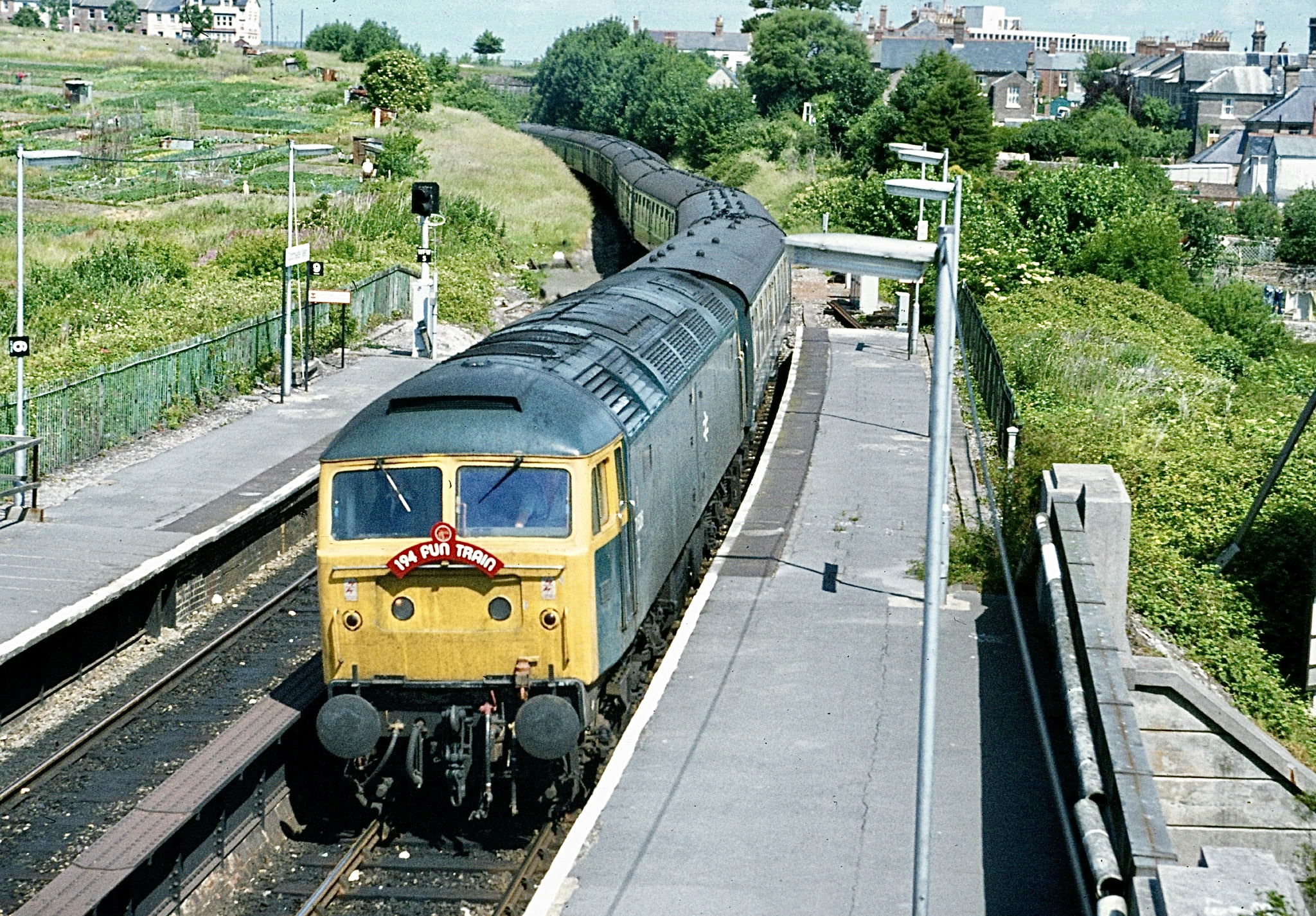
Class 33 No. 33029 approaching Dorchester South – 20/06/1982Class 47 No. 47526 at Dorchester West – 20/06/1982
The piece of smut in my eye from ‘Hagley Hall’ was still there, so I called on [my brother], who was out. Anyway, he appeared at half four and spent an hour moving the smut from the blue bit of my eye to the edge and finally relief!
GBRf Class 73 No.’s 73964 ‘Jeanette’ and 73961 ‘Alison’ were out on a GB Railfreight staff special the “Tonbridge Trailblazer” in June 2016 running from Ashford International to Weston-super-Mare. The ED’s are seen here at Bath Spa on the return leg working 1Z63 1725 Weston-super-Mare to Ashford International – 18/06/2016
Postscript:
Longmoor Military Railway No. 600 ‘Gordon’ as seen in 2023 at The Engine House, Highley – 20/05/2023London Transport No. L95 (the former GWR Collett 5700 Class 0-60PT “Pannier Tank” No. 5764) as seen in 2023 at The Engine House, Highley – 20/05/2023It’s goodbye from me, and a goodbye from Yoshi! Thanks for reading. We appreciate your comments, contributions, updates and corrections. See you soon!
Wednesday 8th March 2023 to Tuesday 14th March 2023
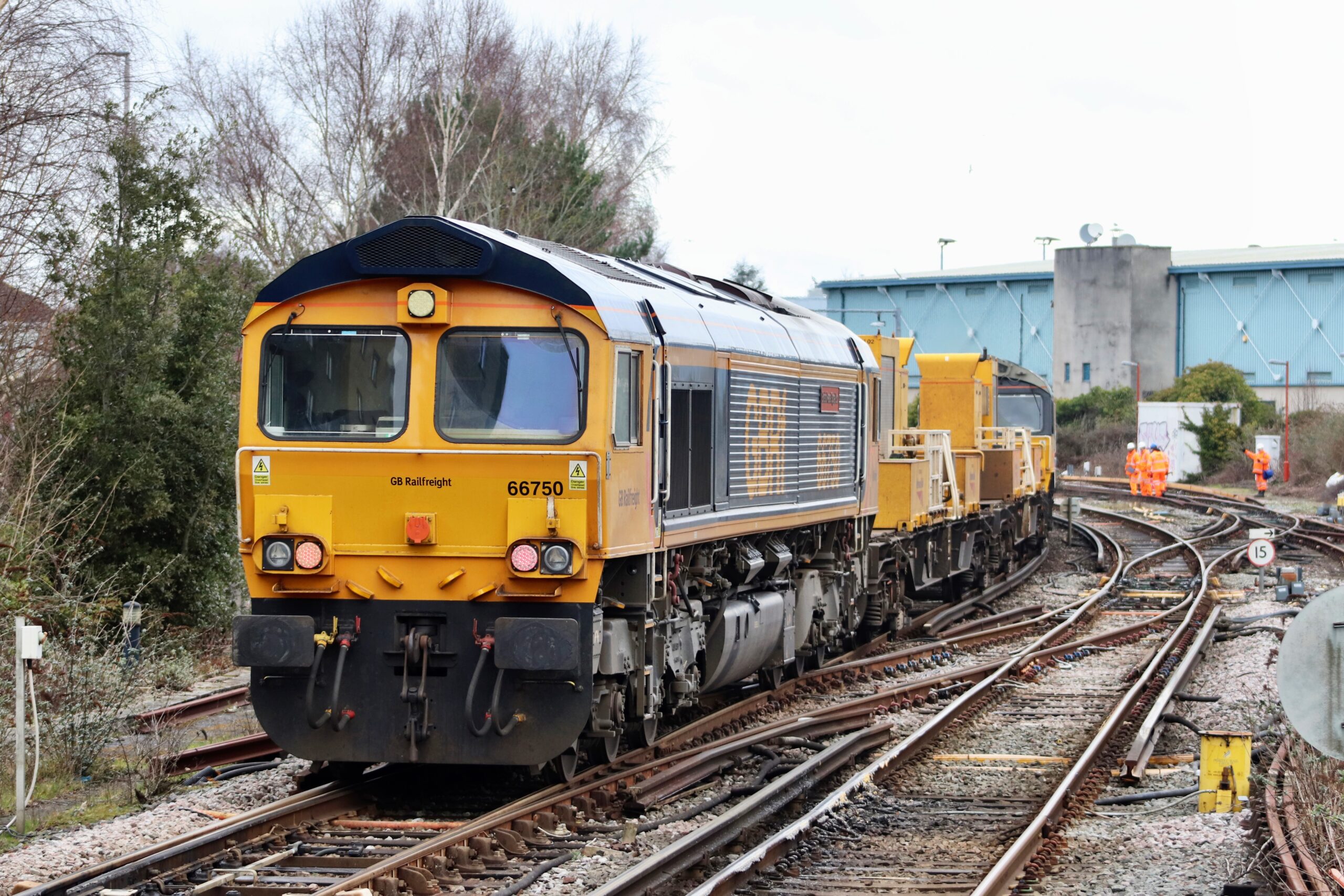
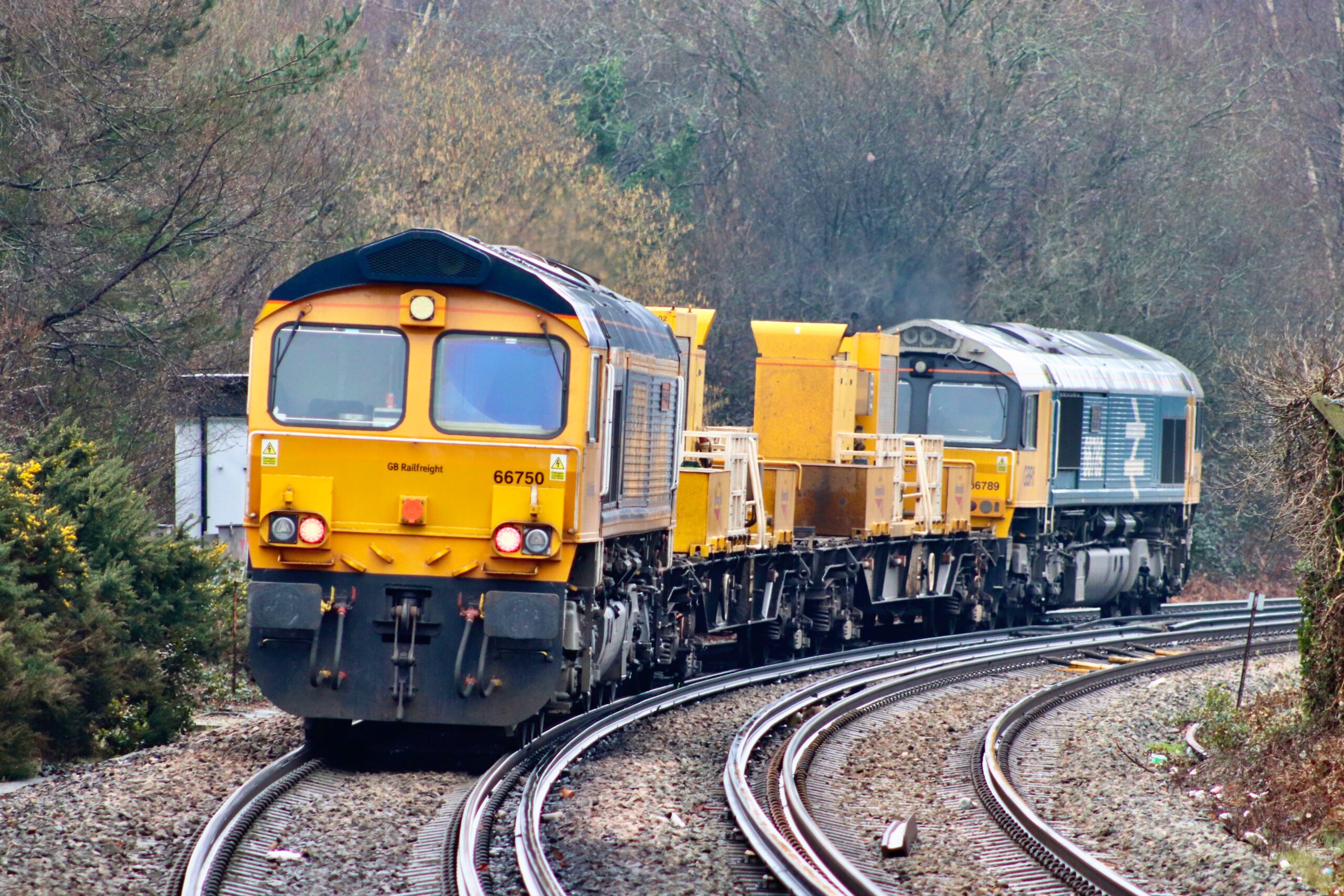
GBRf Class 66 No.’s 66789 ‘British Rail 1948-1997’ and 66750 ‘Bristol Panel Signal Box’ working 3Y88 0905 Totton Yard to Totton Yard passes South Western Railway Class 444 No. 444018 at Poole – 10/03/2022
The Network Rail Snow & Ice Treatment Train (SITT) graced us with its presence twice this week – firstly on Wednesday and then again on Friday. Both visits were top and tailed by the same pair of GBRf Class 66 locomotives which have also made it to Weymouth in the previous week or so on other SITT runs. Large logo retro British Rail liveried Class 66 No.’s 66789 ‘British Rail 1948-1997’ is a favourite amongst enthusiasts because of its special livery. Here’s a video showing the SITT workings at Hamworthy and Poole:
GBRf Class 66 No.’s 66750 ‘Bristol Panel Signal Box’ and 66789 ‘British Rail 1948-1997’ having passed through Poole working 3Y88 0900 Totton Yard to Totton Yard – 10/03/2023GBRf Class 66 No.’s 66789 ‘British Rail 1948-1997’ and 66750 ‘Bristol Panel Signal Box’ at Hamworthy working 3Y88 0900 Totton Yard to Totton Yard – 08/03/2022GBRf Class 66 No.’s 66750 ‘Bristol Panel Signal Box’ at the rear of 3Y88 0905 Totton Yard to Totton Yard with 66789 ‘British Rail 1948-1997’ leading exit Hamworthy – 08/03/2022
Monday evening the monthly 1Q51 test train made it to Dorset, this time back in the hands of GBRf Class 73 Electro-Diesel locomotives No.’s 73964 ‘Jeanette’ and 73963 ‘Janice’. We popped up to Hamworthy to see this heading towards Weymouth. Although I was planning to head out and see the return pass up to Eastleigh East Yard, the train ran 25 minutes ahead of its timings and I was otherwise avidly engaged in watching “Married At first Sight Australia”.
Yoshi takes a breather on our visit to National Trust Mottisfont – 12/03/2023
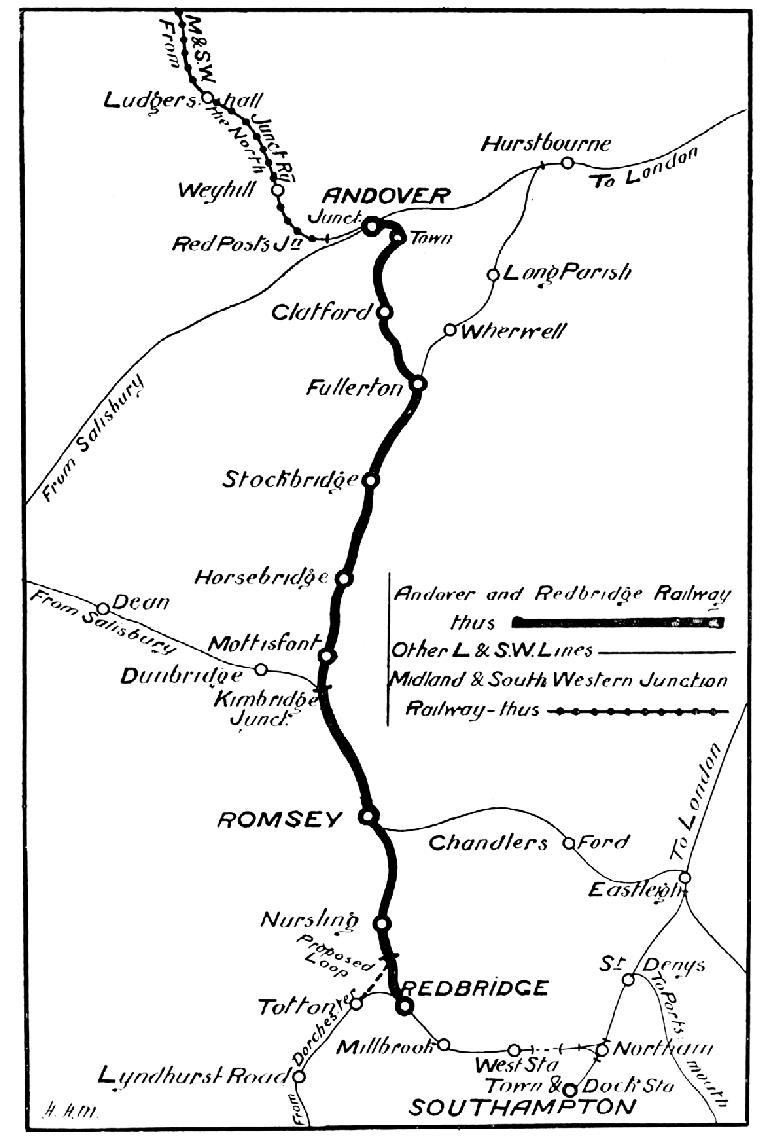
On Sunday, we went spent an afternoon at National Trust Mottisfont, an 18th-century house with a medieval priory at its heart, which was transformed into a Neo-classical home in the 1930’s. Understandably Yoshi was not allowed in the house or the on the formal lawns in front and behind of the house, but there was still plenty to see and we had an enjoyable riverside walk. On our way to the National Trust property we drove past Mottisfont & Dunbridge railway station which is the nearest station to Mottisfont. This station opened in March 1847 as Dunbridge but was renamed in 2006 to reflect its close proximity to Mottisfiont and is apparently the second least frequently used station in Hampshire, with Beaulieu Road taking the wooden spoon by having fewer passengers. We could hear the sounds of Class 158 diesel multiple units (DMU’s) passing by on the Wessex main line as we wandered around the grounds at Mottisfont. The station is served by stopping trains run by South Western Railway (SWR) which run from Romsey to Salisbury via Southampton Central. Great Western Railway (GWR) run services which pass through the station but no longer stop. As we left Mottisfont we drove through the village and found ourselves driving down Station Road. This gave away the fact Mottisfont once had a station of its own. Investigations revealed this station had been situated on the now closed ‘Sprat and Winkle Line’ which ran between Andover and Redbridge.
Yoshi takes shelter in a shepherds caravan at Mottisfont and wonders what it would like to be a sheepdog – 12/03/2023
It’s not clear how the line earned the ‘Sprat and Winkle’ name. Various suggestions have been put forward; principally that the southernmost part of the line brushes the mudflats of the River Test where winkles might sometimes be found, although there are doubts that the sprat would also be found there.
The January 1910 edition of “The Railway Magazine” included an article on the origins of the line written by John Moreton. The railway is unique in that it is built over the course of an earlier canal; The Andover and Redbridge which originates from 1792. The London & South Western Railway (LSWR) had been the first to promote a route along the canal in 1847 in an attempt to steal an advance over the Great Western Railway (GWR) and had already agreed to give those behind a Manchester and Southampton railway running powers over the line. Parliamentary assent was given to the Andover and Redbridge, but the LSWR failed to act on this and their proposal came to nothing. Ten years later, in 1858, the GWR were asked to construct a broad gauge line between Andover and Redbridge, again by means of converting the canal. With the addition of a 14 mile stretch of track between Pewsey and Andover, a broad gauge route between Southampton and Bristol / South Wales was proposed. A new terminus at Southampton along the western shore mudflats was going to be built with the broad gauge line crossing over the LSWR line to Dorchester at Redbridge. There followed a “Battle of the Gauges” with the LSWR opposed to the project attempting to secure a clause in the new Parliamentary bill that the line be built to 4ft 8.5 inch gauge. When this failed they moved to ensure the railway would be built to mixed gauge.
The first sod on the new railway was cut by Lord Palmerston at Ashfield Bridge, very close to his Broadlands residence near Romsey, on 28th September 1859 accompanied with the sound of a 14 gun salute. Over the next few years, there followed many changes and alterations to the scheme and in a June 1863 Act of Parliament the Andover and Redbridge Railway was amalgamated with the LSWR which meant the line would in fact be built to what we now call standard gauge, finally opening on 6th March 1865. As originally built following the route of the canal and to avoid the cost of building bridges over the rivers Test and Avon, the railway had many tight curves. In his 1910 RM article, John Moreton recalled, “many journeys on the line where sticking to one’s seat was a matter of considerable difficulty, and the luggage placed on the racks frequently provided a minute bombardment to those seated beneath before the end of the journey was reached.” The curves would eventually be straightened out by the LSWR, the exercise being completed by November 1885 and with the opening of the Midland & South Western Junction Railway linking Liverpool, Manchester and Birmingham with Southampton via Cheltenham and Swindon, crossing the Cotswolds and the Wiltshire Downs, the original idea of a railway providing direct passage between the North and the Solent was practically realised. The railway was an important link during the 1st and 2nd World Wars, carrying troops from Salisbury Plain for embarkation to France via Southampton.
The final British Rail timetable issued for the period 15th June to 6th September 1964 shows a more or less hourly weekday service along the line between 0640 and 2200 with Sunday working also maintaining a similar level of service between the hours of 0855 and 2101. Trains would have been worked by Eastleigh built Diesel-Electric Multiple Units (DEMU) ‘Hampshire Units’ first introduced in 1957. Despite this level of service, the Beeching report of 1963 declared that fewer than 5000 passengers used the trains each week and services were therefore withdrawn on 7th September 1964.
Map of the ‘Sprat and Winkle’ Line from ‘The Railway Magazine’ January 1910
The closed Mottisfont station is now a private house called, appropriately enough, “The Old Station House”. The old platforms have been incorporated into a garden feature. We didn’t stop to peer over the garden gate, as that would have been rude. Further up the line, and one for our bucket list, is Horsebridge station which boasts the best preserved remaining station building on the former line. It has, at least pre-Covid, been used as a tea rooms and wedding venue. There is a Southern Railway carriage acquired from Bournemouth which can be rented for holiday accommodation.
The next station heading North is Stockbridge, which has some resonance to me as two of my uncles worked on the railway here. George Downton was a signalman and Gus Robertson a platelayer. Sadly Gus died from injuries he sustained during the Great War and my mum, at the age of 8 or 9, was asked to spend her summer holiday in Stockbridge with his widow, my Aunty Gertrude, in the early 1940’s to keep her company. This was extended after the holidays and mum eventually ended up attending Stockbridge school. My mother recalls George’s wife, Aunty Bess, preparing a cooked meal for George on Fridays and asking mum to take it up to him in the signal box, a place she was not really allowed to visit. Mum doesn’t recall why this happened most Friday’s but she does remember Chipperfield’s Circus temporarily keeping their animals in the station sidings when their headquarters were at nearby Down Farm and helping to feed the tigers. I’m pleased we no longer allow wild animals to be exploited for a travelling circus.
These days, the trackbed between Westdown, near Fullerton, Stockbridge and Mottisfont forms part of the Test Way, a 44 mile footpath along the River Test.
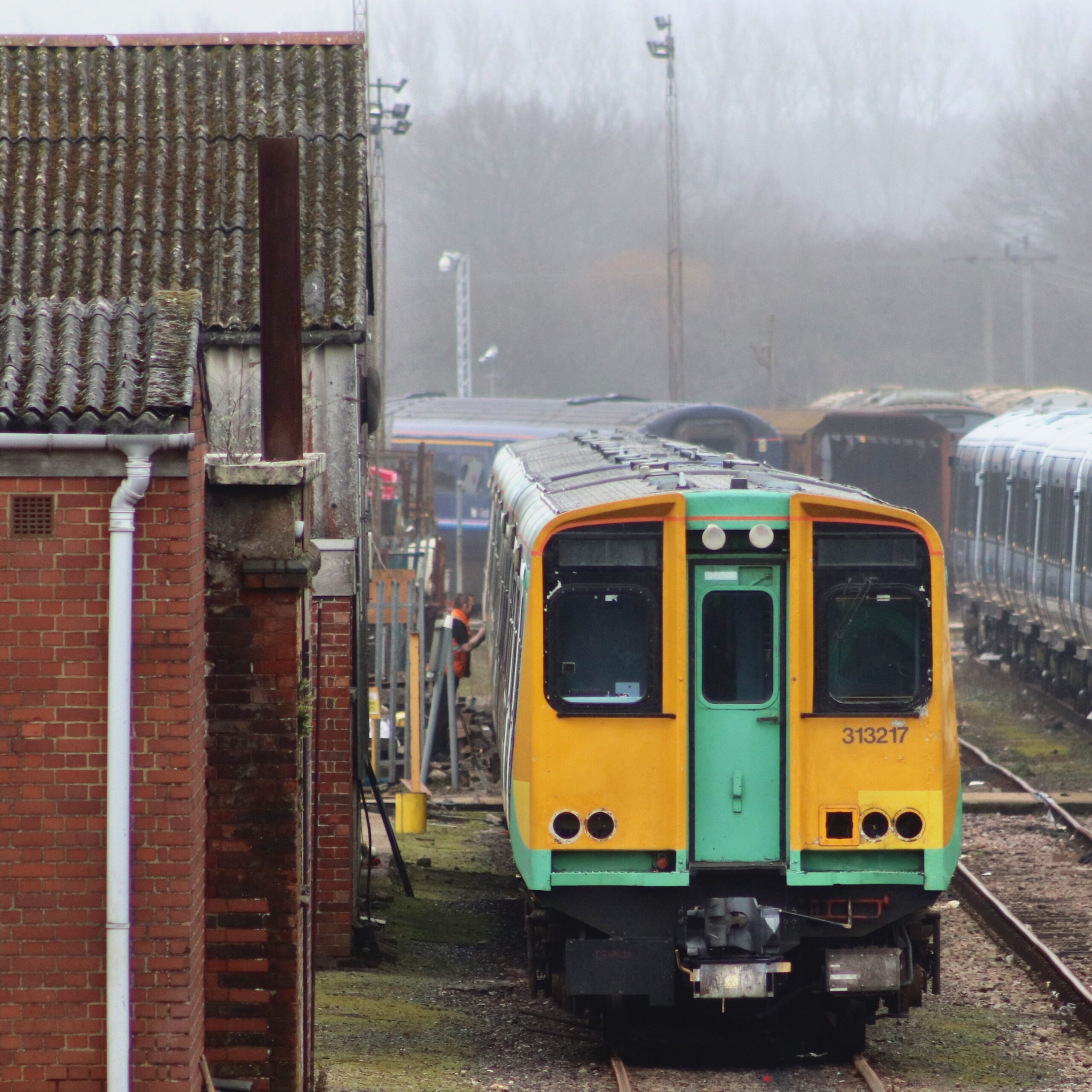
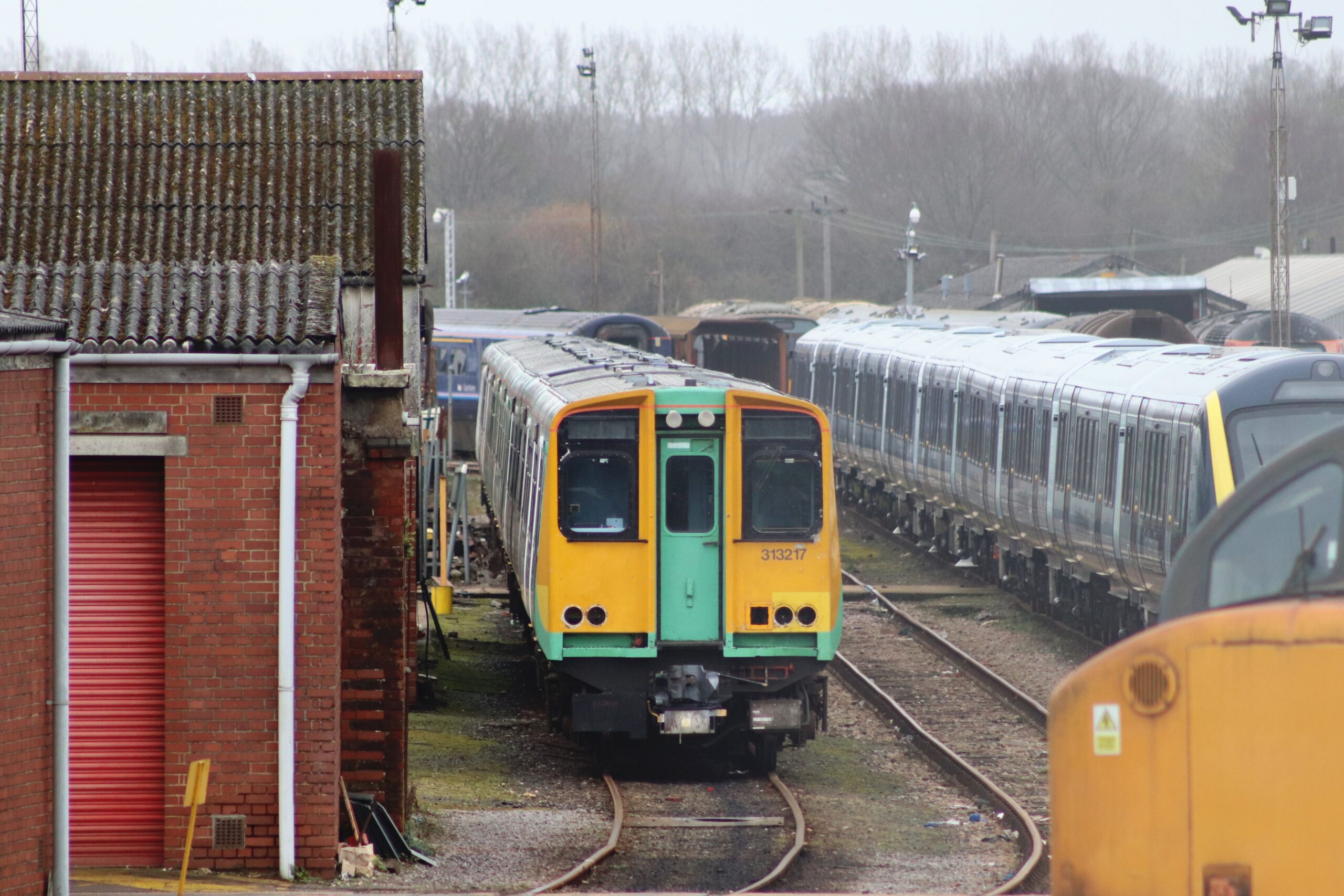
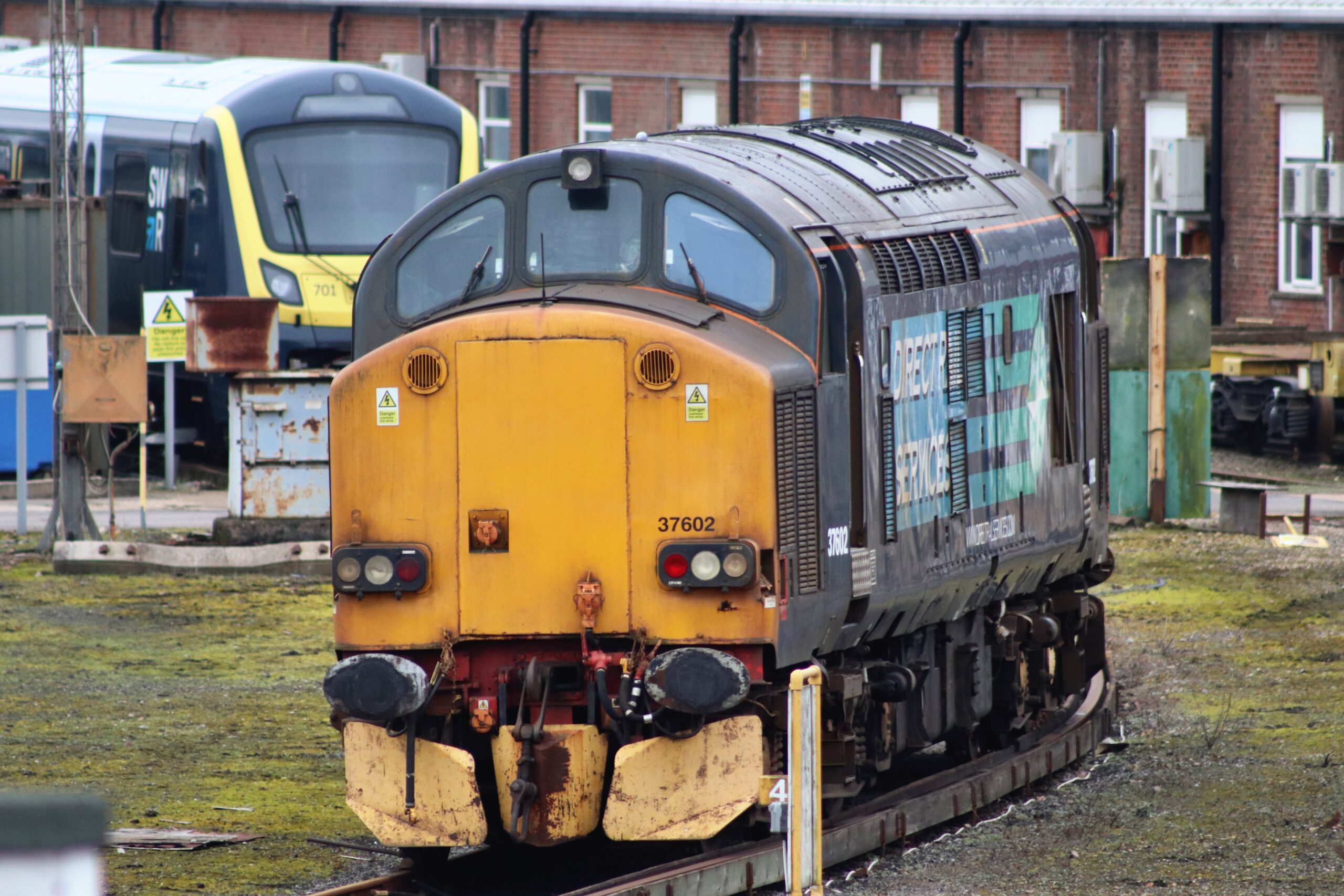
As we drove home from Mottisfont, I inadvertently turned left at Romsey and somehow found myself in Eastleigh. I took this, most unexpected, opportunity to photograph the first of the Southern Coastway Class 313 electric multiple units (EMU’s), No.’s 313203 313214 & 313217, which have been withdrawn from service and moved to Eastleigh Arlington to be scrapped. The units had arrived on Friday 10th March and indeed, I had been very tempted to pop over the county border to see them being delivered by Rail Operations Group (ROG) Class 37 No. 37800 on a working from Brighton Lovers Walk.
Class 313 No. 313217 at the rear of fellow classmates 313203 and 313214 awaiting their fate at Eastleigh Arlington – 12/03/2023Class 313 No. 313217 at Eastleigh Arlington – 12/03/2023Direct Rail Services Class 37 No. 37602 in the yard at Eastleigh Arlington works – 12/03/2023Direct Rail Services Class 37 No. 37602 in the yard at Eastleigh Arlington works – 12/03/2023
Also viewable on the works from the adjacent public road was London Underground’s (LU) 4-TC (Trailer Control) set which had arrived at Eastleigh Arlington in February following its visit to St Leonards for the fitting of retention toilet tanks. The 4-TC’s were unpowered fixed formations of 4 carriages with a driving position at each end of the set, converted by BR’s Colgate Road Carriage Works from locomotive hauled Mark 1 carriages in 1966-1967 and 1974 and were once the mainstay of the Weymouth to Bournemouth line coupled with Class 33/1 push-pull locomotives. At Bournemouth the 4-TC unit would be joined up with one or two 4-REP EMU’s for the onward journey to London Waterloo. Down trains to Weymouth would carry out the same operation in reverse.
London Underground’s 4-TC set at Eastleigh – 12/03/2023Close up of London Underground’s 4-TC set at Eastleigh – 12/03/2023
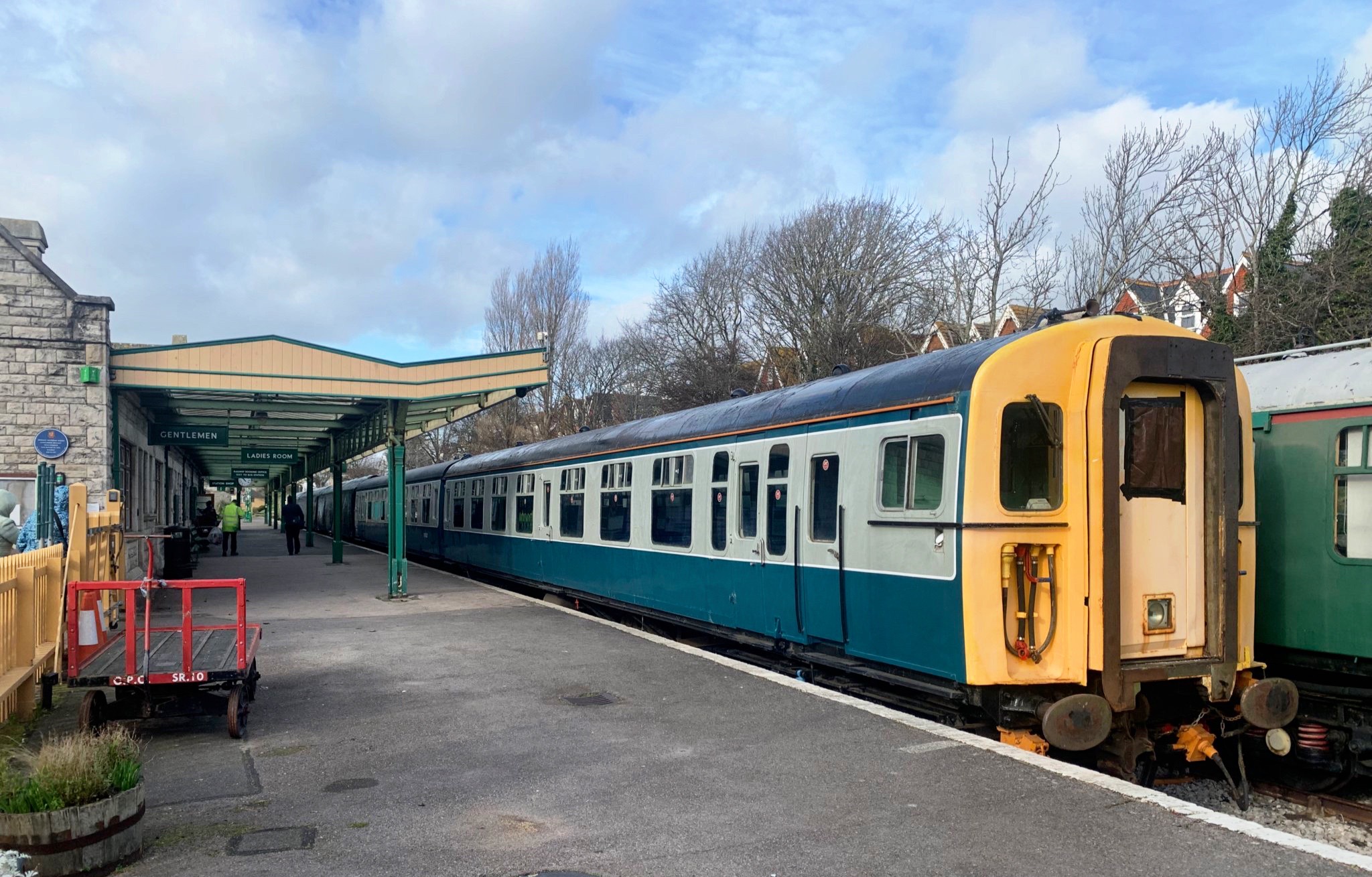
Two complete 4-TC units as well as other odd carriages have been preserved. The London Underground unit is notionally numbered 428 but contains coaches from other units making up its four car formation. Another set previously owned by LU and again made up of coaches from several units is being restored at The Swanage Railway and will be numbered 413. I am looking forward to seeing this project come to fruition and paired with a Class 33/1 will bring back memories of old.
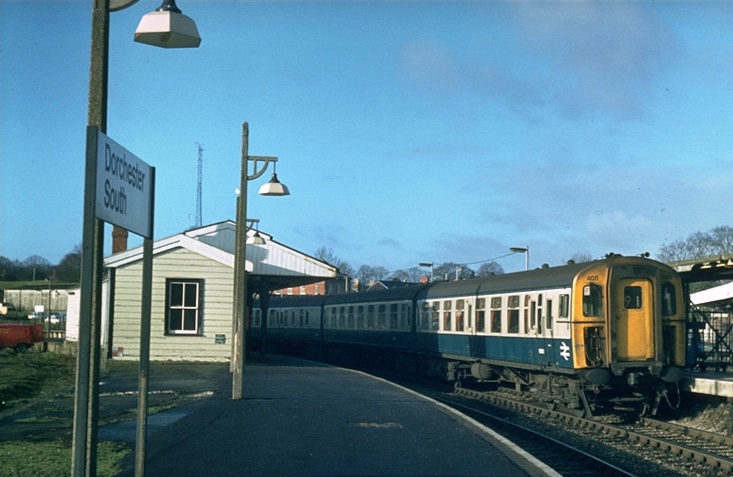
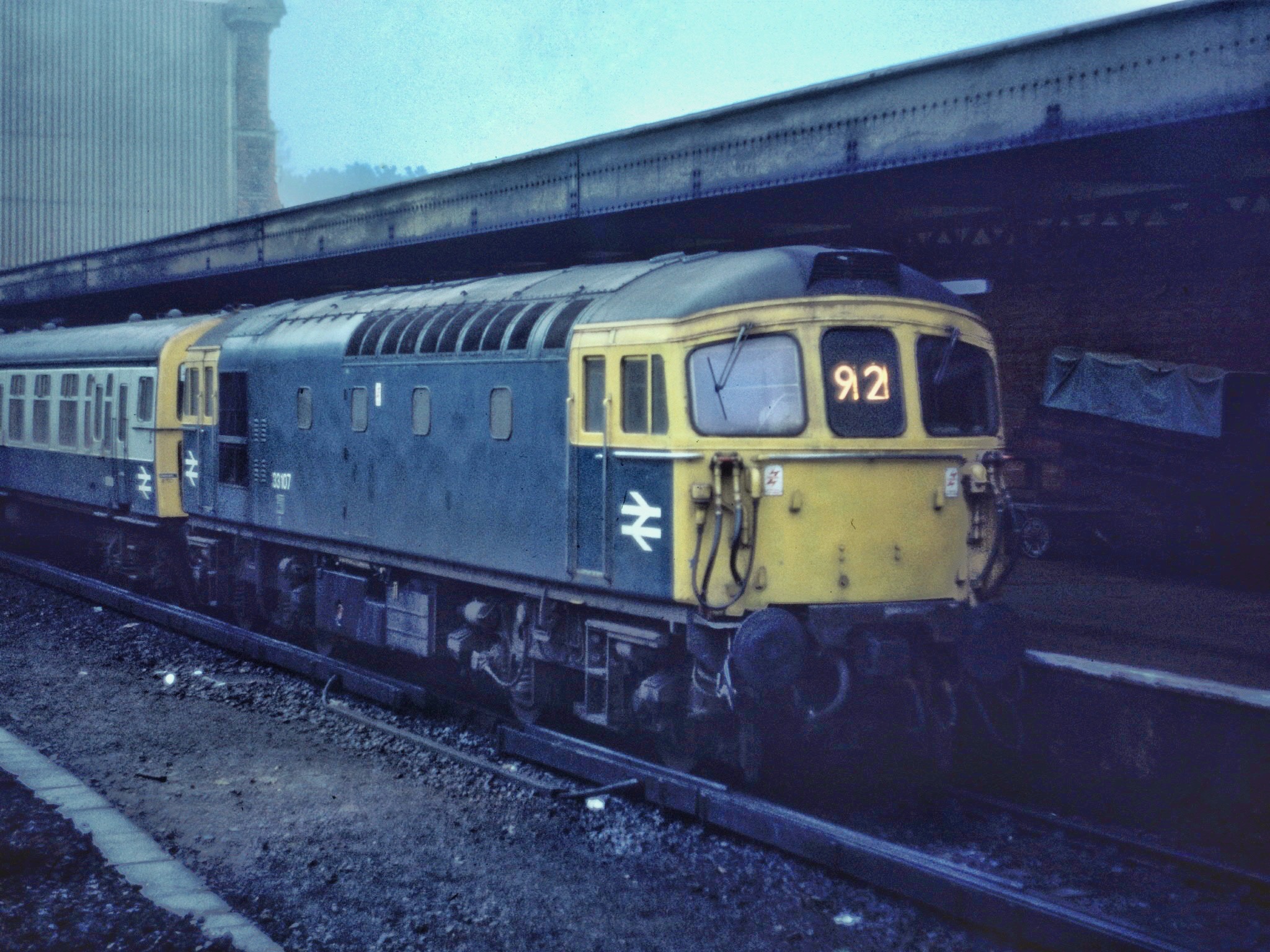
The Swanage Railway 4-TC which is undergoing restoration is seen at Swanage in February 2022 – 12/02/20224-TC No. 405 heading a Weymouth to London Waterloo service stops at Dorchester South – 26/01/1982BR&CW Class 33/1 No. 33104 propels the 1533 Weymouth to London Waterloo service which consists of two 4-TC units having passed Syward Crossing, Dorchester – 15/04/1983In fading light Class 33/1 No. 33107 at Bournemouth has attached to the 4-TC Weymouth section of a service from London Waterloo – 27/02/1982
For The Record
Swanage Railway’s Class 117 DMU at Creech Bottom with a River Frome to Norden service during the February “Behind the Scenes” event – 12/02/2023
The Swanage Railway have announced they are to operate a trial heritage diesel train service on Tuesdays, Wednesdays, Thursdays and Saturdays from the main line at Wareham between 4th April and 10th September 2023. The first train departs Wareham at 1119 and the last train of the day will depart Swanage at 1620. The trains will be operated and staffed on behalf of Swanage Railway by West Coast Railways utilising restored and upgraded 1950’s Class 117 Diesel Multiple Units (DMU) with the option of adding a single car Class 121 DMU at busy times and is the result of working in partnership with the UK Government’s Coastal Communities Fund, the Department of Transport, the former Purbeck District Council, Dorset Council, British Petroleum, Perenco, Network Rail and South Western Railway (SWR). Tickets for the service will also be available from SWR so passengers can add tickets for Corfe Castle and Swanage to their main line tickets. This will be the first time in 51 years – since the last day of British Rail passenger trains between Wareham, Corfe Castle and Swanage on Saturday 1st January, 1972, before the branch line was controversially closed – that such a main line ticket facility for travel to Swanage has been possible. During the summer of 2017, the Swanage Railway operated a 60 selected day trial train service from Wareham using hired-in diesel locomotives and carriages again operated and staffed by West Coast Railways. Plans to operate a second year 90 selected day trial train service from Wareham during 2018 were delayed and then the Covid pandemic hit which caused further delays because of its practical and economic effects.
If interested, you still have time to take part in Dorset Council’s survey on proposals to make the main route between the two Dorchester railway stations along Fairfield Road in Dorchester, which has no dedicated footway, safer for pedestrians, cyclists and wheelchair users. The survey is open until 17th March 2023. Funding for any work will come from the Government’s Active Travel Fund which aims to improve walking, wheeling and cycling for all.
Thanks for joining us, as always your visit is much appreciated! This weeks blog was put together listening to: ‘From Nothing To A Little Bit More’ by The Lathums, ‘Space Oddity’ by David Bowie and ‘The Wall’ by Pink Floyd… “Mother should I trust the government?”
Wednesday 7th December 2022 to Tuesday 13th December 2022
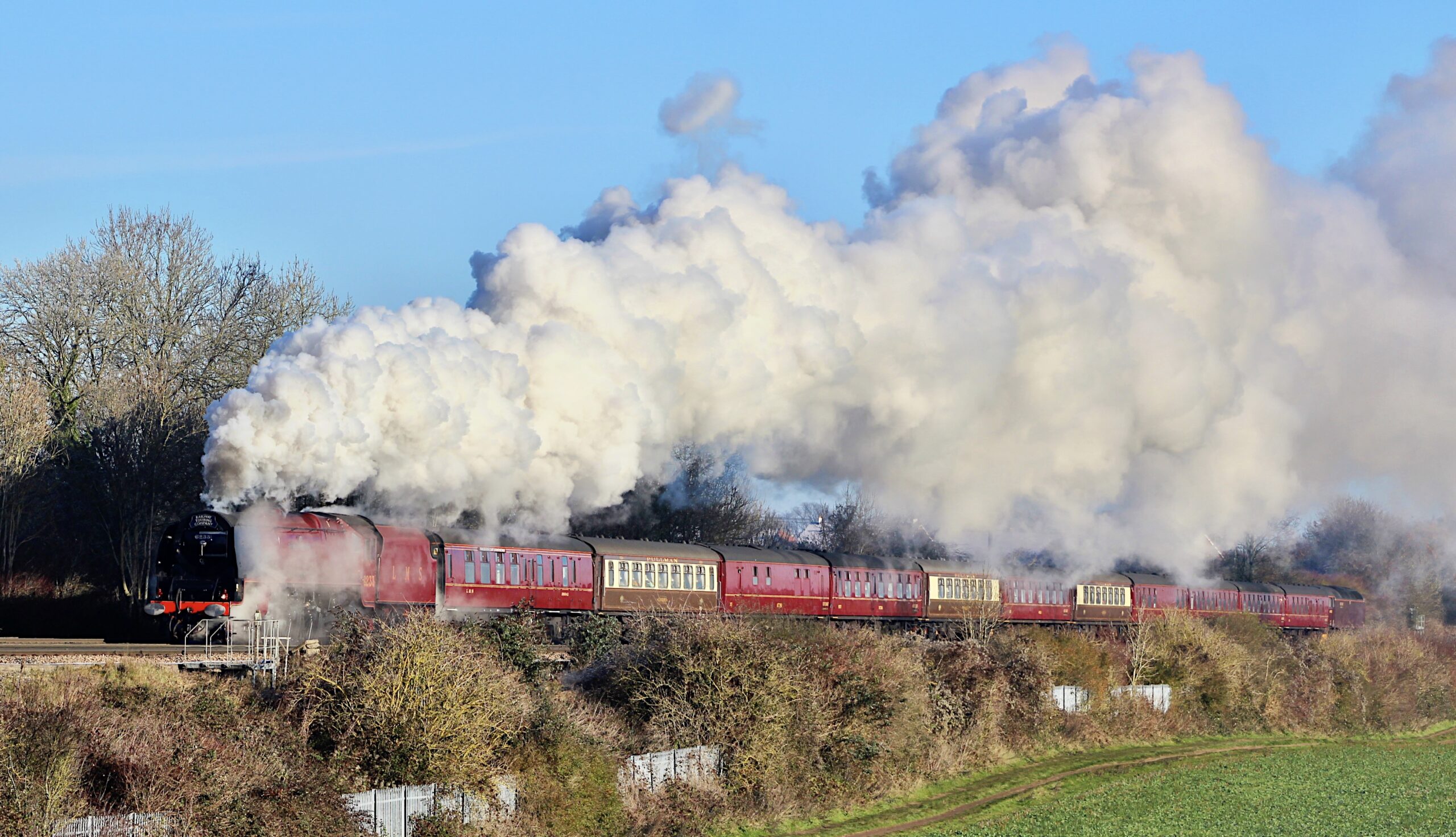
LMS Coronation Pacific No. 6233 ‘Duchess of Sutherland’ at Worting Junction working The Railway Touring Company’s “The Bath & Bristol Christmas Market” 1Z82 0847 London Victoria to Bristol Temple Meads – 10/12/2022
This week, Yoshi and I took a trip along the Southern Railway West Coastway route to witness the final days of the Class 313 electric multiple units (EMU), saw LMS Coronation Pacific No. 6233 ‘Duchess of Sutherland’ storming past Worting Junction and took in some Great Western Castle Class HST’s in frosty conditions.
Class 313
In preparation of spending a day on the Western Coastway route to see Class 313 emu’s, we had pre-booked our Southern Daysave ticket well in advance, and paid extra for next day delivery to avoid the postal strikes. It was a good job we did, as the ticket still took four days to arrive. So, on Friday 9th December we set off on a South Western Railway (SWR) service for Southampton (where we saw a couple of passing Class 66 hauled freight workings) to pick up a Southampton to London Victoria train which would take us to Barnham where we changed platforms to get a Class 313 operated shuttle to Bognor Regis. These are the last days of the Class 313’s and we hoped to record some of the units still in service.
The three-car Class 313’s were the first production, second generation, EMU’s built as a direct result of trials in 1972 with the PEP prototypes on British Rail Southern Region. I remember seeing at least one of the PEP units at Wimbledon on my first train journey to London in the early 1970’s. I may not have been an avid rail enthusiast at the time, but I’d clearly read about the new trains being introduced by British Rail. None of the prototypes survive and they were all cut up by 1990.
PEP Unit No. 4002 in the sidings at Wimbledon – 27/08/1982
The production-run classes which are most visibly similar to the PEP Stock are the dual voltage 750 V DC third rail / 25 kV AC overhead power collection Class 313, the 25 kV AC Classes 314 and 315, and the 750 V DC Classes 507 and 508. We covered the 507’s and 508’s earlier in the year when we visited Stockport. You can read about that adventure here.
A fleet of 64 three car sets were built by British Rail Engineering Limited (BREL) in York in 1976/1977 and were intended for the then newly modernised and electrified Great Northern inner suburban lines. The front end doors were designed for evacuation in an emergency in a single bore tunnel and the fleet were constructed to take in the slightly restricted loading gauge between Drayton Park and Moorgate.
Class 313 No. 313008 at Finsbury Park with a service to Moorgate – 30/10/1980
Upon privatisation, the 313’s were operated by Silverlink Railways and West Anglia Great Northern (WAGN) and later, in 2007, the class were transferred to London Overground who ran them until September 2010.
19 Class 313’s were modified for DC pick up only at Wolverton works and transferred to Southern to operate on the Coastway services out of Brighton from May 2010. These were deliveries into GTR Southern green and white with pictogram route branding. The remaining Great Northern members of the class were all withdrawn from service and scrapped by the end of 2019.
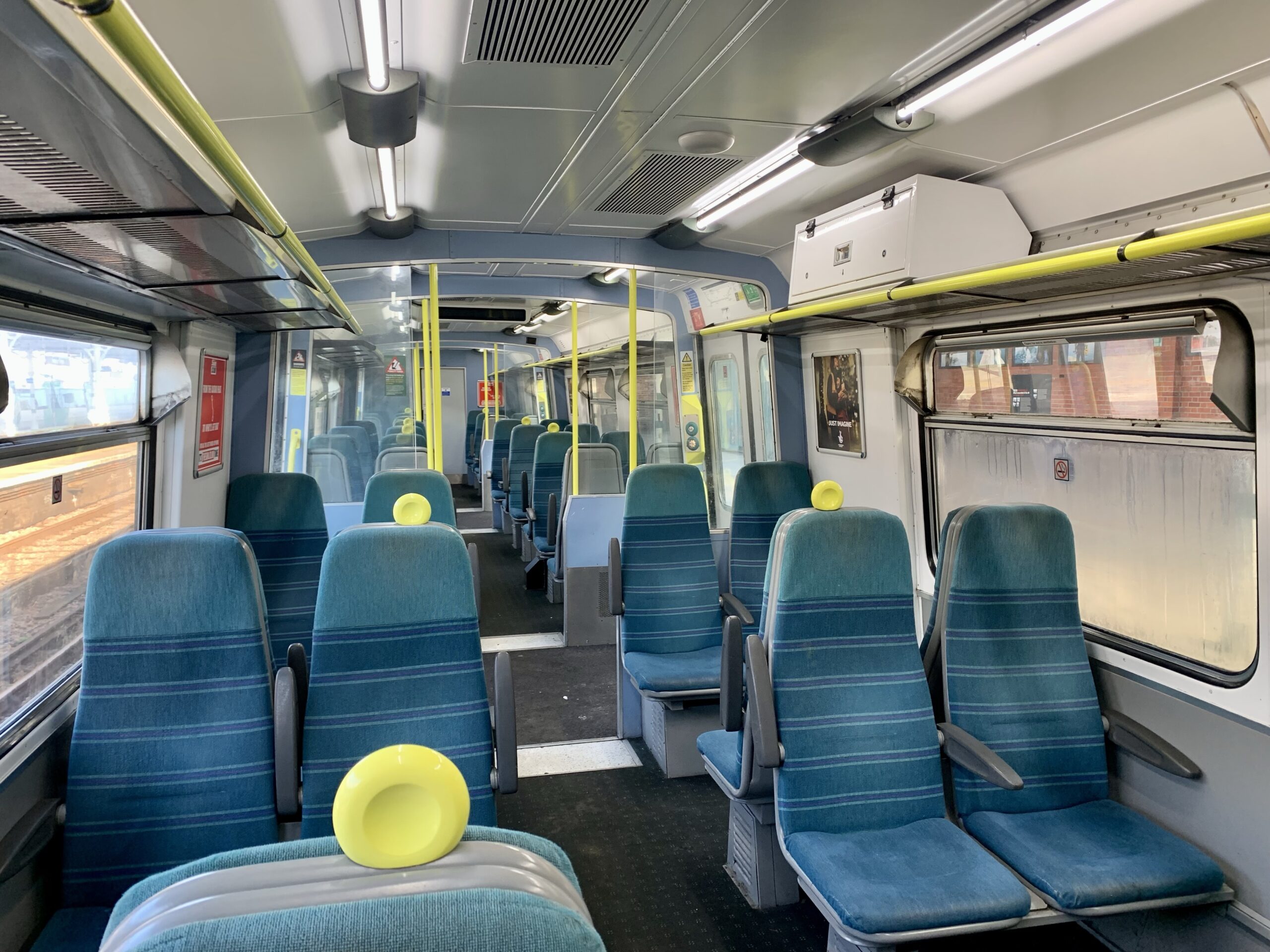
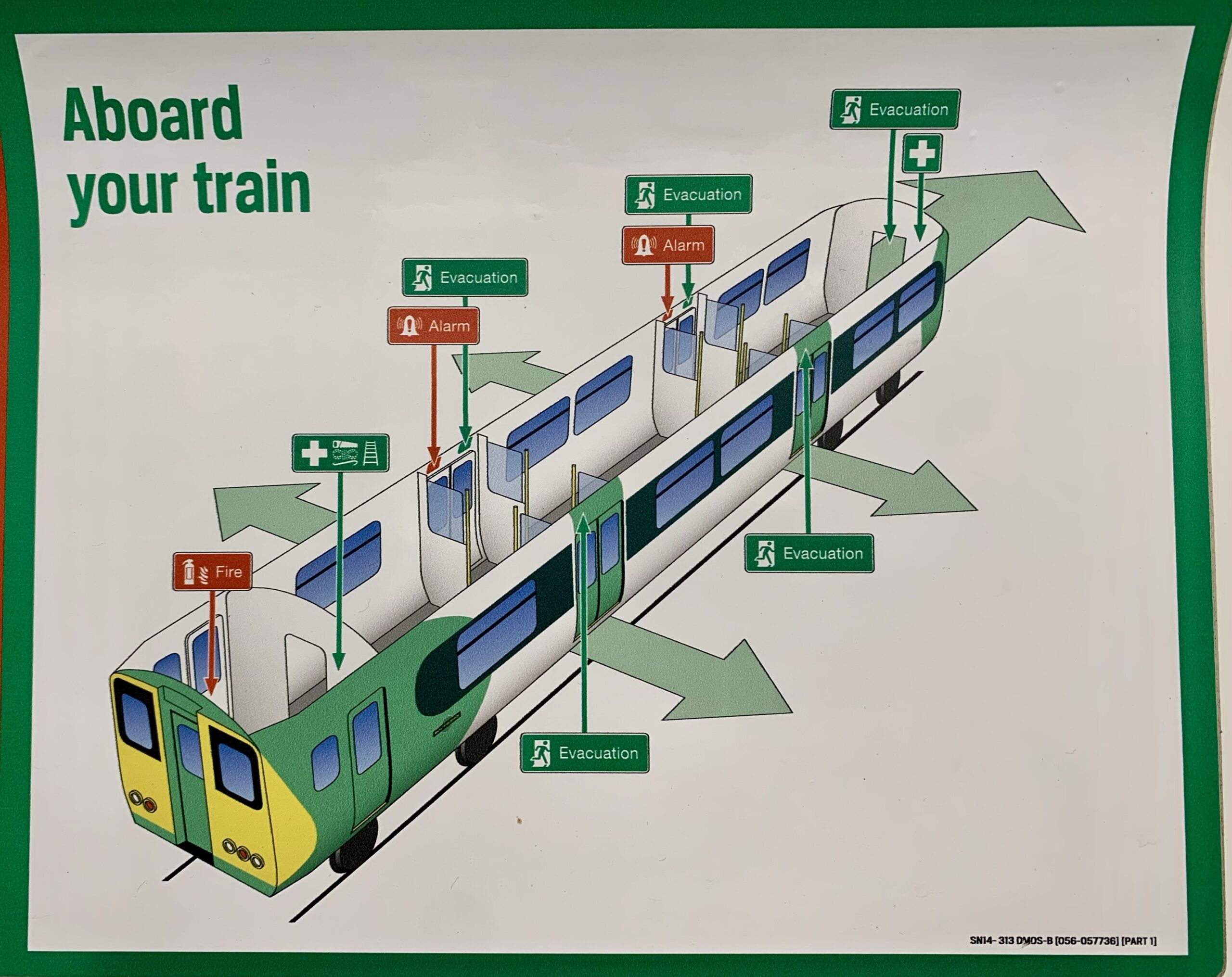
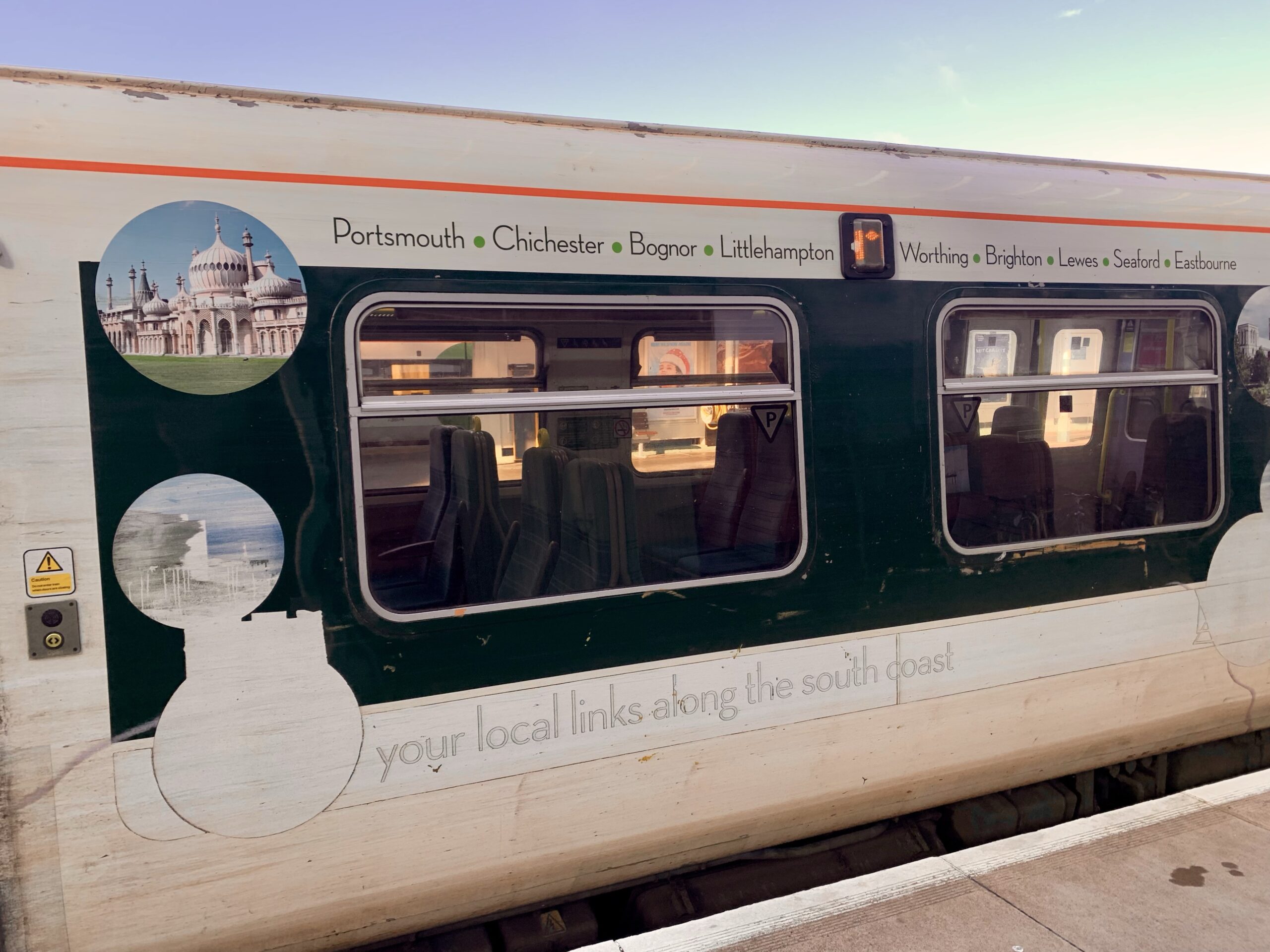
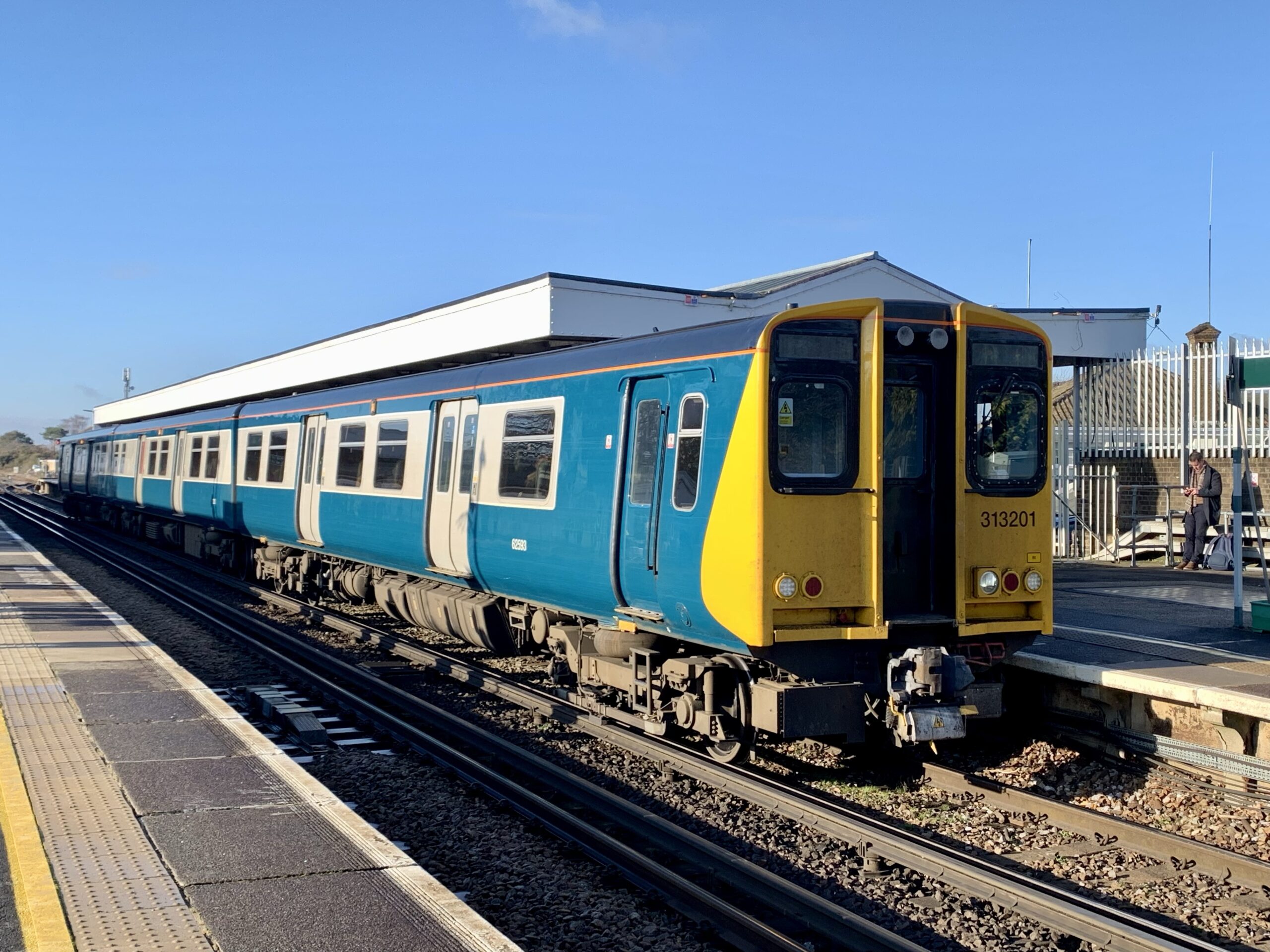
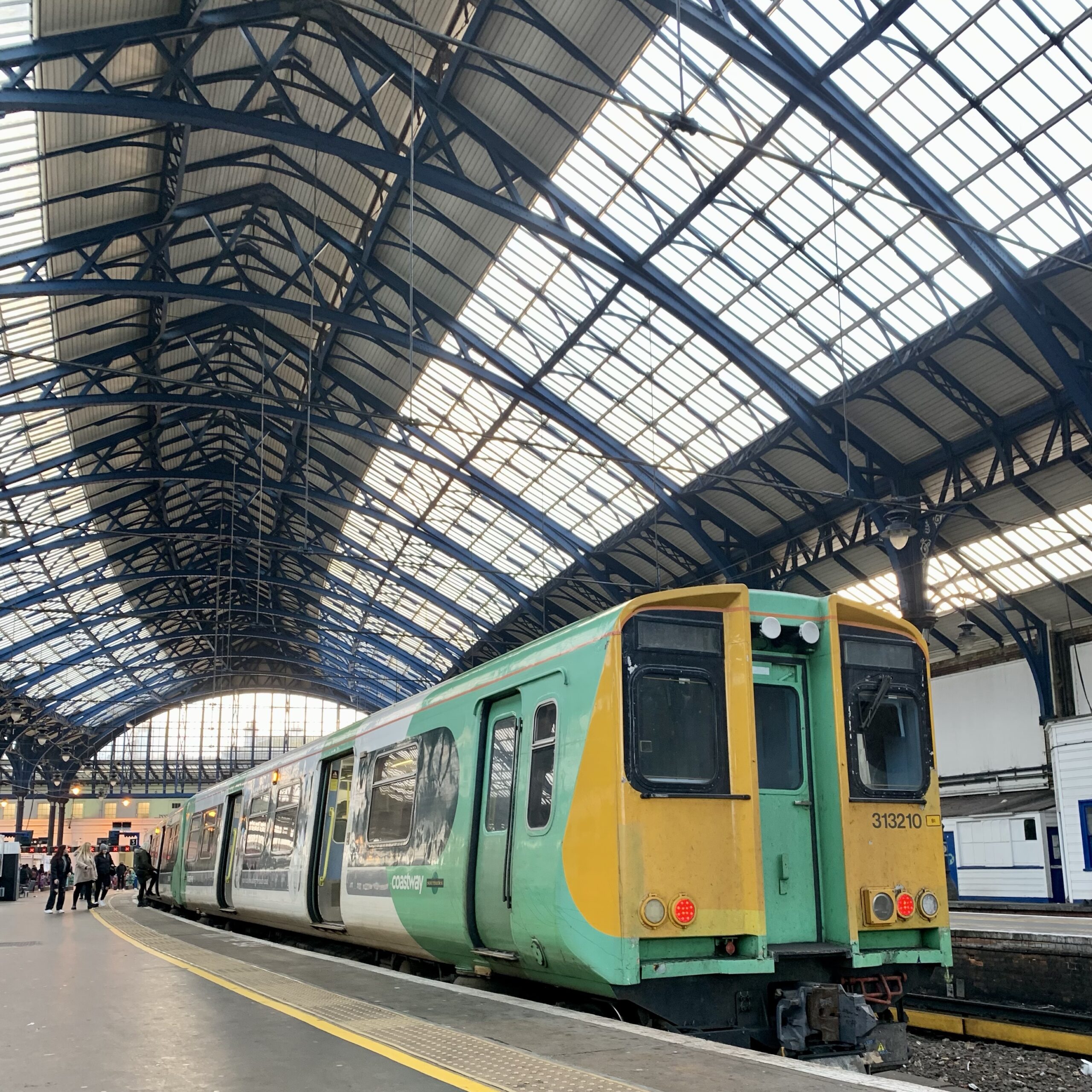
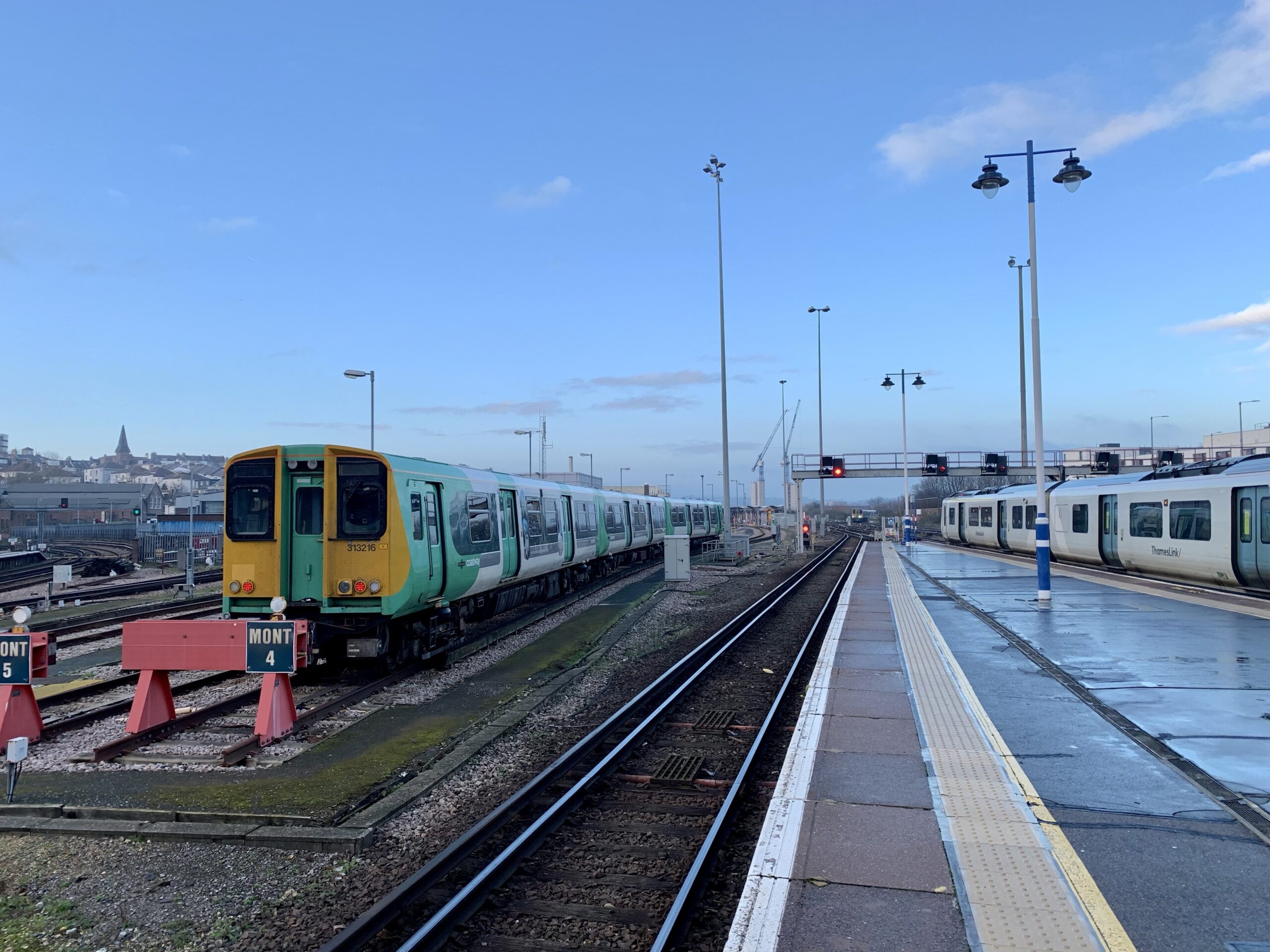
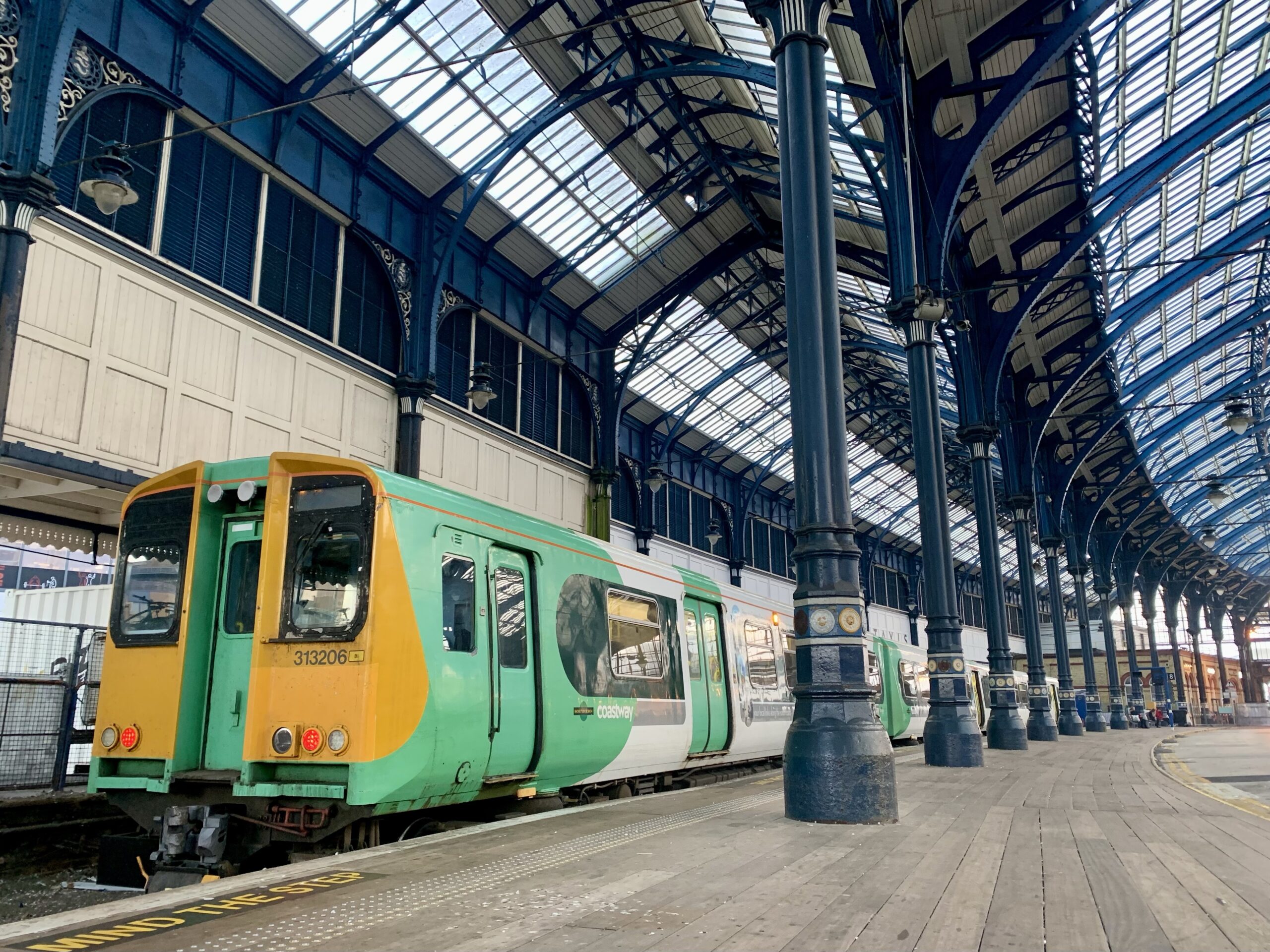
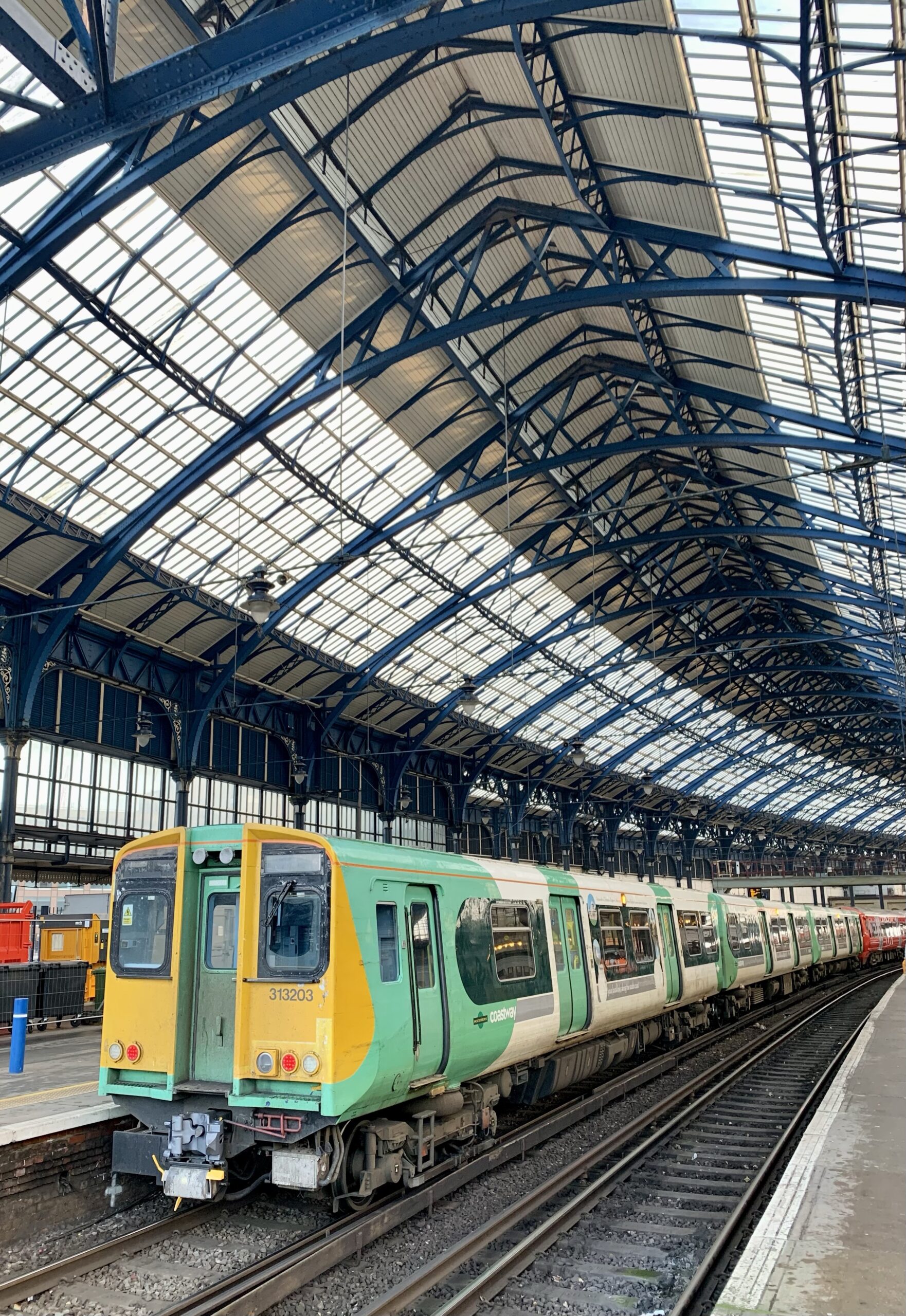
Yoshi gets up close to Class 313 No. 313207 at Bognor Regis having worked in with the 2P26 1053 service from Littlehampton – 09/12/2022When the Class 313’s were transferred to GTR Southern from May 2010 the sets were overhauled and the interiors refurbished with new seating in low-density 2+2 style using high backed seating – 09/12/2022Southern Class 313 onboard diagram – 09/12/2022Faded branding detail applied the intermediate coach of Coastway Class 313 No. 313207 (and other members of the class) on transfer to GTR Southern promoting the route Portsmouth, Chichester, Bognor, Littlehampton, Worthing, Brighton, Lewes, Seaford and Eastbourne – 09/12/2022In 2017 No. 313201, the first of the class to be built and therefore the oldest operational EMU in use in the UK, was repainted into as near as possible the BR blue/grey livery and it is believed the unit is destined for the National Collection. Because of disability reasons, the unit has contrasting colour doors and is seen here at Barnham – 09/12/2022On transfer to GTR Southern, the fleet was repainted in GTR Southern white and green. Class 313 No. 313210 at Brighton having arrived with Not being used on the day of our visit, Class 313 No. 313216 in the sidings at Brighton – 09/12/2022Class 313 No. 313206 at Brighton having arrived with the 1453 service from Seaford – 09/12/2022Class 313 No. 313203 has a short rest at Brighton prior to working the 1511 Brighton to Seaford service – 09/12/2022
Coastway Class 313’s – 09/12/2022Class 313 No. 313121 transferred to Network Rail in 2013 for use as a dynamic test vehicle for the development of the European Traffic Control System (ETCS). The set is based at Eastleigh Arlington where it is seen here – 30/01/2022 Development set 313 No. 313121 at Arlington Works, Eastleigh – 02/07/2022
Sherwood Forester
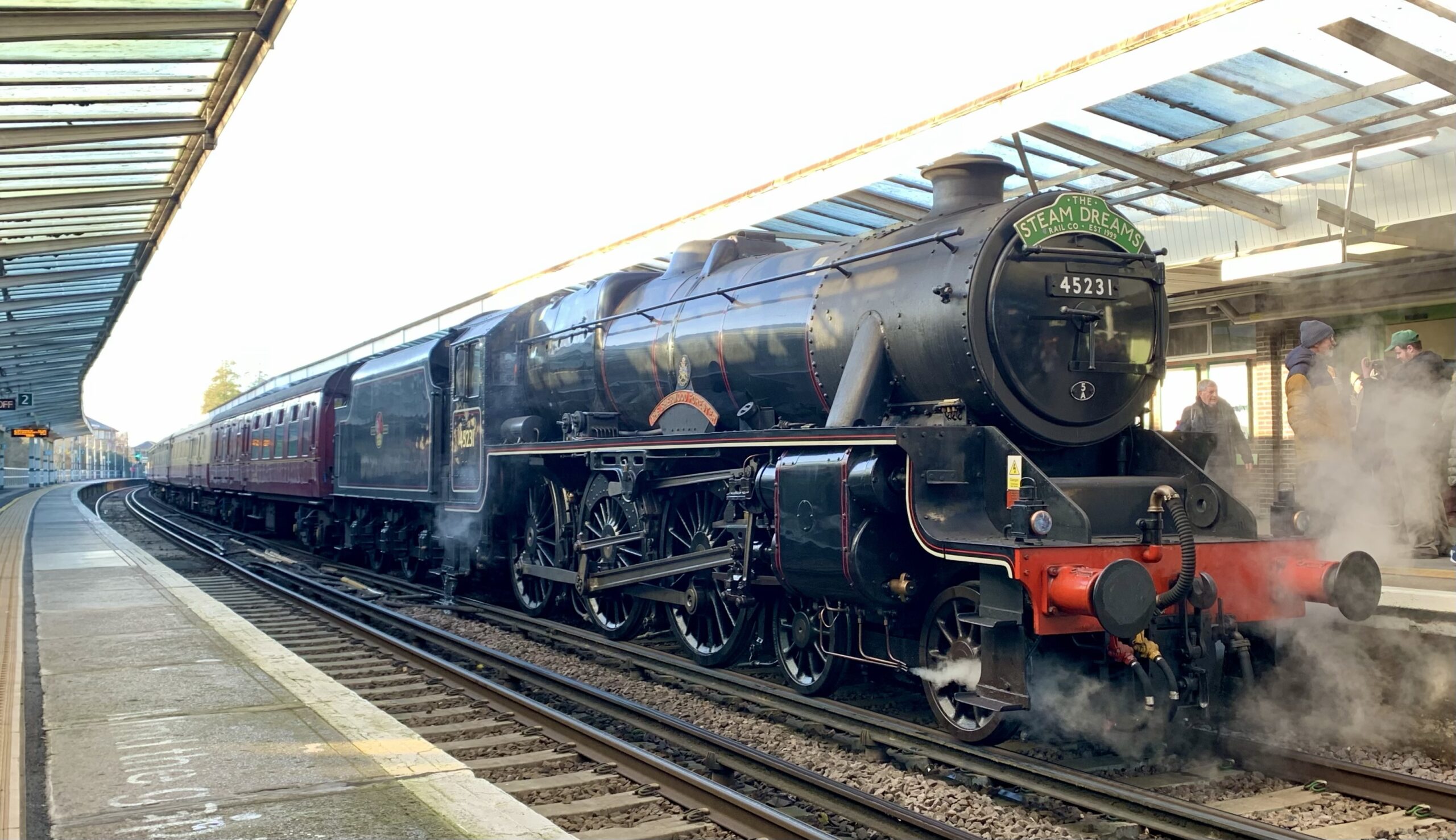
While on our Class 313 mission, we spent an hour at Chichester to coincide with the arrival of the steam hauled “Chichester For Carols” rail tour operated by Steam Dreams. Arriving just over half an hour late and with some confusion as to which platform the train was going to arrive on, LMS Black Five No. 45231 ‘Sherwood Forester’ hove into view.
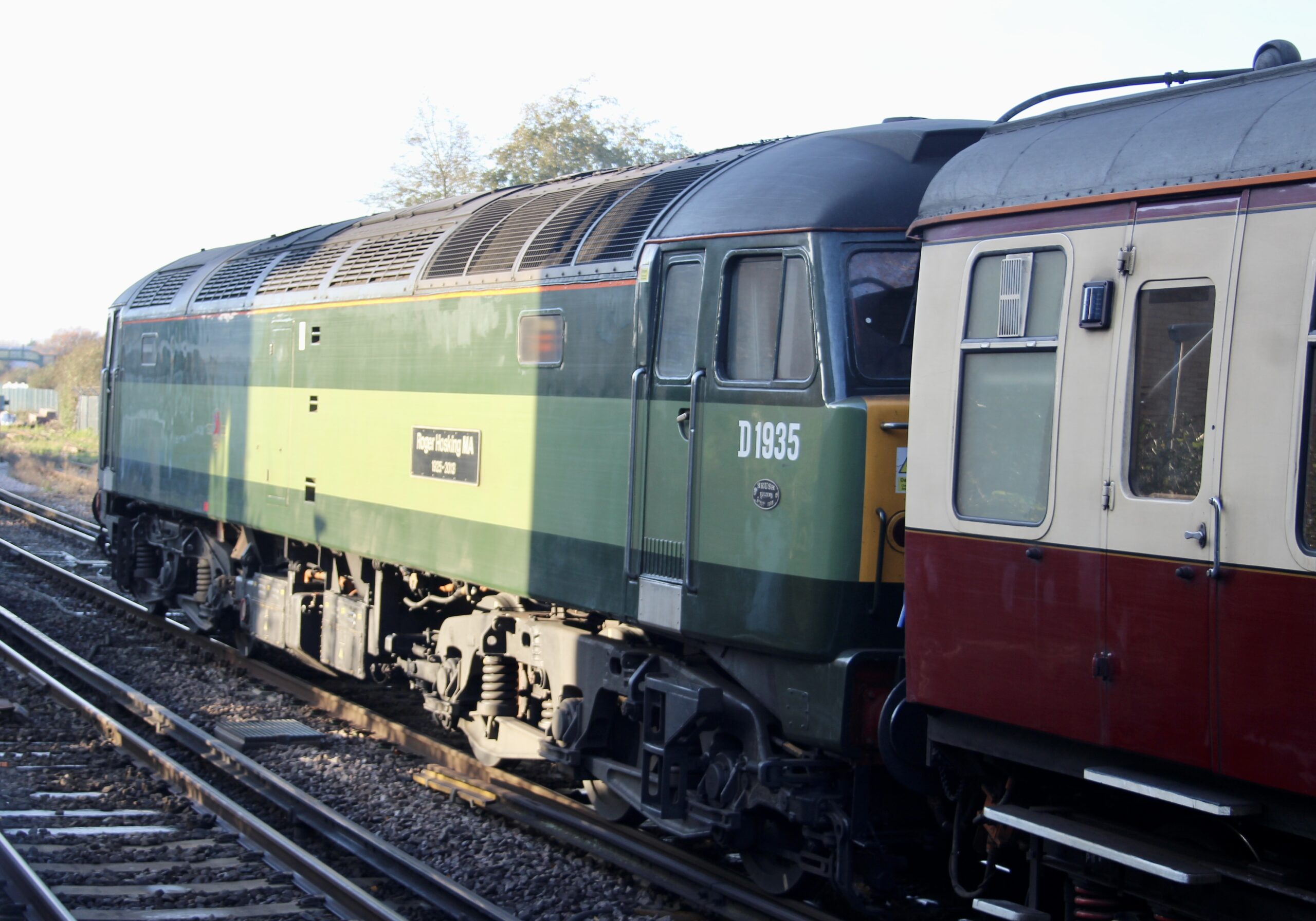
LMS Stanier Class Five 4-6-0 No. 45231 ‘Sherwood Forester’ sits at Chichester having brought in Steam Dreams “Chichester for Carols” rail tour 1Z45 0649 Shoeburyness to Chichester – 09/12/2022Class 47 No. D1935 (47805) ‘Roger Hosking MA 1925-2013’ at the rear of Steam Dreams “Chichester for Carols” rail tour 1Z45 0649 Shoeburyness to Chichester – 09/12/2022
1Z45 0649 Shoeburyness to Chichester – 09/12/2022
Duchess
Saturday saw us heading towards London in order to capture LMS Coronation Pacific No. 6233 ‘Duchess of Sutherland’ which was heading the Railway Touring Company “The Bath & Bristol Christmas Market” excursion. Having elected to see the tour at Worting Junction we were greeted by bright sunshine on a beautiful frosty day. Yoshi didn’t much care for the approaching steam locomotive and made his concerns known.
Worting Junction and LMS Coronation Pacific No. 6233 ‘Duchess of Sutherland’ – 10/12/2022
Following our view of the Duchess we headed towards London in the hope of seeing a second steam excursion originating from London Victoria, but in the event the promised steam locomotive had been replaced by a Class 67 diesel (again). Our view of the Belmond Pullman train was obscured by the parallel running of a Southern service into the London terminus. You win some, you lose some!
London Victoria – 10/12/2022
Bristol Temple Meads
Sunday and we were in Bristol in the hope of capturing the Lilly’s Pet Food Christmas liveried IET No. 802106 which had been allocated to work the 1300 Bristol Temple Meads to London Paddington service. We were disappointed when this colourful unit did not materialise. However, we had a lovely few hours meeting new friends, downing festive coffee and getting photos of trains in wintery conditions.
5 car CrossCountry Voyager No. 221135 arrives at a snowy Bristol Temple Meads working 1S45 0927 Plymouth to Dundee – 11/12/2022
Great Western Railway (GWR) has confirmed that it intends to withdraw its fleet of Castle Class HST sets with the December 2023 timetable change with IET’s taking over their duties.
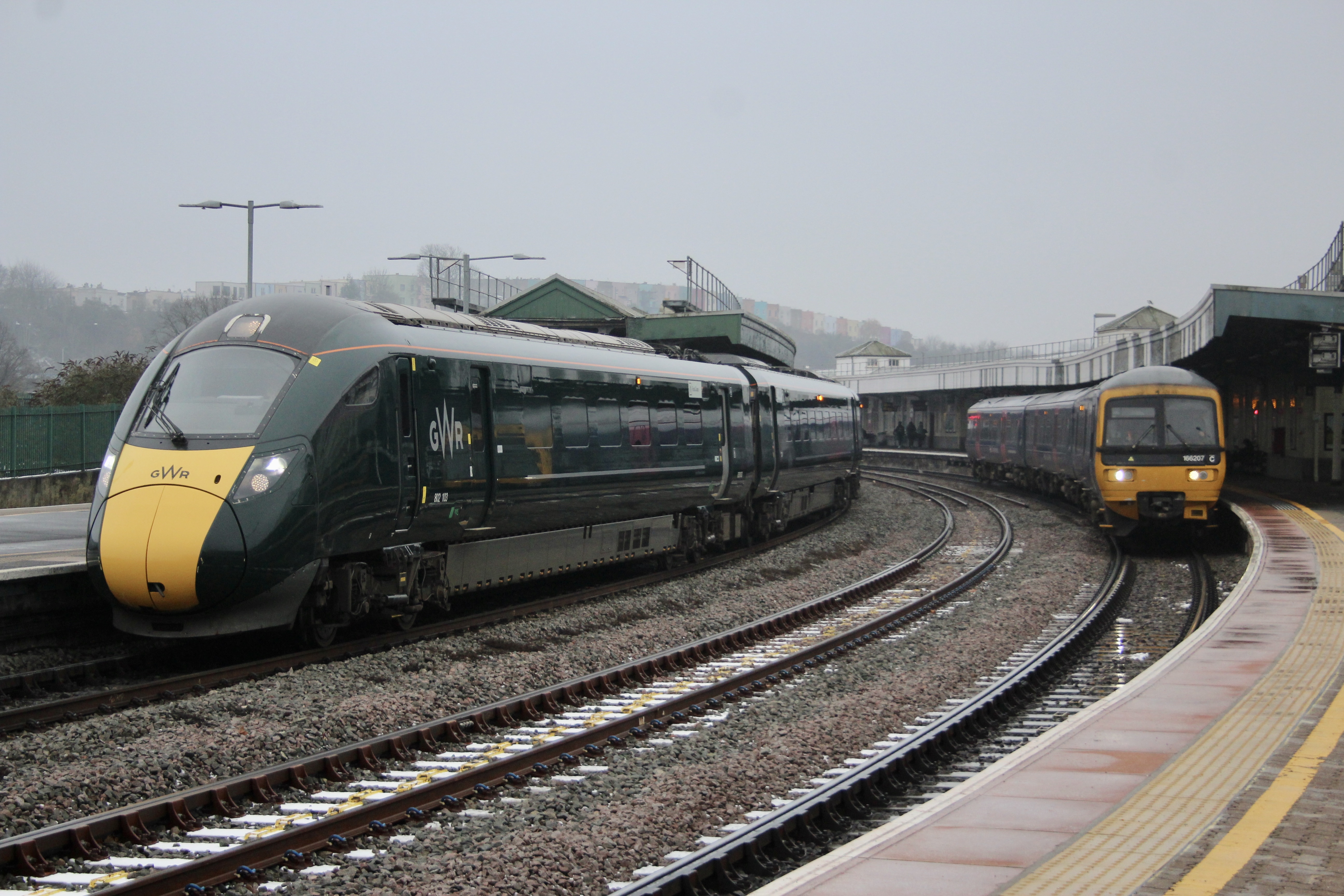
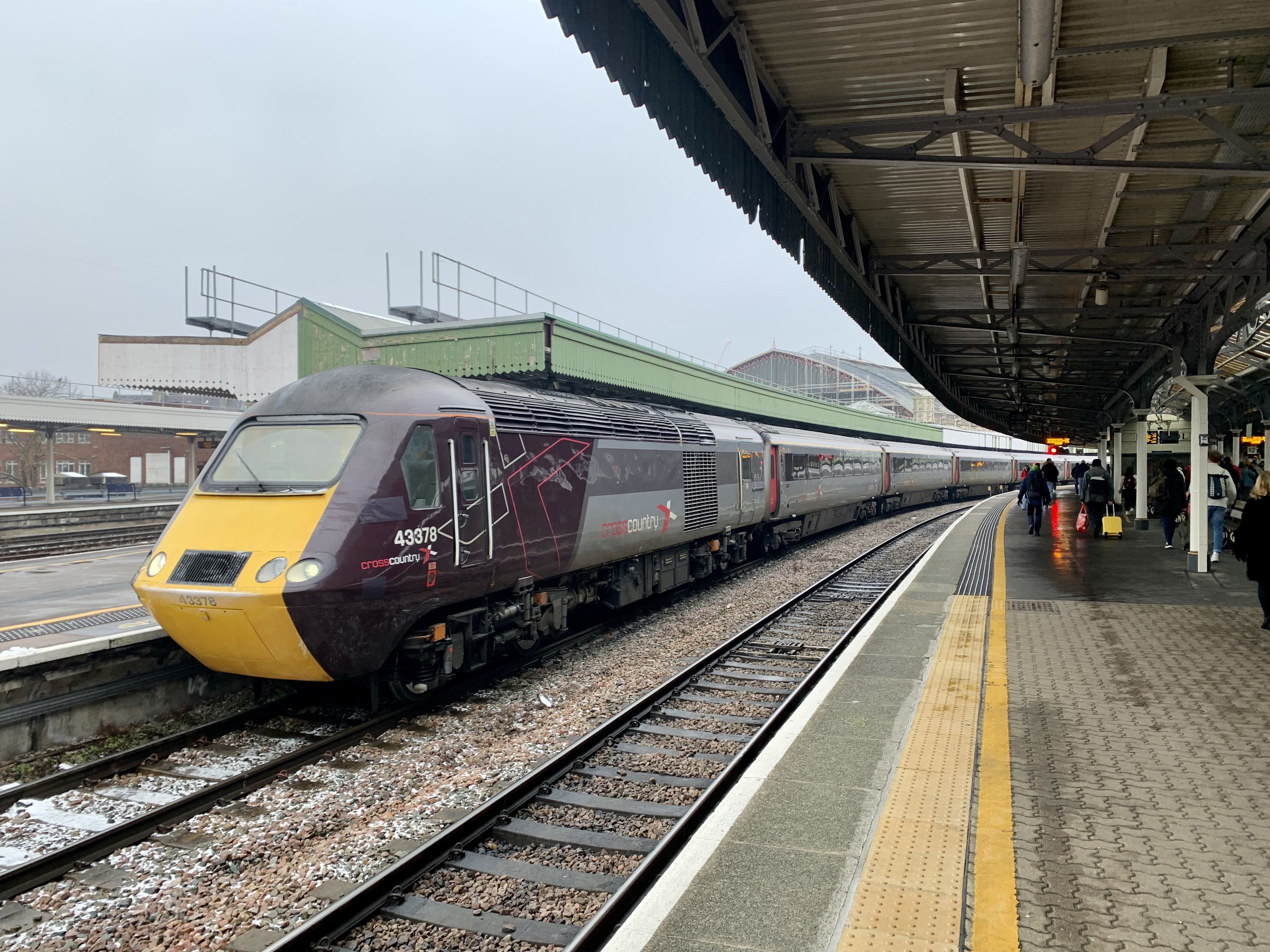
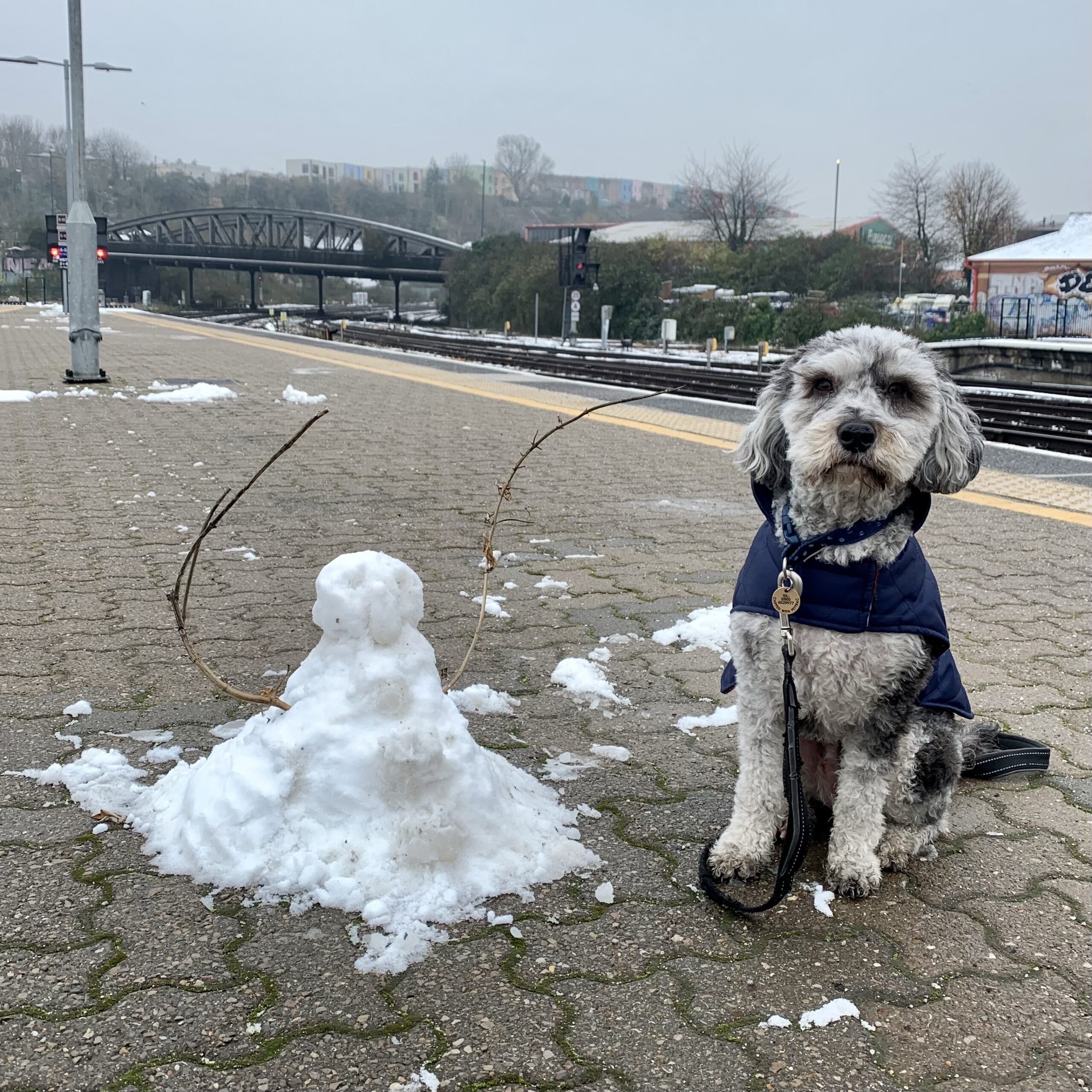
GWR Castle HST Class 43 Power Car No. 43155 ‘Rougemont Castle’ at Bristol Temple Meads forming 2E42 1338 service to Worcester Foregate Street – 11/12/2022What should have been the special Lilly’s Christmas liveried IETNo. 802106 was disappointingly plain old No. 802103 instead working 1A18 1300 Bristol Temple Meads to London Paddington – 11/12/2022CrossCountry Class 43 HST Power Car No. 43378 at Bristol Temple Meads working 1V48 0811 Leeds to Plymouth – 11/12/2022Yoshi with a snowman he made at Bristol Temple Meads – 11/12/2022
For The Record
The seasonal locomotive hauled Snow & Ice Treatment Trains (SITT) began running on 11th December 2022, with the first instance of the consist traversing the Bournemouth to Weymouth line in the early hours of 12th December. GBRf Class 66 locomotives No.’s 66745 and 66704 have been stationed at Totton Yard alongside the usual Multi Purpose Vehicles (MPV). Although running @25 minutes late, I remained tucked up in my warm bed and didn’t venture out in freezing temperatures to record the SITT pass. The Network Rail SITT scrapes any build up of ice from the Third Rail (the conductor rail from which electric traction pick up their power) using metal brushes and spraying anti-icing fluid to prevent further ice from forming. Without this process occurring, depending on the volume of ice, electric trains can struggle to pick up power and in really exceptional instances will be unable to move, which is what appears to have happened on Sunday 11th December when icy conditions between Weymouth and Brockenhurst meant all services were stopped. Engineering works taking place east of Brockenhurst prevented the SITT from running to Weymouth to rectify the situation. Limited services were later resumed, although South Western Railway (SWR) requested only essential journeys should be made. During the suspension of train services, passengers could source taxis between Brockenhurst and Weymouth and claim the cost back from SWR providing evidence of a train ticket and taxi receipt for the associated journey.
Throwback to December 2019 and GBRf Class 66 No. 66717 ‘Good Old Boy’ at the head of the SITT waiting departure from Weymouth to Totton Yard – 17/12/2019
The start of the new timetable on Sunday December 11th 2022 saw the inclusion of a weekday path along the Hamworthy Branch originating from Westbury Tarmac and terminating at Hamworthy BCI. It came as no surprise that the service did not run.
Many thanks for stopping by. This weeks blog is slightly curtailed owing to the fact somewhere along the line I have picked up a cold. Or more likely an extreme case of man-flu! Anyway, you have been saved my witterings on Brighton Railway Station, Class 701’s at Clapham Junction, video from Bristol and more about the Coastway Route.
Postscript
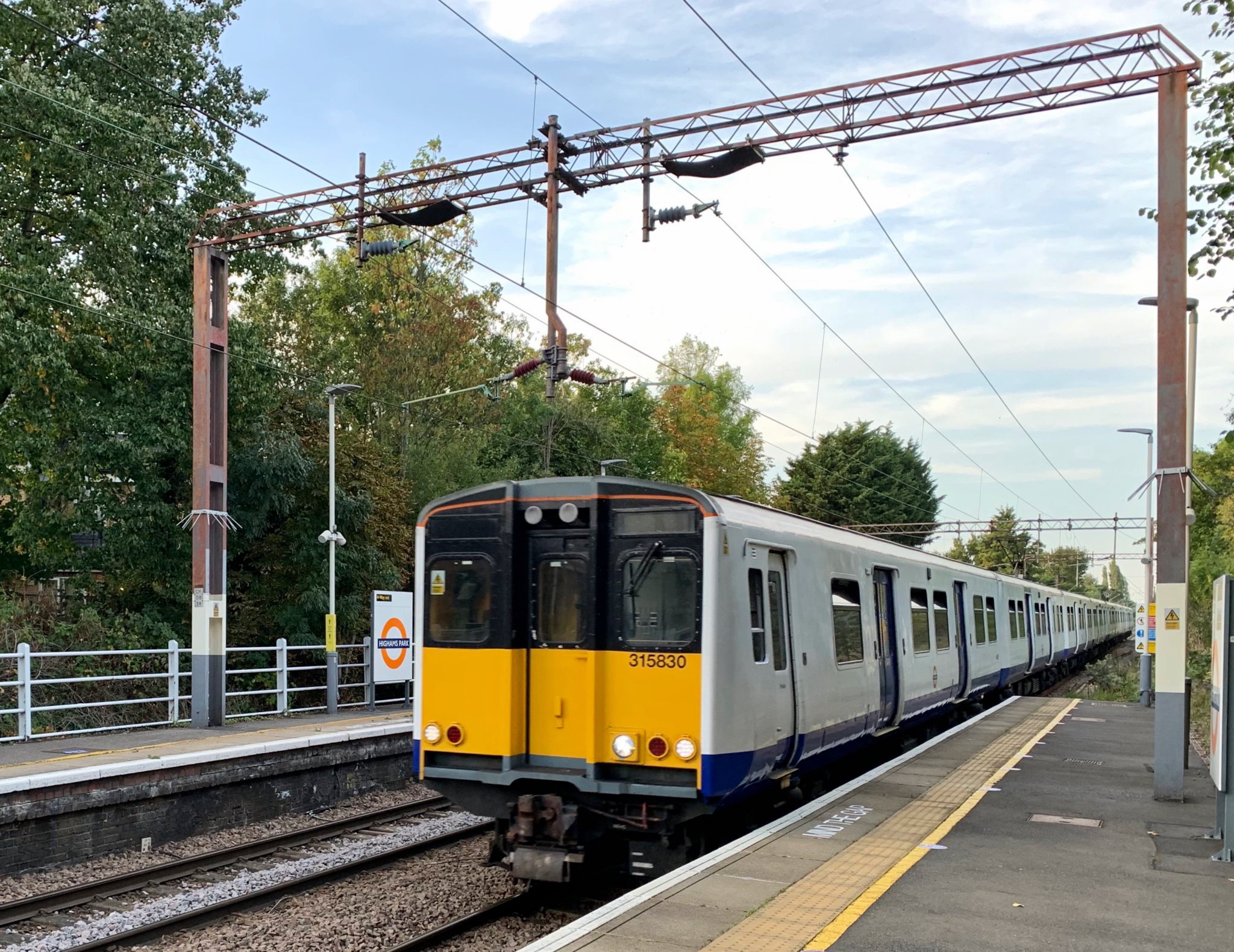
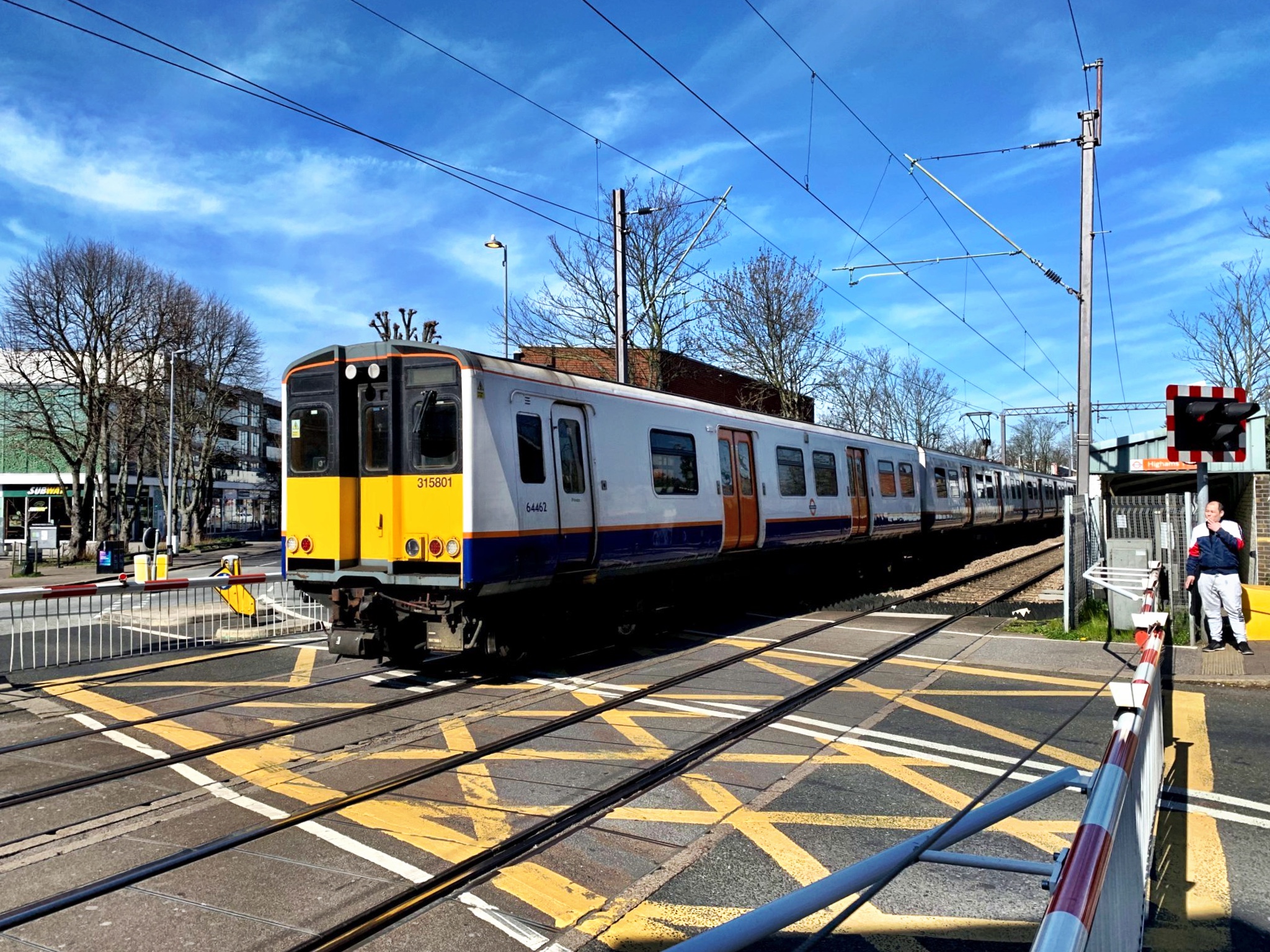
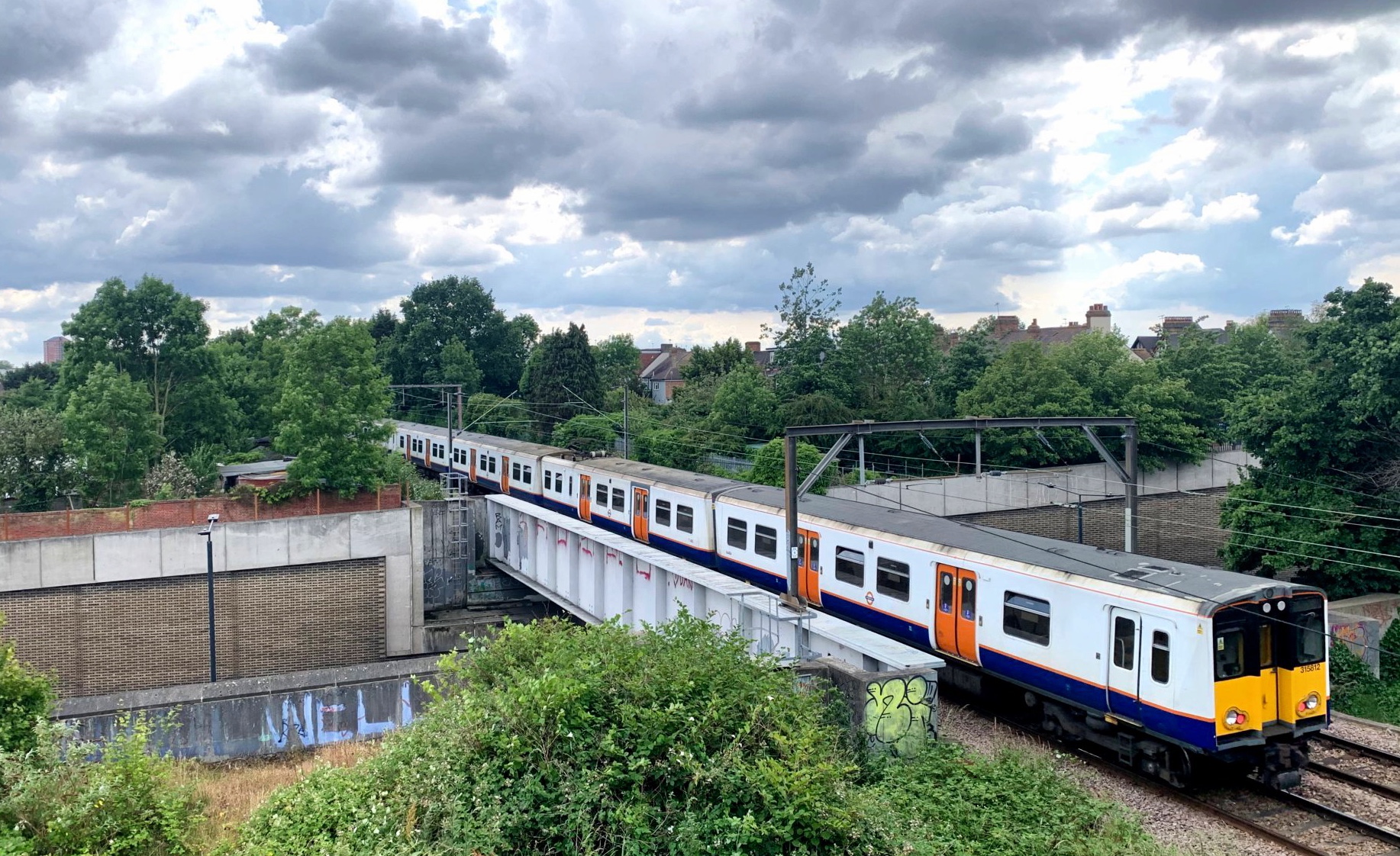
As a codicil to the Class 313 feature above, there was a period when I spent a great deal of time in North London. My local railway services were provided by Class 315 emu’s which were introduced in 1980 and was the last variant of five to have their design based on the PEP prototype units. The Class 315’s were set to end over 40 years of service on 9th December 2022. One unit, No. 315856 which took part in a farewell tour of the class organised by the Class 315 Preservation Society and the Branch Line Society, has been saved for preservation. The Class 315 Preservation Society has acquired the unit from Eversholt Rail Group and is destined for the Dean Forest Railway where it will be restored to original BR condition.
Class 315 No. 315830 arrives at Highams Park with a Chingford to London Liverpool Street service – 18/09/2020Class 315 No. 315801 arrives at Highams Park with a London Liverpool Street to Chingford service – 23/03/2020Class 315 No. 315807 passes the signal box at Highams Park with a London Liverpool Street to Chingford service – 19/04/2020Class 315 No. 315812 crosses the A406 rail bridge with a Chingford to London Liverpool Street service – 11/06/2020