Category: Crewe

  • SWR Living Walls

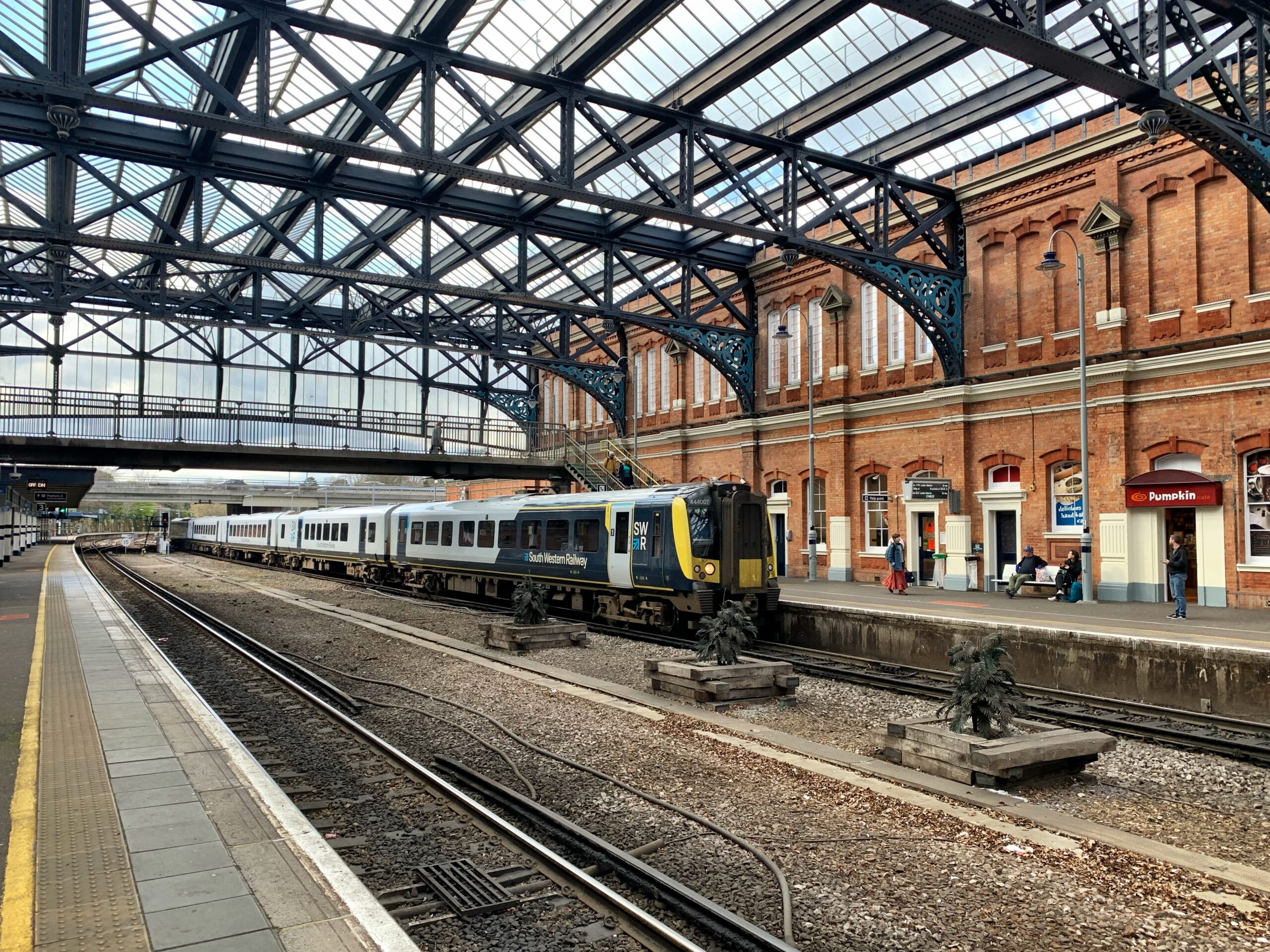
    South Western Railway (SWR) Class 444 No. 444007 arrives into Bournemouth with 5W28 1748 Bournemouth Middle Sidings to Bournemouth empty coaching stock movement – 15/04/2023

    Thursday 13th April was greeted by South Western Railway (SWR) announcing a major fault at @0300 in the cabling that powers the signalling systems at London Waterloo. This knocked out 14 of the platforms. Consequently passengers were advised not to travel on routes into the busiest railway station in Britain with 41.4 million customers travelling through every year. Engineers fixed the problem by 1130, however because of the length of time the lines were blocked SWR was expecting disruption until the end of the day. For some reason, a number of trains between Weymouth and Poole / Bournemouth were cancelled. We asked SWR why and were told it was “due to staff and stock displacement”. There were three Class 444 Electric Multiple Units in Weymouth station so I can only assume SWR have not heard of taxis to get staff to Weymouth. Yet again the Bournemouth to Weymouth line is mostly disregarded when it comes to providing a train service.

    South Western Railway (SWR) Class 444 No. 444007 forms the front section of 1W28 1703 Weymouth to London Waterloo. Class member No. 444017 joined No. 444007 with the section from Weymouth. Class 450 No. 450041 sits in the bay platform with the 2B68 1802 Bournemouth to Winchester service – 15/04/2023

    However, Bournemouth station has been chosen to showcase a new, green addition on the platforms. SWR has introduced new, more energy-efficient vending machines as part of a world-leading, innovative new trial having partnered with Christchurch-based Decorum Vending, who have worked with Regency Design and phs Greenleaf to design the world’s first “living walls” that can be attached to the sides of vending machines.
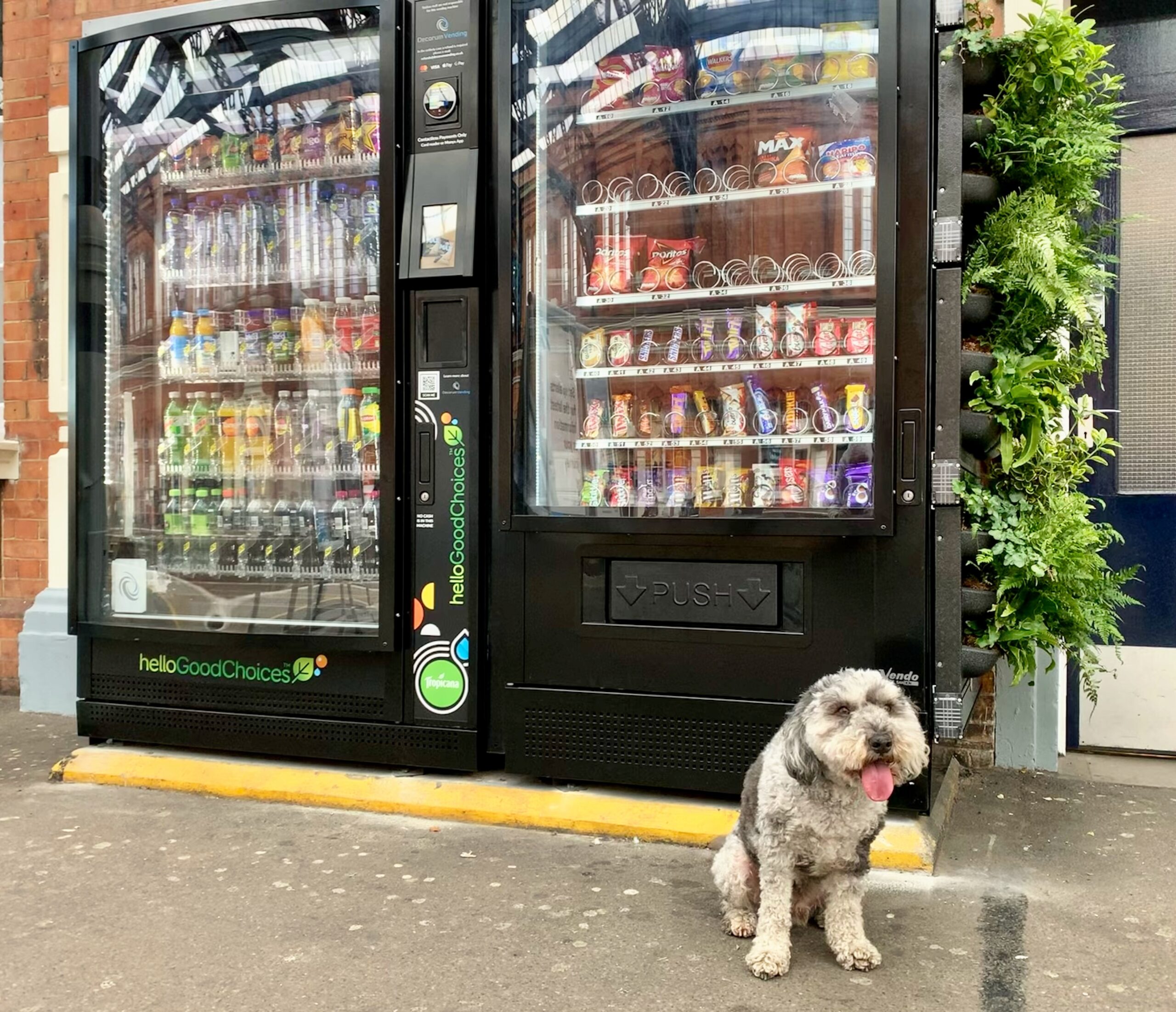
    Yoshi takes a look at the Living Wall vending machine on platform 3 at Bournemouth railway station. He wanted a Milky Way, but we declined his requests – 15/04/2023

    The living walls – which are small, self-sufficient, vertical gardens – have been developed to thrive in all locations, whether sunlight, shady or covered, and if the trial at Bournemouth is successful, they will be making an appearance on machines at other locations on the SWR network. The living walls are attached to an advanced vending machine which uses 54% less electricity than previous versions and has a smaller environmental impact through the use of upgraded refrigerants. Annually, each wall consumes nearly 5kg of carbon and produces 2.4kg of oxygen while combatting air pollution and increasing biodiversity. The walls’ structures are made from recycled coffee grounds and all removed plants are recycled back into biomass. Living walls have been proven to effectively reduce harmful nitrogen oxides while providing a boost to biodiversity, by providing accessible habitats for insects and other wildlife.

    Class 444 No. 444017 departs Bournemouth at the rear of the 1W28 1703 Weymouth to London Waterloo service. A Living Wall vending machine can be seen on platform 2 in the middle of the image – 15/04/2023

    The new vending machines join other innovations in Bournemouth including station benches made from recycled plastic bottles and a plastic-free dispenser for both still and sparkling water.

    Class 66 No. 66587 ‘As One, We Can’ with Class 47 No. 47830 ‘Beeching’s Legacy’ tucked inside at Crewe Basford Hall. The Class 47 will be a guest at the Swanage Diesel Gala in May – 01/04/2023

    We posted photos of our recent visit to the Crewe Heritage Centre last week. We were in Crewe to take part in an Inter City Railway Society organised visit to Crewe Basford Hall Yard, a railway marshalling yard which since the 1970’s has been the stabling and swapping of intermodal trains operated by the Freightliner Group. The yard is situated just under a mile south of Crew railway station and was originally opened in 1901 by the London & North Western Railway (LNWR). During the 1930’s, Basford Hall was the busiest marshalling yard in Europe, handing between 28,000 and 47,000 wagons every week.

    We arrived in good time at the 1145 meeting point situated at the entrance to Basford Hall. Parking was limited, and we were very grateful that another car shunted forward to allow enough space to squeeze in a Nissan Note. After signing in and handing over our fee, we joined an expectant number of other enthusiasts to await the safety briefing prior to admission into the yard. It was stressed that visitors should be in good health as on a previous visit a member of an enthusiast group had been taking ill through the exertion of walking over uneven surfaces and railway track.

    Freightliner Class 66 No. 66561 runs light engine through Crewe Basford Hall – 01/04/2023
    DB Cargo Class 66 No. 66078 at Crewe Basford Hall – 01/04/2023

    The yard, still one of the busiest in the UK for freight traffic, is a nationally important node on the West Coast Main Line (WCML), with most freight trains routed through the yard in order to avoid congesting the nearby Crewe railway station, which is also an important junction on the WCML for passengers.

    Prior to the privatisation of British Rail (BR), Freightliner trains would run from various locations in the north which were then re-organised at Basford Hall to make whole trains for other locations. In 1992, the destination roster was changed so that all services stopped at Crewe to allow swapping of containers. This meant that any destination or point of origin was possible with only one change. Whilst this process has lessened in the 21st century, Basford Hall is still an important location for the stabling and rearranging of trains for Freightliner’s intermodal network.

    Freightliner also stable non-intermodal freight trains at Basford Hall, and they have a maintenance location on site for wagons and locomotives, with heavier repairs and maintenance is still undertaken at Leeds Midland Road. A fuelling point was opened at Basford Hall in 1998, when the yard experienced an upsurge in traffic, with further remodelling of the down yard taking place in 2000. The traction maintenance depot (TMD) was opened on site in 2016, with the TOPS code of BA.
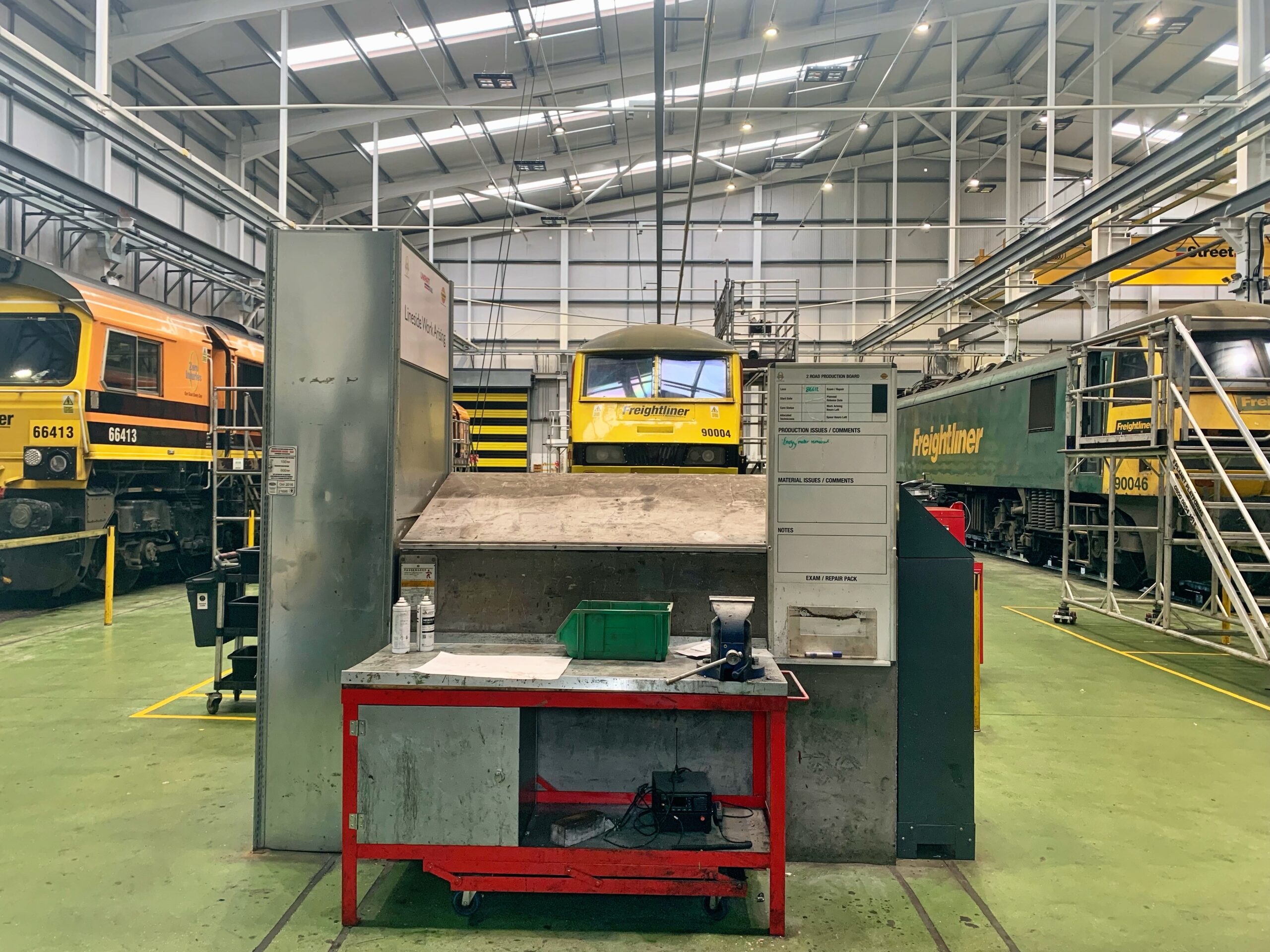
    From left to right: Class 66 No. 66413 ‘Lest We Forget’, Class 90 No. 90004 and Class 90 No. 90046 inside Crewe Vehicle Maintenance Facility (taken from a window looking into the facility) – 01/04/2023

    Crewe Vehicle Maintenance Facility is comprised of a two-road diesel Loco fuel point and a five-road maintenance shed. The facility operates 24/7 providing maintenance services for both electric and diesel locomotives across six types, Classes 08, 47, 66, 70 86 and 90. Home to Freightliner’s electric fleet, the Crewe VMF team carry out all planned maintenance activities on these locos including wheelset changes, bogie overhauls and transformer changes. In addition the team carry out servicing, maintenance and repair activities on the diesel fleet from the fuel point and also up to C exams on the Class 66’s in the maintenance shed. The team is currently expanding into class 66 engine work as part of their 2020 maintenance development plan.
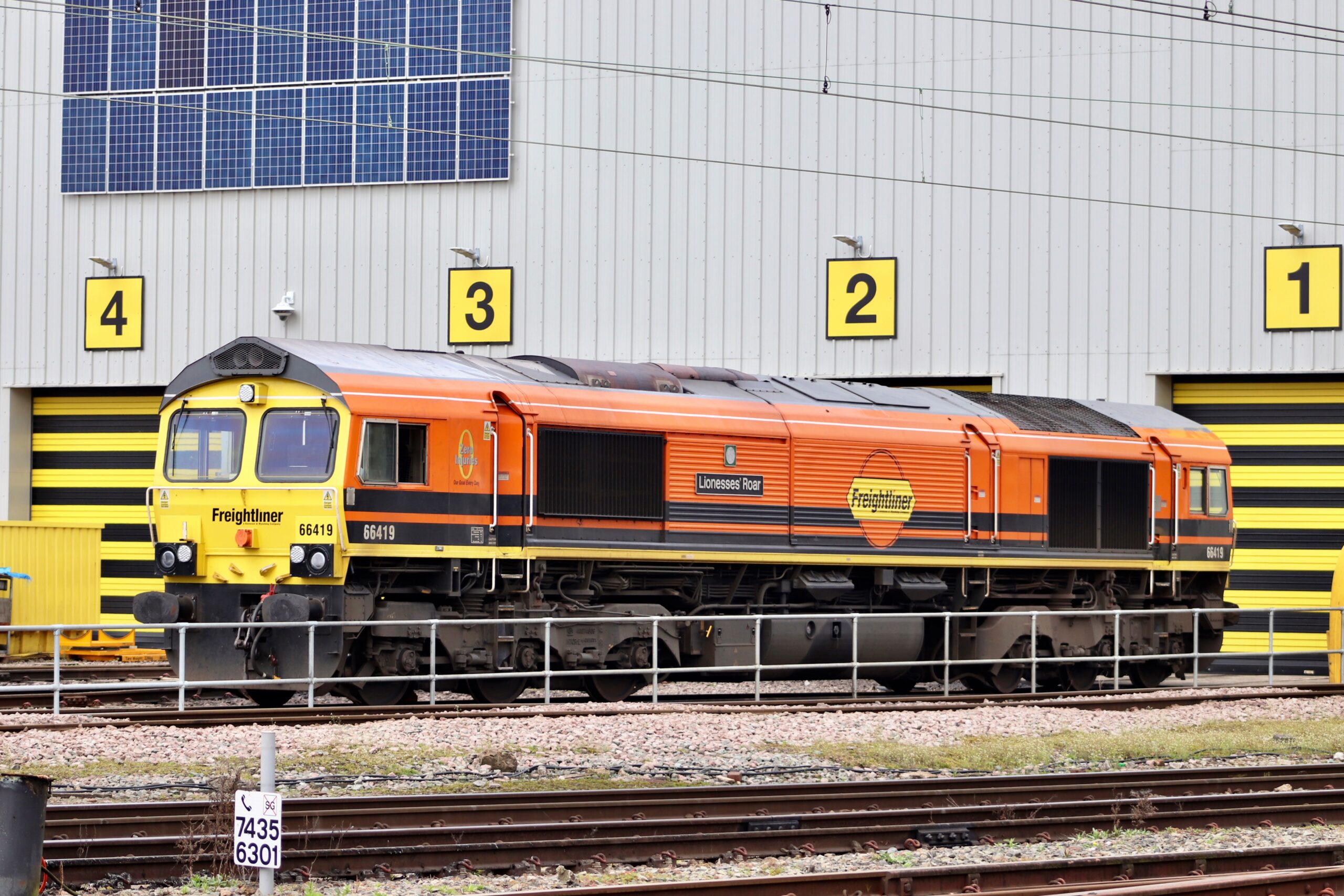
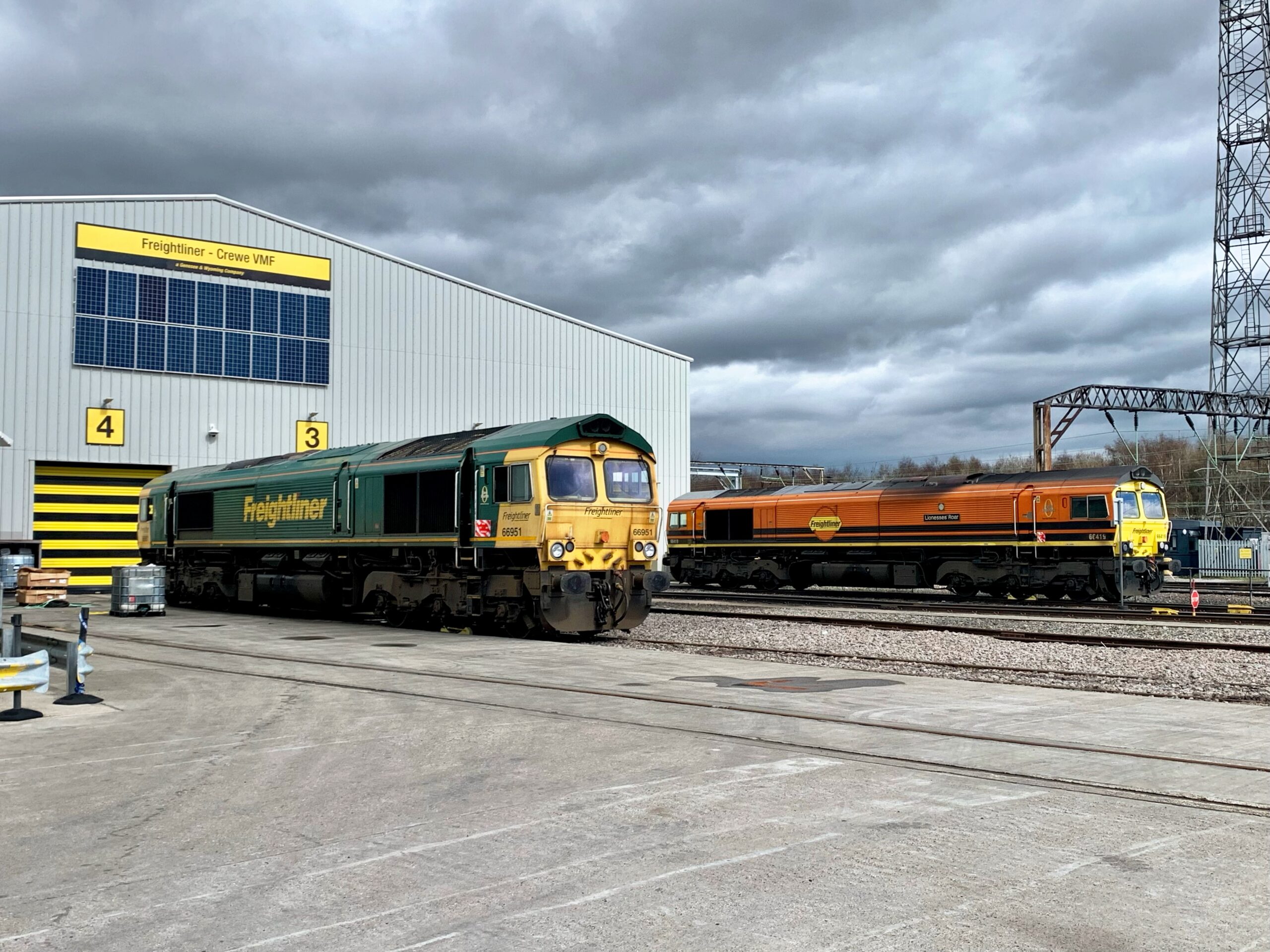
    Class 66 No. 66419 ‘Lionesses’ Roar’ stands in number 1 road at Basford Hall Crewe Vehicle Maintenance Facility – 01/04/2023
    Class 66 No’s. 66951 and 66419 ‘Lionesses’ Roar’ outside Crewe Vehicle Maintenance Facility – 01/04/2023

    A team of mobile Field Service Engineers, managed from Crewe but strategically located throughout the country undertake planned maintenance and repairs in the field minimising locomotive downtime.
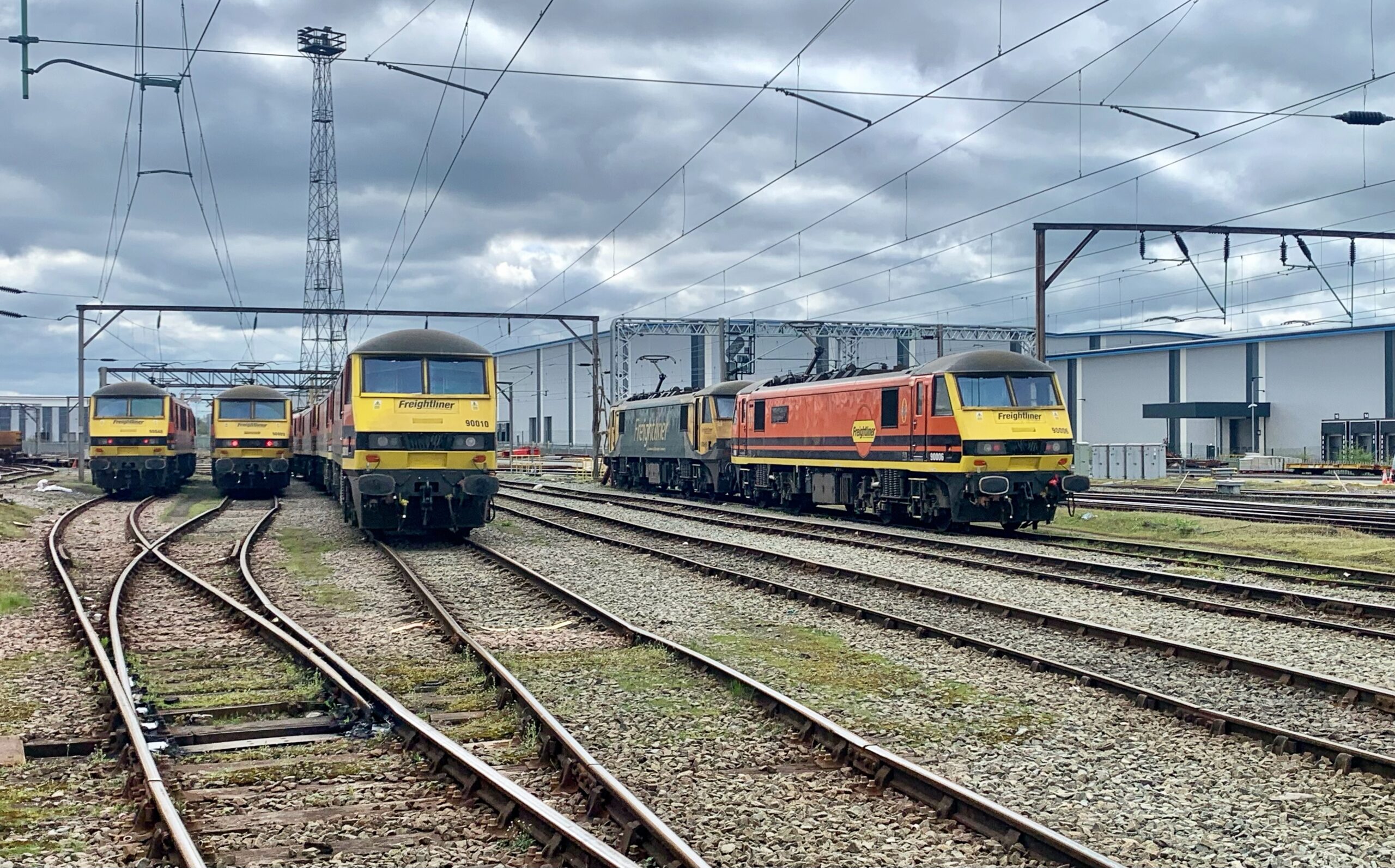
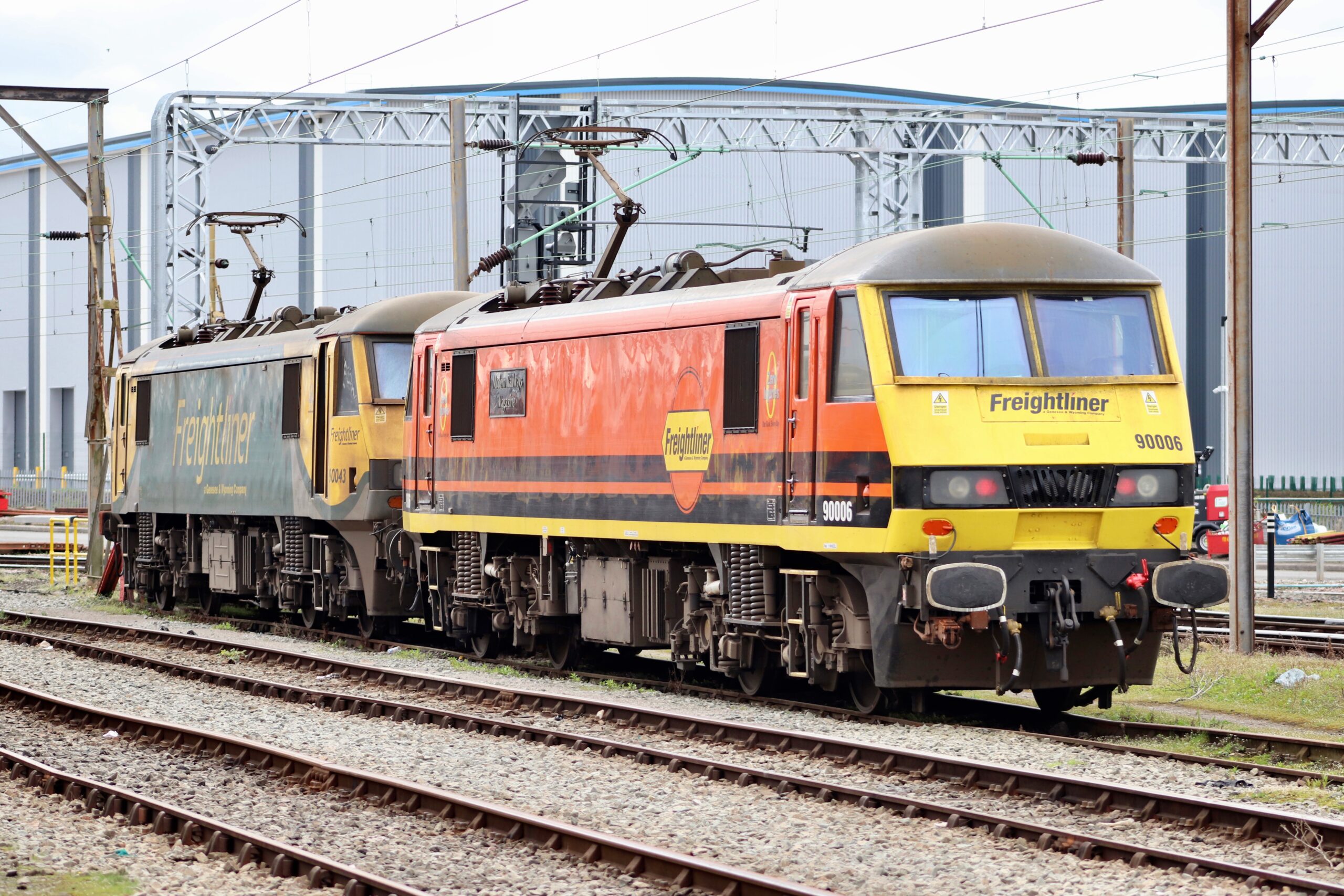
    Class 90’s stabled at Crewe Basford Hall including No’s. 90048 / 90003 / 90007/ 90011 / 90010 / 90006 / 90043 – 01/04/2023
    Another view of Class 90’s at Crewe Basford Hall – 01/04/2023
    Class 90 No. 90006 ‘Modern railways Magazine / Roger Ford’ with Class 90 No. 90043 at Crewe Basford Hall – 01/04/2023
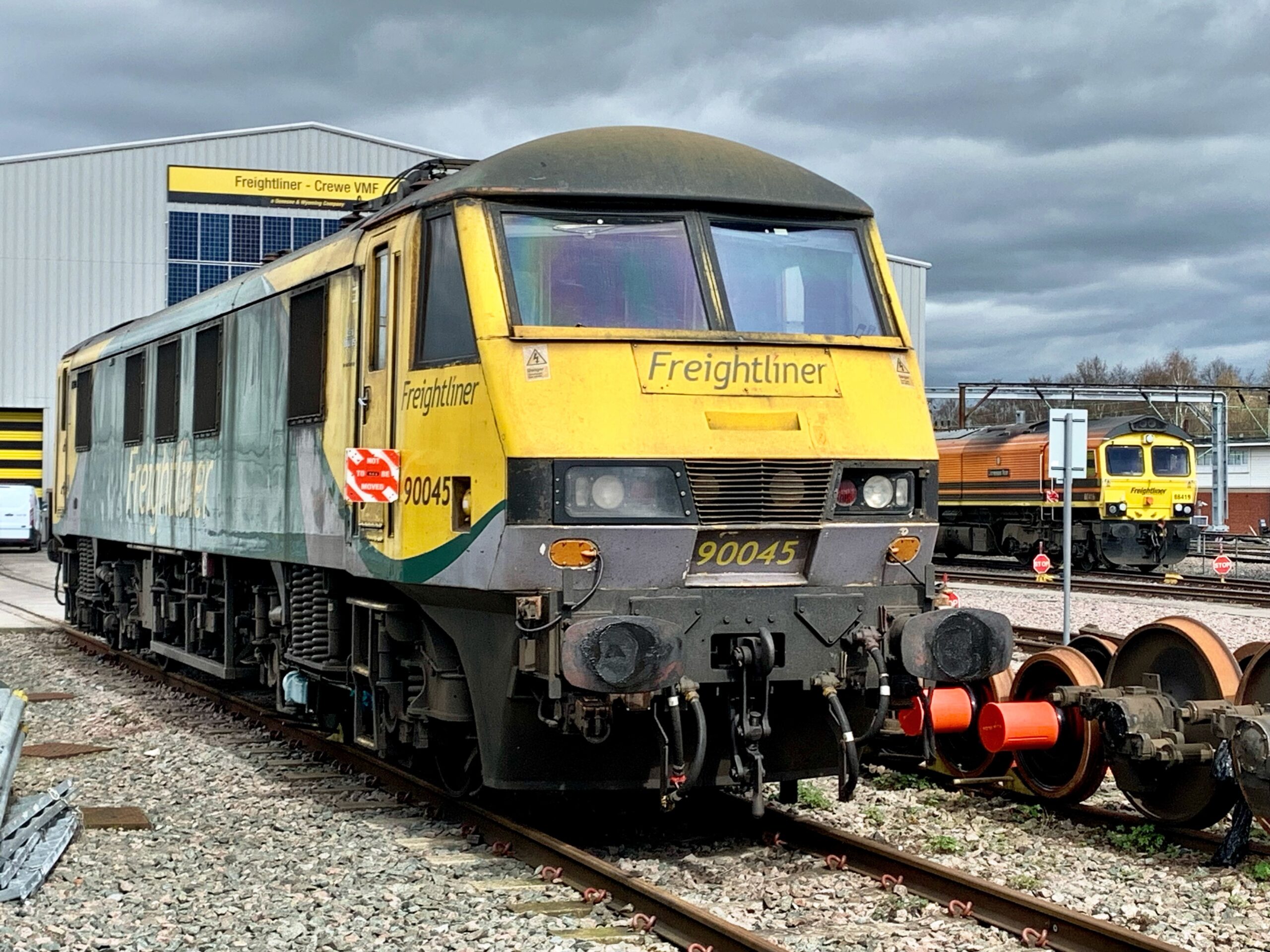
    Class 90 No. 90045 at Crewe Basford Hall – 01/04/2023
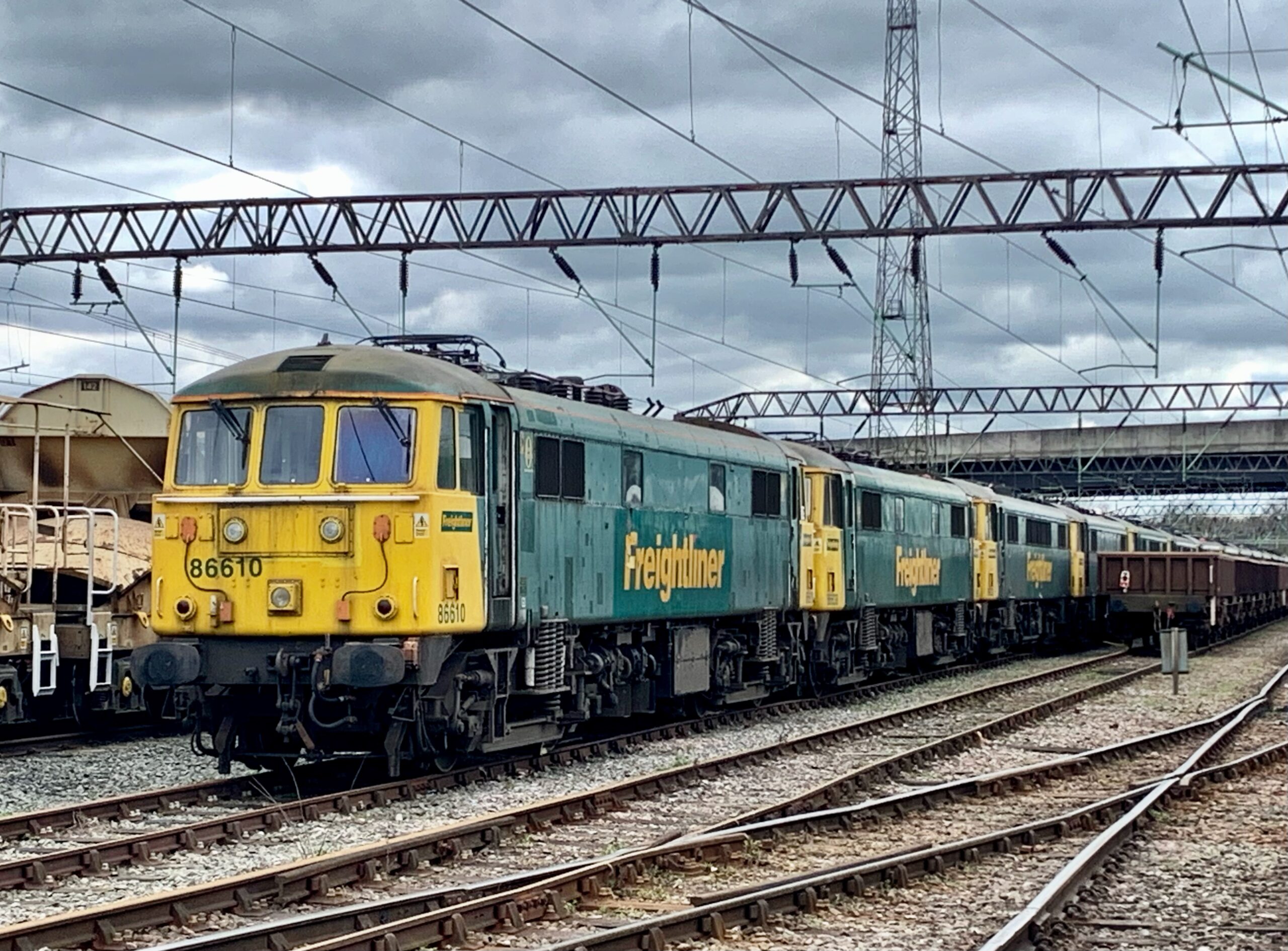
    A long line of stored and disused Class 86 locomotives awaiting their fate at Crewe Basford Hall. Rumour is they are being sold to Bulgaria – 01/04/2023
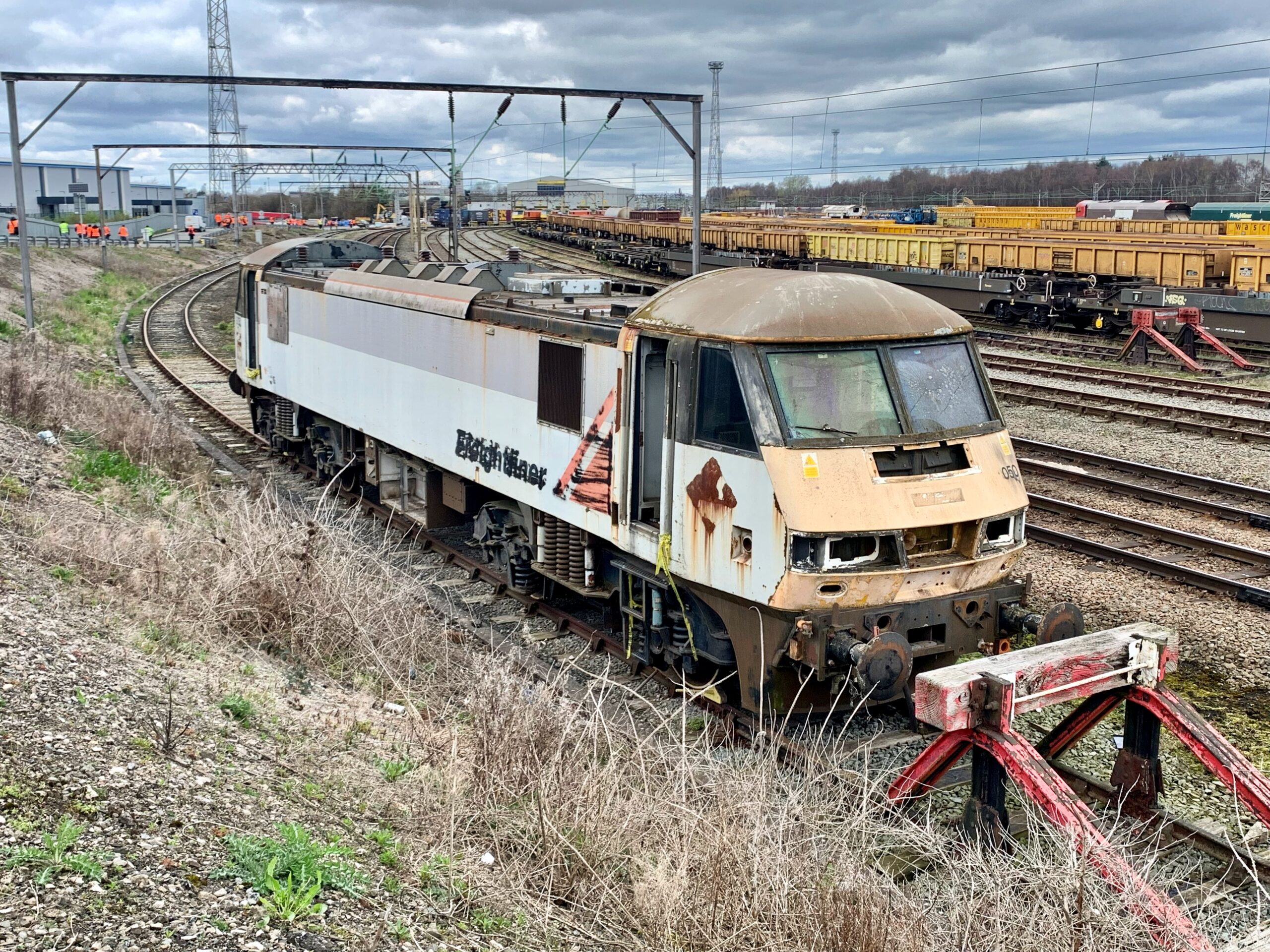
    Class 90 No. 90050 in very poor condition at Crewe Basford Hall Sorting Sidings – 01/04/2023

    Our visit took just over an hour and I found it very enjoyable, although I understand that some in the group were very frustrated as they were unable to wander down every line of wagons in order to collect the numbers.

    Afterwards, we made the short walk over the road to peer through the fence at Direct Rail Services Crewe facility and were able to obtain the following views:

    A modern line up at DRS Crewe Gresty Bridge with Class 68 locomotives No’s. 68027 ‘Splendid’ 68002 ‘Intrepid’ and 68022 ‘Resolution’ – 01/04/2023
    Class 88 No. 88001 ‘Revolution’ and 57305 at DRS Gresty Bridge – 01/04/2023

    At this point we collected the car and drove round to the Crewe Heritage Centre which we chatted about last time.

    Our next port of call was Casey Lane which is situated just south of Crewe Basford Hall yard for an entertaining hour of watching trains go by, the highlight for me being a Class 60 on a sand train.
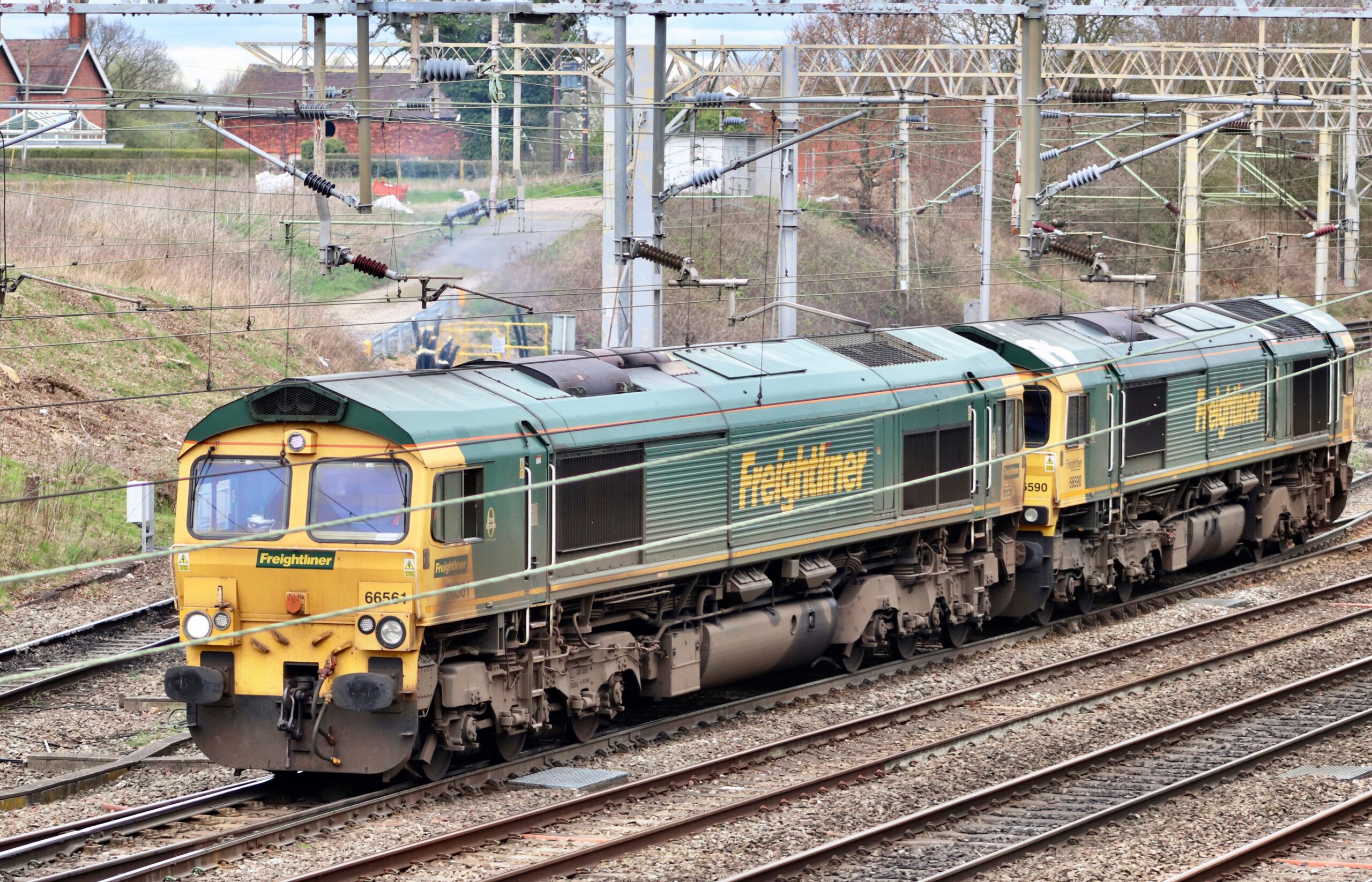
    Freightliner Class 66 No’s. 66561 and 66590 depart Basford Hall with light engine movement 0Y61 1557 Crewe Basford Hall to Bescot Up Engineers Sidings – 01/04/2023
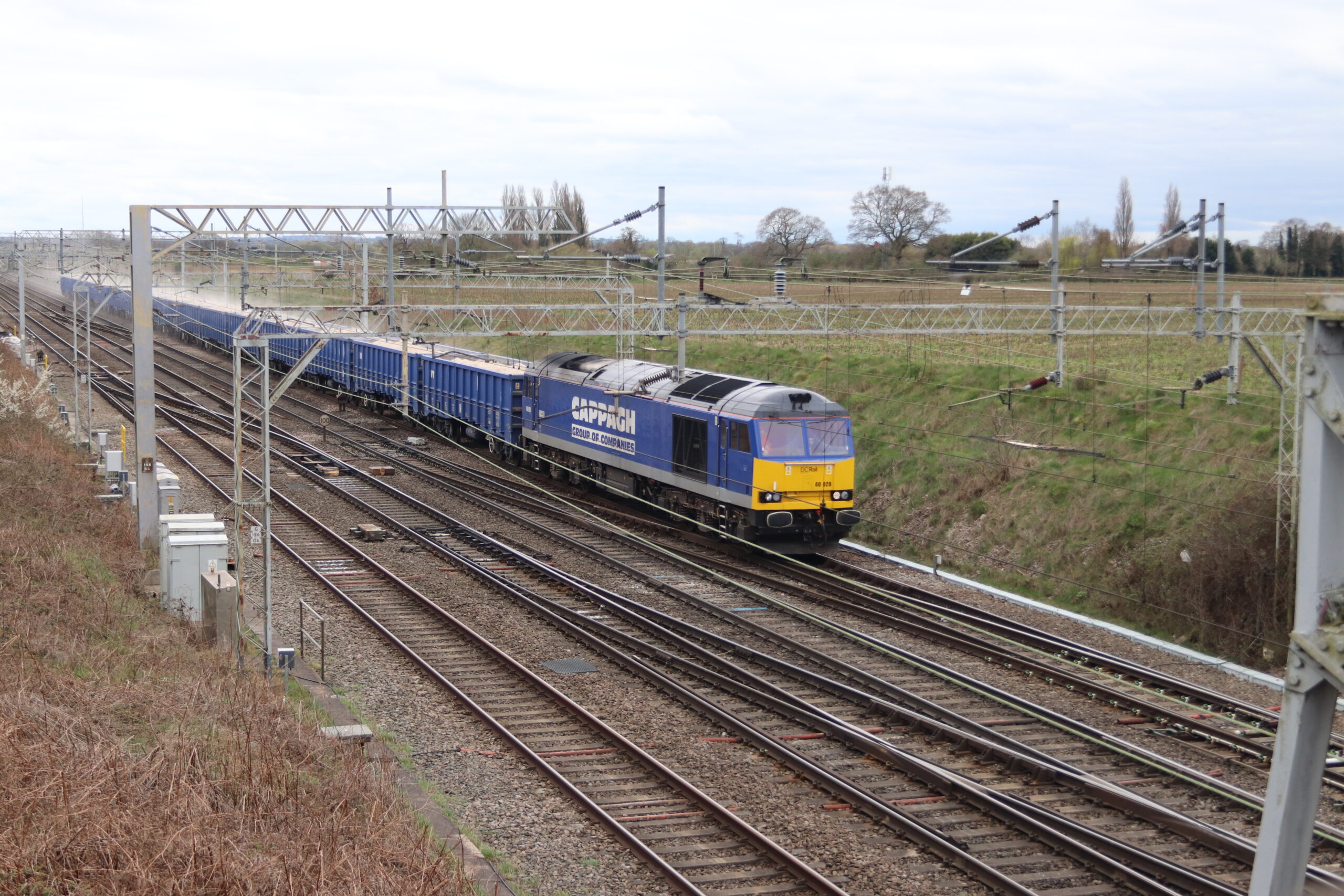
    Cappagh liveried DCR Class 60 No. 60028 heads north past Casey Lane with 6M89 0901 Middleton Towers to Ravenhead Sidings – 01/04/2023
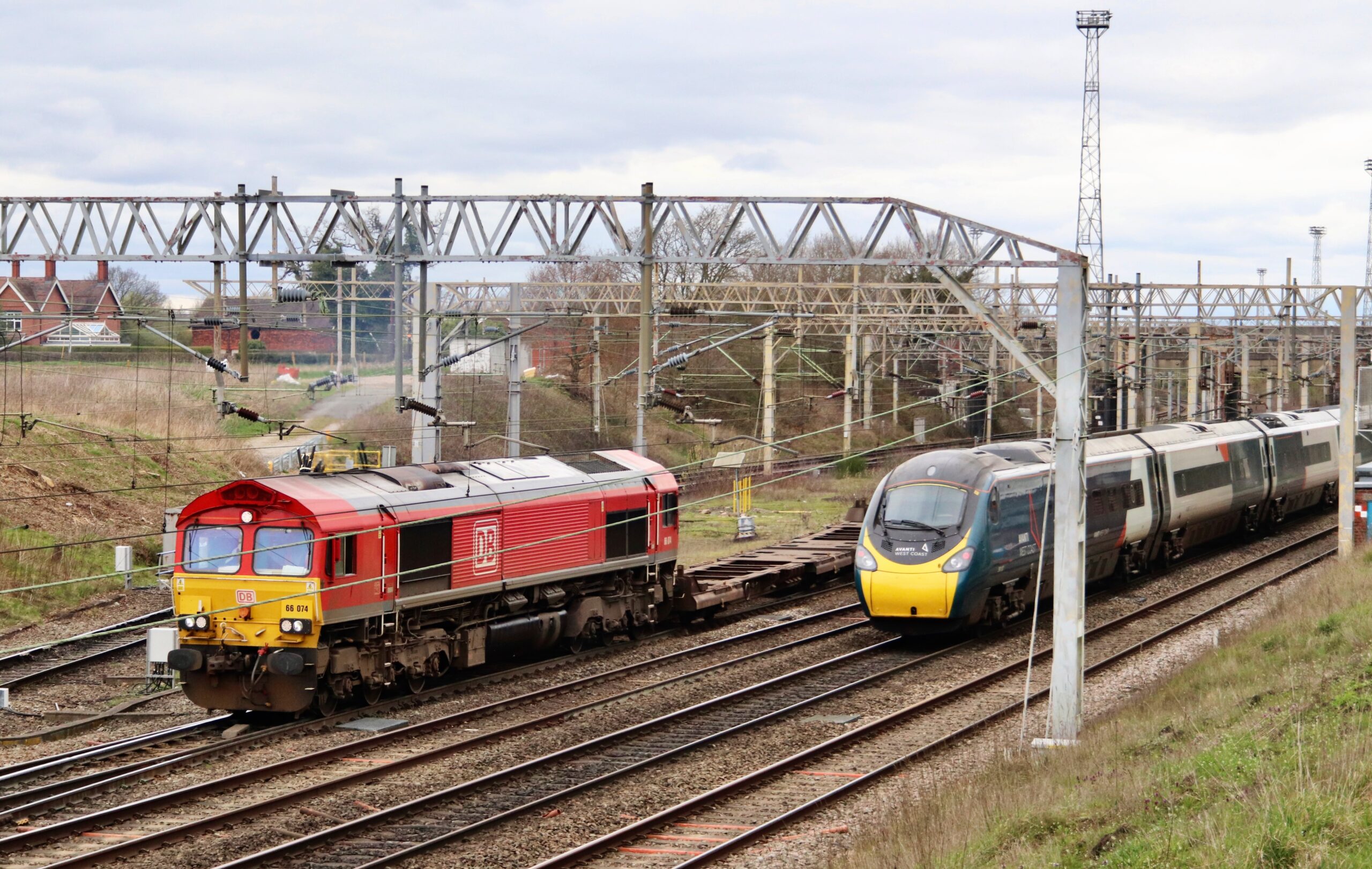
    DB Cargo Class 66 No. 66074 departs Crewe Basford Hall working 4M25 0628 Mossend Down Yard to Daventry International Rail Freight Terminal Reception RFD as a passing Avanti Class 390 Pendolino heads north- 01/04/2023

    Our intention was then to pop into Longport to have a look through the fences at Electromotive (EMD) before heading onto Derby for an overnight stay. And although we did drive down to Longport and captured the following images, we were soon on our way back to Crewe!
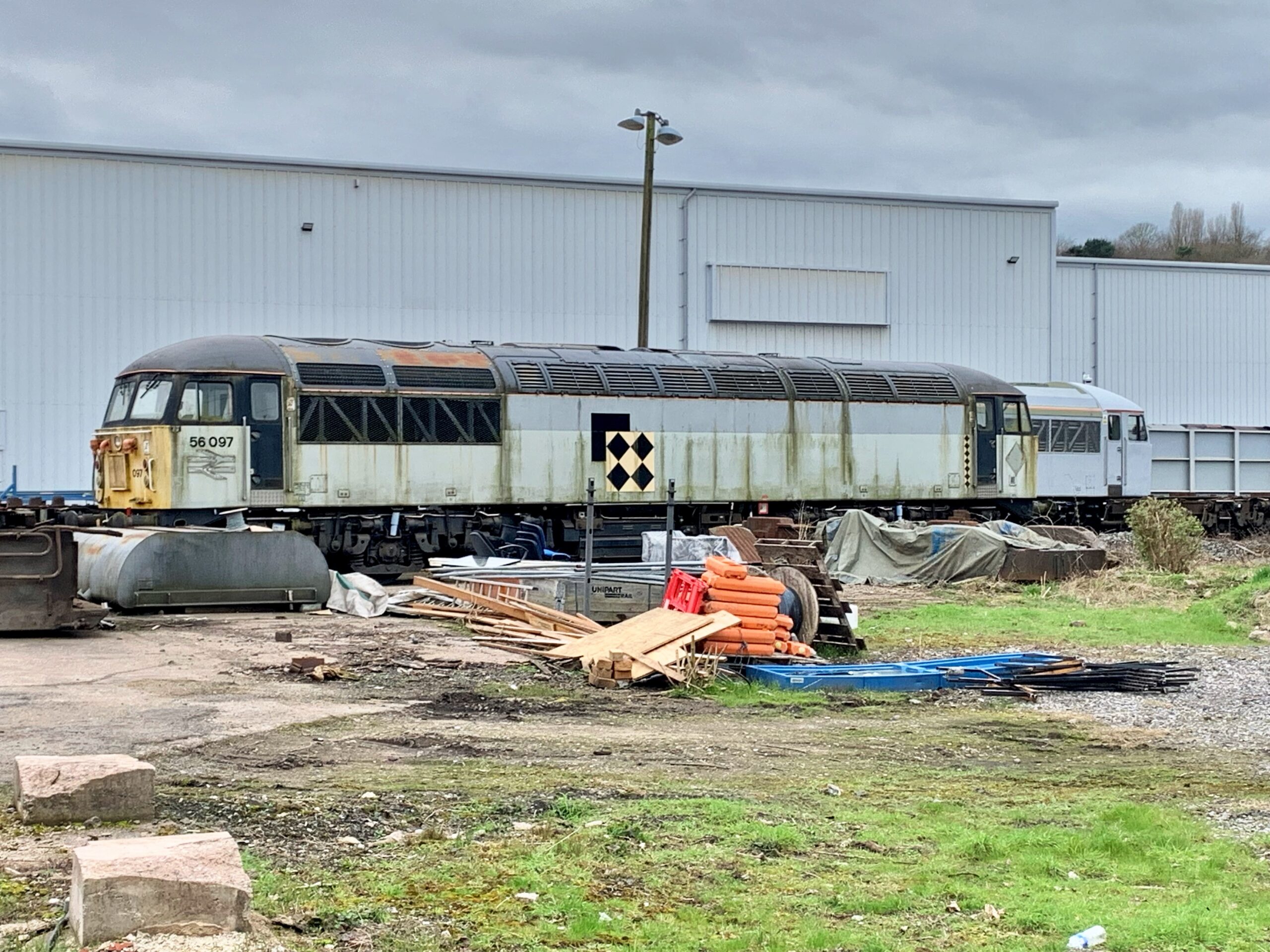
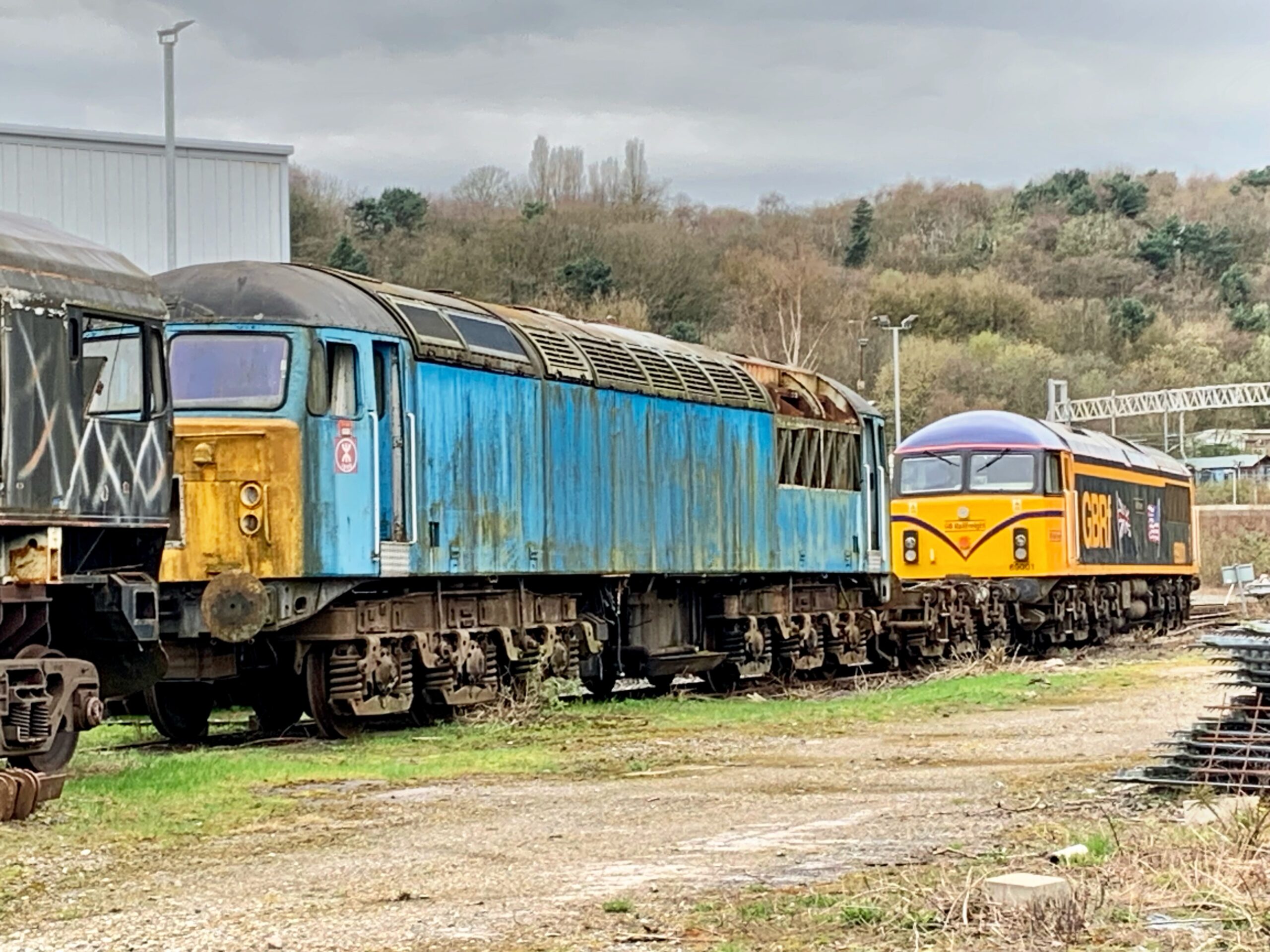
    Class 56 No. 56097 at Longport has been nominated for the Class 69 conversion programme and will become either No. 69015 or 69016 – 01/04/2023
    Class 56 No. 56009, destined to be converted into Class 69 No. 69015 or 69016 in the yard at Longport with Class 69 No. 69001 ‘Mayflower’ behind. No. 69001 was awaiting release back into traffic following the completion of the first of three packages of planned modifications being rolled out for the Class 69’s including a new drivers seat and cab modifications. Part two is connected with air conditioning while part three is for engine tuning to reduce vibrations – 01/04/2023
    69008 (ex-56038) in grey primer at Longport. This conversion is the first to include the additional front connection for stock movements – 01/04/2023

    As we returned to the car at Longport, we heard a rumbling noise coming trough the station which sounded very much like a Class 37, because it was indeed one of the veteran locomotives which soon passed us top and tailing two FNA flask wagons with a Class 57. A quick look at Real Time Trains revealed the working was heading to Crewe Coal Sidings which would require a reversal in Crewe Station. The timings were in our favour so we headed back up the A500 and the barrier staff at the station very kindly allowed us access to the platforms allowing us to see Class 37 No. 37401 ‘Mary Queen Of Scots’ arrive with Class 57 No. 57309 ‘Pride Of Crewe’ bringing up the rear.

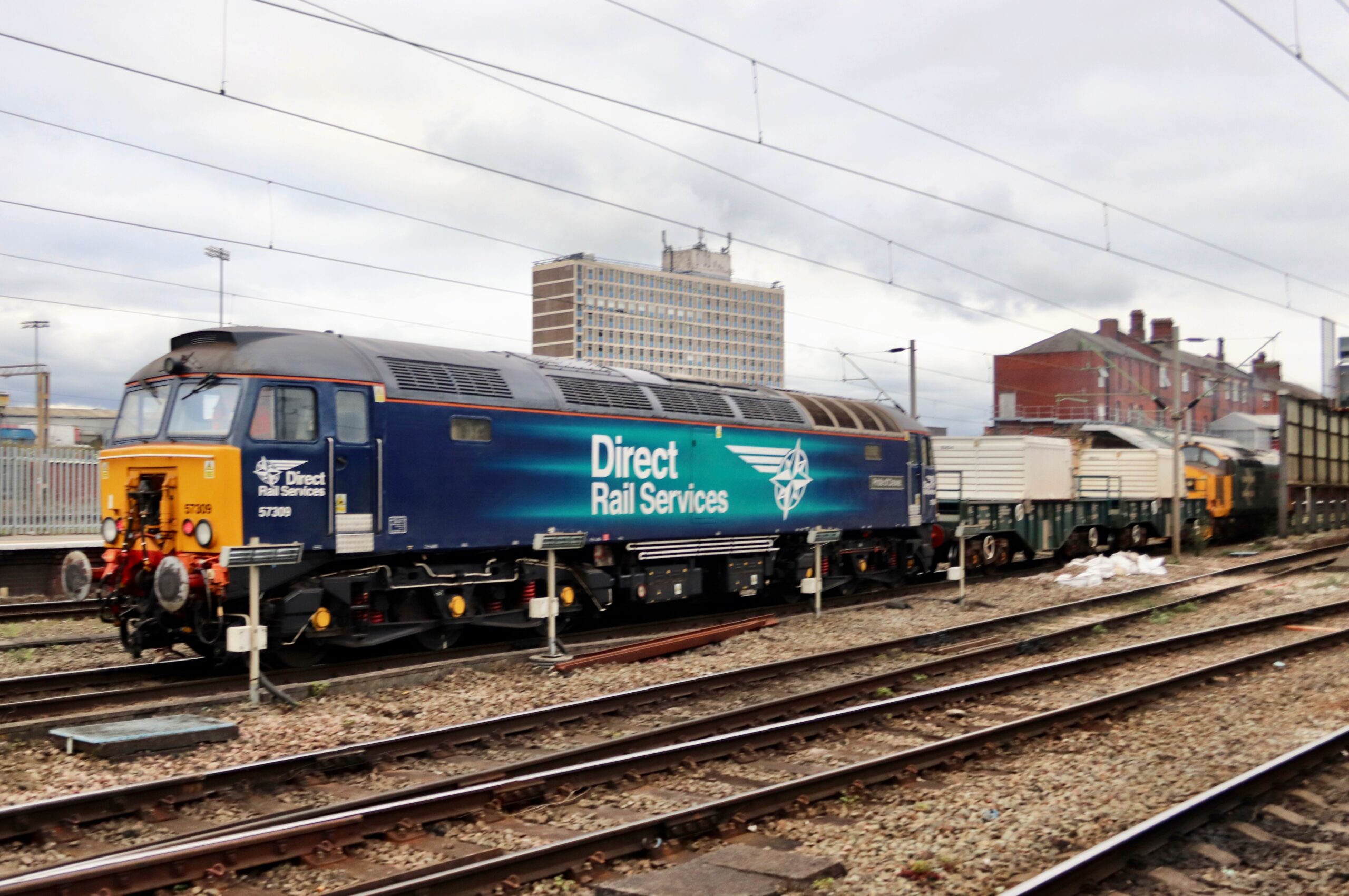
    Class 37 No. 37401 ‘Mary Queen Of Scots’ arrives at Crewe with Class 57 No. 57309 ‘Pride Of Crewe’ at the rear of two FNA flask wagons working 6Z52 1325 Leeds Balm Road Loco Freightliner Heavy Haul to Crewe Coal Sidings DRS – 01/04/2023
    Class 57 No. 57309 ‘Pride Of Crewe’ waits to depart Crewe as the driver changes locomotives, the train having been brought into the station by Class 37 No. 37401 ‘Mary Queen Of Scots’ working 6Z52 1325 Leeds Balm Road Loco Freightliner Heavy Haul to Crewe Coal Sidings DRS – 01/04/2023

    Our afternoon at Casey Lane and Crewe railway station has been distilled into the following video:

    DRS Class 57 No. 57304 ‘Pride Of Cheshire’ stabled at Crewe Station for Thunderbird (rescue) duties – 01/04/2023

    Arrival at Derby was slightly later than planned, but feeling chuffed to have captured the flask working at Crewe. To stretch our legs we had a walk over to the East Midlands Railway depot, which might have been a highlight had it not been so dark! On the way we passed a former roundhouse engine shed building now in use by the university. The evening was rounded off with a visit to The Alexandra Hotel to check out the railway memorabilia agai and a bag of surprisingly good chips!
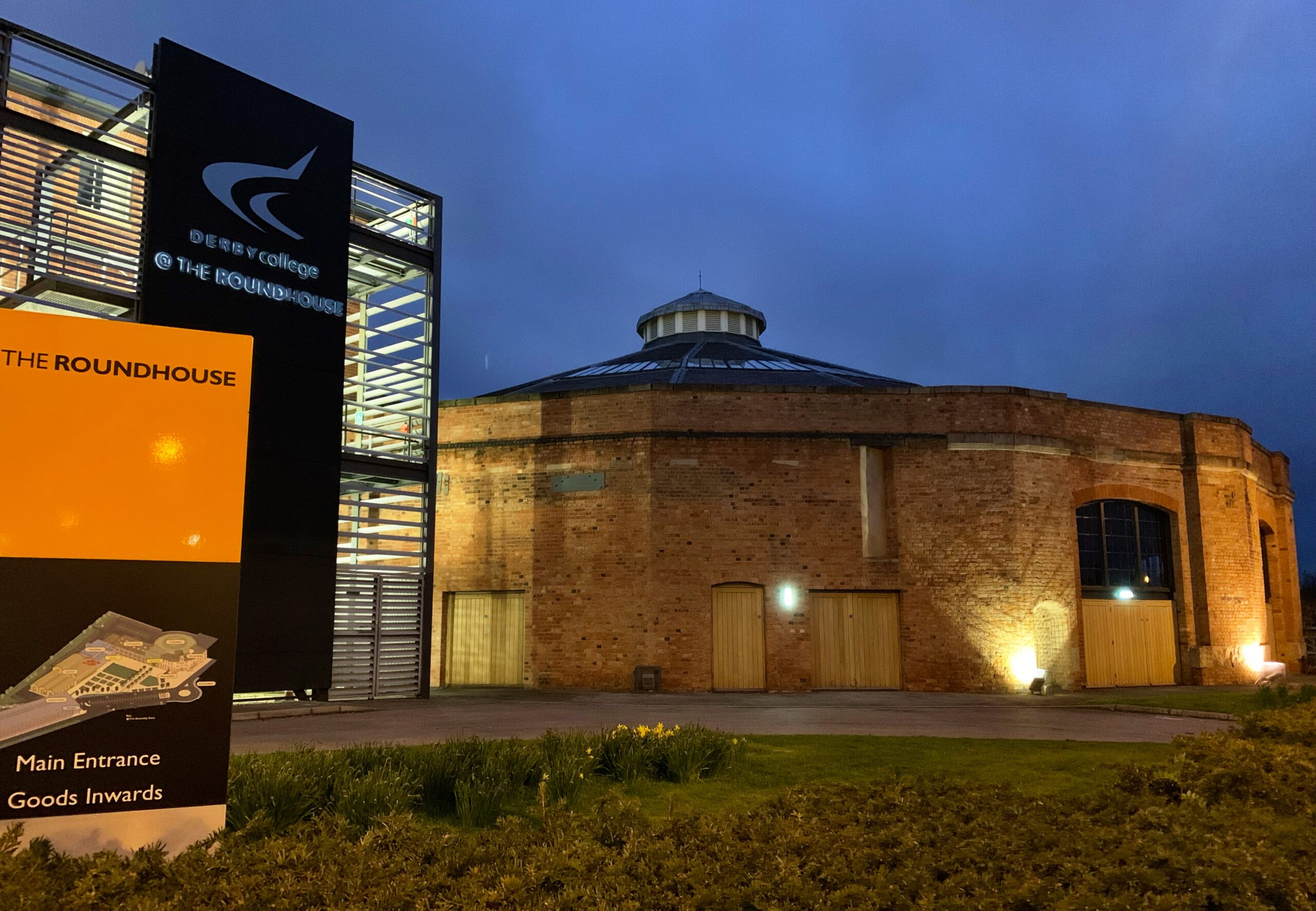
    This is the world’s first railway roundhouse, built by Robert Stephenson in 1839 for the North Midland Railway.
    It was decribed on construction as “A polygon of sixteen sides, and 58m (190 ft) diameter, lighted from a dome-shaped roof, of the height of 15 m (50 ft). It contains sixteen lines of rails, radiating from a single turn-table in the centre: the engines, on their arrival, are taken in there, placed upon the turn-table, and wheeled into any stall that may be vacant. Each of the sixteen stalls will hold two, or perhaps more, engines.”
    Early steam locomotives normally travelled forwards only; although reverse operations capabilities were soon built into locomotive mechanisms, the controls were normally optimized for forward travel, and the locomotives often could not operate as well in reverse. Some passenger cars, such as observation cars, were also designed as late as the 1960s for operations in a particular direction. A turntable therefore allowed a locomotive or other rolling stock to be turned around for the return journey.
    Located next to Derby Railway Station, the buildings were previously part of the East Midlands’ thriving railway business. Attached to and integral with the Roundhouse are two buildings distinct within their own right. Firstly, The Carriage Shop, which as the name suggests, was primarily used for the manufacture and repair of railway carriages. Secondly, there is an office complex which consists of three storeys of accommodation wrapped around the North West quadrant of the Roundhouse. In addition to this complex of three adjoined buildings, there is a fourth building which stands alone to the North. This is known as The Midland Counties Building or Engine Shop.
    Having narrowly escaped demolition after the closure of Derby Railway Works, this Grade II* Listed Building has been sympathetically restored as the main campus of Derby College, catering for more than half of the college’s 25,000 students. Source: https://www.nationaltransporttrust.org.uk/heritage-sites/heritage-detail/derby-roundhouse
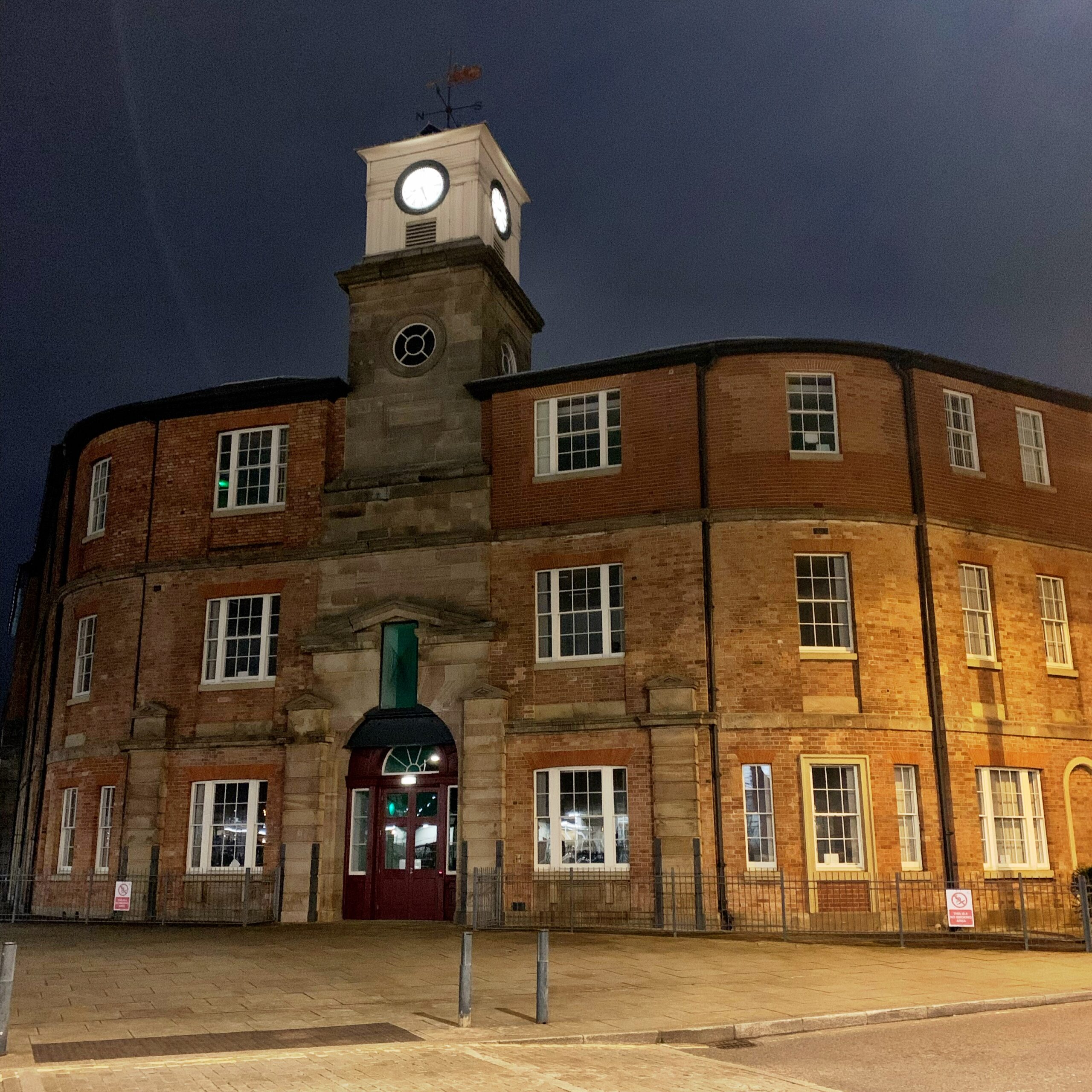
    The North Midland Railway and later Midland Railway workshop, Derby – 01/04/2023
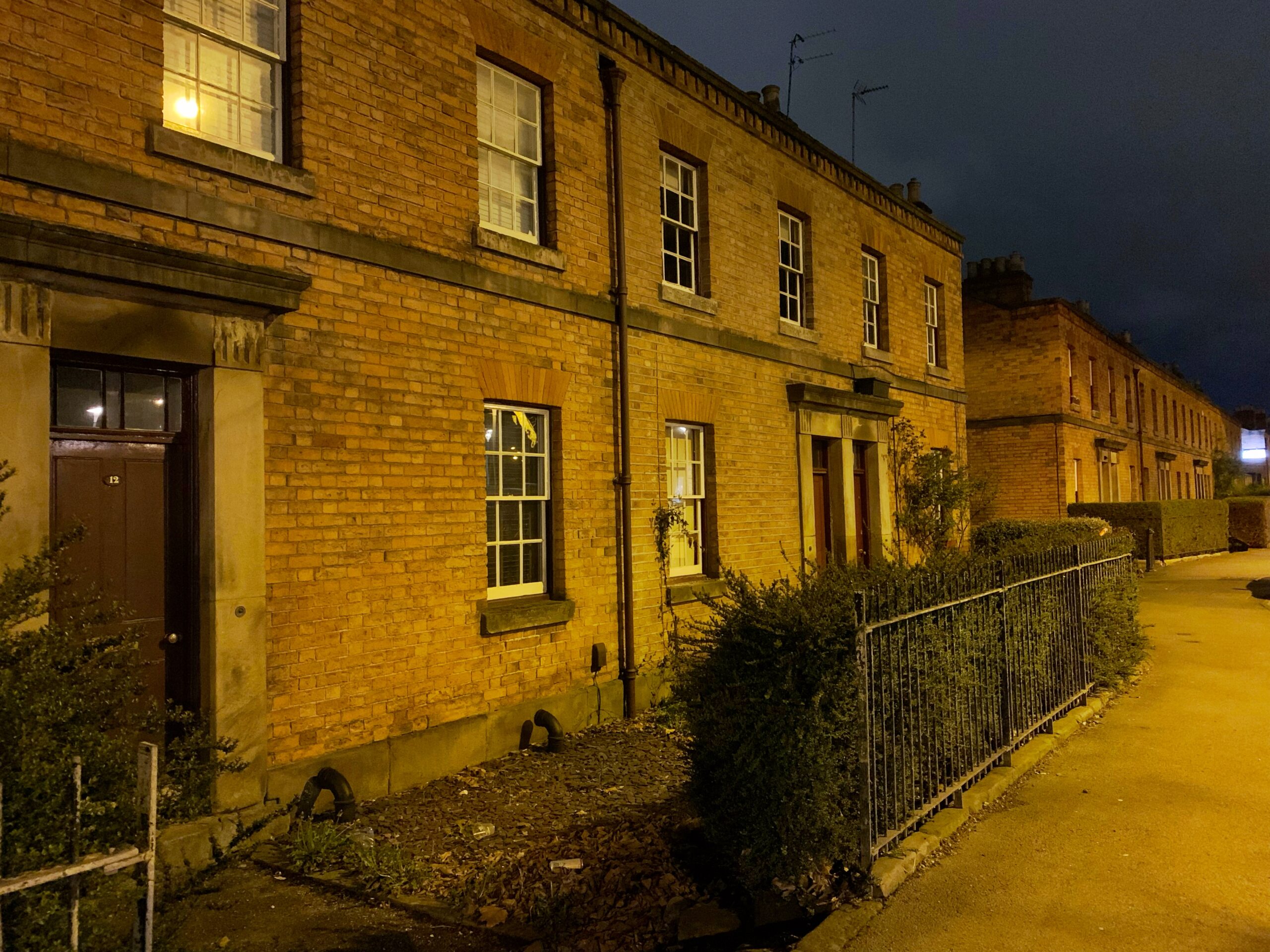
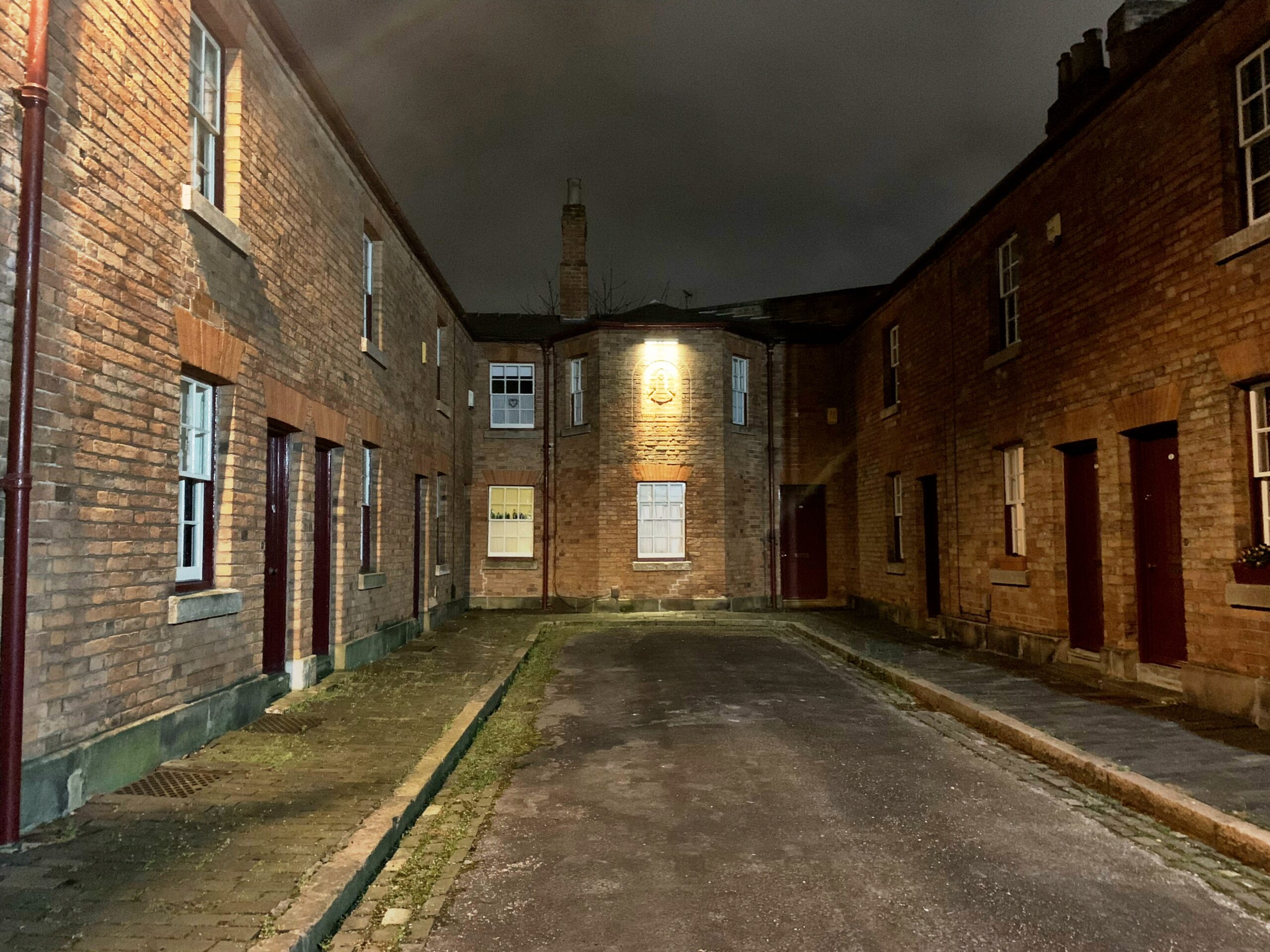
    Former railway cottages, Derby – 01/04/2023
    Former railway cottages, Derby – 01/04/2023
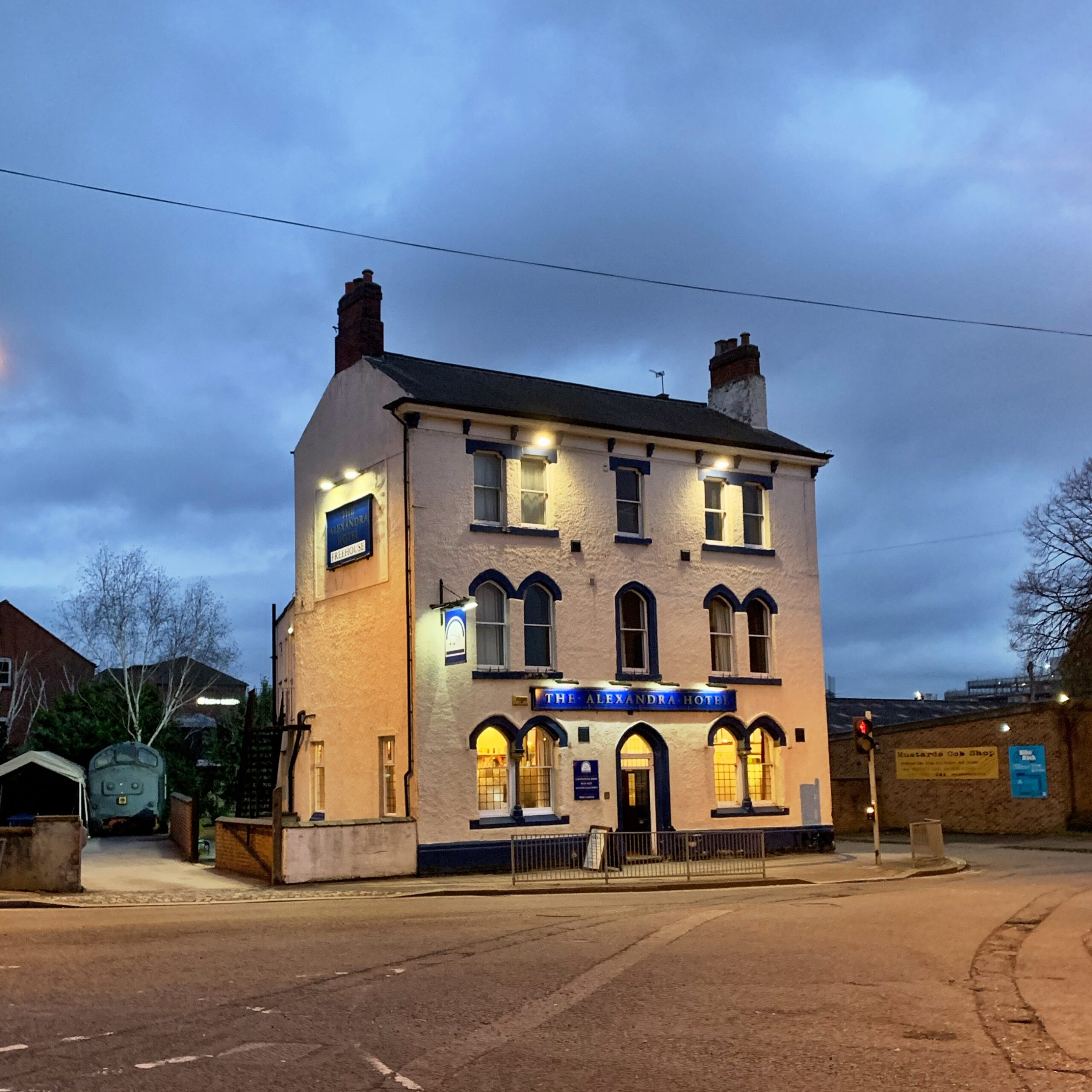
    The Alexandra Hotel, Derby. A Class 37 cab can be seen in the car park to the left of the image. You can see more images of the railway memorabilia located at the pub in a previous blog entry here – 01/04/2023

    That’s it for another week – time has defeated us once again! Thank you, as always, for visiting, your comments and encouragement. However, we can’t close without mention of the story first broken by “The Independent” newspaper regarding a leaked Network Rail presentation claiming the condition of railway infrastructure including track, bridges and earthworks is expected to worsen as funding will not cover the rising costs of maintaining a largely Victorian network. We only have to look at the Nuneham Viaduct in Oxfordshire which was closed on 3rd April for safety reasons after cracks appeared in supporting structures. This section of railway, a key artery on the route between the Midlands, London and the South Coast which includes CrossCountry services from / to Bournemouth, will be closed until at least 10th June 2023.

    The leaked presentation states that the funding constrictions will mean:

    • Network Rail will do fewer repairs over the next five years, clearing less of the debris that can cause delays and accidents.
    • Lack of funding will lead to higher costs overall as Network Rail will be expected to repeatedly repair outdated infrastructure instead of replacing it.
    • Network Rail £3bn risk fund, which covers unpredictable events like a pandemic or extreme weather, has been cut because there is “not sufficient headroom”.
    • A “market-led” approach to maintenance will be adopted, with the highest earning services taking priority.

    All this was revealed as the RMT union highlighted Transport Secretary Mark Harper has allowed two rail companies to be paid £82 million in dividends in 2022. FirstRail Holdings Ltd, the holding company for five FirstGroup franchises, and Govia Thameslink Railways, which runs the biggest franchise in Britain, have recently reported dividend payments of £65 million and £16.9 million respectively in their annual accounts for 2022.

    This is the despite the fact both companies are part of a major industrial dispute where hundreds of millions of pounds has been used to indemnify them against lost revenue from strike action. Two of First Rail Holdings Ltd’s franchises, Avanti West Coast and Transpennine Express, have been the subject of public and political controversy after cancelling hundreds of services. In spite of this, the government has renewed or extended contracts for Avanti West Coast and may shortly do the same for Transpennine Express.

    Govia won a contract to carry on running the Thameslink, Southern and Great Northern franchise from the government in October 2022 despite its sister company LSER being stripped of the Southeastern franchise for concealing public money. The Department for Transport allowed Go-Ahead Group to conduct its own internal inquiry into the failings at LSER and renewed Govia’s contract for the Thameslink franchise in spite of the fact that the two companies shared many of the same management personnel.

    All these franchises have benefited from indemnification worth hundreds of millions of pounds in taxpayers’ money by the DfT to cover the costs of lost passenger revenue during the ongoing dispute. The RMT believes this is unnecessarily prolonging the dispute, as the employers do not feel the full impact of stoppages.

    What a way to run a railway…. into the ground.

  • Crewe Heritage Centre

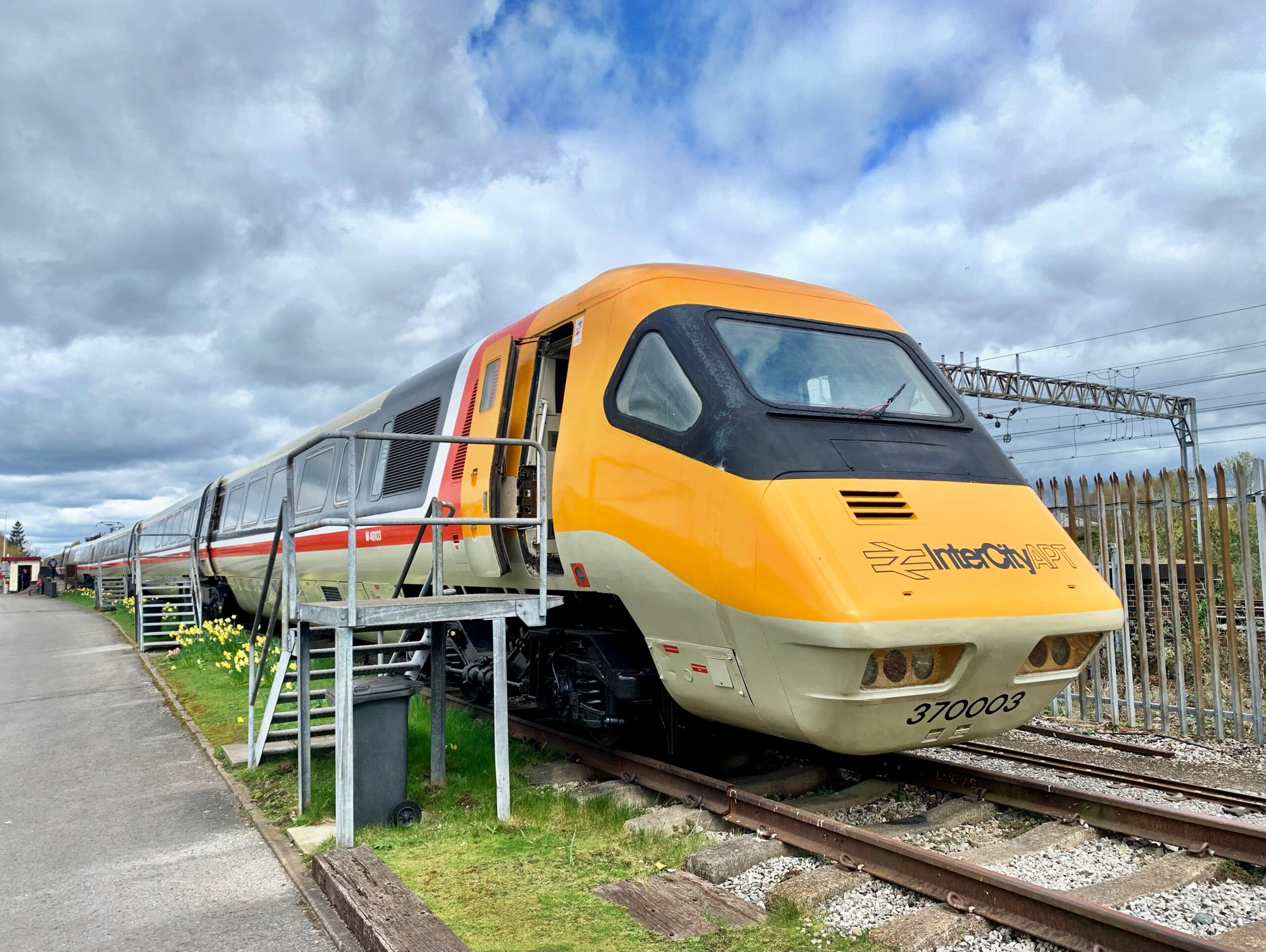
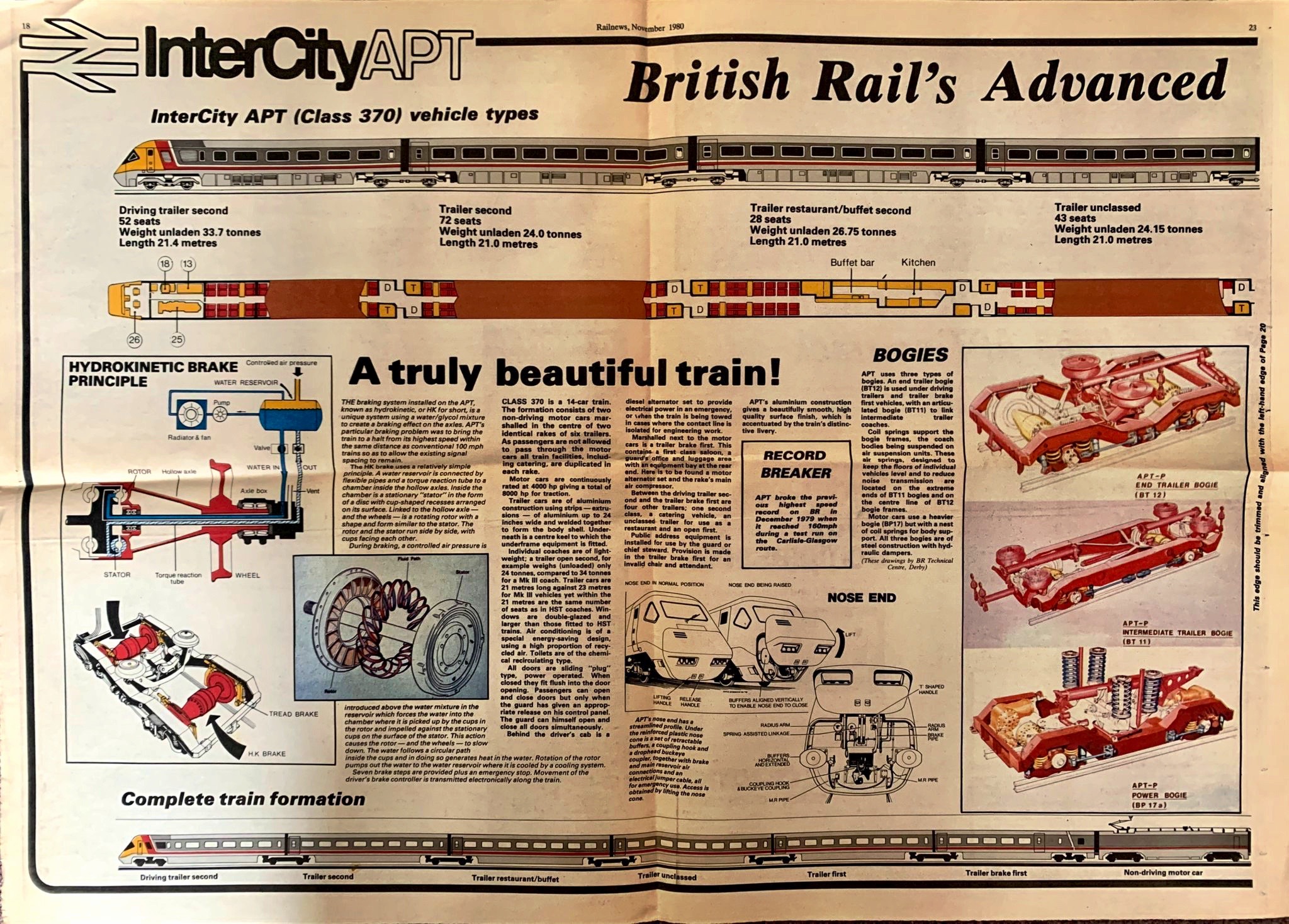
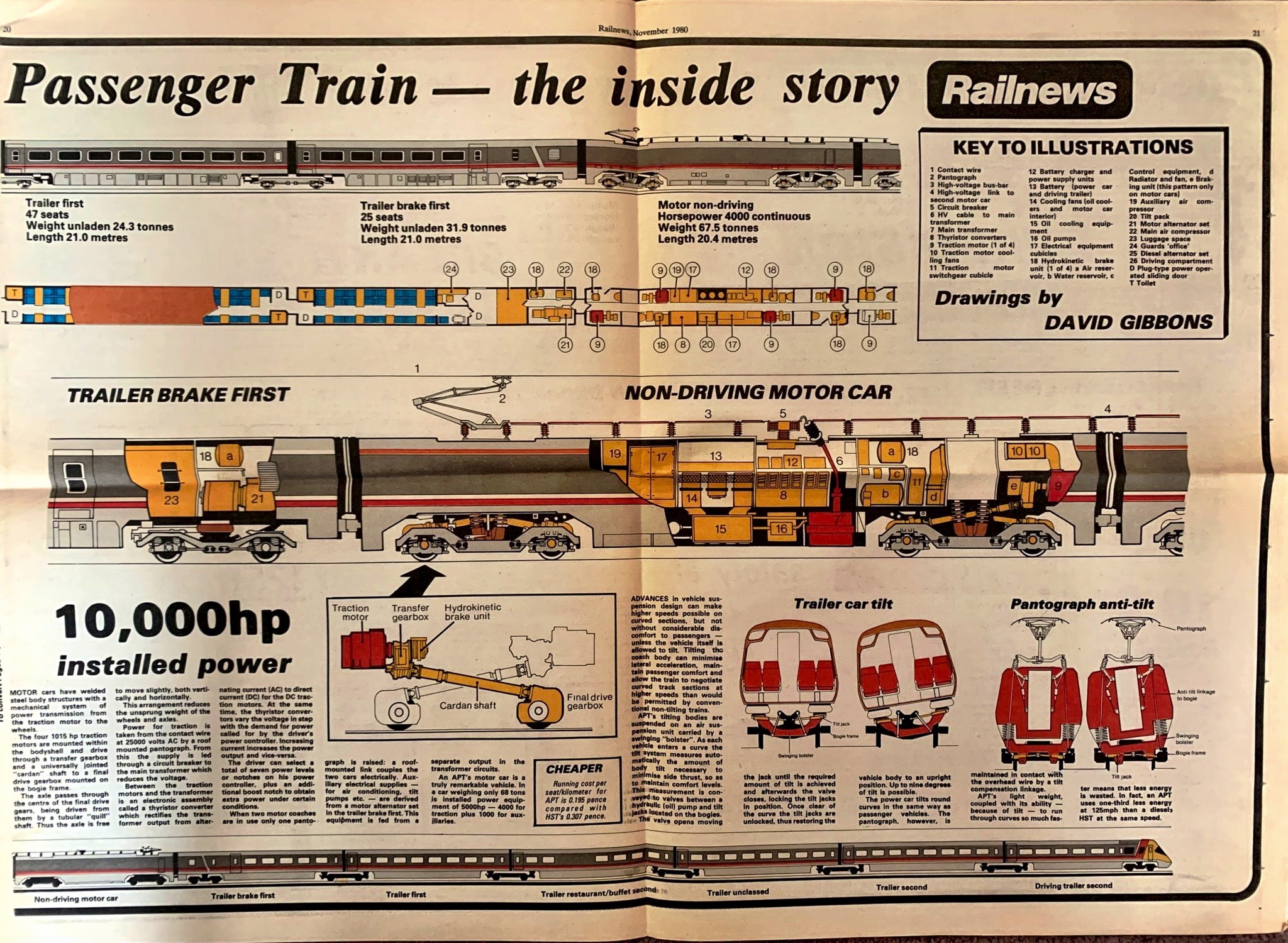
    The Inter City APT-P (Advanced Passenger Train Prototype) was donated to the Crewe Heritage Centre by British Rail in 1988, this would become the only APT-P to be preserved and is the first thing visitors see on arrival – 01/04/2023

    On Saturday April 1st, Yoshi’s mama had a weekend away planned with friends in Oxford. Organised before the announcement of rail strikes, I had a cunning plan for an adventure of my own when Mick Lynch of the RMT declared “everyone out!” By the time the April strike day was suspended, I’d already committed myself to an overnight stay in Derby. So after a stop at the Oxford Park & Ride, my chum @da_buckley967 and myself headed North to Crewe as we had booked a visit to the Freightliner depot at Crewe Basford Hall. Yoshi was still on his hols with his cousins as obviously he wasn’t going to be allowed to wander around a working railway yard. Our visit was scheduled to last for approximately one hour and kicked off at midday. Looking for some other things to do in the area, a visit to The Crewe Heritage Centre was an obvious choice. I was under the misunderstanding that dogs were not allowed on site, but I am happy to report that dogs are very much welcomed, and indeed, they enjoy free admission and doggy watering stations are spotted about the museum to help keep them hydrated. Owners are catered for in the cafe where tea, coffee, cold drinks and snacks are available.

    The former Crewe North Junction Signal Box now contains a cafe, viewing point, model railway and signalling equipment. Constructed in 1938 by the London Midland & Scottish (LMS) Railway Company and built to an ‘ARP’ (Air Raid Precautions) design, with 38cm thick reinforced concrete walls and a 45cm thick concrete roof. The new ‘electric’ Signal Box was constructed directly in front of the previous 1906 building; this was partially demolished in 1940 with only the ground floor being retained and converted into a Linesmans’ hut. In 1985 as part of the Crewe Station remodelling project this Signal Box was closed with control being handed over to the new Signalling Centre on the opposite side of the Crewe to Chester Line.

    The Crewe Heritage Centre is nestled between the Crewe to Chester line and West Coast Mainline on part of the site of the original Crewe Locomotive Works. The Heritage Centre was officially opened by Her Majesty Queen Elizabeth II and His Royal Highness the Duke of Edinburgh, on 24th July 1987 to mark the 150th anniversary of the first train to arrive at Crewe Railway Station in 1837. Originally forming part of the Crewe Heritage Festival which was an eight week long event with activities and celebrations taking place all over the town of Crewe, members of the public were also invited to visit the historic Locomotive Works and see first hand how railway locomotives were constructed and maintained by British Rail.

    Following a really successful festival, Crewe and Nantwich Borough Council decided to open the Heritage Centre again in 1988, and in 1989 the council handed the running of the museum over to the newly formed Crewe Heritage Trust who continue to operate the museum to this day. We really enjoyed our visit and I hope to return with Yoshi in tow one day soon!

    Crewe Station ‘A’ Signal Box with Exeter West Signal Box behind – 01/04/2023
    In 1991, the dismantled sections of Exeter West Signal Box are transported to the Heritage Centre from storage and the complex task of reconstructing the Signal Box begins in May, construction continued into 1992 with the Signal Box opening as part of the museum on May Day 1993 – 01/04/2023
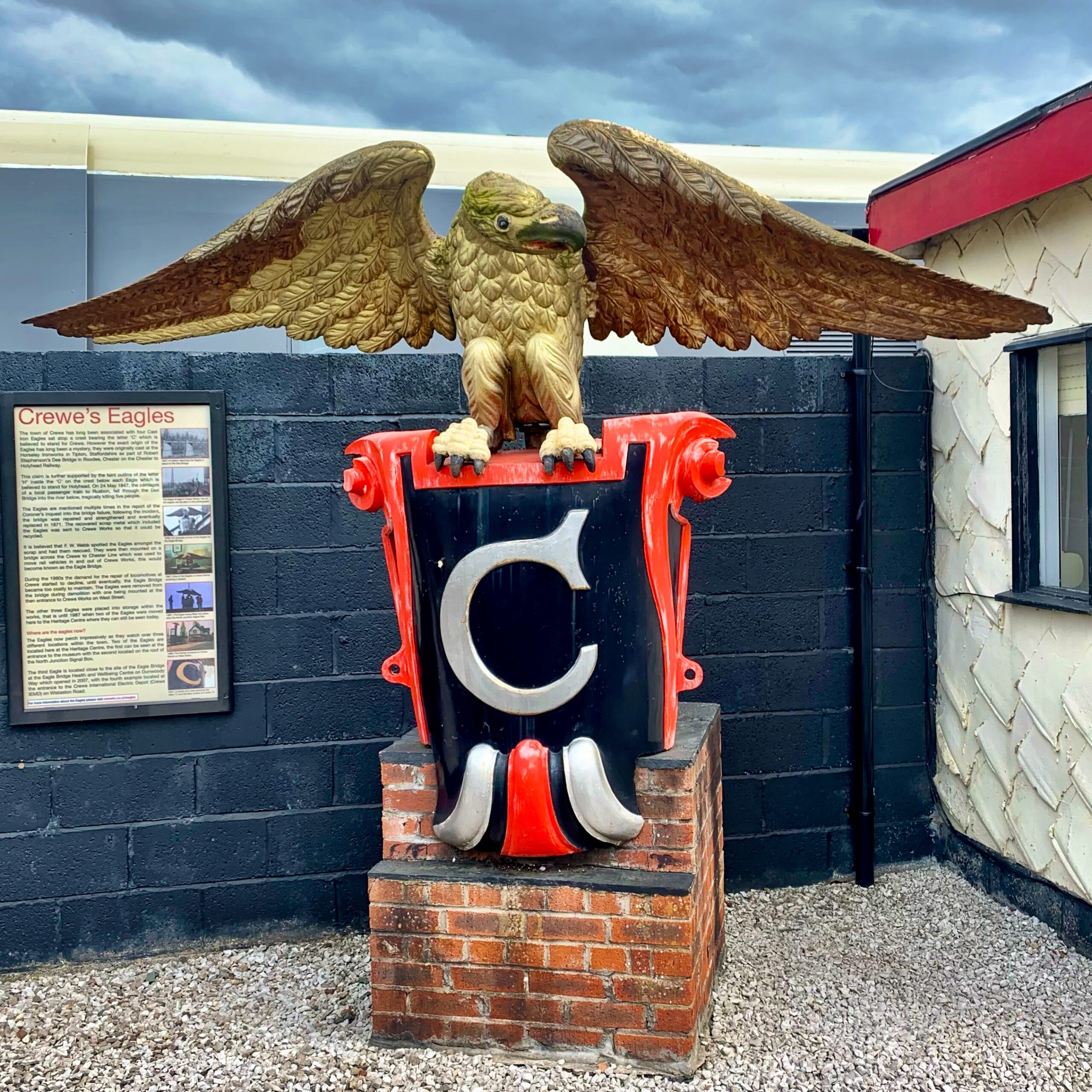
    An example of a Crewe Eagle, four of which were mounted on a bridge crossing the Crewe to Chester railway line – 01/04/2023
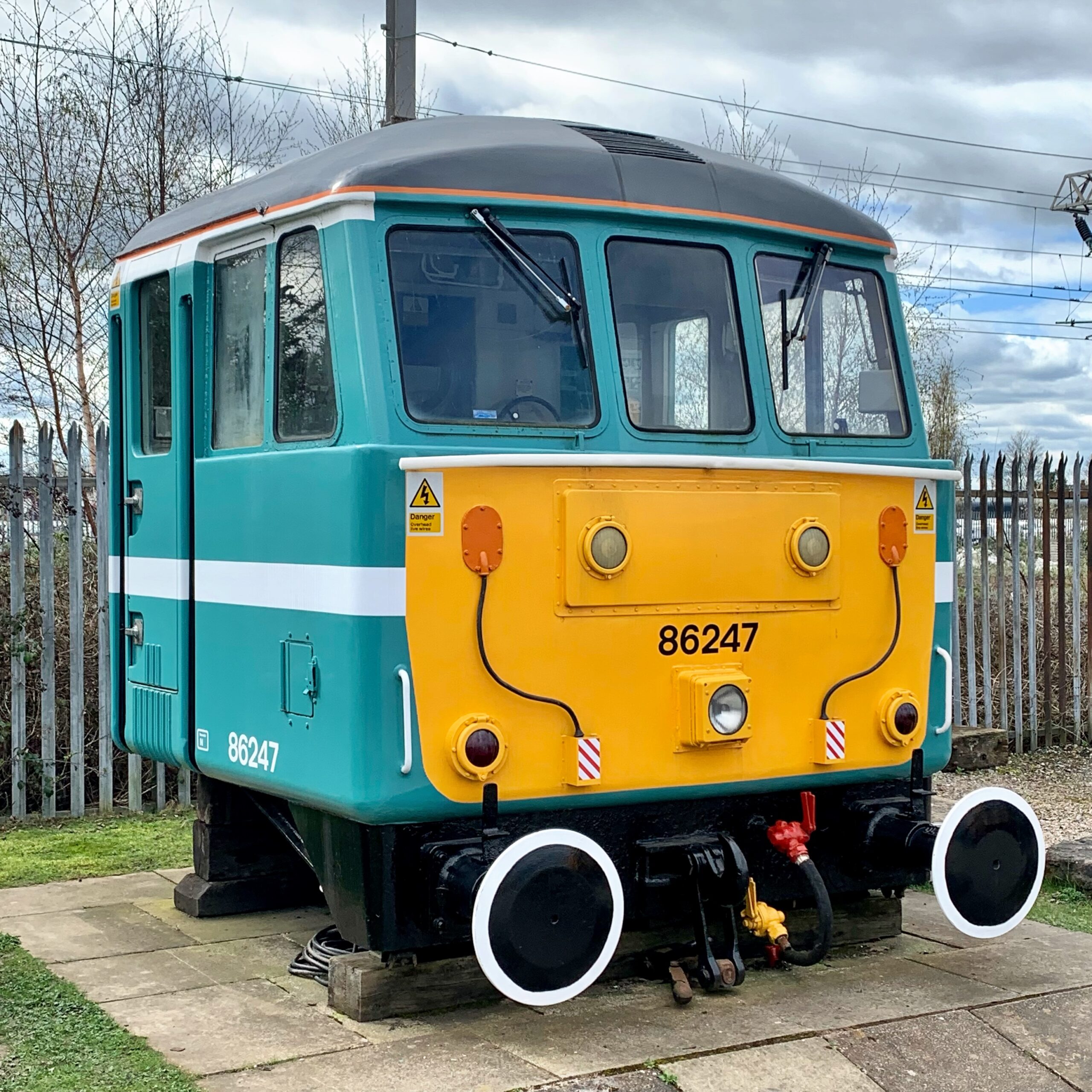
    The No. 2 end cab of Class 86 No. 86247 was restored at the Heritage Centre and currently displays the Anglia Railways livery, which whilst in service, the locomotive never actually carried. The locomotive was scrapped in 2015 with both cabs being saved. The No. 1 end cab can be seen at The Cab Yard Project in Bridgend – 01/04/2023
    One of two Class 86/6 locomotives to be given the Freightliner Powerhaul green and yellow livery No. 86622 is on long term loan at the Heritage Centre – 01/04/2023
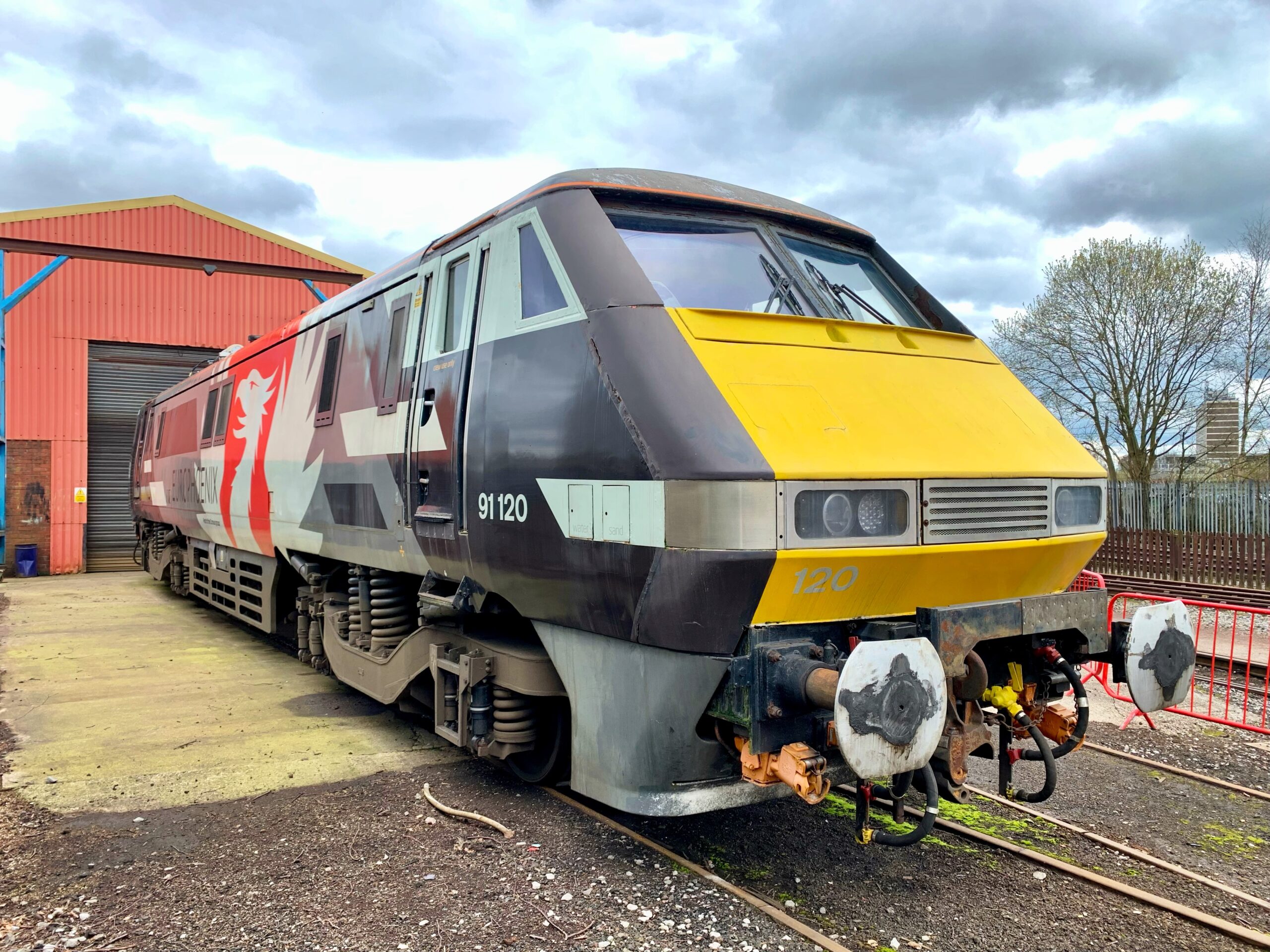
    Through an agreement between the Crewe Heritage Trust and Europhoenix British Rail Class 91 No. 91120 arrived at the Heritage Centre in 2022 – 01/04/2023
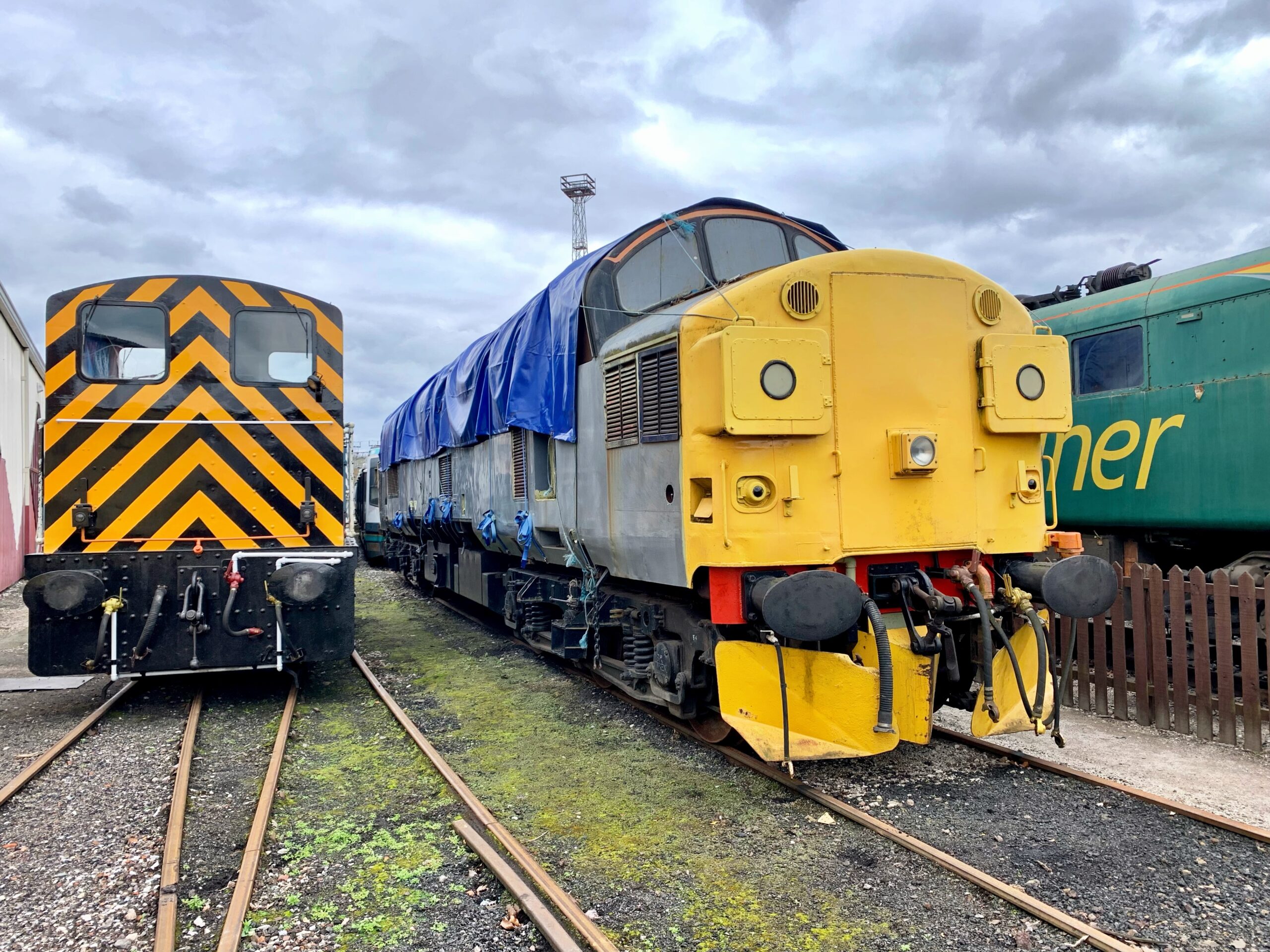
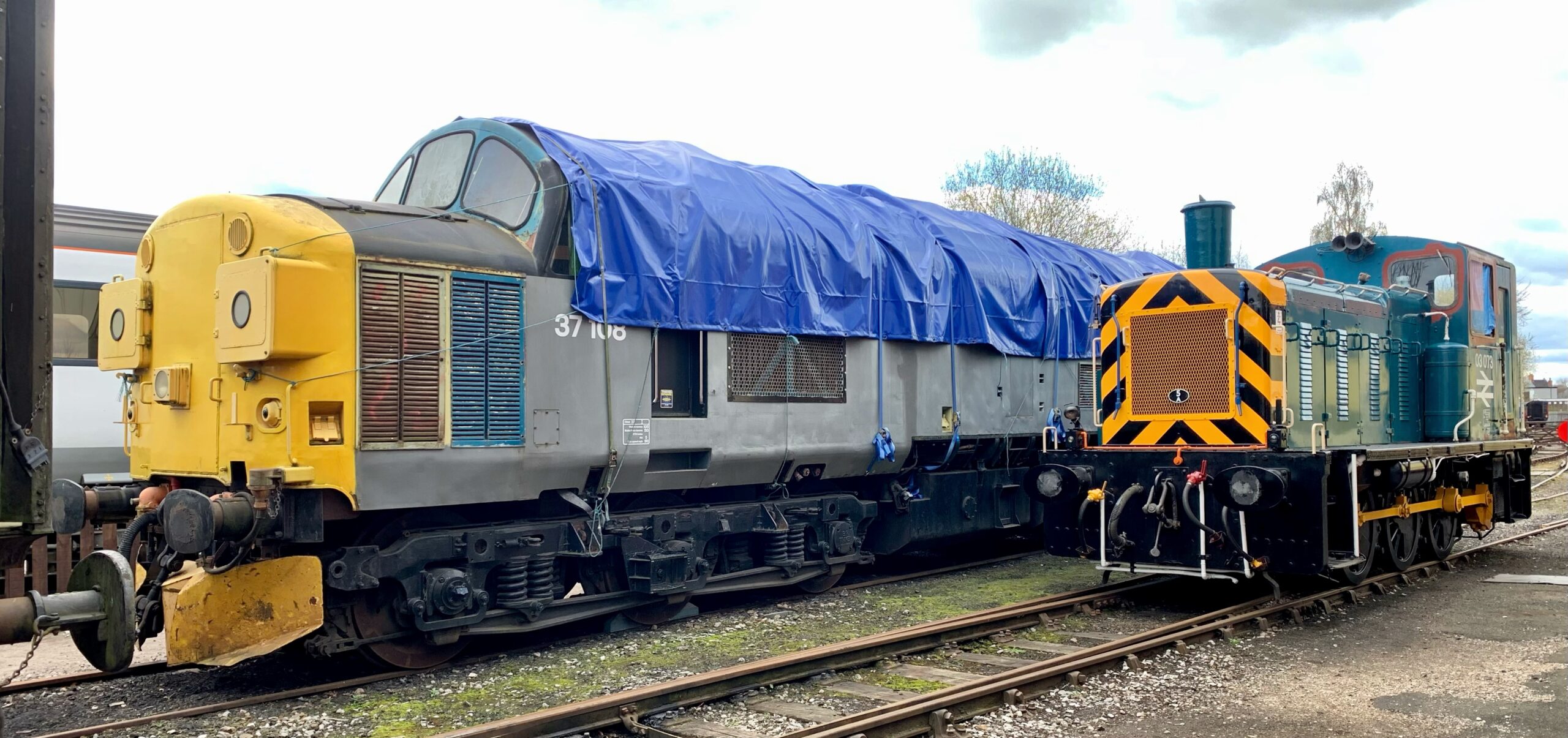
    Released from English Electric Vulcan Foundry in January 1963 – Works Number EE/VF3237/D762 1962 – and originally numbered No. D6808, Class 37 No. 37108 was moved to the Heritage Centre from Carnforth by road in 2010 – 01/04/2023
    Class 37 No. 37108 alongside Class 03 No. 03073 – 01/04/2023
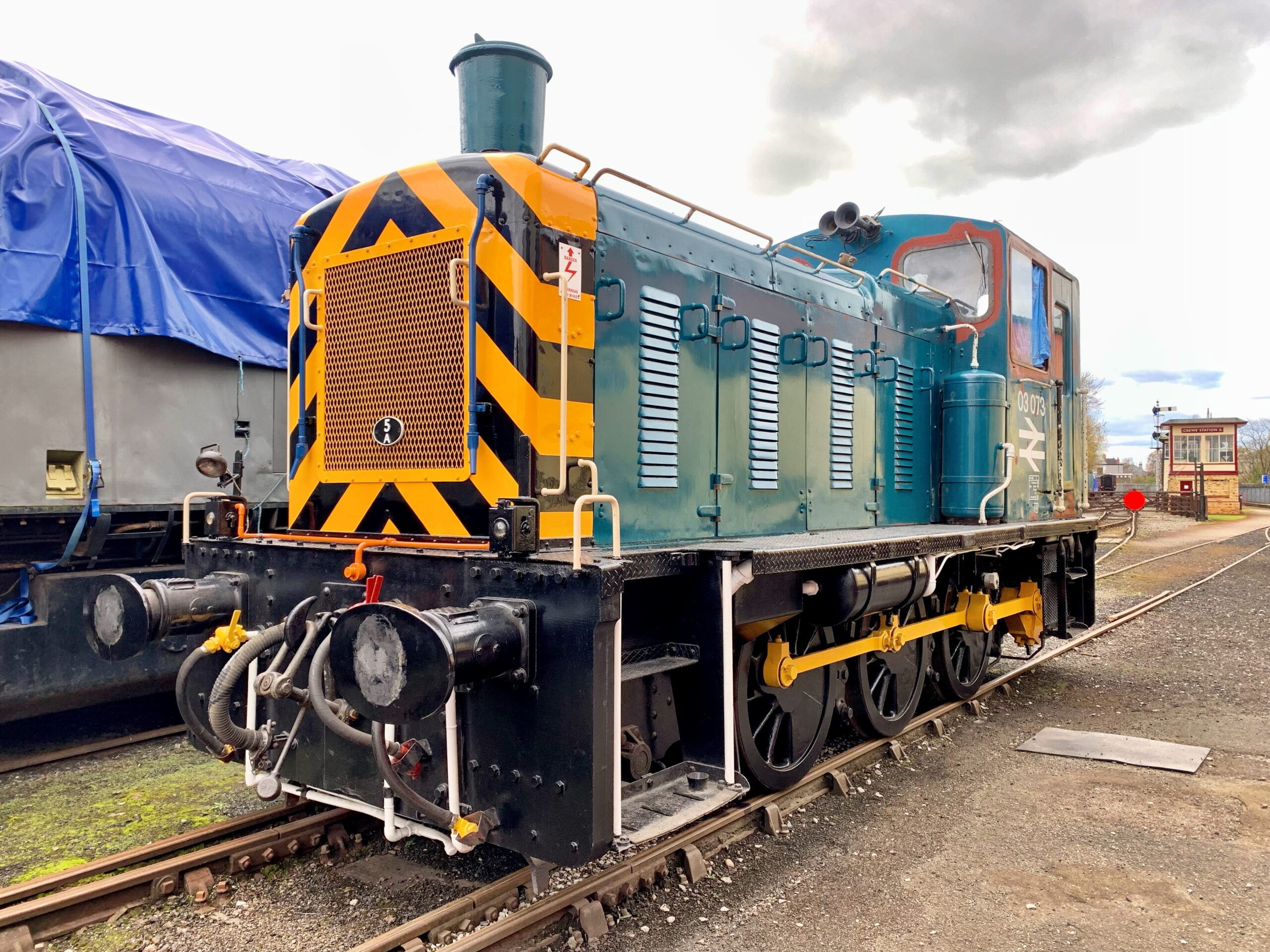
    With the kind support of British Rail, the Heritage Centre was able to acquire Doncaster built Class 03 Diesel Shunter No. 03073 in 1990, this would be the first shunting locomotive to be preserved by the Heritage Centre – 01/04/2023
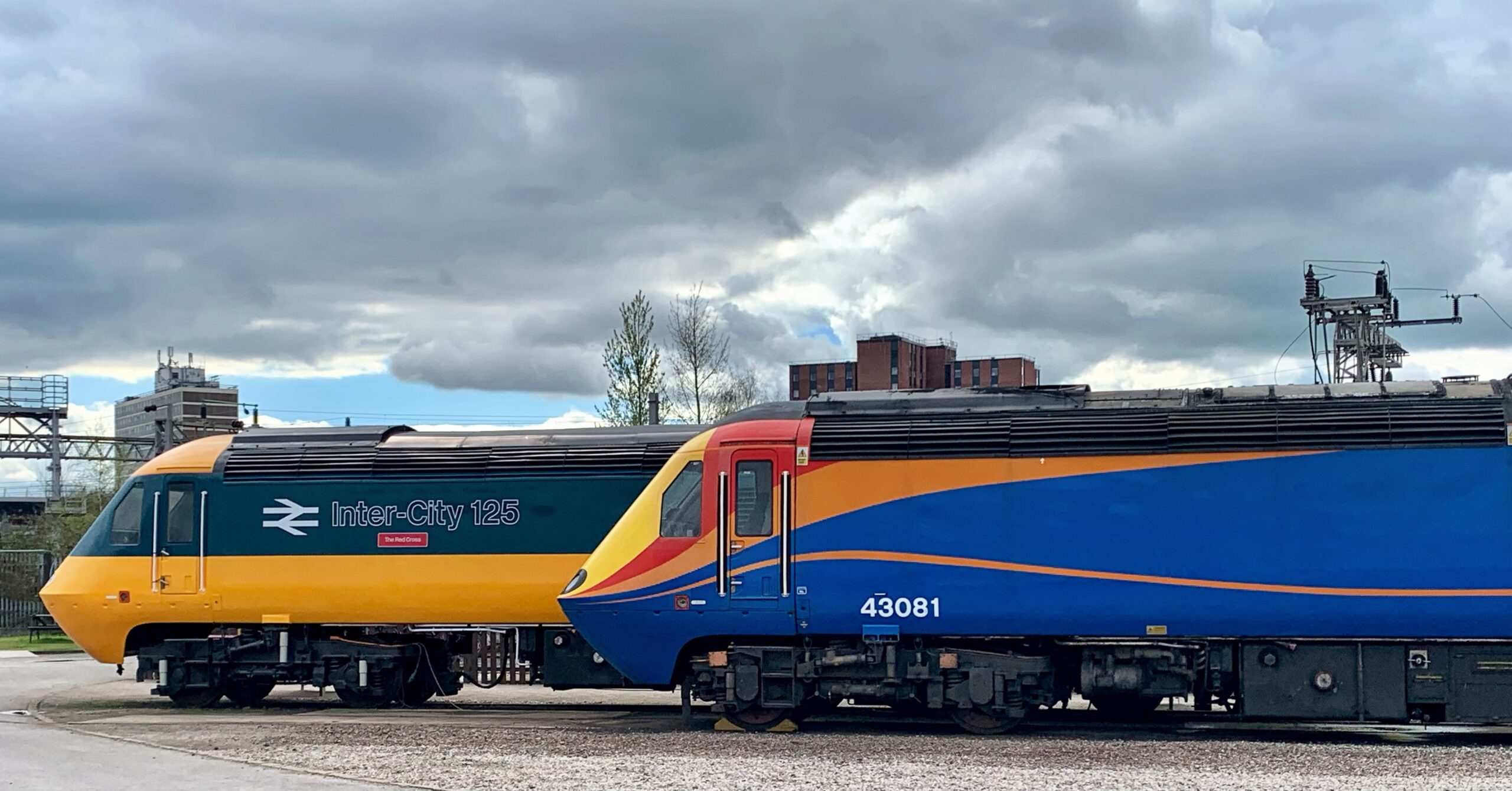
    Thanks to a generous donation by Porterbrook the Heritage Centre secured the High Speed Train (HST) Power Car No. 43081, the 8,000th locomotive to be constructed in Crewe Work – 01/04/2023
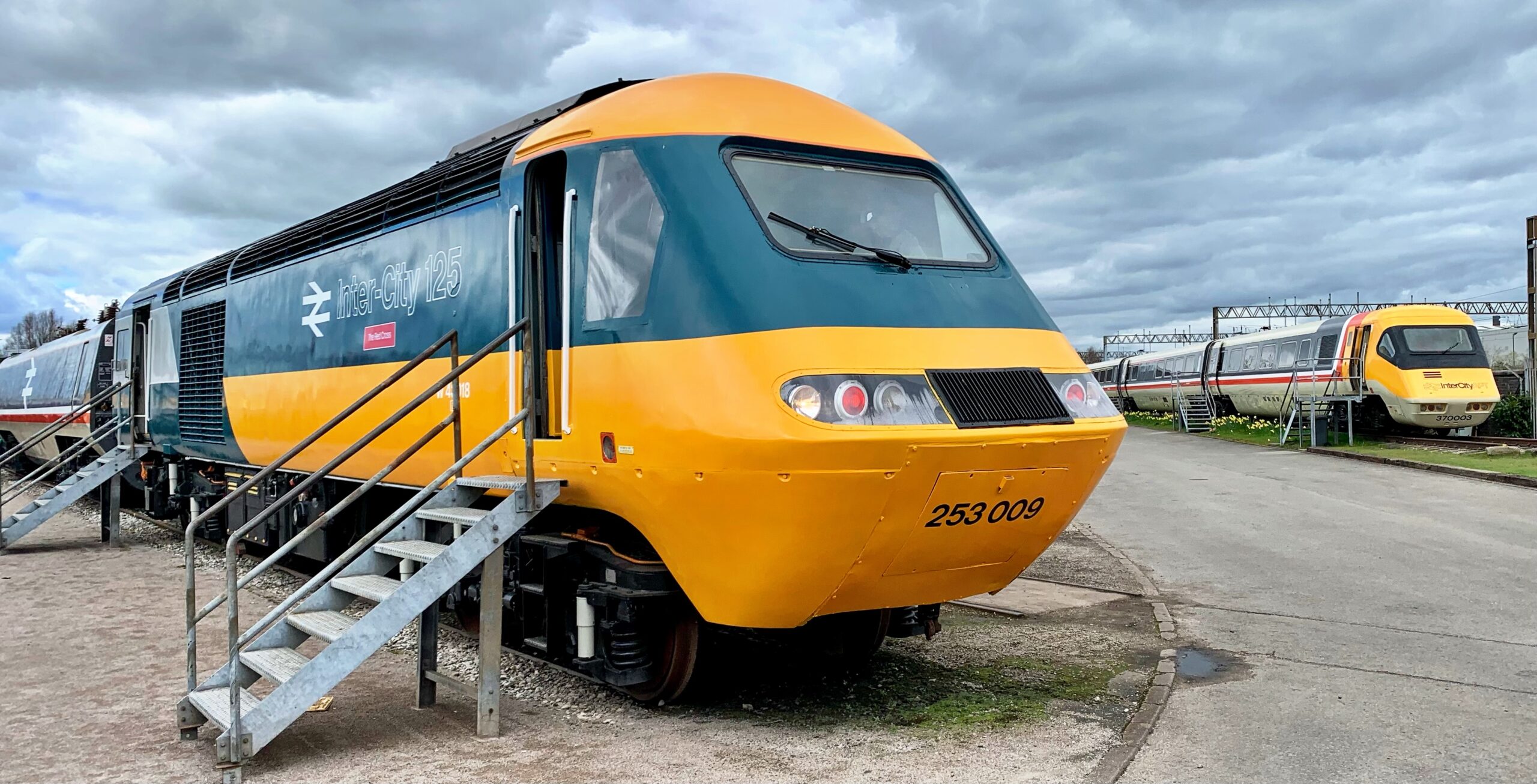
    Crewe built HST Power Car No. 43018 on static exhibition was acquired by the Heritage Centre in 2020 – 01/04/2023
    Visitors to the Heritage Centre can visit the cab of one of the driving trailers from set 370003 – 01/04/2023
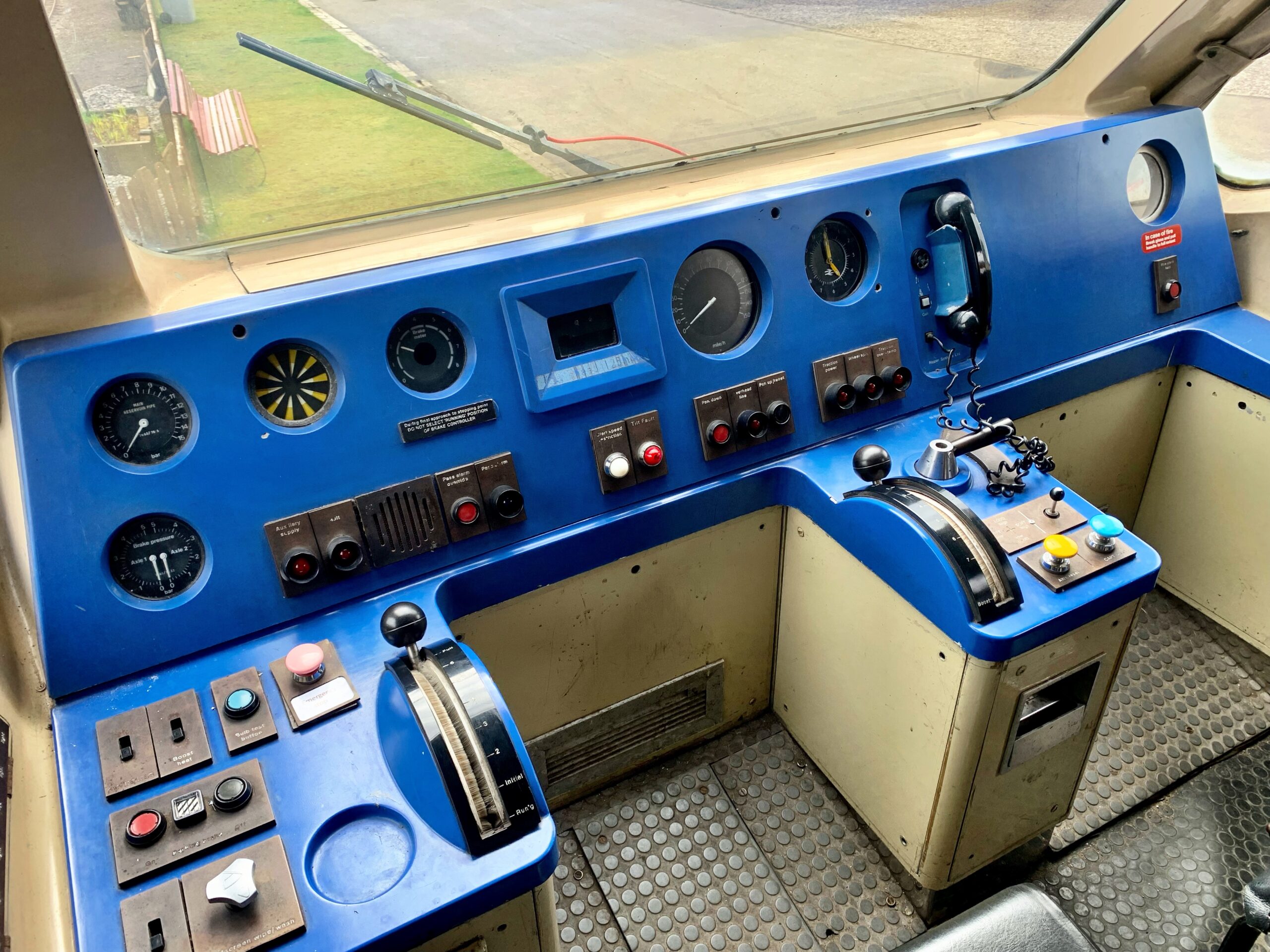
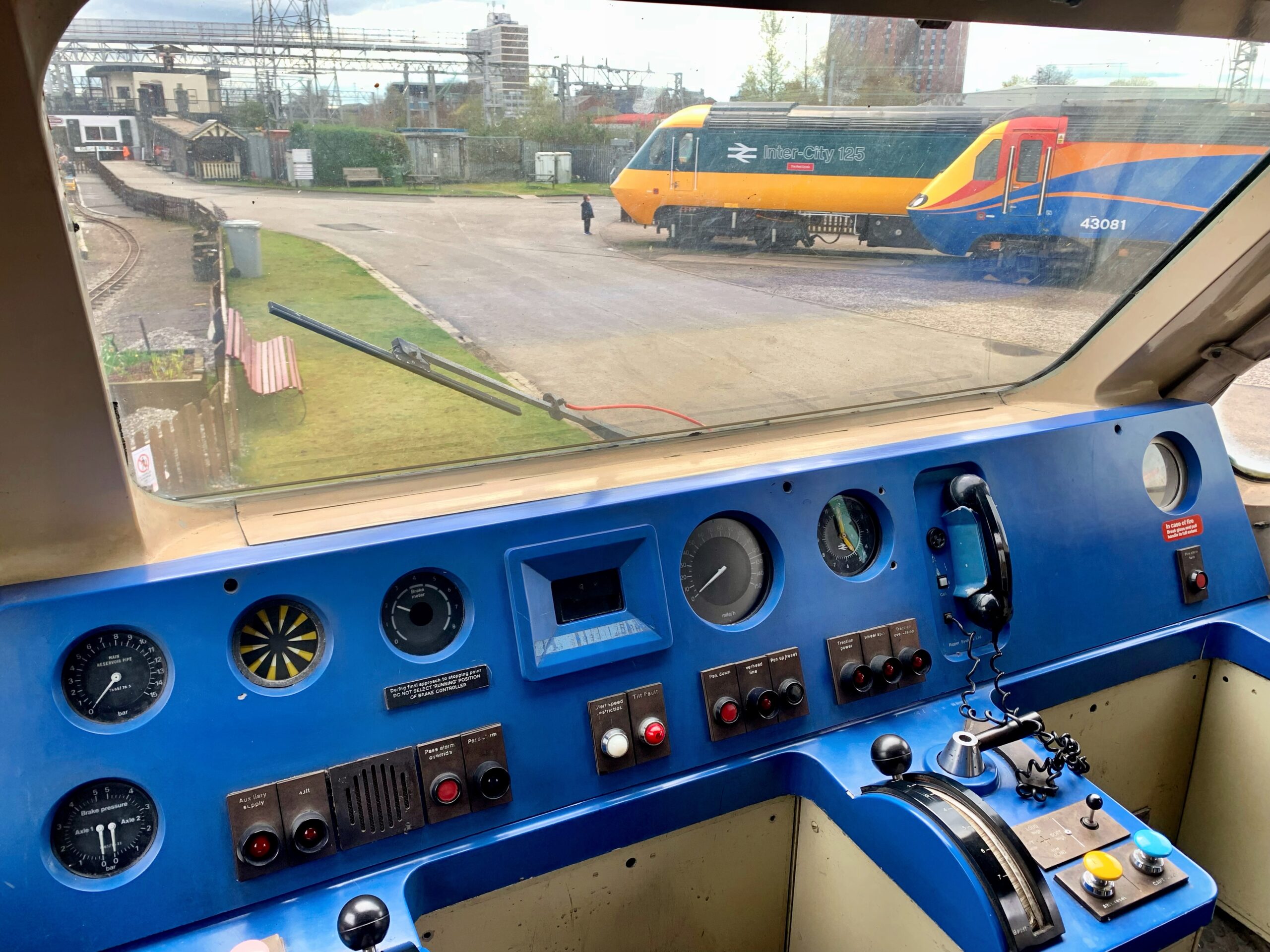
    The very 1970’s high tech cab arrangement of APT-P – 01/04/2023
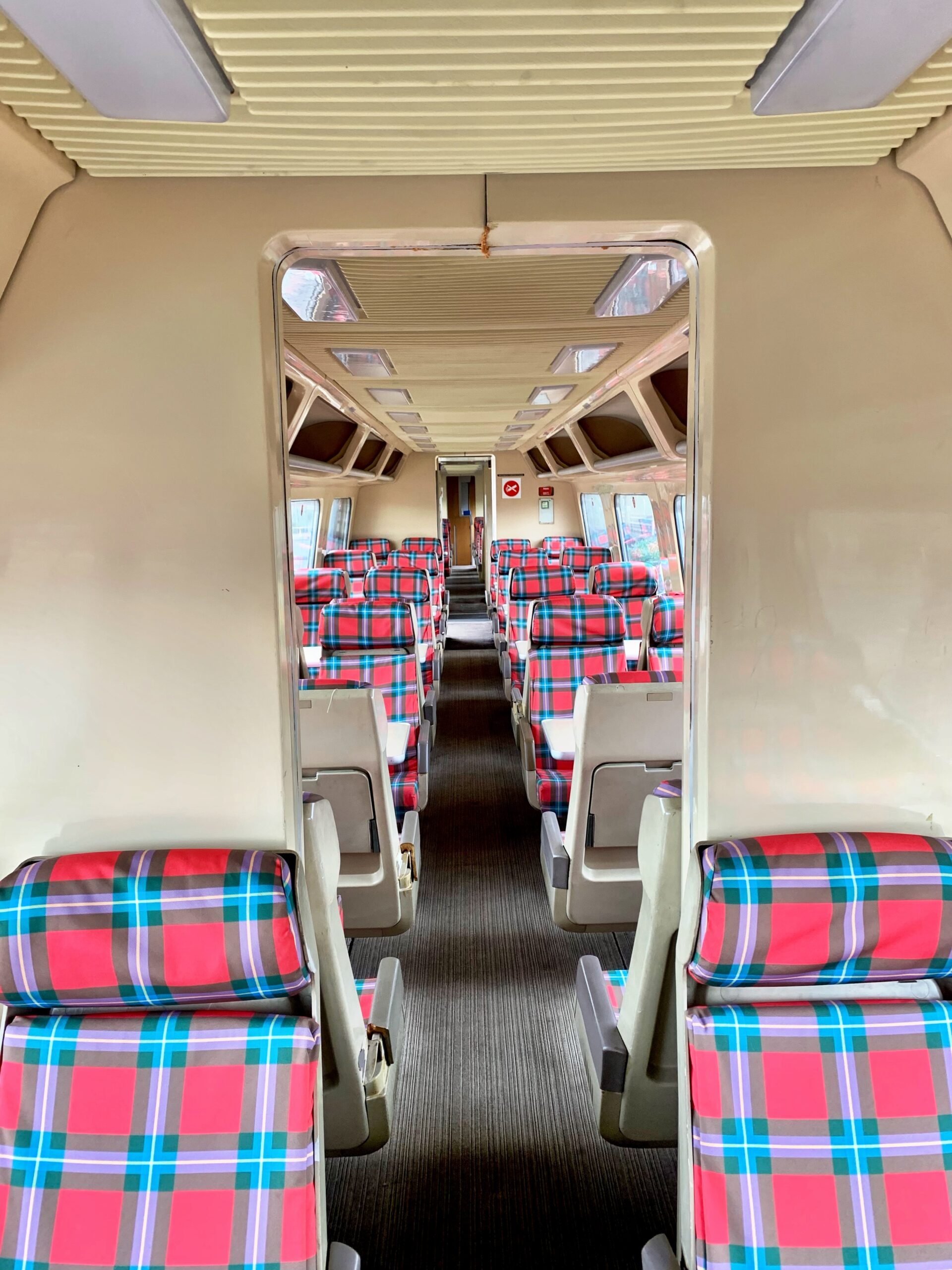
    Standard Class (probably still called second class in the 1980’s) seating in APT-P – 01/04/2023
    The “fully stocked bar” in the buffet car of APT-P – 01/04/2023
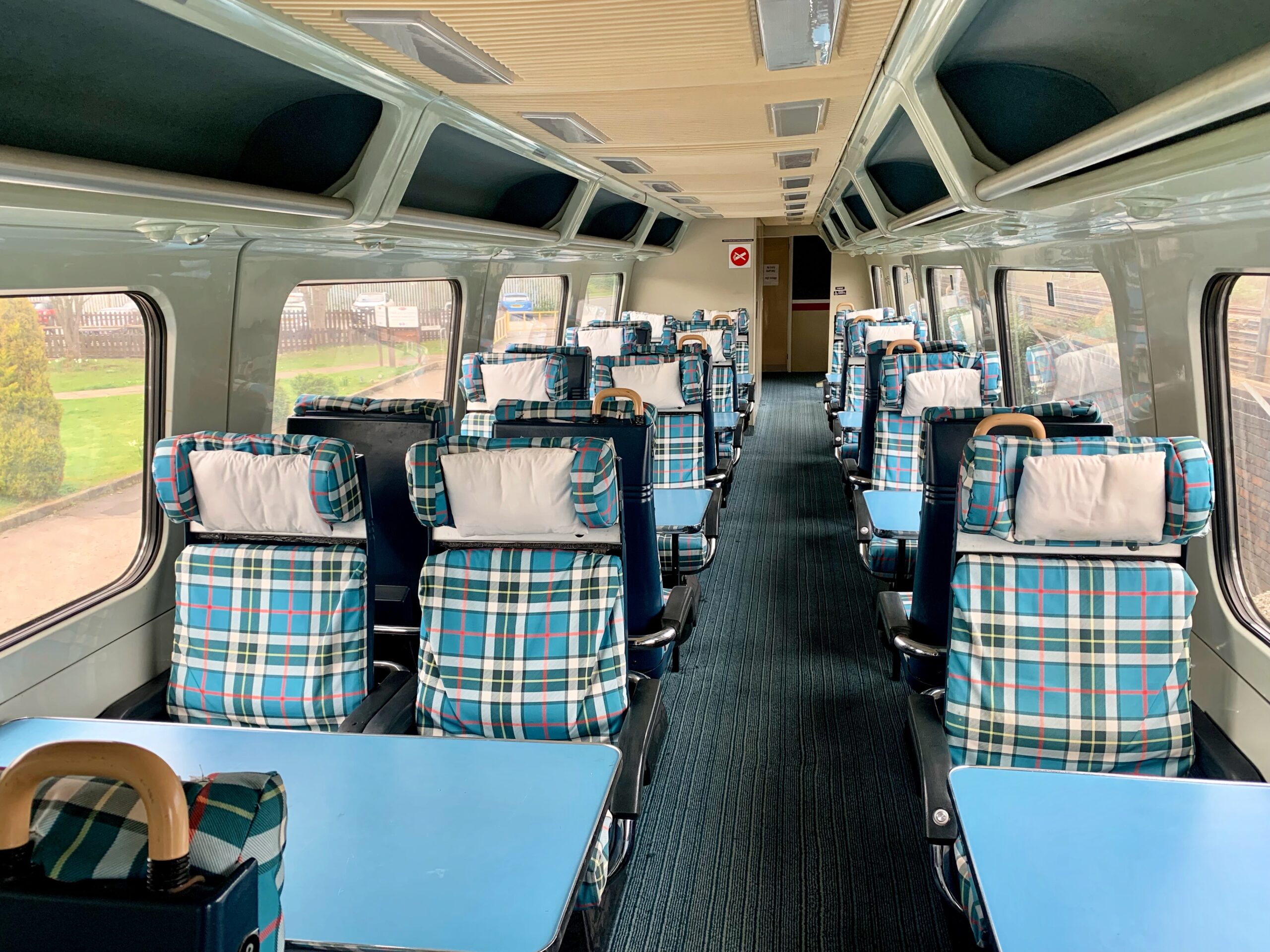
    First class seating on board APT-P – 01/04/2023
    The view from the cab window of the APT-P driving car – 01/04/2023

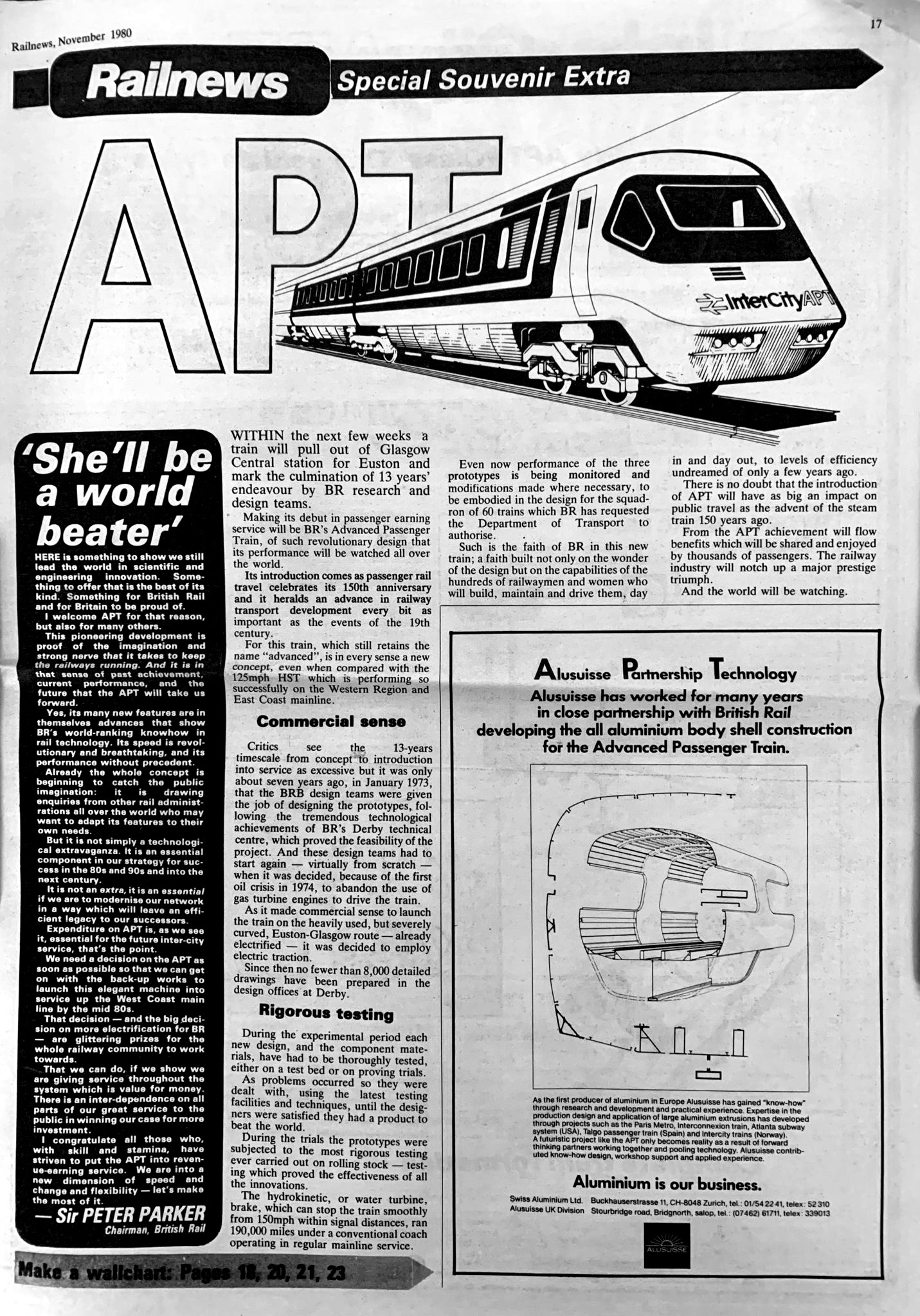
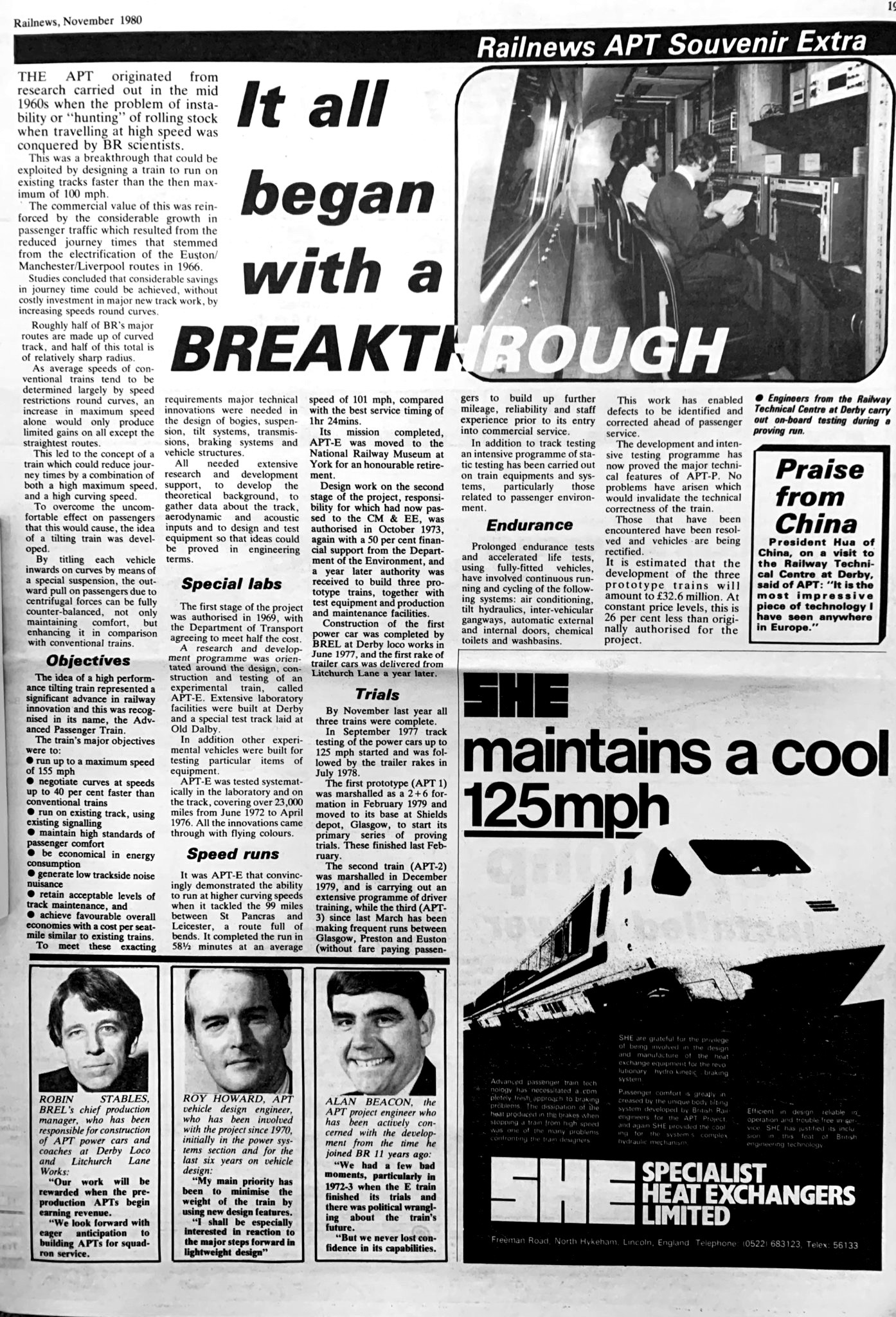
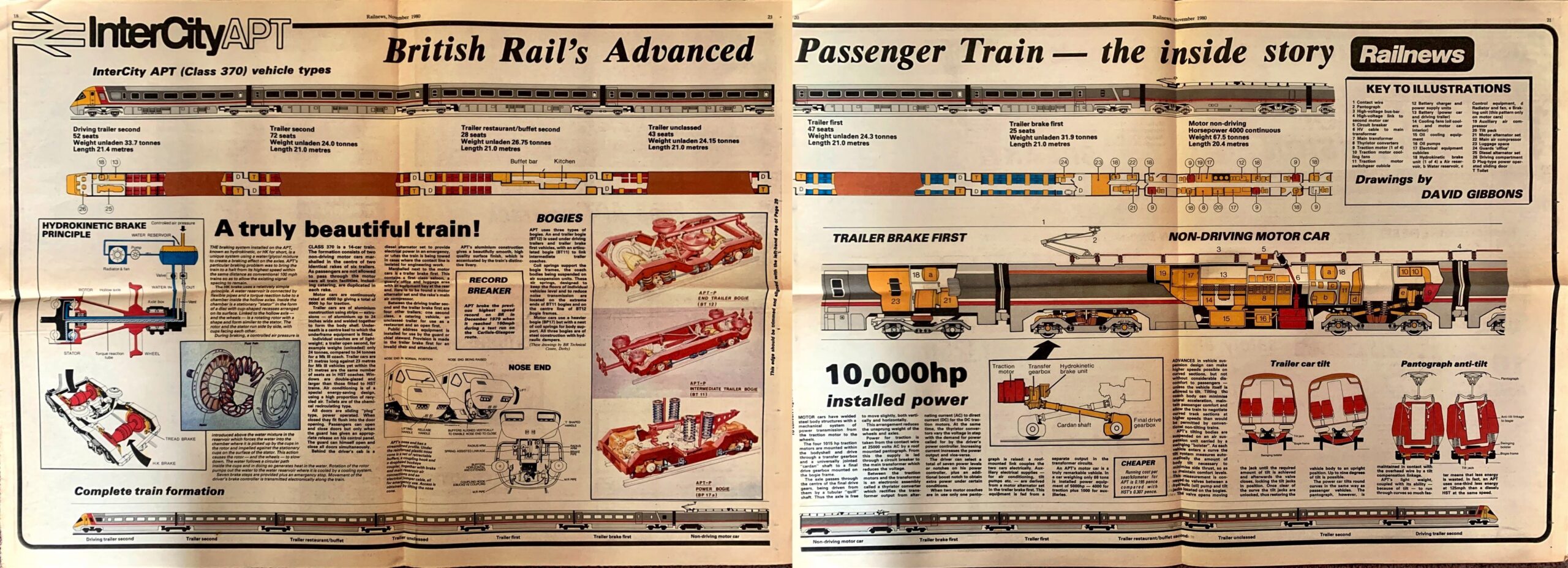
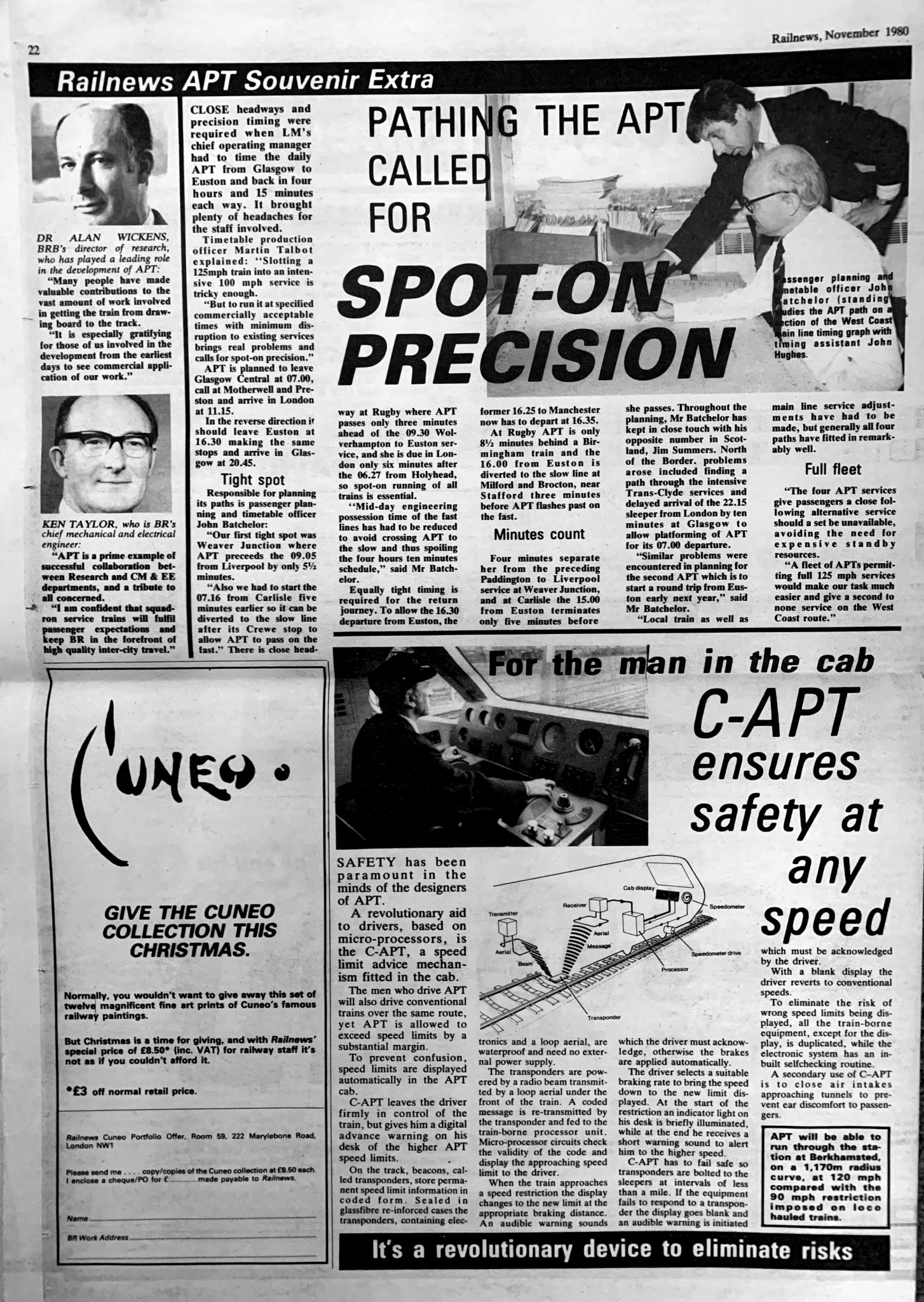
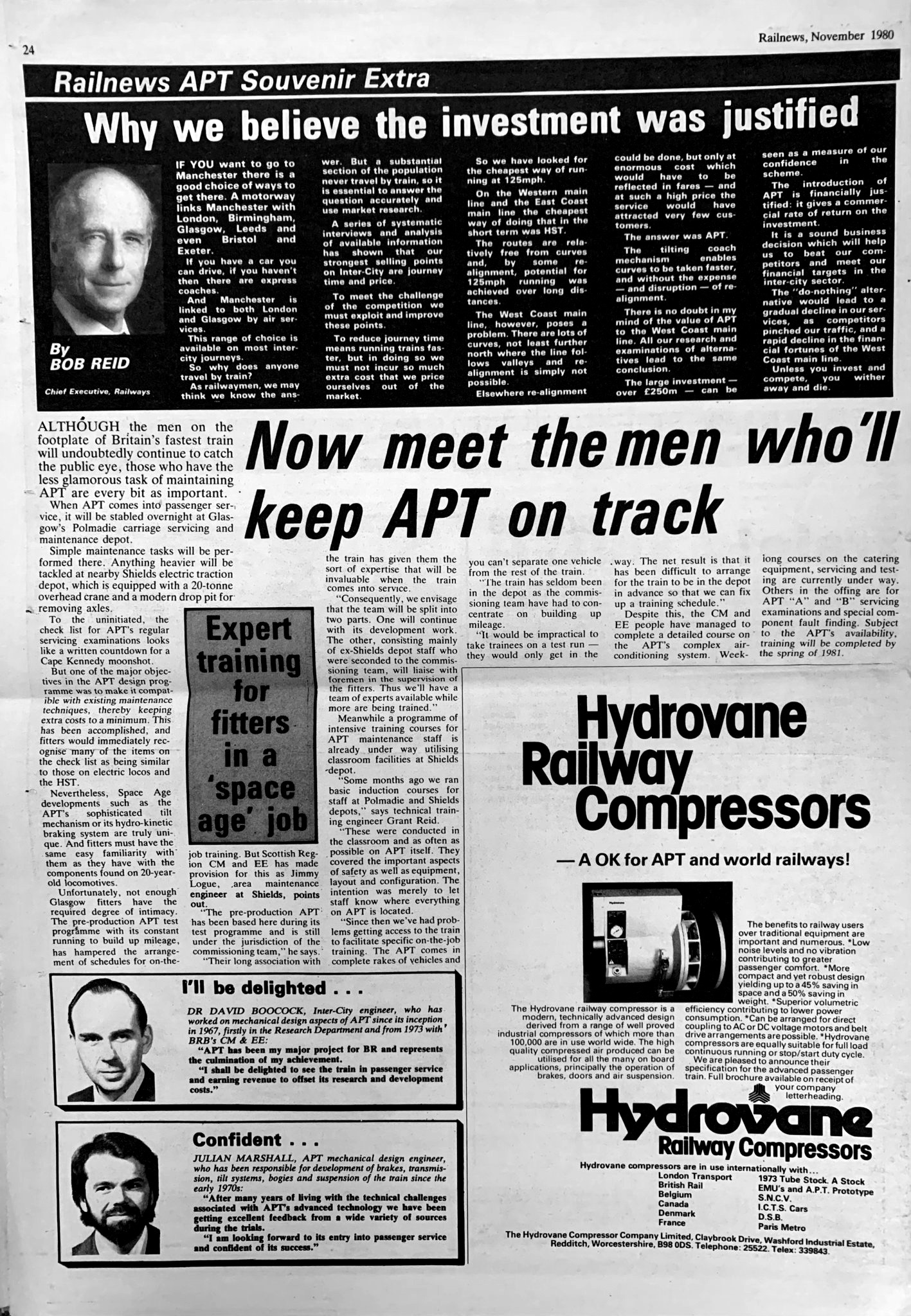
    In the November 1980 edition of Railnews, the industry newspaper, there was pullout special souvenir all about the Advanced Passenger Train:

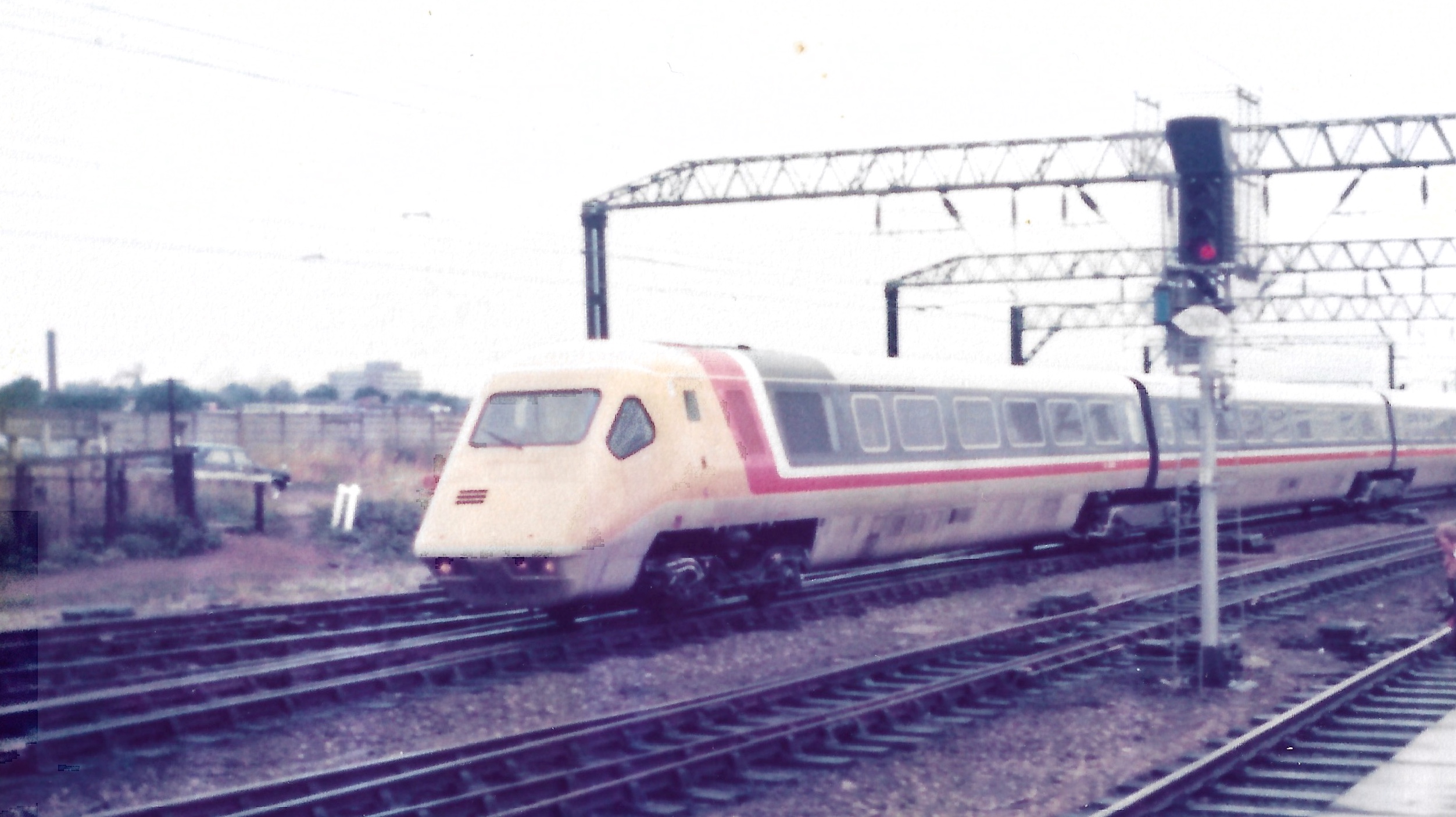
    Proof I saw APT-P on the mainline! An unidentified APT at Crewe – 13/08/1978
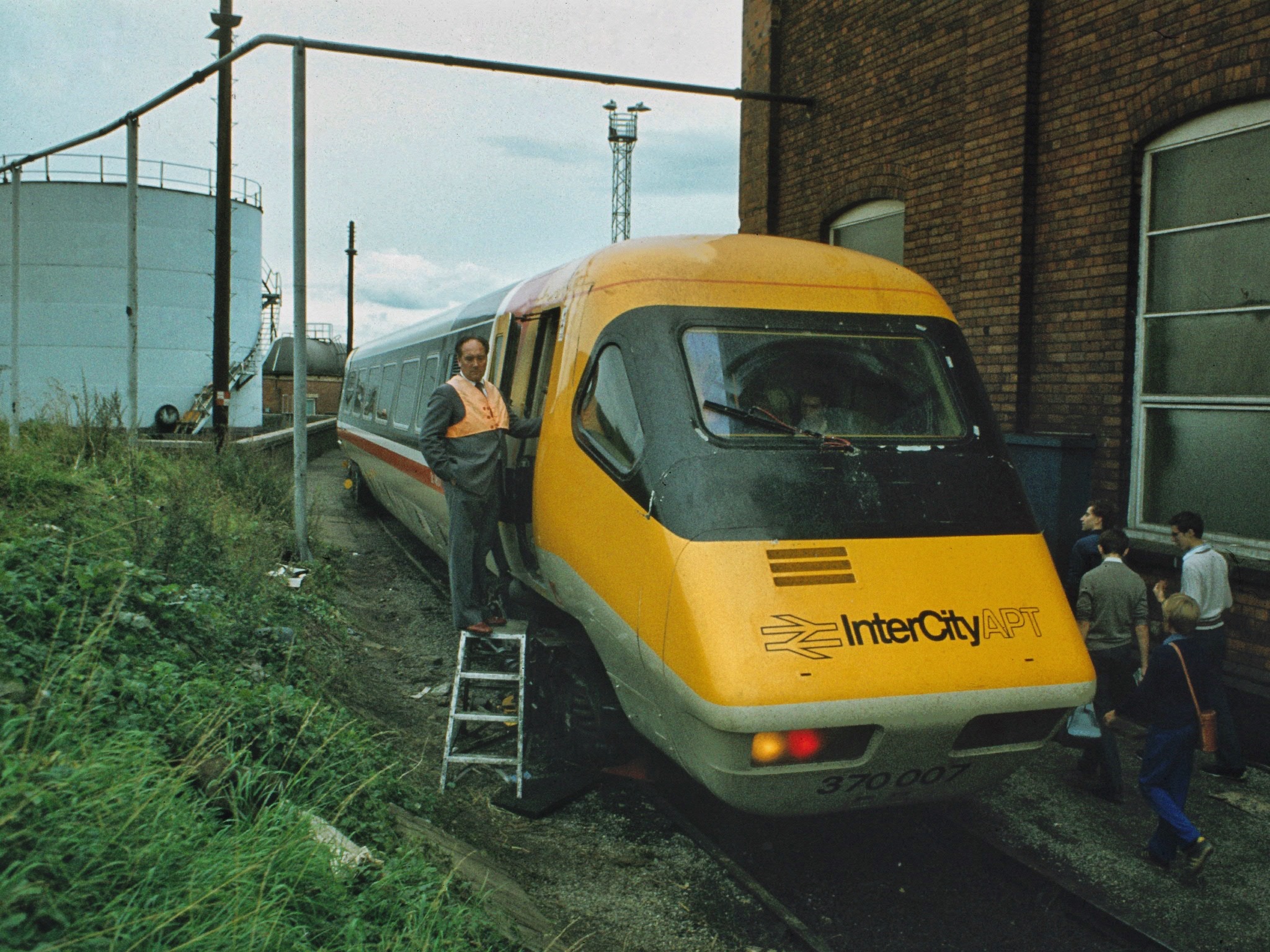
    Driving trailer of APT-P set No. 370007 at Old Oak Common. The APT was apparently a late addition to the Open Day at Old Oak Common after lots of discussions over route clearance – 20/09/1981

    We’ll tell you more about our weekend next time. I would have included more this week, but I have episodes of “Married At First Sight Australia” to catch up on.

    Closer to home, Yoshi, his mama and I made the trip on Swanage Railway’s trial diesel multiple unit (DMU) service which we discussed in our previous blog entry. The trains were well used on Saturday 8th April, the day of our trip, which was good to see. This was despite widespread criticism of the ticket prices.

    Swanage Railway’s three car Class 117 DMU stands at Wareham Platform 2 with the 1109 arrival from Swanage – 08/04/2023

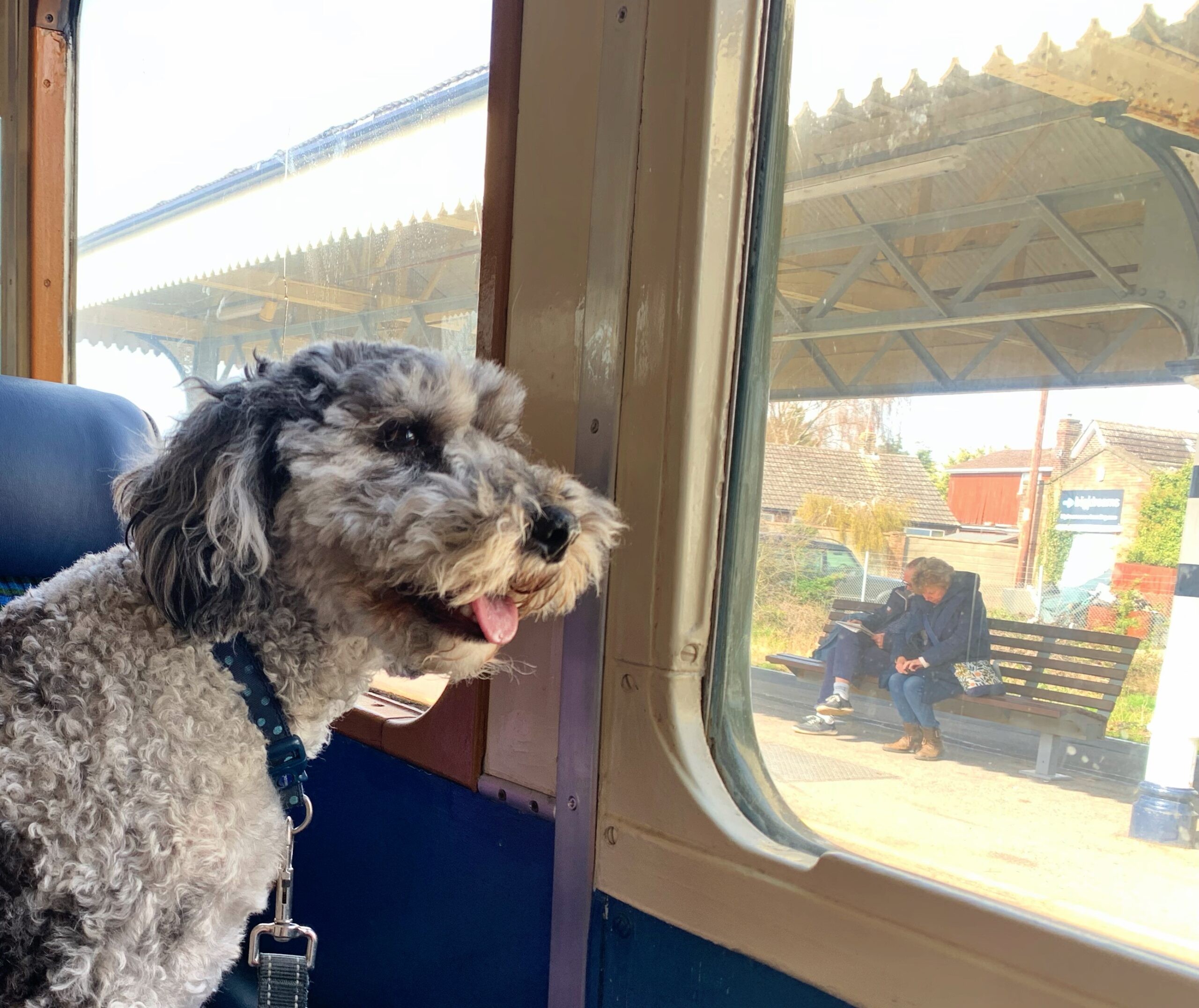
    Yoshi had a good view out of the window along the route to Corfe Castle aboard the heritage Class 117 DMU – 08/04/2023
    Having arrived back in Wareham, Yoshi took a closer look at the Class 117 DMU – 08/04/2023

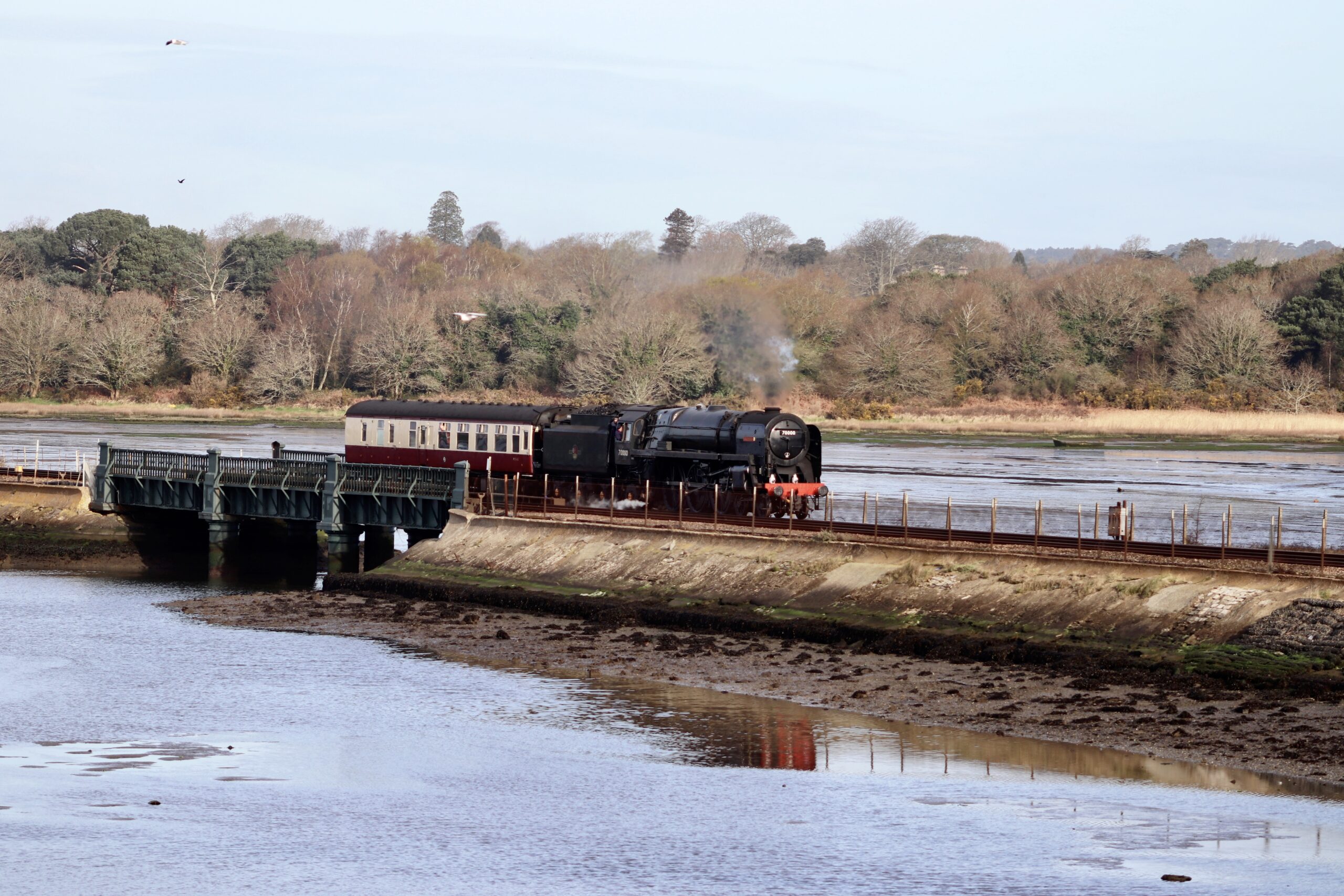
    On Tuesday 11th April, the Swanage Railway said good-bye to British Railways Standard Class 7 No. 70000 ‘Britannia’ as she returned to her base at Locomotive Services Limited in Crewe. We caught her crossing the Holes Bay causeway in Poole. During her stay in The Purbeck’s the Brit was star guest at the Swanage Steam Gala and was utilised on sell out driver training events.

    British Railways Standard Class 7 No. 70000 ‘Britannia’ crosses Holes Bay working 5Z72 0720 Swanage to Crewe H.S. – 11/04/2023
    Video of ‘Britannia’ at Holes Bay – 11/04/2023

    Easter Monday saw the monthly GBRf Class 73 hauled test train originating from Derby Railway Technical Centre visit Weymouth. Because of engineering work in the Basingstoke / Winchester area, this working was diverted via Guildford. Which was a shame as I was visiting friends in Basingstoke. However, I was back in Dorset just in time to see the early running ensemble pass through Poole on the return run from Weymouth heading to Eastleigh East Yard.

    GBRf Class 73 No.’s 73965 ‘Des O’Brien’ and 73963 ‘Janice’ working 1Q51 1115 Derby RTC to Eastleigh East Yard pass Poole – 10/04/2023
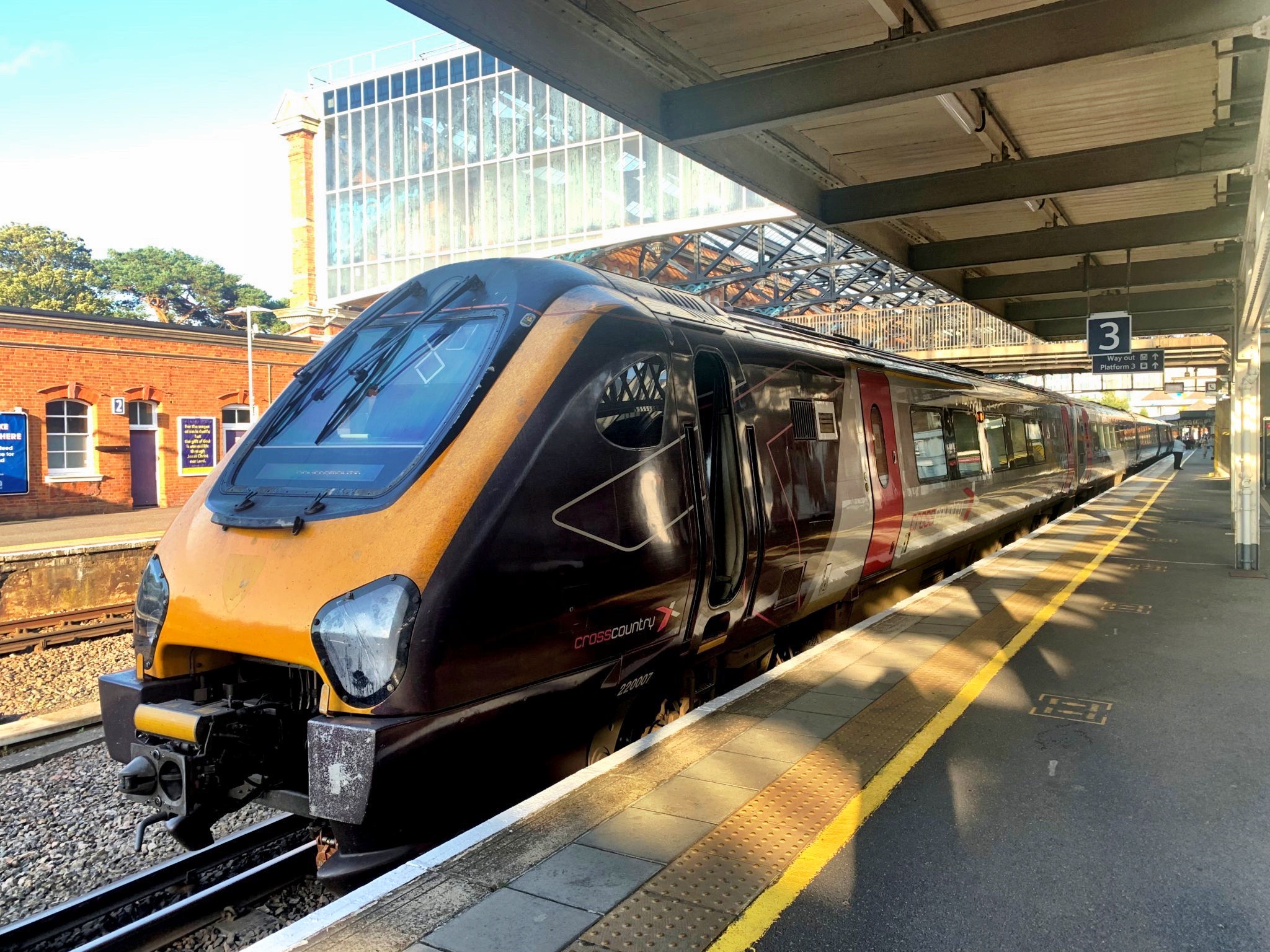
    CrossCountry Voyager Class 220 No. 220007 at Bournemouth – 28/07/2021

    CrossCountry train services from Bournemouth to the North as well as freight from Southampton have been affected by the closure of the Nuneham Viaduct near Abingdon in Oxfordshire. Network Rail have been carrying out stabilisation works on the viaduct in recent weeks and monitoring equipment detected significant movement over the weekend of 1st/2nd April with the result that the bridge was temporarily closed on 4th April along with the railway between Didcot Parkway and Oxford to ensure the safety of passengers.

    Network Rail advised CrossCountry passengers; “Trains will be revised to run in two portions; between Bournemouth and Didcot Parkway and between Oxford and Manchester Piccadilly. Limited replacement road transport is in operation between Didcot Parkway and Oxford. Customers travelling between Bournemouth/Reading and Banbury/Birmingham/Manchester are advised to travel via London stations or Bristol stations. This is due to limited availability of road transport at Didcot Parkway.”

    Network Rail are working around the clock to install a temporary structure to stabilise Nuneham Viaduct, so trains can safely run again by Saturday 10 June. Place your bets….

    That’s all we have time for this week. Thanks agin for joining us. We’ve been busy catching up with friends and eating chocolate over the Easter weekend just gone. Mmmhhh, chocolate.

  • Northward Bound

    Tuesday 12th July to Tuesday 19th July

    DB Cargo Class 67 No. 67025 in operation with Transport for Wales waits departure at Crewe with 5K67 0951 Holyhead Car. M.D. Empty Coaching Stock working to Crewe C.S. – 16/07/2022

    Fleetwood

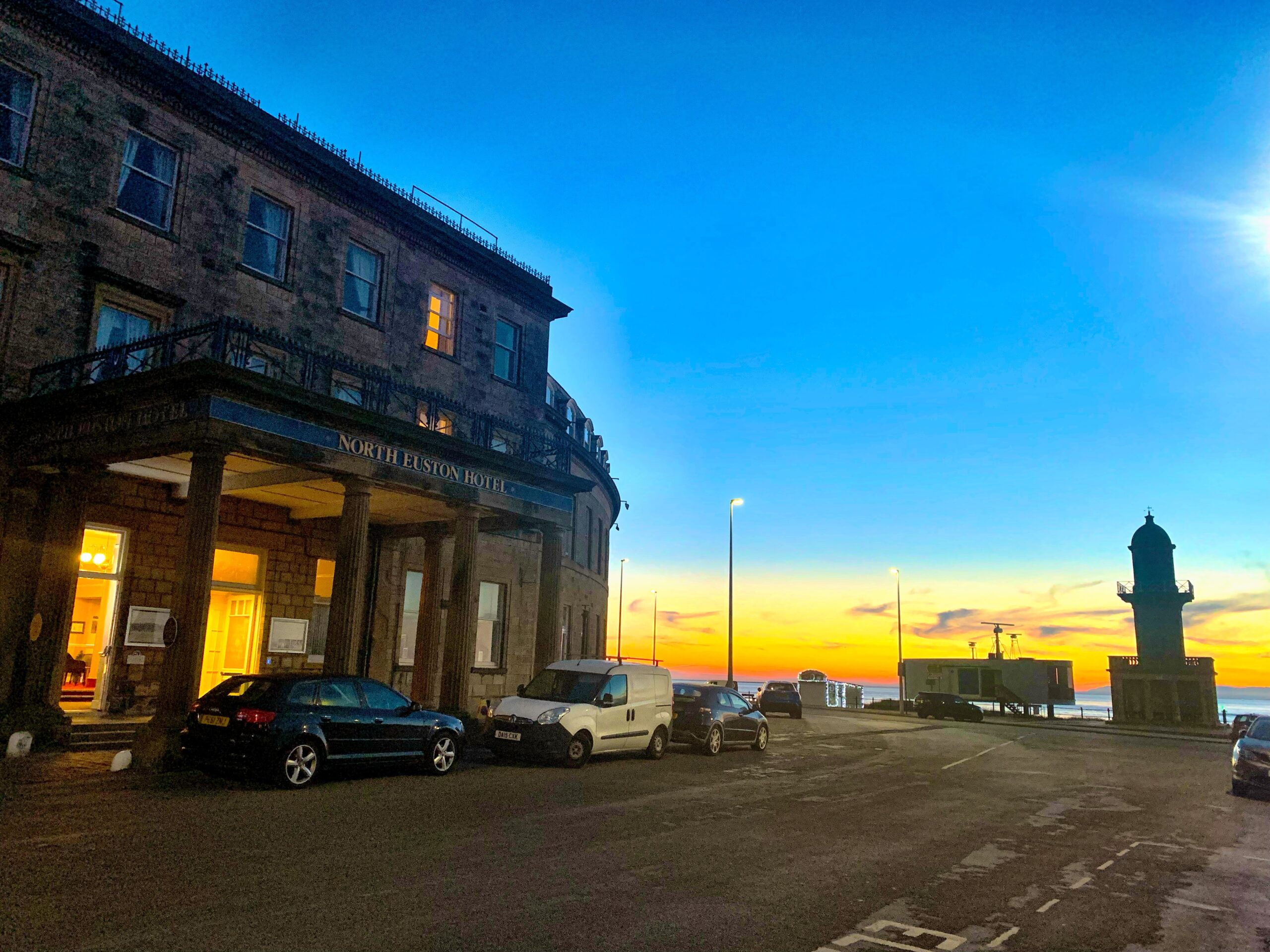
    The North Euston Hotel, Fleetwood

    Yoshi and I spent much of last week in the North West of England as we made The North Euston Hotel in Fleetwood our base. The hotel was commissioned by Sir Peter Hesketh Fleetwood, designed in the Greek classical style by architect Decimus Burton and built between 1839 and 1841 to serve overnight passengers making the journey by rail from London Euston who were destined for steam ships which would provide onward travel to Scotland where after disembarking at Ardrossan they would take the train on to Glasgow. Fleetwood was the northern most station at the time, hence the name “North Euston” for the hotel, and the railway was yet to run over the Shap hills. Queen Victoria made the journey in 1847 and stayed at the hotel, although I’m sure she didn’t stay in our room. The first manager of the hotel, Corsican born Xenon Vantini, had been a courier for Napoleon Bonaparte and was also the first person to open a refreshment room at Wolverhampton railway station. In 1859 following a decline in fortunes, the hotel was sold to the government and was converted into a school of musketry and later, in 1867, an officer’s quarters. The building existed in this form until the 1890’s when it was purchased by a group of London businessmen who converted it back into a hotel. The North Euston is currently owned by local business families. Yoshi very much enjoyed his morning sausage for breakfast and we celebrated our dubious achievement of coming last in the Sunday evening pub quiz which was a lot of fun.

    The railway to Fleetwood was opened on 15th July 1840 as the Preston & Wyre railway and was also the vision of Sir Peter Hesketh Fleetwood it being designed to connect the then new port of Fleetwood on the Fylde coast to Preston. The railway was constructed by George and Robert Stephenson with contribution from Joseph Locke. Its glory days lasted only six years until a direct route over Shap was finally achieved. The railway was absorbed into the Lancashire & Yorkshire Railway ( later the London Midland Scottish Railway as part of the Big Four groupings in 1923) and extensions were built to Blackpool and Lytham to cater for the growing number of passengers traveling to the seaside. Fleetwood would become, for a time, one of the largest and most successful fishing ports in the UK but by 1970 the railway from Poulton-le-Fylde to Fleetwood was closed to passenger traffic and later, in 1999, to freight workings.

    Thornton Station is located in the heart of Thornton town centre – July 2022
    Until the late 1980’s a signal box operated the crossing over Station Road, Thornton – July 2022
    The current station buildings were the first built by the then newly formed London Midland Scottish Railway (LMS) in 1927 – July 2022

    In 2006, the Poulton & Wyre Railway Society was formed with the aim of reopening the railway. Since then, much work has been carried out in clearing sections of the line from the ingress of nature and a Class 108 Diesel Multiple Unit was purchased for restoration and use on the line. More recently, the Poulton-Le-Fylde to Fleetwood line was subject to a study as part of the UK Government’s Restoring Your Railway programme. In June 2022 it was announced that the scheme should progress further and Network Rail will receive funding to produce a detailed plan for the revival of services. The Poulton-Le-Fylde & Wyre Railway Society have now turned their attention to developing a heritage railway centre which will eventually house a collection of railway artefacts and memorabilia for public viewing.

    Churnet Valley Railway

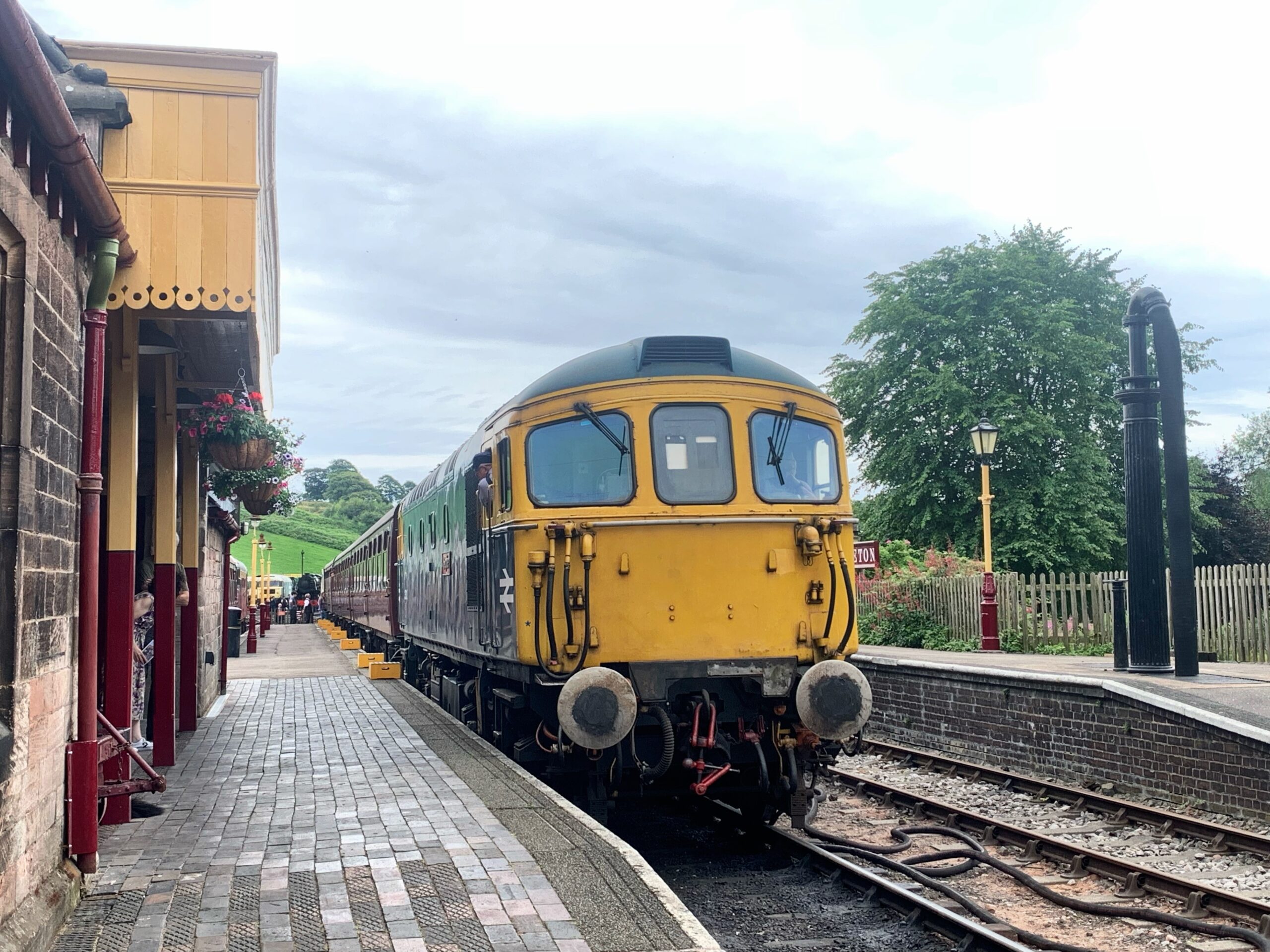
    Having heard that Class 33/1 No. 33102 was hauling trains, Yoshi and I spent Tuesday morning ( 12th July 2022 ) visiting Cheddleton on the Churnet Valley Railway, a preserved heritage line in Staffordshire. I grew up with 33/1’s providing the daily motive power on local passenger services between Bournemouth and Weymouth, and even though No. 33111 lives on at Swanage, our local heritage railway, it was fantastic to hear the Crompton’s Sulzer engine at work hauling a passenger train.

    The Churnet Valley railway dates back to 1849 following the formation of The North Staffordshire Railway Company (NSR) in 1845. Falling passenger numbers saw the Beeching Report include the Churnet Valley line and its associated branches which became earmarked for closure with the final section from Leek Brook Junction to Oakamoor quarry lasting out until the late 1980’s as it was used for freight traffic. In 1992 the newly formed Churnet Valley railway (1992) PLC began talks with the Department of Transport with a view to operate the line. Trains currently run between Froghall and Ipstones, but the ambition is to run services into the Staffordshire market town of Leek for the first time since 1965. And they have an eye on the clock to achieve this as the railway needs to run its first passenger train into Leek by 1st December 2022 or lose a £1.4m EU grant. This means all track must be laid on the 0.5 mile extension, with additional resources being provided for a triangle at Leek Brook Junction, and a platform constructed at Leek. It really is a very picturesque railway with extremely friendly volunteers, Yoshi and I were escorted around the workshops to get a closer view of locomotives stabled there, and I wish them every success with their endeavours and look forward to a return visit in the future.

    Cheddleton Station which was to be demolished in April 1974 but saved by the actions of local businessman and parish councillor Norman Hancock who parked his car on the level crossing preventing access to bulldozers giving sufficient time for the building to be Grade II listed – July 2022
    Cheddleton Station – July 2022
    Time for a cuppa! Yoshi waits for the kettle to boil in the booking hall of Cheddleton Station – July 2022
    Class 33/1 No. 33102 ‘Sophie’ awaits departure from Cheddleton – 12/07/2022
    Class 20 No. D8057 (20057) sits outside the repair shed at Cheddleton – 12/07/2022
    S160 Class 2-8-0 No. 5197 was built by the Lima Locomotive Company in Ohio, USA and exported to China in 1946. The United States Army Transportation Corps Class S160 were designed for heavy freight work across Europe during World War 2 with a total of 2,120 being built they eventually worked all over the world – 12/07/2022
    Class 25 No. 25322 ‘Tamworth Castle’ was the final Class 25 locomotive to see mainline service with British Rail. She is currently in store at Cheddleton Yard awaiting restoration – 12/07/2022
    Yoshi inspects Class 33 No. 33021 ‘Eastleigh’ in Post Office Red style livery. This locomotive was amongst the first privately owned diesel locomotives to be used on the mainline – 12/07/2022
    The Churnet Valley Railway has acquired Class 47 No. 47292 for an initial loan period of five years supplementing Class 33 No.’s 33021 and 33102 for use on passenger trains – 12/07/2022

    On our way back to Fleetwood, we stopped off at Acton Bridge for an hour or so, primarily to capture Class 37 No. 37884 which was diagrammed to pass through with 0M58 Kilmarnock Long Lyes T.C. to Derby R.T.C. – which can be seen in the video below:

    Southport

    On the Wednesday, Yoshi and I took a trip on a heritage Blackpool Tram – more about that adventure next week – but first that we made a brief visit to Southport and Formby. Southport railway station is the terminal of the Southport branch of the Northern Line of the third-rail electric Merseyrail network, and the diesel-operated Manchester to Southport line. The station and services to Liverpool and Hunts Cross are operated by Merseyrail, with Manchester services operated by Northern Trains. The current station opened as Southport Chapel Street on 22 August 1851 and once boasted eleven regular platforms and two excursion platforms. Six truncated platforms are now in use (platforms 1-3 for Liverpool trains and 4-6 for Manchester services), the remainder having been demolished to make way for car parking. In 1970 the former terminal building was replaced with a shopping centre.

    New Stadler Class 777 trains are currently being tested, and one was scheduled to visit Southport that morning on test run. Despite the best attempts at numerous roadworks and traffic queues, we made it just in time to see Class 777 No. 777015 arriving. Members of The National Union of Rail, Maritime and Transport Workers ( RMT – what these initials mean was one of the pub quiz questions I actually answered correctly! But I digress…. ) Anyway to continue; RMT members recently voted in favour of the proposed crewing plans for the new fleet which brings a five-year dispute to its conclusion. Merseyrail still has to reach agreement with the drivers union, the Associated Society of Locomotive Engineers and Firemen (ASLEF), but intends to introduce the new Class 777’s into service later this year. Currently, 17 out of the 53 units purchased have been delivered to the UK. The arrival of the Class 777 fleet will see the demise of both the Class 507 and 508 electric-multiple units (EMU’s).

    The Class 507’s were built to work on Merseyside, replacing the London Midland Scottish Railway (LMS) built Class 502 units on Northern line services from Liverpool to Southport, Ormskirk and Kirkby. 33 sets were built by British Rail Engineering Limited (BREL) in York from 1978 to 1980 followed by 43 Class 508s constructed between 1979 and 1980. They were the second and fourth variety of BR’s then standard 1972 design for suburban EMU’s, which were derived from the prototype 2PEP and 4PEP EMU’s introduced in 1971 and eventually amassed 755 vehicles across five Classes (313/314/315/507/508). Originally, the Class 508’s were built as 4-car units for the Southern Region of British Rail working out of Waterloo on former London South Western Railway (LSWR) routes. From 1982 to 1984 they were reduced to 3 car units (one of the trailer cars was removed to be incorporated into the Class 455/7 EMU’s) and transferred to Merseyside to replace the former LMS Class 503 units that operated Wirral line services to New Brighton, Rock Ferry and West Kirby. Following rail privatisation the two fleets became interchangeable and work both sides of the Mersey. They are the oldest EMU’s still working in the UK after the Class 313’s.

    Yoshi with Merseyrail Class 507 No. 507020, Southport – 13/07/2022
    Yoshi compares the differences between EMU’s with a study of Merseyrail Class 508 No. 508140, Southport – 13/07/2022
    Merseyrail Class 777 No. 777015 having arrived with 5T02 0917 Sandhills Reversing Sdg to SouthportSouthport – 13/07/2022
    Northern Trains Class 769 No.’s 769424 & 769456 Southport – 13/07/2022
    Northern Trains Class 150 No. 150128 and 150134 Southport – 13/07/2022
    Merseyrail Class 507 No. 507020 Southport – 13/07/2022
    Merseyrail Class 507 No. 507020 and Class 508 No. 508131 stand side by side at Southport – 13/07/2022
    Merseyrail Class 508 No. 508126 at the buffer stops, Southport – 13/07/2022
    Merseyrail Class 777 No. 777015 awaits departure of 5T03 1008 Southport to Kirkdale C.S. Southport – 13/07/2022

    Crewe

    After breakfast on Thursday where we spent a few enjoyable hours watching freight movements around Crewe Basford Hall. You can relive this by playing the video below:

    We returned to Dorset on Friday, eschewing the opportunity of capturing two Colas Class 37’s at rest in Blackpool North Railway Station which had worked a test train from Carlisle in the early hours. However, the next day; Saturday 16th July, I was back in Crewe, this time without Yoshi, so I could attend the Direct Rail Services (DRS) Open Day at their depot at Gresty Road. Understandably, dogs were not allowed on site, so Yoshi spent the day with his mum, while I endured the heat of the day without my fluffy sidekick. Many thanks to Scott for driving and for his company.

    The Open Day coincided with LMS Coronation 4-6-2 No. 6233 ‘Duchess Of Sutherland’ passing through Crewe railway station with the Railway Touring Company’s “Cheshireman” rail tour from London Euston to Chester. (1Z86 0639 London Euston to Chester with Class 47 No. 47813 providing support at the rear). The station was extremely busy with the influx of enthusiasts in the town to visit the DRS site, but I managed to catch a short video clip of this magnificent locomotive departing Crewe. Later that day, SR Merchant Navy 4-6-2 No. 35018 ‘British India Line’ worked into Crewe light engine and support coach as 5Z46 Carnforth Steamtown to Crewe Heritage Centre for servicing ahead of rail tour duties scheduled for the following day:

    Crewe 16th July 2022

    3,500 people attended Nuclear Transport Solutions’ (NTS) rail division DRS’s open day, the first one to be held for a number of years because of the Covid pandemic. There were two locomotive naming’s at the event – the first saw Class 66 No. 66422 being unveiled as ‘Max Joule’ in tribute to one of DRS’s founders and former Managing Director who died in 1999. The second naming was for Class 66 No. 66424 which was named ‘Driver Paul Scrivens’ who had been a driver with DRS for more than 20 years. An emotional tribute was delivered by colleague Tim Howlett before the new plate was unveiled by Paul’s sister Emma.

    The open day raised over £39,000 from sponsorship and donations which is an amazing figure that will go to deserving causes across the UK. It was a fantastic event, and I thoroughly enjoyed the experience. Because of the hot weather, DRS made bottles of water available at points across the site, which was very welcome.

    Locomotives on display were:

    Class 37 No. 37218 in retro DRS livery – 16/07/2022
    Class 37 No. 37401 ‘Mary Queen Of Scots’ – 16/07/2022
    Class 37 no. 37419 ‘Carl Haviland’ – 16/07/2022
    Class 37 No. 37425 ‘Concrete Bob’ – 16/07/2022
    Class 68 No. 68025 ‘Superb’ – 16/07/2022
    Class 57 No. 57312 – 16/07/2022
    Class 88 No. 88002 ‘Prometheus’ – 16/07/2022
    Class 68 No. 68006 ‘Pride of the North’ in special green livery showcasing the environmental benefits of rail freight and how a diesel locomotive can reduce emissions by using Hydrotreated Vegetable Oil (HVO) fuel – 16/07/2022
    Class 66 no. 66303 ‘Rail Riders 2020’ – 16/07/2022
    Class 68 no. 68009 ‘Titan’ – 16/07/2022
    Class 66 No. 66422 ‘Max Joule 1958-1999’ – 16/07/2022
    Class 66 No. 66424 awaits its naming ceremony – 16/07/2022
    Class 57 No. 57304 – 16/07/2022
    Class 88 No. 88009 ‘Diana’ – 16/07/2022
    Class 66 No. 66429 – 16/07/2022
    Class 37 No. 37424/37558 ‘Avro Vulcan XH558’ – 16/07/2022
    Class 88 No. 88001 ‘Revolution’ – 16/07/2022

    On our way to the DRS Open Day, we stopped off at Longport to peer through the fence at Electro-Motive Diesel Limited’s (EMD) site and witnessed some shunting around of locomotives, mainly Class 56 / Class 69 conversions which are ongoing.

    With 69006 stencilled on the bodyside, the conversion of 56128 is almost complete. Longport – 16/07/2022
    The empty shell of Class 56 No. 56032 awaiting a second move to Marcroft Engineering with 69007 ( ex-56037 ) in the background – 16/07/2022
    56038 is being converted into 69008 and is still on accommodation bogies but some of its new innards are in place. An extra hole has been cut in the cab front ends to accommodate an additional connection with this locomotive likely being the first for use by the GBRf Rail Services sector which handles stock movements – 16/07/2022
    Class 56 No. 56009 sits in the yard at Longport. The locomotive was unofficially renumbered No. 56201 when it was converted for use as an engineering test bed by Brush Traction in order to assess refurbished Paxman engines of sister class members – 16/07/2022
    Former DB Cargo UK Class 66 No. 66048 rests on accommodation bogies at Longport. The locomotive was damaged when it derailed at Carrbridge in January 2010 and it ended up down an embankment. It was sold to EMD in March 2016 after being initially disposed of for scrap. It’s unclear what the future holds for this Class 66 locomotive – 16/07/2022

    On our way home we diverted to Keynsham to refuel the car and restock with drinking water. Fortuitously, Class 37 No.’s 37901 and 37800 were scheduled to pass through top and tailing an Eastleigh Works to Swansea Landore stock move consisting of a Great Central-liveried Mk4 set and an LNER-liveried Mk4 set (5Q79 1826 Eastleigh Arlington to Landore). This made a fantastic epilogue to the day!

    Class 37 No. 37901 heads an Eastleigh Works to Swansea Landore stock move consisting of a Great Central-liveried Mk4 set and an LNER-liveried Mk4 set with 37800 on the rear approaches Keynsham station – 16/07/2022.

    Dorset NMT

    While we were away it was a quiet week on the Bournemouth to Weymouth line, with only the New Measurement Train of particular interest on the main line as far as I’m aware. HST Class 43 power car No.’s 43272 and 43257 were in charge of 1Q18 0719 Derby RTC to Bristol Kingsland Road on Wednesday 13th July 2022.

    Class 43 No. 43257 sits in Weymouth station – 13/07/2022. Photograph courtesy of @da_buckley967
    Class 43 No. 43272 preparing to depart from Weymouth – 13/07/2022. Photograph courtesy of @da_buckley967

    My brother popped out to see the NMT return through Dorchester West on its way to Bristol and his video which he captured especially for Yoshi can be seen here:

    In other news, Swanage resident Class 33/1 No. 33111 headed off by road to the Mid Hants Railway (MHR) to participate in their 2022 diesel gala. I had considered visiting the MHR on Sunday, but felt it was far too hot for Yoshi to be out and about, so we decided to stay home and catch up on some gardening.

    The recent heat wave also resulted in speed restrictions being imposed on main line services by South Western Railways (SWR), including those on the Bournemouth to Weymouth line, with the increased risk of tracks buckling. Reduced services were introduced on Monday 18th and Tuesday 19th July 2022 in a bid to give passengers certainty over which trains would run. There was also a steam ban imposed by many heritage railways and on the main line. This includes the Railway Touring Company’s “Dorset Coast Express” excursion to Weymouth on Thursday 21st July which will now be diesel hauled throughout.

    Great Western Railways were under fire in the local press this week, when the Dorset Echo reported chaotic scenes at Weymouth station where passengers were turned away from trains as they tried to return home. The 1728 departure to Bristol Temple Meads from the Dorset seaside town was formed of just two carriages meaning station staff and police had to request some travellers to wait for the next service which was due to leave an hour later. Not so long ago a High Speed Train was regularly employed to run a relief service to Weymouth via the West route on Summer Saturdays in order to cater for anticipated increased passenger numbers.

    That’s all for this week – join us next time when we recount our trip on a heritage Blackpool Tram. Many thanks for reading, and for continued contributions, comment and corrections which are very much appreciated!