
Swanage Railway
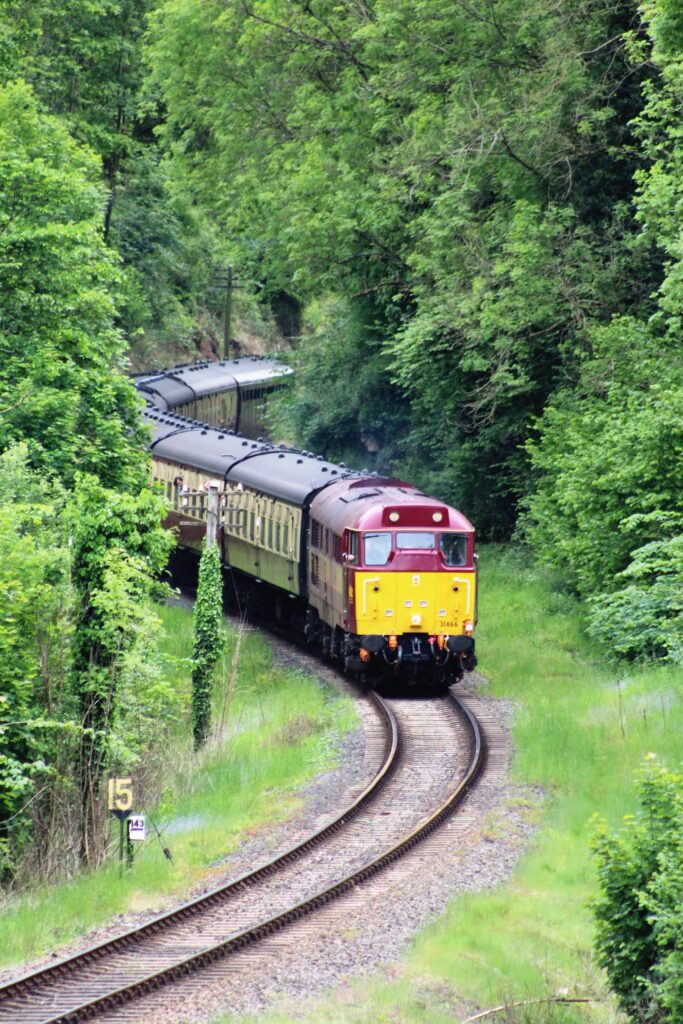
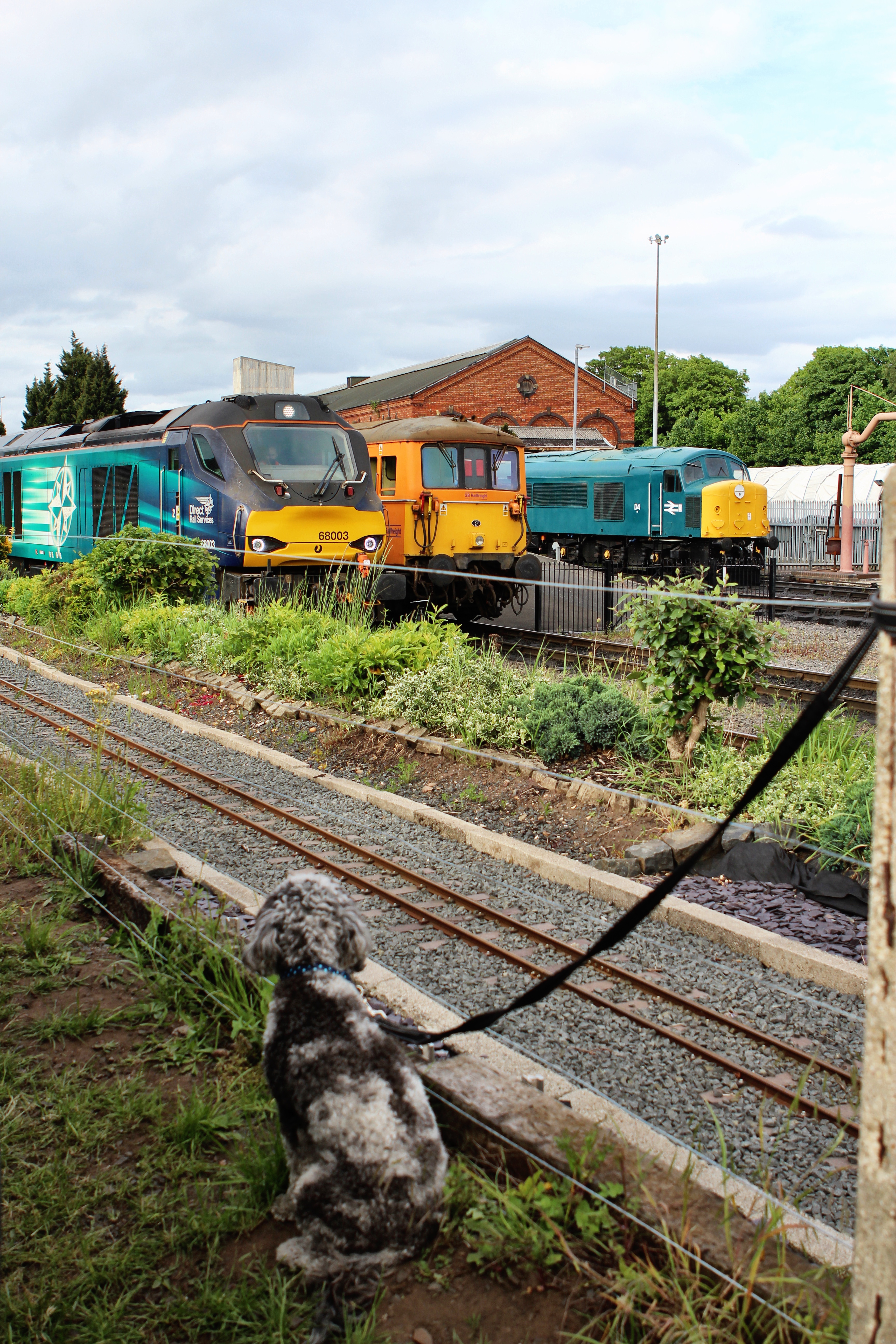
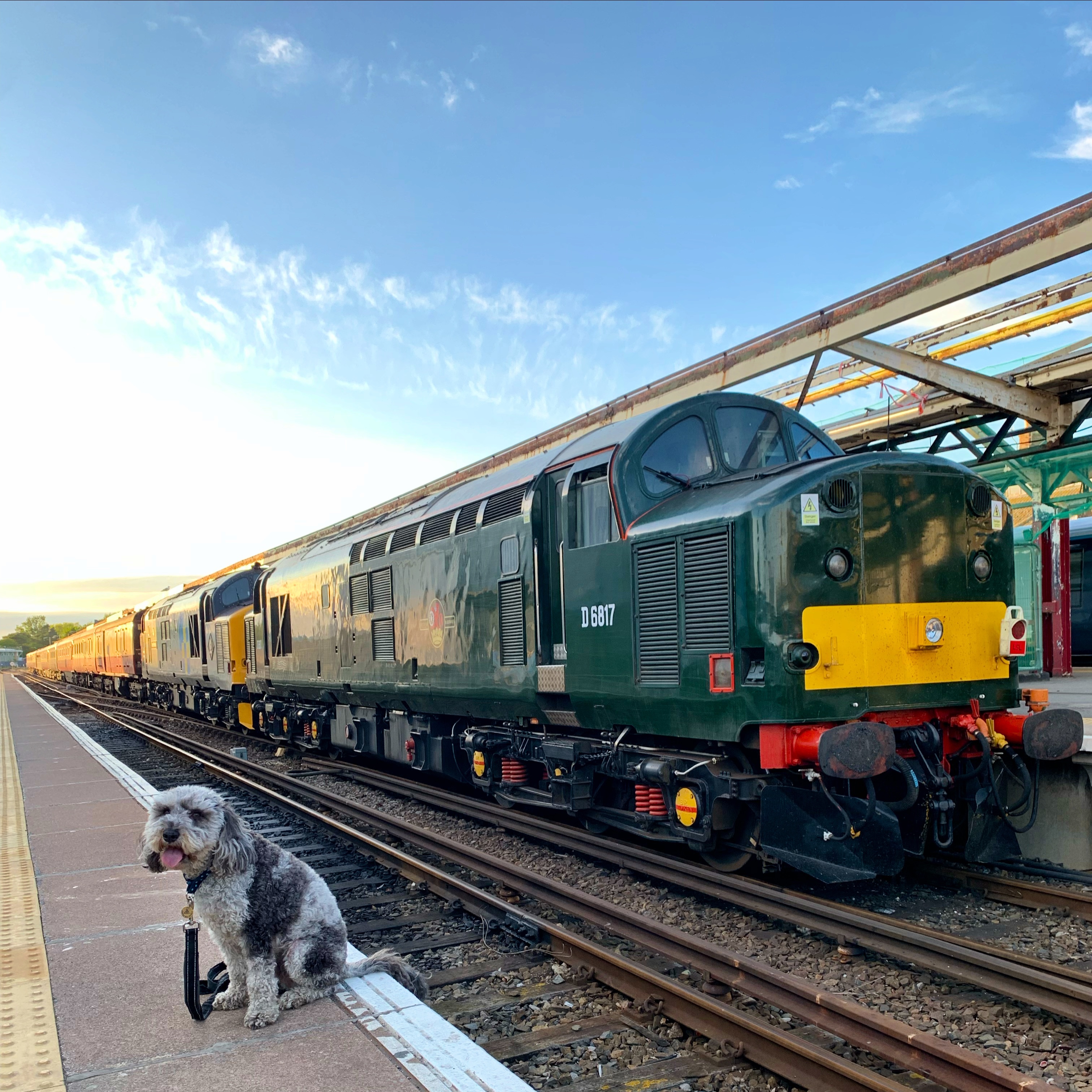
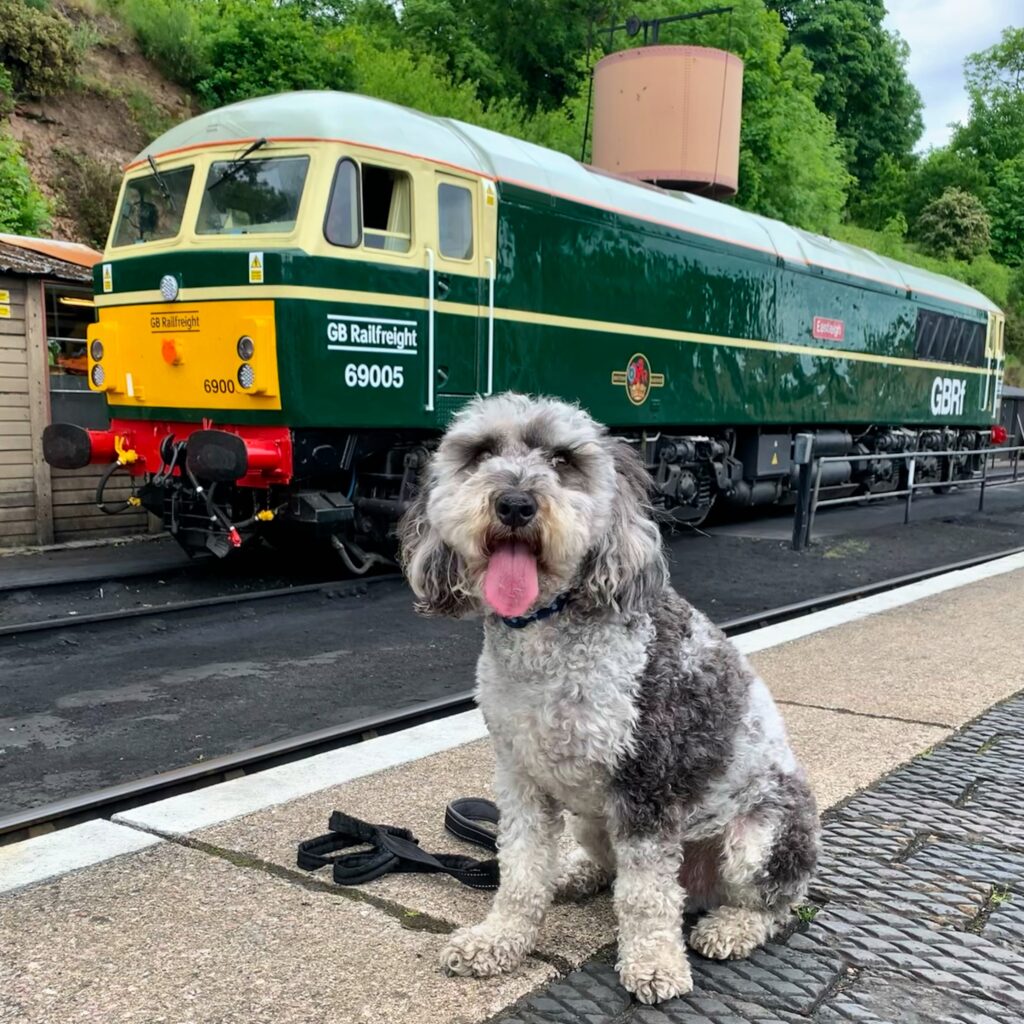
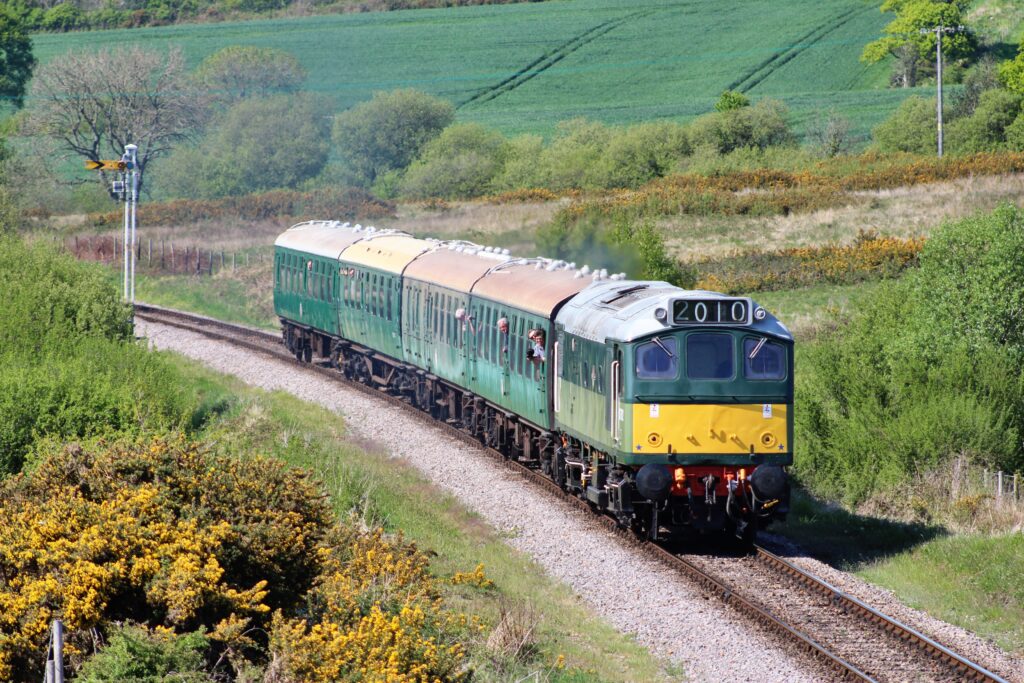
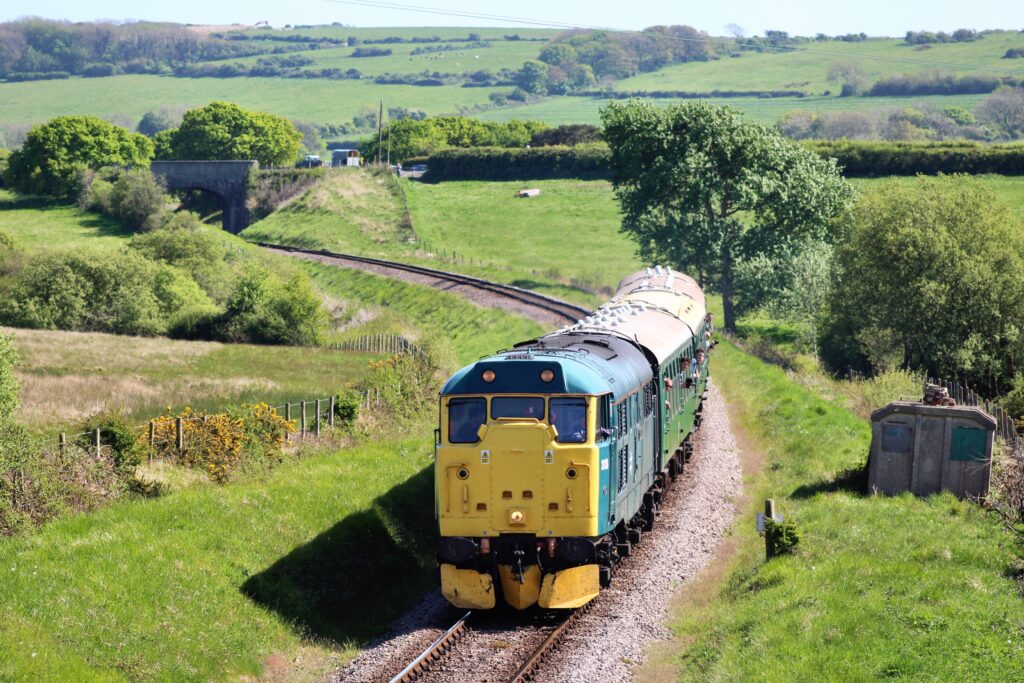
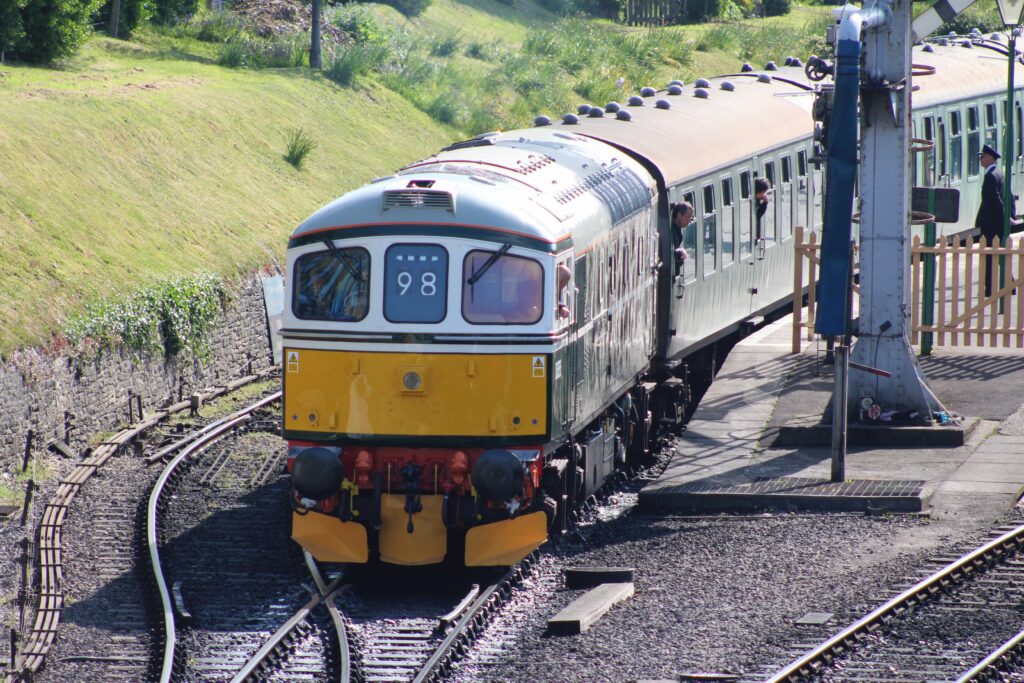
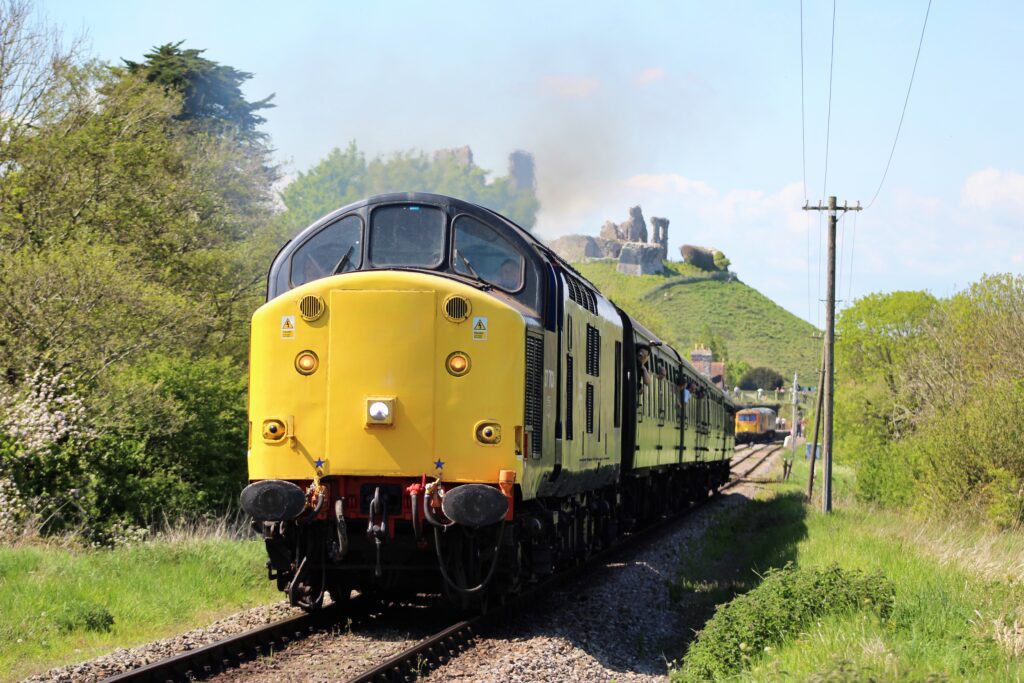
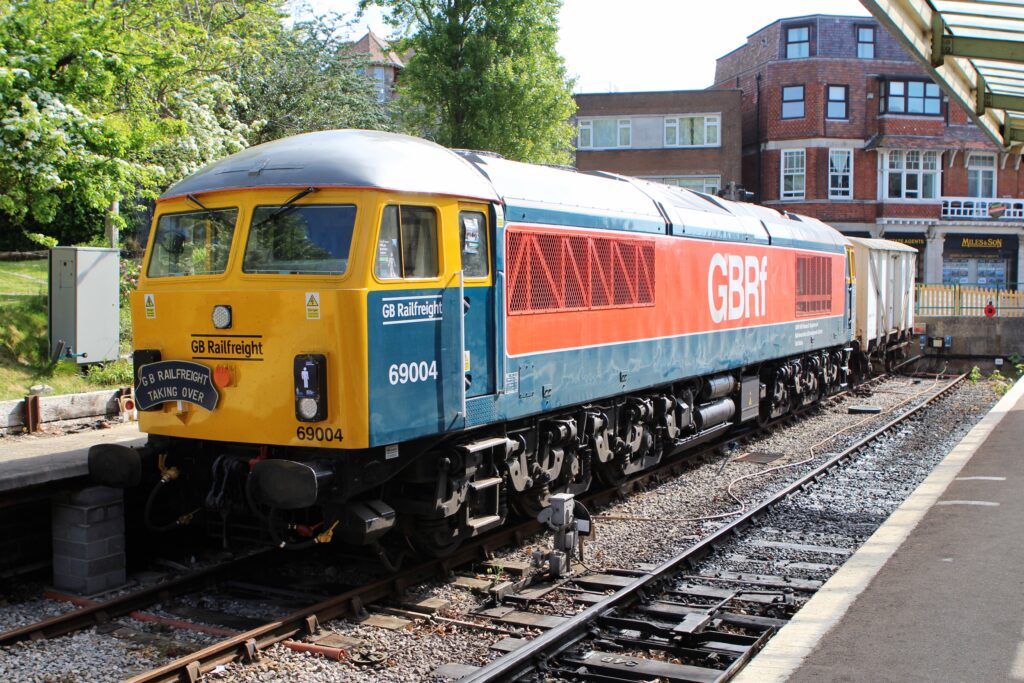
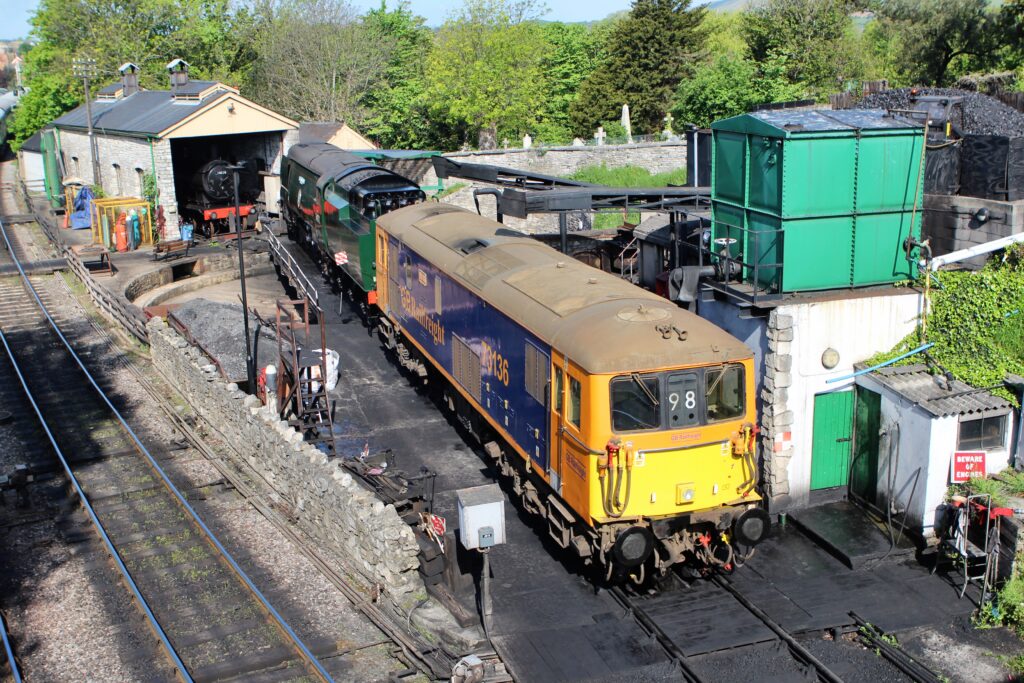
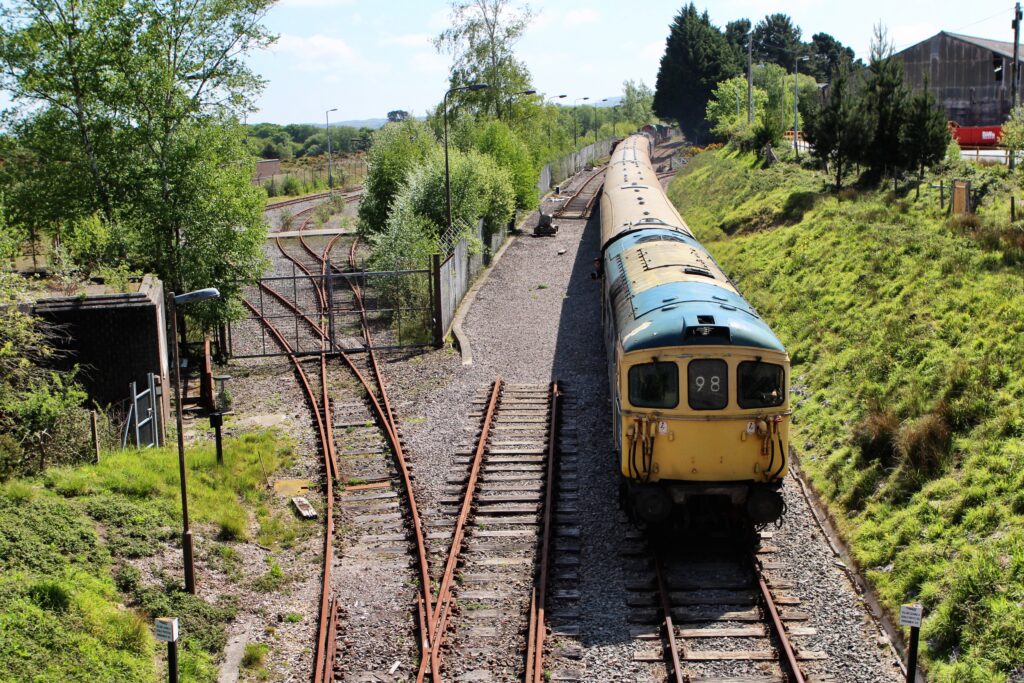
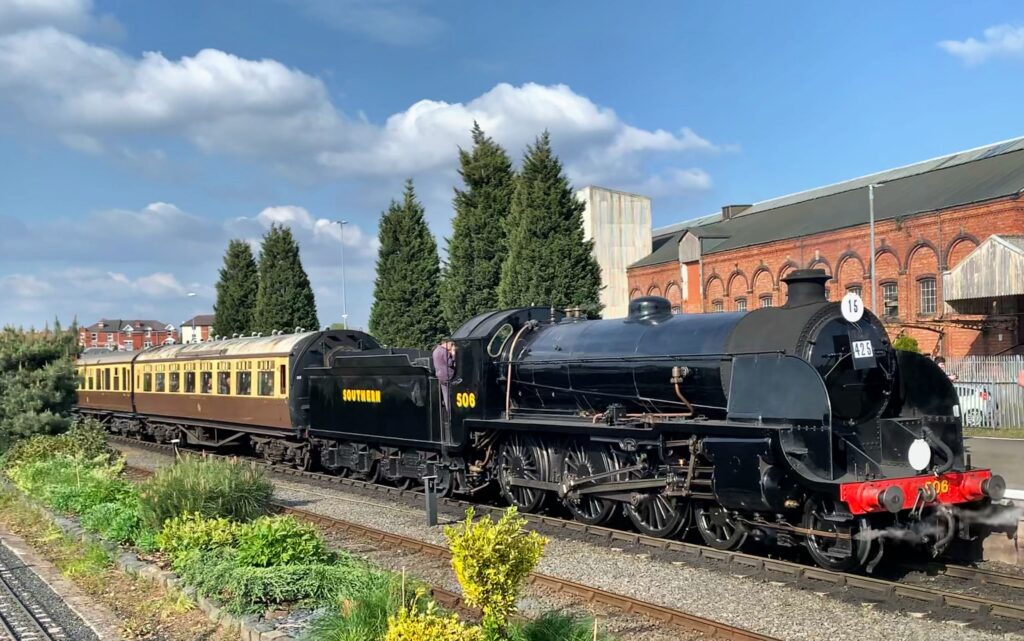
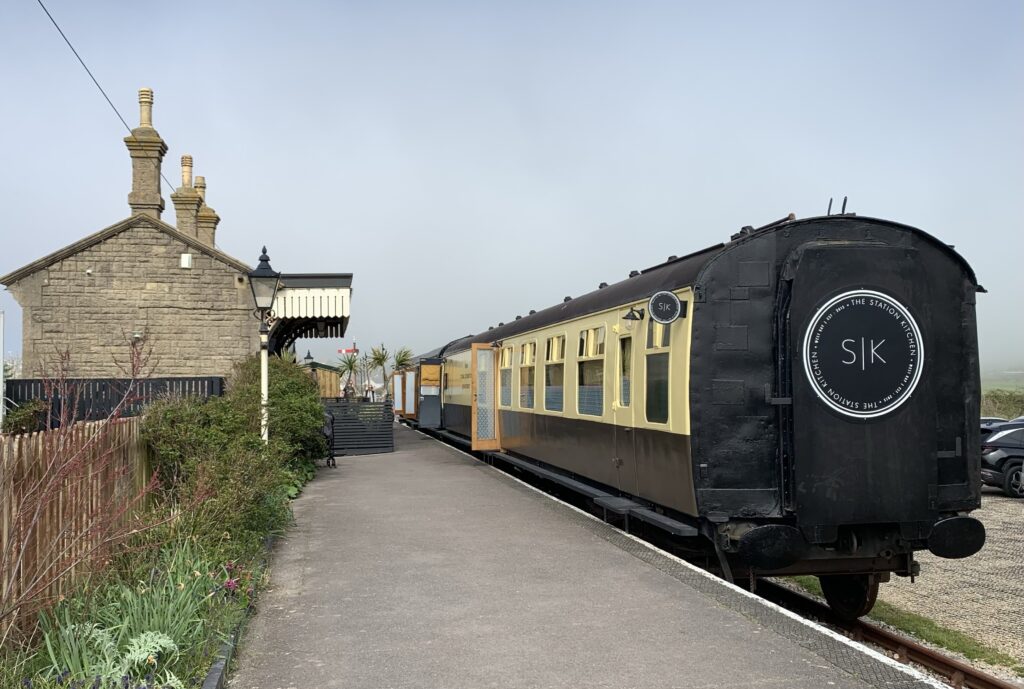
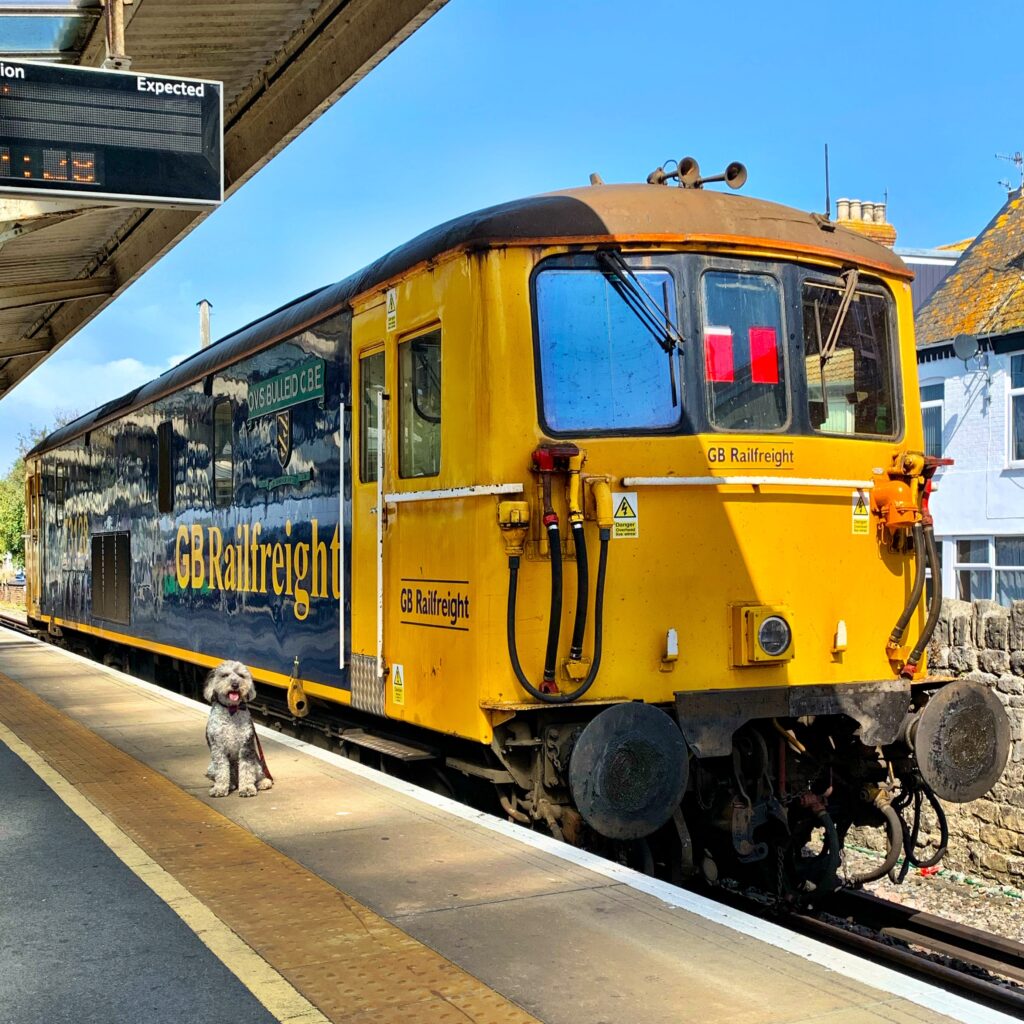
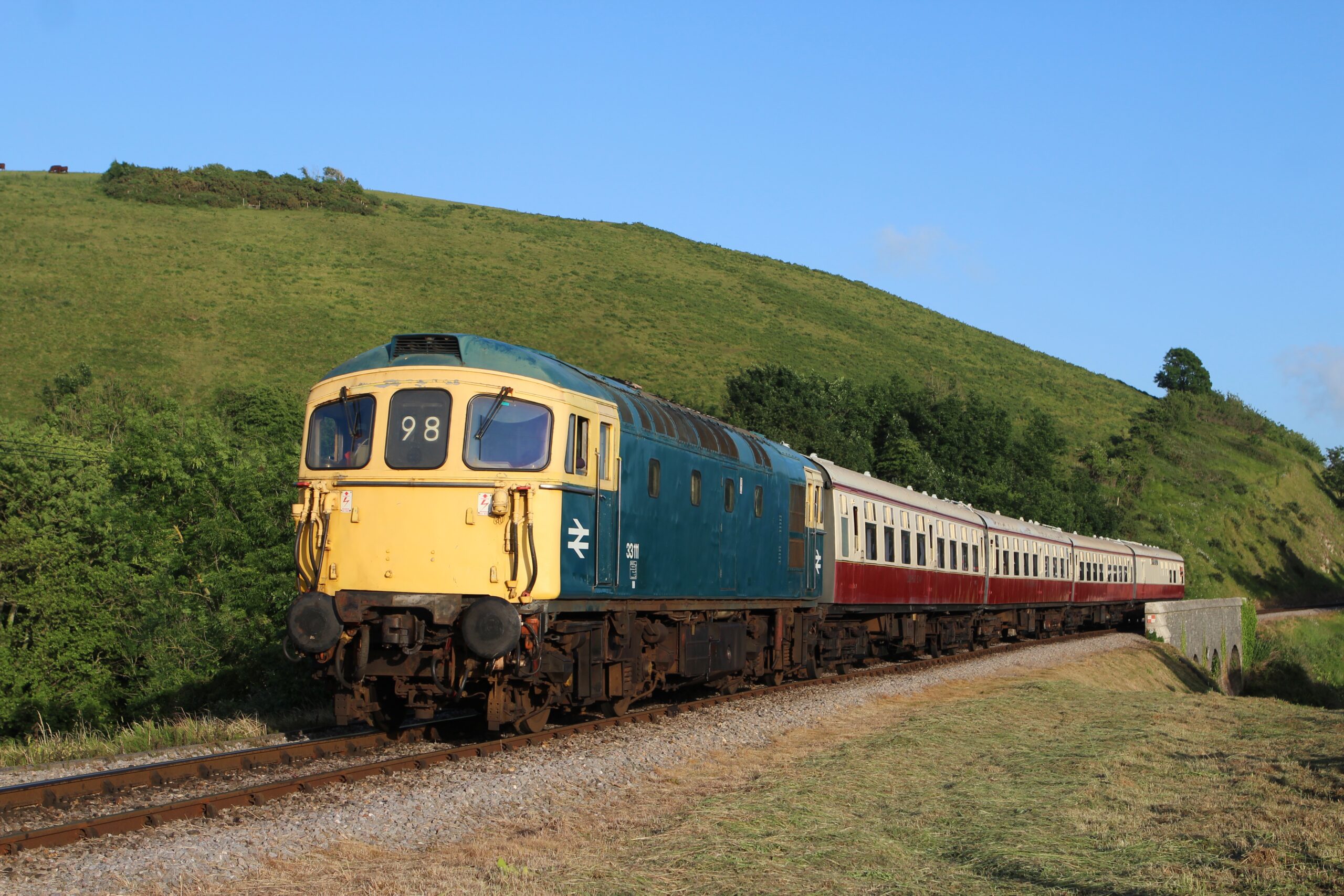
Friday evening was gloriously sunny, so Yoshi and I made the most of the light and took a drive to Swanage to see resident Class 33 No. 33111 in charge of the dining train which made two return trips between Swanage and Norden enabling diners ample time to enjoy dinner while taking in the beautiful Purbeck countryside. Class 33/1’s were part of the regular scene in my train spotting days back in the late 1970’s/ early 1980’s. On my way to school in the morning I would time my walk to coincide with the arrival of the ‘school train’ from Weymouth to Dorchester South which was regularly hauled by a 33/1 diesel locomotive hauling the passenger stock from the overnight mail train which would have arrived at the seaside terminus several hours previously. Well, that’s my recollection anyway! No. 33111 was the last locomotive of the 19 strong sub-class that I needed to ‘spot’, and therefore holds a special memory for me. I’m very pleased she survived into preservation locally.

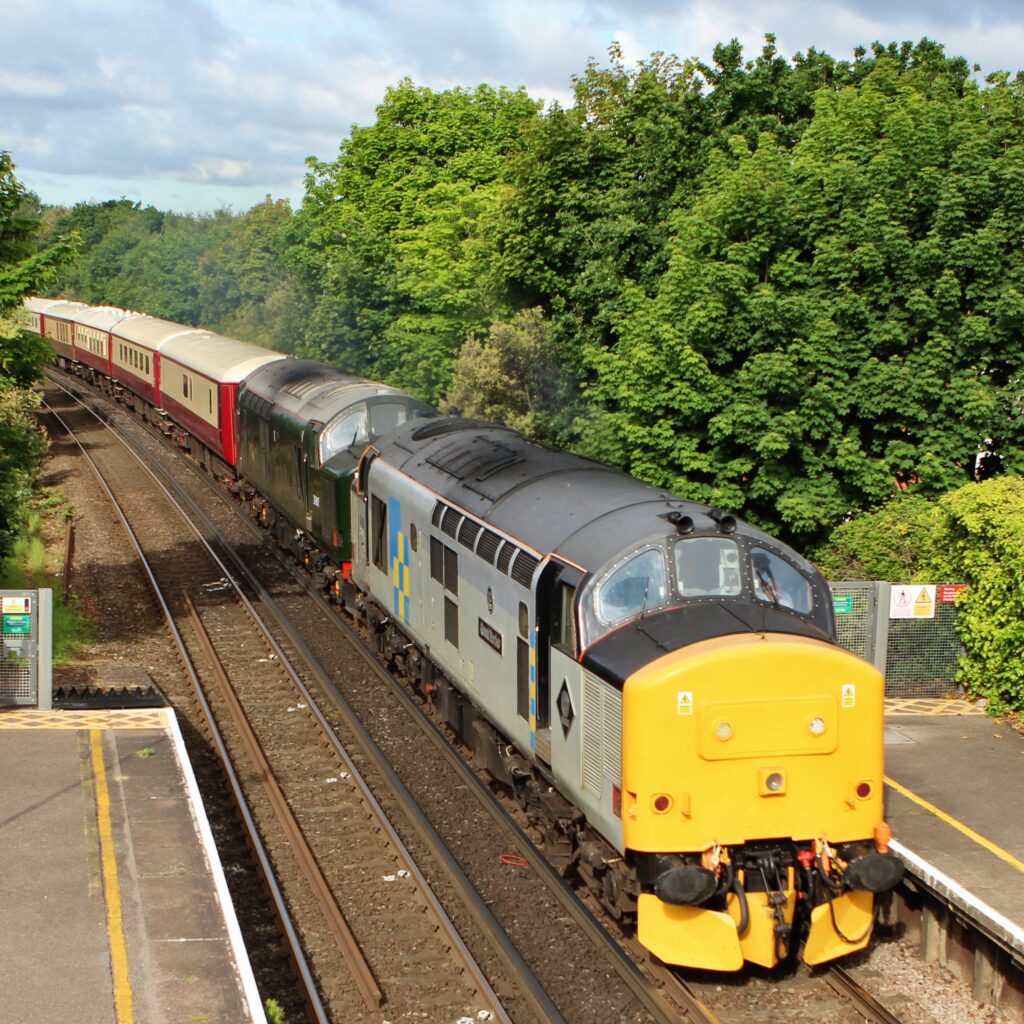
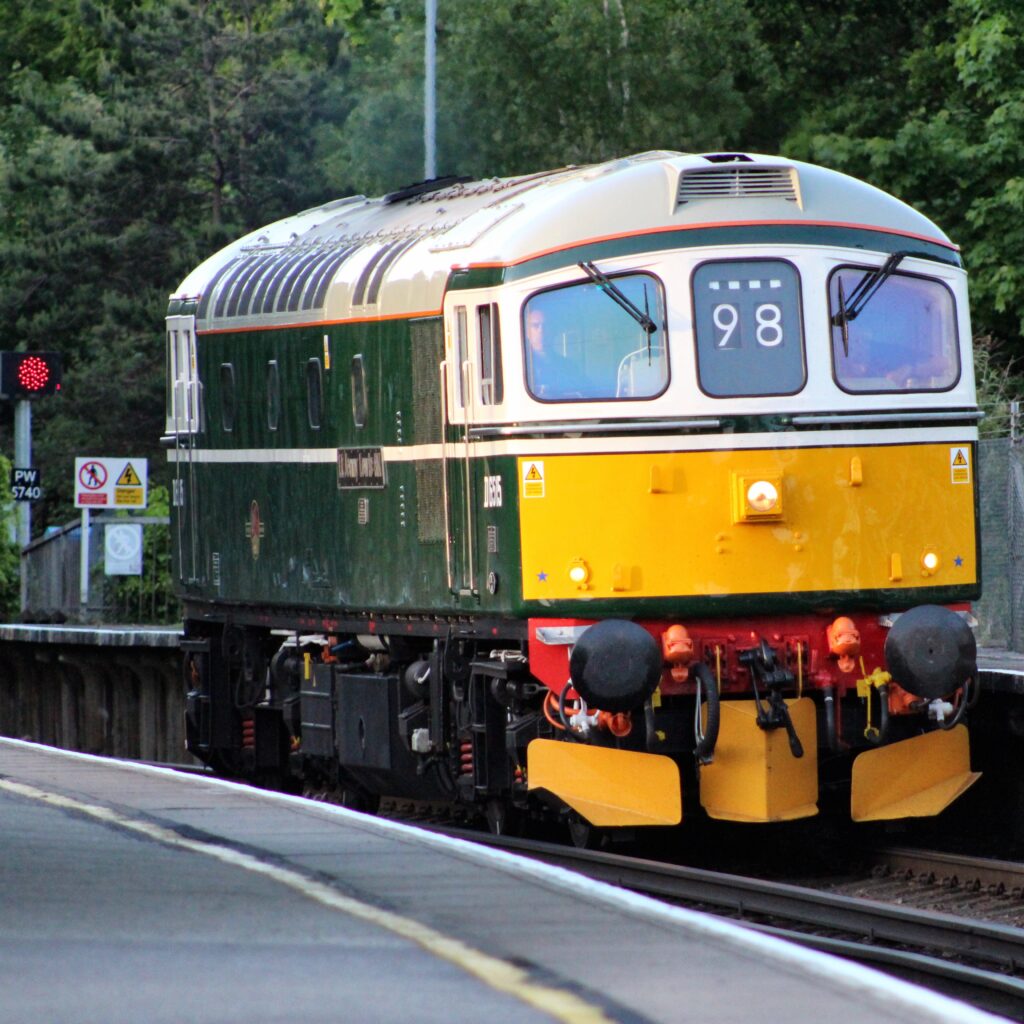
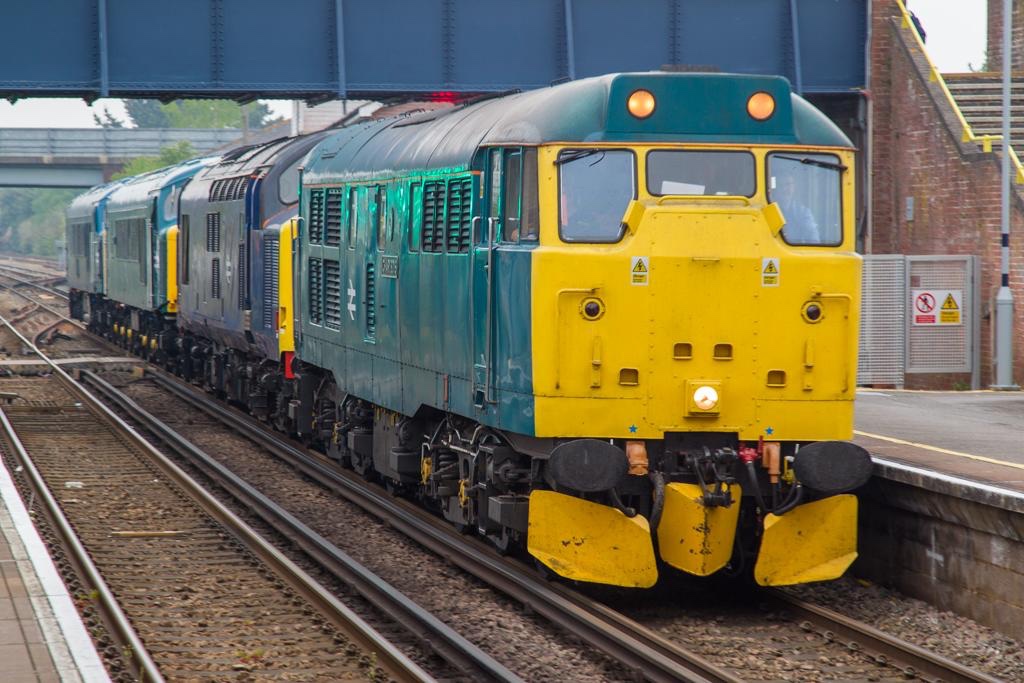
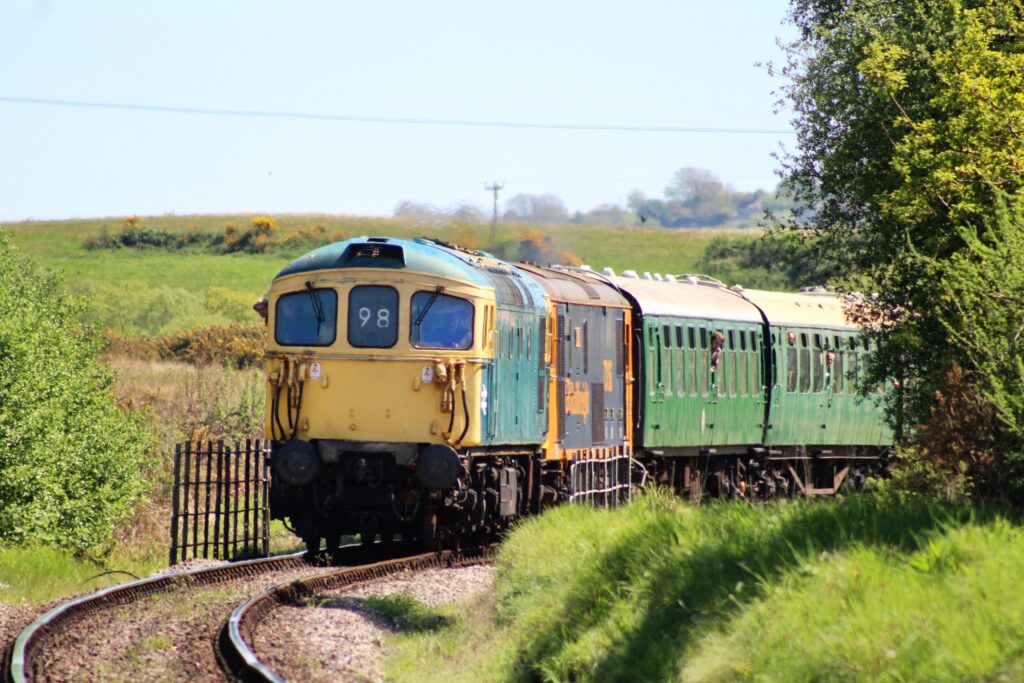
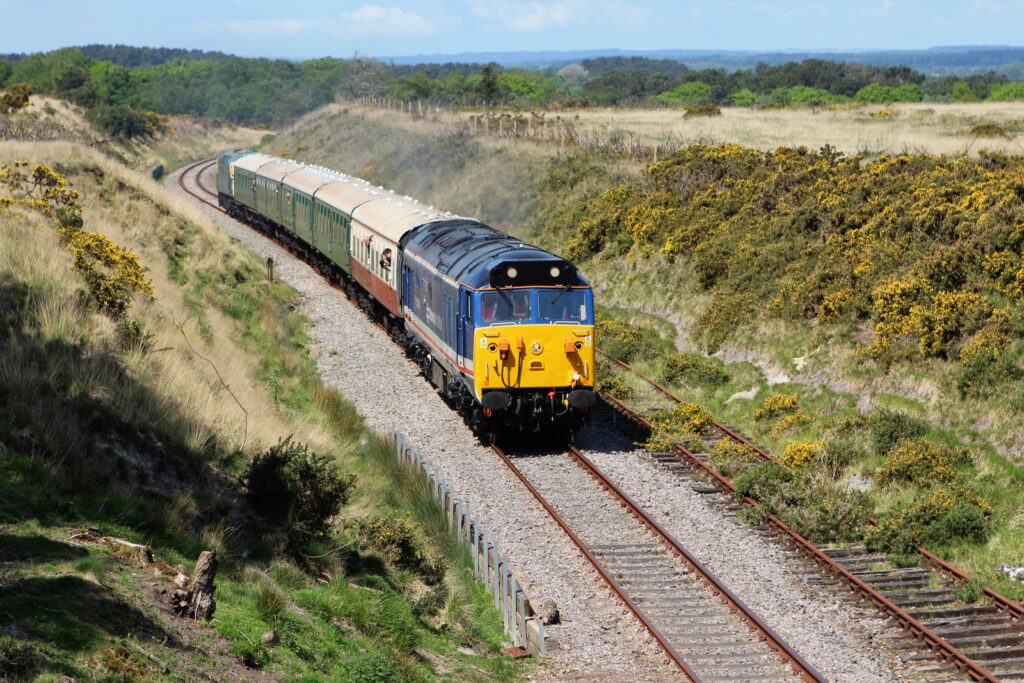
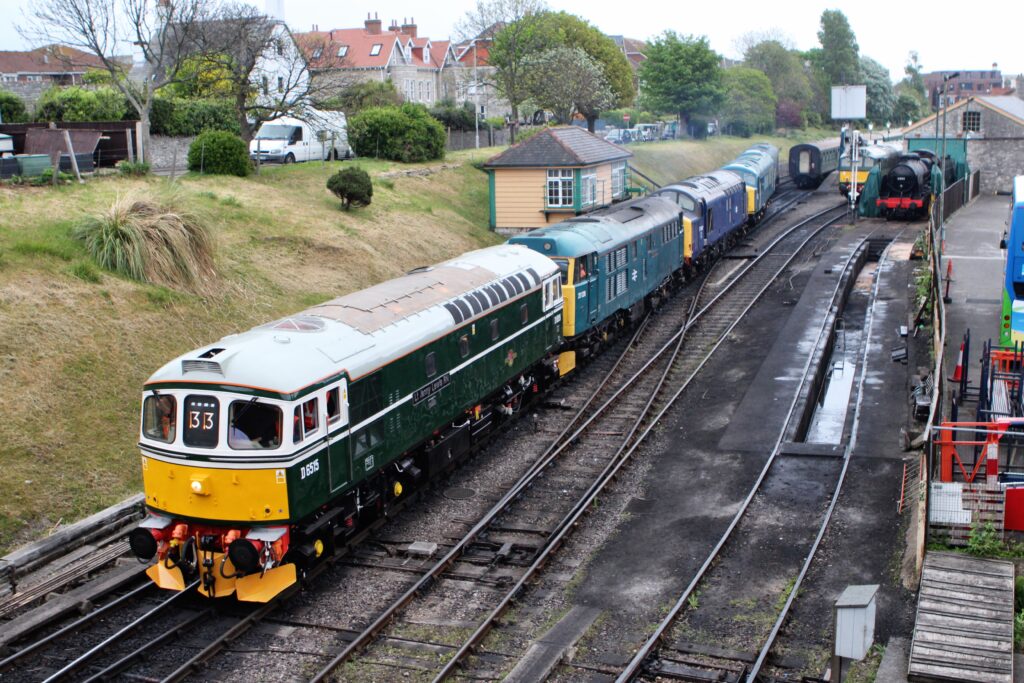
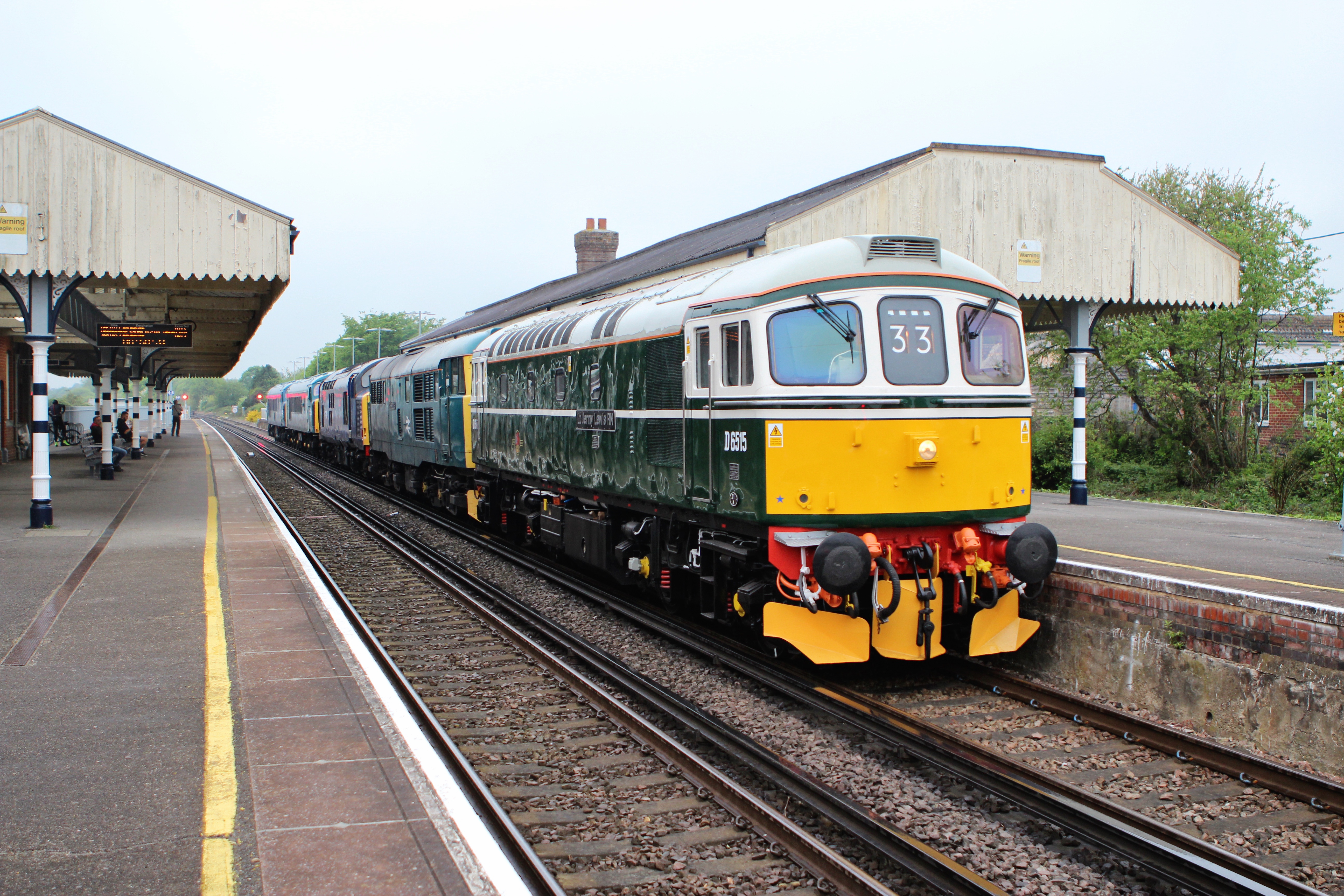
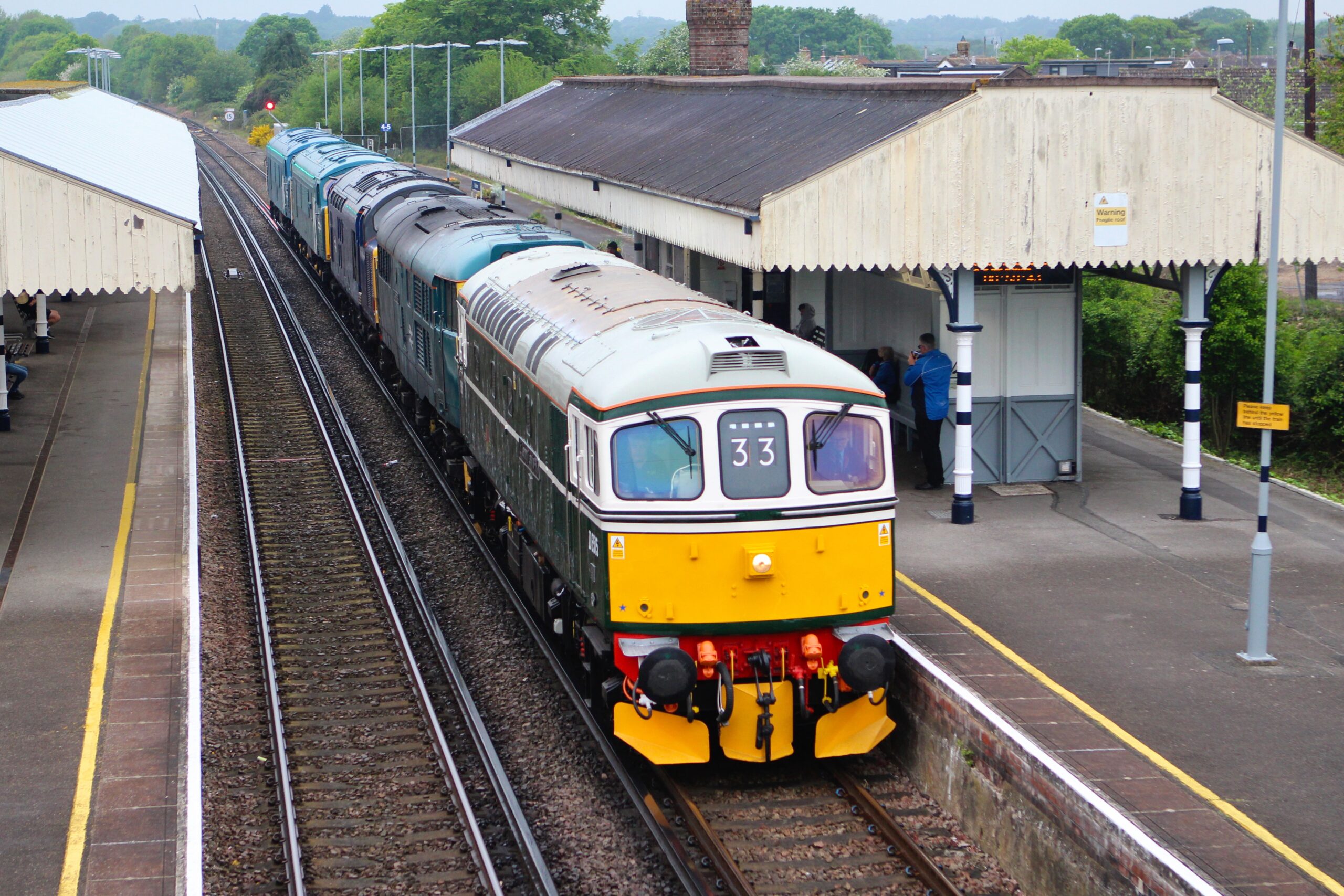
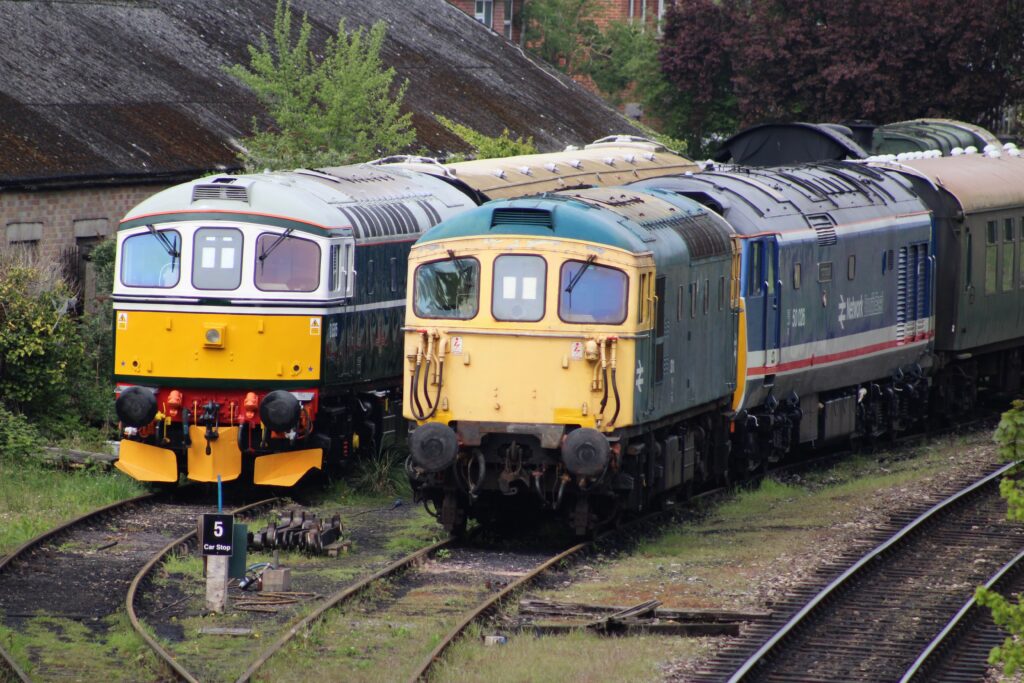
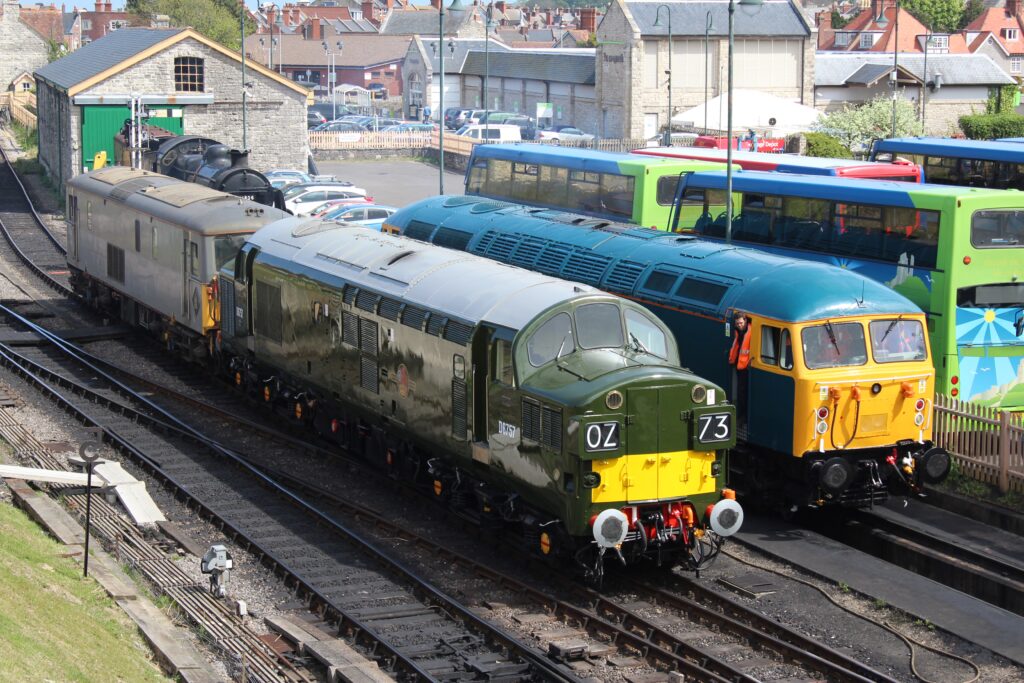
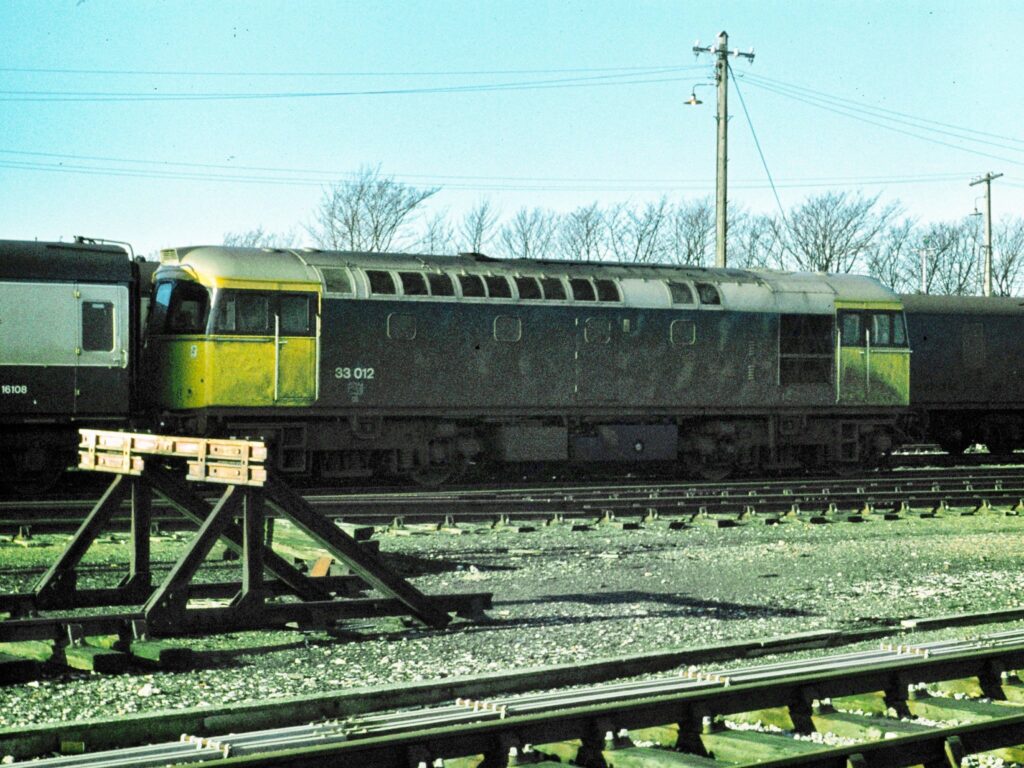
On Tuesday 14th June, 71A Locomotive Group’s green liveried Class 33 No. D6515 (33012) ‘Lt Jenny Lewis RN’ along with Network Southeast liveried Class 50 No. 50026 ‘Indomitable’ returned to Swanage after their outing to guest at the Keighley & Worth Valley Railway diesel gala over the weekend. It was too hot for Yoshi to be hanging around for old diesels, so I headed off to Wareham alone. The 33/50 combo arrived around ten minutes late and a passing up service almost rendered photographic opportunities useless, but I managed to get a few snaps of the event. There’s a video below too, featuring the locomotives at Wareham on the main line and at Norden Crossing on the Swanage Railway.

Portsmouth Harbour
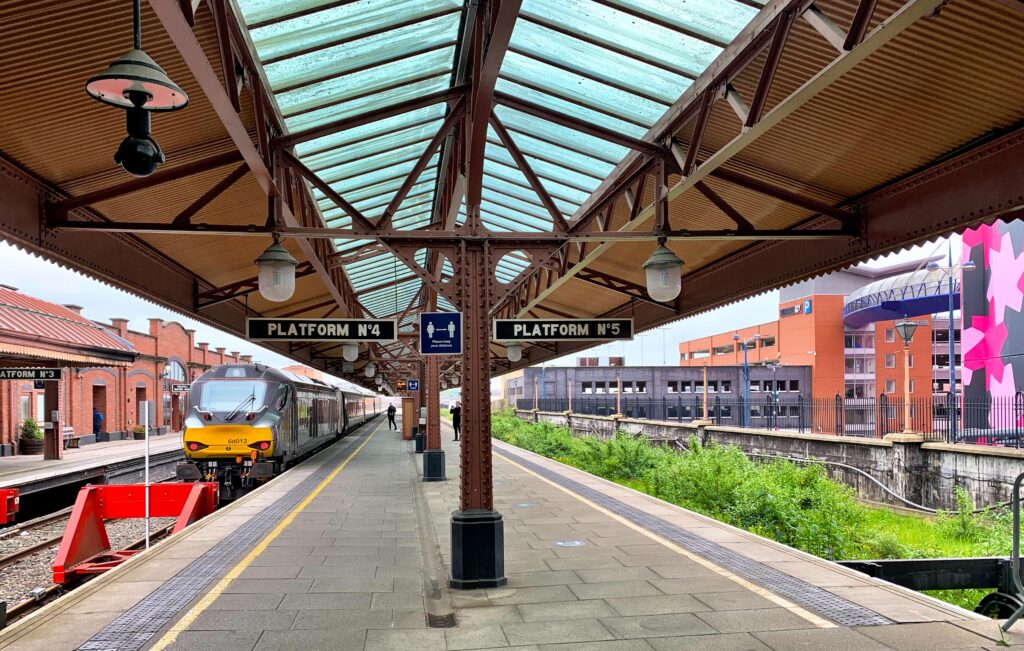
On Saturday while Yoshi was enjoying spending a day with friends and socialising with other doggos, I was off on a family jaunt to the Portsmouth Historic Dockyards to visit The Mary Rose and to hit my head several times onboard HMS Victory. It was a lovely day, apart from the bashing my head on the low beams inside Victory bit obviously, made even better by taking the train to Portsmouth Harbour.
Portsmouth Harbour railway station first opened on the 2nd October 1876 as the terminus of Portsmouth and Ryde Joint Railway Chief Engineer Frederick Banister’s Portsmouth Waterside Extension to the Portsmouth Direct Line which runs to London Waterloo. The construction of the station replaced an earlier pier on the site called the Albert Pier that was used for passenger steamships in the mid-Victorian era. The Portsmouth and Ryde Joint Railway was a group of three railway lines in Southern England that were jointly owned and operated by the London & South Western Railway (LSWR) and the London, Brighton & South Coast Railway (LB&SCR). The main line was between Cosham and Portsmouth Harbour. There was a branch from Fratton to East Southsea; and a line between Ryde Pier Head and Ryde St John’s Road. The last-named section was isolated from the others, being on the Isle of Wight. The first section of line opened in 1847 and the last in 1885; the Southsea branch closed in 1914 but all of the other routes have since been electrified and remain open.
Portsmouth Harbour railway station was rebuilt in 1937 when the route was electrified but was almost totally destroyed during World War 2 by fire after German bombing. The station was rebuilt again after the war.
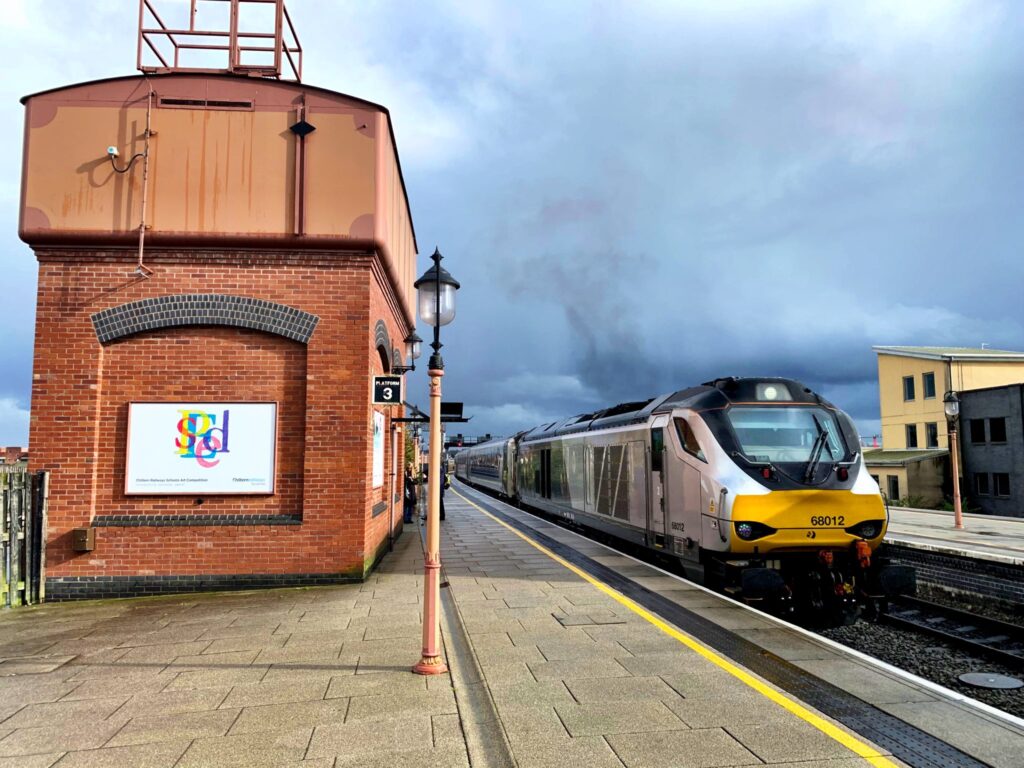
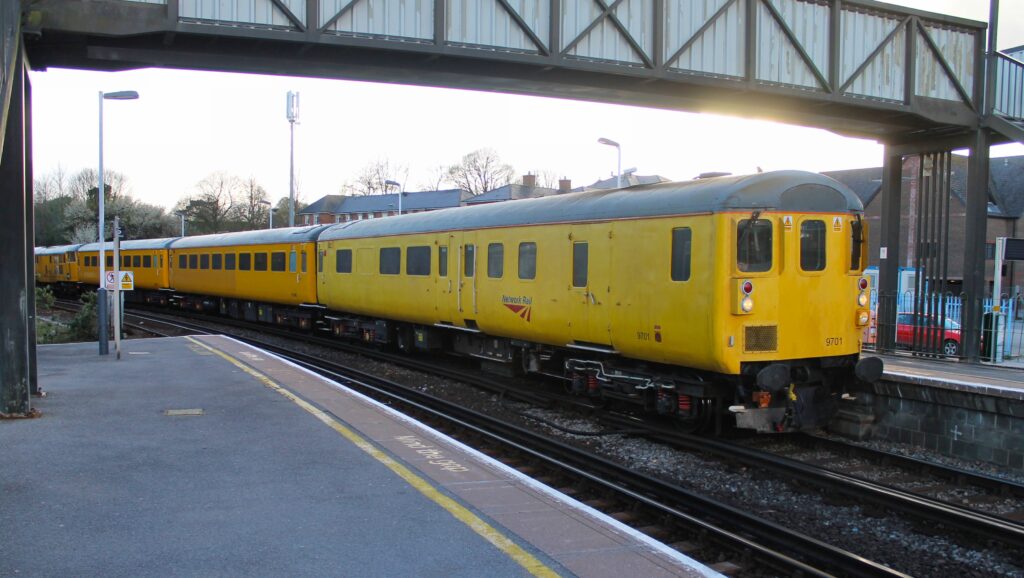
Train services to and from Portsmouth Harbour are operated by South Western Railway (SWR), Southern and Great Western Railway (GWR) – here are a selection of images taken on Saturday 11th June 2022:


It replaced two boxes, Portsmouth Harbour signal box which was destroyed by aerial bombing in 1941 but was not officially closed and Portsmouth Harbour signal box, a temporary box opened on 21st August 1941 to replace the bomb damaged box.
Portsmouth Harbour signal box was closed on 21st April 1968 and was used as an office and a relay room for Portsmouth power signal box. After closure the lever frame was moved to the school of signalling at Clapham Junction. The building was retained as a relay room for the 1968 Portsmouth NX signalling scheme which was operational until December 2006. Network rail re-commissioned Portsmouth Harbour signal box on February 4th 2007, following serious problems with the 2006 Portsmouth re-signalling scheme. It was closed for the second time at the end of 2007 when Havant ASC was eventually commissioned.


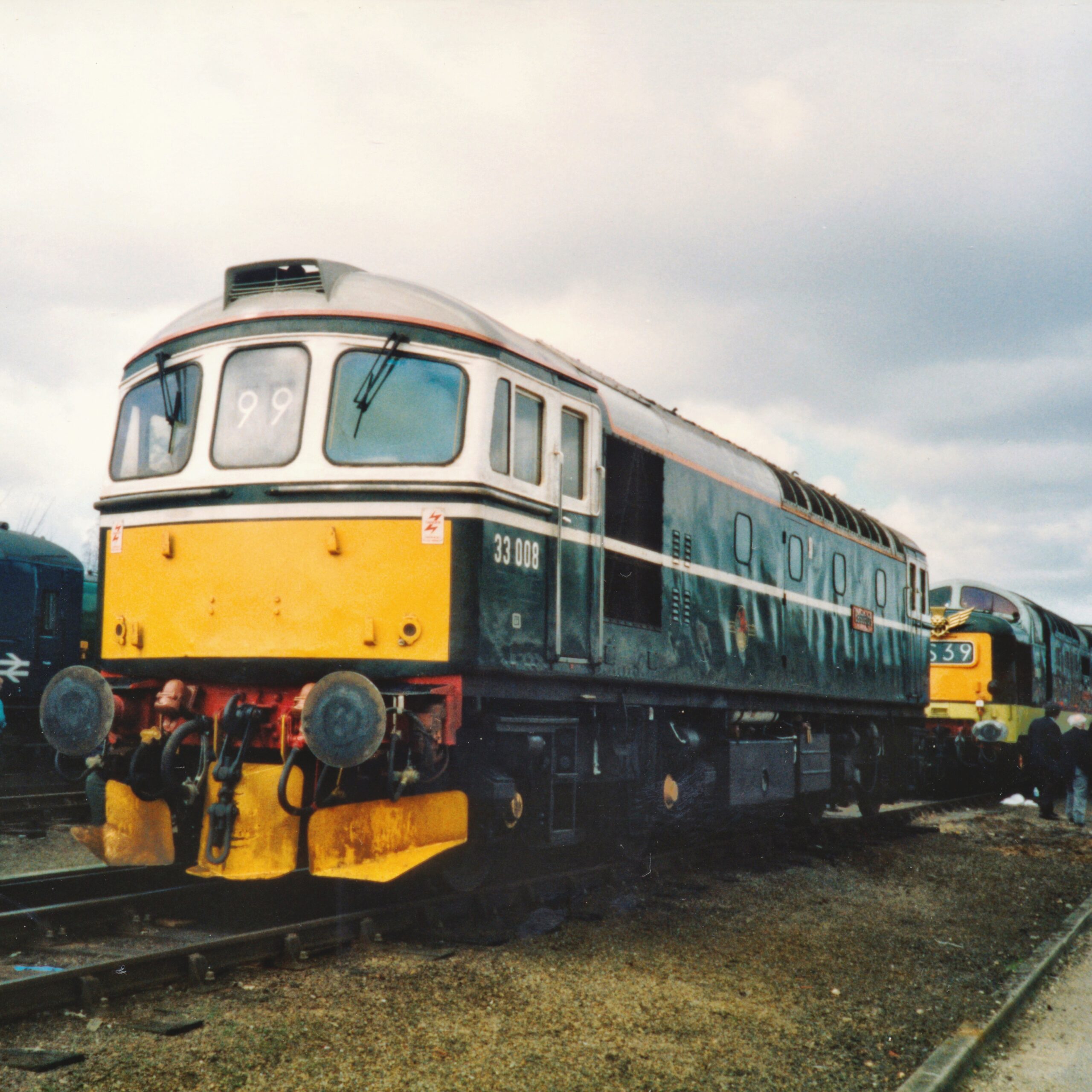
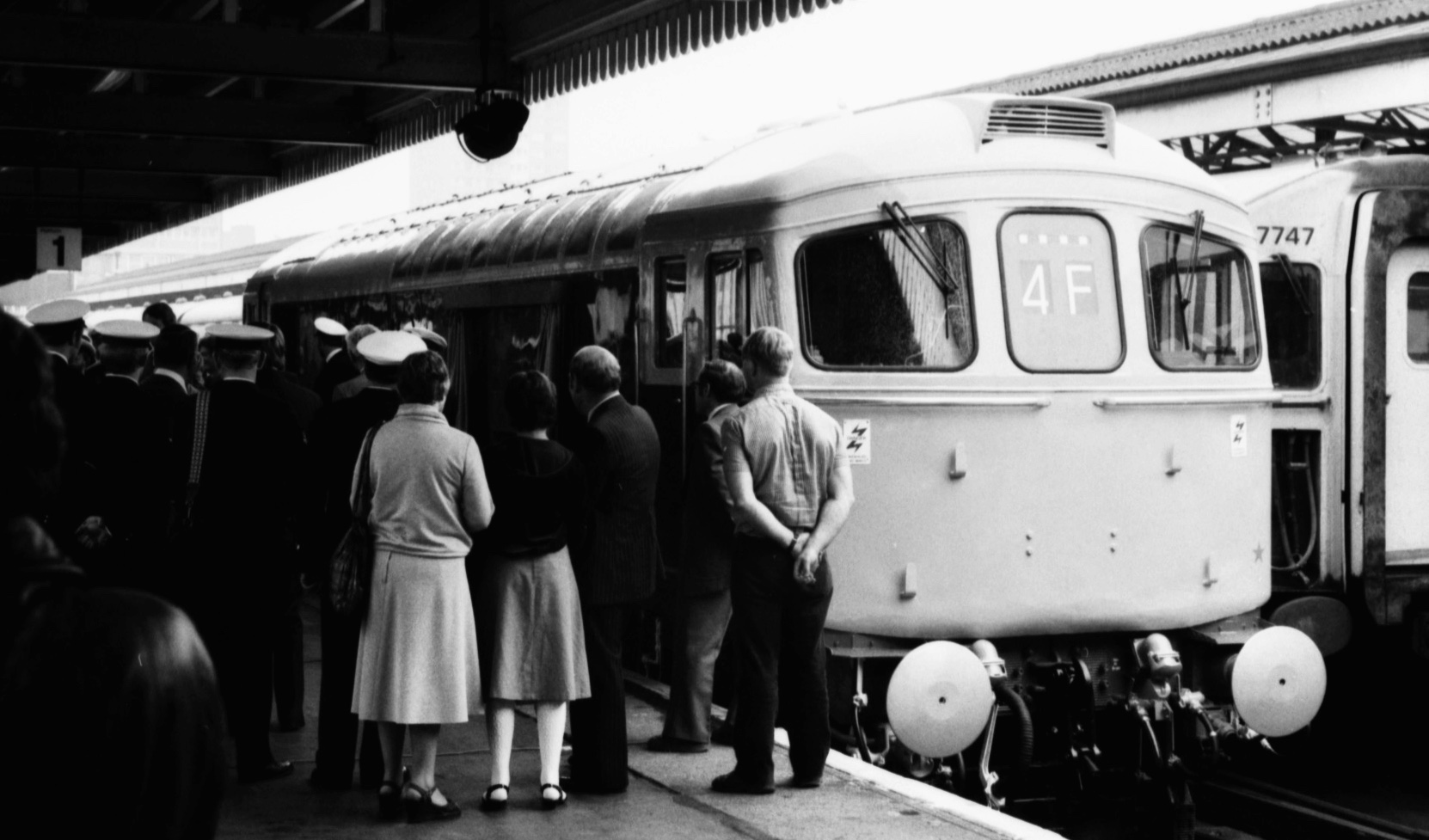
On 6th August 1981, Class 33 No. 33025 was named ‘Sultan’ during a ceremony at Portsmouth Harbour by Captain Austin Lockyer of HMS Sultan. The crests for 33025 were presented by The Royal Navy. I remember it being a wet day, not unusual for a British summer by the seaside I suppose! Here are some scans of my colour slides and black and white negatives of the day, including a couple shots taken at Southampton Central on the way to/ from the naming ceremony.




Southampton – Dorchester 175

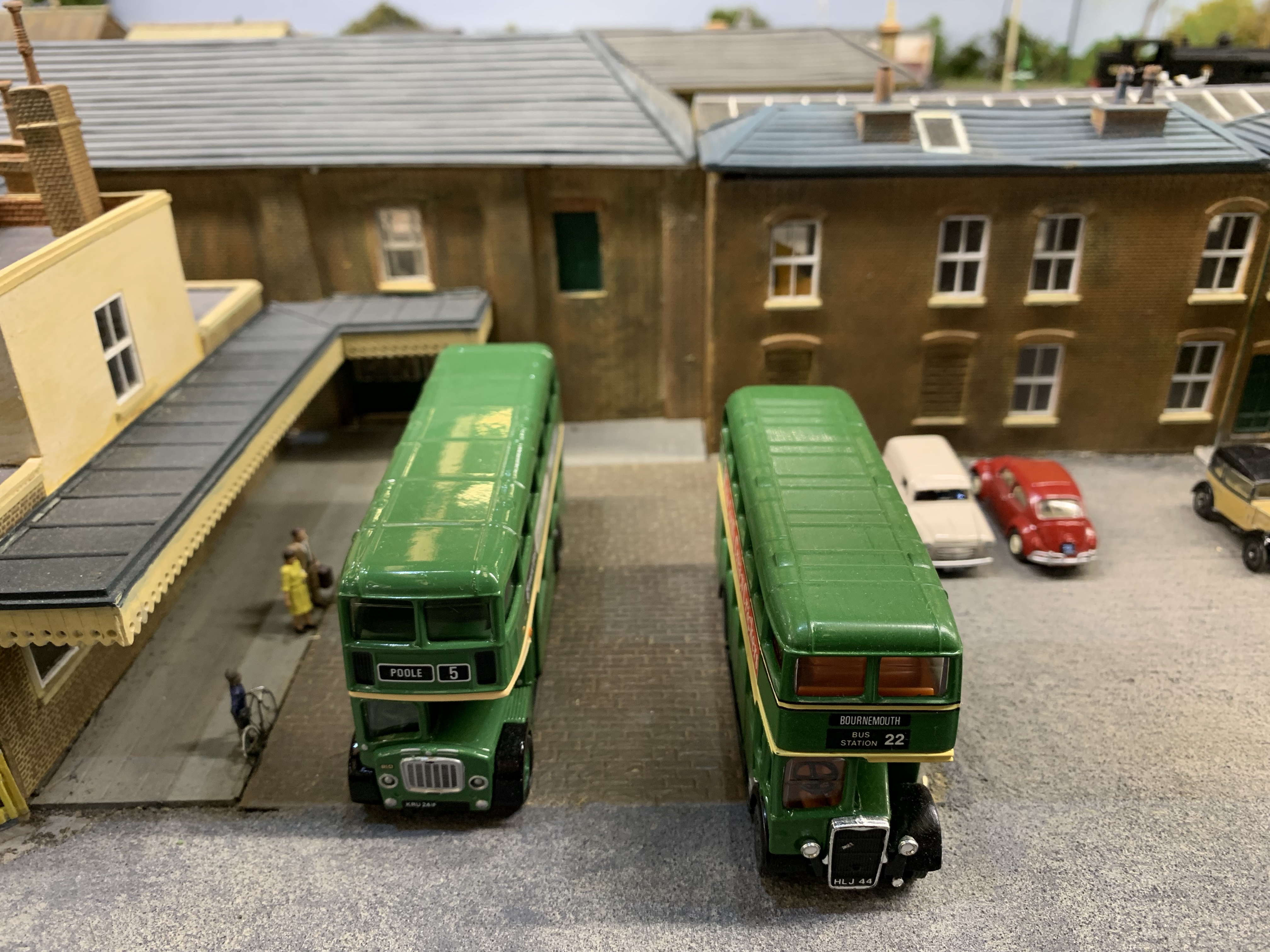
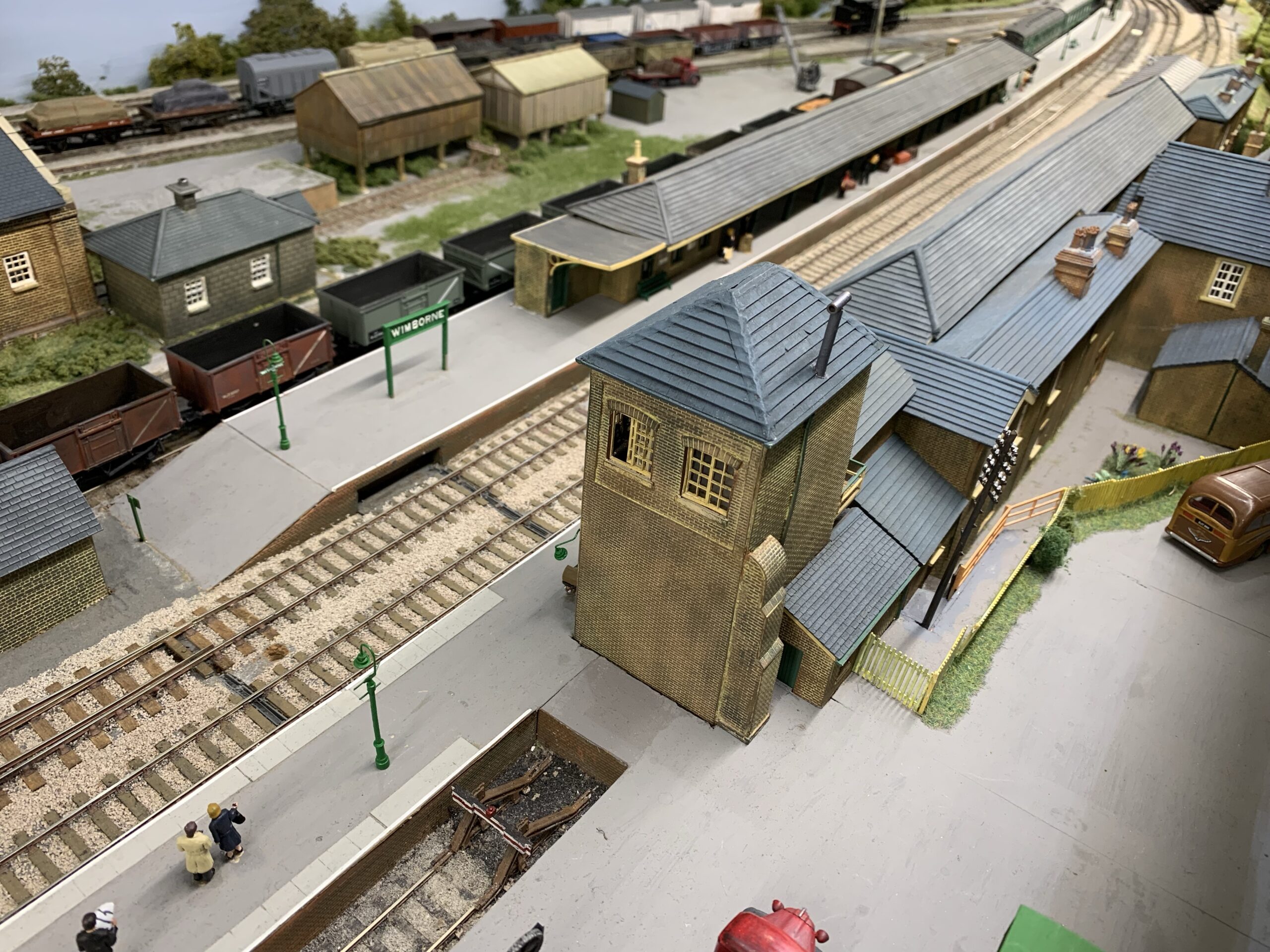
June 2022 marks the 175th Anniversary of the Southampton to Dorchester line opening in 1847. The main driving force behind this line was Wimborne solicitor, Charles Castleman who first proposed a route by way of Brockenhurst, Wimborne, Poole and Wareham. Interestingly, one town which was not included was Bournemouth which in the early 1840’s had a population of around 200, none of whom appeared to care greatly about the new era of rail transportation. Politics of the day meant the supporters of the line courted interest from both the LSW and GW railway companies as both had interest in gaining a foothold in each others territories. The LSW to Exeter and GWR to Southampton. Weymouth was not initially included because of the projected expense of tunnelling which would be required between Dorchester and the seaside town. Eventually the GWR proposed a Wilts, Somerset and Weymouth line and it was agreed that when built the LSW should work the line between Southampton and Dorchester and the GWR from Dorchester to Weymouth.
Castleman had suggested early on that the Southampton to Dorchester route should be extended west from Dorchester through to Exeter, but in the event this didn’t happen. In part because the LSW eventually preferred to extend its Salisbury line. The Southampton and Dorchester Railway received Royal Assent on 21st July 1845 and engineer Samuel Peto was hired to construct the line, work commencing in August 1845. Castleman’s route was anything but direct, but was designed to take in most of the larger settlements on the way. This twisting route earned the nickname of Castleman’s Corkscrew.

The first section to be completed was between Dorchester and Ringwood but trains did not start running until the section through the New Forest was ready. Problems with the construction of a tunnel to carry the line under Southampton causing earthslips and subsidence prevented the running of through trains on opening day; 1st June 1847 and trains ran between Dorchester and Blechynden which was immediately west of the tunnel and stood further east than the present Southampton Central station.
There were originally thirteen stations on the 60.5 mile line, plus one other for Poole which was accommodated by a 1.75 mile branch and was actually located in Hamworthy. The chief engineer, William Moorson, appointed architect Sancton Wood to design a station building which could be replicated across all locations these being Blechynden, Redbridge, Lyndhurst, Beaulieu, Brockenhurst, Christchurch Road, Ringwood, Wimborne, Poole Junction (later Hamworthy Junction ), Wareham, Wool, Moreton and Dorchester.
The 1960’s saw the ‘old road’ from Brockenhurst through Ringwood and Wimborne fall under the blade of the Beeching cuts with passenger services assigned closure on 2nd May 1964, although Wimborne remained open for freight until 1977. I’m quite grumpy about not having seen any workings on this route. The last passenger to actually use Wimborne station was Her Majesty The Queen in July 1969. It is ironic that today the towns on the route of Castleman’s Corkscrew are growing conurbations and the railway would have had great potential as a commuter line. The population was already increasing when the line was closed, such is the short sightedness of planners and politicians and we are now left with the cycle and walking Castleman’s Trailway which Yoshi and I have explored in part.


An £180,000 improvement scheme has recently been completed to upgrade surfaces and access making the Trailway more accessible to a wider range of users. Drainage has been improved and much of the route has been widened. Barriers have been replaced by bollards, new signage and benches will be installed soon and verges seeded with wildflowers.
There were activities ranging from cake to dancing held at a number of stations on the Southampton to Dorchester route over the last weekend to celebrate the 175th Anniversary. Certainly something worth celebrating.
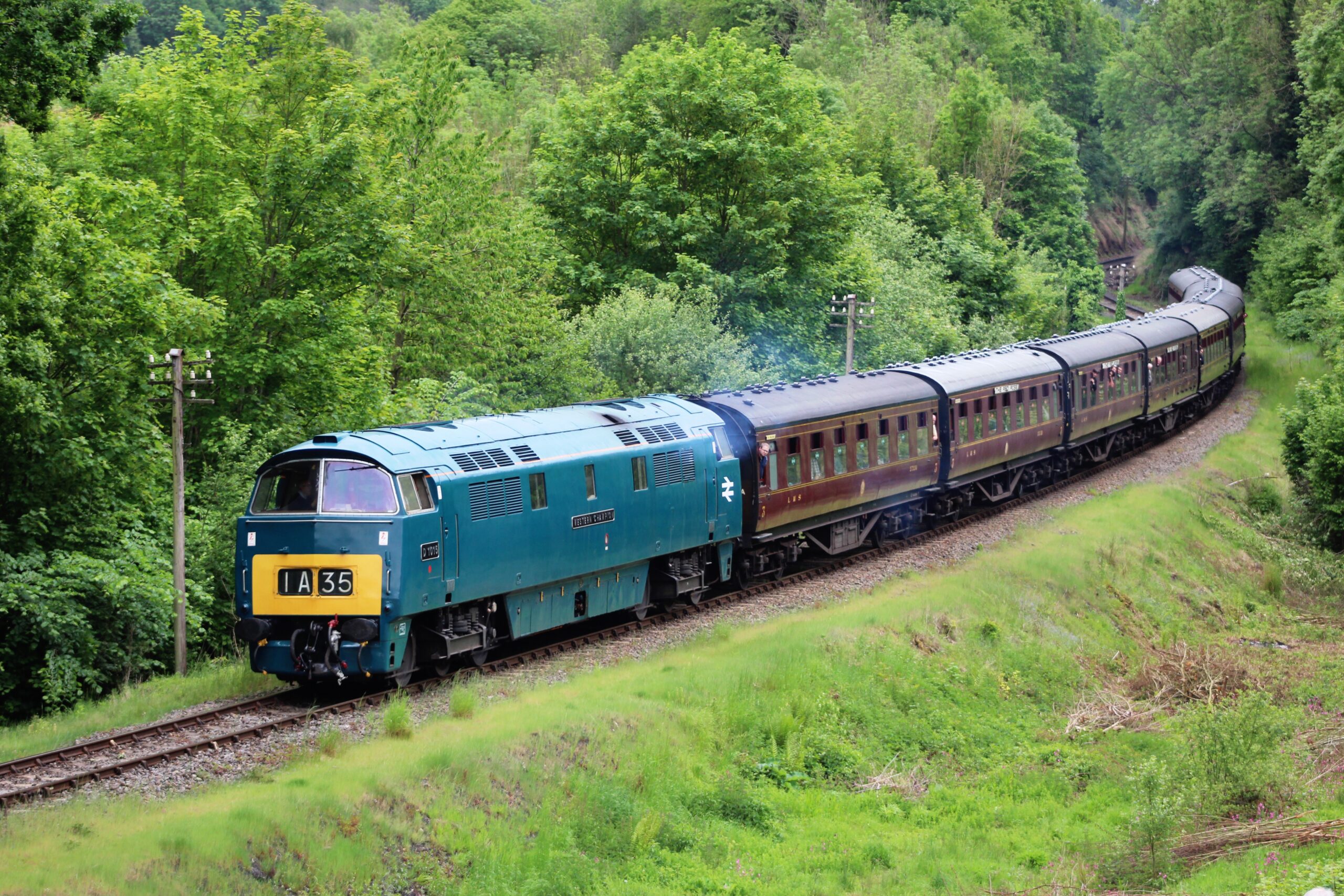
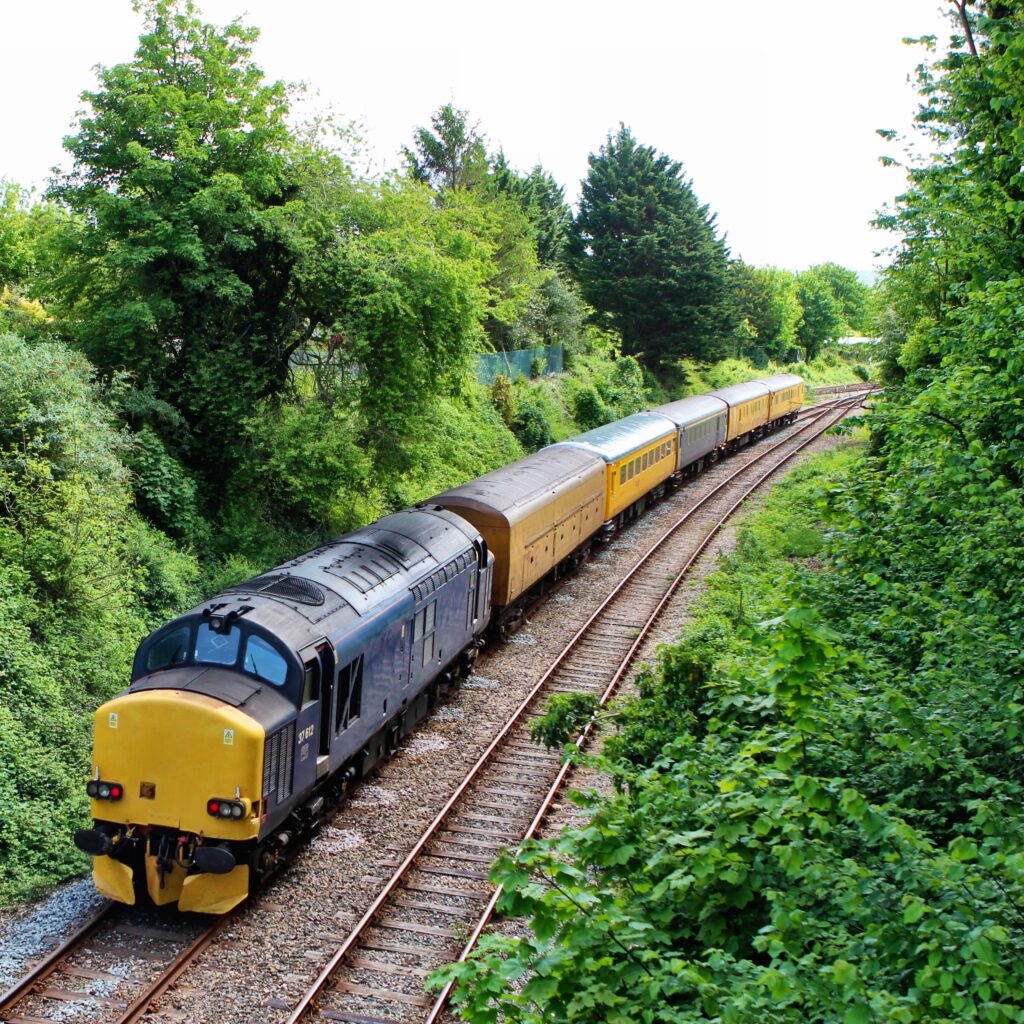
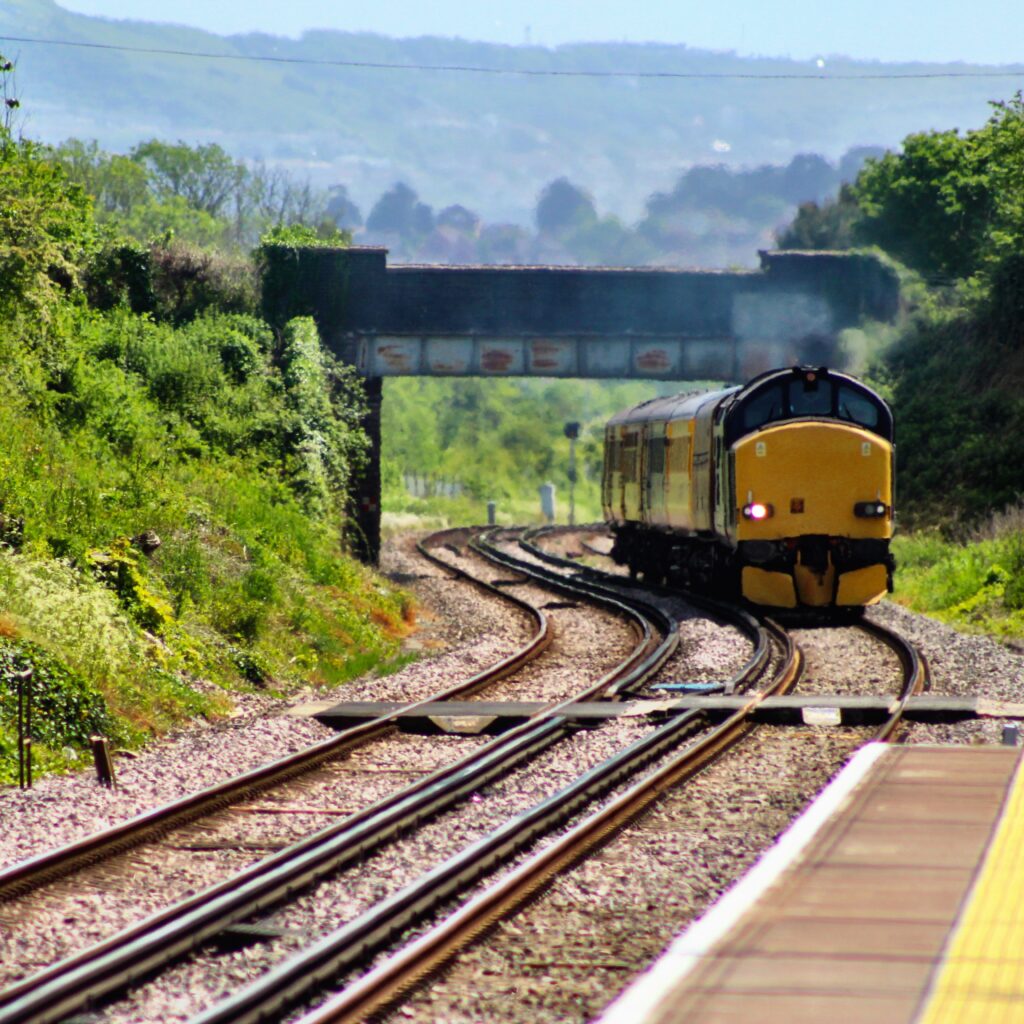
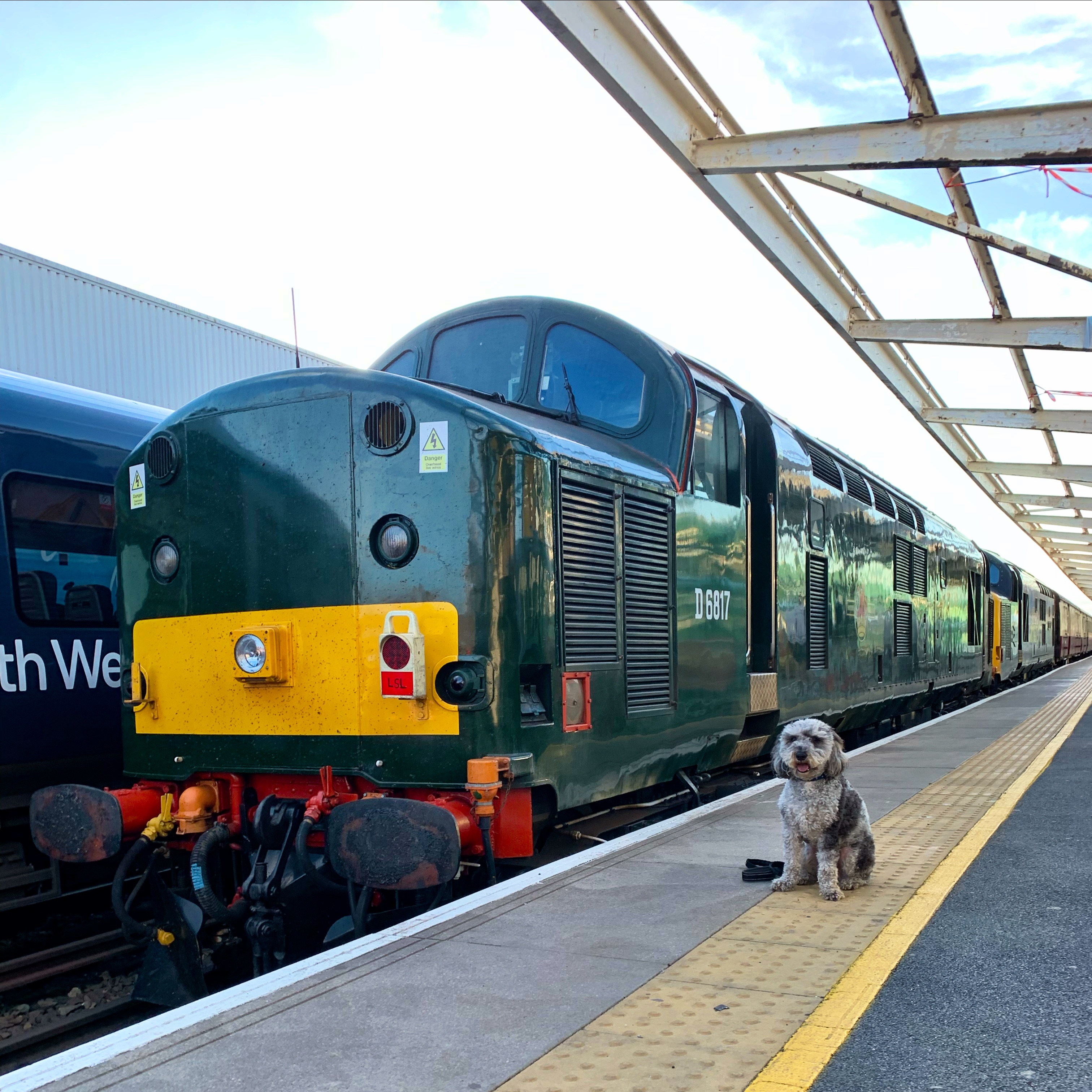
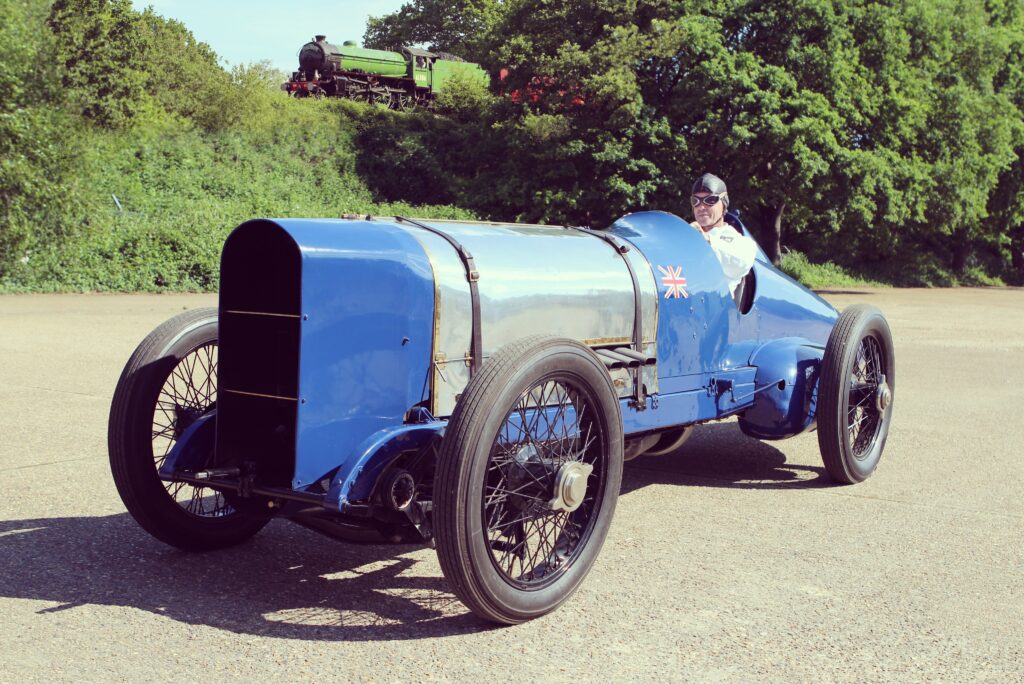
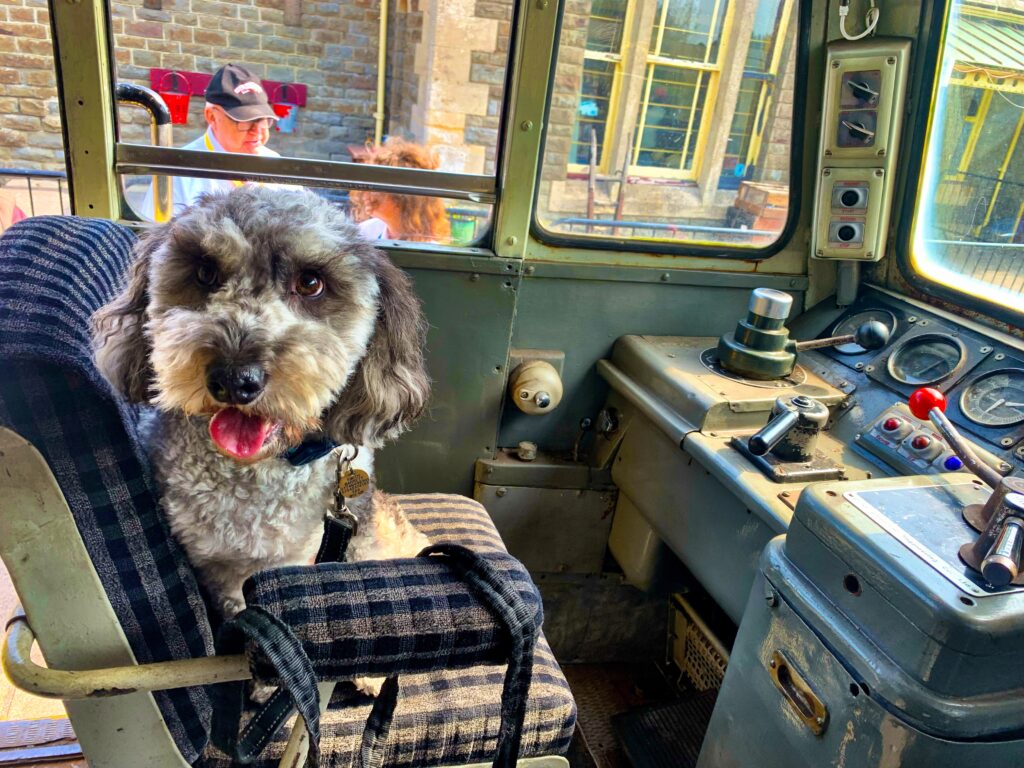
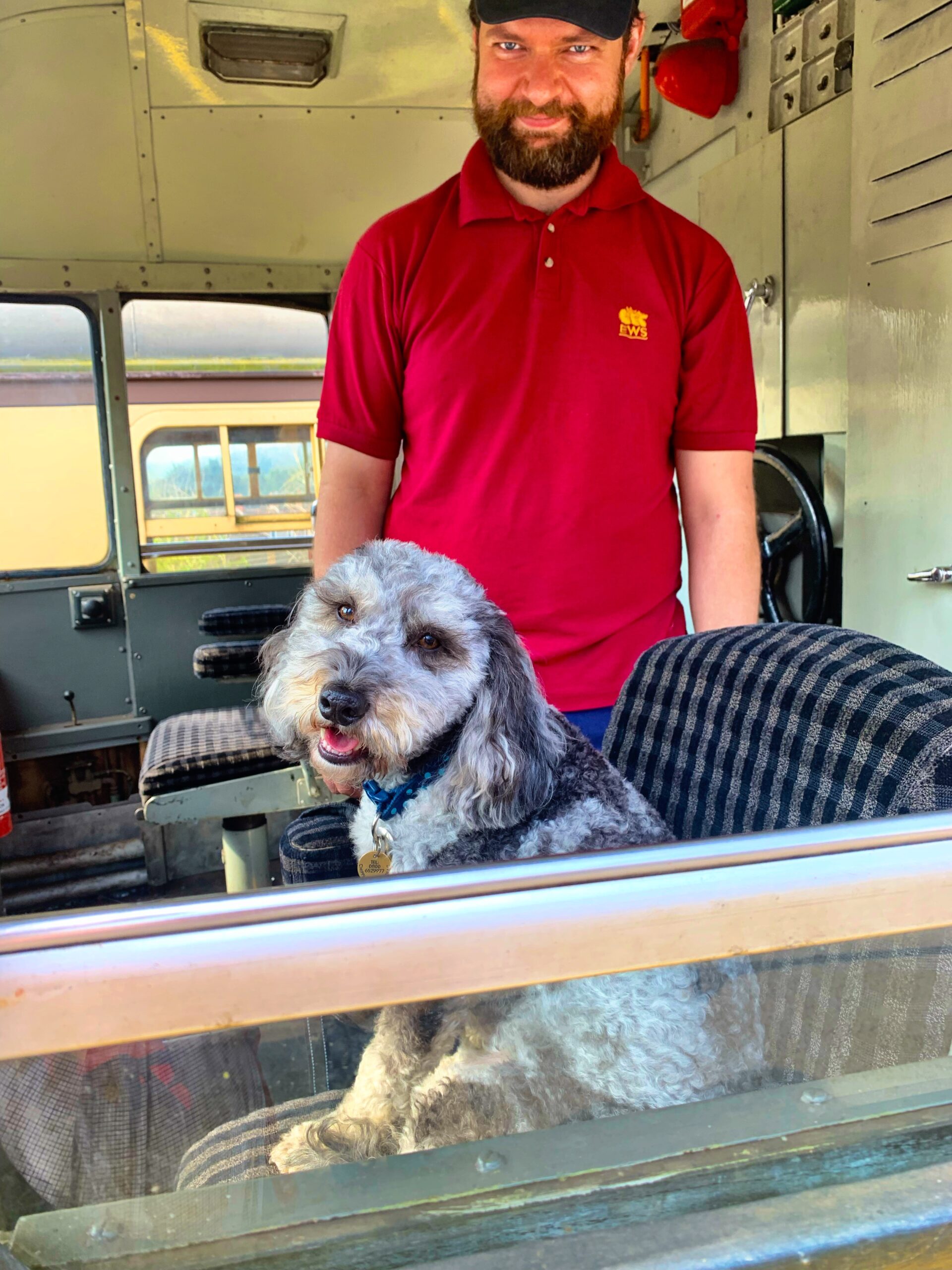
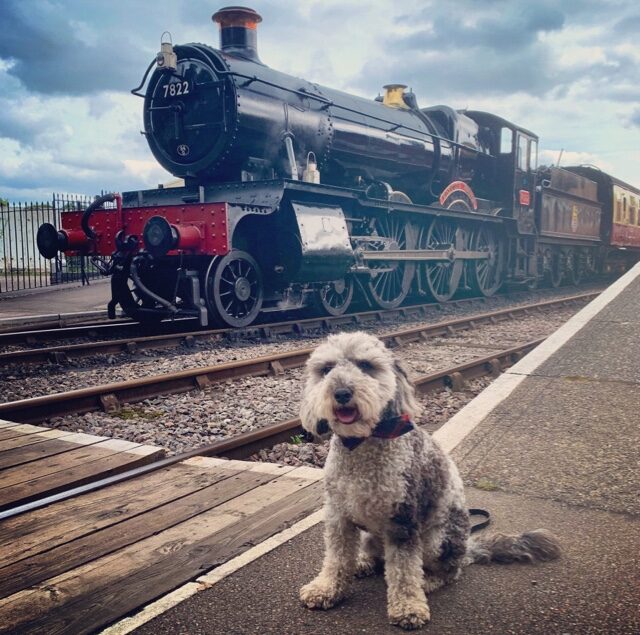
That’s just about all for from us for this week. Last weekend was also the occasion of the 2022 West Somerset Railway Diesel Gala. Because of lovely family plans we were unable to visit this year, but we’ll leave you with a couple of glimpses of one of our previous visits to the line. This was in 2019 and was coincidentally Yoshi’s first heritage railway outing!


Thanks for reading – until next week, take care!