
January 12th 2024 to January 19th 2024
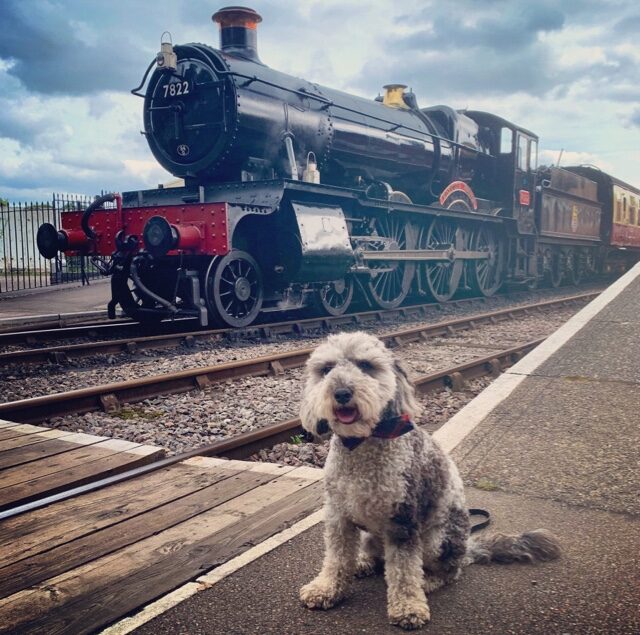
Yoshi celebrated his 5th birthday on Friday January 12th 2024 – he posed for a few photographs so he could show off his new sweater (which would come in handy as temperatures plummeted over the course of the following week), cap and bandana. He didn’t really take to wearing the cap outside, so we put it away for another day. Lots of treats ensued.

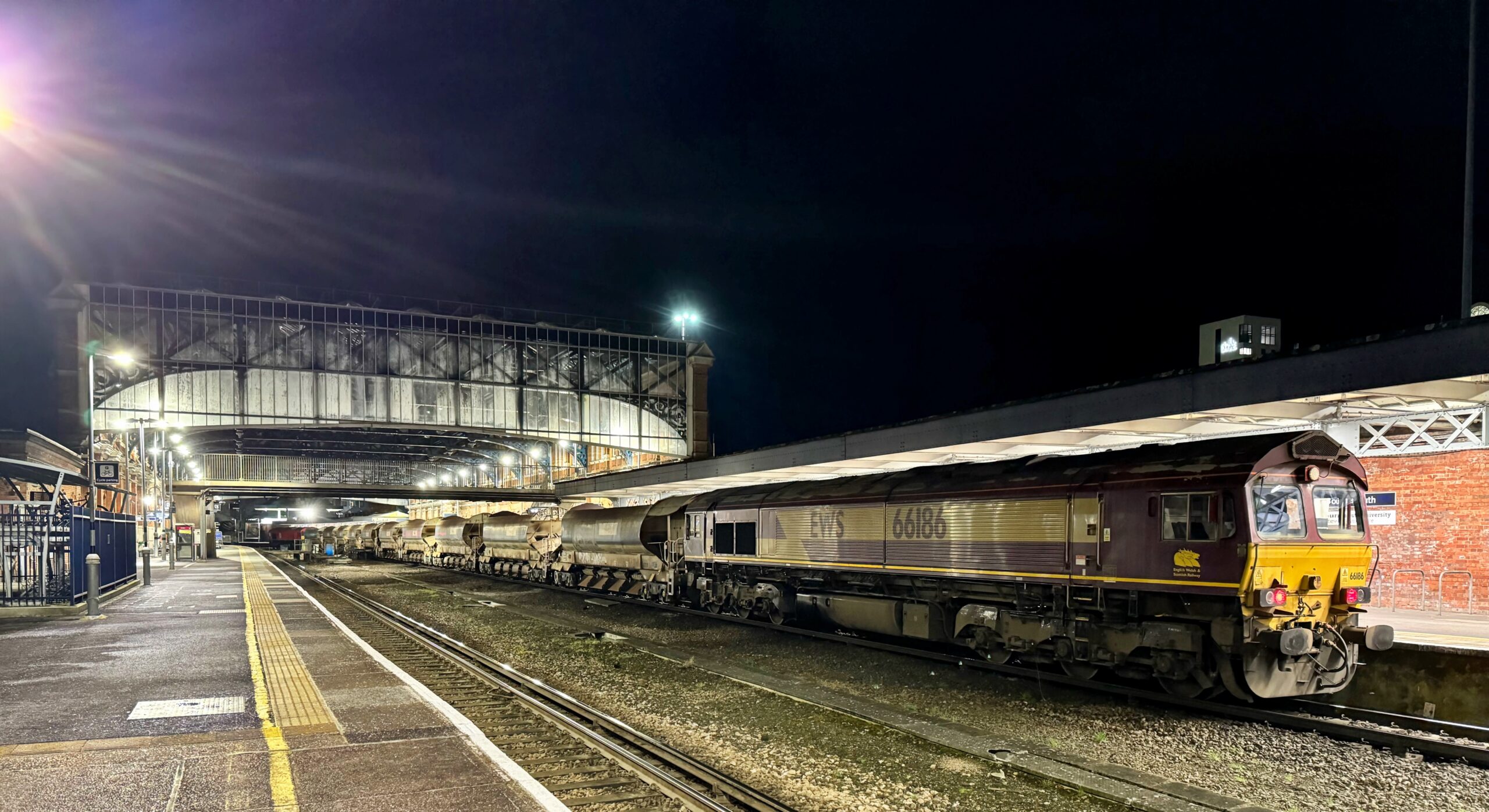
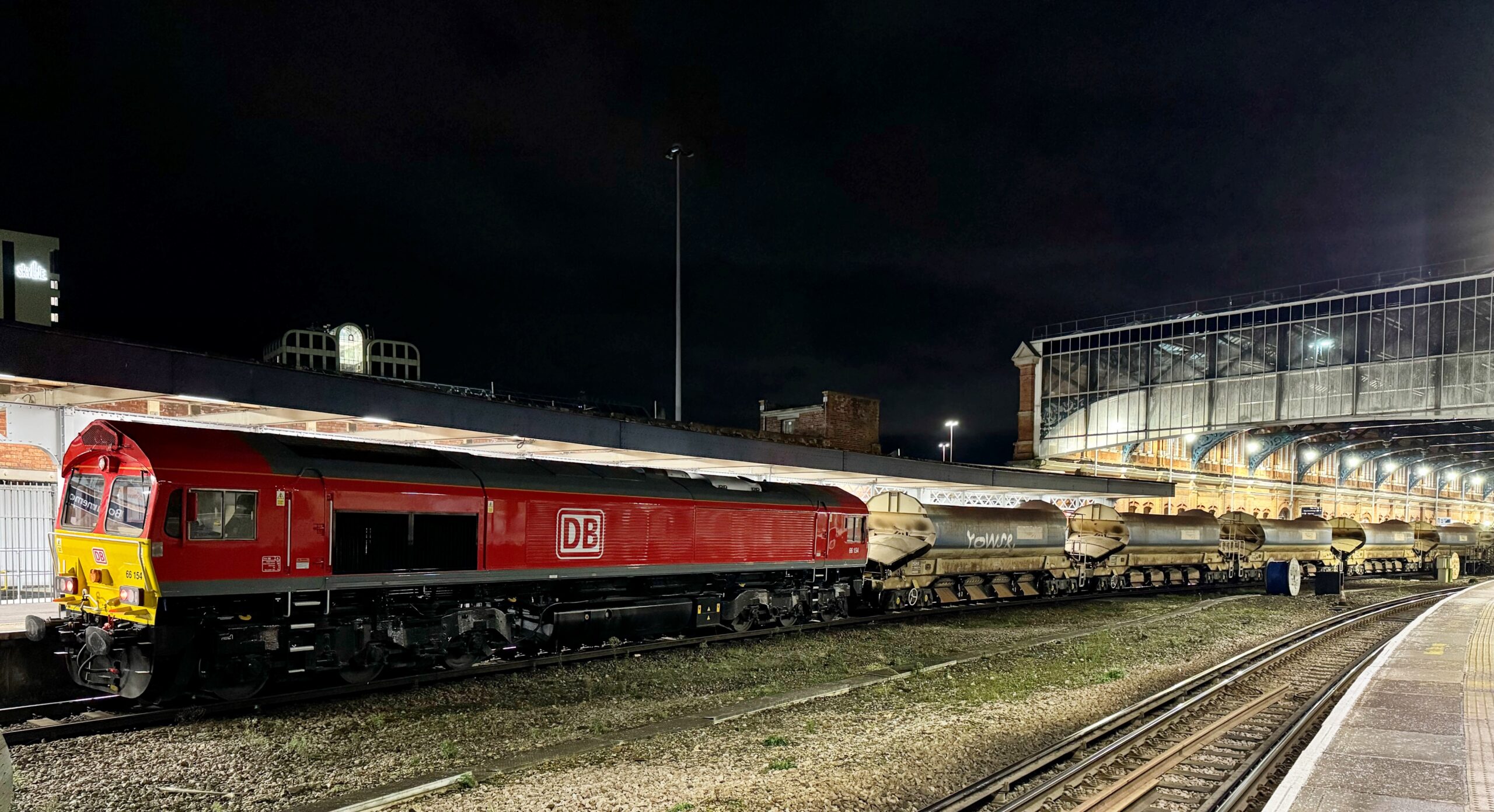
It has been a busy week or so in Dorset if, like me, you have a penchant for test and engineering trains. Yes, I’m late with this blog entry, yes, I’m obsessed with trains, and yes, I “enjoy” the solitude of a railway station platform at 0430 on a cold January morning with only the sound of waking birdsong, Network Rail staff opening gates to access the trackside and the distant call of a Class 66 locomotive tooting in the dark telegraphing its existence. This was my experience on the morning of Tuesday 16th January when I hauled myself out of bed in the early hours after a disturbed night because Yoshi had busied himself building a pillow fort as I tried to sleep. DB Cargo had two scheduled engineers trains running into Dorset on this day, one in the morning and one in the late evening – both in connection with engineering works around the Hinton Admiral, Hampshire area. The trains were scheduled to run from Eastleigh East Yard and reverse at Bournemouth before heading back in the direction they had come. Both trains employed the same locomotives, Class 66 No.’s 66154 and 66186.


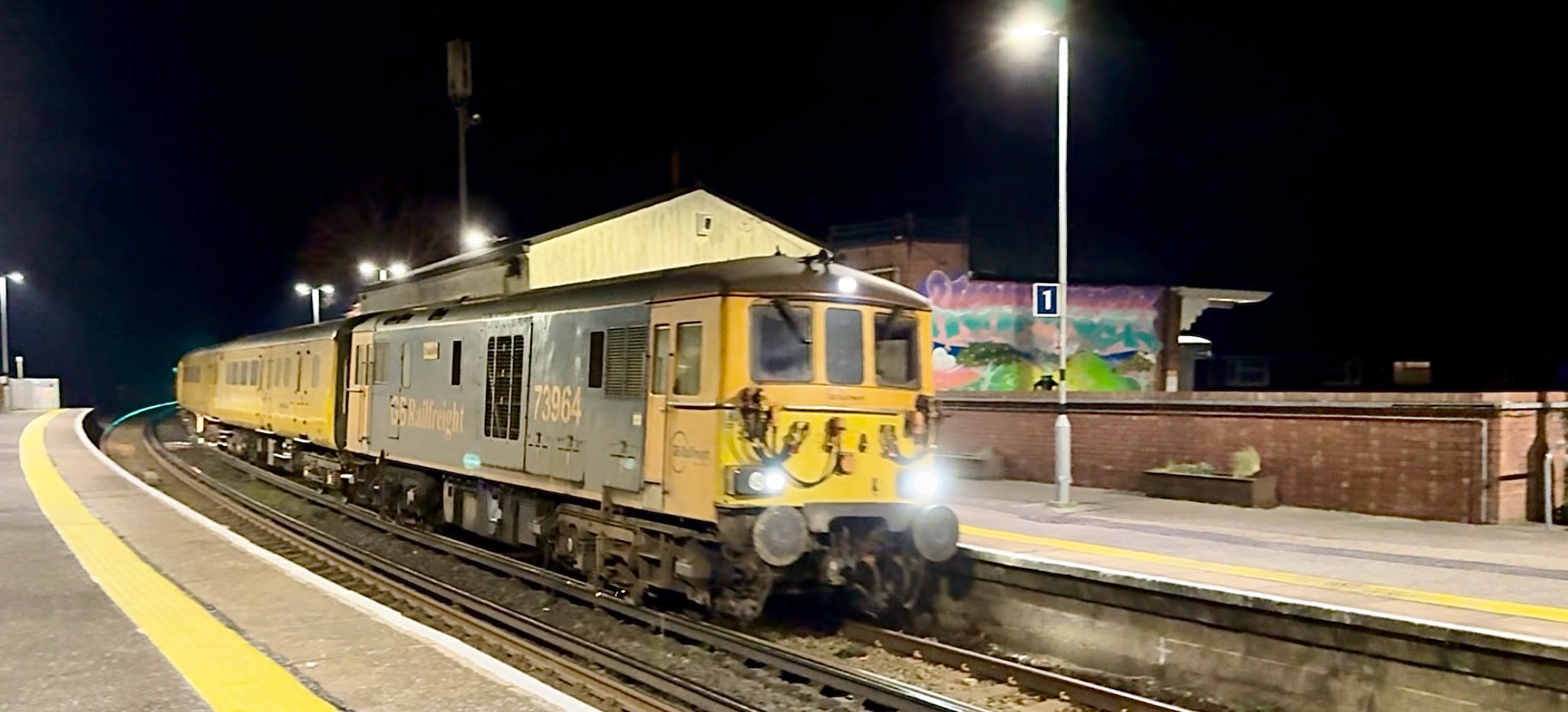
Monday 15th January and we welcomed the usual monthly Colas test train worked by a pair of GB Railfreight (GBRf) Class 73 Electro-Diesel locomotives. This time around No.’s 73965 ‘Des O’Brien’ and 73964 ‘Jeanette’ graced us with their presence top and tailing 1Q51 1115 Derby R.T.C.(Network Rail) to Eastleigh East Yard via Weymouth.

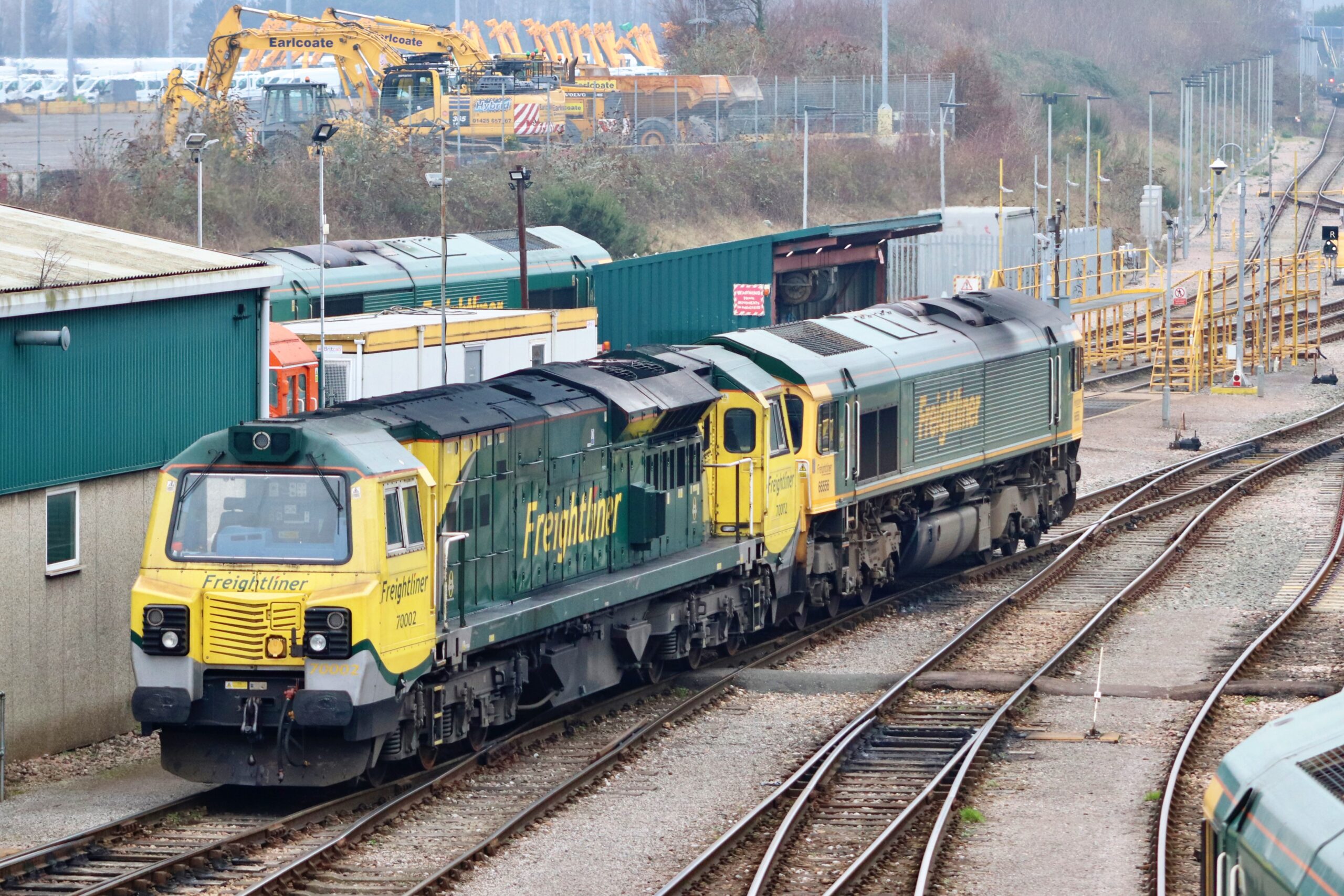
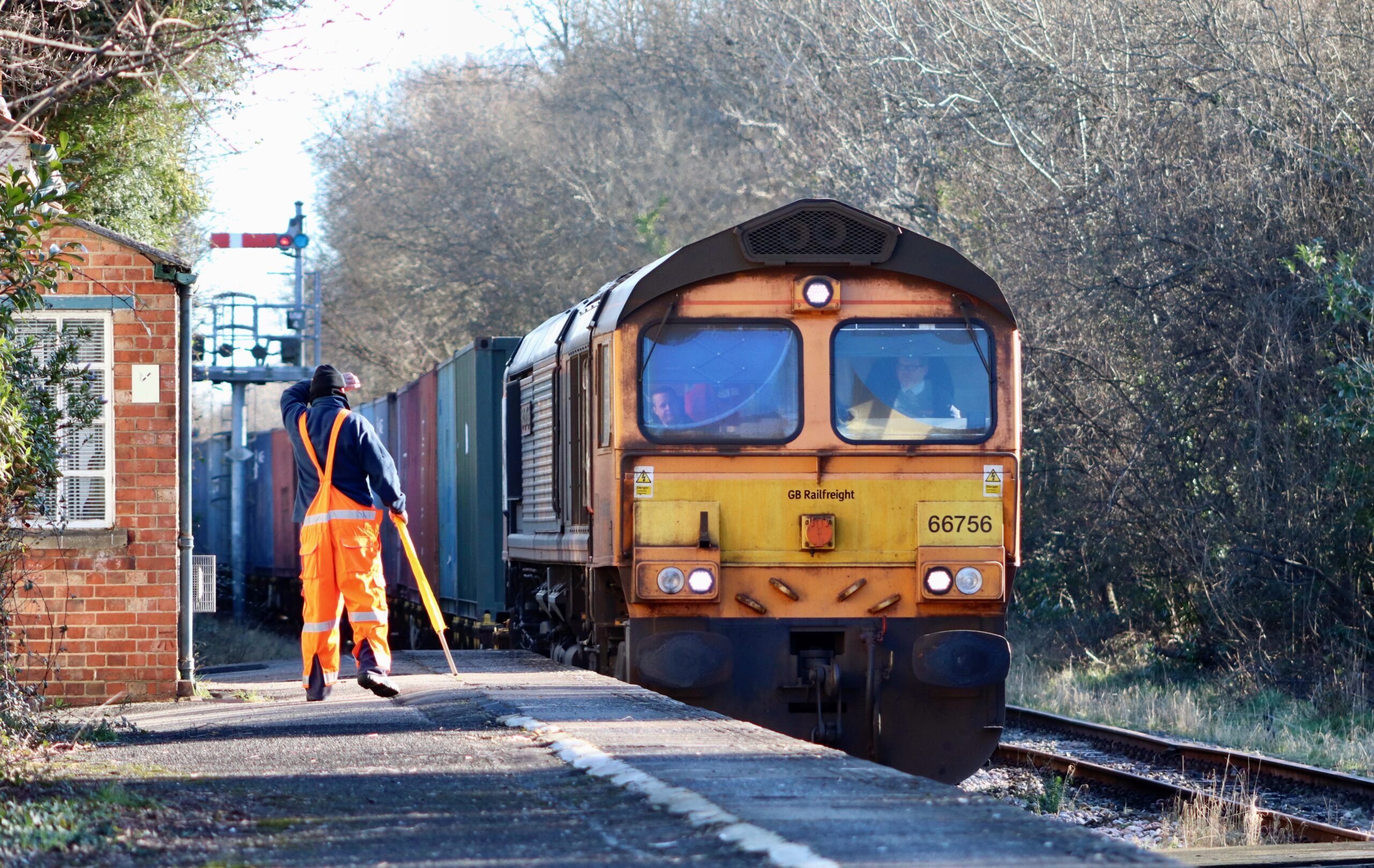
As I’ve mentioned numerous times previously, I have a short list of railway traction I would like to photograph. This can be because of a name carried by the locomotive or vehicle in question or perhaps a special livery variation. One GBRf Class 66 I’ve been keeping tabs on of late is No. 66756 ‘Royal Corps Of Signals’. The loco was out of sight on Doncaster Roberts Road depot in Doncaster, a stones throw from the Morrison’s petrol station I visited to refuel the car as we drove to Scarborough last month and seemed to spend a good deal of time rostered on duties in the North of the country. However, during January, No. 66756 found its way down south and eventually ended up at Eastleigh. Seeing online that she was stabled on Eastleigh East Yard on Saturday morning of the 13th January, Yoshi and I ventured over the border to Hampshire in the hope that this time the locomotive would be visible from a public space. Suffice to say, we were unable to see just where the loco had been parked, and we left without accomplishing our mission. It wasn’t a totally wasted journey however, as we took the opportunity to take some photos at Eastleigh and then stop off and take a look at Freightliner Southampton Maritime via a short break at St Denys.

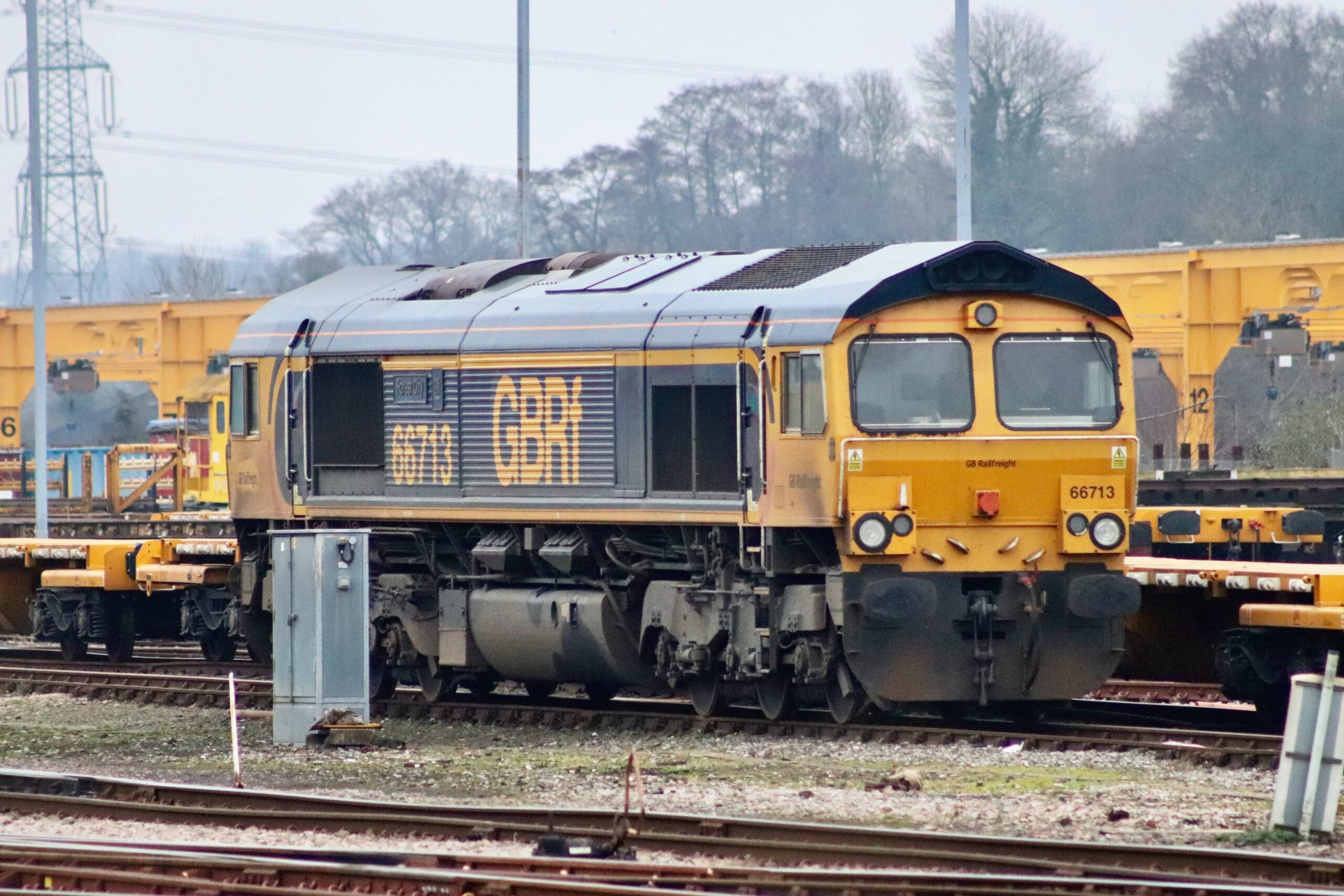
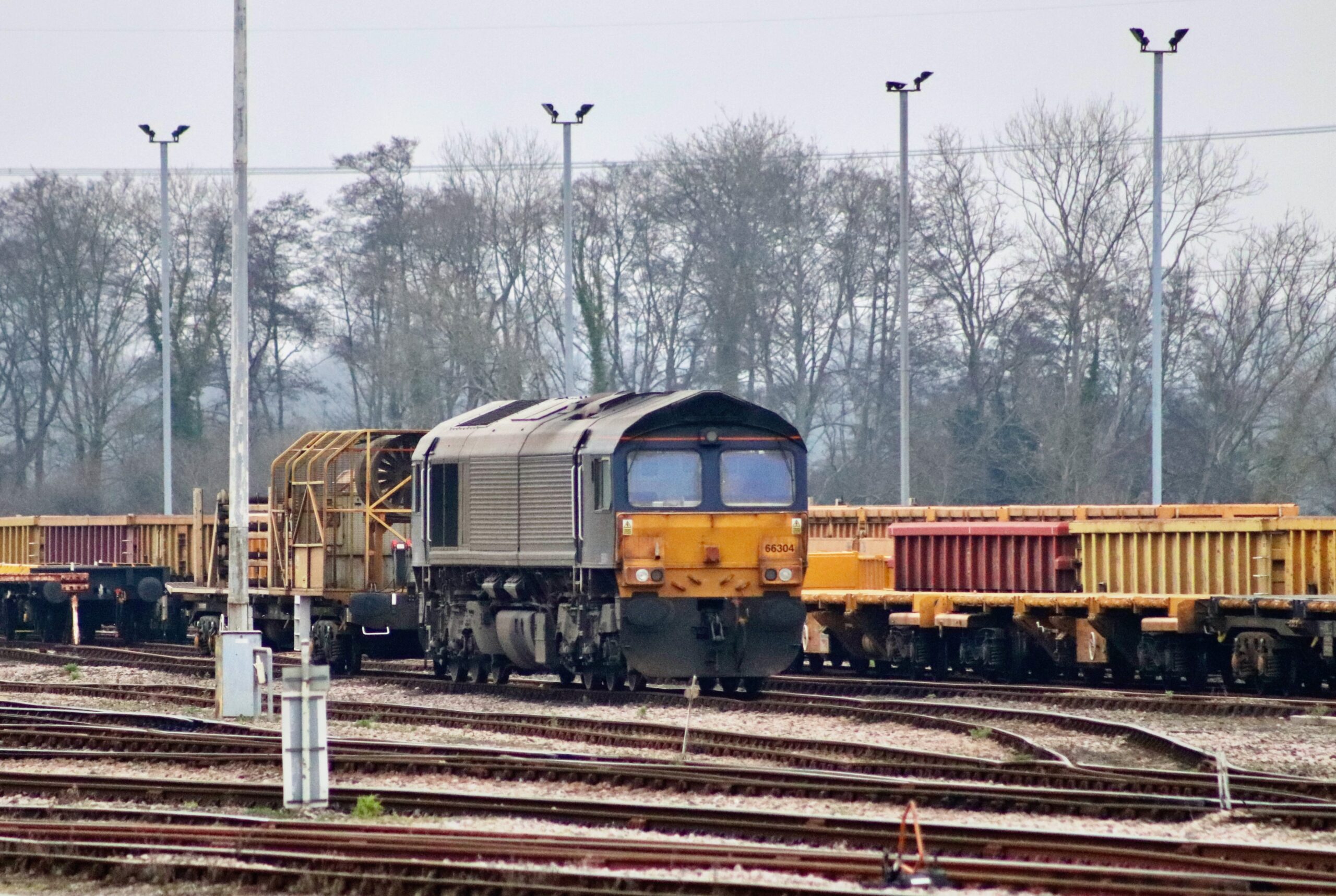
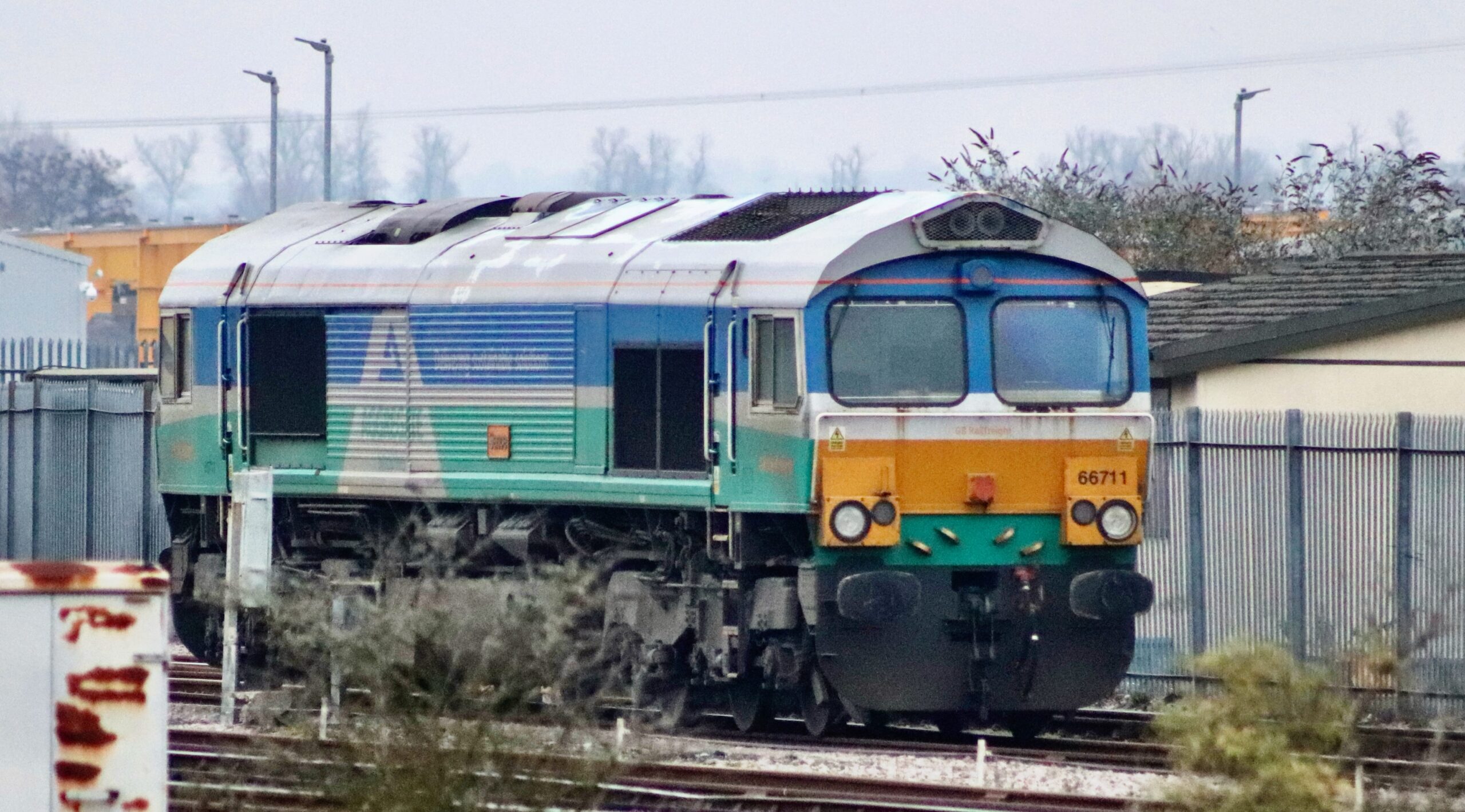
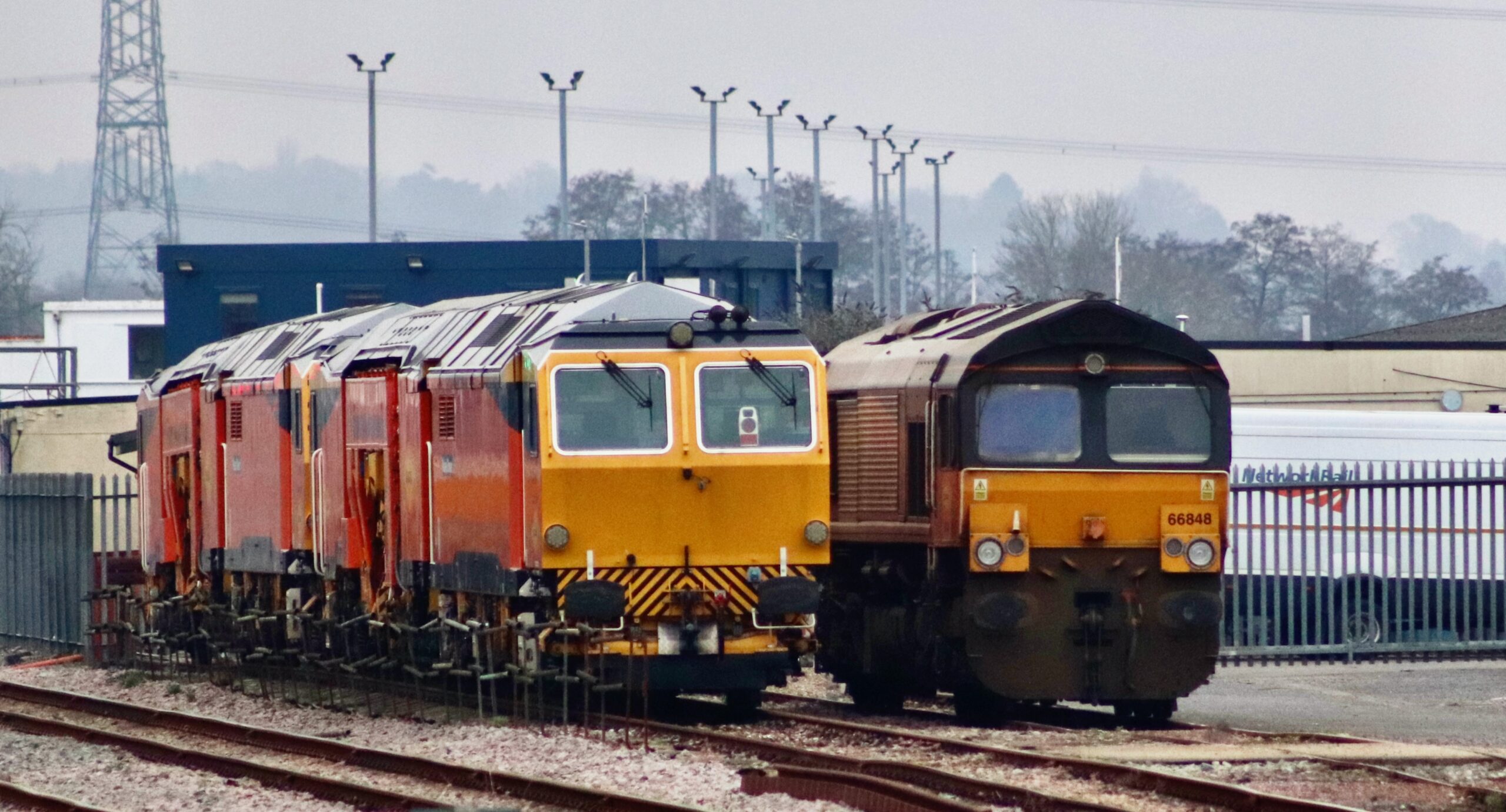

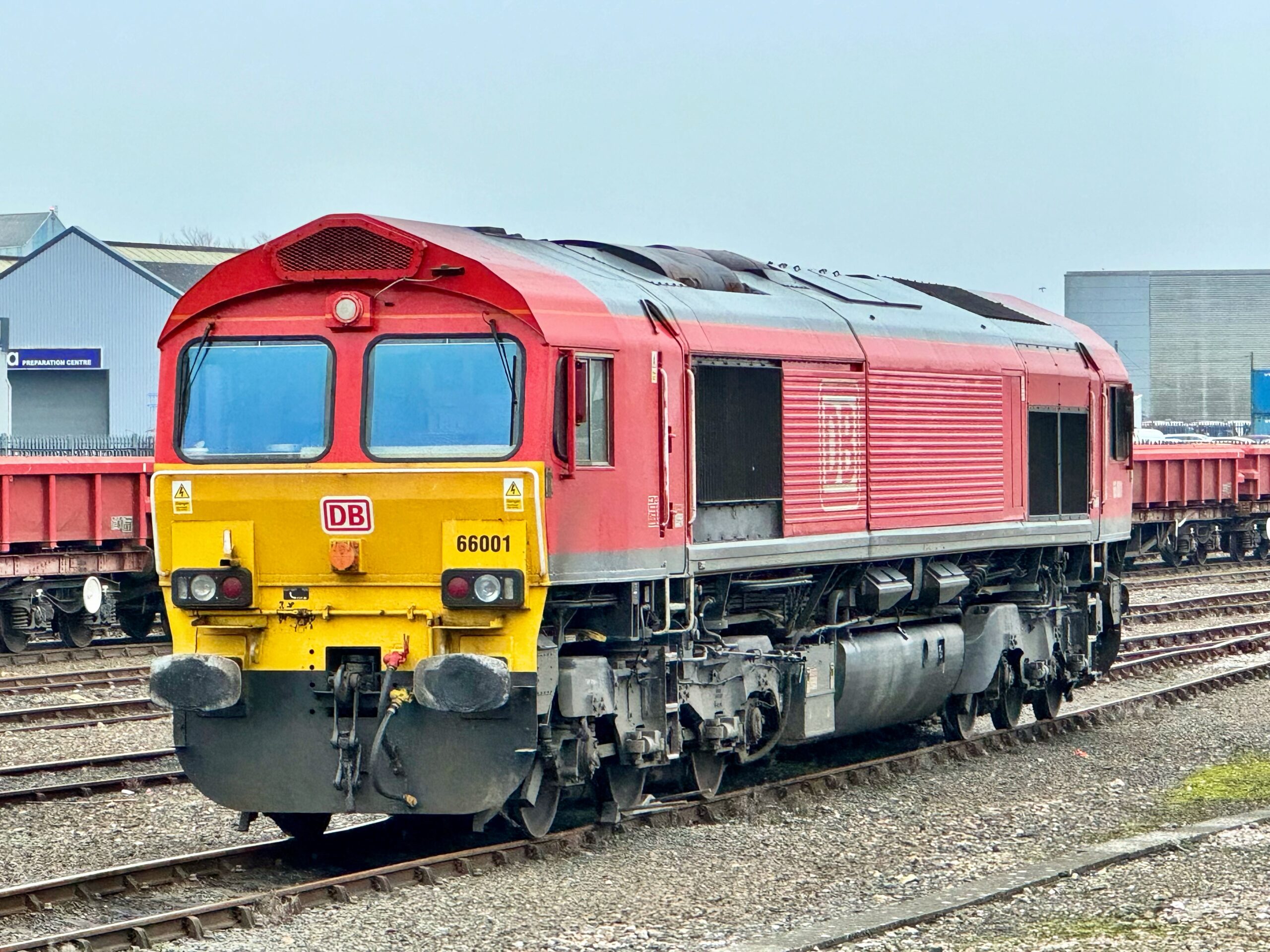
The pioneer locomotive of the 250-strong class was taken by rail to the nearby Immingham depot, fittingly hauled dead by Class 56 No. 56018, which itself arrived by sea at Harwich from Romania on January 22 1977.
After unloading from heavy lift vessel Fairload, operated by Jumbo Shipping, it was inspected to ensure it was fit to move and the brake system tested. Widespread rumours that the locomotive was dropped as it was loaded in the USA were proved to be untrue.
After No. 66001 was unloaded a delighted EWS Project Engineer Graham Preston told RAIL: “This is only the beginning – I’ll be even more happy when the rest have arrived. GM has made a cracking start with delivery well within the contract time and bang on schedule.
“Our best estimate was for the locomotive to leave the factory in early March and it actually was finished at the end of March. It’s the fastest that GM has ever delivered a new locomotive design.”
It was originally hoped that the locomotive would arrive a few weeks earlier, however the original plan, to use a fast seven-day crossing from Canada to Liverpool was scuppered when the price rose considerably.
Instead No. 66001 was towed to Albany, New Jersey where it was loaded. The ship previously visited Sutton Bridge, Lincolnshire, to unload machinery, before arriving at Immingham.
Deliveries of the production series, construction of which will start in earnest once EWS and Railtrack are satisfied with the prototype, will be made to Newport, South Wales.
A ship, which can carry up to eleven locomotives each journey, has been chartered for two years and will take around 10 days for the crossing from Halifax, Nova Scotia, Canada.
Once the Class has received Railtrack type approval and a safety case, (with completion of acceptance tests on No. 66001) there will not be a need for Railtrack to inspect each locomotive.
Locomotives will arrive tested and ready to run. EWS will check lubricants, coolant, brake systems and all systems. This will take three hours per locomotive after which they will go directly into traffic.
As production starts in May the first four production series (Nos. 66003-6) are expected in July, eight (Nos. 66007-14) in August and
11 (Nos. 66015-25) in September. Thereafter deliveries will be 11 locomotives a month. The other pre-production locomotive, No. 66002, which has yet to be painted, was due to move to the Association of American Railroads test track at Pueblo, Colorado in late May for a series of exhaustive tests. It will be delivered later this year once the work is complete.
During the weekend of April 18/19 No. 66001 was inspected over a pit at Immingham depot, and on Monday April 20 was displayed to the press at the depot, where it made its first movements under its own power in Britain. This took place within the depot confines, which is EWS, not Railtrack infrastructure.
One aspect of the Class 66 design is its radial steering bogies which slightly turn the leading axles on each bogie as the locomotive enters a curve. This results in no flange squeal, even on the sharpest curves and is expected to double the life of tyres.
No. 66001 was towed to Toton by 60016 on Monday evening, where a further, very detailed inspection was made. Early on Friday April 24 it was towed to Chester where it was exhibited for a visit by Deputy Prime Minister John Prescott, returning to Toton the same day.
It was moved on Monday April 27 to the Engineering Development Unit at Derby (former Research Department) for two weeks of static tests, to be followed by a week of loaded main line trials, probably over the Midland Main Line. After this it will enter service, and is expected to be based initially at Newport, South Wales.
Three EWS staff have been trained in Canada to drive the Class 66. Conversion courses for other crews are being developed, but it is expected that Class 59 drivers will require a one-day course, and Class 58/60 drivers will need a three day course. The Class 66 can work in multiple with
Class 59s and 67s (to be delivered in 1999).
– 13/01/2024
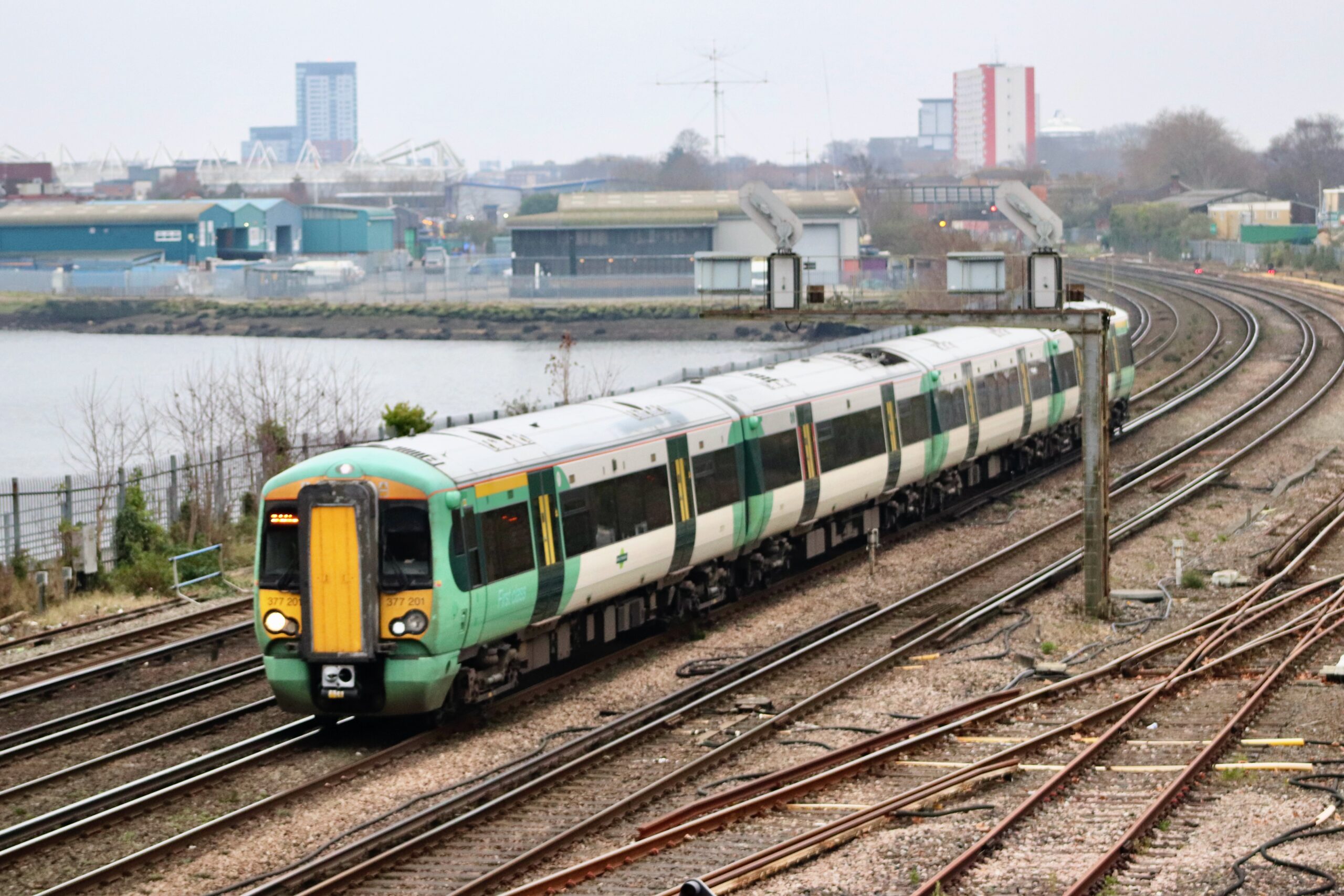

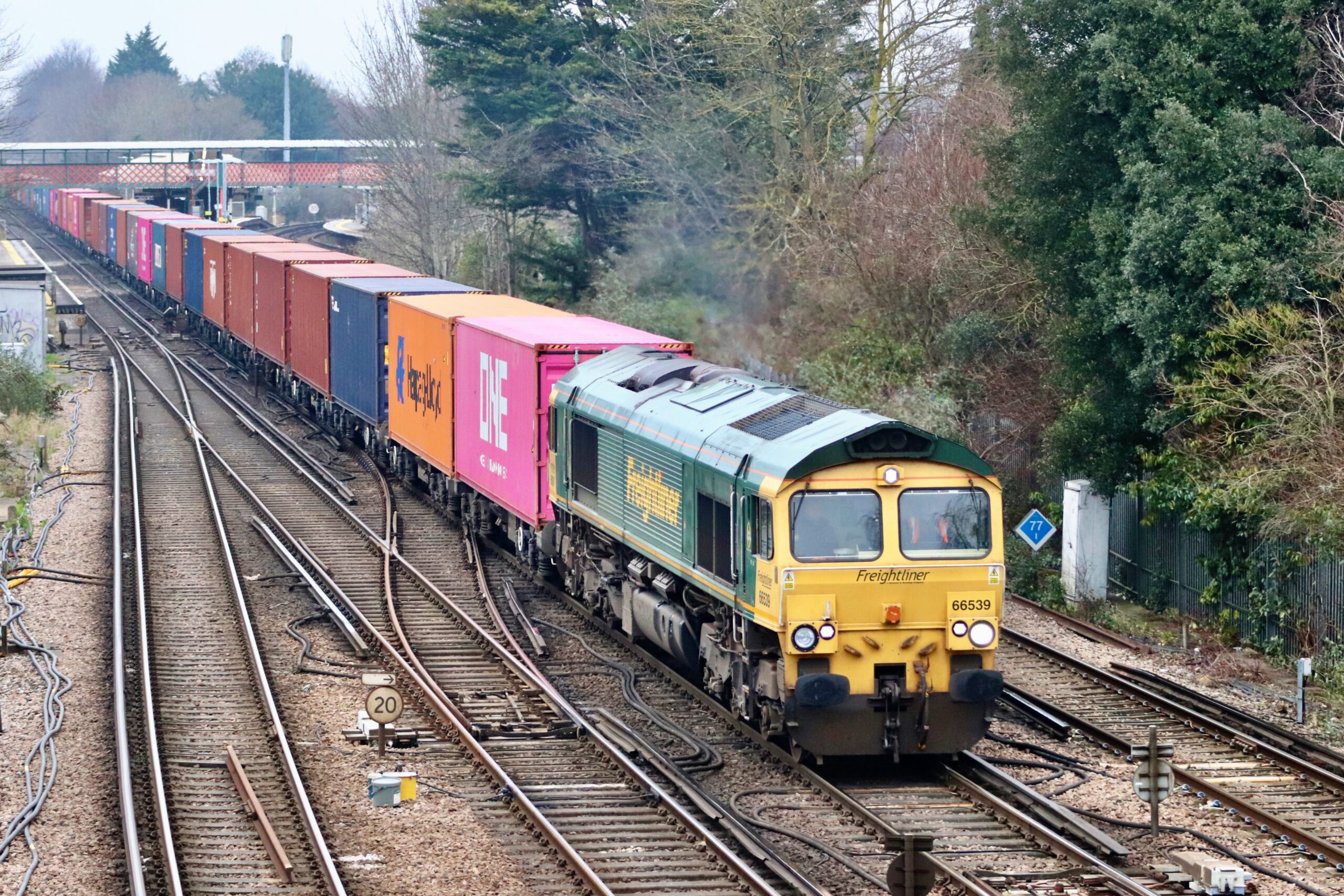
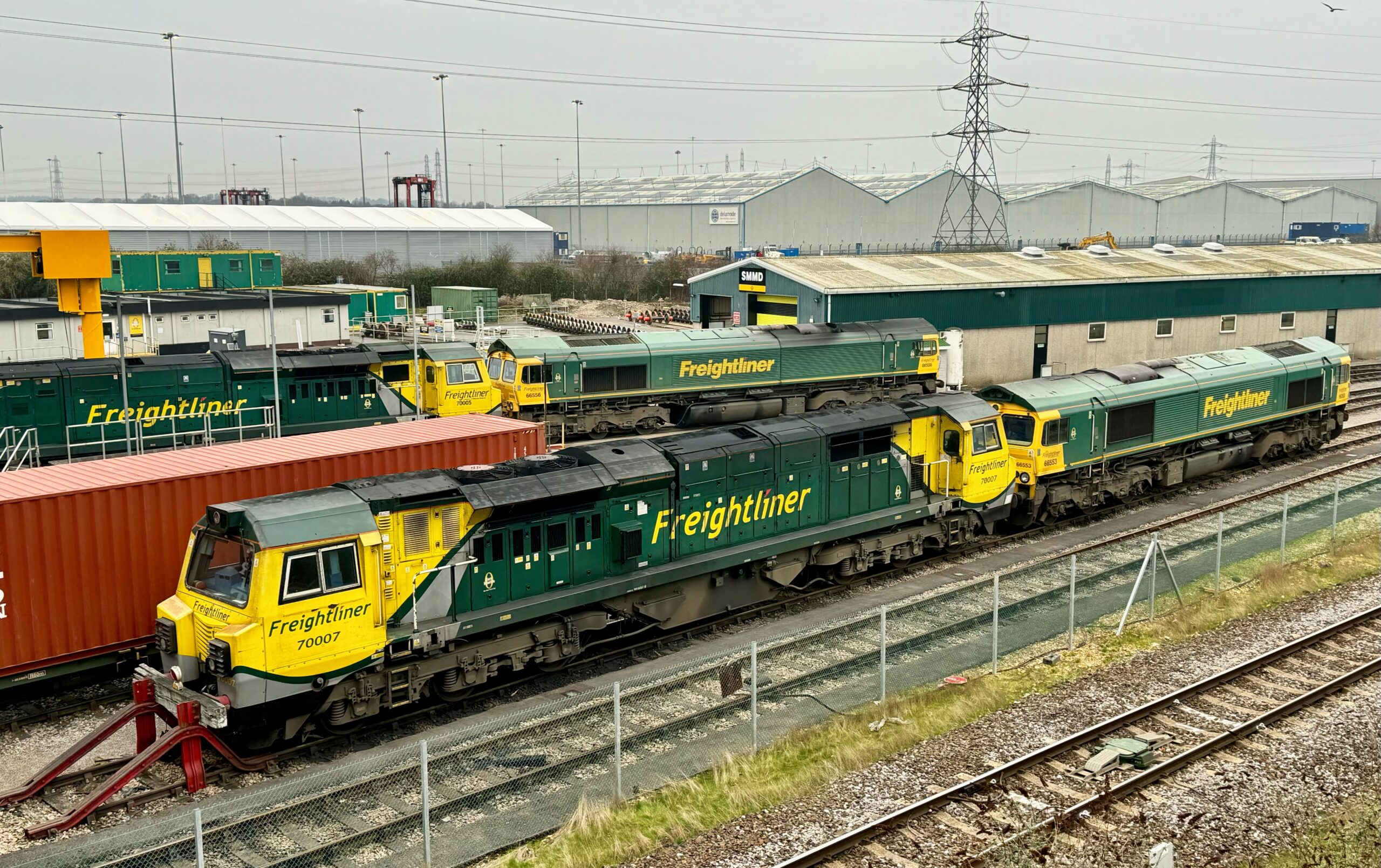


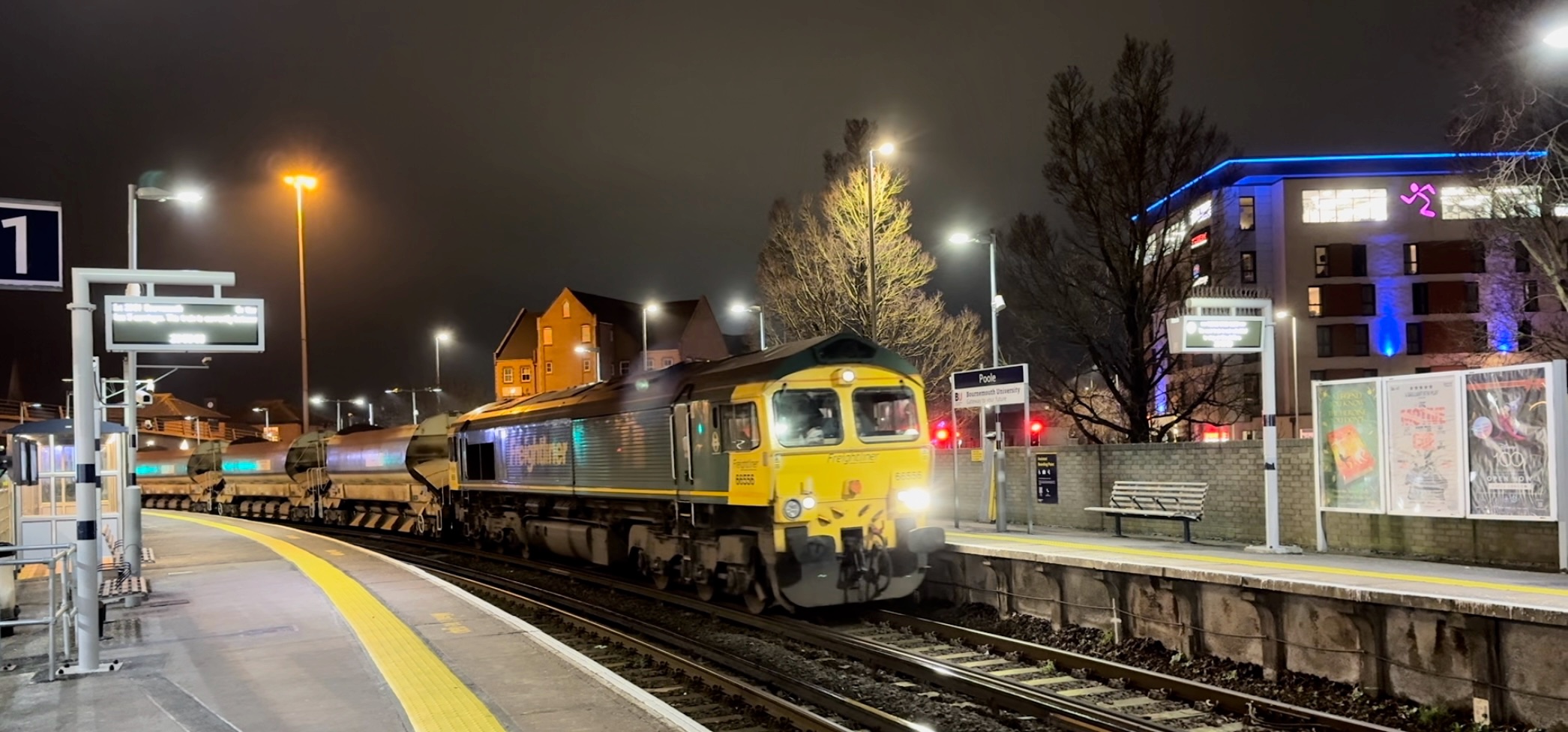
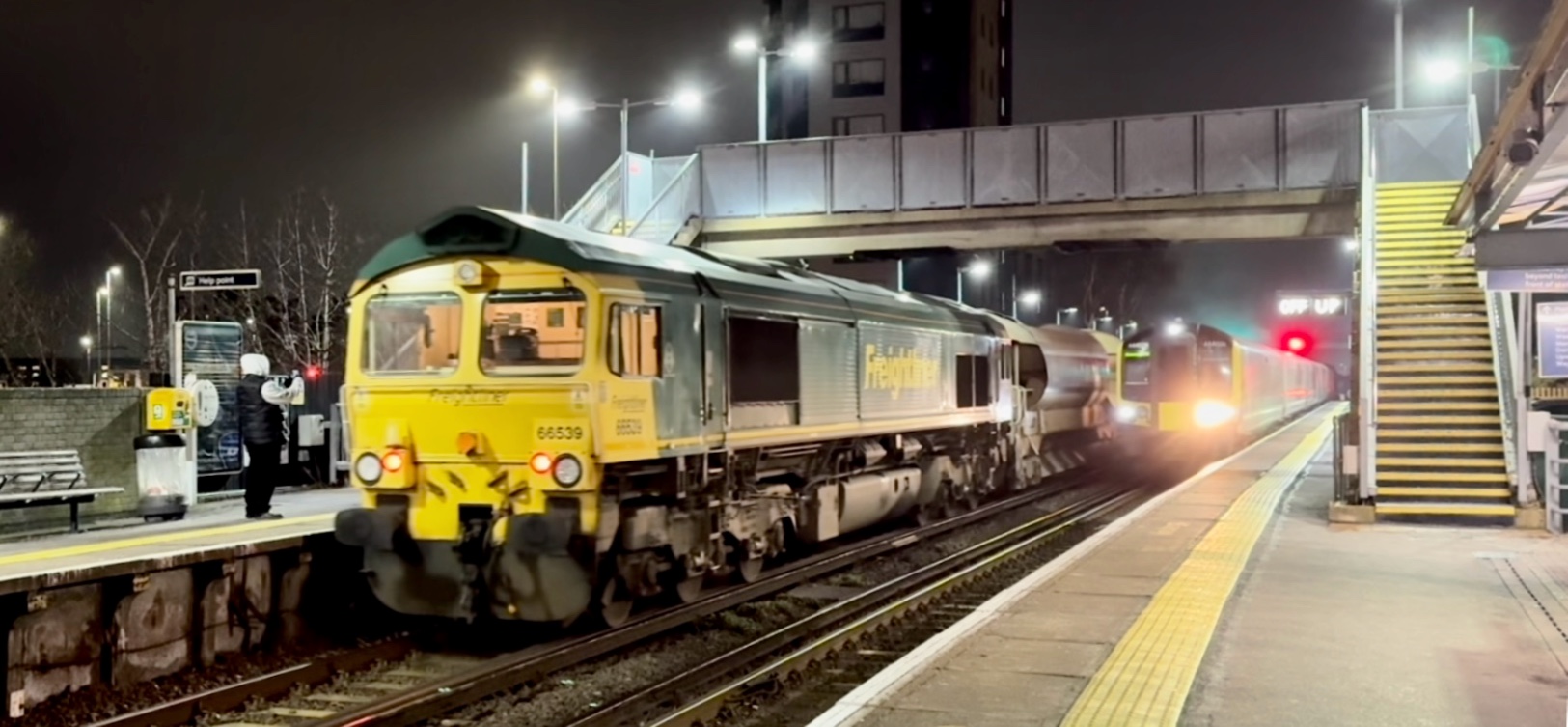
Late on Saturday evening, Freightliner had the responsibiity of providing motive power for an engineers train to Hamworthy. Two of the FL Class 66 locos we had last seen at Maritime earlier in the day were provided on this working, which I saw at Poole on the outward trip as well as the return working which ran on Sunday morning. The work site was to the west of Hamworthy railway station and away from prying eyes. I did witness two Network Rail employees placing a temporary STOP sign – to protect the branch line – in front of the existing STOP sign which is fixed to a sleeper chained across the track just after the point where the Hamworthy branch leaves the main line. A case of belt and braces!
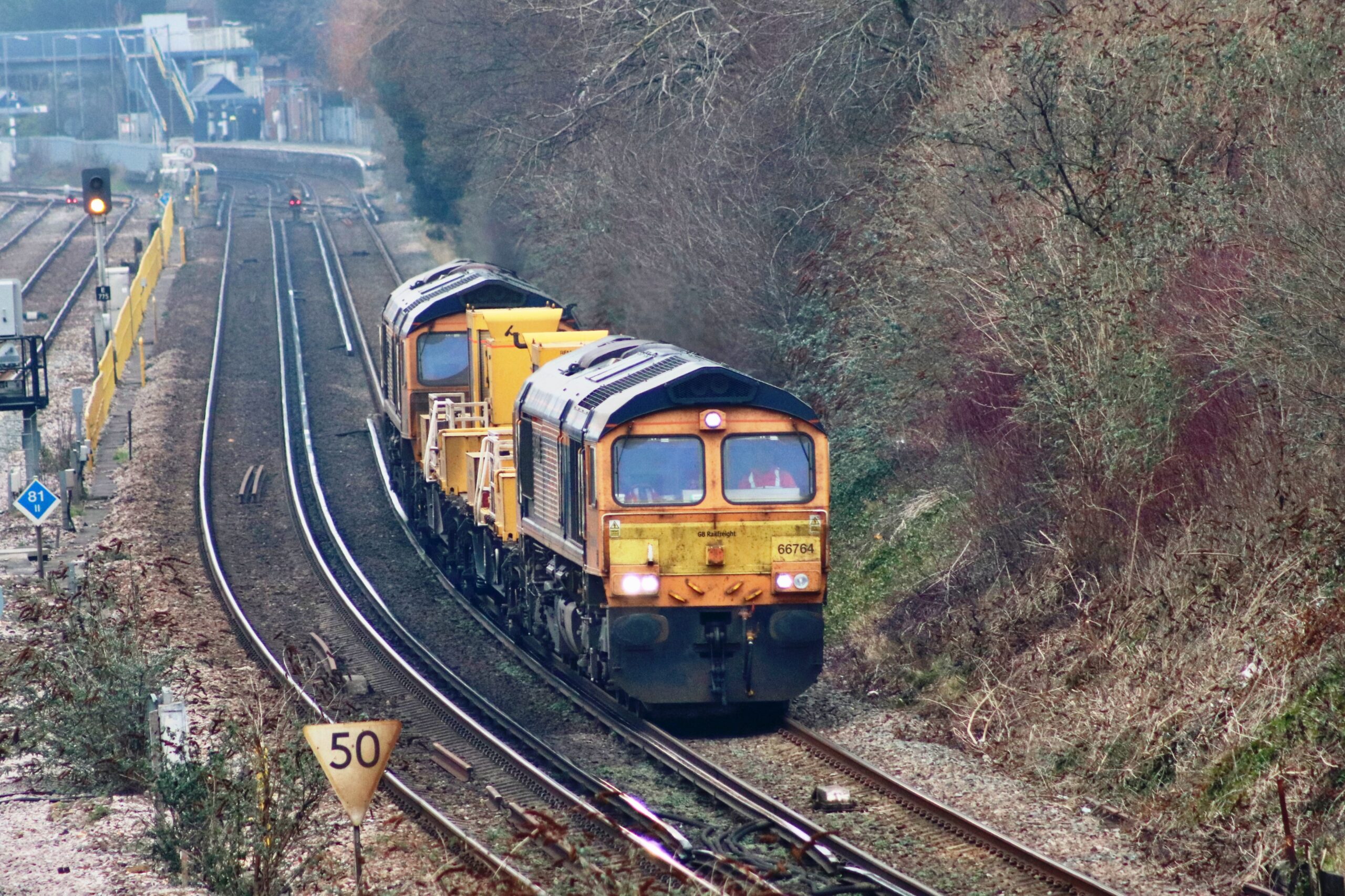
Moving forward a few days to Thursday 18th January and having received confirmation from friend of this blog, Jamie, that the aforementioned No. 66756 was scheduled to be working down the Fawley branch to Marchwood near Southampton, and taking into consideration the beautiful sunny, but cold day, I made the last minute decision to drive over and wait for the train to cross at the manual level crossing adjacent to the former Marchwood railway station.



Fawley oil refinery was established in 1921 with its construction starting in the spring of 1923, the contractors being Sir Robert McAlpine & Co Ltd. The Fawley railway branch line was built under provision of the Light Railways Act 1896 as the “Totton, Hythe and Fawley Light Railway”, opening on 20th July 1925. It branches off at the South West Main Line west of Totton station, running parallel with the line to Bournemouth and Weymouth for one mile before curving away to the south. Prior to the passenger service being withdrawn on 14th February 1966, stations were served at Marchwood, Hythe, and Fawley. Between Hythe and Fawley a station for workmen was opened briefly between 1958 and 1965 named Hardley Halt.
Railway traffic as far as Marchwood increased after a siding to Cracknore Hard was laid in 1939 for harbour defences. It was expanded to a full-blown military port in 1943, the slipway becoming a major assembly point for Mulberry floating harbour sections in 1944.
The passenger service to Fawley was always traditionally somewhat sparse with just three return trips and a long gap during the day when refinery staff were at work. There was an expansion in freight traffic as, for more than 80 years, ExxonMobil and its predecessors used rail to move oil products from the refinery, but all associated traffic ceased in September 2016. Railway Magazine reported the last DB Cargo train from Fawley; a rake of empty bogie tankers, ran on September 5th 2016. The line is now only used by freight to and from Marchwood Military Port as well as taking and removing SWR Class 701 EMU’s in storage.
Looking to the future, it is proposed to partly reopen the line with stations located at Marchwood and Hythe. On 23rd May 2020, the Department of Transport (DafT) announced that the line now marketed as the “Waterside Line” had been shortlisted for further funding to investigate the restoration of passenger services. The end of the 8-mile line would be unused, but a southern terminus, called Hythe and Fawley Parkway, would open on the site of the Hardley Halt station.
In March 2022, Rail Magazine reported that Network Rail would be taking the scheme to get the line reopened forward. However, the proposed Hythe & Fawley Parkway station will not now be included. The service that Network Rail is proposing is a 2 car Class 158/9, running every 30 minutes between Hythe and Southampton with passenger services starting in 2025 at the earliest if plans are accepted. Following public consultations held in August / September 2022, 84% of people backed the proposal to reinstate the line for passenger service.
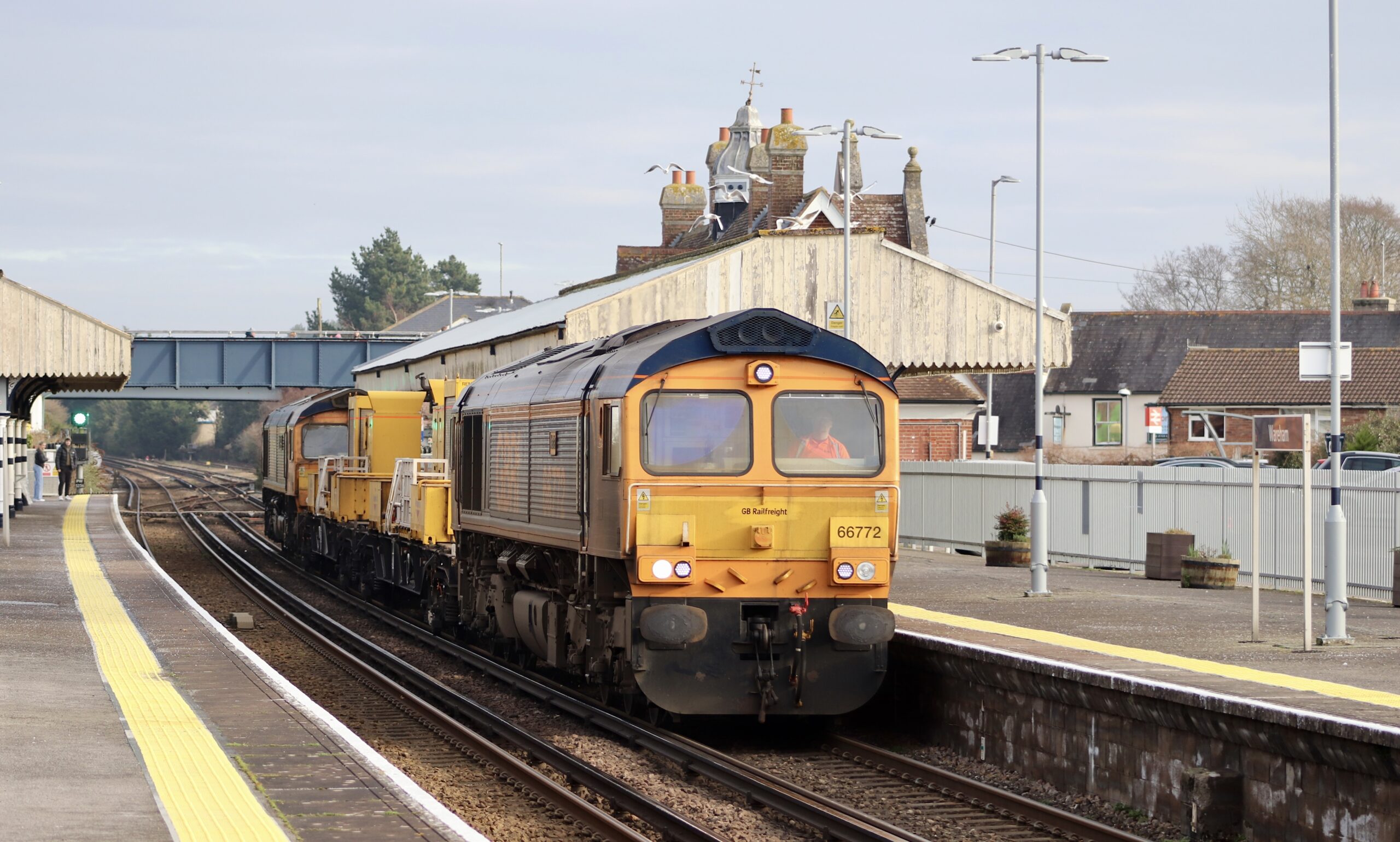
The Totton Yard based Snow and Ice Treatment Train (SITT) saw multiple incursions into Dorset during the recent frosty January weather working:
12/01/2024 – 3Y89 2200 Totton Yard to Totton Yard
14/01/2024 – 3Y88 1009 Eastleigh East Yard to Eastleigh East Yard
17/01/2024 – 3Y89 2200 Totton Yard to Totton Yard
19/01/2024 – 3Y89 2200 Totton Yard to Totton Yard
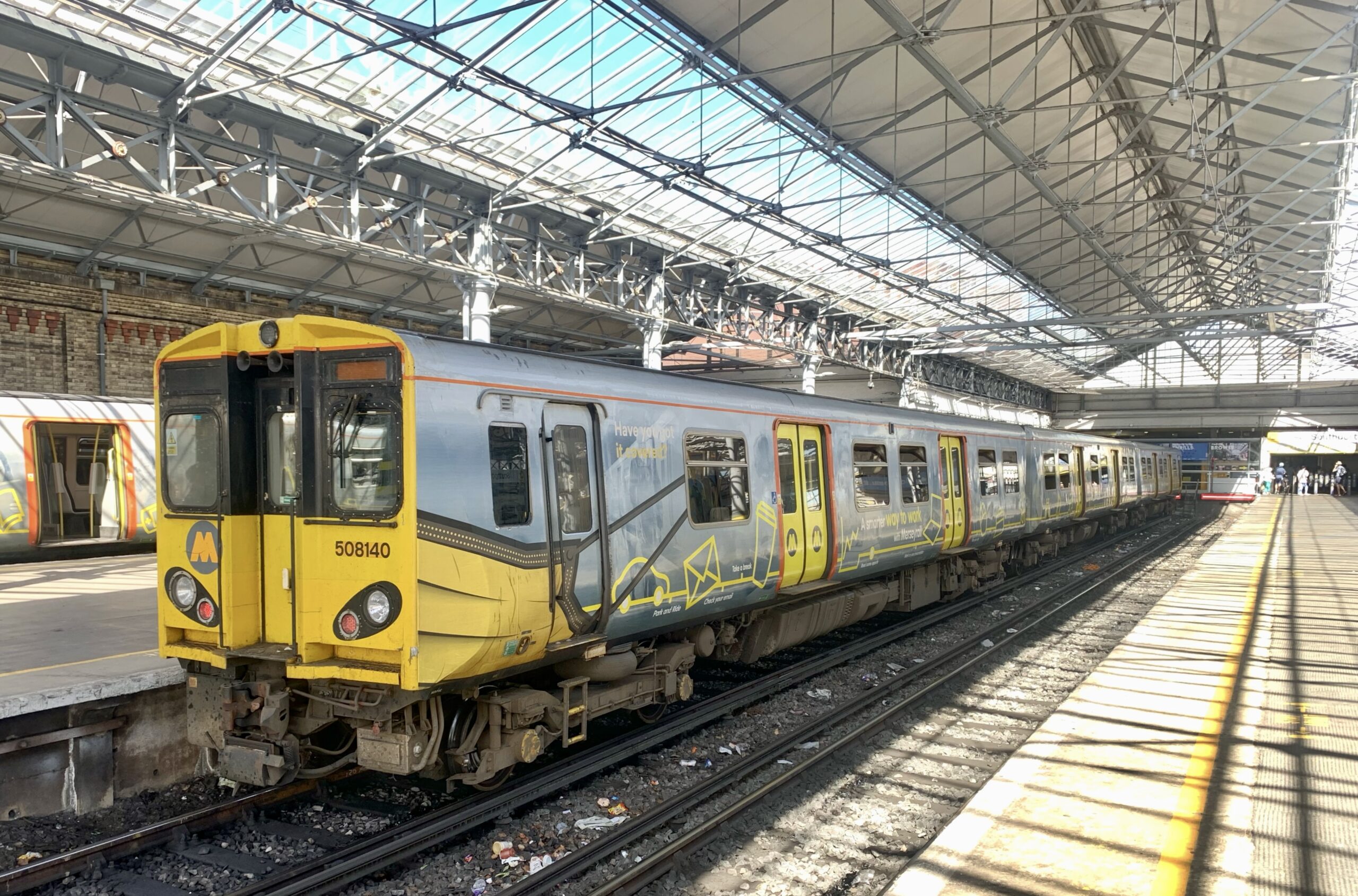
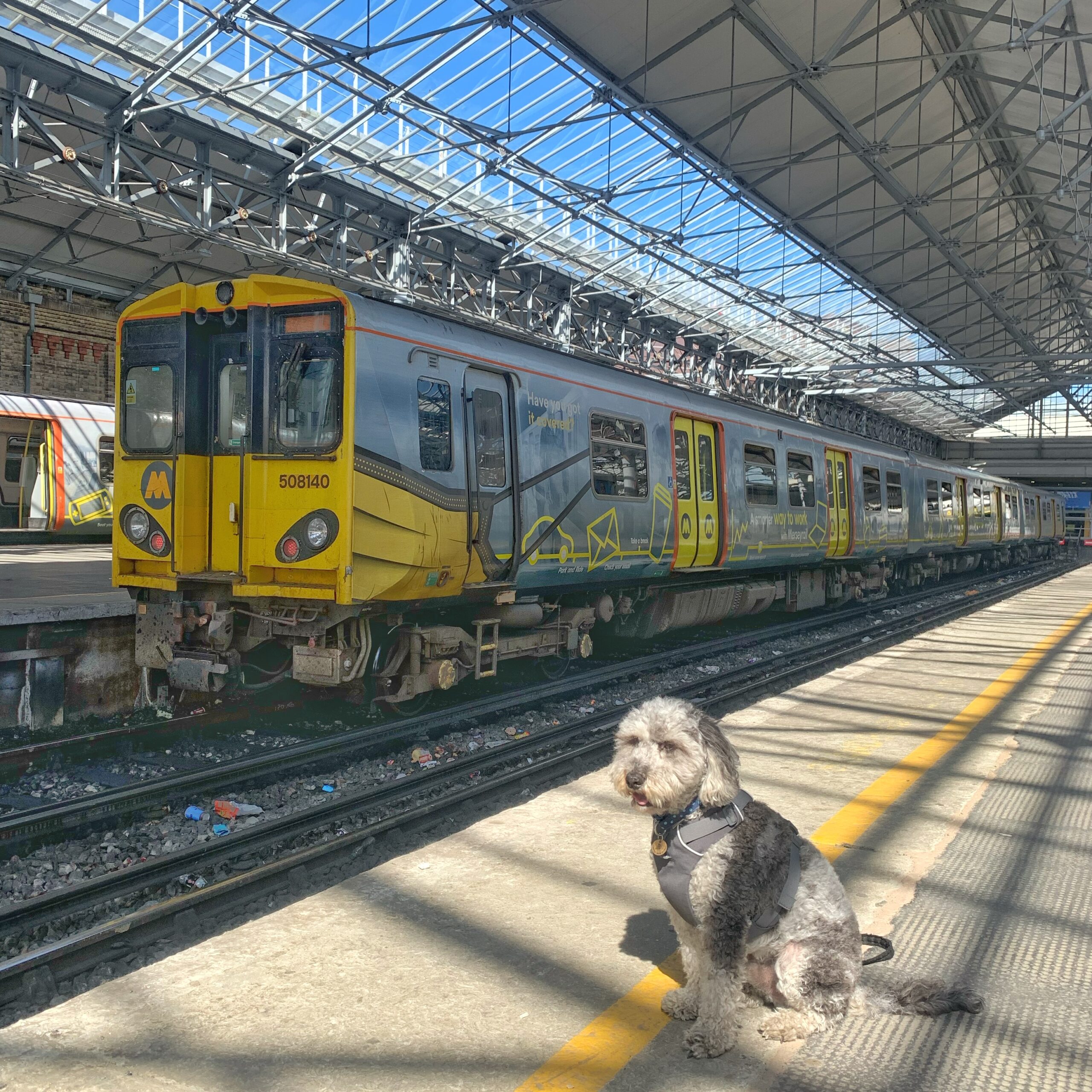
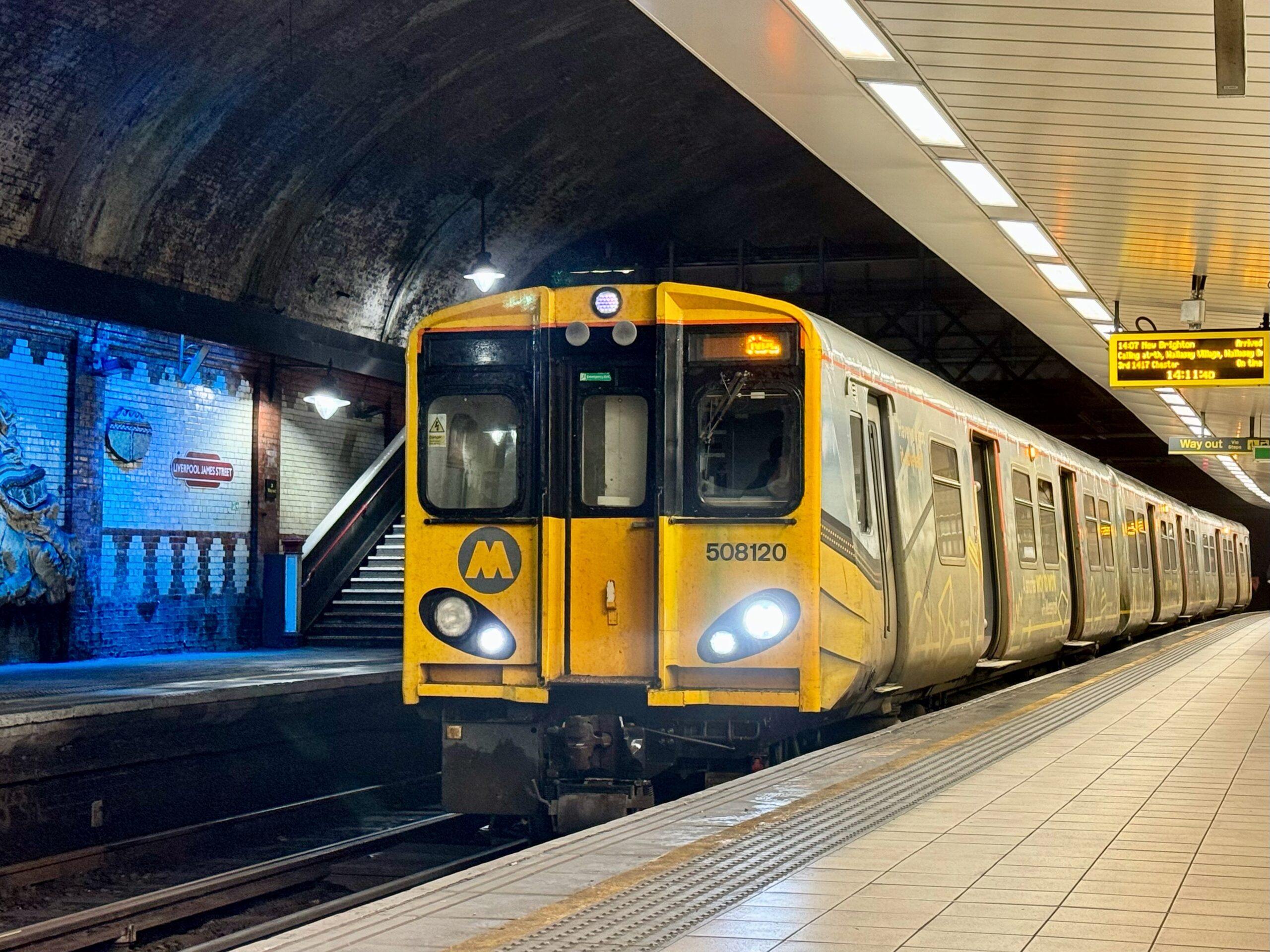
Elsewhere on the UK network, the final day of Class 508 workings took place on 16th January 2024 when Merseyrail withdrew the last operational example of the class, No. 508104 after 44 years of service. The Class 508 developed from the prototype PEP stock were built by British Rail Engineering Limited (BREL), at Holgate Road carriage works, York, between 1979 and 1980 and initially worked alongside much older first generation 4-SUB EMU’s in the London Waterloo area. The first Class 508 unit was delivered to Strawberry Hill depot on 9th August 1979.
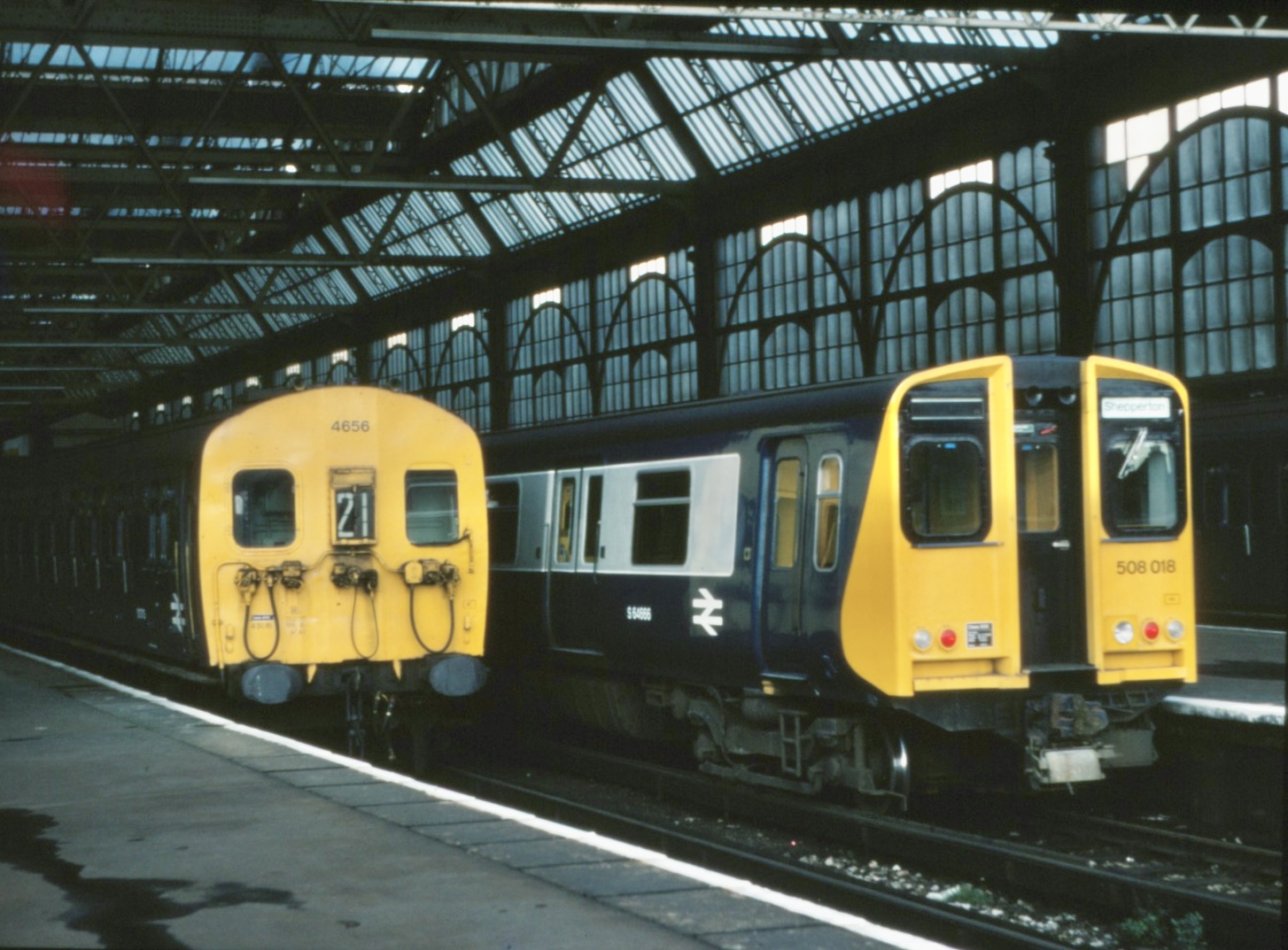
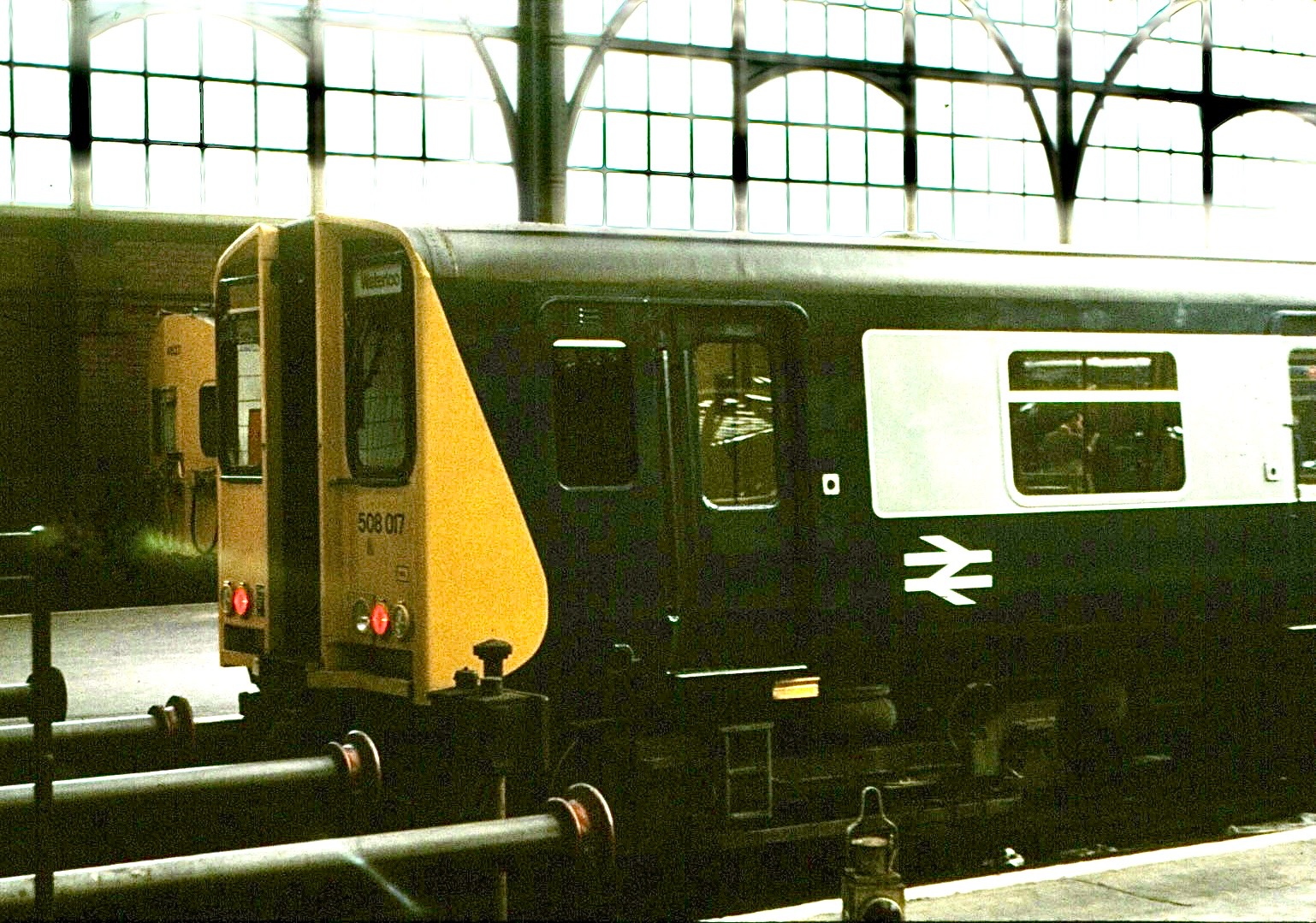
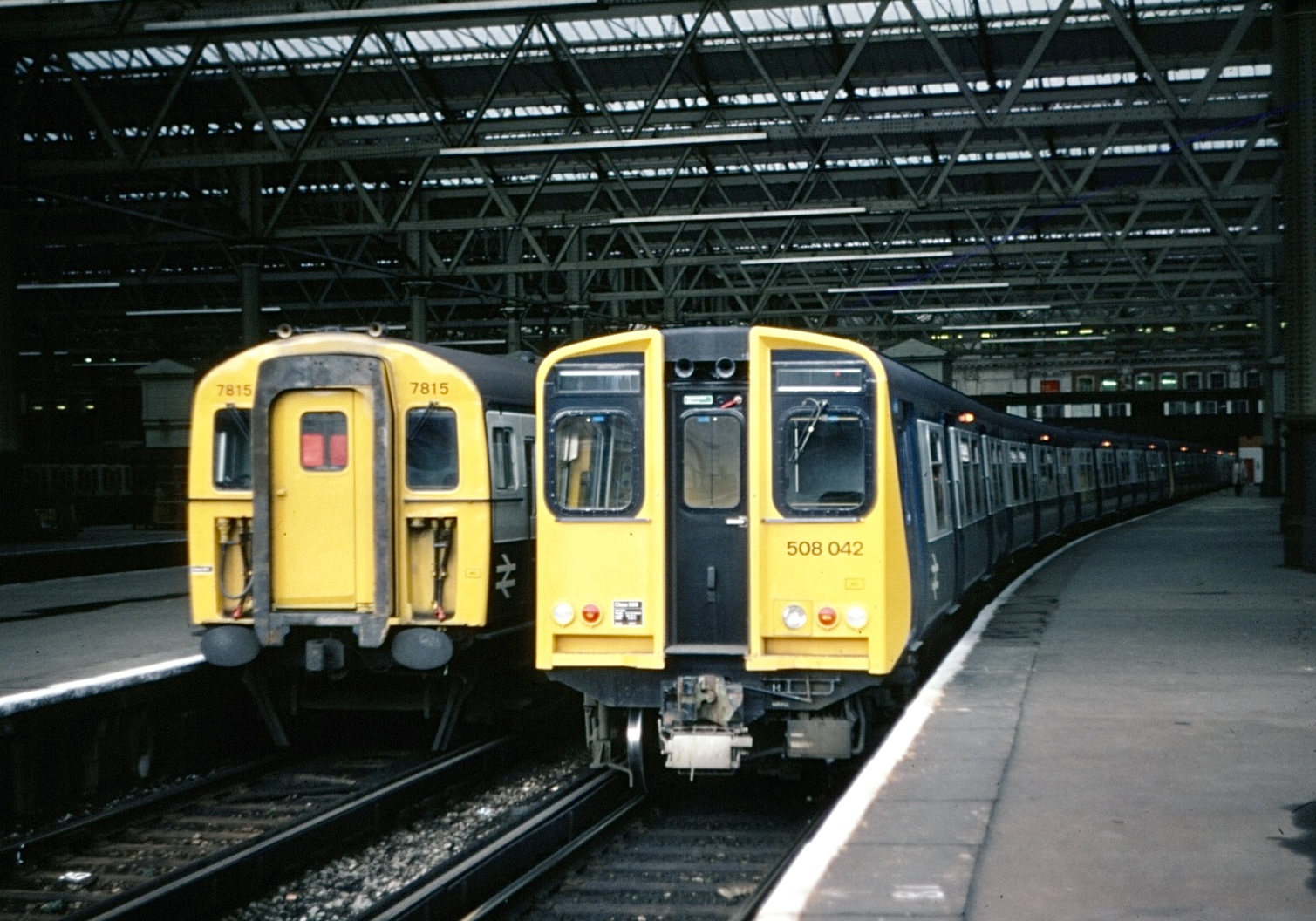
Transfer to of the Class 508’s to Merseyside began in 1982 when they were reduced from 4-car to 3-car sets. The removed trailer cars live on as part of South Western Railway Class 455.
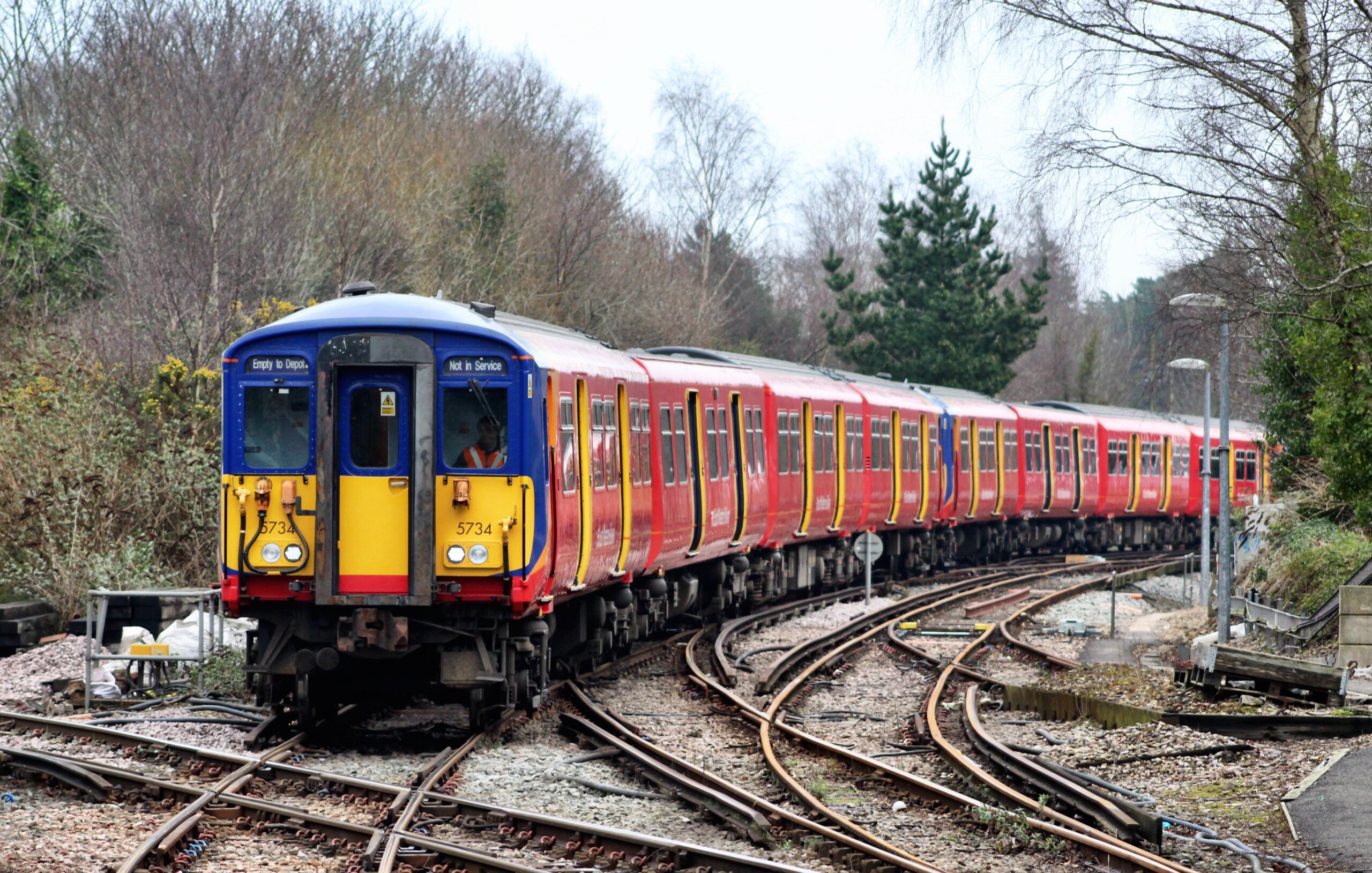
As you may be aware, train strikes are planned from Tuesday 30th January through to Monday 5th February 2024.
• Tuesday 30th January – Gatwick Express, Great Northern, South Western Railway (including Island Line), Southeastern, Southern, Thameslink
• Wednesday 31th January – Northern, TransPennine Express
• Friday 2nd February – c2c, Greater Anglia (including Stansted Express), LNER
• Saturday 3rd February – Avanti West Coast, East Midlands Railway, London Northwestern Railway, West Midlands Railway
• Monday 5th February – Chiltern Railways, CrossCountry, Great Western Railway
In addition, the above train operators will have an overtime ban between Monday 29th January and Tuesday 6th February.
Dorset Council and BCP Council have joined forces to develop a new transport plan for the whole of Dorset fit for the 21st Century and have launched a survey running until 3rd March. They would like our thoughts on the following:
• improving transport across rural and urban areas;
• ensuring all ages and abilities can access services;
• making it easier to be more physically active;
• enabling more opportunities for affordable, available and accessible public transport;
• helping people feel safer on our roads and on public transport;
• reducing congestion and carbon emissions; or
• improving digital and real-time travel information
You can find out more and complete the survey online here – paper copies are also available at Dorset Council and BCP Council libraries.
Many thanks for reading, for your comments and corrections. All being well, we’ll be back soon! Be seeing you.
Leave a Reply