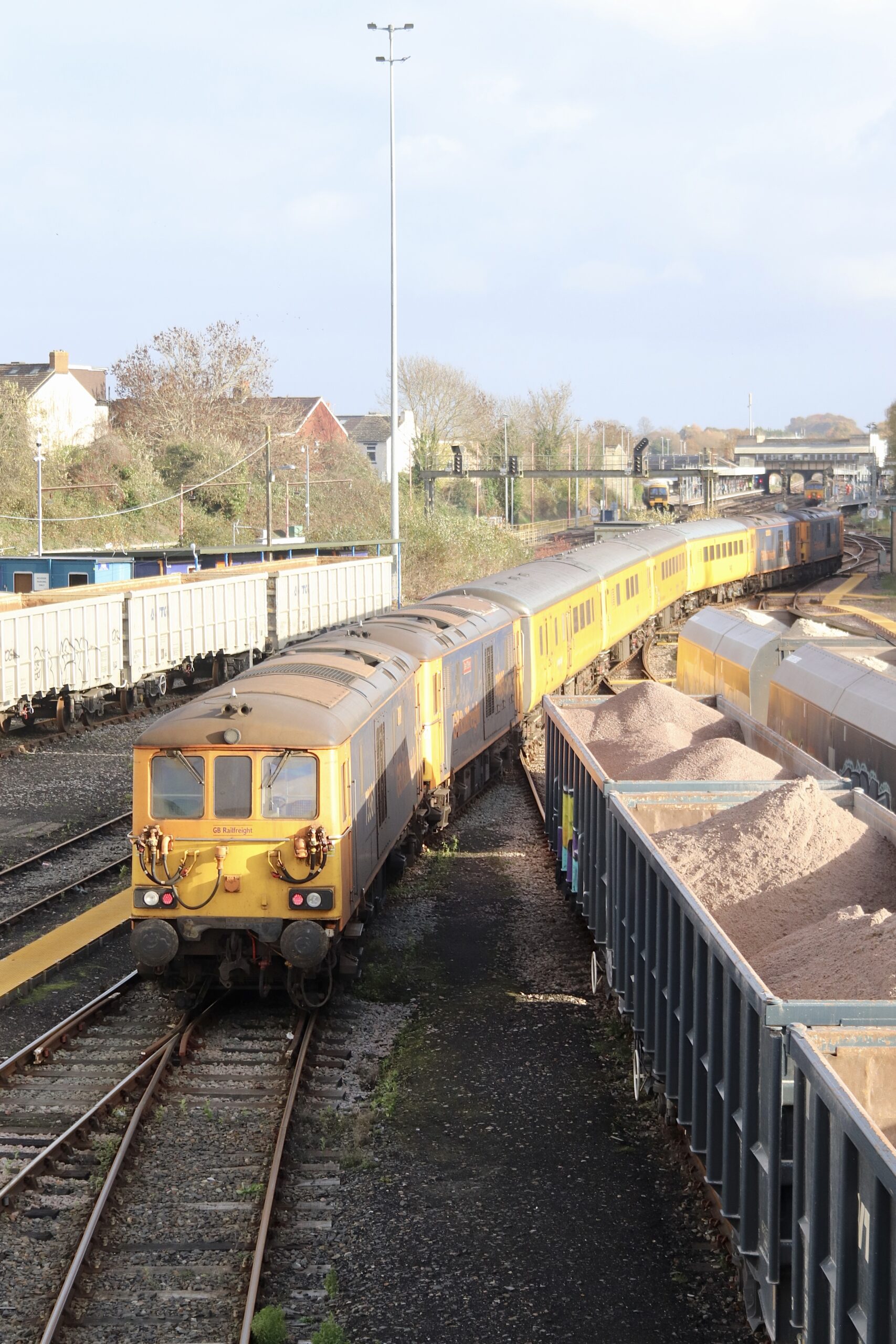
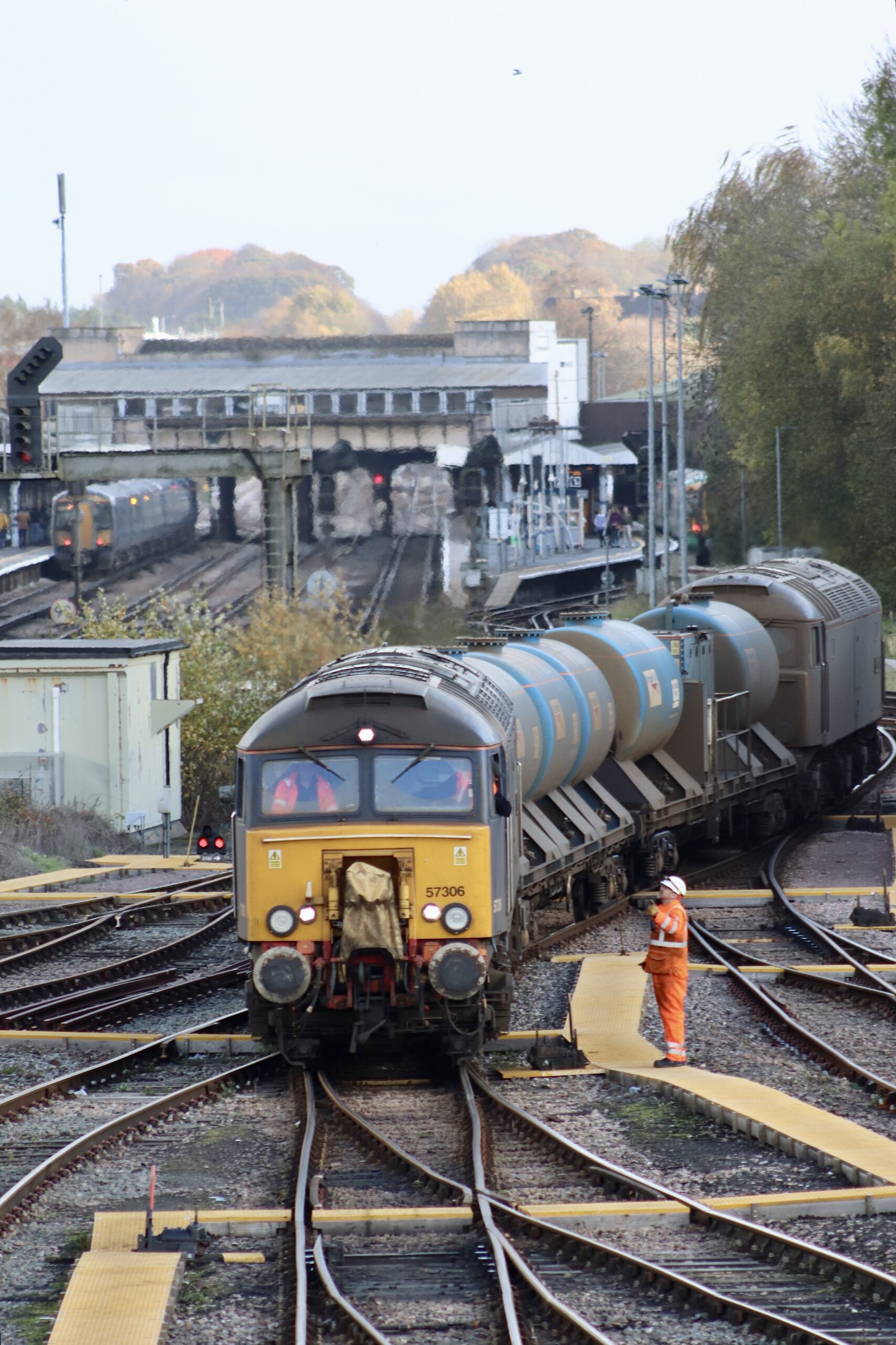
GBRf Class 57 No.’s 57306 ‘Her Majesty’s Railway Inspectorate’ and 57310 ‘Pride of Cumbria’ head into the yard after reversing in Tonbridge station working 3W01 0907 Tonbridge West Yard GBRf to Tonbridge West Yard GBRf – 19/11/2023
November 18th 2023 to November 23rd 2023
I may have mentioned previously that I have a list of locomotives or unit trains I would very much like to photograph. These include named examples to livery variations. One such loco is GB Railfreight’s (GBRf) Class 66 No. 66743 which can be usually found North of The Border operating the luxury Belmond Royal Scotsman train along with sister locomotive No. 66746. GBRf took over the running of these excursion trains from West Coast Railways (WCR) in 2016. Outside the Scottish railtour season, the Royal Scotsman locos have to earn their keep on more mundane tasks, and last week No. 66743 was shuttling backwards and forwards from Scunthorpe or Doncaster to Eastleigh East Yard on freight or engineers related workings. At least until the weekend when she ended up on one of the engineering trains involved in the 16 day closure of the railway line between Salisbury and Yeovil Junction. This, I observed, meant she was stabled at Eastleigh East Yard on Sunday following her outing to Wiltshire. So with hopeful abandon, off I set at 0730 thinking the locomotive might well be parked in an advantageous position for a photo. Unfortunately, this was not to be the case with No. 66743 being somewhat obscured by a row wagons. It’s like that, this hobby, you win some and you lose some. The trick is not to be disheartened because next time, things may well go your way.
Belmond Royal Scotsman liveried Class 66 No. 66743 partially hidden behind wagons in Eastleigh East Yard – 19/11/2023
While I was in Eastleigh I took advantage of the lull in between rain showers to walk Yoshi and photograph other trains parked up.
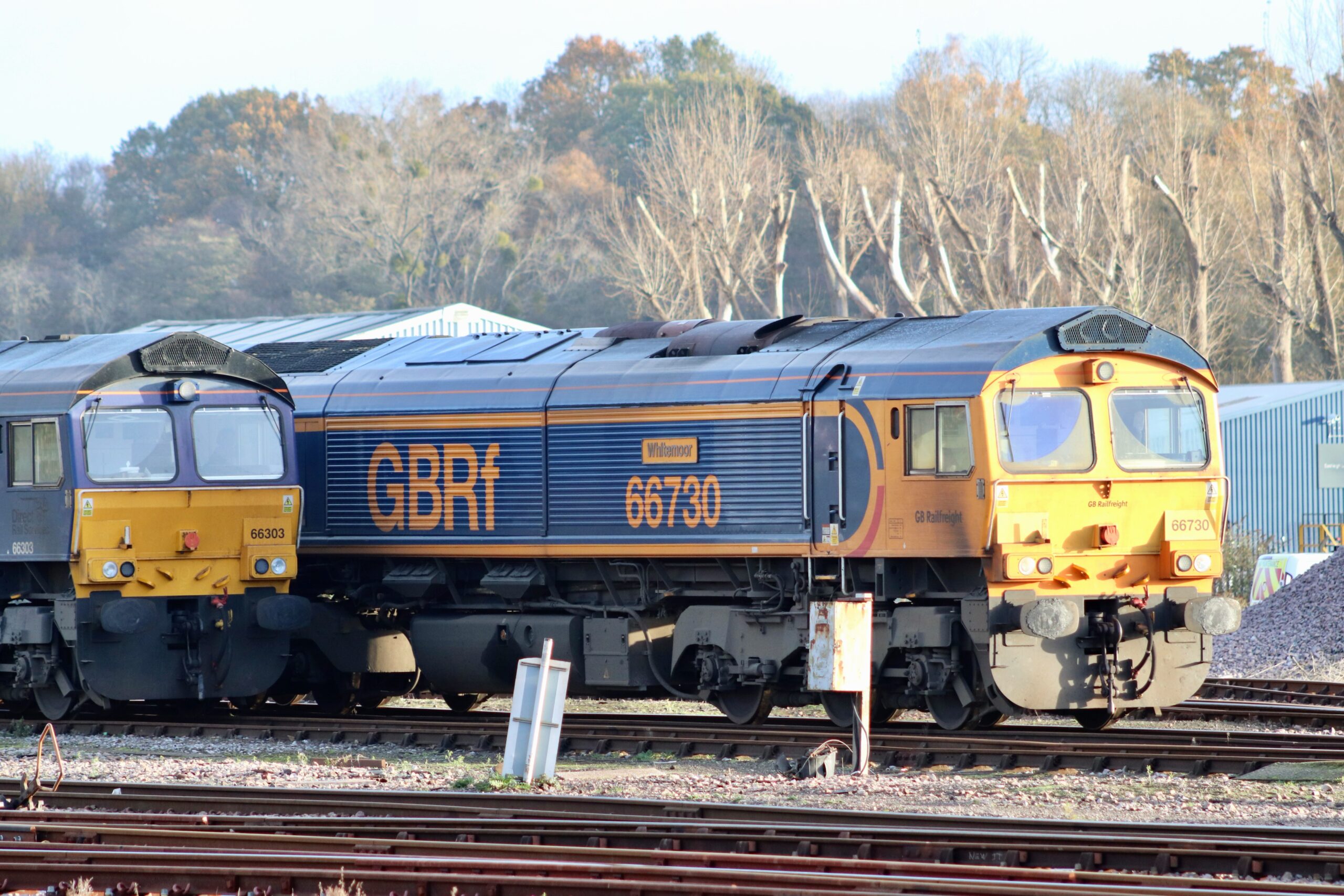
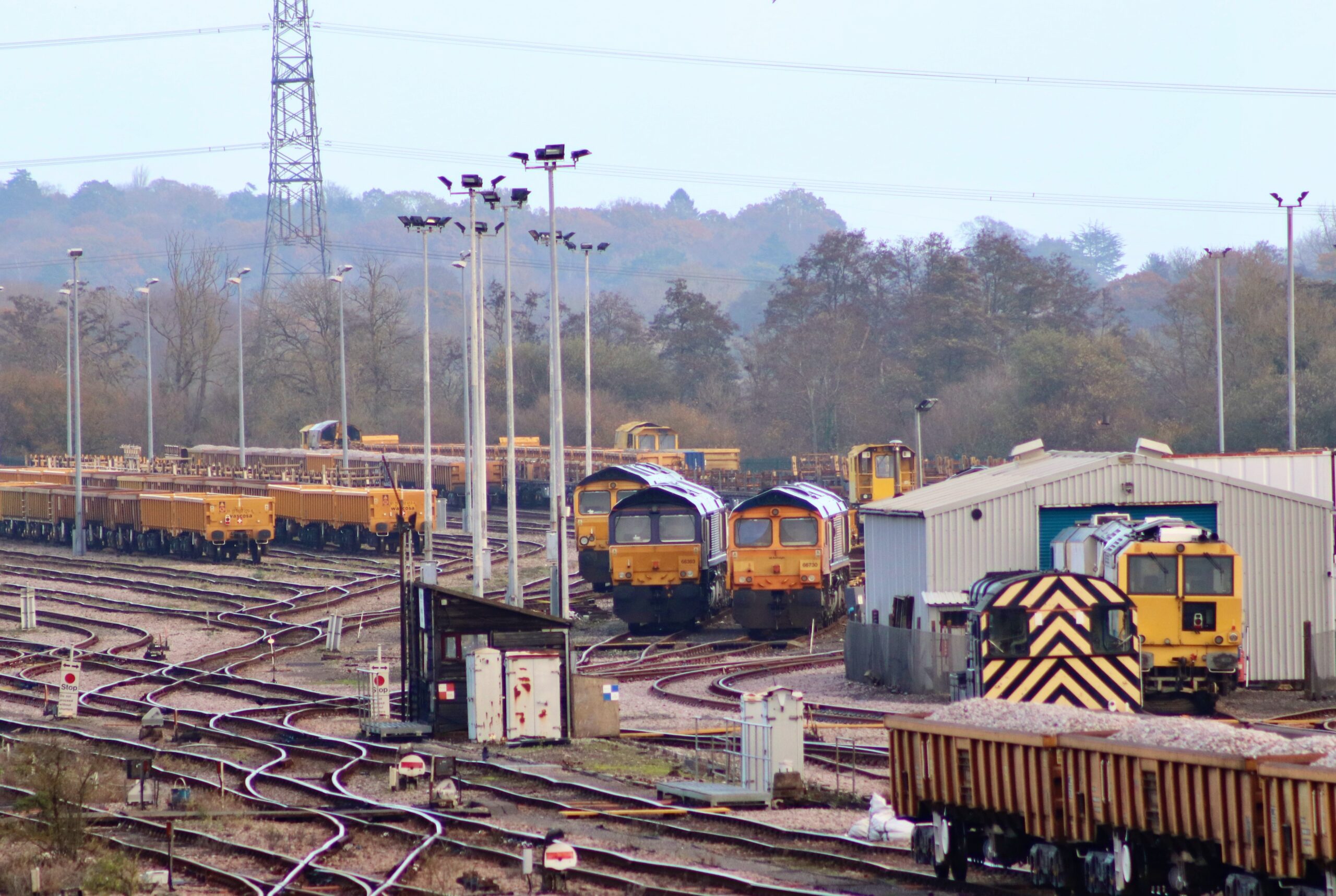
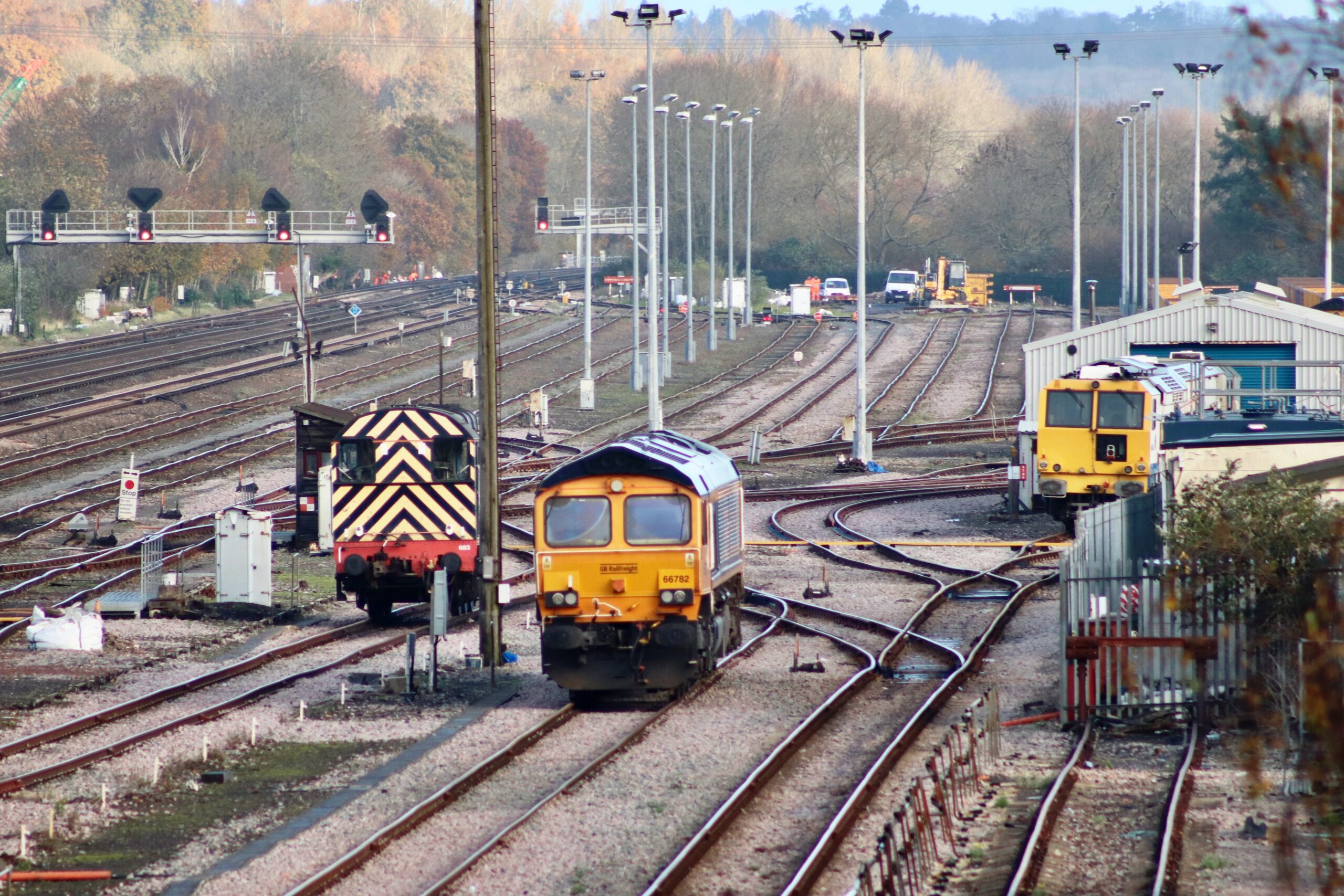
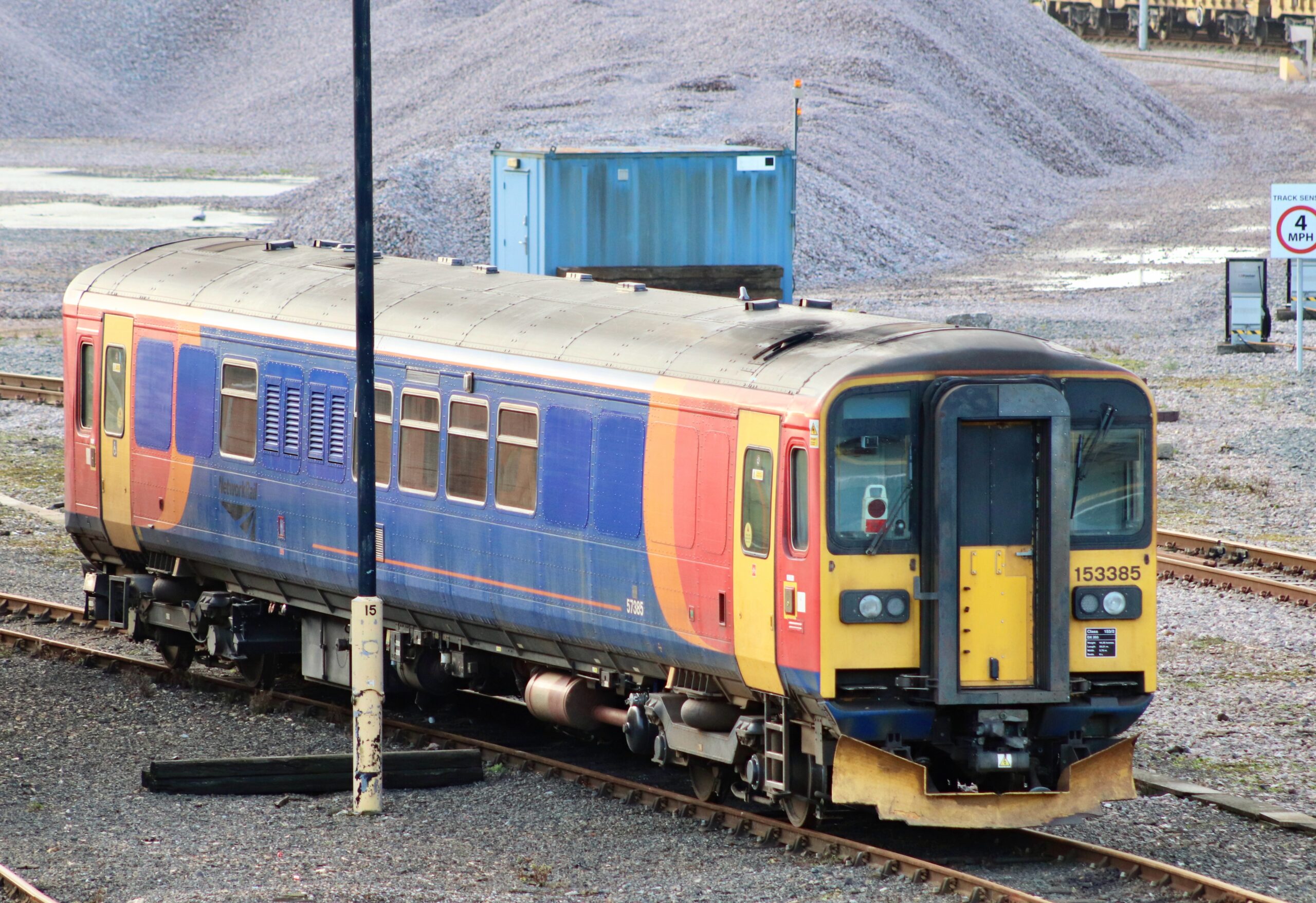
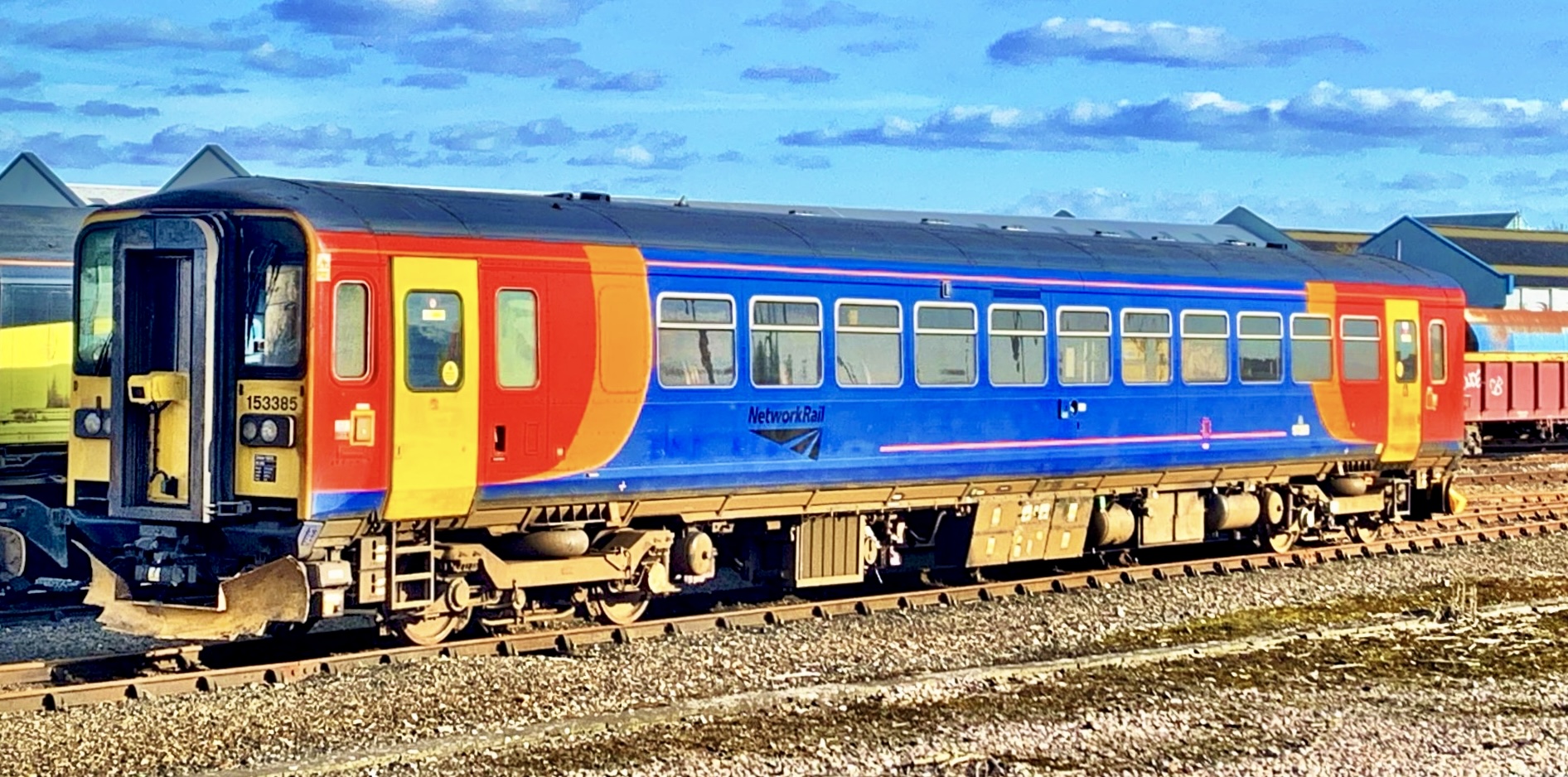
Class 66 No. 66303 stands in Eastleigh East Yard – 19/11/2023Class 66 No. 66730 ‘Whitemoor’ alongside stablemate No. 66303 at Eastleigh East Yard – 19/11/2023GBRf Class 66 No. 66740 ‘Sarah’ stands at Eastleigh CTT Forwardings – 19/11/2023A view across to Eastleigh East Yard – with Class 66 locomotives No.’s 66730/66303/66740 resting between duties – 19/11/2023Class 66 No. 66782 at Eastleigh East Yard alongside a Class 08 shunter – 19/11/2023Class 08 No. 08511 in Eastleigh East Yard – 19/11/2023Colas Class 70 No. 70810 at Eastleigh – 19/11/2023Class 153 DMU Network Rail Video Inspection Unit No. 153385, Eastleigh – 19/11/2023
Eschewing a FatMacs breakfast (I’m on a diet, don’t you know), I decided to press on and drive over to Tonbridge in the hope that the Rail Head Treatment Trains (RHTT) based there would be engaged in leaf clearing as runs were scheduled across the day to and from Tonbridge West Yard. These are dependant on requirements and don’t always run however. Coincidentally, we started this blog two years ago on November 22nd 2021 with a brief clip of a steam hauled Belmond British Pullman tour through Tonbridge taken the previous day. I’d forgotten just how short those early blog entries were – something to be mindful of now, perhaps! We made another visit to Tonbridge on 12th November 2022, so this is becoming rather like an annual tradition. I felt the visit this year was one of diminishing returns, although we were able to capture an assortment of Class 57’s and Class 73’s!
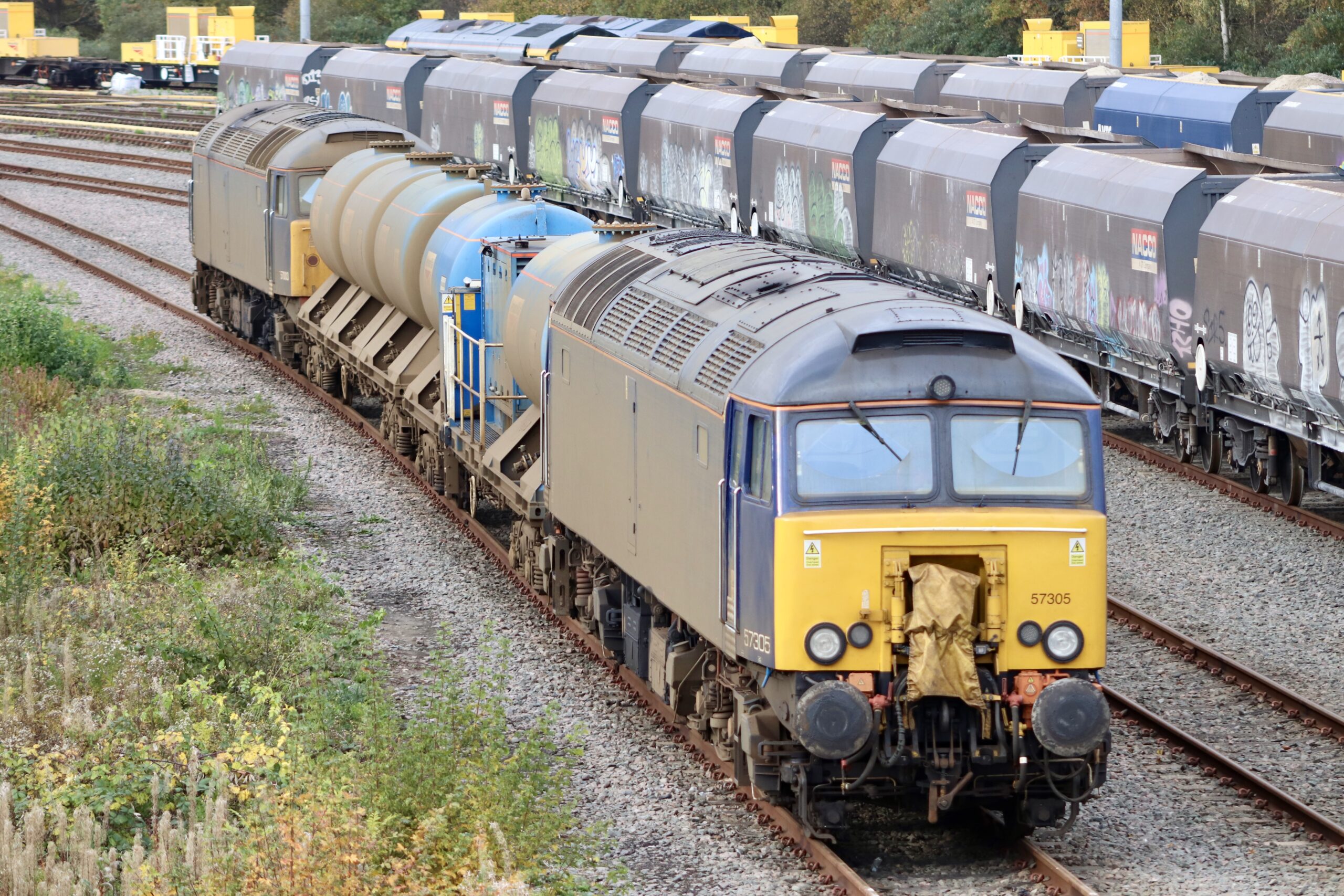
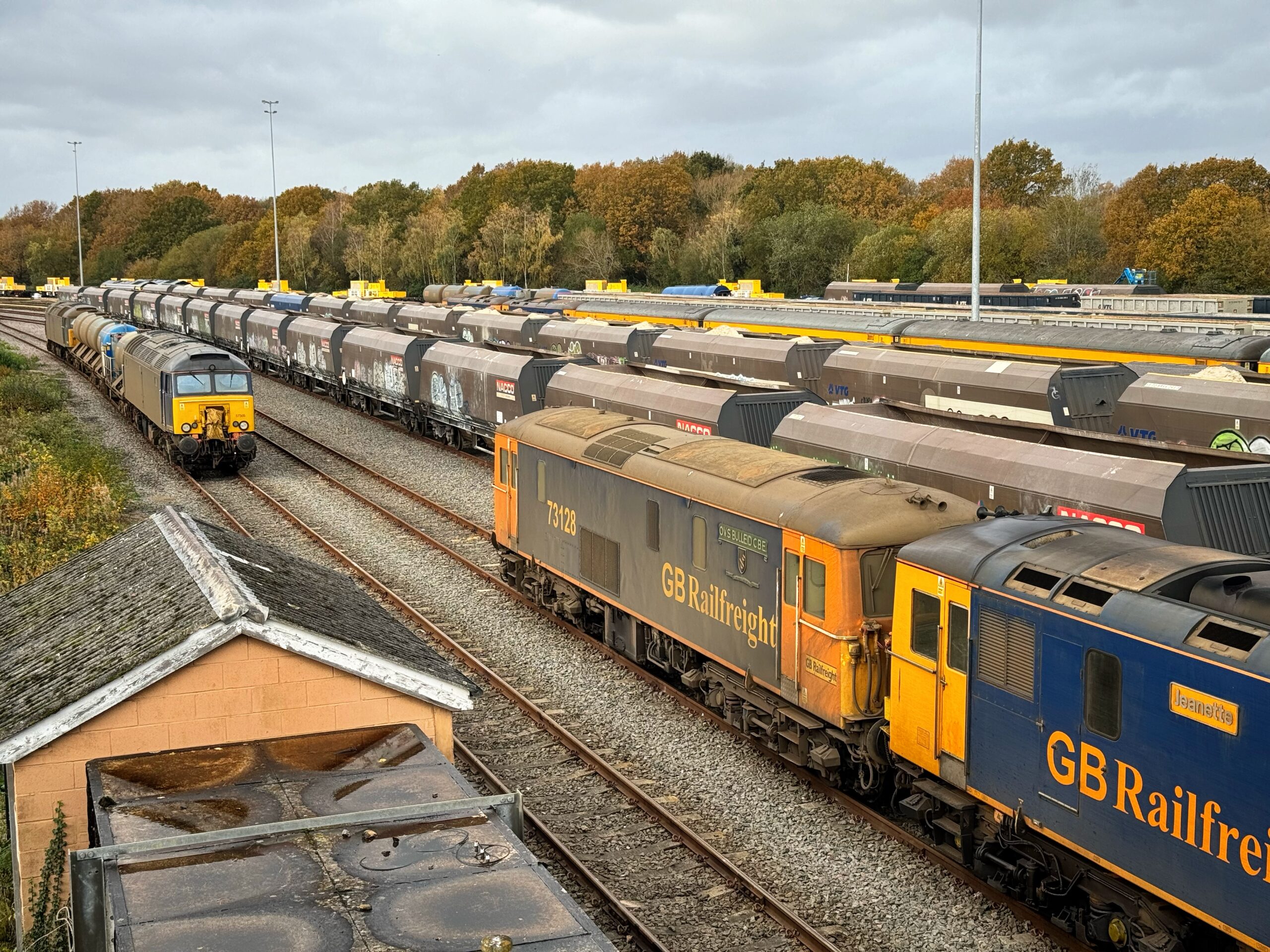
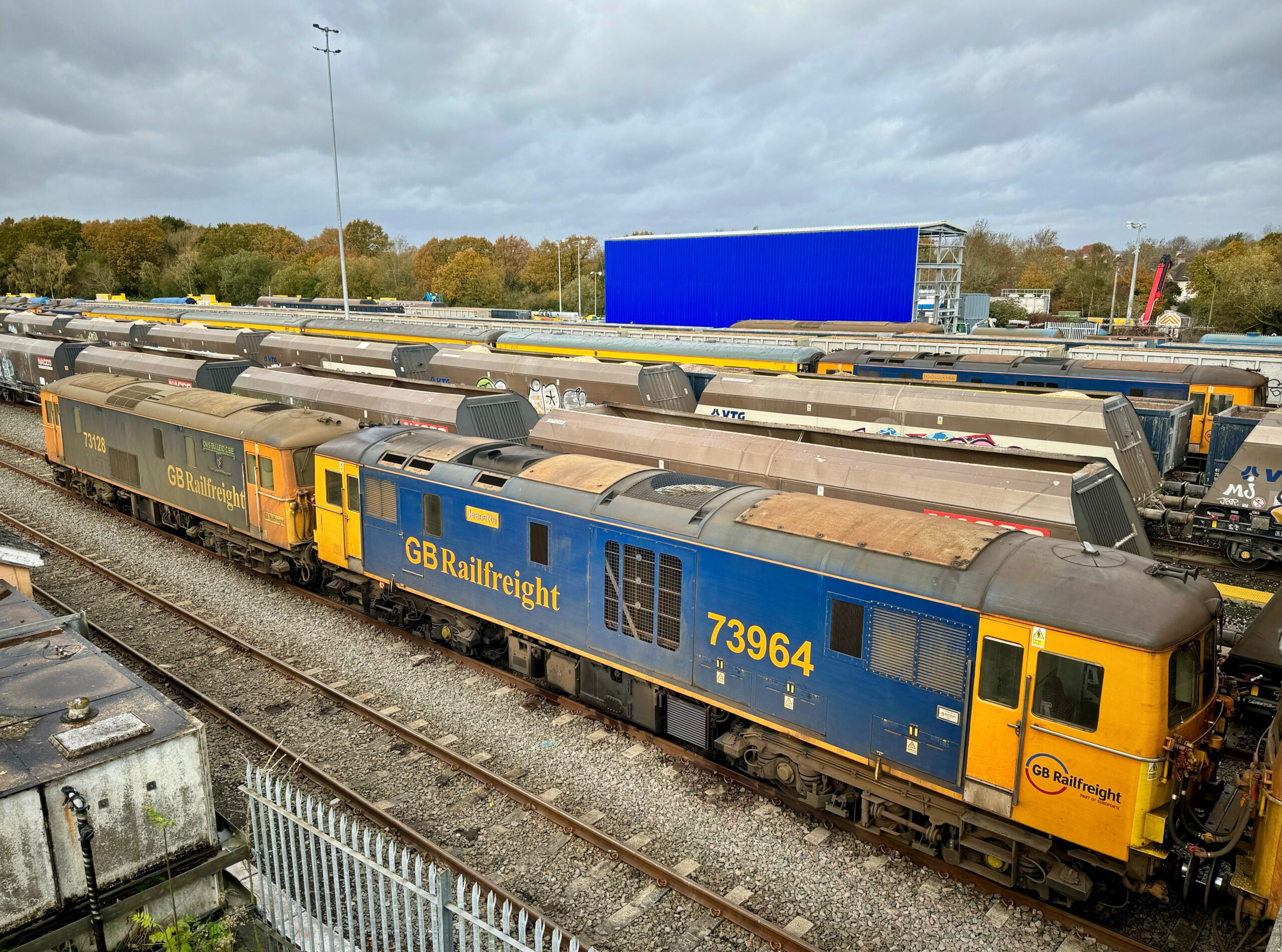
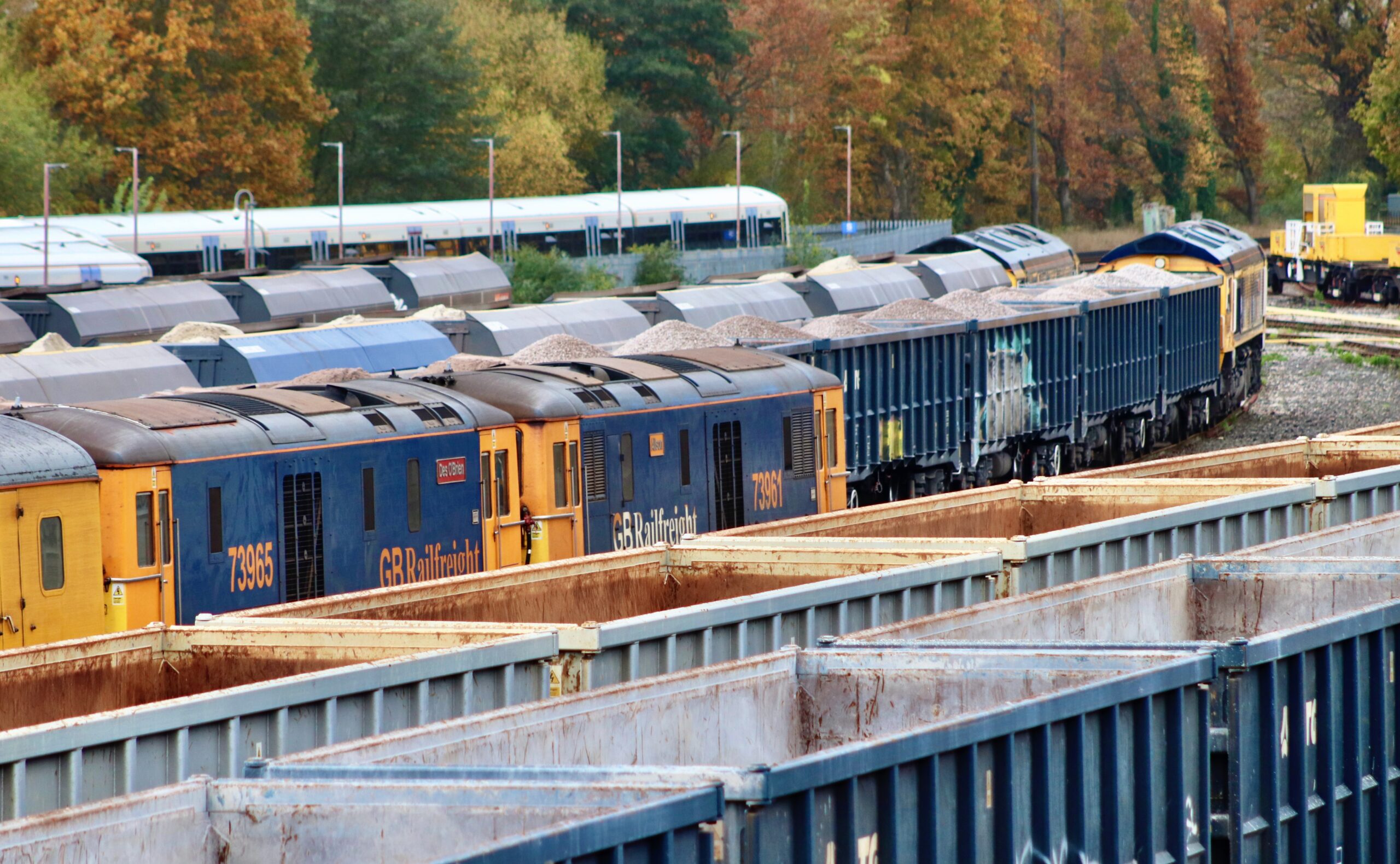
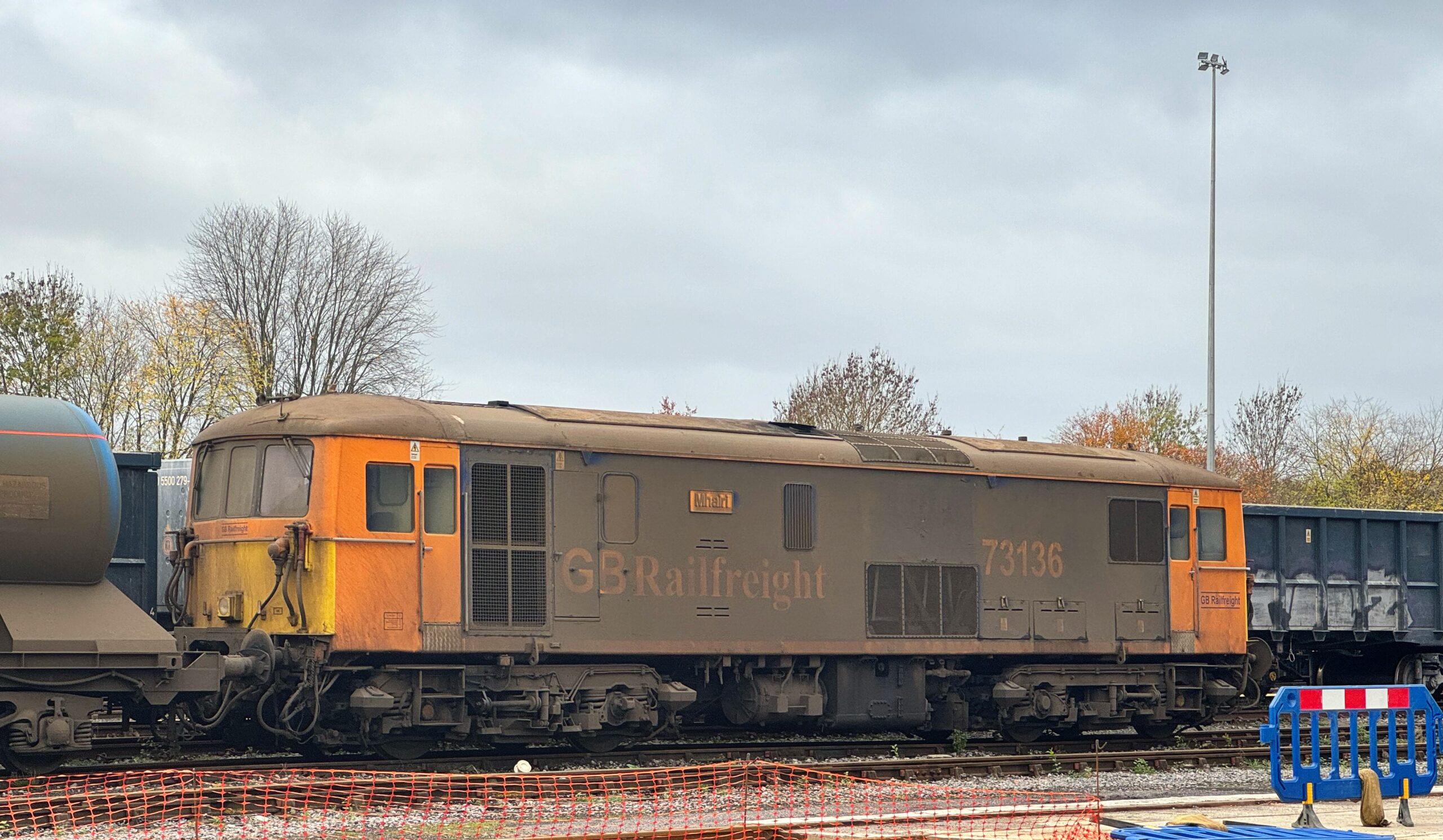
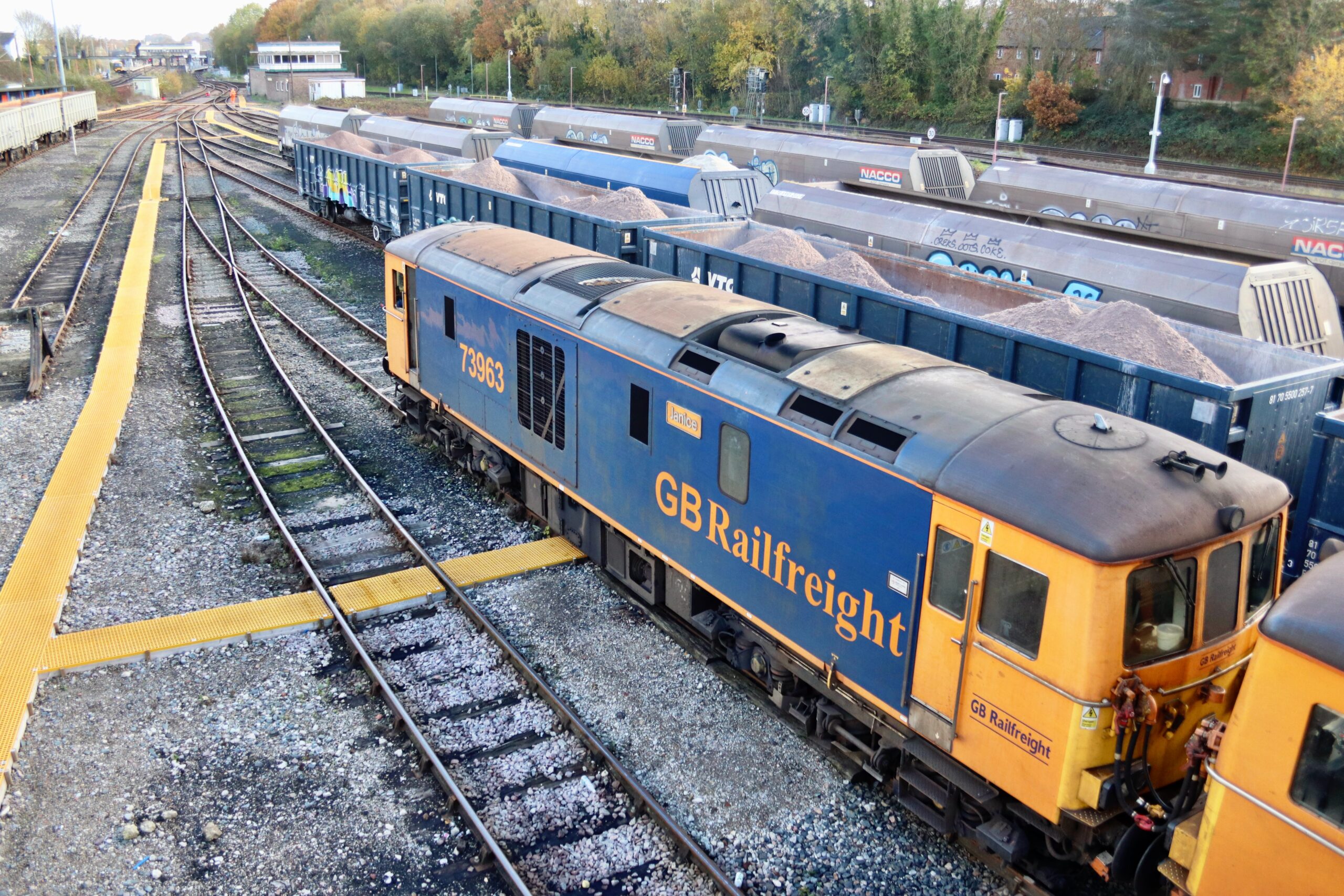
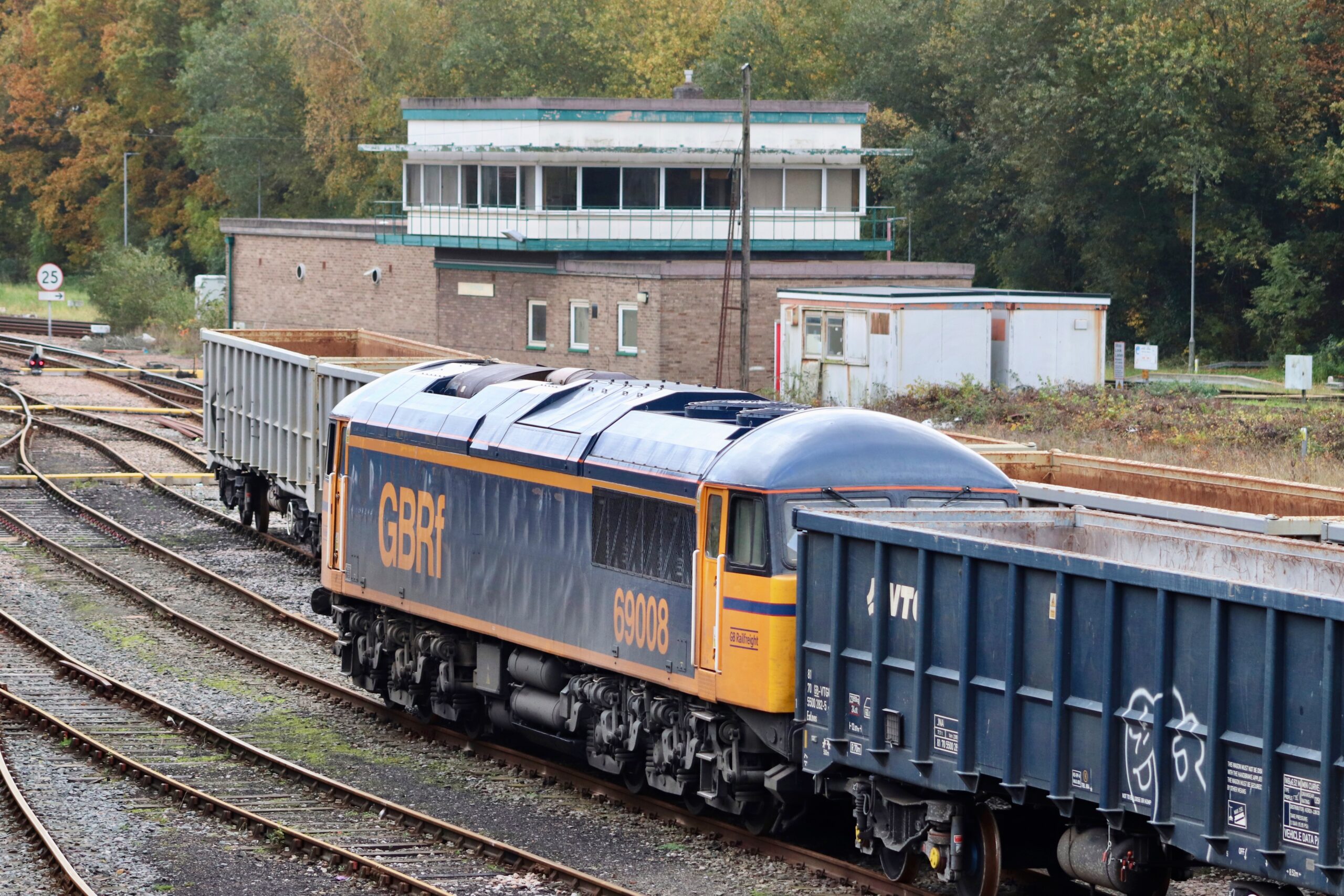
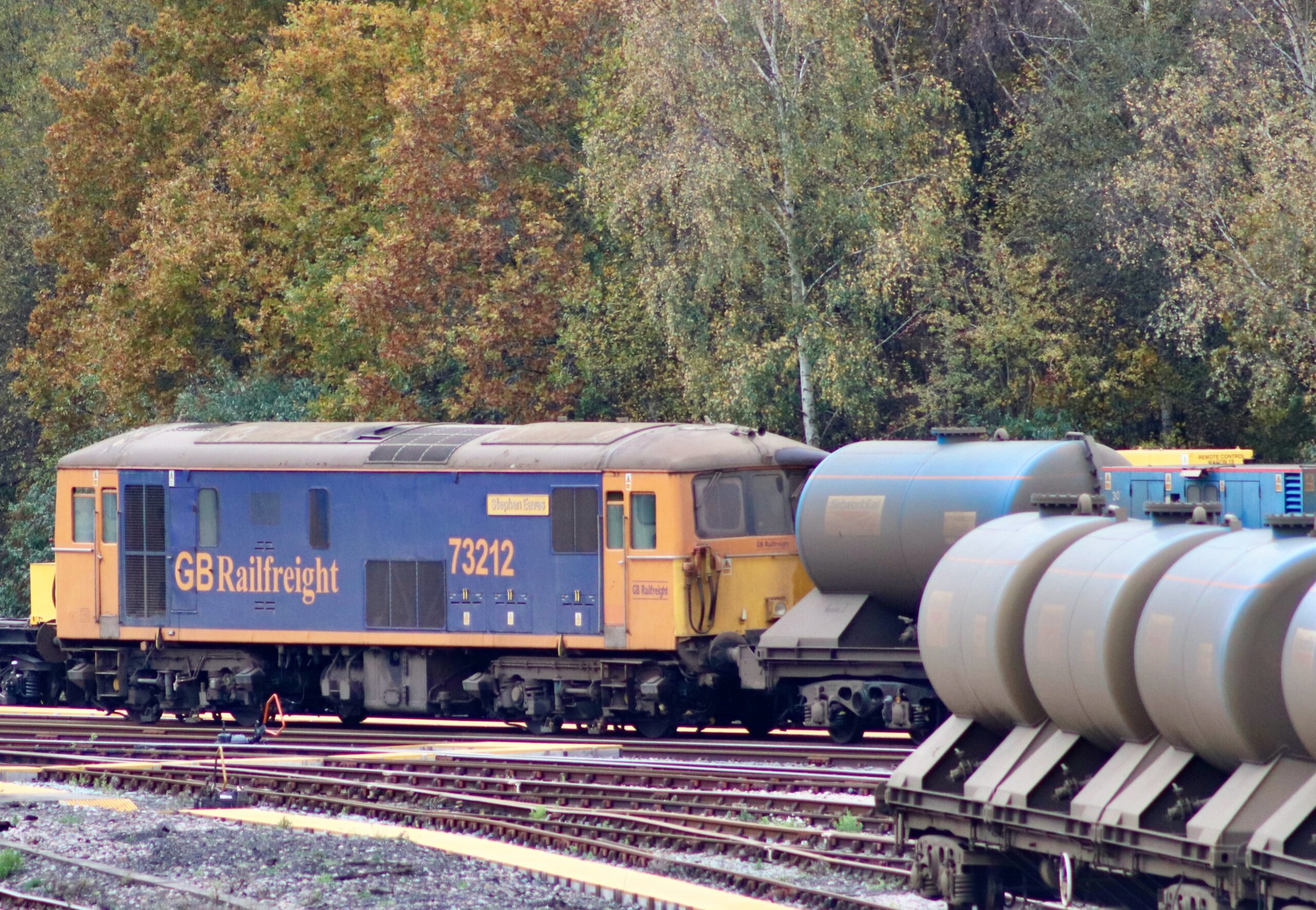
Class 57’s have been employed on the Tonbridge circuit RHTT this year. No.’s 57305 and 57003 are seen in-between duties at Tonbridge West Yard – 19/11/2023Class 73 No.’s 73964 ‘Jeanette’ and 73128 ‘O.V.S. Bulleid CBE’ with Class 57 No.’s 57305 and 57003 in Tonbridge West Yard – 19/11/2023Class 73 No.’s 73964 ‘Jeanette’ and 73128 ‘O.V.S. Bulleid CBE’ at Tonbridge West Yard. A new GBRf shed can be seen during construction in the background – 19/11/2023Class 73 No. 73109 ‘Battle of Britain 80th Anniversary’ in seasonal RHTT livery in Tonbridge West Yard – 19/11/2023Class 73’s No.’s 73965 and 73961 at the rear of 1Z01 1300 Tonbridge West Yard to Derby RTC in Tonbridge West Yard with two unidentified Class 66 locomotives at the head of aggregate trains – 19/11/2023Class 73 No. 73136 ‘Mhairi’ in Tonbridge West Yard – 19/11/2023GBRf Class 73 No. 73963 ‘Janice’ at the head of 1Z01 1300 Tonbridge West Yard to Derby RTC awaits departure – 19/11/2023GBRf Class 69 No. 69008 was the only member of the class in evidence at Tonbridge West Yard during this visit – 19/11/2023GBRf Class 73’s No.’s 73961 ‘Alison’ and 73965 ‘Des O’Brien’ at the rear 1Z01 1300 Tonbridge West Yard to Derby RTC depart Tonbridge West Yard. No.’s 73963 ‘Janice’ and 73962 ‘Dick Mabbutt’ are leading – 19/11/2023 With four GBRf Class 73’s attached, Colas test train 1Z01 1300 Tonbridge West Yard to Derby RTC departs Tonbridge West Yard. No. 73961 ‘Alison’ is the trailing locomotive along with No.’s 73965 ‘Des O’Brien’, 73962 ‘Dick Mabbutt’ and 73963 ‘Janice’ – 19/11/2023 GBRf Class 73 No. 73963 ‘Janice’ and 73962 ‘Dick Mabbutt’ leading 1Z01 1300 Tonbridge West Yard to Derby RTC out of the yard while RHTT 3W01 0907 Tonbridge West Yard GBRf to Tonbridge West Yard GBRf top and tailed by GBRf Class 57 No.’s 57306 ‘Her Majesty’s Railway Inspectorate’ and 57310 ‘Pride of Cumbria’ arrive at Tonbridge station where the train reverses – 19/11/2023GBRf Class 57 No.’s 57306 ‘Her Majesty’s Railway Inspectorate’ and 57310 ‘Pride of Cumbria’ pause as they enter Tonbridge West Yard working 3W01 0907 Tonbridge West Yard GBRf to Tonbridge West Yard GBRf – 19/11/2023GBRf Class 73 No. 73119 ‘Paul Taylor’ arrives at Tonbridge West Yard working 3W91 1026 Tonbridge West Yard GBRf to Tonbridge West Yard GBRf, with No. 73212 ‘Stephen Eaves’ at the rear – 19/11/2023GBRf Class 73 No. 73212 ‘Stephen Eaves’ at the rear of 3W91 1026 Tonbridge West Yard GBRf to Tonbridge West Yard GBRf – 19/11/2023GBRf Class 73 No. 73119 ‘Paul Taylor’ in retro BR ‘Dutch’ Civil Engineers livery at Tonbridge West Yard having arrived with RHTT working 3W91 1026 Tonbridge West Yard GBRf to Tonbridge West Yard GBRf – 19/11/2023
On leaving Tonbridge, Yoshi and I had planned on seeing one more RHTT, this time passing through at Edenbridge Town Station as it was in the direction of home.
Edenbridge Town railway station on the Uckfield branch, one of two stations serving Edenbridge in Kent, was opened in January 1888 – 19/11/2023
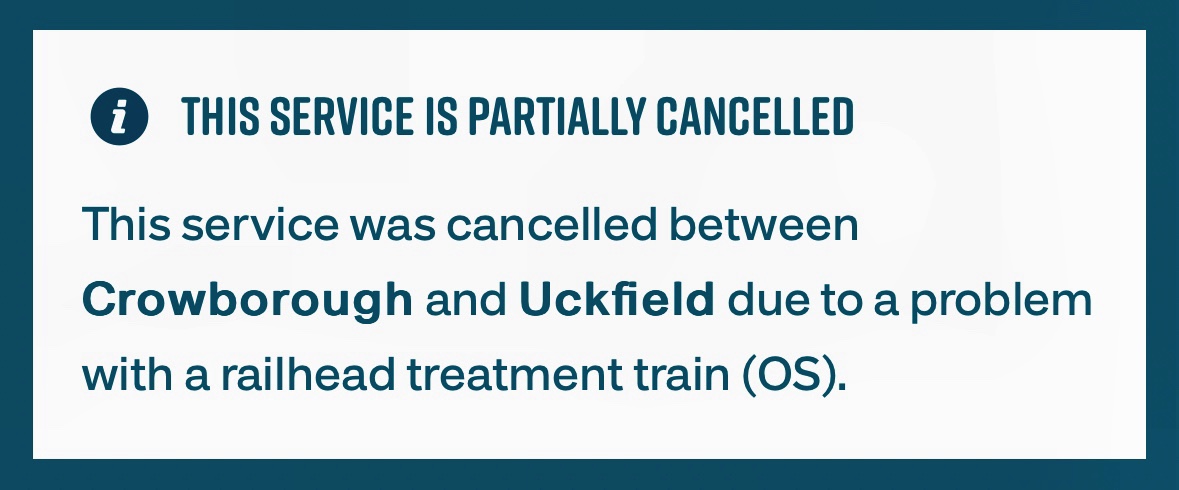
We parked up in the station car park and checked Real Time Trains (RTT) to see that the train; 3W90 0715 Tonbridge West Yard to Tonbridge West Yard via the South East of England, top and tailed by GBRf Class 73 No.’s 73107 and 73213, was at Uckfield and had been for 20 minutes or so beyond its scheduled departure time. Passenger trains into Uckfield (which is a terminus station) were being turned around at Crowborough as the line beyond was effectively blocked.
RTT information regarding partially cancelled passenger trains on the Uckfield branch – 19/11/2023
I hung around in Edenbridge for a little while, but soon came to the conclusion that this RHTT was not going to be heading our way while there was still a decent amount of daylight left to photograph it. I briefly contemplated driving to Uckfield, but Google Maps informed me it was at least a 30 minute drive away and would substantially delay my arrival home, so instead made the decision to head for Dorset. Had I known there would be delays on the M25 caused by pedestrians “being loose on the carriageway”, I might well have taken the Uckfield option and returned home via the South Coast route!
Video from our visit to Tonbridge – 19/11/2023
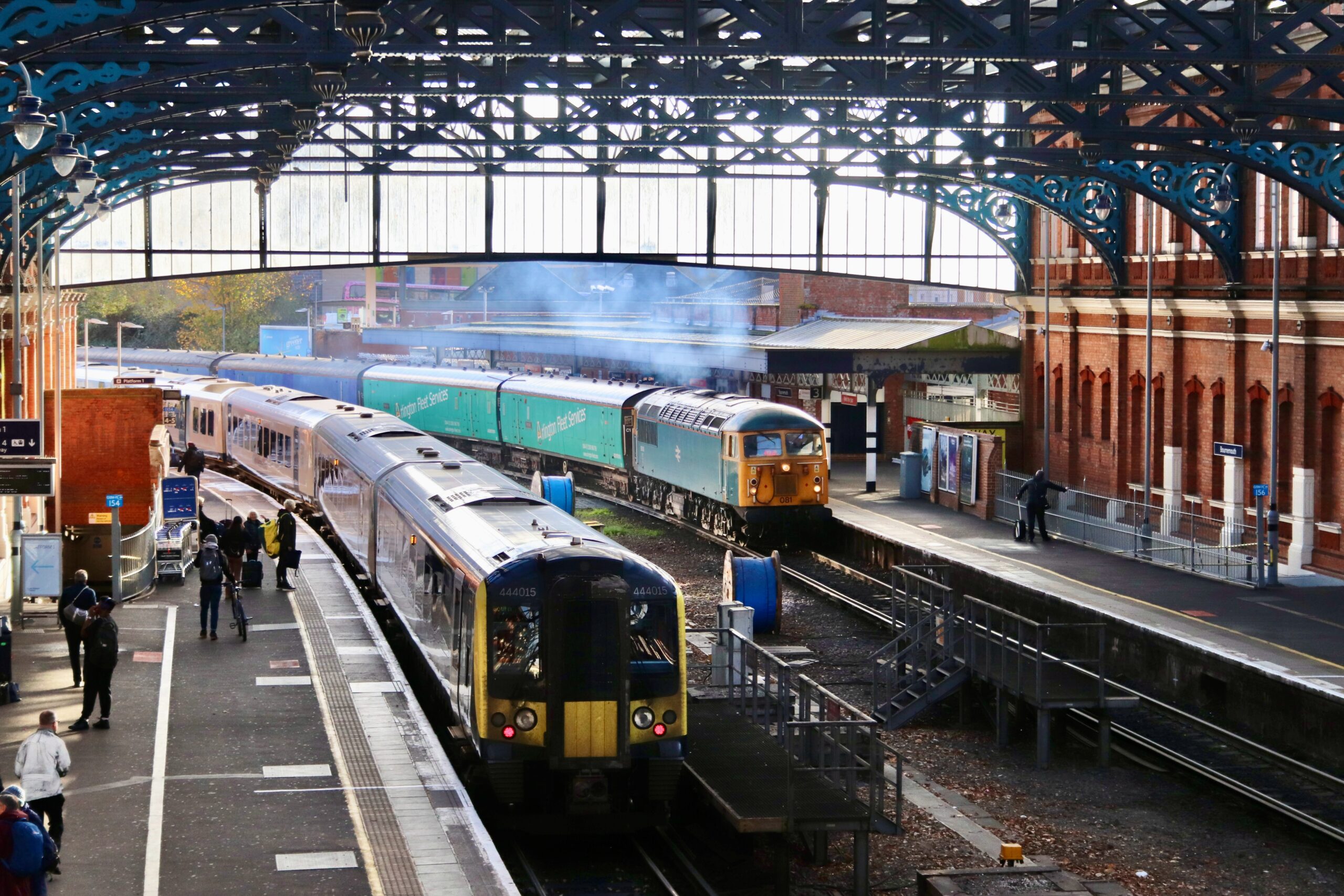
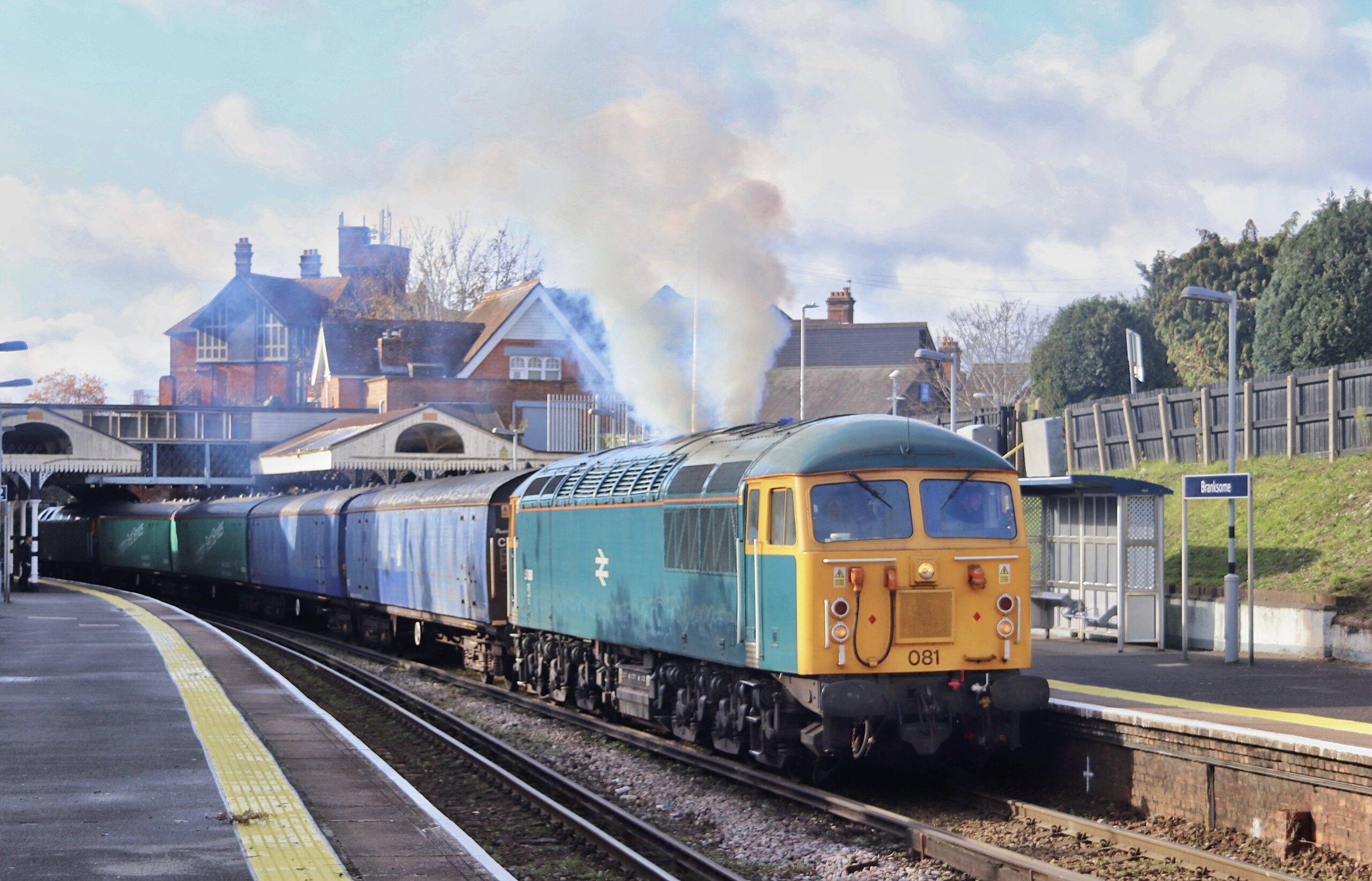
Monday 20th November saw another attempt to collect South Western Railway (SWR) Class 458 Electric Multiple Unit (EMU) No. 458524 for onward transit to Alstom Widnes Transport Tech where it is to undergo refurbishment. Our regular reader may recall an abortive attempt a couple of weeks ago when the brakes on the EMU curtailed the train in Christchurch station. With the associated locomotives and barrier coaches due to arrive at Bournemouth depot mid-morning, I chose to head out to see the train pass through Bournemouth railway station as I felt I’d photographed and videoed these workings at Branksome where they reverse into the depot many times, so was looking for something different. The change of location was well rewarded as Class 56 No. 56081, leading on 5O58 0520 Leicester L.I.P. to Bournemouth T&R.S.M.D, made a fine sight and sound as she opened up passing through the station with the sound of her 3,250 brake horsepower (bhp) Ruston-Paxman power unit echoing around the glass roofed building.
GBRf Class 56 No. 56081 opens up as she arrives at Bournemouth station working 5058 0520 Leicester LIP to Bournemouth T&RSMD passing SWR Class 444 No. 444015 which has arrived on 2W54 1000 Poole to London Waterloo – 20/11/2023GBRf Class 56 No. 56081 thunders through Bournemouth station on 5058 0520 Leicester LIP to Bournemouth T&RSMD. Class 47 No. 47727 ‘Edinburgh Castle’ is at the rear, while SWR Class 444 No. 444015 awaits the arrival of a Weymouth service before coupling up and departing for London Waterloo – 20/11/2023Class 47 No. 47727 ‘Edinburgh Castle / Caisteal Dhun Eideann’ passing Bournemouth at the rear of 5058 0520 Leicester LIP to Bournemouth T&RSMD – 20/11/2023
I had also planned on seeing the return working from Branksome, due to arrive at 1715 running as 5Q58 17:11 Bournemouth Traction & Rolling Stock Maintenance Depot to Widnes Transport Tech. However, unbeknown to me – and most of the other local rail enthusiasts – the train left the depot, unheralded, at around 1300. You win some…..
While I was in Bournemouth, I took the opportunity of capturing some images and video of everyday operations, which I mostly forget to do.
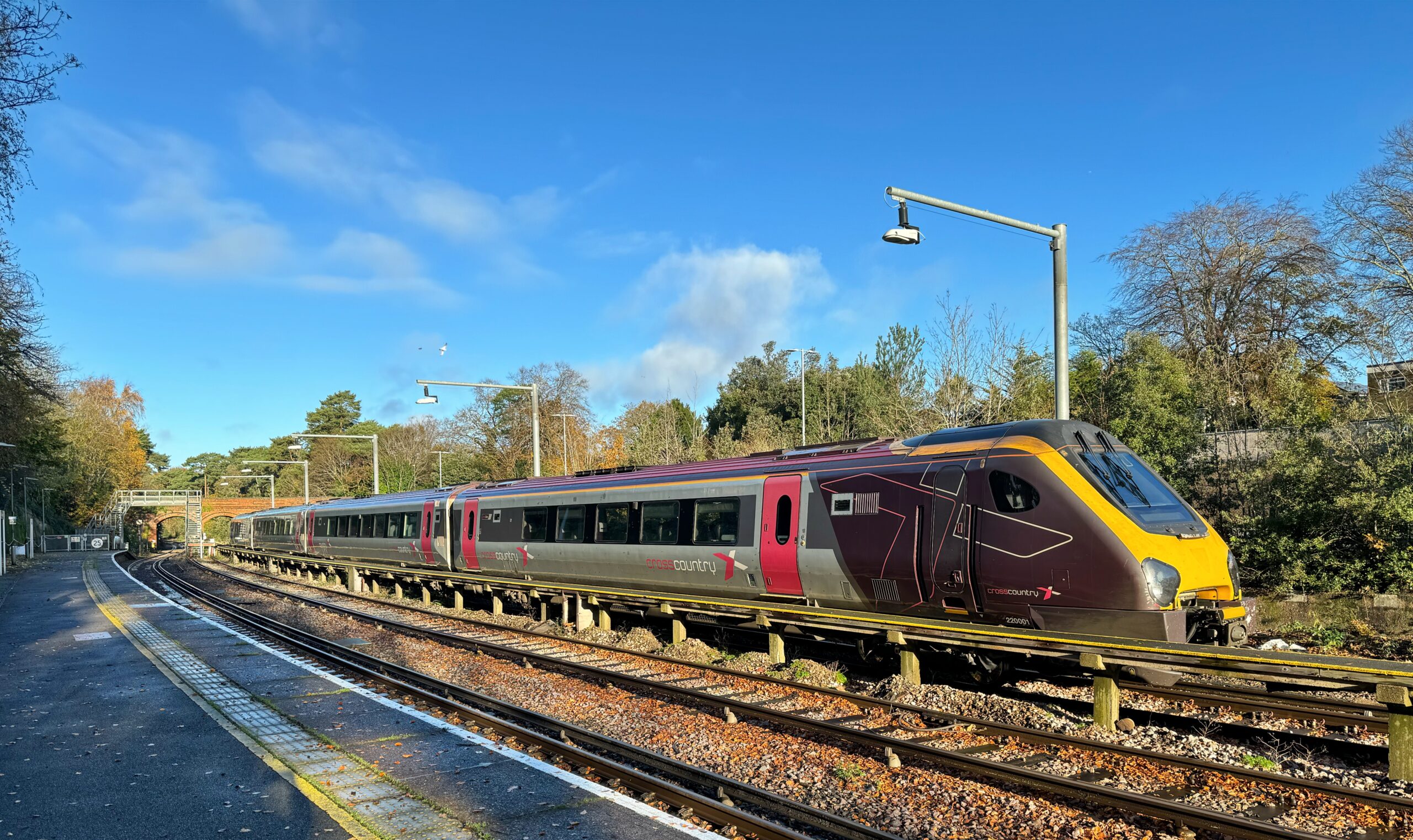
CrossCountry Class 220 Voyager DMU No. 220001 in Bournemouth Middle Sidings waiting to move forward to form a service to Manchester – 20/11/2023 SWR Class 450 No. 450034 at Bournemouth platform 1 awaiting departure on 2B36 1002 Bournemouth to Winchester while Class 444 No. 444001 stands at platform 3 with the short formed 1W08 0903 Weymouth to London Waterloo – 20/11/2023SWR Class 444 No. 444024 waits at platform forming 2W57 0805 London Waterloo to Poole as fellow class member No. 444017 departs with the front five coaches of 1W57 0805 London Waterloo to Weymouth – 20/11/2023
Video from Bournemouth station, including GBRf Class 56 No. 56081, captured on 20/11/2023
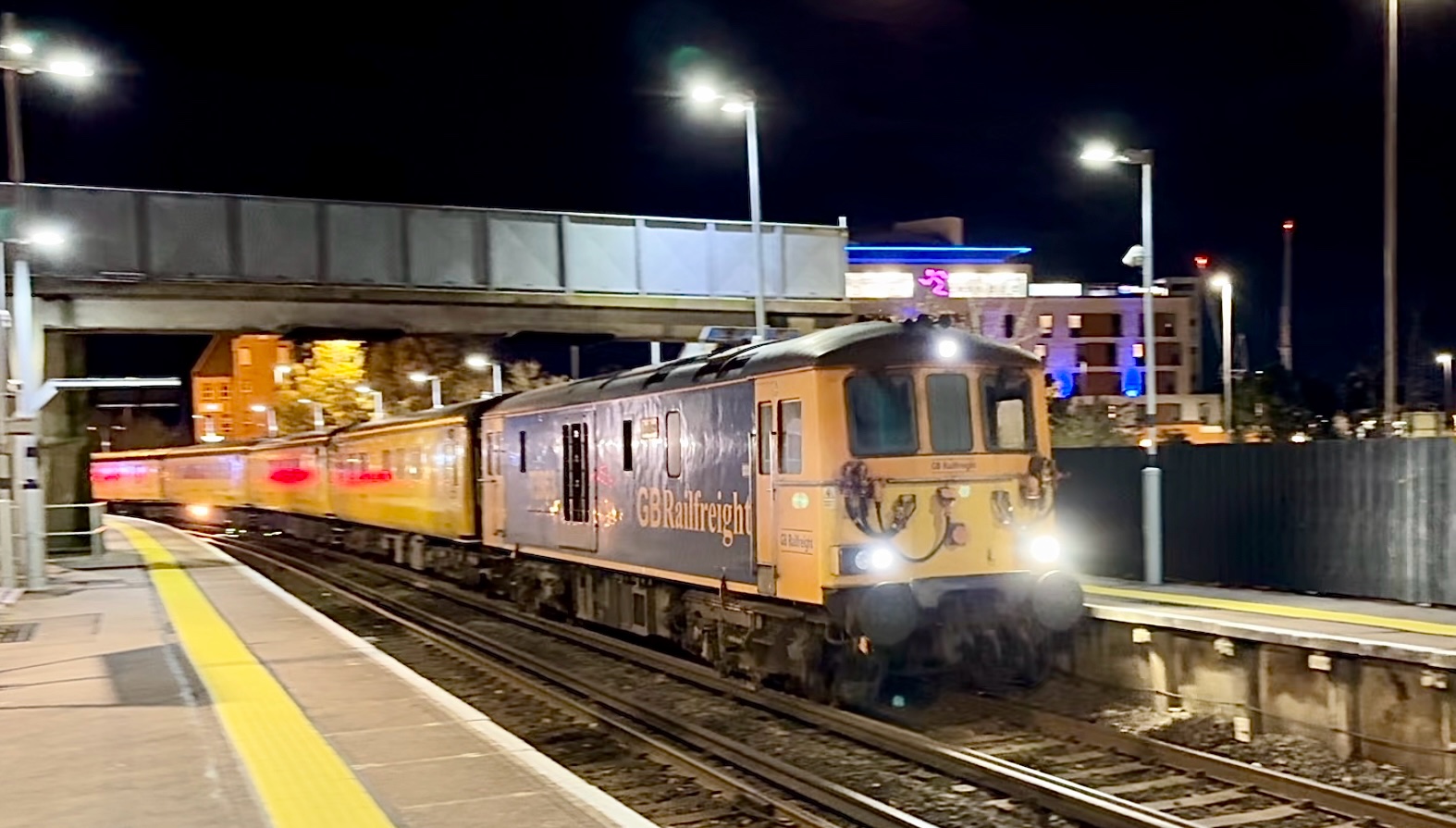
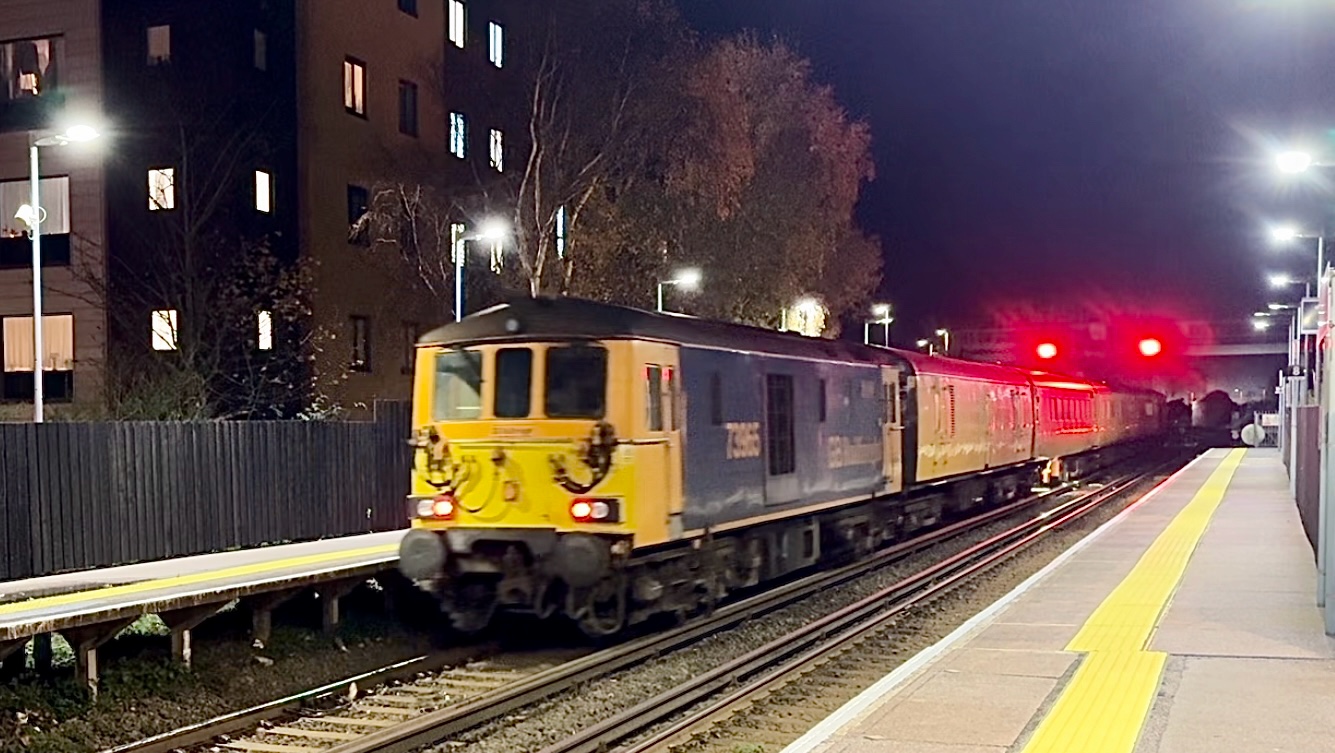
Later Monday evening the regular monthly Colas test train from Derby RTC to Eastleigh East Yard via Weymouth ran as 1Q51 1115 Derby R.T.C.(Network Rail) to Eastleigh East Yard employing the usual traction of GBRf Class 73 locomotives. This time is was the turn of No.’s 73963 ‘Janice’ and 73965 ‘Des O’Brien’ – two locomotives we had seen the previous day departing Tonbridge bound for Derby.
Video screen grab of GBRf Class 73 No. 73963 ‘Janice’ at the head of 1Q51 1115 Derby RTC to Eastleigh East Yard via Weymouth passing through Poole – 20/11/2023Video screen grab of Class 73 No. 73965 ‘Des O’Brien’ passing Poole at the rear of 1Q51 1115 Derby RTC to Eastleigh East Yard via Weymouth – 20/11/2023
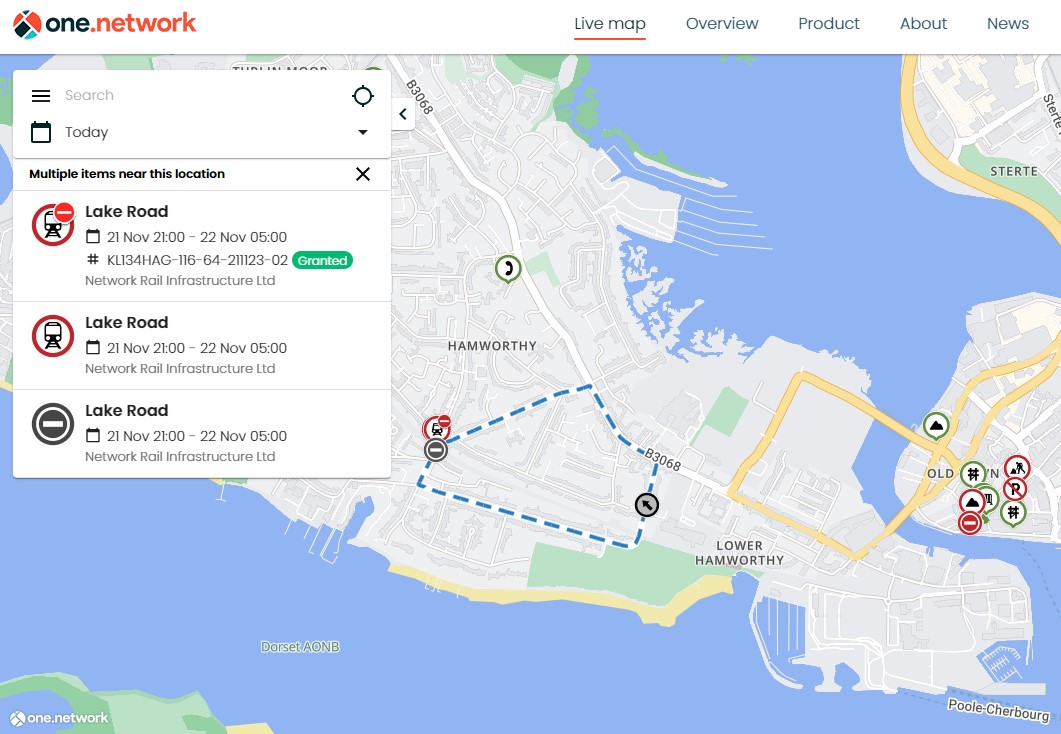
Video of 1Q51 1115 Derby RTC to Eastleigh East Yard via Weymouth passing through Poole – 20/11/2023Notification of BCP roadworks for 21st November 2023
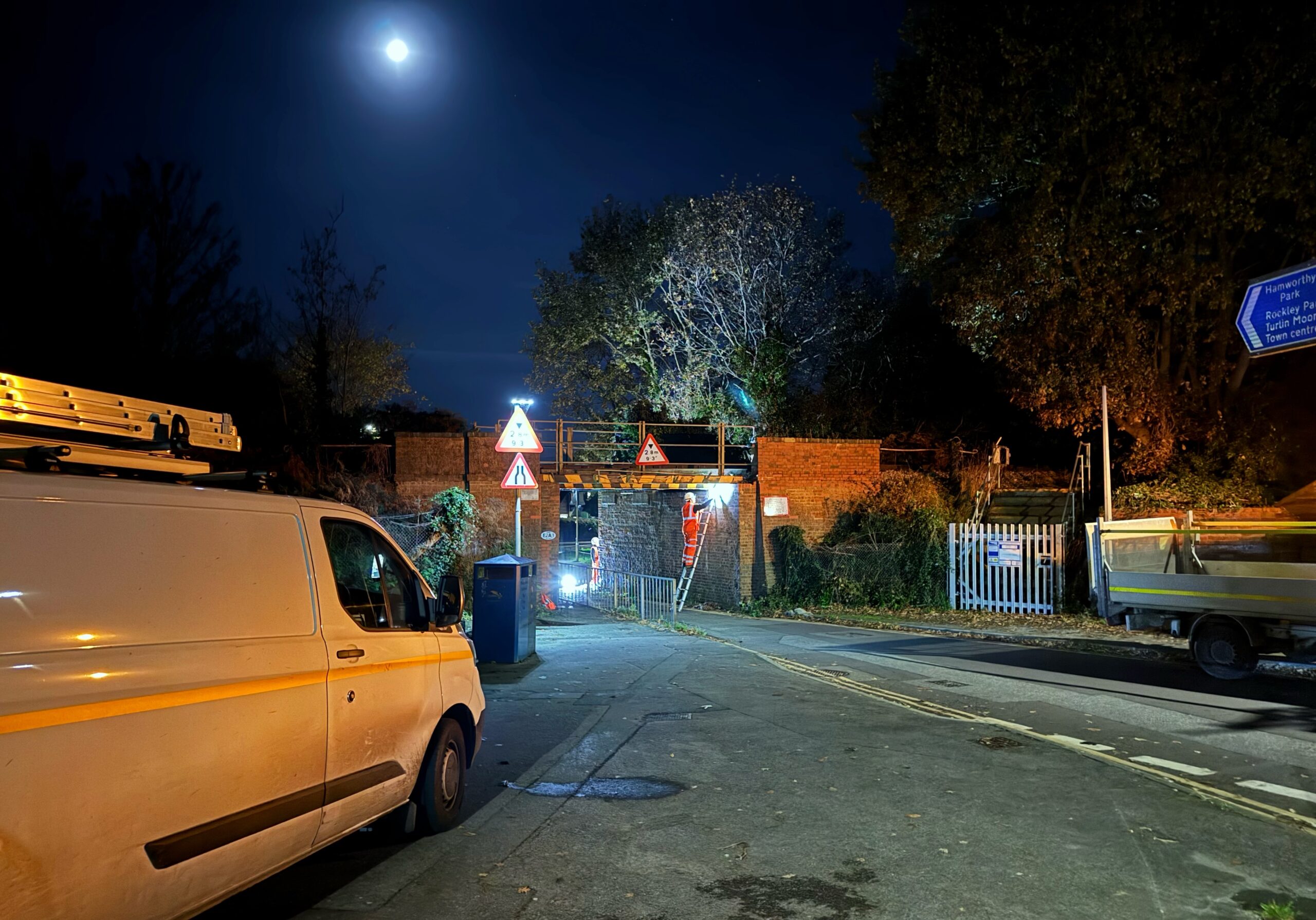
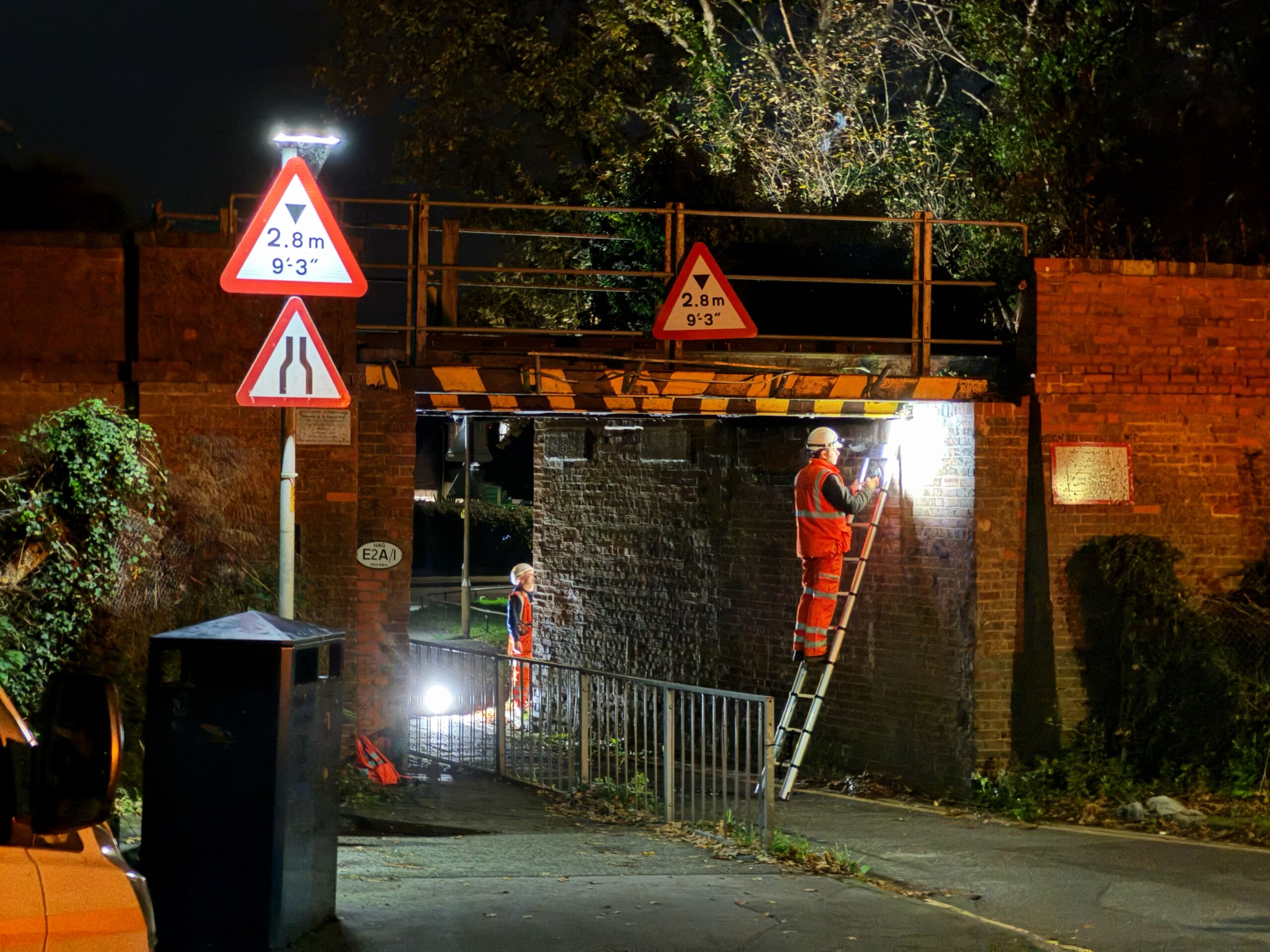
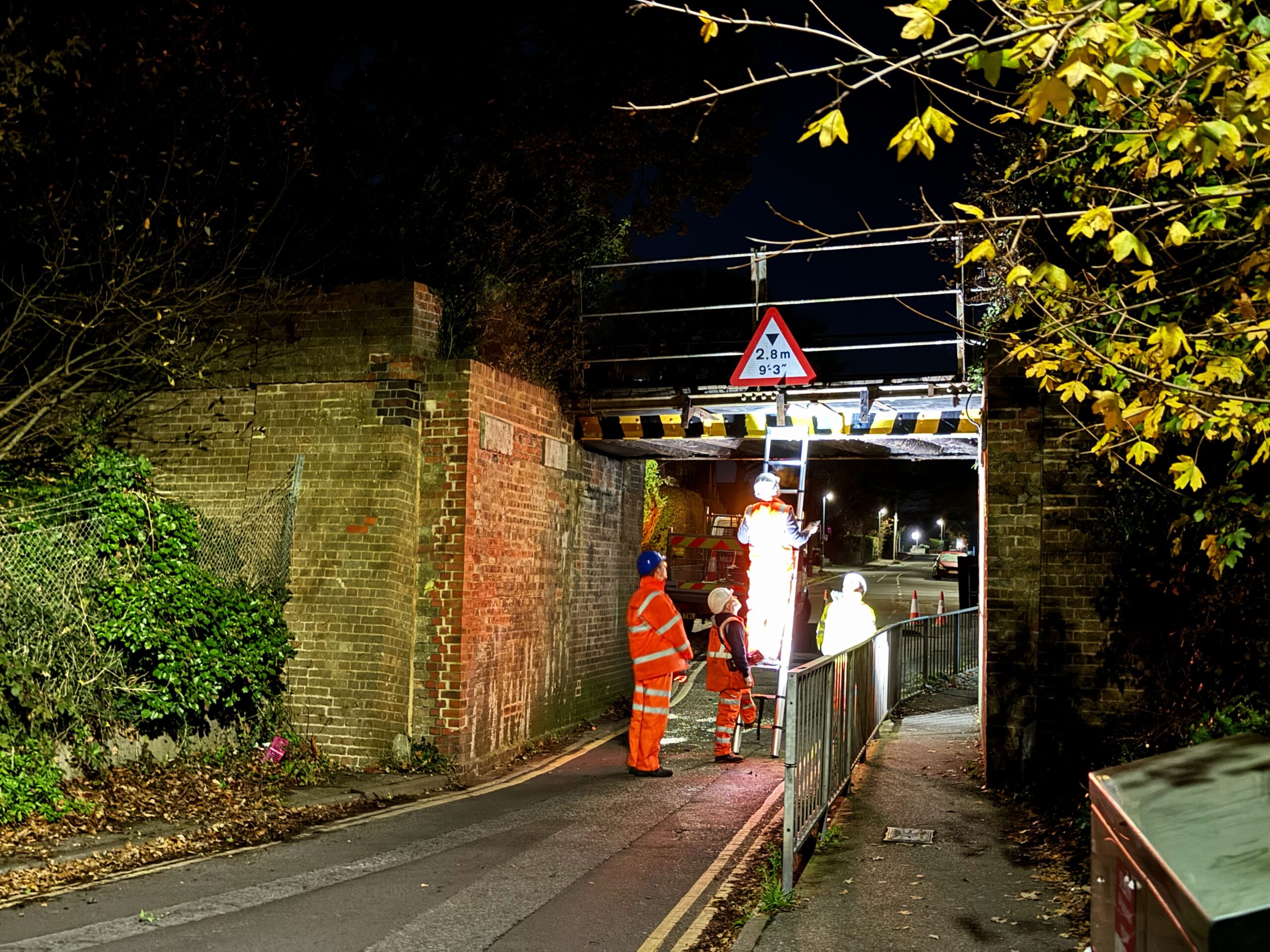
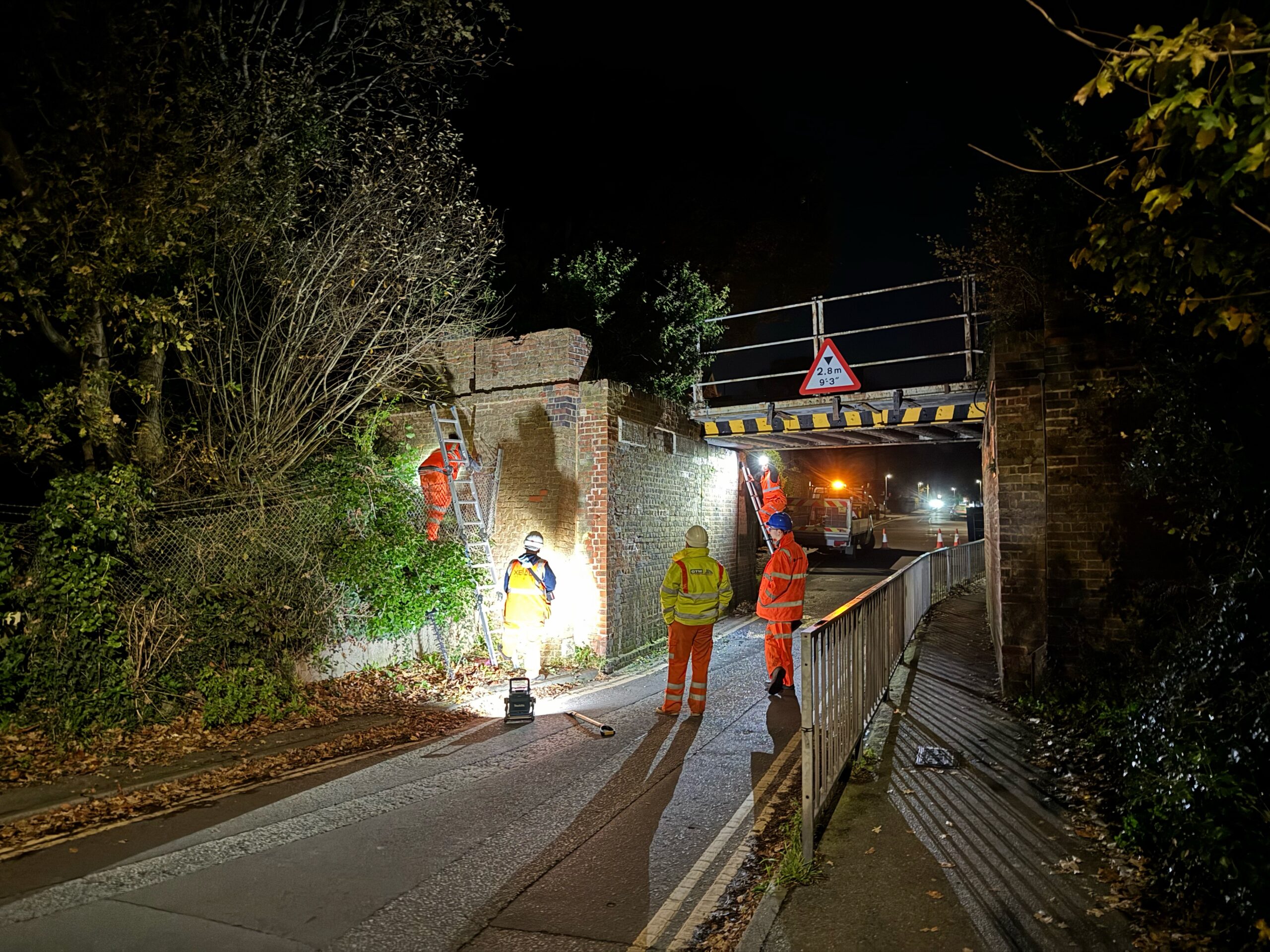
The railway bridge over Lake Road on the Hamworthy Branch was subject to an inspection this week. A small group of Highway Maintenance engineers were on site for a few hours from 2100 on Tuesday 21st November.
Inspection of Lake Road bridge on the Hamworthy Branch – 21/11/2023Inspection of Lake Road bridge on the Hamworthy Branch – 21/11/2023Inspection of Lake Road bridge on the Hamworthy Branch – 21/11/2023Inspection of Lake Road bridge on the Hamworthy Branch – 21/11/2023
The guy we spoke to from the team was very enamoured with Yoshi, but wasn’t able to give us an inside scoop of what might happen at the bridge in the future. Further road closures described as “Works for Rail Purposes” are scheduled at the location in January 2024.
BCP roadworks map detailing roadworks at Lake Road bridge in January 2024
For The Record:
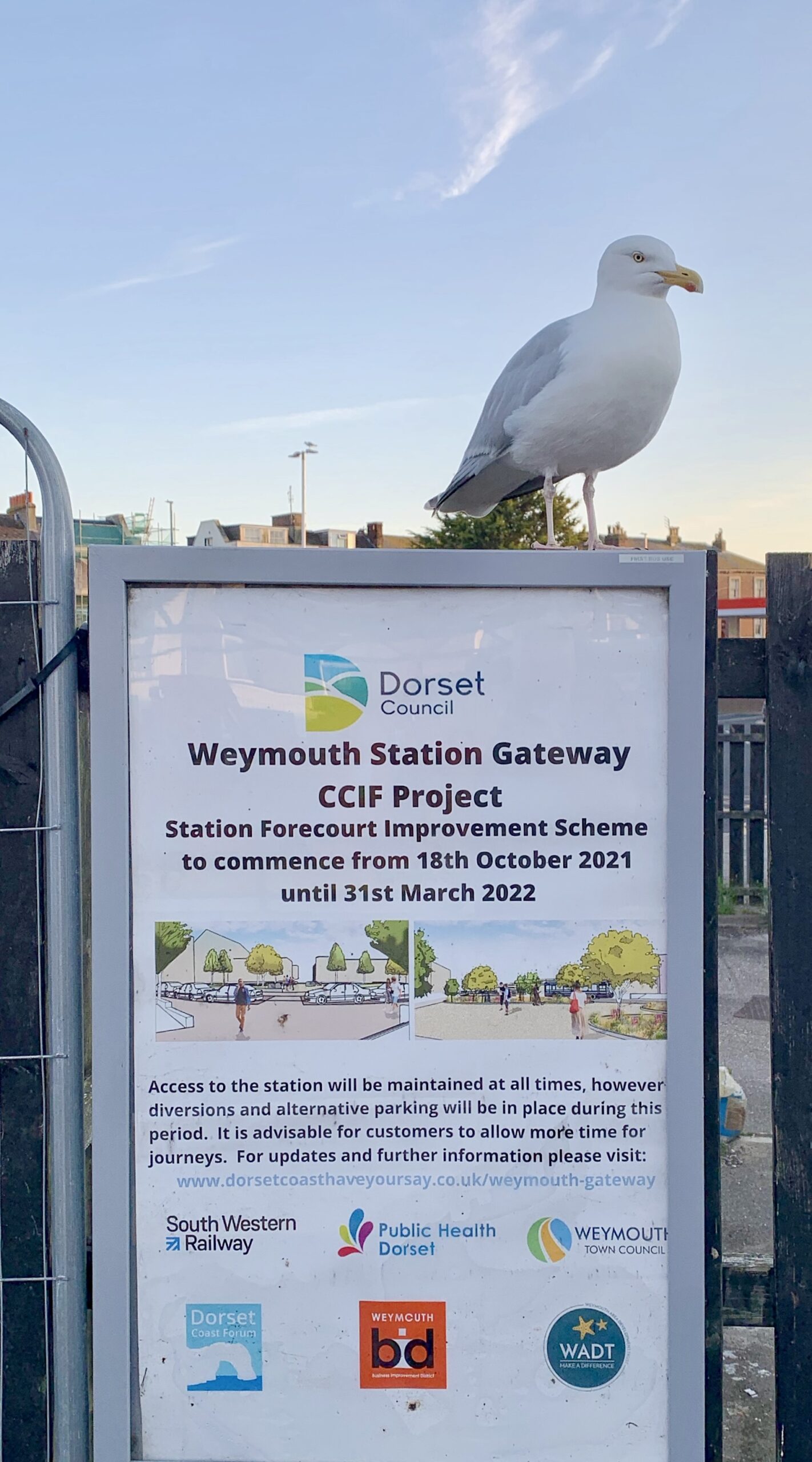
Poster giving customer information for the, clearly over-running, Weymouth Station Gateway Project in May 2022 – 22/05/2022
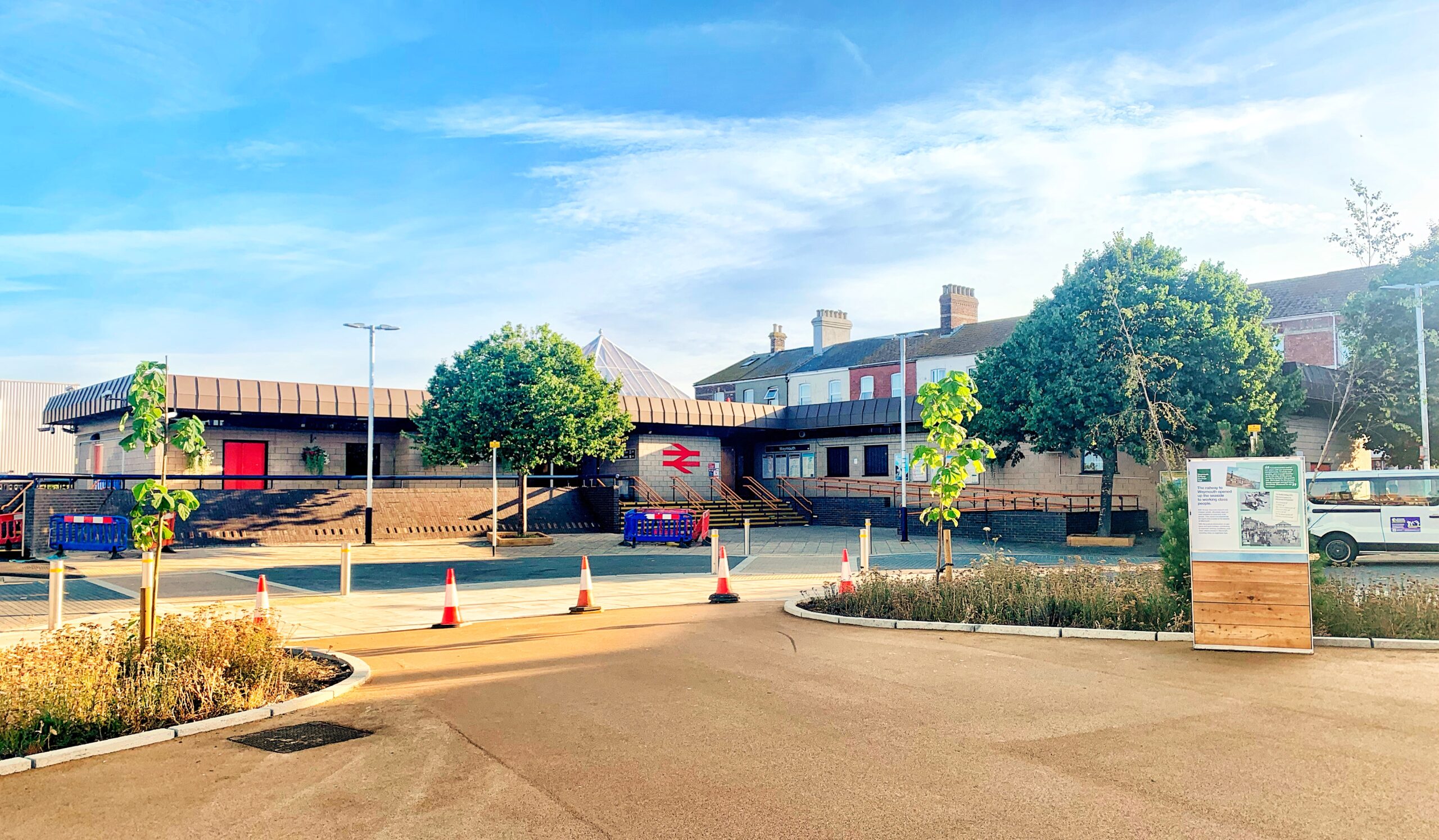
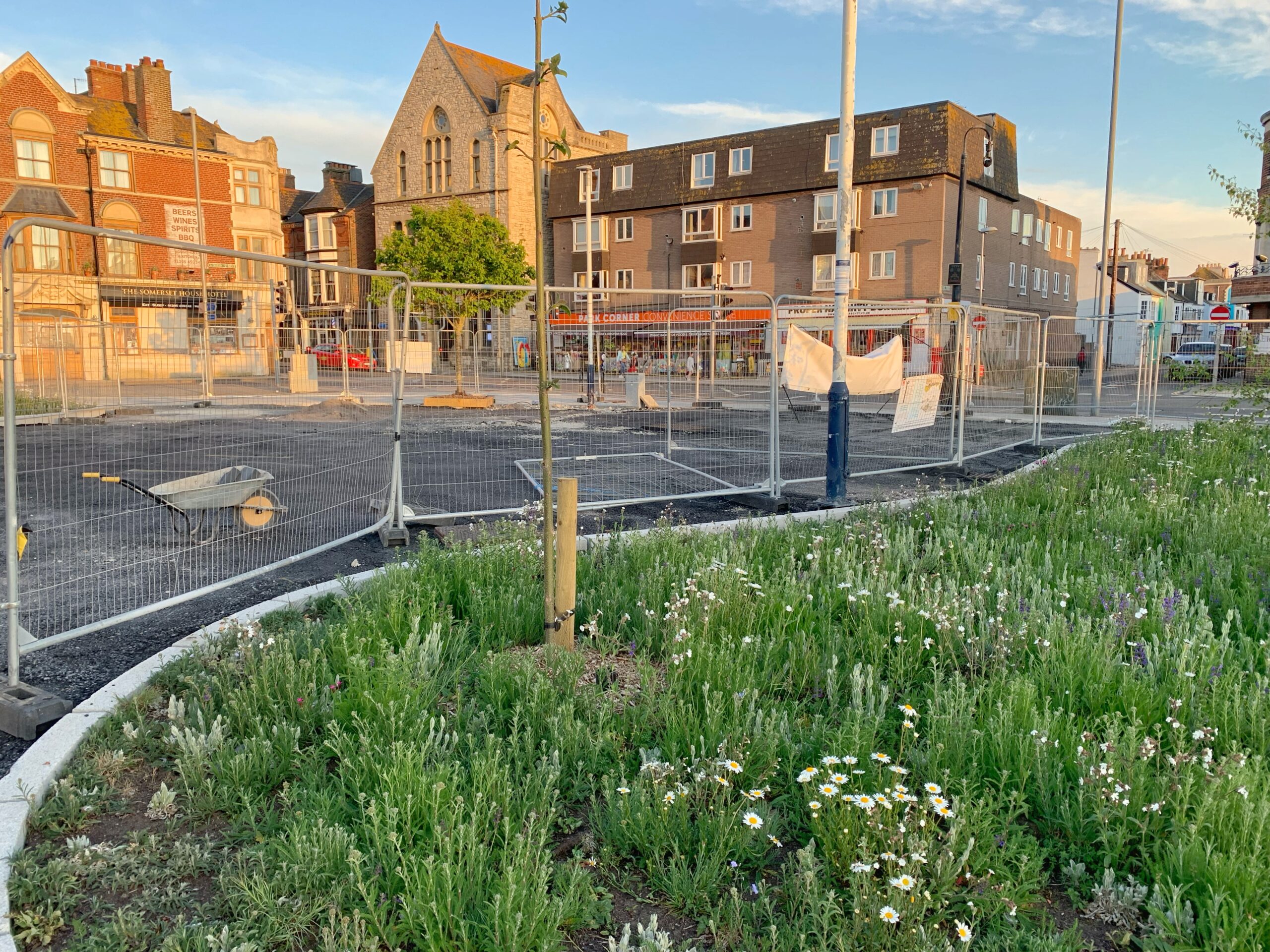
The Weymouth Station Gateway project (WSP), designed to create a more welcoming and user-friendly space for residents, businesses, and visitors to Weymouth railway station has won two trophies at the Institution of Civil Engineers (ICE) South West Civil Engineering Awards 2023. The £1.2m project led by Dorset Coast Forum in partnership with Dorset Council, using funding from South Western Railway, was designed by WSP to open up the layout of the station forecourt, promoting sustainable transport options and reducing anti-social behaviour. The scheme also involved the creation of Pocket Park from a disused section of track on the former Weymouth Harbour Branch. As well as being presented with the Community Award, Weymouth Station Gateway was also given the Judges’ Special Award. The judging panel was impressed with the collaborative, respectful partnership behind the scheme, bringing together the local community, the rail company and the transport authority to improve the public realm. The judges described the project as an outstanding example of infrastructure that unites communities and improves people’s daily lives.
Works during the Weymouth Station Gateway Project – 23/07/2022Works during the Weymouth Station Gateway Project – 22/05/2022
Ten project awards and two individual trophies were presented at the ICE South West Civil Engineering Awards in association with Kier BAM on Friday 10th November 2023 at a gala ceremony in Bristol hosted by TV presenter, Rob Bell. The awards are held annually to recognise achievement among regional engineers and project teams.
…. and relax. Thanks for visiting our page and for your comments and corrections, which are always gratefully received! We’ll be back next week all being well! Be seeing you!
Yoshi celebrating not only this blog’s second birthday, but the 60th Anniversary of Doctor Whoof – 23/11/2023
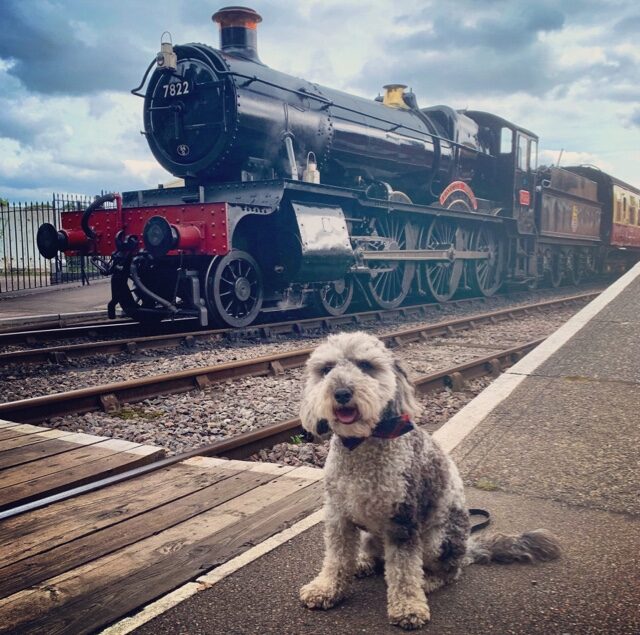
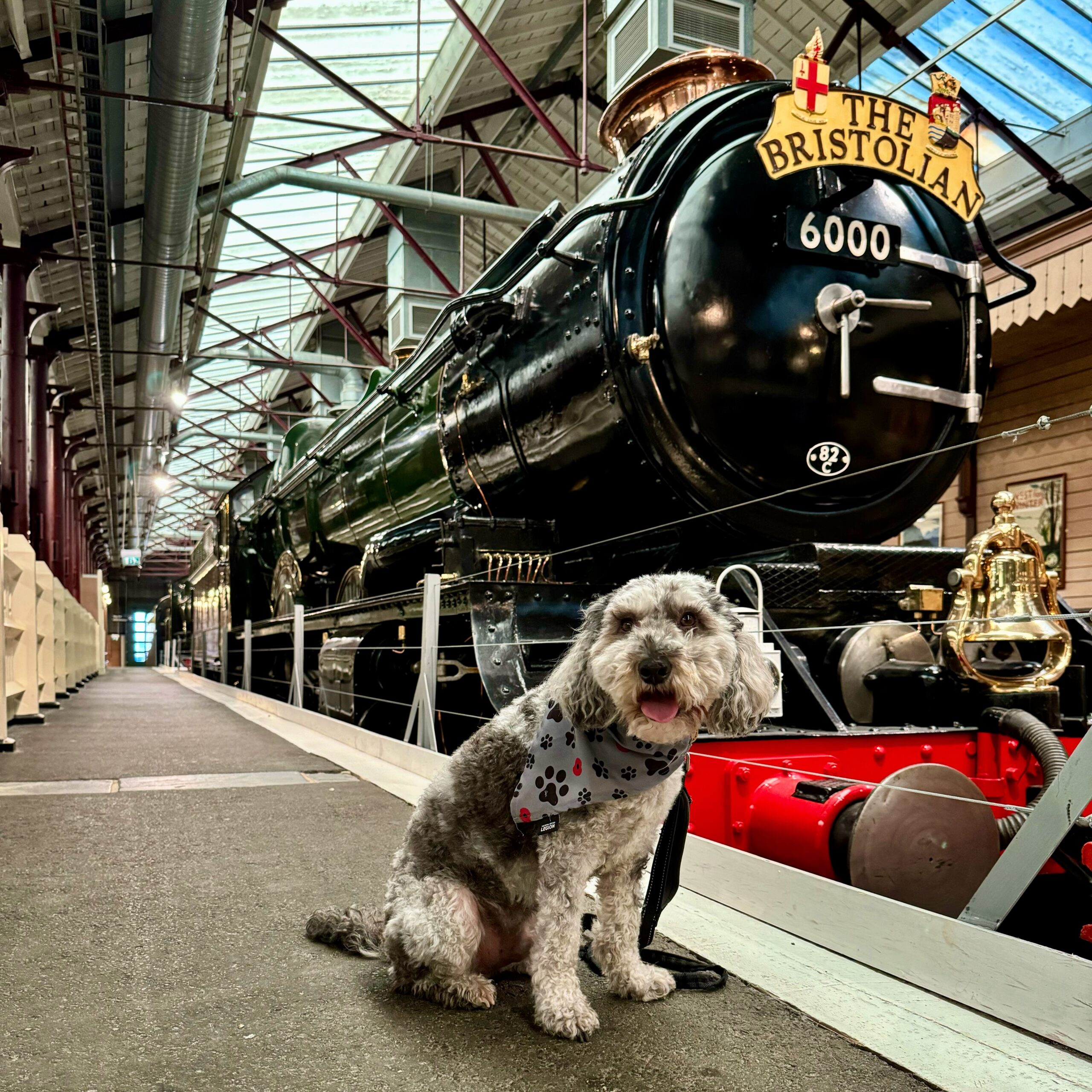
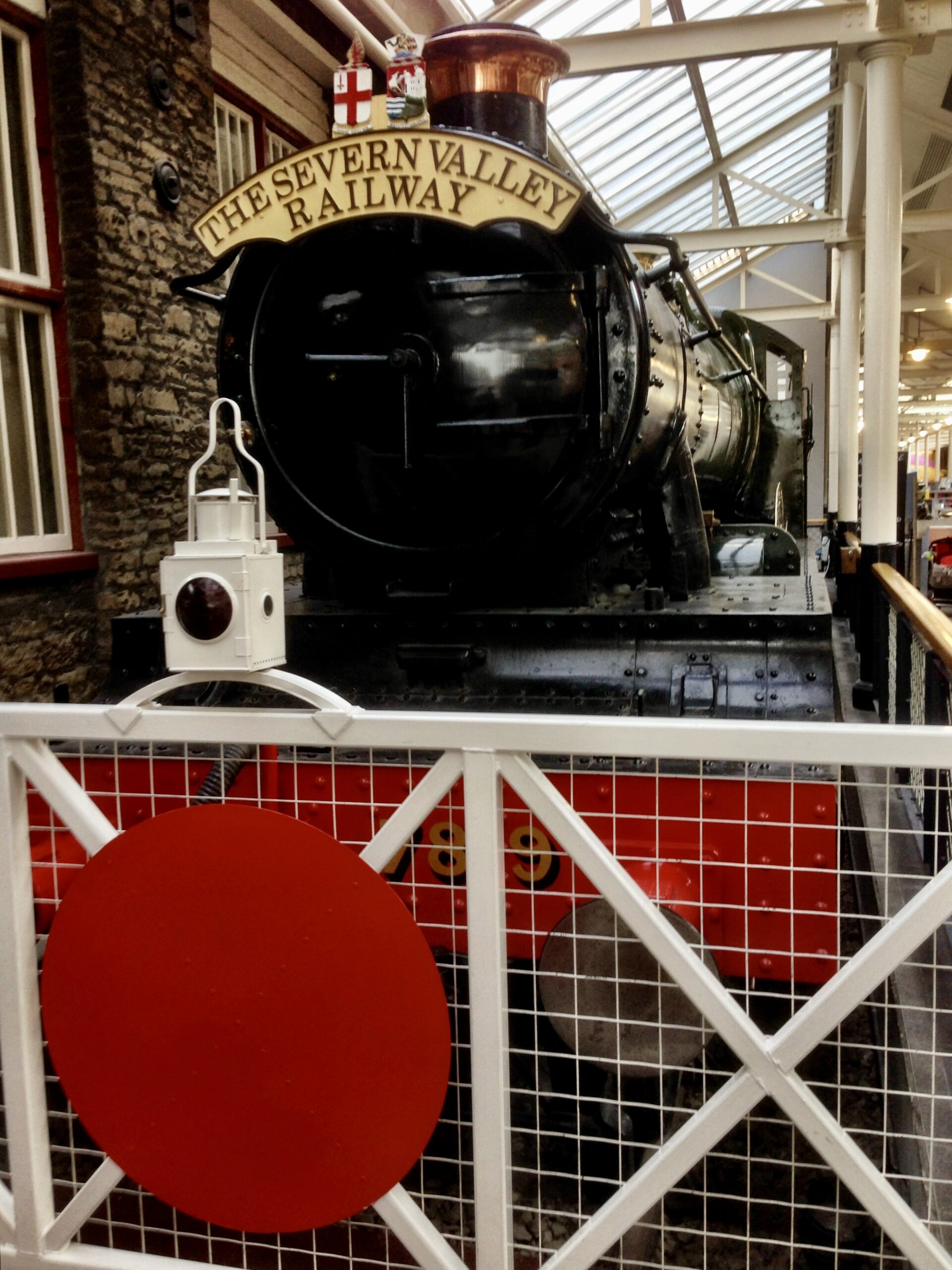
Yoshi visited STEAM: The Museum of the Great Western Railway and saw GWR King Class 4-6-0 No. 6000 ‘King George V’ – 11/11/2023
November 10th 2023 to November 17th 2023
Having not seen any of the locomotive operated Rail Head Treatment Trains (RHTT) this year, we decided to combine a visit to the McArthur Glen Designer Outlet in Swindon with a visit to STEAM Museum and the chance of photographing an RHTT or two. The railways of Dorset are serviced by Multi Purpose Vehicles (MPV) during leaf fall season with leaves on the railway line causing problems.
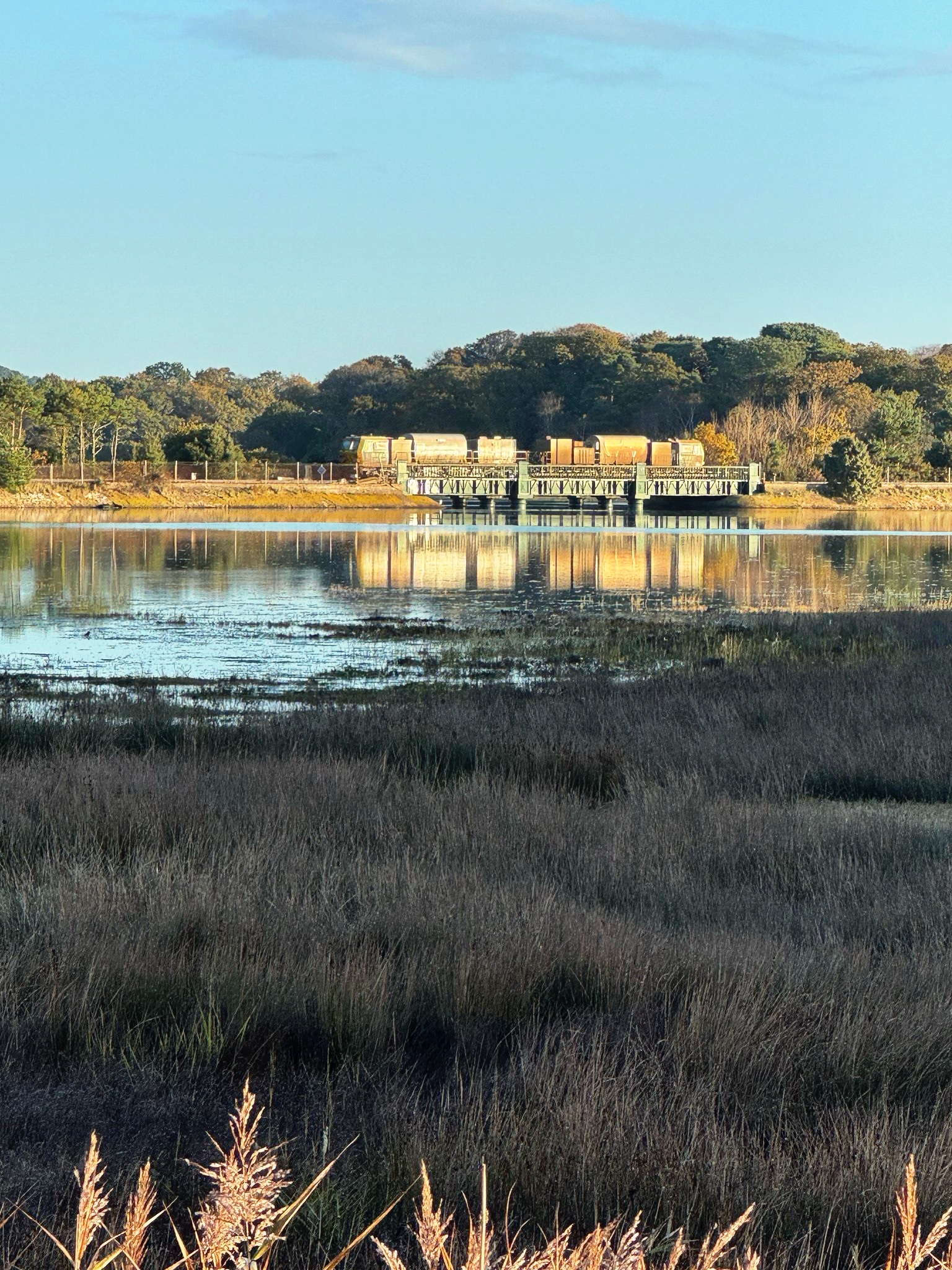
An early morning MPV RHTT working crosses Upton Viaduct on the Holes Bay Causeway, Poole as 3S81 0547 Totton Yard to Totton Yard – 07/11/2023
Windy conditions can cause heavy leaf fall in a short space of time and rain means they are more likely to stick to the rails. When trains pass over leaves, the heat and weight of the trains bake them into a thin, slippery layer on the rail. This is equivalent to black ice on the roads. This can create operational issues for the signalling system (track circuits) and reduce a trains grip – which can change the ability of a train to start from a station, accelerate and climb hills, or stop at stations and signals. Across the GB Rail Network, there are 32 MultiPurpose Vehicles and 29 locomotive hauled RHTT’s. Both types of train are equipped with a high-pressure water pump delivering 1,500 Bar and, if required, can apply adhesion modifier – a mixture of suspension gel (so it can be pumped), sand (to help train wheels grip the rail), and steel or iron shot that is pushed through contamination (compressed leaves and debris) on the rail head to help the track circuits work correctly – to each running rail. If the track circuits fail to identify, or ‘lose’ a train (because the leaf and debris contamination is preventing this) then the signalling system is designed to automatically stop all the trains to prevent an accident.
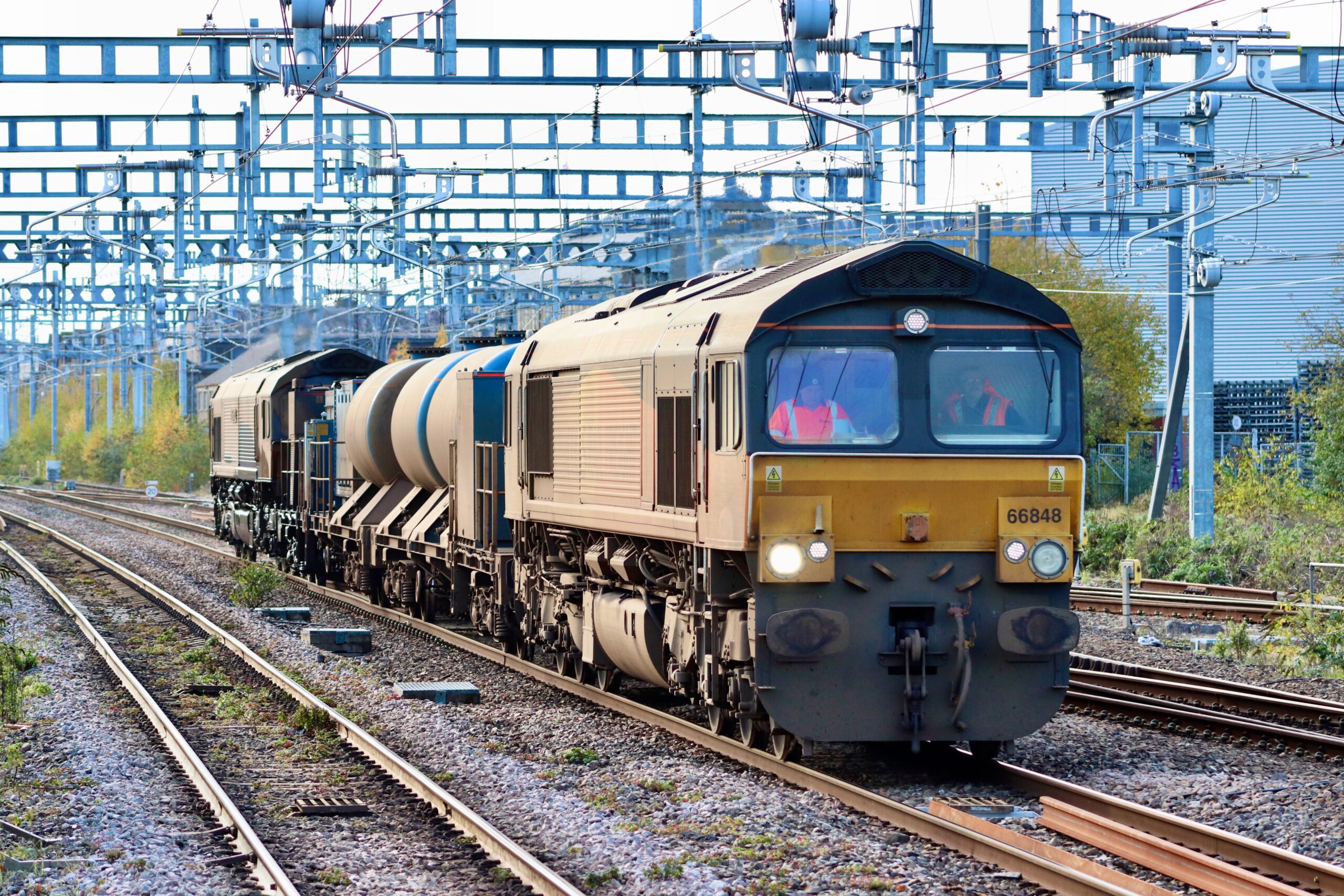
Colas Class 66 No.’s 66848 & 66850 ‘David Maidment OBE www.railwaychildren.org.uk’ on the approach to Swindon working 3S59 09:00 Hereford to Swindon Transfer Yard Rail Head Treatment Train – 11/11/2023
Swindon has been synonymous with railways, and in particular the Great Western Railway (GWR) since the 1840’s, when Daniel Gooch – working under Isambard Kingdom Brunel – picked the Wiltshire town as the location for a central repair works with the site opening on 2nd January 1843. The Works transformed Swindon from a small market town with a population of 2,500 into a bustling railway themed hive of industry. Built to the north of the main town centre, Swindon works had a need for locally accessible housing and services for the men and women who worked there. The development of the railway village was on the lines of similar Victorian-era model village lifestyle concepts, such as Bournville near Birmingham, and architect/builder Rigby’s were given license to create a commercially viable development by the GWR. The completed village provided the town with medical and educational facilities that had been previously sorely lacking, together with the large St Mark’s Church and the Bakers Arms public house, all completed before 1850.
The first locomotive constructed at Swindon Works, emerging in 1846 having taken less than two weeks to build, was the ‘Premier’, originally built with a 2-2-2 wheel arrangement but later converted to 4-2-2 and renamed ‘Great Western’ becoming part of the Iron Duke Class of broad gauge locomotives. She was joined by six more engines, with the Iron Dukes being considered the fastest broad gauge engine of its day. By 1851, the works employed over 2,000 people and were producing about one locomotive a week, with the first standard gauge engine being built in 1855. In addition to locomotive building standardised goods vehicles were produced, and in 1867 Swindon was made the central workshop for the construction of carriages and wagons.
In its heyday, Swindon works employed 14,000 people as Charles Collett (GWR’s Chief Mechanical Engineer from 1921 to 1941) greatly improved boiler making and facilities for working heavy gauge sheet metal. In 1927 the GWR’s most powerful and largest class of locomotive, the King’s, were introduced becoming the flagship of the GWR fleet. The King’s had been developed from the Castle Class which, along with the Hall Class, helped cement GWR’s reputation and image.
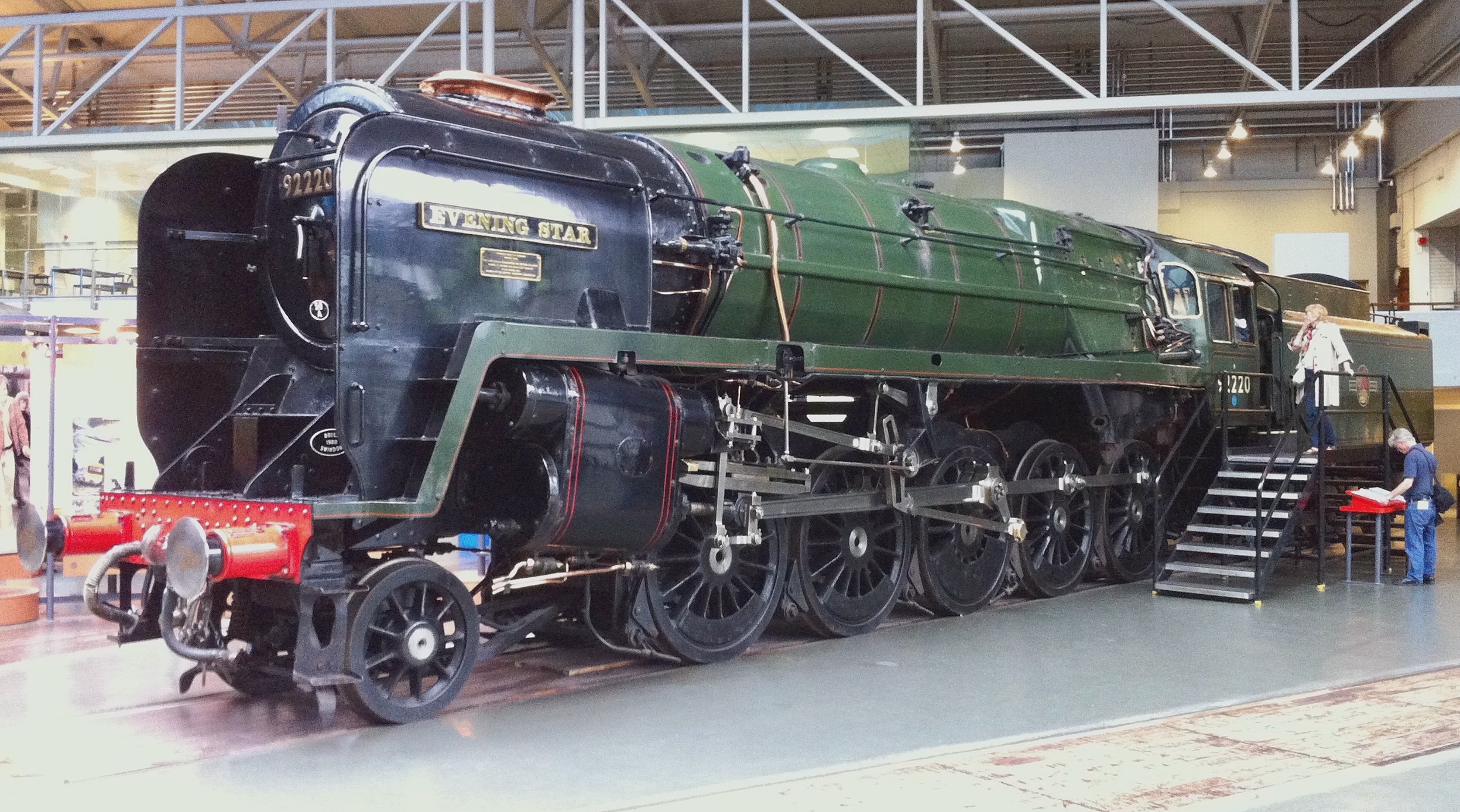
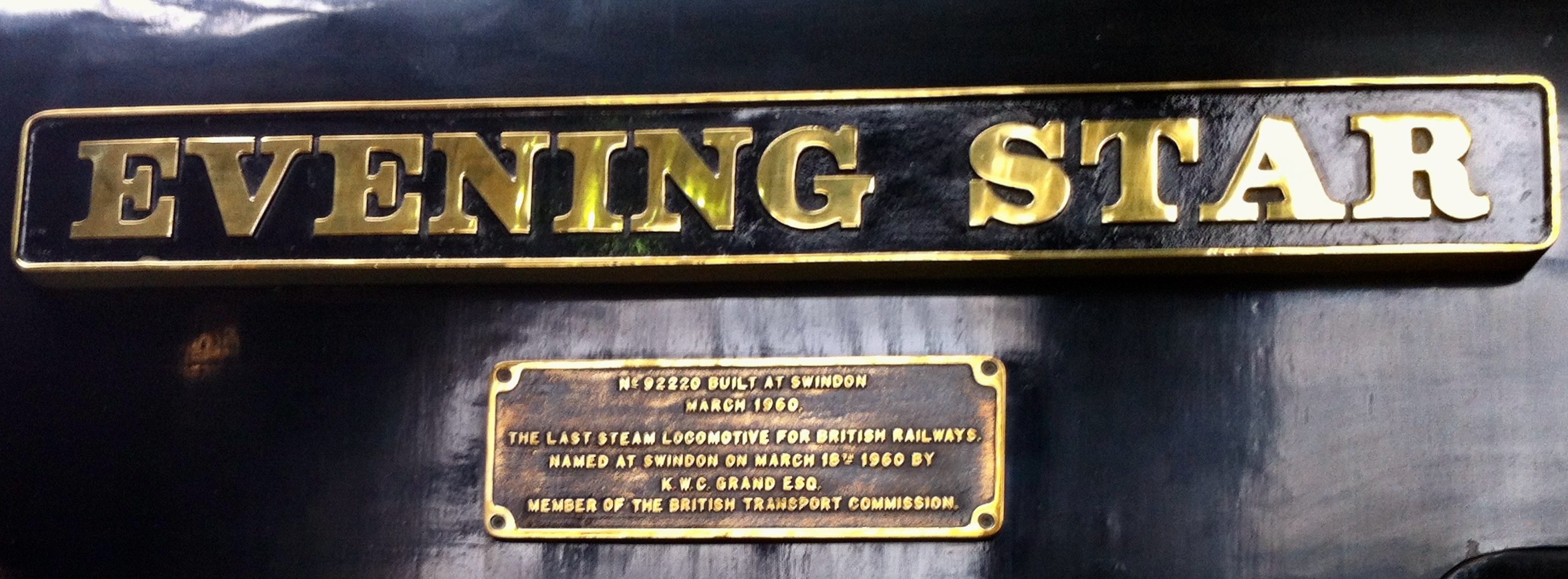
At the nationalisation of British Railways (BR) in 1948, the works was producing 60 new locomotives a year, with this number reducing to 42 in 1954. From 1948 to 1956, the works made 452 steam engines to GWR designs and between 1951 and 1960 200 BR standard classes. When the decision was made to transition the railways from steam to diesel and electric motive power, the works produced BR’s last steam locomotive; No. 92220 ‘Evening Star’. By this time the works employed 5,000 people and had become the regional hub for the storage and scrapping of steam locomotives and rolling stock.
BR Standard Class 9F 2-10-0 No. 92220 ‘Evening Star’ at the National Railway Museum, York 03/07/2012Nameplate and commemorative plaque commemorating No. 92220’s status as the final steam locomotive built for BR at Swindon – 03/07/2012
As part of its Modernisation Plan, BR Western Region opted to develop and build diesel hydraulic locomotives rather than the diesel electric varieties employed across the rest of the network. From 1957 the works produced 38 “Warship” class D800’s and 30 “Western” class D1000’s.
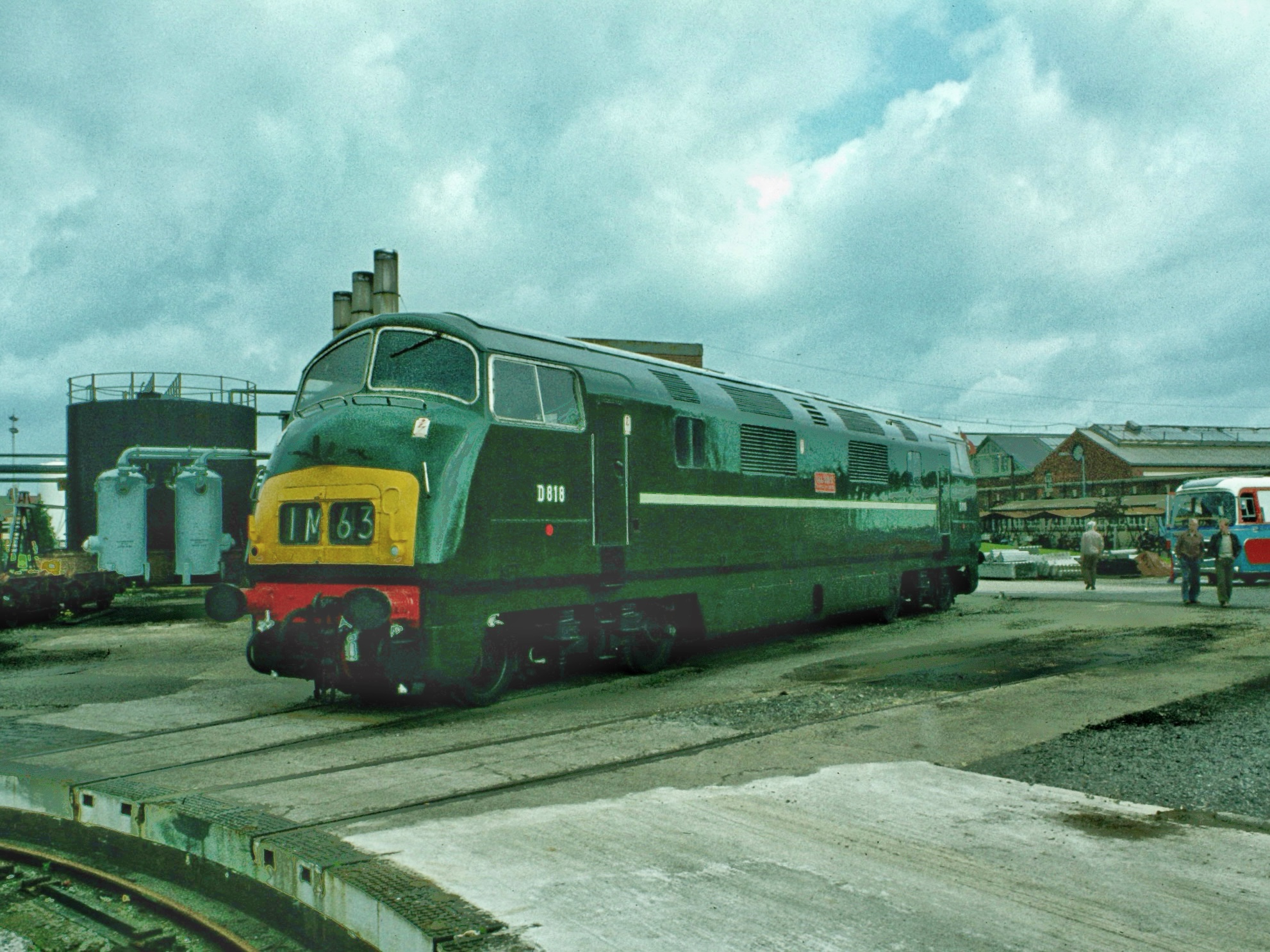
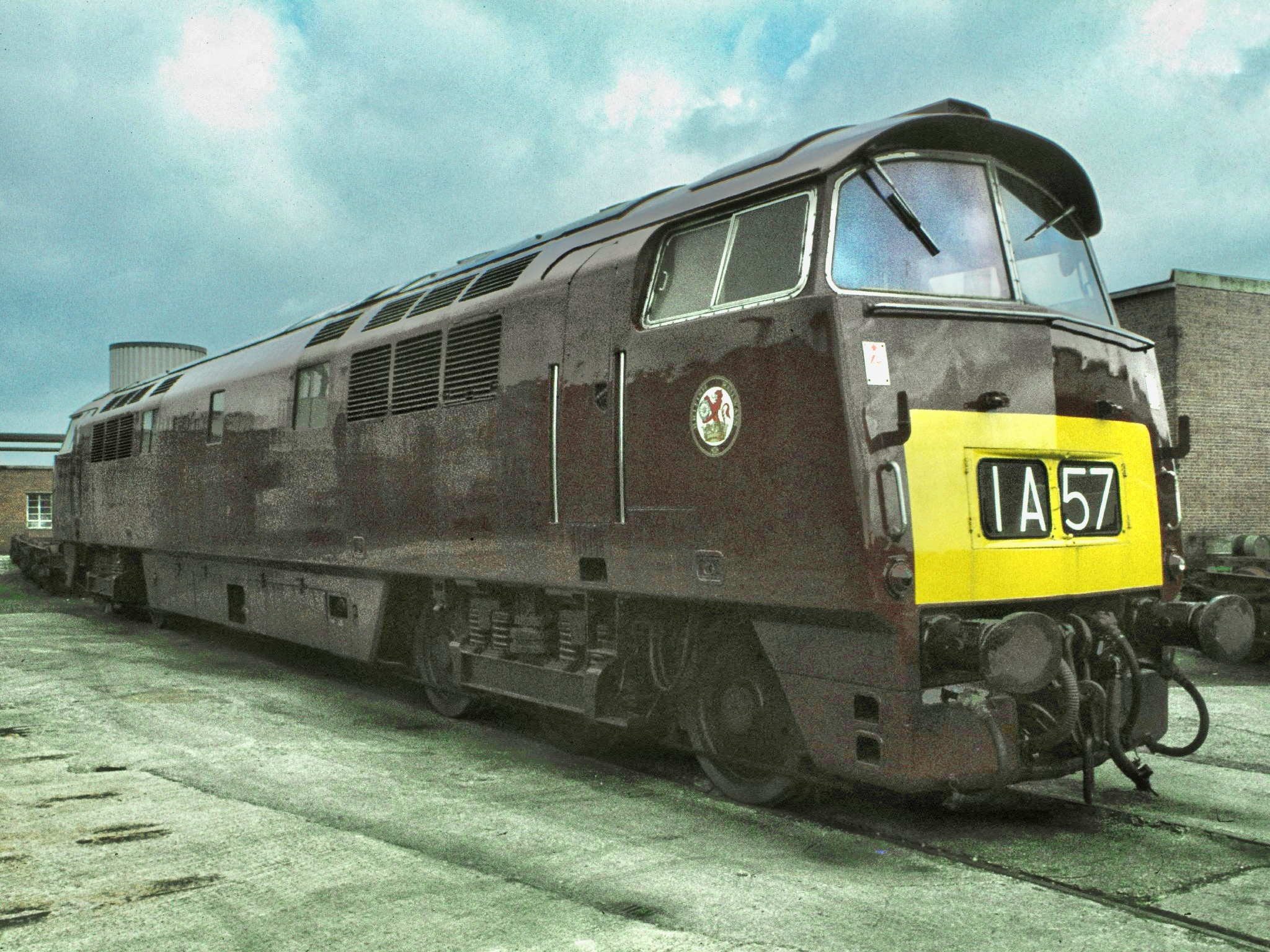
Class 42 Warship Diesel Hydraulic No. D818 ‘Glory’ at Swindon Works. This locomotive entered traffic on 30th March 1960 and was withdrawn on 1st November 1972. She was cut up in November 1985. ‘Glory’ was a static exhibit at Swindon longer than she was in revenue earning service. Although No. D818 donated much needed parts to fellow classmate No. D821 ‘Greyhound’, it is still sad that this third candidate for preservation was lost – 06/06/1981Class 52 Western Diesel Hydraulic No. D1023 ‘Western Fusilier’ at Swindon where she had been built in September 1963. She was withdrawn in February 1977 having operated various runs including the last ever Western hauled rail tour; the ‘Western Tribute’. In 1973 she was the last ever hydraulic to have a general repair at Swindon. The locomotive was preserved as part of The National Collection and placed on display in the National Railway Museum at York in 1977. No. D1023 has been placed on loan to the Didcot Railway Centre for a period of five years commencing January 2023 – 06/06/1981Class 14 0-6-0 650hp diesel hydraulic No. D9551 in non-original ‘golden ochre’ livery at Kidderminster on the Severn Valley Railway. 56 of these locomotives were built by BR’s Swindon Works between 1964 and 1965. Locomotives of the class were given the nickname “Teddy Bears”, after a comment by Swindon Works foreman George Cole, “We’ve built the Great Bear, now we’re going to build a Teddy Bear!” – 15/05/2021
Locomotive building ceased at Swindon in 1965 following the construction of the Class 14 “Teddy Bear’s” after which the works became a heavy repair facility. In the 1970’s it was decided that the diesel hydraulic’s were non-standard and were withdrawn in favour of the diesel electric classes. The works were absorbed into British Rail Engineering Ltd (BREL) but won less and less maintenance business against the internal competition of Crewe and Derby Works. With the town of Swindon expanding and needing land close to its centre for development, the decision was made to close the works with the final day of operation being 26nd March 1986.
The redevelopment of the works took account of the listed building status of the original core infrastructure. The engineers’ office is now the headquarters of English Heritage, with most of the remaining buildings redeveloped as part of the Designer Outlet Village. The rest of the site’s extensive railway yard was used for housing and commercial buildings including purpose built storage for the English Heritage Archive and the National Trust’s central office building, known as “Heelis”, the married name of Beatrix Potter, one of the key figures in the early history of the organisation.
Another original works building houses STEAM: The Museum of the Great Western Railway, which “tells the story of the men and women who built, operated and travelled on the GWR, a network that, through the pioneering vision and genius of Isambard Kingdom Brunel, set the standard for rail travel. The story is brought to life with famous GWR locomotives, story-telling displays, videos – mixing rare archive film footage with the stories of ex-railway workers – hands-on exhibits, interactive displays and a large number of rare GWR objects and memorabilia.”
The folk at STEAM had very kindly given Yoshi permission to accompany me on my visit to the museum and we are very grateful for the team in extending the hand of friendship and being very helpful during our time there, which coincided with the National Trust’s AGM being held at the venue, so everyone was already very busy indeed.
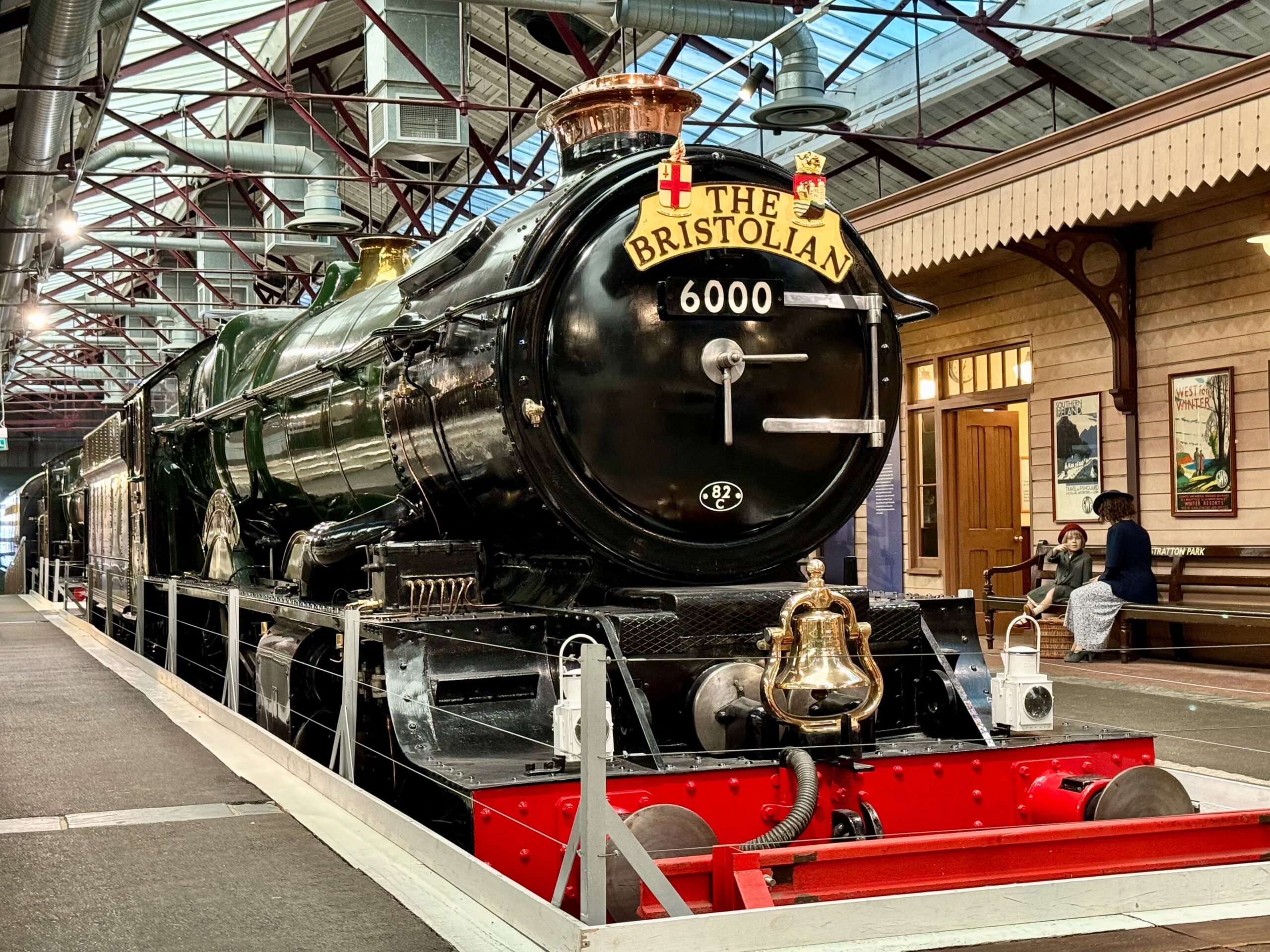
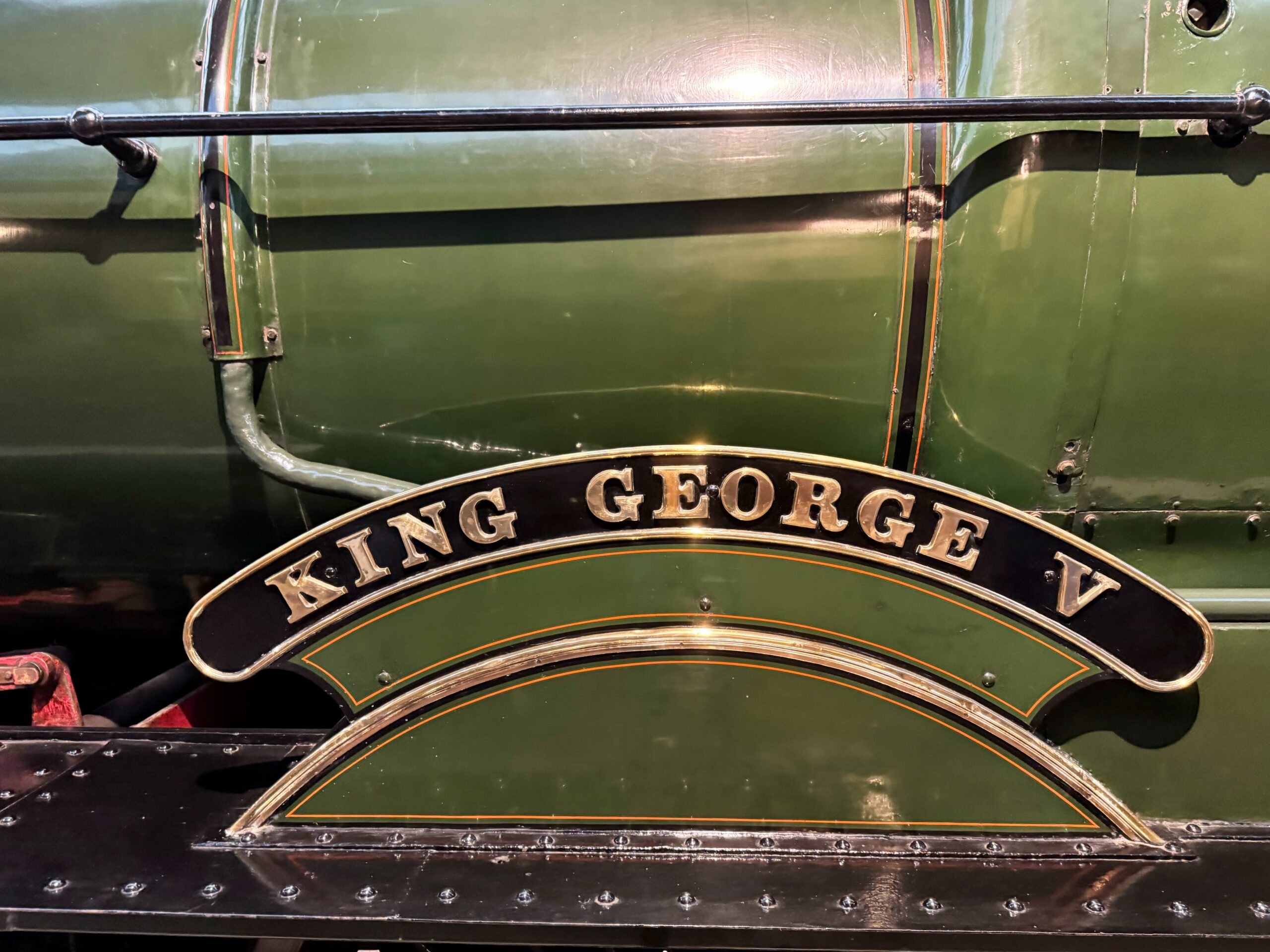
King Class 4-6-0 No 6000 ‘King George V‘
GWR King Class 4-6-0 No. 6000 ‘King George V’ on display at STEAM 11/11/2023
Charles Collett, Chief Mechanical Engineer at Swindon Works 1922 – 1941, designed the King Class to be the most powerful express passenger steam locomotive in Britain.
In 1927, King George V was the first of the King locomotives to be built. The engine was named after the reigning monarch and later locos were named after previous kings of England.
The King locos were much heavier than previous engines. A number of bridges and platforms had to be strengthened to accommodate them. The Kings weren’t used in Cornwall because the Royal Albert Bridge was too weak to support their weight.
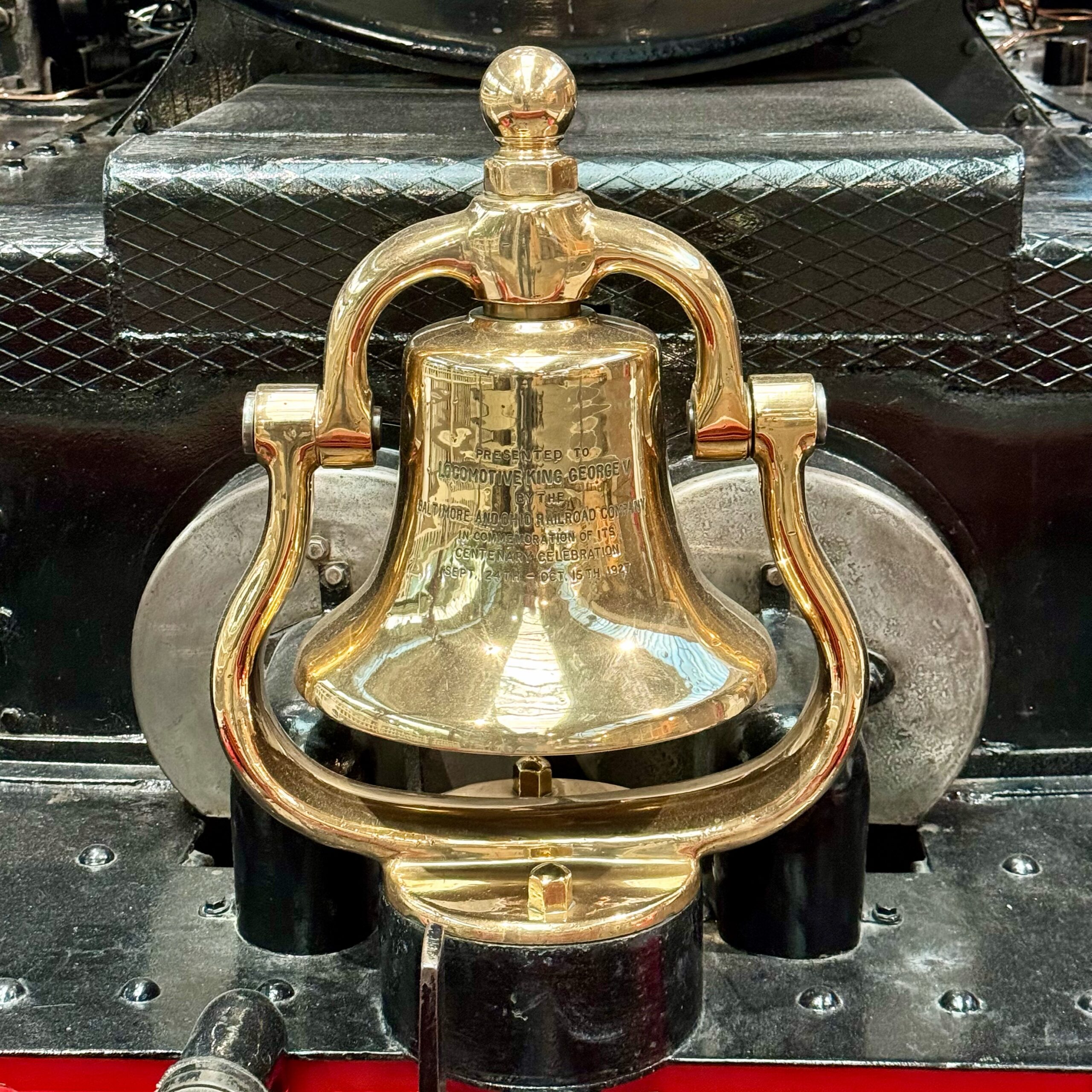
In 1927, No. 6000 ‘King George V’ was sent to the USA to take part in the centenary celebrations for the Baltimore and Ohio Railroad. While there, it was presented with the brass bell which is still attached to the front of the locomotive.
In 1947, the GWR began experiments leading to a number of modifications to ensure the King locomotives continued to perform well. By the time ‘King George V’ was retired in 1962, it had travelled nearly two million miles. But this wasn’t the end of the story as No. 6000 was preserved as part of the national collection and restored to main line running order at the Bulmer’s Railway Centre in Hereford. In 1971 ‘KGV’ became the first steam locomotive to break the British Rail mainline steam ban that had been in place since the completion of the “Fifteen Guinea Special” – the last main line passenger train to be hauled by steam locomotives over BR metals on 11th August 1968. No. 6000’s restoration to main line service and subsequent operation is often credited with opening the door for the return of steam to the mainlines of the UK.
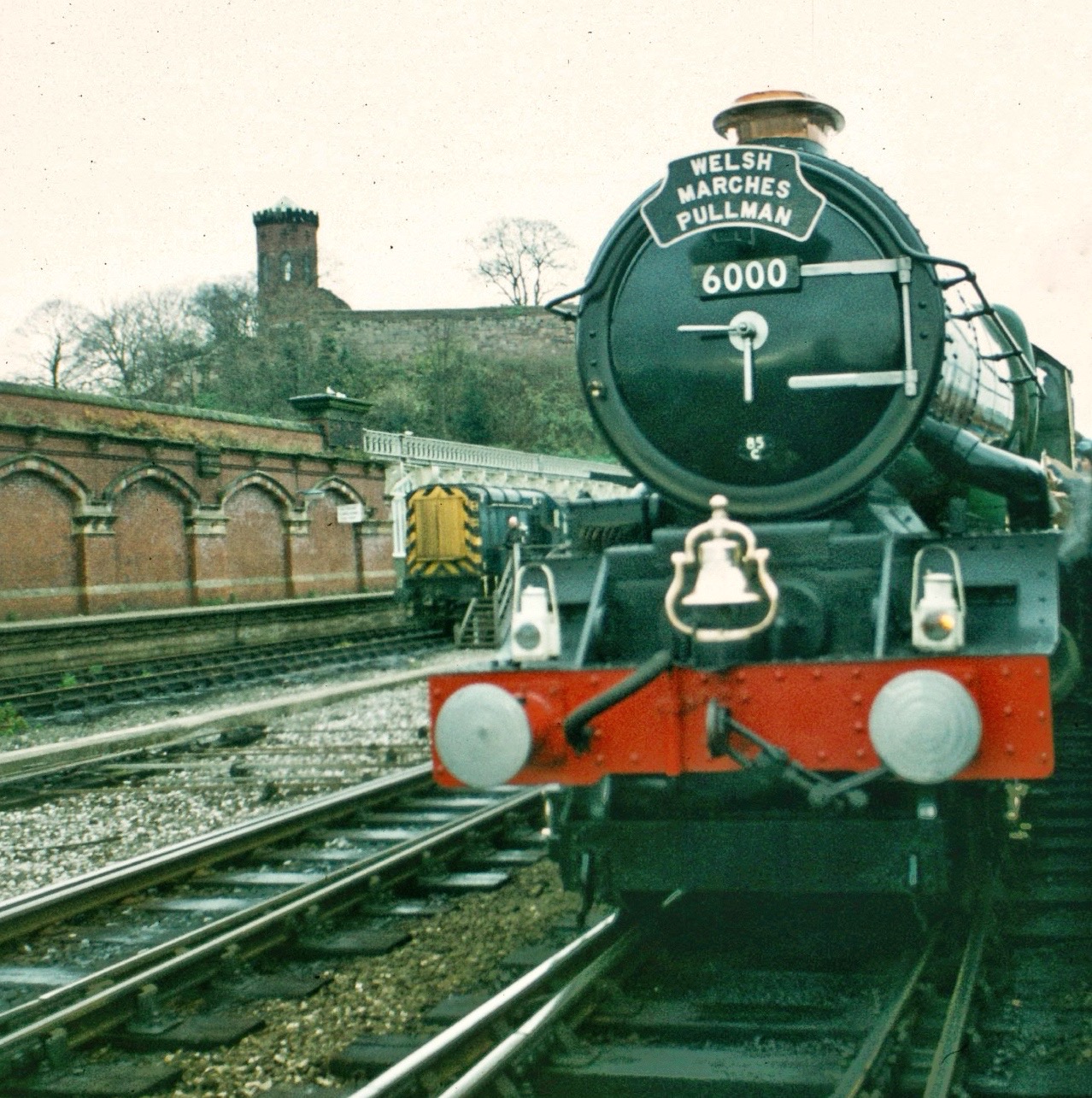
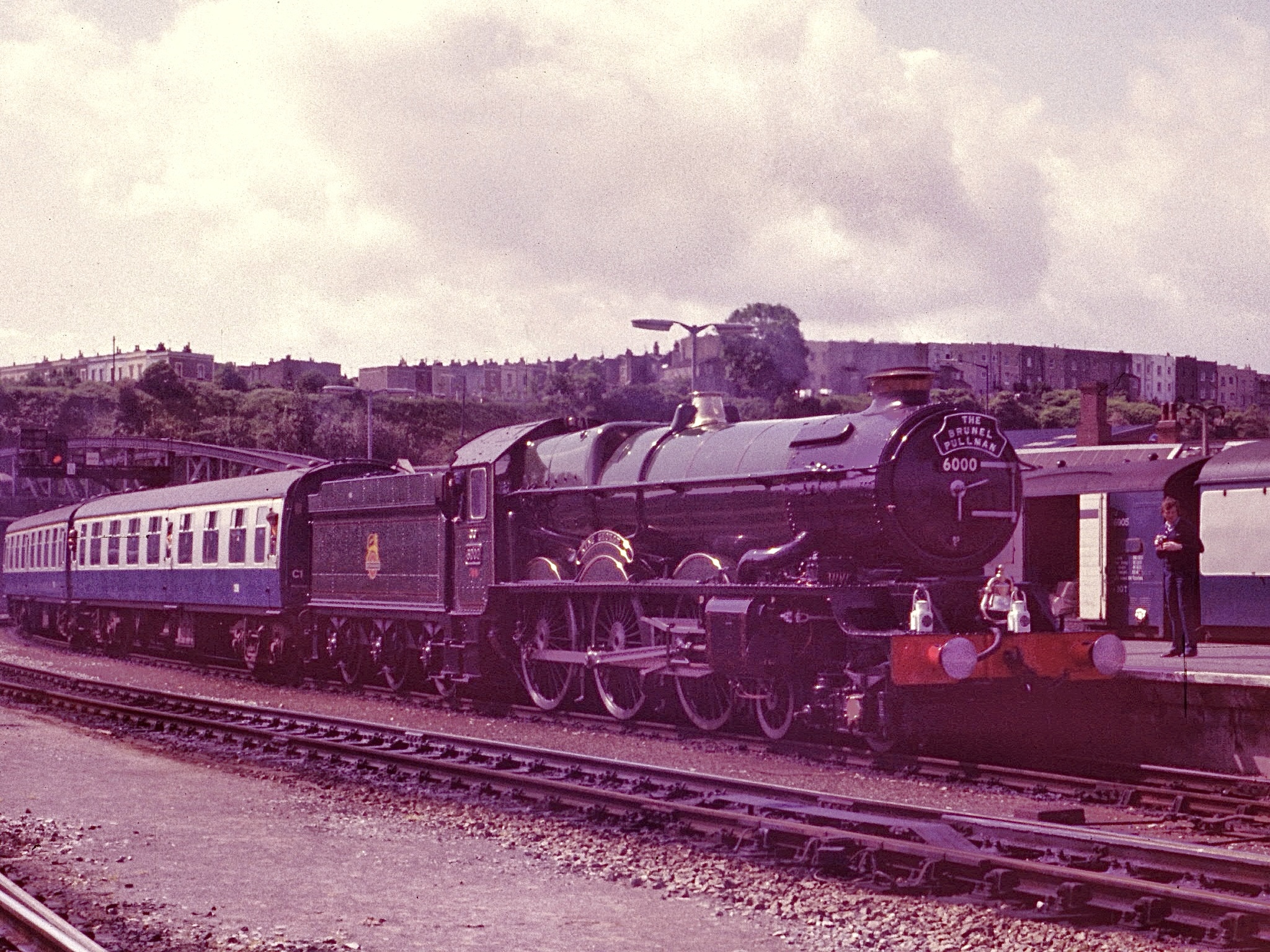
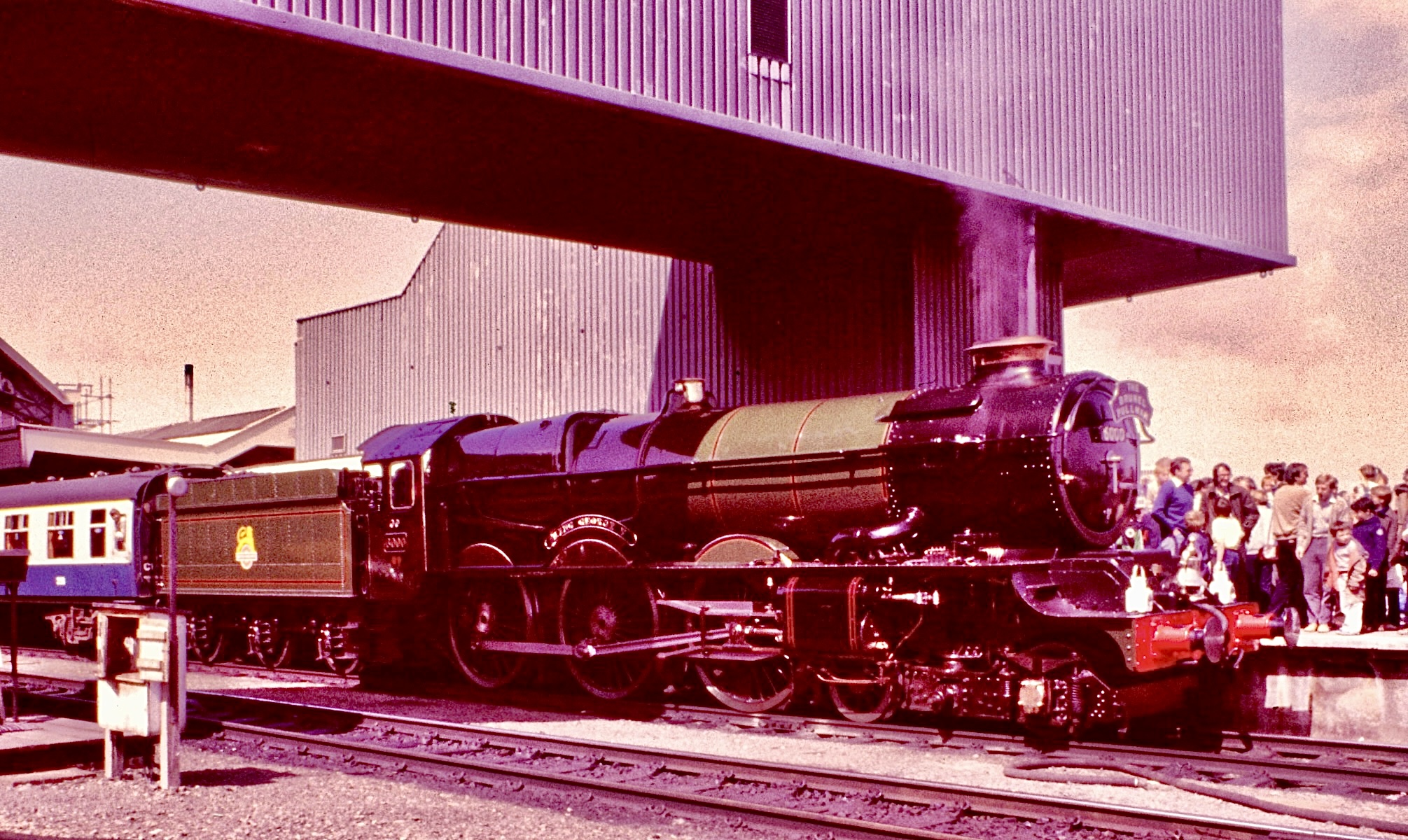
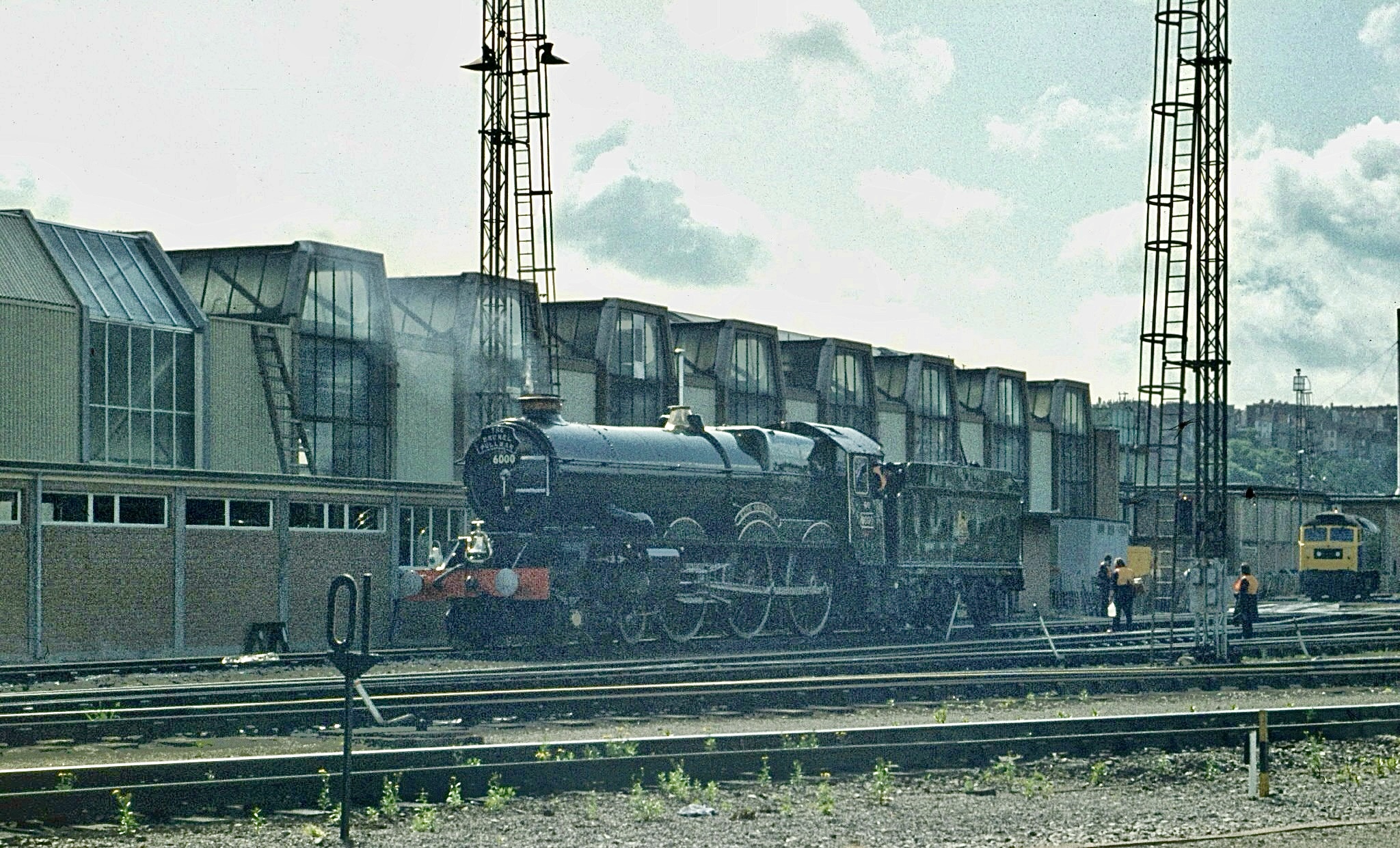
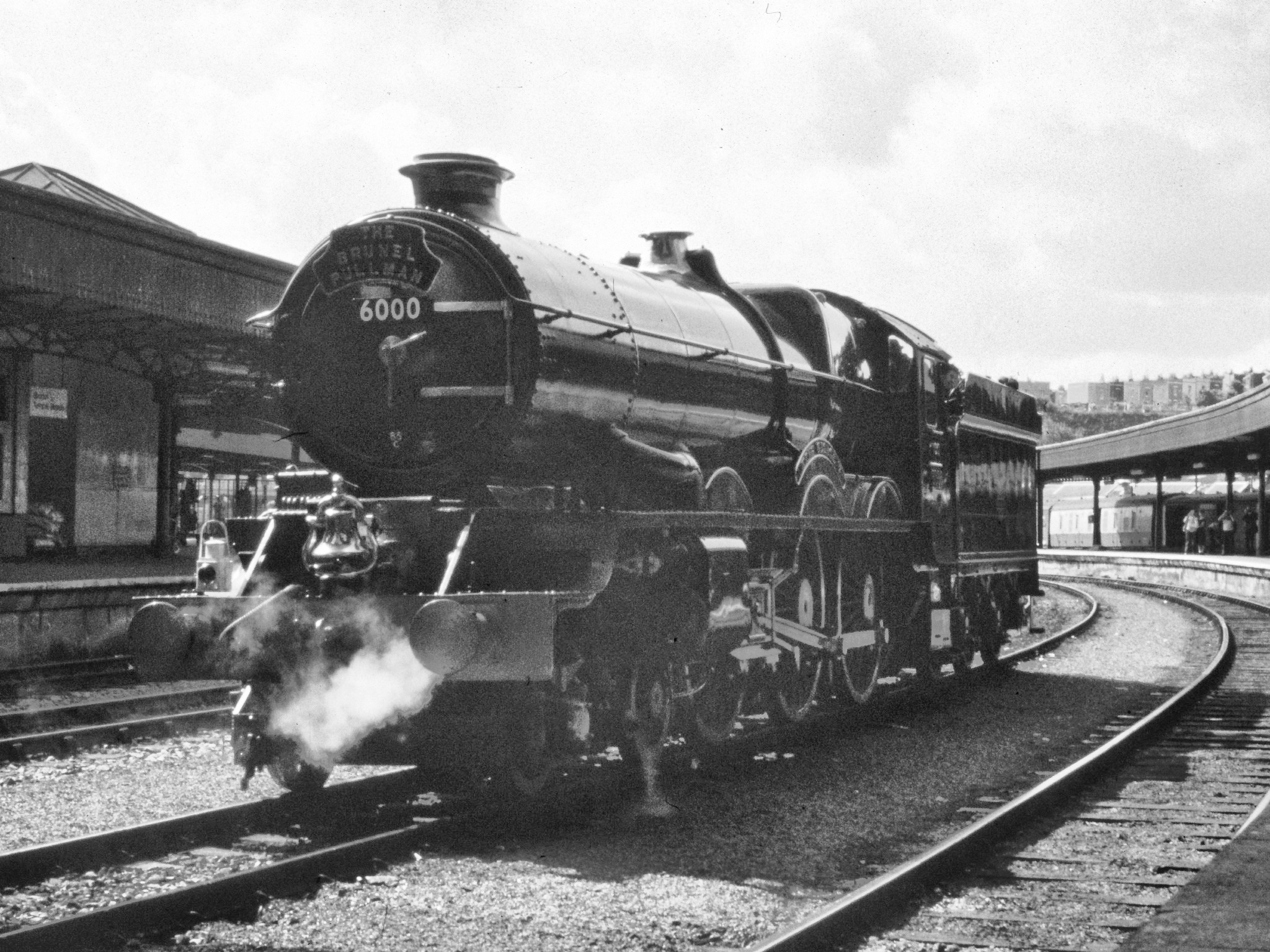
Back in the 1980’s when I could afford to travel on steam hauled excursion trains, “run-pasts” were a feature where passengers would de-train and the locomotive would back up the stock and then go hell for leather through the station to enable travellers to get photographs of the steam locomotive as here with No. 6000 ‘King George V’ at Craven Arms during a “Welsh Marshes Pullman” tour – 21/11/1981GWR King Class 4-6-0 No. 6000 ‘King George V’ at Shrewsbury – 21/11/1981GWR King Class 4-6-0 No. 6000 ‘King George V arrives at Bristol Temple Meads at the head of “The Brunel Pullman” – 12/06/1983GWR King Class 4-6-0 No. 6000 ‘King George V’ pauses under the Royal Mail conveyor which was situated at the northern end of Bristol Temple Meads railway station. Built in the 1970’s to convey mail to the sorting office situated adjacent to the eastern edge of the station, use of the conveyor was stopped after closure of the sorting office on the transfer of Royal Mail’s activities to the West of England Mail Centre at Filton. It has now been removed – 12/06/1983GWR King Class 4-6-0 No. 6000 ‘King George V’ at Bristol Bath Road diesel depot – 12/06/1983GWR King Class 4-6-0 No. 6000 ‘King George V’ runs light engine through Bristol Temple Meads – 12/06/1983
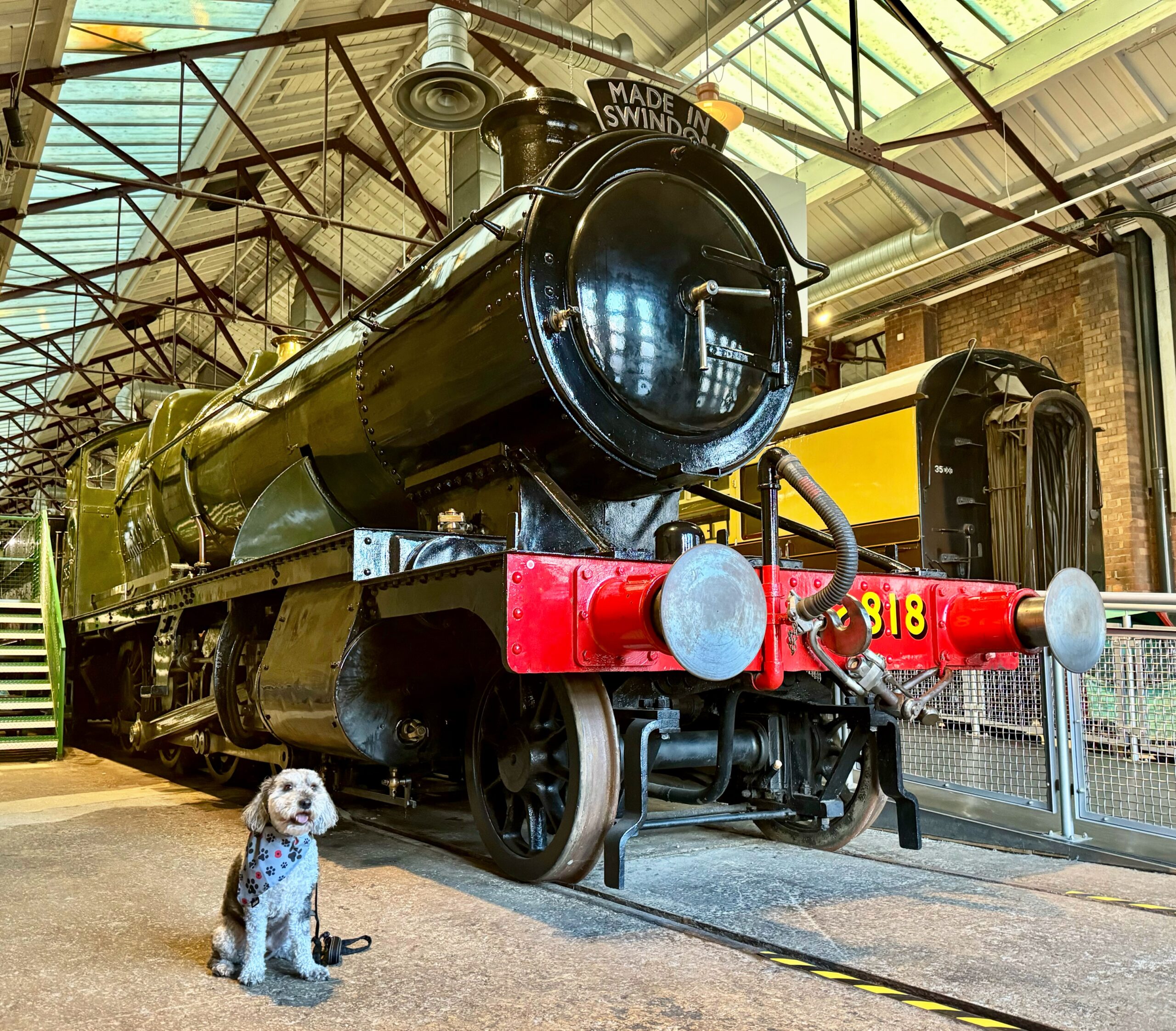
2800 Class 2-8-0 No 2818
No. 2818 was built at Swindon Works in 1905 and has bee resident at STEAM since 2018 – 11/11/2023
George Jackson Churchward, Chief Mechanical Engineer at Swindon Works 1902 – 1921, designed the 2800 class of heavy freight locos – a completely new design and not based on any previous loco type. Churchward’s design proved to be so successful that they were built from 1903 until 1942. During the 60 years that they were in service, they only underwent minor changes to their original build.
The original paint livery was black with red lining. This was changed to green during the First World War. Once the locomotive was under British Railways ownership, it was given the standard unlined black livery.
No. 2818 was allocated to work in South Wales where she hauled heavy coal trains. During the First World War, the loco, along with most others in the class, hauled the Jellicoe Specials, transporting coal to the Royal Navy’s fleet of ships based in Scapa Flow. Unusually for freight locos, the 2800’s were also used on Bank Holiday passenger special trains, where they demonstrated both their strength and their speed.
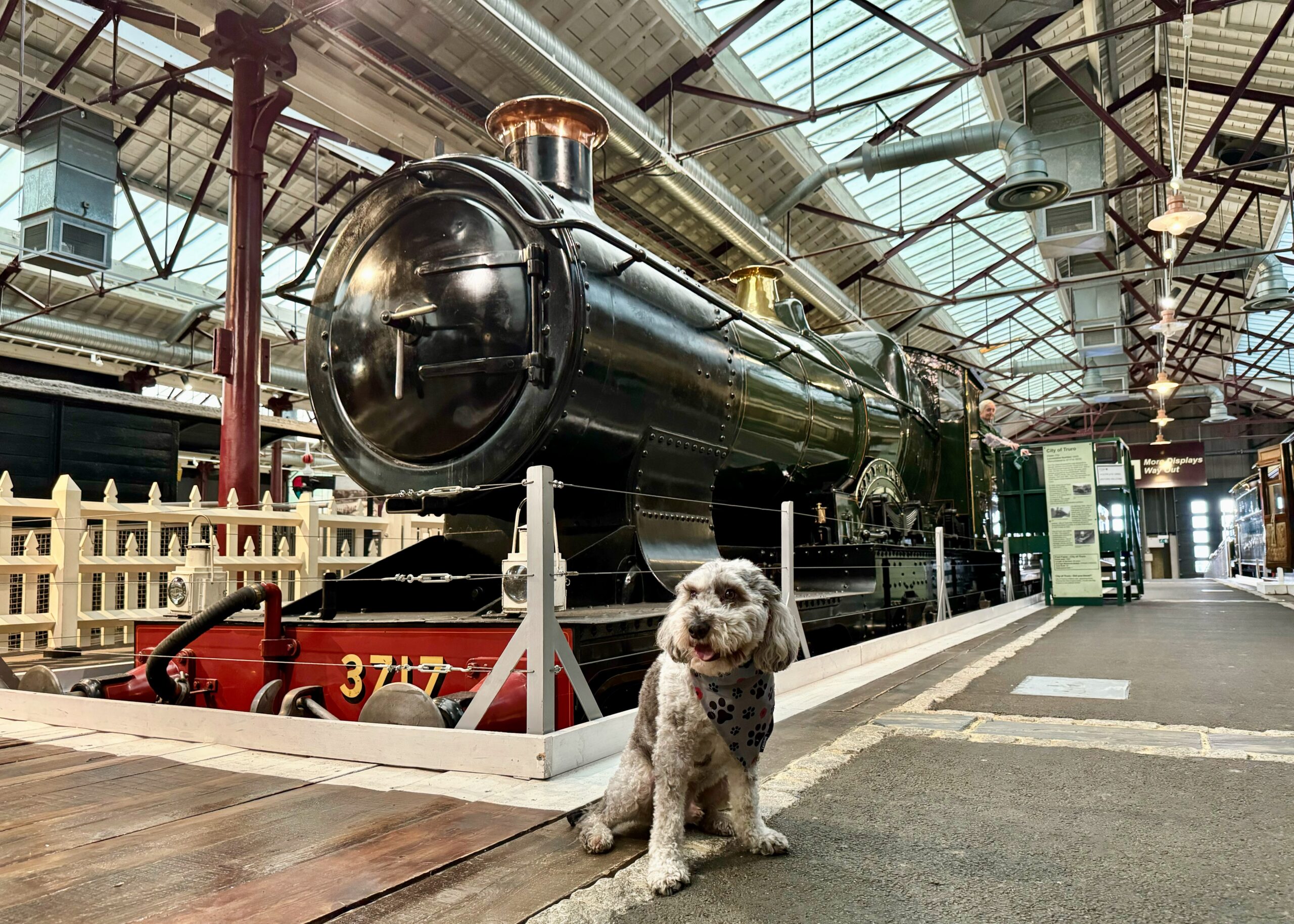
City Class 4-4-0 No 3717 ‘City of Truro‘
Yoshi meest ‘City of Truro’ at STEAM – 11/11/2023
George Jackson Churchward also designed the City Class of locomotive. For the City locos, he used initial designs prepared by his predecessor, William Dean. The GWR built ten City Class locomotives between 1903 and 1907. They also converted ten GWR Atbara Class locos into the City Class.
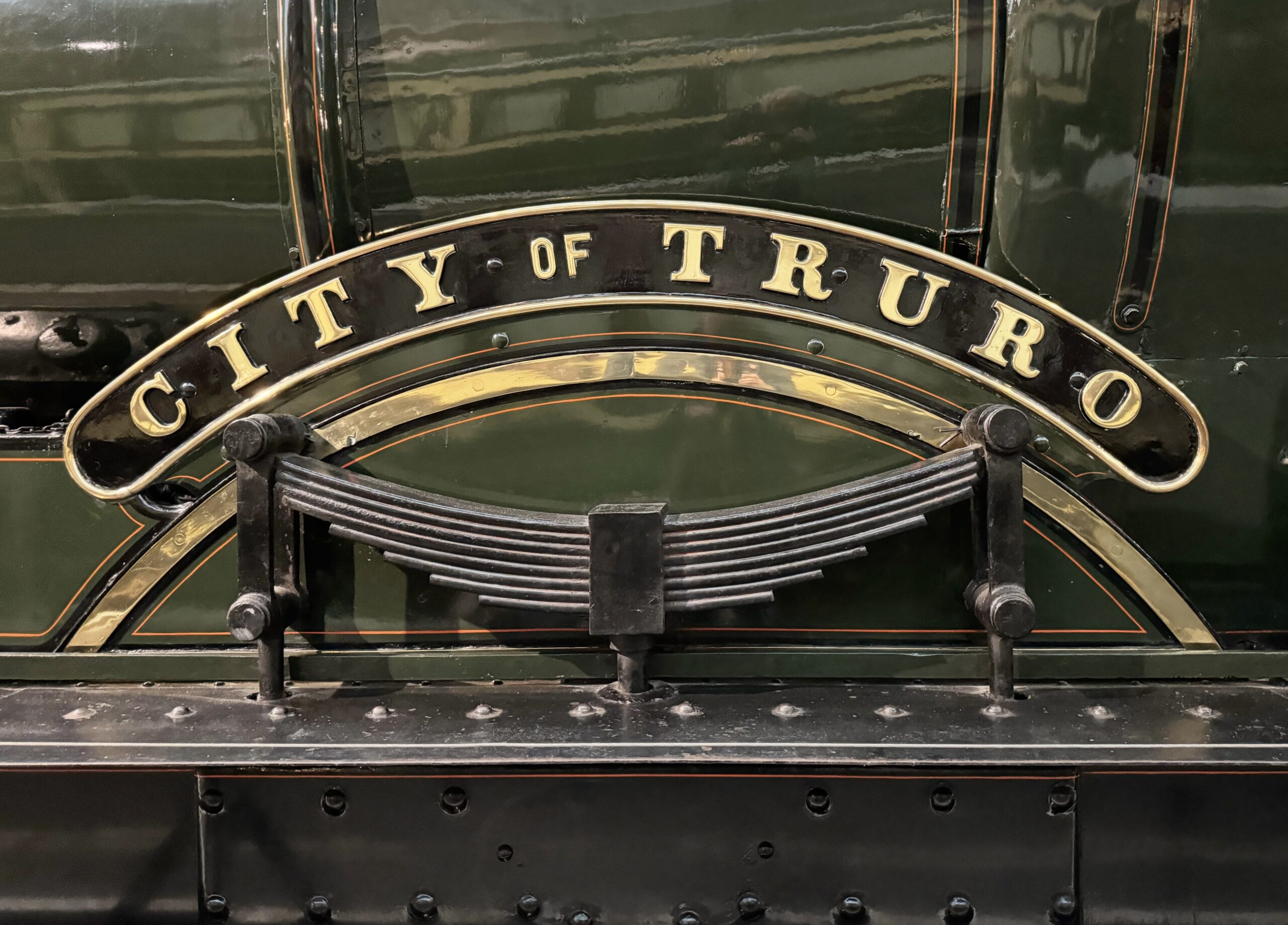
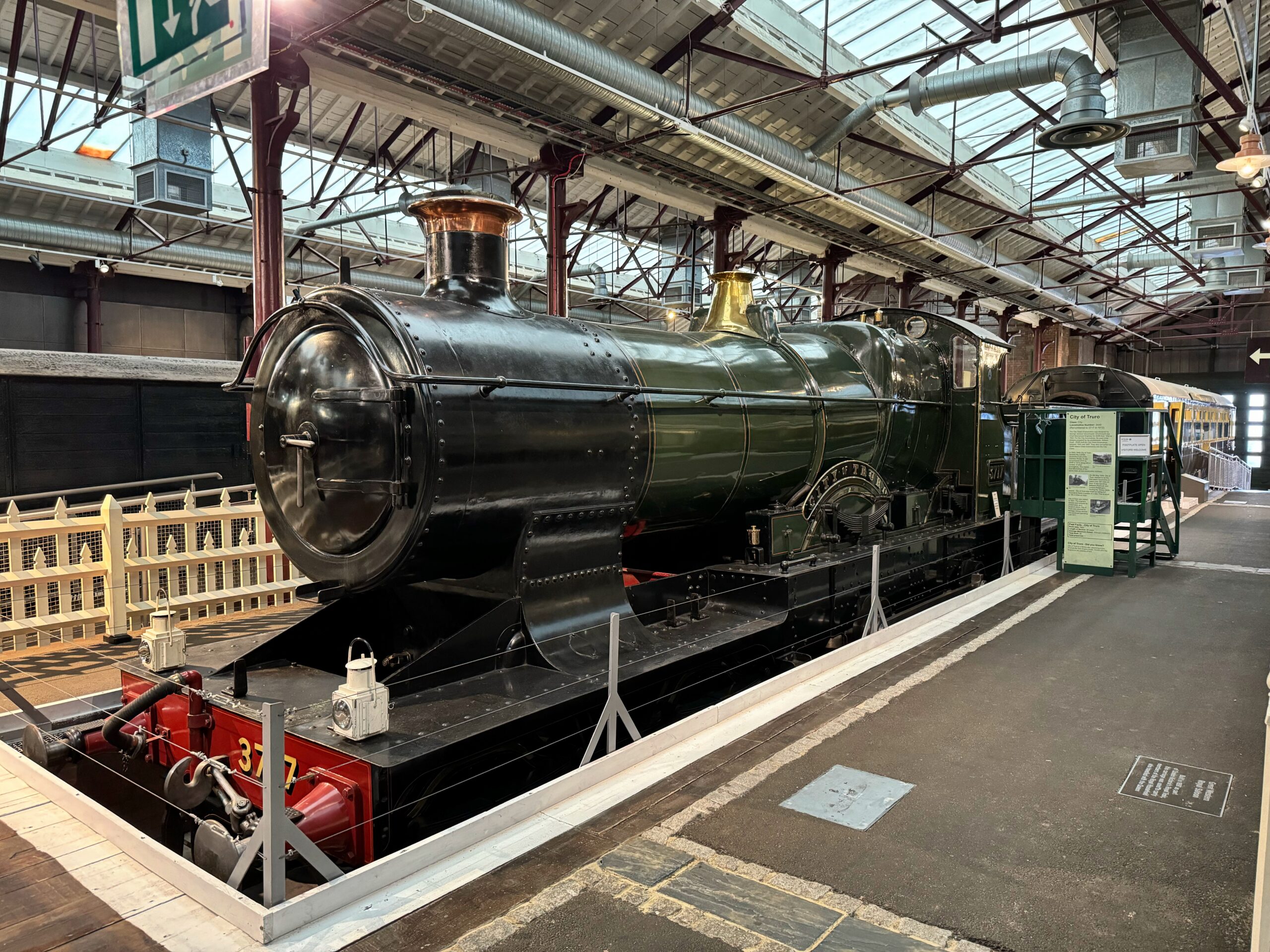
‘City of Truro’ nameplate – 11/11/2023City Class 4-4-0 No 3717 ‘City of Truro’ at STEAM, Swindon – 11/11/2023
In 1903, No. 3440 ‘City of Truro’ became the 2,000th loco built at Swindon Works. She was re-numbered No. 3717 by GWR in 1912. This meant that locos of the same class all had consecutive numbers.
On 9th May 1904, ‘City of Truro’ laid claim at being the first steam locomotive to reach over 100 miles an hour. She was travelling between Plymouth and London Paddington, hauling the “Ocean Mails” consisting of a light load of 8-wheeled parcels vans with 1,300 bags of mail onboard giving a total weight of 148 tonnes. ‘City of Truro’ was timed as taking 8.8 seconds to travel a quarter of a mile; equal to 102.3 miles an hour. This was while descending Whiteball in Somerset and can only ever be a claim. It was recorded by railway journalist Charles Rous-Marten, but there was no second timekeeper to confirm his reading. ‘City of Truro’s record has therefore always been a matter of dispute, however if Rous-Marten’s timings are accurate they would indeed correspond to a speed of 102.3mph.
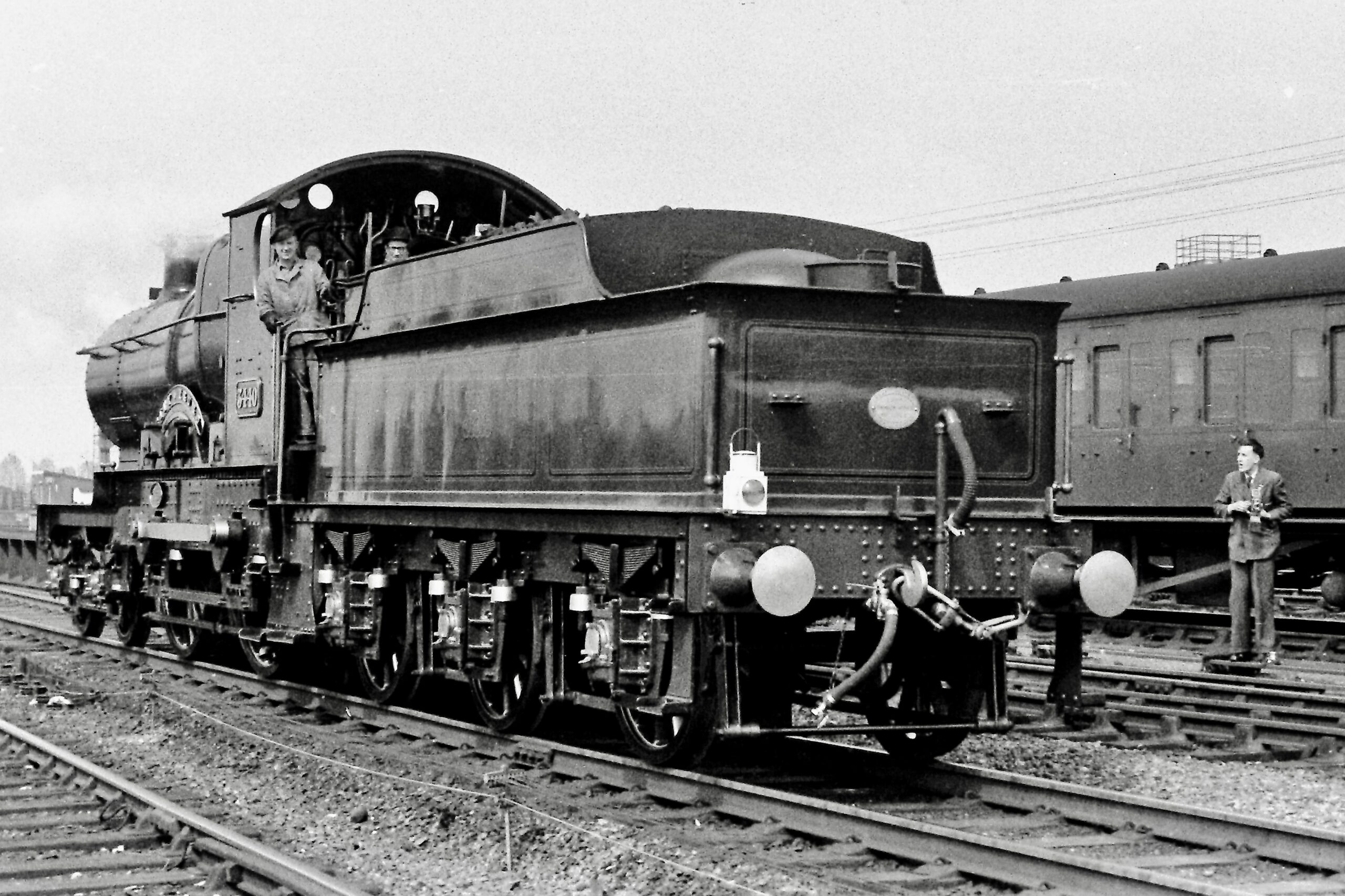
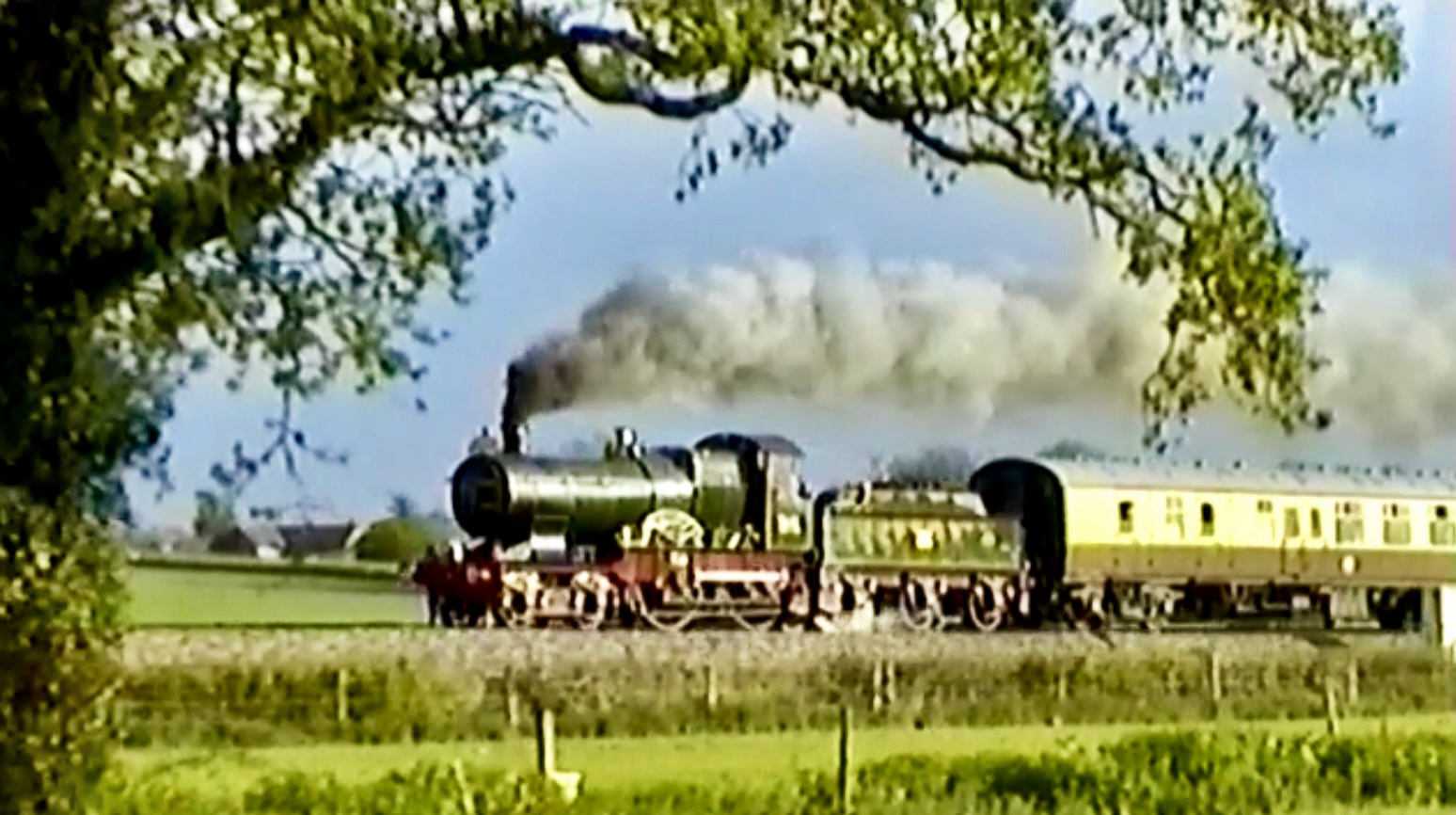
No. 3440 ‘City of Truro’ in readiness to work the RCTS “North Somerset Rail Tour” – 28/04/1957 (Photo courtesy of Chris Bancroft)No. 3440 ‘City of Truro’ at Reading on the RCTS “North Somerset Rail Tour”. This tour was the first one for the RCTS that used ‘City of Truro’- 28/04/1957 (Photo courtesy of Chris Bancroft)Video screen grab of No. 3440 ‘City of Truro’ working the return leg of Pathfinders Tours “The Ocean Mail 100” celebrating the oft disputed record run of 9th May 1904 when Charles Rous-Marten claimed the locomotive exceeded 100mph. The loco is seen on the Exeter to Taunton section of the GW main line on which the controversial speed record was recorded – 10/05/2004
Video of No. 3440 ‘City of Truro’ working the return leg of Pathfinders Tours “The Ocean Mail 100”. Ian Riley Engineering Ltd Electric owned Type Three Class 37/0 No. 37197 diesel-electric followed the steam hauled train ready to provide support if required – 10/05/2004
City of Truro was withdrawn from service in 1931. Although she was later returned to heritage railway service and continued operating until 2011.
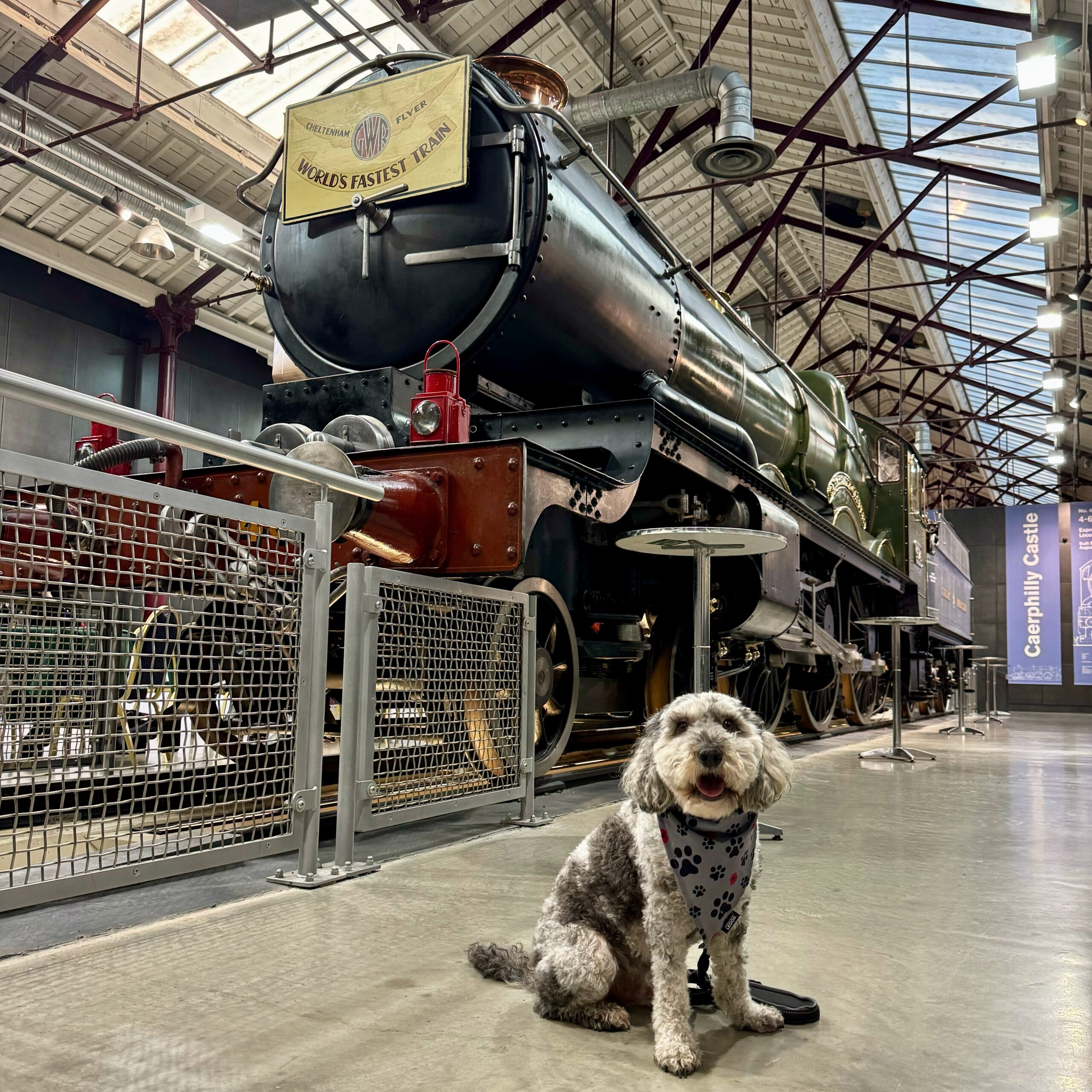
Castle Class 4-6-0 No 4073 ‘Caerphilly Castle‘
Yoshi poses with Castle Class 4-6-0 No 4073 ‘Caerphilly Castle’. The Castle Class celebrate their centenary in 2023 – 11/11/2023
Charles Collett, Chief Mechanical Engineer at Swindon Works 1922 – 1941, designed the Castle Class of locomotive. He based the designs for the Castle Class locos on the earlier Star Class.
Who built, Castle class loconotives were Britain’s most powerful express passenger loco. Castle Class locos had larger boilers, and were designed to pull heavier loads.
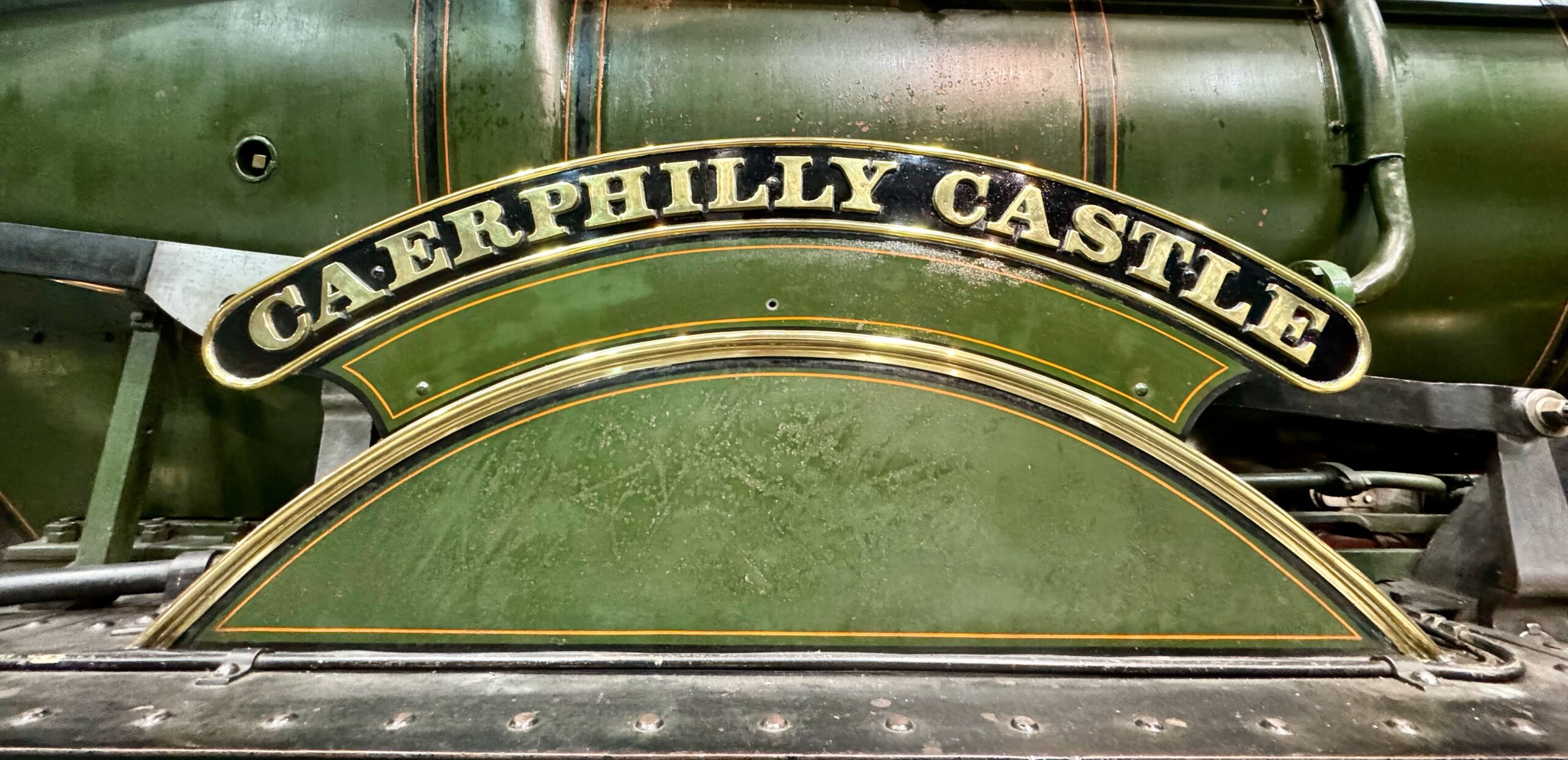
Nameplate of Castle Class 4-6-0 No 4073 ‘Caerphilly Castle’ – 11/11/2023
Between 1923 and 1950, the GWR built 155 Castle locos at Swindon Works. A further sixteen were converted from other classes. On the 23rd August 1923, No. 4073 ‘Caerphilly Castle’ was the first Castle Class loco to go into service. In 1924 and 1925, ‘Caerphilly Castle’ was exhibited at the British Empire Exhibition at Wembley next to the LNER’s ‘Flying Scotsman’ ( a locomotive we may have mentioned more than once previously).
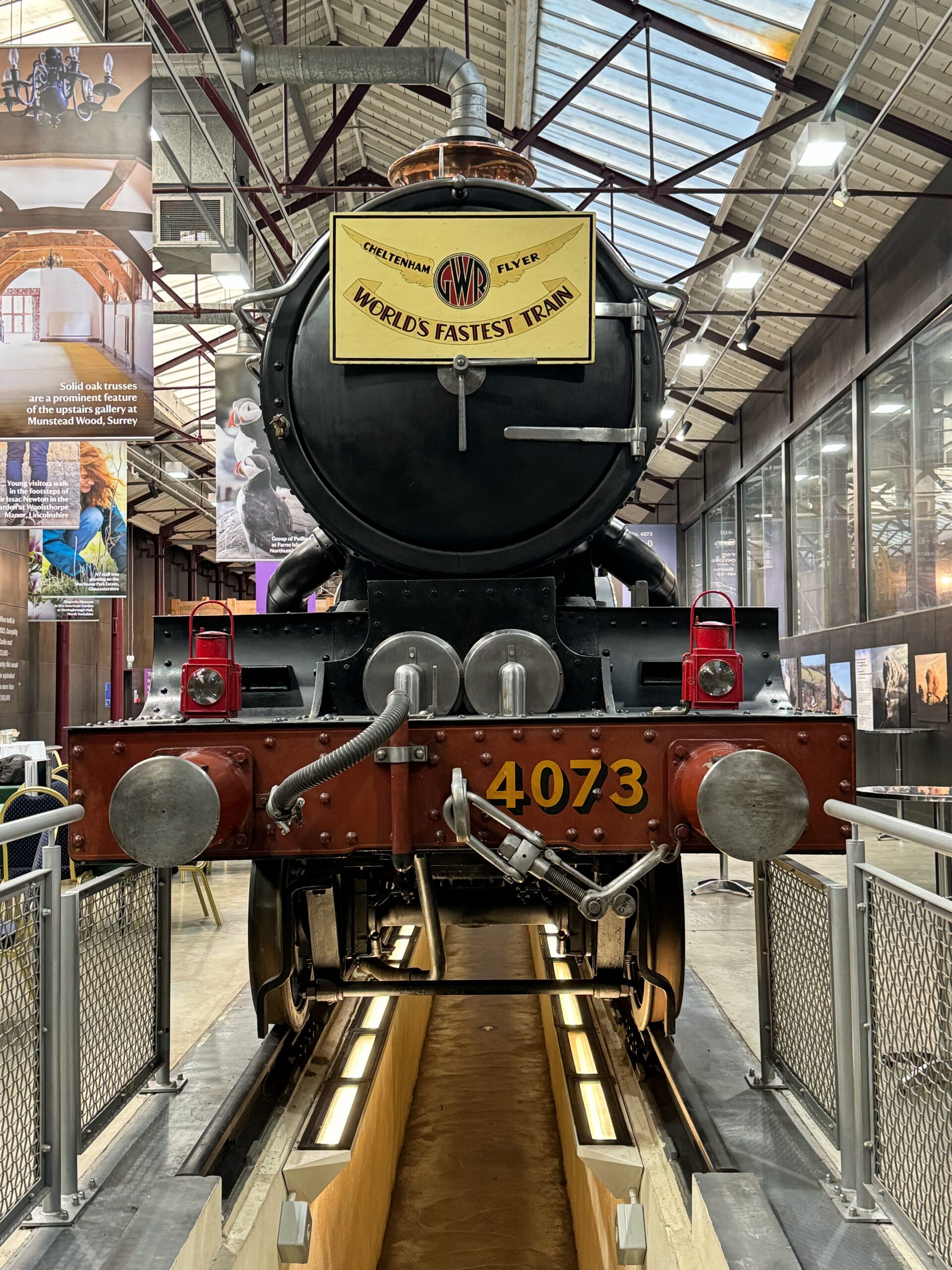
Visitors to STEAM can see underneath Castle Class 4-6-0 No 4073 ‘Caerphilly Castle’. Yoshi and I declined to take this opportunity – 11/11/2023
Castle Class locos were used on the express route between London Paddington and Cheltenham Spa. The Cheltenham Spa Express was a record breaker. In June 1923, it took just 75 minutes to travel from Swindon to Paddington, at an average speed of 61.8 miles per hour.
In July 1929, it became the world’s fastest train when it achieved an average speed of 66.2mph. On June 6th 1932, the Cheltenham Flyer smashed its own speed record, reaching an average speed of 81.6mph.
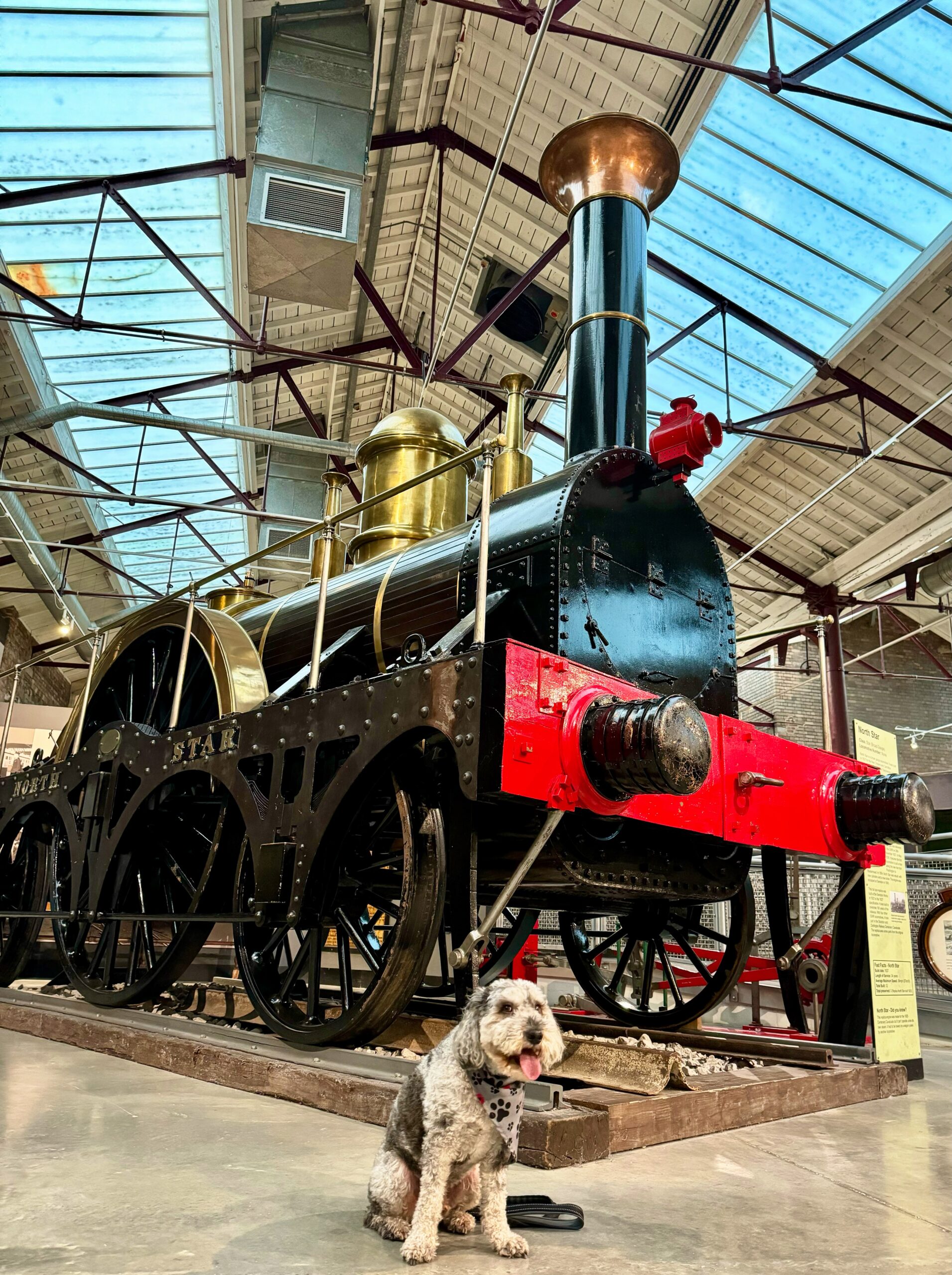
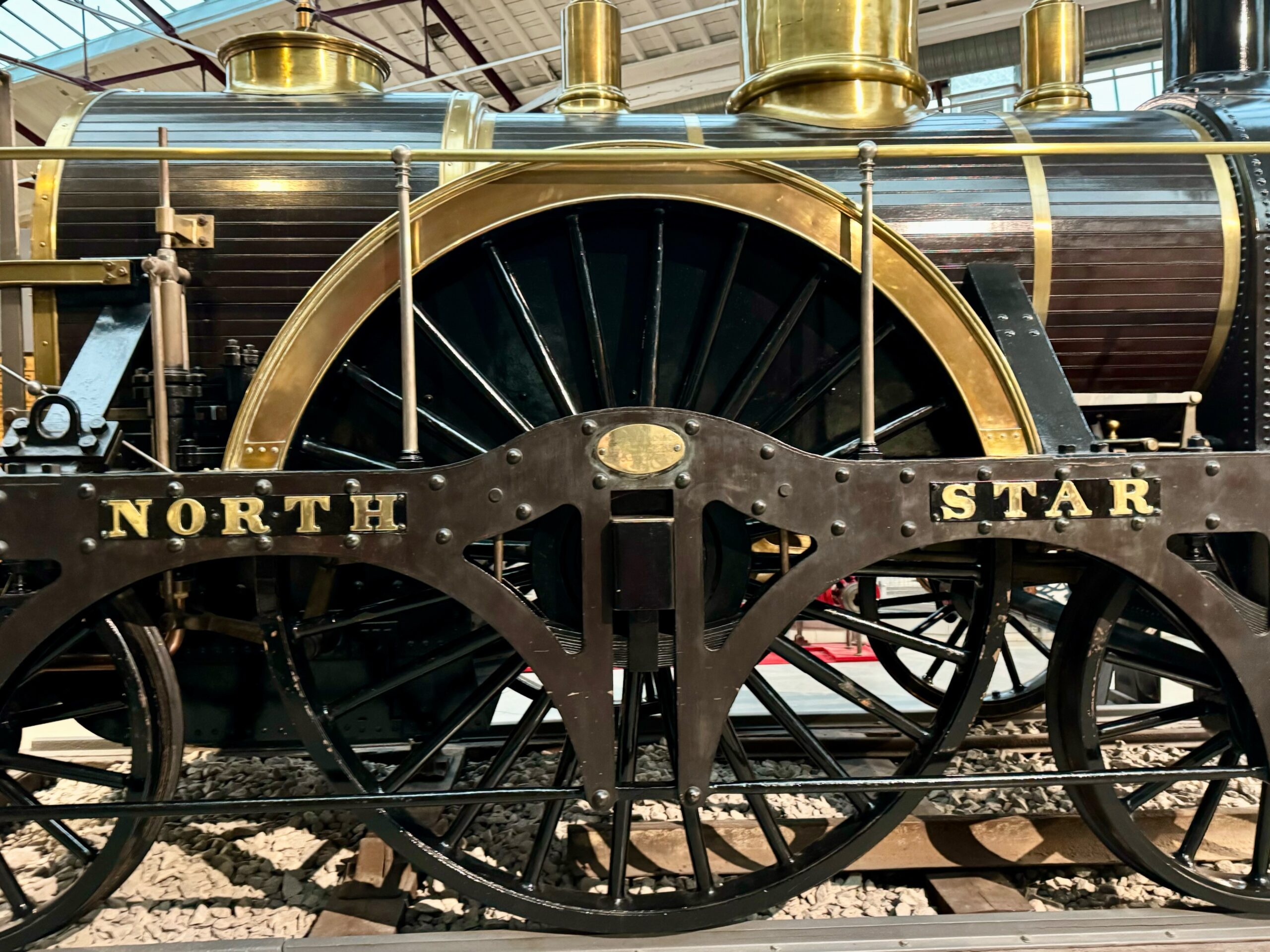
Replica of broad gauge engine ‘North Star‘
Yoshi with the replica of broad gauge engine ‘North Star’ – 11/11/2023
North Star is a broad gauge locomotive, built in 1837 for the New Orleans and Carrollton Railroad in the USA by Robert Stephenson and Company.
Replica of broad gauge engine ‘North Star’Replica of broad gauge engine ‘North Star’
The full size replica on display at STEAM was built at Swindon Works in 1926 to the 1837 specification. It was built to celebrate 100 years of the railways. The replica uses some parts from the original locomotive.
2301 Class 0-6-0 No 2516 Dean Goods
2301 Class 0-6-0 No 2516 Dean Goods – 11/11/2023
William Dean, Chief Locomotive Engineer at Swindon Works 1877 – 1902, designed the Dean Goods Class of locomotives. The first locomotive of the class was built in 1883 at Swindon.
During the First World War, 62 of these locos were sent to France and Salonika (Greece). The engines were lightweight, strong, and reliable, making them ideal for war work. Inexperienced crews also found them easy to drive. During the Second World War, 108 of these locos were requisitioned. Of these, 32 had already seen service during the First World War. Most were sent to France and many were destroyed in the retreat to Dunkirk or used on the French railways by German forces.
No. 2516 was built in 1897. It spent most of its working life taking goods and passengers up and down the GWR branch lines in Mid-Wales before being withdrawn from service in the 1950’s.
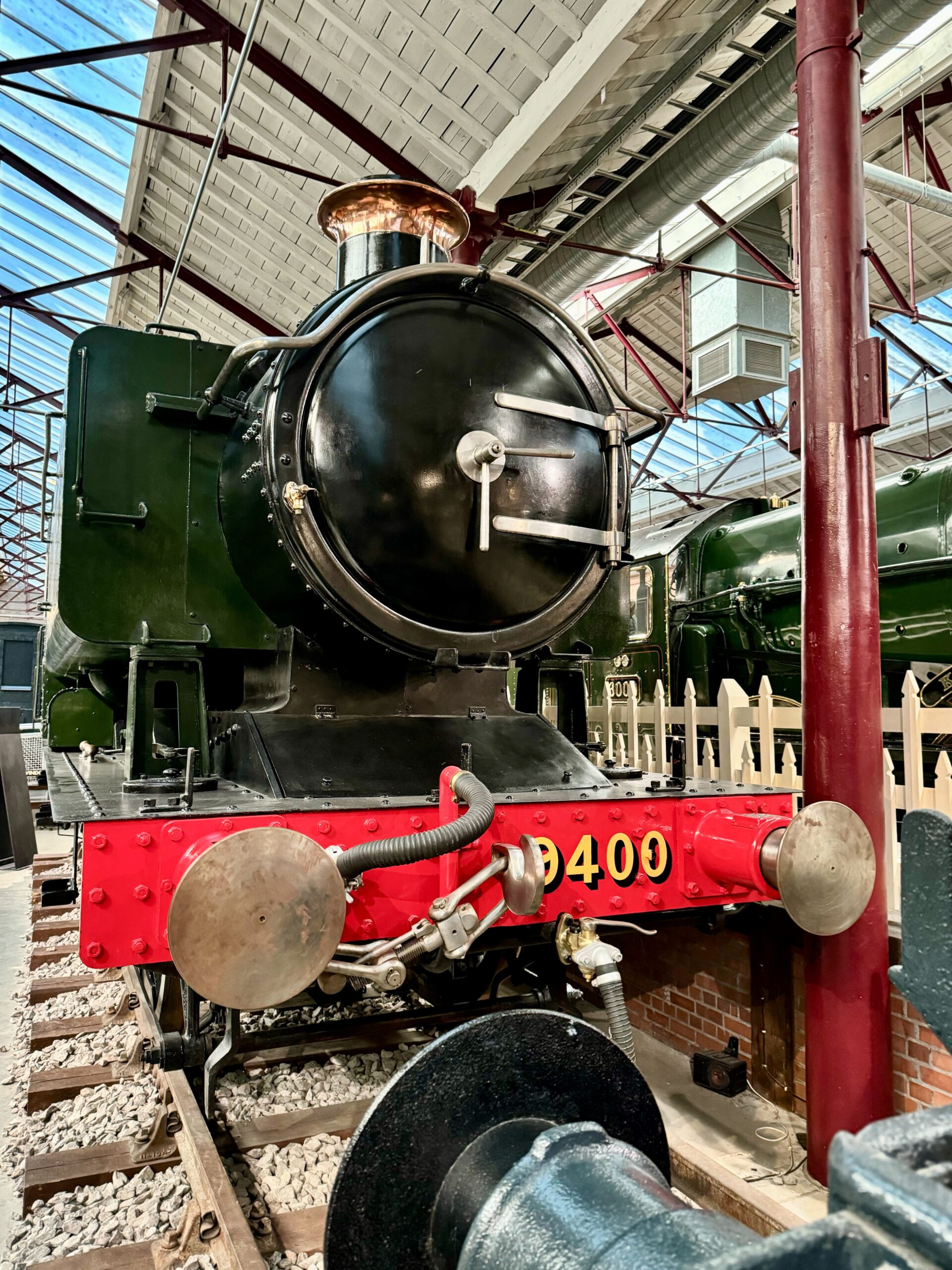
9400 Class 0-6-0T No 9400 Pannier Tank
9400 Class 0-6-0T No 9400 Pannier Tank on display at STEAM – 11/11/2023
Frederick Hawksworth designed the Pannier Tank Locomotives. Hawksworth spent his entire career at Swindon Works. He began as an apprentice in 1905 and rose to become Chief Mechanical Engineer in 1941, before retiring in 1949.
From 1947, GWR built ten Hawksworth Pannier Tan locos at Swindon Works. The loco was called a ‘Pannier Tank’ because the water tanks on either side of the boiler looked like pannier bags carried by horses.
Hawksworth Pannier Tank locos were used all over the rail network for shunting and hauling passenger and goods trains on smaller branch lines. The locos could often be seen taking empty carriages to and from Paddington Station.
In 1947, No 9400 was the first Hawksworth Pannier Tank to be built at Swindon. It was one of the last locos to be built by the GWR before the railways were nationalised in 1948. After nationalisation, private contractors for British Railways built another 200 Hawksworth Pannier Tanks. By 1965, all Hawksworth Pannier Tanks including No. 9400 had been withdrawn from service.
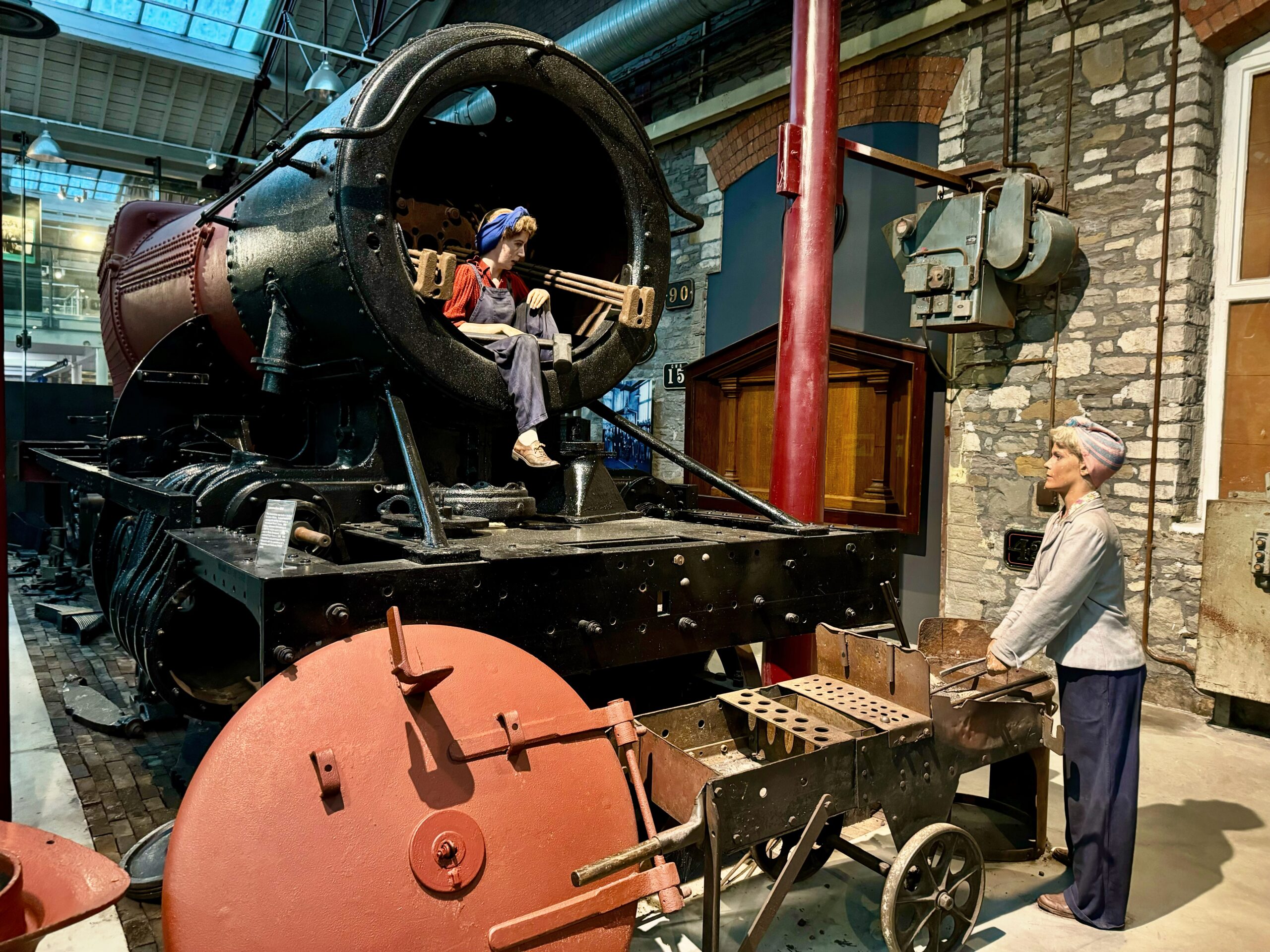
4200 Class 2-8-0T 4248 (skeleton only)
Diorama featuring 4200 Class 2-8-0T No. 4248 – 11/11/2023
No. 4248 was built in 1916 at Swindon Works. It is one of the 4200 class of 2-8-0 tank engines designed by George Jackson Churchward. No. 4248 spent most of its working life hauling coal trains in and around South Wales. After being withdrawn from service in 1963 the engine spent many years in Barry Scrapyard. It was rescued from there in 1986.
No. 4248 was purchased for the Museum with the support of a Museums and Galleries PRISM grant. The engine has been conserved at STEAM and is on display as if it is a locomotive under construction in the Boiler Shop area of the museum.
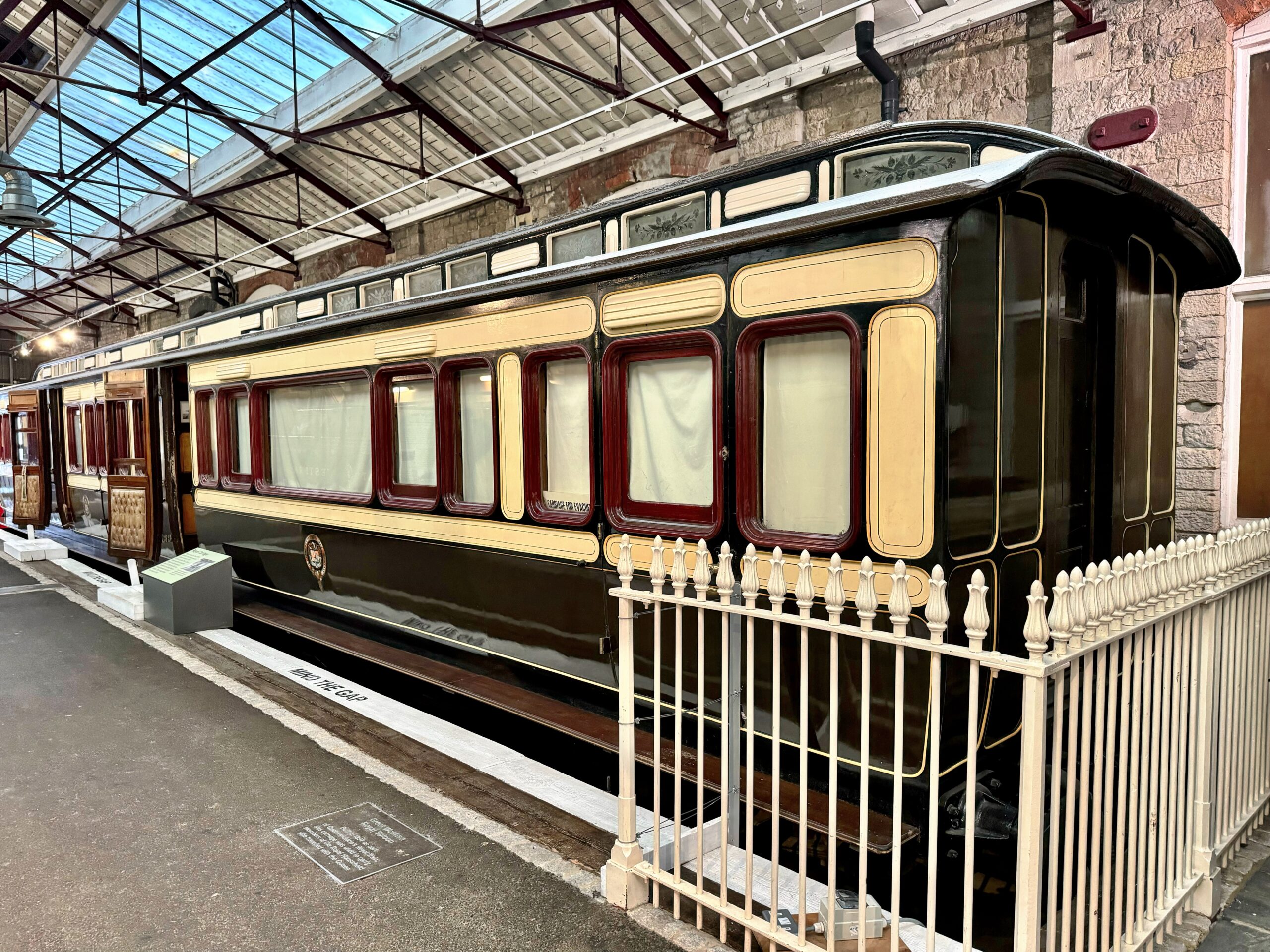
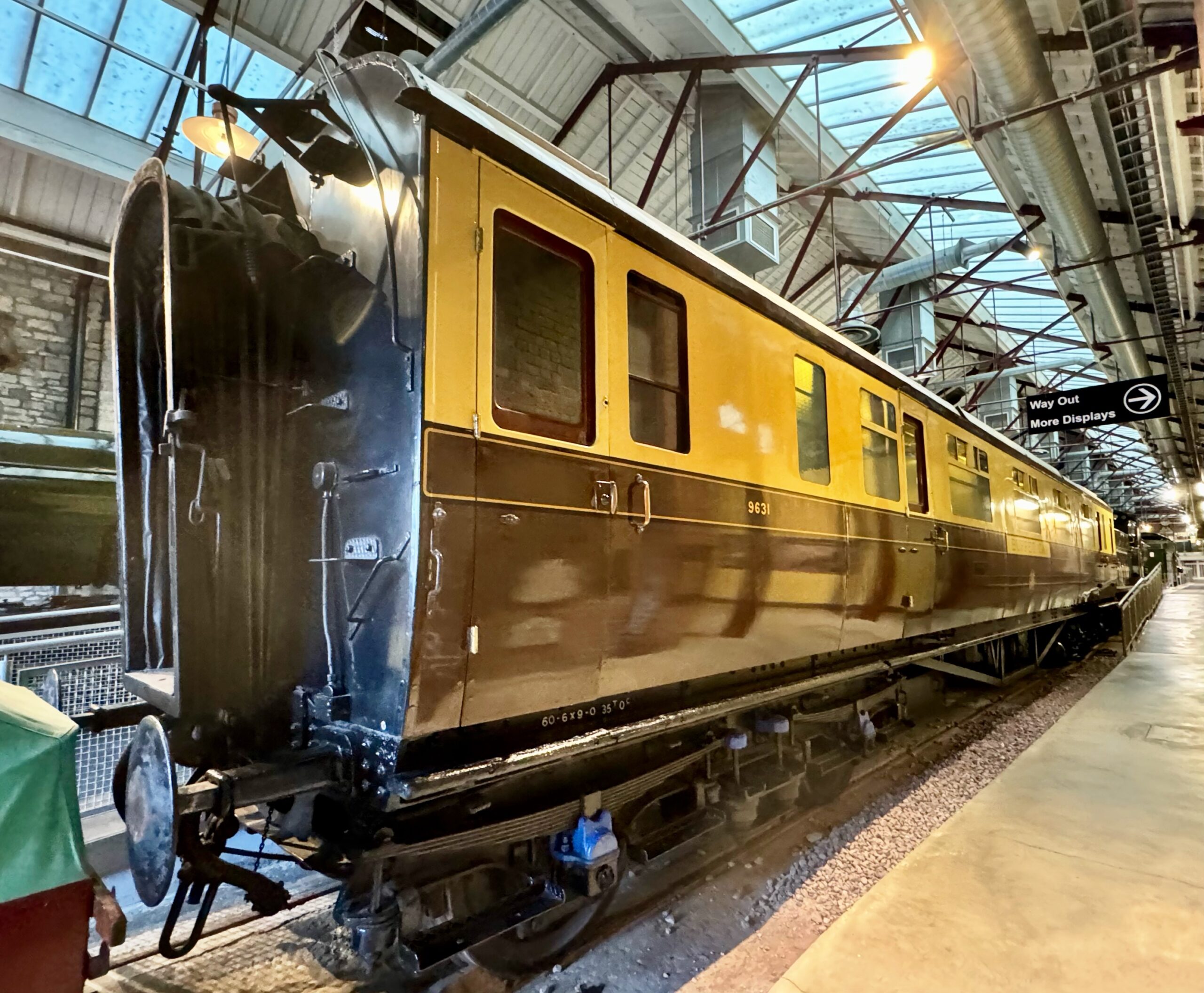
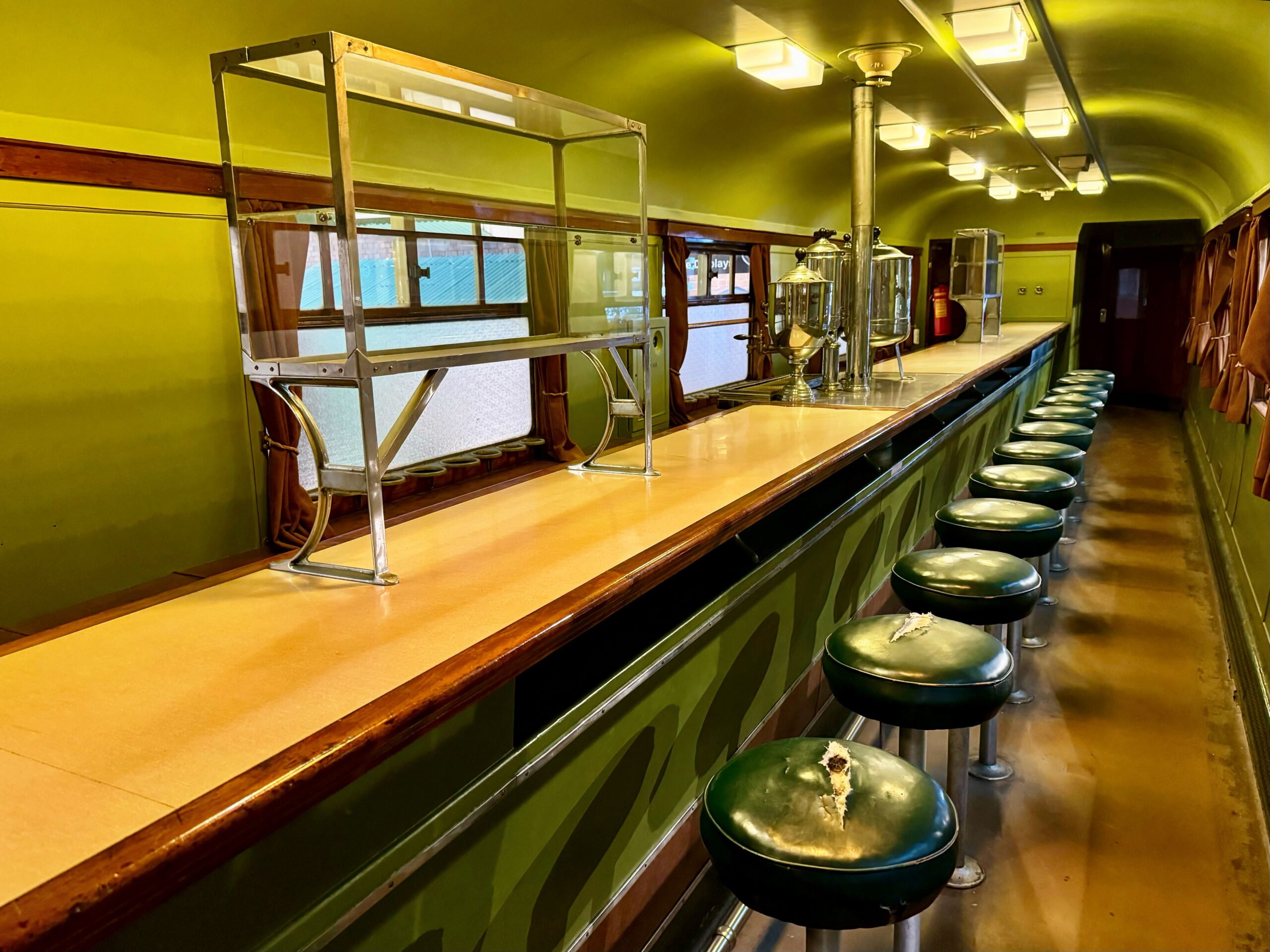
The collection holds a small but varied selection of Great Western rolling stock, which includes Queen Victoria’s Royal Saloon (above) which was built in 1897 and formed part of the Queen Victoria’s Diamond Jubilee train. Another highlight is the beautiful art deco styled Buffet Car No. 9631 built at Swindon in 1934 (below).
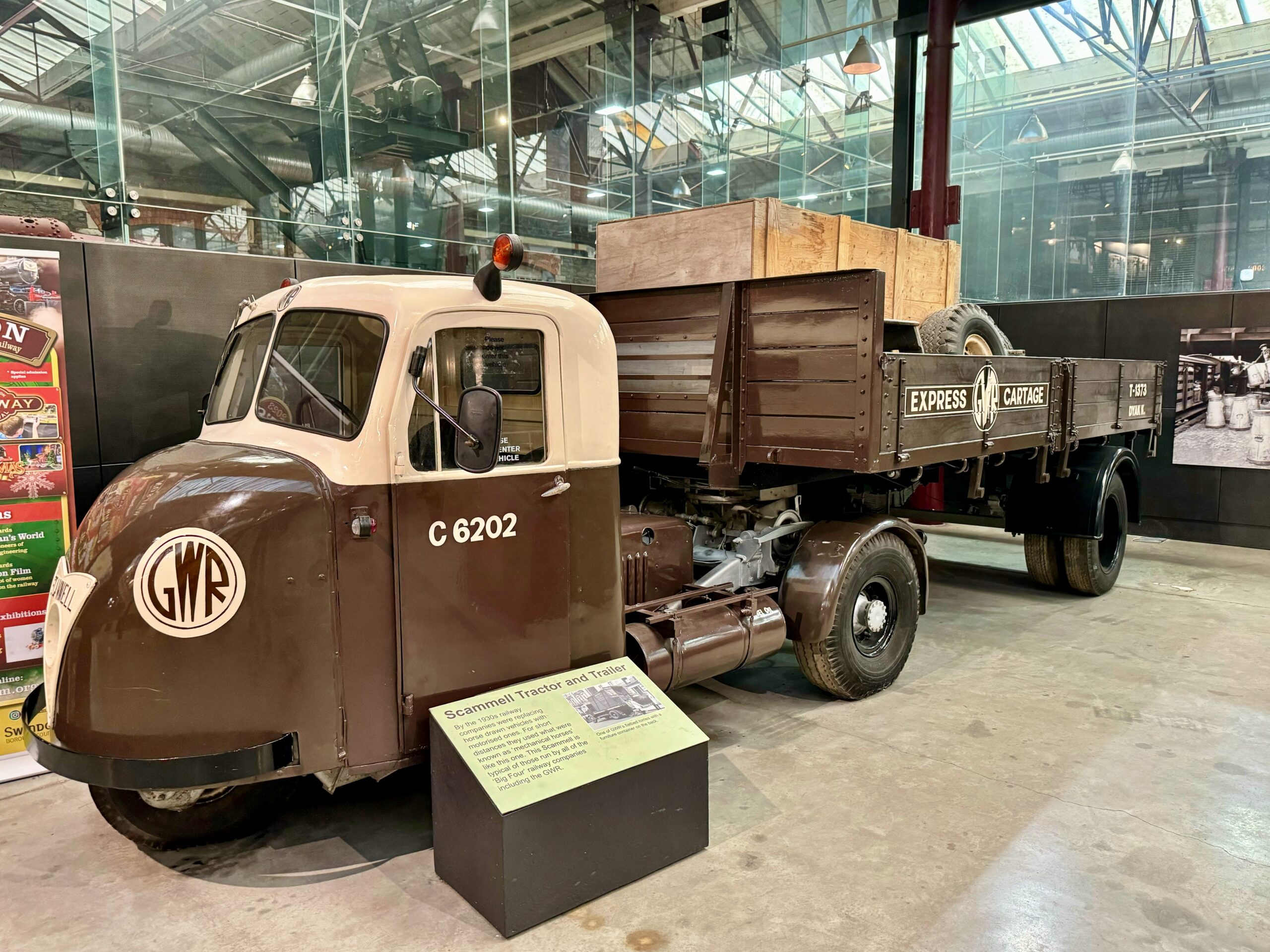
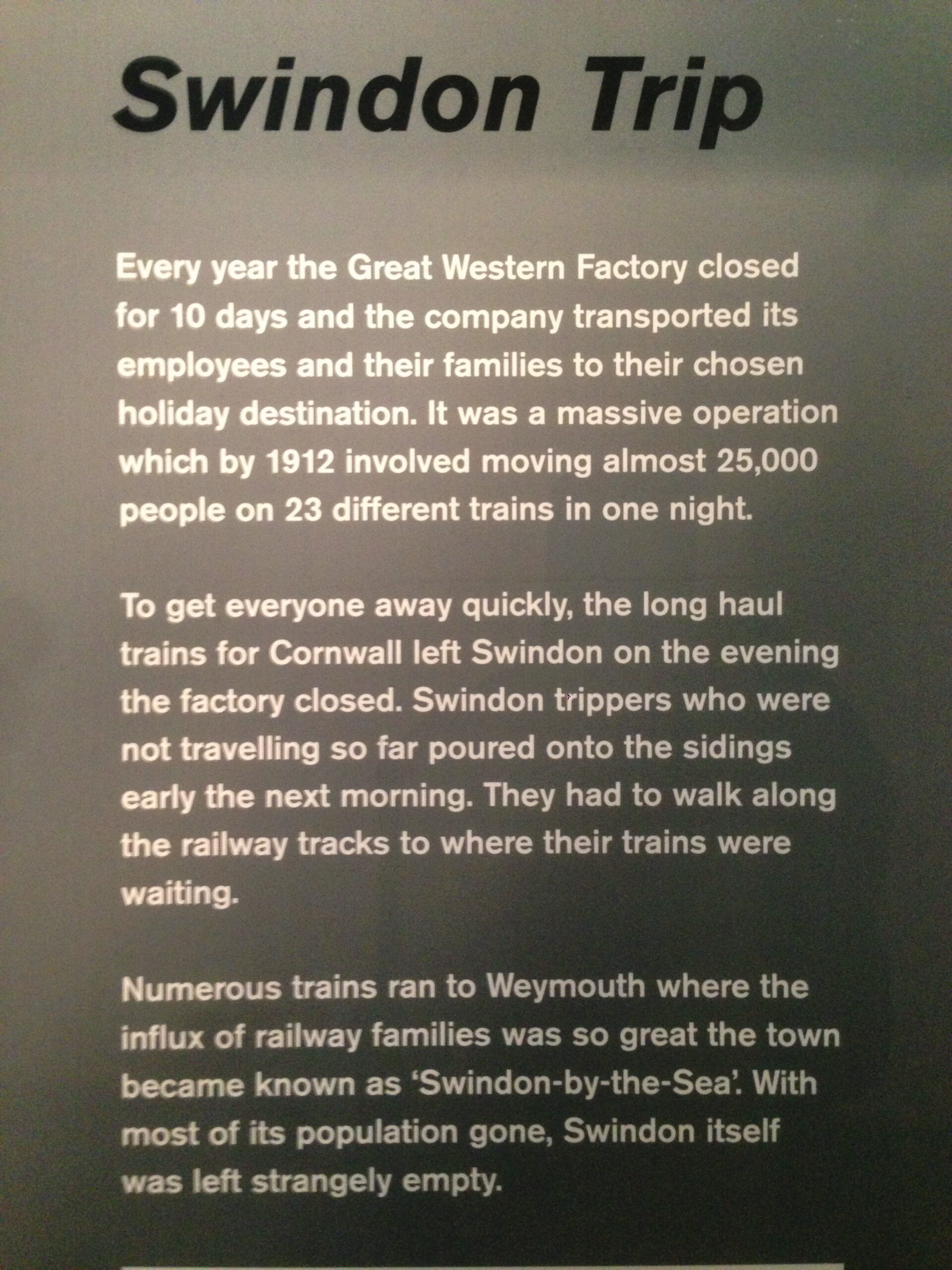
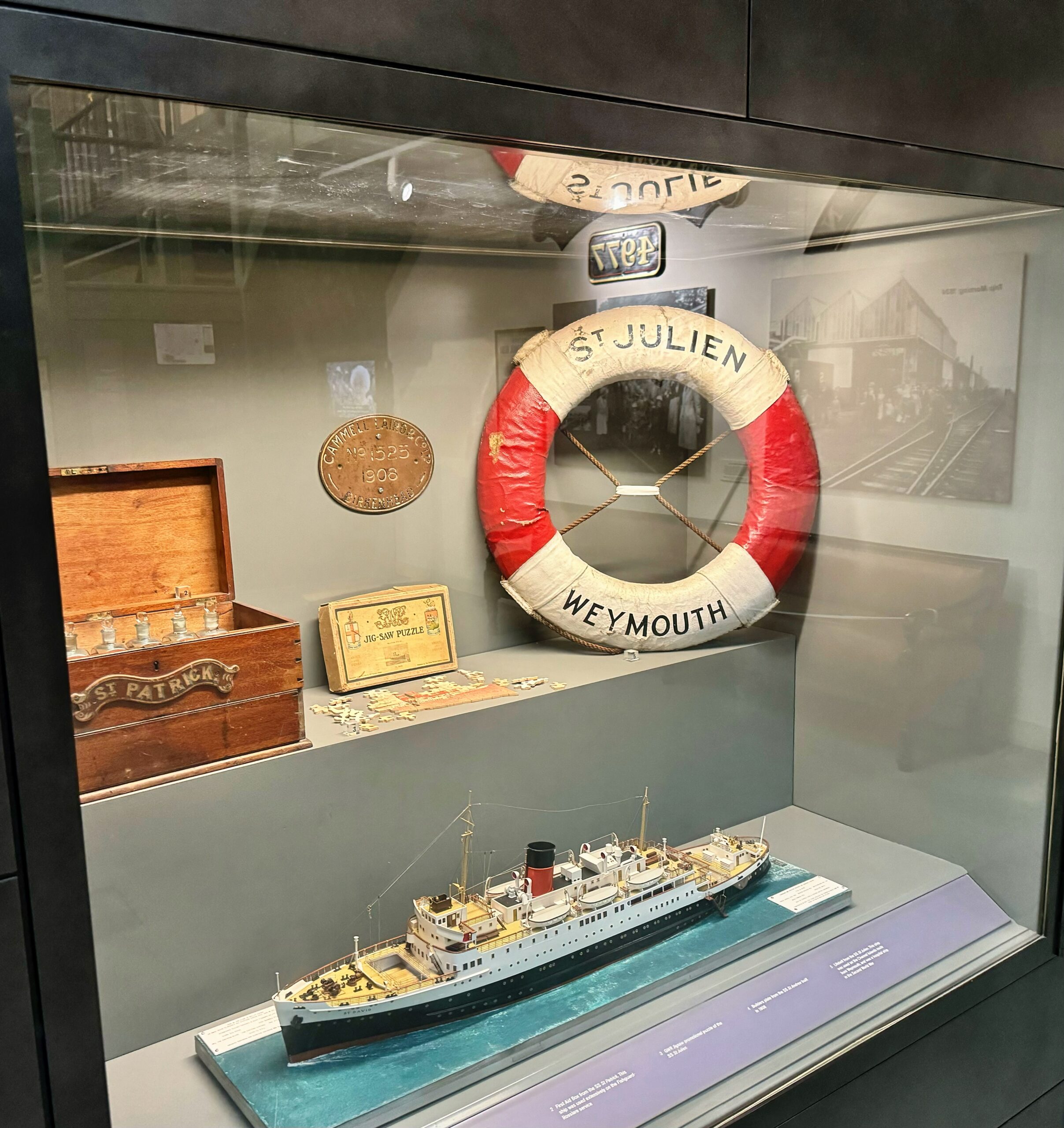
Interior of Buffet Car No. 9631 – 11/11/2023STEAM holds a small collection of road vehicles, ranging from horse drawn carts to motorised vans like this Scammell Tractor and Trailer. Road vehicles were an essential part of Great Western operations and were used in and around Swindon Works, good depots and stations – 11/11/2023 Swindon Trip to Weymouth!Display case showing GWR’s nautical connections – 11/11/2023
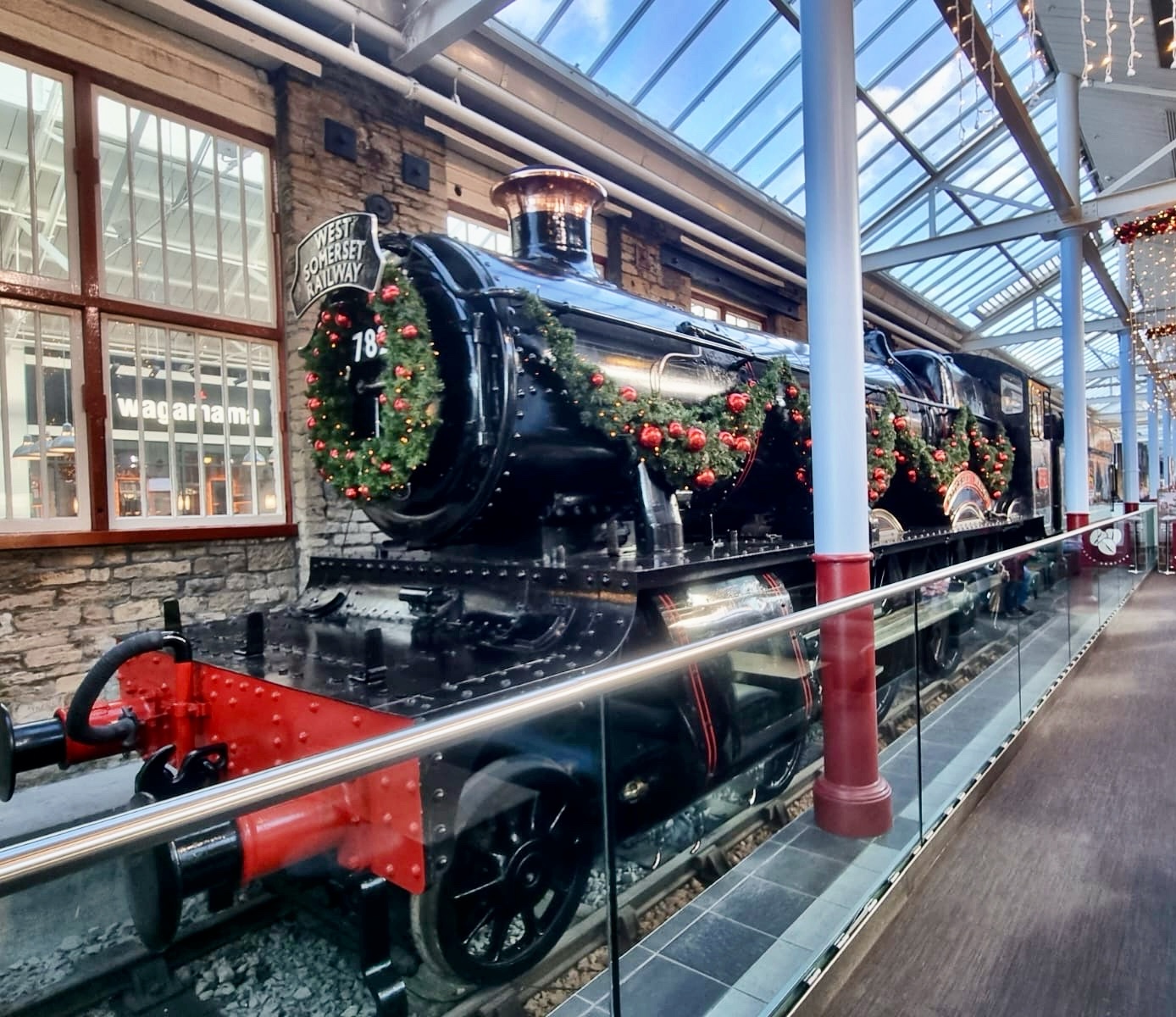
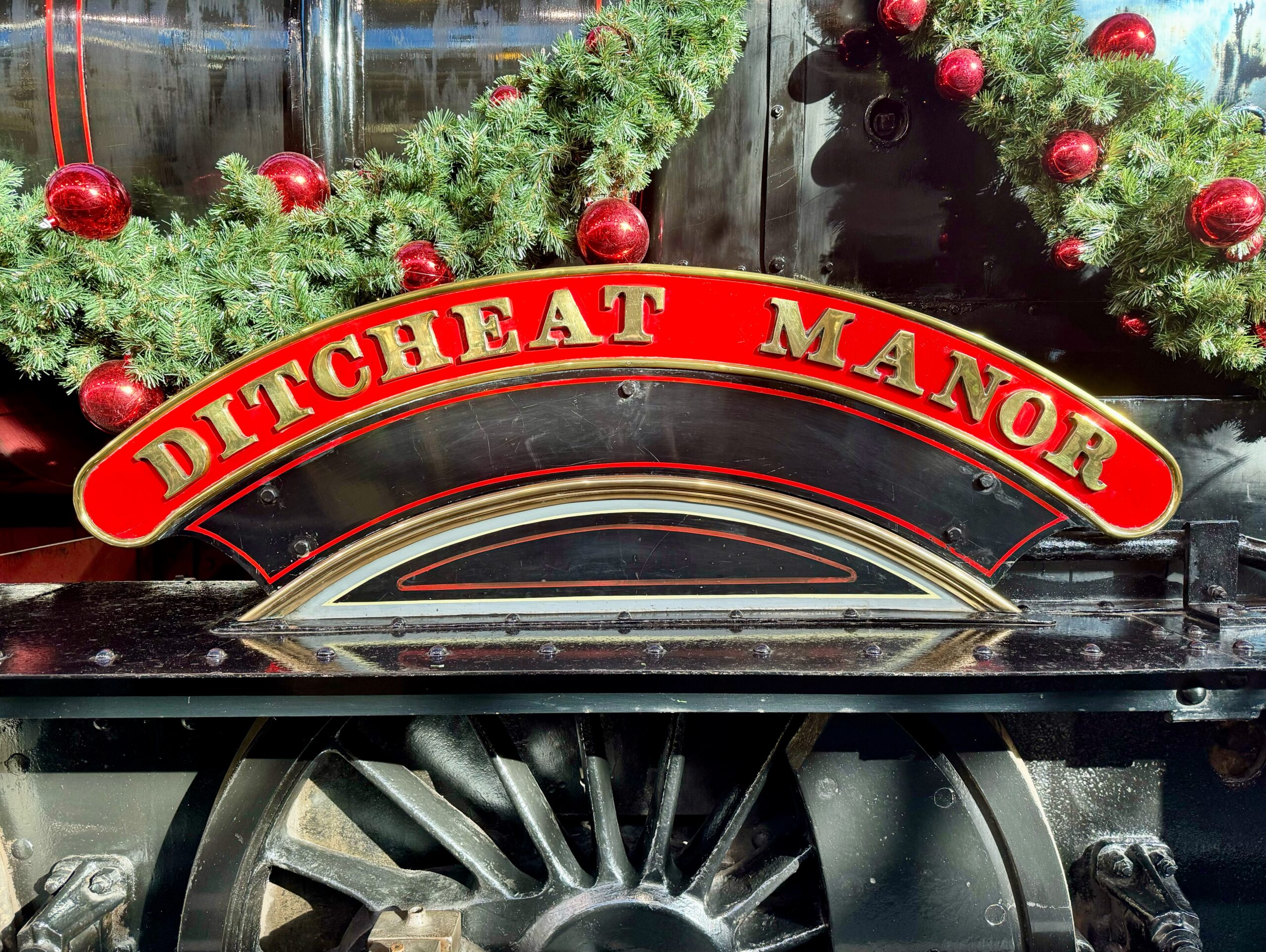
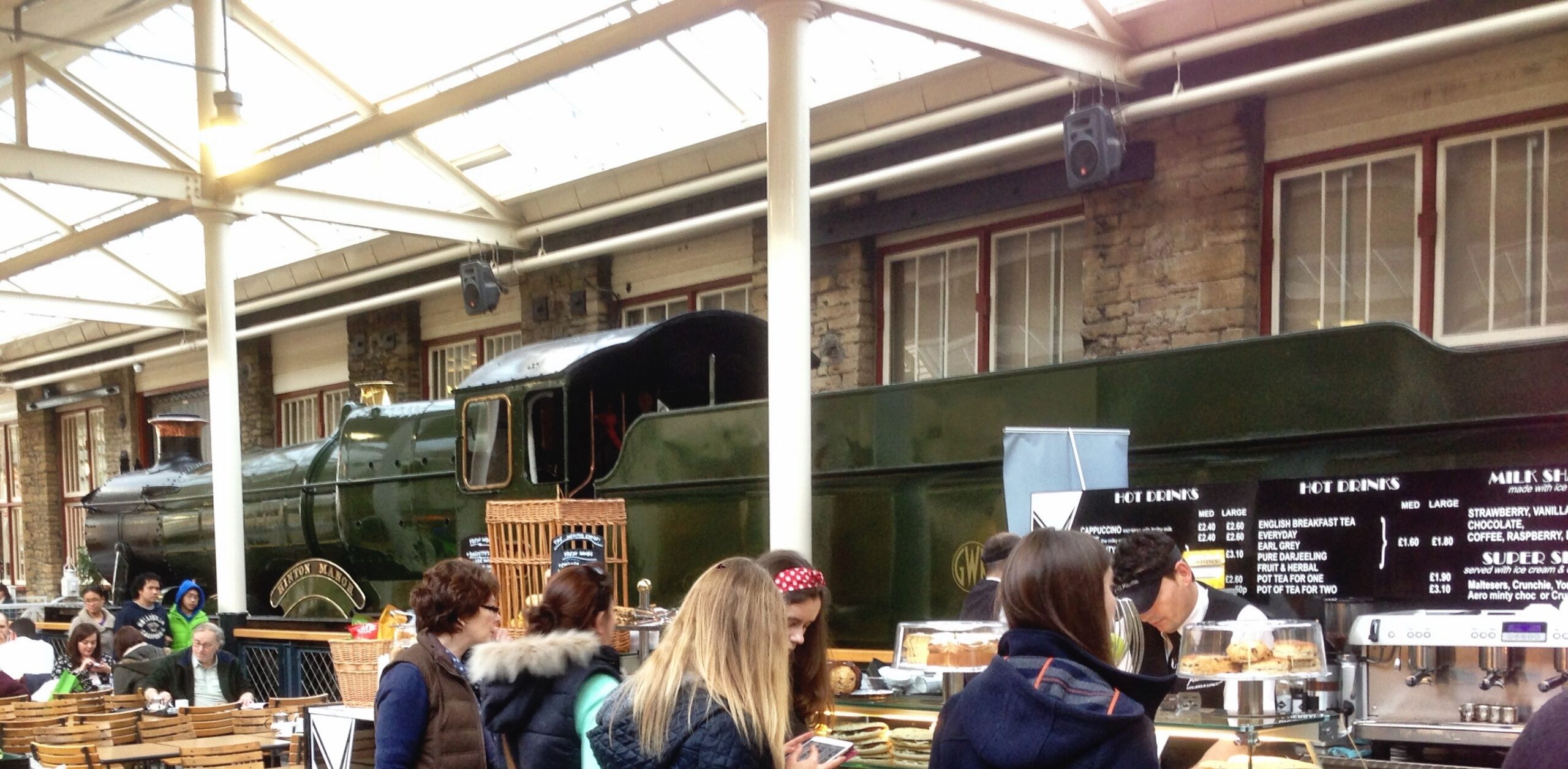
After our visit to STEAM we met up with Caroline who had been exploring the Designer Outlet. The shopping centre is located on the site of the long shop which was once responsible for erecting steam and diesel locomotives. One such example is GWR 7800 Class 4-6-0 No. 7821 ‘Ditcheat Manor’ which has been on display at the Designer Outlet centre since 2018 when she was moved from the STEAM museum taking the place of sister locomotive No. 7819 ‘Hinton Manor’.
GWR 7800 Class 4-6-0 No. 7821 ‘Ditcheat Manor’ at Swindon Designer Outlet – 11/11/2023 (CS)Nameplate of GWR 7800 Class 4-6-0 No. 7821 ‘Ditcheat Manor’ GWR 7800 Class 4-6-0 No. 7819 ‘Hinton Manor’ at the Swindon Designer Outlet. The locomotive returned to the Severn Valley Railway in August 2018 – 20/02/2014GWR 7800 Class 4-6-0 No. 7819 ‘Hinton Manor’ at the Swindon Designer Outlet – 20/02/2014GWR 7800 Class 4-6-0 No. 7821 ‘Ditcheat Manor’ when she was resident within STEAM museum – 20/02/2014
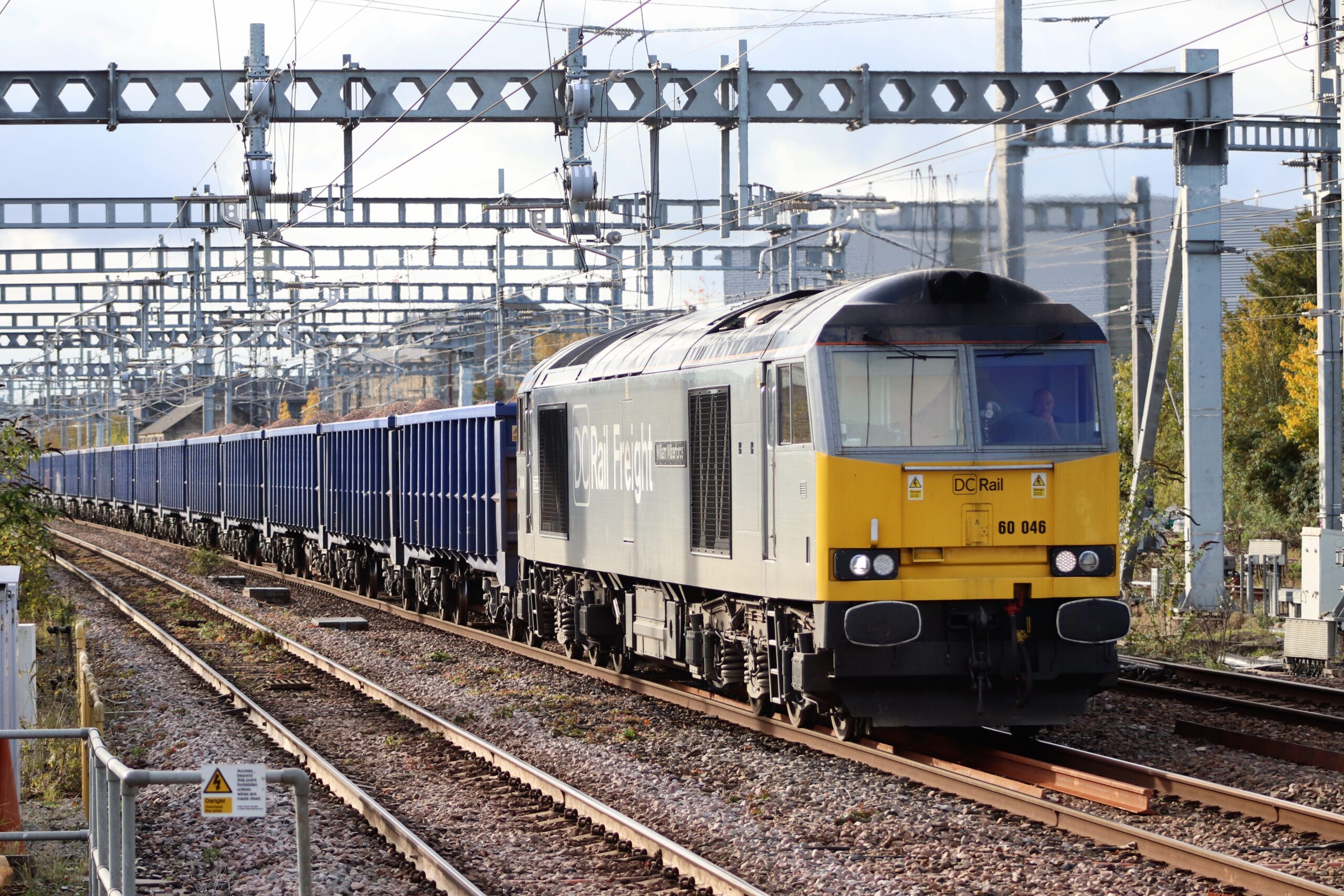
My next port of call was destined to be Swindon railway station as I was hoping to see and photograph Colas Class 67’s working the Cheltenham to Swindon Transfer Sidings RHTT. However a rare failing on behalf of Google maps, which directed us to the wrong car park, combined with the early running of the class 67’s meant I missed this particular working by a very thin margin. However, this was more than compensated by the DCR Class 60 which worked through the station on a Tytherington to Willesden DC Rail Sidings freight shortly after I arrived on the platform.
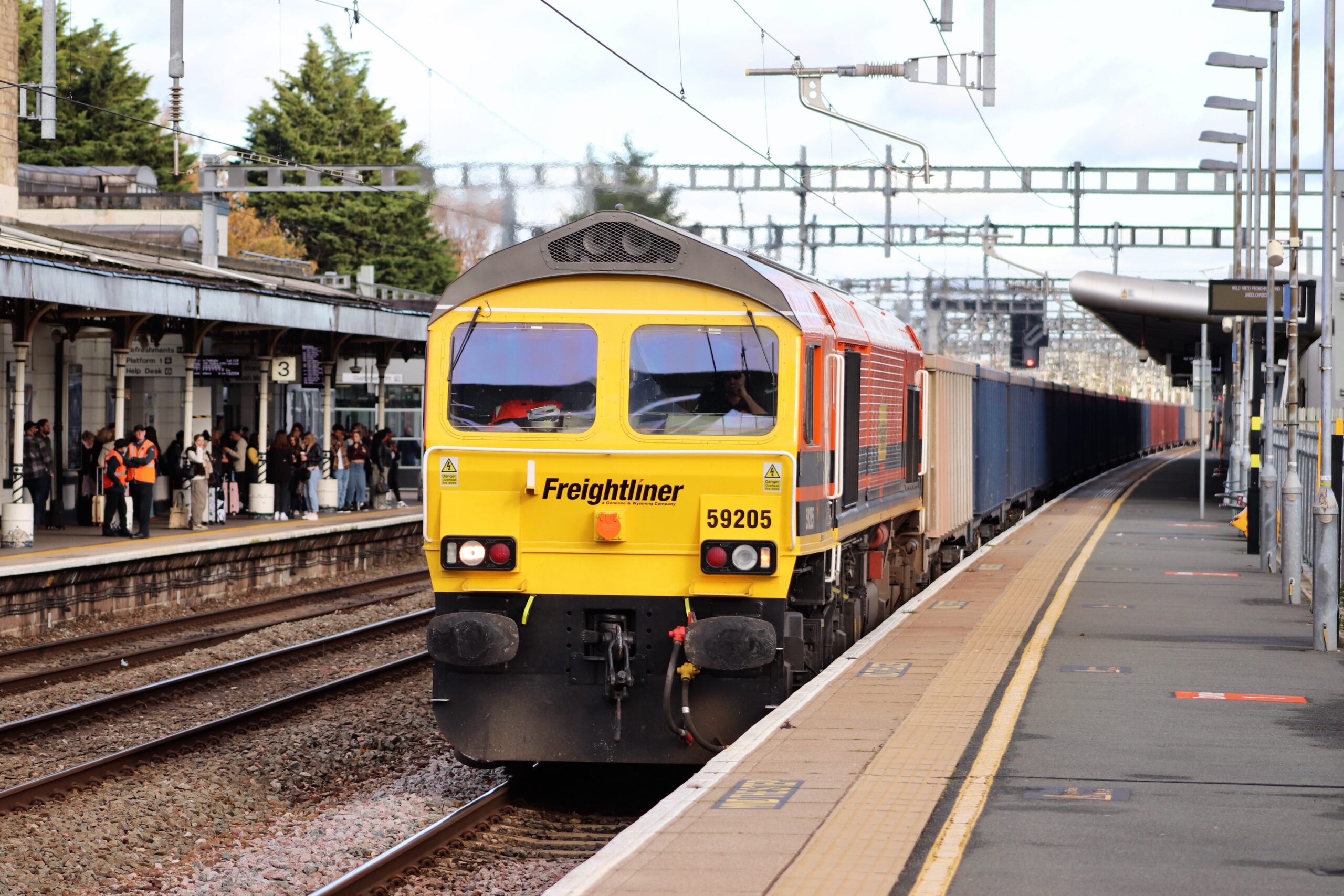
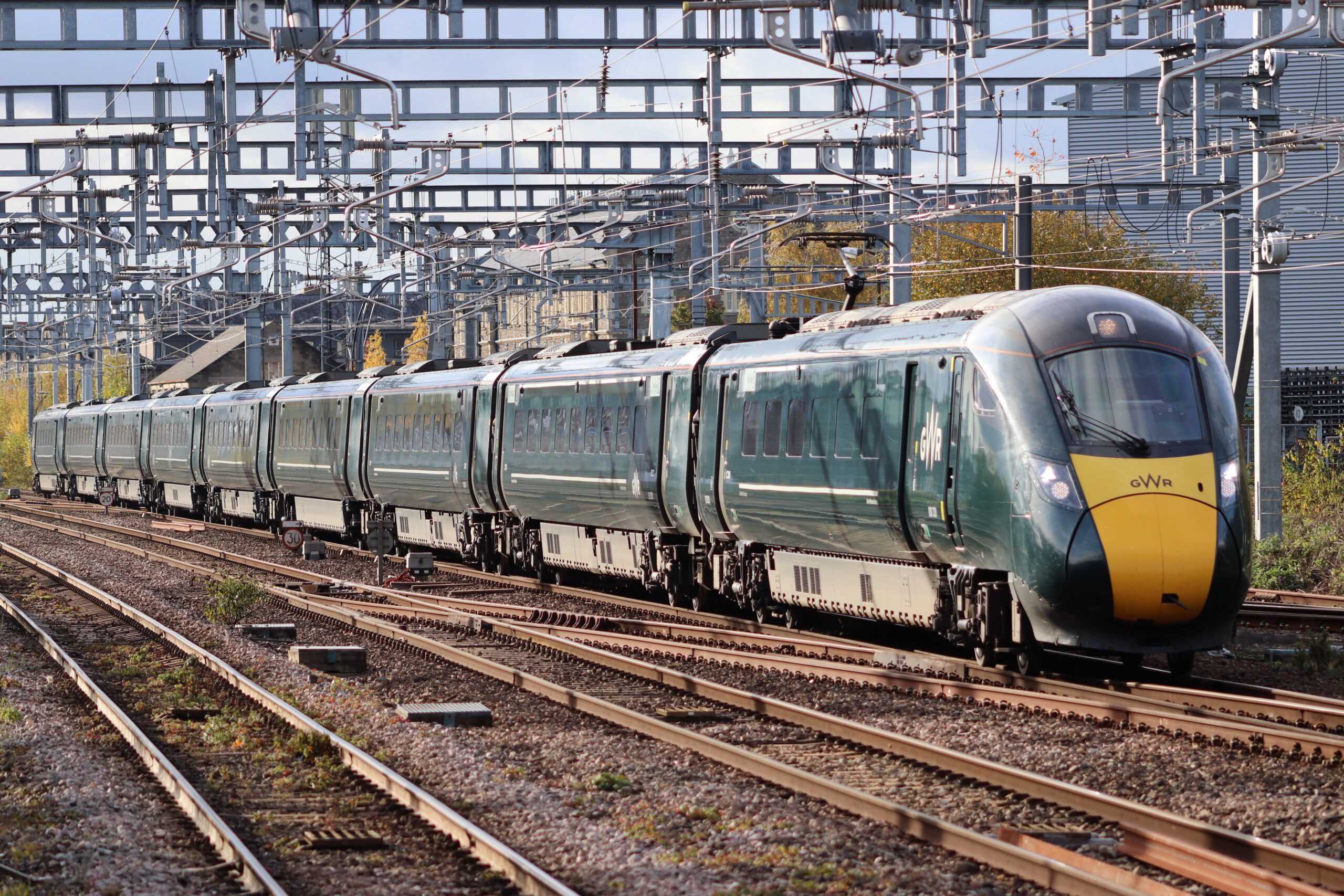
Swindon railway station opened in 1842. Until 1895, every train stopped here for at least 10 minutes to change locomotives. Swindon station hosted the first recorded railway refreshment rooms, divided by class – even the King and Queen of the time took refreshments there – 11/11/2023GWR Class 387157 (with 387167) ready to depart Swindon platform 4 working 1B14 1213 London Paddington to Cardiff Central -11/11/2023Freightliner Class 59 No. 59205 ‘L Keith McNair’ thunders through Swindon working 6C48 1147 Appleford Sidings Freightliner Heavy Haul to Whatley Quarry Freightliner Heavy Haul – 11/11/2023DCR Class 60 No. 60046 working east on the approach to Swindon at the head of 6Z52 10:20 Tytherington to Willesden DC Rail Sidings – 11/11/2023Colas Class 66 No.’s 66848 & 66850 ‘David Maidment OBE www.railwaychildren.org.uk’ on the approach to Swindon railway station working 3S59 09:00 Hereford to Swindon Transfer Yard Rail Head Treatment Train – 11/11/2023GWR IET No. 800320 working 1A20 1132 Taunton to London Paddington nears Swindon – 11/11/2023
Video from Swindon – 11/11/2023
The following day we were off to the Isle of Wight to celebrate our friends 50th Wedding Anniversary in Ryde. We chose to leave the car on the mainland and take the hovercraft from Southsea over to the island. The Hovertravel crossing takes a speedy ten minutes.
Griffon 1200TD Hovercraft GH-2160 ‘Solent Flyer’ in service with Hovertravel arrives at the Southsea HoverPort – 12/11/2023
As we arrived into Ryde, I noticed a number of the railway orange army on the pier. Trains that run to Ryde Pier Head station are currently out of action following extensive damage from Storm Ciarán. The Island Line between Ryde Pier Head and Ryde St Johns Road has been closed since the bad weather on 2nd November and engineers are working to reopen the line. South Western Railway (SWR) hope to have trains running on the pier section again by 20th November. Meanwhile, a minibus service is running between Ryde St Johns Road and Ryde Pier Head to allow passengers to connect with ferries.
The rail line had a £26m upgrade in 2021 which saw Island Line’s old 1938 tube trains replaced by refurbished London Underground District Line trains, and its tracks and platforms upgraded. You can revisit our 2022 IoW trip here
The line remains open between between Ryde St Johns Road and Shanklin with two trains per hour running. On our way to the Wedding Anniversary party, we took a slight detour to see SWR Class 484 No. 484002 depart Ryde St Johns Road with a lunchtime service to Shanklin.
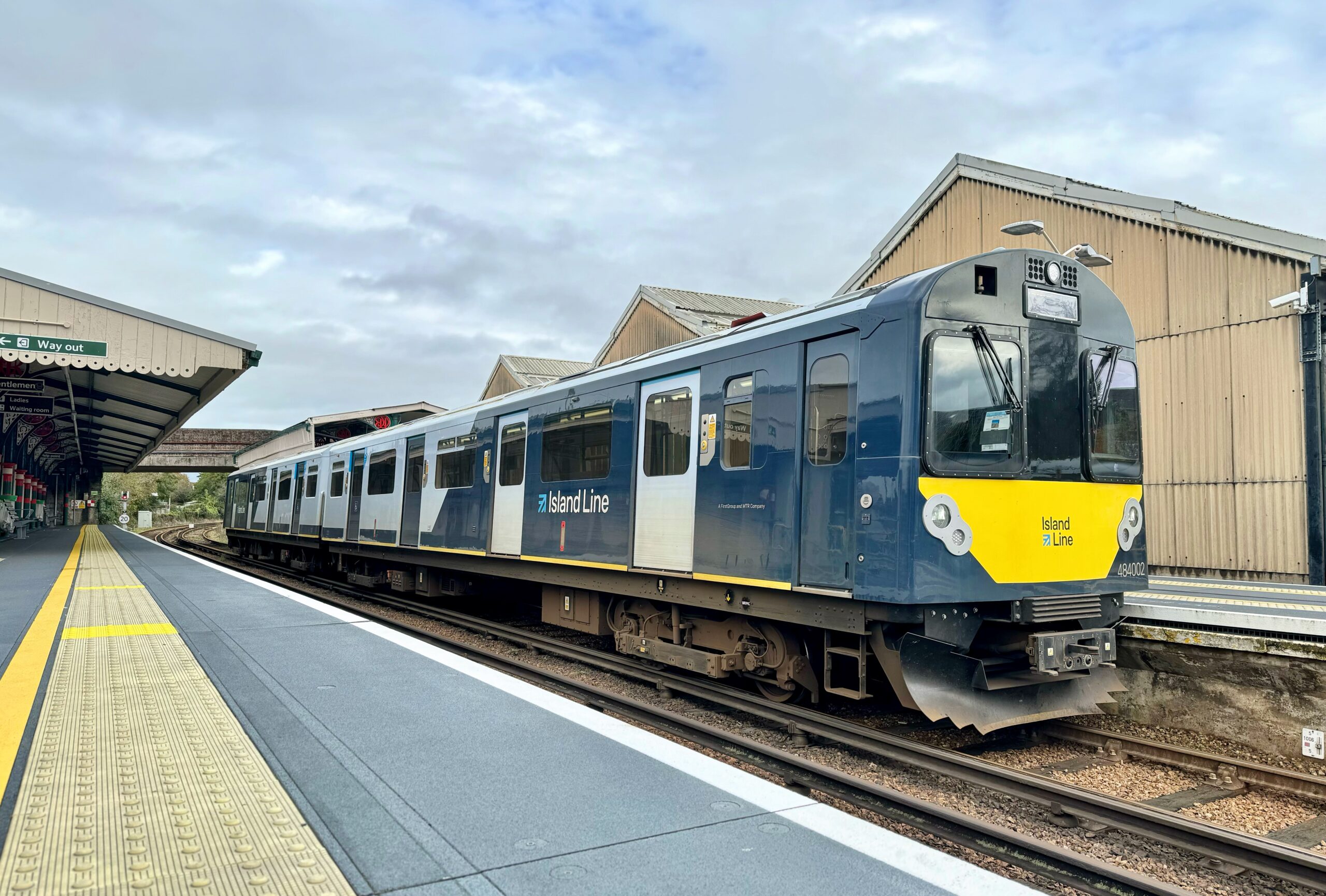
SWR Class 484 No. 484002 awaits departure from Ryde St Johns with the 2D33 1332 service to Shanklin -12/11/2023Class 484 units No.’s 484003 and 484005 at Ryde depot – 12/11/2023SWR Class 484 No. 484002 ready for the off from Ryde St Johns with the 2D33 1332 service to Shanklin -12/11/2023
Isle of Wight – 12/11/2023
For The Record:
The New Measurement Train visited North Dorset on 16th November with High Speed Train Class 43 power cars No.’s 43013 and 43277 running as 1Q23 0556 Reading to Salisbury.
Network Rail has confirmed the successful completion of the first phase of works in a wider half a million-pound project to improve reliability on the mainline between Yeovil Junction and Axminster. A five day closure, which was announced at the end of last month, saw key upgrades carried out by engineers who worked day and night at four different sites and included works to stabilise the cutting at Crewkerne tunnel in Somerset following a landslip in October 2021. New drainage and specialist six metre long nails were installed into the earth just outside the tunnel entrance to help lessen the impact of heavy rainfall.
The second phase of the project will see a 16 day closure from Saturday 25th November to Sunday 10th December between Salisbury and Yeovil Junction, when approximately 0.3 miles of track on platform one at Gillingham in Dorset will be replaced and works to stabilise the ground by Gillingham tunnel will be carried out. A further 0.8 plus miles of track will be replaced between Tisbury, in Wiltshire’s Nadder Valley and Sherborne in Dorset and vegetation between Tisbury and Gillingham will be cleared. Maintenance work at the Wyley and Castleton level crossing is also planned. Rail replacement services will run during the two-week line closure.
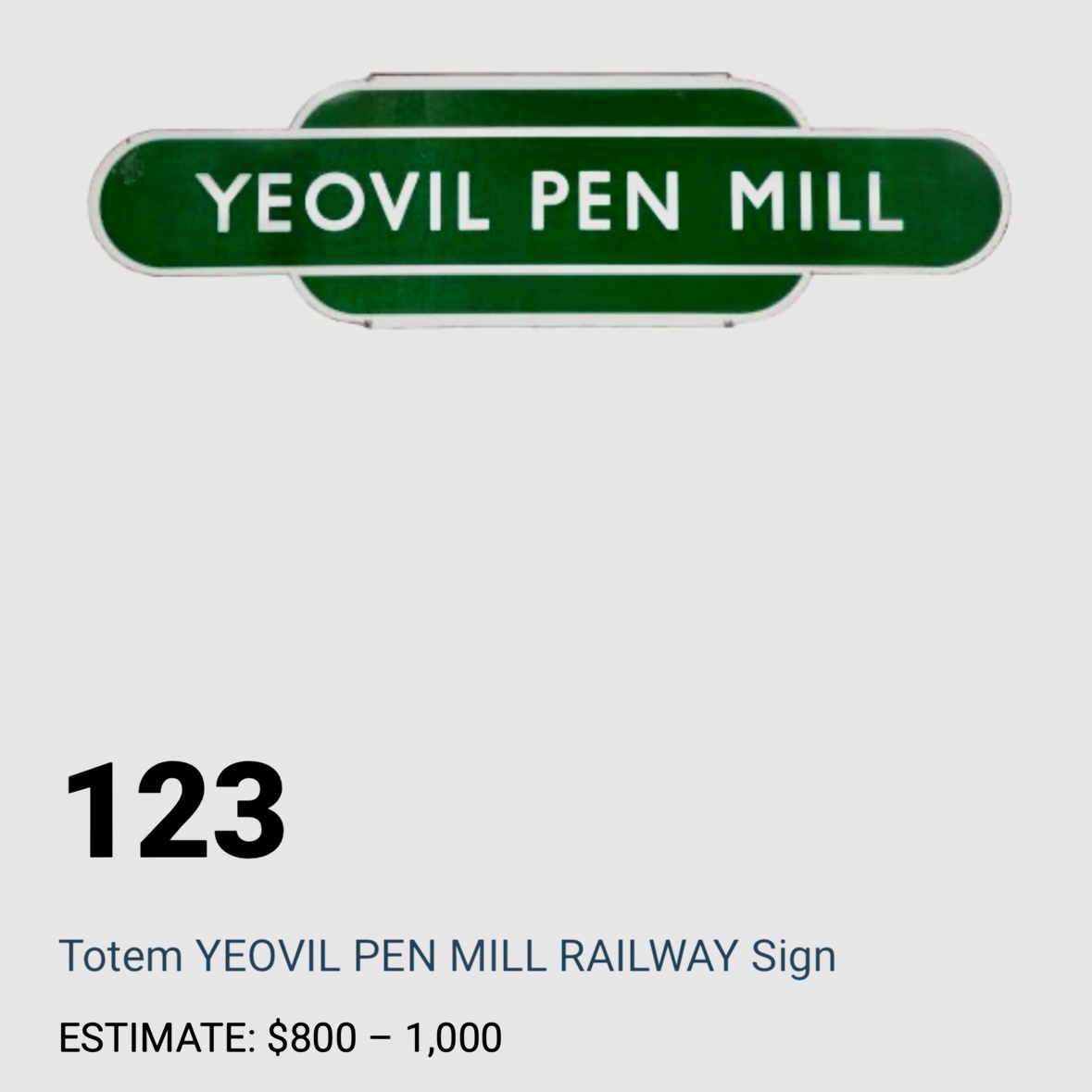
A British Railways half-flanged green and white enamel steel Yeovil Pen Mill station totem is up for online auction on Thursday November 30th with Leonard Auction
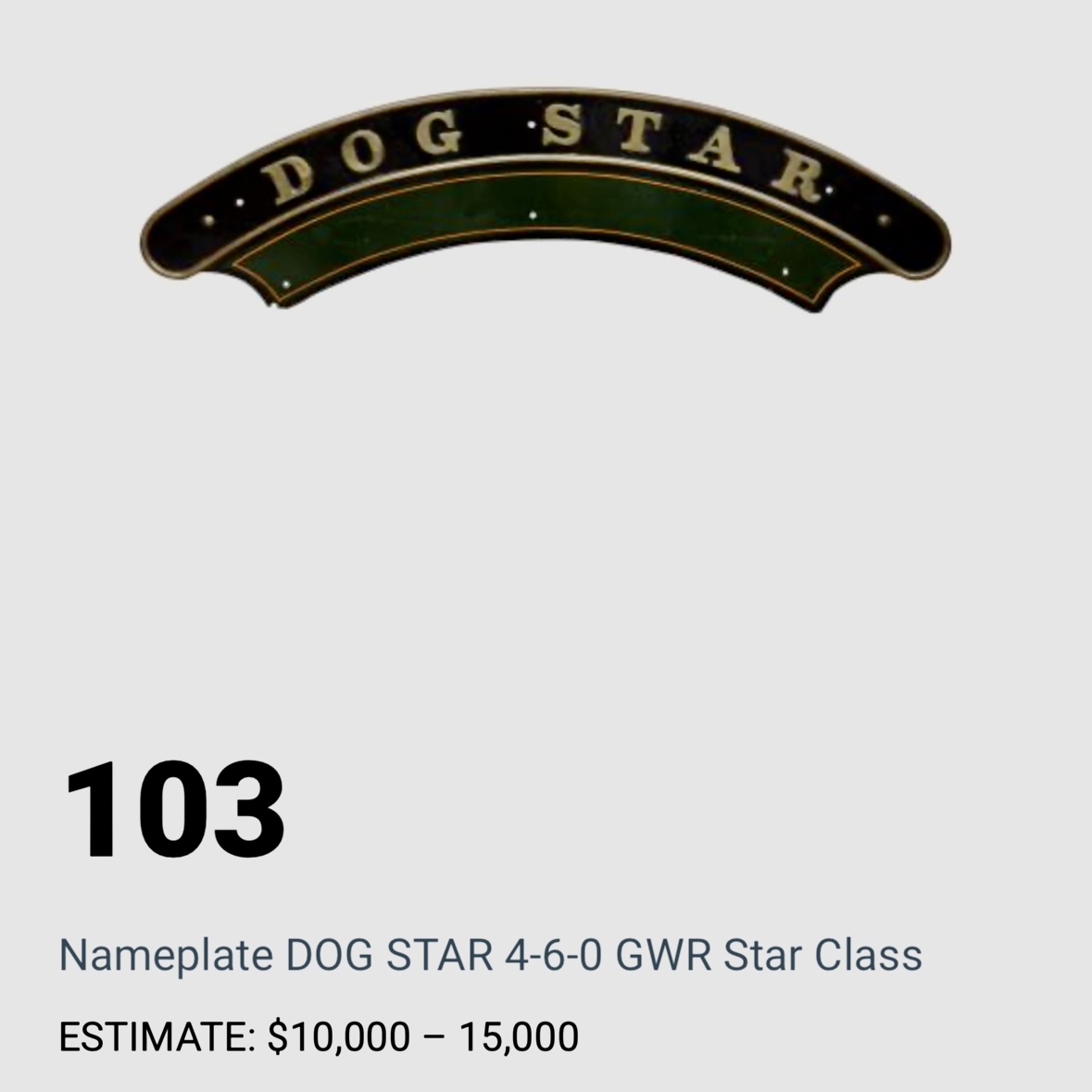
We rather like this nameplate too!
Class 153 DMU Network Rail Video Inspection Unit No. 153385 ran to Bournemouth on Friday 17th November 2023 as 2Q34 0942 Eastleigh East Yard to Eastleigh East Yard. I was picking Yoshi up from the groomer, so missed it!
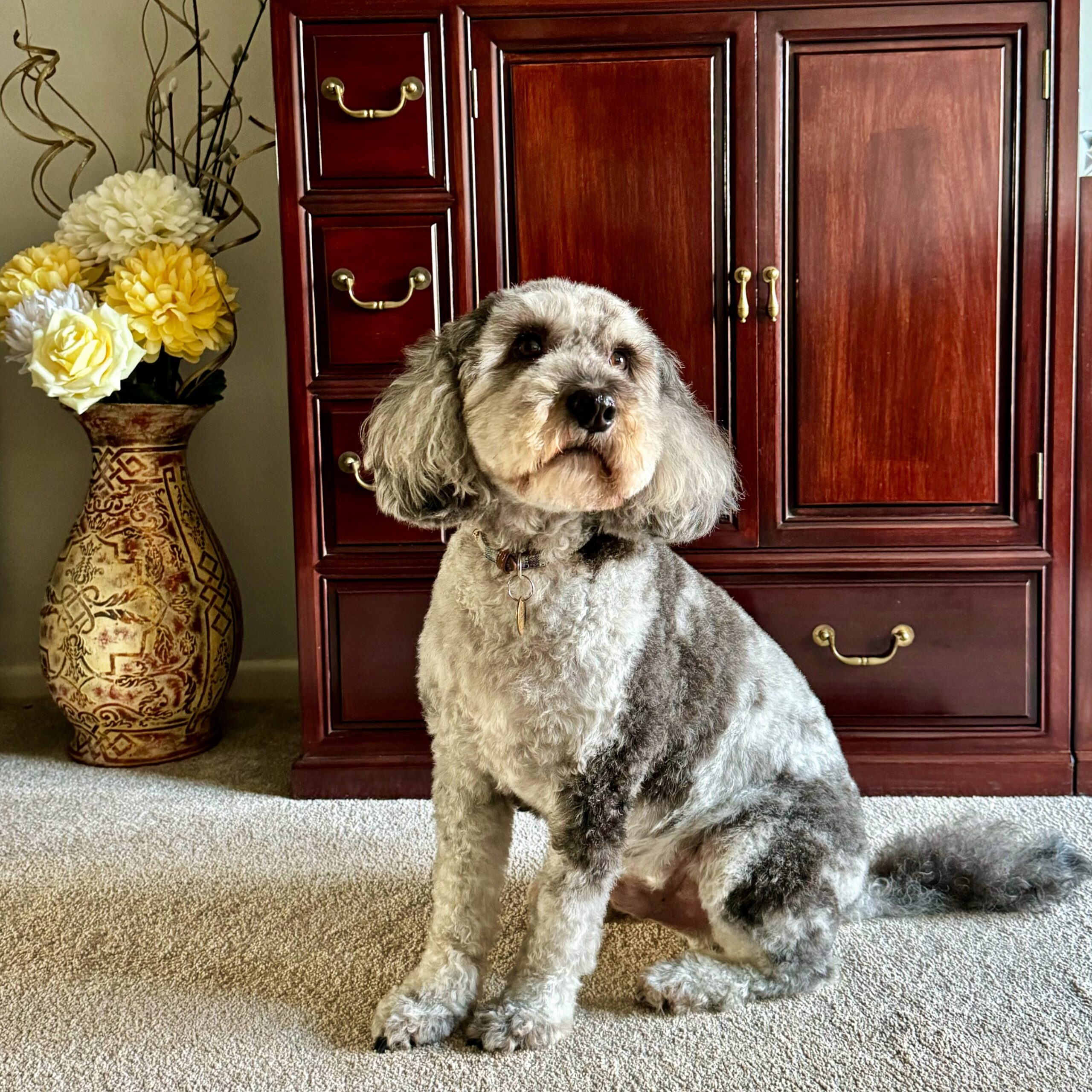
Class 153 DMU Network Rail Video Inspection Unit No. 153385 at Eastleigh in 2022 – 06/03/2022Yoshi back from the groomer. Better than a Class 153! – 17/11/2023
ASLEF, the train drivers’ union have set dates for further strikes. In a change to previous industrial action, the strikes will be across a whole week split on different days affecting different Train Operating Companies (TOC’s). Union members will walk out at East Midland Railway and LNER on Saturday 2 December; at Avanti West Coast, Chiltern, Great Northern Thameslink, andWest Midlands Trains on Sunday 3 December; at C2C and Greater Anglia on Tuesday 5 December; at Southeastern, Southern/Gatwick Express, South Western Railway main line, South Western Railway depot drivers, and Island Line on Wednesday 6 December; at CrossCountry and Great Western Railway on Thursday 7 December; and at Northern andTransPennine Trains on Friday 8 December.
You’ve made it to the end of this blog entry, there are no prizes, but well done and thank you for reading. We’ll be back soon. Be seeing you!
Postscript:
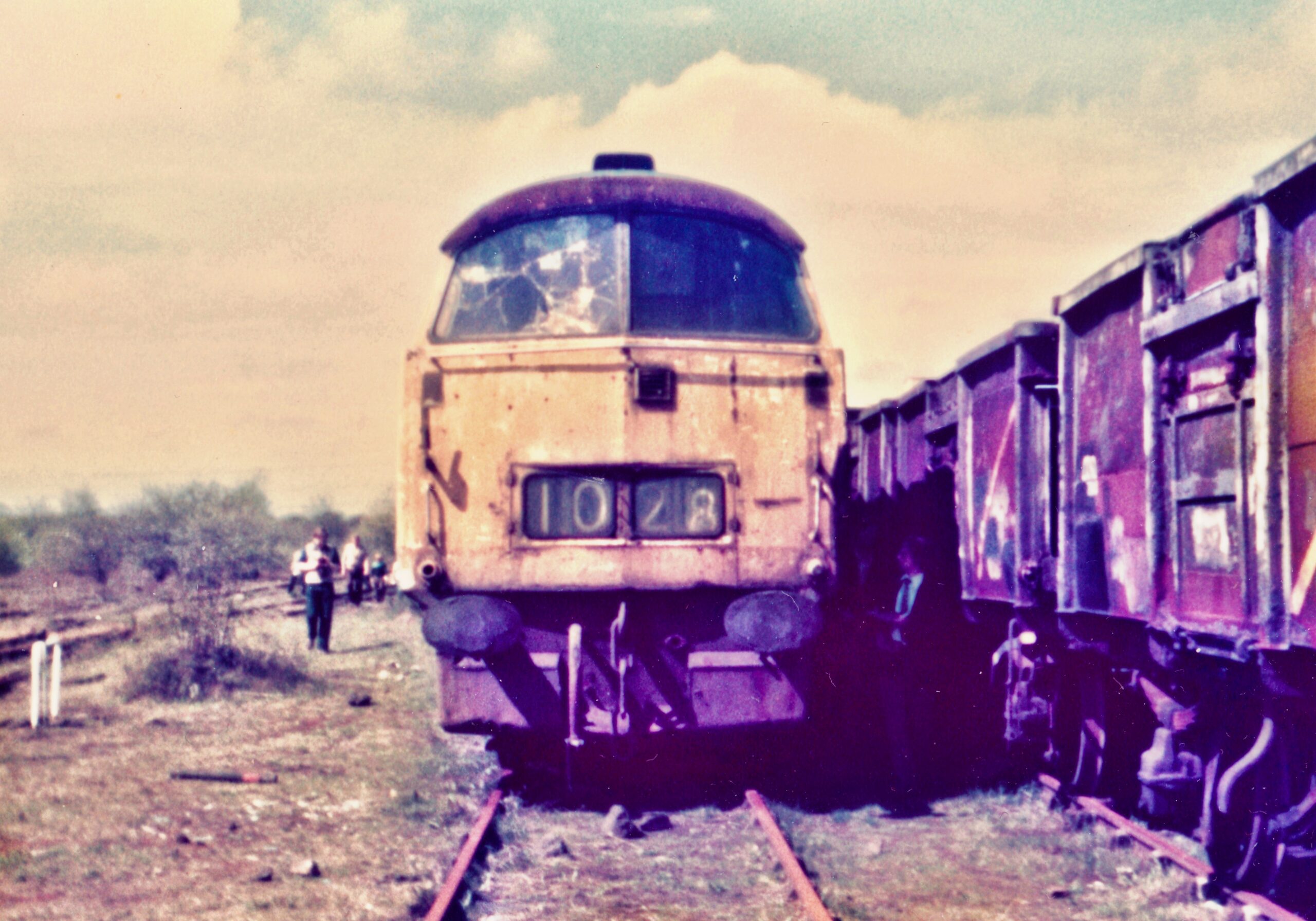
Class 52 Western Diesel Hydraulic No. D1028 ‘Western Hussar’ in the scrap line at Swindon Works. Built at Swindon in 1964, the locomotive was withdrawn on October 5th 1976. She was cut up a month after this photograph was taken – 13/05/1979D1041 ‘Western Prince’ at Swindon. She was withdrawn from service in February 1977 but was rescued from being cut up by the East Lancashire Diesel Group and is one of the original diesel locos based at Bury – 13/05/1979
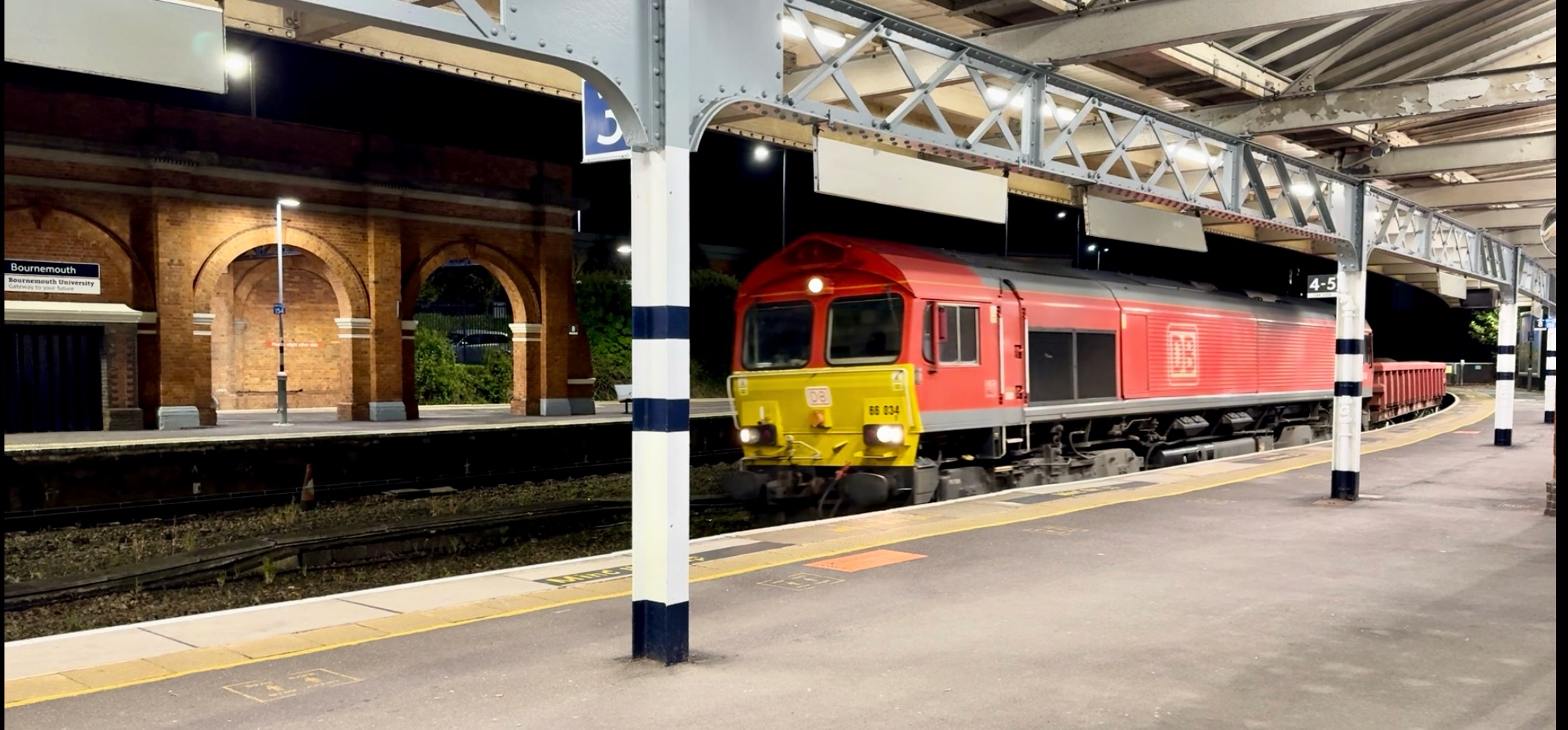
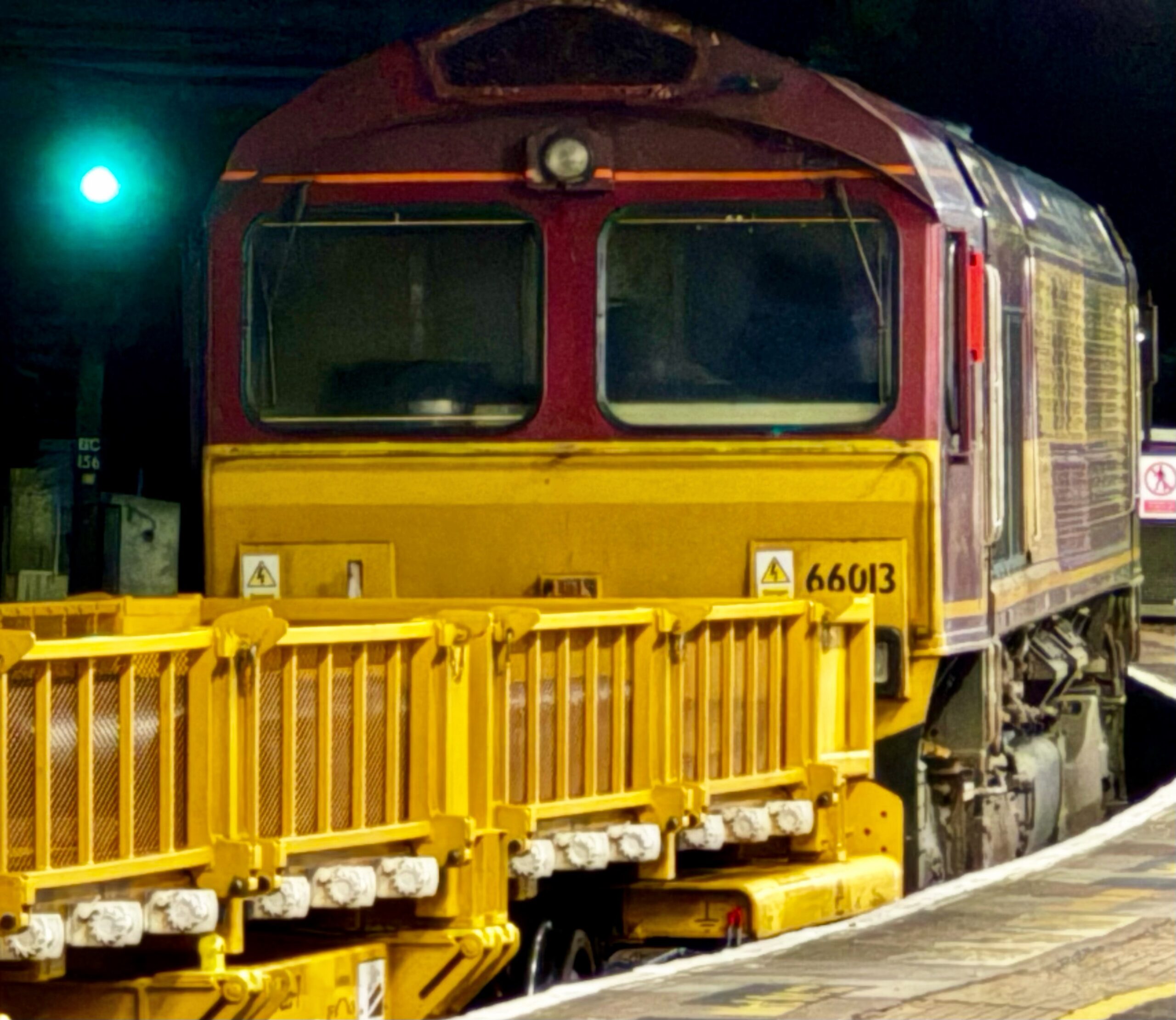
DB Class 66 No. 66013 awaits departure from Bournemouth in the early hours of Saturday working 6N04 0029 Eastleigh East Yard to Sway – 04/11/2023
November 3rd 2023 to November 10th 2023
Engineering work over the weekend in Hampshire meant that a replacement bus service operated between Southampton and Bournemouth with a shuttle train service between Bournemouth and Weymouth. The early hours of Saturday morning saw an engineers train originating from Eastleigh East Yard scheduled to reverse at Bournemouth before working back in the direction it had come towards Sway as 6N04 0029 Eastleigh East Yard to Sway. Despite the last passenger service arriving from London Waterloo yet to arrive, Bournemouth railway station was locked up on my arrival. I had hoped to practice some night photography with the DSLR mounted on a tripod, but had to resort to using the phone camera instead! Thankfully Bournemouth has several gates and fences from which it is possible to see trains arriving and departing and I didn’t have to wait long before Class 66 No. 66034 appeared into view.
Video screen grab of DB Class 66 No. 66134 arriving at Bournemouth with 6N04 0029 Eastleigh East Yard to Sway engineers train – 04/11/2023DB Class 66 No. 66013 at the London end of 6N04 0029 Eastleigh East Yard to Sway – 04/11/2023DB Class 66 No. 66013 which worked into Bournemouth at the rear of 6N04 0029 Eastleigh East Yard to Sway – 04/11/2023
Video of 6N04 0029 Eastleigh East Yard to Sway at Bournemouth – 04/11/2023
I thought it was about time that I caught up with one of the South Western Railway (SWR) Class 458’s which have been on test runs from Bournemouth Traction and Rolling Stock Maintenance Depot (T&RSMD) to Basingstoke, Southampton and Havant over the last few weeks. So, on Friday afternoon I found myself back on Branksome railway station awaiting the arrival of No.’s 458405 and 458407 working 5Q91 1320 Basingstoke to Bournemouth T&R.S.M.D, that days return trip for the units.
SWR Class 458 No. 458405 leads into Branksome with 5Q91 1320 Basingstoke to Bournemouth TRSMD – 03/11/2023SWR Class 458 No. 458407 having arrived at Branksome as the rear unit working 5Q91 1320 Basingstoke to Bournemouth TRSMD about to reverse back into the depot – 03/11/2023
The Class 458 (5-JUP) third-rail electric multiple unit (EMU) belong to the Alstom Coradia Juniper family, built at Washwood Heath, Birmingham between 1998 and 2002 for South West Trains (SWT). The order for the original fleet of 30 four car trains was placed in 1997, and delivery of the first unit followed in October 1998. On introduction the new trains were troubled by several issues, including leaking roofs with water entering the driver’s cabs and passenger areas. Onboard electronics repeatedly failed, affecting the air-conditioning and traction systems, and the Train Management System (TMS) software also proved to be unreliable. Unique amongst the Juniper family of trains, the Class 458’s were provided with end gangways on the driving cars allowing passengers and crew to move between coupled units, however, further frustrations were encountered when it came to coupling the units together which could take up to 30 minutes – a great deal longer than the usual few minutes expected across the network. SWT therefore had no choice but to treat the 458’s as being semi-permanently coupled in pairs. The first Class 458 ran in revenue earning service in February 2000, but even then only two units (No.’s 458004 and 458005) were available for use. The protracted and problematical introduction of these units influenced SWT’s decision in April 2001 to replace the rest of its slam door EMU’s with an order of 785 Siemens Desiro Class 444 and 450 vehicles.
Reliability remained poor and in January 2004 SWT announced that they would withdraw the entire Class 458 fleet at the December 2005 timetable change in readiness to return them to leasing company, Porterbrook, in February 2006. It was later agreed that the Junipers could stay in service on a pay-per-use basis beyond the original end of the lease. In September 2006 the Department for Transport (DafT) awarded SWT a new ten-year contract to operate the South Western franchise, commencing in February 2007. SWT therefore implemented a new rolling stock plan that called for the withdrawal of its 24 Class 442 “Wessex Electric” units with Class 444 and 450 Desiro’s taking over their diagrams, with any short falls in service levels being covered by re-activating the Class 458 fleet. Between 2008 and 2010 the fleet was ‘refreshed’ at Bournemouth Traincare Depot, during which process the units were fitted with CCTV, new seats and tables in first class, and modified Rail Vehicle Accessibility Regulations (RVAR) 1998 compliant lavatories and doorway lights. The interiors were also cleaned and repainted.
How the exterior of the Class 458’s originally looked – No. 458006 stands at Weymouth during a test run – 18/08/2008 (John Chappell)
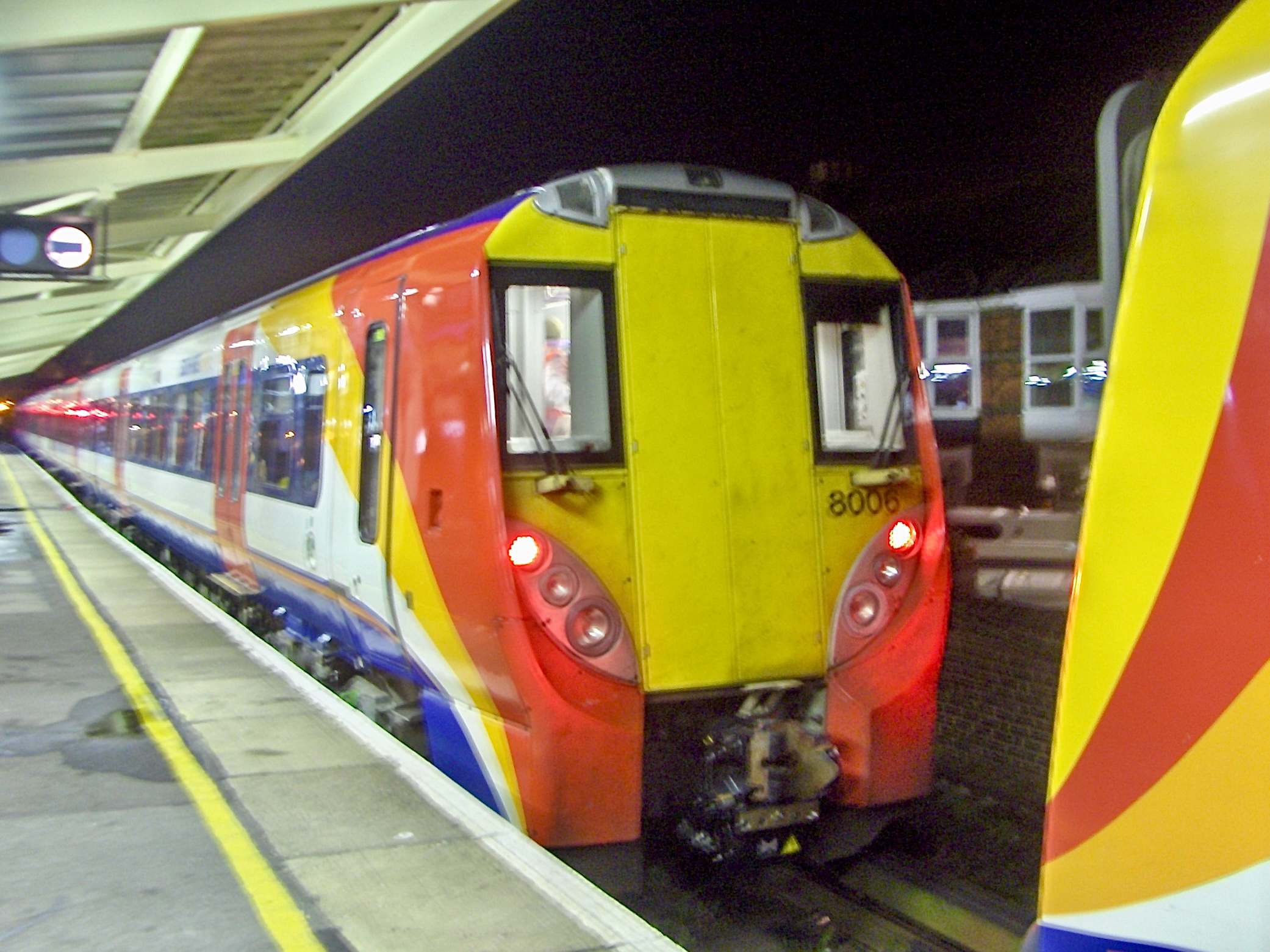
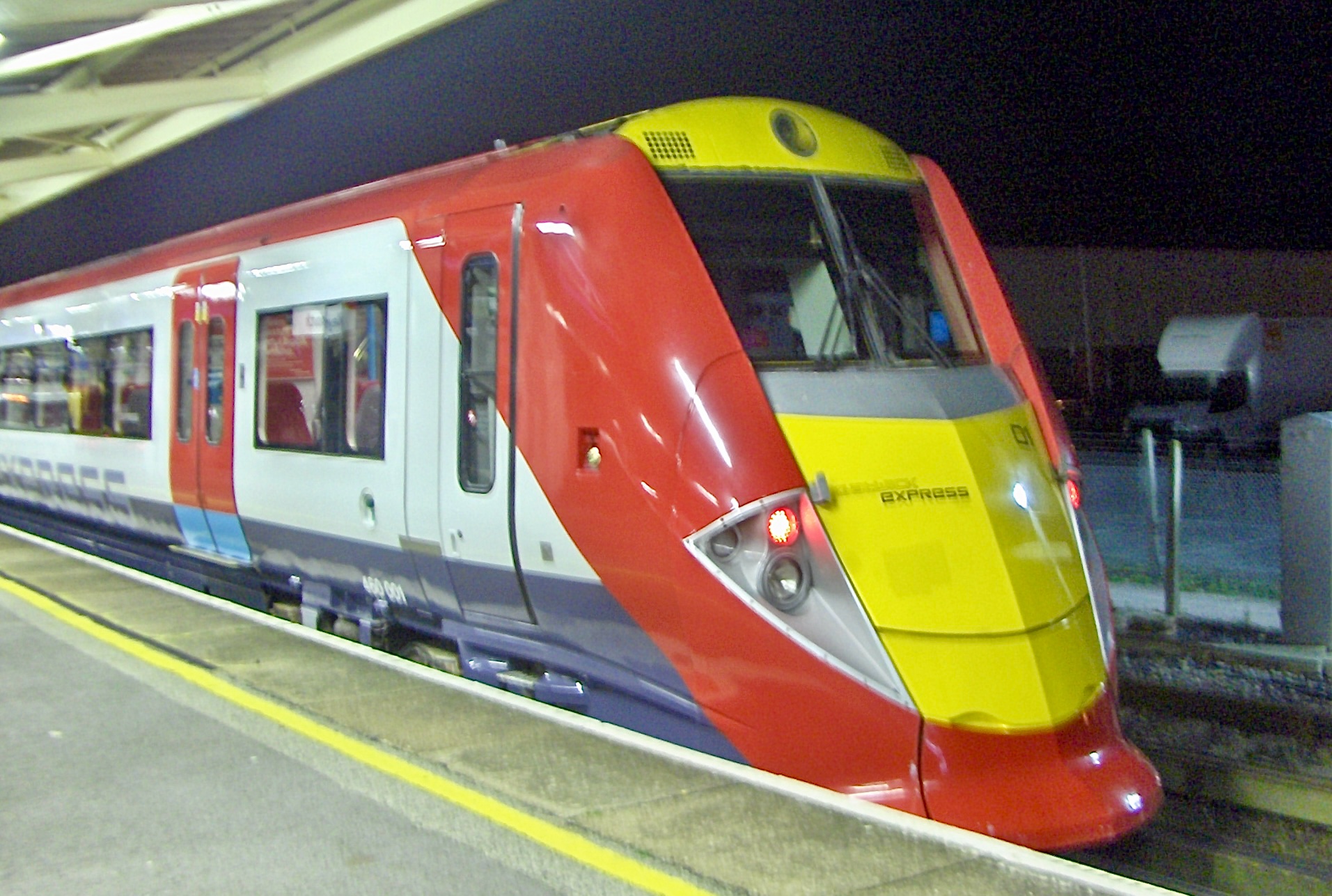
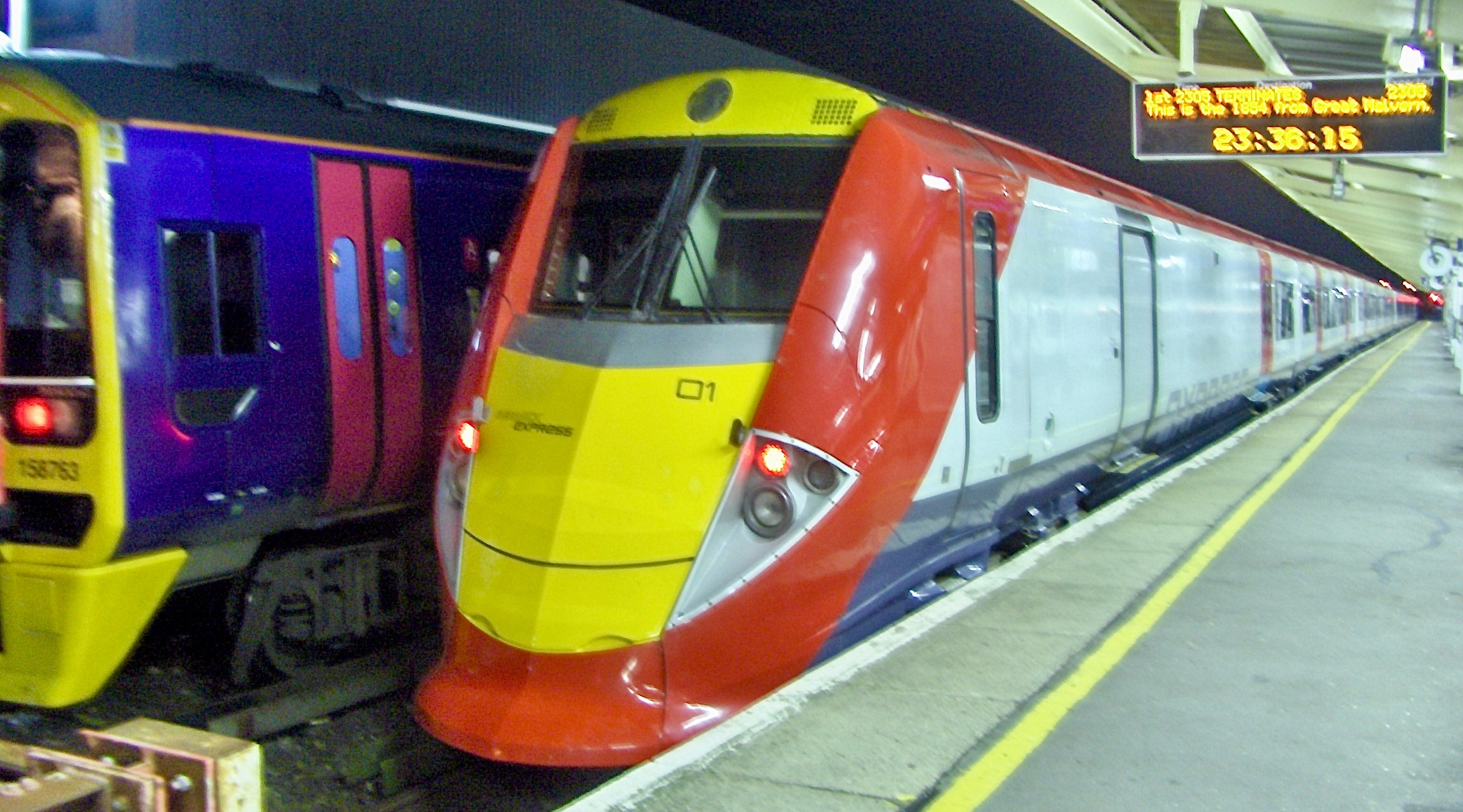
The first unit to be refreshed No. 458006 was involved in test runs to Weymouth in August 2008. Later the same year trials of regenerative braking were undertaken between Weymouth and Dorchester South and Wareham using No.’s 458027 / 458002 or 458029 as the calibration unit with Gatwick Express Class 460 No. 460001 on passing tests along with slam-door units 3-CIG No. 1497 and 4-VEP No. 3417 as static units. Energy produced by a standard train braking is lost, but a regenerative braking system returns electricity to the third rail system, allowing trains in close proximity to draw on the electrical supply. These and subsequent trials were successful with regenerative braking enabled across all 30 Class 458 units by mid-2011.
Class 460 Gatwick Express EMU No. 460001 at Weymouth during regenerative braking test runs. It’s no surprise these units earned the nickname of “Vaders” – 24/10/2008 (John Chappell)Class 460 No. 460001 at the buffer stops in Weymouth during regenerative braking test runs – 24/10/2008 (John Chappell)Class 458 No. 8029 and Class 460 No. 460001 at Weymouth taking part in regenerative braking tests – 25/10/2008 (John Chappell)
By the end of 2012 the fleet was achieving an average distance of 106,049 miles between significant failures making them the most reliable fleet in the UK with the first to achieve six figure mileages. It was around this time that SWT looked to supplement their fleet with additional Desiro units, but a request for funding was turned down by DafT. Instead a £42 million proposal was accepted from Porterbrook whereby the Class 458 fleet would reconfigured into five car trains for use on suburban services by supplementing the original four carriage units with vehicles extracted from the Class 460 fleet, which Porterbrook also owned and was at that time being released from service with Gatwick Express. The Class 460 cars would be comprehensively rebuilt to match the Class 458 units providing a total fleet of 36 5-car units that would be designated Class 458/5 providing increased capacity on services into London Waterloo. The contract for the conversion work was awarded to Alstom who in turn contracted Westinghouse Air Brake Technologies Corporation (Wabtec) based in Doncaster. The traction motors were re-geared to reduce the train’s maximum speed from 100 mph to 75 mph reducing the likelihood of overheating when making frequent stops and starts, and because the higher speed was deemed unnecessary on suburban services. The first two converted Class 460 units entered into passenger service in March 2014 which enabled SWT to release original Class 458/0 units for rebuilding, the project being completed in March 2016.
Class 458 No. 458503 stands in the shed at Bournemouth TRSMD – 28/01/2023
In August 2017, the South Western franchise became a FirstGroup/MTR joint venture named South Western Railway (SWR) who ordered a new fleet of 750 vehicles to be designated Class 701 from Bombardier Transportation intended as replacements for Class 455, 456, 458, and 707 on South Western suburban services from late 2019 onwards. As regular readers will know, continuing delays to the Class 701 program, with these trains yet to enter passenger carrying service, have kept all four older fleets in use into the 2020’s.
Class 458 No. 458530 adjacent to the train-wash at Bournemouth Depot, once the line to Somerset & Dorset Railway terminus at Bournemouth West – 28/01/2023
In March 2021 SWR announced that 28 Class 458/5 units would be refurbished and redeployed on long-distance services along the Portsmouth Direct line. This was as a result of the company deciding to abandon their original plan to use upgraded Class 442 units for this purpose citing continuing technical difficulties and future problems complying with accessibility regulations. As part of the refurbishment the Class 460 vehicle previously added is being removed and the passenger saloons modified by Alstom at Widnes Transport Tech in Cheshire at a cost of £25 million. The original maximum speed of 100 mph will be restored and the reconfigured units, leased from Porterbrook until 2027 at least, will be based at Bournemouth Traction and Rolling Stock Maintenance Depot. The first two units sent for refurbishment were No.’s 458507 and 458517 which arrived in Widnes during August 2022.
Video of Class 458 No. 458405 and 458407 on test at Branksome – 03/11/2023
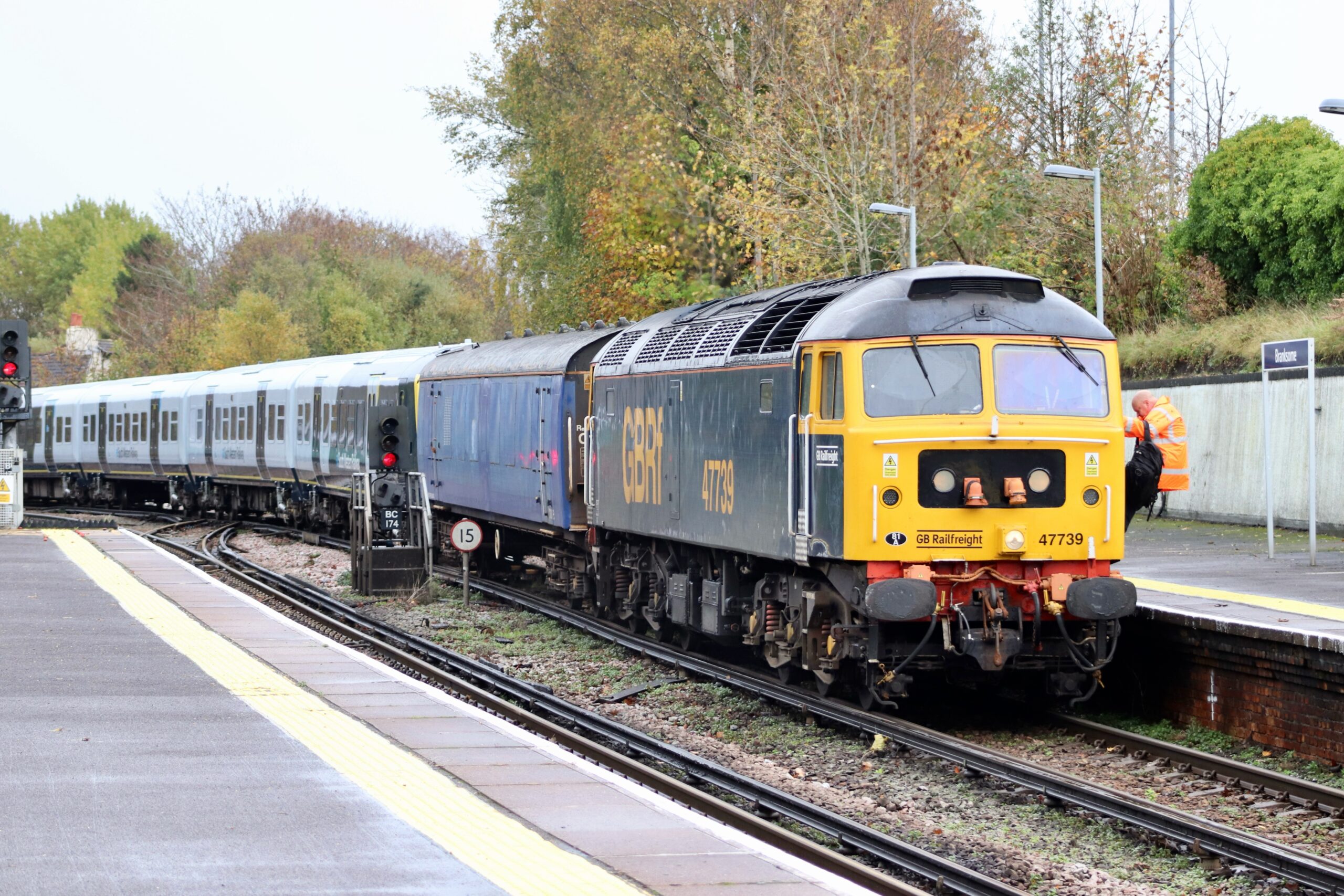
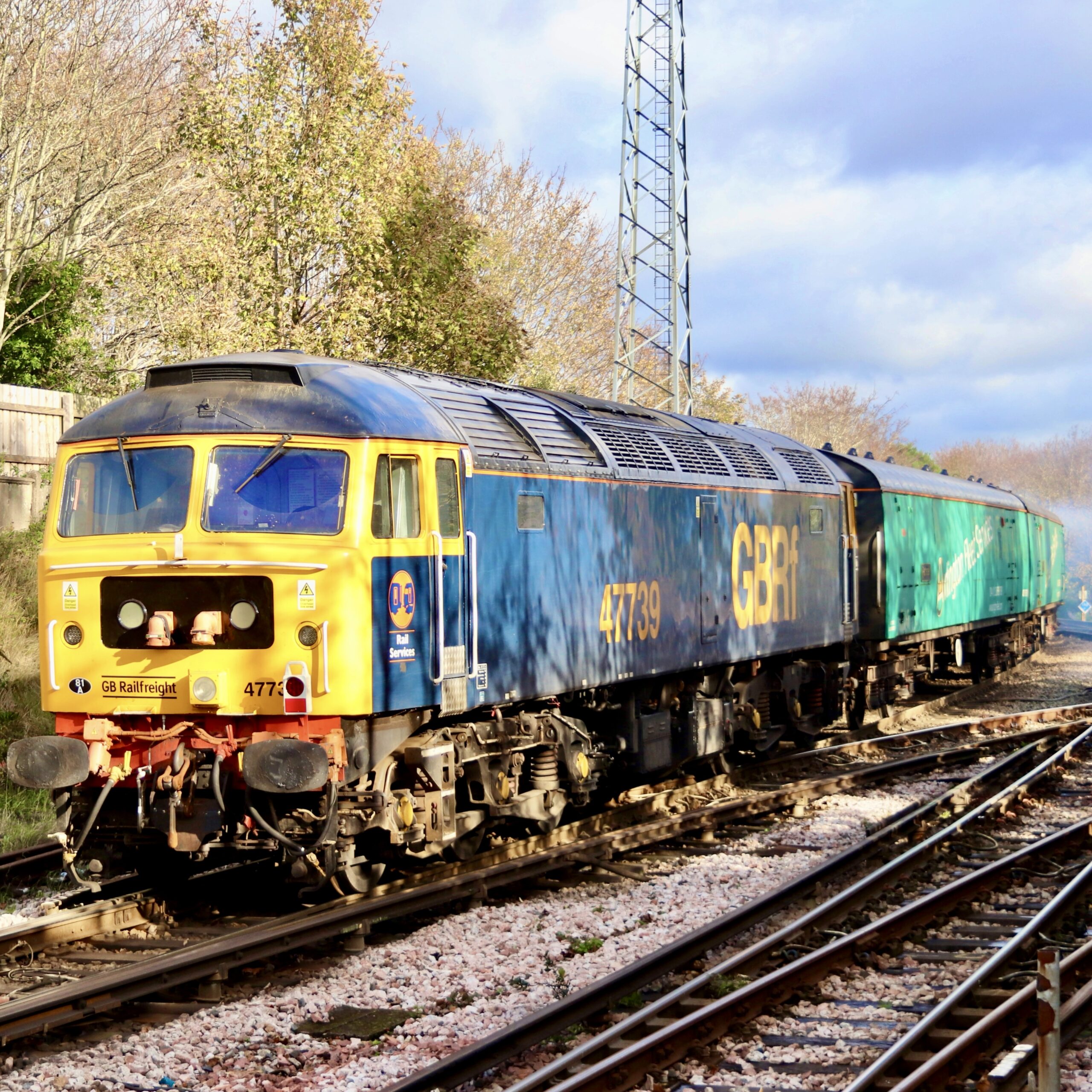
5X73 0812 Wembley Receptions 1-7 to Bournemouth T&R.S.M.D ran on Wednesday 8th November consisting of Class 47 No. 47739, Class 56 No. 56081 and refurbished Class 458 No. 458428. I saw the train arriving at Branksome.
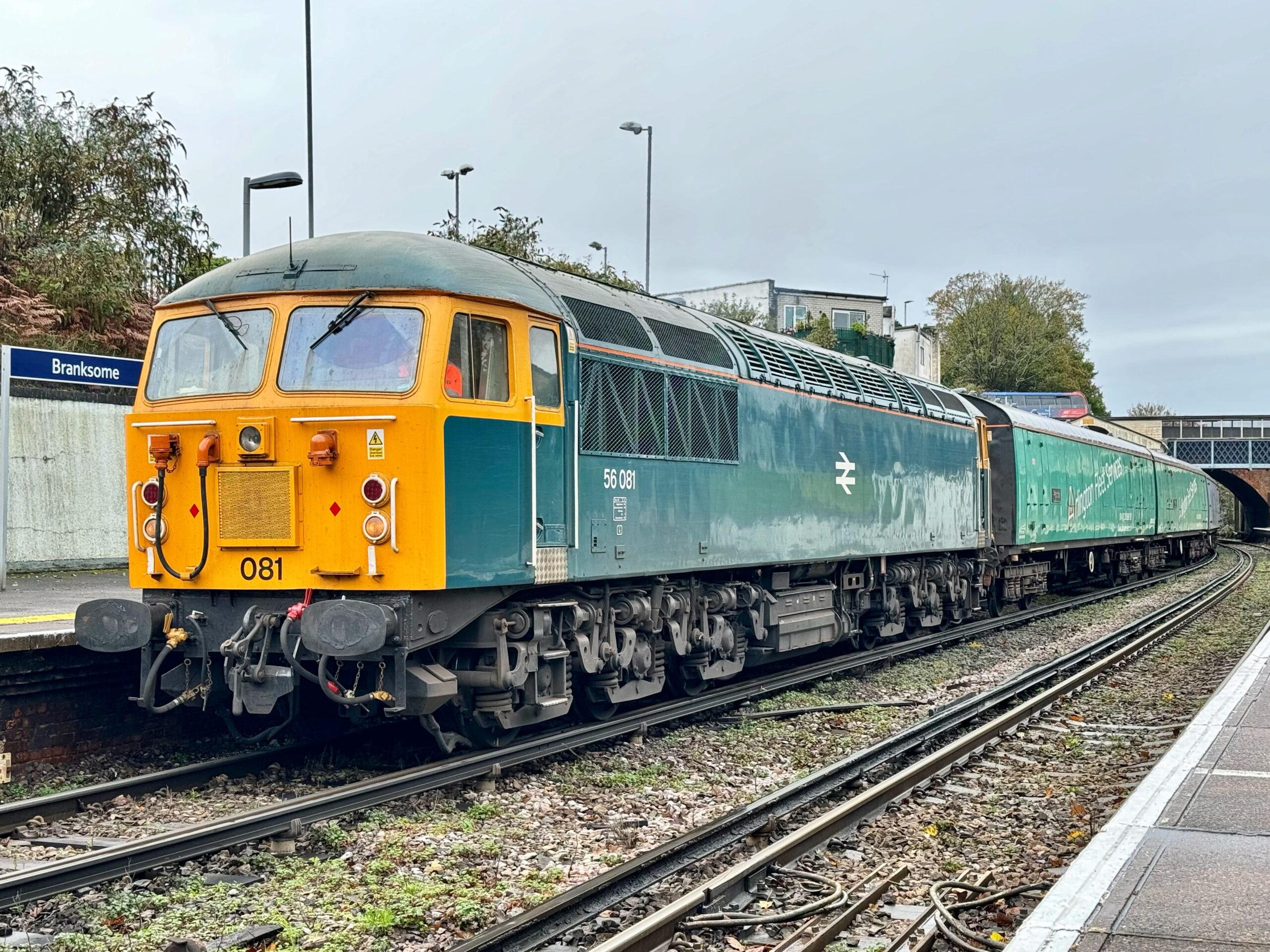
GBRf Class 47 No. 47739 slows on arrival at Branksome to allow a driver to climb down from the locomotive ready to take control of Class 56 No. 56081 and lead in to Bournemouth Depot with Class 458 No. 458428 – 08/11/2023Class 56 No. 56081 at Branksome working 5X73 0812 Wembley Receptions 1-7 to Bournemouth T&R.S.M.D into the depot – 08/11/2023
The planned return working as 5Q73 1612½ Bournemouth T&R.S.M.D to Widnes Transport Tech this time with the locomotives transporting un-refurbished Class 458/5 No. 458524 was cancelled as route clearance was withheld because of paperwork issues, the consist actually getting away the following evening as 5Q73 1810 Bournemouth TRSMD to Widnes Transport Tech. With only 20 minutes notice from the train movement being added to Real Time Trains, I was unable to get over to Branksome to see it depart. However, things didn’t go quite to plan as the train came to a stand at Christchurch because the brakes on the Class 458 were found to be on! If the brakes developed a fault in transit, or someone forgot to release them prior to departure is a moment of speculation at present. Eventually, after causing much disruption to passenger services as the up line was effectively blocked, the train reversed wrong line to Bournemouth. It then returned to the depot where the unit was removed from the consist and moved to the maintenance side of the yard. Many thanks to Bob for alerting me to the fact the train had been stopped at Christchurch as well as keeping me updated. Thanks also to Jamie and Nick for updates. I was otherwise occupied watching Heaven 17 at the O2 Academy in Boscombe!
Heaven 17 on stage at the O2 Academy in Bournemouth – 09/11/2023
Opened in 1895 as the Grand Pavilion Theatre it became The Boscombe Grand Theatre in 1899 and renamed Hippodrome in c.1910. First used as a circus, the venue was built as part of a development including the spacious Boscombe Arcade and Salisbury Hotel. Throughout its life the building has experienced several changes including being converted into a dance hall, a Royal Ballroom and was a renowned venue for the disco era of the 70’s, club acts of the 80’s and the dance explosion of the 90’s. It consists basically of three, very tall, mullioned and transomed windows each surmounted by a Flemish gable. The auditorium is beautiful and looks very much like an early music hall. Above the flat main floor is a shallow balcony carried on iron columns with a semi-circular end and straight side arms and an openwork iron balustrade incorporating acanthus leaf decoration. Tall, slender iron columns rise from the front edge of the balcony to support a curved ceiling and lateral arcade, with florid openwork spandrel decoration. A wide promenade runs around the rear of the balcony, above which, carried on a further ring of columns, is a second, shallower balcony set back behind the arcade. The galleries originally ran straight up to the proscenium wall, but in 1910 a range of paired boxes were placed either side, flanked by giant composite columns and decorated with Baroque plasterwork. At the same time the proscenium was reconstructed – a tall plaster frame, straight-headed with rounded corners. In December 1982 it reopened as The Academy night club with a flat floor but with the stage remaining in place. The main auditorium is still the heart of the Grade II listed hall which became a music venue in 2009 following a major refurbishment in 2006.
The Class 56 and the Class 47 finally left Dorset on Friday 10th November taking the barrier coaches with them, but no Class 458/5 for refurbishment. This time I had almost 30 minutes to drive over to Branksome railway station and just made it as No. 47739 crawled out of Bournemouth TRSMD.
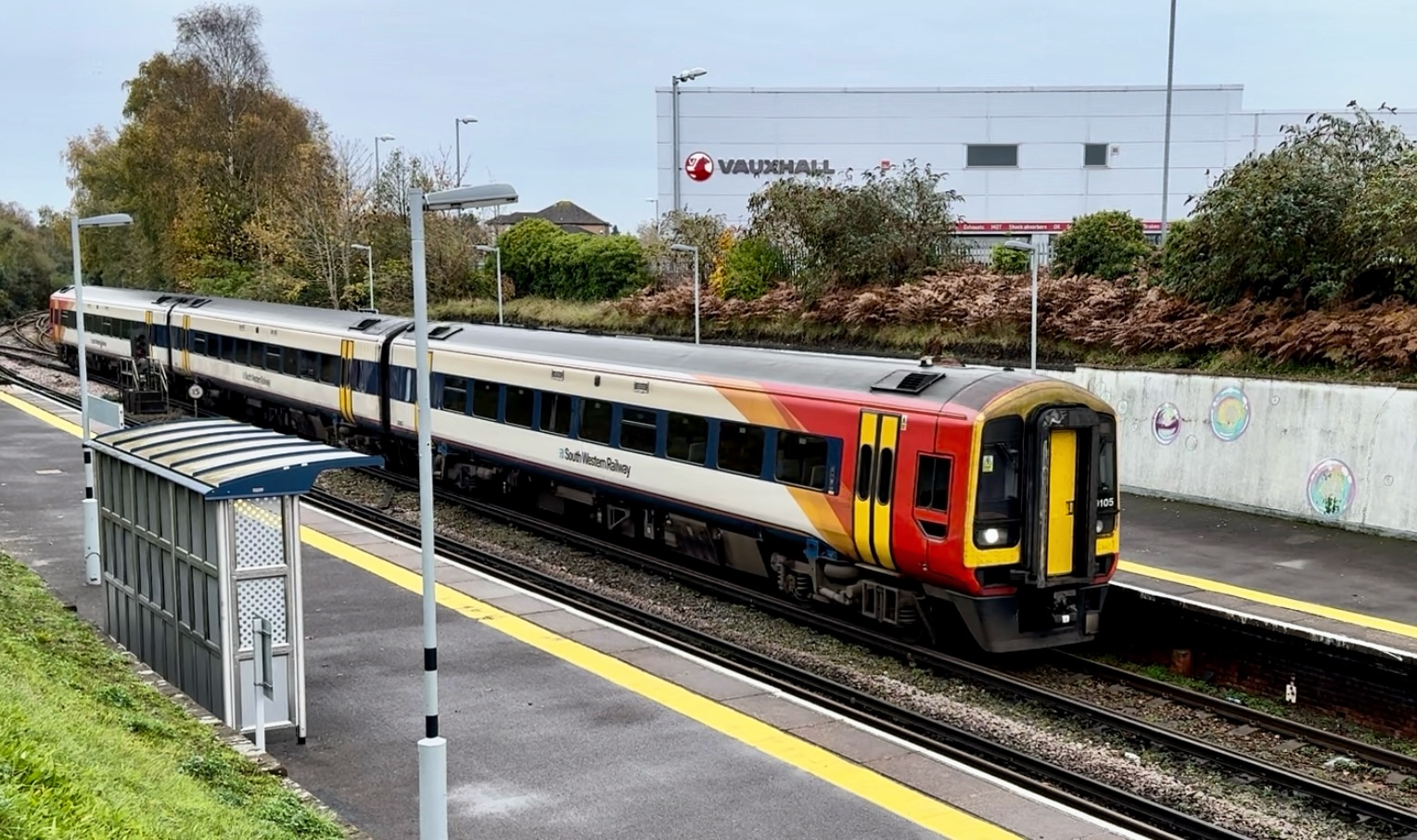
Class 56 No. 56081 makes a stirring departure from Branksome working 5M55 1232 Bournemouth T&RSMD to Leicester L.I.P. – 10/11/2023Class 47 No. 47739 at the rear of 5M55 1232 Bournemouth T&RSMD to Leicester L.I.P. departing Branksome – 10/11/2023SWR Class 159 No. 159105 arrives at Branksome forming 5Y14 1141 Salisbury TRSMD to Bournemouth TRSMD – 08/11/2023
Workings at Branksome on 8th and 10th November 2023
For The Record:
In other news, Bournemouth, Christchurch and Poole are to get new dedicated Transport Safety Officers (TSO’s) on public transport to help stamp out anti-social behaviour on buses, trains and trams as part of a £2.5m Department of Transport funded pilot scheme. The TSO’s will patrol targeted routes and locations, working in co-ordination with local police forces and the British Transport Police (BTP). The officers will work to improve safety with an emphasis on engagement and education, however, they will also hold the power to issue fixed penalty notices in response to certain antisocial behaviour. Along with the BCP area, Lancashire, Stoke-on-Trent and Thurrock will also be part of the trial scheme and local authorities will be able to develop and implement approaches that deal with the specific needs of their local area.
Despite a good summer season and a 19% increase in footfall generally, the Swanage Railway is still experiencing lower visitor numbers than before the pandemic while costs have continued to rise, especially in coal and energy costs due to the war in Ukraine, plus unexpected expenditure such as the repairs to Bridge 11. In an attempt to ease the situation, a “Save Your Railway” appeal has been launched with the aim of raising £450,000 to support the heritage line through to the beginning of the 2024 running season. In the meantime a programme of changes are being implemented designed to make the heritage line more efficient and effective, attracting increasing numbers of passengers. To donate, please click through here.
The National Union of Rail, Maritime and Transport Workers union (RMT) and Rail Delivery Group (RDG) have both agreed on a Memorandum of Understanding (MoU) in the ongoing rail dispute over pay and conditions. The MoU sets out how the dispute can be developed with a mutually agreed way forward. Some of the agreements include a backdated payrise for 2022 as well as staff and job security guarantees. This will now be put forward to RMT members employed by each of the Train Operating Companies (TOC’s), including SWR and Great Western Railway (GWR) in a referendum vote. If accepted, the MoU will terminate the national dispute mandate and create a pause in industrial action over the Christmas period and into Spring.
The monthly 1Z22 Derby RTC to Bristol Kingsland Road test train via Weymouth was turned around at Yeovil Pen Mill (again) without reaching the Dorset seaside town on 8th November 2023. This time Class 43 HST power cars No.’s 43257 and 43274 were deprived of sea, sand and ice-cream.
That brings us to the end of another blog entry. Thanks for reading! Be seeing you!
Yoshi enjoyed our morning walk around Holes Bay on 07/11/2023
Definitely not coming to a cinema near you anytime soon! A movie poster created using Microsoft Bing Creator Artificial Intelligence.
October 26th 2023 to November 2nd 2023
It was very quiet around these parts this last week. Nothing much of note to report on the rails of Dorset as far as I’m aware. Storm Ciarán hit the South West in the early hours of Thursday 2nd November with the BBC reporting train lines ground to a halt, with some rail operators telling commuters to work from home – and drivers in the south and west of UK were told to avoid coastal roads. South Western Railway (SWR) ran a revised service during the day and warned of the weather conditions ability to cause flooding, landslips, low adhesion from increased leaf fall and debris on the tracks. Across the South West of England, there were no Great Western Railway (GWR) services in Cornwall because of flooding and fallen trees. The line was also closed between Exeter and Taunton, Salisbury and Southampton, Reading to Gatwick and a reduced service to Heathrow. Locally, SWR Weymouth services terminated at Bournemouth with an hourly shuttle service between Bournemouth to Weymouth providing half the normal frequency. The line between Bournemouth and Hinton Admiral was blocked for a time due to heavy flooding. A pair of two-car SWR Class 158 Diesel Multiple Units No.’s 158884/886 then formed a shuttle service between Bournemouth and Brockenhurst. CrossCountry (XR) services to Bournemouth were also disrupted with several services stopping short at Brockenhurst. Brittany Ferries cancelled most of their services on Wednesday and Thursday, while Condor Ferries suspended all sailings on these two days.
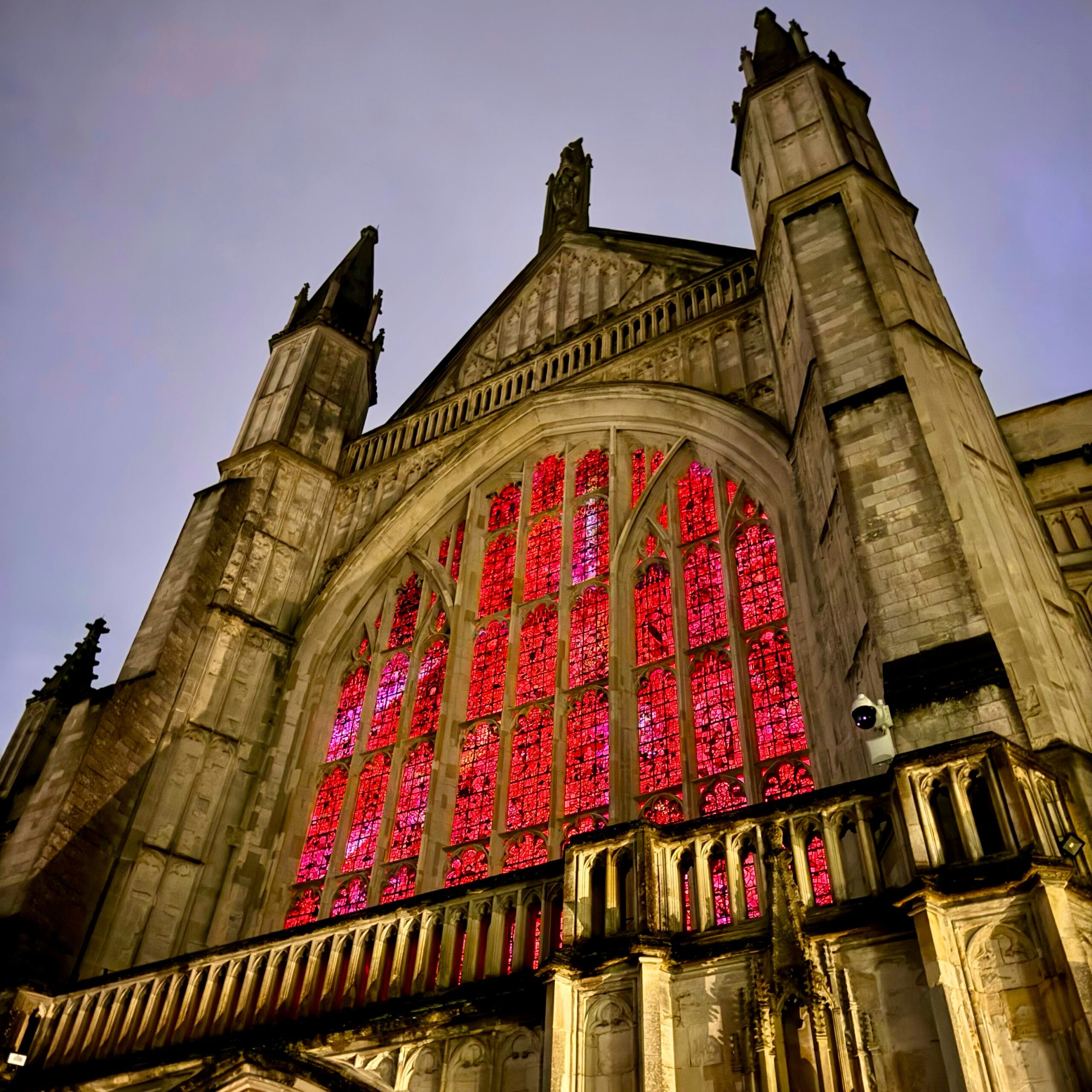
Tuesday evening I was in Winchester visiting the Cathedral to see “Poppy Fields” an immersive light and sound show by Luxmuralis. Billed as a “spectacular light and sound show which takes you on a mesmerising journey of reflection and hope”, the art installation did not disappoint. Developed from the concept of “son et Lumiere” Luxmuralis is a collaborative team combining artists from different backgrounds and artistic disciplines who create works across multimedia and presentation formats whilst exploring the development of fine art tradition through new media ultimately taking the medium onto the streets and providing access to visual artwork in public as well as unexpected places.
Winchester Cathedral – 31/10/2023
“Poppy Fields” was sponsored by South Western Railway and was presented at Winchester Cathedral from 31stOctober to 4th November 2023. Appropriately enough, we took the train for our visit, arriving in the City in good time for our ticketed time of 2000. By good judgement of the stewards in attendance we were allowed early access to the cathedral due to the wet weather and joined a queue of other eager first night attendees.
“Poppy Fields” at Winchester Cathedral created by Luxmuralis – 31/10/2023“Poppy Fields” at Winchester Cathedral created by Luxmuralis – 31/10/2023“Poppy Fields” at Winchester Cathedral created by Luxmuralis – 31/10/2023“Poppy Fields” at Winchester Cathedral created by Luxmuralis – 31/10/2023
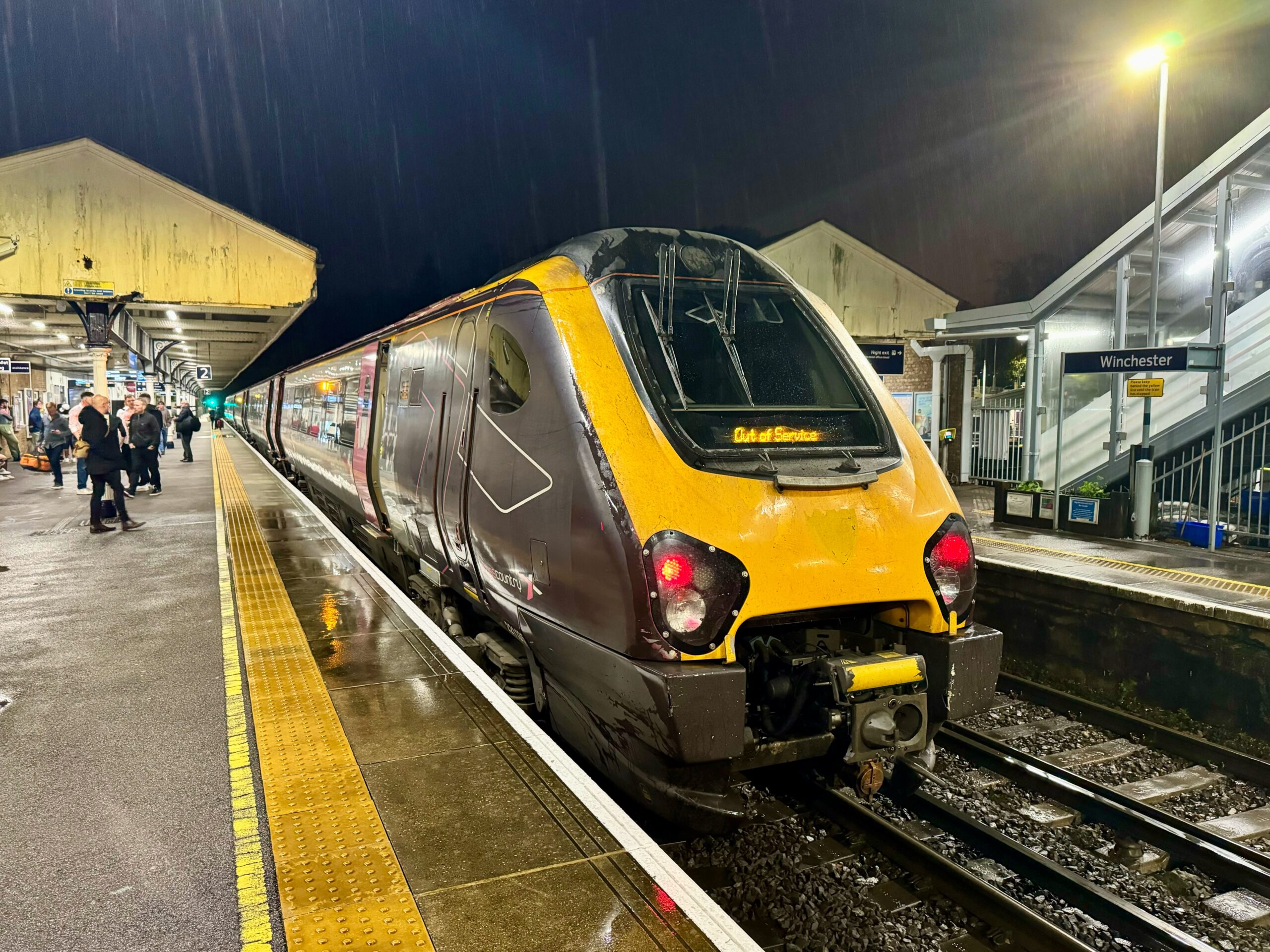
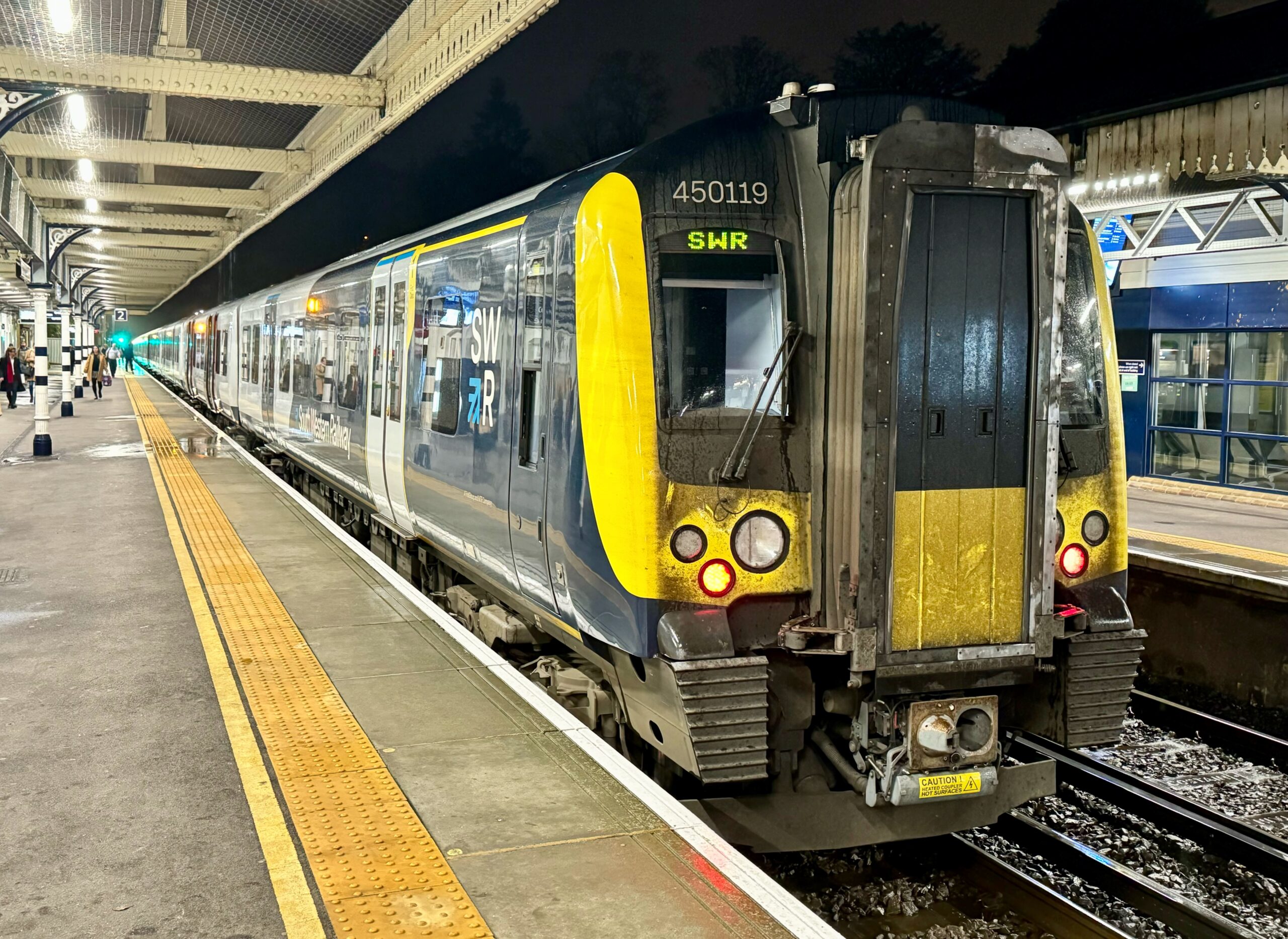
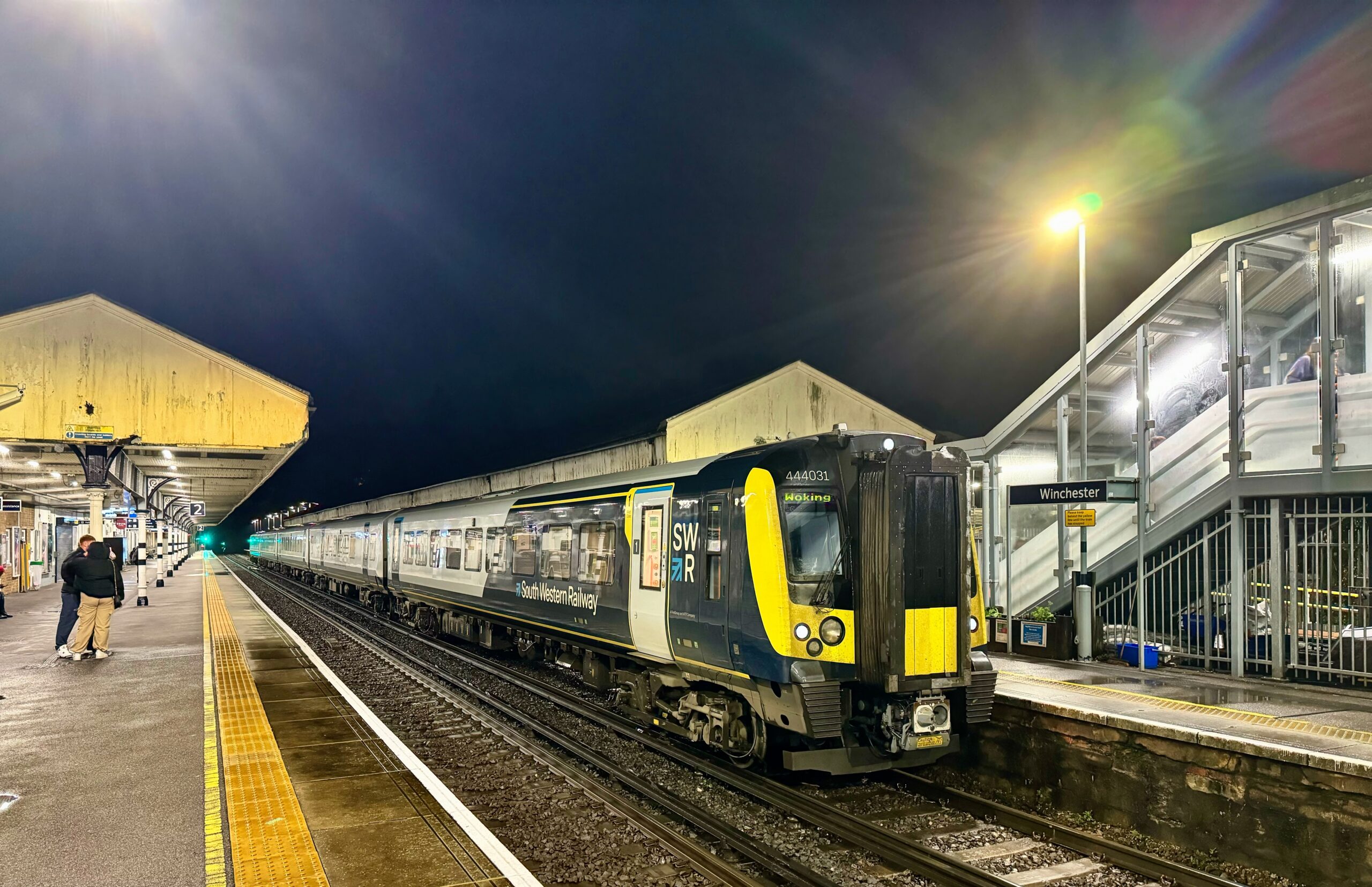
Unfortunately our usual good time keeping was lacking for our return journey and this, compounded by our SWR service departing Winchester early meant that we were left on the station platform with the last train west of Poole disappearing into the night. Taking a screen grab from Real Time Trains of evidence, one of our party had the foresight to contact the SWR helpline to advise of the situation with the result that within the hour we were heading home in a taxi (which had come all the way from Southampton to collect us!) provided by the railway company. While our transport was on its way, I obviously took the opportunity to see a couple of freight trains passing through Winchester amongst an assortment of SWR Class 450’s, 444’s and a XR Class 221 Voyager.
CrossCountry Voyager Class 221 No. 221135 working 1O30 1825 Manchester Piccadilly to Winchester. This service would normally run to Bournemouth but on this occasion terminated short at Winchester, the unit moving forward as 5Z30 2228 Winchester to Eastleigh TRSMD empty coaching stock – 31/10/2023
Winchester railway station was opened on 10th June 1839 by the London and Southampton Railway as a temporary terminus for the Winchester to Southampton section. Another station was opened at Basingstoke on the same day, which acted as the temporary terminus of the London to Basingstoke section. The line connecting Winchester and Basingstoke completed in March 1840.
Another line was constructed to run via Guildford, Farnham and Alton, which joined the main line north of Winchester. The present day line runs via Aldershot instead of Guildford, and the line finishes at Alton. British Rail closed the line from Alton to Winchester in 1973 but a section from Alton to Alresford is preserved as the Watercress Line.
The Great Western Railway had their own line having absorbed the Didcot, Newbury and Southampton Railway which opened in stages between 1882 and 1885. This used a separate station on the eastern side of Winchester, when opened called Winchester Cheesehill, which I think is an excellent name but this was later changed to Winchester (Chesil). It was renamed again in 1949 when the brackets were dropped and the station became known as Winchester Chesil, whilst Winchester’s main station was renamed Winchester City. When Chesil closed in 1966, British Rail (BR) changed the station name from Winchester City during the following year to Winchester as it is known today.
SWR Class 450 No. 450119 at Winchester working 1B73 2205 London Waterloo to Bournemouth in tandem with Class 444 No. 444012 – 31/10/2023Class 444 No. 444031 stops at Winchester working 1W82 2100 Weymouth to Woking – 31/10/2023
Video from an hours sojourn at Winchester railway station – 31/10/2023
In other news, the government has cancelled rail industry plans for the mass closure of ticket offices in England, saying they failed to reach the “high threshold of serving passengers”. You may recall The Rail Delivery Group (RDG) had announced over the summer that it intended to shut almost all of the nation’s 1,007 train station ticketing outlets in an effort to reduce costs after a ‘post-COVID fall in passenger numbers’. Following a public outcry over the three week public consultation period running from 5th to 26th July as originally proposed, this was hastily extended to 1st September. Although the cost-cutting proposals were made by the train operators managing the station offices, they were widely understood to have been pushed by a government eager to trim the subsidy for rail. According to the passenger watchdogs managing the survey after receiving over 750,000 responses to the consultation, with what is believed to have been a figure of around 99% of which were objections, the Transport Secretary Mark Harper confirmed he had asked train operators to “withdraw their proposals”.
The government announcement on Tuesday 31st October came after watchdogs Transport Focus and London TravelWatch said they opposed every single planned closure due to concerns over the impact on passenger accessibility. During the previous week a cross-party transport committee of MP’s also warned the plans went “too far, too fast” and described the consultation as lacking in transparency. Prime Minister and private jet enthusiast Rishi Sunak said in September that closing ticket offices was “the right thing for the British public and British taxpayers” because “only one in 10 tickets are sold currently in ticket offices”. However, Mr Harper said in his statement on Tuesday that the government had made clear to the industry throughout the consultation that its proposals “must meet a high threshold of serving passengers”. He added; “We have engaged with accessibility groups throughout this process and listened carefully to passengers as well as my colleagues in parliament. The proposals that have resulted from this process do not meet the high thresholds set by ministers, and so the government has asked train operators to withdraw their proposals. We will continue our work to reform our railways with the expansion of contactless Pay As You Go ticketing, making stations more accessible through our Access for All programme and £350m funding through our Network North plan to improve accessibility at up to 100 stations.”
Another AI generated image from Bing!
A lot of words this week, and not many visuals! Thank you for visiting and for your comments. We’ll be back soon, in the meantime take care and….. be seeing you!